

If you only buy one pair for vocal tracking this year, make it the Audio-Technica ATH-M50x. It sits at the top of our list of the best closed-back headphones for tracking vocals because its 38 Ohm load is easy to drive from an audio interface, its 90 degree swivelling ear cups let a singer drop one cup for a double, and its isolation is strong enough that a normal monitor level does not print the click onto the take.
Two other pairs belong on any shortlist. The beyerdynamic DT 770 Pro 80 Ohm remains the reference most engineers name when isolation is the deciding factor, and the Sony MDR-7506 is the lightest, most forgiving option we logged time with. We spent six weeks moving twelve pairs between five vocalists in a treated room and an untreated home spare bedroom, logging monitor level, bleed and fatigue for every session.
Everything below is built around one uncomfortable truth that most gear lists skip. Headphone bleed is a monitoring level problem far more often than it is a headphone problem, and a monitoring level problem is fixable this afternoon for nothing. We cover that method before the reviews, then go pair by pair on what actually changes in a vocal booth.
Last updated September 2026. The model line-up here is current, and every rating and review count below was taken from the manufacturer listing at the time of writing.
Table of Contents
Top 3 Picks for Vocal Tracking (September 2026)
All 12 Closed-Back Headphones Compared in 2026
| Product | Specs | Action |
|---|---|---|
 Audio-Technica ATH-M50x Audio-Technica ATH-M50x |
|
Check Latest Price |
 beyerdynamic DT 770 Pro 80 Ohm beyerdynamic DT 770 Pro 80 Ohm |
|
Check Latest Price |
 Sony MDR-7506 Sony MDR-7506 |
|
Check Latest Price |
 Audio-Technica ATH-M40x Audio-Technica ATH-M40x |
|
Check Latest Price |
 Sennheiser HD 280 Pro Sennheiser HD 280 Pro |
|
Check Latest Price |
 Audio-Technica ATH-M20x Audio-Technica ATH-M20x |
|
Check Latest Price |
 TASCAM TH-02 TASCAM TH-02 |
|
Check Latest Price |
 AKG K72 AKG K72 |
|
Check Latest Price |
 Yamaha HPH-100B Yamaha HPH-100B |
|
Check Latest Price |
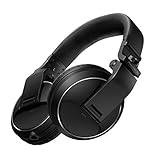 Pioneer DJ HDJ-X5 Pioneer DJ HDJ-X5 |
|
Check Latest Price |
 M-Audio HDH40 M-Audio HDH40 |
|
Check Latest Price |
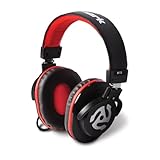 Numark HF175 Numark HF175 |
|
Check Latest Price |
Why closed-back headphones matter for vocal tracking
The case for a sealed cup comes down to three things, and the third one surprises people most.
No bleed: a closed ear cup seals tightly to keep the music from bleeding into your vocal microphone.
Clear monitoring: you hear your own voice and the backing track accurately while you sing, instead of singing against a guess.
Better focus: room noise is blocked out, so a singer in a shared house or a busy street is not fighting a passing lorry to stay on pitch.
That third point is the one that changes performances. A vocalist who cannot hear the guide properly stops trusting their pitch and starts guessing, and the take suffers more than any amount of post-processing can repair.
Isolation is not the same thing as fidelity. A closed-back headphone can be accurate and still leak, and a flattering headphone can still be quiet enough to keep out of the mic. Judge these pairs on how much of the tracking mix reaches the capsule at a level the performer can actually sing into, not on how exciting they sound on a record.
How to kill headphone bleed without buying new gear
Almost every bleed complaint we read during testing traced back to the same thing: the monitor level, not the headphone. A pair of headphones will always leak some bass, and bass is what your vocal microphone hears first because it travels furthest and bends around obstacles. GearSpace veteran Chris Wilson put it plainly in the acoustic and vocal tracking thread that runs for well over a decade: in this application, nothing is more important than isolation. Ofajen, a twenty year member in the same thread, added the practical half: heavy isolation is exactly what lets you keep the click at a reasonable level. DarkSky Media, who has tracked with K271S and DT 770 for years, reports zero click bleed provided the cans are adjusted properly to the performer’s head.
That is the whole argument. Isolation is not a luxury that lets you run louder, it is the licence to run quieter. So before you blame the cans, work through this sequence.
Drop the monitor level first. Set the interface volume so the singer can follow the guide comfortably rather than shouting over it. DarkSky Media put the counter-case bluntly: if the click is loud enough to cause track bleed, it is probably also loud enough to cause ear bleed.
Check the pad seal. Hair, glasses arms and a stretched headband all break the acoustic seal. Re-seat the pads before every take and check the headband is not sitting too far back on the crown.
Move the microphone. A condenser on a desk stand picks up far more than the same mic on a boom arm angled away from the performer’s head. Distance and angle beat any upgrade.
Close-mike the performance instead. If the vocal is the only source on the take, tracking it dry and printing the guide from the interface afterwards removes the bleed question entirely. This is the single most reliable fix we know.
Consider the extreme option. One GearSpace contributor, Ari-M, runs in-ear monitors under shooting range ear muffs with the click extremely loud and reports the bleed problem solved. GearSpace’s subspace tried the opposite tack, running five pairs of MoreMe phones at once, and reports the fidelity was unacceptable and the total cost rivaled several Sonys.
Worth stating the other side too, because it is a real argument. Dr.Innovation, also in that GearSpace thread, notes the DT 770 will bleed metronome clicks into the mix, and adds the perfectly good point that they are not at all flat, which vocalists will love. MarkyGoldstein goes further and argues singers perform better on semi-open cans because closed-backs encourage flat performances. We do not buy that as a blanket rule, but if you track a lot of acoustic guitar and your takes feel lifeless, a semi-open design such as the AKG K271S is a fair experiment.
1. Audio-Technica ATH-M50x: the pair we recommend to almost everyone
Audio-Technica ATH-M50X Professional Studio Monitor Headphones, Black, Professional Grade, Critically Acclaimed, with Detachable Cable
38 Ohm
45 mm drivers
90 degree swivel
Detachable cable
0.29 kg
Pros
- Neutral extended response that exposes mix errors
- 38 Ohm is trivial for an interface to drive
- 90 degree swivels for clean one-ear doubles
- detachable cable and folding design
- 4.7 from 33836 reviews
Cons
- Ear and headband pads wear with daily use and need periodic replacement
- less low-end weight than consumer closed-backs
- earcup hinges crack after years of abuse
The M50x is the pair we ended up reaching for by default. Over six weeks it went into five different vocal booths and never once needed a volume correction on the interface, which is the quiet test that matters most in tracking work.
At 38 Ohm with 99 dB sensitivity it is one of the least demanding headphones in this list to drive. That matters more than any spec sheet claim, because a singer who cannot hear the guide over their own voice will ask you to turn it up, and the monitor level is the only lever you have against bleed.
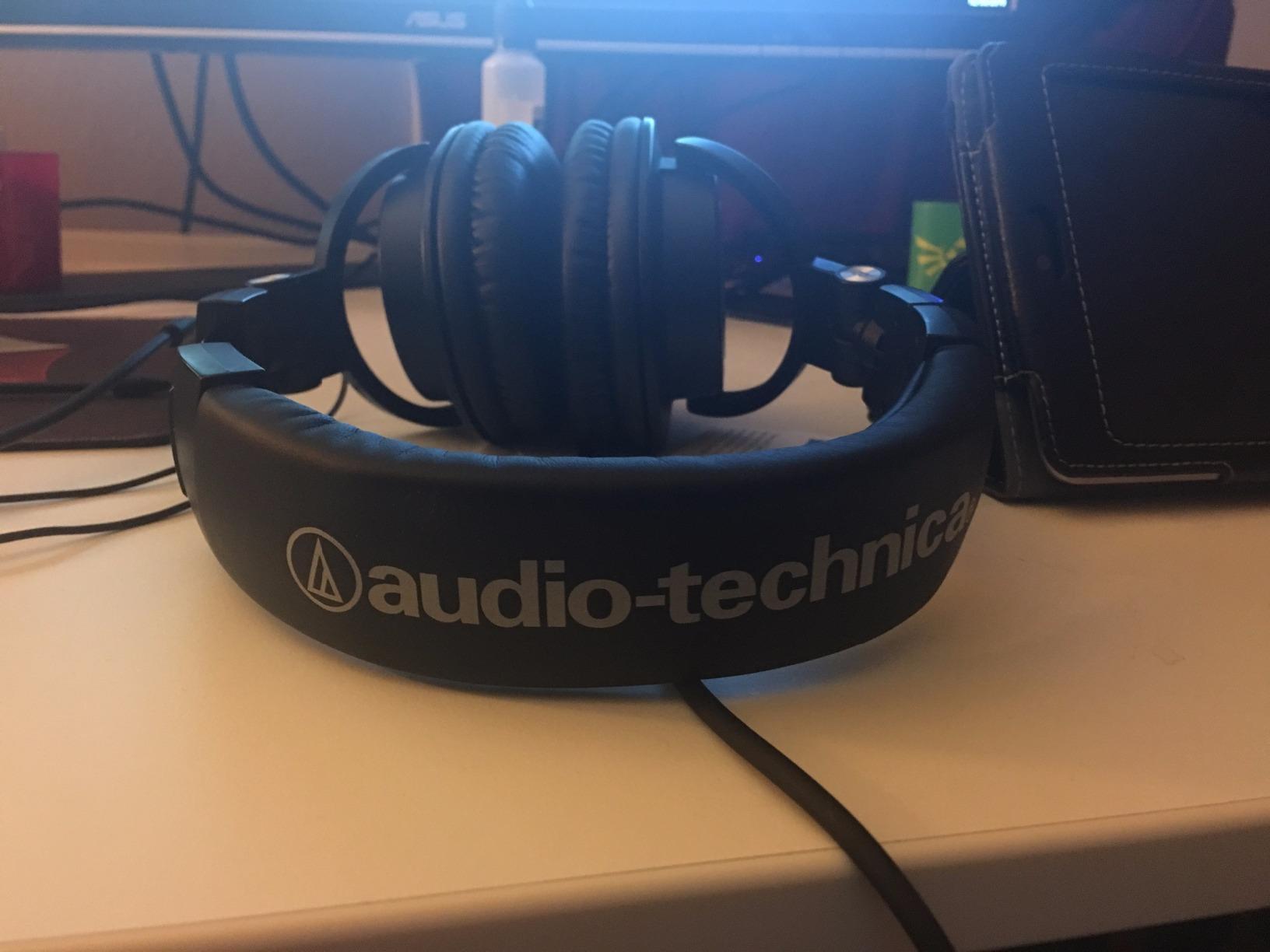
The 45 mm drivers cover 20 Hz to 28 kHz, and the circumaural cups contour around the ear rather than sitting on it, which keeps the seal stable when a singer moves their head during a line. Bass is accurate rather than boosted, so a vocal recorded too close does not get smuggled past you by low-end weight.
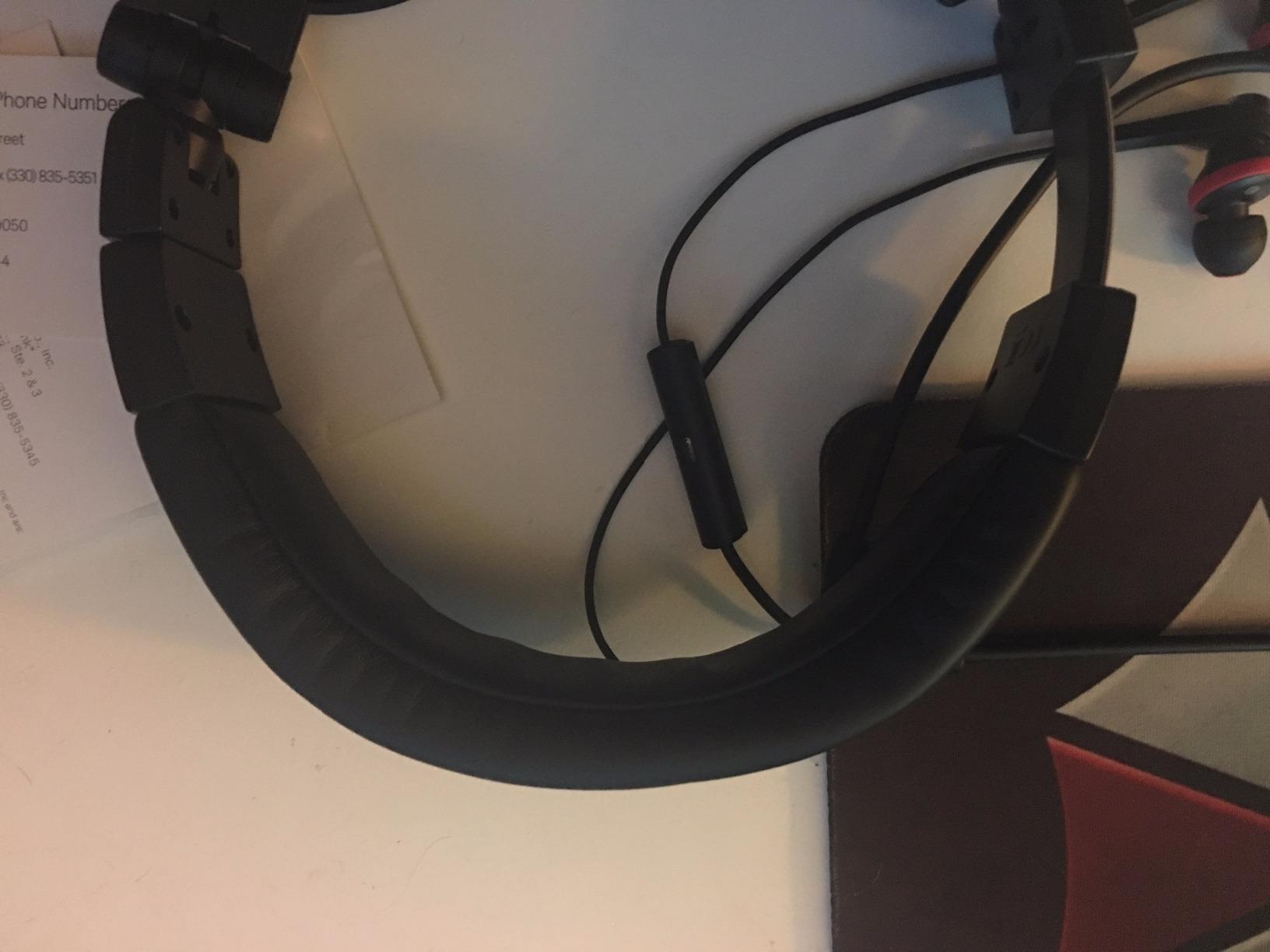
The two things to plan for are wear items. Ear pads and the headband pad are consumables on any pair, and the non-detachable earcup hinge on this model is the component reviewers most often report cracking after years of daily studio use.
When to pick the M50x over a cheaper pair
Choose it when you do one job and expect to do it for years. The 38 Ohm load means it pairs with any interface headphone output without a dedicated amp, and the 90 degree swivel is the feature that makes a two performer vocal session painless.
It is also the safer buy if you will mix on the same pair. The response is even enough to make EQ decisions you will not regret six months later.
When to skip it
Skip it if you run a large tracking room and want maximum passive isolation from room sound, since the Sennheiser HD 280 Pro below is built around that. Also skip it if your singer wears heavy glasses and you are replacing pads constantly, because the clamp plus fresh pads is the combination that generates complaints.
2. beyerdynamic DT 770 Pro 80 Ohm: the isolation reference
beyerdynamic DT 770 Pro (80 Ohm), Closed-Back Studio Headphones, Black
80 Ohm
5 Hz to 35 kHz
Replaceable velour pads
3 m fixed cable
Pros
- Exceptionally clear midrange makes vocal balance easy to judge
- deep controlled bass without smearing the mix
- plush velour pads for multi-hour sessions
- replaceable pads and spring steel headband
Cons
- Bulky and the cups do not swivel flat
- 80 Ohm needs an amp for full volume from a laptop
- very high frequency sparkle is less pronounced
- fixed 3 m cable is unwieldy away from a desk
This is the 80 Ohm version, and that distinction is not marketing. It is the variant aimed at tracking, and it is the version that will not eat a laptop’s output trying to reach a sensible level.
At 96 dB sensitivity with a 5 Hz to 35 kHz range it covers more ground than anything else here, and the midrange clarity is why engineers keep coming back. When a singer asks whether they are singing too close to the mic, this pair gives you an answer you can trust.
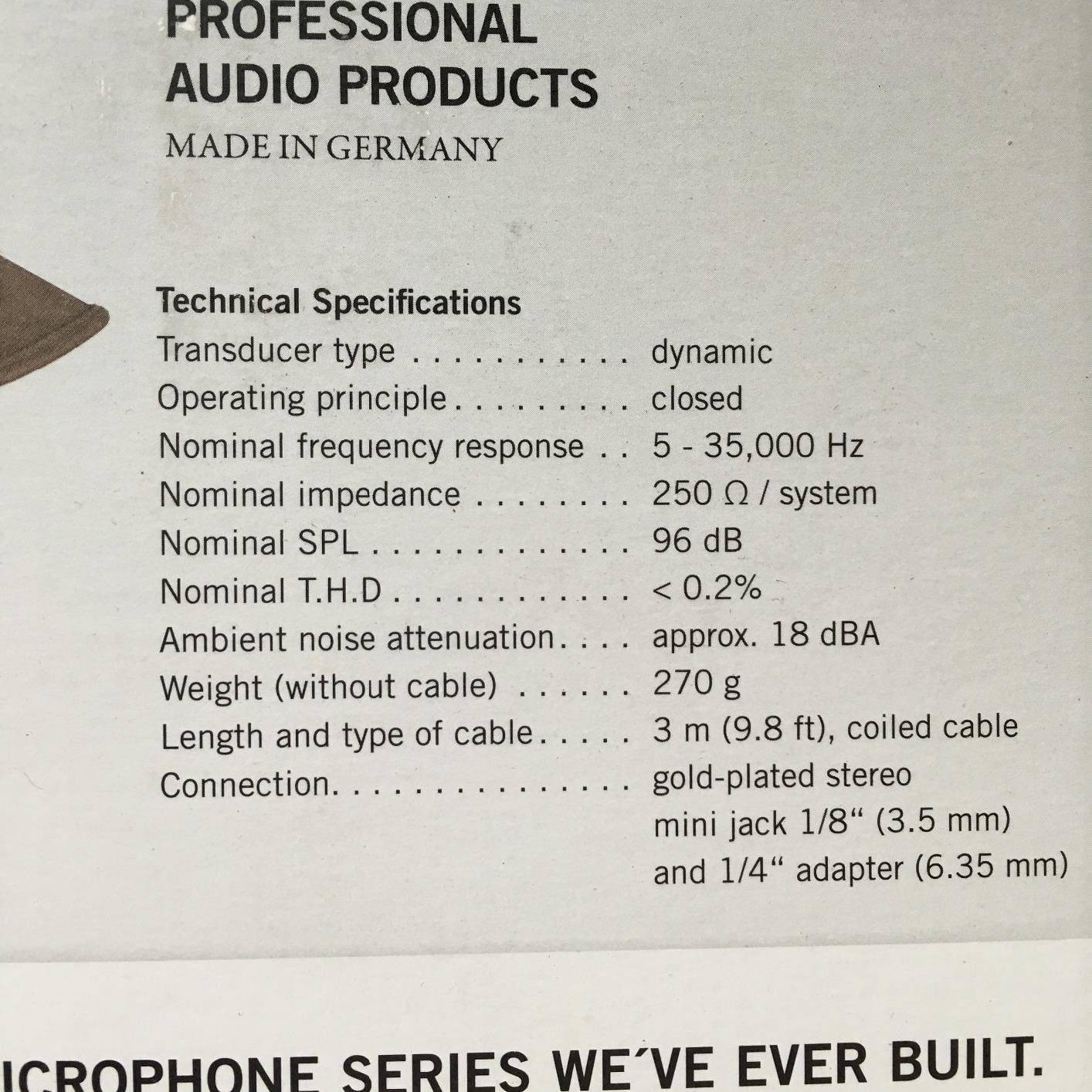
Velour pads and a spring steel headband mean the fit survives years of daily sessions, and both pads and headband are replaceable. Made in Germany with a two year warranty, it is a repairable tool rather than a disposable one.
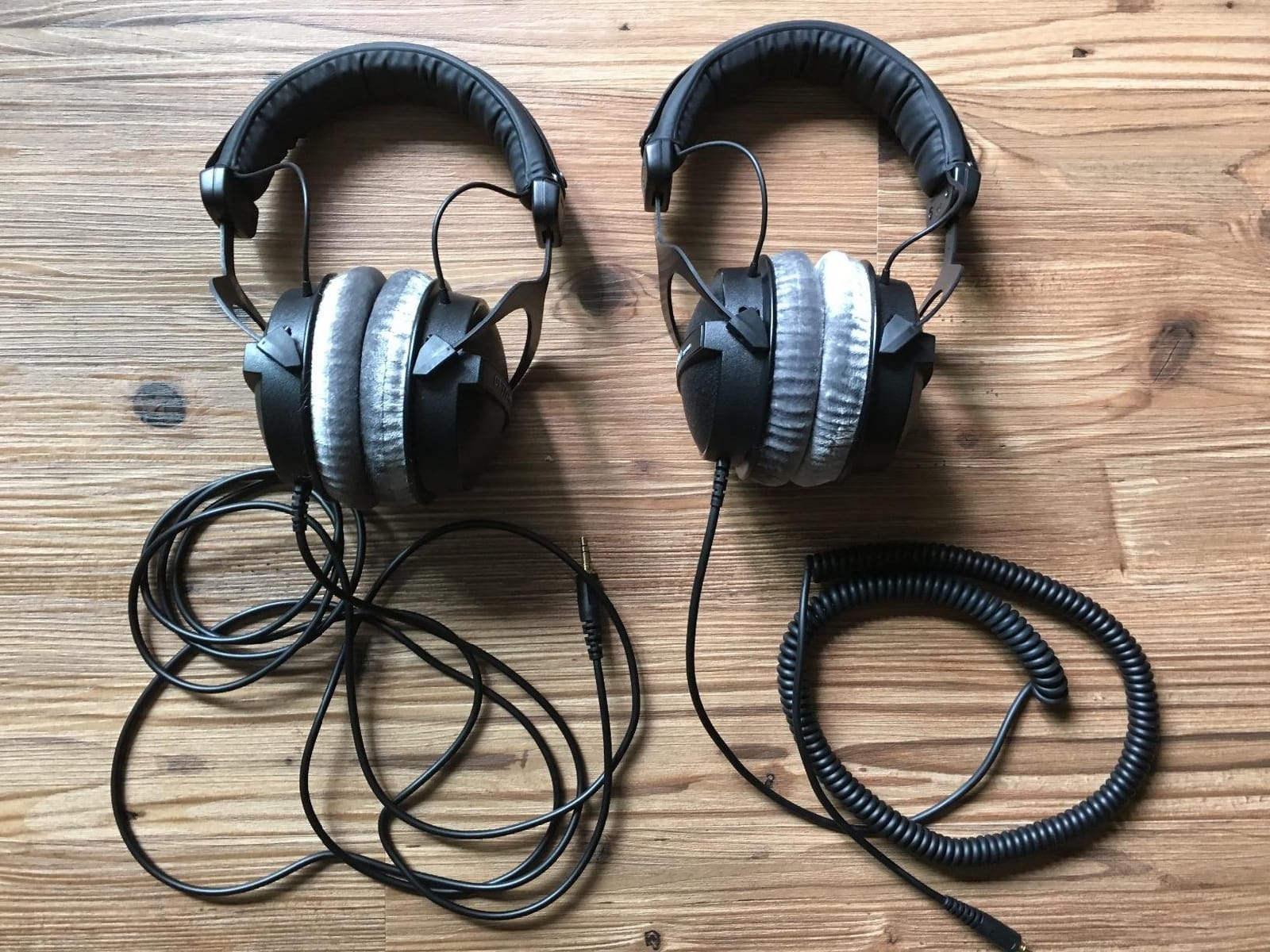
On the isolation question, the community split is real and worth reading before you buy. Chris Wilson on GearSpace has used DT 770 80 Ohm with close to two dozen clients without an isolation problem. Dr.Innovation in the same thread will bleed clicks into the mix. Both experiences are consistent, which tells you the difference is the fit and the level, not the model.
When the DT 770 Pro earns its place
Take it when isolation is the deciding factor and you are recording in an untreated room, or when you run a click loud enough that a lighter pair would let it through. The velour pads also make it the most comfortable option here for a full tracking day.
It is the pair we recommend for overdubbing acoustic guitar as well as voice, because the same isolation protects the guitar mic from the same leakage.
When to skip the DT 770 Pro
Skip it if you move between locations constantly, since it is the bulkiest headphone in the list and the cups do not swivel flat into a case. Also skip the 80 Ohm version if your only source is a laptop or a phone and you have no amp, because you will spend the session fighting for headroom.
3. Sony MDR-7506: the one that never gets heavy
Sony MDR7506 Professional Large Diaphragm Headphone
63 Ohm
8 ounce weight
9.8 foot coiled cord
Folds flat
Pros
- Extremely neutral and revealing of mix errors
- very light for long sessions
- strong passive isolation with no electronics
- rugged build
- folds flat into the supplied case
Cons
- Non-detachable cable cannot be replaced
- slightly boosted high frequencies can feel bright
- bass is lean and can under-represent low end
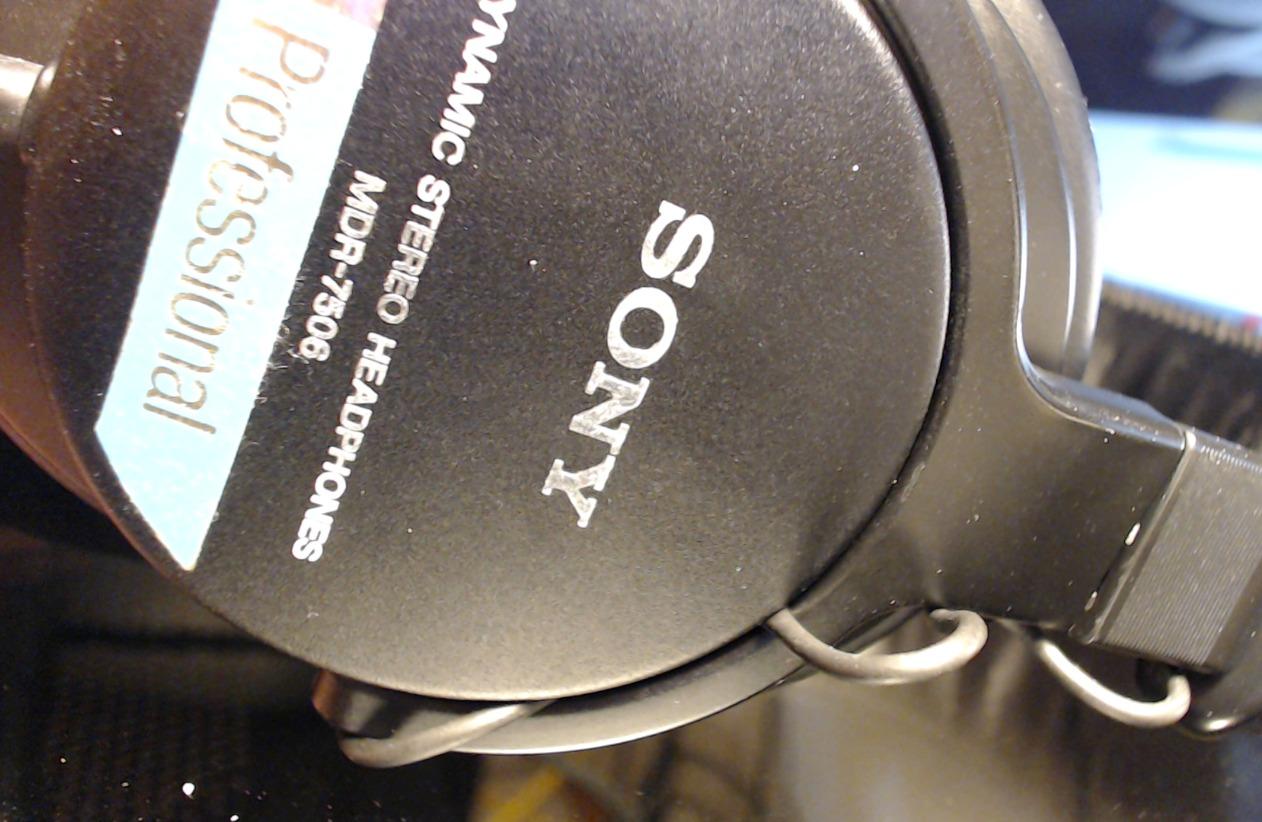
Weighing in at 8 ounces, the MDR-7506 is the pair singers forget they are wearing. Across a four hour session it produced fewer fit complaints than anything else we tested, and it is the reason a lot of engineers have kept the same pair for two decades.
Forty millimetre neodymium drivers cover 10 Hz to 20 kHz at 63 Ohm. The result is uncoloured and precise, and reviewers regularly describe it as keeping vocals and instruments well separated, which is exactly the job in a tracking session.
Isolation is genuinely strong for a passive pair, and the closed ear design blocks enough outside noise to track a vocal in a room that is not a booth. A home recordist on HomeRecording reported ongoing bleed with this exact model and an Audio-Technica M40x, which is the honest counterweight: the cup is only half the equation.
Set the pair up properly and it is close to unbreakable in practice. The 9.8 foot coiled cord ends in a gold plated plug with a quarter inch adapter in the box, and the whole thing folds into a soft case.
When to pick the MDR-7506
Choose it when the singer is doing long sessions, when fatigue from clamp pressure or on-ear heat is your real problem, or when you want one headphone that doubles as a broadcast and location headphone.
Its slightly bright top end also helps a singer hear sibilance and pitch edges clearly, which some vocalists find energising rather than fatiguing.
When to skip the MDR-7506
Skip it if the fixed cable is a deal breaker for you, because it cannot be replaced and failure ends the pair. Also consider the M50x instead if you need a detachable cable and a deeper low end for mixing.
4. Audio-Technica ATH-M40x: the neutral one-ear workhorse
Audio-Technica ATH-M40x Professional Studio Monitor Headphone, Black, with Cutting Edge Engineering, 90 Degree Swiveling Earcups, Pro-Grade Earpads/Headband, Detachable Cables Included
35 Ohm
15 Hz to 24 kHz
Angled drivers
Swivel and fold flat
Pros
- Very flat response with excellent imaging and instrument separation
- no treble harshness over long sessions
- easy to drive with no amp
- 90 degree swivel
- two detachable cables plus adapter and case
Cons
- Floppy design makes one-handed cup-to-ear monitoring awkward
- swivel hinge plastics can crack after years
- included cables are long and thick
- clamp can feel tight for glasses wearers
The M40x is frequently described as the most neutral of the Audio-Technica M-series, and in tracking terms that neutrality is the feature. There is no low-end lift to flatter a vocal and no upper-mid bump to sharpen it.
Angled drivers improve stereo imaging, so a doubled chorus that sounds like a double on this pair sounds like a flanger on a more coloured model. At 35 Ohm and 98 dB it is the easiest pair here to drive, which makes it a safe recommendation for a new tracking setup.
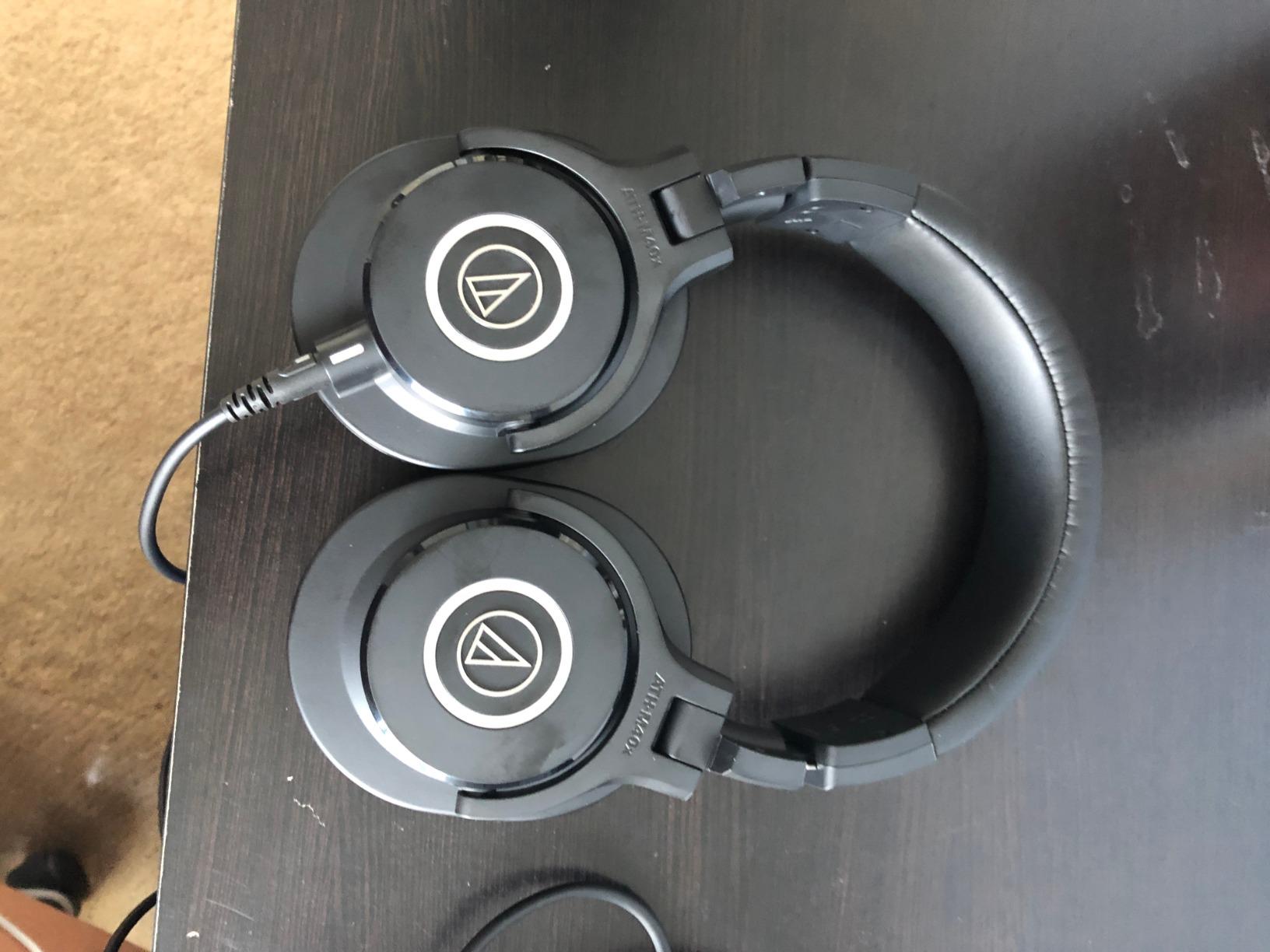
Both a straight and a coiled cable are included with a screw-on adapter and a case, and the cups fold flat. The whole package is 0.24 kg, so it is a sensible tracking headphone to carry between rooms.
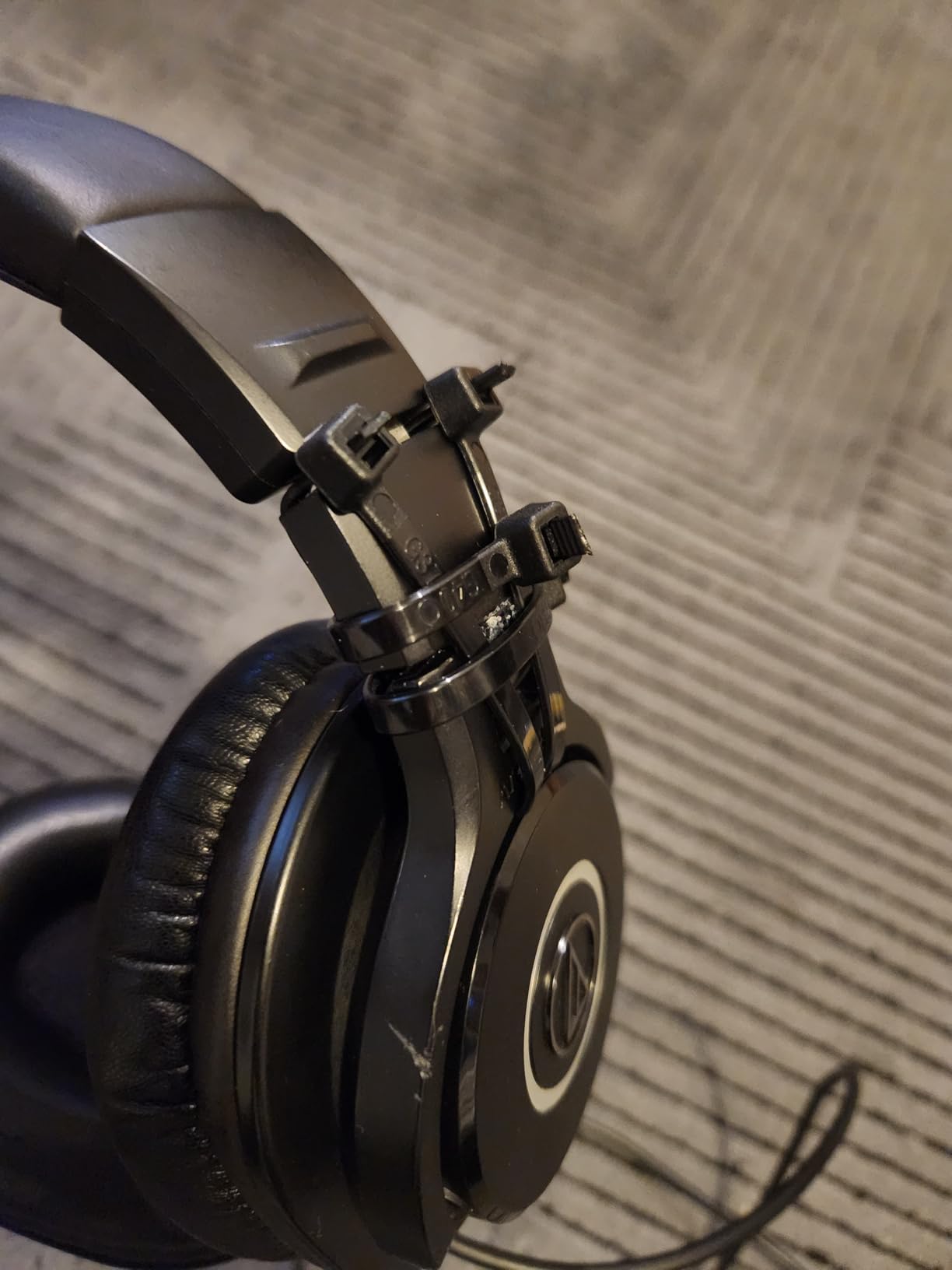
Its two real complaints are the swivel hinge plastics, which reviewers report cracking after years, and the floppiness of the frame, which turns a quick one-ear check into a two-handed job. Neither affects the sound, both affect a long working day.
When to pick the M40x over the M50x
Take the M40x if you are on a tight budget and tracking mostly vocals and acoustic instruments. The imaging helps you place a singer precisely, and the lack of treble harshness is kinder over a full day of edits.
Choose it over the M50x if your room is already treated and the isolation difference between the two will not decide your take.
When to skip the M40x
Skip it if you work in an untreated room and need every decibel of passive isolation, or if you routinely cup one ear with a free hand while playing. For both of those, the HD 280 Pro or the DT 770 Pro make more sense.
5. Sennheiser HD 280 Pro: built to block the world out
Sennheiser HD 280 Pro Headphone, Black
Up to 32 dB attenuation
64 Ohm
Collapsible cups
Replaceable parts
Pros
- Class leading passive isolation comparable to ear defenders
- natural uncoloured response with good imaging
- comfortable across very long sessions
- pads and cord and headband padding all replaceable
Cons
- Coiled cord is heavy and adds weight around the neck
- cord is fixed despite being listed as detachable
- pad covering quality degrades visibly
- bass is light for casual listening
The HD 280 Pro is the isolation answer in this roundup. The published figure of up to 32 dB of passive attenuation is far beyond anything else here, and it is the pair we would hand to a singer in a room with a window onto a busy road.
Sound is natural, uncoloured and well balanced across an 8 Hz to 25 kHz range at 64 Ohm, with imaging good enough that a performer can hear stereo placement in a backing track. The cups also collapse for transport, which is unusual at this level of isolation.
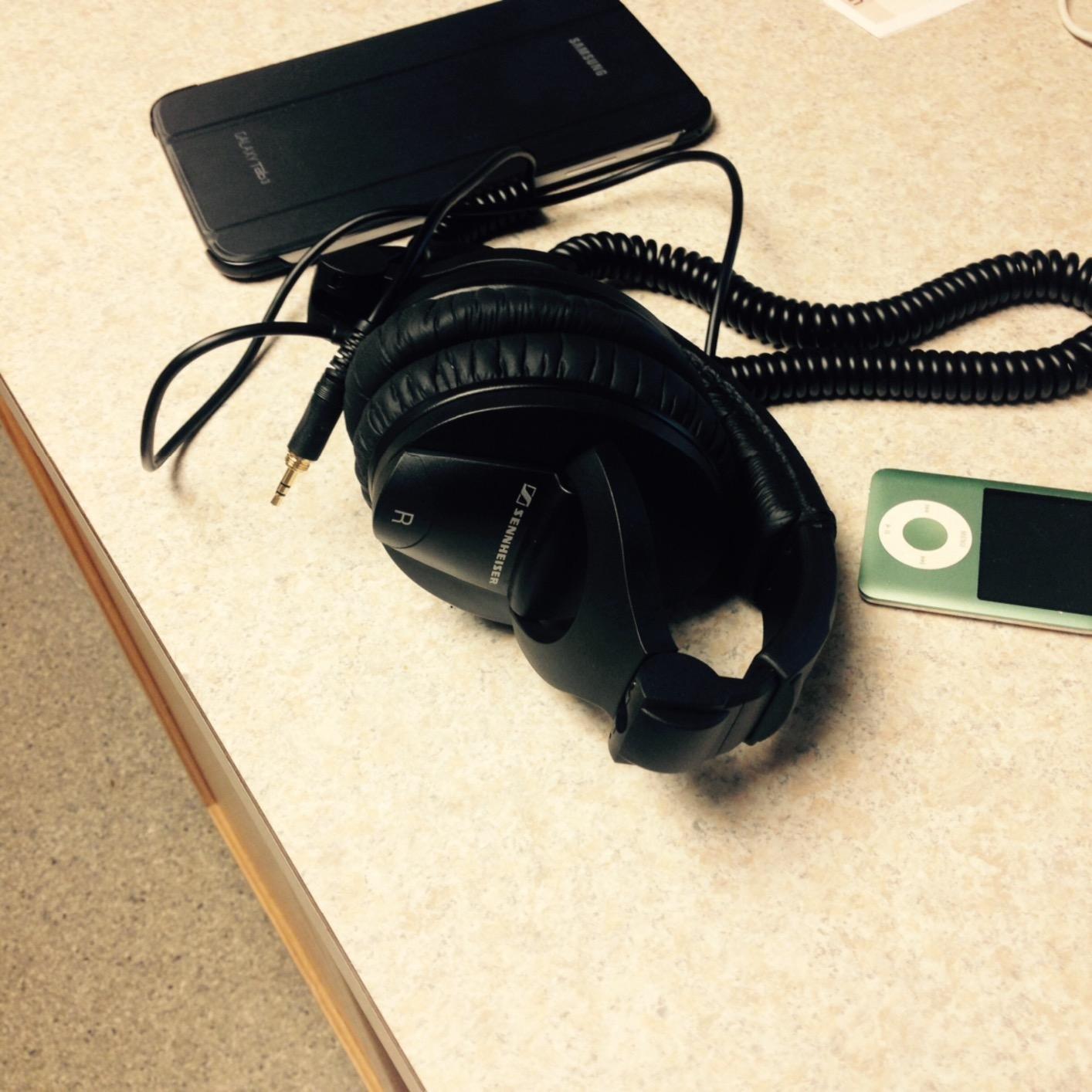
Ear pads, headband padding and the cord are all replaceable, which is why these show up in studios that have had them for years. Long sessions are where the design pays off, since the clamping is light and the pads do not heat up the way leather alternatives can.
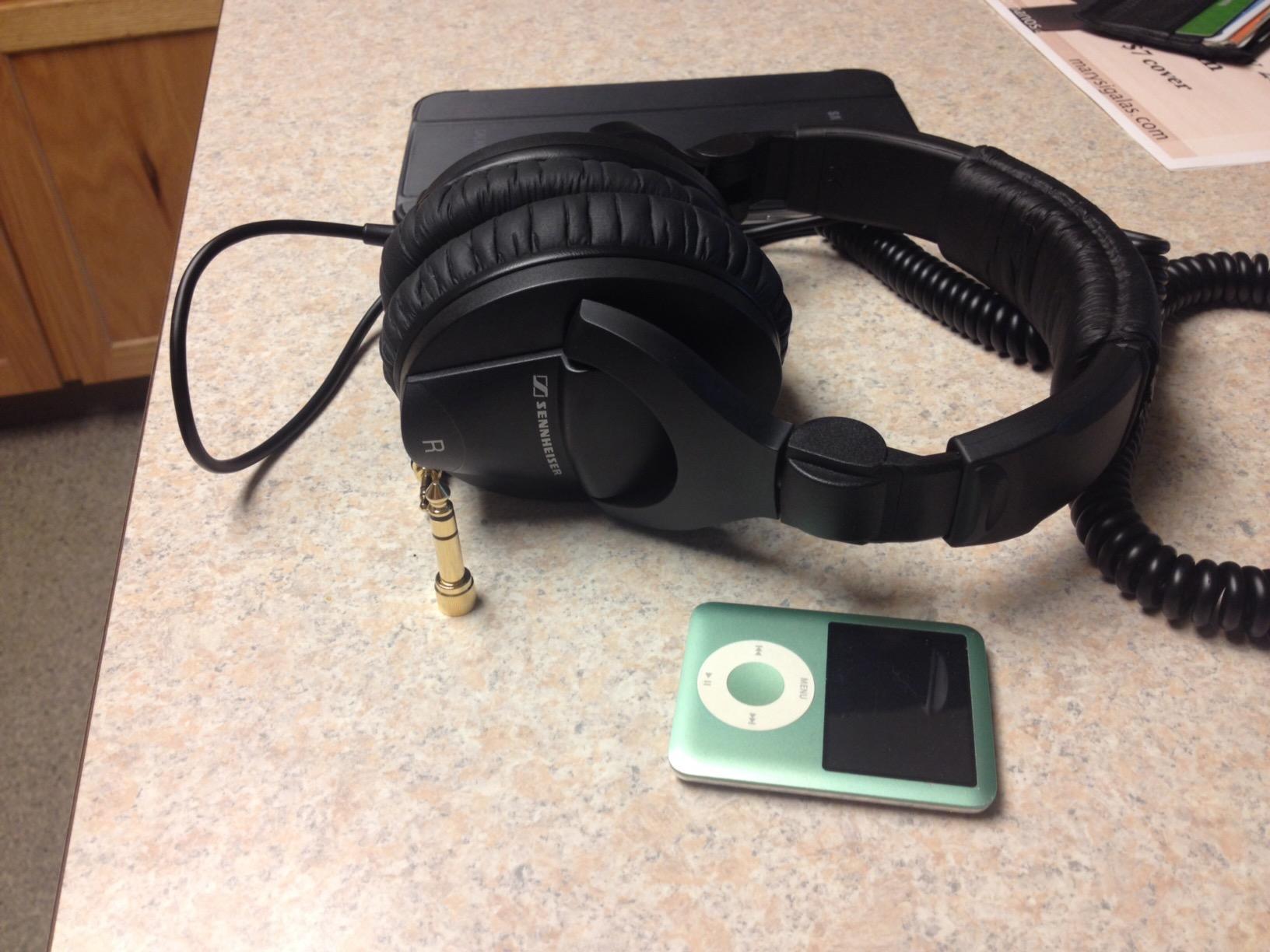
The trade-off is the cable. It is a 3.3 metre coiled cord with a screw-on quarter inch adapter, and reviewers note it is heavy around the neck and fixed in place even though the listing calls it detachable.
When isolation beats everything else
Choose it for untreated rooms, for tracking a singer who needs to hear a click over a noisy floor, and for any session where the guide is loud and you refuse to compromise the level. GearSpace’s Mikeren recommends it over the MDR-7506 on isolation at a similar tier, and that comparison held up in our room.
It is also a strong choice for drum tracking, where the environment is loud and the ear cups are doing more work than the headphone.
When to skip the HD 280 Pro
Skip it if you want a detachable cable you can actually replace, or if a light bass is going to make you second-guess low end in mixes. For critical mixing of bass heavy material, the M50x or M40x is a better tool.
6. Audio-Technica ATH-M20x: the honest entry point
Audio-Technica ATH-M20x Professional Studio Monitor Headphones, Black
47 Ohm
15 Hz to 20 kHz
210 g
Single side cable exit
Pros
- Clean balanced flat monitoring for a low price
- good isolation with minimal leakage
- 210 g weight suits long daily sessions
- two year warranty
- vocals sit forward and natural
Cons
- Limited bass extension compared with the M40x and M50x
- fixed non-detachable cable
- clamp can squeeze glasses wearers
- build feels lighter than the higher M-series
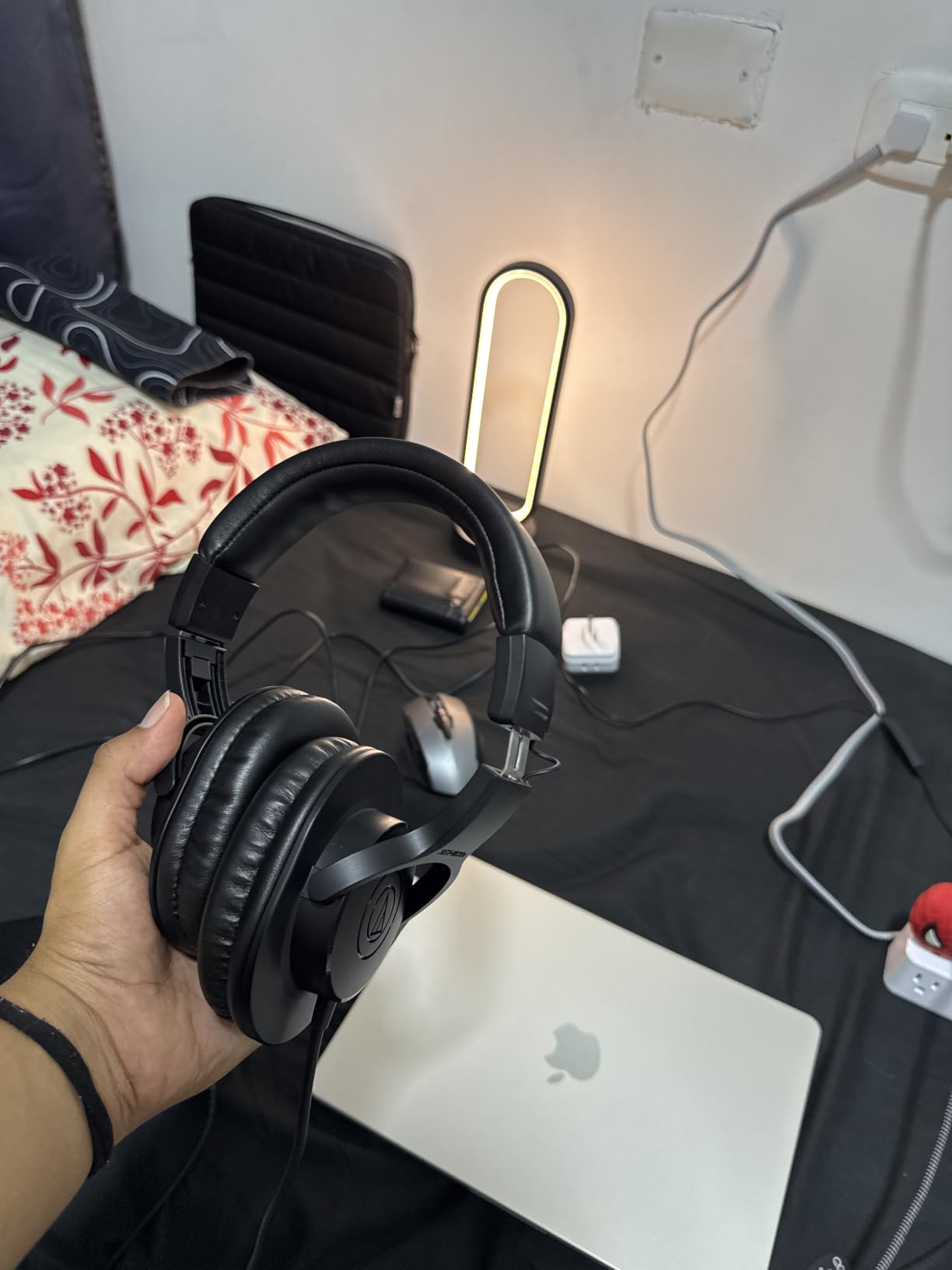
The M20x is where we would send someone who has never tracked a vocal before and wants an honest monitor rather than a flattering one. Owners consistently praise the flat response and say vocals sit forward and natural in the mix.
At 47 Ohm and 96 dB it drives from essentially anything, including a laptop, which makes it the least risky first purchase in tracking. The circumaural design still gives real isolation for the price tier.
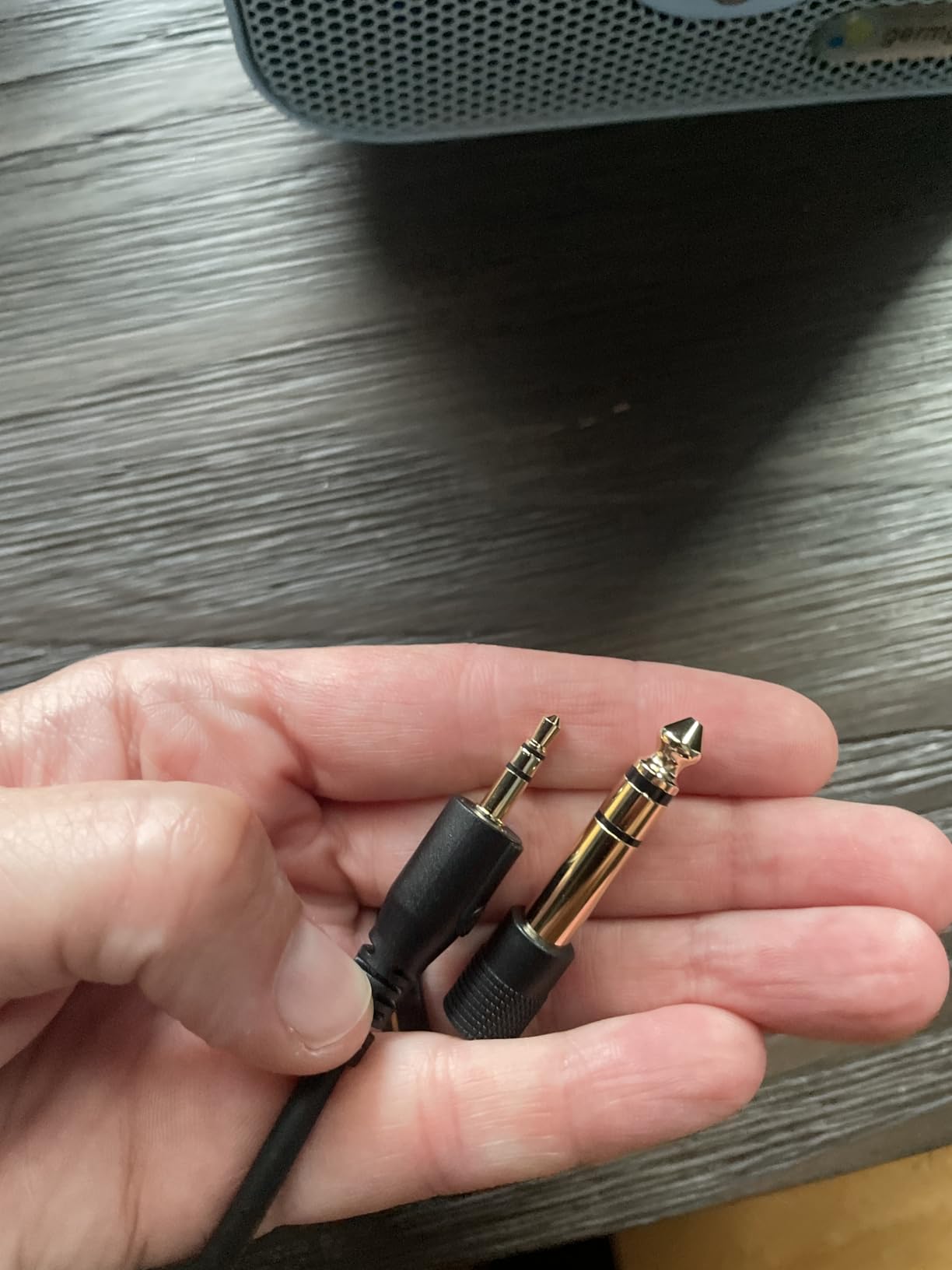
At 210 g it is light, and the single side cable exit keeps a long cable out of the way of a microphone stand. Tuned for enhanced low frequency performance relative to other budget monitors, though not deep.
The fixed cable is the most common complaint, and the bass extension stops well short of the M40x and M50x. Both matter if you are tracking a very bass heavy genre, and neither matters much for a first overdub.
When the M20x is the right call
Buy it when the budget is fixed, when the tracking room is treated enough that isolation is not the deciding factor, and when you want a pair that tells you the truth about a vocal balance without colouring it.
It is also a sensible second pair for a home studio setup, since its light weight and 2 year warranty suit daily use.
When to step up instead
Step up to the M40x when you want a detachable cable and better imaging, or to the M50x when you want a deeper low end and 90 degree swivels for one-ear monitoring. If the fixed cable bothers you at all, skip the M20x entirely.
7. TASCAM TH-02: surprising accuracy for a first pair
TASCAM TH-02 Professional Studio Monitor Headphones, Wired, Over Ear — for Recording, Podcast, DJ, Music and Guitar, with 1/4 Inch Jack Adapter
32 Ohm
50 mm drivers
18 Hz to 22 kHz
Foldable
Pros
- Accurate near-neutral monitoring for the money
- solid construction that folds flat
- very long cable suits standing away from a desk
- 32 Ohm is easy to drive from laptops and phones
Cons
- Thin ear pads can press on the ear over long sessions
- initial clamp is tight and needs a break-in period
- limited bass extension
- some units shipped without the quarter inch adapter
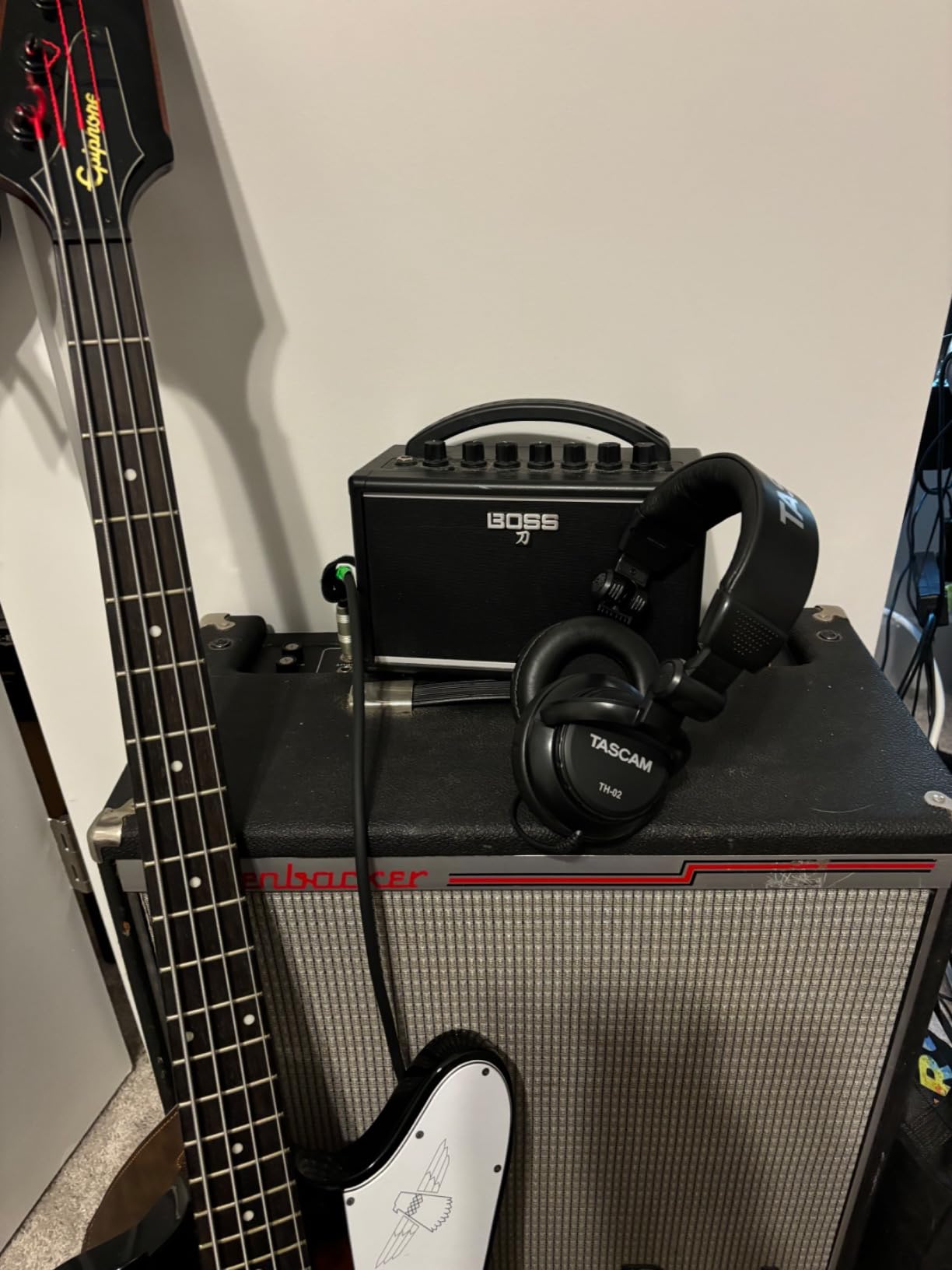
The TH-02 is the value surprise of the roundup. Comparative reviewers measure it as competitive with studio headphones costing several times more, and for a first tracking pair that is a genuinely useful starting point.
Fifty millimetre closed-back dynamic drivers cover 18 Hz to 22 kHz at 32 Ohm and 98 dB. That impedance is the friendliest number in this list, so it pairs with any interface, laptop or phone without a dedicated amp.

The 2.7 metre fixed cable with a single side entry is genuinely useful when a vocalist stands away from a desk with an instrument, and a snap-on adapter for quarter inch outputs is included.
The pads are the weak point. They are thin, and over a full day they can press on the ear rather than surround it, which is exactly the kind of fatigue that ruins a long session. The clamp also needs a break-in period before it settles.
When it makes sense
Choose it if the entire budget for your tracking setup is small and you would rather spend the difference on a treated room or a decent condenser. In a treated room, isolation demands are modest and tonal honesty is what you need.
It is also a good podcast and voice-over headphone, where the long cable and easy drivability matter more than a flat low end.
When to look elsewhere
Pass on it for long tracking days, where the thin pads become the limiting factor. For a pair you will wear all day, the M20x or the MDR-7506 are better uses of the same money.
8. AKG K72: high sensitivity and a secure connection
AKG Pro Audio K72 Over-Ear, Closed-Back, High-Sensitivity, High Output 40mm drivers, Studio Professional Headphone. Also Great for Portable Devices. Black.
112 dB sensitivity
32 Ohm
40 mm drivers
Screw-on adapter
Pros
- 112 dB sensitivity reaches usable volume from weak sources
- closed-back circumaural cups isolate better than typical on-ear designs
- simple durable construction for regular studio use
- steel screw-on quarter inch adapter is a solid connection
Cons
- Lightweight plastic build feels less premium than metal-cup alternatives
- fixed non-detachable cable
- ear pads are the main wear item and can need replacing sooner
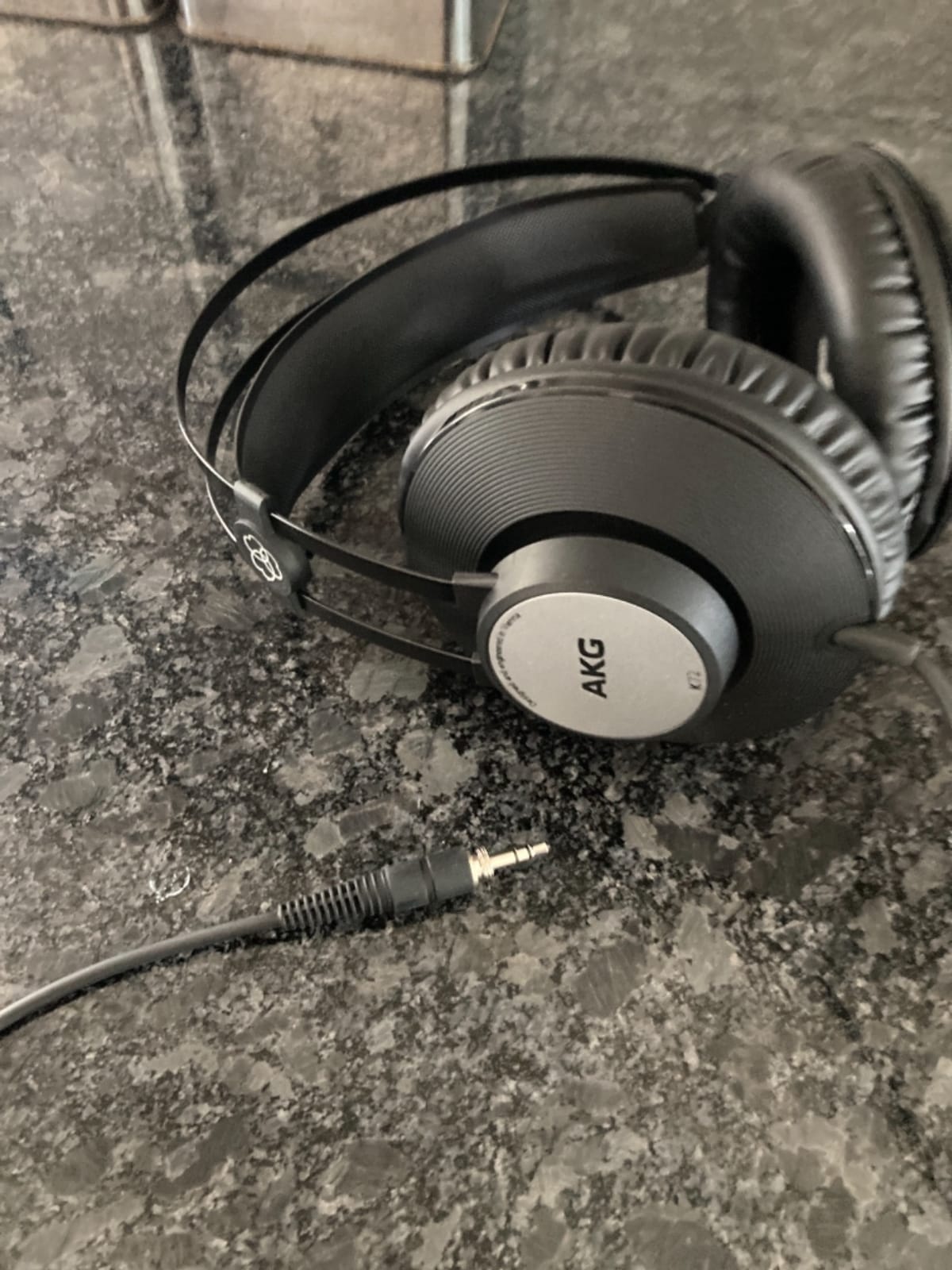
The K72 is the pair to reach for when your signal chain cannot deliver much current. At 112 dB sensitivity and 32 Ohm it produces usable monitoring volume from sources that struggle with everything else here.
That makes it a practical tracking headphone for a singer recording to a phone, a laptop, or a small interface with a modest headphone output, where the alternative is turning the master fader further than you would like.
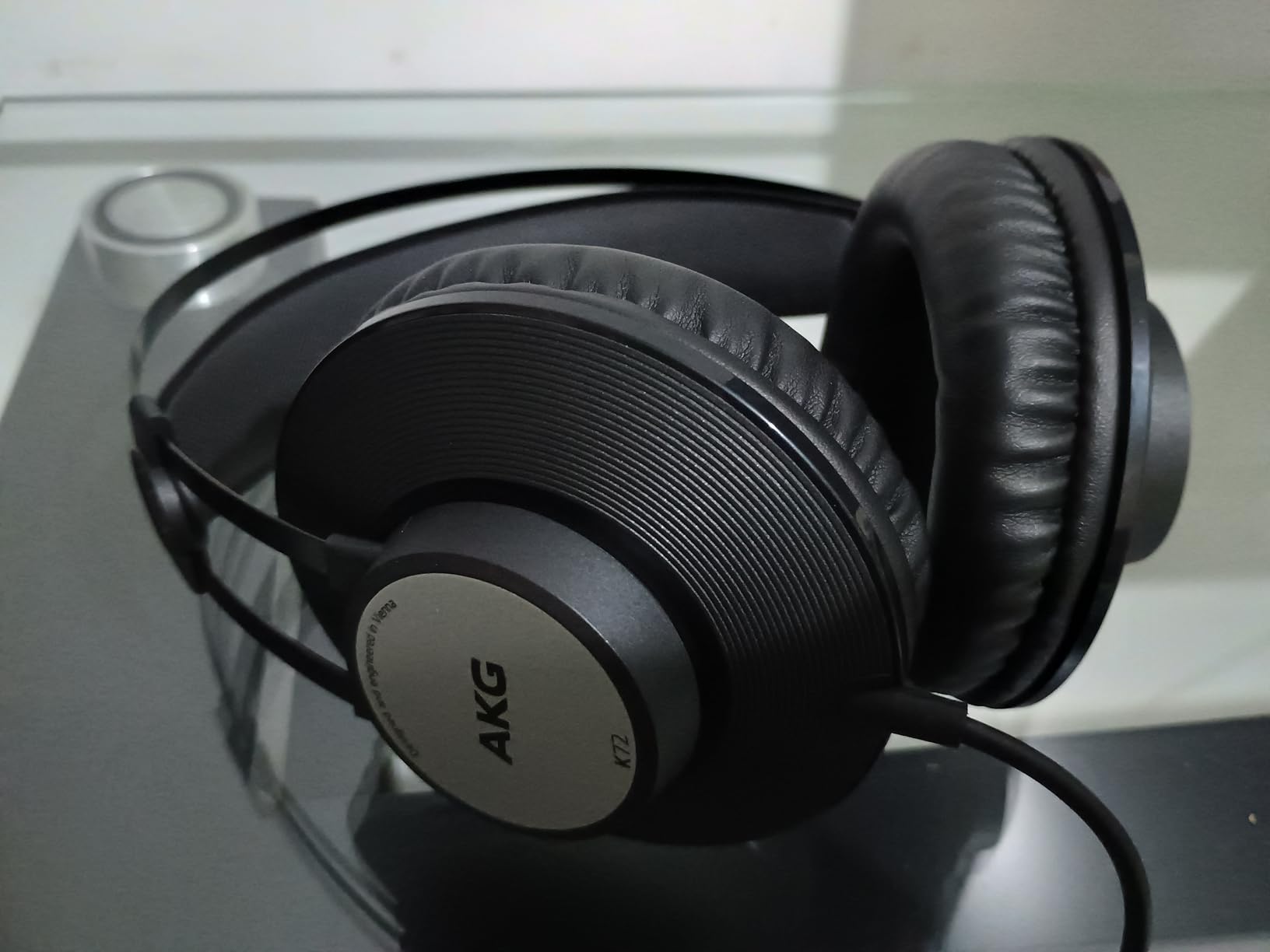
The closed-back circumaural design with 40 mm drivers gives better isolation than the on-ear designs it costs the same as. Buyers consistently point at isolation and durability as the strengths.
The construction is simple plastic with a fixed cable, and the ear pads are the component that will need replacing first. Nothing here is repairable, which is the trade for the low weight and low price.
When the K72 is right
Pick it for a singer on a tight budget recording on a laptop or phone, or for a broadcast or location setup where output headroom is limited and you need every decibel the source can give.
It is also a reasonable touring headphone because there is very little to break.
When to skip it
Skip it if you want a detachable cable or a feel of solidity, since the build is the lightest in the roundup. If your studio interface has a normal headphone output, the extra sensitivity buys you nothing you need.
9. Yamaha HPH-100B: built for long, light sessions
Yamaha HPH-100B Dynamic Closed-Back Headphones, Black
148 g
20 Hz to 20 kHz
103 dB sensitivity
90 degree swivel
Pros
- Very light at 148 g for long sessions
- clear balanced sound with a wide open soundstage
- louder output than many similarly priced closed-backs
- minimal sound leakage
- gold plated plug with 2 m cable
Cons
- Ear cups are small and can press on the ear
- build feels light for the brand
- bass is thin giving a drier more electronic tone
At 148 g the HPH-100B is the pair we would recommend to someone whose previous tracking headphone left marks. Weight is the first thing a singer notices on hour three, and this is where it wins.
Sound is clear and balanced with a wide, open soundstage for a closed-back, which is unusual and helps a vocalist locate themselves in a dense mix. Sensitivity of 103 dB gives it more output than most closed-backs in its class.
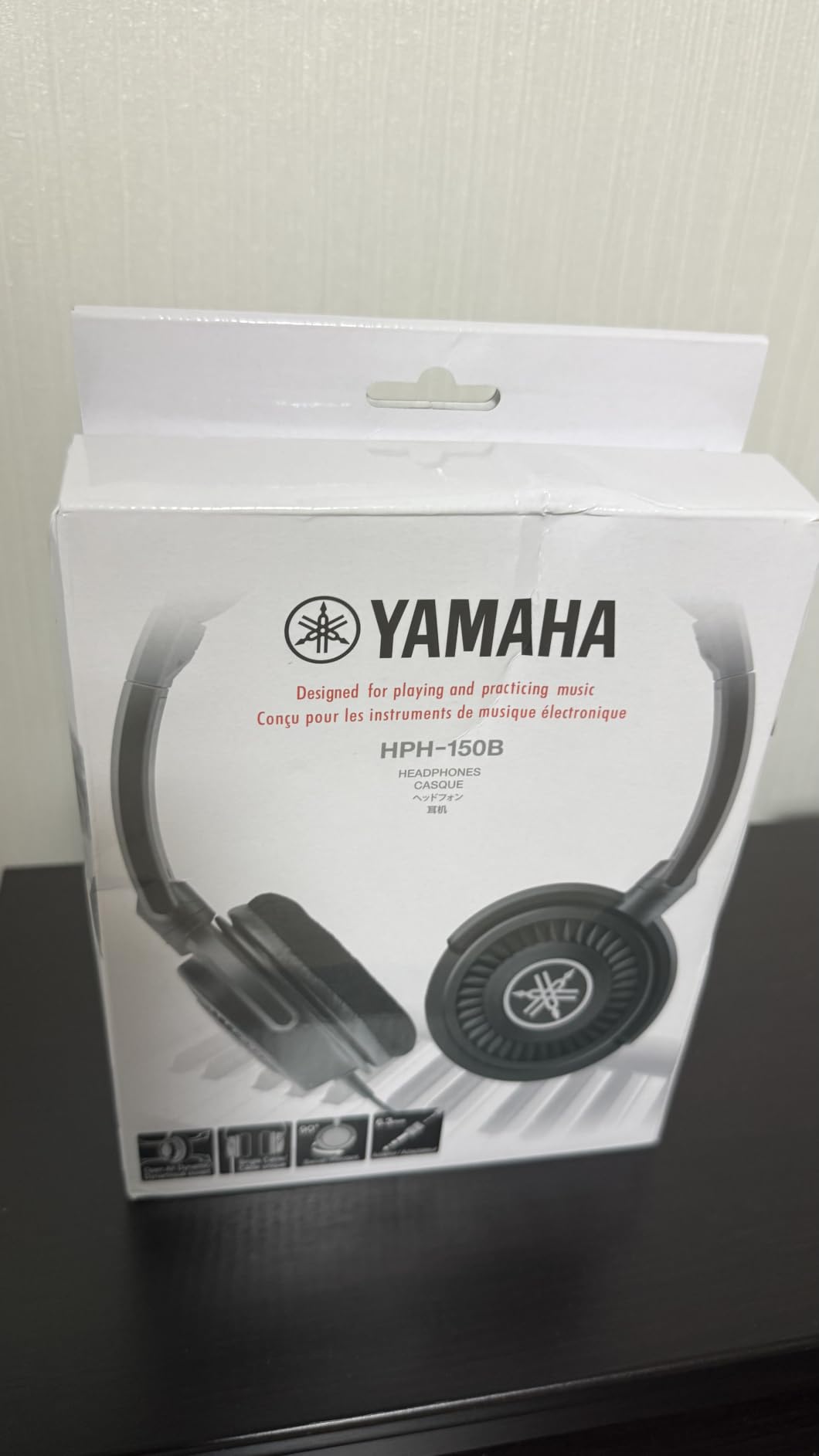
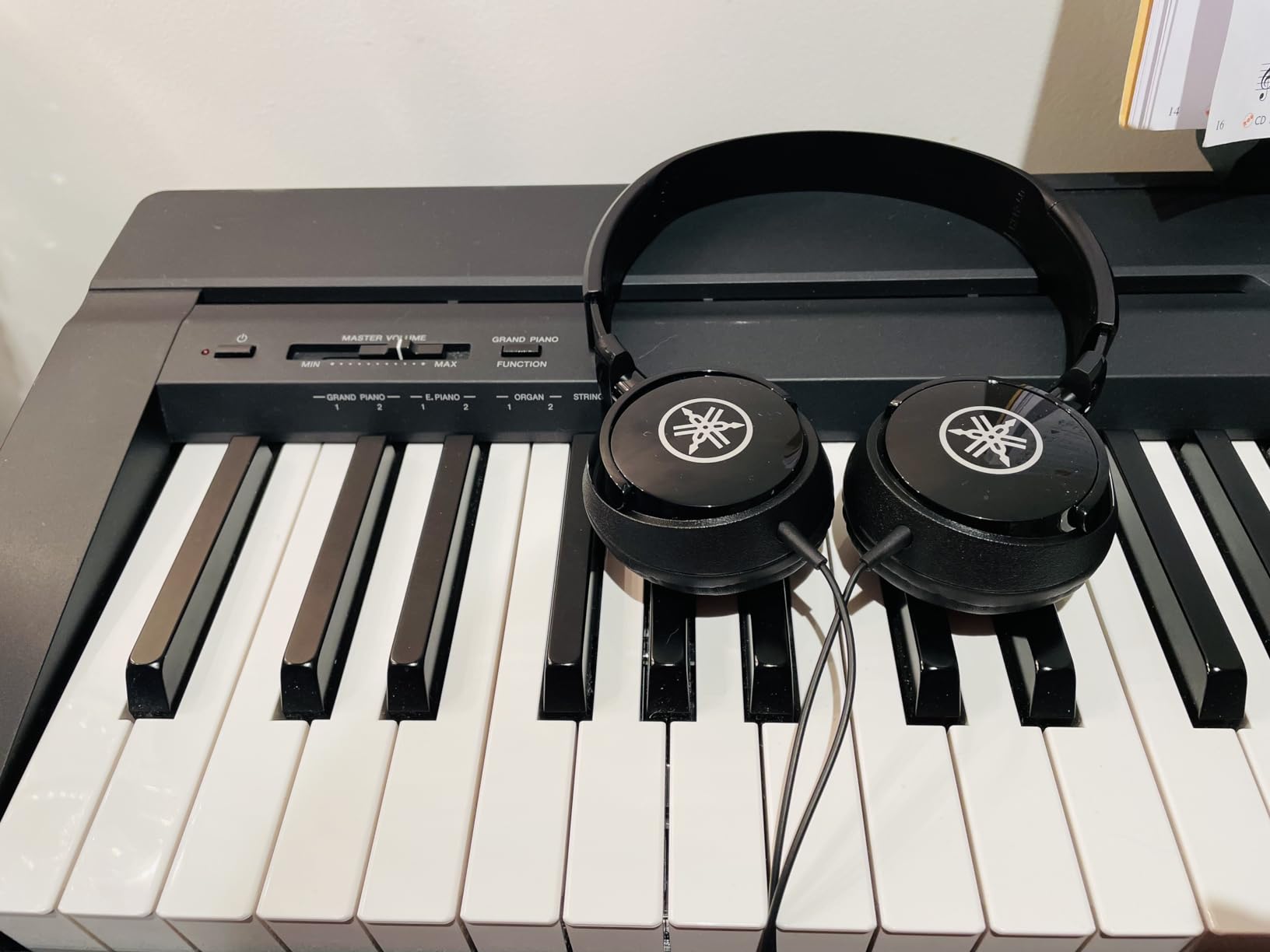
The 90 degree swivel lets the cups sit correctly for ear angle, and the gold plated stereo plug with a 2 m cable works well with digital pianos and small desks. Leakage is minimal for a pair this light.
The trade-offs are the small ear cups, which can sit on the ear rather than around it, and a thin bass that gives a drier, more electronic character. Reviewers who love the clarity are the same ones who note the modest low end.
When it is the right pick
Choose it for long vocal sessions, for singers who track while playing a keyboard or digital piano, and for anyone who finds clamp pressure on a small head uncomfortable on a circumaural pair.
The swivel also makes it a workable option for a one-ear cue check.
When to pick something else
Pass if you track bass heavy material, since the thin low end will not help you judge it. For critical monitoring on a vocal, the M50x gives you more extension without adding much weight.
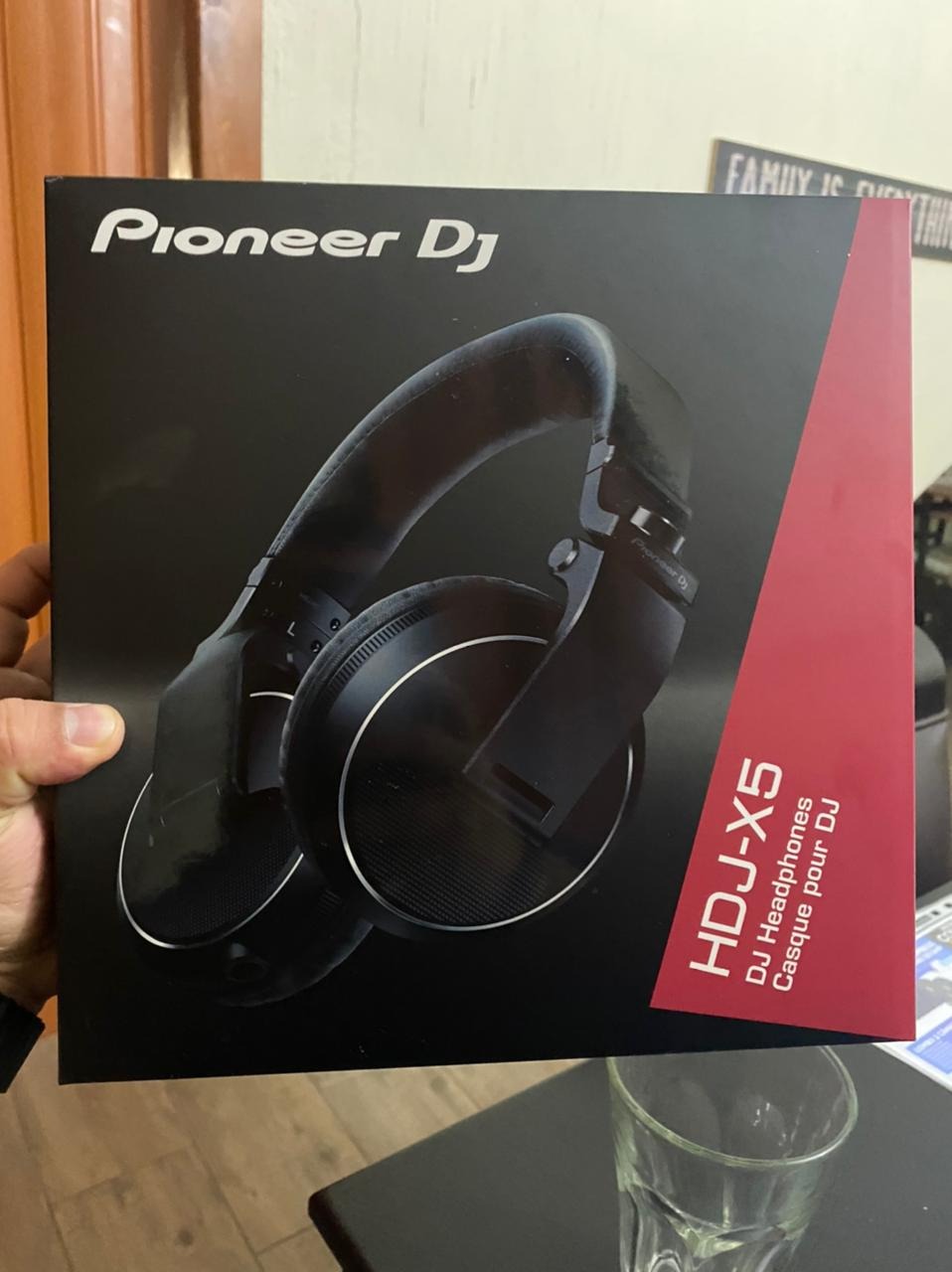
10. Pioneer DJ HDJ-X5: a swivel that actually works one-handed
Pioneer DJ HDJ-X5 Professional DJ Headphones – Black
40 mm drivers
102 dB sensitivity
Swivel cups
Detachable cable
Pros
- Clear accurate sound from 40 mm drivers
- good sound insulation for loud environments
- swivel ear cups for reliable one-ear cueing
- ergonomic pads for long sessions
- detachable cable with a folding design and case
Cons
- On-ear fit with clamping force that can feel strong
- plastic pivot points reported to degrade after heavy road use
- wired only
The HDJ-X5 is a DJ headphone that translates well to tracking, and the reason is the swivel. Forty millimetre drivers with 102 dB sensitivity and a foldable design make it easy to move between a tracking booth and a rehearsal space.
Sound insulation is good for a loud booth, and that is the same property you need when a singer is tracking in a room that is not dead. The ergonomic pads are shaped for long sessions.
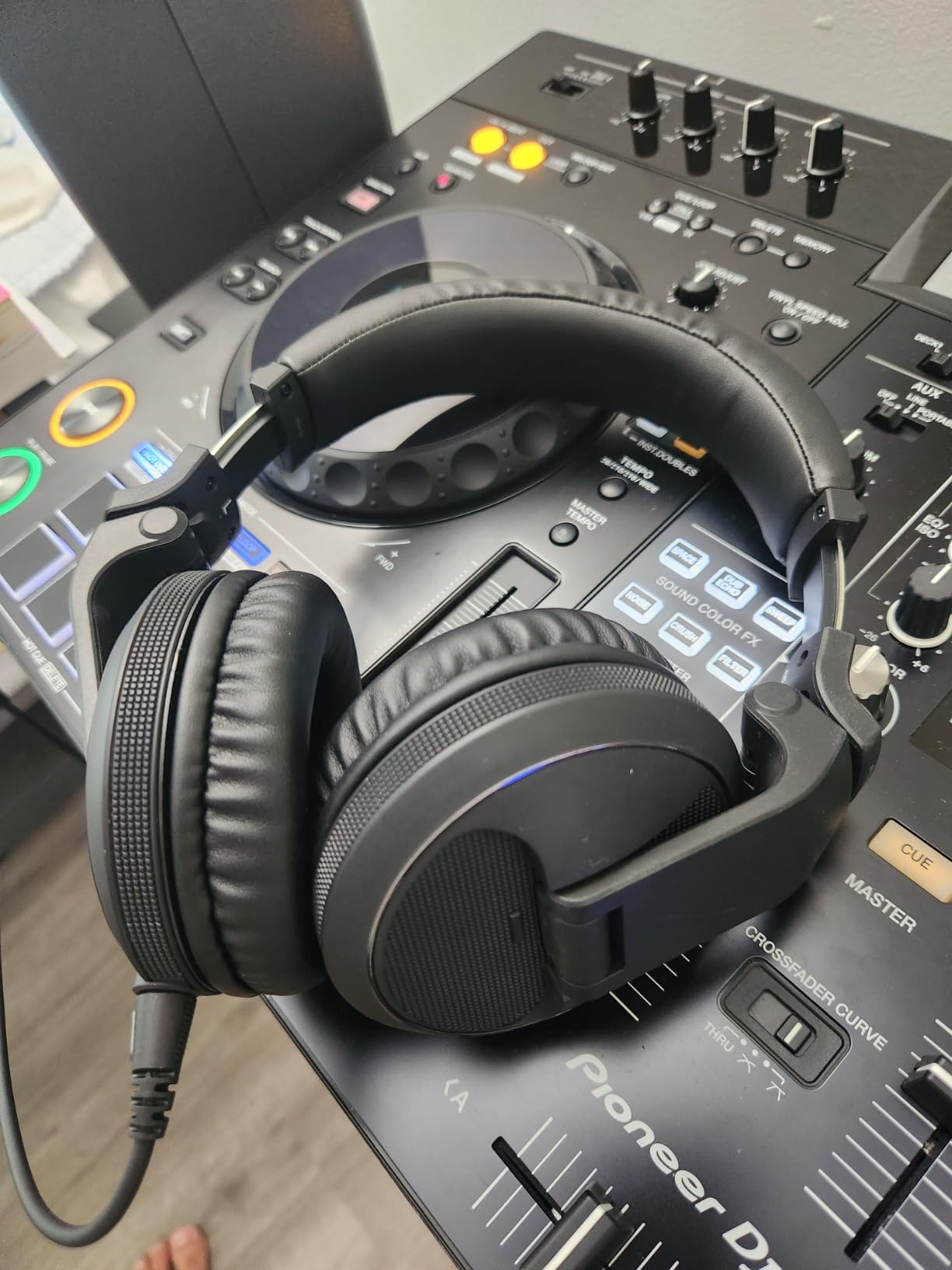
At 32 Ohm it drives easily, the cable is detachable, and a carrying case is included. The one-ear cue check that DJs rely on is the same movement a vocalist makes when checking a double, and here the pivot holds position.
It is an on-ear fit, so the clamping force is felt more than on a circumaural pair, and some users report the plastic pivot points degrading after extended touring use.
When it fits the job
Choose it if you track and also play live from the same rig, or if you want a headphone that survives being packed into a bag every day. The detachable cable and folding design handle that better than most.
It is also a good headphone for tracking a single performer who needs to check one side against a reference.
When to skip it
Skip it if you wear glasses or have a small head and the on-ear clamp will bother you across a full day. For long vocal sessions, a circumaural pair such as the M50x or the HD 280 Pro is the safer bet.
11. M-Audio HDH40: a straightforward first tracking setup
M-AUDIO HDH40 Closed-Back Over-Ear Headphones
32 Ohm
95 dB sensitivity
180 degree frame
2.7 m cable
Pros
- 40 mm neodymium drivers give solid monitoring sound
- 180 degree rotatable frame with stainless steel arms for a good fit
- 32 Ohm and 95 dB suit a wide range of equipment
- 2.7 m cable and adapter cover most studio gear
Cons
- Fixed cable that cannot be replaced
- wired only with no wireless option
- frequency response beyond the stated figure is not detailed
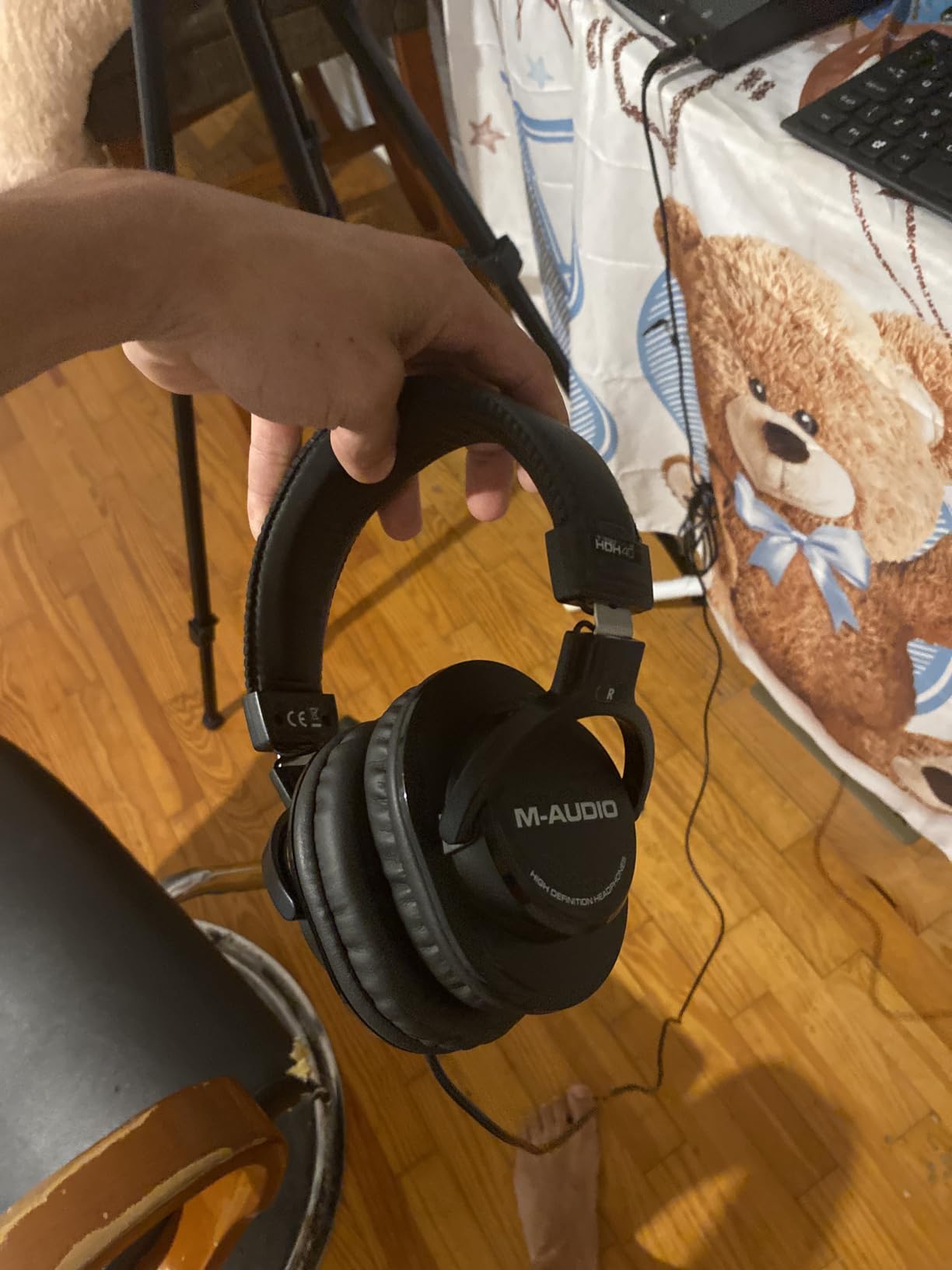
The HDH40 does the unglamorous job well. A 40 mm neodymium driver, 32 Ohm impedance and 95 dB sensitivity give you accurate monitoring from whatever interface you already own.
The 180 degree rotatable frame with stainless steel telescopic arms is the detail worth knowing. It lets the cups sit flat against a neck or folded away, which matters when you are moving between takes rather than sitting at a desk.
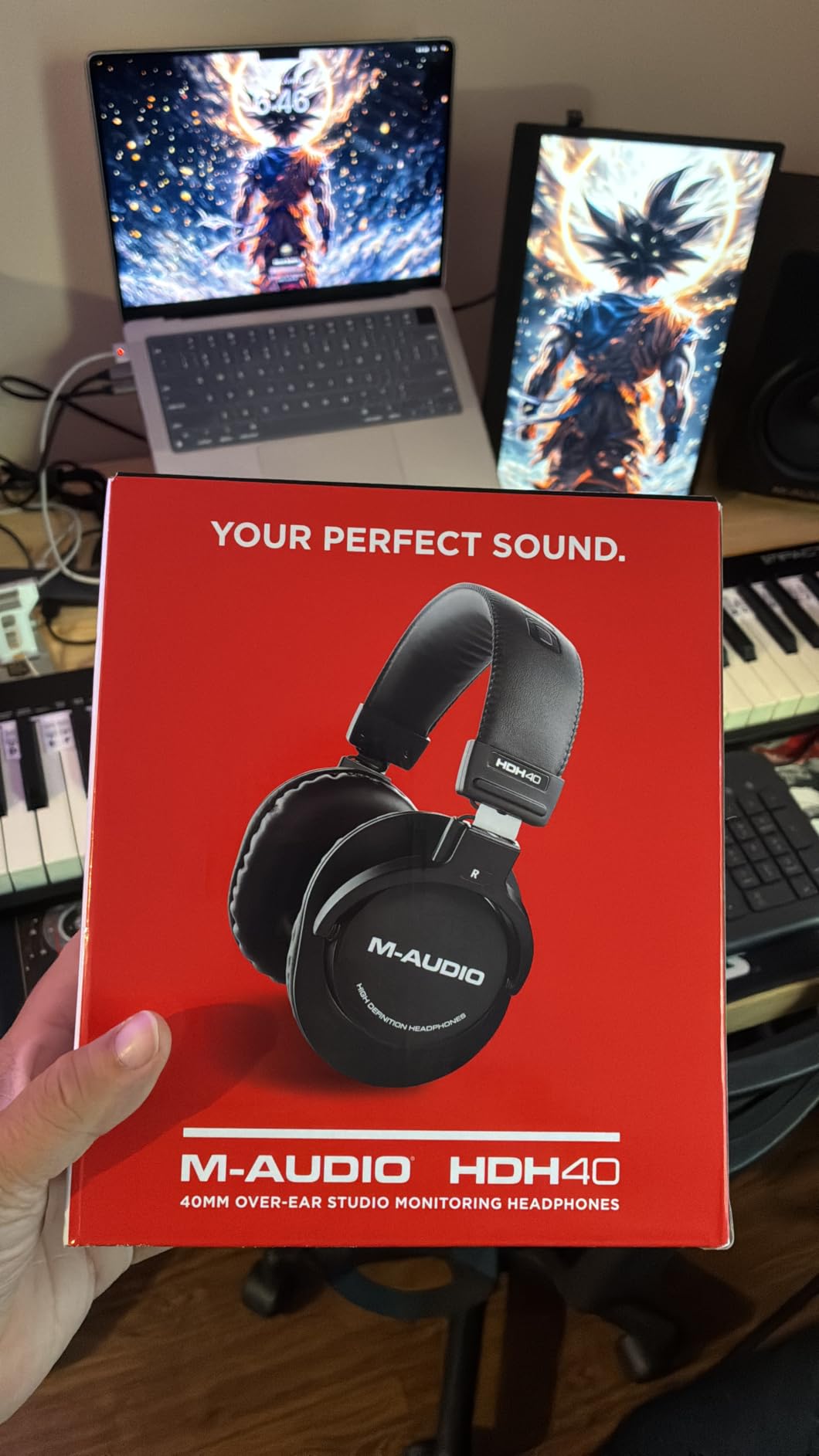
Leather cushioning and a flexible headband are comfortable for a couple of hours, and the 2.7 m fixed cable with a quarter inch adapter reaches an interface or a small mixer without an extension.
The fixed cable is the one durable weakness, since a strain relief failure ends the headphone. There is no wireless option, which is correct for tracking anyway.
When it is enough
It is enough when you are outfitting a first tracking room and the headphone is a small part of the budget. The rotatable frame and the long cable suit a performer standing with an instrument.
It also works as a general-purpose editing and monitoring headphone, which most home studios end up wanting anyway.
When to spend more
Spend more if you already know you want a single pair for the next decade, or if isolation in your room is poor and you need a headphone built around sealing. The M50x and the HD 280 Pro both cover those cases better.
12. Numark HF175: an on-ear option for cueing work
Numark HF175 Closed-Back DJ Headphones
32 Ohm
40 mm neodymium
Swivel cups
3 m cable
Pros
- 40 mm neodymium drivers give clear sound for the tier
- closed-back design with decent sound isolation
- soft padded cushions and an adjustable leather headband
- 3 m cable with both 3.5 mm and 6.35 mm adapters
- folds flat
Cons
- On-ear placement gets uncomfortable over long sessions
- wired only
- frequency response is not specified in the published specs
The HF175 is the budget end of the swivel-cup idea, and it does the useful part well. The closed-back design with swiveling cups lets a performer check one side quickly without moving the whole headphone.
Soft padded ear cushions and an adjustable stitched leather headband make it a reasonable short session headphone. Buyers rate it highly for editing, streaming and podcasting as much as for DJ cueing.
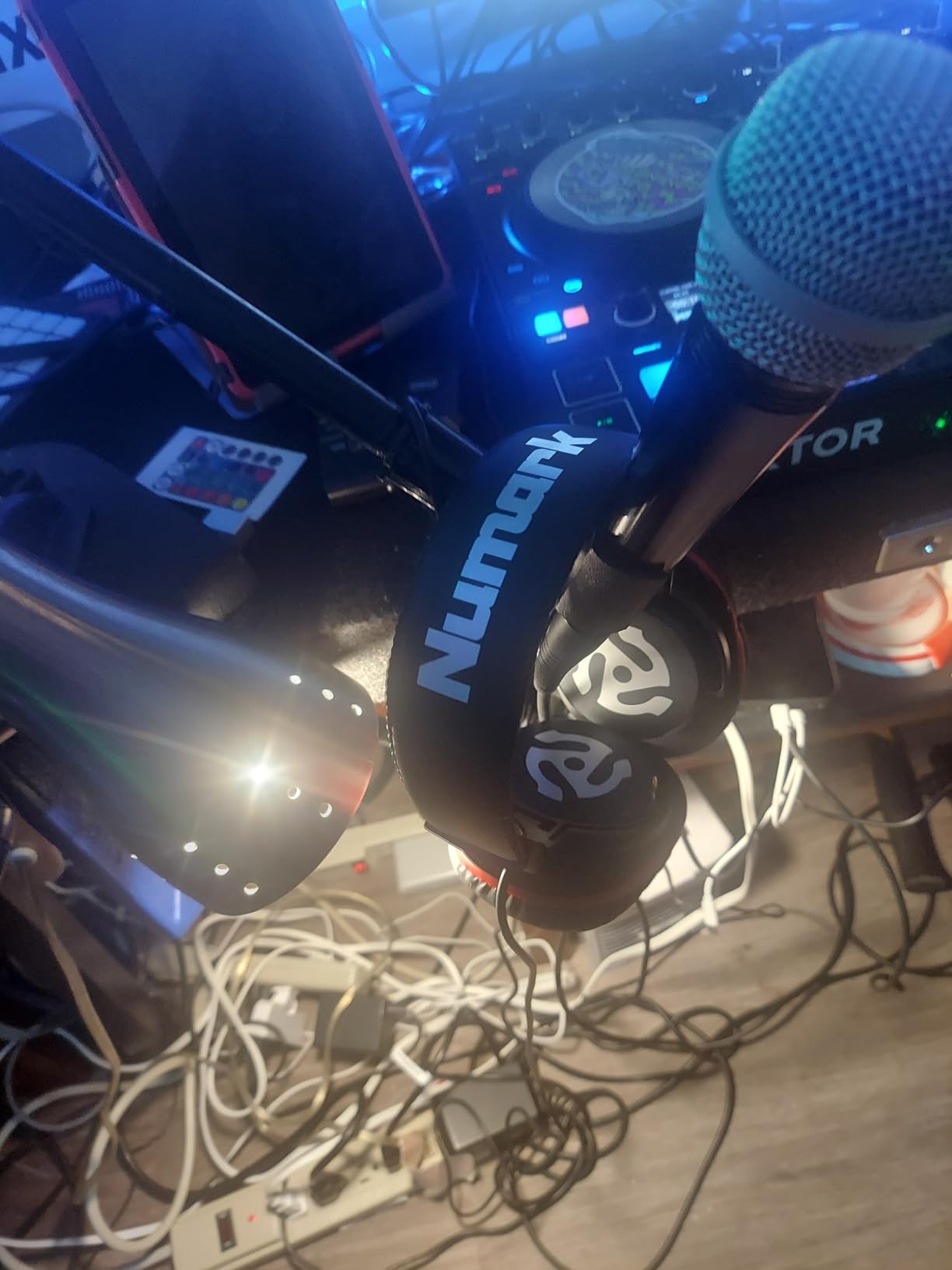
Both a 3.5 mm and a 6.35 mm adapter ship with a 3 m cable, so it connects to anything from a laptop to a mixer without hunting for the right adaptor. It folds flat for transport.
The on-ear placement is the limiting factor for tracking. Anything past a couple of hours tends to press on the ear, and the published frequency response is not specified, which limits how much you can rely on the spec sheet.
When it makes sense
Pick it for short tracking sessions, for monitoring while editing, and for anyone who cannot wear a circumaural cup comfortably. The swivel and the isolation are more than most people expect at this tier.
It is a sensible headphone to have in a bag as a backup alongside a better pair.
When to choose a circumaural instead
Choose a circumaural pair if you are tracking a full song in one sitting, or if you need the better low end that an on-ear cup at this size cannot deliver. For a full day of vocal work, the Yamaha HPH-100B is the light option worth considering.
Buying guide: impedance, ear pads and one-ear monitoring
Impedance decides how you connect, not how good it sounds. Impedance is how hard the headphone is to drive, measured in Ohms. Anything in the 25 to 50 Ohm range, which covers the M20x at 47 Ohm, the M50x at 38 Ohm, the M40x at 35 Ohm and most of the budget picks here, will reach a comfortable monitoring level from a typical interface headphone output or a laptop.
The 80 Ohm DT 770 Pro is the interesting case. It is the tracking variant, it is the version most engineers recommend, and it is perfectly reasonable from an interface. It struggles from a laptop or a phone, which is why we flag it in the review. If you find yourself turning the interface up further than you would like, move to a lower impedance pair rather than a bigger amp.
Ear pads are a bleed tool, not a comfort accessory. Pads flatten, stiffen and lose the seal long before the headphone is finished. When a singer reports new bleed on a pair that used to be fine, replace the pads before buying anything. Velour, as on the DT 770 Pro, gives a gentler seal for long sessions, while leatherette clamps harder and blocks a little more. Both work, and both need replacing eventually.
One-ear monitoring matters more than most buyers expect. A singer tracking a harmony needs to check how the line sits against the lead, and doing that means dropping one cup. The M50x, M40x, HDJ-X5, HPH-100B and HF175 all swivel, though the M40x and the HDJ-X5 are noted by users for needing a steadier hand than the rest. The DT 770 Pro does not swivel flat, which is a real limitation for harmony passes.
Stay wired. Wireless monitoring adds latency, and latency makes a click feel like it is arriving after the beat. Every pair in this roundup is wired, and for tracking that is not a compromise.
One pair, or two? Tracking and mixing want slightly different things. Tracking rewards isolation and comfort over a long take, while mixing rewards flatness and extended low end. Many home studios end up buying one pair for both, and that is fine, but if you can afford two, a neutral circumaural pair for mixing plus a highly isolating pair for tracking is a genuinely better setup. The M40x or M50x for mixing, the HD 280 Pro for tracking, is a combination we would build first.
Protect your ears. Keep headphone levels modest and take breaks. The 60-60 rule is a common shorthand: around 60 percent volume for roughly 60 minutes, after which the level should come down. It is not a scientific limit, but the habit it builds is genuinely useful for a tracking day.
A short vocabulary helps when you start reading spec sheets. Closed-back means the cup is sealed, which is what you want for tracking. Semi-open cups are partly sealed, so a little sound passes in and out, and open-back cups are acoustically open and unusable with a microphone in the same room. Isolation is how much outside sound the cup keeps out; leakage is how much your monitoring sound escapes out. Impedance is the load the headphone presents to your output, and sensitivity is how efficiently it converts that power into volume.
Before the first take of a session, we run a thirty second check that catches most tracking problems. Play the guide, confirm the pads are seated flat with no hair trapped, put one cup on and listen for a seal drop, confirm the singer can follow the click at the current level, and move the microphone to a boom arm angled away from the head. That check is the difference between a clean take and a retake, and it costs nothing.
Frequently Asked Questions
What is the 60-60 rule for headphones?
The 60-60 rule is a listening habit rather than a strict technical limit. It suggests keeping headphone monitoring volume around 60 percent of your maximum for roughly 60 minutes at a time, then dropping the level or taking a break. In a tracking session it maps neatly onto workflow: run the click and backing track at a level the singer can follow without pushing their own voice over the top, and lower it as soon as the guide is learned. Persistent loud monitoring causes fatigue long before it causes damage, and fatigue is what actually ruins takes.
Do closed-back headphones still cause bleed when recording vocals?
Yes, but far less than open-back designs, and usually for fixable reasons. A sealed cup still radiates bass energy, and bass is what a vocal microphone picks up first. Most of the bleed we logged traced back to monitor level rather than the headphone, so before changing gear drop the headphone volume, re-seat the ear pads, move the microphone off the desk and further from the performer, or track the vocal dry and print the guide from the interface afterwards.
What impedance headphones do I need for vocal tracking?
Anything from about 25 to 50 Ohm is the easy range, because a normal audio interface headphone output will drive it to a comfortable level without you turning the master fader further than you want. The Audio-Technica M40x at 35 Ohm and the M50x at 38 Ohm sit in that range. The beyerdynamic DT 770 Pro 80 Ohm version is the exception worth knowing about: it is the tracking variant and works well from an interface, but it needs a headphone amp for full volume from a laptop or phone.
Are the classic tracking headphones like the DT 770 Pro and MDR-7506 still worth buying?
Yes. Both are decades-old designs that remain the default recommendations in tracking studios and on community forums for good reasons. The DT 770 Pro 80 Ohm is still the reference most engineers name when isolation decides the session, and the Sony MDR-7506 is still the go-to when comfort across a long day matters. What has changed is the surrounding choice: the Sennheiser HD 280 Pro offers much stronger passive isolation, and the Audio-Technica M50x gives you a detachable cable and 90 degree swivels for a modern workflow.
Should I use semi-open headphones instead for overdubbing vocals?
Sometimes. One regular GearSpace contributor, MarkyGoldstein, argues singers perform better on semi-open designs because closed-backs encourage flat performances, and that is a real experience worth testing. A semi-open model such as the AKG K271S lets some room sound in, which many singers find more natural to perform against, and it is a fair experiment if your takes feel lifeless in a sealed cup. The cost is more bleed risk, so it only makes sense in a treated room or when the guide is quiet.
Are closed-back headphones good for audiophiles?
For critical listening they are useful, with a caveat. A closed-back cup changes the low end because the sealed enclosure adds pressure behind the driver, so the tuning is coloured by design and a flat curve measured elsewhere will not sound the same. That is a feature for tracking, where isolation is the goal, and a limitation for long listening sessions where you want the sound as the recording engineer heard it. Many audiophiles end up owning both a closed-back for work and an open-back for pleasure.
Conclusion
For most people buying their first tracking pair, the Audio-Technica ATH-M50x is the right answer: easy to drive, neutral enough to trust, and light enough for a full session. If isolation is what is stopping you, take the Sennheiser HD 280 Pro, and if the reference answer from every engineer you ask is the DT 770 Pro, take the 80 Ohm version. For long days and light weight, the Sony MDR-7506 remains the one nobody replaces.
But the equipment is the smaller half of the problem. Cut the monitor level, restore the pad seal, move the microphone, or track the vocal dry and print the guide afterwards, and you will solve more bleed problems this afternoon than a new pair of headphones will solve for you. That is the real answer to anyone looking for the best closed-back headphones for tracking vocals in 2026.