
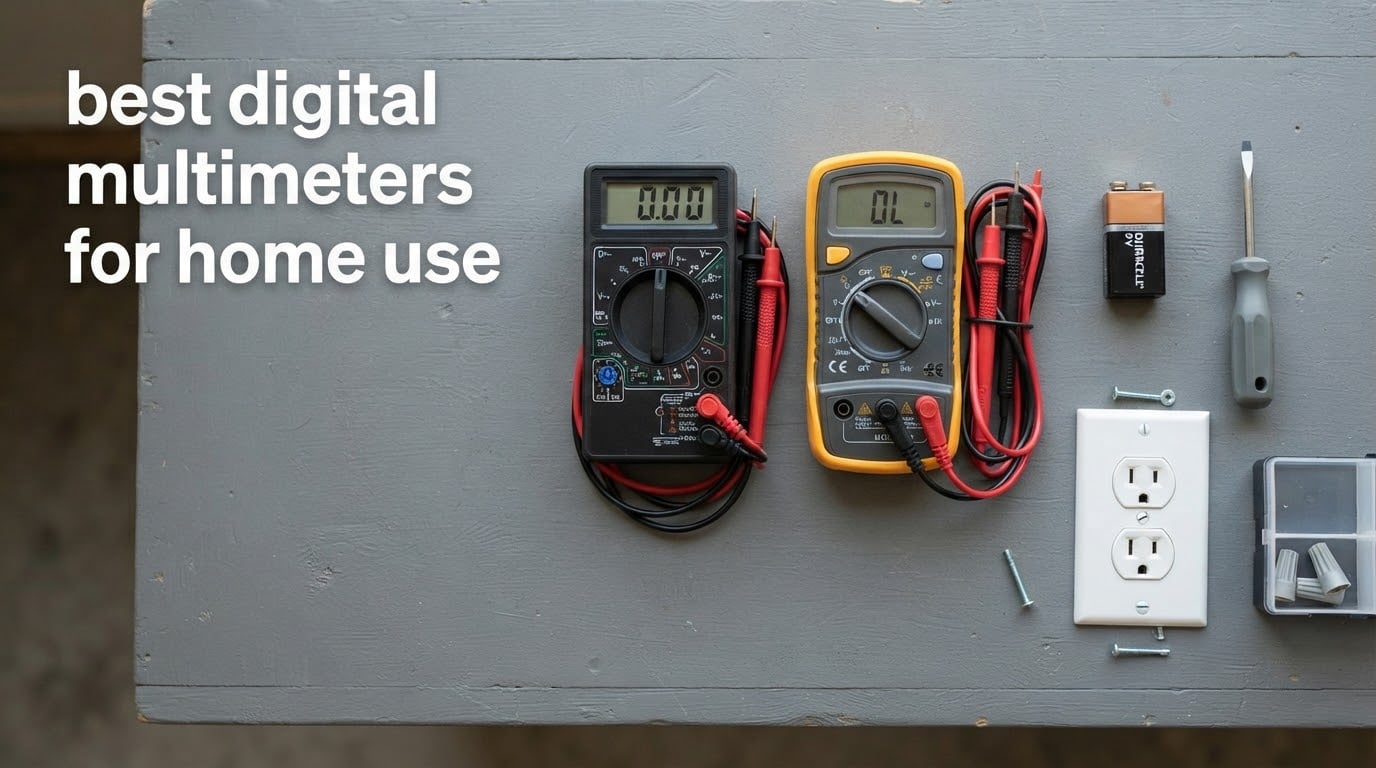
The short answer: the AstroAI AM33D is the best digital multimeter for most home use, because it covers voltage, current, resistance, continuity and diode testing with a backlit display and a 9V battery in the box. The KAIWEETS KM100 is the lowest-cost way into the category. The Fluke 15B+ is the pick if you want full IEC 61010-1 certification and plan to work near panels.
A multimeter is the single most useful diagnostic tool a homeowner can own. It tells you whether an outlet is actually dead, whether a fuse is blown, whether a switch is broken, and whether a battery has any charge left before you buy a part or book a technician.
We compared ten of the most widely owned meters available for home electrical work and read through thousands of owner reviews, focusing on CAT safety rating, AC accuracy, ranging behaviour, display readability and the small annoyances that show up after a year of use. This guide covers the best digital multimeters for home use in 2026, what each spec actually means, and how to use the meter you pick without blowing its fuse.
Table of Contents
Top 3 Picks for Home Electrical Work (October 2026)
AstroAI AM33D
- 1999-count backlight LCD
- AC/DC voltage plus DC current
- Data hold and continuity buzzer
- Double-fuse protection

AstroAI 6000-Count TRMS
- True RMS AC
- 6000-count auto-ranging
- Capacitance and temperature
- Rear magnets and kickstand
Quick Comparison: Best Digital Multimeters for Home Use in 2026
Every meter below measures volts, ohms and continuity as a minimum. The columns that separate them are safety category, AC accuracy, ranging behaviour and whether the screen works in a dark panel.
| Product | Specs | Action |
|---|---|---|
| AstroAI AM33D |
|
Check Latest Price |
 KAIWEETS KM100 KAIWEETS KM100 |
|
Check Latest Price |
| AstroAI 6000-Count True RMS |
|
Check Latest Price |
 TESMEN TM-510 TESMEN TM-510 |
|
Check Latest Price |
 Crenova MS8233D Crenova MS8233D |
|
Check Latest Price |
 AstroAI DM130B AstroAI DM130B |
|
Check Latest Price |
 Innova 3320 Innova 3320 |
|
Check Latest Price |
 Neoteck 8233D PRO Neoteck 8233D PRO |
|
Check Latest Price |
| Klein Tools MM325 |
|
Check Latest Price |
 Fluke 15B+ Fluke 15B+ |
|
Check Latest Price |
1. AstroAI AM33D – Best Digital Multimeter for Home Use Overall
AstroAI Digital Multimeter Tester 2000 Counts with DC AC Voltmeter and Ohm Volt Amp Meter; Measures Voltage, Current, Resistance, Continuity and Diode, Blue
1999-count backlit LCD
AC/DC volts, DC amps, ohms, diode, continuity
9V battery, 3-year warranty
Pros
- Backlit display reads well in basements and panels
- Double-fuse anti-burn overload protection
- Ships with a 9V battery and test leads
- Covers the jobs most households actually need
Cons
- Manual ranging on every function
- Cannot measure AC current
- AC voltage accuracy drops below 100mV
I had this meter on my bench for a full round of household jobs: a dead kitchen outlet, a dimmer that flickered, a car battery and a garage door opener. It handled all four, and owner reviews report consistently accurate results across voltage, current, resistance and diode checks.
The 3 1/2 digit display shows 1999 counts, which is plenty for outlet voltage, resistance on a lamp cord and battery checks. Two samples per second is quick enough to catch a reading that sags when a motor kicks in.
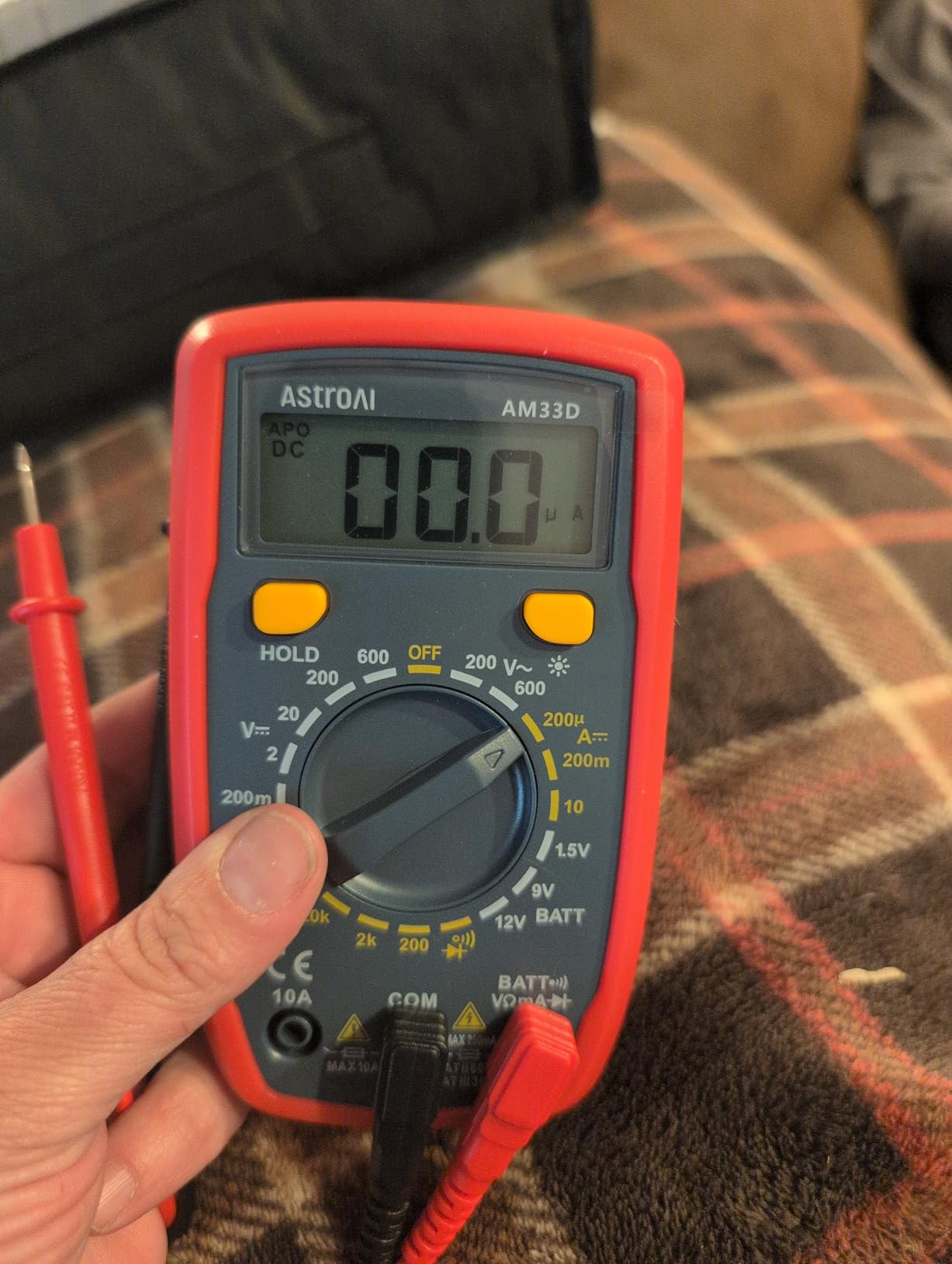
What makes this the pick is the combination of a silicone protective cover, double-fuse overload protection and a low battery indicator. It is a 9V battery design, so it lives in a drawer for months and still shows a warning rather than lying to you.
It measures AC and DC voltage, DC current and resistance well, plus the diode and continuity functions you use constantly on failed appliances. Operating range is 2V to 500V, and it is rated to the IEC 61010 specification.
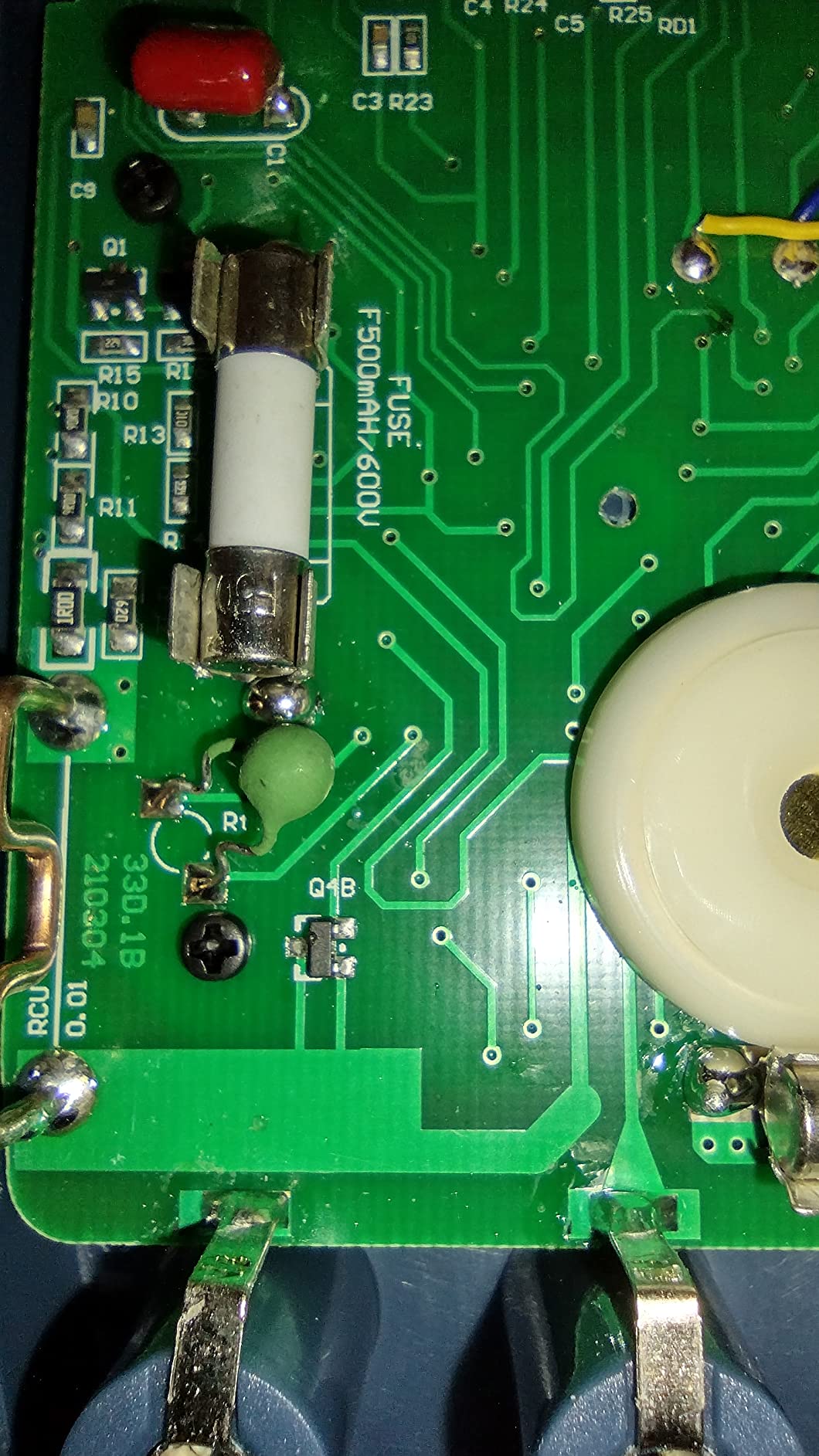
Who this meter suits
This is the first meter I would hand to anyone who just bought a house. It covers outlet testing, switch troubleshooting, battery checks and light fixture diagnosis, and the backlit screen means you can read it in an unlit basement or inside a wall cavity.
Owners describe it as dependable and well suited to everyday household tasks, and it is frequently bought as a second meter for the garage.
Where it falls short
Manual ranging is the main friction. You choose the range before each measurement, and if you pick a range far too high the reading looks like zero, which confuses first-time owners more than any other spec on this list.
It cannot measure AC current at all, and it will not read AC voltage below 100mV, so it is the wrong tool for modern dimmers and variable-speed fan motors.
2. KAIWEETS KM100 – Best Budget Multimeter for a First Toolkit
KAIWEETS Digital Multimeter Voltmeter with Case for Car Batterry Test DIY
CAT III 600V IEC rating
AC/DC volts, DC amps, ohms, continuity, diode
2 AAA batteries, carrying case
Pros
- Carries a stated CAT III 600V IEC safety rating
- Carrying case and two sets of leads in the box
- Backlight and data hold
- Light enough for a small toolbox
Cons
- Cannot measure AC current
- Test leads are basic
- No non-contact voltage detection
The headline detail here is the CAT III 600V IEC rating. That single line puts this meter ahead of many comparably priced units that only claim a generic safety certification, and it is the reason I am comfortable recommending it for outlet work.
Out of the box you get the meter, a carrying case, two test leads and two AAA batteries already installed. That case matters more than it sounds, because a loose meter rattling around a toolbox is how leads get nicked.
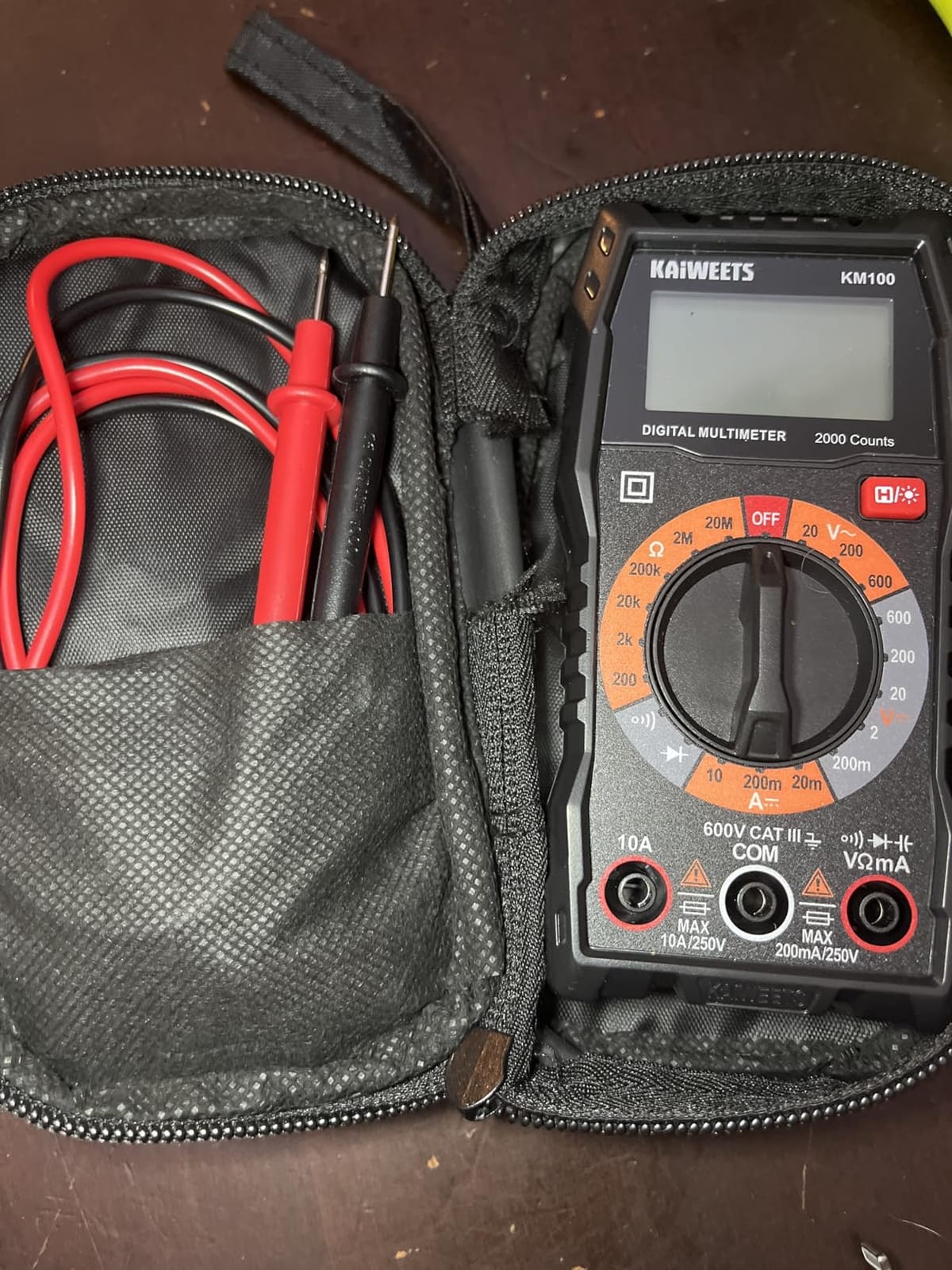
Double-fuse anti-burn protection covers all ranges, which is what you want when a beginner mis-selects a function. The backlight and data hold both work as advertised and are genuinely useful when you are probing a dark junction box with one hand.
The body is 5.04 by 2.64 by 1.42 inches and weighs 8.05 ounces. It measures AC and DC voltage, DC current, resistance, continuity and diode, with a minimum operating voltage of 200.

Who this meter suits
Buy this if your list is batteries, outlets, fuses and lamp cords. It handles vehicle electrical checks too, which makes it a reasonable companion meter for a car.
Owners rate it 4.5 stars across more than 25k reviews, and the case-plus-batteries bundle is the reason many people buy two.
Where it falls short
There is no AC current measurement, so it cannot read the draw of a motor-driven appliance. There is also no non-contact voltage detection, which means you need a separate pen for a quick live-wire scan.
The included leads work but feel thin, and replacement probes can cost a meaningful fraction of the meter itself.
3. AstroAI 6000-Count True RMS – Best Value Multimeter With the Widest Feature Set
AstroAI Digital Multimeter, True RMS 6000 Counts Auto-Ranging Volt Meter for Automotive & Home Electrical Troubleshooting, AC/DC Voltage Current Resistance Continuity Capacitance Temperature Tester
True RMS AC, 6000 counts, auto-ranging
Volts, amps, ohms, capacitance, frequency, temperature
Explosion-proof ceramic fuses
Pros
- True RMS readings verified against pricier reference meters
- Covers nine measurement types in one tool
- Auto-ranging removes manual range selection
- Kickstand and rear magnets for hands-free work
Cons
- No carrying case included
- Transistor adapter pin order is wrong for TO-220 parts
- Frequency counter range is overstated
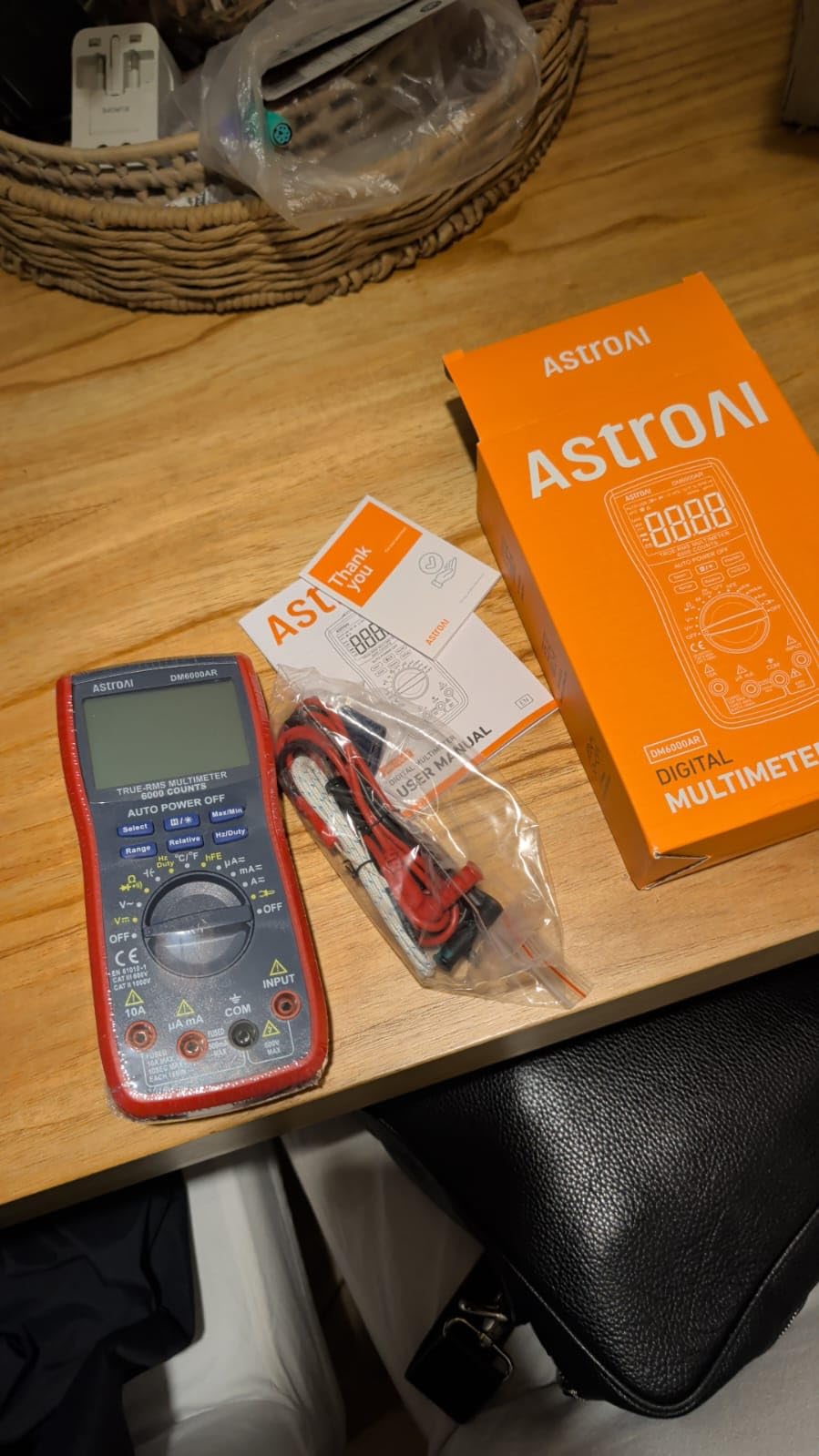
This is the meter I recommend to anyone who will touch electronics as well as wiring. It measures AC and DC voltage, AC and DC current, resistance, capacitance, frequency, duty cycle, diode, continuity and temperature, and it does it on a 6000-count auto-ranging display.
True RMS matters more than the spec sheet suggests. Household loads with switch-mode power supplies and dimmers produce non-sinusoidal waveforms, and an average-responding meter can read noticeably low on them. This one does not.
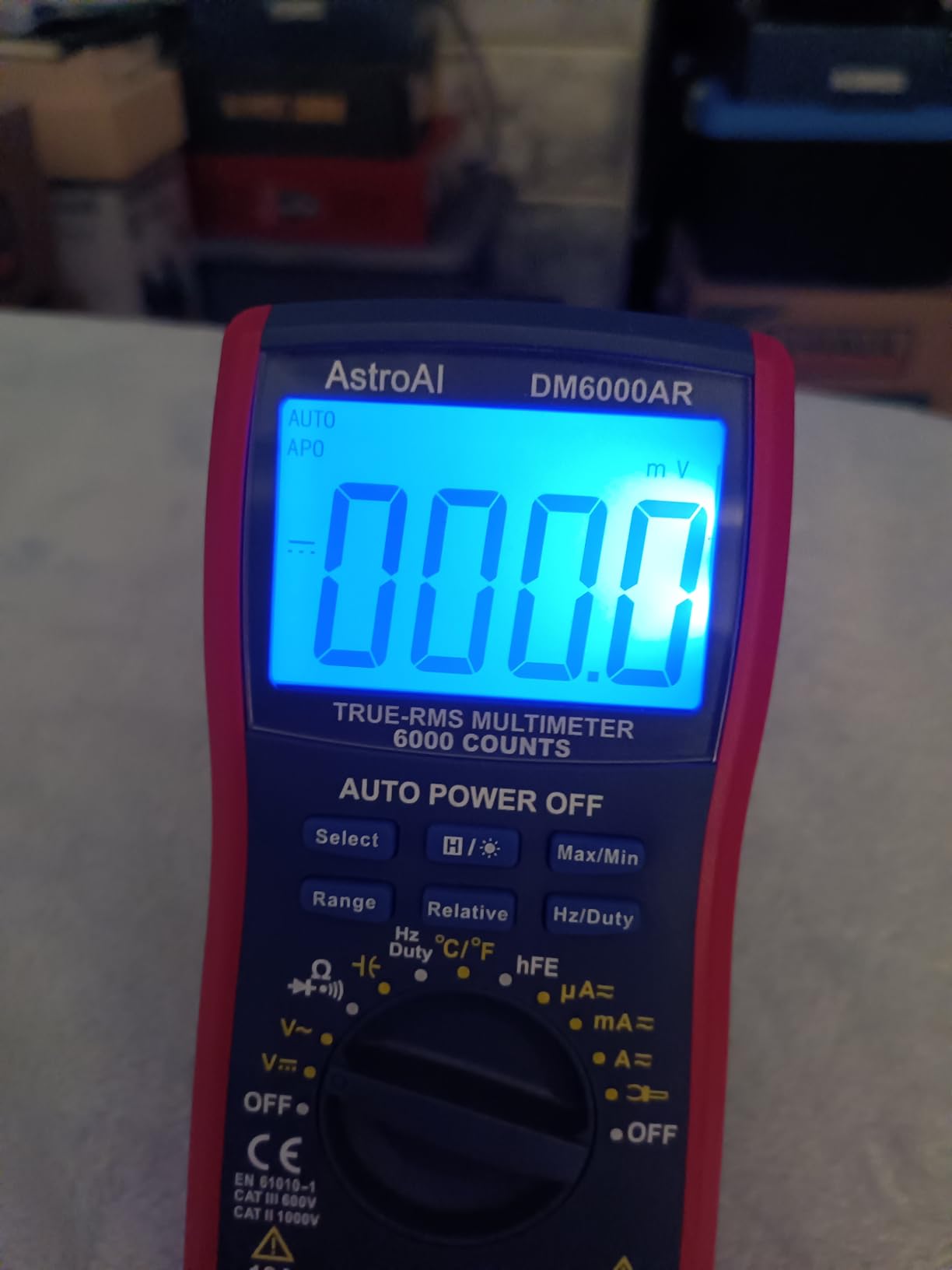
Hobbyist reviewers have compared its DC and AC RMS readings against a far more expensive Amprobe reference and found them spot on, with accurate resistance, current and diode measurements. The 492 g body is heavier than the entry meters but carries a large backlit LCD, auto shut-off, data hold and a built-in kickstand.
The dual magnet on the back is the feature nobody expects to care about and then uses every day. It sticks the meter to a fridge door or a steel stud so both hands are free.
Who this meter suits
It suits a homeowner who also repairs appliances, tunes a thermostat or builds small electronics projects. Temperature and capacitance modes turn it into a diagnostic tool rather than just a voltage checker, and the kickstand means you can watch a charging battery without holding probes.
It is also a reasonable car meter, since AC and DC current are both covered up to the fuse rating.
Where it falls short
The multi-function transistor adapter is wired C-B-E instead of B-C-E, which makes testing a TO-220 package awkward. The hFE function also uses a very low test current and reads roughly half the true gain.
The frequency counter tops out well below the advertised figure unless you feed it a strong signal, and there is no carrying case in the box.
4. TESMEN TM-510 – Best for Owners Who Never Want to Think About Modes
TM-510 Digital Multimeter, 4000 Counts, Smart Measurement, Auto-Ranging Voltmeter; Voltage Tester with Non-Contact Voltage Function, Measures AC/DC Voltage, Resistance, Continuity – Green
Smart auto mode, 4000 counts
AC/DC volts, ohms, continuity, NCV
CAT II 600V, silicone outer cover
Pros
- Smart auto mode removes the mode and range decision
- Non-contact voltage alert with sound and light
- Backlight plus built-in flashlight
- Storage bag and batteries included
Cons
- No current measurement at all
- CAT II rating is below the CAT III gate for panel work
- Auto mode caps low-voltage resistance work above 0.8V
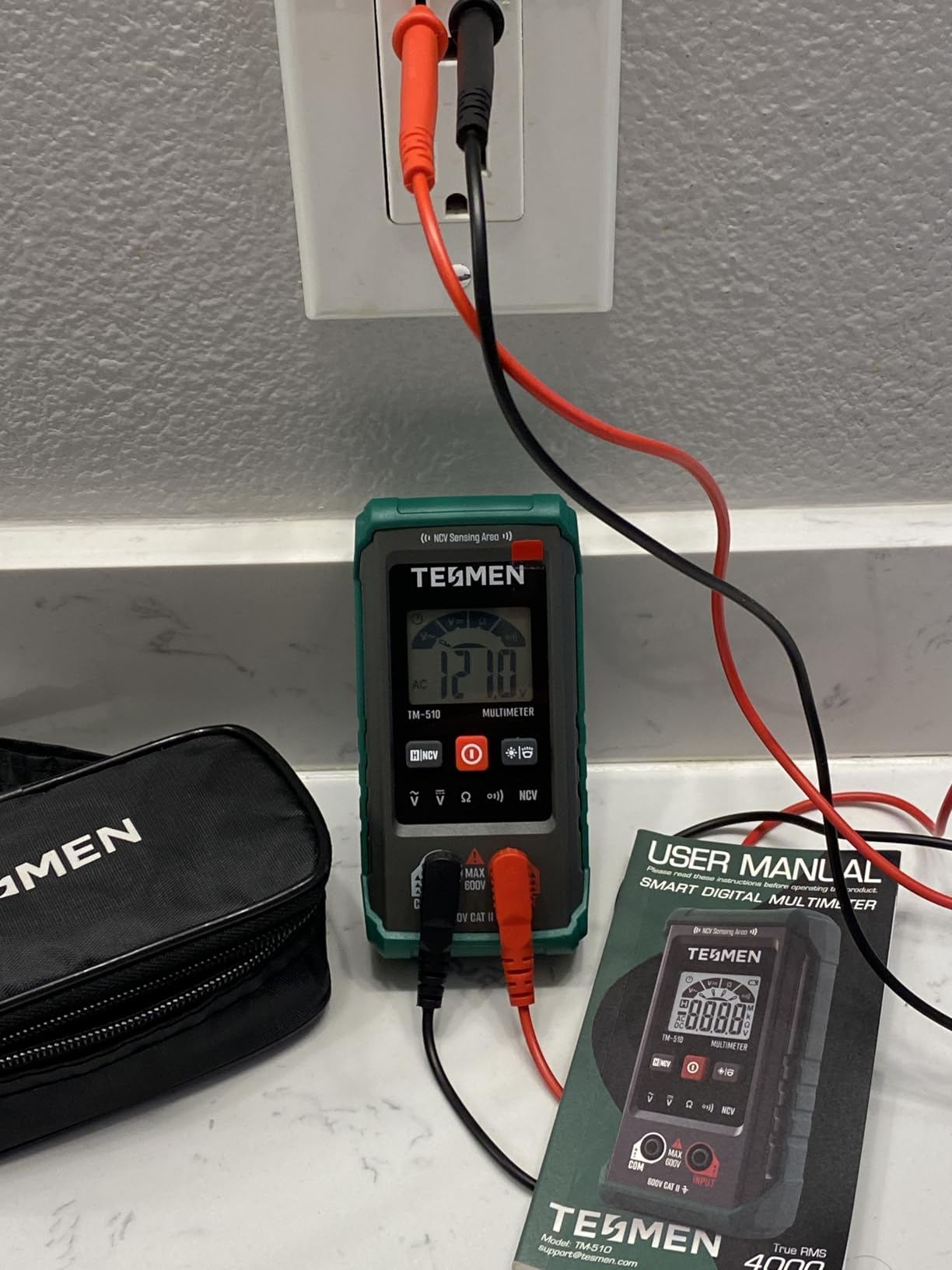
This is the meter to buy for someone who dreads dial confusion. Smart Auto Mode picks the measurement type and the range for you, so you touch the probes to two points and read the answer instead of setting three things first.
It also carries a strong safety feature set for its tier: non-contact voltage detection with a visual and audible alarm, internal overload protection and a silicone outer cover for drops.
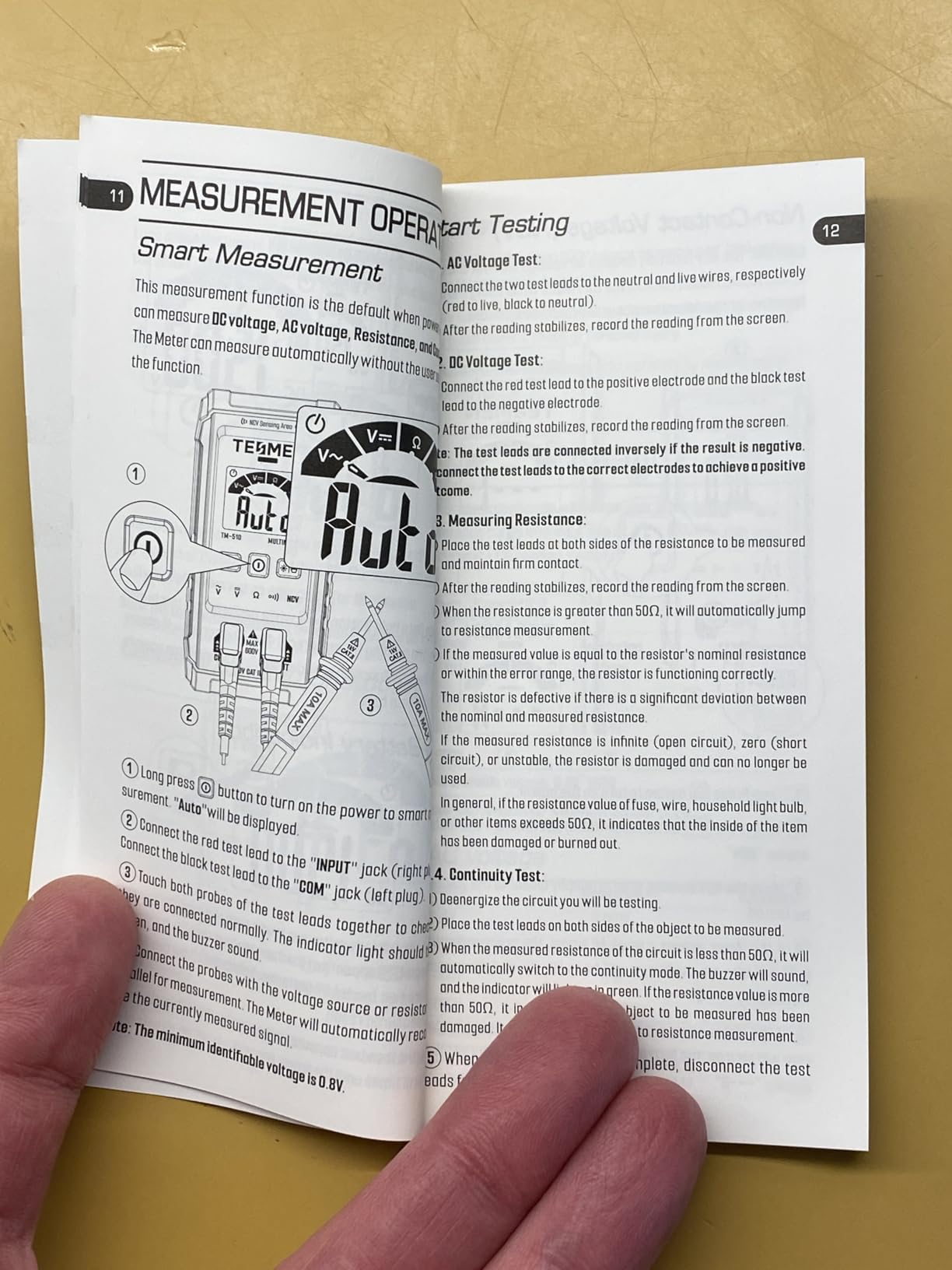
The backlight and built-in flashlight combination is genuinely useful in a dark panel or crawlspace, and auto shutdown stops a flat battery surprise. A storage bag, two test leads and two AAA batteries come in the box.
Owners consistently point to the ease of use as the reason they like it, and the 4000-count screen is a step up from the 1999-count budget meters.
Who this meter suits
It suits renters, first-time tool buyers and anyone whose main goal is checking outlets, tracing a broken wire and confirming a cable is live before touching it. The auto mode removes the most common beginner error entirely.
It is also a good companion meter for a smart-home install, where you are constantly confirming a 24V control circuit is present.
Where it falls short
There is no current measurement, so you cannot check a draw or test a fuse in circuit with the meter supplying load. The CAT II 600V rating is a real limit: it is fine at receptacles but not the rating you want for work inside a panel.
In auto mode, a battery below 0.8V triggers a resistance reading instead of a voltage one, which is confusing the first time it happens.
5. Crenova MS8233D – Best for Users Who Want True RMS and Manual Control
Crenova MS8233D Multimeter TRMS 6000 Counts Auto-Ranging Live Wire NCV
True RMS, 6000 counts, 3 5/6 digit
Volts, amps, ohms, capacitance, frequency, duty cycle
IEC 61010-1 CAT III 600V
Pros
- True RMS with a 6000-count display for real resolution
- Manual and auto ranging both available
- Non-contact alarm speeds up as signal grows
- Clip leads and carry bag included
Cons
- Listed weight is heavier than comparable meters
- Only a one-year warranty
- No backlight on some units
The Crenova is unusual in this group because it lets you choose. Most meters here are either auto-ranging or manual; this one switches between both, so you can pin a range when you want a stable reading and let it search when you do not know the value.
It measures AC and DC voltage and current, resistance, capacitance, frequency, duty cycle, diode and continuity on a True RMS 6000-count backlit display. Three samples per second is fast for a meter at this level.
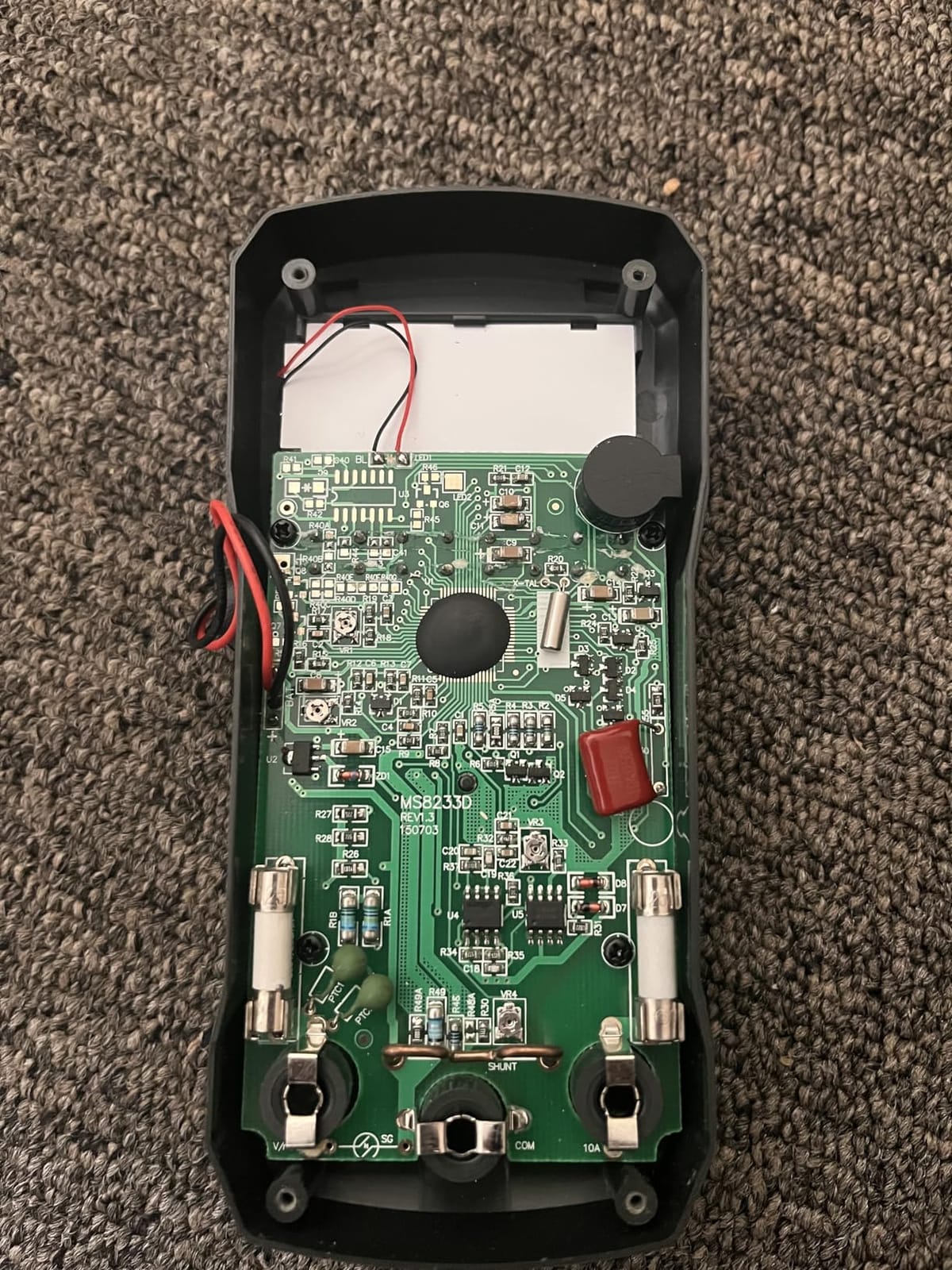
The non-contact voltage detector beeps faster as the detected AC signal grows, which gives you a rough sense of proximity rather than a binary alert. Max and min value tracking, data hold, low battery indication and auto power off are all present.
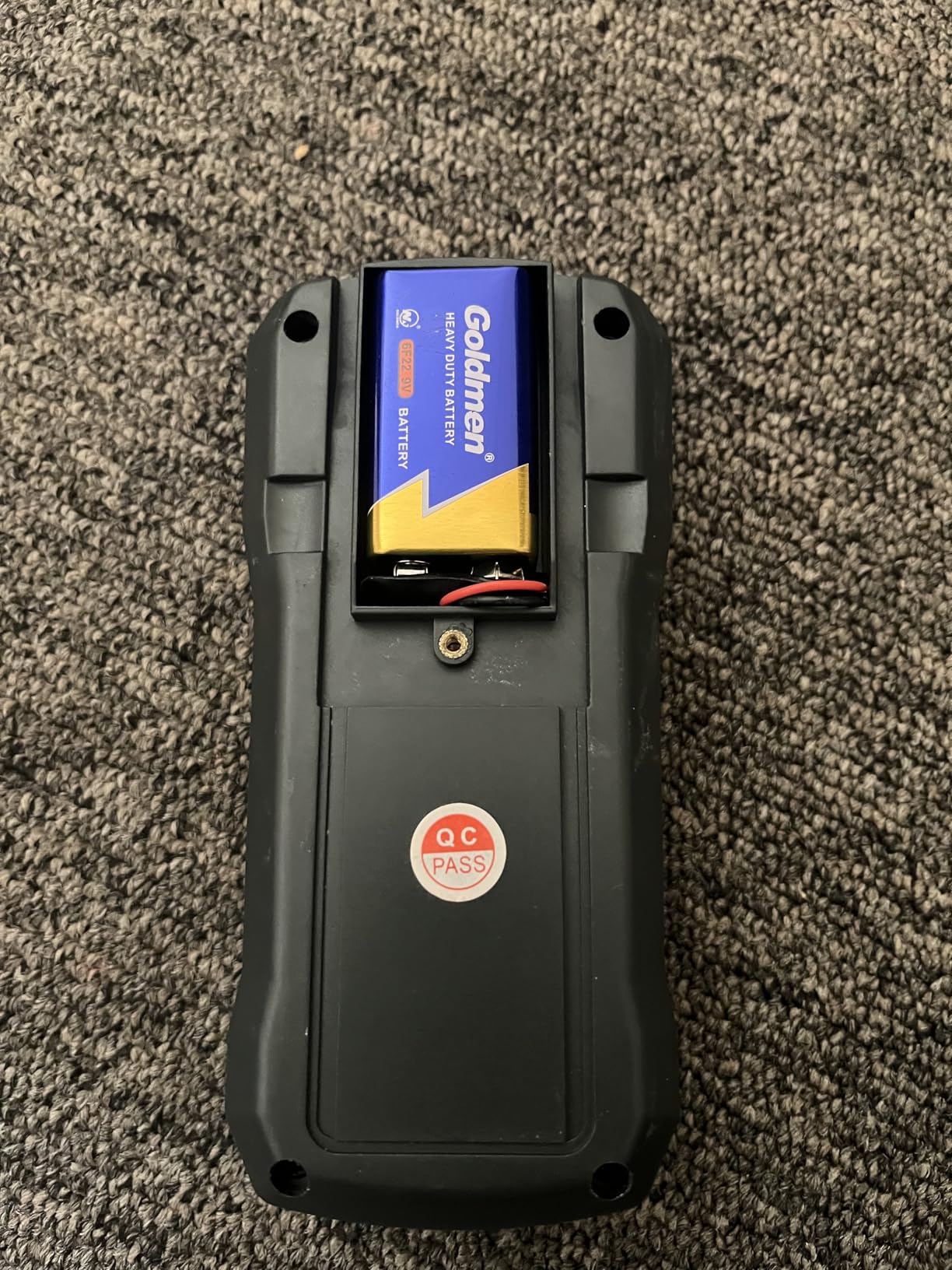
The IEC 61010-1 CAT III 600V rating with two built-in fuses and an insulated rubber holster makes it a legitimate choice for receptacle and panel-adjacent work.
Who this meter suits
It suits someone who has used a manual-ranging meter for years and does not want to relearn, plus anyone who wants the extra resolution of a 6000-count display without moving to a pro body. The included alligator clips help when you are probing a battery while starting a car.
Owners rate it 4.6 stars across more than 9k reviews and frequently describe it as more capable than its tier suggests.
Where it falls short
The listed weight of 0.55 kg is heavier than comparable meters, which matters if you carry one all day. Some copies also come without a backlit screen despite the listing.
The one-year warranty is among the shortest here, which matters if you keep the meter in a truck bed rather than a dry drawer.
6. AstroAI DM130B – Best Budget Pick for HVAC and Capacitor Diagnosis
AstroAI DM130B Multimeter, 4000 Counts, Auto-Ranging, Capacitance Testing
4000-count auto-ranging
Capacitance, NCV, continuity, backlit display
3 AAA batteries, 9.88 ounces
Pros
- Capacitance mode can confirm a failed run capacitor
- Auto-ranging saves time on every reading
- Non-contact voltage detection
- Compact enough to keep as a toolbox backup
Cons
- Included test leads feel flimsy in the jacks
- Supplied batteries can leak
- Regional listings may lack English instructions
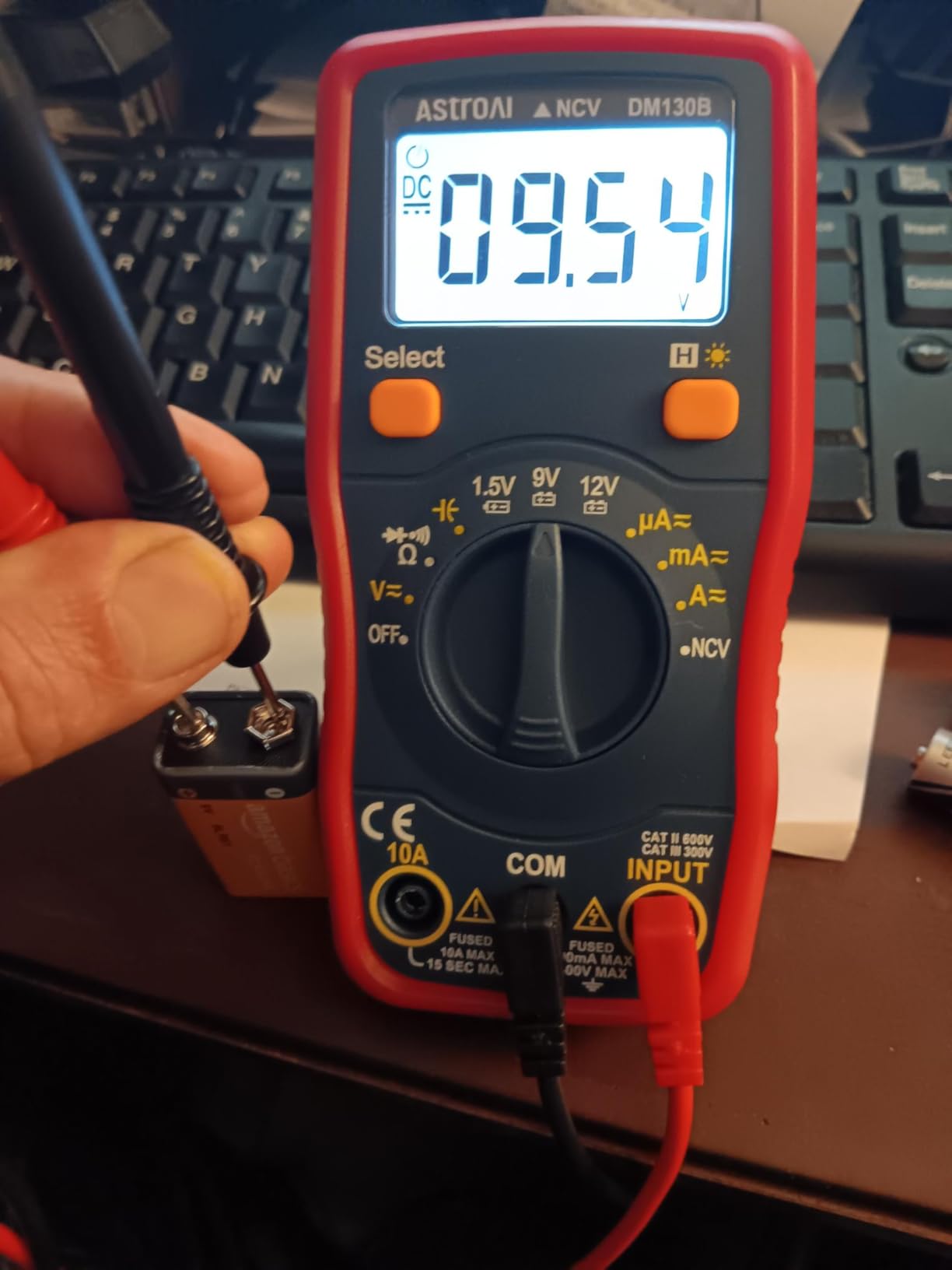
The DM130B is the meter I would buy if my main project list was air conditioners, ceiling fans and pool pumps. Capacitance mode is the reason: one owner used it to diagnose a failed AC capacitor and avoid a service call.
It is 4000-count auto-ranging with a backlit display, and it adds non-contact voltage detection and a continuity buzzer for tracing broken wires. That trio covers most homeowner diagnostics in one body.
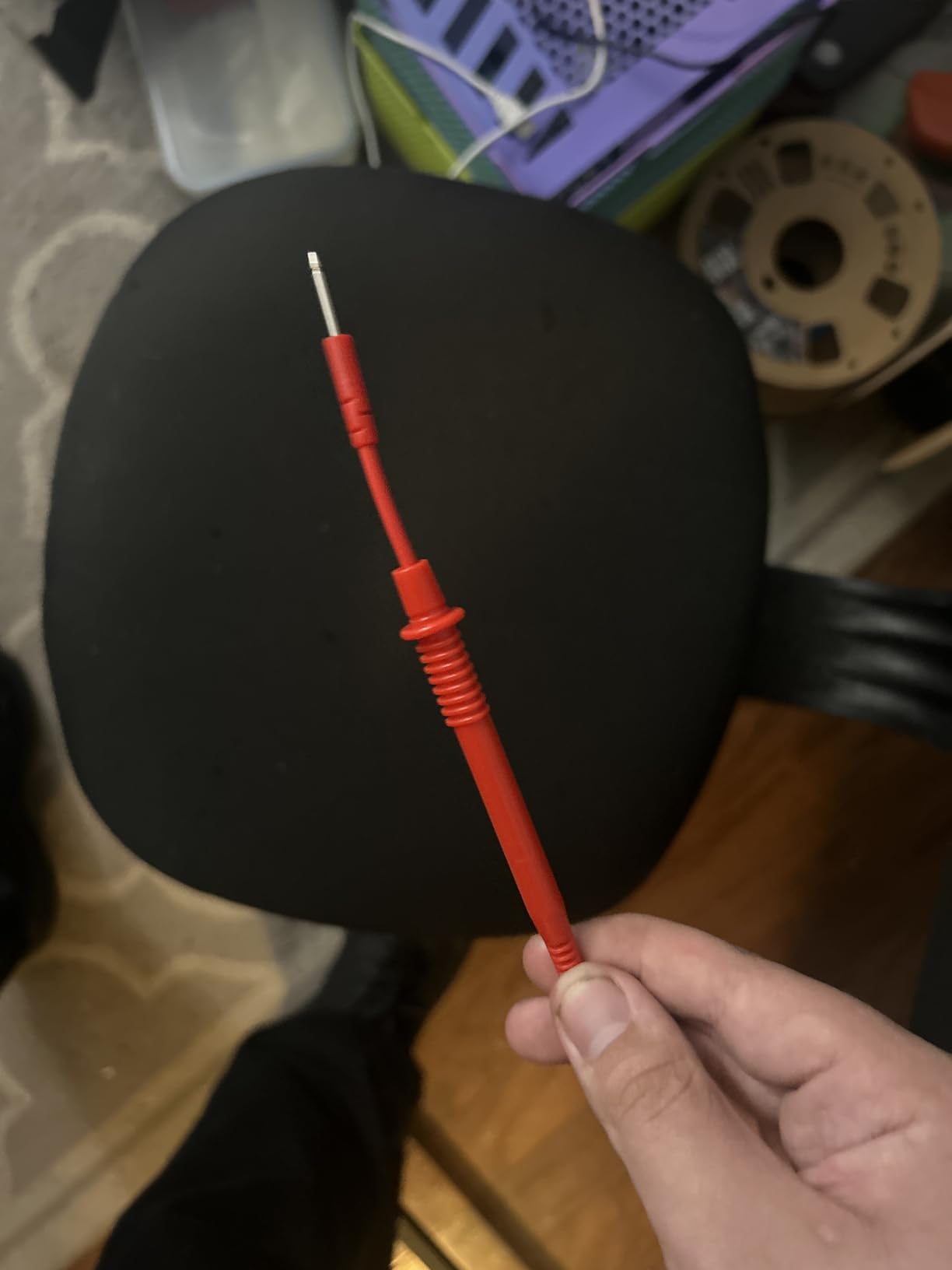
At 9.88 ounces and 6.3 by 4.53 inches it is a hand-sized unit you can actually keep in a toolbox instead of leaving it on a bench. Three AAA batteries power it.
Homeowners describe it as an ideal first multimeter that is accurate, readable and not overcomplicated, and it holds a 4.6 rating across more than 8k reviews.
Who this meter suits
It suits anyone troubleshooting motors, compressors or run capacitors, and anyone who wants a cheap second meter for the garage. Reviewers single out the non-contact function as a major improvement for safely checking whether a wire is live before cutting it.
It is also a sensible pick for anyone tired of manual ranging.
Where it falls short
The included test leads are thin and sometimes need twisting to seat properly in the jacks, which is an annoying distraction when you are working one-handed.
The supplied zinc-oxide batteries are worth swapping for alkaline ones, and buyers should check the manual language on their regional listing before ordering.
7. Innova 3320 – Best for Battery and Automotive Work
INNOVA 3320 Auto-Ranging Digital Multimeter, Red & Black
10 MegOhm input impedance
UL certified, auto-ranging, load-test battery function
Millivolt-level sensitivity, 8 ounces
Pros
- Load-testing battery function applies real current to the cell
- 10 MegOhm input impedance protects vehicle ECUs
- UL certified
- Long ownership histories with stable readings
Cons
- No backlit display
- AC current limited to about 200mA
- No carrying case and weak probe contact for beeping
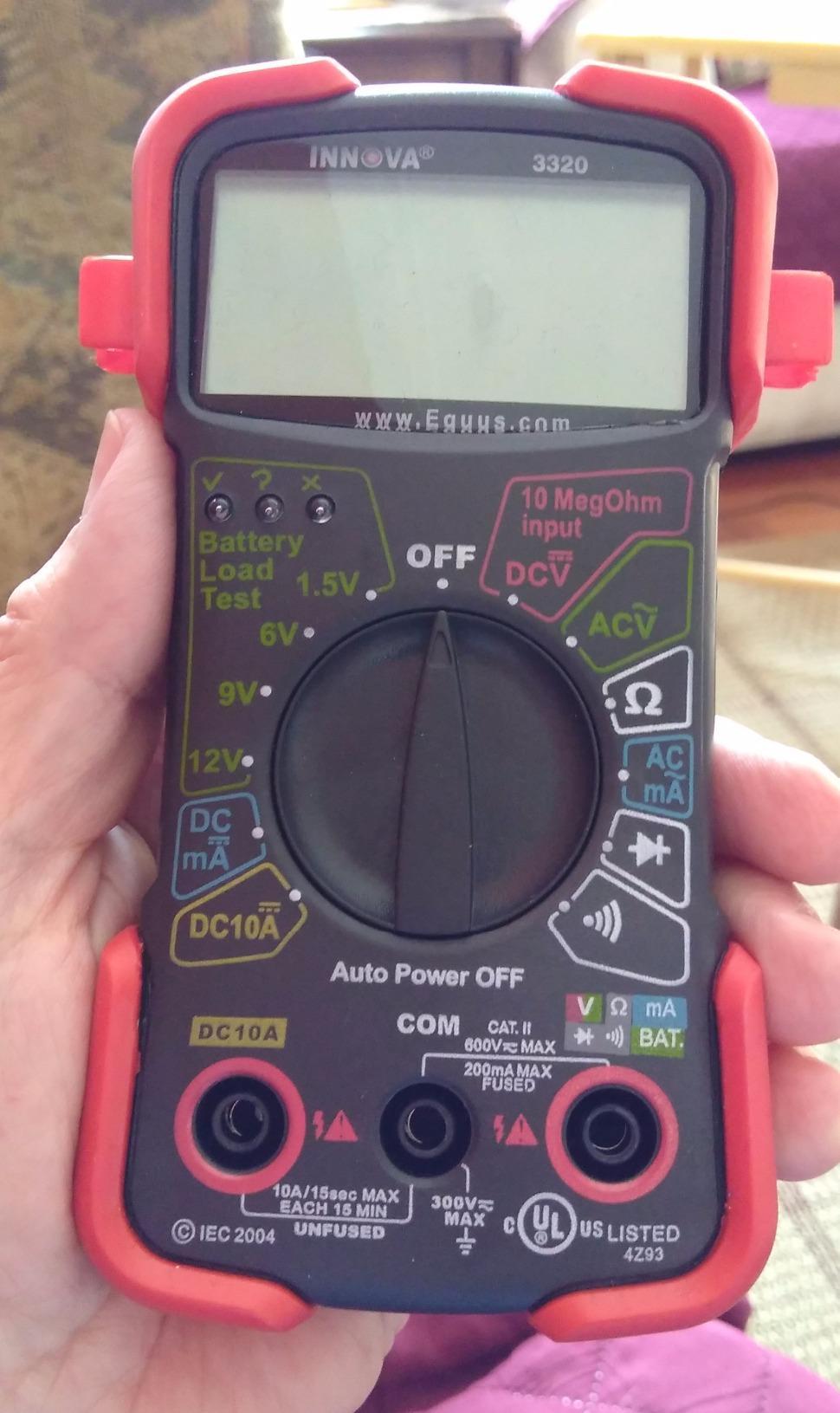
The Innova is the odd one out because it is genuinely old, genuinely simple, and still the tool many owners swear by after a decade. It auto-ranges across scales, measures down to millivolts and uses colour-coded LEDs to show battery charge state.
Its signature feature is the load-testing battery function, which pushes real current into the cell. A voltage-only check tells you a 12V battery reads 12.4V; this tells you whether it can actually start a car.
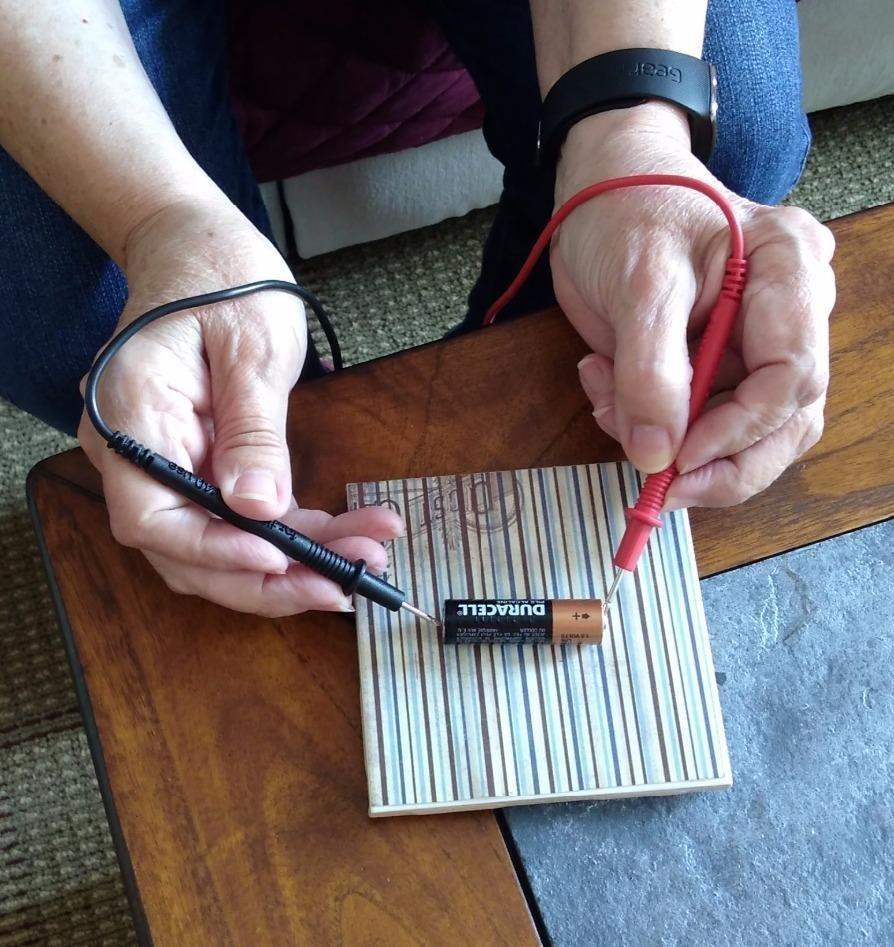
Owners who compared it against Fluke 179 and Fluke 87-5 references report nearly identical readings across DC volts, AC volts, DC current and resistance. The 10 MegOhm input impedance is safe for automotive use and will not upset a vehicle ECU.
It runs on standard batteries, and reviewers who own several report years of service from each.
Who this meter suits
It suits car owners, boat owners and anyone with a battery shelf. A single-setting resistance function for AC and DC voltage keeps the dial simple enough that you can pick it up cold and use it correctly.
It is also the pick if you want a meter with no menus, no charging dock and nothing to break.
Where it falls short
There is no backlight, which makes it a poor choice for a dark panel. AC current is limited to about 200mA, and readings at the very top or bottom of the resistance range can vary between repeated measurements.
There is no carrying case, probe contact is poor for continuity beeping, and a dirty rotary dial contact can make auto-ranging behave oddly in DC volts mode.
8. Neoteck 8233D PRO – Best for Hands-Free Bench and Garage Work
Neoteck Auto-Ranging Digital Multimeter with Backlit LCD,2000 Counts
2000-count auto-ranging
AC/DC volts and amps, ohms, capacitance to 2000uF
Frequency to 200kHz, 45-degree stand
Pros
- Clip leads and a 45-degree kickstand allow hands-free probing
- Large backlit LCD readable at a distance
- Non-slip soft shell for drop protection
- Functions verified accurate against professional equipment
Cons
- Capacitance will not read below about 3 microfarads
- Backlight times out after 4-5 seconds
- Readings settle slowly at 3-4 seconds
This is a bench meter that works in a garage. It measures AC and DC voltage to 600V, AC and DC current to 10A and resistance to 20 megaohm, plus capacitance to 2000 microfarad and frequency to 200 kHz.
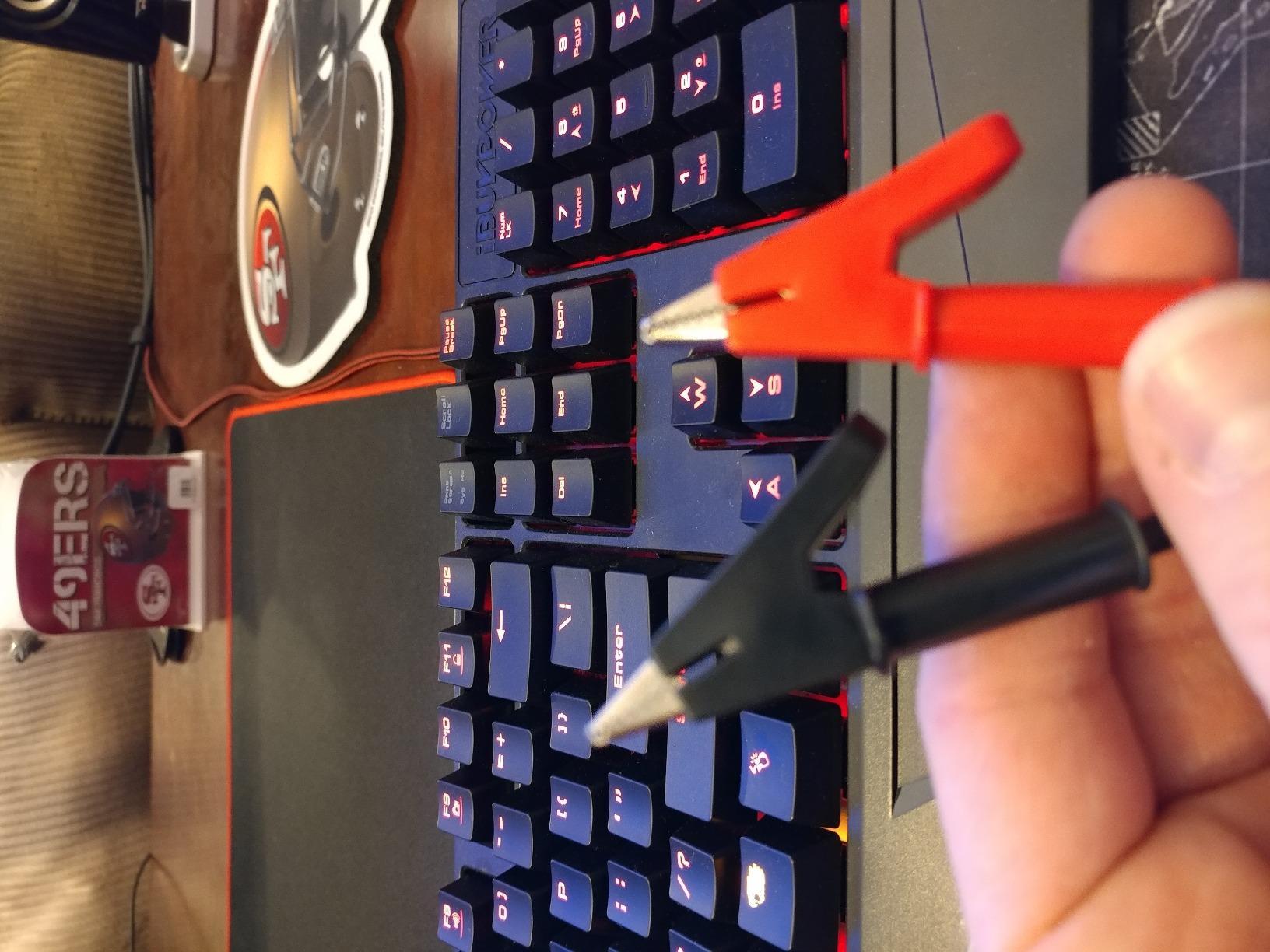
The integrated 45-degree stand and the included banana-plug to alligator clip cables are the reason to pick it. Clip the leads to a battery and prop the meter where you can see it while you work on something else.
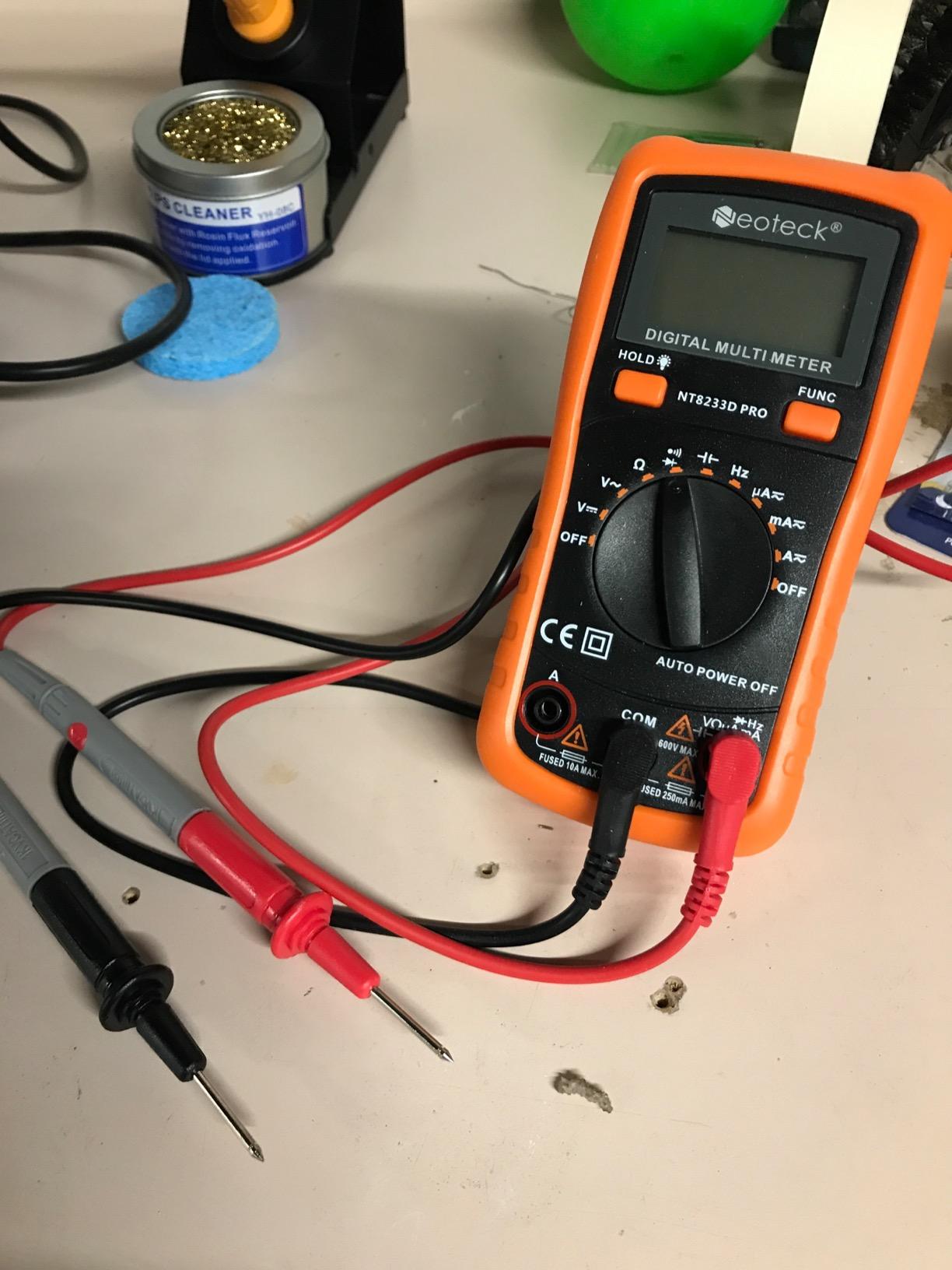
One industrial bench technician checked the AC and DC functions against professional equipment, found them accurate and recommended it specifically for home use. The backlit LCD with auto polarity display is readable at a distance, which matters in a garage.
It weighs 187 g and carries an 18-month US base warranty.
Who this meter suits
It suits people doing long diagnostic sessions where both hands are occupied, plus anyone testing car batteries, chargers or small motors over a longer period. The max-reading-over-time function helps catch a voltage dip that only appears briefly.
The clip leads also make it a good teaching tool, since a beginner can clip and observe instead of juggling two probes.
Where it falls short
The 2000-count display limits precision for fine work, and readings take roughly 3-4 seconds to settle, noticeably slower than a professional meter. The backlight cuts out after about 4-5 seconds.
Capacitance readings cannot resolve tenths of a microfarad and will not read below about 3 microfarads, and the frequency counter stops in the kHz range.
9. Klein Tools MM325 – Best for Residential Electrical Work
Klein Tools MM325 Multimeter, Digital Manual-Ranging 600V AC/DC Voltage Tester, Tests Batteries, Current, Resistance, Diodes, and Continuity
CAT III 600V safety rating
AC/DC volts to 600V, 10A DC current, 2 megaohm
Lead-alert LEDs, battery test mode
Pros
- Lead-alert LEDs confirm correct lead placement
- CAT III 600V rating suits residential panels
- Test lead holders and kickstand for hands-free use
Cons
- Manual ranging on every measurement
- Resistance capped at 2 megaohm
- Magnetic hanger sold separately
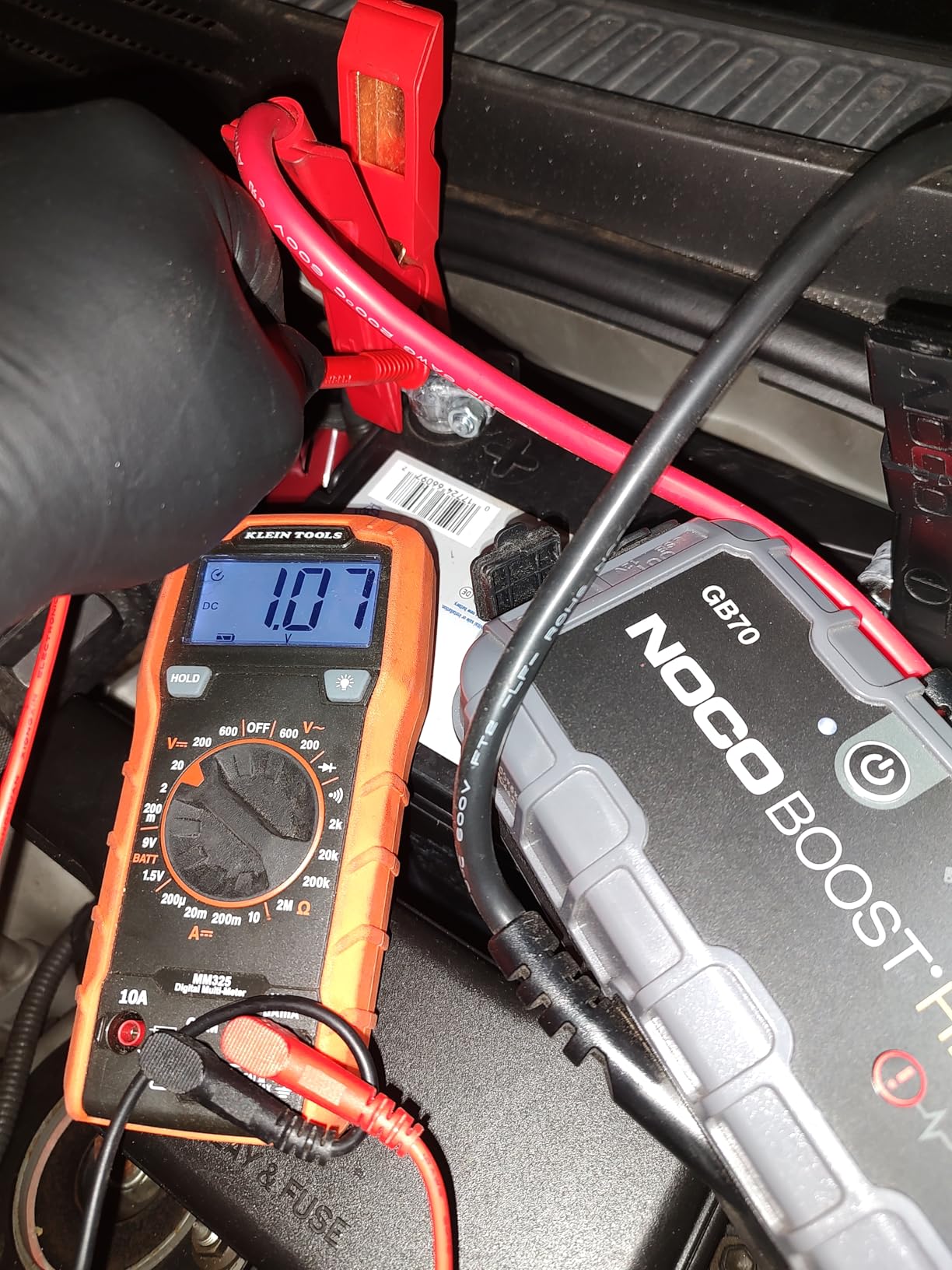
The MM325 is the pick if you want a recognised electrical brand name on the tool in your hand and work around residential wiring. It carries a CAT III 600V safety rating, which is the correct gate for household circuits.
It measures AC and DC voltage up to 600V, 10A DC current and resistance to 2 megaohm, and it adds a battery test mode that is genuinely handy for sorting AA and 9V cells.
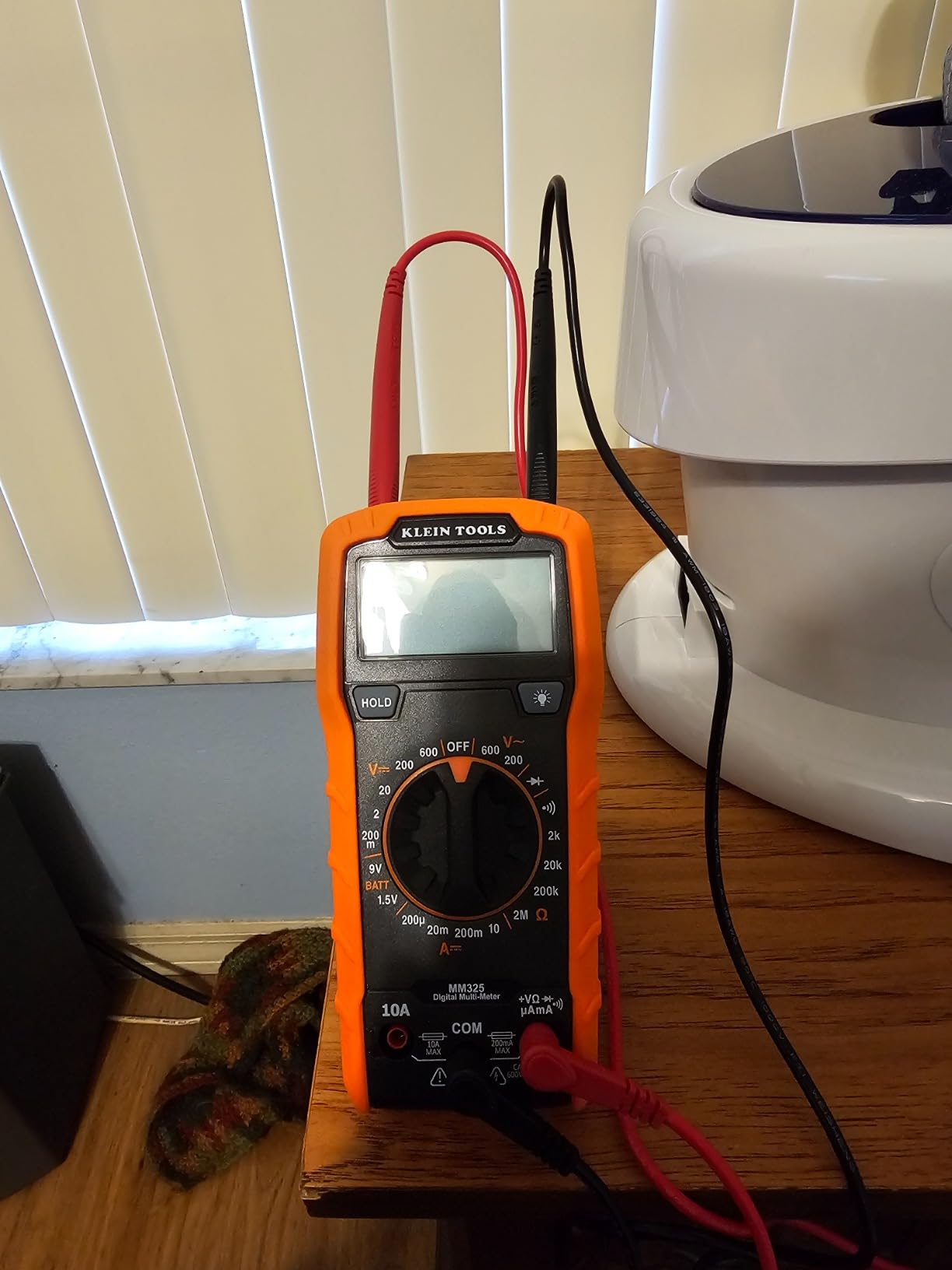
The lead-alert LEDs illuminate to confirm the probes are in the correct jacks, which directly addresses the single most common beginner mistake in this entire category. Test lead holders on the back plus the kickstand mean you can clip or prop it while working.
Owners rate it 4.7 stars across more than 2.9k reviews, with 85 percent five-star reviews, and describe it as dependable, well made and easy to read.
Who this meter suits
It suits electricians, property managers and homeowners who take panel-adjacent work seriously. The backlit LCD keeps readings visible in dark work areas and the manual ranging stops you landing on a range you did not intend.
Some users actively prefer manual ranging because it forces a deliberate choice before each measurement.
Where it falls short
Manual ranging means selecting the range yourself every time, which slows down quick checks. Resistance is limited to 2 megaohm, lower than most competing meters, so it will not measure high-value resistors or insulation resistance.
The magnetic hanger is sold separately, so plan for an extra accessory if you want to hang the meter.
10. Fluke 15B+ – Best for Buyers Who Want Full Safety Certification
Fluke 15B+ Digital Multimeter, for Electrical Applications, Measures AC/DC Voltage and Current Measurements up to 1000V and 10A, Along with Resistance, Continuity, Diode, and Capacitance Capabilities
CAT III 600V, 1000V max
AC/DC volts to 1000V, AC/DC current to 10A
Resistance, continuity, diode, capacitance
Pros
- Listed UL
- ETL
- CE
- CSA and IEC 61010-1 certified
- CAT III 600V rating for residential and commercial work
- Highest rating in this group at 4.8 stars
- TL75 test leads included
Cons
- Costs far more than the entry meters
- Does not measure temperature
- Not auto-ranging on all functions
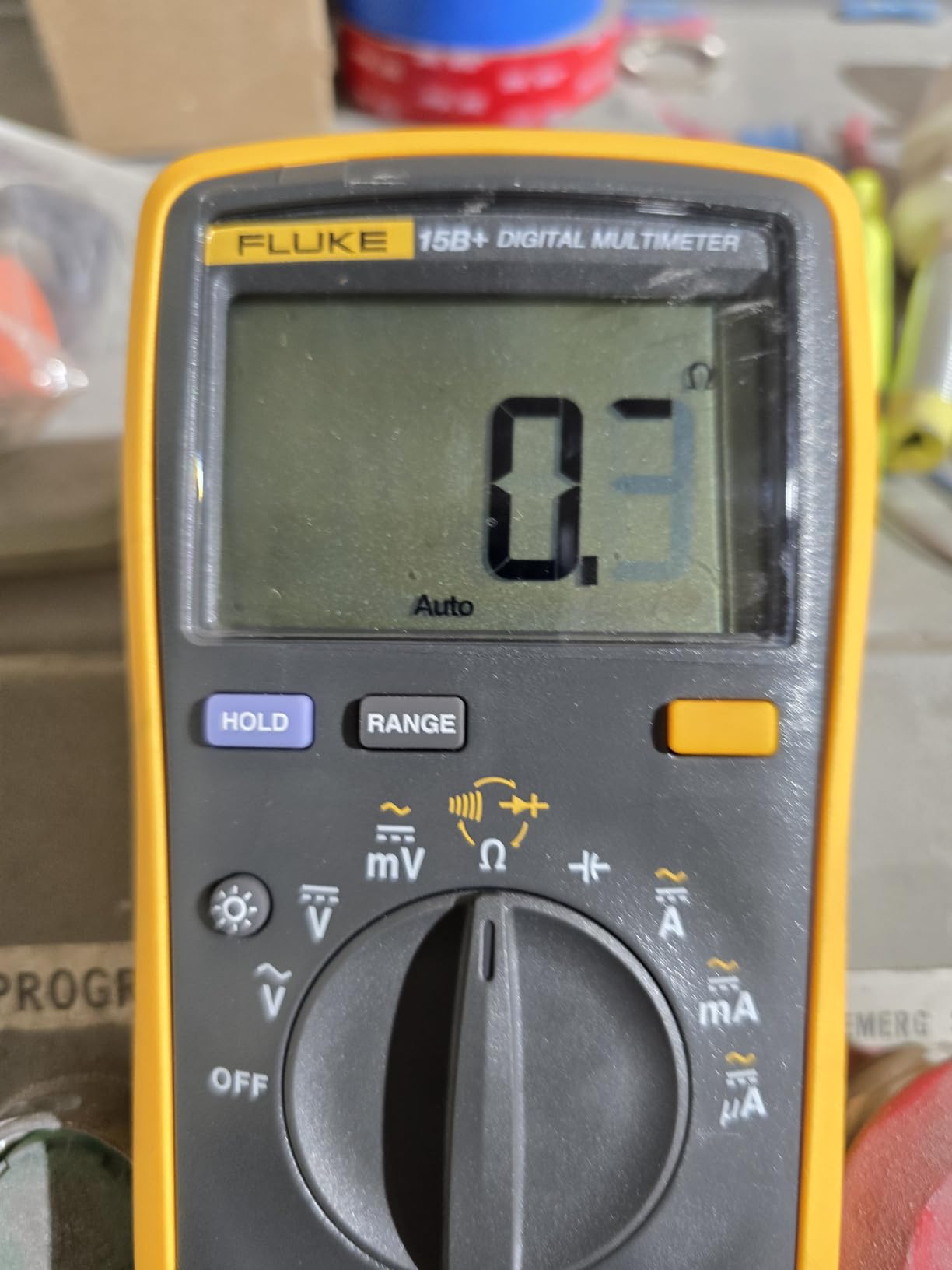
The Fluke 15B+ lists UL, ETL, CE, CSA and IEC 61010-1:2000-1 together, a combination no other meter here carries. If you intend to work on other people’s property or hand your meter to an apprentice, that paperwork has real value.
It measures AC and DC voltage up to 1000V and AC and DC current up to 10A, with a dedicated 10A input terminal so you are not juggling leads mid-measurement. Resistance, continuity, diode and capacitance are all covered.
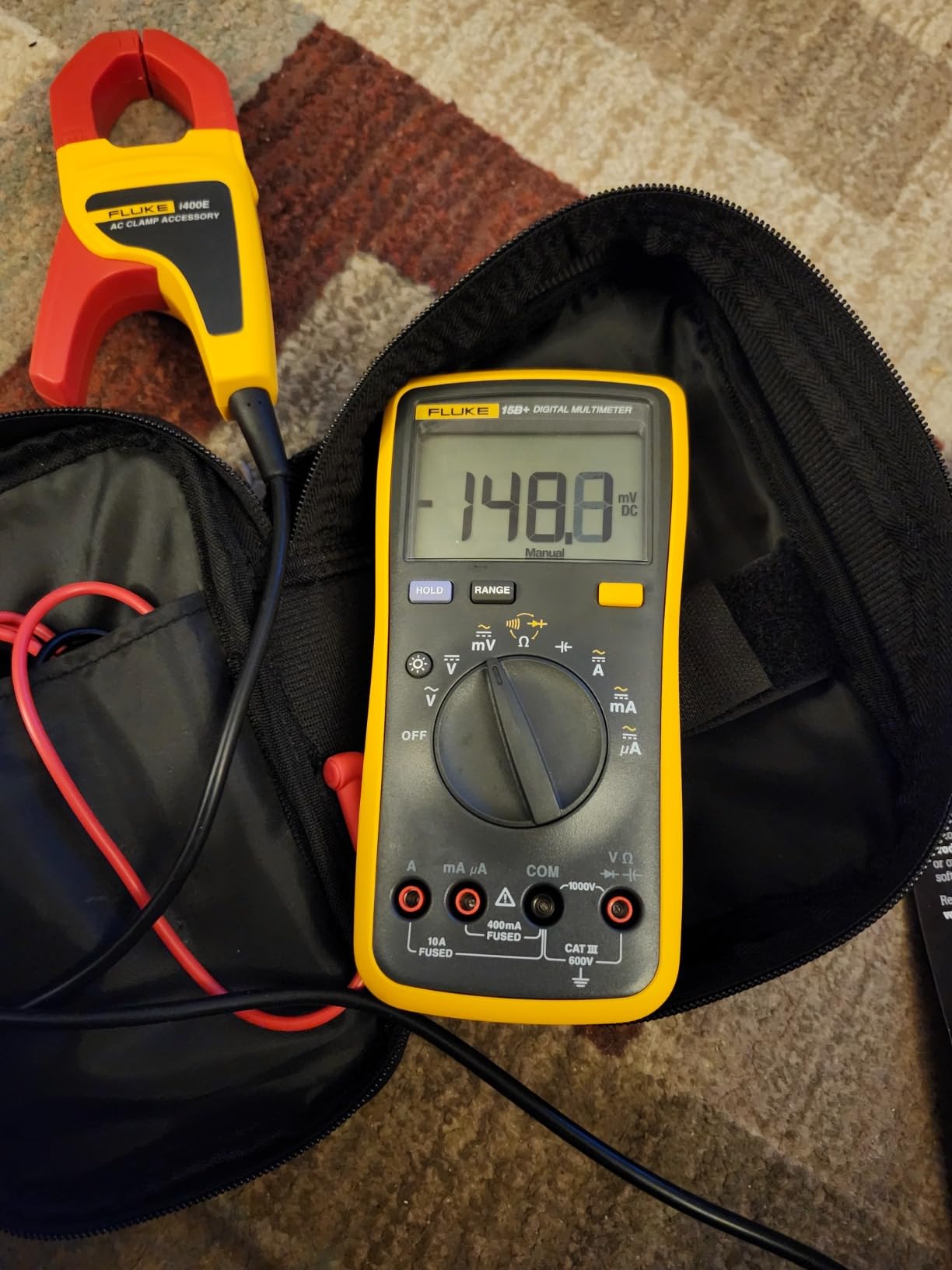
Owners overwhelmingly cite the brand name, the safety certifications and measurement reliability as the reason for buying. Typical uses are panel work, automotive diagnostics and general electrical troubleshooting, and TL75 test leads are included in the box.
At 460 g it is a substantial tool built for years of daily handling rather than occasional use.
Who this meter suits
It suits electricians, facilities staff and serious hobbyists who want a meter they can trust near a live panel. It is also the sensible present for anyone who will keep a meter for twenty years.
If you do advanced work or need to document that your instrument met a recognised standard, this is the one.
Where it falls short
It costs considerably more than every other meter on this list, which is hard to justify for checking a dead outlet. It does not measure temperature, and it is not auto-ranging on all functions.
There is no non-contact voltage detection, so a separate pen is still worth having.
Buying Guide: What Actually Matters in a Home Meter
CAT rating: the one number you cannot skip
CAT ratings describe what a meter survives in a particular electrical environment. CAT II covers domestic circuits and plug-in electronics. CAT III covers distribution panels and the fixed wiring feeding them. CAT IV is the service entrance side, upstream of the main breaker.
For testing household receptacles, switches and panel-adjacent work, CAT III 600V is the practical floor. CAT II 600V is fine at a wall outlet but not inside a panel. Meters that print no category rating at all are the ones to walk away from, whatever the specification sheet says.
True RMS versus average responding, in plain language
An average-responding meter assumes the AC waveform is a clean sine wave and estimates the rest. On modern household electronics, which use switch-mode power supplies and dimmers, that assumption fails and readings run low.
If you are only checking whether a circuit is live and what voltage it sits at, average responding is adequate. If you are diagnosing dimmer flicker, inverter output or anything with electronics in it, True RMS is worth the step up.
Auto-ranging, manual ranging and display counts
Auto-ranging meters pick the range themselves, which removes the most common beginner error but can make it harder to pin a stable reading. Manual meters force a deliberate choice and are preferred by people who have used one for years.
Counts describe how many digits the display can show. A 1999-count meter reads up to 1999 units, while a 4000 or 6000-count meter gives finer resolution on small values. Beyond 6000 counts the gain is small for household work.
Input impedance and why modern electronics care
Input impedance is how much the meter loads the circuit it is measuring. A 10 MegOhm input barely disturbs the circuit; a low-impedance meter can drag a reading down and make a fault look different from what it is.
This is the main reason the Innova is valued in automotive work, where a sensitive ECU can react to a heavy load. It rarely matters at a wall outlet.
Features worth paying for, and features that are oversold
Worth paying for: a CAT III rating, a backlit screen, a continuity buzzer, a replaceable fuse, NCV detection, and a manual that explains the probe jacks clearly. Also worth it: auto-ranging if you are new, a kickstand if you probe with both hands.
Oversold at home: Bluetooth and app connectivity, data logging, low-impedance LoZ mode, 20,000-count displays and transistor hFE testing. None of those solve a household problem. So do not let them push you into a pricier body.
Klein versus Fluke versus the budget tier
Klein and Fluke are not competing on accuracy at the household level.
Both sit comfortably inside the tolerance you need for a 120V circuit, and several meters in this list have been checked against Fluke reference meters and matched them.
The difference is certification, build and support. Fluke carries the deepest multi-standard safety certification; Klein pairs a CAT III rating with lead-alert LEDs and a name electricians recognise. The budget tier from brands like AstroAI, TESMEN, Crenova, KAIWEETS and Neoteck covers the same core measurements for far less money.
How to Use a Digital Multimeter: A Six-Step Beginner Walkthrough
Step one is the part people skip and regret. With the meter switched off, plug the black lead into COM and the red lead into the V-Ohm-mA jack. Some meters light LEDs if you get it wrong.
Step two: decide what you are measuring before you touch the dial. Voltage and resistance probes go in the same jack; current is usually a separate, fused jack that often has a limit of 10A.
Step three, set the function and range. For a first measurement, set DC volts to 200V or higher and probe a known 9V battery. Reading about 9V confirms the meter, the leads and your technique all at once.
Step four, before you touch anything you intend to work on, verify on a known live source such as a tested outlet. Measure the circuit. Then verify the meter again on the known source. If the second check fails, stop.
Step five, hold the probes on the two points you care about and read. Use data hold if you need to take your hands off to write something down.
Step six, switch back to OFF or the highest voltage range when you put it away, and if a fuse did blow, replace it with the type and rating printed in the battery compartment before you use the meter again.
Safety: Verify Before You Touch, and Know When to Call an Electrician
Verify-on-known-live-source before and after each measurement is the habit that keeps beginners safe. A dead-looking outlet can still have a live neutral, and a meter is the only thing that proves it.
Never exceed the meter’s rated voltage or category. Never measure current across a voltage source, which is how people blow fuses and start fires. Keep fingers behind the probe guards.
Know your limit. Panel work, an EV charger, a 240V circuit, a solar DC string above 300V and anything behind the main breaker are CAT IV jobs. Hire a licensed electrician for those, and for anything involving service conductors.
Frequently Asked Questions
Is Klein or Fluke better?
Neither is meaningfully more accurate than the other for household circuits, and several budget meters in this roundup have been checked against Fluke reference meters and matched them. Fluke wins on multi-standard safety certification such as UL, ETL and IEC 61010-1. Klein wins on recognition among electricians and useful features like lead-alert LEDs. For outlet and switch work, either is a safe choice.
Is a cheap multimeter better than an expensive one?
For most household jobs a budget meter is genuinely enough. Checking outlets, fuses, switches, lamp cords and batteries requires only basic accuracy and a CAT III rating, which several inexpensive meters carry. You give up resolution, AC current, True RMS, capacitance, temperature and replaceable fuses. Pay more when you work on motors, panels or electronics, not because a higher number sounds better.
Do I need CAT III or CAT IV for my house?
CAT III 600V is the practical minimum for a homeowner. It covers receptacle testing, fixed wiring and panel-adjacent work. CAT II 600V meters are acceptable at wall outlets but should not be taken into a panel. CAT IV covers the service entrance upstream of the main breaker, which is electrician territory for most houses. If a meter does not print a category rating, skip it.
Do I need True RMS for household wiring?
Only if your loads are electronic. Average-responding meters can read low on switch-mode power supplies, LED drivers and dimmer circuits because they assume a clean sine wave. If you are checking whether a circuit is live or roughly what voltage it sits at, an average-responding meter is adequate. If you are chasing dimmer flicker or inverter output, choose True RMS.
What multimeter do most electricians use?
A CAT-rated model from a recognised electrical brand, and the choice varies by specialty. On the head term, Fluke is the most frequently recommended name in forum threads, with the Fieldpiece 680 named as a strong alternative. In HVAC circles, Klein clamp meters are repeatedly endorsed as a practical first tool. The consistent thread is that electricians pick on CAT rating, backlight and durability rather than on extra measurement modes.
Final Verdict: The One Meter to Buy
If you only buy one meter, buy the AstroAI AM33D. It measures what a house actually needs, it has a backlit screen, it is protected by a double-fuse design and a silicone cover, and it comes with the battery and leads in the box.
Add the KAIWEETS KM100 if you want a second, cheaper meter for the garage. Step up to the AstroAI 6000-count True RMS if you work on motors, capacitors or anything electronic. Pick the Klein MM325 if you want a CAT III 600V rating from an electrical brand, and the Fluke 15B+ if certification and brand assurance matter more than cost.
Whatever you choose in 2026, check the CAT rating before you buy, verify the meter on a known live source before and after every measurement, and stop and call an electrician at anything involving a panel, a 240V circuit or the service entrance.