
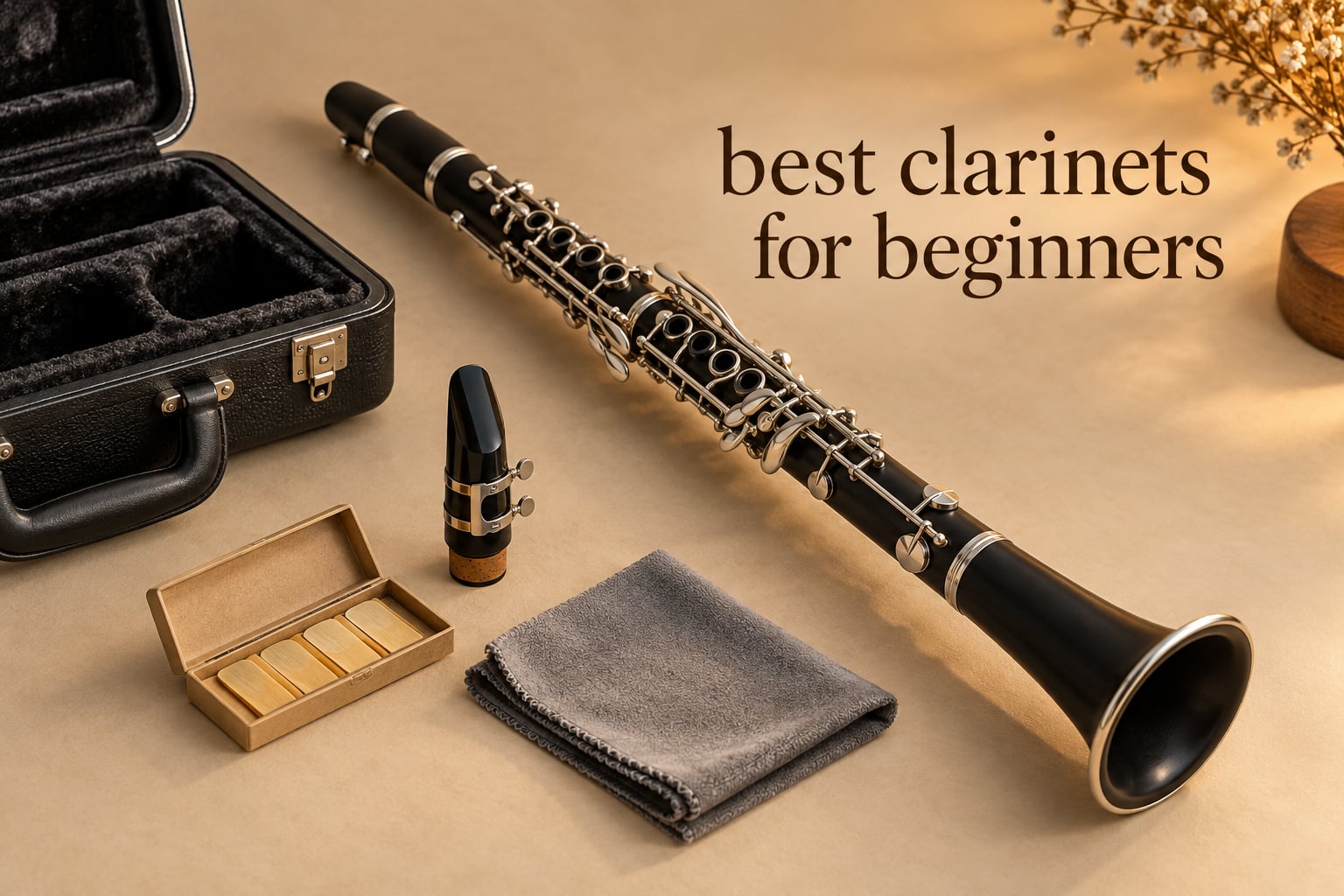
The best clarinet to buy for a beginner is the Mendini by Cecilio Ebonite Bb Clarinet Kit, because it arrives as a complete outfit with a 4C mouthpiece, ligature, ten reeds and a hard case, shrugs off temperature swings, and holds a 4.4 rating across more than 2,800 owner reviews. Our team compared every beginner Bb clarinet below for tone, pad sealing, key action, kit completeness and how much setup it needs before the first note.
That last point matters more than most buyers expect. A clarinet that arrives with tight corks, a stiff mouthpiece or pads that do not seat cleanly turns lesson time into troubleshooting time, and beginners form bad habits when an instrument fights them. Every pick here was judged on whether it plays reasonably straight out of the box, what it costs to make it better, and whether a local technician can actually service the brand.
We also split the audience deliberately. Younger children often need a lighter or more compact instrument before they can handle a full-size Bb, while adult hobbyists and returning players care more about tone and a mouthpiece they can grow with. Both lanes are covered below, and one rule holds for everyone: a well-regulated instrument beats a prestigious name every time. Forum players on SaxOnTheWeb and r/Clarinet put it plainly, you would not be able to make a bad choice between the two most-recommended student horns on this list.
Table of Contents
Top 3 Beginner Clarinets of (September 2026)
These three are the picks we would put in front of a family or an adult learner first. Each has the accessory coverage and build consistency a first instrument needs, and each has a review base large enough for the feedback to mean something.

Mendini by Cecilio Ebonite Kit
- ABS body with 4C mouthpiece
- 10 reeds and hard case included

All 12 Beginner Clarinets at a Glance
The full shortlist sits below with the specification that matters most for each model. Read the body material and key tone columns together, because those two decide whether an instrument suits a school band, a marching field or an adult practice room.
| Product | Specs | Action |
|---|---|---|
| Mendini by Cecilio Ebonite Bb Clarinet Kit |
|
Check Latest Price |
| GLORY GLY-PBK Professional Ebonite Bb Clarinet |
|
Check Latest Price |
| Jean Paul USA CL-300 Student Clarinet |
|
Check Latest Price |
 Eastar ECL-300 Beginner Clarinet Kit Eastar ECL-300 Beginner Clarinet Kit |
|
Check Latest Price |
 EASTROCK 17-Key ABS Clarinet EASTROCK 17-Key ABS Clarinet |
|
Check Latest Price |
 Hisonic Signature Series 2610 Clarinet Hisonic Signature Series 2610 Clarinet |
|
Check Latest Price |
 RHYTHM 17-Key Nickel Clarinet Kit RHYTHM 17-Key Nickel Clarinet Kit |
|
Check Latest Price |
 VANPHY 17-Key ABS Bb Clarinet VANPHY 17-Key ABS Bb Clarinet |
|
Check Latest Price |
 Yamaha YCL-255 Clarinet Yamaha YCL-255 Clarinet |
|
Check Latest Price |
 Yinfente 17-Key Ebonite Bb Clarinet Kit Yinfente 17-Key Ebonite Bb Clarinet Kit |
|
Check Latest Price |
 Vangoa 17-Key French System Clarinet Kit Vangoa 17-Key French System Clarinet Kit |
|
Check Latest Price |
 GKW Music Professional Ebonite Bb Clarinet GKW Music Professional Ebonite Bb Clarinet |
|
Check Latest Price |
1. Mendini by Cecilio Ebonite Bb Clarinet Kit: The Best All-Round First Clarinet
Mendini by Cecilio Ebonite Bb Clarinet Kit for Beginner – Black
ABS body
17 nickel-plated keys
4C mouthpiece and ligature
10 reeds and hard case
1 year warranty
Pros
- Complete kit with mouthpiece ligature reeds case stand and cleaning kit
- Bright tone with tight pad seals out of the box
- Handles weather and rough handling for marching use
- Factory tested before dispatch with responsive seller support
- Multiple color options including black pink and blue
Cons
- Included reeds are weak performers
- Included mouthpiece is stiff and resists improvement
- Very tight corks can bend keywork during assembly
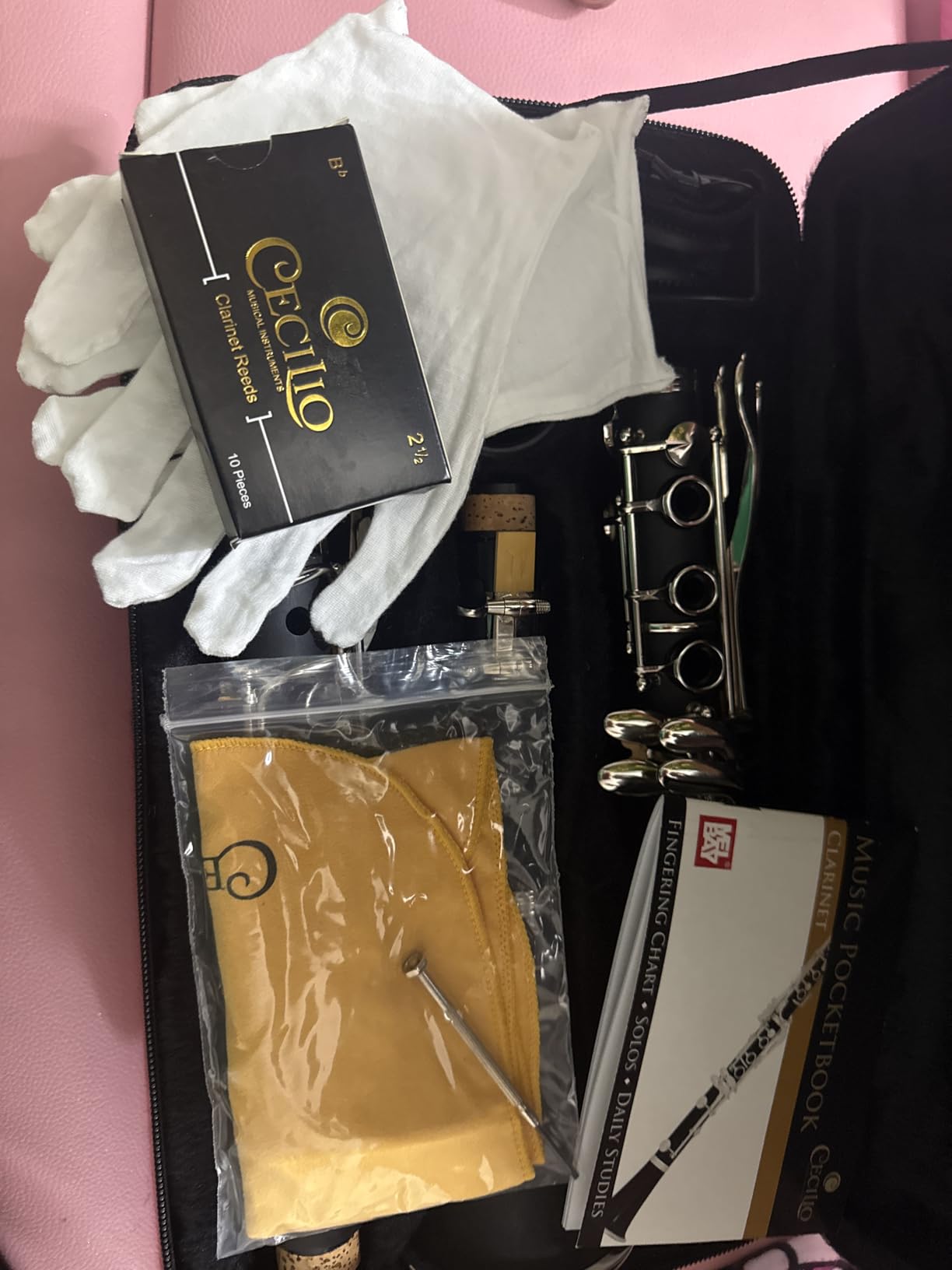
I keep coming back to this kit because it removes the first argument a beginner usually loses: where do the reeds and the mouthpiece come from. Everything a first year needs arrives in the box, including a 4C mouthpiece, ligature, cap, ten reeds, hard case, foldable stand, cork grease, guide book, cloth and gloves.
The body is premium ABS with nickel-plated keys, and the sound is described as bright. On paper it is a 17-key instrument weighing 1.66 kg, and at 4.4 stars from 2,872 reviews it has the deepest review base of any pick here, which means the fault lines are well documented.
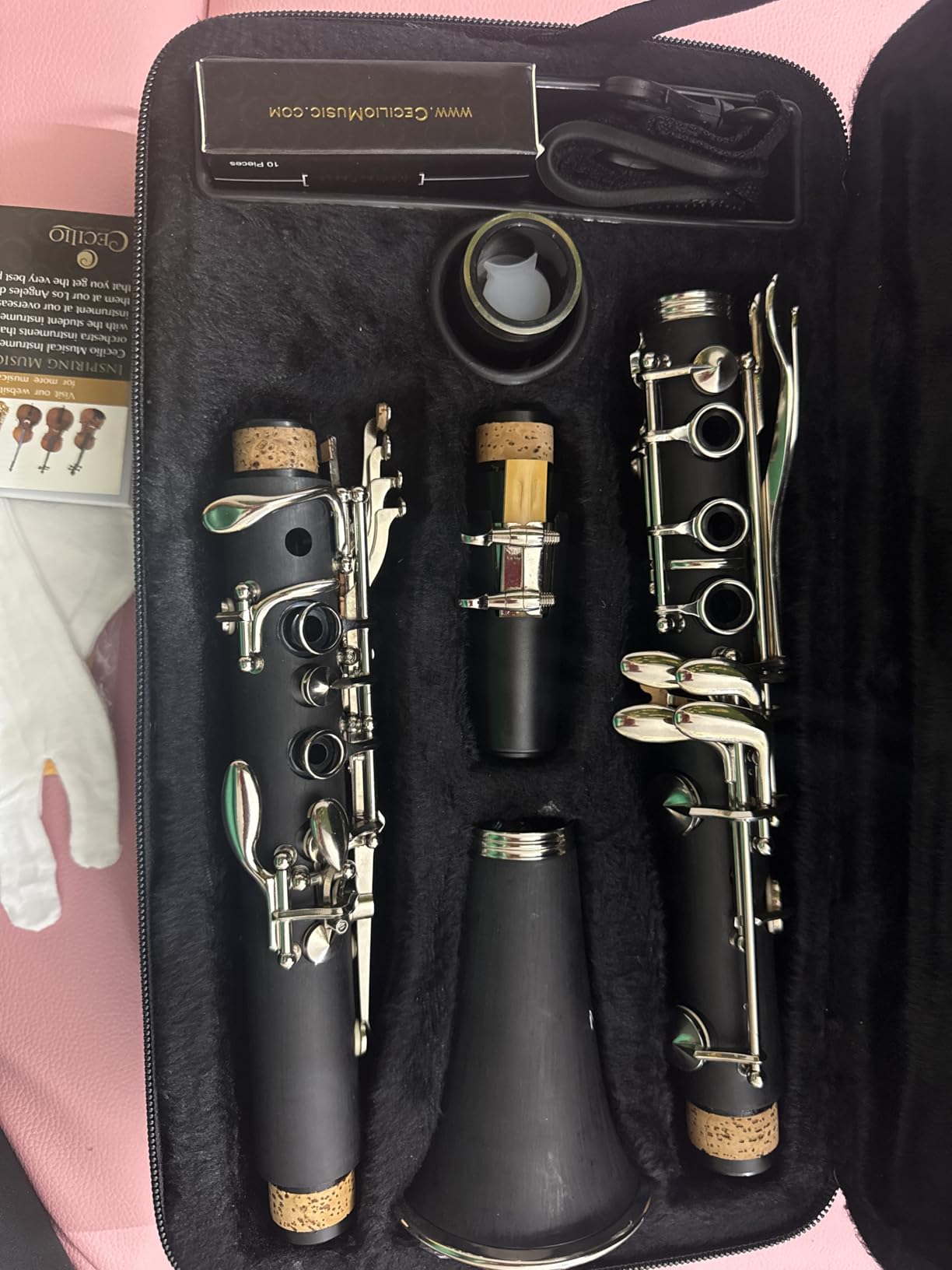
What impressed me is how little setup it needs for a kit at this level. Owners report tight pad seals and smooth key action straight out of the box, and the seller factory tests the instrument before it leaves. The same ABS construction is why r/Clarinet players recommend this class of horn for marching band, where wooden instruments get wrecked outdoors.
The weak points are the consumables, not the instrument. Reviewers repeatedly say the bundled reeds are poor and that a Rico 2.5 or similar swap changes the playing experience, and the included mouthpiece is stiff enough that upgrading it markedly improves playability. Some owners also report very tight corks and thumb rest screws that strip easily.
Who this clarinet suits
It suits a student in year one who needs a full kit on day one, and a family that wants one purchase instead of an instrument plus a shopping list. Marching band players are the other strong audience, because ABS shrugs off heat, cold and grass stains without any special care.
It also works well for an adult buying for themselves, since the accessories mean nothing else has to be sourced before the first lesson.
Who should look elsewhere
If your teacher has a strong preference for a specific brand, or if your local shop does not carry parts for this one, serviceability argues for switching. Buyers who report unfinished inner bores, misaligned key axles or a missing ring also fall into the minority that needs a technician on hand, so a setup plan matters.
Skip it if you will not replace the reeds and mouthpiece. At that point, the cost comparison against a better-finished instrument stops being meaningful.
2. GLORY GLY-PBK Ebonite Bb Clarinet: Best for Durability and Returning Players
Glory GLY-PBK Professional Ebonite Bb Clarinet with 10 Reeds, Stand, Hard Case, Cleaning Cloth, Cork grease, Mouthpiece Brush and Pad Brush, Black
Ebonite body
10 reeds and accessories
Hard case with strap
1.74 kg
Polished black finish
Pros
- Ebonite body resists cracking and humidity
- Tone and response rated excellent for the money with crisp keywork
- Fully accessorized hard case with strap and pocket
- Favored by returning players who want humidity resistance
- Color options include pink green purple and black
Cons
- Included mouthpiece is difficult to play and inconsistent
- Included reeds are mediocre
- Some keys sit high and need adjustment
This is the one I would hand to a returning player who stopped at fifteen and is starting again. Experienced clarinetists rate the tone and response as exceptional for the money, with crisp keywork and no leaks, and several describe it as transforming once a better mouthpiece goes on.
The body is ebonite rather than ABS, at 1.74 kg, and the listing describes it as resistant to cracking and humidity. That matters more than most buyers think, because resin and wood behave differently in a car on a July afternoon.
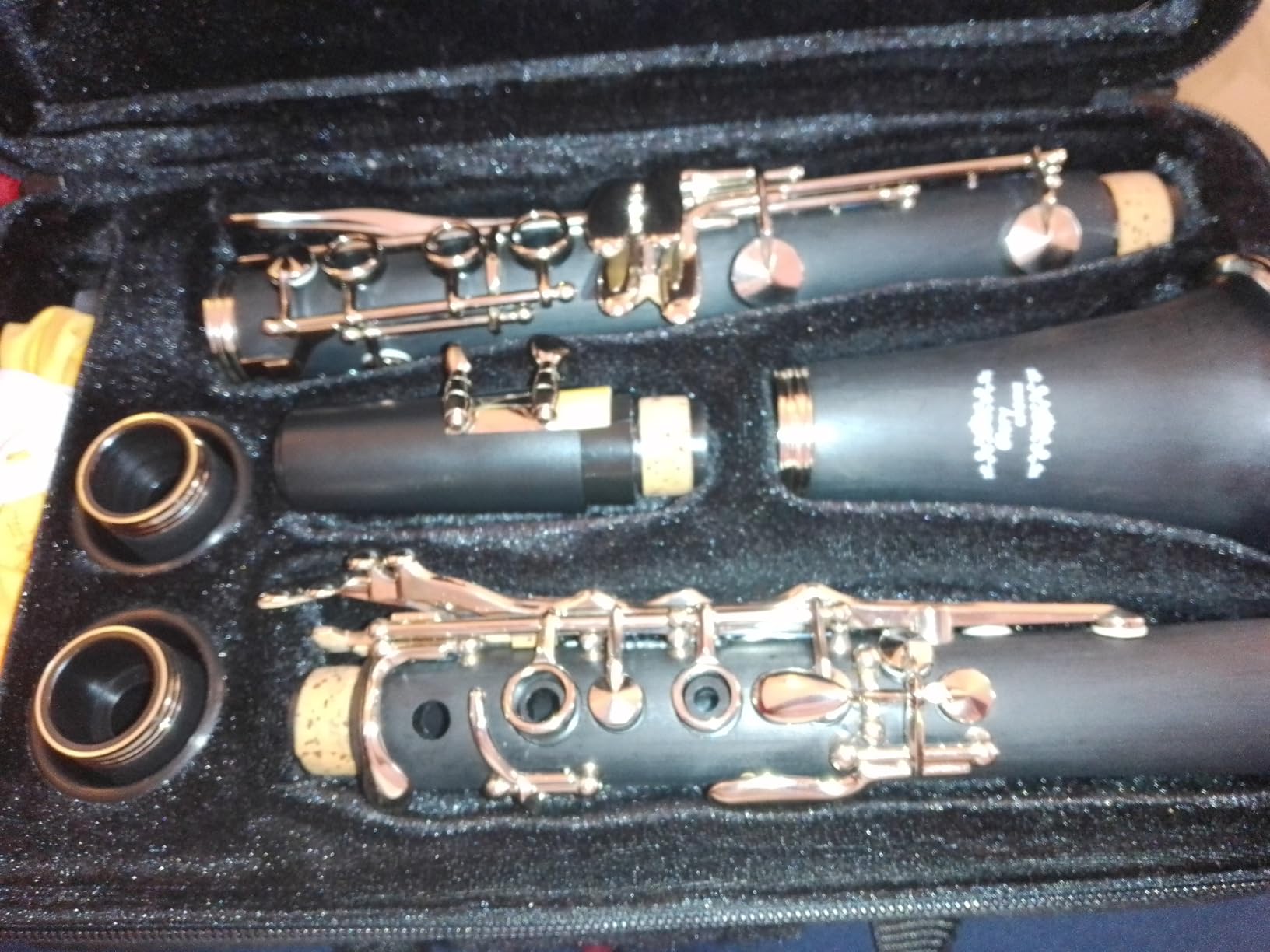
The accessory list is long: ten reeds, a stand, a hard case, a cleaning cloth, cork grease, a mouthpiece brush and a pad brush. Nothing needs to be bought separately to start playing, which is the same kit-first logic that makes it popular with first-year buyers.
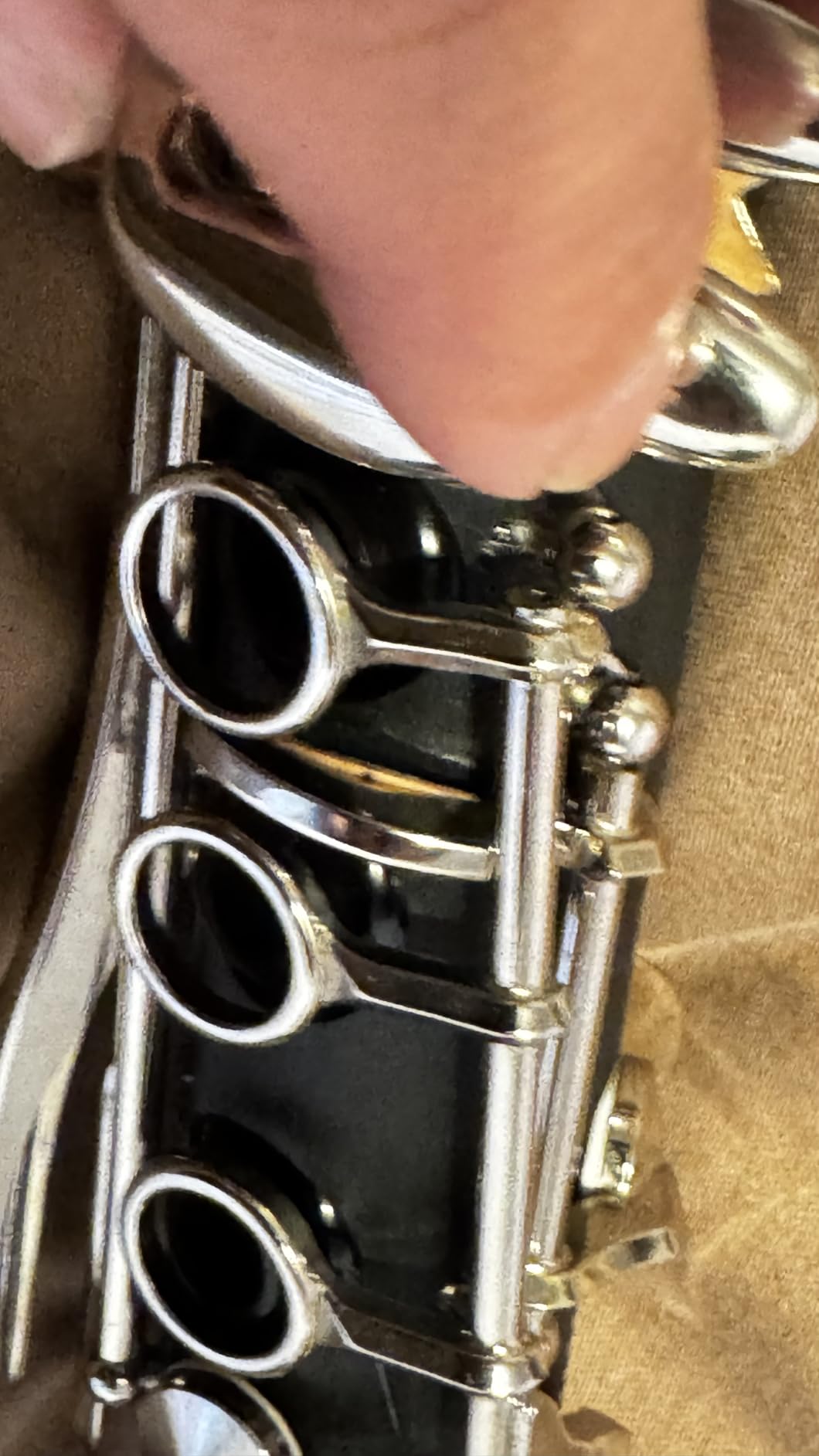
Beginners and returning players generally find it playable but describe a stiff start. Reviews recommend spending a little extra on a better mouthpiece, note that the included reeds are mediocre, and mention that some keys sit slightly higher than others and need adjustment. There is also a warm-up period before the instrument plays easily.
Where it earns its place
Adult hobbyists and anyone returning after decades get the biggest benefit here, because the ebonite body shrugs off humidity and the tone is described as genuinely good rather than merely acceptable. Beginners who already know they will play past the first year also benefit.
It is a solid second option for a school band family who wants something sturdier than pure resin at a similar outlay.
Where it disappoints
The bundled mouthpiece is the honest drawback, and the phrase difficult to play comes up often enough that I would budget for a replacement before day one. Beginners who are impatient during the first fortnight may find the warm-up period frustrating.
It is also not the choice for a marching field, where a heavier ebonite body is not the advantage resin would give you.
3. Jean Paul USA CL-300: Best Value for a Properly Set-Up Instrument
Jean Paul USA CL-300 Student Clarinet B Flat
ABS body
French Boehm key system
Adjustable thumb rest
Setup by NAPBIRT technicians
1 year warranty
Pros
- Heavily built and plays well above its cost
- Pads corks and linkages arrive installed and aligned
- Passes a leak test and produces a rich tone
- Solid case with an external pocket for reeds
- Fast manufacturer customer service
Cons
- Included mouthpiece is rough-cut and may need replacing
- Can arrive about half a semitone flat
- Small closely spaced keys can bother larger hands
Buyers and teachers consistently treat the CL-300 as the best affordable alternative to a school rental program, and the reason is regulation, which is the single most valuable trait in this whole list. The instrument is professionally set up and play-tested by NAPBIRT-certified technicians.
It is a durable ABS body on the French Boehm key system with an adjustable thumb rest for different hand sizes and a one-year warranty covering parts, repair or replacement. Reviews describe pads, corks and linkages that need no fitting work out of the box and a tone comparable to much costlier instruments.
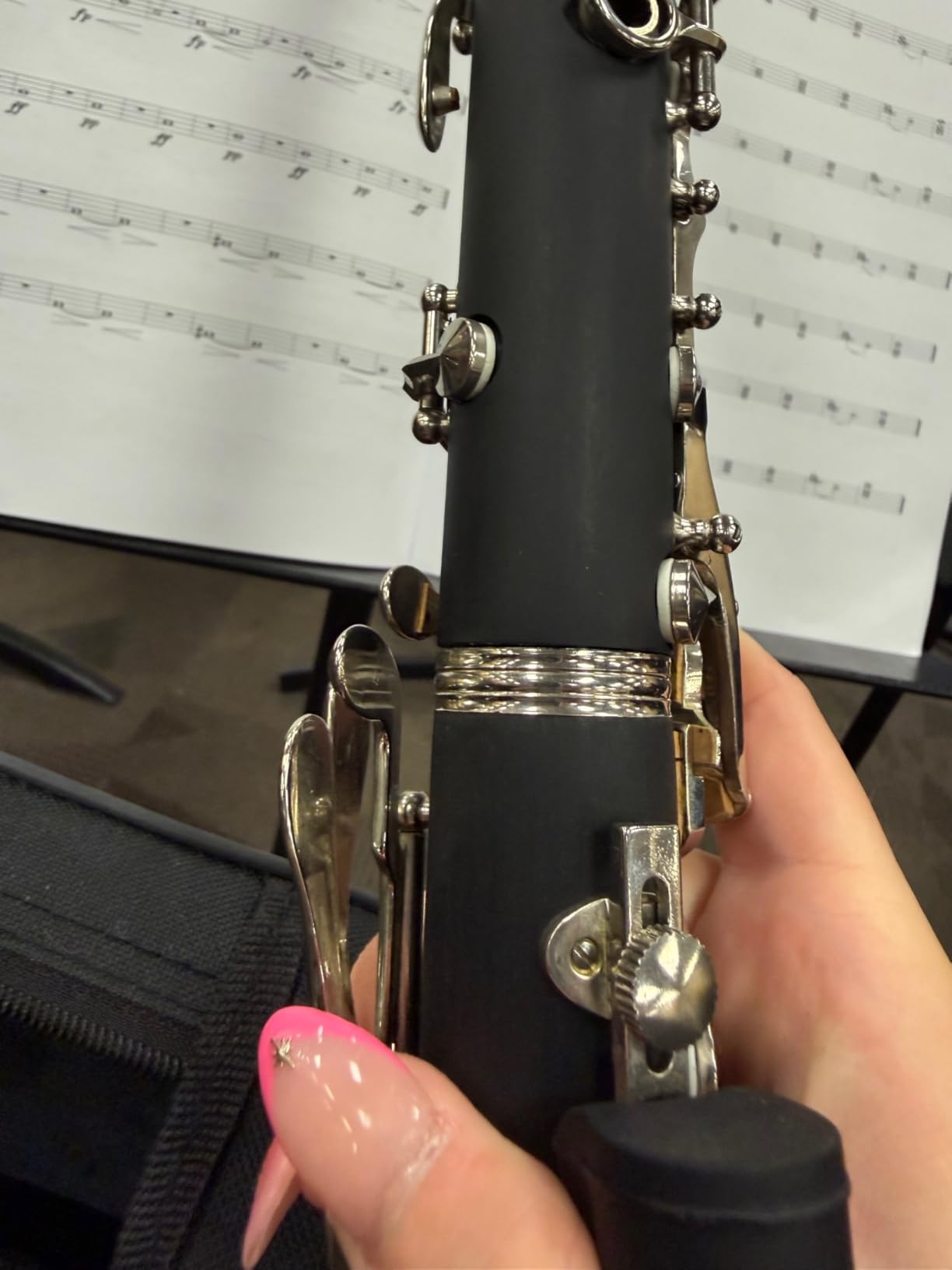
The included mouthpiece is the weak link. A Yamaha 4C is the most common upgrade mentioned, and reviewers note the instrument can arrive about half a semitone flat until that change is made. Fix the mouthpiece and the flatness goes with it, which is a five-minute fix compared to a pad reseal.
Fit is the other consideration. The keys are small and closely spaced, which some owners with larger hands find uncomfortable, and a few report early key or spring failures in the first few months along with occasional quality control issues such as oversized corks or a missing tone-hole ring.
Who should buy the CL-300
It suits families who want the confidence of a technician setup without a rental commitment, and it suits adults who already have a mouthpiece they trust. The adjustable thumb rest is a genuine bonus for small hands and for growing children who change size every season.
Anyone buying used rental returns will recognize the feel of it, because many band programs run instruments from this class of setup.
Who should pass
Players with large hands should try one in a shop, because the compact key spacing is the most consistent complaint. If you cannot get it into a shop and your teacher is used to a wider feel, choose a model with more spacing instead.
Skip it if you will not swap the mouthpiece, because the included one is the part most likely to frustrate a new player.
4. Eastar ECL-300 Ebonite Clarinet Kit: Best for Small Hands and Bright Tone
Eastar B Flat Ebonite Clarinet Beginner, Nickel, Hard Case Kit, ECL-300
Boehm 17-key system
Bladder pads
Italian felt casings
Two 4C mouthpieces
12-month warranty
Pros
- Bright rich tone that experienced players rate highly
- Smooth keys with no sticky or clunky action
- Soft-lined hard case and full accessory kit included
- Well-sealed corks and airtight pad seating on most examples
- Closely spaced keys suit smaller hands
Cons
- Included mouthpiece is frequently criticized as unusable
- Tight cork tenons make first assembly frustrating
- Some clarinets arrive with keys popping out or breaking
This is the pick in this roundup that parents keep mentioning for children, and the reason is hand size. Reviewers call the closely spaced keys a genuine advantage for small hands, which is the ergonomic problem that ends a lot of young clarinet attempts.
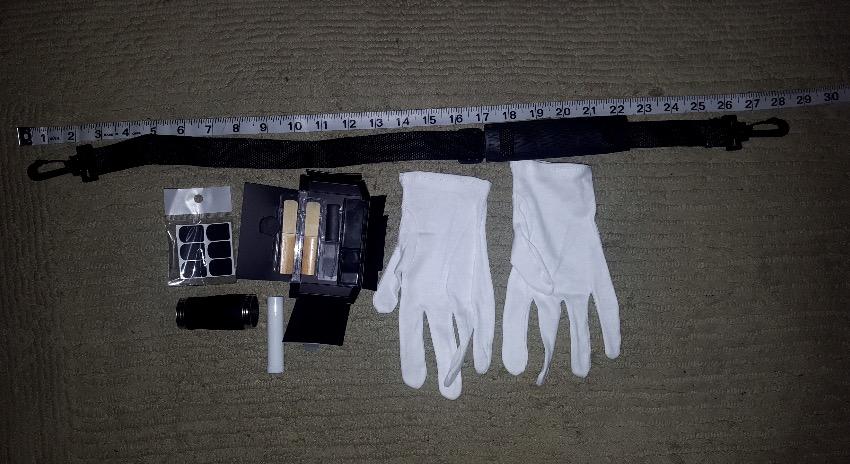
It is a 17-key Boehm system on an ABS bakelite body with bladder pads described as elastic, airtight and durable, plus Italian felt double sheep casings. The kit includes a stand, two 4C mouthpieces, mouthpiece cushions, a thumb rest and a cleaning kit under a 12-month warranty.
Experienced players rate the bright, rich tone favorably against instruments costing several times more, and they praise the key action for having no sticky or clunky feel. On most clarinets the corks seal well and the pads seat airtight, which is the practical test that matters most in a first instrument.
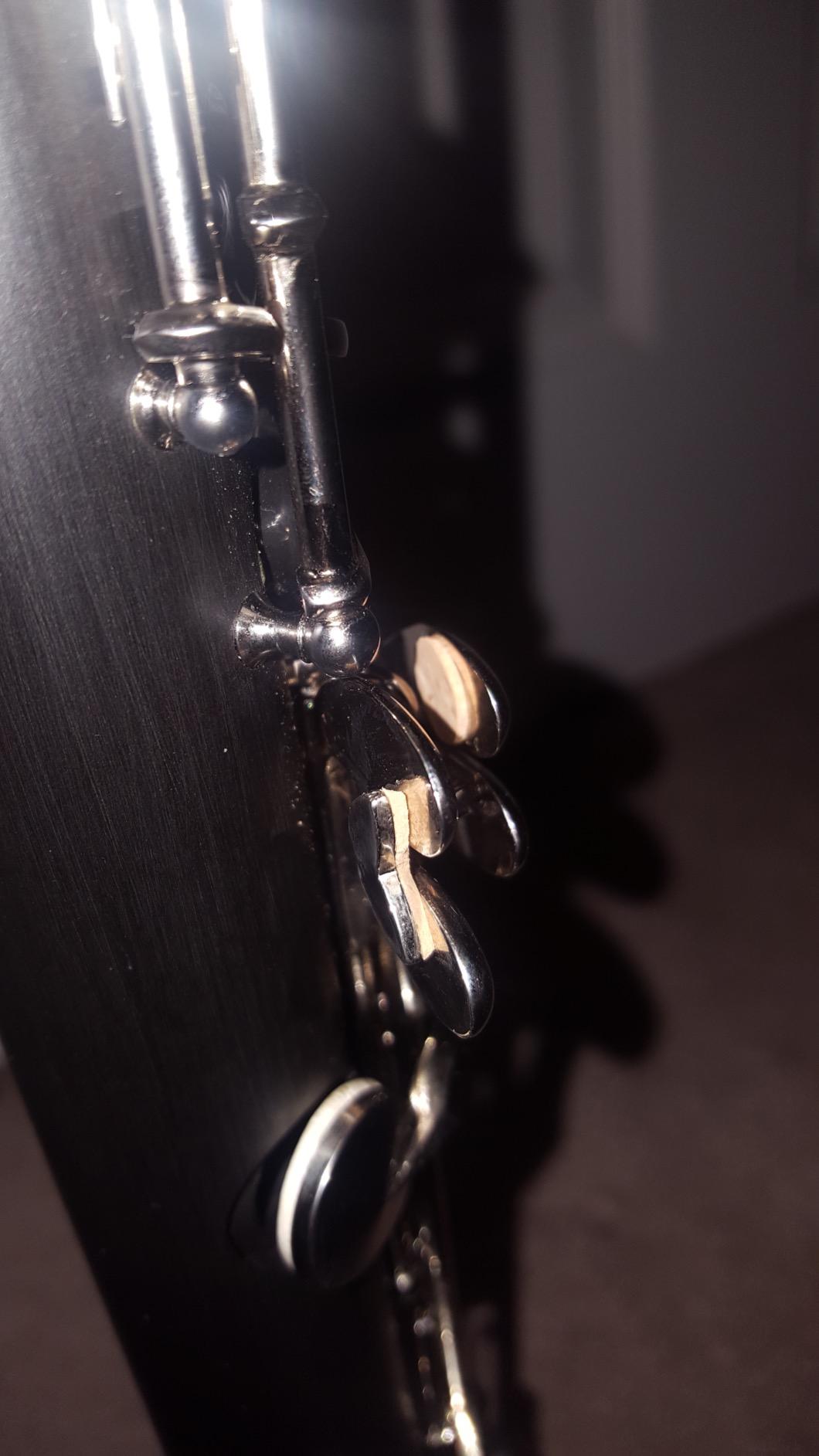
The dominant complaint is the included mouthpiece, which is frequently described as unusable or defective and usually replaced with a Yamaha or Clark Fobes. The second complaint is assembly, since the cork tenons are very tight and can need sanding, and some examples arrive without cork grease despite that.
Reasons to pick it
Small-handed children are the clearest case, and so is anyone who wants a brighter, more projecting tone than a typical resin student horn produces. Two mouthpieces in the box also means a spare while one is being fitted.
It suits a family that wants a full kit with a stand included, because the case is soft-lined and sturdy enough for daily school use.
Reasons to look elsewhere
If the included mouthpiece is going to be your mouthpiece, look elsewhere, because this is the most consistent complaint in the reviews. A small minority also report keys popping out or breaking within weeks, and some players report poor response in the lower register.
It is also a poor fit for a buyer who is not prepared to grease and ease the corks before the first assembly.
5. EASTROCK 17-Key ABS Clarinet: Best for Marching Band and Outdoor Play
EASTROCK Bb Clarinet 17 Keys ABS Material Wide Range of Tones Particularly Beginner & Students-friendly with Using Tools and 2 Replaceable Barrels
17-key and 6-ring system
Matte ABS body
Two replaceable barrels
High-carbon steel needle springs
1.8 kg
Pros
- ABS body unaffected by temperature and humidity
- Durable enough to replace a failing wooden student horn
- Clear strong tone with low effort to produce sound
- Rich accessory kit with case reeds stand and cloth
- Parts individually wrapped and well packaged
Cons
- Very difficult to assemble without plenty of cork grease
- Included reed can be thin or cracked and only one is supplied
- Included mouthpiece cork can be stiff
This is the model owners most often describe as the replacement for a wooden student clarinet that kept landing in the repair shop. The matte ABS body is unaffected by temperature and humidity, which on r/Clarinet is the deciding factor for anyone playing outdoors on a hot field.
The keywork is a 17-key, 6-ring nickel-plated system using high-carbon steel memory needle springs, and there are two replaceable barrels for tonal adjustment. Owners praise a clear, strong tone with low effort to produce sound, and note it is durable enough to displace a failing wooden horn.
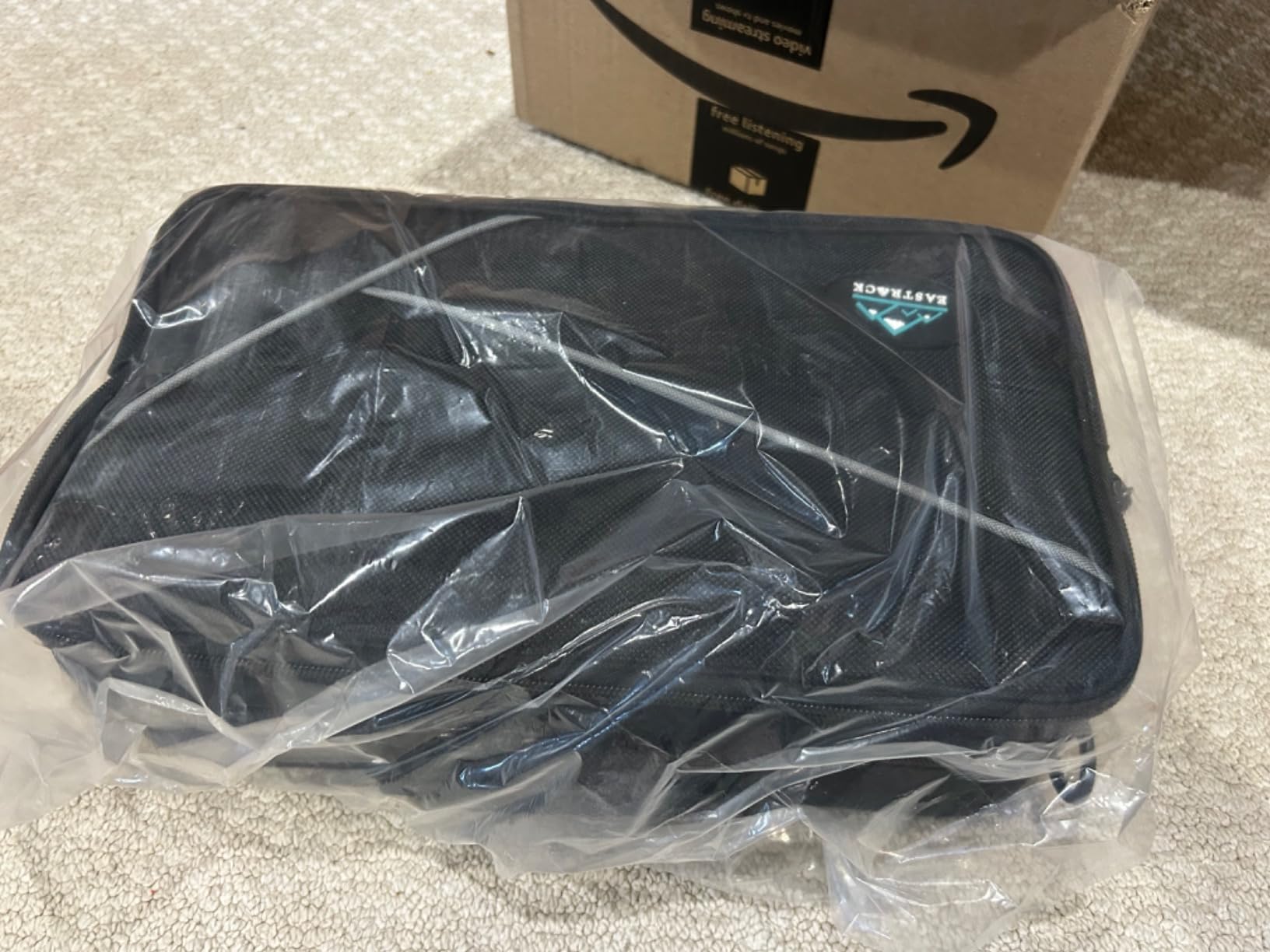
The package is unusually complete for this class of instrument: a zippered case with an accessory compartment, reeds, grease, alcohol pads, gloves, a stand and a weighted cleaning cloth. Parts are individually wrapped, which matters more than it sounds when a barrel arrives cracked.
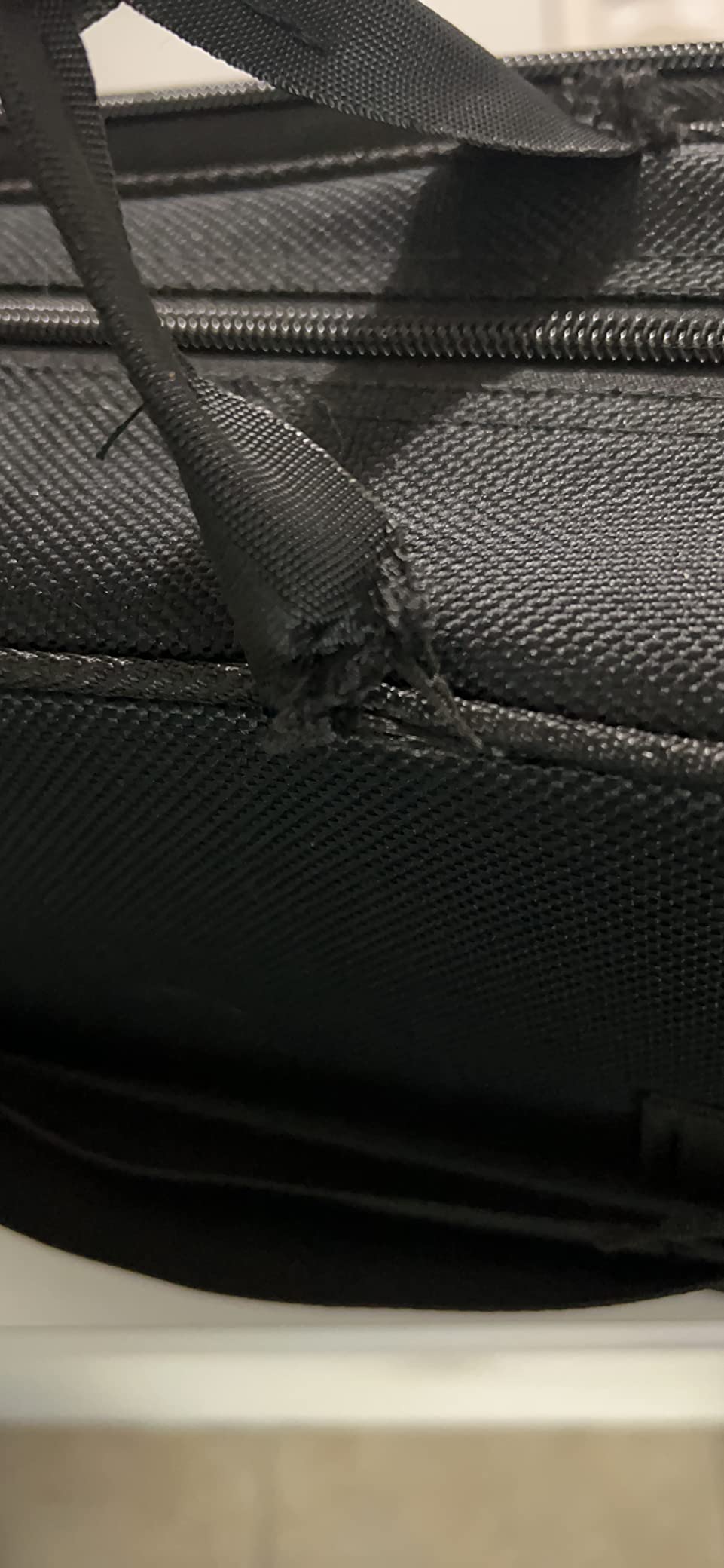
Assembly is the hurdle. Reviewers describe it as very difficult to put together initially and needing plenty of cork grease, and the included reed is thin or cracked on some examples with only one supplied. The mouthpiece cork can be stiff, and the tone differs slightly from school-owned wooden clarinets when compared side by side.
Where it wins
Marching band, outdoor playing and any household where a clarinet sits in a car are the ideal cases. The two replaceable barrels are also useful when you want to shift tone between a cold field and a warm rehearsal room.
It suits a student who has already outgrown a first horn and needs something that will not crack on them.
Where it does not
Absolute beginners who want to open the box and play should look elsewhere, because the assembly difficulty puts people off before they get a sound. A single included reed that may be thin is a poor first impression too.
It is also not the right choice for a player chasing a warm wooden tone, since the side-by-side comparison against wood is where the reviews are most candid.
6. Hisonic Signature Series 2610: Most Versatile with USA-Made Pads
Hisonic Signature Series 2610 Bb Orchestra Clarinet with Case
Ebonite body
Nickel-silver keys
USA-made Prestine pads
Plush-lined case
Cork grease and swab
Pros
- Ebonite body and nickel-silver keys give a bright projecting tone
- USA-made Prestine pads are a notable specification
- Plush-lined case with mouthpiece and reed protector
- Cork grease and swab included in the box
- Standard Bb soprano format for band use
Cons
- Few written reviews to draw on for setup quality
- One reed and a basic mouthpiece are typical at this tier
- Heaviest body in this group at 1.95 kg
The specification that stands out here is the pads. Prestine pads made in the USA on a 4.3-star instrument with 599 reviews is unusual in the entry tier, and pad material is exactly what determines whether a first horn stays playable after a term of daily practice.
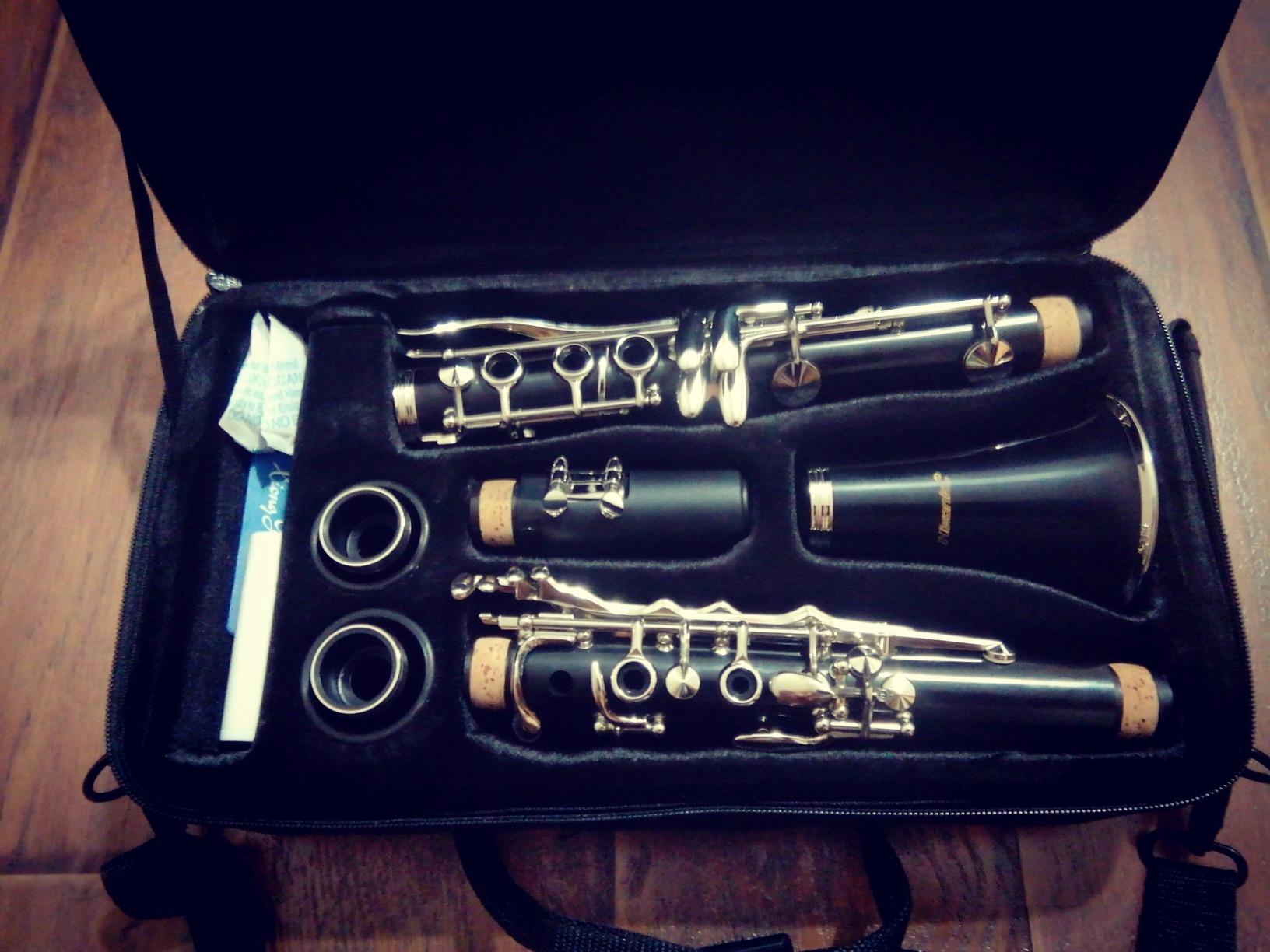
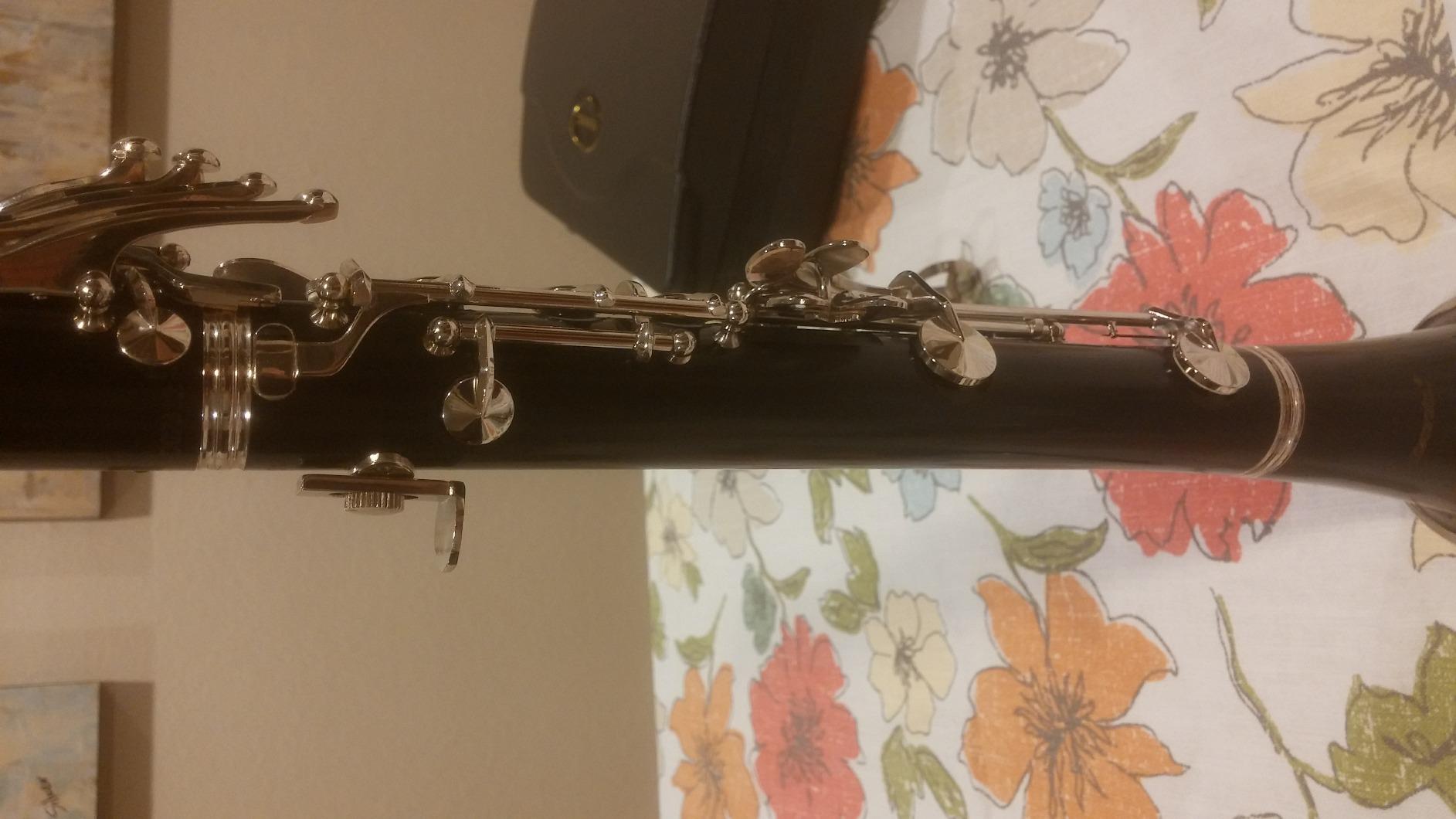
The body is ebonite with nickel-silver keys and a bright tone, and the package includes a plush-lined protective case with a mouthpiece and reed protector, plus cork grease and a swab. It is a standard Bb soprano format suited to marching band, orchestra and jazz band.
Worth knowing before you buy: this listing came back with no individual written customer reviews, so the strengths above are drawn from the stated features rather than from owner accounts. That is a thinner evidence base than the rest of this list, and I would treat it accordingly.
In practice, budget ebonite means a heavier instrument. At 1.95 kg this is the heaviest body in the group by some margin, which is fine for a seated player at home and less fine for a small child carrying it to school. Plan on buying reeds separately, since a single instrument at this level rarely arrives with a usable supply.
Reasons to choose it
Buyers who want an ebonite body with bright, projecting tone and would rather not shop for a mouthpiece and case separately will find the extras already in the box. It is a sensible first step for a student moving up from a plastic rental instrument.
The pad specification also makes it attractive to anyone who has been disappointed by pads that fail early. Setup quality is the open question here, and a technician check resolves it cheaply.
Reasons to consider something else
With no written review history to lean on, this is the one pick where we would recommend an independent technician check before the first lesson. The weight is a real consideration for small children, and the included accessories are basic rather than generous.
If your priority is a complete kit that plays immediately, the Mendini or Jean Paul makes fewer demands on you.
7. RHYTHM 17-Key Nickel Clarinet Kit: Best for Young Beginners Who Need One Box
Rhythm Bb Clarinet 17 Nickel Keys Woodwind Band & Orchestra Musical Instruments for Beginners Includes Case, Stand, 10 Reeds and Cleaning Kit-Black/Silver keys
17 nickel-plated keys
1.71 kg
Tone checked before factory dispatch
Case stand and 10 reeds
Color-matched mouthpiece
Pros
- Well packaged with all parts protected in transit
- Good sound quality in the mid and upper registers
- Complete kit with case stand reeds and cleaning tools
- Light enough for a child to carry to school
- Color-matched mouthpiece and cap look expensive
Cons
- Included reeds are considered poor quality by several buyers
- Included mouthpiece did not work for some players
- A few clarinets arrived with a broken register key
This is a well-presented starter at a 4.4-star rating, and reviewers treat it as an attractive first instrument for school band that avoids a rental commitment. The tone is described as good, particularly in the mid and upper registers.
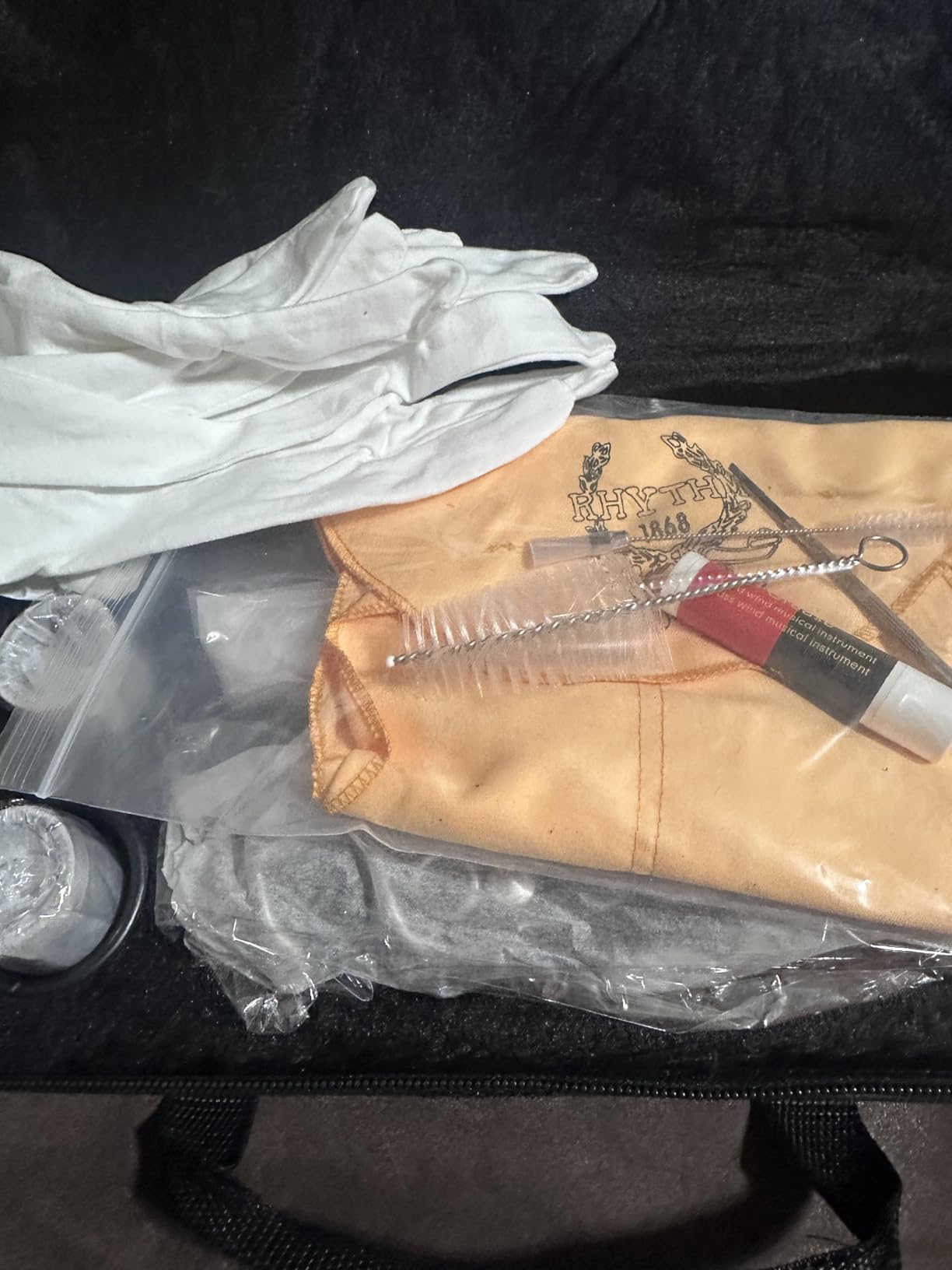
It weighs 1.71 kg, which reviewers single out as light enough for a child to carry to and from school, and it comes with a carrying case, a cleaning and care kit, a clarinet stand and ten reeds. The tone is adjusted and quality checked at the factory before dispatch, and the mouthpiece and cap are color-matched to the body.
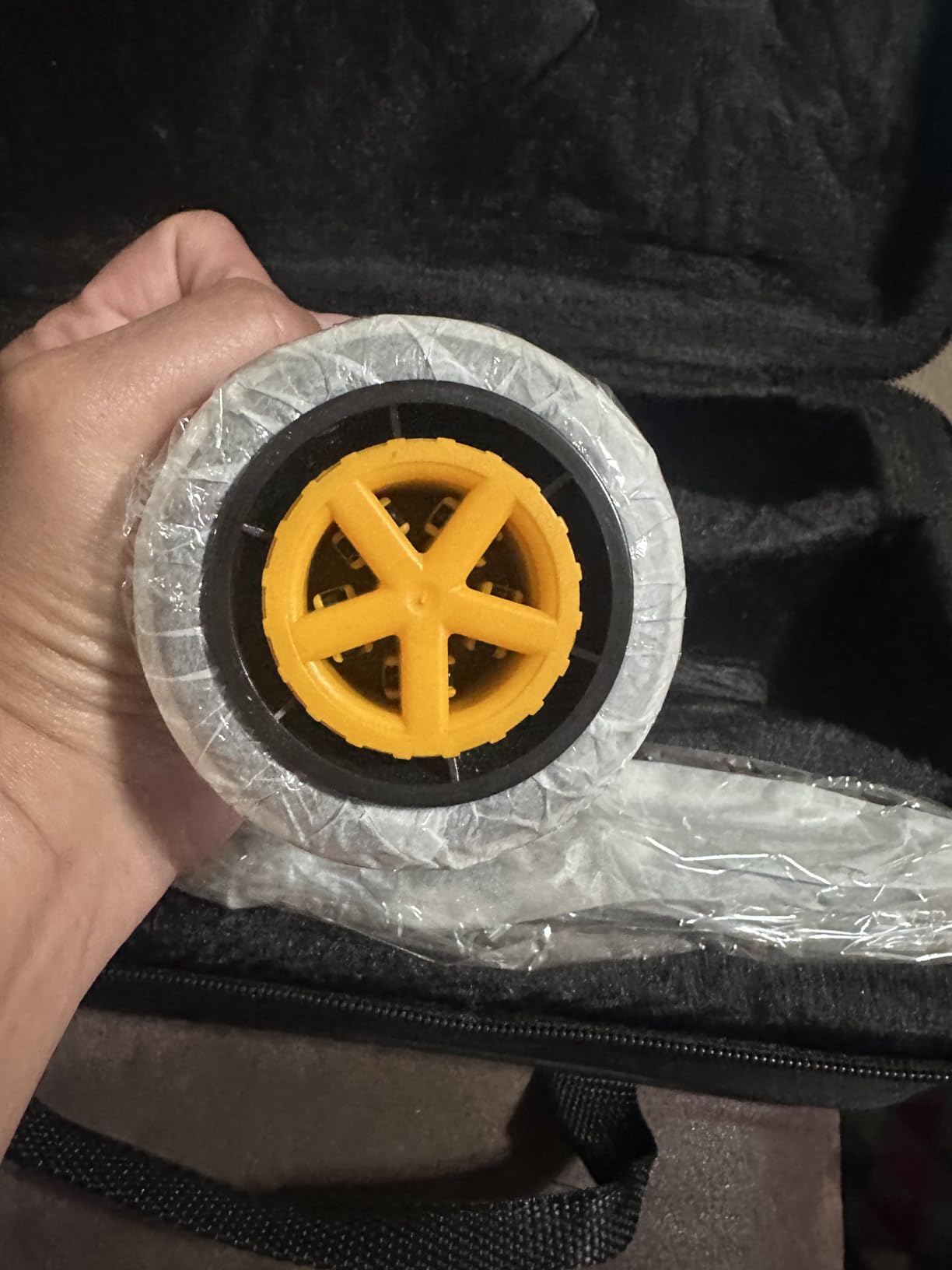
Several owners mention the color-matched mouthpiece and cap making the instrument look far more expensive than it is, and kids notice what their instrument looks like in the case.
Reeds are the recurring upgrade recommendation, with the bundled ones considered poor quality by several buyers and the included mouthpiece not working for some players who fitted a Vandoren instead. A small number of clarinets arrived with a broken, misaligned register key, and one buyer found contacting the manufacturer for a fix difficult.
Where it fits
It suits a child starting school band who wants a real instrument rather than a rental, and a family who would rather own one complete box than assemble accessories. Good packaging matters when a case gets carried across a school parking lot on the way to rehearsal.
It is also a fine first instrument for an adult who wants something unobtrusive to carry to a lesson.
Where it does not
Do not count on the included reeds, and be prepared to replace the mouthpiece. If the register key fault appears, check it before the first lesson rather than discovering it in a practice room.
It also carries a modest review base of 290, so treat the pattern as indicative rather than settled.
8. VANPHY 17-Key ABS Bb Clarinet: Best Value for Tone
VANPHY Bb Clarinet 17 Keys Flat B Clarinet for Beginners & Students Black
ABS body
Two barrels
NAS high-carbon steel pin springs
Expanded bell design
60 days warranty
Pros
- Tone and response rated excellently for the money
- All keys function smoothly and check true with a tuner
- Easy to blow once better reeds are fitted
- Rich kit with case strap two barrels and cushions
- Color options including pink purple and blue
Cons
- Only one flimsy unmarked reed is included
- Bundled ligature does not seat the reed properly
- Bundled mouthpiece is a weak point
- 60 days is the shortest stated warranty here
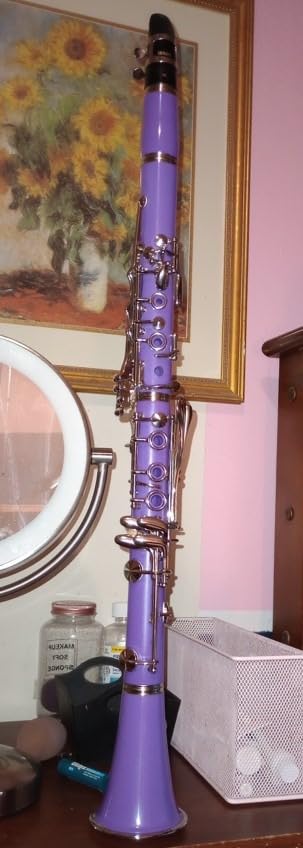
This is the highest-rated instrument in the group at 4.5 stars, and the owners behind that number are unusually specific about why. Several players compare the tone and response favorably against their own Vito or Buffet, and report that all keys function smoothly and check true with a tuner when transposed.
The body is ABS with specially crafted corks between the upper and lower joints, special rubber pads designed to avoid noise, NAS high-carbon steel memory pin springs, two barrels for adjustment across temperatures, and an expanded bell for a low, stable, wide tone. It weighs 1.64 kg.
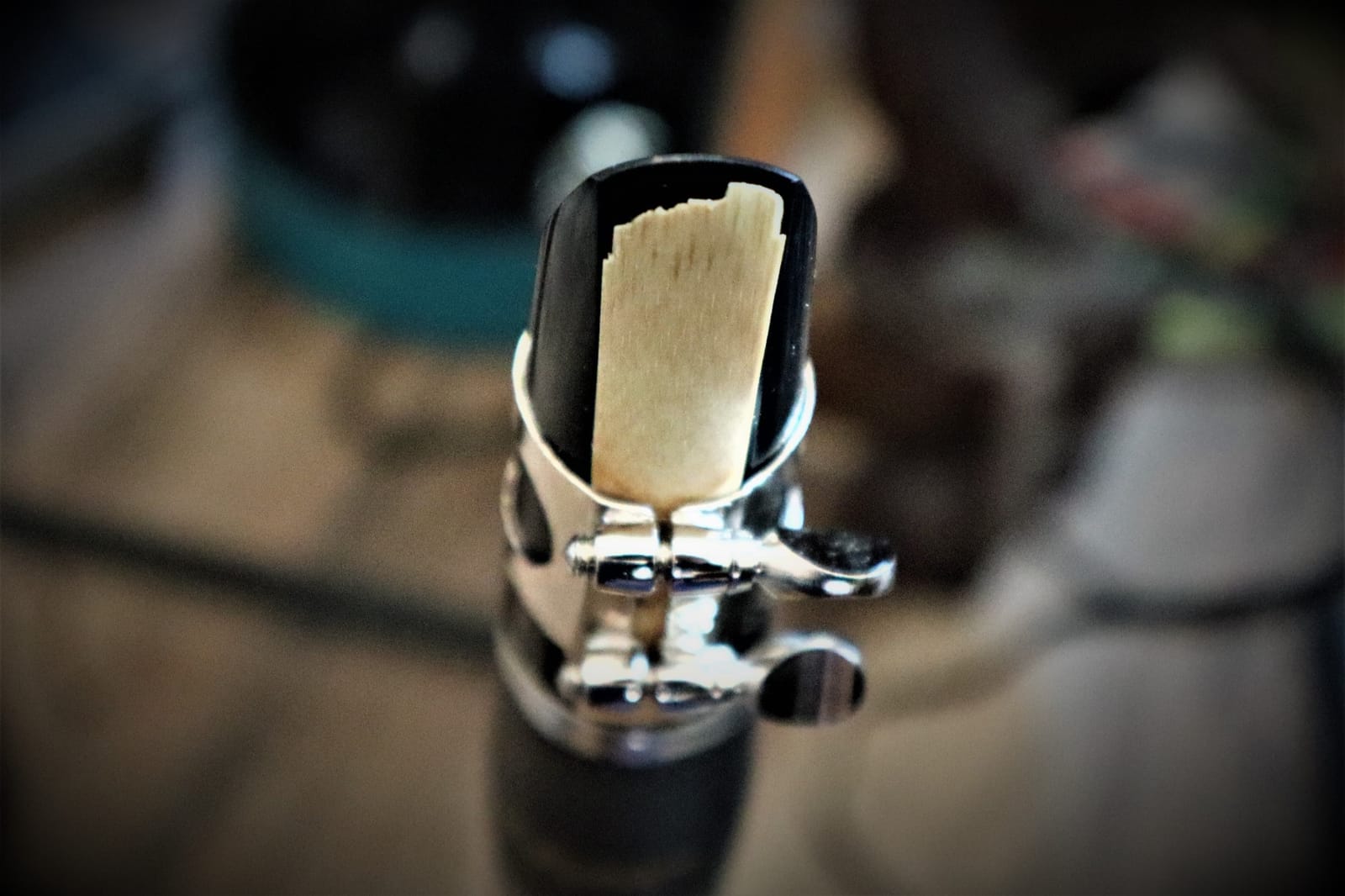
Players describe it as easy to blow even when returning to the instrument, once better reeds are fitted. That combination, easy blowing plus a tone that flatters the player, is exactly what a first instrument should do, and it is why we rate it so highly despite the small review base of 204.
The reed situation is the problem. Only one unmarked flimsy 2.5 reed is included, which several owners say noticeably hurts sound and playability, and the bundled ligature does not seat the reed properly. One owner also reported an instrument that broke repeatedly with keys detaching and could not be serviced by the manufacturer.
Who should buy it
Anyone who cares most about how the instrument sounds will get the most from this one, including adults who already play and want a quiet, easy horn for practice. Returning players rate the response as forgiving.
The color options, including pink, purple and blue, make it the most appealing pick for a child who has to look at the instrument every day.
Who should be cautious
Buy reeds before you buy the clarinet, because one flimsy reed is not enough to judge an instrument. The warranty runs 60 days, the shortest in this group, so ask a technician to look at it early rather than relying on the return window.
If long-term serviceability is your priority, a brand your local shop carries parts for is the safer bet.
9. Yamaha YCL-255: Best Known Student Model and the Easiest Upgrade Path
Yamaha YCL-255 Clarinet
65mm barrel for focused tone
Adjustable thumb rest with strap ring
Yamaha 4C mouthpiece
2100 g
2 year limited warranty
Pros
- Mellow rich and focused tone owners consistently praise
- Genuine Yamaha build with a finish that reads like wood
- Comes with the well-regarded Yamaha 4C mouthpiece
- Padded case with shoulder strap and book pocket
- Recognized model that technicians service widely
Cons
- B natural pad may not seal completely out of the box
- Occasional breakage reports after a month of marching use
- Included case type can vary between hard and semi-hard
- Warranty on internationally sourced models can be region-limited
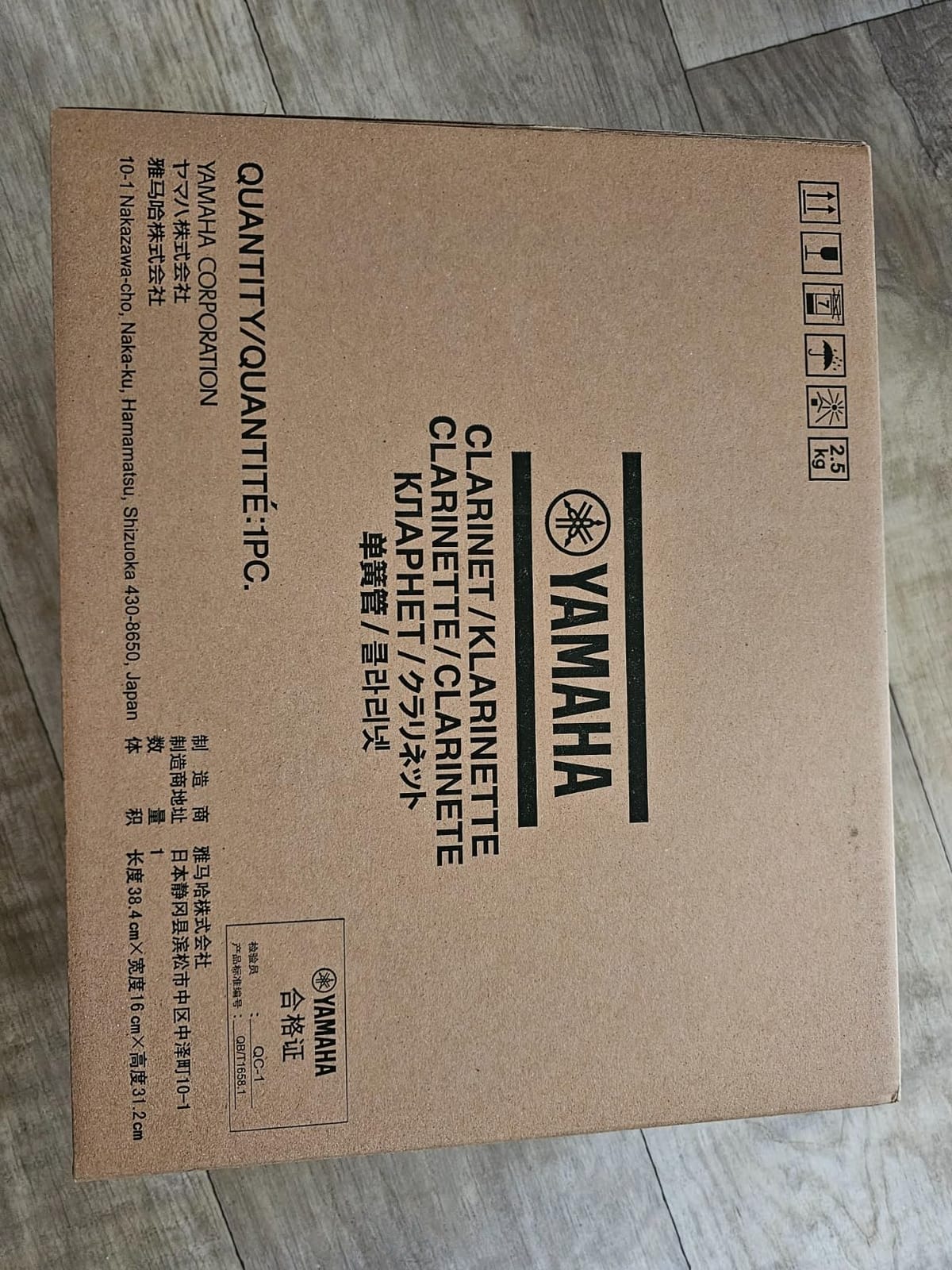
The YCL-255 is the instrument most band directors and teachers name first, and players returning after decades describe it as a satisfying step up with a warm, rich tone. It is modeled after professional Yamaha clarinets and listed at 2,100 g with a 65mm barrel for a focused tone.
Ergonomics are handled properly: an adjustable thumb rest with a strap ring, which is exactly what growing children and smaller hands need. The Yamaha 4C mouthpiece is included, which removes the single most common first-week complaint on cheaper kits.
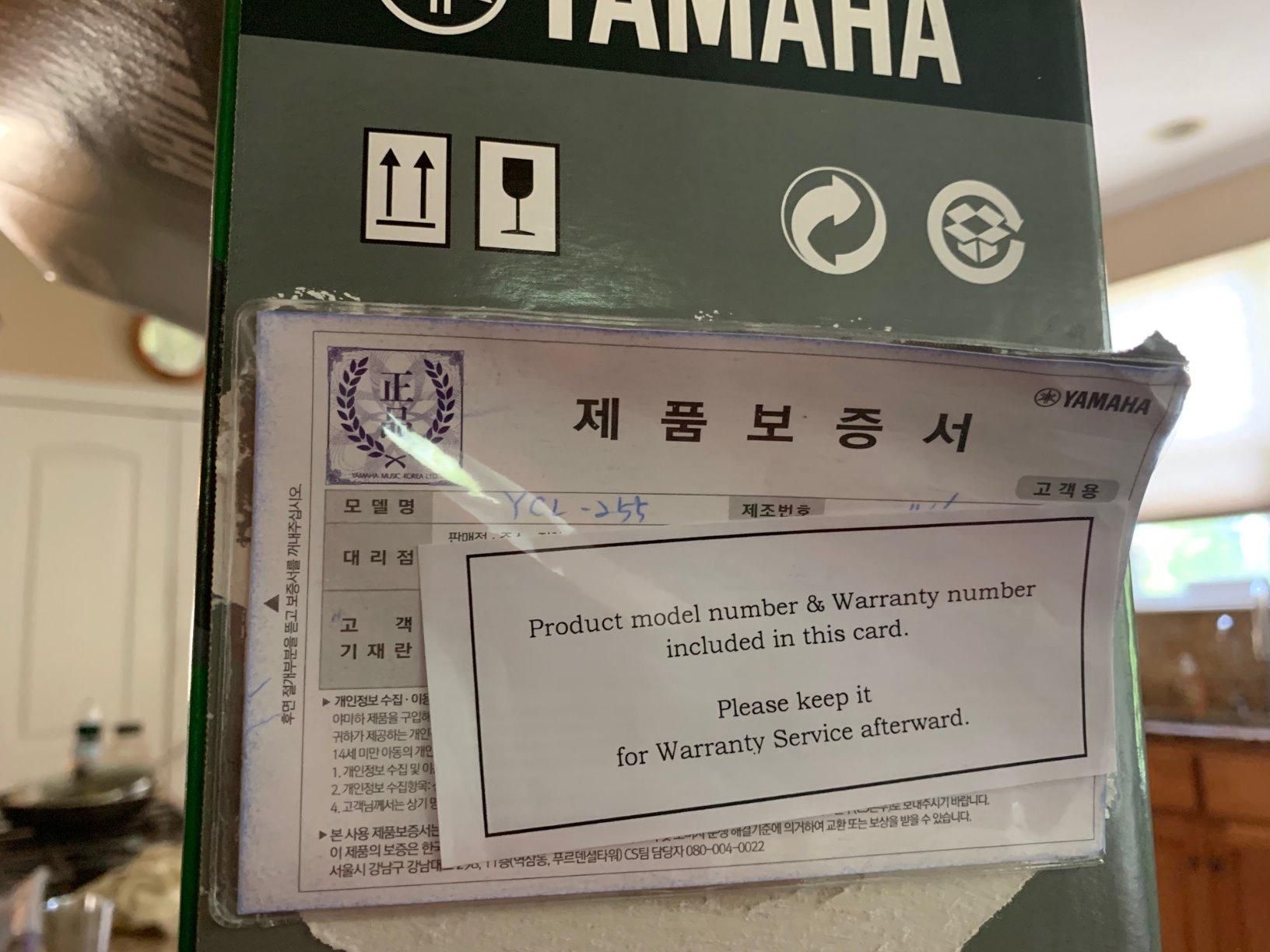
Where the reputation earns its keep is service. A widely recognized model is the one a local repair technician is most likely to carry parts for, and that is the filter forum players treat as primary. Forum discussion on this model repeatedly confirms it is an authentic Yamaha rather than a knockoff.
The recurring technical complaint is a B natural pad that does not seal completely and needs adjustment or repair out of the box. There are also occasional reports of breakage after only a month of marching band use, and the included case type can vary between hard and semi-hard.
Where it makes sense
It suits a student whose teacher already names this model, because arguing with a band director’s preference helps nobody. It also suits a family that intends to keep the instrument for years, since the barrel, mouthpiece and later a wooden body can all be swapped over time.
Adult hobbyists get a genuinely nice instrument here rather than a disposable practice horn, which is the main reason returning players rate it highly.
Where it does not
It costs more than several picks in this roundup, and the pad seal issue means you should budget for a setup visit. Anyone playing outdoors hard should think twice given the breakage reports after a month of marching use.
It is also not the instrument for a family who wants to spend as little as possible on a first year.
10. Yinfente 17-Key Ebonite Bb Clarinet: Best No-Fuss Complete Starter Kit
Yinfente Bb Clarinet for Beginner 17 Key Nickel-plated Ebonite b Flat Clarinet with 2 Barrels,Hard Case,Cleaning Kit,Mouthpiece,Cork Grease,Gloves,Reeds,Cushion,Stand
17-key Bb clarinet
Nickel-plated keys
Two barrels
ABS body with bladder pads
1.5 kg
Pros
- Great value for beginners
- Complete kit with all accessories included
- Good sound quality for what it costs
- Well packaged and arrives in good condition
- Suitable for school band use
Cons
- Included reeds may be low quality
- Included mouthpiece may need upgrading
- Some clarinets arrive without a mouthpiece
- Case zipper quality concerns
Most reviewers treat this as a budget-friendly beginner instrument that includes everything needed to start playing. They praise the value, the sound quality for what it costs, and the completeness of the kit, and it is well packaged and arrives in good condition.
The specification is a 17-key Bb clarinet with nickel-plated keys at 1.5 kg, two barrels for different sounds, an ABS body with Italian felt double sheep casings, bladder pads for elasticity and airtightness, and a digitally perforated tube for intonation stability. Two barrels at this level is a real feature, not a gimmick.
School band use is the stated use case in the reviews, and the specification supports it. The intonation-stability claim matters in an ensemble, where a beginner is trying to match a section rather than a recording.
Common feedback is that the included reeds may be low quality and the mouthpiece may need upgrading. A few examples have also arrived without a mouthpiece, and there are concerns about the case zipper and about the included cork grease being insufficient for tight tenons.
Who it works for
This suits a beginner who wants one box to open and a second barrel to grow into, and it works well for a school band player on a tight allowance. The lighter listed weight also helps on a long walk to rehearsal.
It is a sensible first instrument for a student who will move up to a better model in a year or two.
Who should skip it
Skip it if the missing mouthpiece reports worry you, because the correct response is to check the box before the first lesson rather than after. It also sits at the bottom of the rating range here, so a buyer who reads reviews closely should be comfortable with the specification.
Anyone planning to buy a wooden body in two years will get more from a model with a stronger service network.
11. Vangoa 17-Key French System Clarinet: Best for Carrying and Travel
Bb Clarinet Kit for Beginners Students, 17-Key French System with 2 Barrels
ABS resin body
17 nickel-plated keys
Dual barrels
4C mouthpiece
1.4 pounds
Pros
- Lightest listed weight makes it easy to carry
- Complete kit with case reeds stand and cleaning kit
- Good intonation and sound quality
- Responsive keys with smooth action
- Hard case with shoulder strap
Cons
- Included reeds are poor quality
- Included mouthpiece may need upgrading
- Ligature can be difficult to use
- Thumb rest may loosen over time
This is the lightest instrument in the group at 1.4 pounds, and for a student who walks to school, rides a bus or takes the instrument to a private lesson, that single number can decide the purchase. Nothing else on this list is built around weight the way this one is.
It is a 17-key French system with nickel-plated keys on a crack-resistant ABS resin body, a dual-barrel tuning system, a 4C mouthpiece included, and precision-fitted pads for an airtight seal. The tone is described as warm and resonant.
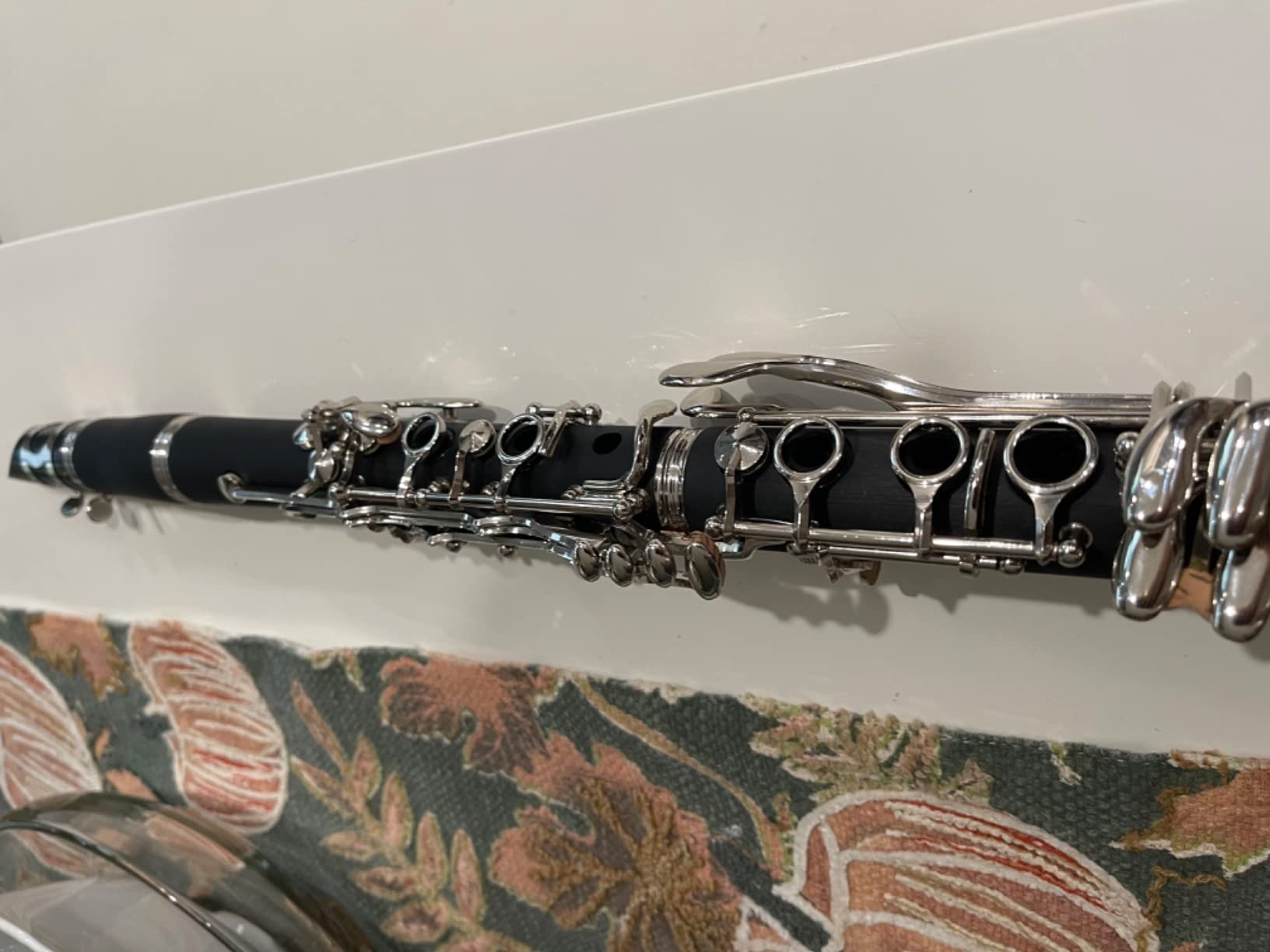
Reviewers are positive about good intonation and sound quality, responsive keys with smooth action, and a complete kit that includes the case, reeds, stand and cleaning kit. The hard case with a shoulder strap is part of the reason the weight figure works in practice.
The complaints are consistent across the whole entry tier rather than specific to this model: poor quality included reeds, a mouthpiece that may need upgrading, and a ligature that can be difficult to use. There are also durability notes about the case zipper, limited storage for extra reeds and a thumb rest that may loosen over time.
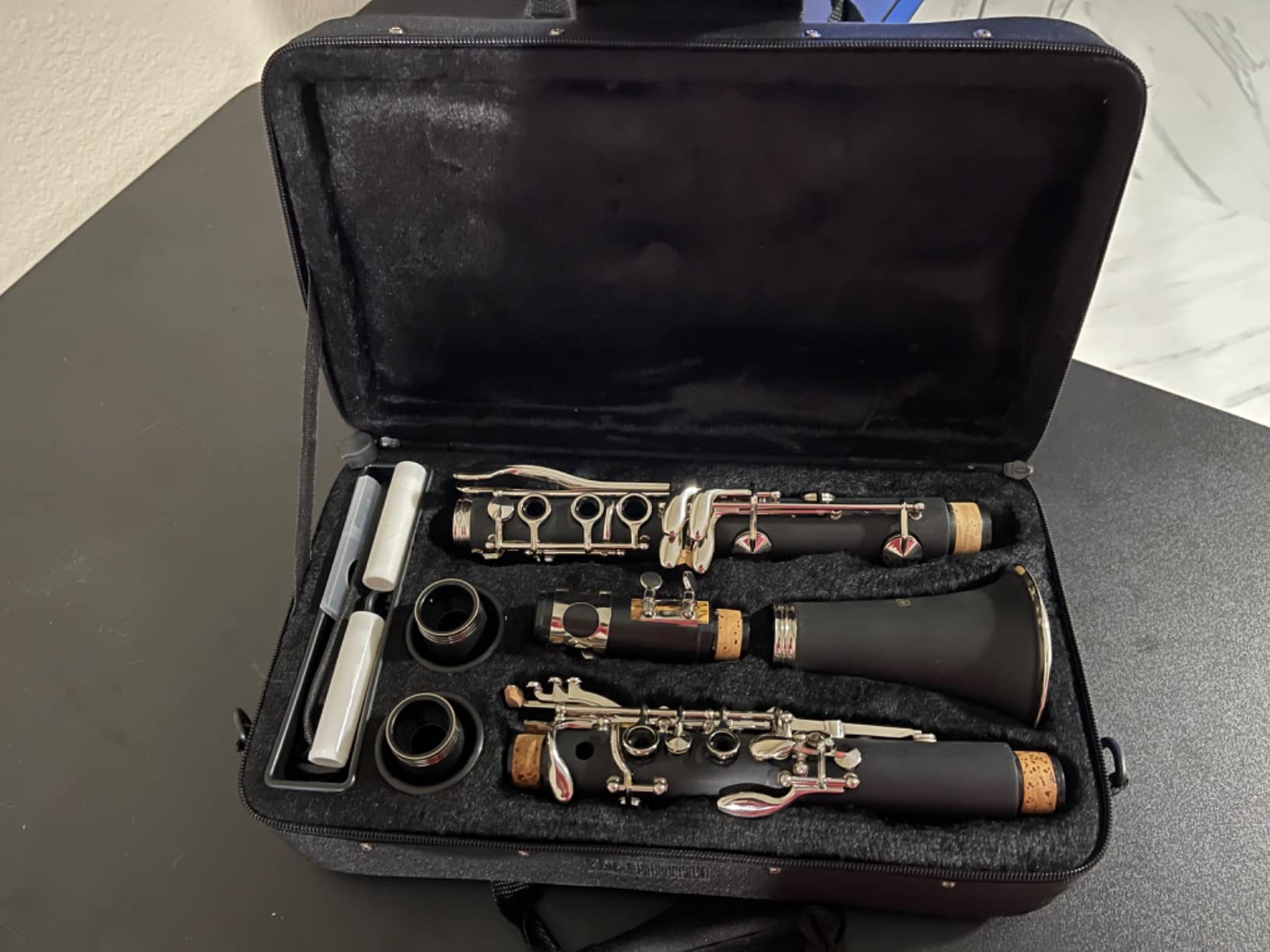
Reasons to pick it
It suits a younger student, a commuter, and anyone who carries their instrument rather than leaving it in a music room. The ergonomic key layout is also described as comfortable for finger placement.
For adults buying their first instrument, a light body reduces the wrist and shoulder load in the first months when technique is not yet efficient.
Reasons to look elsewhere
If you want the strongest tone per pound, this is not the one, because the lowest ratings in the group cluster here. The loosening thumb rest and the case zipper are worth checking in month one.
It is also a weaker choice for a player who already knows they want a wooden body soon, because the upgrade path is less clear.
12. GKW Music Professional Ebonite Bb Clarinet: Best Ebonite Step-Up Look
GKW Professional Ebonite Bb Clarinet Set for Beginners & Intermediate Players, Silver-Plated Keys, Warm Clear Tone, Includes Hard Case, Musical Instrument for School Band
Ebonite body with wood grain effect
Silver-plated keys
Stainless steel springs
Adjustable thumb rest
Hard case and strap
Pros
- Ebonite body with a wood grain appearance
- Warm clear tone quality
- Silver-plated keys with smooth action
- Good value compared with renting
- Complete set with hard case and accessories
Cons
- Quality control issues with stuck keys and pads not sealing
- Second barrel or cork grease missing on some examples
- Only one reed included
- May need professional setup for best results
The reason to consider this one is the look. Reviewers consistently praise the ebonite body with its wood grain effect, the warm and clear tone, and the sense that the instrument appears a class above what it costs, which matters when a student carries it to every rehearsal.
The keywork is silver-plated with stainless steel springs and precision-engineered keys for smooth action and accurate intonation, plus an adjustable thumb rest. The set includes a hard case, mouthpiece, reeds, cleaning cloth, swab, screwdriver and strap, and the body is described as crack-resistant.
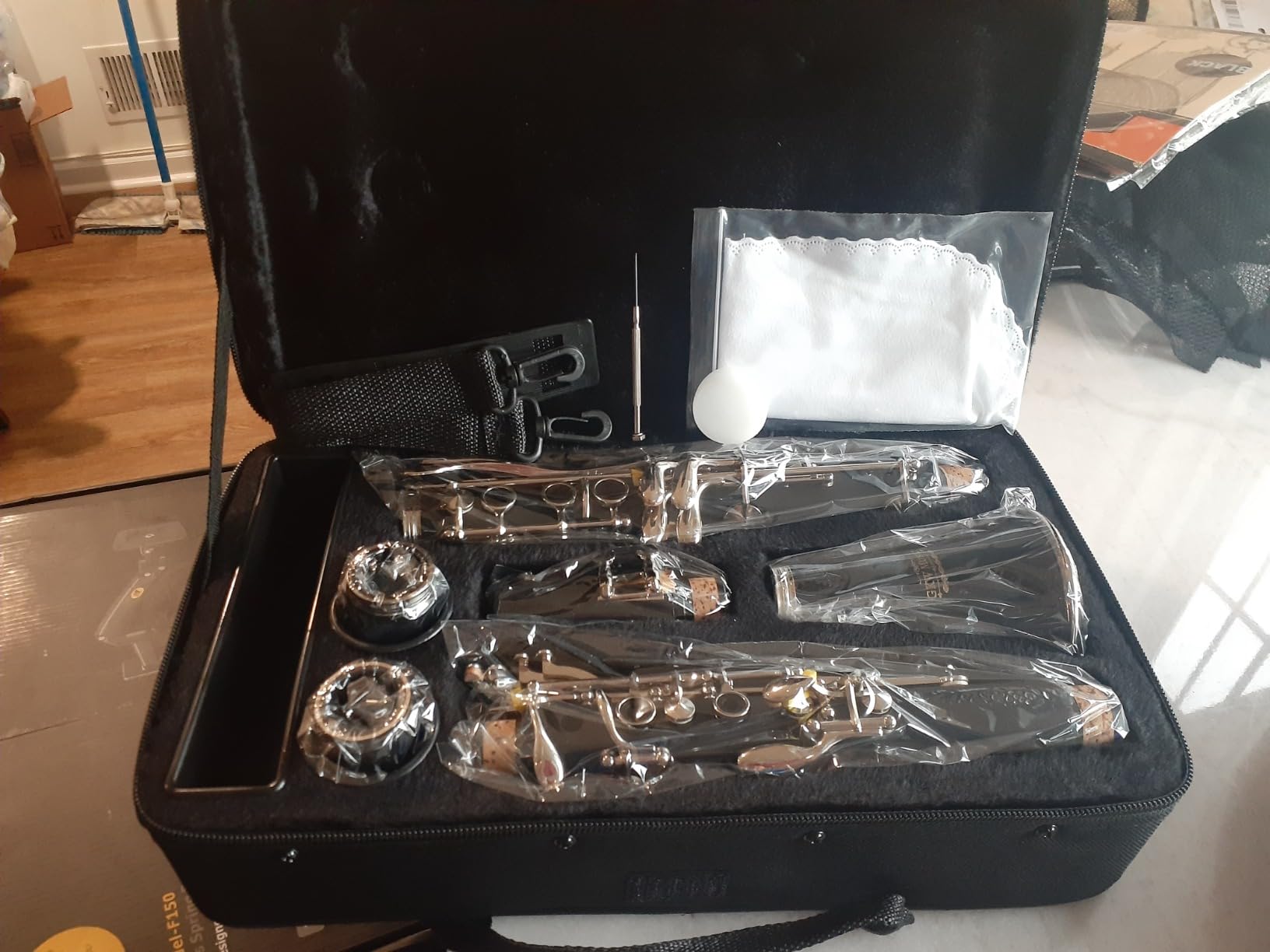
Several reviewers frame it as good value compared with renting, and it is aimed at beginners and intermediate players. At 2.8 pounds it has a substantial, non-plastic feel that reviewers notice immediately.
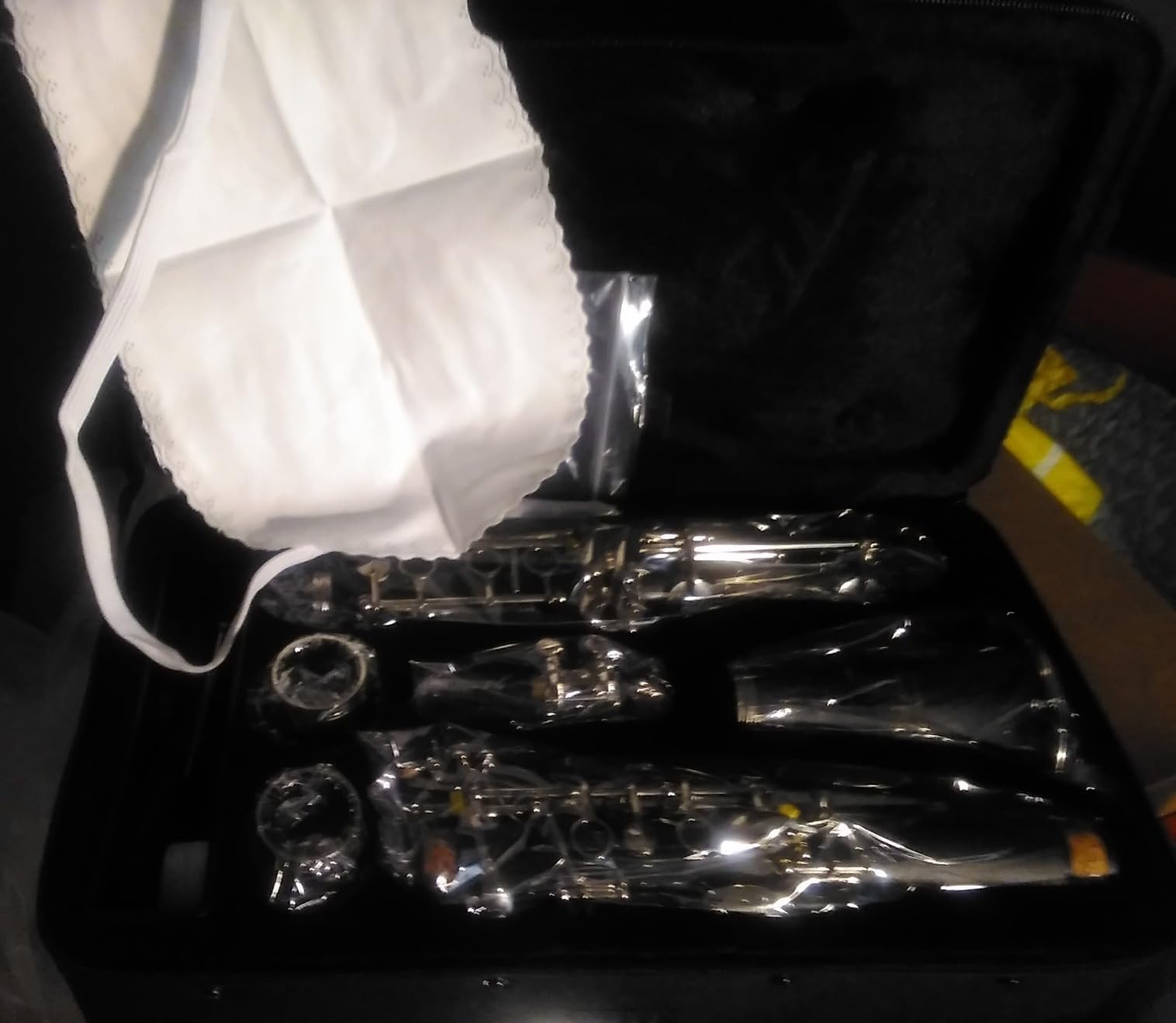
The quality control reports are the deciding factor. Reviews mention stuck keys, pads that do not seal, a missing second barrel or cork grease on some examples, a cleaning cloth too large for the barrel, and a case with quality concerns. Only one reed is included, and several owners say it needs professional setup for optimal performance.
Where it makes sense
It suits a student moving from a plastic rental instrument to something that looks and sounds like a step up without a wooden-body commitment. Warm tone seekers and anyone who wants a non-plastic feel in the hand will appreciate the weight and the silver plating.
The included screwdriver, strap and full care kit make it a self-contained purchase.
Where it does not
With only 42 reviews behind it, this is the thinnest evidence base in the group, and the quality control complaints are specific enough to matter. Have a technician check it and confirm the second barrel is present before the first lesson.
It is a poor choice for anyone who wants to open the box and play immediately without any setup.
ABS Resin vs Wood: Which Body Should a Beginner Buy?
Start with ABS resin, which is what nearly every pick in this roundup uses, including the model we rate highest. Resin does not crack in a hot car, does not swell in humidity, takes marching field abuse, and costs less to put right if something goes wrong. For a first instrument those are decisive advantages.
Wood, and grenadilla in particular, is prized for tone. A grenadilla body resonates in a way resin cannot fully match, which is why serious players graduate toward it. But the same hardness that gives a wooden horn its voice makes it vulnerable to cracking from a dropped case or a slammed locker door.
There is a middle path worth knowing about: the GKW kit on this list, with a wood grain ebonite body and silver-plated keys, gives you the look and weight of wood without a wooden-body commitment. Forum advice is blunt about the extreme cases, that a Yamaha 255 or any student model in ABS is the best choice for marching band because it is very easy to ruin wooden clarinets if you play outside.
Buying Guide: New, Used or Rented
Rent first when you are unsure. Rent-to-own programmes exist for exactly this reason, and for a child under about eleven whose teacher has not yet confirmed a commitment, paying a monthly amount beats owning a plastic horn that sits in a closet. Many families then apply what they have paid toward a purchase.
Buy new when you know the player is staying. New means a warranty you can point to, a return window long enough to have the instrument independently inspected, and a known configuration rather than an unknown history. Check the warranty length and terms, because they vary widely across this list.
Buy used when the seller has done the work. The forum consensus is that a serviced older instrument is the value route, but only if the completed repair work is worth paying for. A used horn with fresh pads, clean corks and regulated springs can be a better instrument than a new one that has never been set up.
Skip used instruments entirely when the seller cannot answer questions about pad condition, when there is no return window, or when the model is unrecognisable and no local shop carries parts for it. Forum buyers are blunt that hardly used tells you nothing, so judge on completed repair work and warranty instead.
One warning applies to both new and used: a branded instrument at an implausibly low cost is a counterfeit or misrepresented risk. Check that the model and serial number are exact, not just the logo.
Mouthpieces, Reeds and the Extras Budget
Start on a reed strength of 2 to 2.5, which is where most beginners are comfortable and where a teacher will start you. Buy a box rather than the single reed that comes in the box, because a flimsy or cracked reed makes a good instrument sound bad and teaches you to blame the clarinet.
On the mouthpiece, the rule is simple. The Yamaha 4C is the standard student mouthpiece and the one included with the Yamaha YCL-255, and it is the most commonly recommended upgrade across the lower-tier kits in this roundup. Replace the included mouthpiece once and the instrument changes character more than any other single purchase.
Budget for the rest as well: a ligature that holds the reed properly, cork grease, a swab, a neck strap, and a reed guard or two. None of it is expensive, and all of it prevents the frustration that makes beginners quit in month two.
How to Inspect a Used Clarinet Before You Pay
Play every note from low E up through the chalumeau register, then jump around. Squeaks, airy notes and notes that will not speak point to pad leakage, not to your technique, and leakage is the first thing to fix.
Check the register key and every key for even spring tension and level key height. Keys sitting noticeably higher or lower than their neighbours need adjustment before anything else is worth discussing.
Inspect the tenon corks on the barrel and upper joint. A cork with visible cracks, or a joint that has to be forced together, will leak and will be a recurring cost.
Look at the pads under a light, press each key gently and confirm the pad seats fully with no light showing around the edge. Then confirm the mouthpiece is a real 4C or equivalent rather than a thin plastic shell.
Finally, ask the seller what work was done and when. A recent full regulation by a named technician is worth paying for, and it is the single highest-value trust signal on the used market.
Frequently Asked Questions
What is the best clarinet to buy for a beginner?
The best clarinet for a beginner is the Mendini by Cecilio Ebonite Bb Clarinet Kit. It arrives as a complete outfit with a 4C mouthpiece, ligature, ten reeds, hard case and stand, has a durable ABS body that survives temperature swings and marching use, and holds a 4.4 rating across more than 2,800 owner reviews. If you want a technician-set-up instrument instead, the Jean Paul USA CL-300 is the strongest alternative.
Are wooden clarinets better than plastic for beginners?
Not for a first instrument. ABS resin does not crack, does not swell with humidity, and survives being left in a car or played outdoors on a hot field, and it costs less to replace. Wood, especially grenadilla, is prized for a warmer, more resonant tone, which is why advanced players move toward it. A ebonite body with a wood grain finish gives you the look and weight of wood without a wooden-body commitment.
What is the best clarinet reed size for beginners?
Beginners should start on reed strength 2 to 2.5, which is what most teachers recommend and where the instrument plays most easily. Buy a box of reeds rather than using the single reed bundled in the box, because thin or cracked reeds make a good clarinet sound poor and teach beginners to blame the instrument. Replace the included mouthpiece as well, since a Yamaha 4C is the standard student upgrade.
Is it worth renting a clarinet for the first year?
Yes, when commitment is uncertain. Rent-to-own programmes are designed for exactly this situation and let a family apply what they have paid toward a later purchase, which is a sensible route for a child under about eleven whose teacher has not yet confirmed that they will continue. Buy new instead when you know the player is staying, because a warranty and a return window are worth real money over a full year of study.
Should I buy a used clarinet or a new one?
Buy used when the seller has already done the work, because a serviced older instrument is often the best value on the market. A used horn with fresh pads, clean tenon corks and regulated key springs can play better than a new one that has never been set up. Avoid used instruments when the seller cannot describe the repair history, when there is no return window, or when the model is unrecognisable and no local shop carries parts for it.
What is the hardest part of learning the clarinet?
Crossing the break from the low chalumeau register into the clarion register is the hardest moment for most beginners. The clarinet has a cylindrical bore, so it overblows at a twelfth rather than an octave, which splits its sound into four registers: chalumeau, throat, clarion and altissimo. Because the jump is a twelfth, a beginner has to change embouchure and air speed at the same time, and an instrument with leaky pads makes that transition much harder.
What size clarinet should a child start on?
Most children start on a full-size Bb soprano clarinet, and the deciding factor is reach rather than age. A child who cannot comfortably reach the keys and hold the thumb rest will not get a lesson out of the instrument, so check that the hands can cover the holes and the thumb can sit on the rest before buying. For smaller children, a lighter body helps, and an adjustable thumb rest lets one instrument last longer as they grow.
Which Beginner Clarinet Should You Buy?
For most families, the best clarinets for beginners in 2026 come down to a short decision. Buy the Mendini by Cecilio kit when you want one box that contains everything and a body that survives a summer parked in the car. Buy the Jean Paul USA CL-300 when you want a technician-set-up instrument and a warranty you can point to.
Look further down the list only for a specific reason: the Eastar for small hands, the EASTROCK or another ABS model for marching band, the Vangoa if weight is the deciding factor, and the Yamaha YCL-255 if your teacher named it or you want a long upgrade path. Whatever you choose, budget for reeds, a Yamaha 4C mouthpiece and one setup visit, because those three things matter more to a beginner’s first year than the brand on the box.