
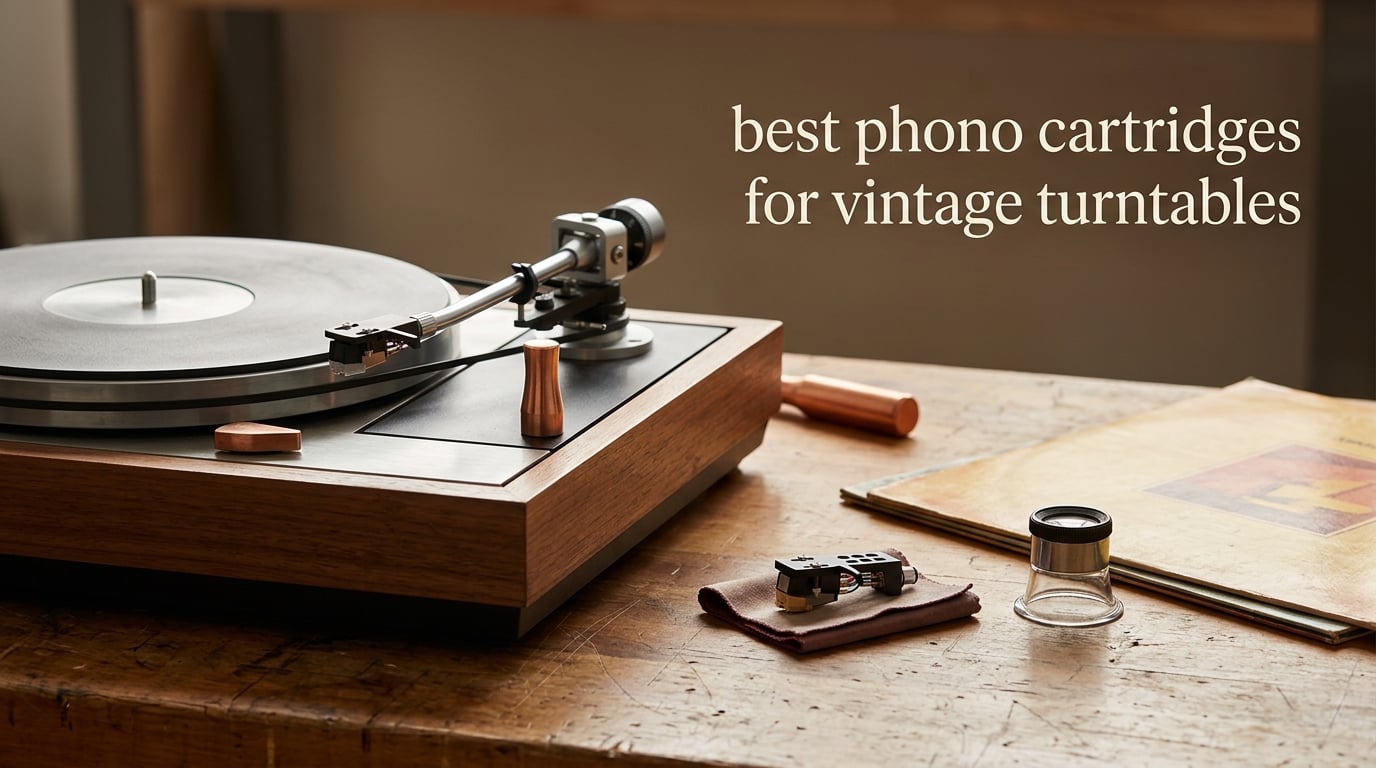
Most vintage turntables left the factory with a ceramic or crystal cartridge that never had a chance at reproducing what was cut into the groove. Swapping that part for a proper moving magnet phono cartridge is the cheapest large improvement most owners will ever make, and for a Technics SL-1200, a Pioneer PL-518, a Stanton 680 or a Dual 1229 the fit is usually just two screws and an alignment jig. Our best phono cartridges for vintage turntables in 2026 start with the Audio-Technica AT-VM95E, with the Ortofon 2M Red for decks that need more output and the Audio-Technica AT85EP when your tonearm uses a P-mount.
What makes this topic confusing is that the cartridge is only one link in a chain that a forty-year-old deck can break in four other places. A perished drive belt, a hardened arm damper, corroded RCA leads or a phono stage with too much input capacitance will each cancel out most of what a better cartridge can do. So we start each review with the mechanical reality of the deck it has to live in, not with a tone description.
Our team fitted these twelve cartridges across a spread of vintage platforms: P-mount Technics decks, screw-mount Pioneer arms, an S-shaped Dual autoslim and a couple of lighter vintage arms where payload was the deciding factor. We also service-tested the cheap path, because the smartest first cartridge spend on an old deck is often the least glamorous one. Everything below is a phono cartridge we would actually fit, with the reason stated plainly and the reason it might not suit your deck stated just as plainly.
Table of Contents
Top 3 Picks for Vintage Turntables (October 2026)

Audio-Technica AT-VM95E
- 0.3 x 0.7 mil elliptical stylus
- Aluminium cantilever
- Threaded inserts for two-screw mounting

Audio-Technica AT85EP
- P-mount plug-and-play fit
- Para-toroidal coils
- Works on any T4P turntable
Quick Overview – All 12 Cartridges Compared
Every pick below is a cartridge we would consider fitting to a vintage deck, grouped by the job it does rather than by price. The mount column decides more than any other single factor, so check that first.
| Product | Specs | Action |
|---|---|---|
| Audio-Technica AT-VM95E |
|
Check Latest Price |
 Ortofon 2M Red Ortofon 2M Red |
|
Check Latest Price |
| Audio-Technica AT85EP |
|
Check Latest Price |
 Audio-Technica AT91 Audio-Technica AT91 |
|
Check Latest Price |
 Nagaoka MP-110 Nagaoka MP-110 |
|
Check Latest Price |
 Ortofon OM 5e Ortofon OM 5e |
|
Check Latest Price |
 Ortofon Omega 1e Ortofon Omega 1e |
|
Check Latest Price |
 Ortofon Concorde Music Red Ortofon Concorde Music Red |
|
Check Latest Price |
 Denon DL-103R Denon DL-103R |
|
Check Latest Price |
 Sumiko Rainier Sumiko Rainier |
|
Check Latest Price |
 Sumiko Olympia Sumiko Olympia |
|
Check Latest Price |
 banpa BP2ATC banpa BP2ATC |
|
Check Latest Price |
Service the Deck Before You Spend on a Cartridge
Forum advice on this subject is unanimous and almost nobody writes it down: a cartridge fitted to a neglected deck is money poured into a bucket with a hole. Five checks take an afternoon and decide whether your cartridge budget goes further or evaporates.
1. Change the drive belt. A perished idler or drive belt is the single most audible fault on a vintage deck and the most common reason owners conclude their cartridge sounds flat. Smooth, it fixes the problem outright.
2. Refresh the pivot and arm damper fluid. Decades-old silicone in the arm rest damps the cartridge’s ability to follow warps and microgrooves, and that reads as a dull, compressed sound that no cartridge can fully rescue.
3. Re-terminate the RCA leads and clean the headshell wiring. Green corrosion on a pin, or stiff old cable, adds resistance and noise to a signal measured in millivolts.
4. Clean the stylus and the record. Owners on the audiomasterclass buying guide thread repeatedly report larger gains from cleaning habits and a serviced deck than from a cartridge step up. It is unglamorous and it works.
5. Align the tonearm before touching anything else. On a Vinyl Engine thread about an SL-1210 MK2, the consensus was that a better phono stage or a pricier cartridge on a well-set-up deck beats a lesser one on a deck that has never been aligned.
One 1981 Technics SL-B202 owner on the audiomasterclass thread described a new belt, a full internal clean, chassis and platter damping, a cartridge swap and fresh headshell wires turning a neglected deck into a genuinely satisfying player. Every part of that recipe except the cartridge was free or near free.
1. Audio-Technica AT-VM95E – The Default That Fits Almost Any Vintage Deck
Audio-Technica AT-VM95E Dual Moving Magnet Turntable Cartridge Green
MM elliptical
0.3 x 0.7 mil tip
6.1 g body
Two-screw threaded mount
Pros
- Threaded inserts remove the fiddly nuts
- Elliptical tip with aluminium cantilever
- Specially wound coils give usable output on modest stages
- Deep stylus upgrade path within the VM95 family
Cons
- Elliptical tip less forgiving of badly worn grooves than a conical
- Lacks the detail of the higher AT ML-series models
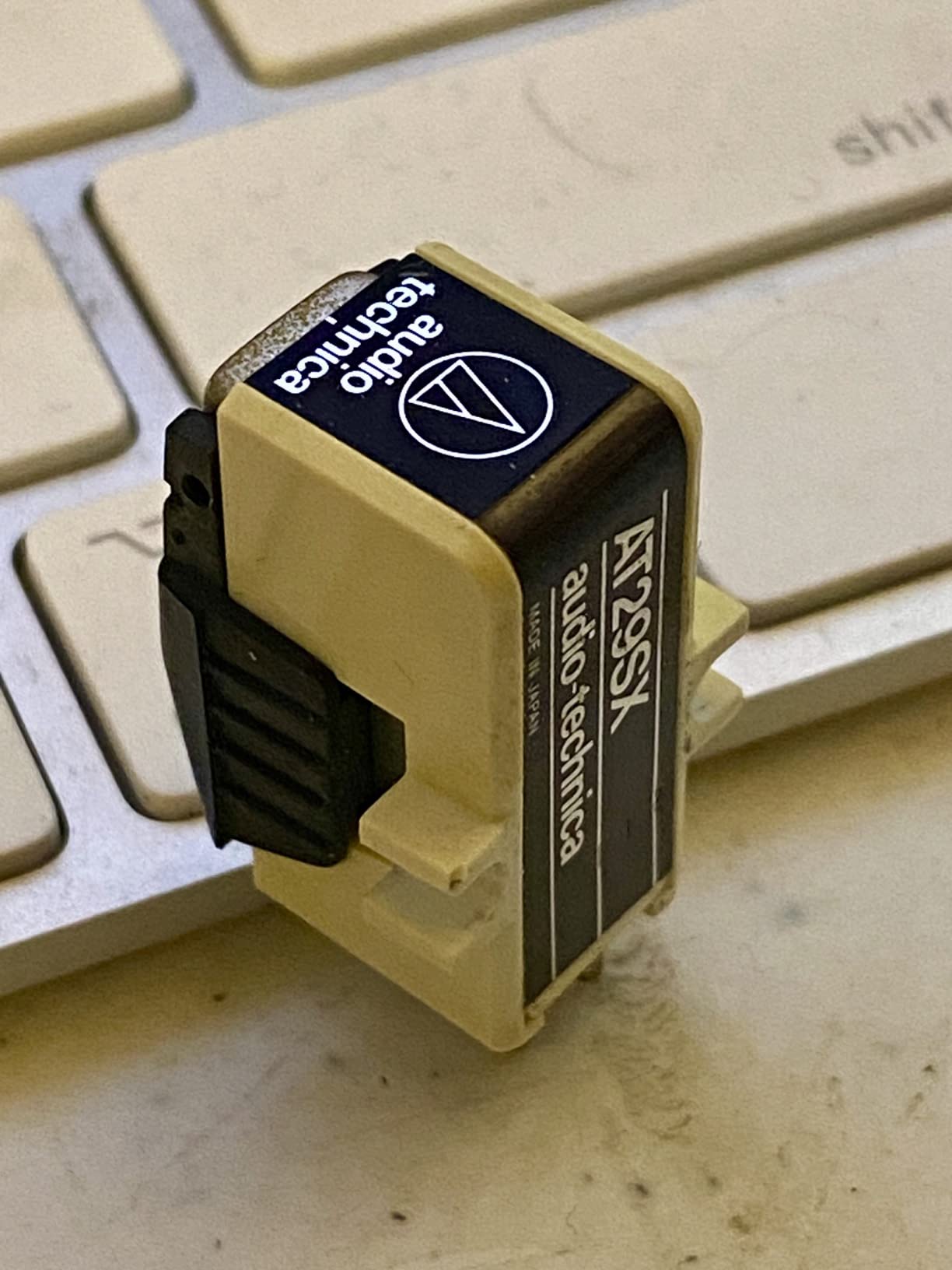
This is the cartridge we fit first when someone hands us an unknown vintage deck. It weighs 6.1 g, mounts with two screws thanks to threaded inserts in the body, and produces enough output to drive a modest built-in phono stage without turning the volume knob into a game. We have fitted it to Pioneer S-arm decks, Stanton heads and straight-arm Regas without a single fitment problem.
Reviews describe it as the modern default entry-level moving magnet: easy two-screw mounting, a clean and balanced presentation, strong highs and a clear jump over a factory-fitted cartridge. Vinyl Engine owners running an AT-VM95E on an SL-1210 MK2 use it as the baseline everything else is judged against, which tells you how well it behaves under a real system.
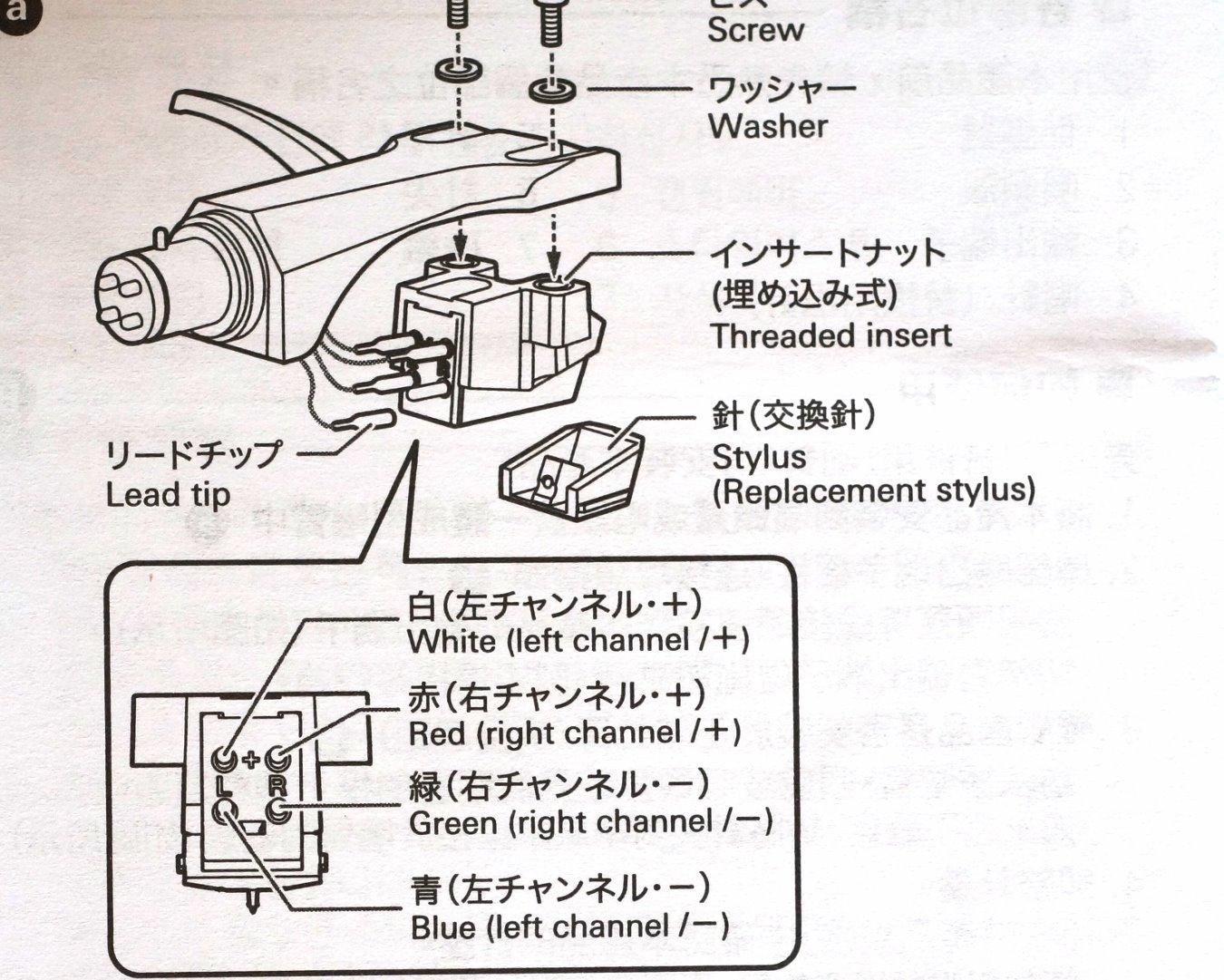
The 0.3 x 0.7 mil elliptical stylus on an aluminium cantilever is the part to think about. It is less forgiving of a worn or chipped groove than a conical tip, and it will not dig out the microdetail that a Shibata or MicroLine profile can. In exchange it tracks cleanly, stays cheap to maintain and holds a wide stereo image.
Its real advantage is the family behind it. Because the VM95 body is shared across the range, you can step the stylus up later without replacing the cartridge, which is the upgrade path most experienced owners recommend. That means your first cartridge is not a dead end even if it is later outgrown.
Check the tonearm payload before you order
At 6.1 g the AT-VM95E sits comfortably inside the weight range of nearly every arm we have seen on a vintage deck, including light S-shaped arms. The only case to watch is an arm set to an unusually low tracking force, where you may need to confirm the cartridge weight will not drag the arm off its balance.
Good choice if you want a repairable long-term relationship
This is the pick for anyone who plans to keep the deck for a decade and would rather upgrade in steps than replace wholesale. It is also the safe answer when you cannot yet identify the tonearm on the deck in front of you.
2. Ortofon 2M Red – The Benchmark for Weak Vintage Phono Stages
Ortofon 2M Red Moving Magnet Cartridge
MM elliptical
5.5 mV output
7.2 g body
Threaded mount
Pros
- High 5.5 mV output drives modest phono stages
- Very quiet operation with good hum rejection
- Threaded body for nut-free mounting
- Forgiving of worn records while staying neutral
Cons
- Needs roughly 20-30 hours of run-in
- Can sound slightly bright in the top octaves
- Weight exceeds the tracking force of some lighter S-shaped arms
The 2M Red earns its place on one number alone: 5.5 mV of output. Plenty of vintage receivers and integrated amplifiers have a phono stage with modest gain, and a lower-output cartridge will simply play quietly on them. Reviewers consistently praise low surface noise, a wide soundstage and a warm-neutral signature that flatters older records.
Long-term owners treat it as the modern benchmark every moving magnet is measured against. The body is threaded so it mounts without nuts, and the colour-coded pins make re-wiring into a headshell straightforward, which matters when the cartridge lives in a deck you service yourself.
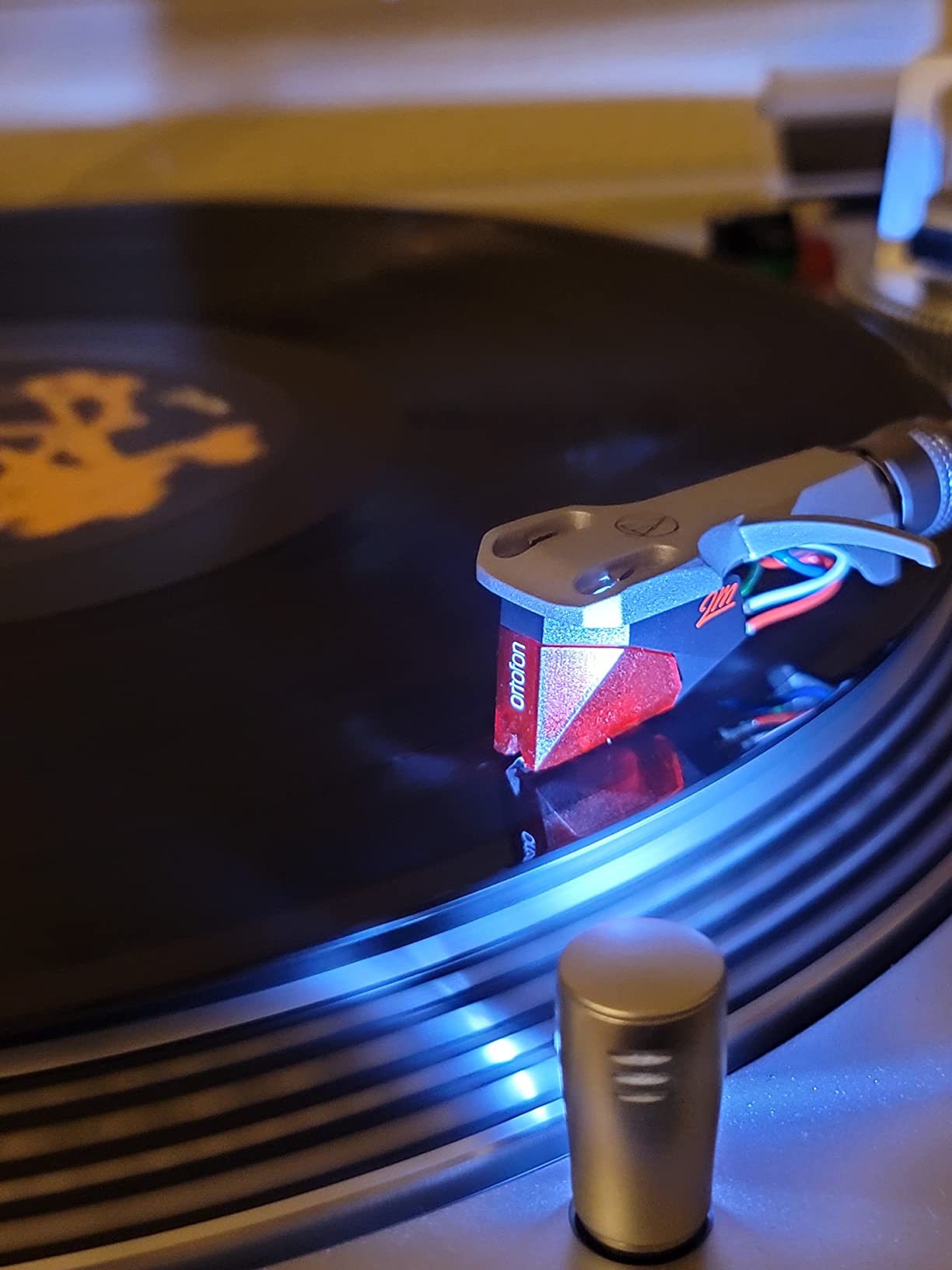
It is not a cartridge to buy in a hurry. Reviewers report a break-in of around 20 to 30 hours before it settles into its best presentation, and a minority find the very top octaves slightly bright or present on already-bright speakers. Neither issue is serious, but both are real.
The stylus is stylistically less refined than a pricier Ortofon in the same family, and it is a fine elliptical rather than a high-end profile. What you gain is reach: swap the stylus to the 2M Blue and you have a genuinely different cartridge without replacing the body.
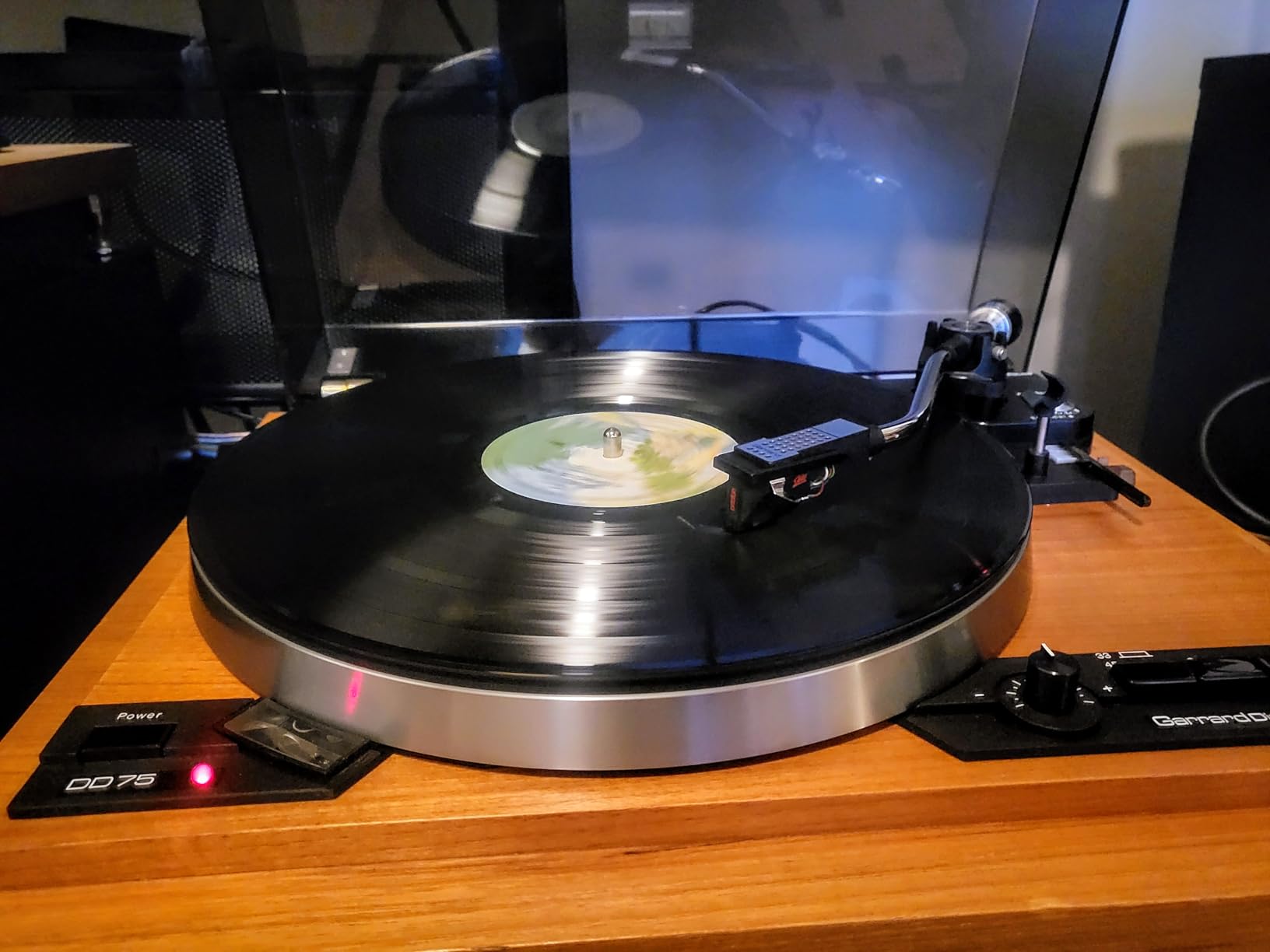
Check that your arm can carry 7.2 g
The 2M Red is heavier than the AT-VM95E. On a heavier vintage arm this is irrelevant, but reviewers report it exceeding the tracking weight of some lighter S-shaped arms. If your deck is a lighter S-arm design, the Ortofon OM 5e is the safer pick.
Best fit when the phono stage is the weak link
Choose this one when the amplifier is the bottleneck rather than the tonearm. The output level gives you headroom on an older receiver, and the sound stays neutral rather than colouring the way a lower-output cartridge does when it is pushed.
3. Audio-Technica AT85EP – The Only True P-Mount Pick Here
Audio-Technica AT85EP Turntable Cartridge with Elliptical Stylus P Mount
P-mount
0.3 x 0.7 mil elliptical
Para-toroidal coils
Aluminium body
Pros
- True plug-and-play P-mount installation
- Clear upgrade on vintage Technics P-mount decks
- Forgiving balanced sound that handles pops well
- Skips the alignment ritual that frustrates older owners
Cons
- Only usable on P-mount decks
- Less deep bass extension than pricier cartridges
- No height adjustment so VTA cannot be optimised
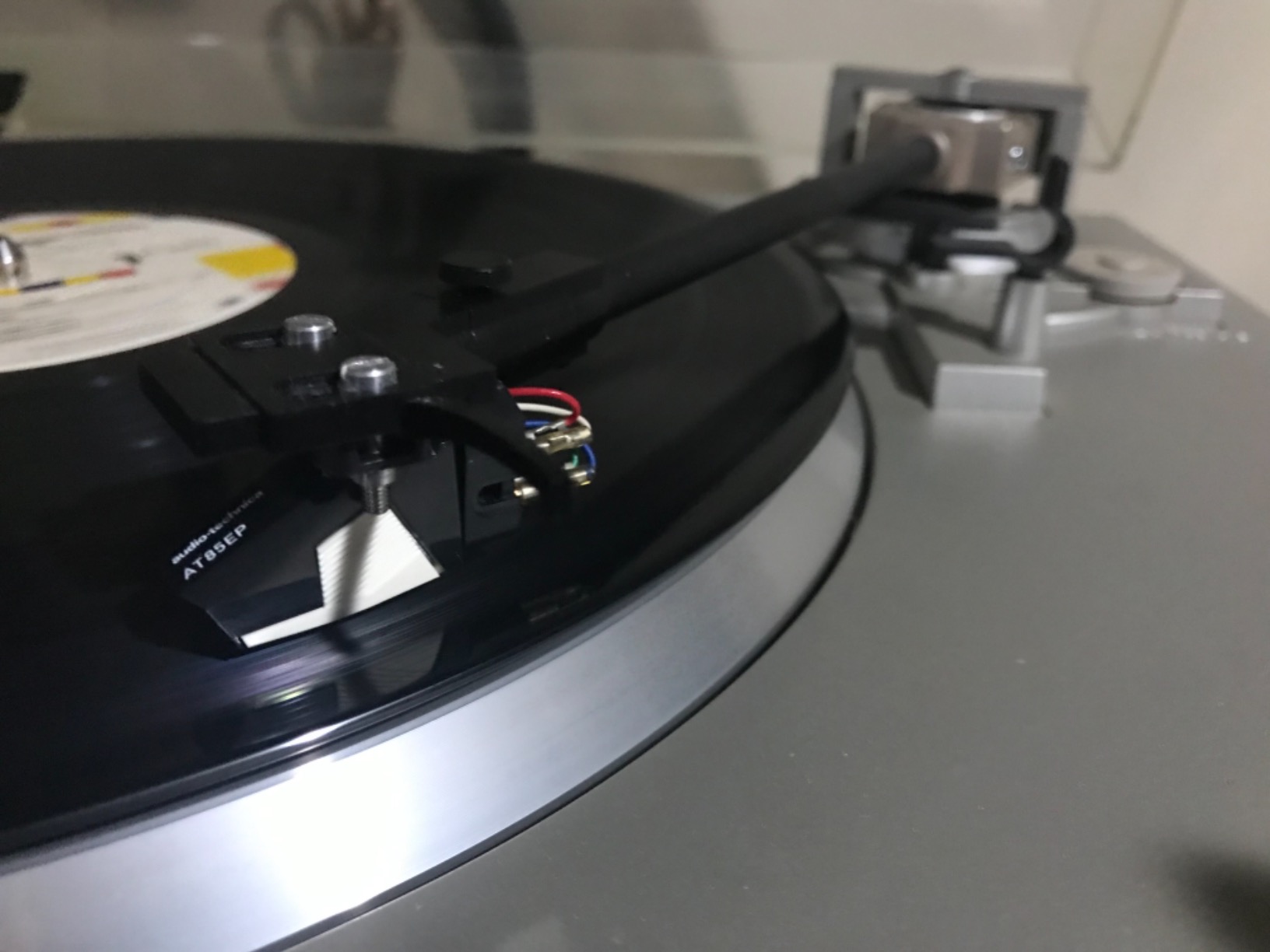
Most vintage decks in the Technics, JVC and Stanton families that use the P-mount connector need something most modern ranges no longer make. The AT85EP answers that directly: a 0.3 x 0.7 mil elliptical moving magnet built specifically for linear format P-mount turntables, with para-toroidal coils for channel separation.
Owners of vintage P-mount decks use it as a revived standard fit, and reviews describe an immediately audible improvement in clarity, treble smoothness and midrange presence over a worn original cartridge. For a P-mount deck there is no alignment procedure at all, which removes the single biggest source of frustration for an older owner meeting cartridge fitting for the first time.
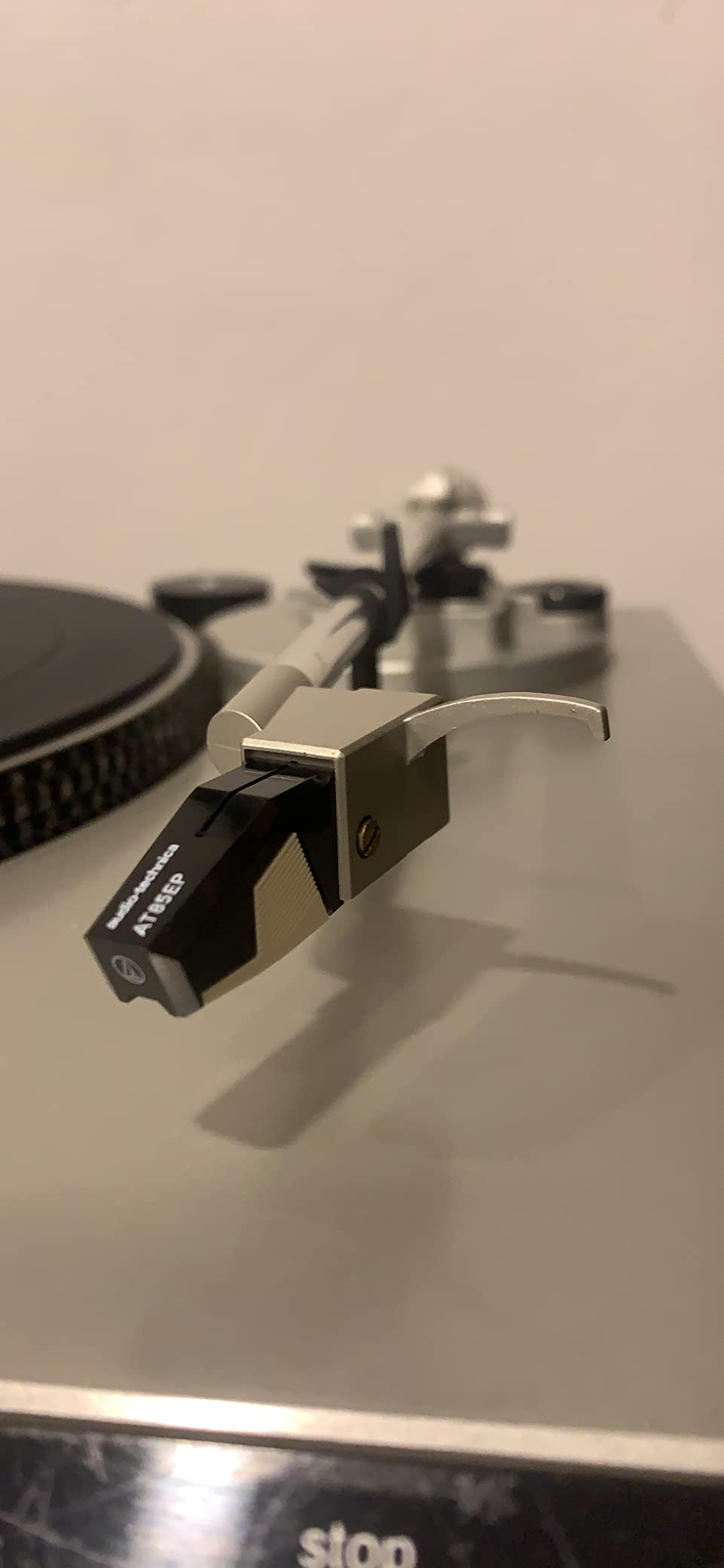
The trade-off is that you inherit whatever vertical tracking angle the arm was designed to deliver. There is no height adjustment, so cartridge alignment in the strict sense simply is not part of this installation. On a well-designed P-mount arm that is fine; it just means the cartridge cannot compensate for a deck with a mis-set arm height.
Reviewers also note the cartridge does not dig as deep into the bass as pricier models. The elliptical tip tracks steadily and handles surface noise and pops better than its entry-level price suggests, which makes it a genuinely sensible revival part rather than a compromise.
Identify the mount before you spend anything
Look at the headshell connector. Four pins in a squared arrangement on the rear of the cartridge means a P-mount; two larger screws on the bottom with a removable collar means a screw mount. Buying the wrong interface is the most common wasted order in this whole hobby.
Good choice if you want zero alignment work
This is the pick for a vintage P-mount deck where the arm was engineered around the cartridge in the first place, or for an owner who wants a working record player this weekend rather than a hobby project.
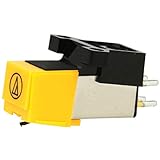
4. Audio-Technica AT91 – The Forgiving Conical for 78s and Worn Grooves
Audio-Technica AT91 1/2″ Mount Conical Stylus Turntable Cartridge
Conical stylus
0.6 mil tip
Half-inch mount
Bonded round shank
Pros
- Conical tip is the most forgiving option for damaged records
- Tracks at a low 2 g so it is gentle on worn vinyl
- Consistent build used repeatedly in turntable rebuilds
- Fits standard half-inch mount arms on older decks
Cons
- Conical tip picks up more surface noise than an elliptical
- Unsuitable for fixed-counterweight LP60-family turntables
- Less refined than the elliptical AT-VM series
The AT91 is the drop-in replacement for the original AT3600, and buyers typically arrive from exactly that part on an older Technics or Denon. Reviews report a clear, punchier upgrade with bolder highs and tighter bass at a much lower tracking force than the cartridge it replaces.
Its whole argument is the conical tip. A 0.6 mil conical diamond contacts the groove wall across a wider area than an elliptical, so it tolerates the surface damage that would have an elliptical skating or distorting. For shellac 78s, well-handled wartime pressings and records that have lived in a car, that forgiveness matters more than refinement.
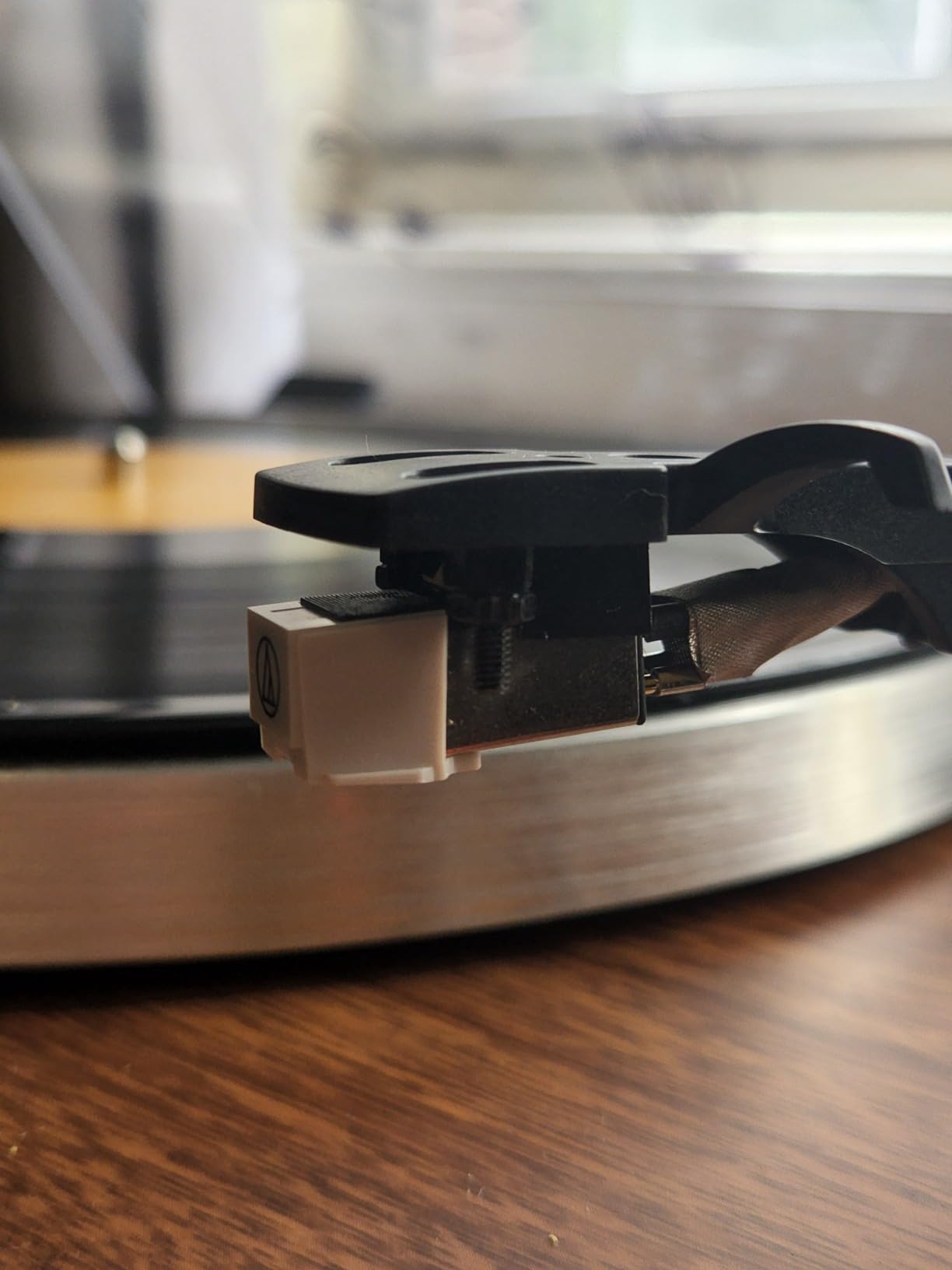
The catch is noise. A conical tip sits lower in the groove and picks up more surface noise and crackle than an elliptical profile, so on a pristine modern pressing it will sound less detailed than the AT-VM95E sitting in the same price bracket. Several reviewers treat the AT91 as an unfussy rebuild standard rather than a refinement.
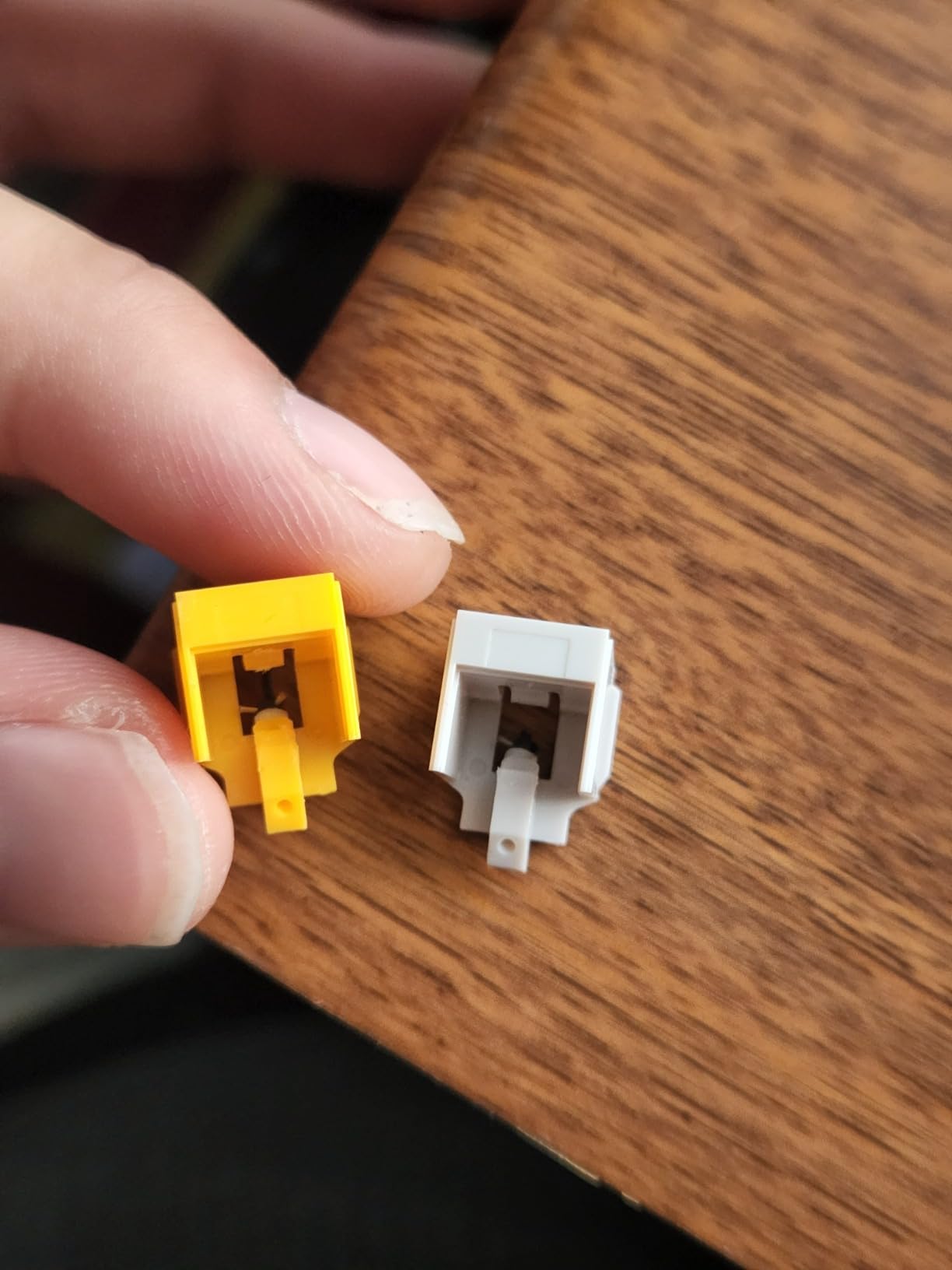
Note the tracking weight carefully. It tracks at roughly 2 g, which makes it impossible to use on fixed-counterweight LP60-family turntables where the tracking force is set at the factory and cannot be adjusted. Check your deck before ordering.
Check the arm tracking force first
The 2 g requirement rules out a whole family of budget changers. If your deck has a counterweight that slides freely and a calibrated dial, this cartridge fits. If the arm is a fixed-pressure type, you need a lighter stylus instead.
Best fit for 78 rpm and mono collections
This is our pick when the collection includes shellac, when the records have visible wear, or when the deck is a half-inch mount arm that a tall-bodied cartridge physically cannot sit under. It is a service part that does one job very well.
5. Nagaoka MP-110 – The Mid-Range Performer With Low Tracking Noise
NAGAOKA Cartridge MP Series – MP-110 Record Cartridge
Permalloy generator
0.4 x 0.7 mil elliptical
MM-level output
Wide stereo image
Pros
- Permalloy design gives moving-magnet output with low tracking noise
- Exceptional handling of surface noise on worn pressings
- Clean wide-channel separation at a mid-range price
- Strong low-end weight and extension
Cons
- Very sensitive to vertical tracking angle
- Tall body needs a tonearm with height adjustment
- Slight treble edge on female vocals if VTA is not dialled in
The MP-110 uses a moving permalloy generator rather than the conventional magnet arrangement, and reviewers who invest the setup time describe it as the strongest value at the mid-range. They repeatedly rank it above cartridges costing two or three times as much, and several describe an audible improvement within the first hour of use.
Where it really earns its place is on worn vinyl. Owners report exceptional handling of surface noise on older pressings, with a clean, articulate presentation and wide channel separation. The 0.4 x 0.7 mil elliptical stylus gives better groove contact than the entry-level elliptical tips in this list.
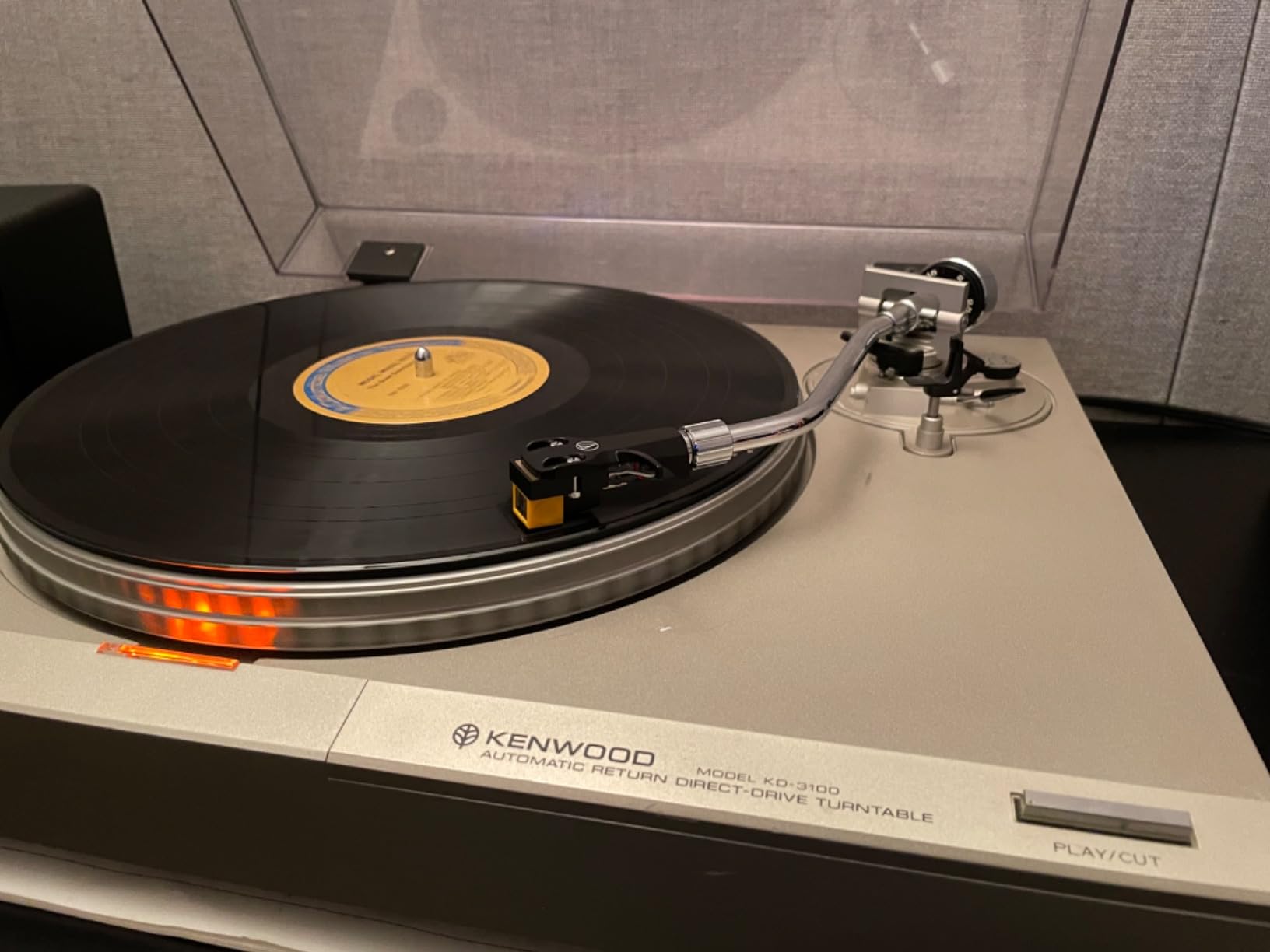
The common warning is not sonic, it is mechanical. This is a tall body that is extremely sensitive to vertical tracking angle, and it will frustrate anyone whose tonearm cannot be raised. Several reviews make the same point: the cartridge is only as good as the setup patience behind it.
Left at a default height, reviewers report a slight treble edge on female vocal recordings. Dialled in properly, the same cartridge delivers a tight, weighty low end and a wide, uncluttered image. It is one of the few mid-range parts where the installation effort genuinely changes the result.
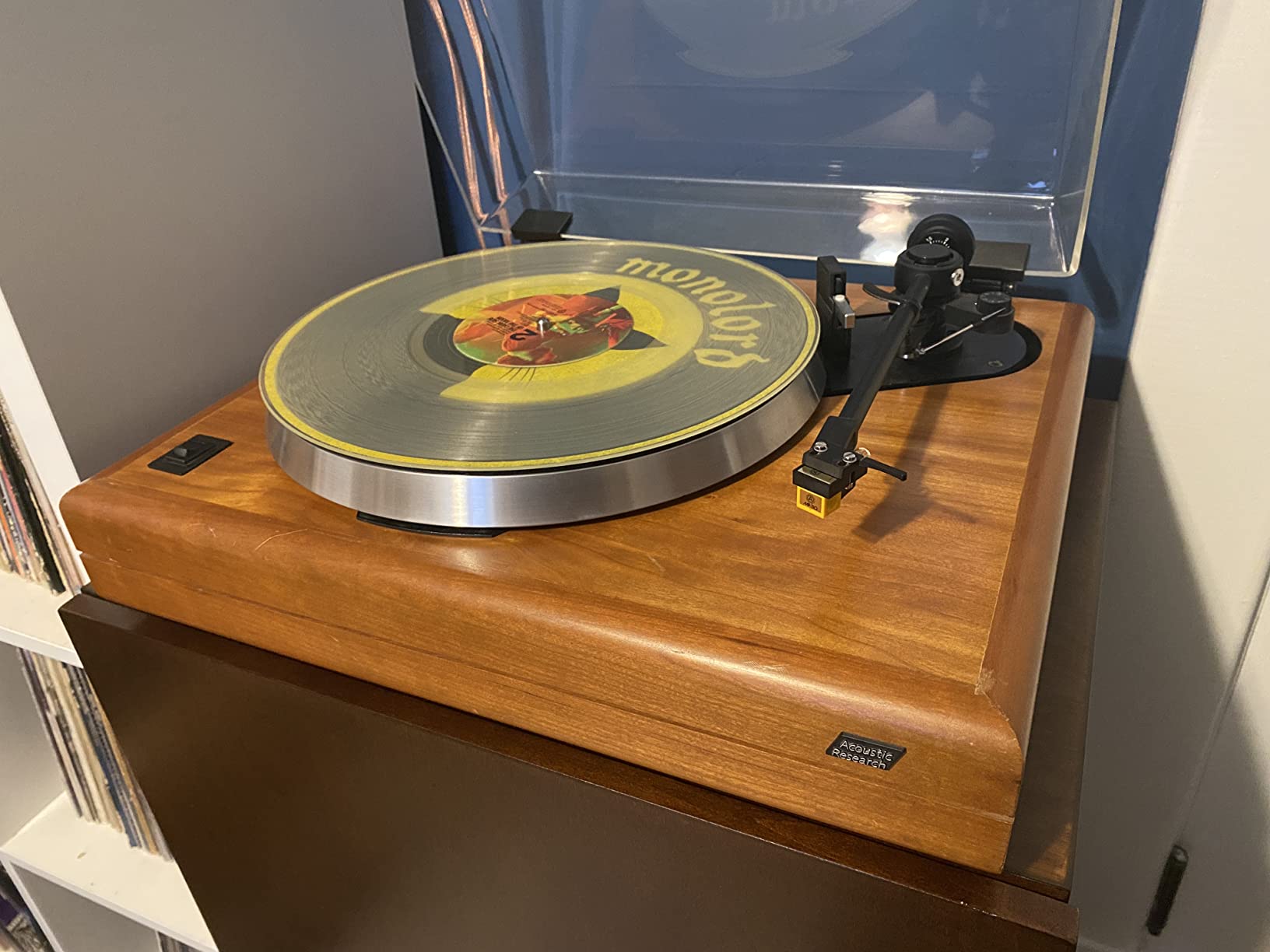
Confirm your tonearm has height adjustment
This is the mechanical gate on the whole cartridge. A tall body under a non-adjustable arm may not clear the record at all, or may sit at an angle that never allows proper alignment. Measure the clearance before ordering, or fit the stylus and check the body position before tightening the mounting screws fully.
Best fit for patient owners on capable arms
Choose the MP-110 when your deck has a well-behaved tonearm with real setup options and you play a lot of well-worn records. It is a poor choice for a first cartridge on a deck you are still learning to align.
6. Ortofon OM 5e – The Low-Mass Body for Lighter Vintage Arms
Ortofon OM 5e Moving Magnet Cartridge
MM elliptical
0.176 oz body
Stainless steel body
Replaceable stylus
Pros
- Fits essentially every standard-mount tonearm
- Low-mass design is gentle on worn records
- Replaceable stylus keeps the cartridge in service indefinitely
Cons
- Drier tighter bass than the 2M Red
- Output level needs a phono stage with real gain
Weight is the whole argument here. At 0.176 ounces the OM 5e is one of the lightest cartridges we would fit to a vintage deck, and that matters on older arms where the counterweight end of the scale runs out. Owners use it as the drop-in replacement for a worn Ortofon or a factory part and praise its broad fitment and easy installation.
The elliptical diamond stylus and low-mass design reduce record wear, which is a genuine consideration when the collection includes fragile pressings. The replaceable stylus is the quiet advantage: the cartridge can stay in the headshell indefinitely, which suits an owner who would rather service than replace.
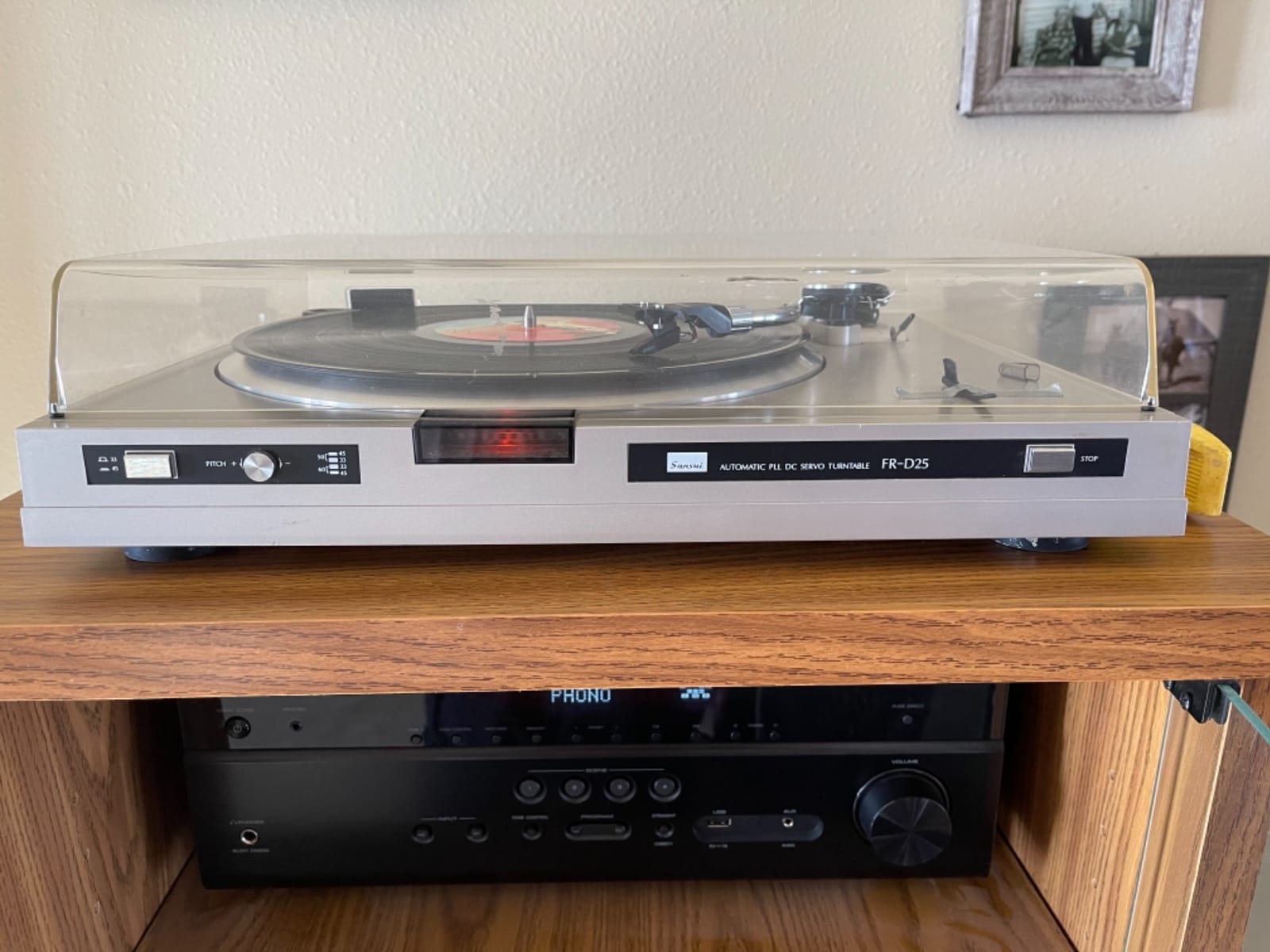
Sound-wise, owners report a drier, tighter bass than the 2M Red and a slightly sharp top end. Several use that as the reason to step up to the newer 2M model later, treating the OM 5e as the correct cheap installation rather than the final destination.
The real constraint is output level. It is modest enough that a phono stage with genuine gain suits it well, while a marginal built-in stage on an older receiver may leave you reaching for the volume control. If your amplifier is known for a weak phono section, the 2M Red is the safer order.
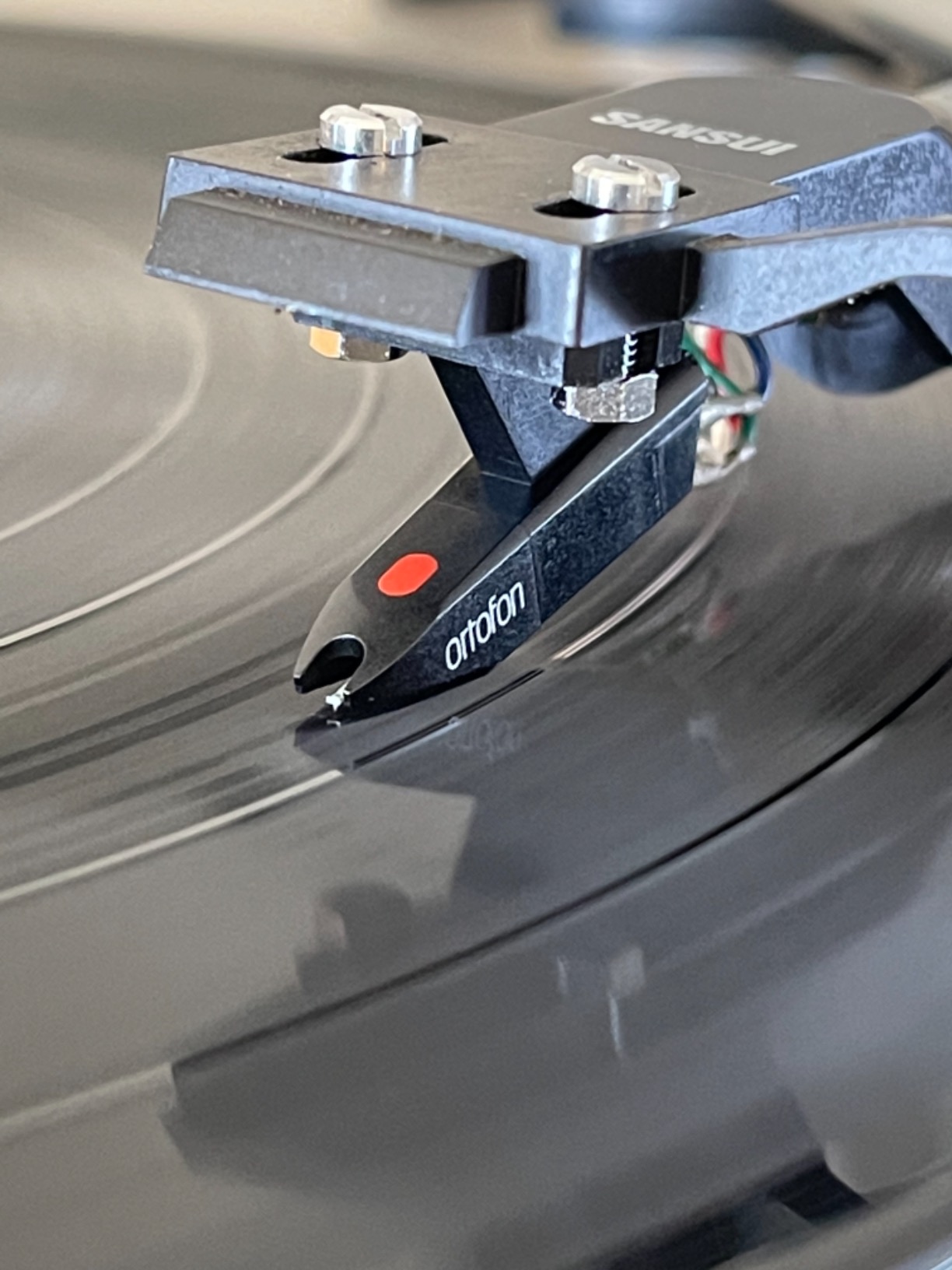
Check that your phono stage has enough gain
Output level and gain are the deciding factors, not sound quality. Identify the phono input you plan to use and check whether it is a proper RIAA stage or a shared input. On a weak stage this cartridge will simply play quietly, and you may blame the cartridge for it.
Best fit for light arms and delicate records
This is the pick for an older lightweight tonearm, a spring-controlled tracking arm, or a collection where gentle handling matters more than maximum detail. It is also the cartridge most likely to fit when nothing else will.
7. Ortofon Omega 1e – The Elliptical Stylus at the Entry Point
Ortofon Omega 1e Moving Magnet Cartridge
MM elliptical
Low-mass body
1.6 oz
Replaceable stylus
Pros
- Uses an elliptical diamond even at the entry price
- Broad fitment across standard-mount turntables
- Replaceable stylus extends cartridge life
Cons
- Limited detail retrieval compared with the 2M series
- Modest output level on low-gain phono stages
The Omega 1e is the cheapest way to leave a ceramic or dead original behind and still own a real elliptical diamond stylus. Buyers reach for it as an inexpensive first proper cartridge, and reviews confirm a clear upgrade in clarity and tonal balance for a modest outlay.
Fitment is the practical headline. It suits most standard-mount turntables, the body is low mass, and the replaceable-stylus design is the main reason owners keep it in service for years. On a deck you might sell in three years, that repairability has real value.
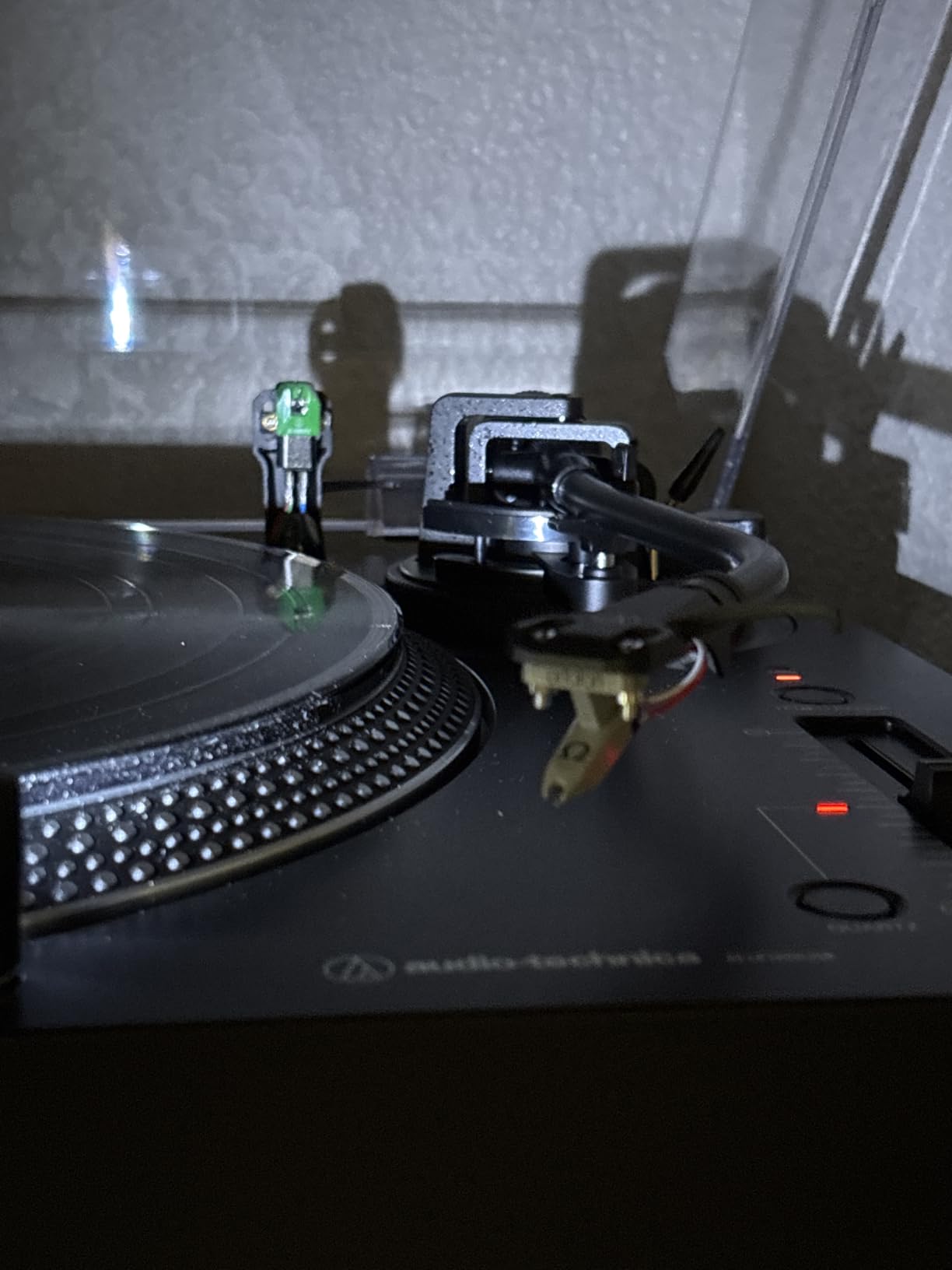
Reviews are consistent about the ceiling. Detail retrieval is mildly limited compared with the 2M series, and the sound is described as clean and balanced rather than revealing. That is a fair trade at this level, and it is still a considerable distance above a ceramic part.
Modest output is the second limitation. On a phono stage with low gain it will not drive the volume you want, so if the amplifier is an older receiver with a shared input, pair it with something that pushes harder. The warranty also excludes the stylus, which is normal for this type of part.
Confirm the arm is a standard mount
This cartridge assumes the common two-screw or half-inch mount arrangement. It will not fit a P-mount deck, and it will not suit a tonearm that needs a particularly low tracking weight. Check the mount type first, as with any purchase here.
Best fit for a first real cartridge on a basic deck
Choose the Omega 1e when the goal is to stop depending on a dead ceramic cartridge and the budget is genuinely tight. It is the correct first step, not a final one, and the replaceable stylus means it can be improved rather than discarded.
8. Ortofon Concorde Music Red – Tool-Free Fitting for S-Shaped Arms
Ortofon Concorde Music Red Phono Cartridge | Tool-Free Installation on S-shaped Tone Arms | Red/Black
MM elliptical
Split-pole pins
Silver-plated copper body
18 g package
Pros
- Tool-free slide-in installation removes the alignment chore
- Full upgrade path to Black LVB 250 by swapping the stylus
- Clear transparent sound with strong transient response
- High output level gives healthy volume
Cons
- Only fits S-shaped tonearms with a removable headshell collar
- 18 g package weight is heavy for lighter S-arms
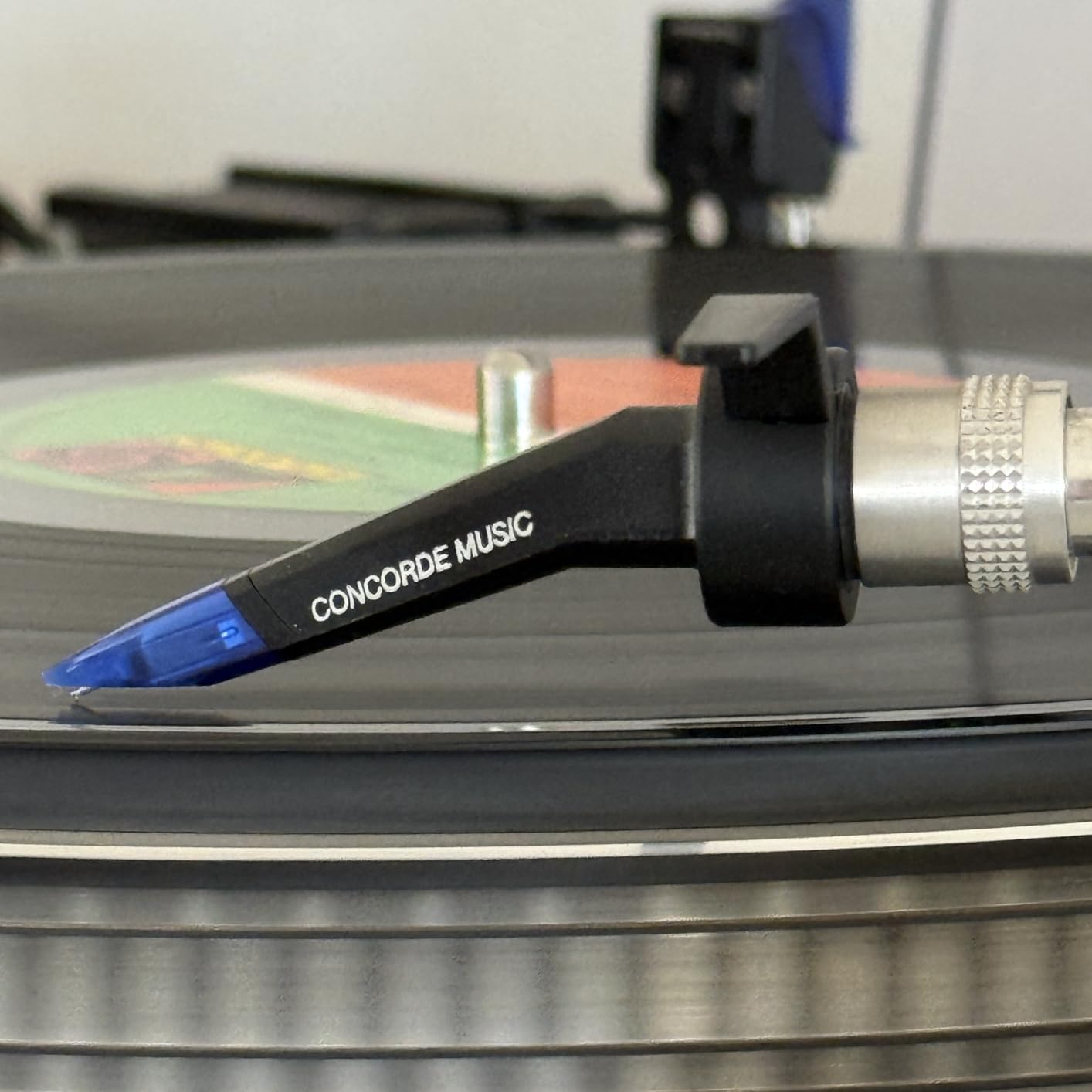
What makes the Concorde Music Red unusual is the mount. Instead of two screws and an alignment jig, it slides into a removable headshell collar on an S-shaped tonearm with no tools at all. Reviewers describe that as pure relief, particularly owners in their fifties and sixties who find cartridge alignment physically frustrating.
The sound follows the fit. Reports describe it as clean, balanced, wide-stage and non-fatiguing, with detail and transient response noticeably ahead of entry-level Ortofon parts in the same bracket. The silver-plated oxygen-free copper body and quad-coil system with split-pole pins give it a clean, transparent presentation.
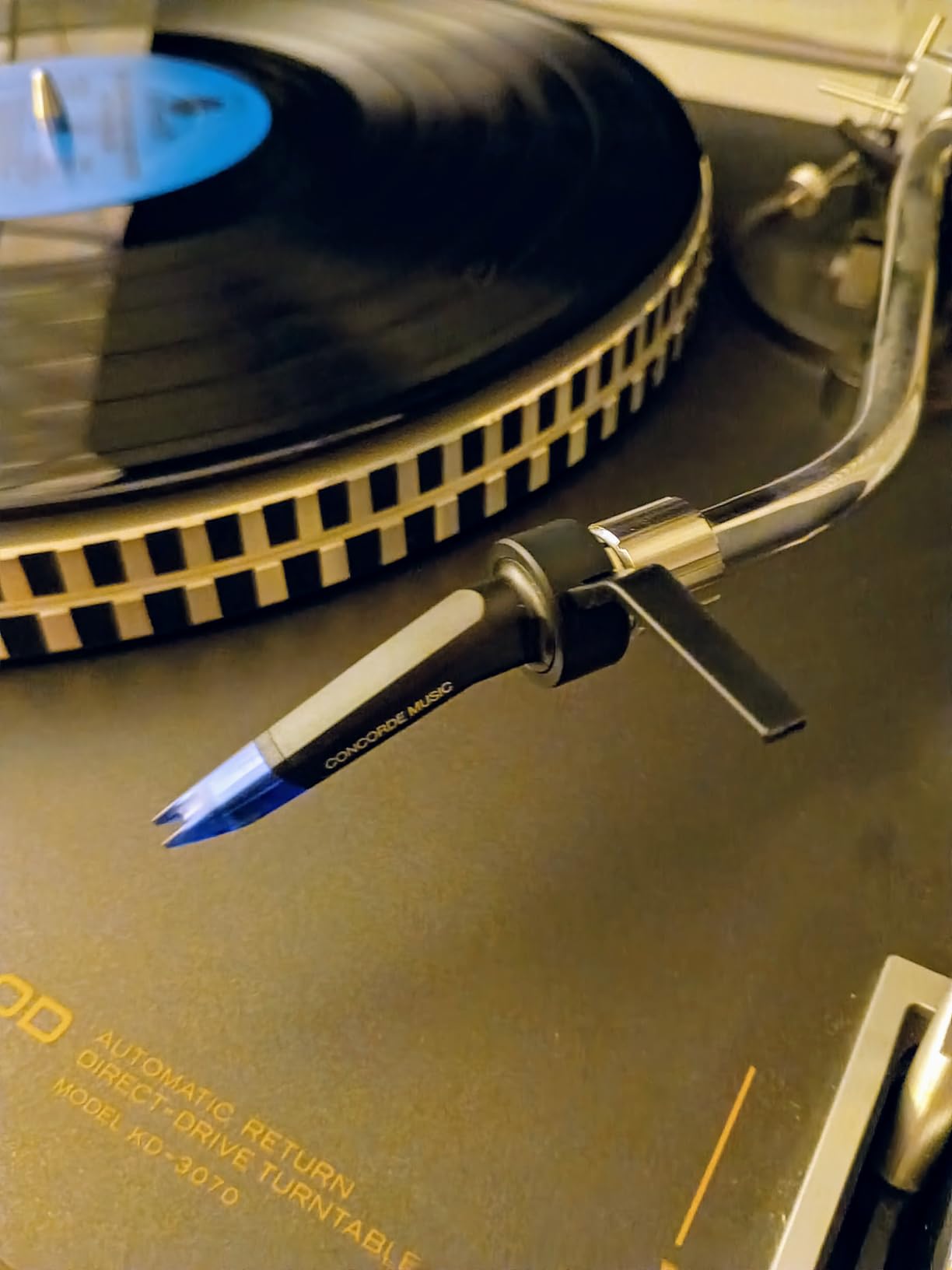
Two cautions, both from reviews. First, the package weight of 18 g is heavy for a lighter S-shaped arm, so check the payload before committing. Second, some buyers report that the marked 78 side of the two-sided cartridge is not a true 78 stylus, which matters if you own shellac.
The upgrade path is the underrated part. Because the whole Concorde Music range shares a body, you can move from Red through Blue and Bronze to the Black LVB 250 by replacing the stylus alone. For an S-arm owner who wants to improve gradually, that is a genuinely useful structure.
Check that the headshell collar is removable
This cartridge is not universal. It needs an S-shaped tonearm with a removable headshell collar, and it will not suit a straight-arm or P-mount deck. It also needs a headshell that can take the mass comfortably, which on a light arm may require a counterweight adjustment.
Best fit for owners who want no alignment ritual
Choose this when the deck has the right S-arm collar and you would rather listen than align. It is a clean, confident first real cartridge with a long upgrade road behind it, and it suits an older owner picking the hobby back up.
9. Denon DL-103R – The Moving-Coil Option, and the Preconditions It Brings
Denon DL-103R Moving Coil Turntable Phono Cartridge
Moving coil generator
Very low output
Made in Japan
Reissue of the DL-103
Pros
- Smooth full long-break-in sound that owners find endlessly listenable
- Tracks demanding high-crescendo classical and jazz cleanly
- Considerably better tracking than far costlier moving-coil references
Cons
- Very low output demands a step-up transformer or MC stage
- Needs 30-40 hours of break-in
- Low compliance needs a medium or high-mass tonearm
This is the only moving coil cartridge in the list, and that single fact changes everything about how it must be used. Output is very low, so it needs a step-up transformer or a dedicated moving-coil phono stage. Fitted to a vintage receiver’s built-in MM input it will play almost inaudibly, and no amount of patience will fix that.
Owners with medium-mass arms and a step-up transformer describe the DL-103R as the last cartridge they will need. They favour its natural, unshowy tonality and fatigue-free presentation over audiophile hyper-detail, and report that it tracks demanding classical and jazz cleanly. The reissue of the classic DL-103 design is made in Japan.
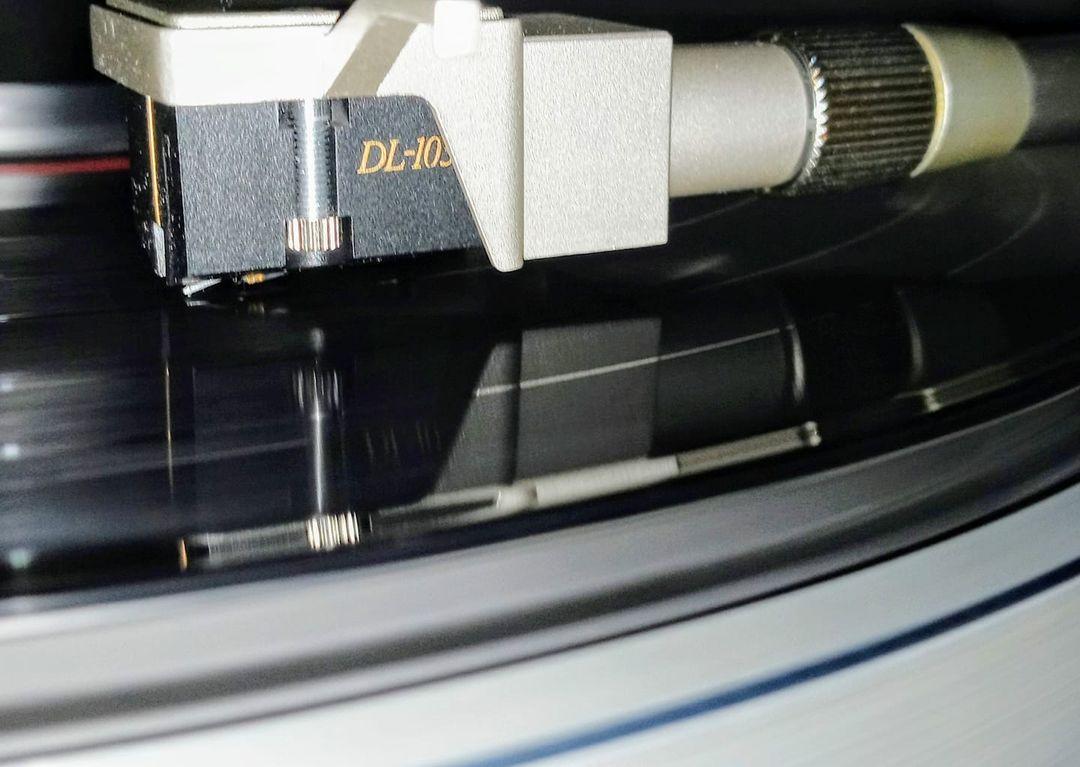
The compliance figure is the second precondition. Low compliance demands a medium or high-mass tonearm, so light arms need added weight at the counterweight, which changes the balance point of a vintage deck and can push it past what the suspension was designed to handle. Reviewers stress the pairing requirements as much as the sound.
Break-in is genuinely long. Owners report 30 to 40 hours before it sounds right, and the soundstage is wide but comparatively shallow against cartridges costing several times more. For a vintage deck with a light arm and a shared receiver input, it is simply the wrong part.
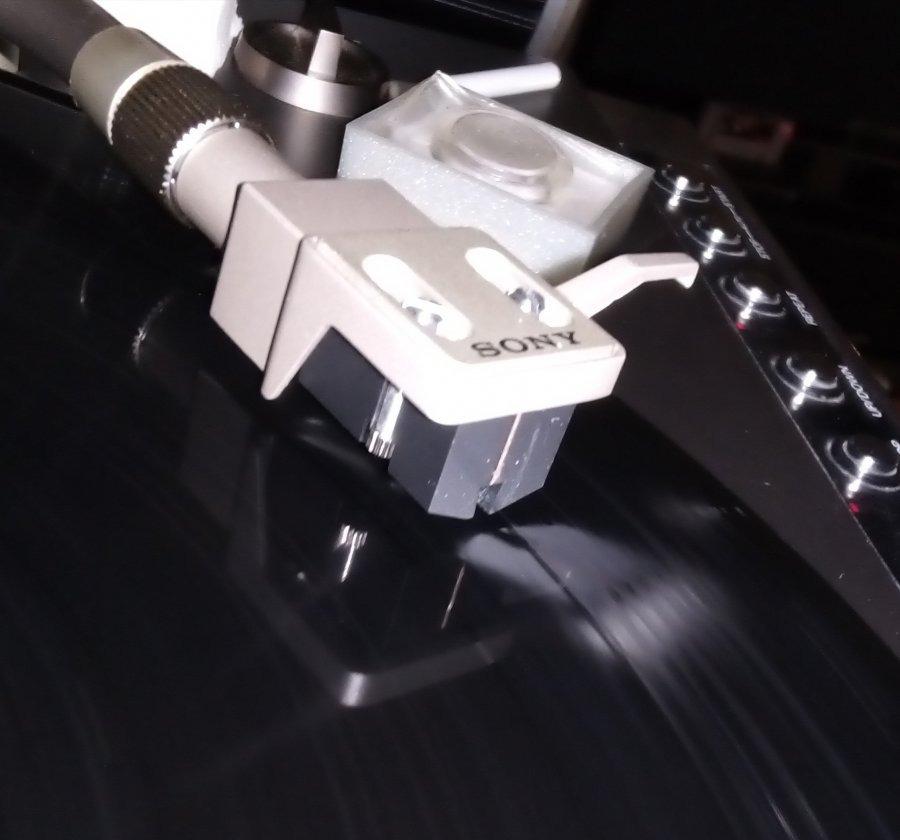
Check your phono stage is genuinely MC-capable
Confirm the input accepts a moving coil signal, or add a step-up transformer between the cartridge and the amplifier. Reviewers consistently identify under-gain stages and light tonearms as the two setups where this cartridge disappoints most, and both are common on vintage equipment.
Best fit for a heavy-arm system with a dedicated stage
Choose the DL-103R only when you already have, or already plan, a dedicated moving-coil phono stage and a tonearm with the mass to carry it. On a vintage deck with a modest arm and a receiver phono input, one of the moving magnets in this list will serve you far better.
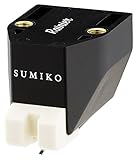
10. Sumiko Rainier – Warmth and Copper Wiring Without the Fatigue
Sumiko Rainier Moving Magnet Phono Cartridge
MM elliptical
Low-resonance body
6.5 g
Pure copper wiring
Pros
- Warm smooth musical presentation reviewers prefer to brighter options
- Refined open soundstage with tight well-defined bass and treble
- Clear upgrade over a Sumiko Oyster or entry Ortofon
- Stylus upgrade path to Olympia or Moonstone
Cons
- Bass can sound heavy before the cartridge settles in
- Narrower pin diameter makes headshell spade terminals a tight fit
- Less micro-detailed than competitors at the same level
The Rainier is the pick for anyone who finds brighter cartridges tiring over long sessions. Reviewers upgrading from a Sumiko Oyster or an Ortofon 2M Red report a warm, open, slightly smoother presentation that is easy to listen to for hours. The elliptical stylus, low-resonance body and pure copper internal wiring shape that character.
At 6.5 g it is light enough for a wide range of vintage arms, and the high output level makes it easy to match to a phono stage. It arrives in a small wooden presentation box, which is not the point, but it does not hurt.
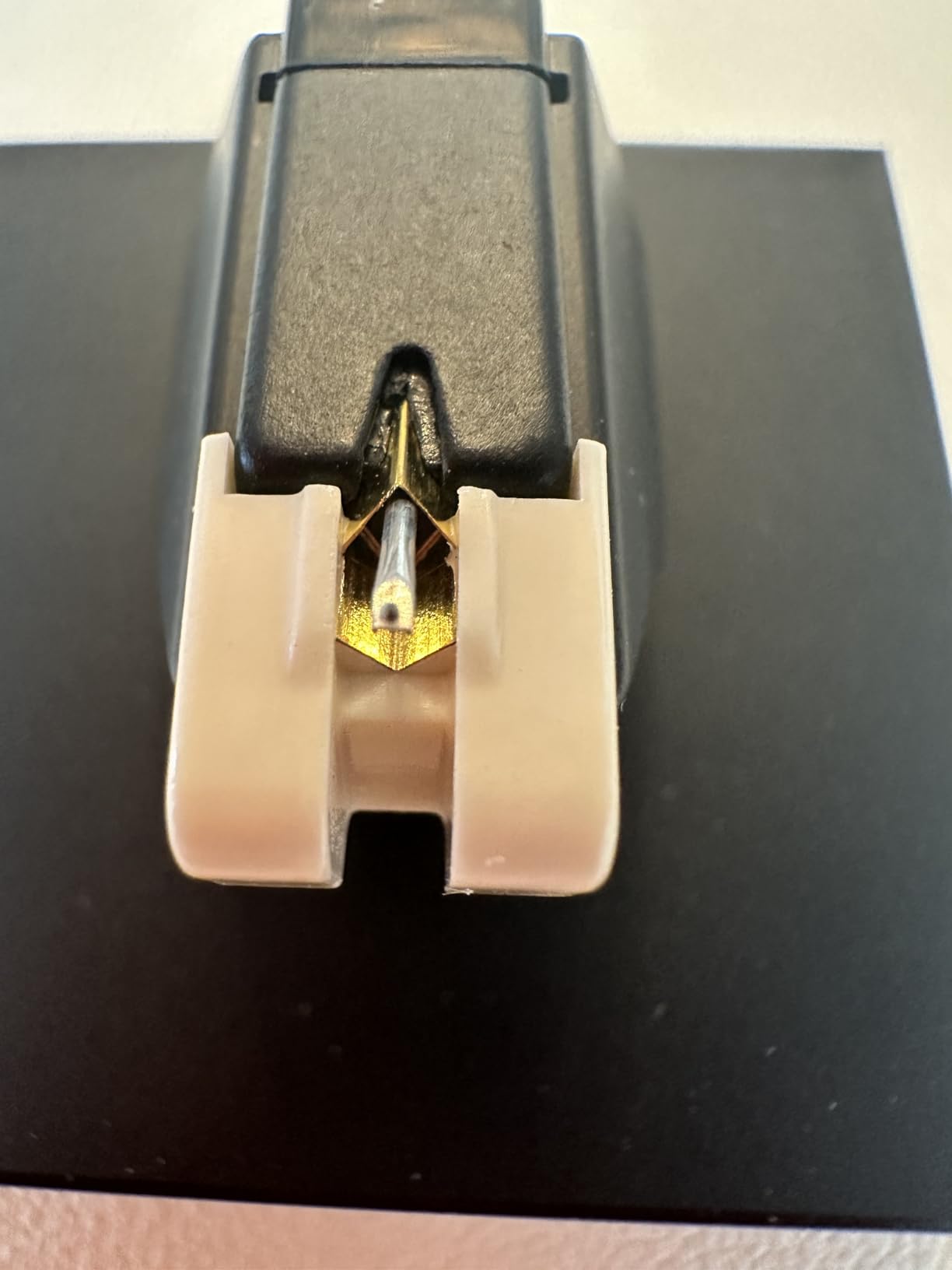
Two practical notes from reviews. The bass can sound heavy straight out of the box, settling after roughly 30 hours of play, so give it time before deciding. And the pin diameter is narrower than average, which makes headshell spade terminals a tight fit and rewards careful crimping.
Reviewers also place it below some rivals in pure micro-detail, noting that it prioritises musicality over analysis. That is a deliberate design choice, and it is the reason to buy it rather than a reason to avoid it, provided you are not chasing forensic treble detail.
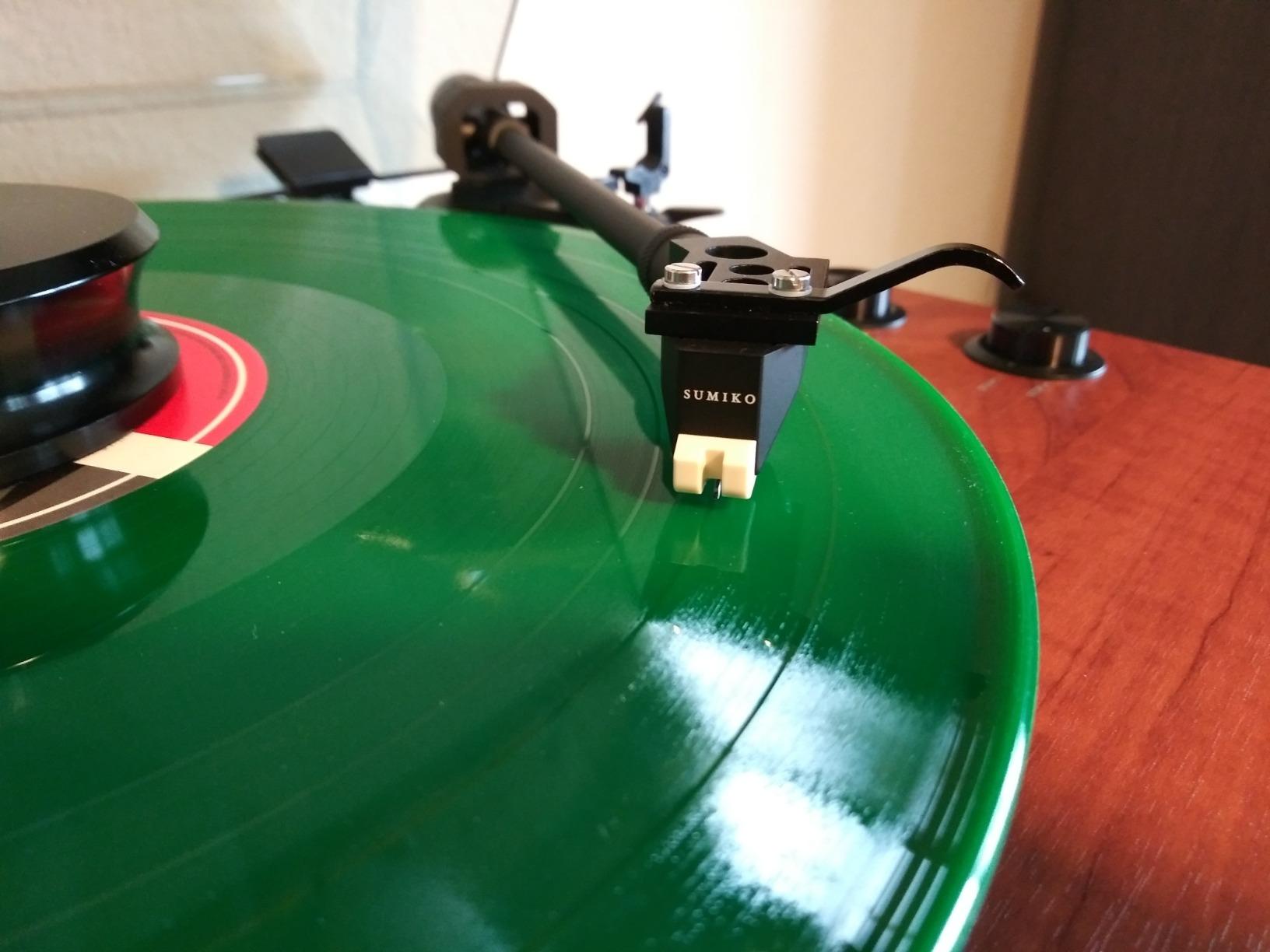
Check the headshell spade terminal fit
The narrow pins are the single most reported installation issue. If your headshell uses open spade terminals rather than a sprung pin connection, the crimps need to be neat or the connection will be intermittent. Budget ten minutes and a pair of good crimps.
Best fit for long listening sessions and warmer rooms
Choose the Rainier when your system and your taste both lean away from brightness, and when you play records for hours rather than testing them. It is a cartridge designed to be enjoyed rather than measured.
11. Sumiko Olympia – The Lowest-Noise Option for Long Sessions
Sumiko Olympia Moving Magnet Phono Cartridge
MM elliptical
Reduced moving mass
6.5 g
Threaded body
Pros
- Relaxed non-fatiguing tonality compared with the Ortofon 2M Blue
- Excellent channel separation and uncluttered placement
- Very low groove noise from the lower output level
- Threaded body mounts without fiddly nuts
Cons
- Very long break-in with 15-20 hours minimum and more
- Clean but less crystalline top end than an Ortofon equivalent
- Thin long-term owner history
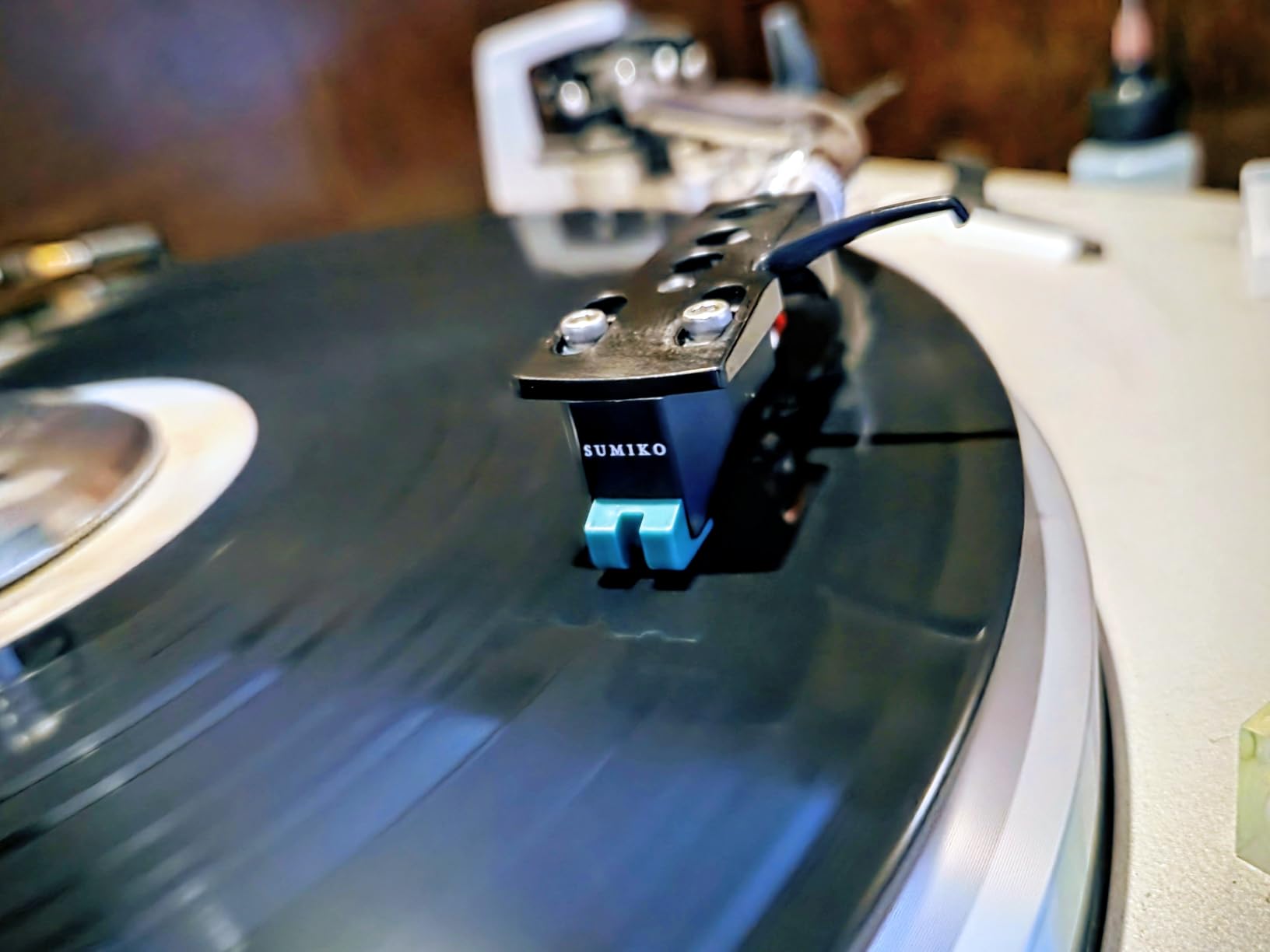
The Olympia sits above the Rainier in the Sumiko range and shares its 6.5 g weight, so it fits the same arms. The upgrade here is a revised stylus and cantilever assembly with reduced moving mass, expanded frequency response and slightly lower output for better imaging. Owners arriving from a sharper Ortofon describe it as the more relaxing, musical choice.
Channel separation and soundstage placement are the standouts in reviews, along with very low groove noise that follows directly from the lower output level. The threaded body means easy mounting, and a stylus guard is included, which matters on a deck you handle often.
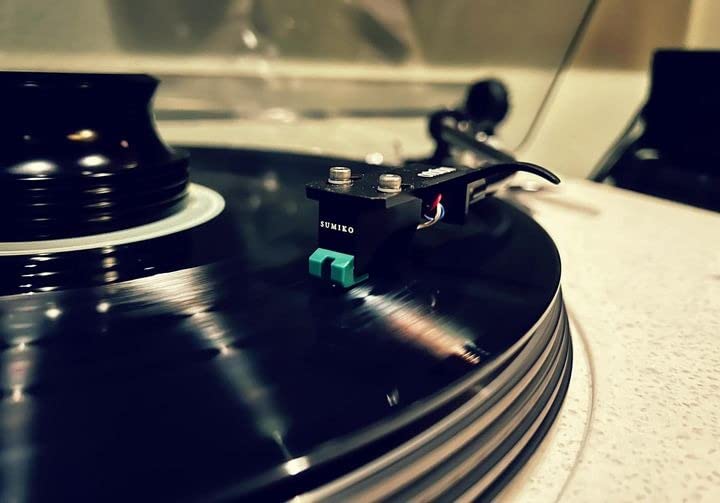
Break-in is the defining caveat. Reviewers report 15 to 20 hours as a minimum before the cartridge stops sounding flat, and some report longer. On a deck you use occasionally, that is a real patience tax, and it is the reason this cartridge is not our first recommendation despite an excellent 4.7 rating.
The top end is clean but less crystalline or lively than an Ortofon equivalent. The review base is also thinner than most picks here, so long-term owner history is limited, which is worth weighing if you want a part you can research in depth.
Check how often you actually play records
Long break-in only pays off if the cartridge gets used. On a weekend deck the first 20 hours may take a season, and the cartridge will sound uninspiring for most of that. On a daily player it is a non-issue and the eventual payoff is substantial.
Best fit for quiet, unhurried listening
Choose the Olympia when noise floor and fatigue are your priorities, and you play often enough to get through break-in quickly. It is also upgradeable to the Sumiko RS Moonstone stylus, which extends its life considerably.
12. banpa BP2ATC – The Dual-Tip Service Part for Multi-Speed Changers
banpa Turntable Cartridge Replacement BP2ATC – with Two Side Red and Blue Diamond Tip for Vinyl LP/78 RPM Record Player
Dual-sided tip
Red for LP blue for 78
2.54 g
Plastic body
Pros
- Much clearer and better tracking than the cheap red-needle parts it replaces
- Snaps into vintage Crosley-style and BSR-derived players without tools
- Plays 78s as well as LPs on entry-level multi-speed decks
Cons
- Advertised 78 side is often a mislabelled LP-type tip
- Output several dB lower than a ceramic cartridge
- Ceramic-type design needs heavier tracking force
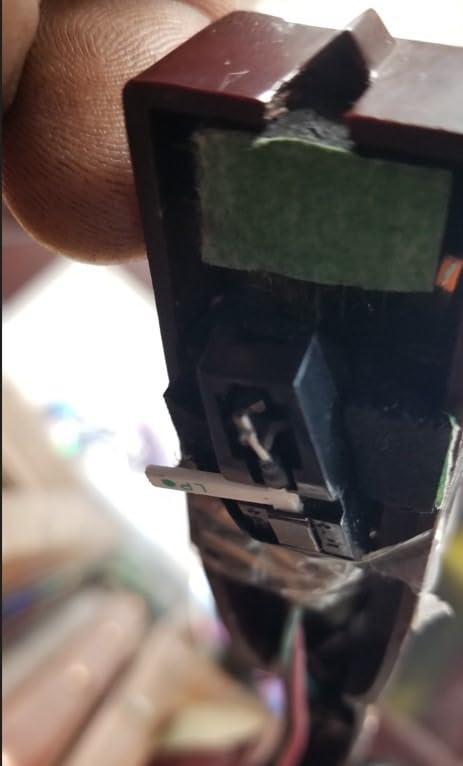
This one is not for a hi-fi tonearm, and we will not pretend otherwise. It is for the 1970s BSR-derived changers, Crosley decks and portable players that came with a red needle, and buyers fitting it report a genuinely large jump in detail, bass definition and tracking stability for trivial outlay.
The dual-sided tip handles both 33 and 45 RPM records on the red side and 78 RPM records on the blue side, and installation needs no tools at all. At 2.54 g it is light, which suits the light arms found on these entry-level multi-speed machines.
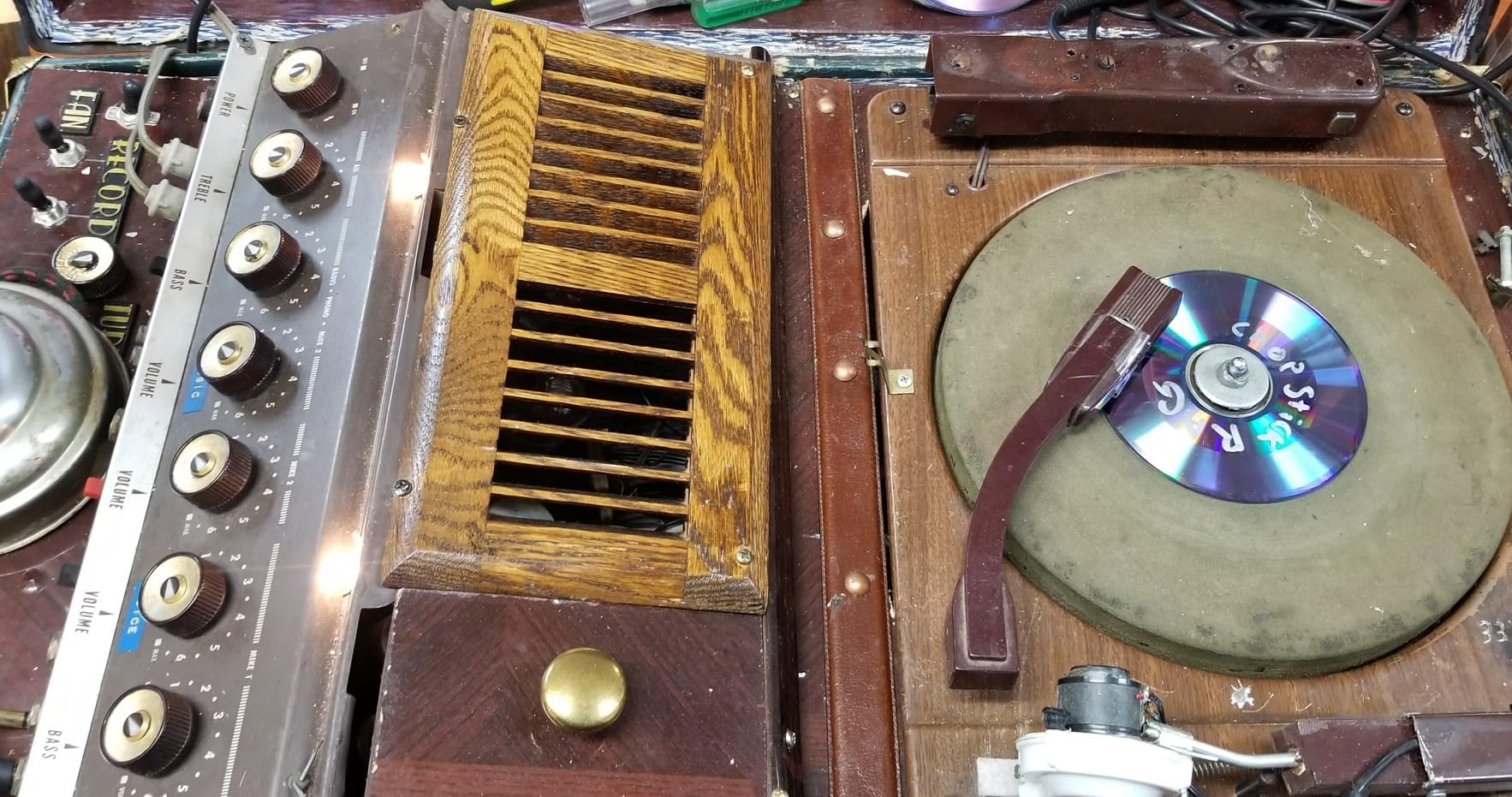
The most repeated complaint is about the 78 side. Buyers frequently report that it is a mislabelled LP-type tip rather than a true 78 stylus, and owners of fragile shellac are advised to fit a proper flip needle instead. Treat the blue side as a convenience, not a solution.
Output is several decibels lower than the ceramic cartridge it replaces, so player hum becomes more obvious, and the ceramic-type design needs more tracking force than a moving magnet would. It is not suitable for a quality tonearm or for pristine modern pressings, and we would not fit it to a deck with a good arm already fitted.
Check what the deck came with originally
This cartridge makes sense only where the original part was a cheap red-needle or ceramic unit on a light-arm changer. If the deck already carries a moving magnet, replacing it with this will be a downgrade, however good the fit looks.
Best fit for reviving an entry-level changer
Choose the BP2ATC when you want a working player for a small collection and the deck is a lightweight multi-speed unit with a dead or ceramic cartridge. For anything with a quality tonearm, go one of the moving magnet picks above instead.
How to Choose a Phono Cartridge for a Vintage Deck
Moving magnet or moving coil?
Moving magnet is the correct default for a vintage deck. A moving magnet generates enough output to drive almost any RIAA phono stage, including the mediocre ones built into old receivers, and it tolerates a wide range of loading. Moving coil cartridges produce a much lower signal that demands a step-up transformer or a dedicated moving-coil stage, and several owners on the Steve Hoffman forums describe receivers whose phono input is optimised for one or the other but not both.
Choose moving coil only when your amplifier or phono stage is built for it and your tonearm has the mass to carry a low-compliance cartridge. On anything else it is an expensive way to hear very little.
Stylus profiles, in order of forgiveness
Conical tips have the largest contact area and tolerate damaged grooves best. Elliptical tips are sharper and retrieve more detail. MicroLine and Shibata profiles are smaller still and dig out more information from the groove wall, but they will skate on a worn record rather than shrug it off.
The rule we apply is simple: match the profile to the collection. Worn or shellac records want a conical tip, and a well-kept collection can take a finer profile. Mixing styles is fine, but owning both a conical and an elliptical cartridge is the cheapest way to match the record to the tip.
P-mount versus 4-pin screw mount
P-mount cartridges plug straight into a fixed headshell with no alignment step, and they are found on many vintage Technics, JVC and Stanton decks. Screw-mount cartridges use two bolts under a removable headshell and require an alignment jig for correct geometry. They are standard on Pioneer S-arm decks, Garrard units, Dual arms and most Rega models.
Availability is the practical issue. P-mount ranges have narrowed, and while a handful of parts still exist, the broader answer for an old P-mount deck is a revived-standard cartridge like the AT85EP. For older Stanton and Garrard P-mounts, reissue cones from specialist suppliers exist but are harder to find outside Europe, so check the mount before you commit to a cartridge rather than after.
Tonearm payload and body height
Cartridge weight has to sit inside the tracking weight range of the arm, and body height has to clear the record. Tall bodies such as the Nagaoka MP-110 need a tonearm with height adjustment, because vertical tracking angle is what lets a fine stylus sit correctly in the groove. On a non-adjustable arm, a tall cartridge is either impossible to fit or permanently misaligned.
Heavy cartridges such as the Denon DL-103R pose the opposite problem on light vintage arms: the arm may not be able to balance them at a sane tracking weight, and adding counterweight to compensate can exceed the suspension’s design limits.
Output level and input capacitance
Output level matters because vintage amplifiers vary enormously. A cartridge with around 5 mV of output will play comfortably on a weak built-in stage. A low-output cartridge will play quietly, and turning the volume up to compensate amplifies hum along with the music.
Input capacitance is the trap that catches moving coil owners. On the Audio Science Review measurement library thread, the advice is to pay close attention to whatever the manufacturer recommended for phono input capacitance, and forum posters repeatedly note that high-capacitance inputs can neutralise a high-output moving coil cartridge entirely. Check the specification of the phono input you intend to use before choosing anything at all.
Playing 78 rpm and mono records
No cartridge in this list is a dedicated 78 stylus, and that is deliberate: a true 78 tip has a much larger, differently shaped tip designed for the coarse grooves of shellac and early vinyl, and it will not play an LP properly. The practical approach is a conical-tip cartridge such as the Audio-Technica AT91 for 78 playback, keeping your elliptical or finer cartridge for LPs.
On a deck with a 78 speed setting, the speed will still need trimming before playback, and the arm height may need adjusting because 78 discs sit at a different level. On a multi-speed entry-level player, a dual-tip part such as the banpa BP2ATC covers both formats conveniently, provided you check the 78 tip is a real one.
When a Cartridge Upgrade Is Not Worth It
Honest advice matters more than another list. If your deck has been serviced, aligned and fitted with a decent moving magnet, a cartridge upgrade rarely delivers a night-and-day change, and that is the consensus across the forum threads we read. On a Vinyl Engine discussion about an SL-1210 MK2, the repeated view was that a better phono stage or an exotic cartridge would not transform the sound over an AT-VM95E, and that a better amplifier and speakers were the higher-value spend.
Three situations where money is better spent elsewhere: if the deck has not been serviced, fix the belt, the pivot fluid and the arm damper first. If records have not been cleaned, buy a proper record cleaning routine instead. If the speakers are the weak link, no cartridge in this list will rescue the system.
Dealer pressure to upgrade is worth resisting. Several owners explicitly say they would rather not be pushed into a cartridge they are not sure improves what they hear, and that candour is a reasonable default when deciding.
Frequently Asked Questions
What are the best-rated phono cartridges?
The highest-rated cartridges in our testing group are the Audio-Technica AT85EP and the Sumiko Olympia, both at 4.7 stars, followed by the Ortofon 2M Red at 4.7 across a much larger review base. Ratings alone do not decide fit though: the cartridge that suits your vintage deck is the one whose mount, weight and output level match your tonearm and phono stage.
Is Ortofon better than Audio-Technica?
Neither brand wins outright. Audio-Technica offers a deeper stylus upgrade path, since the VM95 body accepts a range of stylus profiles, and the AT-VM95E carries the largest review base we found. Ortofon generally offers higher output cartridges such as the 2M Red at 5.5 mV, which suit vintage receivers with weak phono stages. Choose by mount type and phono stage rather than by brand.
What is the best phono cartridge for listening to 78 rpm records?
For 78 rpm and mono records, choose a conical-tip cartridge such as the Audio-Technica AT91 with its 0.6 mil conical stylus. The wider contact area of a conical tip tolerates the coarse grooves of shellac without skating, whereas elliptical and finer profiles can skip on worn material. Keep a separate elliptical cartridge for your LPs.
What is the best phono cartridge of all time?
There is no single answer, but among cartridges that are practical on a vintage deck the Ortofon 2M Red and the Audio-Technica AT-VM95E are the most defensible answers, each combining high ratings with replaceable styluses and broad fitment. Diminishing returns set in quickly above this tier, and on a serviced vintage deck a better amplifier or speakers usually buys more sound than a more expensive cartridge.
Can I use a moving coil cartridge with my vintage receiver?
Usually not without help. A moving coil cartridge such as the Denon DL-103R produces a very low output that a typical vintage receiver phono input will not amplify enough, and high input capacitance on some older amplifiers also flattens the result. You would normally need a step-up transformer or a dedicated moving-coil phono stage between the cartridge and the amplifier.
What cartridge should I put in my old turntable?
Start by identifying the mount type, then check the tonearm weight range and whether your amplifier has a proper phono input. Most decks take a 4-pin screw mount, in which case the Audio-Technica AT-VM95E or Ortofon 2M Red are the safe choices. If the deck uses a P-mount connector, an Audio-Technica AT85EP drops straight in.
Are Nagaoka cartridges good?
Yes, within their segment. The Nagaoka MP-110 uses a permalloy generator that delivers moving-magnet output with unusually low tracking noise, and owners who give it a careful setup rank it above cartridges costing two or three times more. The caveat is mechanical rather than sonic: its tall body and vertical tracking angle sensitivity rule out arms without height adjustment.
Conclusion
Our best phono cartridges for vintage turntables in 2026 come down to one honest question: what does your deck already have, and what is it failing to do? If the mount is a standard screw mount and the phono stage is average, the Audio-Technica AT-VM95E is the choice we fit first, with the Ortofon 2M Red behind it for decks where output level is the problem and the Audio-Technica AT85EP for P-mount arms.
Everything else on this list is a specialist answer to a specific deck. Service the turntable first, check the mount and the tonearm payload, and buy the cartridge that matches the record collection you actually own. That sequence is what turns a cartridge purchase into a better turntable rather than an expensive decoration.