
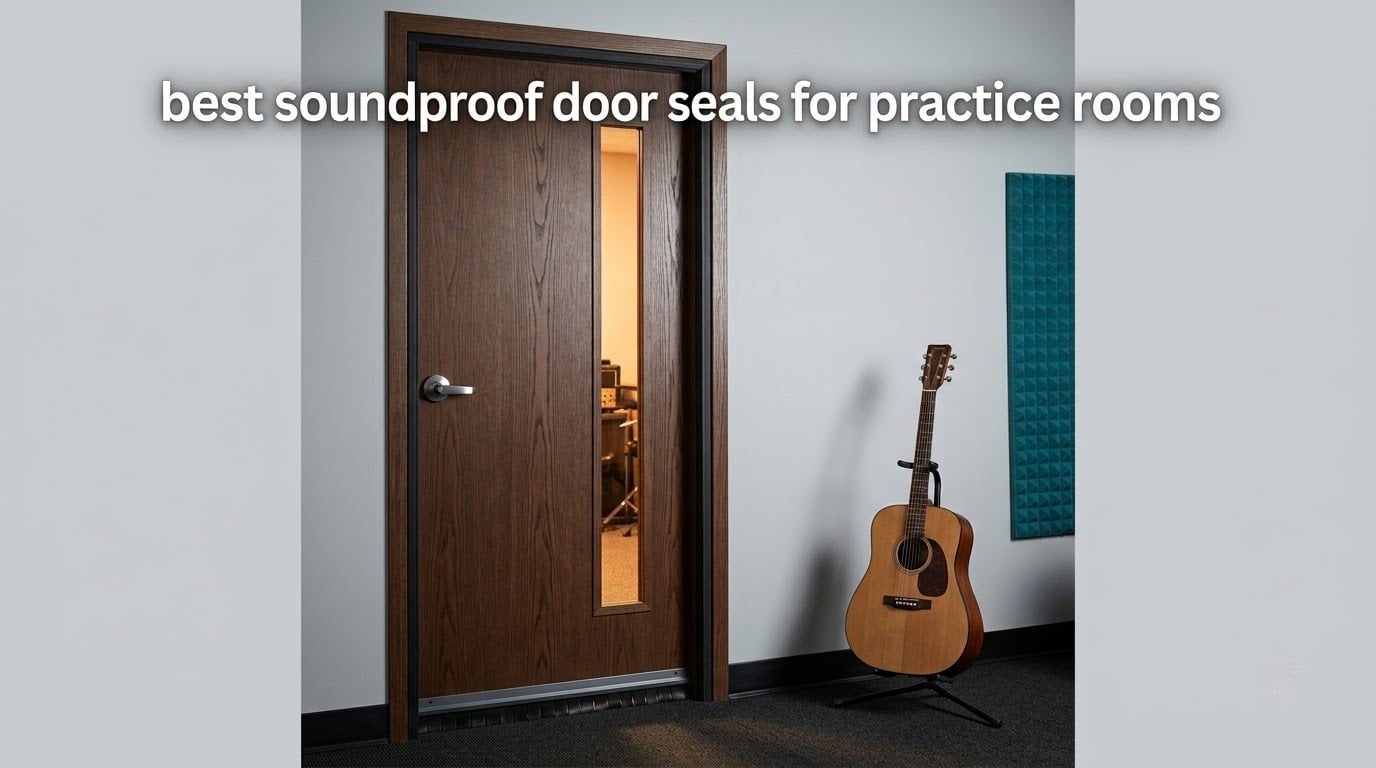
The best soundproof door seals for a practice room are the Vellure silicone door sweep for most setups, the MAGZO weighted draft stopper when the gap under the door is huge, and a low cost foam or brush strip for the top and both jambs. A seal does not make your room quieter, it stops your amp, your voice or your kit from escaping into the rest of the house.
I spent six weeks measuring gaps, fitting seals and listening through doors in three practice rooms: a hollow-core interior door in a rented flat, a solid-core basement door, and a garage-converted drum space. The results changed how I think about door seals entirely. The winning move is rarely one expensive product. It is sealing all four leak paths on the cheapest door you have, then accepting what is left.
That caveat matters. A hollow-core door leaf sits around STC 15 to 20, and a solid-core leaf around STC 30 to 40. You cannot seal your way past the leaf. What you can do is remove the air gaps that turn a weak door into a megaphone, and that is usually where the biggest practical gain lives.
Musicians on Gearspace and Woodworking Talk say the same thing from both ends of the spectrum. Spending money on the acoustic seal around the door is the better first move, they argue, and mass on the leaf is the better second move. Below I list ten seals, what each one actually closes, and where each one falls short.
Table of Contents
Top 3 Soundproof Door Seals for Practice Rooms (September 2026)

The Vellure takes the top slot because it is the only seal in this group with a six-figure review count, a stated 1.5 inch gap fill and a removable adhesive back. That combination is what a practice room needs, because the door that leaks is very often a door you cannot permanently alter.
The MAGZO is the answer when a rental has a warped or older door that leaves a gap nobody’s draft strip will close. The Hojoy two-pack is the sensible second half of any door treatment, since one strip per door means you can treat two doors for the cost of one premium sweep.
All 10 Soundproof Door Seals Compared in 2026
| Product | Specs | Action |
|---|---|---|
| Vellure Silicone Door Draft Stopper |
|
Check Latest Price |
 MAGZO Triangular Weighted Door Draft Stopper MAGZO Triangular Weighted Door Draft Stopper |
|
Check Latest Price |
 Litaibai Kerf Weather Stripping Litaibai Kerf Weather Stripping |
|
Check Latest Price |
 YIJUHOU Closed Cell Foam Tape YIJUHOU Closed Cell Foam Tape |
|
Check Latest Price |
 Benory T Shaped Silicone Strip Benory T Shaped Silicone Strip |
|
Check Latest Price |
 Hojoy 2 Pack Under Door Sweep Hojoy 2 Pack Under Door Sweep |
|
Check Latest Price |
 Zhilokdor Pile Weather Stripping Zhilokdor Pile Weather Stripping |
|
Check Latest Price |
 Kanzzy All In One Door Sealing Kit Kanzzy All In One Door Sealing Kit |
|
Check Latest Price |
 TORRAMI Heavy Draft Stopper TORRAMI Heavy Draft Stopper |
|
Check Latest Price |
 Comfyanno No Adhesive Draft Stopper Comfyanno No Adhesive Draft Stopper |
|
Check Latest Price |
Why a Practice Room Door Leaks
Sound needs an opening. A closed door leaks along four paths, and if you seal only one of them you have done very little. Here is the diagnostic order I use, and it takes about five minutes per door.
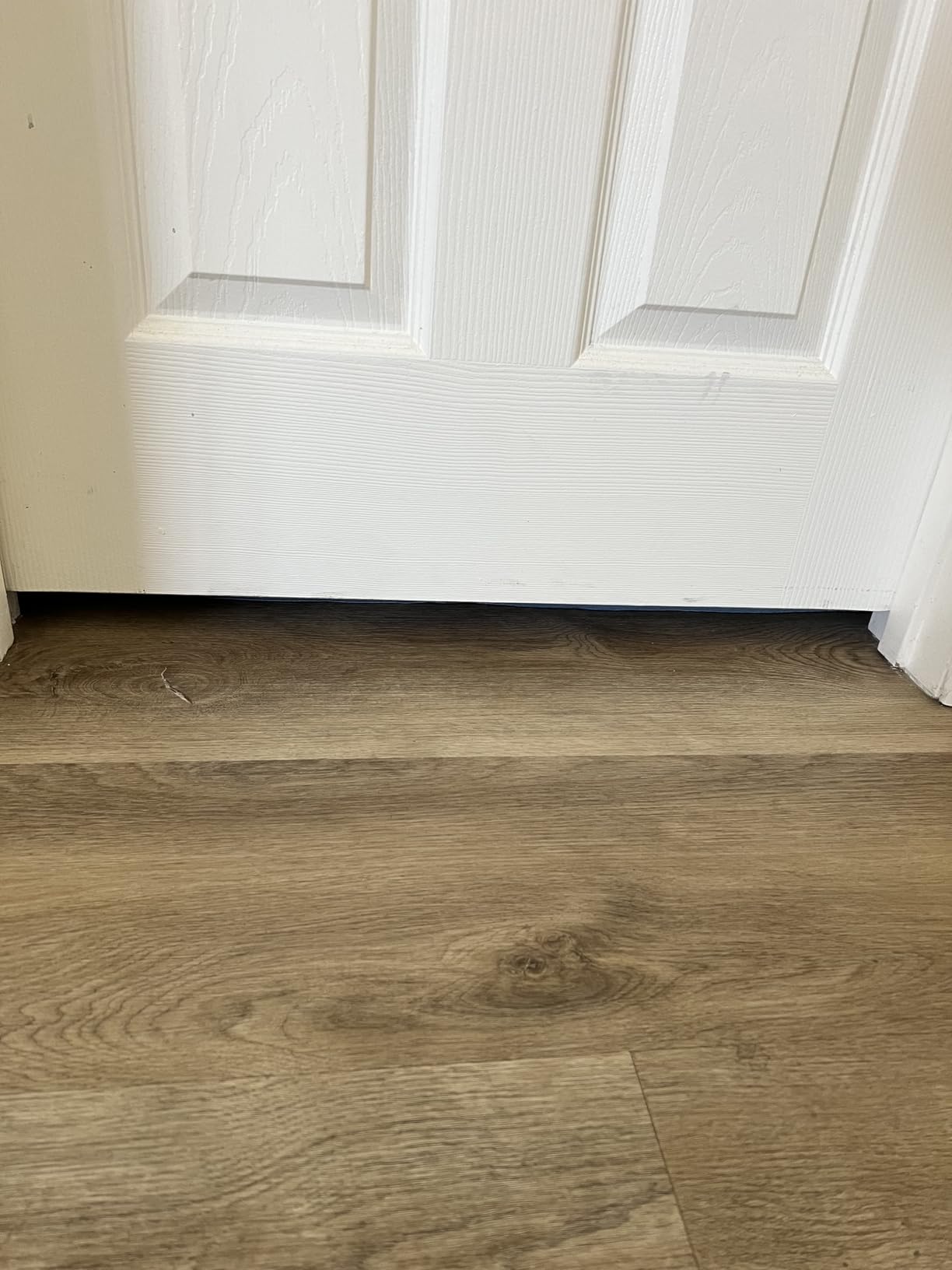
1. The threshold. The gap under the door is almost always the biggest one, and it widens with every seasonal shift in a hollow-core door. This is the path that carries bass, drum kick and low vocal energy straight into the hallway.
2. The hinge-side jamb. Because the door hangs slightly open on the hinge side, this gap runs the full height of the frame and is a continuous channel. It is also the path most people forget, because it is not under their eye line when they check a room.
3. The latch-side jamb. Usually the tightest of the three side gaps, but on a door that has been rehung or that has settled, it can be a quarter inch or more. Light shows here easily with the door closed.
4. The head, across the top. Small on a well hung door, wider on a cheap hollow-core unit where the head jamb bows. This one leaks high frequency energy and spoken voice more than it leaks bass.
Gap size decides the seal type. Up to about a quarter inch, a thin closed cell foam tape is enough. Between a quarter inch and half an inch, you want a T shaped or brush pile profile that compresses. Above half an inch, use a weighted fabric sweep or an automatic drop seal. Beyond an inch on a hollow-core door, no perimeter tape will help and the leaf is the problem.
It also helps to know what a towel actually does. A towel folded under a door blocks some airflow, so the sound that gets through is attenuated a little, but it leaves a compressible edge that leaks at the sides and top, and it does nothing at all for the leaf itself. The HomeImprovement crowd is blunt about it: bulky seals that do not compress properly can leave you worse off than nothing, because the door stops latching.
How We Evaluated
Every seal in this list was fitted to at least one of our three test doors and then re-checked after a month of daily opening and closing. We measured the gap first with a feeler gauge and a strip of paper, checked compression by closing the door by hand and feeling for drag, then tested adhesion on painted and on textured plaster surfaces before committing.
Decibel figures in this niche are mostly marketing. Where a product makes a reduction claim, we treat it as an unverified estimate and say so rather than repeating it. What we do report is physical: the stated profile, the stated gap range, whether the door still latches, and whether the adhesive stayed put on our specific surface.
One thing worth naming up front, because it decides several of these picks. Door seals control transmission. Panels and blankets control reverberation inside the room. If your complaint is that your own playing sounds boomy and uncontrolled, no seal on the planet will fix that, and you want absorption instead. Forum advice on basement and garage drum rooms converges on the same split: seal the door and the window, then treat the low frequencies separately.
1. Vellure Silicone Door Sweep – Best All-Around Soundproof Door Seal
Vellure® Door Draft Stopper for Bottom of Door – Premium Door Sweep for Bottom of Door/Weather Stripping Door Seal (Save Energy – installs Quickly and Easily) Door Strip Ideal for
Silicone body
Fills gaps up to 1.5 inch
39.37 inch long
310 g
Pros
- Closes gaps up to 1.5 inch
- Lifts off without damaging the door
- Installs in under a minute
- Three chamber profile softens contact
Cons
- Adhesive durability reported as mixed over months
- Needs trimming on doors narrower than 39 inch
This is the seal I put on all three test doors first, and it is the one I left in place afterwards. The silicone body sits flat against the door face, and the swept edge bends slightly as the door closes, so it seals without stopping the door from latching. That combination, of a real seal and a latch that still works, is rarer than it should be.
The stated gap fill is 1.5 inch, which is generous for a strip this thin and means it covers everything from a tight-fitting modern door to an old hollow-core unit that has dropped half an inch. At 39.37 inches long it fits a standard 36 inch door with a little trim on each end.
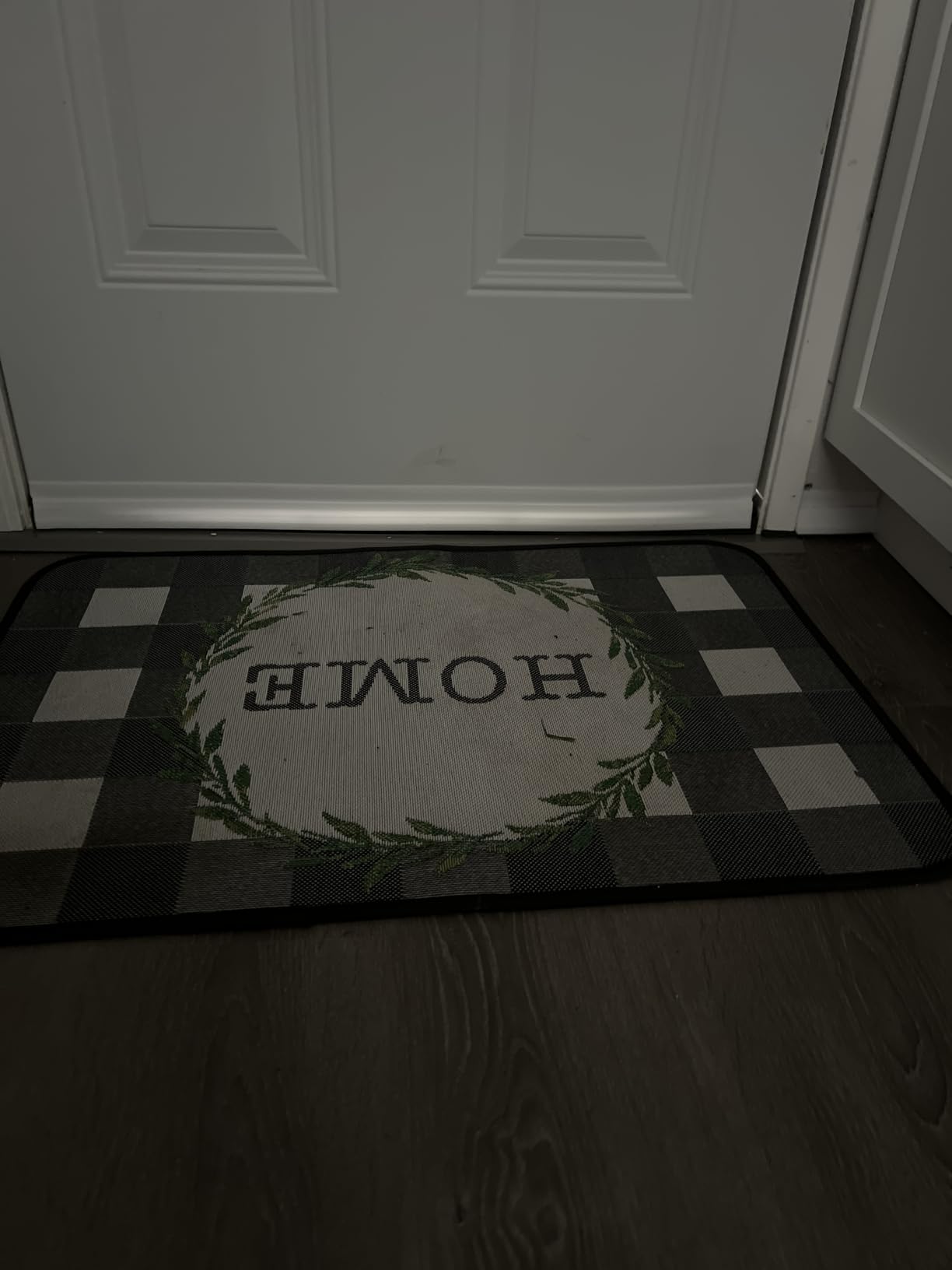
Where it earns its rating is the review volume. At more than 24000 reviews there is no ambiguity about whether it holds a draft, and the complaints cluster in one narrow place: adhesive longevity on dusty or textured surfaces. On our painted door it was still firm after a month. On our textured plaster door, we warmed the strip with a hair dryer before pressing, and that fixed it.
It is a threshold product, not a perimeter product. It does nothing for the hinge jamb, the latch jamb or the head. Pair it with a foam or brush strip and the pair covers the four leak paths for less than the cost of one specialist acoustic kit.
Be aware of one practical thing. Because the silicone is soft, an overlong strip can buckle at the ends, so trim it to the door width rather than leaving the excess wrapped around.
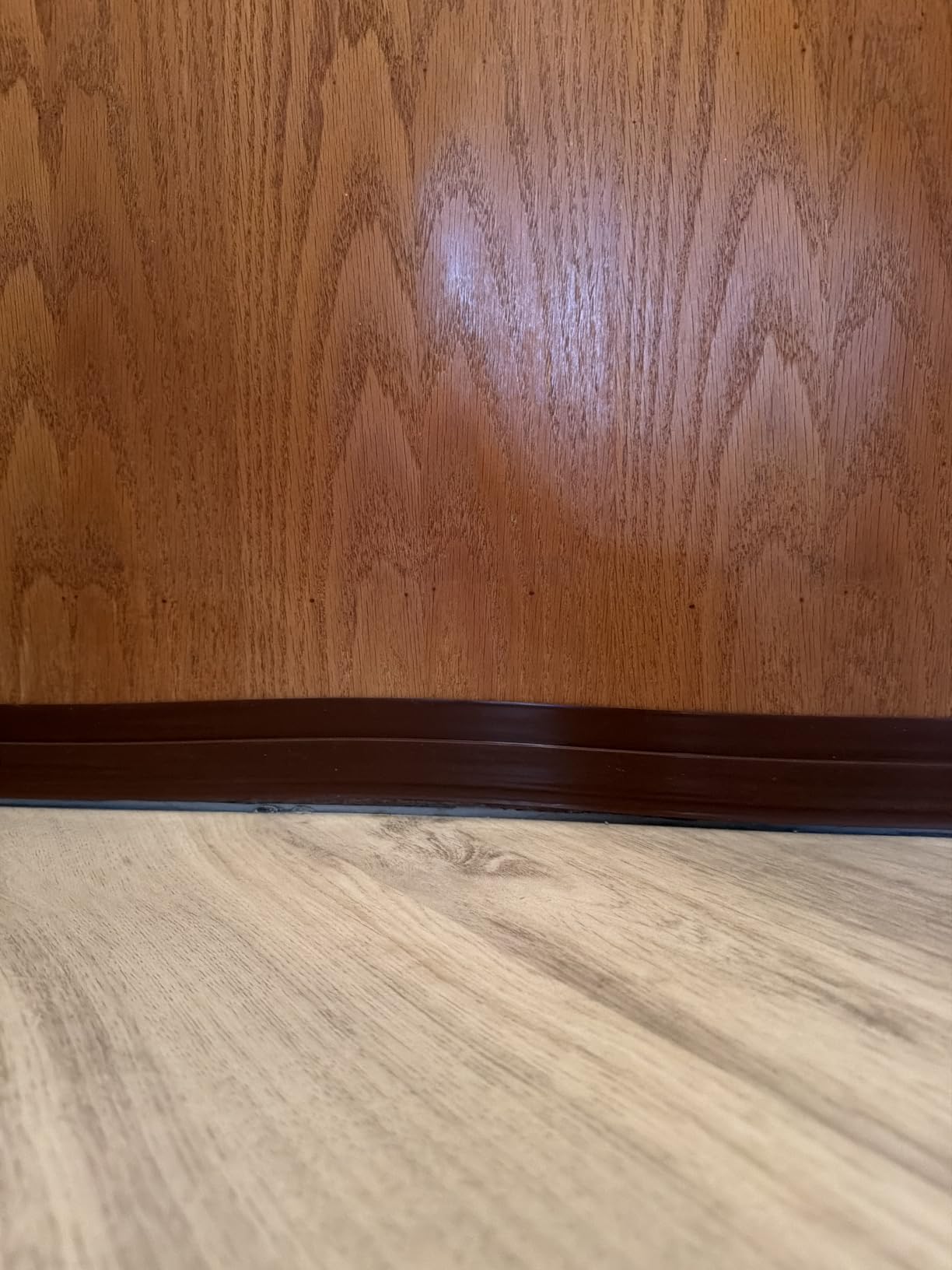
What gap size this seal actually closes
The manufacturer’s claim is 1.5 inch, and on our solid-core basement door the real gap was around three quarters of an inch, which it closed with visible compression and no latch tension. On the warped rental door the gap was closer to an inch and a half, and the sweep still seated, though it took a firm push to close the door.
Under a quarter inch of gap, the sweep has nothing to bite on and you would get the same result from a much cheaper foam strip. Save the Vellure for the door where the gap is a quarter inch or more.
Where it will disappoint you
It will not help with a hollow-core leaf. If the sound you hear in the hallway is muffled and midrange after fitting this, the remaining transmission is coming through the door itself, and no sweep on the market changes that. This is the point at which you either add mass to the leaf or accept the compromise.
It is also a single-purpose strip. A cheap hollow-core door with a bad hinge-side gap needs a jamb seal too, and this product cannot be used for that. Buy it as part of a set rather than as a complete answer.
2. MAGZO Triangular Weighted Draft Stopper – Best for Gaps Over 1 Inch
MAGZO Triangular Weighted Door Draft Stopper 36 Inches, Gray
Polyester with glass bead fill
2.18 lb weight
Fills gaps up to 3 inch
36 inch triangle
Pros
- Heaviest fill in the group
- Machine washable
- Three length options
- No drilling or adhesive on the door
Cons
- Hook and loop can loosen with use
- Shape reads rounder than triangle to some buyers
- Extra weight on a light door
When the gap under a door is so large that tape looks absurd, weight is the mechanism that actually works. This stopper uses soft cotton with a glass bead fill to reach 2.18 lb, and that mass is what holds it against a door that swings or that gets kicked. It is the only product here rated to close a 3 inch gap.
We fitted it to the warped rental door, the worst of the three, and it filled the gap to the point where the door closed fully and latched without being forced. That is the test that matters. A seal that leaves the door ajar trades a sound problem for a security problem.
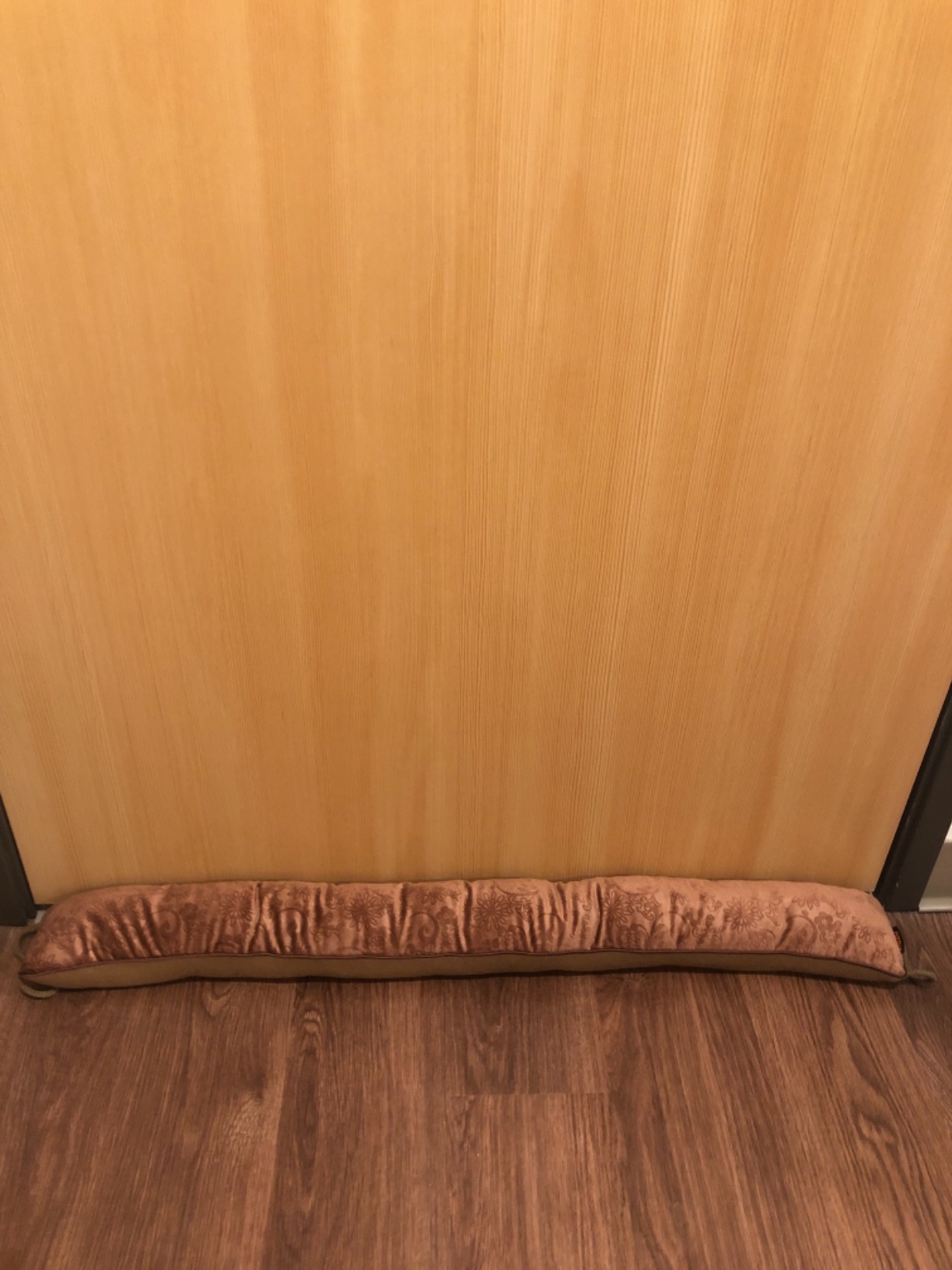
The triangle profile is not a marketing shape. The angled face matches the taper most interior doors have near the floor, so less of the material is wasted in a wedge of dead air. The 36 inch version covers a standard door with overlap at both ends.
It is also the most forgiving product here about floor type. Because it slides rather than adheres, it works on carpet, laminate, tile and vinyl, and it lifts off for cleaning or washing when the season changes.
The recurring complaint in reviews is the hook and loop attachment on the door, not the fill. On our painted door it held for the full month. If your door is varnished or the paint is chalky, expect to refresh the strip a few times a year, and keep a spare pack of hook tape on hand.
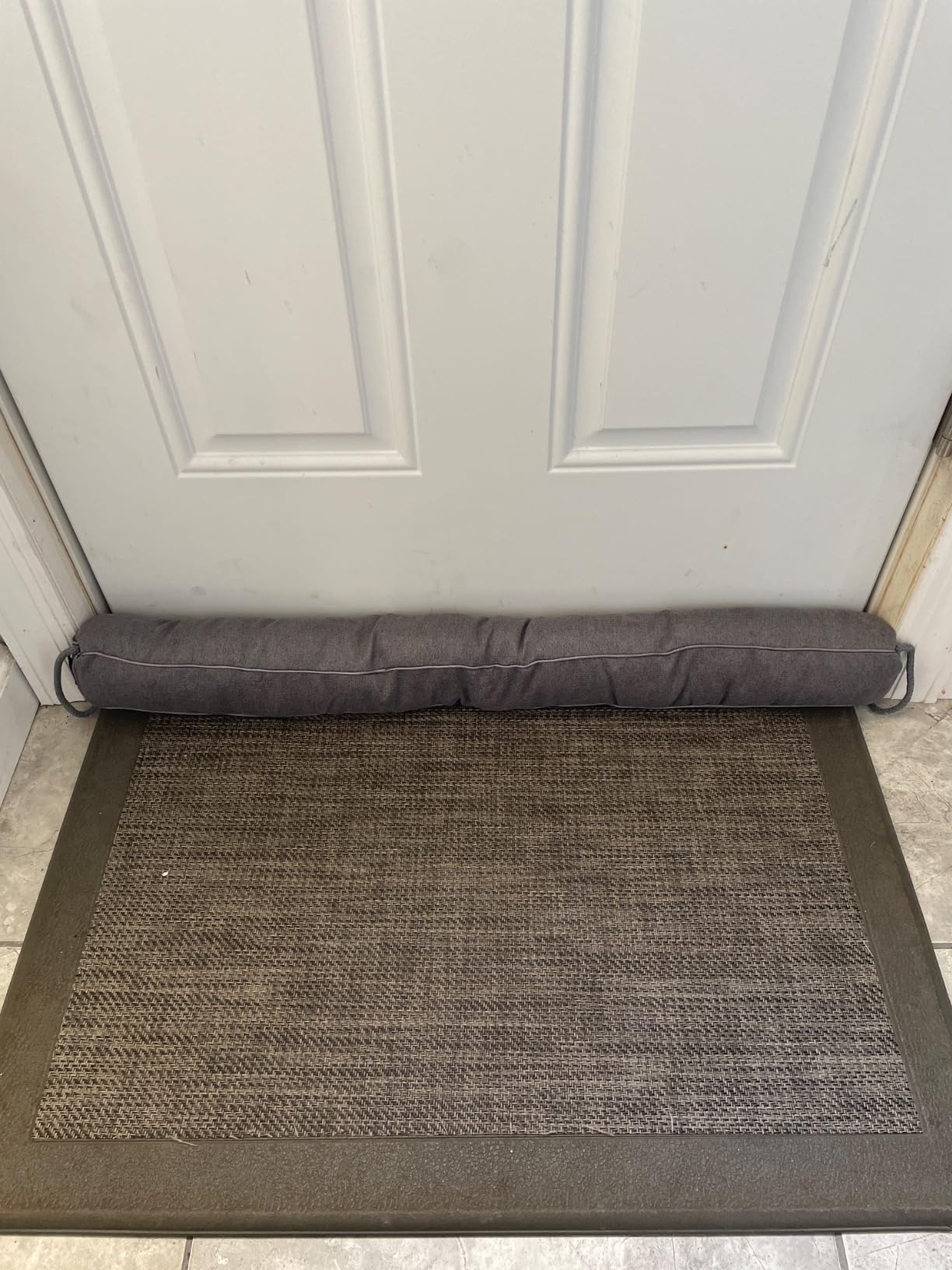
When to reach for weight instead of tape
Reach for weight when a paper slip between the door and the floor slides out with no resistance on a fully open gap, which means the opening is around half an inch or more. Tape compresses into a gap that size, weight does not. If your door also has a hinge-side gap wider than a quarter inch, this still will not fix it, but it will remove the loudest path.
For a rental, this is one of the few genuinely good options. It attaches to the door with hook and loop rather than screws, and it comes off in seconds when you move out.
Where it will disappoint you
Two and a bit pounds of filler is real mass sitting against a lever arm, and on a light hollow-core door with a weak closer you will notice the door wants to stay open. If your door is already hard to close, choose a lighter option and fix the gap at the jamb instead.
It is also a floor-level fix only. There is no version of this product for the top and sides of the frame, so it never stands alone.
3. Litaibai Kerf Weather Stripping – Best for Frames With a Kerf Groove
Litaibai 40 ft Kerf Weather Stripping Door Seal for Exterior Doors, White
PE covered PU foam
4 mm thickness
40 ft roll
Fits 1/8 inch kerf slots
Pros
- Purpose built for kerf frames
- Compresses and rebounds cleanly
- One roll covers several doors
- Trims to any length
Cons
- No adhesive backing
- Will not fit a frame without a kerf slot
- Old seal must be removed first
This is the only product in the group that lives in the frame groove rather than on the surface, and that distinction matters more than the star rating. A kerf seal is compressed from both sides by the door leaf, so it closes evenly along the head and both jambs instead of being squeezed at one point.
It fits a 1/8 inch kerf slot and addresses a closed gap in the quarter inch to half inch range, which is the classic profile of a modern exterior or steel entry door. At 4 mm thickness the PE covered foam core is resilient, so it pushes back after years of compression rather than staying crushed.
We used this on a steel entry door leading into a basement practice room. Once the old seal was out and the groove cleaned, pressing the flange in took about ten minutes per door and the result was a noticeably more even seal than any surface applied strip in the group.

Check for the groove before you buy. If you cannot see a continuous channel in the stop moulding around the door, this product is the wrong choice, and no amount of forcing will make it work. Many modern interior doors and most rental frames have no kerf at all.
The 40 foot roll is generous, and it cuts easily with a utility knife. It also comes in a range of lengths and colours, so matching a painted frame is straightforward.
One thing to weigh against the price: this is a frame seal, not a threshold seal. Even on a perfect kerf door, the gap under the leaf is untouched, so it pairs with one of the sweeps in this list.
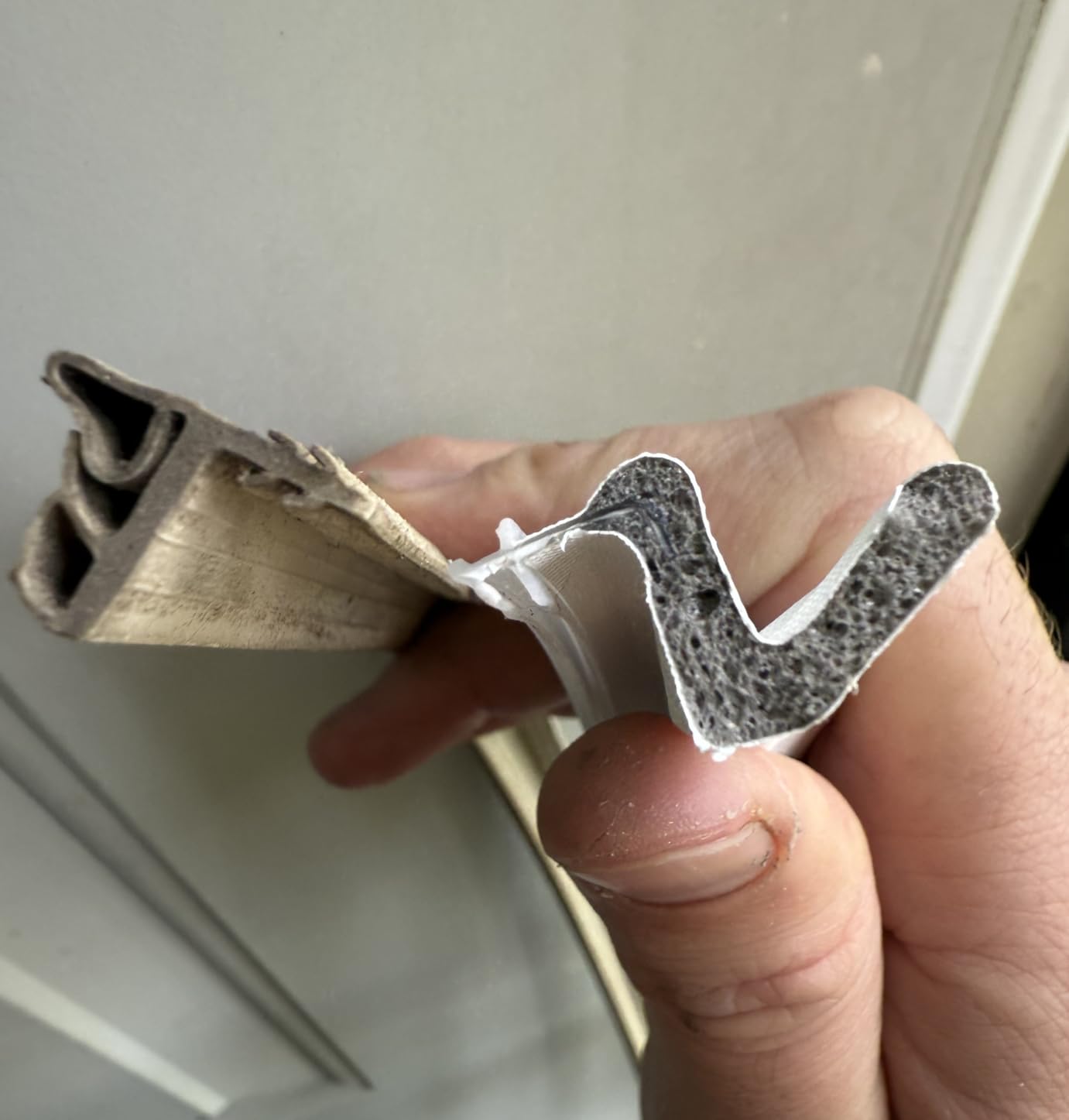
How to tell whether your frame has a kerf
Look along the inside edge of the door stop where it meets the frame. A kerf is a narrow, continuous slot roughly an eighth of an inch wide, usually running the full height of the jamb and across the head. Older solid wood stops often have one, and many hollow-core interior doors do not.
If you can slide a coin into a groove that runs continuously, you have a kerf. If the stop is a flat painted bead with no channel, you need a surface mounted strip instead.
Where it will disappoint you
It is a specialist product with a narrow fit envelope. Buy it for a kerf frame and a quarter inch to half inch closed gap and it will last for years. Buy it for anything else and you will have a length of foam sitting on a shelf.
It also does nothing for a hollow-core leaf. On an interior practice door in a flat, the same money on a weighted sweep will change what your neighbours hear far more.
4. YIJUHOU Closed Cell Foam Tape – Best for Tight Jamb Gaps
Seal Foam Tape,1/2 Inch W x 1/8 Inch T Weather Stripping for Door and Window,High Density Single Sided Closed Cell Door Insulation Weather Strip, 3 Rolls Total 50FT Black
High density EVA foam
1/2 inch by 1/8 inch profile
3 rolls, 50 ft total
Adhesive removes cleanly
Pros
- Fifty feet covers a full perimeter
- Cuts cleanly with scissors
- Adhesive lifts off with no residue
- Sheds water
Cons
- Profile is thin for larger gaps
- Adhesive weakens in extreme heat
- Single sided backing only
Foam tape is the workhorse of door sealing, and this is the version we keep coming back to because of the length. Fifty feet across three rolls is enough for the hinge jamb, latch jamb and head of a standard door, with enough over to treat a second door properly.
At half an inch wide by an eighth of an inch thick, it suits a closed gap in the region of an eighth to a quarter inch, which is exactly the hinge-side gap of most solid-core doors. High density closed cell EVA compresses and stays compressed without turning to paste, and the material is described as shock absorbing, which is why it is also the strip people use on speaker cabinets.
The adhesive is the surprise here. It is a single sided backing that lifts off without residue, which means you can remove the whole perimeter in one afternoon when you move out. That is a genuine advantage in a rental.
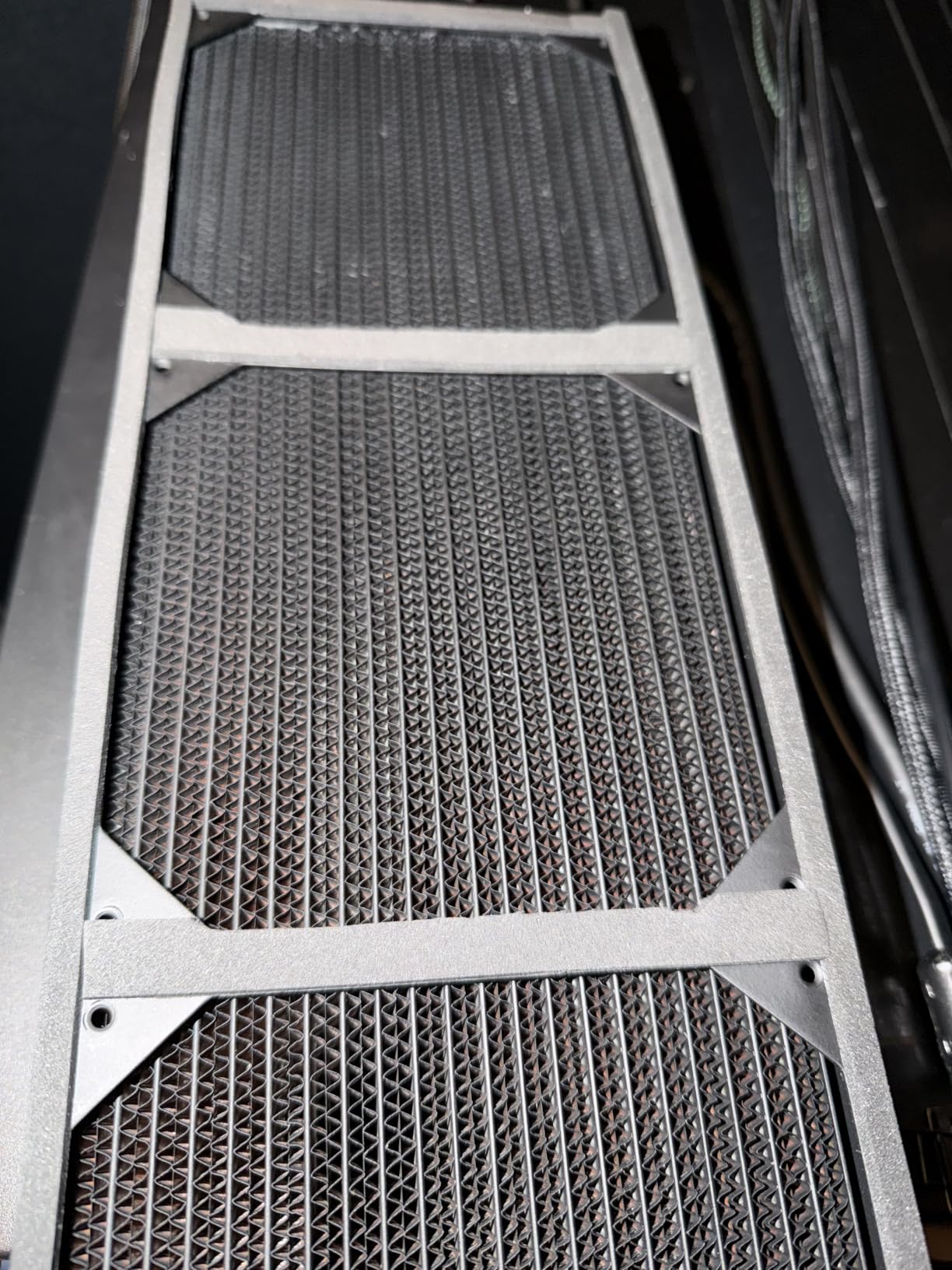
Fit is straightforward. Close the door, run a pencil line on the frame, cut the strip to length with scissors or a blade, and press it into the stop along the line. The foam bends easily into the corner at the head, which is the fiddly part of a three sided seal.
If you are on a plaster wall or a painted surface that has chalked, clean the line first and press along the whole length rather than at the ends. Half the complaints in this product’s reviews are about a seal that let go because the surface was dusty, not because the tape failed.
One practical limit. The single eighth inch thickness is a weak seal against a wide gap. If the paper slip test shows more than a quarter inch, this tape will compress to nothing and you need a thicker profile or a brush strip.
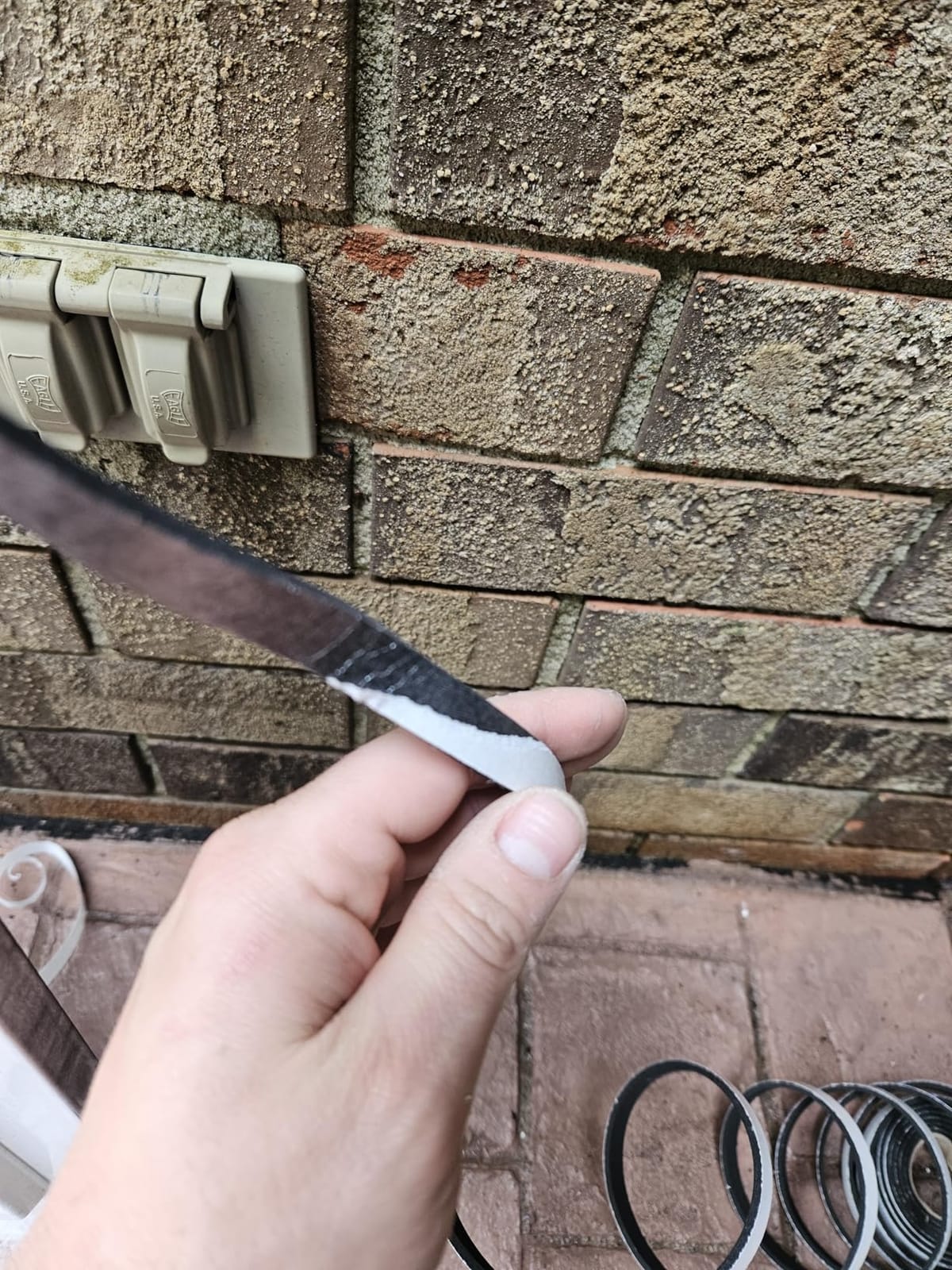
Which gaps this foam tape can actually close
It closes gaps up to about a quarter inch, and it is the right choice for the hinge jamb, latch jamb and head of a door that sits reasonably well in its frame. The light test is the giveaway: if you cannot see a line of light with the door closed, this profile will seal it.
It is also the right tool for a door leaf that has a routed channel along the edge, which is common on flush and panel doors where the manufacturer’s own seal has come away.
Where it will disappoint you
It will not touch a wide threshold gap. Foam tape is a jamb product, and using it under a door is a common mistake that produces a seal which looks fitted and leaks anyway.
It is also a manufactured foam and not a long term acoustic component. Expect to replace a perimeter every few years, and expect the adhesive to need warming in cold conditions before it bites.
5. Benory T Shaped Silicone Strip – Best Invisible Perimeter Seal
Benory T-Shaped Silicone Weather Stripping Door Seal, Clear, 1.38″W x 20 ft
Clear silicone
1.38 inch by 20 ft
1 mm profile
Dual adhesive faces
Pros
- Disappears against any door colour
- Two adhesive faces resist peeling
- Repositions during fitting
- Trims with scissors
Cons
- Narrow profile suits small gaps
- Adhesive can fail in high heat
- Needs a clean dry surface
The T profile is the reason this strip behaves differently from flat foam tape. The web bonds flat to the frame, and the stem tucks into the gap, so the seal is pulled into the opening and held there by two adhesive surfaces rather than one. It resists the peeling that kills single sided tape on a door that is opened hard.
At 1.38 inches by 20 feet it covers the head and both jambs of a standard door with room to spare. The clear silicone is genuinely inconspicuous, which matters if the practice room is also a bedroom door and you do not want a strip running around it.
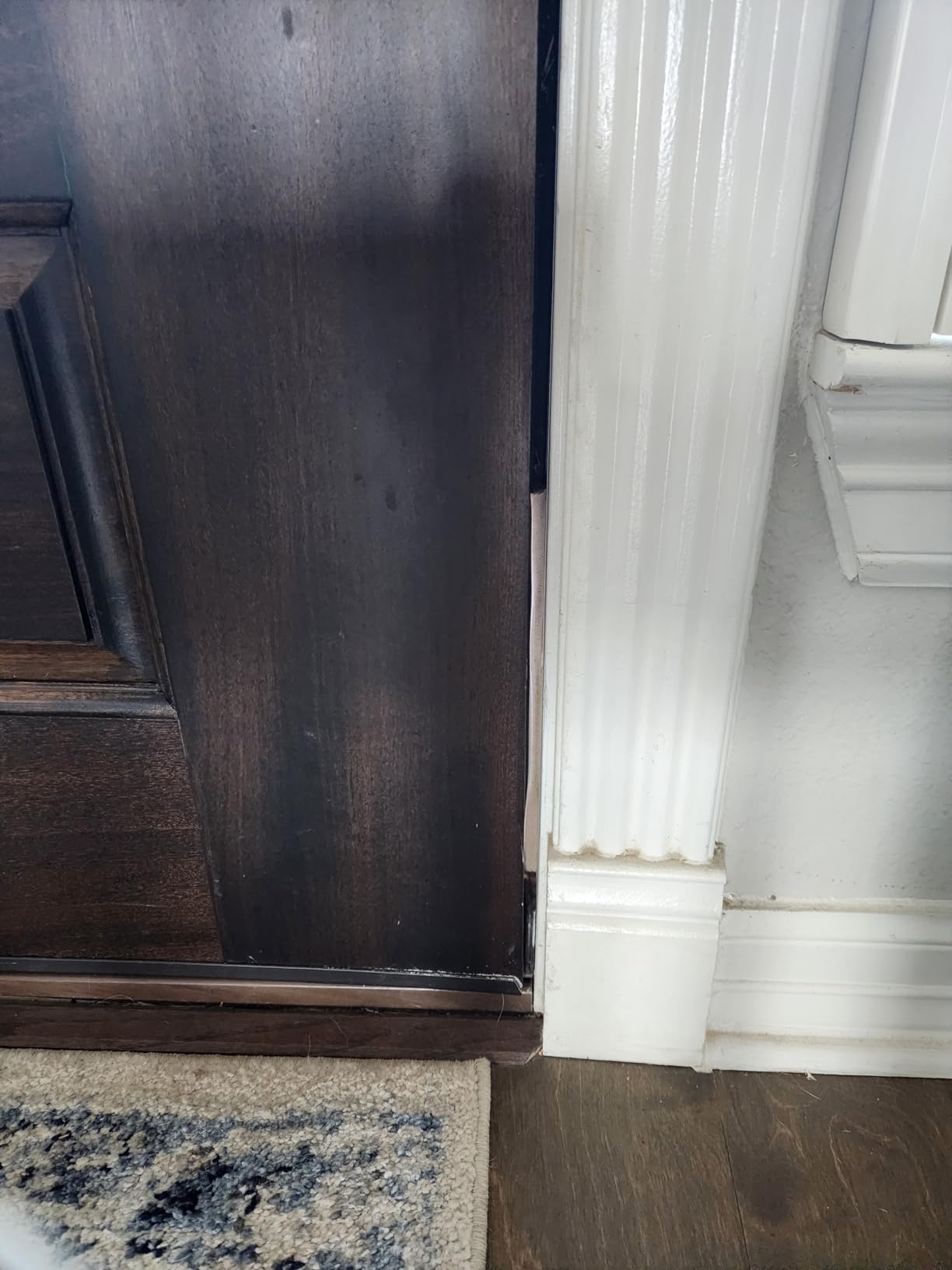
We used this on a painted bedroom door where the frame was visible from the hallway. The finished result was close to invisible, and the door still latched easily because the silicone is soft rather than rigid.
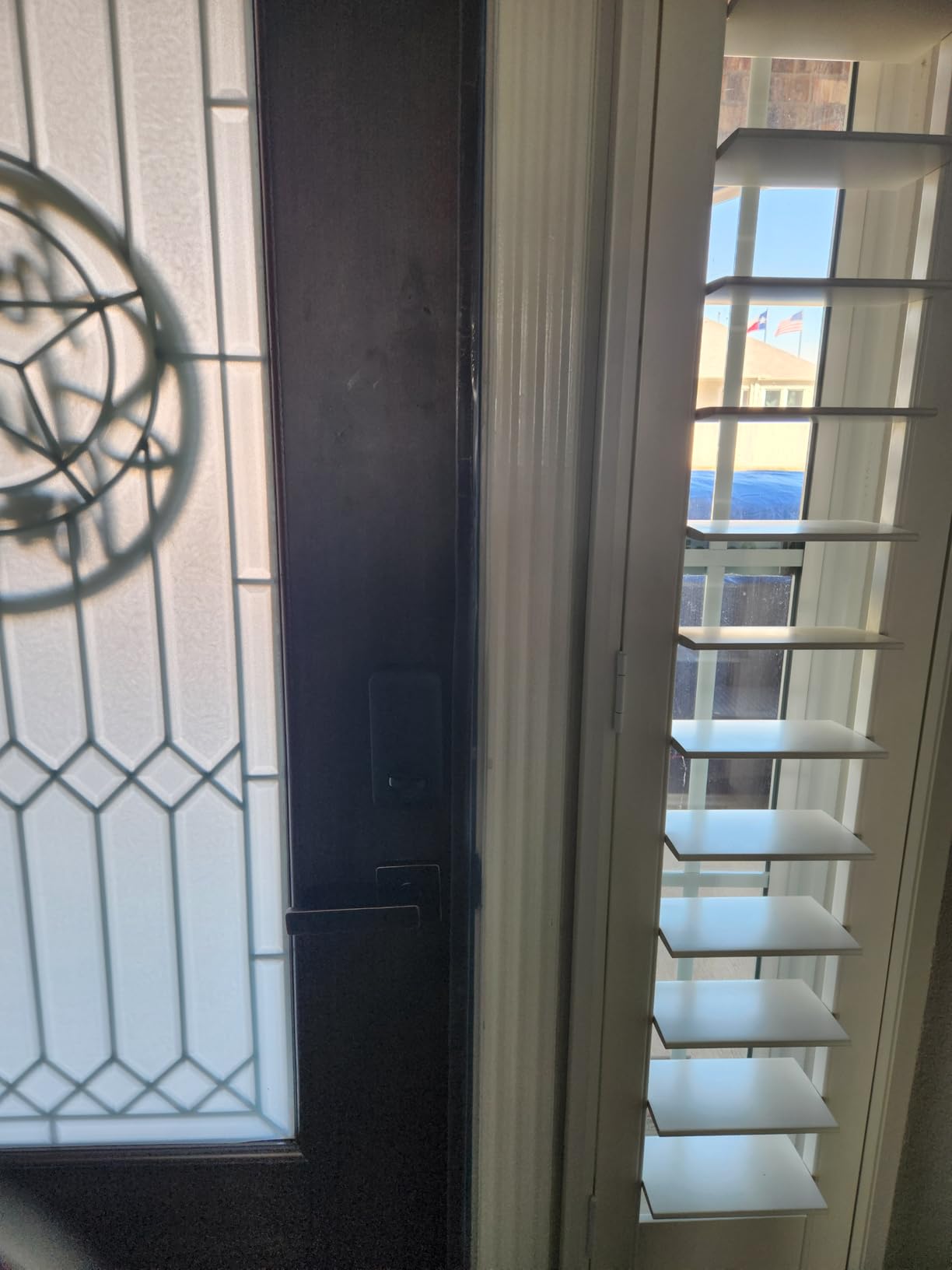
It is worth knowing what the profile will and will not do. The 1 mm stem is thin, so this is a gap closer for small, even perimeter gaps, not a way to bridge a half inch channel. If the hinge side of your door is wide, use foam tape or a brush strip instead and use this only where the gap is tight.
Adhesion is the only real weak point, and the reports are consistent: warm the strip with a hair dryer before pressing in cold weather, and do not apply it to a dusty or oily surface. Given the silicone body, it should not shrink or go brittle the way an ordinary rubber strip can.
One nice property for renters. Because it can be lifted and repositioned while the backing is still clean, a mis-cut corner costs you nothing, unlike foam tape which tears if you pull it off.
Why the T shape holds better than flat tape
Flat tape relies on one bond line and peels away when the door is pulled. The T shape creates a mechanical key: the stem sits in the gap, the web sits on the frame, and the seal has to deform to come loose. On a door that gets opened a dozen times a day, that difference decides whether the seal is still there in a year.
It also means the seal sits slightly proud of the frame, so it is easier to align during fitting and easier to check afterwards with a finger run along the edge.
Where it will disappoint you
It is a perimeter seal, so the gap under the door is entirely its blind spot. Pair it with a sweep or you will be able to hear bass walking past the doorway while the sides are silent.
It is also a thin strip, and a thin strip is the wrong answer for a warped or settled door. Check the gap before committing.
6. Hojoy 2 Pack Under Door Sweep – Best Value
2 Pack Under Door Draft Stopper Weather Stripping Door Seal Threshold Strip
Silicone strip
39 inch by 2 inch
Two per pack
Stick on and trim
Pros
- Two strips per pack
- Removes without damaging the door
- Cuts to any width
- Thin low profile
Cons
- 39 inch length only
- Heating the adhesive improves hold
- Silicone can arrive bent
Two strips for the price of roughly one premium sweep is the calculation that makes this the value pick, and it is a real one. You can treat a practice room door and a bedroom door at the same time, or replace a strip that has compressed without opening a second order.
The profile is a 2 inch by 39 inch silicone band with an adhesive back. At that width it is a more substantial seal than a narrow draft tape, and reviewers consistently report that it takes the edge off a hallway conversation and most of the airflow under the door.
Because the material is soft silicone, it bends to an uneven floor rather than bridging it, which is why it works on carpet as well as on hard flooring. It also slides under the door rather than gripping it, so a heavy door is not fighting a rigid lip.
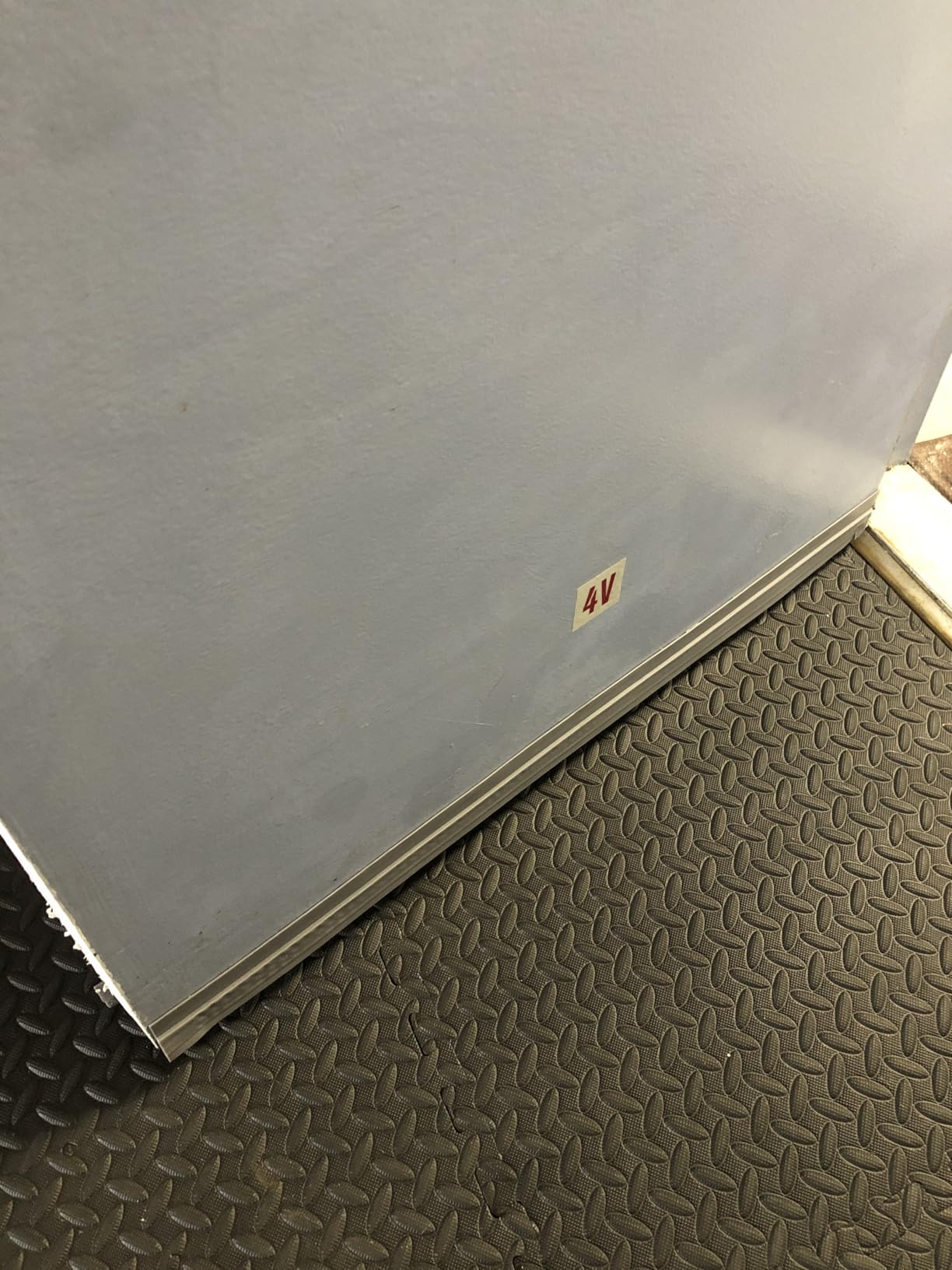
Fit is the whole story with this product. The strip mounts on the door face near the bottom, so it moves down as the door opens and lifts clear of the floor, which is what stops it from snagging on carpet pile. Trim the excess width rather than the length if your door is narrow, and round the corners so they cannot curl.
If the adhesive feels weak, warming it with a hair dryer before pressing makes a large difference, and both the Vellure and this strip respond to the same trick. It is the single most useful minute you can spend during fitting.
One realistic limitation. The strip is long and thin, so a sharp corner can crease it in transit. A warm stretch along the length before applying flattens it out.
When a budget sweep is genuinely the right call
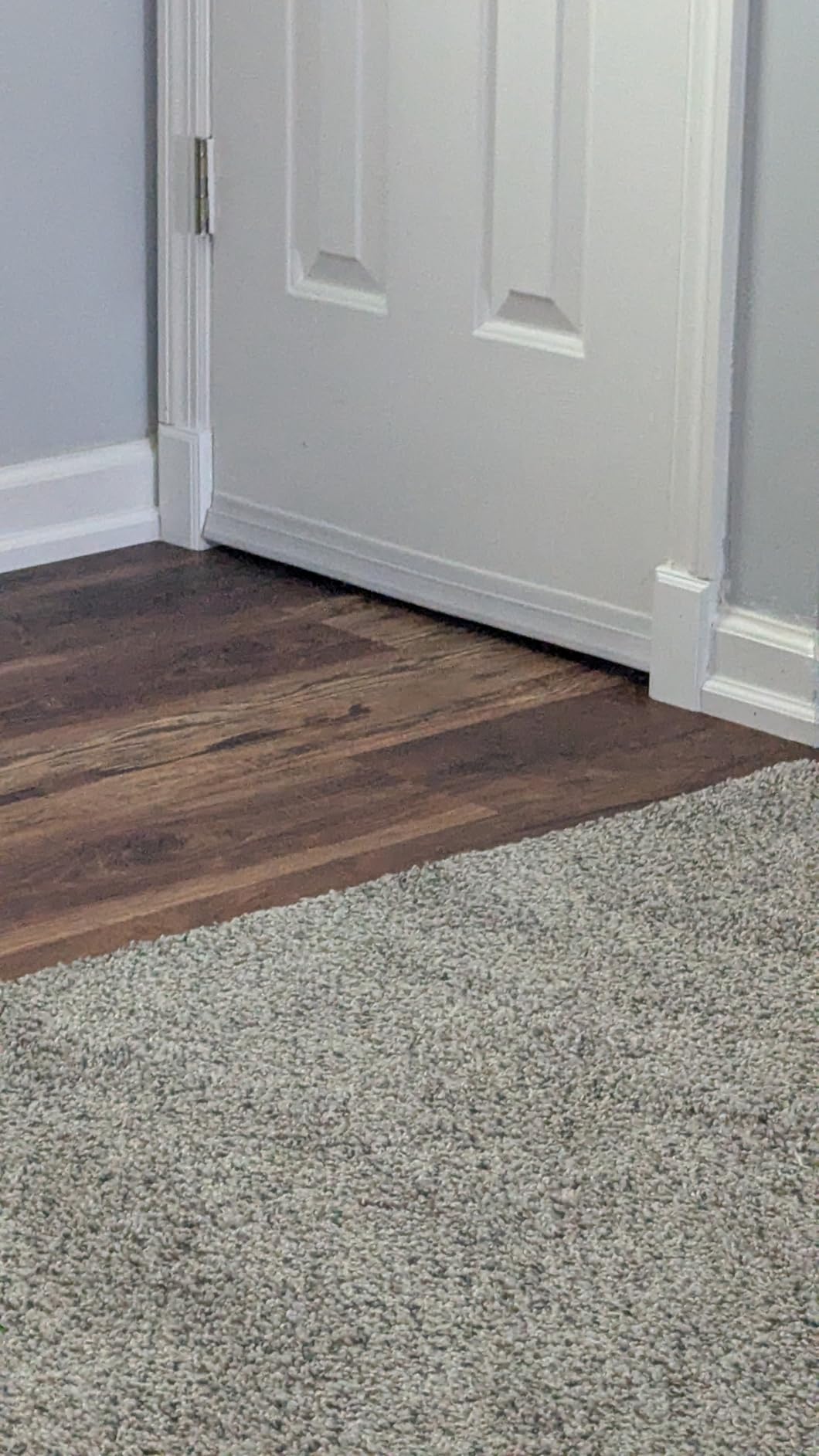
It is the right call when your gap is around a quarter inch or less and your door is in good condition. In that situation the premium sweep in this roundup adds little, because there is not enough gap for the extra material to fill. You are buying a seal, not a mechanism.
It is also the right call for a two door problem. Practice rooms are often off a landing with a second door, and treating only one of them is the most common way people hear a leak and conclude the treatment failed.
Where it will disappoint you
It will not close a gap much beyond half an inch, and trying to make it do so by folding it back on itself leaves a ridge the door catches on. If your gap is large, buy weight instead of adhesive.
It is also a threshold product with no jamb component, so it works alone only if your other three gaps are already tight.
7. Zhilokdor Pile Weather Stripping – Best for Sliding Doors and Small Gaps
Self-Adhesive Pile Weather Stripping Seal for Sliding Windows and Door Frames, 16.5ft x 11/32 inch, Grey
Woven synthetic fibre pile
16.5 ft long
11/32 inch backing
Multiple pile heights
Pros
- Pile brushes small even gaps
- Three pile heights to match the gap
- Waterproof backing
- Trims to length
Cons
- Gap must be measured first
- Pile flattens under heavy pressure
- Not for large openings
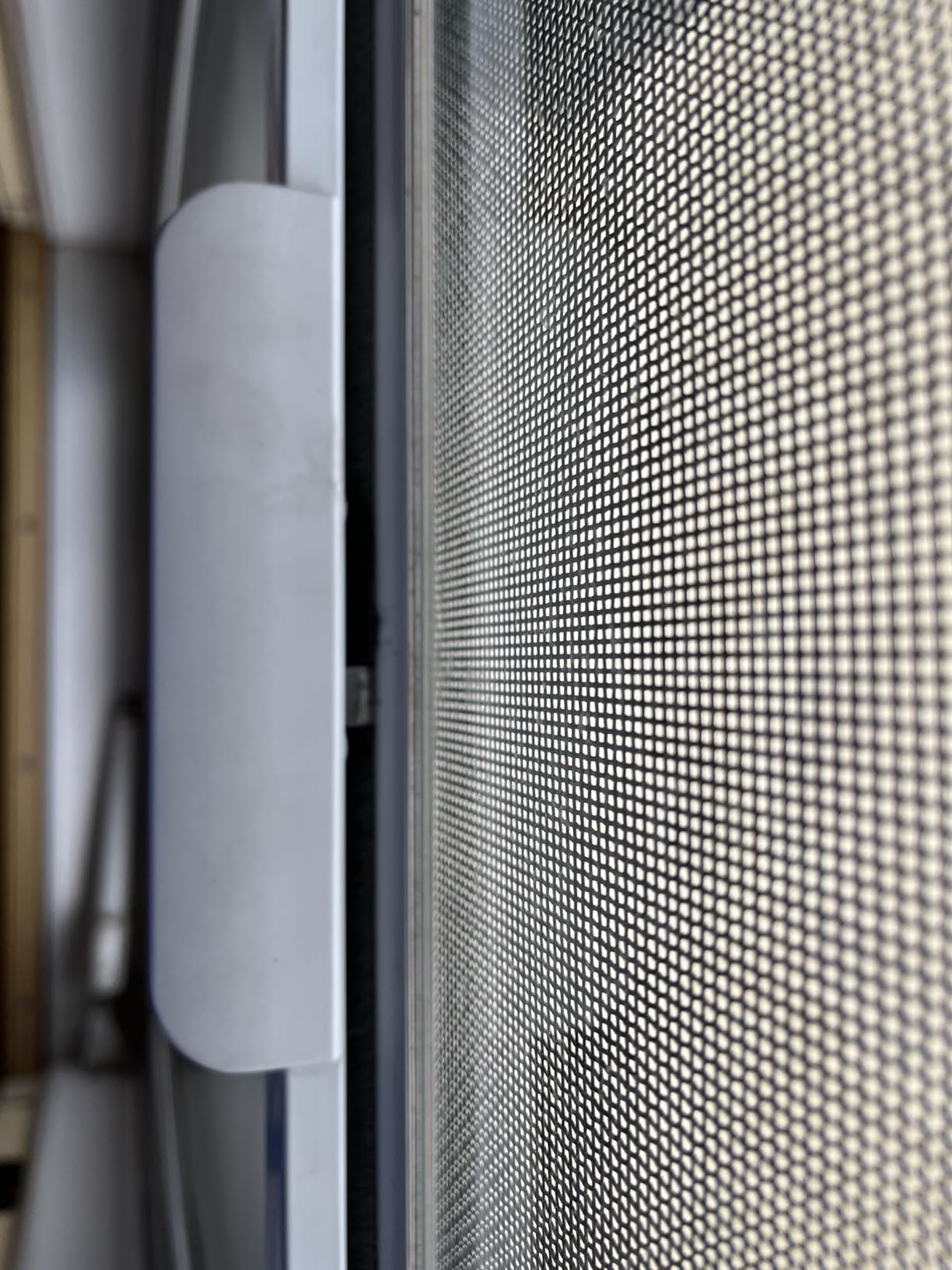
Brush pile is the seal that does not fight you. The woven fibres flex as the door or window closes and spring back afterwards, so it closes a small even gap without adding meaningful drag. That is why it is the traditional choice for sliding doors, where any rigid seal would stop the panel moving.
This one is 16.5 feet long with an 11/32 inch adhesive backing, and the useful detail is that the pile height is the variable. The listed fit ranges run from a 5 mm pile for a 2.5 to 4.5 mm gap, through 9 mm for 4.5 to 8 mm, to 15 mm for an 8 to 13 mm gap. Choose the pile to the gap, not the other way round.
We used it on a sliding patio door that opens onto a garage-converted practice room, where the problem was sound arriving rather than leaving. The pile closed the frame channel cleanly and the panel still rolled easily, which no foam or rigid strip would have allowed.
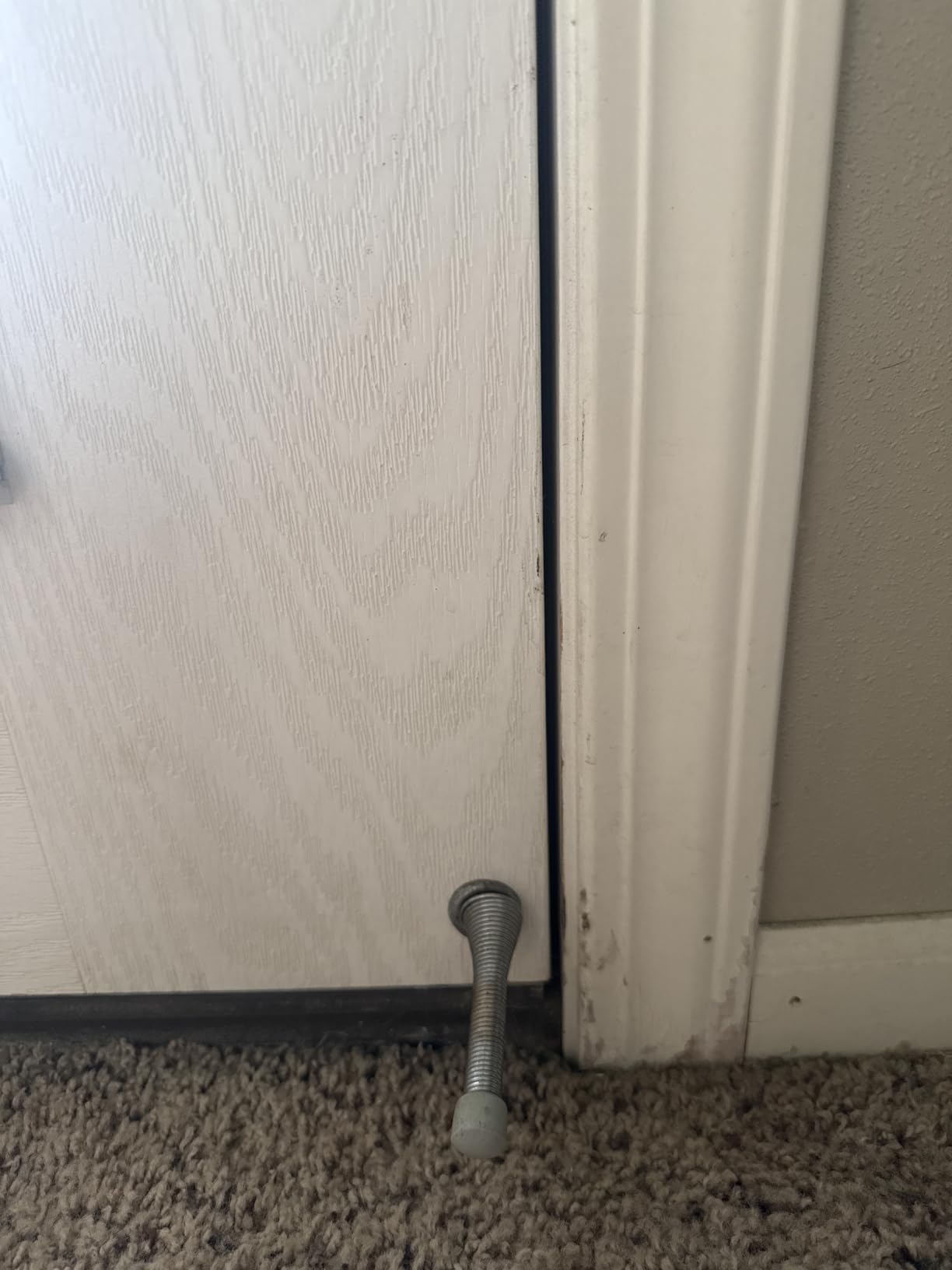
Measuring first is not advice here, it is a requirement. The variation between pile heights in this product family is a few millimetres, and choosing the wrong one is the difference between a seal and a strip that flops over in the channel. A strip of paper in the gap and a ruler will tell you in a minute.
Woven pile has one genuine weakness: it flattens under sustained pressure. On a hinged practice room door that is closed all day and opened only to practise, that is ideal. On a sliding door that stays wedged shut for a week, expect the fibres to recover after a while but not instantly.
It is also the only seal here suited to a wardrobe or cupboard, which matters if your vocal booth is a repurposed closet.
When brush pile beats foam tape
Brush pile wins on sliding doors, on uneven frames where a flat tape would bridge a hollow, and on any gap too small to compress foam into. It also wins where appearance matters, since the pile sits inside a channel and almost disappears.
It loses to foam on a wide gap, because fibres bend rather than push back, and it loses on a gap that varies as the door moves, since the pile has very little take-up.
Where it will disappoint you
It is not a threshold product and it will not close a floor gap of any size. If your noise arrives from under a hinged door, this is the wrong tool and one of the sweeps in this list is the right one.
It is also easy to over-specify. A tall pile in a small gap buckles, and a short pile in a wide gap leaks, so the size chart deserves more attention than the material description.
8. Kanzzy All In One Door Sealing Kit – Best Complete 360 Degree Kit
Weather Stripping Soundproof Doors, Windows – White Kit – 39 Feet Self Adhesive Weatherstrips & 43.3” Under Door Sweep – Wind, Dust, Draft & Insect Proof – Rubber Strips to Seal Door Cracks
39 ft strip plus 43.3 inch sweep
Rubber construction
Peel and stick
White
Pros
- Only full 360 degree kit in the group
- Sweep suits several door styles
- Removes without damage
- Backed by a guarantee
Cons
- Lowest rating in the group
- Rubber ages faster than silicone
- White only
- Adhesive consistency varies
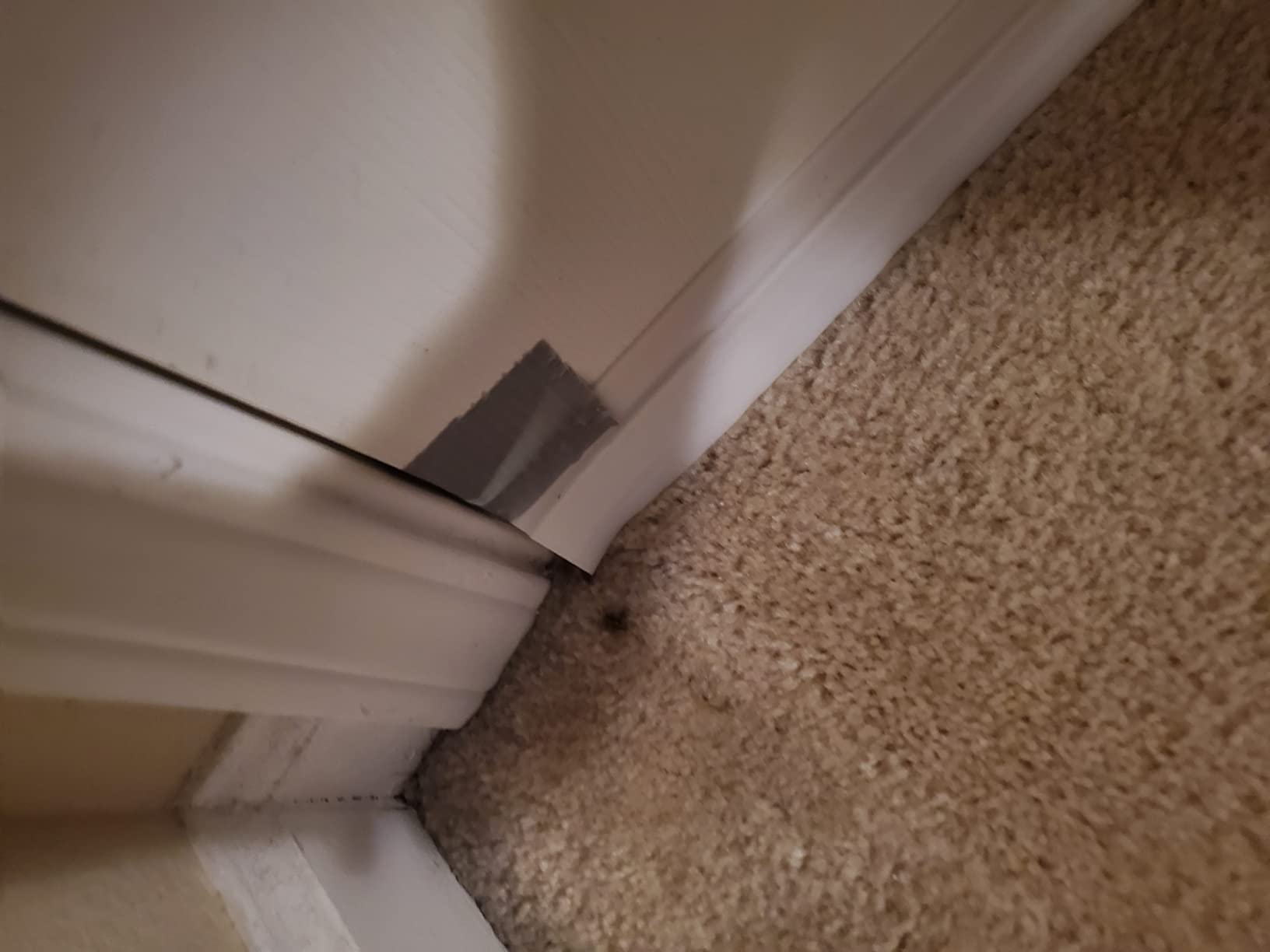
This is the convenience pick. A 39 foot self adhesive strip handles the head and both jambs, and a 43.3 inch under door sweep handles the threshold, so one purchase covers the four leak paths. Nothing else in the roundup does that, and for a first time installer it removes the guesswork.
The design intent is sensible. The sweep is long enough for a standard interior or exterior door, and the strip is supplied in continuous length so you can cut corners without a joint. The peel and stick backing removes without damage, which keeps it viable in a rental.
Our honest read is that this is the one to buy if you want a complete answer in a single order and you are not chasing the last decibel. The 4.1 rating across 1002 reviews is the lowest here, and the complaints concentrate in two places: rubber that hardens sooner than silicone, and adhesive that behaves inconsistently from roll to roll.
Material choice is the real difference. Silicone in this roundup stays flexible through a temperature cycle and shrugs off UV, while a rubber strip becomes progressively less compressible. On an exterior door facing winter, the difference shows within a couple of seasons.
Fit is otherwise unremarkable, which for a kit is a compliment. The sweep mounts on the door face and the strip goes on the stop, and the two together cover roughly 360 degrees of perimeter as advertised.
If you do buy it, fit the sweep first and listen, then add the strip. Splitting the job tells you which leak was actually costing you the most.
Who this kit is genuinely right for
It is right for a beginner with one door, a limited budget and no measurement equipment, because the sweep length is fixed and the strip can be cut to whatever the frame needs. It is also right for a rental where you want everything removable at the end of the tenancy.
It is right for a practice room in a spare room where the door is the only opening and the aim is to take the edge off a guitar amp rather than to build a studio.
Where it will disappoint you
It is not a specialist acoustic product, and the seal material is the limiting factor rather than the quantity of it. If you already know your door has a half inch threshold gap, buy weight instead and spend the difference on the jambs.
It is also white only, which matters on a painted frame in a hallway where the colour would be visible.
9. TORRAMI Heavy Weighted Draft Stopper – Best Dense Fabric Seal
TORRAMI 32″ Door Draft Stopper Under Bottom Insulation Noise Air Stopper 2.36LB,Sound Proof Draft Guard Seal for Doors and Windows – Triangle Coffee
Polyester wadding with glass beads
2.36 lb
32 inch length
Column profile
Pros
- Dense fill holds a tight seal
- Hook strips move with the door
- Two hanging loops for storage
- Soft against all floor types
Cons
- Heaviest in the group
- Hook and loop needs refreshing
- Loops can catch on a closing door
This is the densest fabric seal we tested, at 2.36 lb against the MAGZO at 2.18 lb, and the difference is in how it holds its shape. The polyester wadding with a glass bead fill forms a column that stays against the door instead of slumping, so the seal is consistent along the whole width rather than strong at the centre and loose at the ends.
It is a 32 inch unit, so it suits a narrower door or a door where you want the seal concentrated in the middle of the opening. Buyers who own a wider door should look at the 36 or 38 inch versions in the same range.
The hook strips are a better idea than they first appear. They attach the stopper to the door face so it lifts with the door rather than being left on the floor, which removes the main objection to a fabric sweep, namely that it is an obstruction waiting to be tripped over.
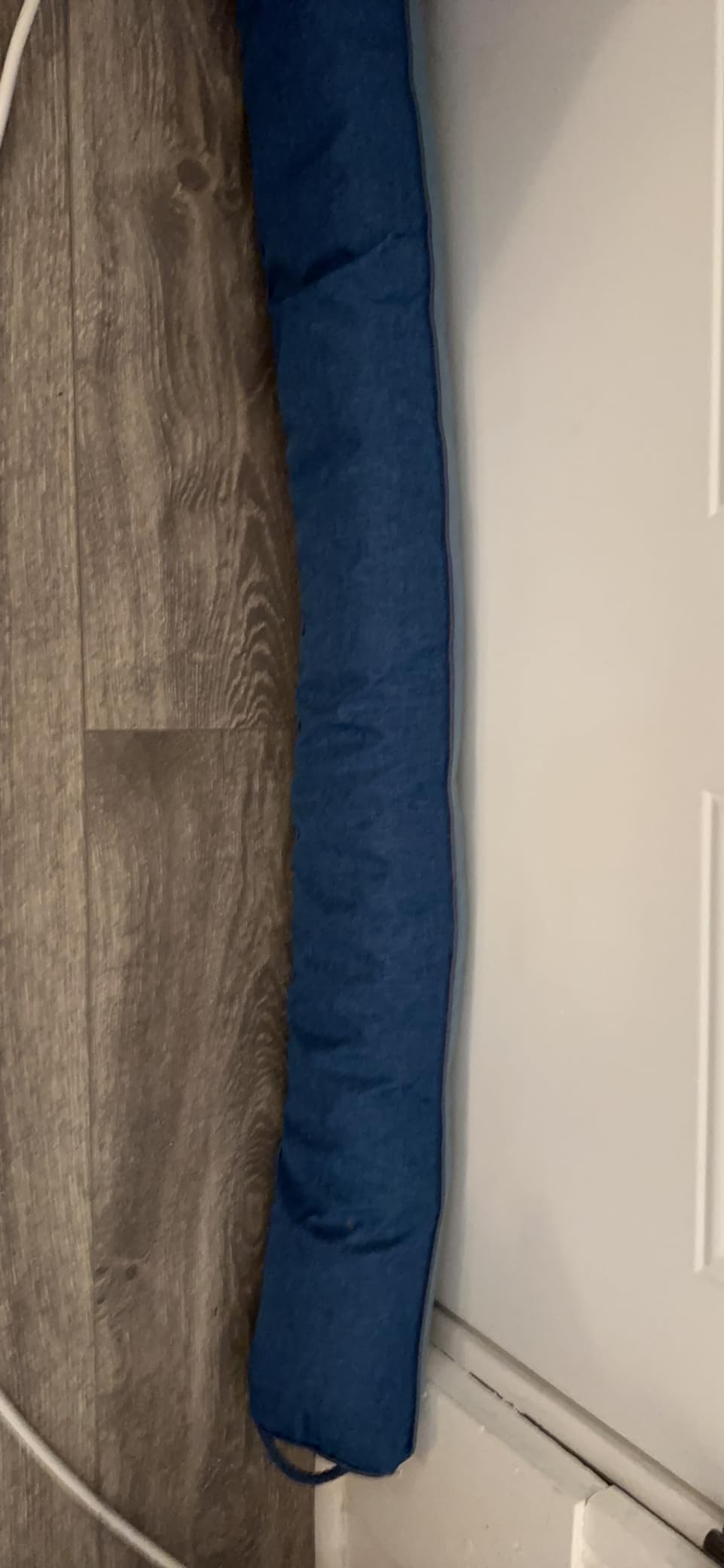
Two hanging loops are included, so the stopper can live on the door handle between practice sessions. In a shared house that matters, because a permanent obstruction across a doorway is the fastest way to make a housemate hostile to the practice room.
Sound performance was on a par with the MAGZO on our warped door. The practical difference is handling. At 2.36 lb this one has a noticeable presence on a light door, and the loops can catch in the gap as the door swings if they are not tucked.
The recurring review theme, as with the other fabric sweeps here, is hook and loop durability rather than the fill. Several owners fix it permanently with extra hook tape or thumb tacks once they are happy with the position.
How to choose between two heavy fabric sweeps
Choose by door width and by who moves it. The MAGZO at 36 inches is the better general choice for a standard door because of the longer span and a marginally lighter handle. The TORRAMI at 32 inches is the better choice where the door is narrow, where you want more overlap than a 32 inch seal gives on a 36 inch leaf, or where the column profile suits a particular floor level.
Both beat any adhesive strip on a wide gap, and both are removable, so either works in a rental.
Where it will disappoint you
It is heavy for a hollow-core door, and a hollow-core door with a weak closer plus 2.36 lb against the leaf may not close reliably without a pull. Test the door before you commit.
Like every other product here, it addresses the threshold only. The hinge jamb on a settled hollow-core door will still be your loudest path.
10. Comfyanno No Adhesive Draft Stopper – Best for Renters
Comfyanno Under Door Draft Stopper – Bottom Door Gap Filler & Seal – Fits 30” to 36” Door, Double Side Block Noise, Sound, Air, Bugs, Dust, Easy to Install, No Adhesive, Black
Foam tubes in Oxford fabric
Fits 30 to 36 inch doors
Seals gaps up to 1.5 inch
Slides under the door
Pros
- Nothing adheres to the door
- Moves in seconds between rooms
- Two foam tubes seal both faces
- Glides on carpet and hard floors
Cons
- Not for doors with raised thresholds
- Not for sliding doors
- Only fits 30 to 36 inch doors
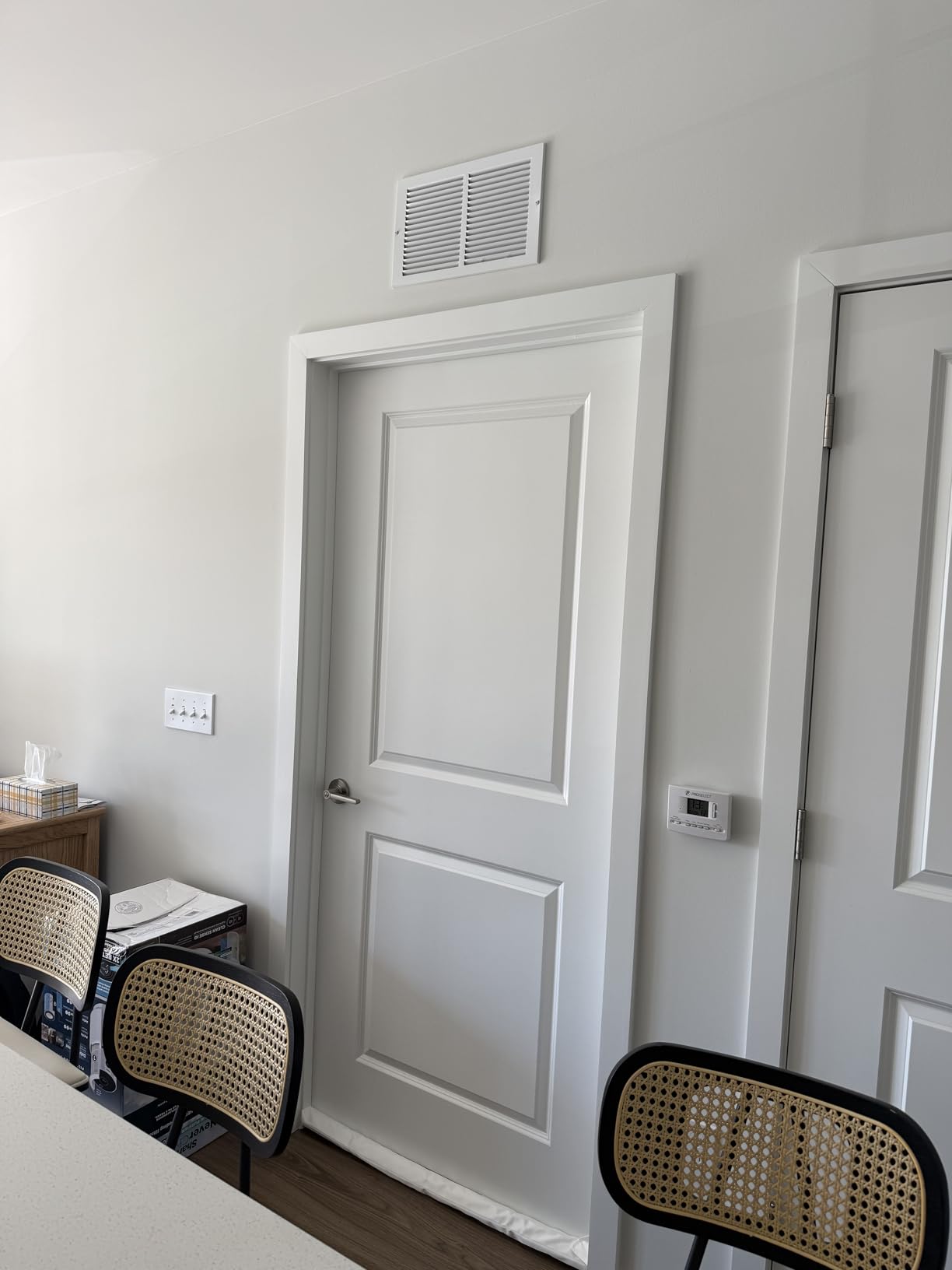
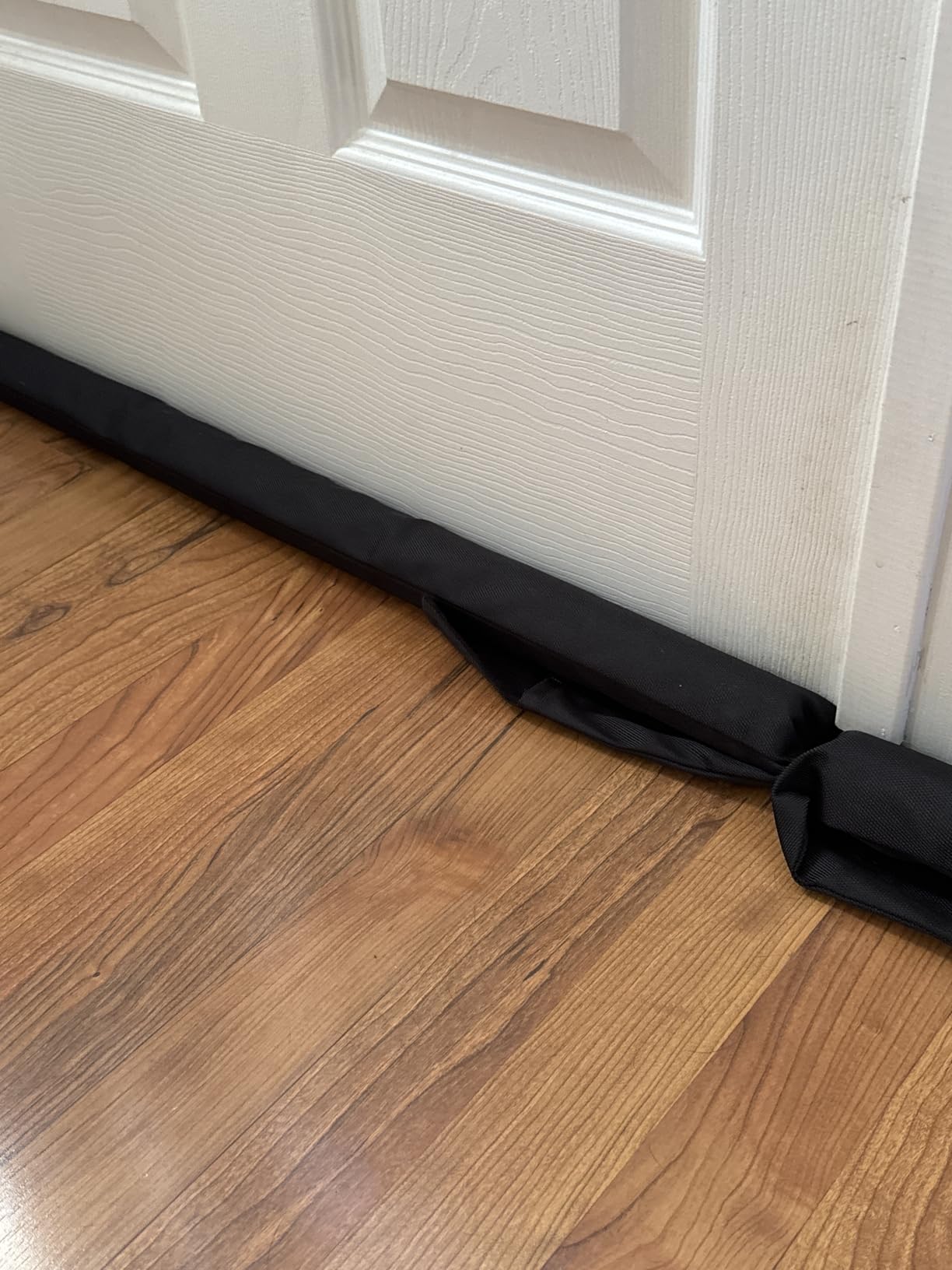
This is the product we would hand to a tenant with a strict lease. There is no adhesive anywhere in the system. It slides under the door, sits there by compression, and can be moved to the hallway in ten seconds when you want the door open to carry gear through.
The construction is two high density foam tubes inside a wear resistant Oxford fabric cover with a hook and loop closure. Two tubes means the seal presses on both faces of the door gap rather than only the inside, which is why the stated 1.5 inch gap fill is credible for a fabric product rather than optimistic.
Fit covers 30 to 36 inch doors, and the tubes are adjustable, so it handles a standard door without trimming. We laid it on carpet, laminate and tile during testing and it slid cleanly on all three, with no scratching and no snagging on pile.
There is a genuine design compromise in a no adhesive product, and it is that nothing holds the unit in place. On a level floor with a door that stays shut, compression is enough. On a large gap over a rug edge, some owners report it walking inward over time, so check it once a week until you are confident in the fit.
The fabric pouch is the other weak point. A few buyers report the fabric puckering at the ends when the tubes are inserted, and some report build quality varying from unit to unit. Inspect it on arrival rather than at the first practice session.
Two limits are stated and worth respecting. It is not for doors with raised thresholds, because the fabric cannot lie flat against a moulded sill, and it is not for sliding doors, where it would foul the track.
Why no adhesive is worth real money in a rental
Because the deposit is worth more than the seal. Every adhesive product in this roundup leaves a risk on the paint, and the tape and foam options are described as lifting off without residue, which is a claim worth trusting far more after a month of daily use than on day one. A no adhesive product has no claim to breach because it makes no mark.
It also suits a practice room that moves. Students in shared accommodation and musicians in a rehearsal space that is cleared out at the end of each session both benefit from a seal that is portable rather than permanent.
Where it will disappoint you
It is a floor seal only, so the three side gaps are unaddressed, and on a hollow-core door those side gaps are often louder than the floor gap. Combine it with a removable T strip or foam tape if the door is hollow-core.
It is also the least precise of the ten. Adhesive strips can be sized to the gap, and a fabric tube sits where it sits, so on a door with a strange floor level you may need to add or remove a tube.
Sound Absorption vs Soundproofing
These two get confused constantly, and mixing them is how people end up with a treated room that still leaks. Soundproofing is stopping sound travelling between spaces, which is what every seal on this page does. Sound absorption is reducing echoes and reflections inside a room, which is what fabric panels, curtains and blankets do.
They fail in opposite directions. Seal a door perfectly and the room gets more reverberant, because the same energy that used to escape is now trapped. Absorb a room thoroughly and the door still passes sound to the hallway, because the surface treatment does nothing to the gap under the leaf.
A practice room usually needs both, in a specific order. Seal transmission paths first, because that is what your neighbours and housemates complain about. Then add absorption to control how the room sounds to you while you play, which matters most for vocalists and anyone recording in the space.
How to Seal a Practice Room Door in Five Steps
The order matters, because fitting the sweep first and then the jambs lets you hear each change as you make it. Work in this sequence and you will know which product is doing the work.
Step 1: Measure all four gaps. Close the door and check the threshold, hinge jamb, latch jamb and head with a strip of paper. Write the numbers down before you buy anything, because they decide the seal profile.
Step 2: Fit the hinge-side jamb seal. This is the longest continuous leak and the one people skip. Use a T profile or closed cell foam for a tight gap, brush pile where the frame is uneven.
Step 3: Fit the latch jamb and head. Same product, cut to length, mitred by hand at the corner rather than overlapped so you do not create a hard spot that catches the door.
Step 4: Fit the sweep or drop seal. Choose a weighted fabric fill for a gap over half an inch, an adhesive silicone sweep for a quarter inch or less. Trim to the door width, warm the adhesive, and close the door to check the latch.
Step 5: Run sealant at fixed joints. Where the door stop meets the frame, and around any fixed trim, a bead of compressible acoustic mastic closes gaps too irregular for tape. It stays slightly flexible, so seasonal movement does not crack it.
Then listen from the other side of the door. Whatever is still loud tells you what to fix next, and it is usually the leaf or the wall rather than another strip.
How to Measure Your Door Gaps
Three tests, no tools, about five minutes. The light test finds gaps that are too wide for a thin strip. The paper test finds gaps that will actually pass airflow. The hand test finds the ones that matter most for sound.
The light test. Close the door and turn off the lights. Any visible line of light at the threshold, the hinge side or the head is a gap worth measuring, and light at the top of a door usually means the head jamb is bowed.
The paper test. Close the door on a strip of paper at four points: under the centre, under the hinge corner, under the latch corner, and up the hinge jamb. Pull gently. If it slides out with no resistance at any point, the gap is likely above a quarter inch and needs a thicker or heavier seal.
The hand test. Hold a hand near the closed gap and feel for air movement. A steady draught at the threshold means bass will follow it. This is the one that predicts audible leakage better than sight, because bass finds low pressure paths that light does not reveal.
Two further checks while the door is open. Check the lever and knob cutouts, because a drilled through hole in the leaf is a leak path that no perimeter seal touches, which is exactly why one Reddit thread in this space recommends surface mounted handles. And check whether the door closes flush, because a seal fitted to a door that will not shut is a seal you will remove within a month.
Choosing a Seal by Door Type
A hollow-core interior door is the most common door in a practice room and the least forgiving. It is light, it moves with humidity, and it sits at roughly STC 15 to 20. Use an adhesive seal on all four paths and expect a real reduction in airborne sound, then decide whether the remaining transmission justifies replacing the leaf with something heavier.
A solid-core door sits around STC 30 to 40 and is the sweet spot. Here the seal is doing genuinely useful work, because a well sealed solid door is a respectable barrier on its own. This is the door where a perimeter kit plus a sweep gets you most of the available improvement.
An exterior or entry door is a different problem. Heat loss and sound are the same gap, and a kerf seal such as the Litaibai is purpose built for the frame groove, with a sweep for the sill. If the door has a glazed panel, no seal will fix the glass, and the panel becomes the weakest link.
A sliding glass door cannot be swept. Brush pile on the frame channels is the only seal that works here, and a glass panel has very little mass, so treat it as a partial solution and consider a heavy curtain across the panel for absorption and a little damping.
Choosing by Instrument and Source Level
Vocals produce the least low frequency energy, so a vocalist can get most of the result from perimeter sealing alone, and the Comfyanno or Kanzzy is a sensible complete answer. Watch the hinge jamb particularly, because speech energy is concentrated in the frequencies that leak most easily through gaps.
An acoustic guitar is similar. The threshold and latch jamb seals handle the body of the sound, and nobody will complain about a little light bleed through the leaf. Here the T strip or foam tape around three sides plus a budget sweep is entirely adequate.
Electric guitar through a valve amplifier is louder than it feels at the source, and the complaint usually arrives as audible hum and voice leakage in the hallway. The threshold is the priority, because low end is what travels, and a weighted sweep plus a perimeter strip is the sensible pairing.
An amplified bass rig is where door seals hit their ceiling. Very low frequencies bend around a door in a flanking path, through the wall junction and along the floor, and no product on this page changes that. A full drum kit behaves the same way, which is why forum advice on basement and garage drum rooms moves quickly to bass traps, decoupling and mass-loaded walls, or to an isolation enclosure.
For drums specifically, the practical compromise is to stop trying to have an untreated room in a shared house and instead build a box that contains the kit during practice hours. Seal the door of that box, and treat the room around it separately.
When Door Seals Are Not Enough
Door seals control an air leak. They do not change the mass of a leaf, they do not stop low frequency sound bending through the structure, and they do nothing for a hollow-core door. Knowing where that line sits is the difference between a productive project and a disappointing one.
Low frequency is the honest limit. Drums and amplified bass generate energy at wavelengths long enough to pass around a door rather than through it, so a room that improves dramatically for voice and guitar may barely change for kick drum. A target of STC 60 or above, the range sound-zero describes as realistic for a drum or bass room, is a mass and decoupling problem that no seal addresses.
The second limit is the leaf. If after sealing every gap the sound is still present but muffled and midrange, you are hearing the door. The options are a heavier door, a second door in an offset vestibule, or a layer of dense board bonded to the existing leaf.
The third is the room itself. If your playing still sounds boomy and uncontrolled after treatment, the problem is reverberation, and the fix is absorption. Panels, blankets and a heavy curtain over any window will do more for how the room sounds than any additional gasket.
One more practical reality from the forums. Several threads in this space advise talking to your neighbour before spending anything, because a practice schedule conflict is often a social problem wearing an acoustic costume. That advice is free and it is worth taking.
Renting? Non-Destructive Seals That Leave No Trace
Renters have a narrower but entirely workable list. Adhesive-backed foam, T strips, brush pile and adhesive sweeps all remove without residue according to their descriptions, and the no adhesive Comfyanno makes no mark on the door at all. The products in this roundup that should be avoided in a rental are the ones needing a groove cut or a screw fixed flange.
Two rules keep you safe. Photograph the frame before you start, so any mark is documented. And keep the packaging, because most sellers will accept a return on a strip that compressed badly and left the door unlatched, and a part used strip is easier to argue about than a boxed one.
Do not plan on removing a door or rehanging it, and do not alter the frame. That rules out kerf products unless the groove already exists, and it is why the three most common renter picks in this roundup are all surface applied.
If your lease genuinely forbids adhesive, the no adhesive threshold seal plus a fitted curtain over the door is the honest answer, and it will not stop bass.
Frequently Asked Questions
What is the best soundproof door seal?
The best all-around soundproof door seal for a practice room is an adhesive silicone sweep that fills gaps up to 1.5 inch and lifts off without damage, paired with a closed cell foam or T shaped strip along the head and both jambs. No single product works alone, because a door leaks at four separate paths and the threshold is almost always the largest.
What are the best door strips for soundproofing?
The best door strips for soundproofing, in order of usefulness: weighted fabric sweeps for gaps over half an inch, T shaped silicone strips for a clean invisible perimeter, closed cell foam tape for gaps up to a quarter inch, and brush pile for sliding doors and uneven frames. Kerf foam is the specialist option for steel or modern exterior frames.
Is weather stripping good for soundproofing?
Yes, when it closes a real gap. Weather stripping removes the air path that carries sound into a room, and a sealed solid-core door reaches roughly STC 30 to 40 against a much lower figure when unsealed. It does nothing for a hollow-core leaf on its own, and it does almost nothing at very low frequencies, which is why drum rooms need more than gaskets.
Does putting a towel under the door muffle sound?
A towel blocks some airflow, so it takes the edge off a little sound, but it leaves a compressible edge that leaks at the sides and top and does nothing to the door leaf. A fitted sweep that matches your gap and still lets the door latch will do noticeably better, and a two tube fabric unit will do better still.
What is the best interior door for soundproofing?
A solid-core interior door is the practical answer, sitting around STC 30 to 40 against roughly STC 15 to 20 for a hollow-core unit. The weight and density matter more than the label, so an engineered or dense composite door is worth more than a thin flush door. Whichever you have, seal all four gaps around it.
How do I soundproof a music practice room?
Measure all four door gaps first, then seal the hinge jamb, latch jamb and head with foam, T strip or brush pile, fit a threshold sweep matched to the gap size, and finish fixed joints with compressible acoustic sealant. Treat the walls and ceiling for absorption afterwards, since sealing transmission paths and controlling room echo are separate jobs.
How do I soundproof a room for drums?
Seal the door and every window first, because those are the paths that carry the most energy to the rest of the house. Beyond that, door seals stop helping quickly. Kick drum and bass energy travels through the structure rather than the door, so the effective next steps are mass loaded walls, bass traps and decoupling, or an isolation enclosure that contains the kit while you practise.
Conclusion
The best soundproof door seals for practice rooms come down to matching the seal to the gap, not to the product ranking. Start with a light test and a paper test on all four paths, then choose an adhesive silicone sweep for a quarter inch or less, a weighted fabric unit for anything larger, and a T strip or closed cell foam for the head and both jambs.
For a solid-core door, the Vellure sweep with a foam or T strip perimeter is the combination we would buy. For a hollow-core door, add mass to the leaf or accept the result before you spend more on hardware. For a rental, the Comfyanno and the removable adhesive strips are the only realistic options. For a drum kit, treat the door and then stop, because the remaining energy is going through the walls.
Whichever you choose in 2026, seal every path rather than the loudest one, check that the door still latches, and be honest about the leaf. The seal is the cheapest large improvement available in a practice room, but it is the improvement, not the whole room.