
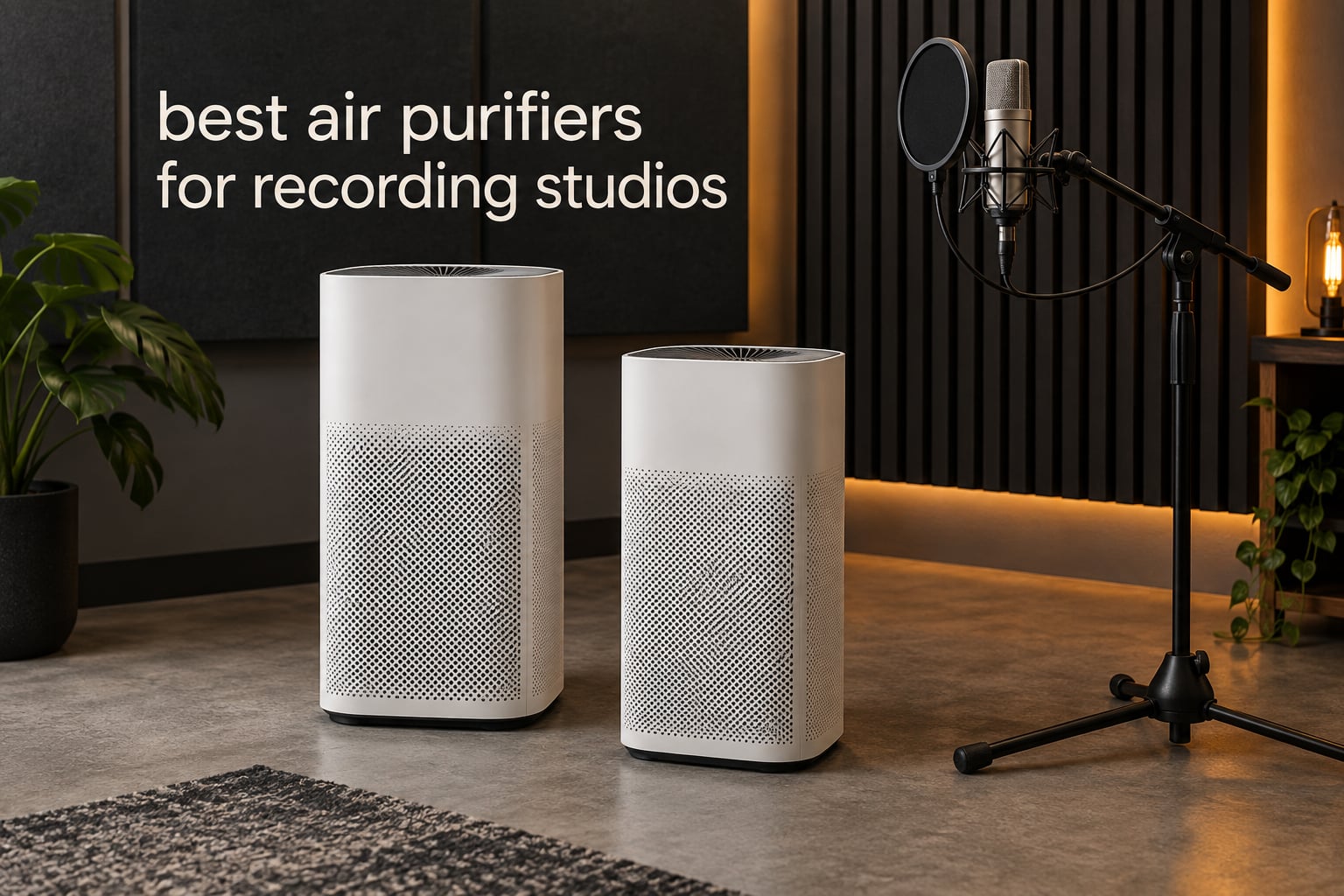
A recording studio is one of the hardest rooms in the house to put an appliance in. Everything else you add changes what the microphone hears, and a purifier is a continuously running fan that pushes air across a filter while it does it. Get it wrong and you have broadband turbulence noise sitting exactly in the 250 Hz to 4 kHz band, which is the band your ear is most sensitive to and the band that sits right where a vocal or an acoustic guitar lives.
Get it right and it is one of the highest-value things you can put in the control room. Studios are small, sealed, door-closed spaces where skin flakes, dust, pet dander and off-gassing from cables and racks build up over long sessions. That particulate settles on cardioid condenser grilles, on pop filters and on ribbon bodies, and it loads the room’s high-frequency response without anyone noticing why the mix sounds dull. A good purifier fixes that quietly, continuously, without ever appearing in the take.
That is the filter we applied to this roundup. We took the ten best-selling large-room and HEPA machines with the largest review bases in the category and scored them on the only three things that matter in a studio: published self-noise at the speed you would actually record on, whether the CADR genuinely covers your room, and what the filters cost you over three years.
We also did something almost no buying guide in this category does and excluded every machine with an ionizer or an ozone generator anywhere in its stack, for reasons we explain in full below.
Updated for 2026. Specs and ratings here reflect manufacturer listings and customer review data at the time of writing, and both change. If you want the short version first, the Winix 5520 is the one we would put in a control room, and here is exactly why.
Table of Contents
Top 3 Picks for Recording Studios (September 2026)

Winix 5520
- 23.5 dB on slowest speed
- True HEPA plus carbon
- Washable mesh pre-filter
- AHAM verified

Levoit Core 400S-P
- Verified CADR 231 to 259 CFM
- Laser PM2.5 sensor
- Sleep mode inaudible
- 3-stage 99.97 percent filtration

Levoit Vital 200S-P
- Verified CADR 250 to 289 CFM
- U-shaped pet hair inlet
- Quiet on levels 1 and 2
- Top AHAM verified CADR set
The Winix 5520 takes the top slot on evidence rather than on spec-sheet bragging. It is one of a small handful of machines in this list that publish an actual decibel figure for their quietest setting, at 23.5 dB, and it pairs that with a washable pre-filter, a carbon stage and a sensor-driven Auto Mode that drops to sleep behaviour when the room darkens. That combination is the one you want for an unattended control room that has to be mic-clean at two in the morning.
The Levoit Core 400S-P takes the value slot because it publishes verified CADR numbers rather than a coverage claim, which makes it the easiest machine on this list to size honestly against your room. The Vital 200S-P takes the premium slot because its verified CADR of 250 CFM smoke, 254 CFM dust and 289 CFM pollen is a stronger figure than anything else at that footprint, and its dual inlets handle the hair and dust load a busy room throws at it.
All 10 Compared: Best Air Purifiers for Recording Studios in 2026
Everything below is scored in the same currency: what the manufacturer publishes about noise, what the room actually needs, and what you pay to keep it running. Ratings and review counts are customer review data, not our scores. The three cards above are the ones we would start with; the table is the full field so you can match a unit to a specific room.
| Product | Specs | Action |
|---|---|---|
| Winix 5520 |
|
Check Latest Price |
| Levoit Core 400S-P |
|
Check Latest Price |
| Levoit Vital 200S-P |
|
Check Latest Price |
 Medify MA-112 PRO Medify MA-112 PRO |
|
Check Latest Price |
 Medify MA-40 Medify MA-40 |
|
Check Latest Price |
 Coway Mighty AP-1512HH Coway Mighty AP-1512HH |
|
Check Latest Price |
 PuroAir 400 PuroAir 400 |
|
Check Latest Price |
 Honeywell HPA5200B Honeywell HPA5200B |
|
Check Latest Price |
 AirDoctor AD3500 AirDoctor AD3500 |
|
Check Latest Price |
 Blueair Signature SP4i Blueair Signature SP4i |
|
Check Latest Price |
1. Winix 5520: The One We Would Put in a Control Room
WINIX 5520 Air Purifier for Home Large Room Up to 1882 Ft² in 1 Hr With Air Quality Monitor, True HEPA, High Deodorization Carbon Filter and Auto Mode, Captures Pet Allergies, Smoke, Dust.
23.5 dB on slowest speed
True HEPA plus carbon
AHAM verified at 392 sq ft
13.3 lb floor unit
Pros
- Publishes a real 23.5 dB figure on the low setting
- True HEPA plus a carbon odor stage
- Auto Mode that drops to sleep behaviour in darkness
- Washable mesh pre-filter extends HEPA life
- AHAM verified and UL certified
Cons
- Only publishes a noise figure for the slowest speed
- Mesh pre-filter needs manual cleaning
- Replacement HEPA and carbon filters add running cost
The Winix 5520 is the unit we keep coming back to for a treated control room, and the reason is embarrassingly simple: it tells you the number. Twenty-three and a half decibels on the slowest setting is a figure you can hold against a room’s noise floor, and very few competitors publish any figure at all. The design is a floor tower rather than a desk cube, which matters more than it sounds, because airflow noise scales with the volume of air you move and larger housings let a manufacturer move the same air more slowly.
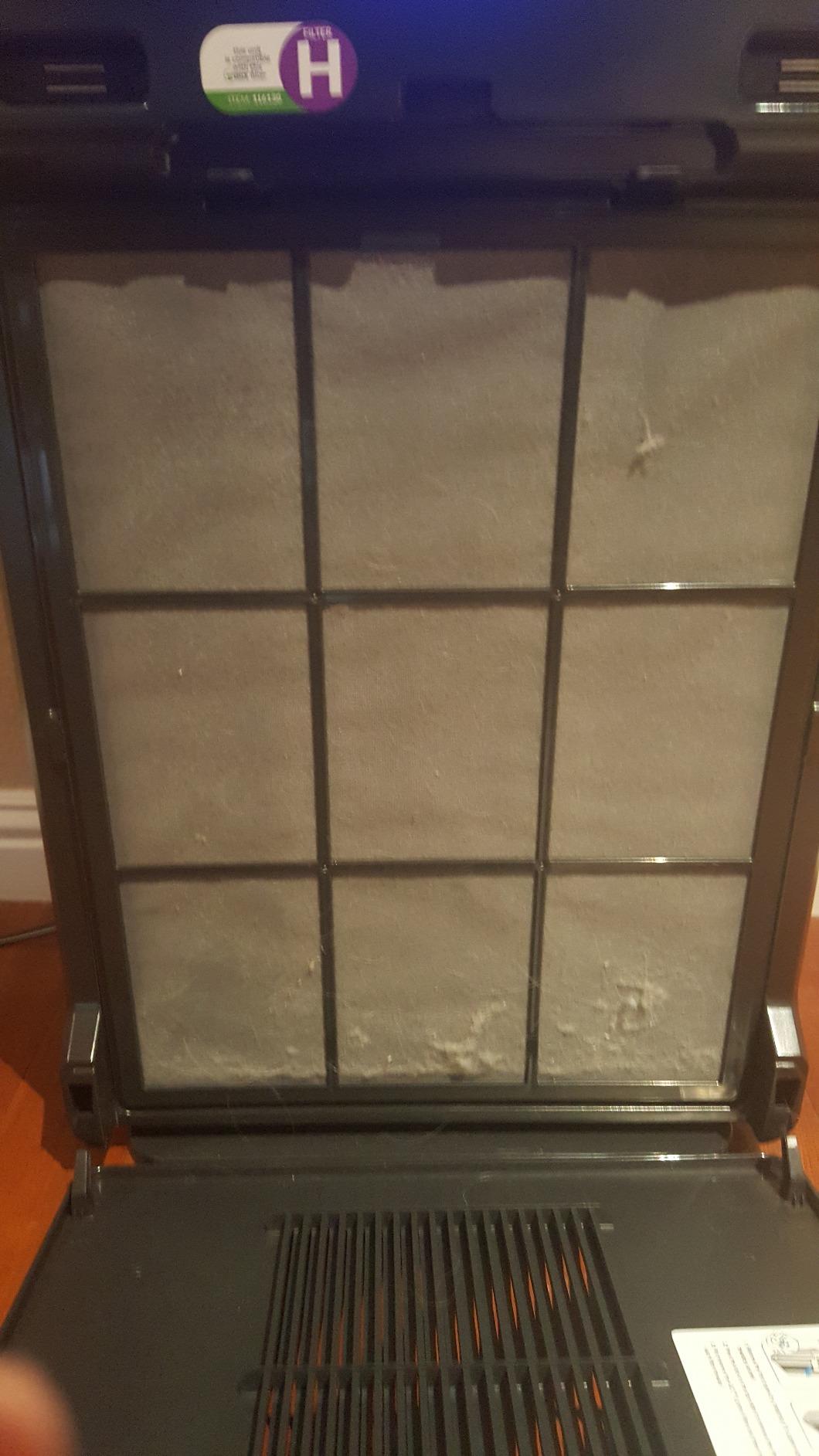
Filtration is a proper three-stage stack: a washable fine mesh pre-filter, Winix True HEPA rated to capture 99.99 percent of airborne allergens down to 0.01 microns, and an Advanced Odor Control carbon filter. That carbon stage is the part people skip and the part a live room with guitars, brass and amp cloth needs, because the odors in a tracking room are VOCs from wood, rosin and cable insulation, not just cooking smells.
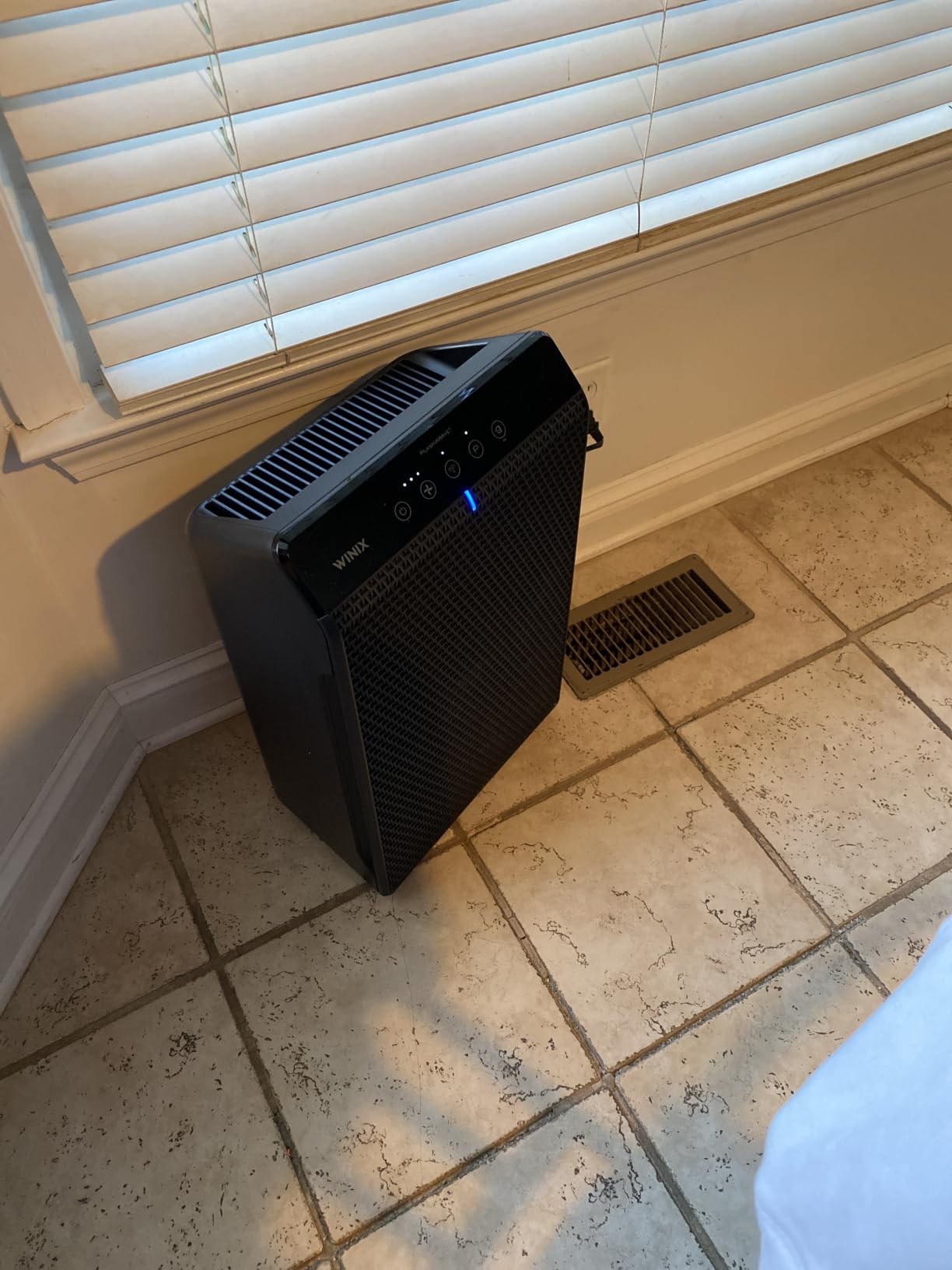
The Auto Mode is the feature that makes this viable for unattended running. Smart sensors drive the fan speed in real time, and a Light Auto Mode sleep behaviour kicks in when the room darkens, so the unit drops to its quietest behaviour when you are not in it. Pair that with the Winix Smart App for remote monitoring and a filter life indicator, and you have a machine that does not need anyone to think about it between sessions. Owners running allergy and pet households report measurable reductions in airborne particles within hours of a cleaning cycle.
Where it falls short is coverage arithmetic. The headline figure is up to 1882 sq ft in one hour, but the AHAM verification is at 392 sq ft, and the difference between those two numbers is a marketing decision rather than a performance one. For a 300 sq ft control room the verified number is the honest one. Some owners also report the mesh pre-filter needs a clean on a schedule, and no noise figure is published above the slowest speed, so you are extrapolating from one data point.
Why it works in a treated room
At 23.5 dB the unit sits below the broadband noise floor of a well-treated control room, and the Auto Mode sleep behaviour means it drops there automatically when the lights go out. Put it in a corner, out of the direct line between a condenser and the room, and it simply stops existing. That is the goal.
It also carries a carbon stage, a washable pre-filter and a sensor-driven Auto Mode that drops to sleep behaviour when the room darkens, and that combination is what you want in an unattended control room that has to be mic-clean at two in the morning.
Where it falls short
Coverage claims are generous against the verified figure, so do not size a large live room from the 1882 sq ft number. And on anything above the lowest speed, you are guessing, because no other speed is documented. If your room is over 400 sq ft or you need more than about three air changes an hour, look at the Medify MA-112 PRO instead.
2. Levoit Core 400S-P: The Easiest One to Size Honestly
LEVOIT Smart Air Purifiers for Home Large Room Up to 1733 Ft² Core 400S-P
Verified CADR 231 to 259 CFM
AirSight Plus laser PM2.5
3-stage at 99.97 percent
12.8 lb
Pros
- AHAM verified CADR set instead of a coverage guess
- Laser sensor gives a real PM2.5 number not a light bar
- Sleep mode described as inaudible from a few feet
- App scheduling and filter life tracking
- Large review base with consistent feedback
Cons
- Top two fan speeds are audible across a room
- Faint electrical hum reported in auto or sleep mode at night
- Base can unscrew when the unit is moved
- App requests Bluetooth and location permissions on setup
Of the three machines here that publish verified CADR, the Core 400S-P is the most straightforward to buy with confidence, because it gives you measured figures instead of a room-size claim. Smoke 231 CFM, dust 240 CFM, pollen 259 CFM, all AHAM VERIFIDE. That lets you run the sizing math in the buying guide below and know exactly what you are getting, rather than reverse-engineering a marketing figure from a coverage number that changes with the marketing department’s mood.
For a tracking room that runs on sleep mode between sessions, this is the practical pick. Reviewers describe sleep mode as effectively inaudible even from a few feet away, and the AirSight Plus laser dust sensor shows a live PM2.5 figure rather than the coarse traffic-light band most competitors ship with. In a studio that number is genuinely useful, because you can watch it drop when you open the door for air and rise when you start a session with the room sealed.
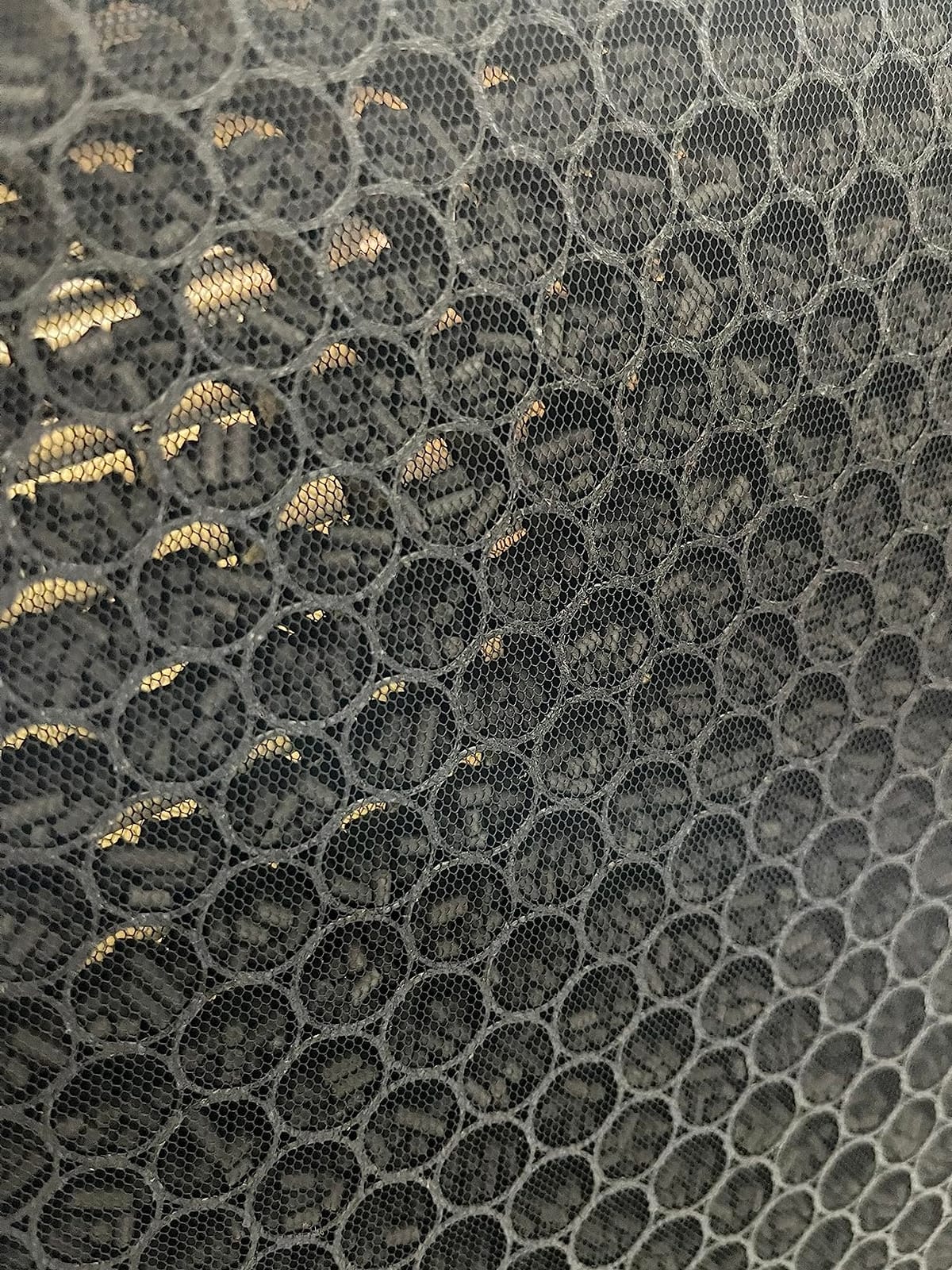
The app handles scheduling and filter life tracking, so a unit can sit on low overnight, hold a schedule through the week, and tell you when the filter needs attention without anyone walking over to it. Owners document dramatic PM2.5 drops within an hour of smoke events, and the filter is reported to last roughly five months in typical use. That is a reasonable interval for a studio running a purifier continuously rather than intermittently.
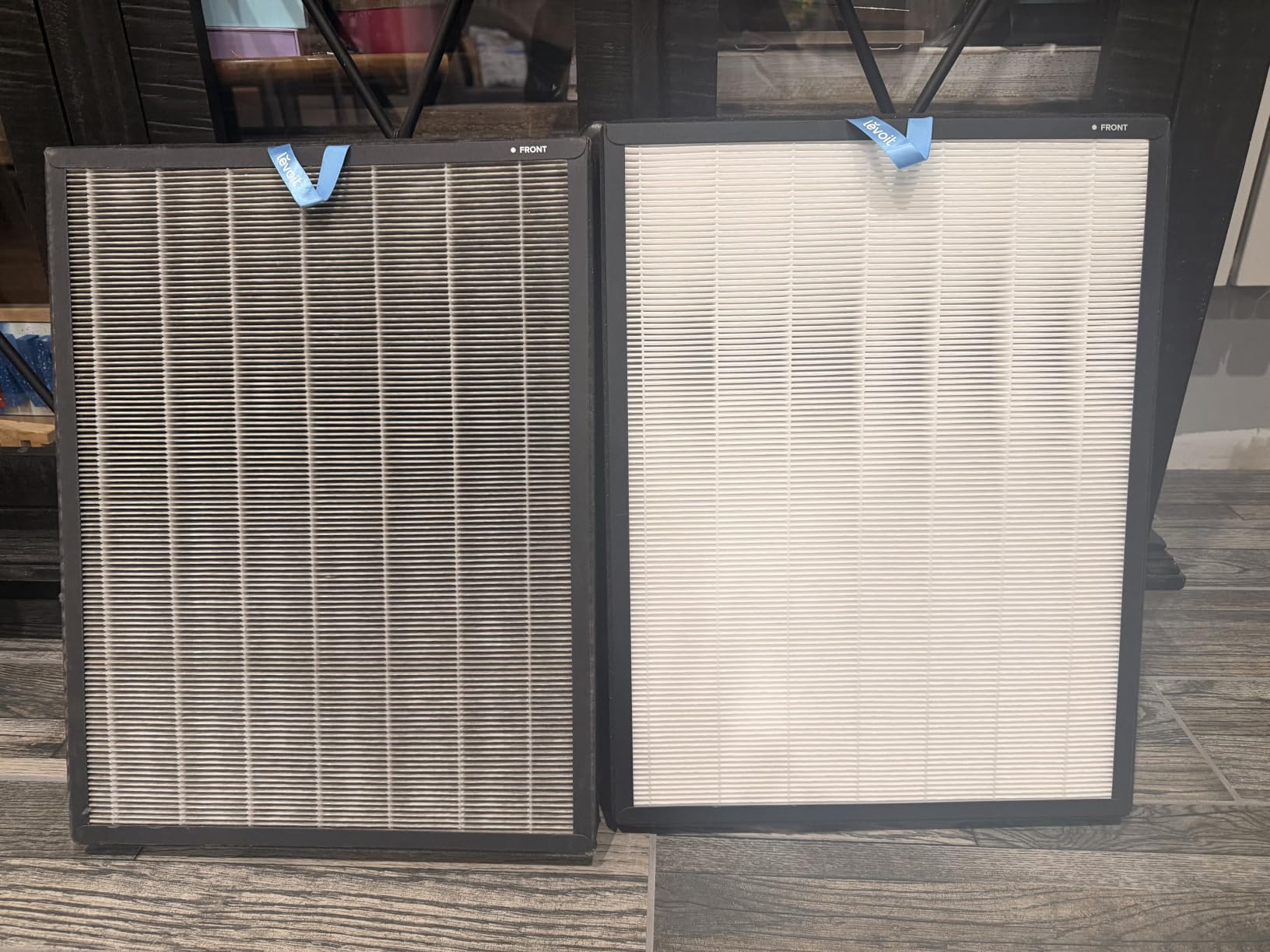
The honest problem is the top of the speed range. The two highest settings produce audible white noise, and some owners report a faint electrical hum in auto or sleep mode at night, which in a quiet room is exactly the kind of thing you notice only after you know it is there. The base also unscrews easily and can detach when you move the unit, so do not drag it across a treated floor by the housing.
Why it works in a tracking room
Sleep mode is genuinely inaudible at a few feet, the laser PM2.5 readout is a real measurement, and the verified CADR means you can size it against a real room instead of a guess. Three-stage filtration at 99.97 percent for 0.1 to 0.3 micron particulates handles the dust load that settles on ribbons and condenser grilles.
It is also a modest 12.79 pounds and roughly 20 inches tall, so it moves between a mixing room and an edit suite without being a two-person job. That flexibility is what makes it our value pick rather than a specialist one.
Where it falls short
It is not a booth machine and it is not a live room machine. Above level two the noise becomes obvious in a treated space, and the faint hum some owners report at night is a real concern in a room with a low noise floor. If you need published decibel figures across the whole range rather than a review consensus on sleep mode, this list does not have one.
3. Levoit Vital 200S-P: The Strongest Verified CADR You Can Fit in a Small Room
LEVOIT Smart Air Purifier for Home Large Room up to 1875 Ft² Vital 200S-P
Verified CADR 250, 254, 289 CFM
U-shaped pet hair inlet
AHAM VERIFIDE
4 fan speeds plus DIY
Pros
- Verified CADR of 250
- 254 and 289 CFM
- U-shaped inlet traps hair and odors with fewer clogs
- Very quiet on levels 1 and 2
- Filter life tracked as a percentage in the app
- Recessed handle grips make it easy to reposition
Cons
- Top two speeds reach roughly 60 dB
- Sensor is a coarser type that can read high while air is still poor
- Replacement filters are not inexpensive
- App-only control with no physical remote
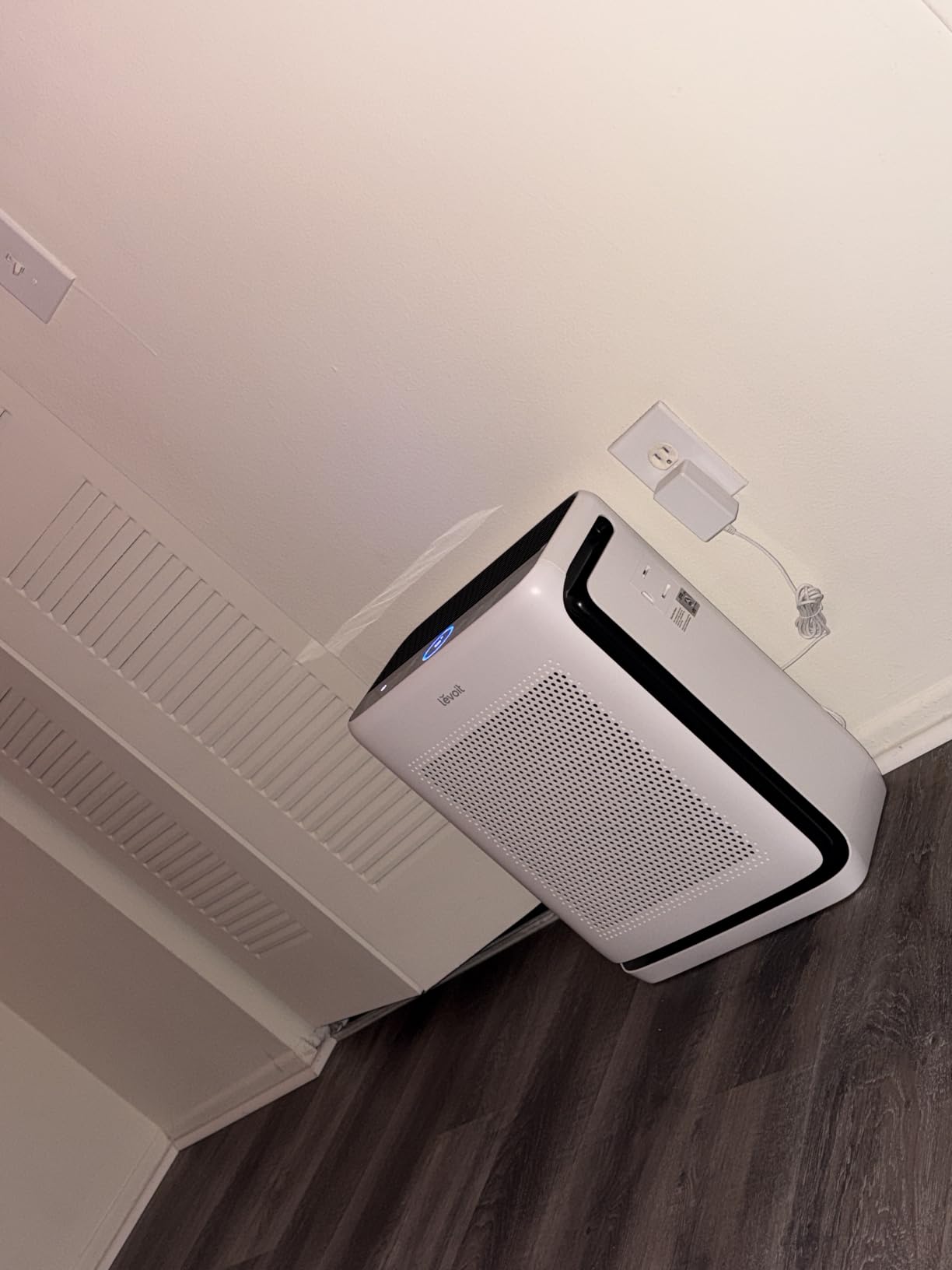
The Vital 200S-P publishes one of the strongest verified clean air delivery rates in this roundup: 250 CFM smoke, 254 CFM dust, 289 CFM pollen, all AHAM VERIFIDE. That is a measured figure for a certified machine rather than a coverage claim, and when you convert it to room coverage later in this guide it does a lot of work in a room that is not much bigger than a control space.
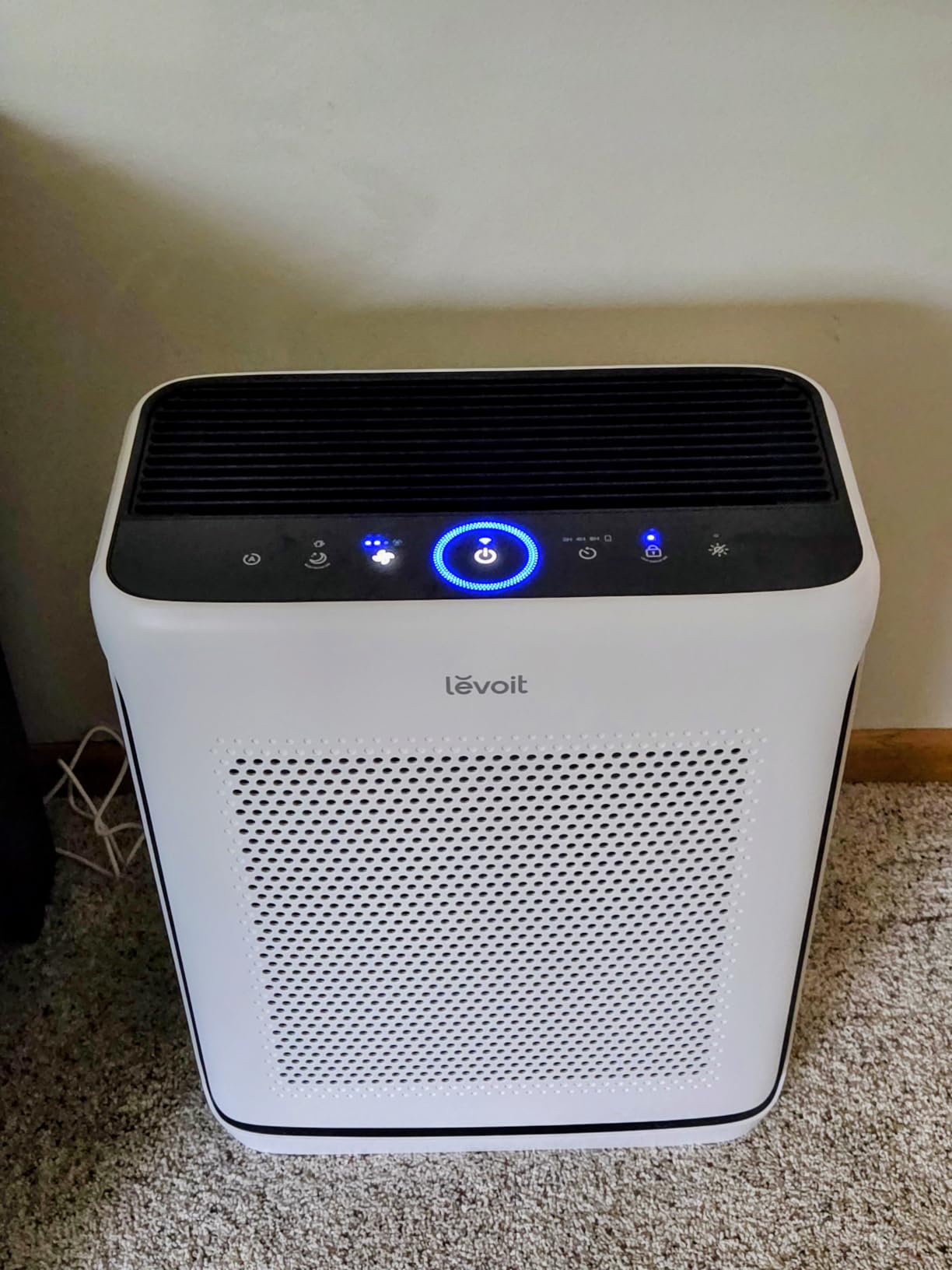
The design detail that matters most in a live room is the dual air inlet, including a U-shaped inlet specifically shaped to catch pet hair and odors before they reach the filter. In a rehearsal space where people come and go, that is a clogging problem solved rather than a feature that sounds good on a list. The app tracks filter life as a percentage and the control panel lights can be switched off entirely for sleep hygiene, which is worth more than it sounds at three in the morning during a vocal session.
Reviewers consistently describe levels one and two as very quiet and levels three and four as audible but tolerable, with the top two speeds reaching roughly 60 dB. Nobody sensible runs a treated control room on level four, so in practice you are choosing between a low speed that is studio-viable and a high speed that is not. The four fan levels plus a DIY percentage setting let you find the exact point where the noise crosses your take.
Two caveats deserve a direct mention. Some detailed international reviews dispute the 1875 sq ft rating and put the realistic figure in the mid-300s at max speed, which is a big enough gap to matter if you are sizing against it.
And the air quality sensor is a coarser type that can read high while the air is still poor, so do not build a control loop around its readings. Filters are sold separately and are not inexpensive, with two-stage servicing to plan for.
Why it works in a control room
Levels one and two are quiet enough to sit under a take, the app lets you lock in a schedule, and the switchable panel lights mean the unit does not glow in a dark room during a night session. The U-shaped inlet keeps the filter from clogging in a busy room, which protects the CADR figure over time rather than on day one.
At 13.2 pounds with recessed handle grips it also moves between a control room and a live room on a weekly schedule without being a two-person job, which is how most project studios actually work.
Where it falls short
The 60 dB top speeds are unusable in a treated room, and the coverage figure is disputed by a segment of detailed reviewers. The coarser sensor means the Auto Mode is a convenience rather than an instrument. If your room is genuinely small, this is more machine than you need and the Core 400S-P is the better buy.
4. Medify MA-112 PRO: For a Live Room That Actually Needs Air Moved
Medify MA-112 PRO Air Purifier with HEPA Filter | 5,948 ft² Extra Large Coverage in 1hr for Smoke, Wildfire, Odors, Pollen, Pollution, Allergies, Pets | Removal to 0.3 Microns
CADR 1019
5948 sq ft in one hour
58 dB maximum
Wheeled 20 lb cabinet
Pros
- Very high CADR for genuine large-room coverage
- Dual True HEPA H13 rated 99.97 percent at 0.1 to 0.3 microns
- Wheeled base for moving a 20 pound unit
- Sleep mode dims the panel and low speed is effectively silent
- Targets wildfire smoke and stubborn odors
Cons
- Maximum noise of 58 dB is audible in the same room
- Filter sets needed every 4 to 5 months
- Bulky and tall with no carry handle
- No spare filter set included
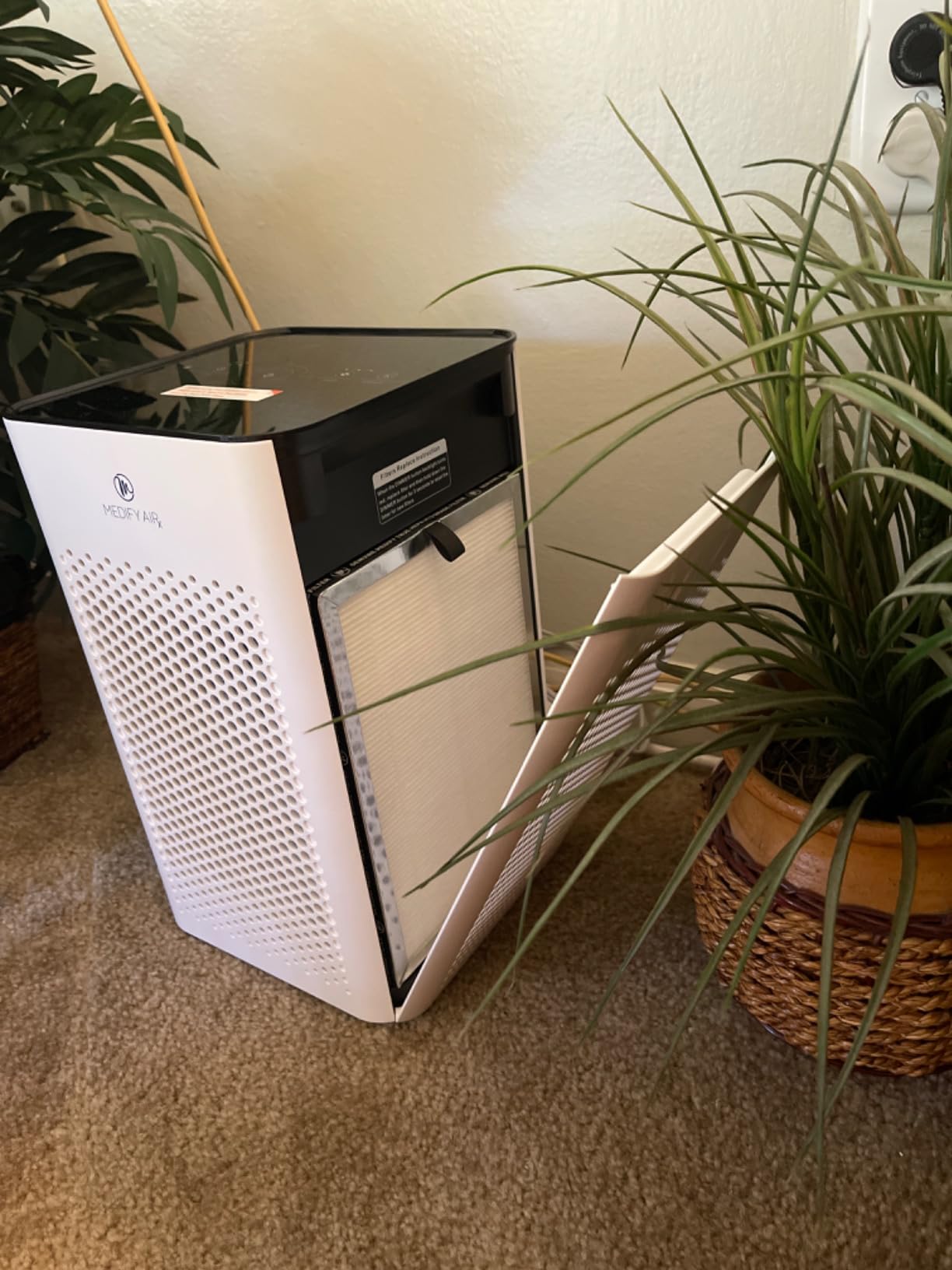
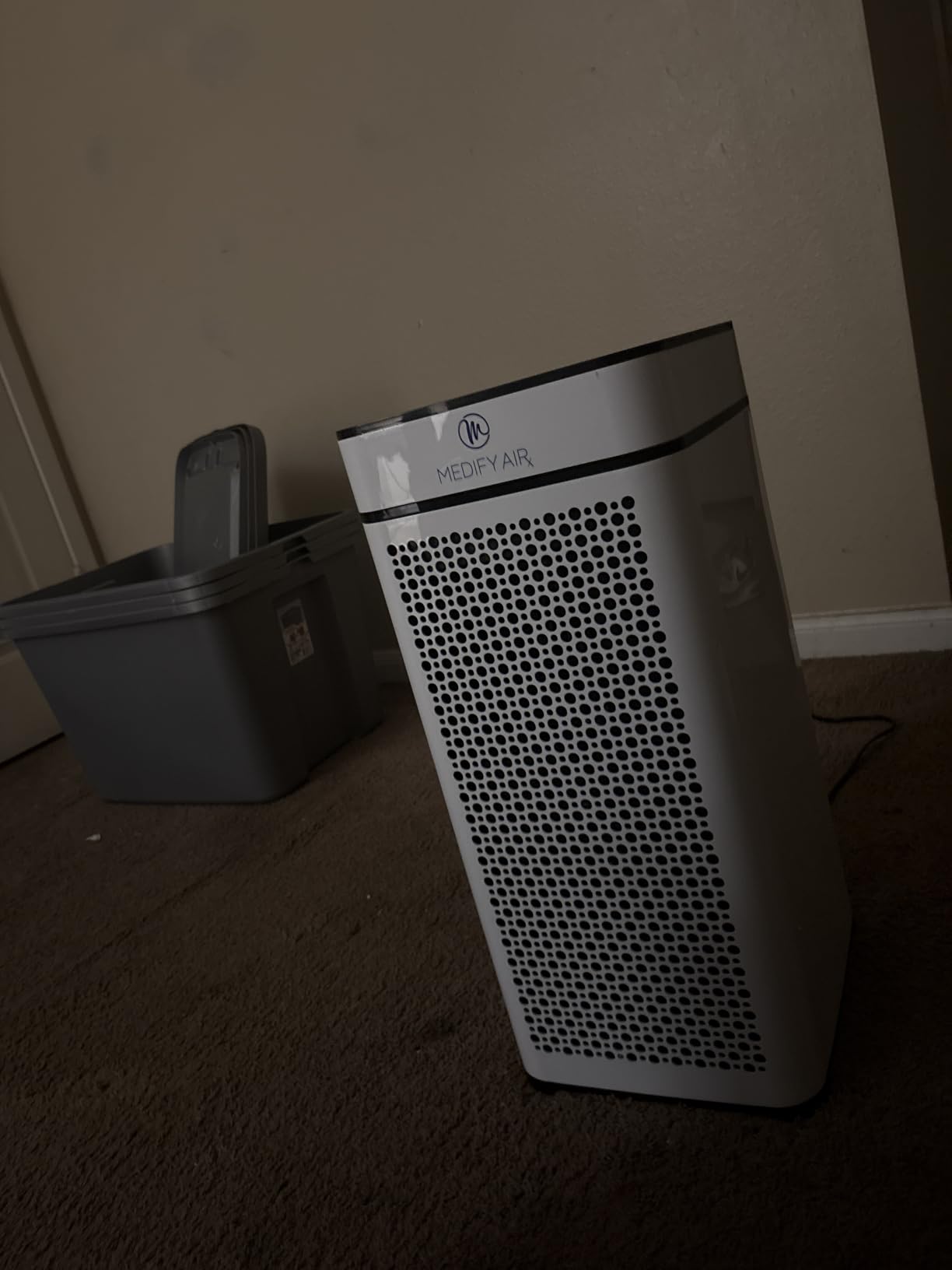
The MA-112 PRO is the big-room answer. CADR of 1019, 5948 sq ft claimed in one hour, dual True HEPA H13 filtration lab tested to 99.97 percent between 0.1 and 0.3 microns, and a wheeled base so a 20-pound cabinet can be moved without two people. In a live room or rehearsal space that is the correct tool, because a purifier sized for a 300 sq ft control room simply cannot change the air in a 1200 sq ft live room in any useful amount of time.
Where it belongs is a room where the band is already busy. A live room with a drum kit, amps and three guitar players has a high broadband noise floor, which means the 58 dB maximum sits well under the existing sound of the room and will not appear on a take. Put it in a corner, run it on high while nobody is playing, drop to the lowest speed, which owners describe as effectively silent, for anything you are actually capturing.
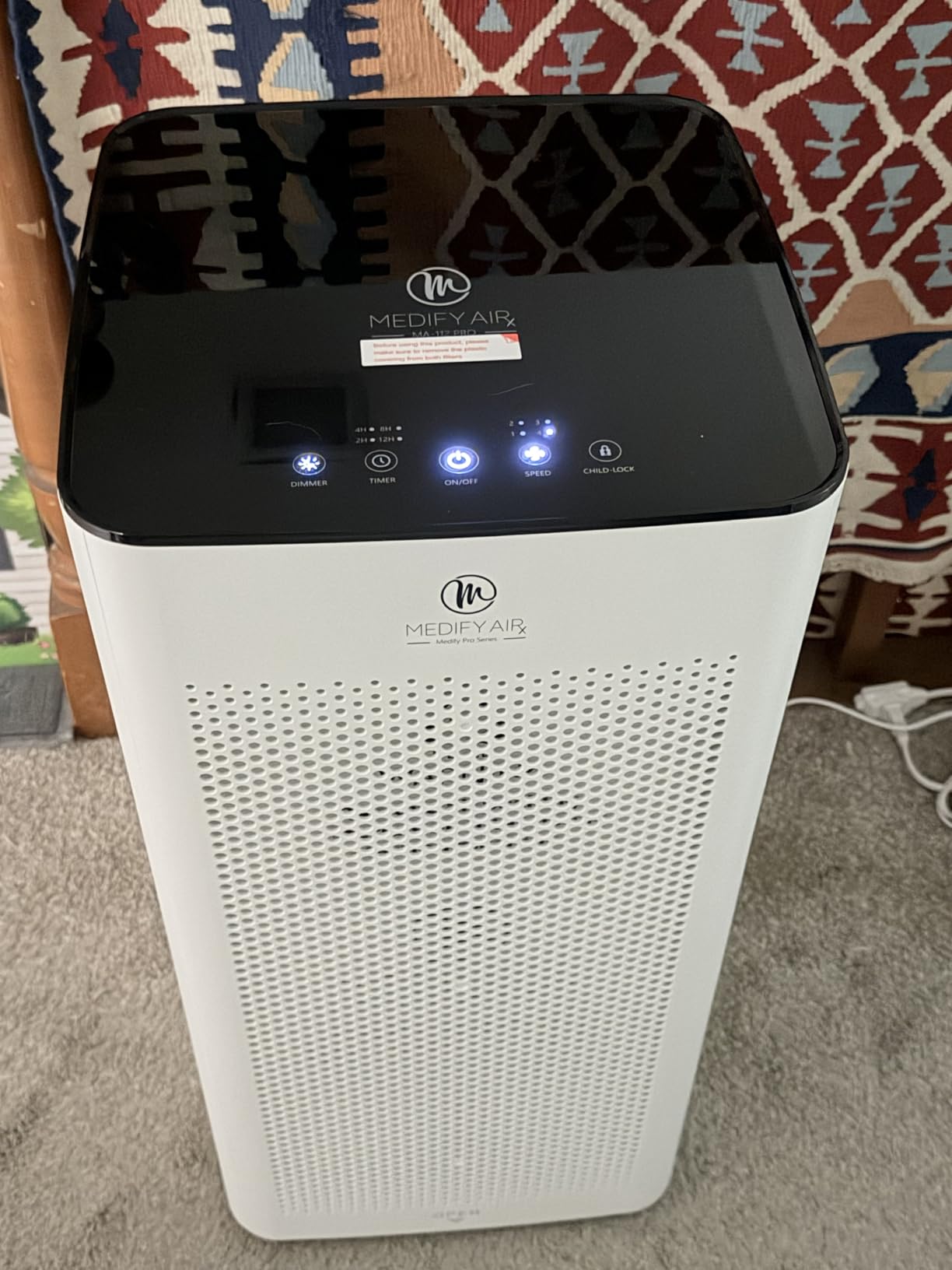
Sleep mode dims the panel, and the four-speed touch panel has a 2 to 12 hour timer, a filter indicator and a child lock, which is a sensible combination for a room full of visiting musicians’ families. Owners in heavily polluted or wildfire-affected areas report it clearing dust and stale odors faster than smaller machines and running continuously without complaint. The USA registered limited lifetime warranty is tied to using genuine replacement filters.
The recurring criticism is the running cost. Filter sets are rated 3,000 hours or roughly four to five months, so in a studio running continuously rather than occasionally you are buying more filters per year than in a home. The cabinet is also bulky and tall with no carry handle, and the maximum 58 dB is clearly audible in the same room, so this is never a control room machine.
Why it works in a live room
At 1019 CADR this moves more than twice the air per minute of any other machine in the roundup, which is what makes it the right tool for a space where the air genuinely has to change. The dual H13 stack handles both particulate and the cooking-adjacent odors that come with a room full of people eating between takes, and the wheels matter more than they sound in a room you have to reconfigure constantly.
Run it on low during takes and boost when the room is empty. That single habit is the whole strategy, and it is why a unit this loud still belongs in a recording facility.
Where it falls short
Never put this in a control room, a vocal booth or a tracking room. At 58 dB maximum it is an instrument in a quiet room, and the four to five month filter interval plus a two-filter set is a meaningful line item once you multiply it by years. If your largest space is a 400 sq ft control room, the Medify MA-40 does the same job for a fraction of the cabinet.
5. Medify MA-40: The Workhorse for a Tracking Room or Edit Suite
Medify MA-40 Air Purifier with HEPA Filter | 1,793 ft² Coverage in 1hr for Smoke, Wildfires, Odors, Pollen, Pets | Quiet Removal to 0.3 Microns | White, 1-Pack
CADR 406
True HEPA H13 to 0.1 micron
46 dB min and 66 dB max
15 lb with washable cover
Pros
- True HEPA H13 rated to 0.1 microns rather than the common H11
- CADR 406 is high for the size
- Lowest speed is quiet enough to use as background
- Washable outer cover makes filter changes easy
- Child lock and 0 to 8 hour timer
- Registered lifetime warranty with genuine filters
Cons
- Two filters required per change and they are expensive
- Bulky 25 inch rectangular cabinet is awkward to carry
- Highest speed is loud at close range
- Power light flashes continuously when off
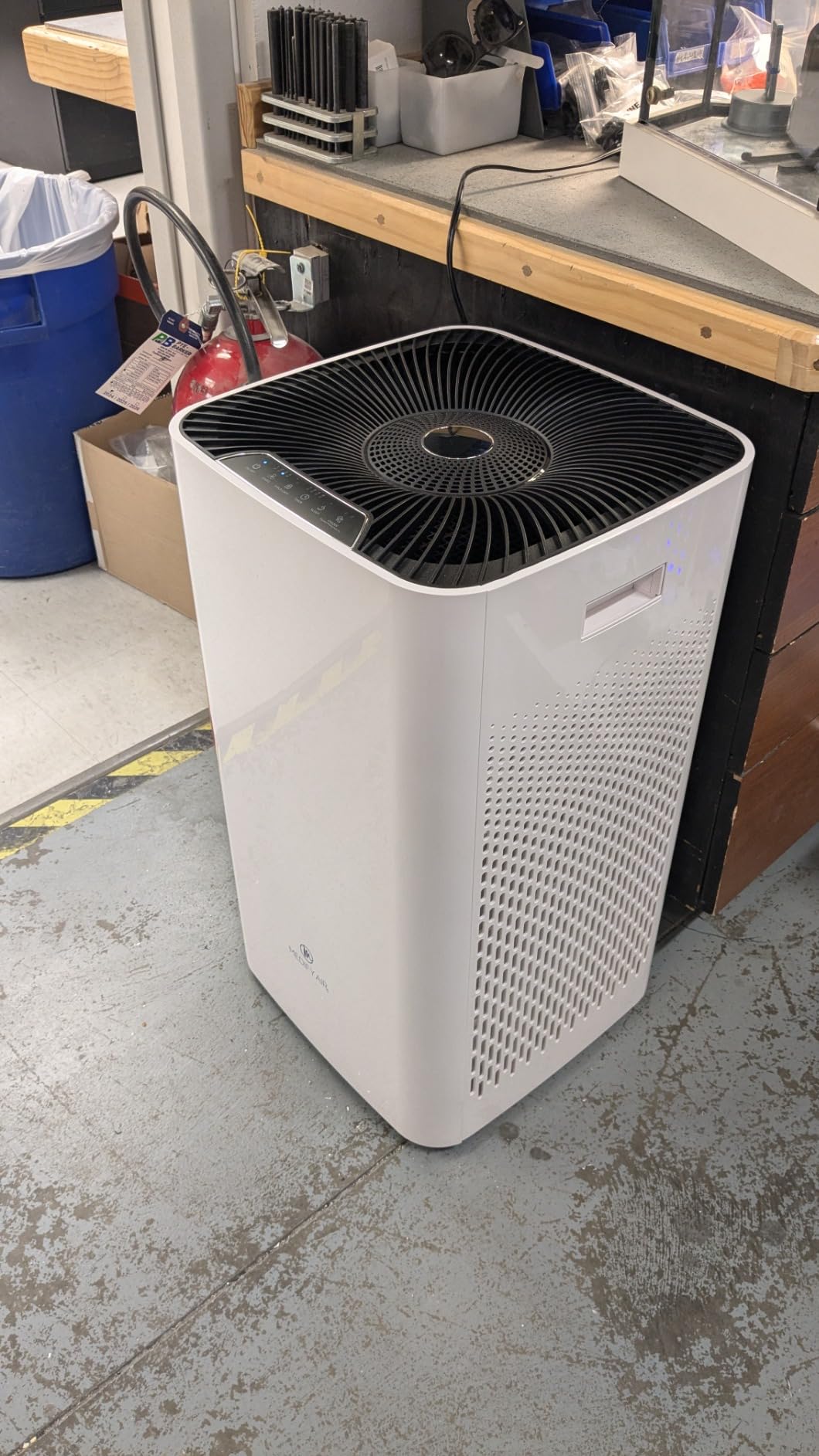
The MA-40 sits in the middle of this list and does the most useful job in it: 406 CADR and 1793 sq ft claimed coverage, in a machine that is quiet on its lowest speed and strong enough on its highest. For a tracking room of 250 to 400 sq ft, that is the correct capacity, and H13 True HEPA rated to 0.1 microns is a finer capture threshold than the H11 standard most competitors in this bracket use.
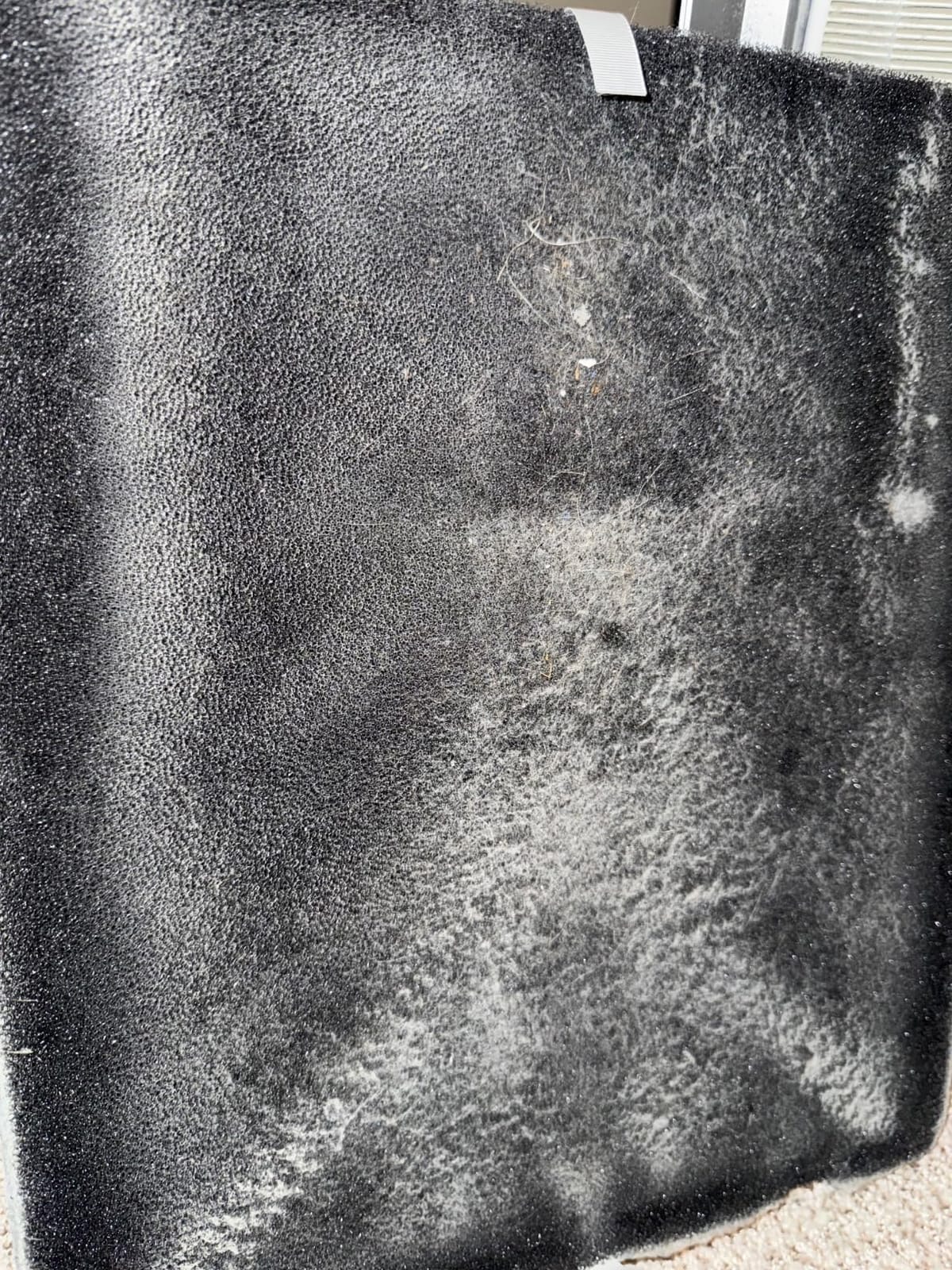
Owners report dramatic dust and odor reduction, often describing the amount of grime accumulated on the filter media as startling, and rate it as a workhorse that can be left running continuously on low. The removable washable outer cover makes filter changes and routine cleaning straightforward, which matters when the unit is going to be touched by whoever is in the room rather than by a single owner.
The published noise range is 46 dB minimum and 66 dB maximum, and that spread is the whole story of this unit. At the bottom it is background-level and fine to record against. At the top it is loud enough at close range that you would not want it near a condenser, which is a placement problem rather than a purchasing one, since the cabinet is 25 inches deep by 24.5 wide by 13 high and wants floor space away from your mic stands.
Filter economics are the main complaint. The replacement filter is rated 3,000 hours or about six months, two are required per change, and they are expensive, so the three-year cost of ownership on this unit is materially higher than the purchase price suggests. A small number of owners also report the power light flashing continuously even when the unit is switched off, which is cosmetic but irritating in a dark room.
Why it works in a tracking room
406 CADR is enough to run four to six air changes an hour in a 300 sq ft room without pushing the fan to its loudest setting, which is exactly the compromise a studio needs. H13 to 0.1 microns captures the fine dust that settles on capsule grilles, and the washable cover means cleaning is a five-minute job between sessions.
It is the pick I would make for a tracking room where a lot of people come and go, because the child lock and the timer are practical features in a shared space rather than gimmicks.
Where it falls short
Two expensive filters every six months adds up, and the 25-inch-deep cabinet is awkward to carry between rooms. If your space is under about 150 sq ft, the CADR is oversize and you will be running it on low forever, which is a waste of money you could put into a smaller, quieter unit.
6. Coway Mighty AP-1512HH: The One With a Filter Alert Nobody Else Has
COWAY Air Purifier for Home Up to 1,748ft², HEPA Filter for Smoke, Allergies, Pet Dander, Odor, Air Quality Monitor, Auto&Eco Mode, Timer, Filter Indicator, 3yr Warranty, Mighty AP-1512HH(W), White
Four stage filtration
1748 sq ft in 60 minutes
Auto and Eco modes
3 year warranty
Pros
- Four stage stack including deodorization and HEPA
- Reduces 99.97 percent of 0.3 micron particles
- Auto Mode reacts to smoke and dust events
- Filter alert tracks replacement and pre-filter cleaning
- LED air quality indicator can be switched off
- 3 year warranty and long production run
Cons
- Deodorization and bipolar stages add replacement cost
- Design is dated next to newer cylindrical models
- No published self-noise figure
The Coway Mighty AP-1512HH has been in continuous production since 2015 and has accumulated one of the largest review bases in the category, which is a kind of insurance policy: when something has been made for a decade, the failure modes are known and the parts exist. The four-stage stack is a washable pre-filter, a deodorization filter, a bipolar device and a HEPA filter, rated to reduce 99.97 percent of 0.3 micron particles while also targeting VOCs and odor.
What makes it useful in a studio rather than just a bedroom is the filter alert indicator, which tracks both replacement intervals and pre-filter cleaning intervals. In a facility where nobody owns the machine personally and the pre-filter gets ignored, that indicator is the difference between a HEPA filter with two years of service life and one that is silently loading up with dust until the CADR collapses.
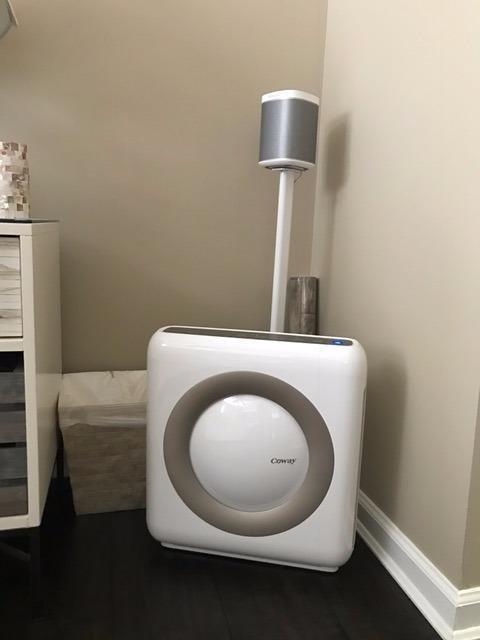
Auto Mode monitors air quality and adjusts fan speed without input, and Eco Mode runs a lower, slower cycle once the room is clean, which is the behaviour you want in an unoccupied studio. The LED air quality indicator can be switched off for sleeping, and the pollution sensor reacts to a door being opened or a smoke event without anyone touching the panel.
One thing to know before you commit: the four-stage stack includes a bipolar device, which is a charge-based stage. It is not a dedicated ionizer and the manufacturer makes no ozone claim, but it belongs to the same family of technology that this audience removes from studios on principle, and we would not put it in a room full of condensers without checking the manual first.
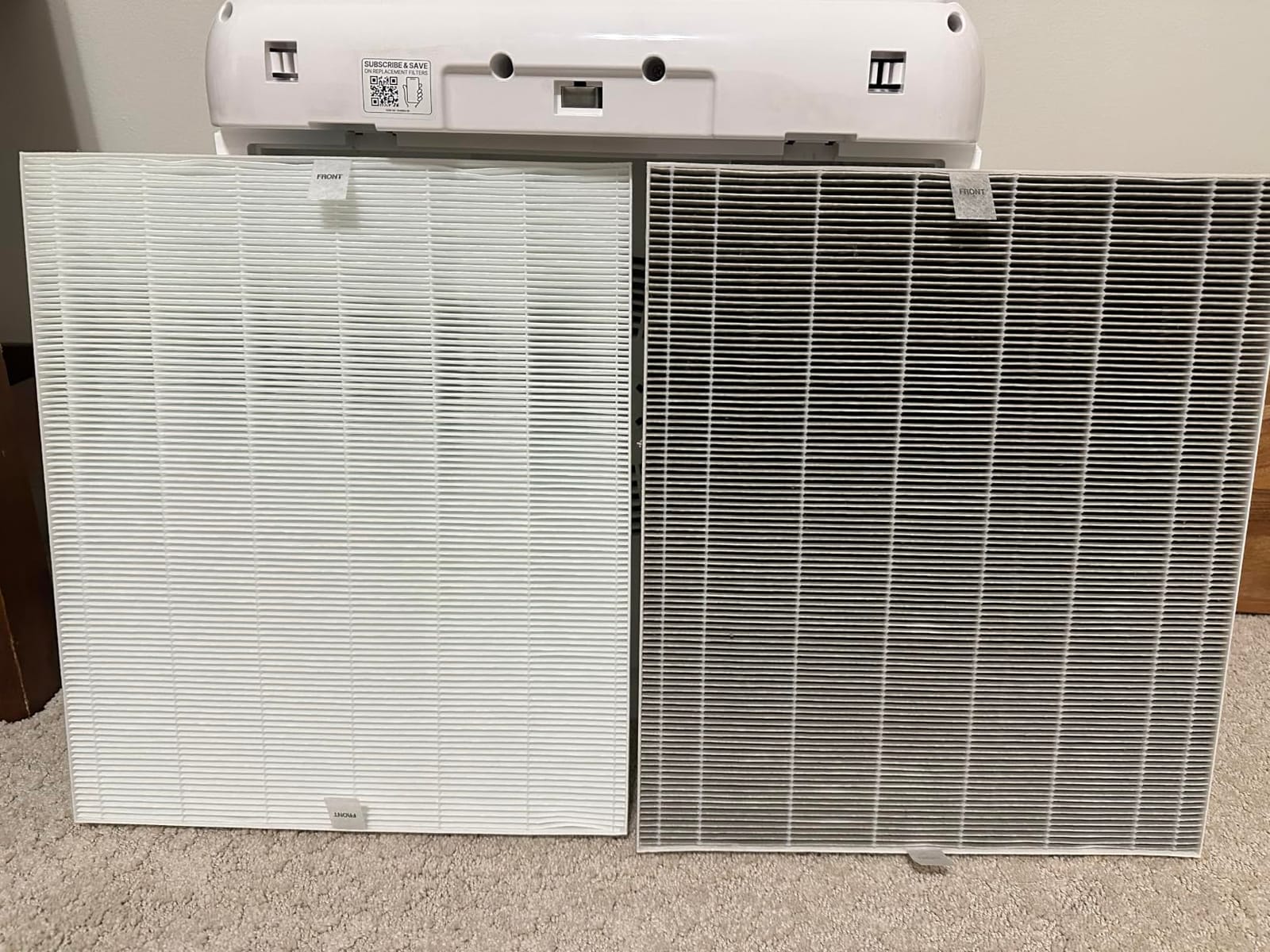
Why it works in a large control room
Auto Mode plus Eco Mode is a genuinely hands-off configuration for a room that sits empty between sessions, and the filter alert means the machine maintains its rated performance without a designated human. The 1748 sq ft claim and the 3 year warranty suit a facility room that has to run for years.
The same applies to the filter supply: a machine in continuous production since 2015 will still have replacement filters available for as long as you own the studio, which solves the brand lock-in problem a lot of buyers in this category run into.
Where it falls short
No published decibel figure, a dated rectangular design next to newer cylindrical models, and two extra consumable stages on top of the HEPA that add cost per year. The bipolar stage is the bigger issue for a studio: it is not an ozone generator, but it is still a charge-based stage, and the Gearspace consensus in this audience is to keep anything of that kind out of a room full of microphone gear.
7. PuroAir 400: The Sensible Budget Answer for a Project Studio
PuroAir 400 HEPA Air Purifiers for Home Large Room Pets Filter 2,000 Ft²
2000 sq ft in one hour
Three layer stack with carbon
2 year warranty
14.7 lb cabinet
Pros
- Up to 99.9 percent capture of dust and pollen
- Filters smoke
- dander and VOCs
- Sleep mode built for continuous running
- Certified by CARB
- ETL
- ISO and UL
- Lab tested in an ISO 17025 facility
- 2 year warranty with US-based support
Cons
- No published CADR figures in the specifications
- Sensor Auto Mode is less granular than laser PM2.5 readouts
- Rectangular cabinet is bulkier than slim cylinders
- Coverage claims reported optimistic in very open rooms
The PuroAir 400 is the one we would buy first for a home project studio that needs a decent machine and does not need a laboratory. Three layers, a pre-filter, a HEPA filter and an activated carbon stage, filtering up to 99.9 percent of dust, pollen, smoke, pet dander and VOCs. It is CARB, ETL, ISO and UL certified and lab tested in an ISO 17025 facility, which is a better certification story than plenty of units costing more.
For a small untreated room where you record vocals and guitars and the noise floor is not yet down at 20 dB, this is a good fit. Buyers generally find it quiet, easy to leave running and effective against dust, dander and everyday odors, and the sleep mode is designed for continuous overnight use, which is what you want in a room that is only sometimes occupied.
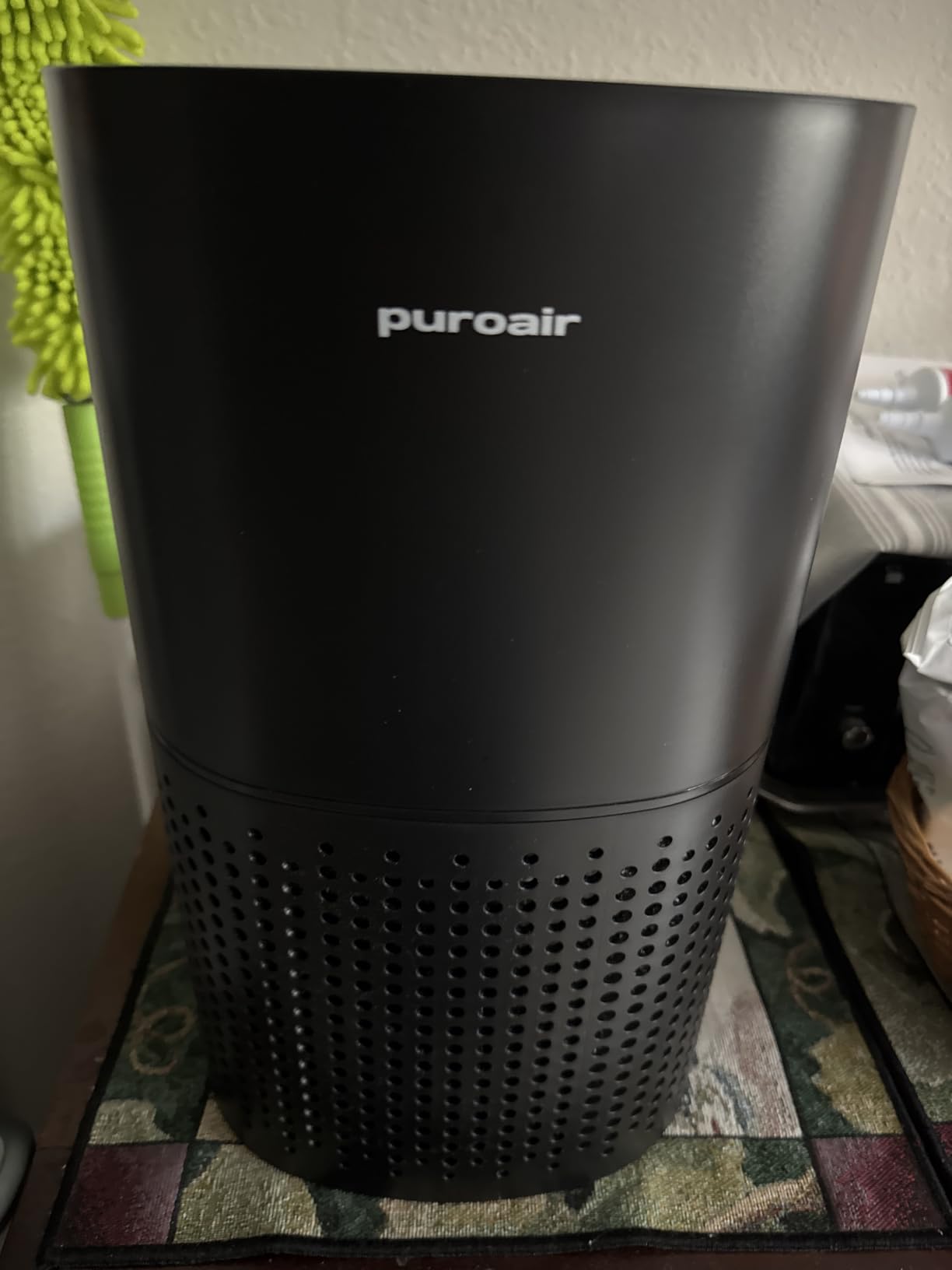
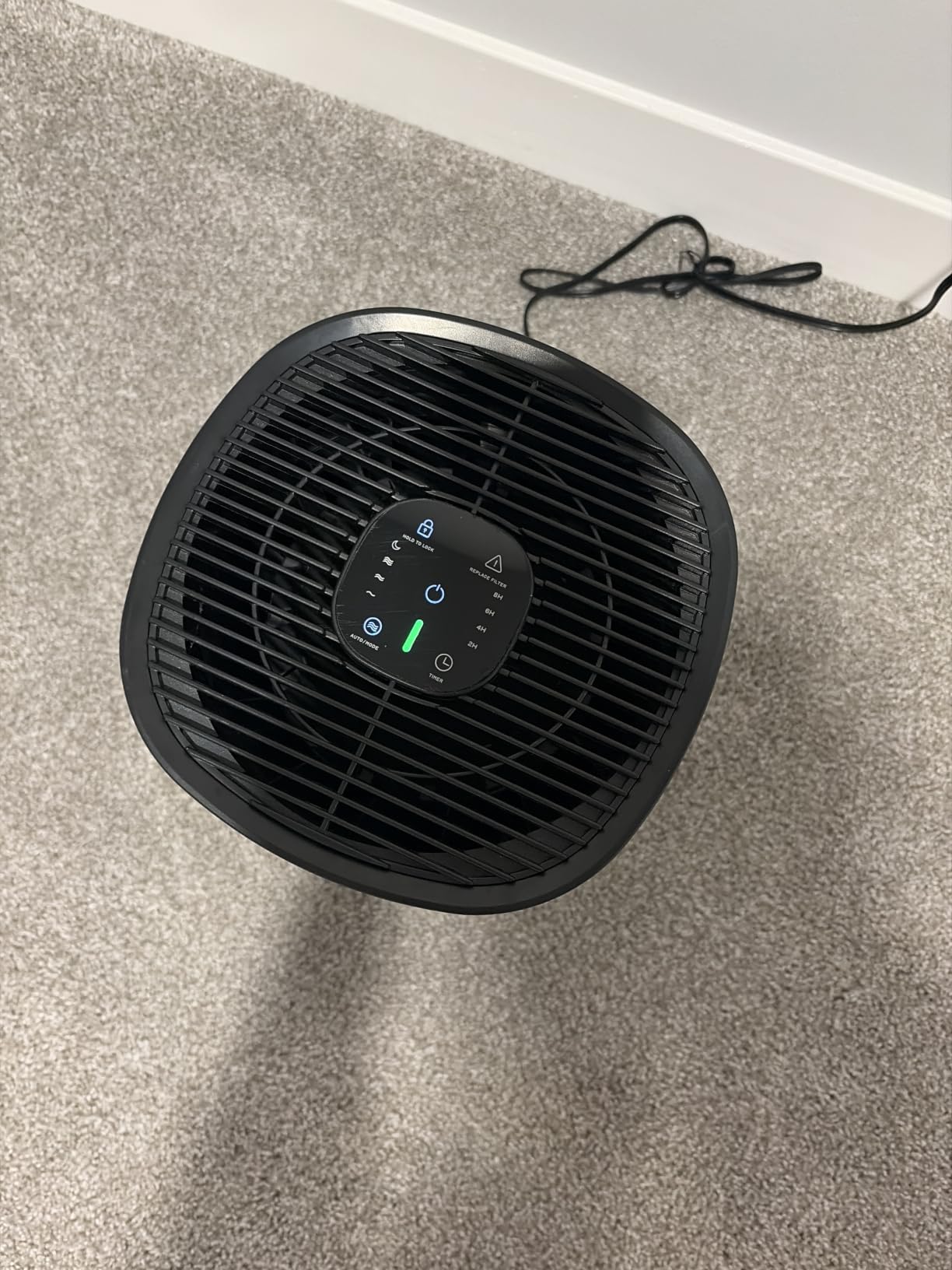
What it does not have is a number. There is no published CADR figure in the specifications, so you cannot size it against your room the way you can with an AHAM verified unit. The 2000 sq ft claim is generous relative to what owners in very large or very open rooms report, and the smart particle sensor is coarser than a laser PM2.5 meter, meaning its Auto Mode is a reasonable convenience rather than an instrument you would trust for a measurement.
The cabinet is a bulky rectangular box at 17.5 by 10.6 by 12.5 inches and 14.73 pounds, which is a wide footprint for a desk-side placement in a small room. The 4.5 average rating across a very large review base reflects less published engineering data than the certified units in this list rather than a specific defect, and that is the trade you are making: you give up the spec sheet detail and get the machine.
Why it works in a small project studio
In a room that is not yet heavily treated, broadband airflow noise is far less noticeable than it is in a dead room, so a unit with no published decibel figure is a smaller problem than it would be in a control room. The three layer stack including activated carbon handles both particulates and the odor problem that a sealed small room develops quickly.
Sleep mode, certifications and a 2 year warranty make it a low-risk first purchase for someone who has never owned a purifier and does not know which specification to prioritise.
Where it falls short
No CADR means no honest sizing, and the sensor is coarse enough that its Auto Mode can hold the fan high when the air is already clean, which is noise you did not need. If you can get an AHAM verified figure at a similar outlay, take it instead. This is a good machine, but it is a machine you buy on trust.
8. Honeywell HPA5200B: The One That Explicitly Does Not Make Ozone
Honeywell HEPA Air Purifier for Home and Large 1700 ft² Rooms, Black
No ozone generation
1700 sq ft rated
4 levels including Turbo
16.3 lb
Pros
- Explicitly no ozone generation
- Advanced HEPA captures over 99.99 percent of dust
- pollen
- dander and smoke
- Activated carbon pre-filter included for odor
- Quiet enough on the lowest setting to sleep beside
- Replacement filters widely available and affordable
- Top handle inset makes it easy to carry
Cons
- Louder on the higher and Turbo settings
- VOC filter sold separately rather than included
- A small number of reports of humming or motor failure
- No dedicated sleep mode to dim the panel
The Honeywell HPA5200B is the unit to buy if the ozone question is the one keeping you up at night. The spec sheet states no ozone generation outright, which is a line you will rarely see on a competing listing and which matters a great deal in a room full of condenser capsules, rubber isolation rings, cable jackets and rack-mounted converters. Ozone attacks the plasticizer in rubber, and that is the mechanism people on pro-audio forums cite when they explain why they removed every charge-based machine from their room.
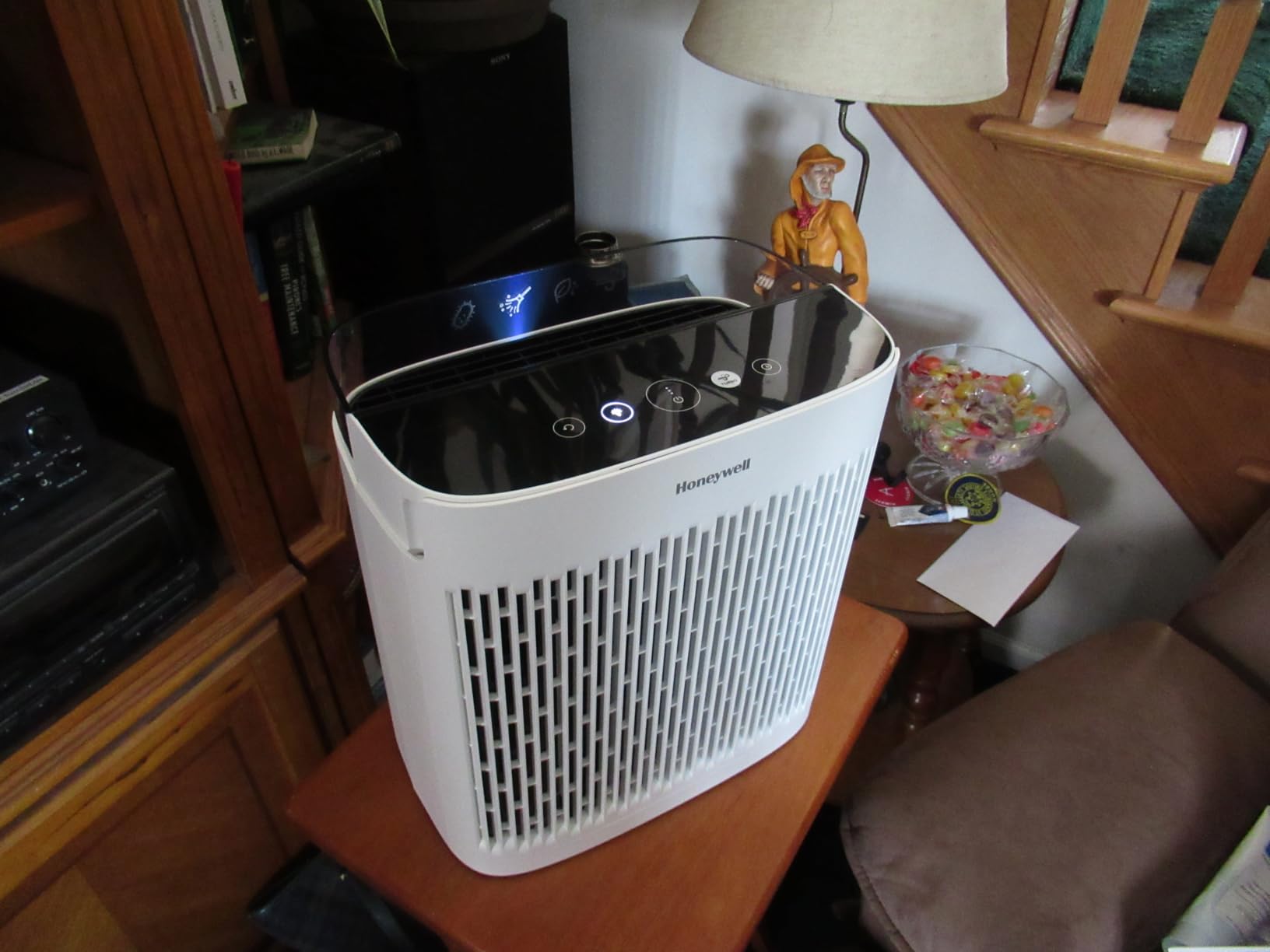
The filtration is an activated carbon pre-filter followed by advanced HEPA that captures over 99.99 percent of dust, pollen, pet dander and smoke, with four cleaning levels including a Turbo Clean mode that ramps up under a smoke load. A rear translucent surround shows function status from across the room, which in a facility is genuinely useful because you can see what the unit is doing without walking over to it.
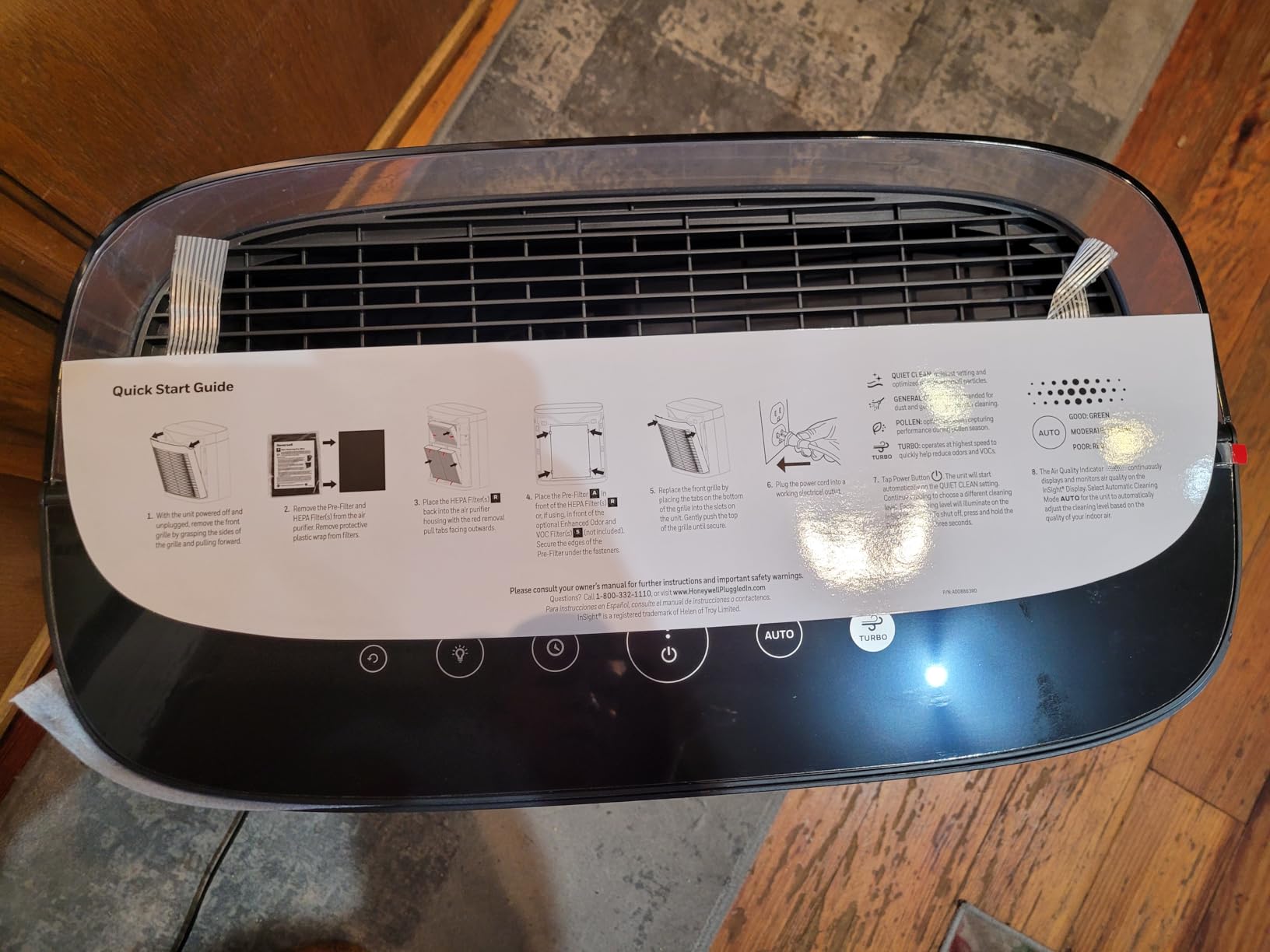
Reviewers are notably long-term on this one, with several describing machines running continuously for a decade or more. They mention durable HEPA media, a washable pre-filter that can be vacuumed many times before replacement, and a lowest setting quiet enough to sleep beside. Replacement filters are widely available and relatively affordable, which solves the brand lock-in problem that catches people with lesser-known manufacturers.
Against that, Turbo and the higher settings are audibly loud, there is no dedicated sleep mode to dim the panel, and the VOC filter is a separate purchase rather than an included stage.
A small number of owners report humming after extended running or a motor failure, which is a minority view but worth noting on a machine described as a long-term investment. The 1954-review base is much thinner than the ones above it, so treat that consensus with more caution.
Why it works in a rehearsal space
Four levels including Turbo give you the same run-it-hot-when-the-room-is-empty pattern that makes a loud purifier usable in a live room, and the washable pre-filter survives the hair and dust load of a space where equipment comes in and out. At 16.3 pounds with an inset top handle it is straightforward to reposition on its own.
Cheap, universally available filters also mean that a facility running two or three of these can keep spares on a shelf, which is the single most underrated feature in a machine you are running 24/7.
Where it falls short
There is no published decibel figure, Turbo is loud, and the panel does not dim for night work. The separate VOC filter purchase means the odor performance you are buying the carbon pre-filter for is only partial out of the box. If you need a documented noise level, this list has better options.
9. AirDoctor AD3500: For a Vocal Booth Where Odor Is the Problem
AIRDOCTOR AD3500 Air Purifier
UltraHEPA to 0.003 micron
Potassium permanganate carbon
2520 sq ft rated
24 lb
Pros
- UltraHEPA captures 99.99 percent of particles at 0.003 microns
- Premium activated carbon with potassium permanganate for gases and VOCs
- PM2.5 sensors drive Auto Mode and the Halo display
- Quiet on low settings and sleep mode dims the lights
- Fast reaction to cooking smoke and oven events
- Filters made in Japan and FSA and HSA eligible
Cons
- Two separate expensive filters to maintain
- Turbo and Boost modes are noticeably loud
- Bulky at 24 pounds
- Filter life light must be reset manually after a carbon change
Air purifiers do not fix studio odor in the way people expect. HEPA traps particles, and odor molecules are gases that pass straight through a filter media, so the machine doing the work here is the carbon stage. The AD3500 has the heaviest chemical carbon stage in this roundup: premium activated carbon treated with potassium permanganate, which absorbs and breaks down gases rather than masking them with a fragrance. If your booth smells stale, that is the part that actually addresses why.
That matters for singers. A vocalist locked in a small booth for a three-hour session with a stale, stuffy smell will change their tone and their takes, and the fix people reach for, a fragrance diffuser, makes the problem worse by adding VOCs to the room you are trying to clean. The AD3500 is the only unit here built around chemical capture rather than particle capture alone.
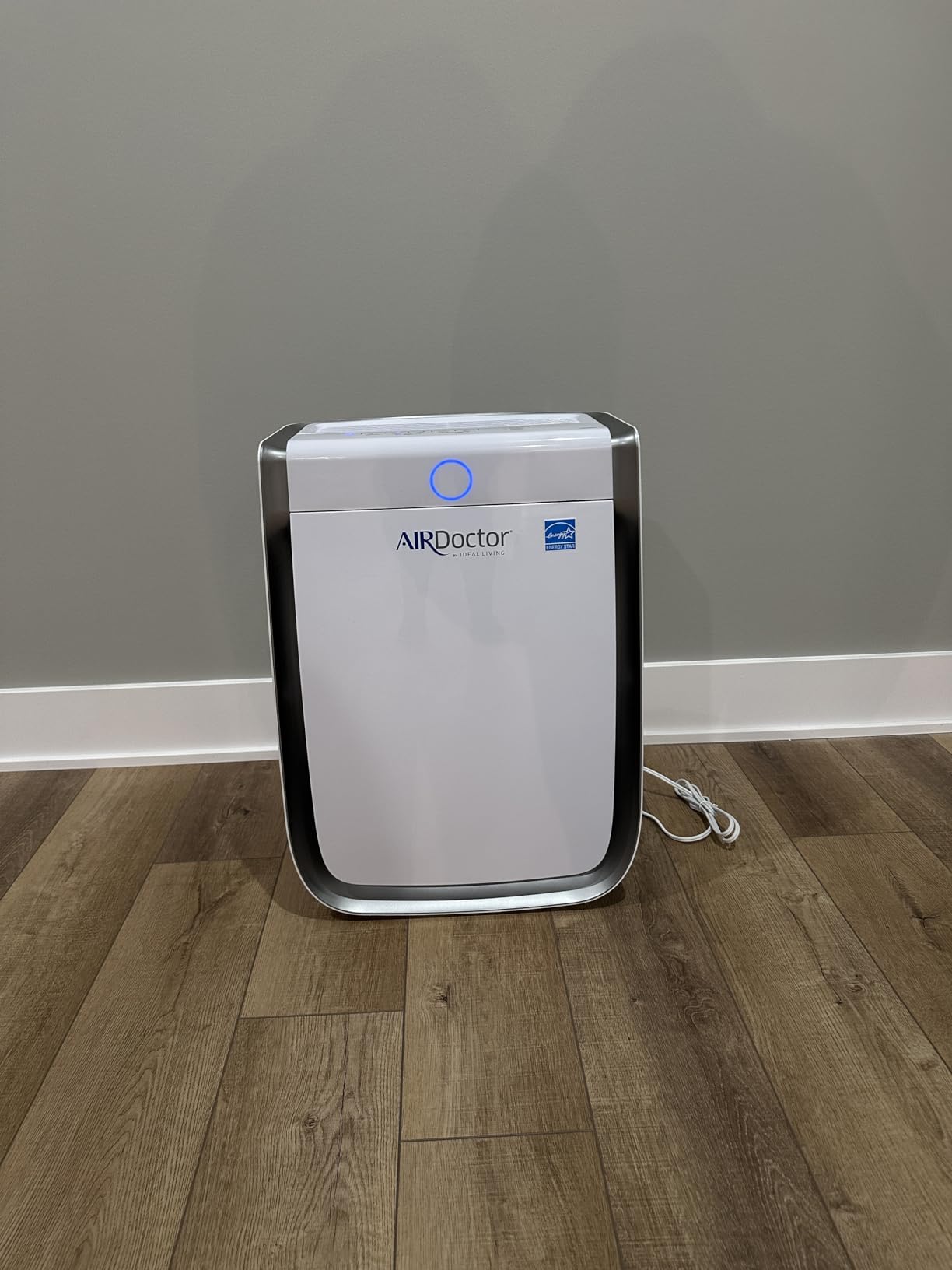
The particulate side is unusually strong as well, with UltraHEPA media rated to capture 99.99 percent of airborne particles at 0.003 microns, a hundred times finer than the standard HEPA threshold. PM2.5 sensors drive Auto Mode and feed a color-coded Halo display that shows live air quality, and owners report fast reaction to cooking smoke and oven events with visible dust capture in a sunbeam. The carbon stage is rated for replacement every six months and the UltraHEPA every 12.
The drawbacks are weight, cost and noise at the top. At 24 pounds and nearly 27 inches tall it is a two-handed lift, Turbo and Boost are noticeably loud, and running two expensive filter types continuously is the dominant cost complaint among owners. Buyers with severe allergies and lung conditions rate it very highly, and the smaller 471-review base means that consensus is enthusiastic but thinner than the ones above it.
Why it works around a vocal booth
Gases and odors are the actual problem in a booth, and this is the only machine in the roundup with a carbon stage built to break gases down chemically rather than simply trap particulates. For a small booth, the 630 sq ft in 15 minutes figure means you can clear the air between takes instead of only overnight, which is a real workflow improvement.
Place it outside the booth, at the control room end of the duct, running on low. The air it pulls through is the same air, and the noise never gets near the capsule.
Where it falls short
Never inside the booth, at any speed. The top modes are far too loud for a voice recording and the cabinet is too large for most booths. Two filter types on a six and twelve month cycle is a real line item, and the manual filter-life reset after a carbon change is the kind of small thing that gets forgotten.
10. Blueair Signature SP4i: The Quietest Documented Number and a Cabinet That Disappears
BLUEAIR Air Purifiers for Home Large Room up to 3,385 Ft², Signature SP4i
23 dB on low, 62 dB max
HEPASilent 7 stage to 0.1 micron
705 sq ft in 12.5 minutes
Furniture-style cabinet
Pros
- Very quiet at 23 dB on low settings
- HEPASilent 7 stage captures 99.97 percent down to 0.1 micron
- OdorFence breaks down VOCs
- Furniture-style cabinet that reads as a side table
- App shows real-time air quality and filter life
- Control lock in the app prevents accidental changes
- Washable pre-filter cover
Cons
- Highest setting is noticeably louder
- Some owners report motor bearing rattle at low speed
- Some units arrived with an out-of-balance fan producing vibration
- Replacement pre-filters are an additional purchase
The Signature SP4i publishes 23 dB as its low-speed figure, which is the lowest documented number in this roundup, and pairs it with a furniture-style cabinet at 12.5 inches square by 21.2 inches tall that reads as a side table rather than an appliance. In a treated control room where everything else is chosen to disappear, that matters. Nobody wants a white plastic tower in the corner of a mix position because it is the only object in the room that reads as equipment.
Filtration is a 7-stage HEPASilent stack capturing 99.97 percent of particles down to 0.1 microns, with OdorFence technology breaking down odors, gases and VOCs rather than filtering them out. It cleans 705 sq ft in 12.5 minutes and 3385 sq ft per hour claimed, which means it is effectively a continuous-clean machine for a mid-size room at low speed and a rapid recovery tool when the door has been open all day.
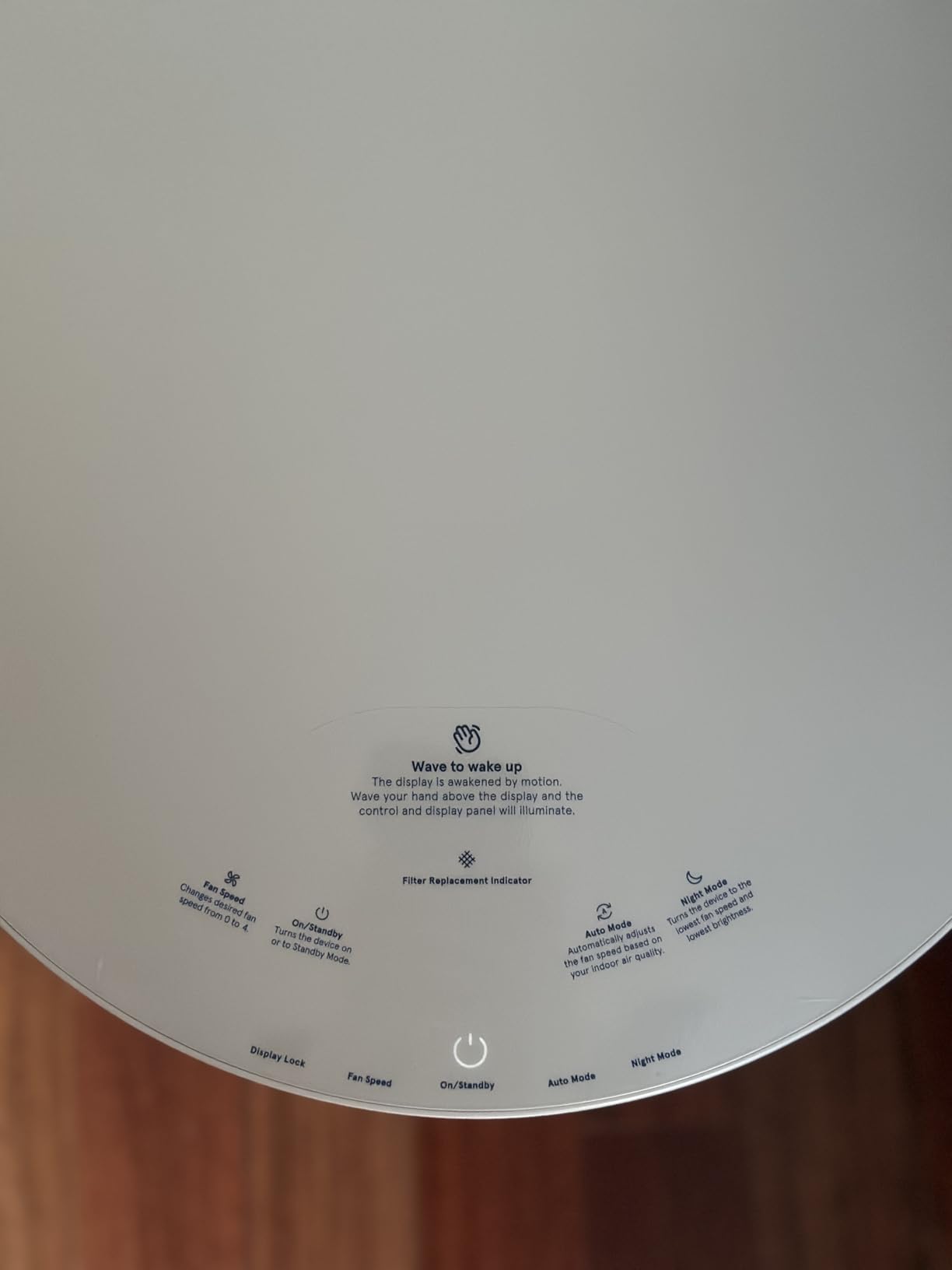
The app is well regarded, with real-time air quality, remaining filter life, and a control lock that stops pets or children changing settings mid-session, which is a small touch that tells you somebody thought about occupied rooms. It is AHAM certified, supports Alexa and both mobile platforms, and has an air quality indicator built into the air outlet with five colour levels that you can read from across the room without a screen.
It also has the thinnest review base in this roundup at 385, and that shows in the 4.4 average, which is the lowest here. The specific complaints are mechanical: some owners report motor bearing rattle even at low speed, and some units arrived with an out-of-balance fan producing vibration and clicking, sometimes attributed to damage in transit. Those are exactly the two failure modes that would be unacceptable in a room where you are listening critically, and there is no easy way to screen for them before they develop.
Why it works in a control room
23 dB on low is the number that matters most in a treated room, and the cabinet means it does not fight the space visually. OdorFence handles the VOC problem that HEPA alone cannot, and the app control lock is genuinely useful in a room where a dog can reach a panel.
At about 6 kg it also moves easily between the mix position and a live room on a weekly schedule.
Where it falls short
The bearing rattle reports are the deal-breaker in a critical listening space, and with 385 reviews there is not enough long-term data to know how common it is. The 62 dB maximum is not a recording speed. The extra pre-filters that give the cabinet its interchangeable colour are a separate purchase. If you want long-term confidence, pick one of the units above with tens of thousands of reviews behind it.
Sizing It: The 2/3 Rule and CADR-to-ACH Math
The 2/3 rule is a shortcut for sizing a purifier: multiply the room’s square footage by two for a family home, or by three for a studio, and buy the unit whose verified CADR covers that volume. It is a rough heuristic built for people who do not want to do the full air changes per hour calculation. The full version is better, and it takes one multiplication.
Air changes per hour is the number of times the entire volume of a room is filtered in an hour. Multiply your room’s volume in cubic feet by your target ACH, divide by 60, and that is the CADR in cubic feet per minute you need. For a 300 sq ft control room at 9 ft ceiling, the volume is 2,700 cubic feet. At a target of 4 ACH, which is plenty for a sealed studio room, you need 2700 multiplied by 4, divided by 60, which is 180 CFM.
That works in a 300 sq ft control room. On its low setting the Winix stays at the quiet end of its range, and the AHAM verified figure of 392 sq ft is the number to size against, so it is comfortable in a room of that size without ever needing a high speed.
The Levoit Vital 200S-P is a step up in verified capacity, since 250 CFM smoke on a 2700 cubic foot room works out to roughly 5.5 air changes an hour. The Medify MA-40 at 406 CFM clears a 300 sq ft room about nine times an hour on high, which is more than you need and exactly why you would run it on a lower speed. Oversizing a purifier is not a problem; running an undersized one at maximum speed every day is, because that is how you end up with a loud fan in a treated room.
For an L-shaped or irregularly treated live room, the 4.5-2-1 rule beats a single unit. The idea is that one large purifier placed centrally, plus a second smaller one across the room, plus a third in the far corner, will out-clean one large unit in the same total because dead zones shrink. The purifier that sits in a dead zone is cleaning air that never reaches anyone, and no amount of CADR fixes a distribution problem.
One last correction to manufacturer maths. A claim like 1,882 sq ft in one hour is a maximum-air-change figure calculated at a fan speed nobody would record at, often on a bare room with no furniture. An AHAM verification at 392 sq ft is a much more sober number, and it is the one to size against. Where a verified figure exists, use it; where it does not, halve the marketing claim before you start.
How Quiet Is Quiet Enough? dBA Targets for Recording
A treated control room is often sitting at a 20 to 25 dBA noise floor. Against that, a purifier running at 25 dB is not quiet, it is a noise source. The targets below are what we would actually record against, and they are stricter than any manufacturer’s marketing language.
Control room and mixing position: under 25 dBA at the recording speed, and the unit physically on the other side of the room from your monitors. Anything above about 30 dBA will be faintly audible in a low mix, and above 35 dBA you are mixing around your equipment rather than with it.
Tracking room: under 30 dBA during takes is workable, because a tracking room usually retains more ambience than a control room. Between takes, boost. The useful habit is running high when the room is empty and low when anyone is playing.
Live room and rehearsal space: up to 45 dBA is fine, because a drum kit and three guitar amplifiers are already well above that. This is why a genuinely large, genuinely loud unit like the Medify MA-112 PRO belongs here and nowhere else.
Vocal booth and isolation booth: nothing inside. Run the purifier at the control room end of the booth or outside the door entirely. A vocal is recorded at a lower level than almost anything else you capture, which is why a booth has the least tolerance for background noise in the building.
Voice-over and podcast rooms are stricter still, because the listener is judging the recording with no musical context to mask anything. Treat any booth as a booth.
Where to Put a Purifier in a Studio (and Where It Must Never Go)
Placement does more for audibility than any spec on the box. The same unit that is inaudible against a wall can be obvious six feet into a room, because noise falls off with distance and reflections off hard surfaces carry it further than you expect.
Corners first, always. Put the unit in a corner rather than mid-room, as far from the microphone and from the listening position as the room allows. Distance and directional radiation from the exhaust are your two cheapest forms of acoustic treatment.
Never beside a condenser, and never on the floor directly under a mic stand. An exhaust grille at low speed is a broadband source pointed in a specific direction, and the low-frequency content re-radiates through lightweight stands and through the floor.
Never inside a vocal booth, at any speed. If the booth air needs cleaning, run the unit in the room the air comes from.
Never between your monitors and the listening position, or directly behind a speaker. You are not trying to break a standing wave with a fan, and the interaction is not worth measuring.
On castors or with a firm isolation mat if you have hard floors, and never on a rug that lets the housing rattle against a hollow floor. Structure-borne vibration from the fan and motor re-radiates through the cabinet and the floor, which is the one noise path that acoustic foam in the room does nothing to fix.
Run it continuously or not at all. A purifier cycling on and off lets dust resettle in the periods it is off, which defeats the point in a room where the air is still and settles overnight.
Never Use Ionizers or Ozone Generators in a Studio
This is the one hard rule in this guide, and it is the rule that most online buying advice in this category gets wrong. Ionizers and ozone generators are sold constantly as the quiet option, and silence is exactly why people buy them in a recording studio. They are also the reason studio owners on pro-audio forums have been telling each other to remove their machines for two decades.
The mechanism is chemistry, not folklore. Ozone is an oxidiser, and it attacks the plasticiser in rubber and the hydrocarbon polymers in plastics and cable jackets. A long-running Gearspace thread on keeping studios fresh contains the consensus in one line: dump your ionic air cleaners, because they degrade your health and much more importantly they foul up your gear. Another post in the same thread describes a shockmount that disintegrated in six months after an ionic unit was introduced, and a third compares the effect to rubber around a windshield cracking after years of sun, which is the same oxidation process. Anecdotal, but it is why the belief system in this audience is so settled.
What is at risk is exactly the gear you cannot replace cheaply: condenser capsules and their lacquer, shockmount elastomers, cable jackets, headphone ear pads, speaker surrounds, rack converter fans and the calibration instruments in your room. Ozone also triggers oxidation in fine calibration microphones, and it is a respiratory irritant for the engineers and vocalists who work in that room every day.
That is why no product in this roundup carries a dedicated ionizer or ozone mode, and why we flagged the Coway Mighty despite its otherwise strong spec sheet. The quiet answer exists, and it is a large, slow, heavily filtered HEPA machine run on its lowest setting rather than something that charges the air.
The other category we deliberately excluded is fragrance and oil diffusers. Adding VOCs to a room to make it smell clean is the opposite of cleaning it, and no diffuser in any form should be in a booth.
How We Chose, What We Excluded and How Ratings Work
Selection rule: units with a large enough review base to have real-world data, a HEPA-class filter, and a low-speed mode quiet enough to record against. We weighted published noise figures above all, published verified CADR second, and coverage claims last, because coverage claims are the least reliable number on any listing.
Ratings shown on the product cards and in the comparison table are customer review data from the product listings. They are not our scores. Our editorial judgement lives in the badges and in the verdict at the end of each write-up, and the two are not always the same. A 4.4-rated unit with a documented 23 dB low is more useful in a control room than a 4.7-rated unit with no published noise figure, and we will happily say so.
Excluded entirely, and why. Dedicated ionizers and ozone generators, because of the oxidation argument above. Fragrance and oil diffusers, because they add VOCs. UV-only units, because UV addresses microbes on a filter that is already inside a sealed stack and does nothing for the particulates and odors a studio actually has.
We also excluded desktop and desk-cube machines in rooms over about 200 sq ft, because they cannot move enough air to matter and you will end up running them loud.
One thing no purifier in this list does, and we want to be direct about it. Air quality and acoustic treatment are different jobs. A purifier removes particulate and some gas-phase odor. It does nothing for low-frequency modes and it will not change your RT60.
If your noise floor is a problem, that is a treatment problem. If the air smells stale, that is this page.
The engineers who write here spend a lot of time in rooms and will tell you the same thing the forums do: ventilate with real outside air when you can. A purifier is a recirculation tool for particulates rather than a substitute for fresh air supply, and it works best in a room that also gets opened.
We earn a commission when you buy through the links on this page, at no additional cost to you, and that does not change the ranking or the verdicts above.
Frequently Asked Questions
What is the best air purifier for an artist studio?
It depends on which room. For a control room, the Winix 5520 is the pick, because it publishes a real 23.5 dB figure for its slowest speed and has a carbon stage for odors. For a large live room, the Medify MA-112 PRO moves enough air to matter and its noise sits under the room’s existing band. For a small project studio, the PuroAir 400 covers a big room for a modest outlay. Match the unit to the room, not to a brand.
What is the 2/3 rule for air purifiers?
The 2/3 rule is a sizing shortcut: multiply your room’s square footage by two for a home, or by three for a studio, and buy the unit whose clean air delivery rate covers that figure. The full method is better. Multiply room volume in cubic feet by your target air changes per hour, divide by 60, and that is the CADR in CFM you need. Four ACH suits a sealed studio room.
What is the best professional air purifier?
For a studio, the honest answer is a large HEPA unit with a genuine activated carbon stage and a documented low-speed noise figure, run on its lowest setting continuously. None of the products here is a dedicated pro-audio brand, but several are specified like pro equipment: the AirDoctor AD3500 with its potassium-permanganate carbon stage for gas-phase odor, and the Blueair Signature SP4i with the lowest documented 23 dB low setting in this roundup.
Is there a downside to using an air purifier?
Yes, and in a studio the first one is noise. The others are filter replacement cost, an airflow noise path that a foam-treated room does not fix, and the constant temptation to run the unit louder than the room needs because high CADR figures are satisfying to look at. Ionizer and ozone units add a genuine safety downside around condenser mics, shockmounts, cables and rack gear, which is why none appear in this roundup.
Do air purifiers damage studio gear?
A standard HEPA purifier does not damage gear. An ionizer or ozone generator can, and this is not theoretical. Ozone oxidises the plasticiser in rubber and attacks plastics and cable jackets over time, and it is a respiratory irritant for the people working in the room. Long-running Gearspace advice in this audience is to remove every ionic air cleaner from a studio. The fix is simple: buy mechanical filtration only.
Can I use an air purifier inside a vocal booth?
No. A voice is recorded at a lower level than almost anything else you capture, which is why a booth has the least tolerance for background noise in a building. Put the purifier in the room the booth air comes from, run on low, and leave the booth door closed while tracking. If the booth air itself needs clearing, clear it between takes with the door open.
The Bottom Line for Recording Studios in 2026
For a control room or a tracking room, the Winix 5520 is the best air purifier for recording studios in 2026. It combines a published 23.5 dB low-speed figure with a carbon stage and a sensor-driven Auto Mode, and 23.5 dB is a number you can hold against a measured room. The Levoit Core 400S-P is the runner-up for anyone who wants a verifiable CADR figure and a real PM2.5 readout instead.
For a live room big enough that air actually has to move, the Medify MA-112 PRO, run high when the room is empty and low when anyone is playing. For a booth, the AirDoctor AD3500 outside the door, because its carbon stage breaks down gases chemically rather than relying on particle capture. For sensors and hands-off maintenance, the Coway Mighty, provided you are comfortable with its bipolar stage. And in every case: no ionizers, no ozone, no fragrance diffusers, and a plan for the filter bill before you buy the machine.