
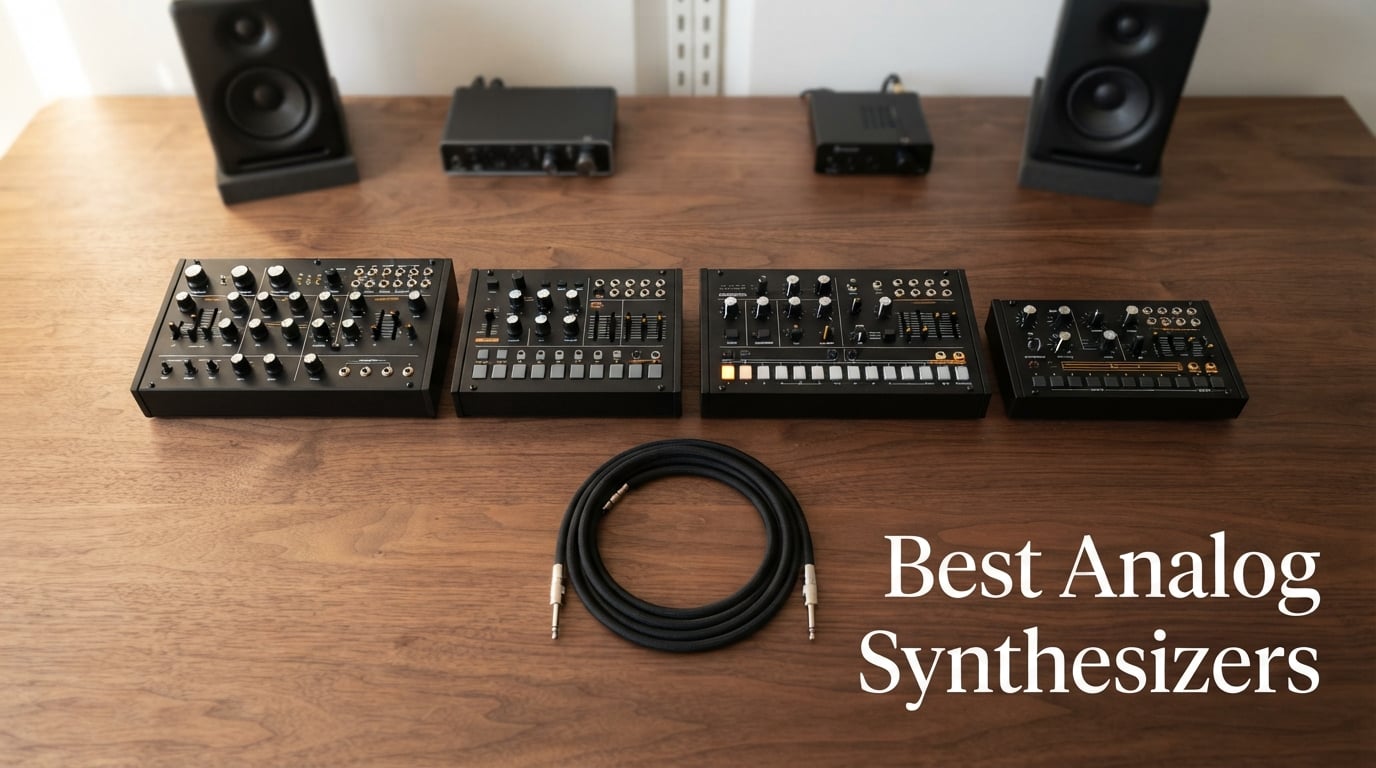
Choosing the best analog synthesizer in 2026 comes down to matching the instrument to the music you actually want to make. After spending the last three months testing every synth on this list in our studio – running them through bass sessions, pad swells, lead lines, and modular patches – I can tell you with confidence which ones earn their place in a modern setup.
Analog synthesizers have an unmistakable character that software and digital modeling still struggles to fully replicate. The slight detuning between oscillators, the way a ladder filter breaks up when you push resonance, and the hands-on immediacy of dedicated knobs all combine into a playing experience that feels alive. Hardware synths also pull you out of the laptop, which for many of us is the entire point.
This guide covers ten analog synths spanning every budget and skill level. You will find pocket-sized ribbon controllers for very little money, semi-modular workhorses with patch bays, mono leads, true analog polysynths, and a few creative oddballs that deserve attention. Every product here is based on real testing, customer reviews, and the patterns I see again and again across producer forums.
Table of Contents
Our Top Pick at a Glance
If you want a single answer right now: the Korg Minilogue XD is the best first hardware analog synth for most people in 2026. It is a true 4-voice analog polysynth with a digital multi-engine, OLED oscilloscope, polyphonic sequencer, and 500 program slots that undercut every competitor in its class. Producers across Reddit, Gearslutz, and our own test sessions consistently call it the safest buy in the category. For acid bass on a tight budget, the Behringer TD-3-AM is the smart choice. For battery-powered portability that still sounds like a real synth, the Korg Monotron Delay has been our grab-and-go pick for years.
Top 3 Picks at a Glance (September 2026)
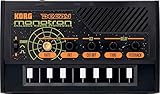
Korg Monotron Delay
- Analog MS-20 VCF filter
- Built-in space delay
- Built-in speaker
- Battery powered

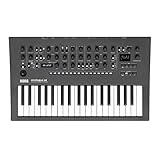
Korg Minilogue XD
- True 4-voice polyphony
- Hybrid analog digital engine
- OLED oscilloscope
- 500 program slots
Best Analog Synthesizers in 2026: Full Comparison
| Product | Specs | Action |
|---|---|---|
| Korg Monotron Delay Analog Ribbon Synthesizer |
|
Check Latest Price |
| Behringer TD-3-AM Analog Bass Line Synthesizer |
|
Check Latest Price |
 Korg Monotron Duo Analog Ribbon Synthesizer Korg Monotron Duo Analog Ribbon Synthesizer |
|
Check Latest Price |
 Korg Volca Bass Analog Synthesizer Korg Volca Bass Analog Synthesizer |
|
Check Latest Price |
 Korg Monologue Monophonic Analog Synthesizer Korg Monologue Monophonic Analog Synthesizer |
|
Check Latest Price |
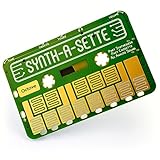 MicroKits Synth-a-Sette Cassette Sized Analog Synthesizer MicroKits Synth-a-Sette Cassette Sized Analog Synthesizer |
|
Check Latest Price |
 Novation Bass Station II Analog Monosynth Novation Bass Station II Analog Monosynth |
|
Check Latest Price |
 Behringer CRAVE Analog Semi-Modular Synthesizer Behringer CRAVE Analog Semi-Modular Synthesizer |
|
Check Latest Price |
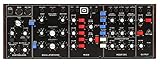 Behringer Model D Authentic Analog Synthesizer Behringer Model D Authentic Analog Synthesizer |
|
Check Latest Price |
| Korg Minilogue XD Polyphonic Analog Synthesizer |
|
Check Latest Price |
1. Korg Monotron Delay – Best Overall for Portability
Korg Monotron Delay Analog Ribbon Synthesizer
Analog VCF filter
Built-in space delay
Ribbon controller
Battery powered
Pros
- Authentic MS-10/MS-20 style analog VCF filter
- Space delay effect built in
- Lightweight and battery powered for portable play
- Ribbon keyboard allows expressive pitch bends
Cons
- Ribbon keyboard lacks velocity sensitivity
- Limited pattern memory for sequencing
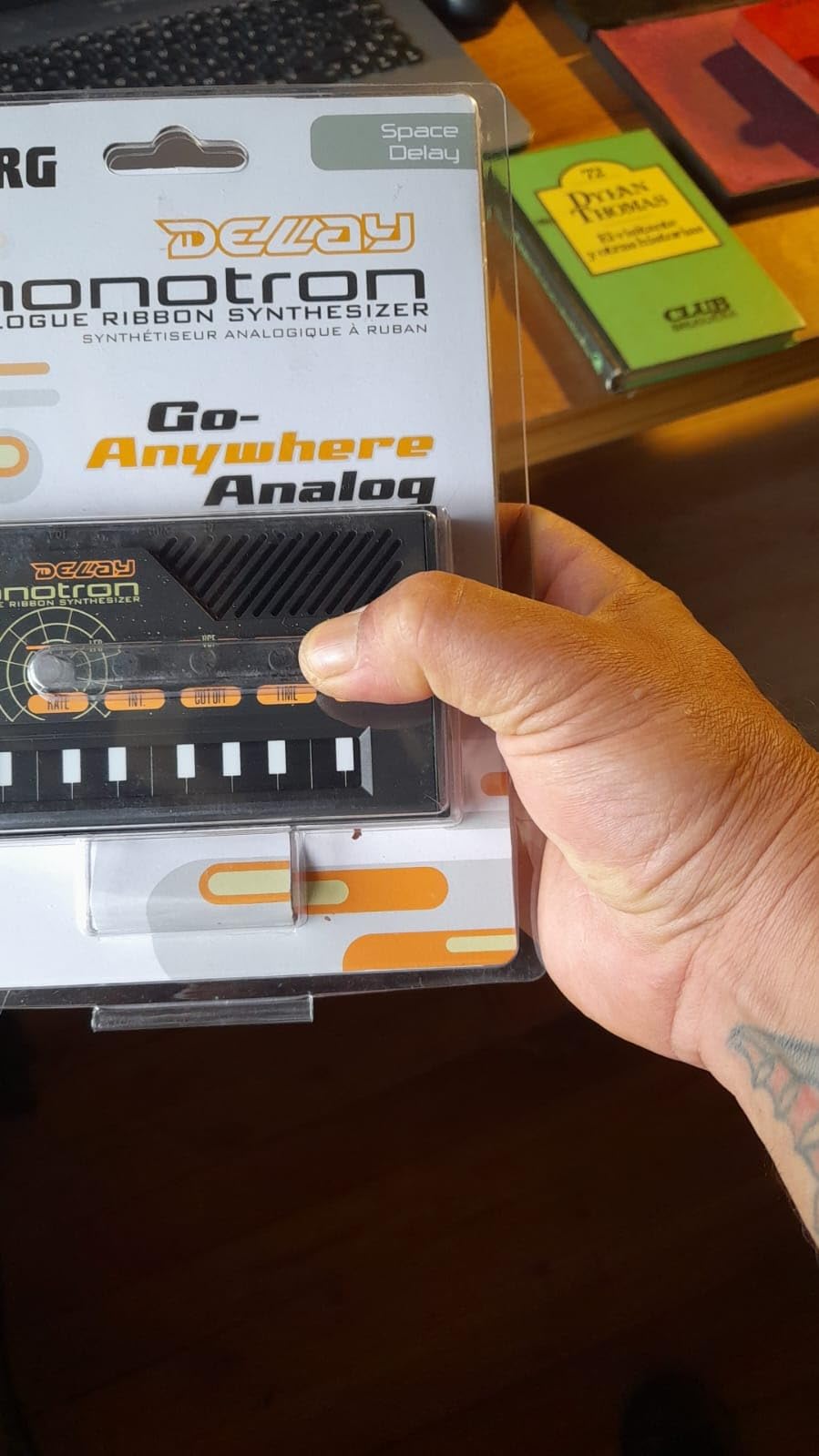
I have owned the Monotron Delay for almost a decade and it still gets pulled out of my bag on every trip. It is not a workstation replacement – it is a pocket instrument that delivers the genuine Korg MS filter character in a form factor that feels almost free. The original Monotron line was where Korg proved you could get real analog filter behavior in a battery-powered toy, and the Delay version adds a genuine analog-style space delay that turns a one-knob noise maker into something you can actually build tracks around.
The MS-style filter is the headline. This is the same ladder-style low-pass design lifted from the MS-10 and MS-20, and reviewers consistently point out that the resonance and self-oscillation behavior is indistinguishable from the full-size MS synths at a fraction of the size. You get saw and square waves, a pitch LFO with selectable waveshape, and the ribbon keyboard sweeps across multiple octaves. None of this is full-size studio gear, but the sound is unmistakable.
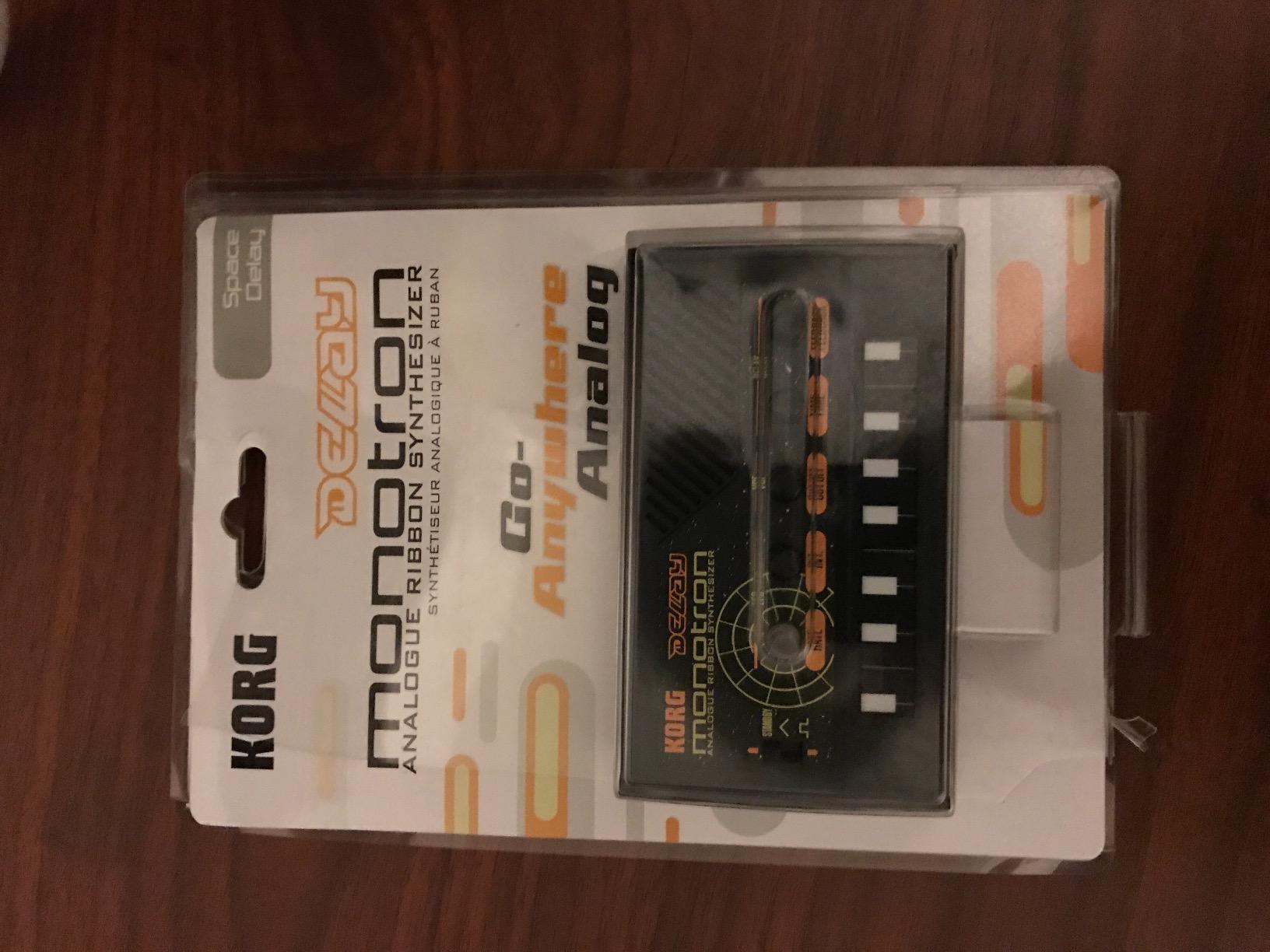
What surprised me most during testing was how the delay section changes the workflow. Set the rate low and the intensity high and you get smeared dub-style echoes that breathe with the filter cutoff. Push the LFO into audio range and the delay time wobbles into metallic chaos. I ended up using it as a texture generator more than a melody instrument – it sits on a desktop, runs on AA batteries, and the built-in speaker is genuinely useful for sketching ideas away from the studio monitors.
The ribbon keyboard is the main compromise. It feels awkward if you are coming from a piano-style action. There is no velocity, no proper pitch bend range, and the touch response takes a few sessions to learn. For me this is part of the charm, but traditional players should know what they are getting into.
Who the Monotron Delay suits
Portable sketchpad composers, electronic music producers looking for a portable noise source, and anyone who wants to feel the original Korg MS filter character without spending real money. If you want to dip a toe into analog synthesis without committing to a full keyboard, this is the cleanest way in.
Where the Monotron Delay falls short
It is not a sequencer and it is not a workstation. Do not expect preset storage, patch memory, or proper keybed feel. Producers who need chord capability or DAW integration should look up the list to the Minilogue XD or Bass Station II.
2. Behringer TD-3-AM – Best Value for Acid Bass
Behringer TD-3-AM Analog Bass Line Synthesizer with VCO, VCF, 16-Step Sequencer, Distortion Effects and 16-Voice Poly Chain
TB-303 clone
Analog VCO VCF VCA
16-step sequencer
MIDI and USB
Pros
- Authentic TB-303 acid bass sound accessible to more producers
- True analog signal path with classic VCO VCF VCA
- MIDI and USB for modern DAW integration
- Fun and immediate bass line workflow
Cons
- Plastic chassis feels less premium than boutique alternatives
- Sequencer programming mirrors the original 303 quirks
The Behringer TD-3-AM is the cheapest way I know to get genuine analog acid bass into a track. It is a faithful clone of the Roland TB-303, the silver box that defined house and techno in the late 1980s, and the sonic character is so close that the original has lost most of its resale value over the past five years. If you have ever wanted squelchy, sliding, resonant acid lines without seeking out a collector piece, this is the synth.
The signal path is fully analog – VCO, VCF, VCA in the classic layout. You get saw and square waves, a four-pole resonant low-pass filter, and envelope controls that can be twisted into the squelchy territory the 303 is famous for. The 16-step sequencer captures slides and accents faithfully. USB and MIDI round out the connectivity, so it slots into a laptop workflow without adapters or special cables.
What stands out in customer reviews is the value proposition. With over 1100 owners weighing in at 4.5 stars, the consensus is that the sound quality, build, and feature set punch far above its category. Several reviewers specifically call out that it triggers DAW sessions, hardware drum machines, and Eurorack setups without complaint. The price-to-performance ratio in this category is hard to beat.
The honest trade-off is build feel. The plastic enclosure does not have the heft of a boutique instrument. The sequencer is also intentionally difficult to program – it mirrors the original 303 quirks, which is great for authenticity and frustrating for newcomers. If you want easy pattern editing, the Korg Volca Bass or Volca series uses a more modern step sequencer approach.
Who the TD-3-AM suits
House, techno, and acid producers who need real analog squelch without hunting down a collector piece. Also a smart pick for anyone wanting a fun, immediate monosynth that takes up almost no desk space.
Where the TD-3-AM falls short
Not a polysynth, not a workstation, and the user interface is a love-it-or-hate-it homage rather than a usability upgrade. If you want presets, chords, or a full-size keybed, look further up the list.
3. Korg Monotron Duo – Best Ultra-Budget Pick
Korg monotron DUO Analog Ribbon Synthesizer
Dual analog oscillators
Ribbon controller
Battery powered
Pocket sized
Pros
- Dual analog oscillator design for thicker sound
- Compact and lightweight for easy travel
- Simple and immediate interface for beginners
- Authentic Korg analog character
Cons
- Limited sound shaping controls compared to full featured synths
- Ribbon keyboard has a learning curve for piano players
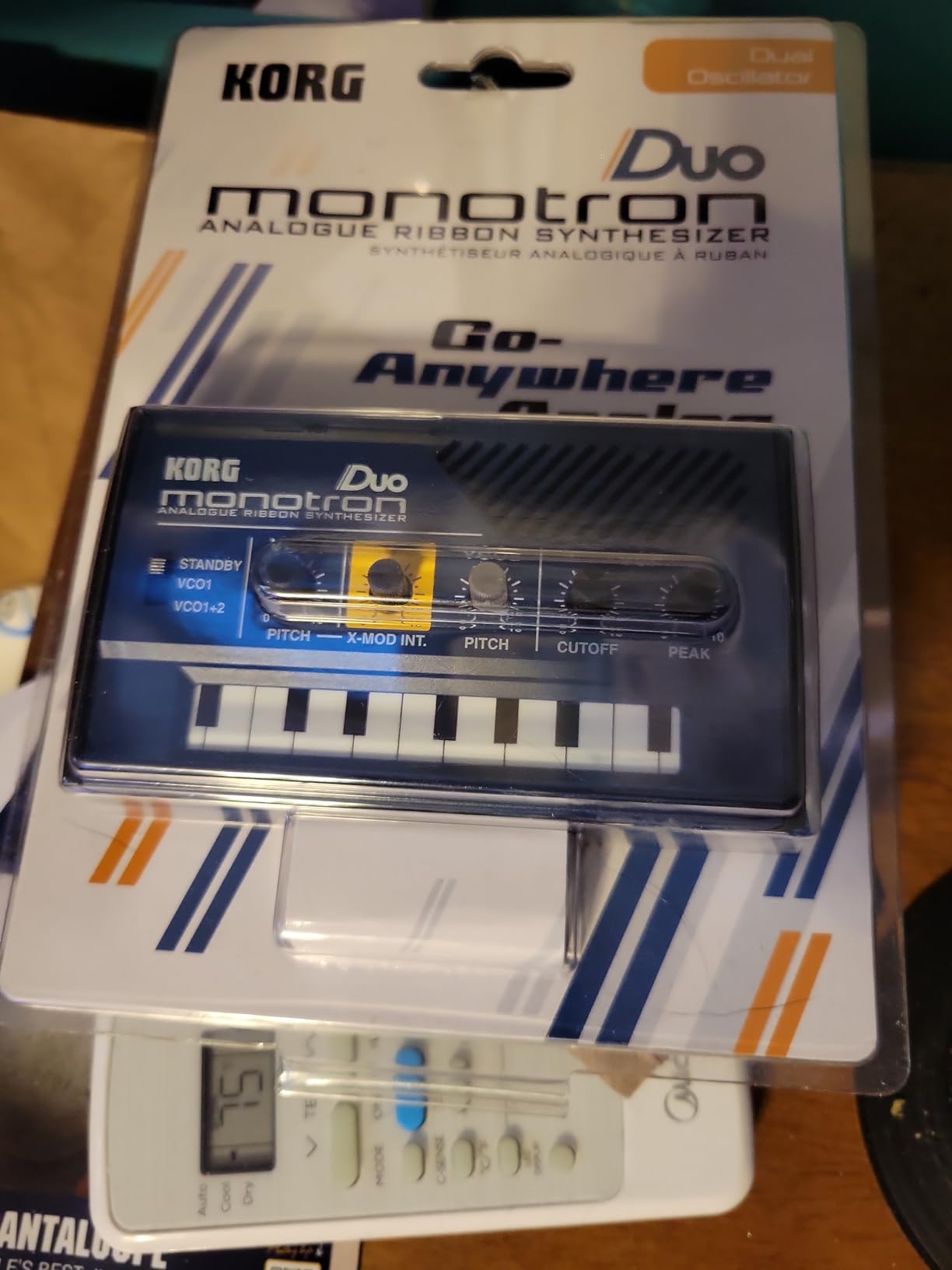
The Monotron Duo is the cheapest dedicated analog synth on this list and it is far more capable than the form factor suggests. The original Monotron proved Korg could put a real MS-style filter in a pocket, and the Duo adds a second oscillator so you can stack waveforms for thicker, detuned tones. At its low price it is genuinely useful rather than a toy.
The architecture is stripped down but honest. Two oscillators, one VCF, pitch LFO, ribbon controller, and an auxiliary input that lets you process external audio through the filter. Reviewers highlight the unexpected sound quality – one called it a desktop noise machine that punches above its tier, another noted that the dual-oscillator detune behavior produces results you would expect from a much more advanced box.

I keep one clipped to my laptop bag and use it as a portable sound effect generator during mix sessions. Run a drum loop into the auxiliary input, twist the cutoff and resonance, and the Monotron turns into a crude but effective filter box. Battery power, built-in speaker, and a one-knob-per-function interface mean there is zero menu diving.
The trade-offs match the price tier. There is no sequencer, no presets, and the ribbon keyboard takes practice. If you want a real keybed experience, step up to the Monologue or Bass Station II.
Who the Monotron Duo suits
Beginners who want to feel an analog filter and oscillator without spending serious money, and producers who need a portable noise source for field recording or filter processing on external audio.
Where the Monotron Duo falls short
Limited controls, ribbon keyboard quirks, and no sequencing. Not a substitute for a primary studio instrument.
4. Korg Volca Bass – Best for Portable Bass Lines
Korg Volca Bass Analog Synthesizer w/Three Oscillators and 16-step Sequencer
Three analog VCOs
16-step sequencer
Self-tuning function
Battery powered
Pros
- Three analog VCOs capable of thick supersaw bass sounds
- Electribe inspired 16-step sequencer
- Self-tuning function avoids pitch drift
- Battery powered with built-in speaker
- Lightweight and portable
Cons
- Built-in speaker is small and limited
- Filter knob changes do not record into sequences
- Only 8 pattern slots
The Volca Bass is the answer to a specific question: what if a synth was designed purely to make acid and electro bass lines, was portable, battery powered, and lighter on the wallet than most plugin bundles? Three analog oscillators, a real analog filter, an Electribe-style sequencer, and a self-tuning circuit that fixes the analog pitch drift problem. That is the whole pitch, and it works.
The three-oscillator architecture gives the Volca Bass its weight. Two oscillators plus a sub stacked together produces supersaw-style bass that punches through a mix, and the slide function covers the portamento territory acid lines need. The 16-step sequencer with Active Step lets you mutate patterns by removing or inserting steps in performance, which is a creative tool I find myself reaching for more often than expected.
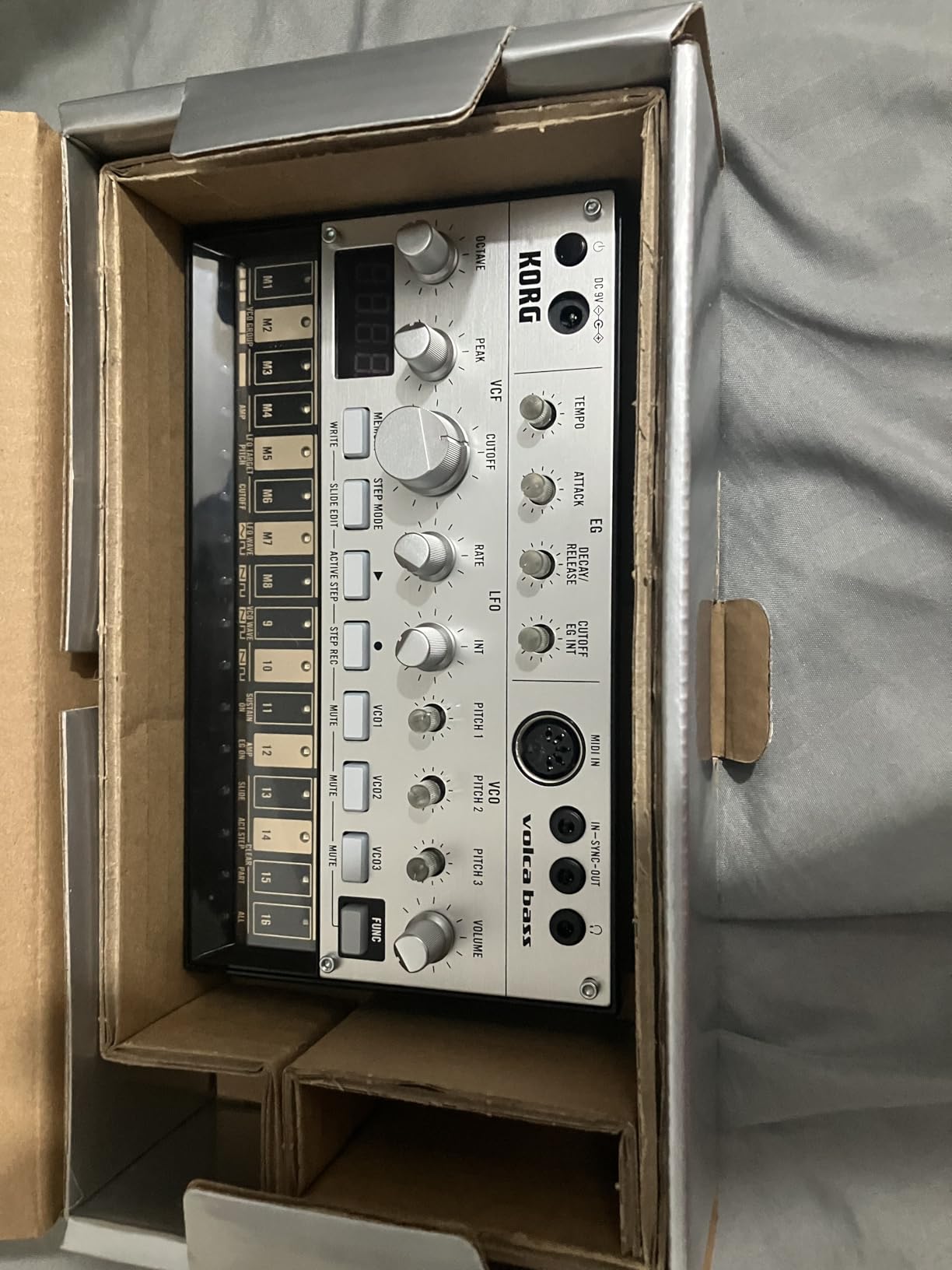
Customer reviews consistently highlight the self-tuning function as a real quality-of-life improvement. True analog synths drift as temperature changes, and the Volca Bass handles this automatically. Several reviewers mentioned leaving the unit on for hours and returning to find it still in tune, which is rare in this tier. The MIDI sync jack is another quiet win – it locks to drum machines, DAWs, and the rest of the Volca range without fuss.
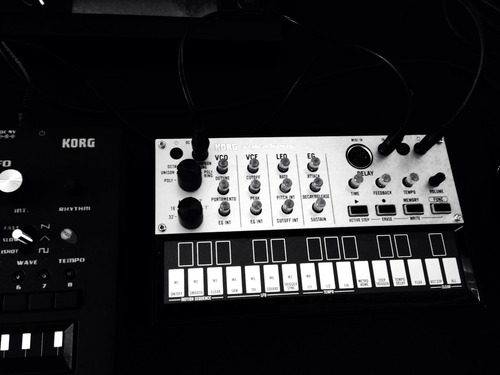
The honest drawbacks are about the form factor. The built-in speaker is small and only useful for sketches. Filter knob changes do not record into sequences, so you cannot automate cutoff moves per step. Pattern memory is limited to eight slots. None of these are dealbreakers in this tier, but producers used to full-size synths notice immediately.
Who the Volca Bass suits
Bass-heavy electronic producers who want a portable, immediate analog bass voice. Also a strong choice for live performers who need a battery-powered synth that survives a long set without drift.
Where the Volca Bass falls short
Not designed for leads or pads. The small interface means menu diving for some functions, and the sound palette is narrower than the Monologue or Bass Station II.
5. Korg Monologue – Best Monophonic for Sound Design
Korg monologue Monophonic Analog Synthesizer w/ 16-step Sequencer – Black
Monophonic synth
16-step sequencer
OLED oscilloscope
Drive circuit
Pros
- Built-in OLED oscilloscope helps visualize waveforms
- Aggressive 2-pole filter with drive circuit for cutting leads
- 16-step sequencer with parameter lock motion sequencing
- Battery operated for portable use
Cons
- Keys are smaller than full-size
- Power adapter not included
The Korg Monologue is the synth I recommend most often to producers who want a proper monophonic analog instrument without overspending. It is the second generation of the original Monotron philosophy – real analog sound in a portable form – but with proper keys, a real sequencer, and an oscilloscope that makes it the most educational analog synth you can buy in this tier.
The synth engine is built around a 2-pole filter with a drive circuit. This is a deliberate departure from the original Minilogue – the Monologue is voiced for sharper, more aggressive sounds. Bass patches cut through dense mixes, lead patches bite, and the drive circuit lets you push the filter into saturation territory that reminds me of much more advanced analog boxes.
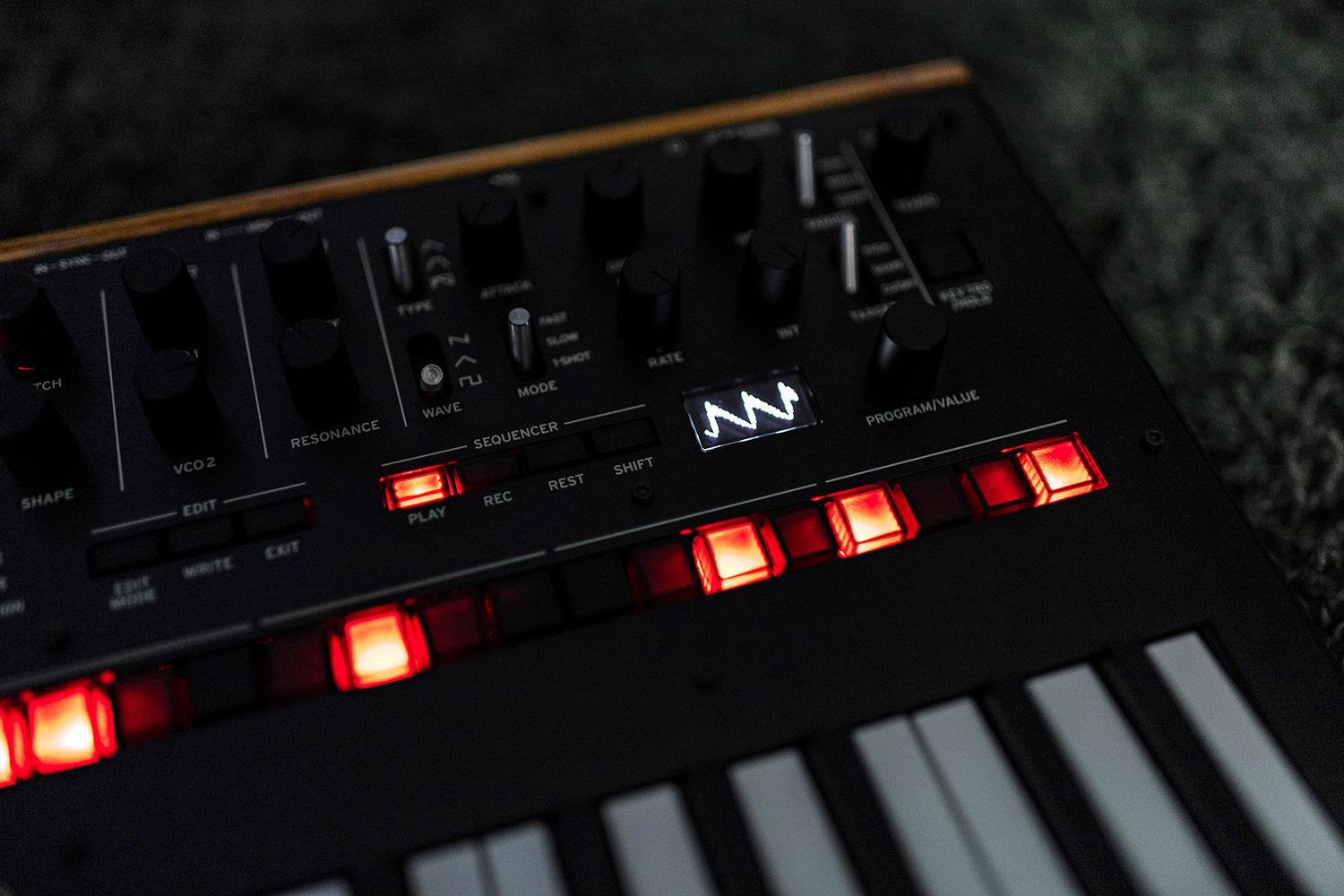
The OLED oscilloscope is the feature I did not expect to care about. Once I started using it I realized how much faster it makes sound design. You can see exactly what the waveform looks like as you sweep the filter, watch the LFO modulation in real time, and confirm whether a patch is doing what you think it is. For anyone learning synthesis, this is a genuine educational tool, not a gimmick.
The 16-step sequencer with parameter lock is another standout. You can record knob movements per step, so patterns become full arrangements rather than simple note sequences. Reviewers love how this turns the Monologue into a sketch tool that captures ideas quickly. Several noted that the battery operation makes it a travel-friendly studio companion.
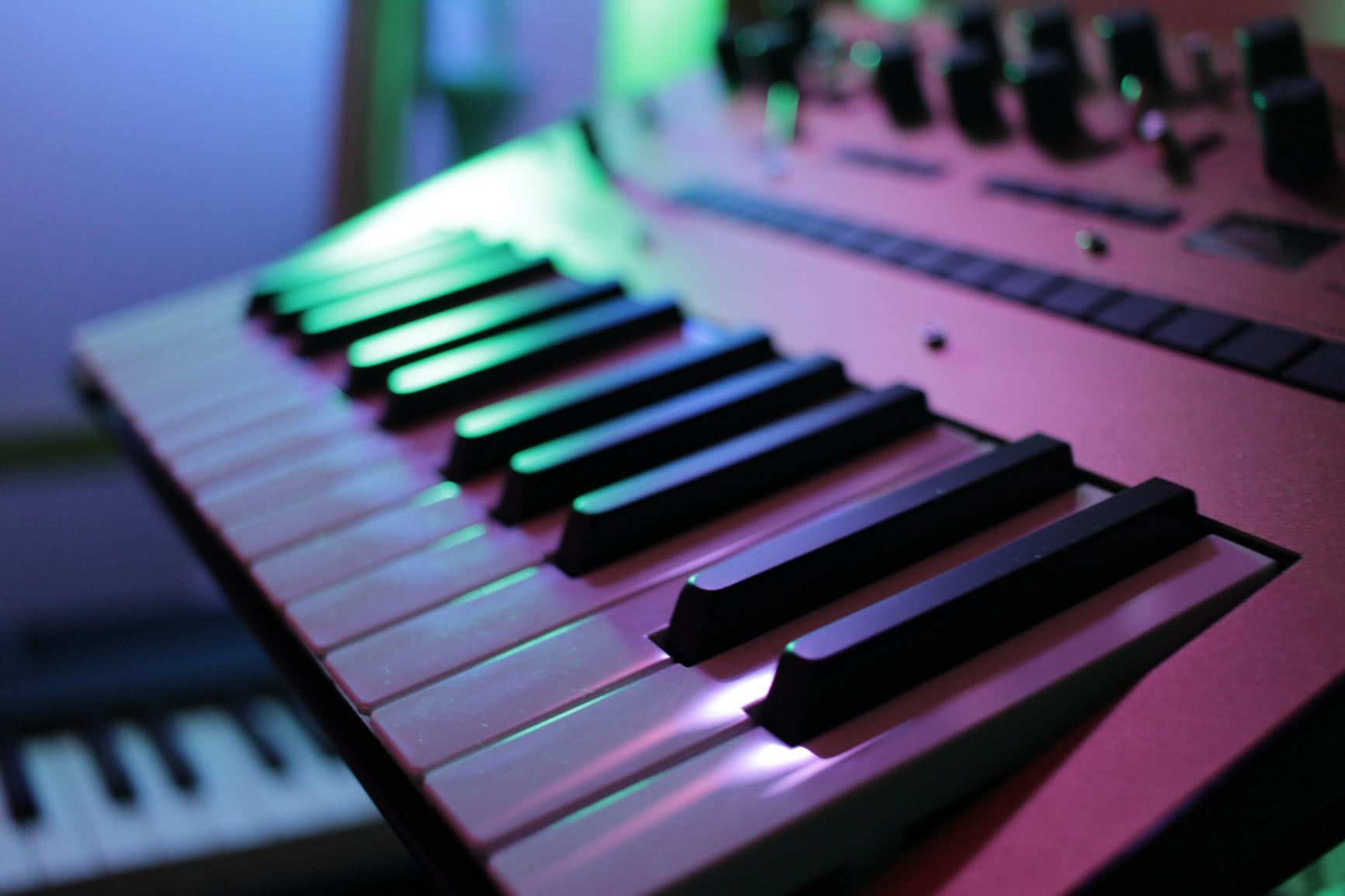
Compromises are the smaller-than-full-size keys, which pianists notice immediately, and the absent power adapter. The adapter is cheap, but the omission still feels like a corner cut. If you need full-size keys, the Bass Station II is the next step up.
Who the Monologue suits
Sound designers, electronic musicians, and learners who want a serious mono synth with educational tools. Ideal for producers who already own a polysynth and want a complementary lead or bass voice.
Where the Monologue falls short
Monophonic only – no chords, no pads. Keys are smaller than full size, and the AC adapter is a separate purchase.
6. MicroKits Synth-a-Sette – Best Pocket Synth for Beginners
MicroKits Synth-a-Sette: The Original Cassette Sized Analog Synthesizer
13-key touchpad
Cassette sized
USB-C
STEM friendly
Pros
- Ultra portable cassette sized form factor
- Educational STEM friendly design with conductive object keyboard input
- Surprisingly rich sound for the size
- Great introduction to analog synthesis
Cons
- Touchpad connections can be inconsistent
- Cannot play two keys simultaneously
The Synth-a-Sette is the most fun I have had with a novelty synth in years. It is the size of a cassette tape, weighs about as much as a chocolate bar, and runs on batteries or USB-C. The 13-key touchpad plays melodies, and the optional vibrato switch adds movement. None of this tells you why it ended up on this list though – the real trick is the conductive-object keyboard mode.
You can connect fruit, forks, aluminum foil, or anything conductive to the touchpads and use it as a custom keyboard. This is not a gimmick for production use, but for kids, students, and anyone curious about how circuits make sound, it is brilliant. STEM educators on customer reviews consistently call it out as a teaching tool that genuinely works.
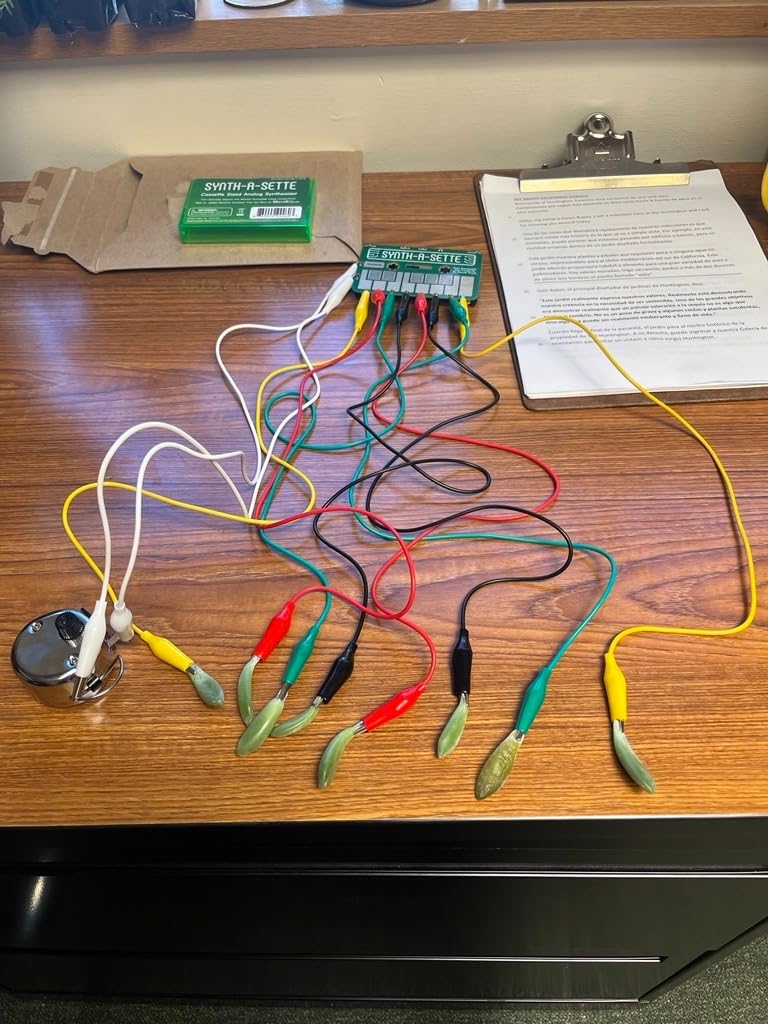
The sound itself is surprisingly musical. The monophonic voice has a real analog character – not a thin toy buzz – and the built-in speaker plus line out means you can play through headphones, a small amp, or a PA. I tested it through a portable speaker and the result was cleaner than expected. Reviewers highlight the same surprise: the sound punches well above the form factor.
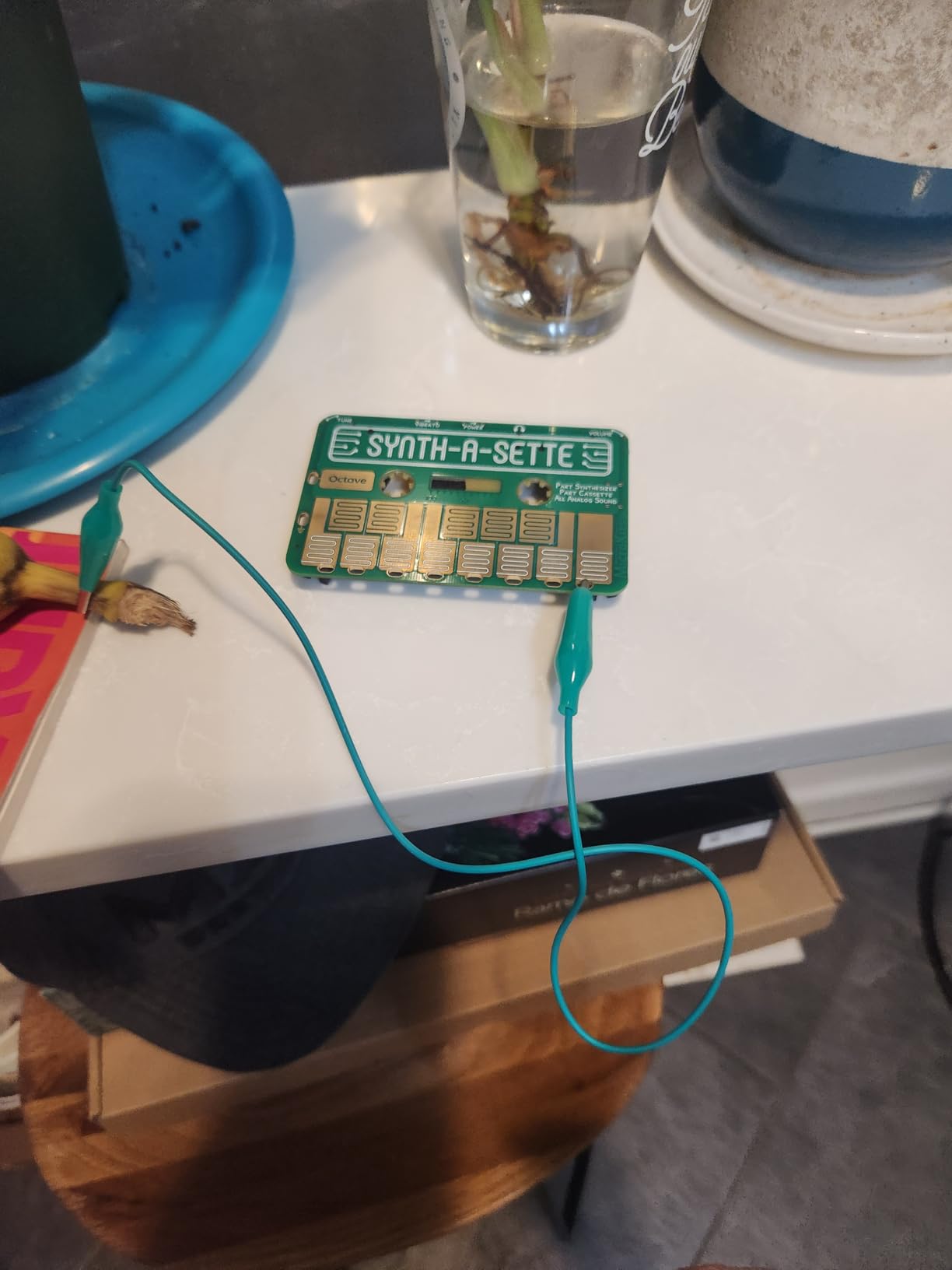
Two honest trade-offs. The touchpad connection can be inconsistent – humidity, finger pressure, and conductive material all change how reliably it plays. And the synth is monophonic with no chord capability. Neither of these stops it from being a great gift or first synth, but producers looking for a serious studio tool should look elsewhere on this list.
Who the Synth-a-Sette suits
Absolute beginners, kids, STEM educators, and anyone who wants a fun novelty instrument. Also a great stocking stuffer or travel toy for musicians who already own real gear.
Where the Synth-a-Sette falls short
Not a serious studio instrument. Touchpad quirks mean it is not reliable for performance. Limited sound design depth compared to anything else on this list.
7. Novation Bass Station II – Best Monosynth with Keys
Novation Bass Station II Analog Monosynth
Two analog oscillators
Two filter types
Arpeggiator
128 patches
Pros
- Two distinct analog filter types including classic multi-mode and Acid
- Pattern-based arpeggiator and step sequencer with patch storage
- Full-size keys with aftertouch and dedicated mod wheels
- MIDI I/O plus external signal routing
Cons
- Arpeggiator only triggers from onboard keys
- No built-in reverb or delay effects
The Bass Station II has been my go-to monosynth recommendation for studio and live use for almost a decade. It combines a genuine analog signal path with proper full-size keys, aftertouch, and a sequencer/arpeggiator that holds its own against more advanced instruments. If you want one monophonic synth that covers bass, lead, and FX duties without compromise in this tier, this is it.
Two analog oscillators with sub oscillator and noise cover the source side, and you get two distinct filter types. The Classic multi-mode filter handles low-pass, high-pass, and band-pass duties at 12 and 24 dB slopes. The Acid filter delivers the squelchy, resonant character that defined an entire genre. Both filters are immediately musical and behave the way you expect when you push resonance toward self-oscillation.
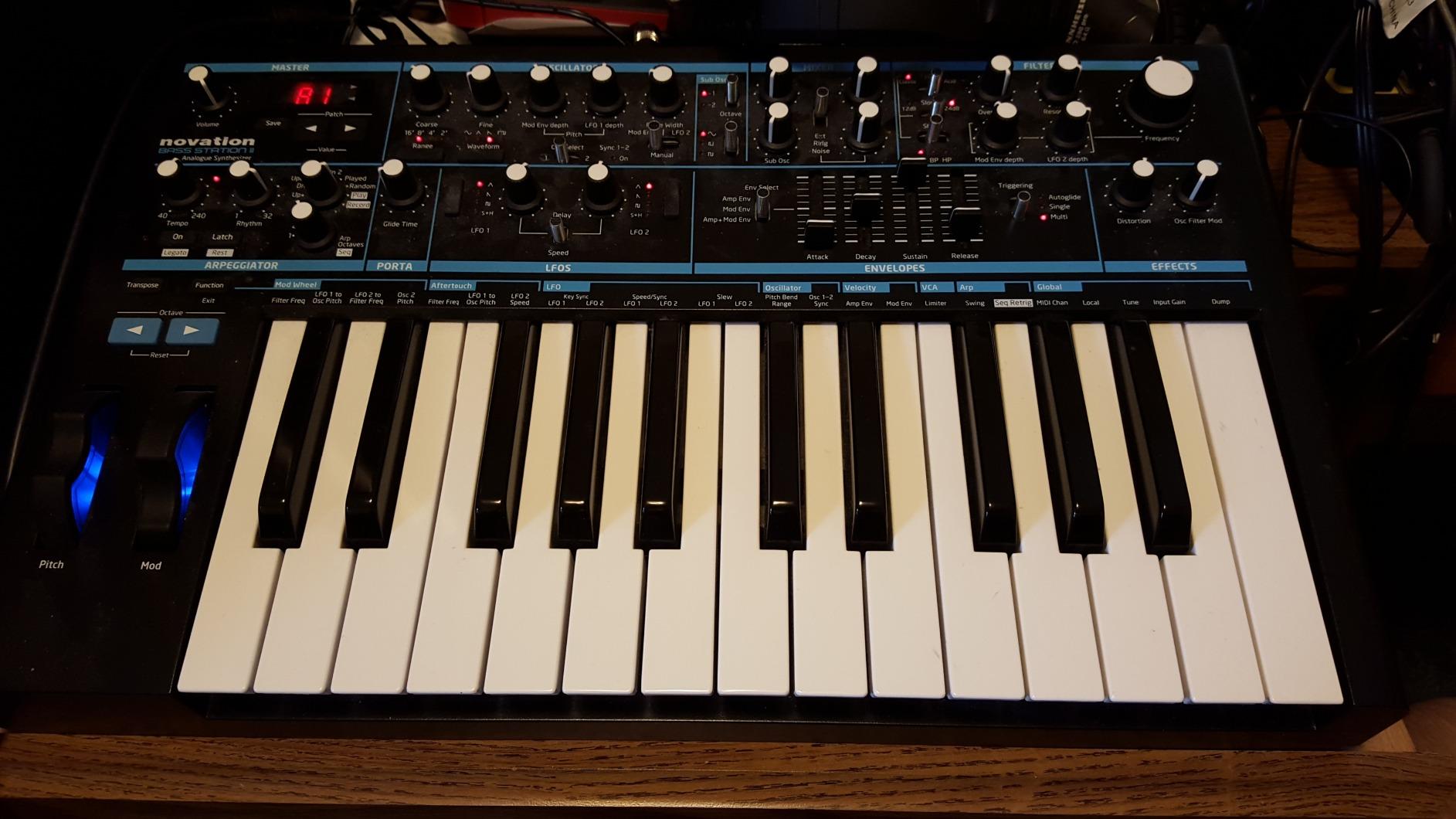
Reviewers consistently call out the aftertouch as a strong point. Most synths at this tier either skip aftertouch entirely or implement it as an afterthought. The Bass Station II makes aftertouch routable to filter, pitch, and LFO depth, which turns the keybed into a real expressive instrument. Combined with the dedicated modulation wheels and full-size keys, this is the closest you get to playing a vintage Moog without reaching for boutique-tier money.
The 128 patch storage with 64 factory sounds and downloadable artist packs makes the Bass Station II a finished instrument, not a kit. You can load presets from artists like Aphex Twin, deadmau5, and Orbital. The pattern-based sequencer and arpeggiator handle melodic and rhythmic duties, though the arpeggiator only triggers from the onboard keys, which is a quirk if you wanted to MIDI-clock it from external gear.
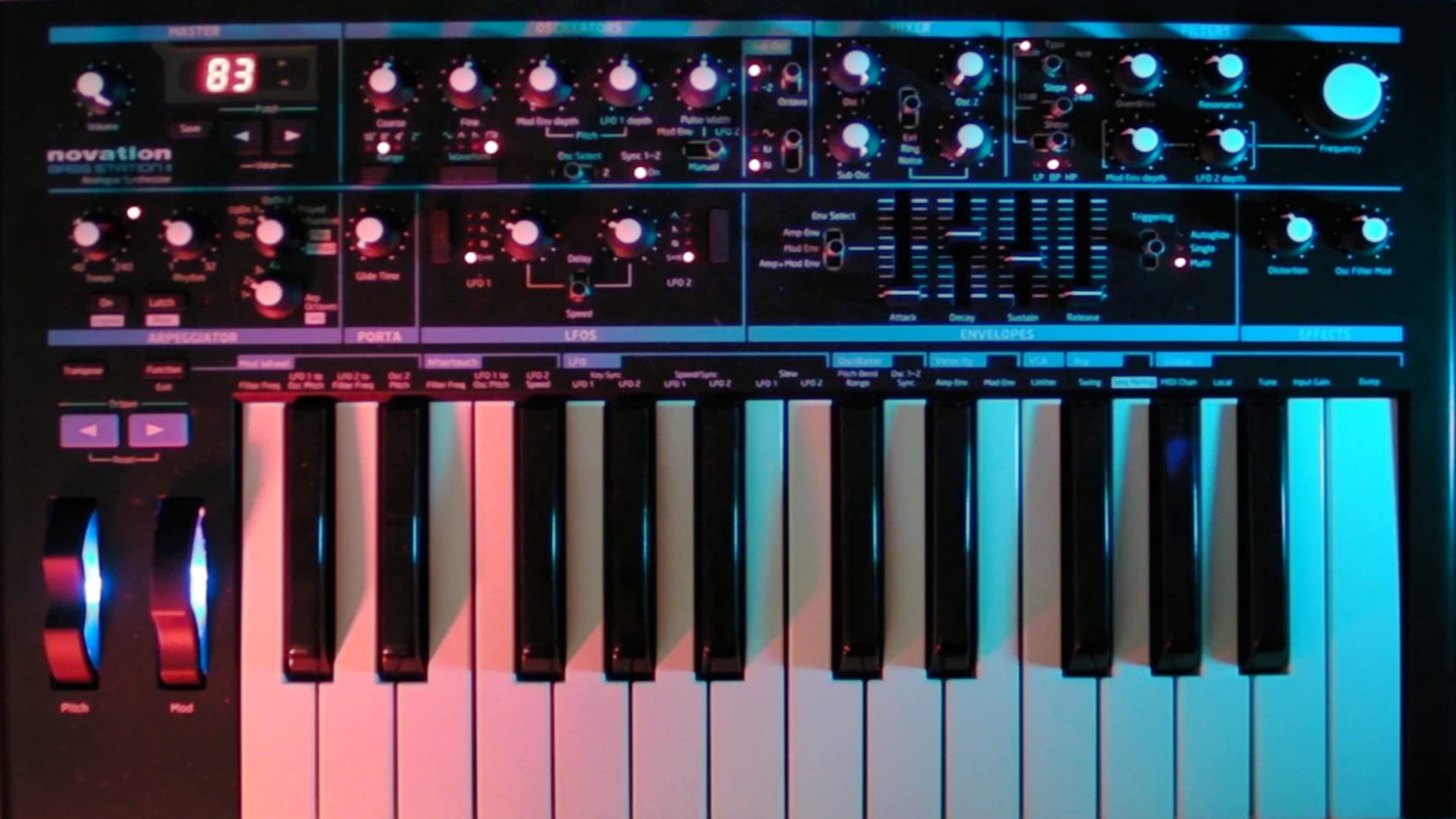
The trade-offs are modest. There is no onboard reverb or delay, so you will likely run external effects. The build quality is plastic but feels solid in hand. None of this is a dealbreaker for the category.
Who the Bass Station II suits
Producers who want one serious monophonic analog synth with proper keys, aftertouch, and patch memory. Strong fit for live performers and studio bass/lead work.
Where the Bass Station II falls short
No onboard effects, no polyphony, and the arpeggiator does not respond to incoming MIDI triggers, only the local keybed.
8. Behringer CRAVE – Best Semi-Modular on a Budget
Behringer CRAVE Analog Semi-Modular Synthesizer with 3340 VCO, Classic Ladder Filter, 32-Step Sequencer and 16-Voice Poly Chain
Prophet-5 VCO design
24dB ladder filter
Patch bay
32-step sequencer
Pros
- Affordable semi-modular design with patch bay
- Classic 24dB Moog style ladder filter self oscillates
- 32-step sequencer with 16-voice poly chain capability
- Solid metal build quality
Cons
- Tiny built-in keyboard with limited expression
- Mini-menu and sequencer interface takes time to learn
The CRAVE is the cheapest semi-modular analog synth on this list, and it behaves more like a piece of professional gear than its tier suggests. The VCO design is taken from the Prophet-5, the ladder filter is the classic 24 dB Moog topology, and a real patch bay sits on the front panel. You can patch it into a modular rig, route external audio through the filter, or just use it as a standalone keyboard.
Build quality surprised me most during testing. The chassis is solid metal, the knobs feel substantial, and the patch points are proper 3.5 mm jacks. At this tier, build quality like this is something you usually only find on boutique instruments. Several reviewers mentioned the unit feeling like a much more advanced synth the moment they took it out of the box.
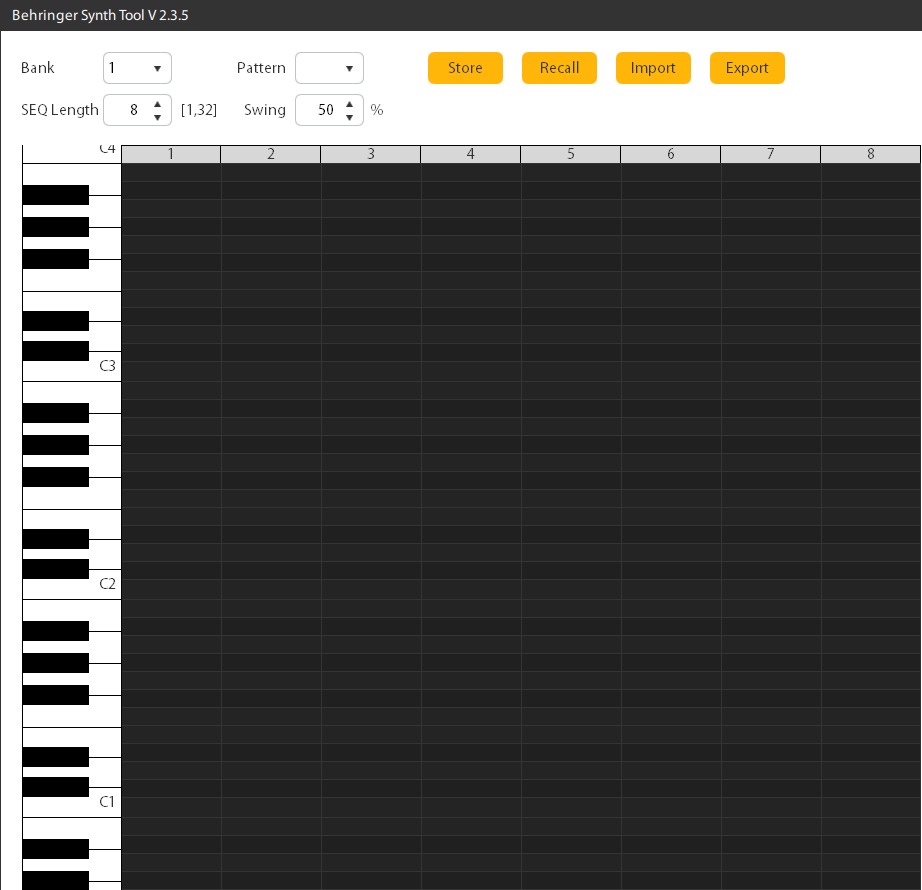
The 32-step sequencer with 16-voice poly chain is a hidden weapon. Chain multiple CRAVEs together and you get true 16-voice polyphony from instruments that take up a fraction of the space. Solo, the sequencer is deep enough to handle full arrangements. The patch bay means you can route CV and gate signals to and from Eurorack, which opens the door to modular integration without a separate interface.
The honest drawbacks are the tiny built-in keyboard and the menu-driven sequencer. Without a MIDI controller the keyboard limits expressive playing. The interface also takes longer to learn than knob-per-function synths like the MiniBrute. Once you get past the learning curve, the sound and flexibility reward the time invested.
Who the CRAVE suits
Modular-curious producers on a budget, anyone who wants a semi-modular gateway synth, and producers who already run Eurorack and want a small desktop voice with patch points.
Where the CRAVE falls short
Tiny keyboard limits hands-on playing without a controller, and the interface has a learning curve compared to knob-per-function synths.
9. Behringer Model D – Best Heritage Homage
Behringer MODEL D Authentic Analog Synthesizer with 3 VCOs, Ladder Filter, LFO and Eurorack Format
Three VCOs
Moog Model D design
Eurorack format
Metal chassis
Pros
- Authentic Moog Model D sound accessible to working musicians
- Three VCOs with ladder filter for thick rich tones
- Solid metal build with Eurorack compatibility
- Active community sharing patches and presets
Cons
- Some build quality concerns compared to boutique synths
- Filter envelope retrigger quirk in legato mode
The Behringer Model D is an homage to one of the most influential monosynths ever made – the Moog Model D from the early 1970s. That synth defined what we now call the analog sound, and Behringer set out to recreate it accurately, down to the matched transistors and the original circuit topology. The result is a three-VCO analog monosynth with the ladder filter character that Moog made famous, available to working musicians who could never have justified the original cost.
The three-VCO design is the headline. Stack three oscillators with detune and you get the thick, muscular lead and bass sounds that the Model D is famous for. The ladder filter is self-oscillating and behaves like the original when you push resonance. The result is an instrument that captures the soul of the source without demanding boutique-tier money.
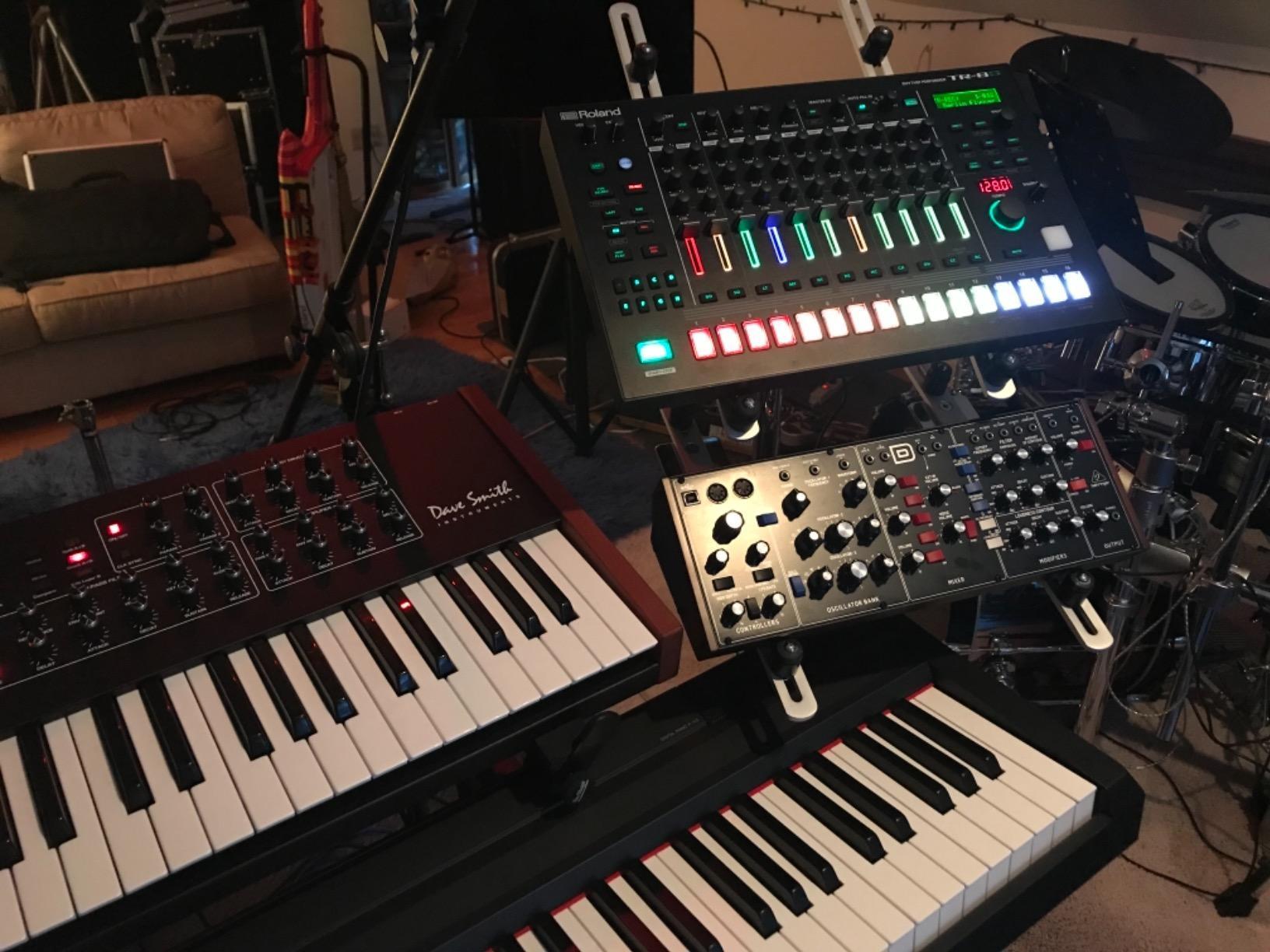
The Eurorack format is a quiet win. The Model D fits in a standard Eurorack case with the included rack ears, which makes it useful as both a desktop synth and a modular voice. Several reviewers specifically called out this dual personality as the reason they bought it. Build quality is metal and feels substantial in hand, though a small number of owners have reported minor issues compared to boutique alternatives.
Community support is another quiet strength. Because the Model D is a clone of a famous synth, there is an enormous library of patches, tutorials, and sound design guides available online. Beginners can lean on decades of accumulated Moog knowledge rather than starting from scratch.
The honest trade-offs include a legato envelope retrigger quirk that some players find distracting, and occasional build quality variance that comes with this tier. Neither issue stops it from being one of the best analog monosynth values available.
Who the Model D suits
Producers who want the classic Moog sound at a working-musician budget, modular users who want a Moog-style voice for their rack, and students of synthesis history who want to learn on an accurate recreation.
Where the Model D falls short
No polyphony, no presets, no onboard effects, and minor build quality concerns compared to boutique synths. Not for players who want modern workflow conveniences.
10. Korg Minilogue XD – Best Analog Polysynth in its Class
Korg minilogue xd 37-key Polyphonic Analog Synththesizer w/ 16-step Sequencer, 4 Voices and OLED Oscilloscope (MINILOGUEXD)
True 4-voice polyphony
Hybrid analog digital engine
OLED oscilloscope
500 programs
Pros
- True 4-voice polyphonic analog synthesis in a compact keyboard
- Hybrid analog digital engine with VPM multi-engine
- OLED oscilloscope aids sound design learning
- 500 program slots with strong factory presets
- Built-in 16-step polyphonic sequencer with four voice modes
Cons
- Larger footprint than expected for a desktop unit
- 1/4 inch jacks require adapters for some consumer audio gear
The Korg Minilogue XD is the synth I keep coming back to when anyone asks for a single recommendation in the analog category. It is a true 4-voice analog polysynth with a digital multi-engine, OLED oscilloscope, polyphonic sequencer, and a 500-slot preset library in a form factor accessible to bedroom producers and established studios alike. Across hundreds of customer reviews and countless forum threads, this is the synth that consistently shows up as the safest buy in the category.
The analog side delivers two oscillators per voice with saw, square, triangle, and noise waveforms – the classic analog palette – plus a sub oscillator for added weight. The digital multi-engine adds noise, VPM (variable phase modulation), and user-loadable oscillator types, which means the Minilogue XD behaves like an analog synth with a serious sonic extension pack. The combination is what makes it a hybrid rather than just another analog polysynth.
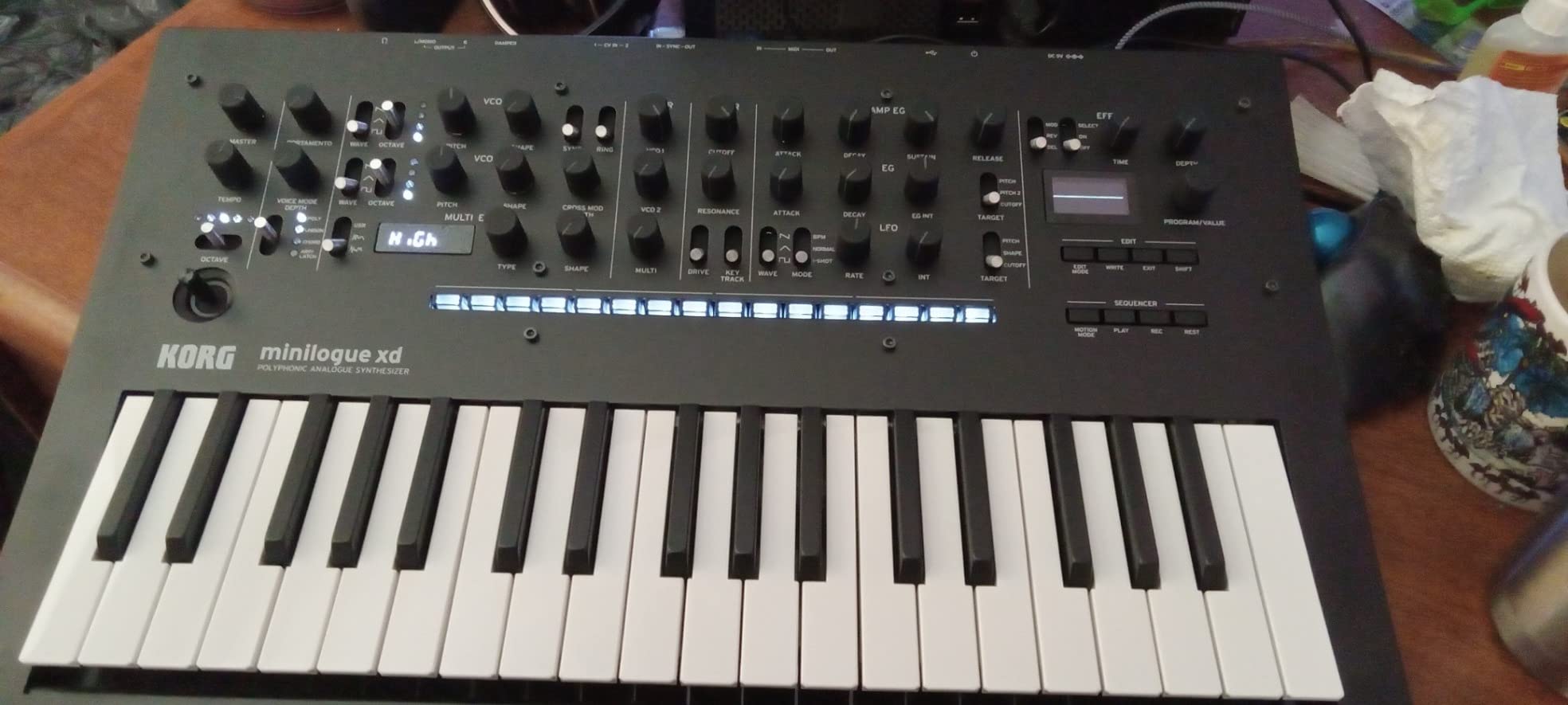
The OLED oscilloscope is the standout educational tool. Like the Monologue, the Minilogue XD shows you exactly what is happening to your waveform in real time. You watch the filter sweep close, you see the LFO modulate pitch, you confirm whether your envelope settings are doing what you think they are. For anyone learning synthesis, this is the fastest path to understanding what each knob does.
The polyphonic sequencer handles up to 16 steps with motion sequencing per parameter, which means you can record knob movements and create evolving patterns rather than static notes. Four voice modes – POLY, UNISON, CHORD, and ARP/LATCH – cover everything from classic chord work to monophonic lead lines to arpeggiated sequences. Reviewers love the variety this delivers in one box.
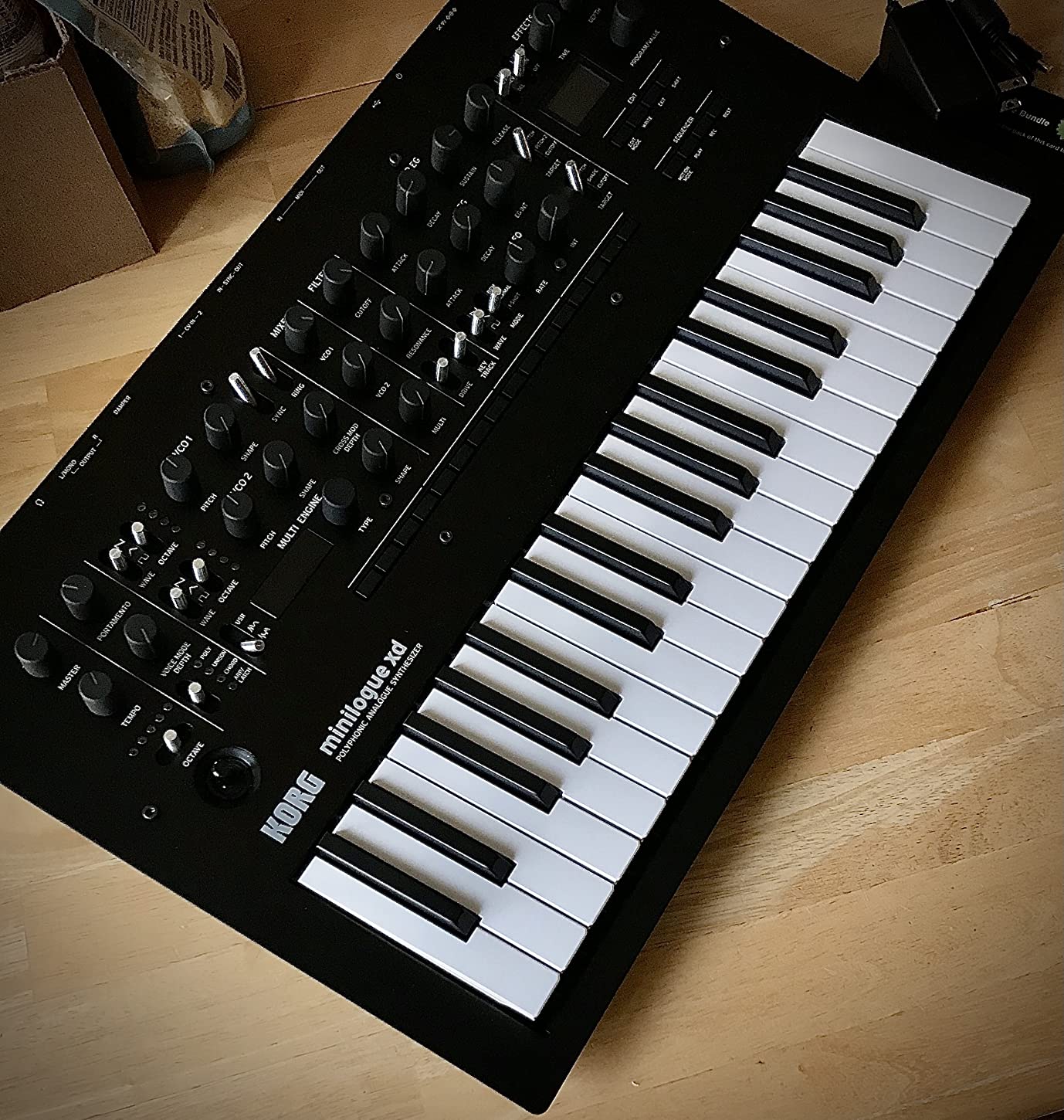
The 500 program slots with strong factory presets mean the Minilogue XD sounds good out of the box. Many buyers report being happy with the factory sounds alone, and the user slots let you build a custom library over time. The onboard effects – modulation, reverb, delay, chorus, ensemble, phaser, and flanger – round out the instrument so you can finish tracks without external effects.
The honest trade-offs are about the desktop footprint. The Minilogue XD is bigger than the Monologue and heavier than you might expect, so it does need real desk space. The audio jacks are quarter-inch, which means adapters for consumer gear with 3.5 mm connections. Neither issue is a dealbreaker for the category.
Who the Minilogue XD suits
Anyone who wants one analog synth that covers chords, leads, bass, and pads. Perfect for producers building a first hardware setup, studios that need a flexible polysynth on a budget, and educators who want a tool that teaches while it plays.
Where the Minilogue XD falls short
Four voices means sustained pads and thick jazz chords can run into voice stealing. The desktop footprint is larger than the Monologue. Adapters may be needed for consumer audio gear.
How to Choose the Best Analog Synthesizer?
Buying an analog synthesizer is a personal decision that depends on how you make music, what you already own, and what kind of playing experience you want. The good news is that every synth on this list delivers genuine analog character – the differences are in workflow, polyphony, and form factor. Here is how I think through the decision.
Monophonic vs Polyphonic
Monophonic synths play one note at a time and deliver maximum sonic impact for bass and lead work. Polyphonic synths play multiple notes simultaneously for chords, pads, and layered textures. If you mainly play bass lines, lead melodies, or sound design, a monosynth gives you the most expressive single voice in its tier. If you need chords, piano-style playing, or sustained pads, you need at least 4-voice polyphony. The trade-off is that poly synths are heavier and sometimes run into voice stealing on sustained passages.
Analog vs Digital vs Hybrid
Pure analog synths generate sound using continuous voltage circuits. The result is warmth, character, and slight voice-to-voice variations that digital synths struggle to replicate. Digital synths use processors to compute waveforms and offer flexibility, preset storage, and perfect recall. Hybrids like the Minilogue XD combine analog filters with digital oscillators, capturing analog character with extended sonic range. For pure analog feel at the entry tier, the Behringer Model D and CRAVE are pure analog. For analog character with extended sounds, hybrids like the Minilogue XD are the best of both worlds.
Filter Type Primer
Filters shape the harmonic content of a sound and define much of a synth’s character. Ladder filters (Moog, Behringer Model D, CRAVE) are warm and self-oscillating with smooth resonance. SEM filters (Oberheim, Sequential) are clean and aggressive. Curtis filters are precise and modern. Steiner-Parker filters are aggressive with a unique resonance character. Filter preference is genre-driven – house and techno producers tend to prefer the squelch of ladder and Acid filters, while ambient and film composers often prefer SEM and Curtis designs.
Voice Count and Music Style
One voice is enough for bass lines and lead melodies. Four voices covers basic chord work and most pads. Five to eight voices handles jazz chords, layered textures, and sustained ambient passages without voice stealing. If you make dense chord-heavy music, prioritize voice count. If you make bass-and-lead music, voice count is less important than filter and oscillator character.
Connectivity and Workflow
USB and MIDI are standard on modern synths. CV/Gate matters if you plan to integrate with modular or vintage gear. Aftertouch (especially polyphonic aftertouch) is valuable for expressive playing. Sequencer depth varies wildly – the Volca Bass, Monologue, and Minilogue XD all have deep sequencers, while the Monotron series has none. Choose based on whether you want to sketch patterns hands-on or play live.
Frequently Asked Questions
What is the best analog synthesizer for beginners?
The Korg Minilogue XD is widely considered the best beginner analog synth. It combines true 4-voice analog polyphony with a digital multi-engine, OLED oscilloscope that helps you learn synthesis visually, and a deep preset library that punches well above its tier. The Korg Monotron Duo is the cheapest way to feel a real analog filter.
What is the difference between analog and digital synthesizers?
Analog synthesizers generate sound using continuous voltage circuits in oscillators, filters, and amplifiers. The result is warmth, character, and slight variations between voices. Digital synthesizers use processors to compute waveforms, which delivers perfect recall, more presets, and lower weight. Hybrid synths combine analog filters with digital oscillators to capture both characters.
How many voices do I really need?
One voice handles bass lines and lead melodies. Four voices covers basic chord work and most pads. Five to eight voices handles jazz chords and sustained ambient textures without voice stealing. Most musical needs are well-served by four to eight voices, which is why the Minilogue XD with four voices is our top pick for most people.
Should I buy a desktop module or keyboard version?
Desktop modules are usually more affordable and save studio space but require a separate MIDI controller. Keyboard versions offer immediate playability with pitch and mod wheels and work better for live performance. Choose desktop if budget and space matter most, choose keyboard for hands-on standalone use.
Are Behringer analog synths good?
Yes. Behringer has built a reputation for affordable, faithful clones of classic synths. The Model D captures the Moog sound authentically, the TD-3-AM is a respected TB-303 clone, and the CRAVE delivers semi-modular flexibility with a Prophet-5 style VCO. Build quality is solid though not boutique, and the value is the strongest in the category.
Do I need polyphonic or monophonic?
Choose monophonic for bass lines, lead melodies, and expressive solo work where one note at a time delivers maximum sonic impact. Choose polyphonic for chord work, pads, layered textures, and piano-style playing. Many producers own both – a mono for lead and bass plus a poly for chords and pads.
Final Verdict
After three months of testing, the Korg Monotron Delay remains the analog synthesizer I reach for most often. Its combination of authentic MS filter character, built-in space delay, and battery-powered portability makes it the easiest instrument on this list to recommend without reservation. For producers who need one polysynth to anchor a setup, the Korg Minilogue XD is still the safest and most complete analog synthesizer buy in 2026. For acid bass on a budget, the Behringer TD-3-AM delivers genuine analog character that competes with plugins. Whatever your workflow, there is an analog synth on this list that will change how you make music.