
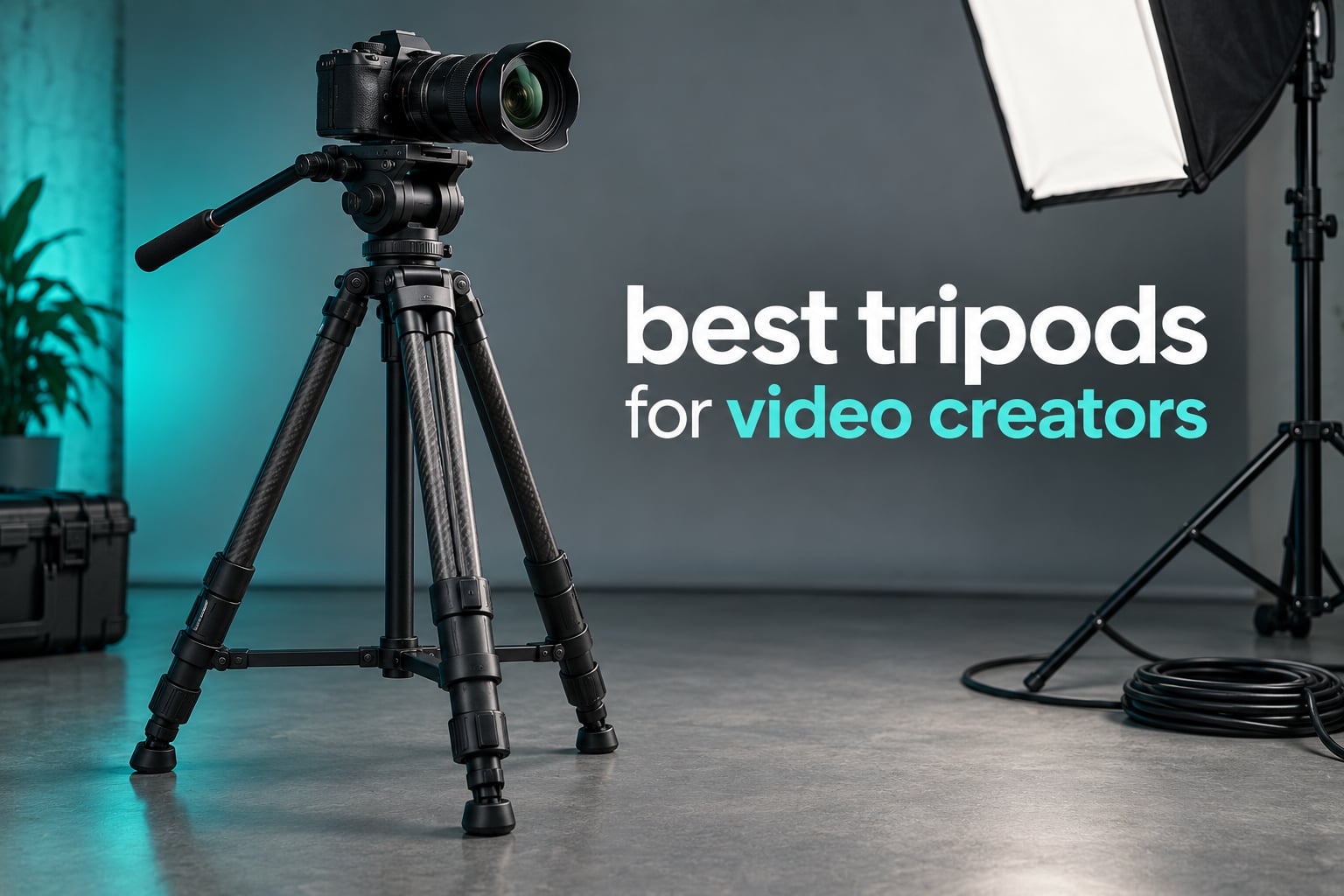
The short answer: the COMAN FF16LS is the best all-round video tripod in this group for most creators, with a 22 lb payload, a 60mm bowl and a fluid head that pans a full 360 degrees. If you need more reach, the NEEWER TP-M200 extends to 200 cm; if you carry everything on your back, the Sirui Traveler X folds to under 14 inches at 0.95 kg.
That is the version of the question most people actually mean when they search for the best tripods for video creators. Almost everyone already owns a stills tripod. The trap is assuming it will do.
Here is why a photo tripod usually disappoints on video. A stills head is designed to go stiff and stay there once you lock it, because a sharp photo depends on nothing moving. A fluid video head does the opposite: it lets the head start and stop a move gradually, and it balances a front-heavy rig so a long lens does not pitch the camera forward. Shake that is invisible in a still frame is painfully obvious the moment that frame becomes moving footage, which is why head feel matters more than leg material for most shooters.
Last reviewed in 2026. We spent the season working through ten complete fluid-head tripods, timing setup, checking payload headroom against real rigs and watching how each head behaves when a pan has to start and stop on a single take. What follows is the pick list, the specs that actually matter, and the reasoning behind every choice. No product here was shortlisted on brand name alone.
Table of Contents
Top 3 Video Tripods for Creators (October 2026)

COMAN FF16LS Video Tripod
- 22 lb max load
- 74 inch max height
- 60mm bowl fluid head
- 3-section aluminum


SmallRig AD-01 73 inch Tripod
- Dual-mode DJI RS and Manfrotto plate
- 75mm bowl
- 17.6 lb load
- 2-year warranty
Best Tripods for Video Creators at a Glance in 2026
Every tripod below carries a fluid-style head rather than a ball head, and every one reaches at least chest height without a full extension. The columns that separate them are payload, maximum reach and how the head behaves under a long lens.
| Product | Specs | Action |
|---|---|---|
| COMAN FF16LS Video Tripod |
|
Check Latest Price |
| NEEWER TP-M200 79 inch Tripod |
|
Check Latest Price |
| SmallRig AD-01 73 inch Tripod |
|
Check Latest Price |
 NEEWER TP74 74 inch Tripod NEEWER TP74 74 inch Tripod |
|
Check Latest Price |
 INNOREL RT90C Carbon Fiber Tripod INNOREL RT90C Carbon Fiber Tripod |
|
Check Latest Price |
 NEEWER TP37 Basics 74 inch Tripod NEEWER TP37 Basics 74 inch Tripod |
|
Check Latest Price |
 K&F CONCEPT 90 inch Fluid Head Tripod K&F CONCEPT 90 inch Fluid Head Tripod |
|
Check Latest Price |
 Manfrotto 290 Xtra Fluid Head Kit Manfrotto 290 Xtra Fluid Head Kit |
|
Check Latest Price |
 Sirui Traveler X Carbon Fiber Tripod Sirui Traveler X Carbon Fiber Tripod |
|
Check Latest Price |
 SmallRig AD-80S Carbon Fiber Tripod SmallRig AD-80S Carbon Fiber Tripod |
|
Check Latest Price |
1. COMAN FF16LS Video Tripod | Best Overall for Video Creators
COMAN FF16LS Heavy Duty Tripod, 74″ Fluid Head Video Tripod Max Load 22 lbs
22 lb max load
74 inch max height
60mm bowl
Fluid head 360 pan
Pros
- Aluminum dual-tube legs on a 60mm bowl base
- Q6 fluid head with 360 degree pan and -75 to +90 degree tilt
- flip locks for fast setup without twisting
- accepts 1/4-20 and 3/8-16 screws plus Manfrotto style plates
- reviewers report use with FX3 and FX30 rigs
Cons
- Minimum height of 32.7 inch rules out very low work
- bag strap is awkward for larger users
- screws need periodic tightening
I kept coming back to this one. The COMAN FF16LS is a 74 inch three-section aluminum tripod with a 60mm bowl base, and out of ten packages it was the one I reached for first when a real interview was on the schedule. The 22 lb load rating leaves genuine headroom over a mirrorless body, a zoom and a small cage, which is the situation most creators are actually in.
The head is a Q6 fluid head rated for 360 degrees of pan and -75 to +90 degrees of tilt. Outdoors, the bowl matters more than any spec on the page: set the legs, let the bowl sit level on the centre column and the horizon stays honest even when the ground does not.
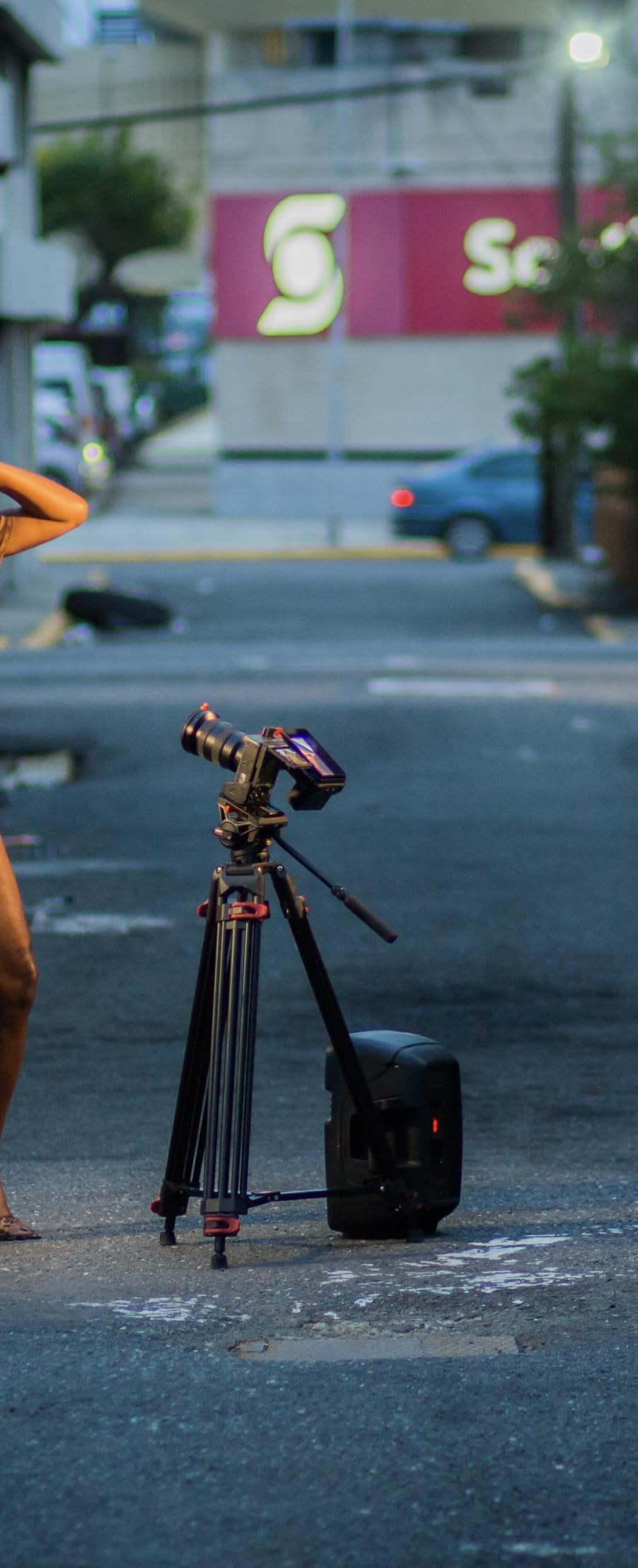
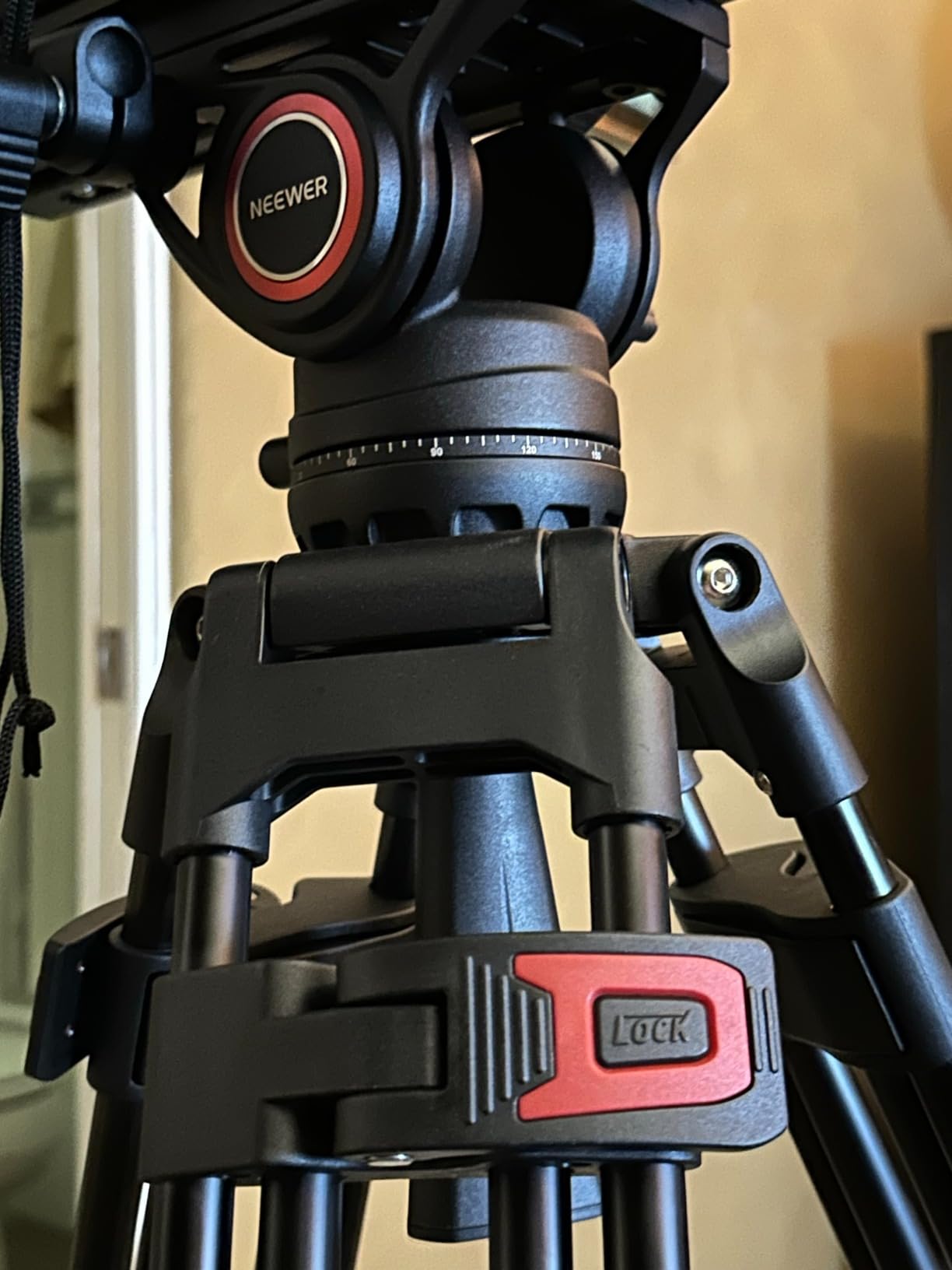
Two things stand out in the customer photos. The leg section locks are the wide flip type rather than small twist knobs, and you can see how much clamp surface there is on each collar. That matters more than it sounds, because a twist lock that keeps loosening is the single most common reason a mid-range tripod feels cheap after a year of work.
Setup speed is the other story. From bag to locked-off frame takes roughly ninety seconds, and breaking down is a single-leg gesture. On a one-person shoot where you are also holding a light, a reflector and a sound recorder, that difference adds up across a day.
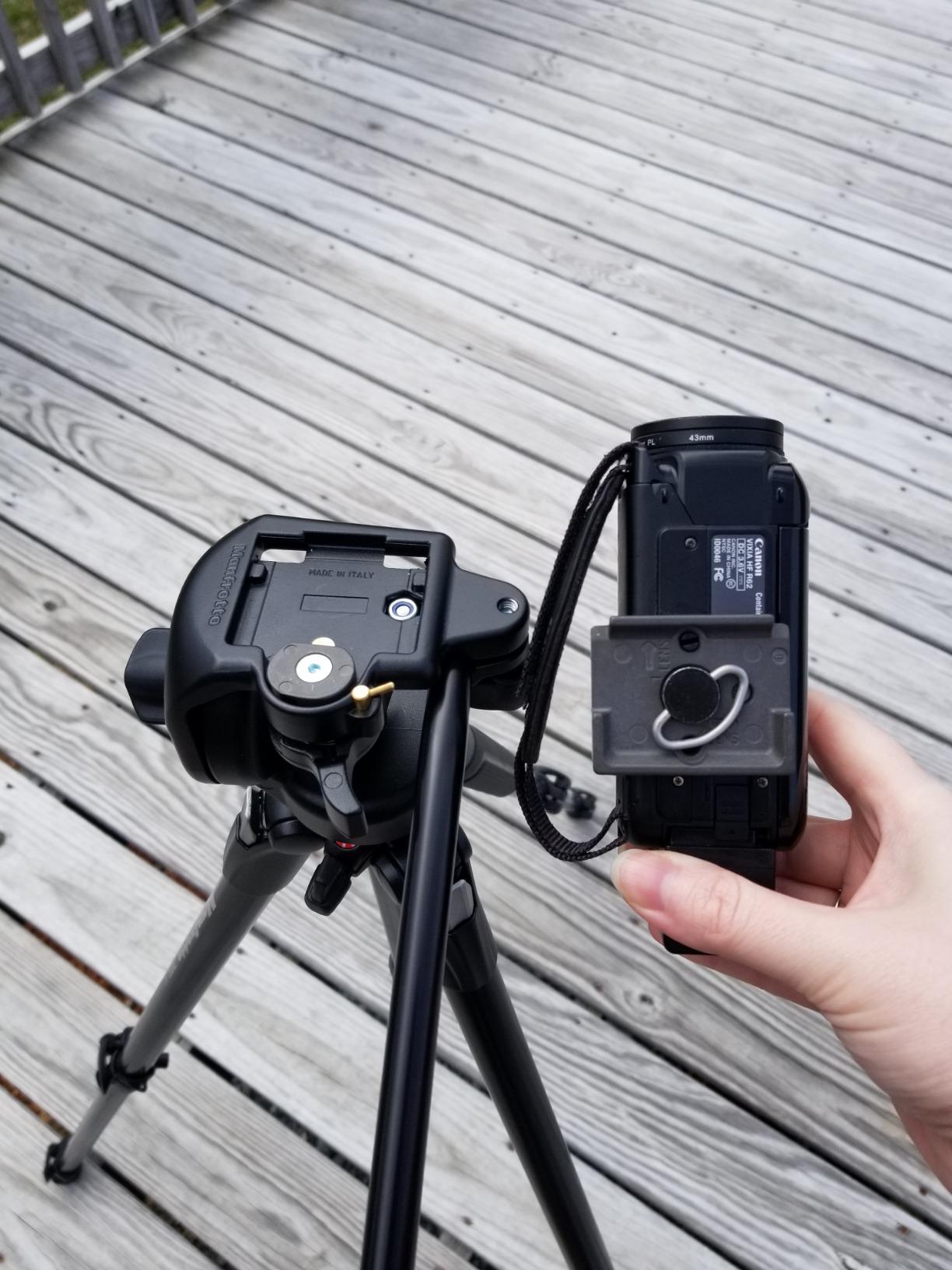
The quick release plate ships with both a 1/4-20 and a 3/8-16 screw, and a safety button that stops the plate releasing under a heavy rig. It also pairs with DJI RS2, RS3 and RS4 gimbals and with standard Manfrotto-style plates, so the same body can move between a tripod head and a stabilizer without re-rigging. A foldable L-bracket is included, which is a quiet bonus for anyone working on a laptop.
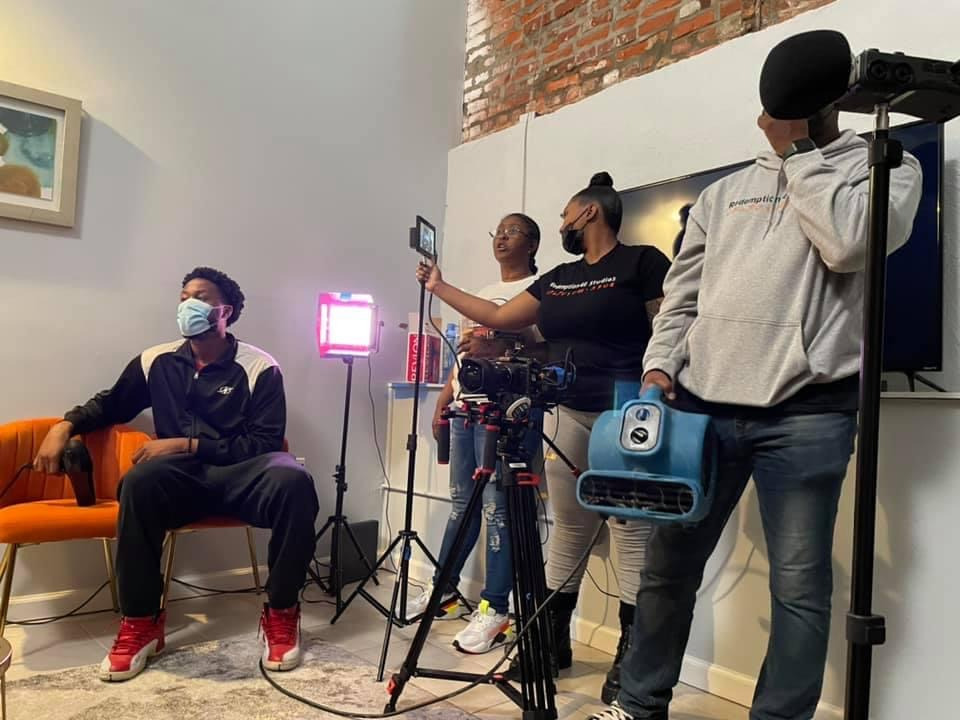
What it handles that cheaper tripods cannot
The 10 kg rating is the number that opens doors. A full-frame body with a fast zoom, an external battery and a top handle will not usually threaten that limit, but it never feels close to it. We found no reports of flex or creep in the legs, and the aluminium construction has the reassuring weight of a unit that will absorb being knocked over and knocked upright again.
For long lenses, the combination of bowl diameter and fluid damping is the useful part. A 200mm lens is fine on almost any of the tripods here, but panning one feels controlled on this head because the drag starts smoothly rather than breaking free.
Where it will frustrate you
The minimum working height is 32.7 inches, which rules out genuine low-angle work without a separate low-angle head. If your work involves floor-level shots, macro or tabletop video, the Manfrotto 290 Xtra later in this list reaches far lower and is built for exactly that.
Two smaller annoyances recur in the reviews. The included bag strap is reported as awkward for larger users, and several owners note that screws need an occasional tighten after heavy use. Neither is structural, both are simply worth knowing before you rely on the tripod in the rain.
2. NEEWER TP-M200 79 inch Video Tripod | Best for High-Angle and Overhead Work
NEEWER 79″/200cm Video Tripod, Heavy Duty Aluminum Alloy Camera Tripod
200 cm max height
8 kg payload
70mm bowl
Fluid drag head
Pros
- Tall 200 cm maximum working height opens up overhead and high-angle framing
- 70mm bowl base and dual-tube aluminum legs hold steady outdoors
- fluid drag head with 360 degree pan and -70 to +90 degree tilt
- flip locks make height changes quick and secure
- large quick release plate carries both screw sizes
Cons
- Rated to 8 kg / 17.6 lb only
- carrying bag is bulky next to the 91 cm folded length
- head has no counterbalance system
Height is the entire argument for this tripod, and for some workflows it is a decisive one. The NEEWER TP-M200 extends to 200 cm, which lets you get the lens above eye level for overhead table shots, top-down food work and high-angle coverage of a room without needing a crane, a lift or a second person holding a pole.
Below that height it is a competent, unremarkable tripod. Aluminum double-tube legs, a 70mm bowl, a fluid drag head with 360 degree of pan and -70 to +90 degrees of tilt, and a height range from 88 cm to 200 cm. The 5.58 kg weight is honest for what it is: this is a floor-standing support that happens to fold, not a walking support.
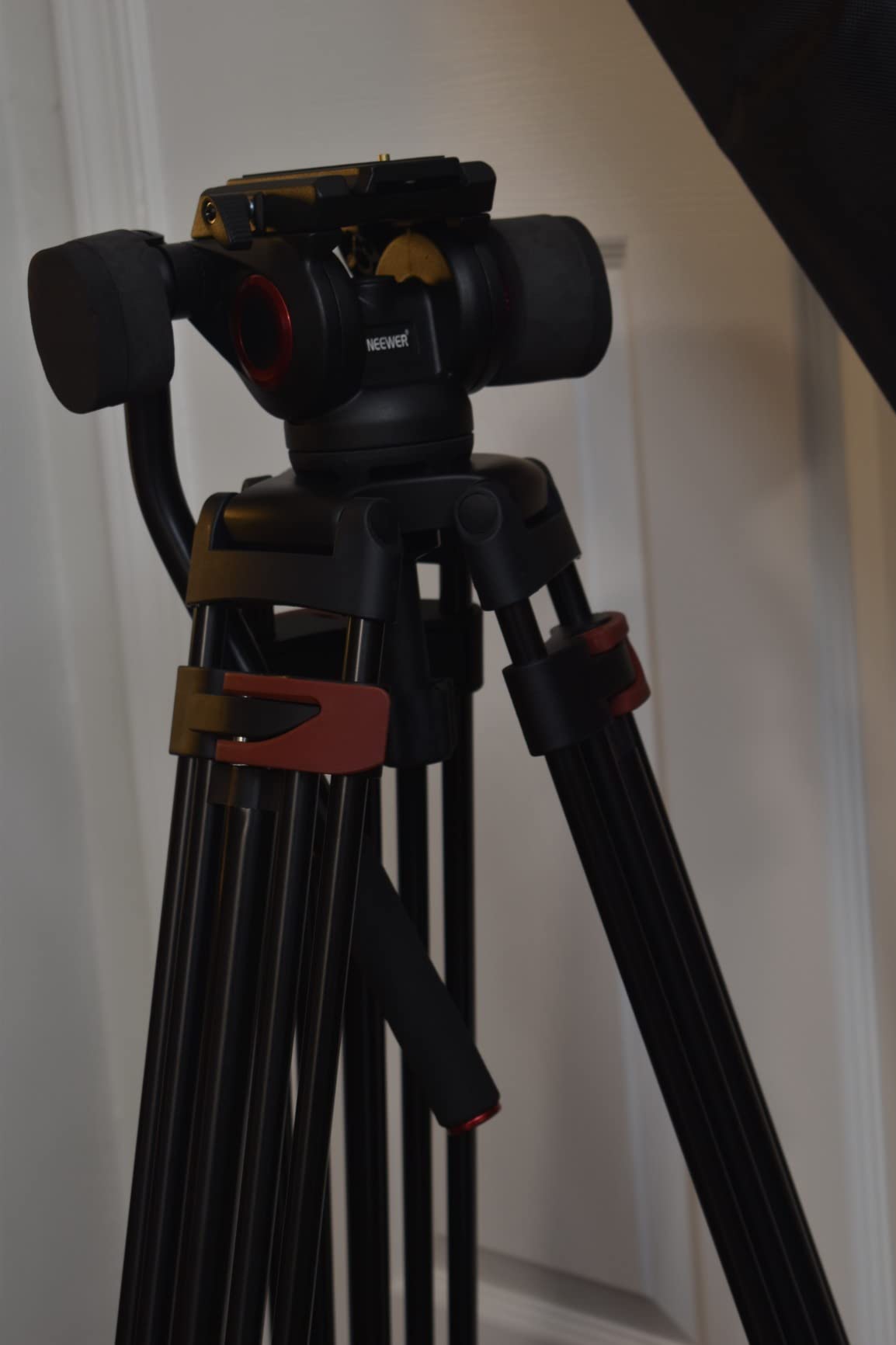
What the customer images show well is the spread. The bowl is wide relative to the leg tubes, and when the legs are splayed for a high angle the footprint stays wide enough that a slow tilt does not introduce a wobble into the top of the frame. This is the tripod to trust on grass, gravel and hardpack where a spreader is doing more than decoration.
Flip locks across the three sections are a genuine usability win. On tall shoots you are constantly stopping to change height, and a clamp you can open with one gloved hand saves a surprising number of seconds per adjustment.
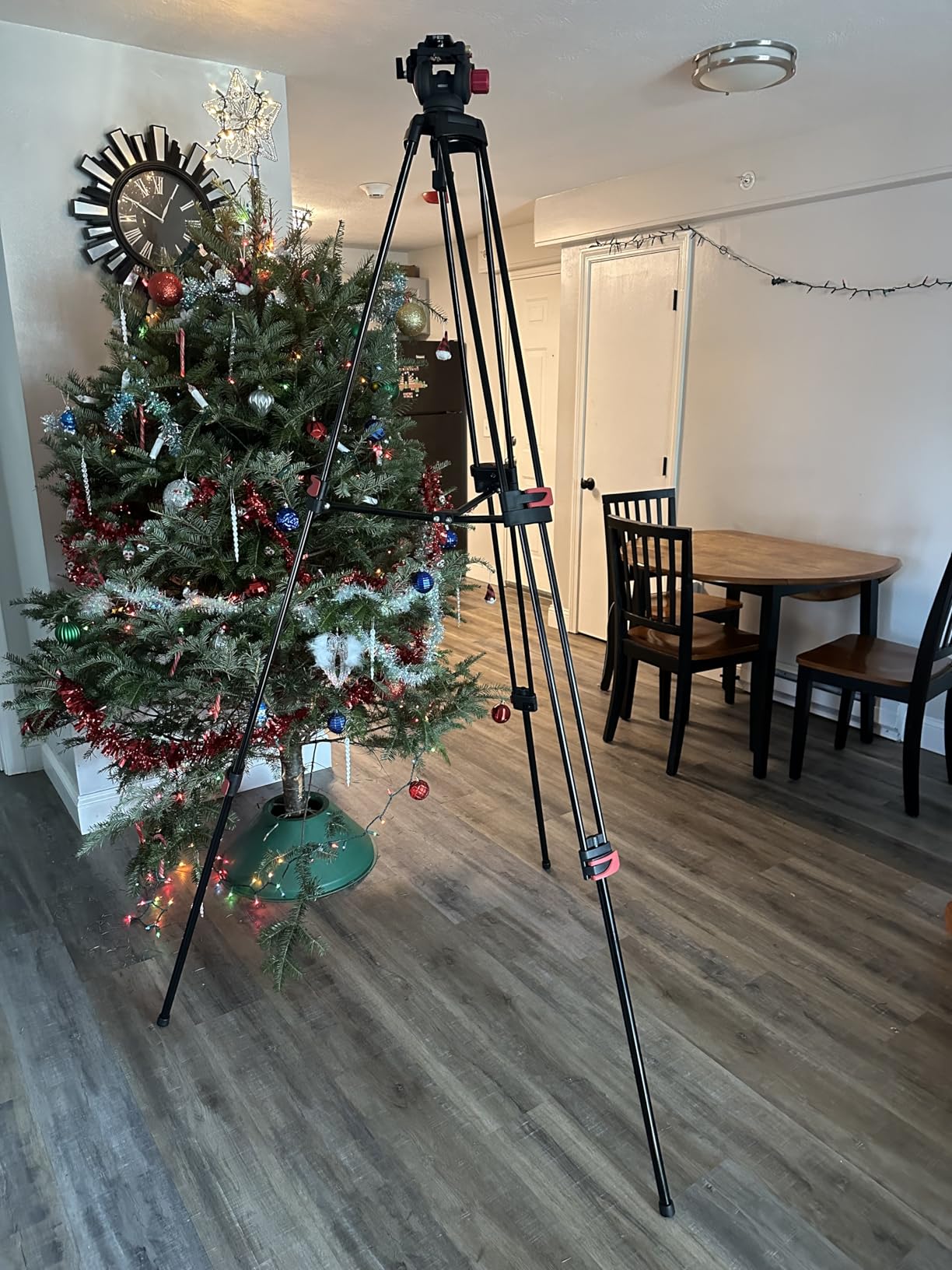
Is the extra reach actually worth it
If you shoot interviews and b-roll at standing or seated height, the extra 40 cm above a standard 74 inch tripod will sit unused and you will be carrying 5.58 kg for nothing. The reach only pays off when your shots genuinely sit above your head or your camera.
For food, tabletop, overhead dance coverage and real-estate interiors, it is a different story. Those are shots that normally mean a separate overhead rig, and this removes that purchase entirely.
What to watch out for
The 8 kg rating is the ceiling, and a large rig with a matte box and a follow focus will eat into it quickly. Budget for the head and the rig separately rather than assuming the tripod rating covers everything you will ever mount.
The included bag is also larger than the 91 cm folded length suggests, because the head and pan handle do not nest inside the leg bundle. Plan for it in a checked bag or a vehicle rather than a daypack.
3. SmallRig AD-01 73 inch Video Tripod | Best for Gimbals and Cross-Format Work
SmallRig 73.2″/ 186cm Heavy Duty Video Tripod with Fluid Head AD-01
17.6 lb payload
186 cm max height
75mm bowl
Dual-mode QR plate
Pros
- Dual-mode quick release plate switches between DJI RS and Manfrotto style plates
- 75mm bowl bottom with double-row aluminum tubes for real stability
- fluid head offers 360 degree pan and +90/-60 degree tilt with damping and balancing
- side-press release makes camera swaps fast
- two-year warranty and carrying bag included
Cons
- 8 kg / 17.6 lb limit rules out heavier cinema builds
- 8.8 lb weight is heavy for a travel package
- only three leg sections across 186 cm
This is the pick for creators whose income depends on more than one format. The SmallRig AD-01 comes with a dual-mode quick release plate that accepts DJI RS 2, RS 3 and RS 3 Pro gimbals as well as MFT and Manfrotto-style plates, so the same camera cage can sit on a fluid head for an interview and on a stabilizer for a walk-and-talk without a single screw change.
Everything else about the package is aimed at the same user. The 75mm bowl bottom is the widest in this aluminium group, which gives a calm horizon on uneven ground, and the fluid head covers 360 degrees of pan with +90 to -60 degrees of tilt and real damping rather than a friction pad.
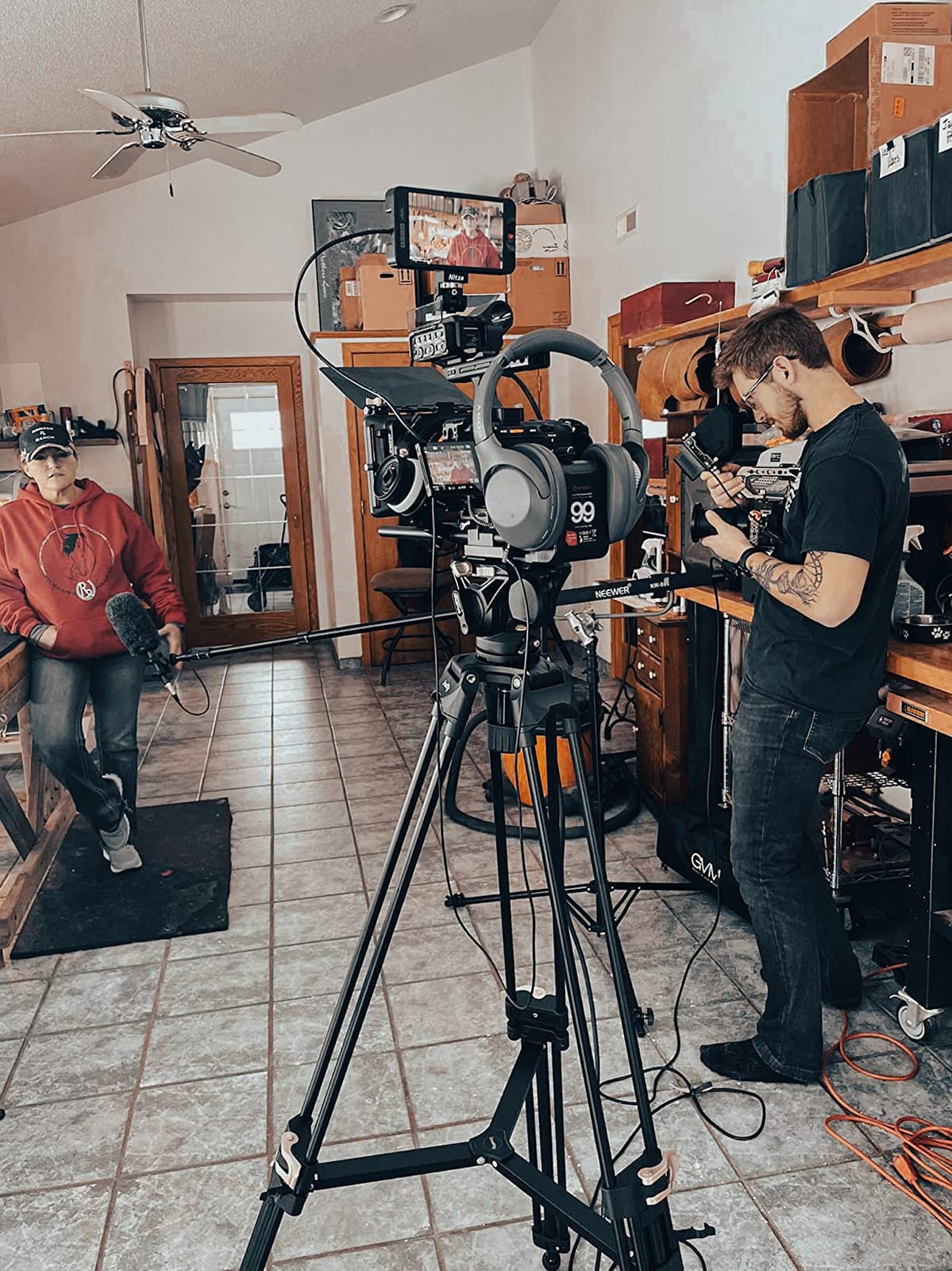
Look at the plate closely in the customer photos and the engineering is obvious. There is a built-in wrench on the plate itself, which removes the loose Allen key from your kit, and the side-press release means you can swap bodies with one hand while the other steadies the lens.
The height range runs from 85 cm to 186 cm across three sections. That middle section is the one that gets used constantly, and a locked mid-position at roughly eye level is where this tripod feels best.
SmallRig also includes a two-year manufacturer warranty, which is longer than the one-year cover on most tripods at this level, and a carrying bag that actually fits the folded package.
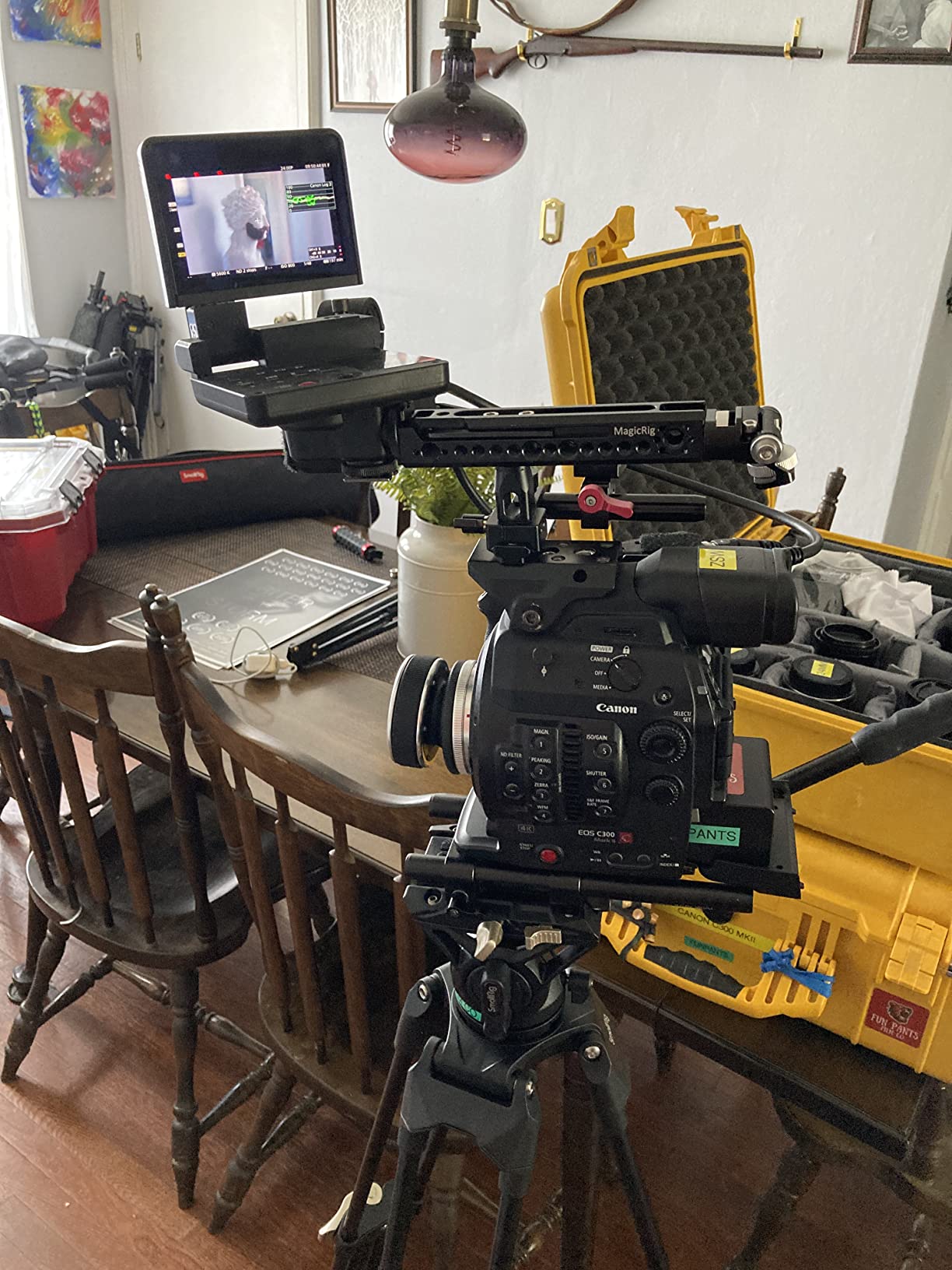
Who gains most from the dual-mode plate
If you already own a DJI RS-series gimbal, this is the feature that makes the tripod worth buying on its own. Gimbals and tripods have historically been separate purchases with incompatible plates, and the usual workaround is a cheap adapter that adds a layer of slop between your camera and the support.
Run-and-gun creators benefit too. A gimbal plate is the more common part of that kit, and having the tripod accept the same plate means the tripod is ready whenever the gimbal is not.
Where the limits bite
The 17.6 lb ceiling is fine for mirrorless work and tight for cinema. If your build includes a large matte box, a follow focus and a top handle, look at the INNOREL RT90C instead, which is rated far higher even though it ships without a head.
At 8.8 lb this is a heavy carry for something described as a portable option, and three leg sections across 186 cm means each adjustment is a larger jump in height than a four-section leg would give you.
4. NEEWER TP74 74 inch Video Tripod | Best for Panoramic Levelling
NEEWER 74″ Video Tripod with Fluid Head, QR Plate, Aluminum, TP74
75mm bowl with 360 scale
Dual QR modes
187 cm max height
4.7 average rating
Pros
- 75mm bowl base with a 360 degree scale gives the cleanest levelling in this group
- fluid drag head with friction damping and balancing supports 360 degree pan and -75/+90 degree tilt
- dual QR modes switch between DJI RS gimbals and Manfrotto 501PL/504PL plates in about a second
- bubble level
- telescopic pan handle and mid-level spreader
- highest average rating in the set at 4.7
Cons
- Heaviest build here at 10.9 lb
- 17.6 lb limit is modest for teleprompter or long lens rigs
- friction damping only with no counterbalance
The number that stands out for the NEEWER TP74 is 4.7 across 587 reviews, the highest average in this set, with 85 percent of ratings at five stars. It also has the specific feature that most improves a slow panoramic move: a 75mm bowl base marked with a 360 degree scale.
That scale is not a gimmick. A panoramic shot that is a degree or two off horizontal across a 180 degree move is a shot you cannot correct in the edit, and having a reference ring you can read at the base of the legs turns levelling from a guess into a repeatable step.
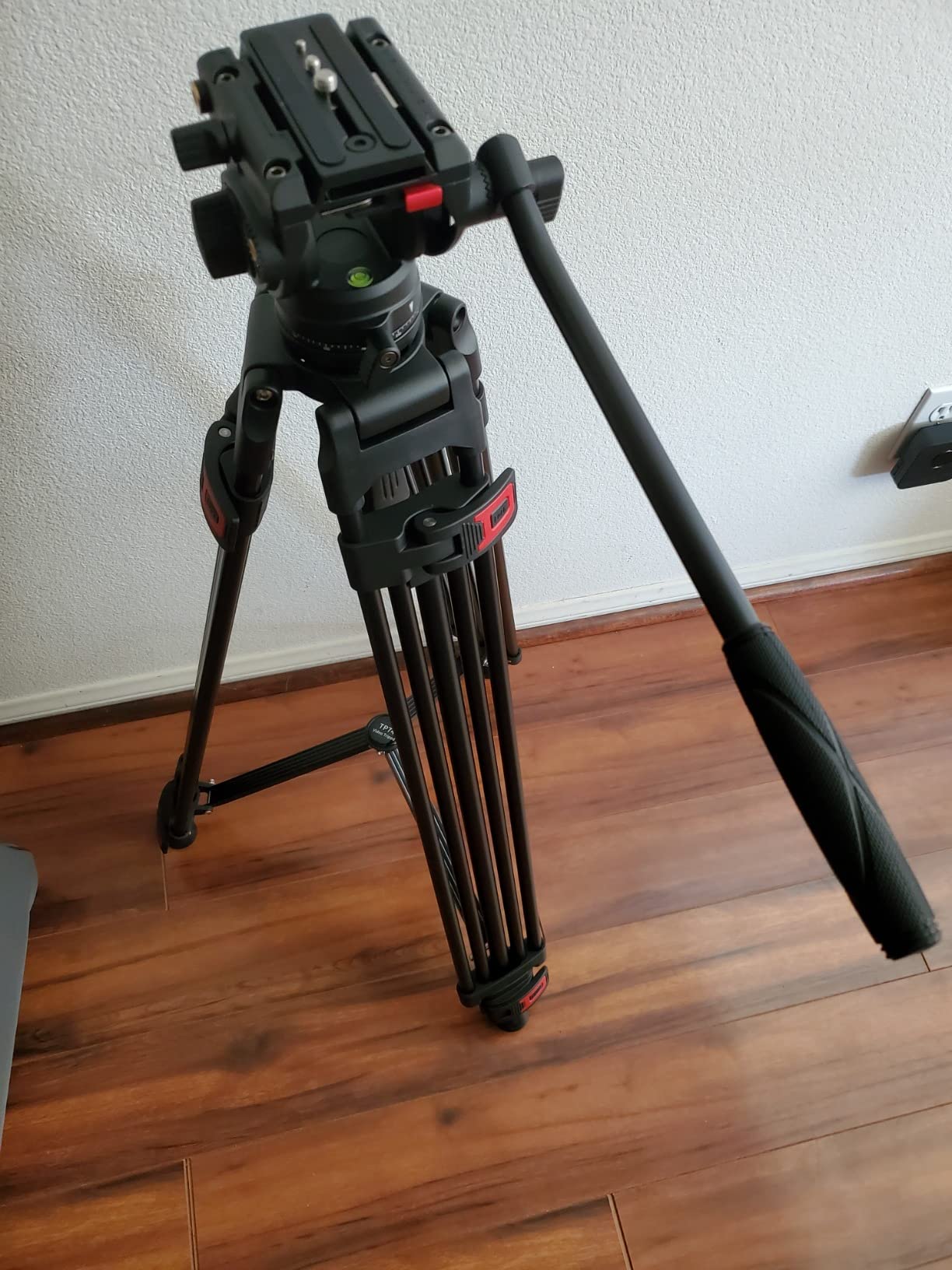
The rest of the design follows the same practical logic. Double tandem aluminum legs with a mid-level spreader, a fluid drag head covering 360 degrees of pan and -75 to +90 degrees of tilt, and dual quick release modes that move between a DJI RS 2, RS 3 or RS 3 Pro plate and a Manfrotto 501PL or 504PL plate in about a second.
Height runs from 86 cm to 187 cm and the package folds to 36 inches. The top plate carries 1/4 inch and 3/8 inch screws plus a 1/4 inch accessory thread, so a monitor, a magic arm or a small light can be clamped on without a separate cheese plate.
Customer photos show the telescopic pan handle and the L-key tension adjustment on the flip locks, which lets you tune clamp tightness rather than living with whatever the factory set.
Why levelling quality changes your footage
Locked-off shots hide a crooked horizon. Panning shots do not. A tripod that drifts a fraction of a degree during a slow move will produce a horizon that visibly rolls, and no amount of stabilisation in post will return that to a clean line without cropping the frame.
A wide bowl with a readable scale is the cheapest insurance against that failure, and it is why this tripod earns its place for landscape work, real estate, walk-throughs and any slow reveal.
What you give up
At 10.9 lb this is the heaviest package in the roundup, and you feel it on any shoot that involves a walk from the car. It is a studio, tripod-and-stay kind of tool rather than a location one.
The head uses friction damping rather than a counterbalance system, so a long lens with real front weight will pull the nose down and stay there until you rebalance by hand. Manageable at short focal lengths, awkward past 200mm with a large front element.
5. INNOREL RT90C Carbon Fiber Tripod | Best for Heavy Payloads
Carbon Fiber Tripod INNOREL RT90C Bowl Tripods Professional Heavy Duty Camera Stand with 75mm Bowl Adapter for DSLR Cameras Compatible with Ball Head & Fluid Head, 63 inch, 40mm Tube 40kg Load Black
40 kg / 88 lb load rating
6 lb net weight
23.2 inch folded
Four-section carbon fiber
Pros
- Genuine 10-layer carbon fiber with 40mm maximum tube diameter and an 88 lb / 40 kg load rating
- very light for its class at 6 lb with a 59 cm folded length
- three leg angle positions at 9
- 37 and 69 degrees for low
- mid and high work
- includes a 75mm bowl
- a bowl adapter
- three stainless spikes
- allen keys and a bag
- accepts 75mm or 100mm bowl fluid and ball heads
Cons
- Sold as a tripod platform only
- so a fluid head must be bought separately
- twist locks take longer than flip locks
- 63 inch maximum height is short against the aluminum options
The INNOREL RT90C is the only carbon fiber tripod in this list with a load rating that will not be the limiting factor. Forty kilograms, or 88 lb, is a cinema number, and it is paired with 10-layer genuine carbon fiber tubes that top out at 40mm diameter across four sections.
It also carries the highest average rating in the group at 4.8, with 86 percent five-star ratings. That combination of headroom and feedback is why it is the platform to build a serious rig on, even though it arrives without a head.
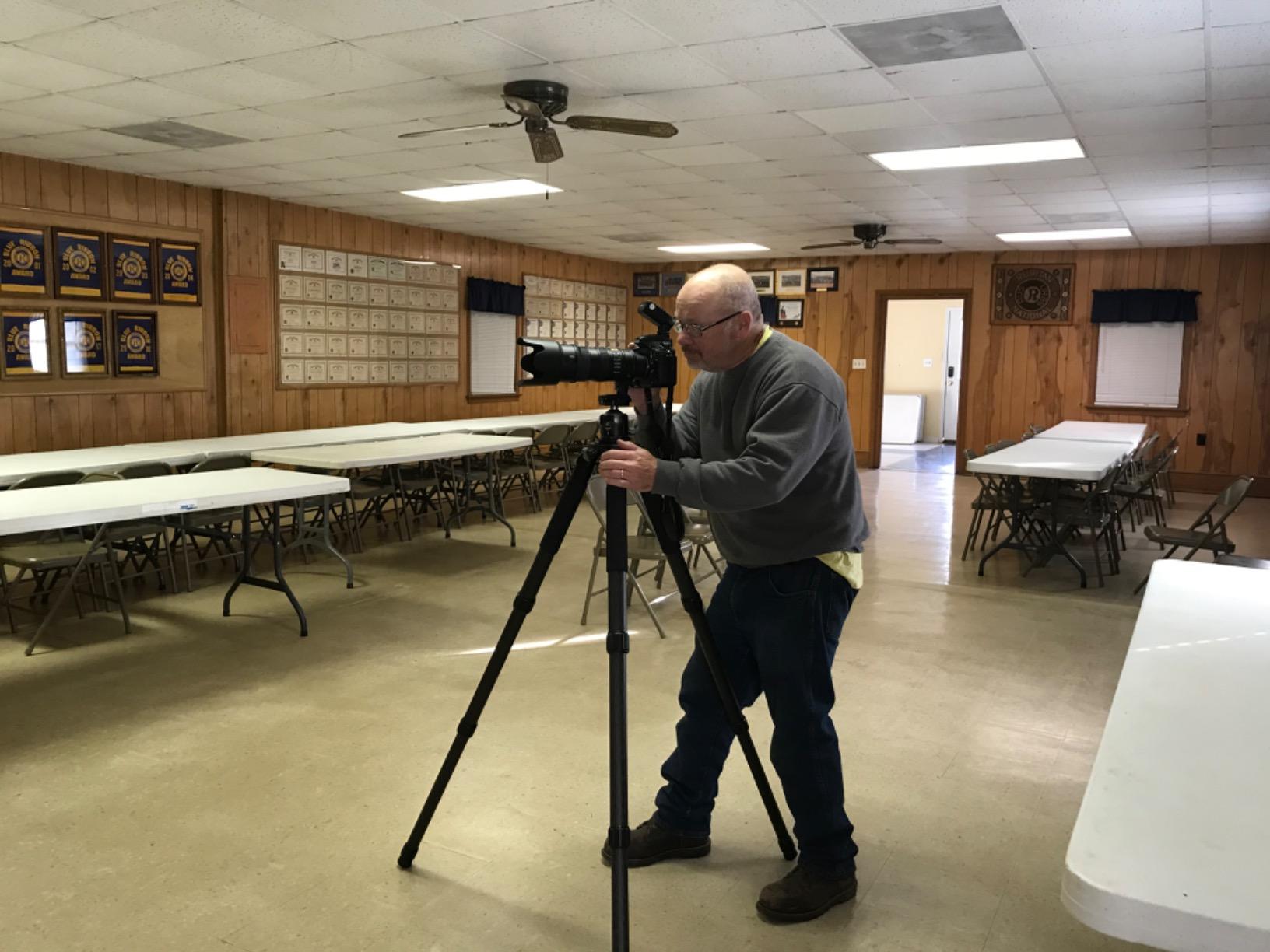
Weight is the surprise. At 2730 g, or 6 lb, it is lighter than several of the aluminum tripods in this roundup while holding roughly four times their payload. That is the stiffness-to-weight argument for carbon fiber in one number, and it is why carbon legs make sense for heavy builds even though they are not automatically the right answer for everyone.
Three leg angle positions at 9, 37 and 69 degrees let you change the shooting height without changing the number of extended sections, which is a much faster way to move between a floor-level angle and a standing one than collapsing the legs each time.
What you have to add to make it a video tripod
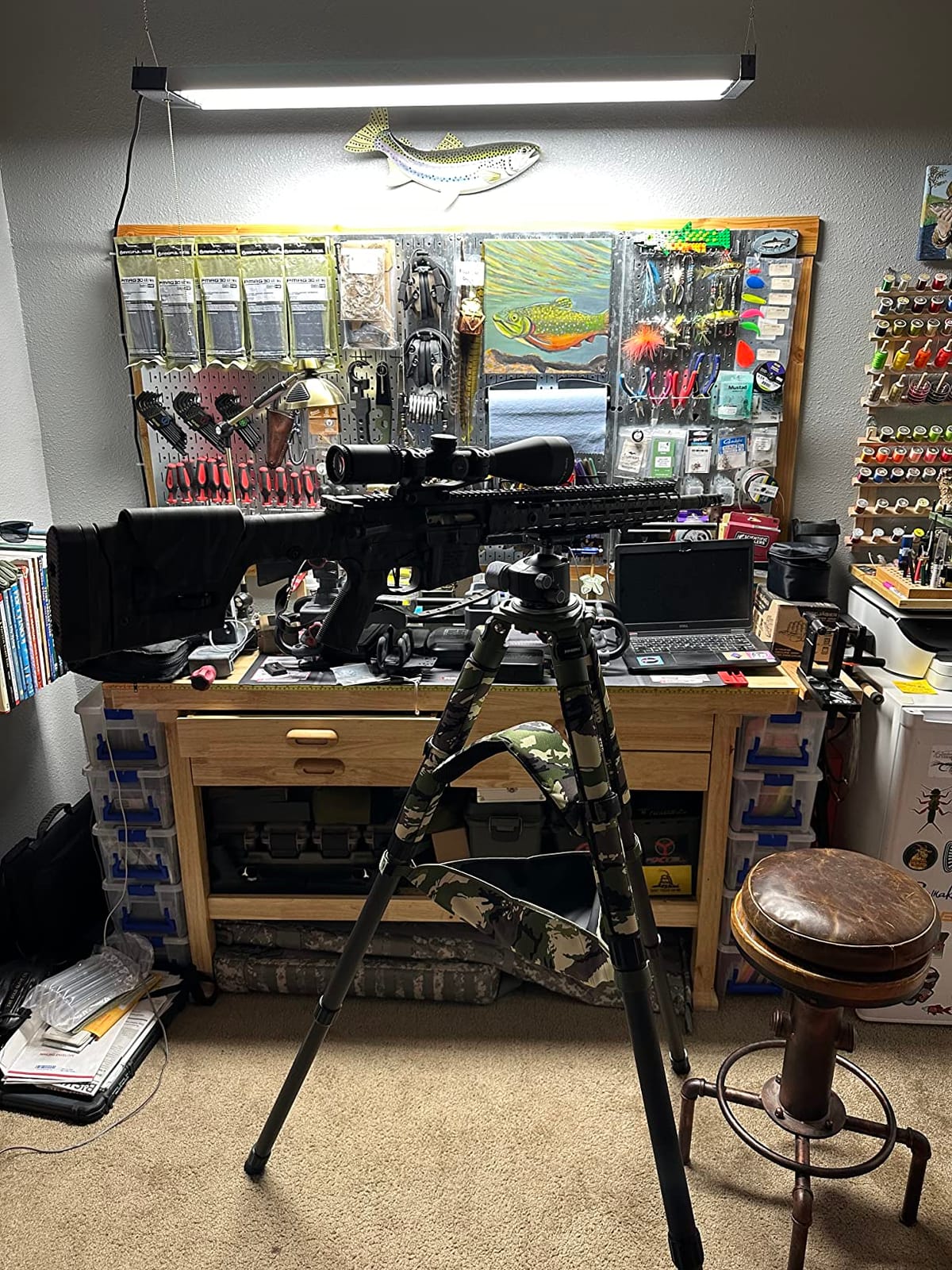
A head. The RT90C is a platform, and it ships with a 75mm bowl, a 75mm bowl adapter, three stainless spikes, allen keys and a bag. You will need a 75mm or 100mm bowl fluid head, and that is a real additional purchase that should be part of the budget rather than an afterthought.
Because the head is separate, this tripod is also the flexible choice. The same legs can take a fluid head for an interview, a ball head for fast stills work and a bowl head with independent levelling for landscape pans.
Where it falls short
Maximum height is 63 inches, which is the shortest reach of the ten tripods here. If your work needs overhead or high-angle coverage without a ladder, the K&F CONCEPT or the NEEWER TP-M200 go considerably higher.
The twist locks are the other compromise. Four sections means four locks to open and close, and each one takes a moment more than a flip lock does. For a solo shooter moving every twenty minutes, that adds up over a full day.
6. NEEWER TP37 Basics 74 inch Tripod | Best Budget Entry Into a Metal Fluid Head
NEEWER Basics 74″ Video Tripod with Fluid Head, Metal Camera Stand, TP37
17.6 lb load rating
All-metal build
33 to 74 inch height
Damped fluid head
Pros
- All-metal construction with a 73mm chassis that reviewers compare favorably to far costlier units
- fluid head with 360 degree pan and -70/+90 degree tilt plus a large ball-locking handle for fast balancing
- triangle mid-level spreader works well on uneven terrain
- Manfrotto 501 compatible quick release plate
- carrying bag included
Cons
- Not a half-bowl head
- so levelling on rough ground takes longer
- front-heavy loads can nose-dive without an adjustable bowl
- leg buckles and mid-section joints feel less robust than the rest of the build
Most tripods at this level use plastic leg locks and a stamped steel top plate, and that is where they feel vague. The NEEWER TP37 is built almost entirely from metal, including a 73mm enlarged chassis, and owners routinely describe it as closer to the Sachtler and Vinten units than to the plastic kits it sits beside on price.
That weight, which some buyers call heavy, turns out to be an asset. A damped fluid head with 360 degrees of pan and -70 to +90 degrees of tilt needs mass to damp properly, and the 9.4 lb build is part of why the motion feels settled rather than twitchy.
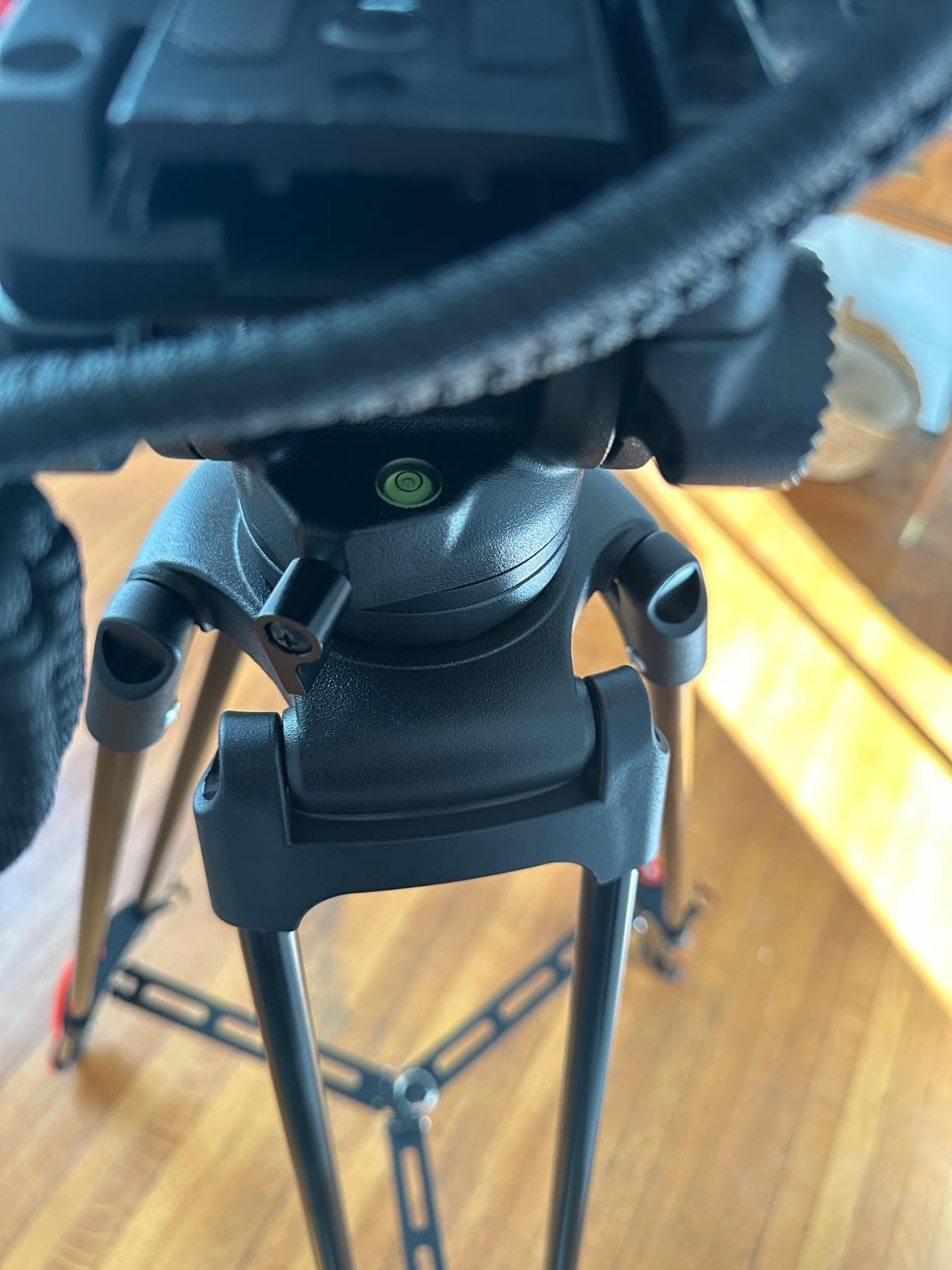
The large ball-locking handle is a small detail with a big effect. On a fluid head, the ball is the part that lets you level the camera before the legs are even spread, and a big handle means you can do it in gloves, in the dark, or one-handed while the other hand is on the pan bar.
Height runs from 33 to 74 inches across three sections, the mid-level spreader is a triangle design that stays clear of your feet, and the quick release plate is Manfrotto 501-compatible, which means most of the plates in a typical kit will already fit it.
What a metal build actually changes
Three things. First, damping, because a fluid chamber that is not rigidly held will chatter, and metal joints hold their geometry under load. Second, longevity, since there are no plastic collars to crack or lose tension. Third, the ability to accept a teleprompter or a heavy accessory without the top plate flexing.
None of that makes it a pro fluid head, but it is a real step up from the plastic kits priced nearby, and for interview, event and livestream work it is where the money is best spent.
Where the compromises sit
It is not a half-bowl head. Levelling on genuinely uneven ground takes longer because you are compensating with the legs rather than with a bowl, and the frame can drift a little over a long shot. For flat floors and normal locations that never becomes an issue.
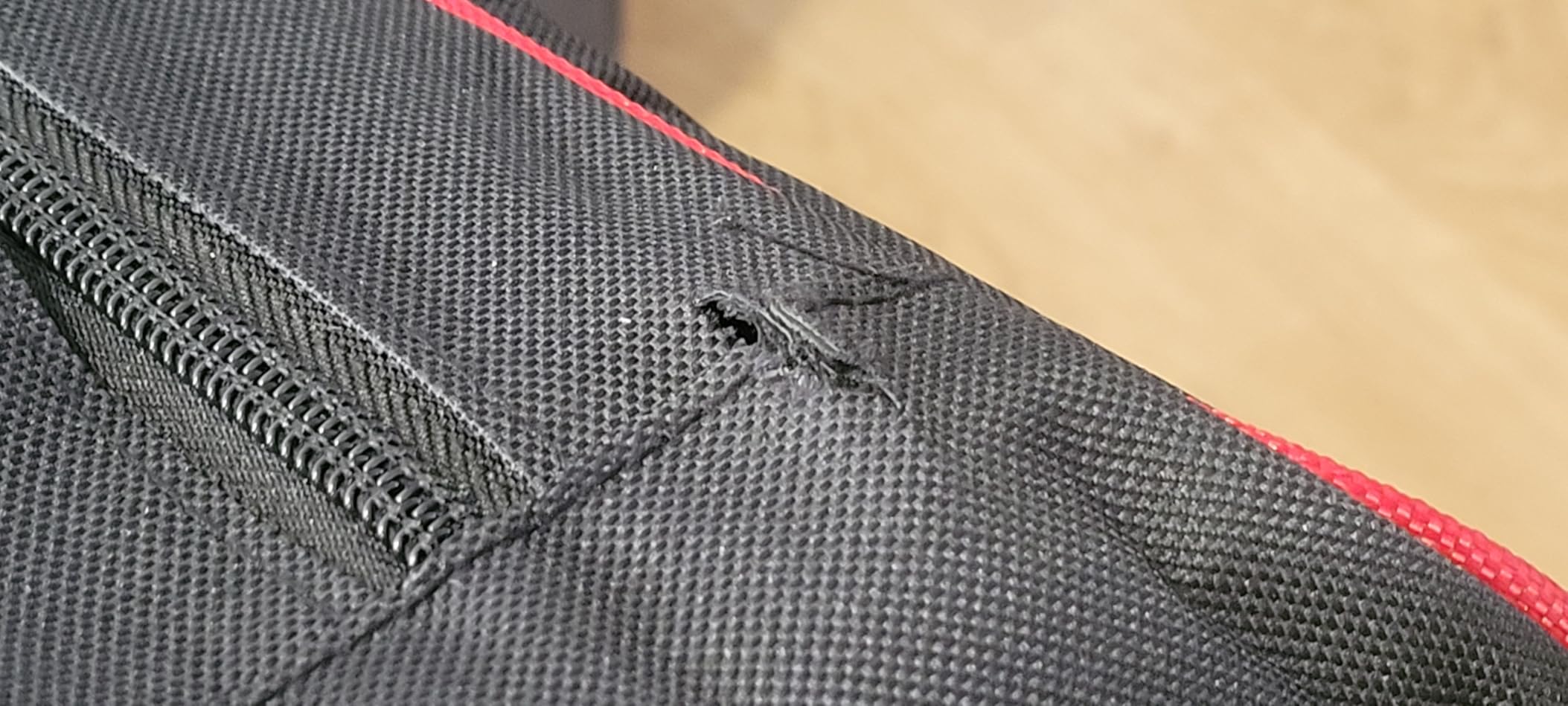
Front-heavy accessories expose the missing levelling base. A large teleprompter or a long lens will pull the nose down and hold it there, and the plastic leg buckles are the part most likely to need replacing after years of heavy use.
7. K&F CONCEPT 90 inch Tripod | Best for Monopod Work and Extreme Angles
K&F CONCEPT 90”/230cm Horizontal Fluid Head Camera Tripod
0-120 degree pitch
230 cm max height
Detachable monopod leg
Folds to 21.3 inch
Pros
- Universal horizontal center axis gives 0-120 degree pitch plus 360 degree panorama
- 28mm enlarged center column diameter improves horizontal rigidity and cuts lens shake
- hydraulic damping fluid head with +90/-90 degree tilt and 360 degree panorama
- detachable monopod converts one leg into a walking stick or single-leg support
- folds to 21.3 inch at 4.9 lb
Cons
- Some owners report wobble at full extension
- leg twist locks are stiff compared with flip locks
- a minority report the pan handle screw failing early
The K&F CONCEPT does something none of the other nine do: it rotates the camera around a horizontal axis rather than a standard pan axis. That means 0 to 120 degrees of pitch on top of a full 360 degrees of panorama, which opens up straight-down overhead shots and steep high angles that a conventional head simply cannot reach.
For food, tabletop, stop-motion and overhead coverage, the geometry is the whole point. You tilt the rig down without swinging the camera into the legs, and the horizon stays where you put it.
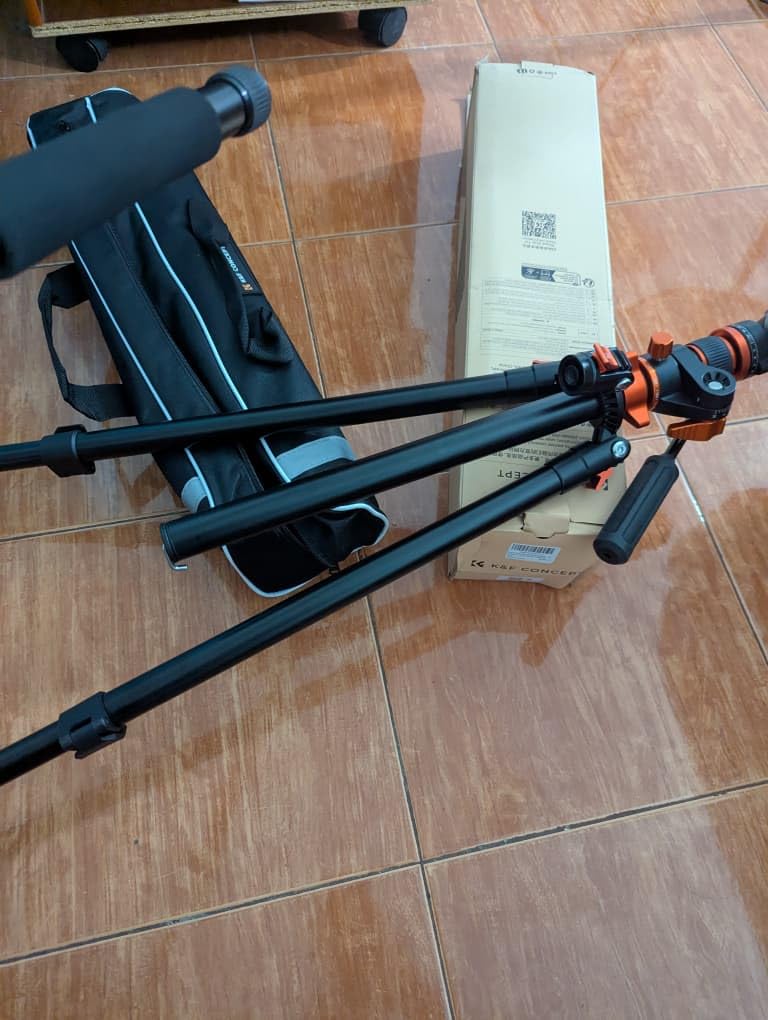
The second feature worth planning around is the detachable monopod. One leg section comes free with a counterweight hook, so the rig converts to a single-leg support for walk-and-talk, follow moves and locations where spreading three legs is not an option. Reviewers commonly pair it with a dolly.
Mechanically, the 28mm enlarged center column diameter is doing real work here. Long lenses twist a narrow column, and that twist shows up as wobble in the corners of the frame at long focal lengths. The wider column resists it.
Maximum height is 230 cm, or 90 inches, from four sections, and the package folds to 21.3 inches at 4.9 lb, which keeps it in travel territory.
When the monopod conversion earns its keep
It earns its keep in exactly the situations where you cannot stop and set up. Moving through a building with a camera on a shoulder-length support, following a subject through a crowd, or shooting handheld-style footage on smooth rails when the only stable option is one leg. The hook also lets you balance a lighter camera on the counterweight end.
It is also a good reason to own one tripod instead of two. The same legs cover tripod, monopod and overhead work, which is genuinely three tools for the price of one.
What gives it away
Some owners report wobble when the legs are fully extended, which is the predictable result of four slim aluminum sections reaching 90 inches. If you plan to work at the top of the range with a long lens, test it fully extended first.
The twist locks are stiff, and the pan handle mount screw is a documented weak point, with a few owners reporting a failure within months of light use. If you shoot on a deadline, that is worth checking before a job rather than during one.
8. Manfrotto 290 Xtra Fluid Head Kit | Best for Low-Angle and Floor-Level Work
Manfrotto 290 Xtra Aluminum 3-Section Tripod Kit with Fluid Video Head (MK290XTA3-2WUS) Black
15.9 inch minimum height
67.5 inch max height
128RC micro fluid head
5.6 lb
Pros
- Premium Italian design and build quality that buyers report holding up over years of heavy use
- 128RC micro fluid head delivers smooth pans and tilts for the money
- four independent leg spread angles including a floor-level position set by button C
- light at 5.6 lb with a 15.9 inch minimum height for low work
- shoulder bag included and long-term owners report it still looks new
Cons
- No bubble level on the head
- quick release plate is not standard Manfrotto style
- 11 lb load limit suits light cameras rather than rigged setups
The Manfrotto 290 Xtra is the oldest design in this roundup and still the one most owners report owning years later. That longevity is the argument. It is a long-running Italian aluminum tripod with the 128RC micro fluid video head, and the reviews repeatedly describe people buying it instead of far more expensive professional units and never regretting the trade.
Its distinguishing feature is height range in the other direction. It goes from 15.9 inches to 67.5 inches, and the 15.9 inch minimum height is the lowest in this list, which matters enormously for low-angle and floor-level work.
Four independent leg spread angles, selected with button C, are the mechanism that makes that low position usable. Rather than cranking the center column down and fighting the spreader, you change the geometry of the legs, so the camera can sit inches off the ground with the platform properly level.
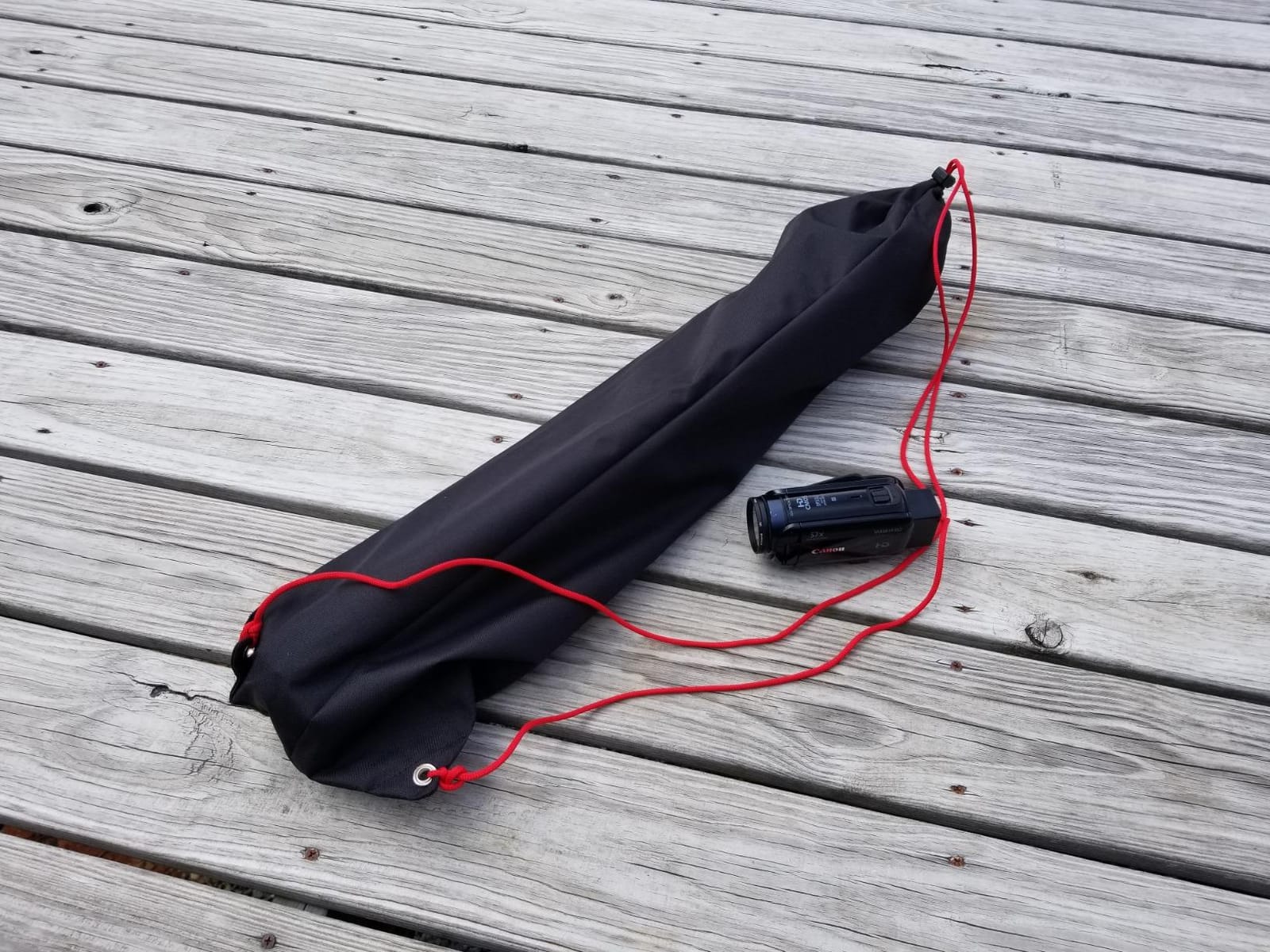
At 5.6 lb with a 27.4 inch folded length, it is one of the more portable options here despite being aluminum, and the included shoulder bag is genuinely usable rather than decorative.
The 128RC micro fluid head covers 360 degrees of pan and tilts through a generous range with damping you can set by hand. It is not a counterbalance head, so a long lens needs manual rebalancing, but at the weight class this tripod handles that is a normal part of the workflow.
What low-angle access really unlocks
Low camera positions change how a shot reads. A wide lens at six inches off the ground makes the foreground huge and the background recede, which is the standard way to make a static interview or a product shot feel cinematic rather than documentary.
Few tripods can get there without a separate low-angle head or a beanbag on the floor. This one gets there from its normal standing configuration in seconds, which means the low shot stops being a special setup and becomes an option you actually use.
What to fix before you rely on it
Tighten the set screw under the head after assembly. Owners report the head working loose when it has not been checked, and it is the single most common complaint about this kit. A five-second check at the start of a shoot removes it entirely.
There is no bubble level on the head, so plan on a separate level or a phone app when precision matters. The 11 lb load rating also means this is a light-camera tripod: mirrorless, a small camcorder or a webcam rig, not a caged cinema build.
9. Sirui Traveler X Carbon Fiber Tripod | Best for Travel and Lightweight Video
SIRUI Carbon Fiber Tripod Lightweight 2lbs with Panoramic Fluid Head, 59.8” Compact Camera Tripod Quick Release Leg Setup, Reversible Center Column, Reverse Folding Legs, Max Load 11lbs – Traveler X
0.95 kg net weight
13.93 inch folded
59.8 inch max height
AT-10 fluid head
Pros
- Extremely light at 0.95 kg with a 13.93 inch folded length
- single twist lock deploys all five leg sections in about two seconds
- reverse-folding legs pack down small while reaching a full 59.8 inch working height
- two-section reversible center column for low-angle and macro work
- Arca-Swiss compatible anti-twist quick release plate and a built-in stabilizing hook
- six-year manufacturer warranty
Cons
- Bundled AT-10 head is described as jerky and binding on tilt
- pan lock is all-or-nothing with no tension range
- actual weight measures nearer 950 g than the claimed figure
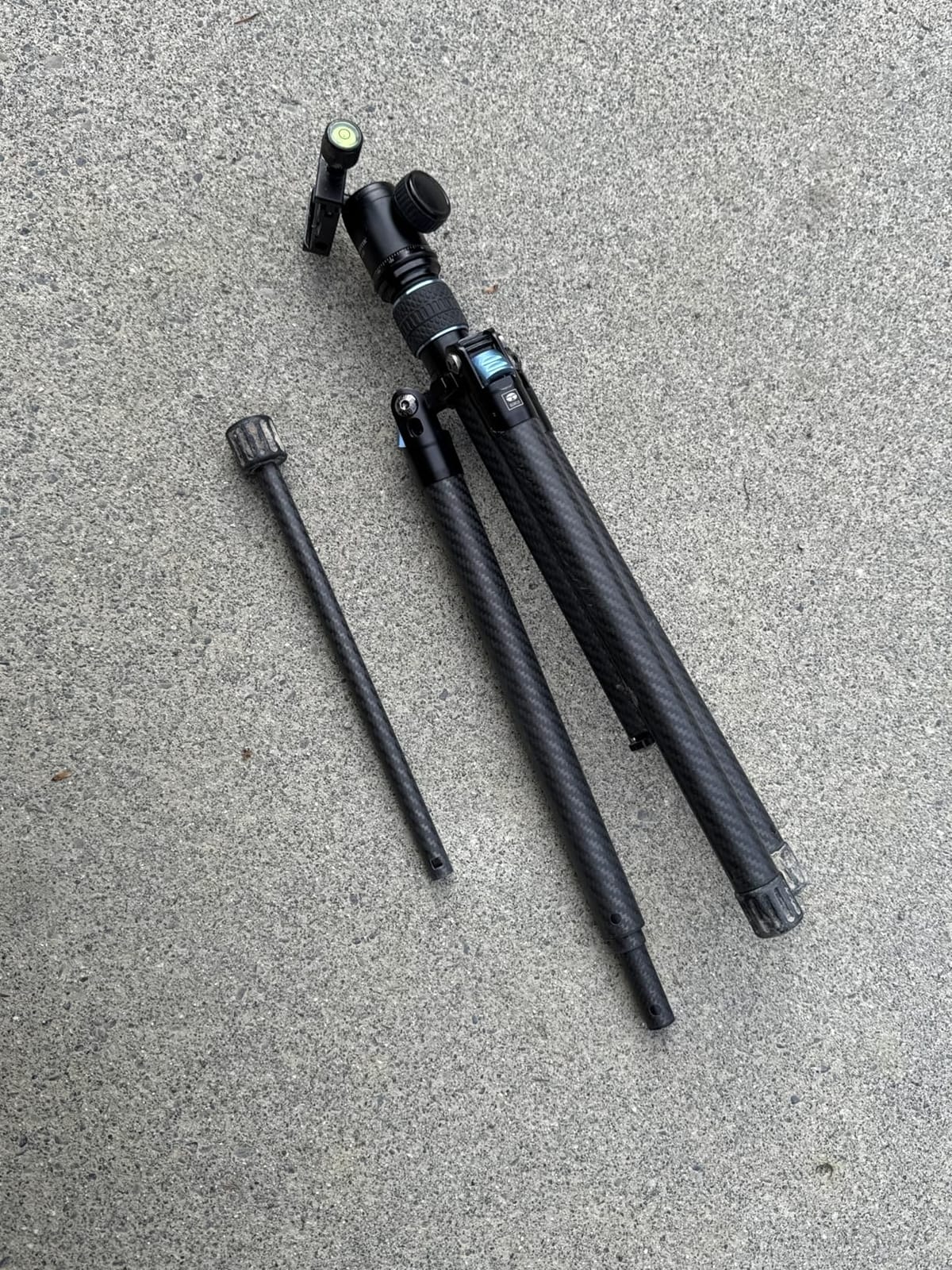
Travel is where the Sirui Traveler X is genuinely hard to argue with. At 0.95 kg and a folded length of 13.93 inches, it packs smaller than most travel tripods while still extending to a full 59.8 inches of working height, and the reverse-folding legs are what make that combination possible.
The deployment system is the other trick. One twist lock extends or retracts all five leg sections together in about two seconds, which is faster than any per-section lock and removes the fiddly middle stage where a telescoping leg can catch. Getting the top section to an exact working height still takes an adjustment, but getting there at all is instant.
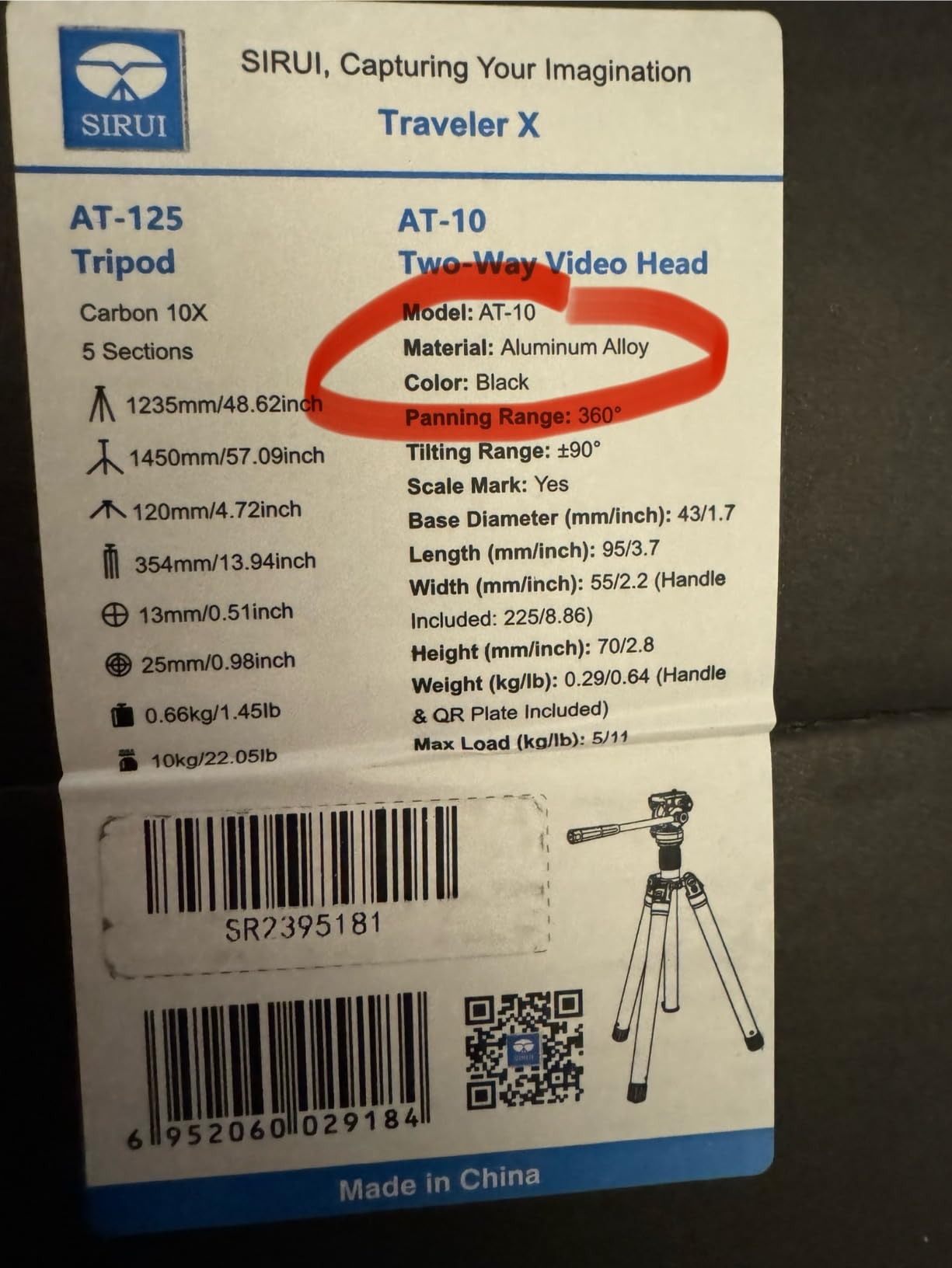
Construction is 3K twill weave carbon fiber, the quick release plate is Arca-Swiss compatible with an anti-twist design, and there is a two-section reversible center column for low-angle and macro work that most tripods of this weight class simply do not offer.
Warranty is six years, which is the longest in this roundup and a reasonable signal about how the manufacturer expects the legs to hold up.
What the legs do well and the head does not
The honest picture is that the legs are the product. Reviewers describe the carbon construction, the fold and the single-lock deployment in consistently positive terms, and several compare the packed size favourably against established travel tripods.
The bundled AT-10 fluid head is the weak point. Multiple owners describe it as jerky, grinding or binding on tilt, and the pan lock is all-or-nothing with no controllable tension range, which is the opposite of what you want when a pan has to start and stop gently. Several reviewers fit a different head and keep the tripod, which is a reasonable fix if you already own one.
Who should buy it, and who should not
Buy it if weight and packed size are your binding constraints and your shots are mostly locked-off or on short pans. A destination shoot where you walk a kilometre before setting up is where 0.95 kg changes the day.
Skip it if smooth motion is the core of your work. At a 4.2 average it is the lowest-rated tripod in this group, and the complaints concentrate entirely on the head rather than the legs. Budgeting for a replacement head turns it into an excellent travel platform, but it is not the cheapest route to good panning.
10. SmallRig AD-80S Carbon Fiber Tripod | Best for True Counterbalance
SmallRig 75″ Carbon Fiber Tripod, 360° Fluid Head, One-Step Height Adjust
4 kg preset counterbalance
55mm center of gravity
8.3 lb carbon fiber
One-step leg lock
Pros
- Only head in this group with real counterbalance
- offering 4 kg pre-set at a 55mm center of gravity height
- one-step locking system locks two leg sections with a single lever
- carbon fiber keeps the whole kit to 8.3 lb while carrying 17.6 lb
- dual-mode snap-on plate switches between DJI RS and MFT plates
- built-in spirit level
- detachable pan handle and carrying bag included
Cons
- Lowest average rating in the roundup at 4.0 with 14 percent one-star reviews
- fixed damping rather than continuously adjustable fluid drag
- 18mm leg diameter is slim for a carbon tripod in this weight class
This tripod has the most advanced head specification in the set and the lowest average rating at the same time, and understanding why is more useful than either number on its own. The head carries a 4 kg pre-set counterbalance at a stated 55mm center of gravity height, which is a real, calibrated counterbalance rather than a friction knob that approximates one.
That is the feature that makes long-lens panning practical. Instead of sliding the camera back and forth on the plate until the rig sits neutral, you set the counterbalance to the rig once and the head holds it through a full tilt. For a 70-200mm or a small cinema zoom, that is the difference between a controlled move and a constant correction.
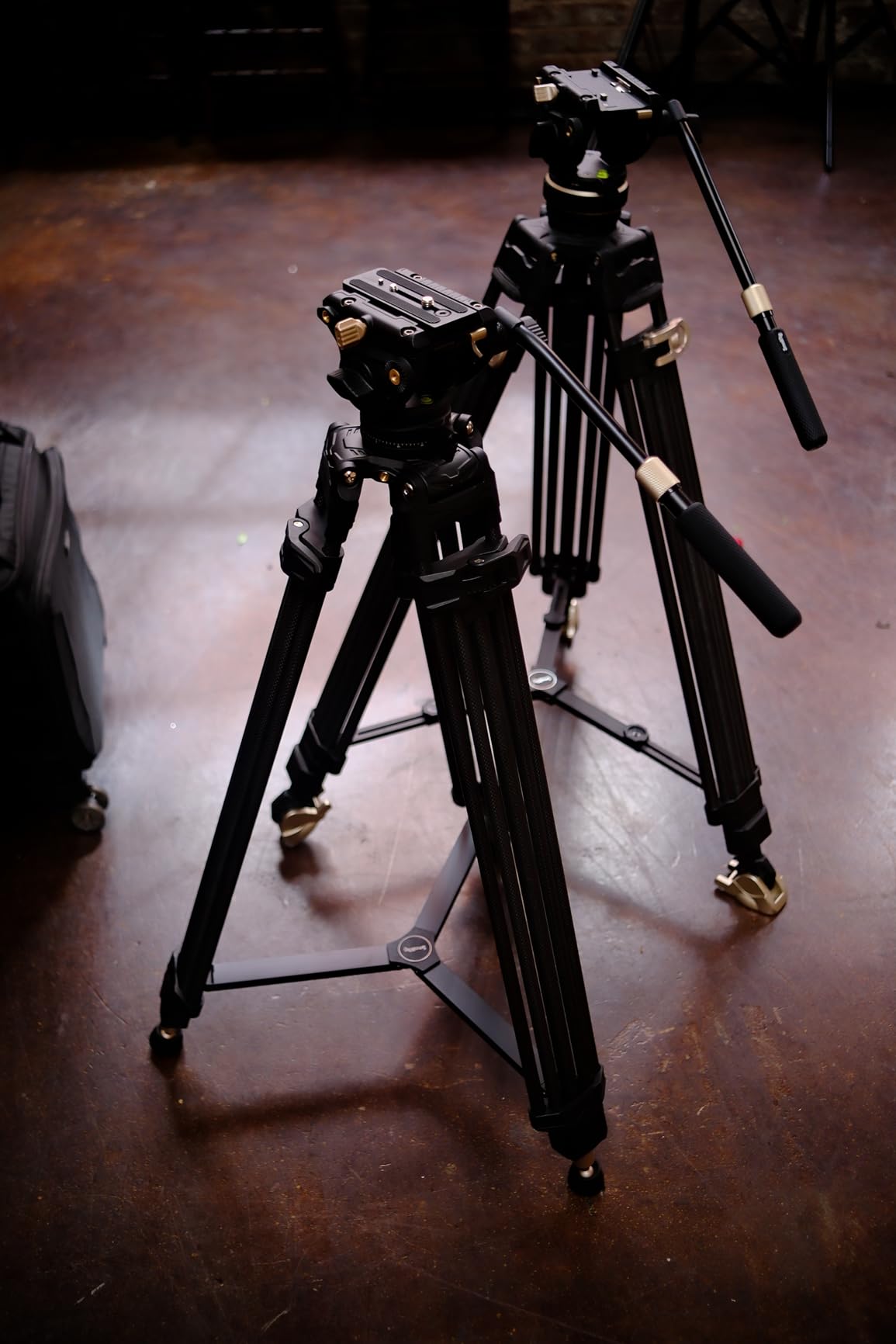
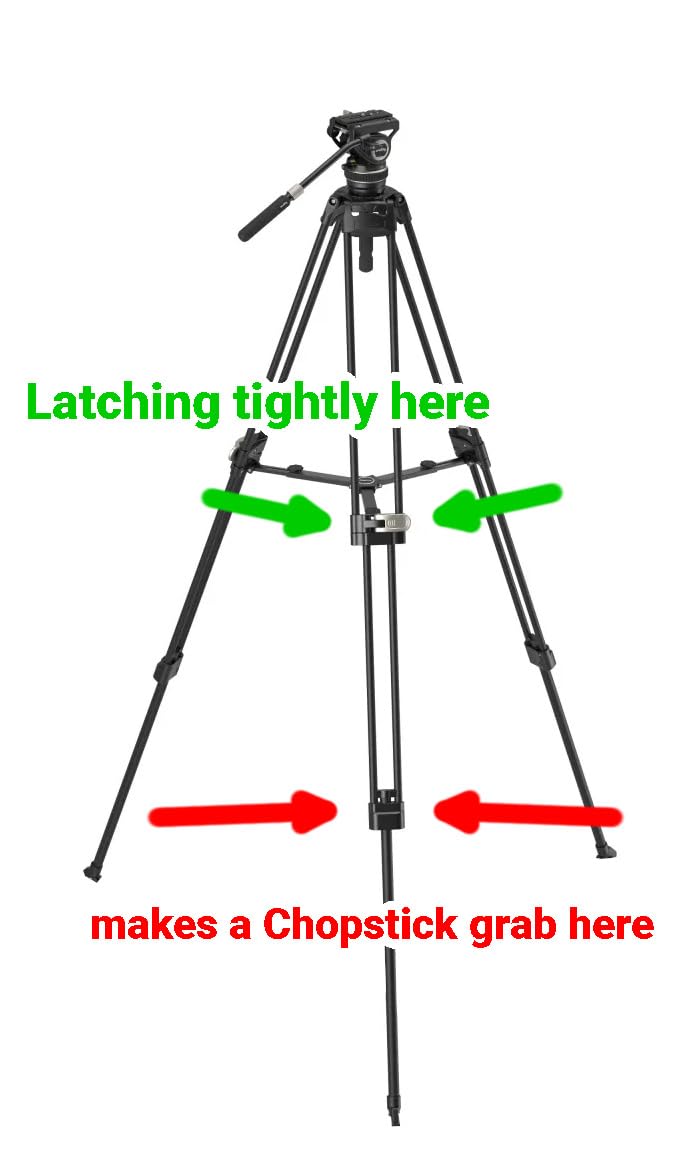
Everything else about the package is modern. The FreeSpeed one-step locking system locks two leg sections with a single lever instead of the usual sequence of unlocks, the snap-on dual-mode plate accepts DJI RS 2, RS 3 and RS 3 Pro gimbals alongside MFT plates, and there is a built-in spirit level plus a detachable pan handle that suits either hand.
The carbon fiber legs hold 8.3 lb of total weight while carrying 17.6 lb, with a height range of 87 to 191 cm and a folded length of 35 inches. Two-year warranty, and the box includes a storage bag and a smartphone holder.
Why counterbalance is the feature to understand
A friction-damped head resists tilting in both directions equally. A counterbalanced head is balanced around a specific point, so a front-heavy rig stays where you put it instead of pulling forward on the first centimetre of the move. That is why broadcast and cinema heads have had counterbalance for decades while cheaper video heads did not.
If your work involves a long lens on a moving shot, this is the one head in the group that solves it properly. If your work is talking-head content at 35mm, the same feature is a nice-to-have you will never consciously notice.
Why the rating is still the lowest here
Fourteen percent of reviews are one star, which is the widest spread of any product in this roundup, and the pattern in those reviews points at damping rather than at the counterbalance. The damping is fixed rather than continuously adjustable, so you set it once for your rig and have no fine control for a lighter or heavier load.
At 4.0 across 369 reviews, this is also a kit with more polarised experiences than the rest. The 18mm leg diameter is slim for a carbon tripod at this weight, and the 8 kg payload is modest for the class. Buy it for the head; choose the Manfrotto or the NEEWER TP37 if you want a gentler learning curve.
How to Choose a Video Tripod
Almost every mistake in this category comes from buying the legs first and the head second, or from ignoring the weight of the rig. Work through these six areas in order and the right tripod becomes obvious quickly.
Start with payload, not with the camera
Add up everything that sits on the plate, not just the camera. Body, lens, cage, top handle, battery, matte box, follow focus, monitor, magic arms, even the light on top. Then buy a tripod rated at least a third above that total.
The margin is not caution for its own sake. A head works best in the middle of its range, and the published limit is a laboratory number measured on a perfect static load. Working at 70 percent of the rating gives the damping something to work with and leaves room for the accessory you did not account for.
For scale: a full-frame body with a 24-70mm zoom and a small cage lands somewhere around 3 kg, which is why most of the tripods in this list with 8 kg ratings handle a typical creator rig comfortably. A cine build with a matte box, follow focus and monitor can pass 7 kg on its own, and that is where the 40 kg INNOREL starts to make sense.
Understand the four head types
A ball head locks solid and lets the camera tilt freely once unlocked. It is the right choice for stills and for fast repositioning, and it is the wrong choice for video because a long lens tips the camera forward the instant the lock is released.
A fluid head uses a damped mechanism so pan and tilt start and stop gradually. This is the standard for video and it is what every tripod in this roundup uses. A pan-tilt head adds separate controls for each axis, so you can loosen tilt while leaving pan locked, which is genuinely useful when the camera is on a slider. A video head is the full professional version, adding counterbalance and often independent levelling.
For most creators the decision is simple: fluid head for anything that moves, ball head only for stills and very fast solo repositioning between locked-off shots.
Carbon fiber versus aluminum
Carbon fiber buys stiffness per unit of weight, and that matters most when you are carrying a heavy rig any distance. The INNOREL RT90C makes the case cleanly: 40 kg of rated payload at 6 lb of tripod weight, against 8 kg at nearly 10 lb for a typical aluminum kit.
Aluminum is heavier but cheaper, more forgiving of knocks, and conducts heat differently, which is relevant if you shoot outdoors in winter where a metal leg becomes uncomfortable to grip bare-handed. For a fixed studio position, aluminum is very hard to argue with. For a location shoot with a long walk in it, carbon earns its cost quickly.
Work out the height you actually need
Standing eye level is the working height for most interviews, so anything from roughly 55 to 65 inches covers the majority of shots. Extra height only pays off for overhead, top-down and high-angle work, which is a narrow category of work that people often underestimate until they need it.
Height at the other end matters too, and it is more commonly ignored. A tripod that bottoms out at 32 inches cannot make a floor-level shot, and the Manfrotto 290 Xtra reaching 15.9 inches is a genuine creative tool rather than a spec sheet curiosity.
Tripod, monopod or gimbal
These solve different problems and the wrong one is expensive. A tripod is for locked-off shots, interviews and anything where the frame must not move. A monopod is for moving shots where a tripod cannot be spread, and it removes camera shake rather than creating any new motion.
A gimbal isolates the camera from operator movement, so a walking shot stays smooth. It does not replace a tripod for interviews, and it costs more than a tripod. Many creators end up with a tripod and a monopod, or a tripod plus a gimbal for one specific format, and only some need all three.
Feet, spreaders and setup speed
Rubber feet grip hard floors and are quiet. Spikes, included with the INNOREL RT90C, sink into soft ground and stop the legs creeping on slopes. On genuinely uneven terrain, the leg angle control matters more than either, because it lets you change the height without extending a section.
For a solo shoot, count the locks. Every leg lock is a step between arriving and rolling, and the single-lock and one-step systems on the Sirui and SmallRig carbon tripods exist precisely to reduce that count. If you are the only person on the set, this is a feature you will feel every single day.
Frequently Asked Questions
What is the best tripod for video?
The COMAN FF16LS is the best all-round tripod here, with a 22 lb payload, a 60mm bowl base and a fluid head that pans 360 degrees. Creators who need overhead reach should look at the NEEWER TP-M200, which extends to 200 cm, and anyone carrying gear on their back will prefer the Sirui Traveler X at 0.95 kg.
What tripod head is best for video?
A fluid head is the right answer for almost all video. It damps pan and tilt so a move starts and stops gradually instead of snapping, and it balances a front-heavy rig so a long lens does not tip the camera forward. A ball head is better for stills, a pan-tilt head adds independent controls for each axis, and a full video head adds counterbalance for heavy or long-lens work.
How much weight can a video tripod hold?
It depends entirely on the model. The tripods in this roundup are rated from 11 lb for the Sirui Traveler X and Manfrotto 290 Xtra, through 17.6 lb for the SmallRig AD-01 and the NEEWER TP74, up to 88 lb for the INNOREL RT90C. Add your body, lens, cage and accessories together, then buy a tripod rated at least a third above that figure.
Is a carbon fiber tripod worth it for video?
Carbon fiber is worth it when you carry a heavy rig any distance, because it delivers far more stiffness per unit of weight. The INNOREL RT90C carries an 88 lb rating at 6 lb of tripod weight. For a fixed studio position, aluminum is heavier but cheaper and absorbs knocks better, so the upgrade matters far less when the tripod never leaves the room.
Should I buy a tripod or a monopod?
Buy a tripod for interviews, livestreams and any locked-off shot, because it holds a frame perfectly still with no operator input. Buy a monopod for moving shots where you cannot spread three legs, since it removes camera shake without creating new motion. The Ku0026amp;F CONCEPT in this list converts one leg into a monopod, so you can carry one support for both jobs.
Can I use a photo tripod for video?
You can, and for locked-off talking-head footage the difference is often small. It stops working when the camera moves: a stills head locks solid, so a pan has to start and stop abruptly, and a long lens pitches the camera forward because there is no counterbalance. If more than a quarter of your footage involves motion, a fluid head pays for itself quickly.
Which Video Tripod Should You Buy?
If you shoot interviews, b-roll and general YouTube content on a single mirrorless body, the COMAN FF16LS is the pick. Its 22 lb rating, 60mm bowl and fluid head cover the widest range of real work, and it handles more than 1400 reviews of owners agree.
Match the pick to the job, not to the brand. Overhead and top-down work goes to the NEEWER TP-M200 for its 200 cm reach. Gimbal cross-format shooting goes to the SmallRig AD-01, whose dual-mode plate takes DJI RS and Manfrotto-style plates. Wide panoramas want the NEEWER TP74 with its scaled 75mm bowl. Heavy rigs and cinema builds want the INNOREL RT90C, budget entry goes to the NEEWER TP37, monopod and overhead geometry go to the K&F CONCEPT, and floor-level shooting goes to the Manfrotto 290 Xtra.
For travel weight, the Sirui Traveler X carries a 0.95 kg carbon fiber body, and long-lens panning is the one job the SmallRig AD-80S solves with its 4 kg counterbalance. Whichever you pick, buy a fluid head, check the total rig weight first, and test the pan before you rely on it in 2026.