
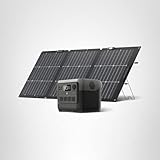
If you want one number to start from, the best solar generators under 1000 dollars in 2026 come down to the EF ECOFLOW RIVER 2 Pro kit: 768Wh of LiFePO4 capacity, 800W on each of four AC outlets with a 1600W ceiling, a full wall recharge in about 70 minutes, and a 160W folding panel in the box. It is the rare budget unit that arrives genuinely solar-ready rather than solar-optional.
I have been running these portable power stations for years, mostly in the two situations buyers actually care about: a three-day grid outage in summer and a week of off-grid camping. What separates a good budget unit from a disappointing one is rarely the headline watt-hour figure. It is how much of that capacity survives the inverter, how fast the unit refills, and whether the panel in the box can keep up with the battery.
This roundup covers ten units in the sub-1000 class, from a 7.7 lb travel unit to a 2,048Wh powerhouse. Every pick below is a LiFePO4 battery, every one charges from solar, and every one has a published cycle life of 3,000 cycles or better. Two of the ten bundle a panel, two are quiet enough to sleep beside, and two can carry a full-size refrigerator through a night.
One honest note before the list: the 1000-dollar ceiling is a hard filter for most of this group, and one pick sits above the rest. I flag that where it happens rather than quietly pretending it fits.
Table of Contents
Top 3 Solar Generator Picks Under 1000 Dollars (October 2026)
EcoFlow RIVER 2 Pro + 160W Panel
- 768Wh LiFePO4
- 1600W max output
- 70 min full AC recharge
- 160W folding panel included

Jackery Explorer 1000 v2 + 200W Panel
- 1070Wh LiFePO4
- 1500W AC with 3000W surge
- One hour emergency charge
- 200W panel included

BLUETTI Elite 100 V2 + 200W Panel
- 1024Wh LiFePO4
- 1800W AC with 3600W surge
- 1000W solar input
- Power Lifting mode
Those three are the picks I keep coming back to. The RIVER 2 Pro is the complete kit, the Jackery 1000 v2 is the strongest balance of capacity and price, and the BLUETTI Elite 100 V2 is the one that pulls solar hardest. Everything else below is either smaller, heavier, or slower to refill.
All 10 Solar Generators Under 1000 Dollars Compared in 2026
| Product | Specs | Action |
|---|---|---|
| EF ECOFLOW RIVER 2 Pro + 160W Panel |
|
Check Latest Price |
| Jackery Solar Generator 1000 v2 + 200W Panel |
|
Check Latest Price |
| BLUETTI Elite 100 V2 + 200W Panel |
|
Check Latest Price |
 BLUETTI AC180 1152Wh BLUETTI AC180 1152Wh |
|
Check Latest Price |
 Anker SOLIX C1000 Gen 2 Anker SOLIX C1000 Gen 2 |
|
Check Latest Price |
 EcoFlow DELTA 3 Max 2048Wh EcoFlow DELTA 3 Max 2048Wh |
|
Check Latest Price |
 BLUETTI Elite 30 V2 288Wh BLUETTI Elite 30 V2 288Wh |
|
Check Latest Price |
 Anker SOLIX S2000 2010Wh Anker SOLIX S2000 2010Wh |
|
Check Latest Price |
 Anker SOLIX C300 288Wh Anker SOLIX C300 288Wh |
|
Check Latest Price |
 EcoFlow RIVER 2 256Wh EcoFlow RIVER 2 256Wh |
|
Check Latest Price |
Two things jump out of that table. First, capacity in this group tops out around 2,048Wh, and only two units reach it. Second, solar input varies far more than capacity does, from 110W on the smallest EcoFlow to 1,000W on the BLUETTI Elite 100 V2.
1. EF ECOFLOW RIVER 2 Pro Solar Generator Review: The Kit That Actually Works
EF ECOFLOW Solar Generator RIVER 2 Pro & 160W Portable Solar Panel, 768Wh
768Wh LiFePO4
800W per AC outlet, 1600W max
70 min full AC charge
160W panel included
17.2 lb
Pros
- 160W folding panel ships in the same box
- 70 minute full AC recharge
- Over 3000 cycles to 80% capacity
- 11 outlets including four 800W AC sockets
- IP68 panel with ETFE UV layer
Cons
- 1600W ceiling needs load management
- Heavier than the 768Wh average
- 768Wh is modest for multi-day trips
This is the unit I recommend to anyone who asks me a single question and then stops listening: is it solar or not really. The RIVER 2 Pro bundles a 160W folding panel with a 768Wh LiFePO4 pack that holds 800W on each of four AC outlets, so a fridge, a router and a lamp can all run at once without oversubscribing the inverter.
Charging is where it separates itself. A full wall recharge takes about 70 minutes, and the included panel can refill the pack in as little as 4.8 hours under good conditions. Owners consistently report that the fast recharge is the feature they notice first, because it means the unit is genuinely ready to go again the same evening.
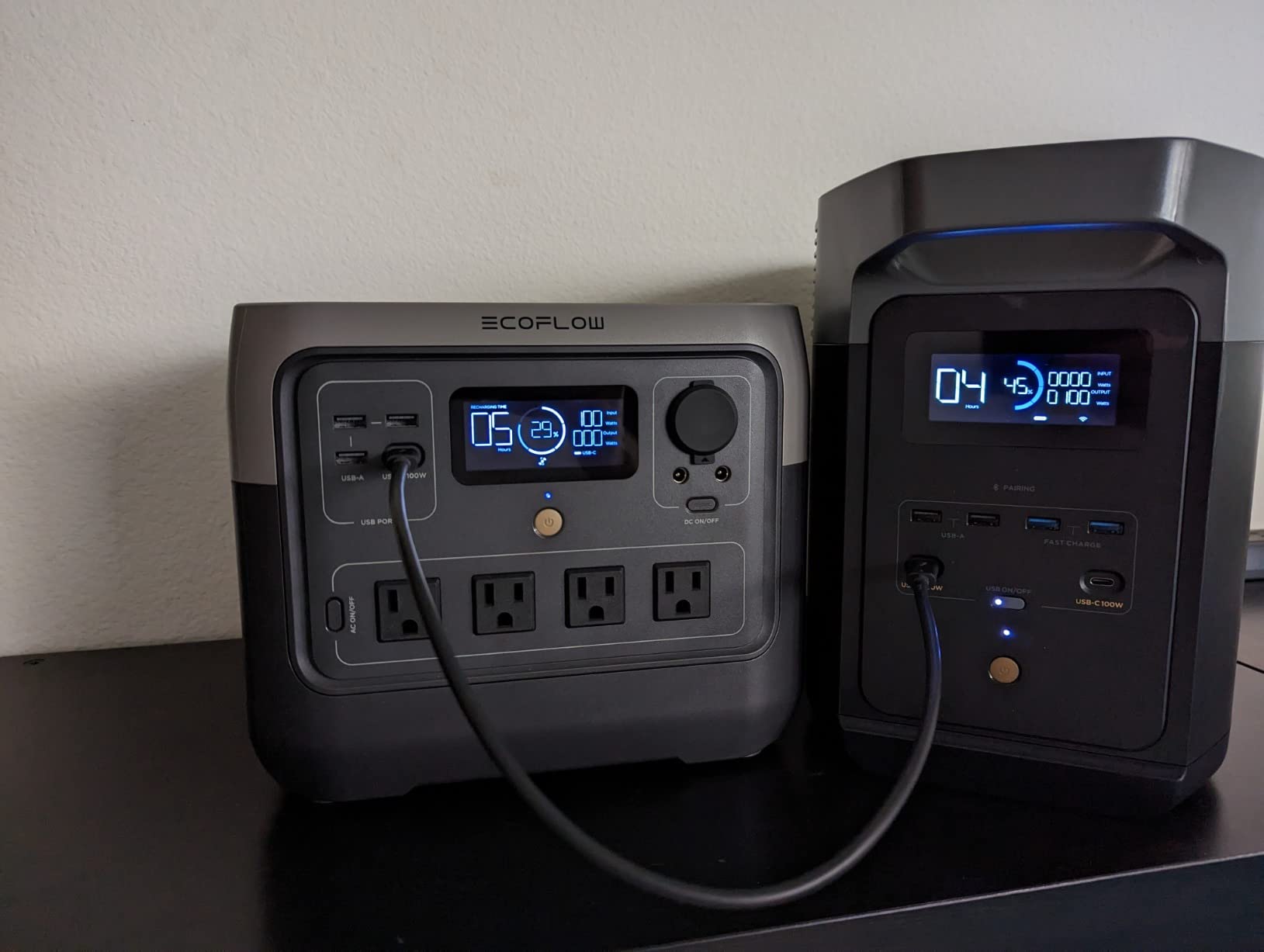
The battery is LiFePO4 rated past 3,000 cycles before it drops to 80% capacity, with a built-in BMS watching voltage, current and temperature. EcoFlow backs it with a 5 year warranty, and roughly 78% of the reviews on this listing are 5 star.
Where I would push a buyer: at 17.2 lb it is heavier than the 768Wh class suggests, and 768Wh is not a lot of energy once you start adding up a weekend of camping loads. The 1600W ceiling is also real, so a kettle and a fridge on the same circuit means one of them waits.
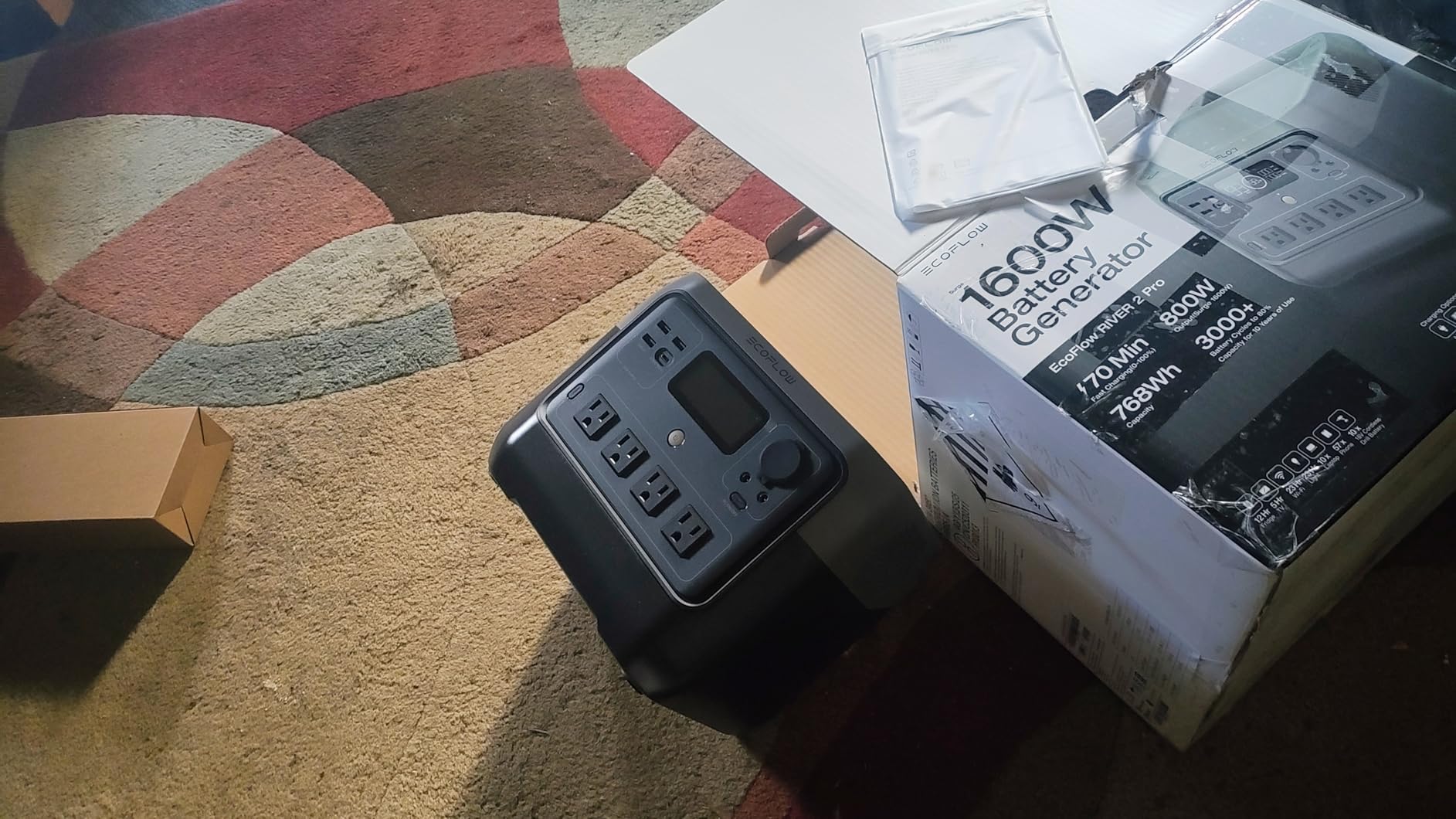
How long does 768Wh actually last on a fridge
Budget roughly 600 usable watt-hours after inverter losses, and a typical 150W running-draw refrigerator gives you about four hours of compressor time plus idle draw, which lands nearer a full night rather than a full day. It is enough for an overnight outage and not much more.
The honest framing is that this is a night-time unit, not a weekend unit. If your outage plan involves a multi-day event, look at the 2kWh models further down this list.
Kit or bare unit for this one
Buy the kit. The bundled 160W panel is the reason this unit ranks first here, and a comparable 160W folding panel bought separately removes most of the price difference between the two versions.
The panel is IP68 rated with an ETFE UV layer and folds into its own bag with a built-in kickstand, so it is genuinely usable rather than a token accessory.
2. Jackery Solar Generator 1000 v2 Review: The Balanced Middle
Jackery Solar Generator 1000 v2 and 200W Solar Panel,1070Wh,1500W AC
1070Wh LiFePO4
1500W AC with 3000W surge
0-80% solar in 6 hr
200W panel included
23.8 lb
Pros
- One hour emergency charge via the app
- Pure sine wave AC for sensitive gear
- Two 100W USB-C ports plus three AC outlets
- Over 70% capacity after 4000 cycles
- 30 dB quiet charging mode
Cons
- Panel cable is short for shade placement
- 200W panel needs constant repositioning
- One hour mode must be enabled manually
The Explorer 1000 v2 is the one I recommend to people who want more capacity than the small kits and do not want to fight a 37 lb brick. At 1070Wh with 1500W continuous AC and 3000W surge, it has the most usable headroom in the 1kWh class, and the outputs are pure sine wave, which matters for laptops, monitors and medical devices.
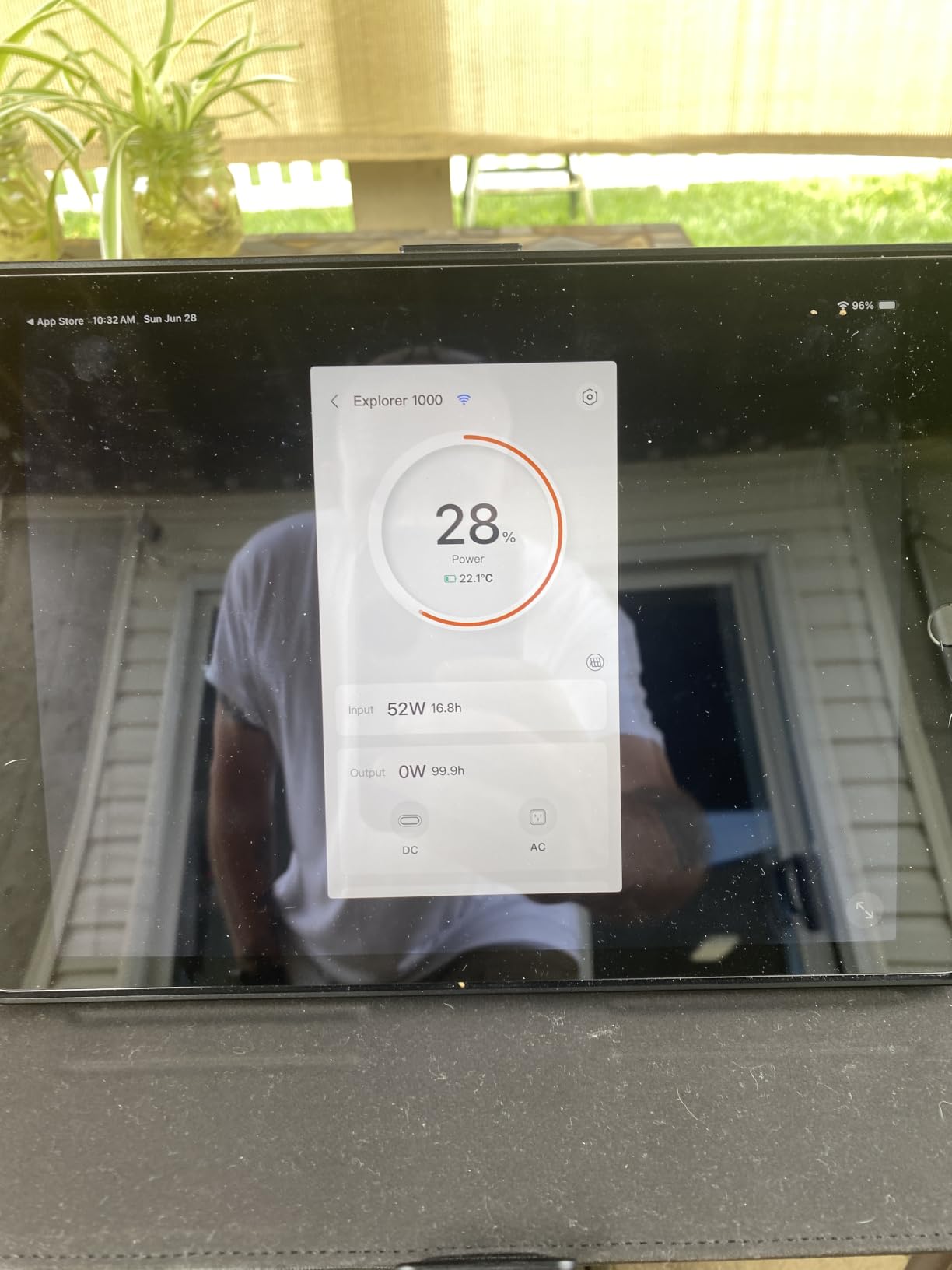
Two charging paths matter here. Default wall charging takes 1.7 hours; enabling emergency charging in the Jackery app drops a full recharge to one hour. The 200W SolarSaga panel included in this bundle takes the pack from 0 to 80% in about 6 hours of strong sun.
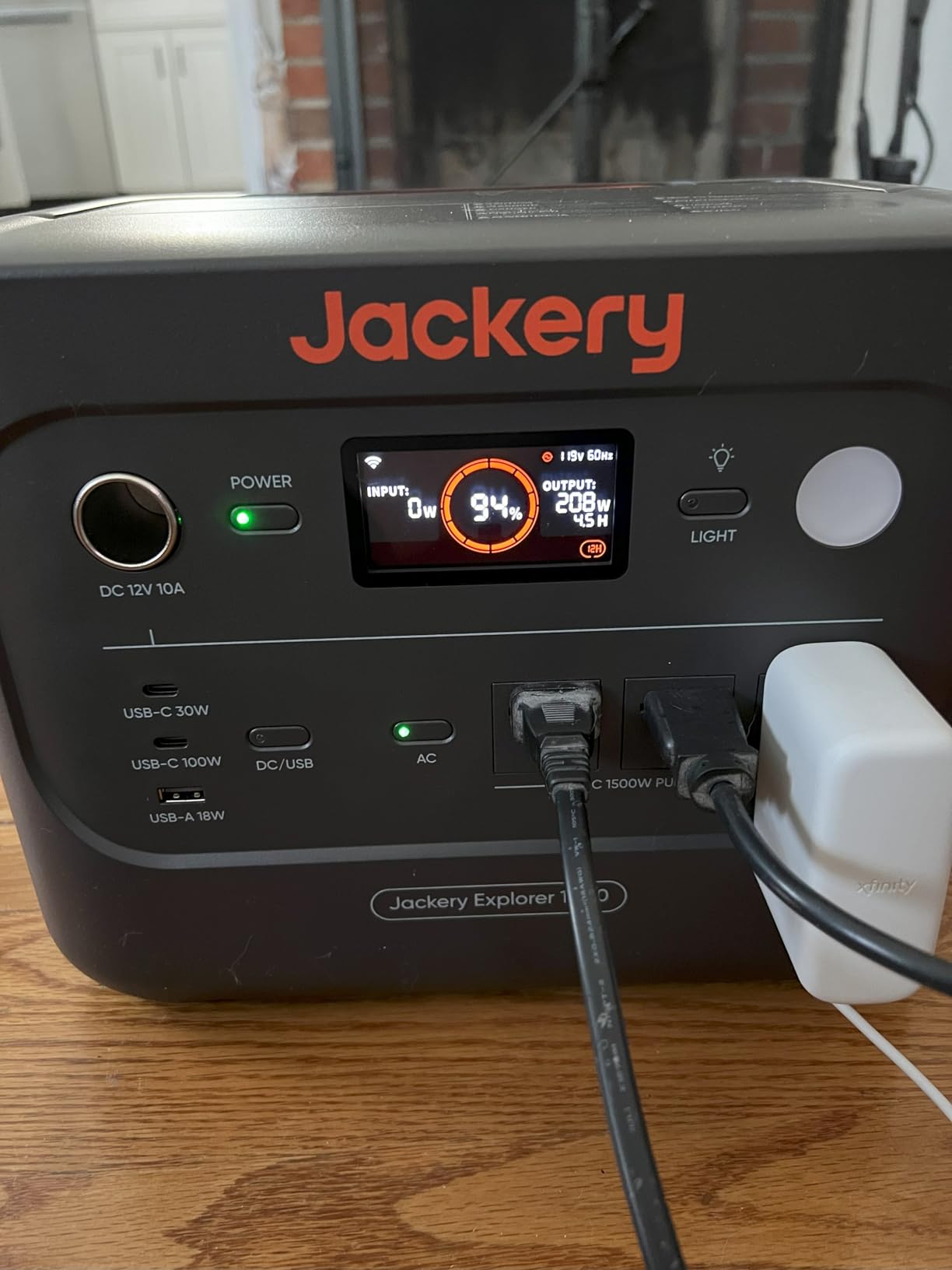
Owners on r/TwoXPreppers report running several Jackery units, including the 1000 v2, over years with no hardware problems, and the listing shows 1,406 reviews averaging 4.5 stars with 78% at 5 stars. The battery is rated to hold more than 70% of original capacity after 4,000 cycles, which works out to well over a decade of daily use.
Long-term Jackery owners on that same forum describe this model as dependable, and the review data backs up the fridge-running claims that show up repeatedly in owner write-ups. It is also about 18% smaller than the original Explorer 1000, which matters in a vehicle or a small closet.
Is the 200W panel worth the cable length
Buy it, but plan around it. The short supplied cable and the panel’s need to stay square to the sun mean you will be repositioning it every couple of hours unless the spot is open ground with no shade.
In wind, reviewers consistently warn that the panel needs weighting down. It has magnetic clasps and a sun-alignment dial, both of which help more than you would expect.
Should you use the one hour emergency charge
Use it when the grid is down and you need to move fast. Leave it off during normal use, because the faster curve is harder on the cells and the setting has to be toggled in the app each time.
A 30 dB quiet mode handles overnight charging if the machine is in a bedroom or near a sleeping person.
3. BLUETTI Elite 100 V2 Solar Generator Review: Fastest Solar Refill
BLUETTI Solar Generator Elite 100 V2 with 200W Solar Panel Included, 1024Wh
1024Wh LiFePO4
1800W AC with 3600W surge
2700W Power Lifting
0-80% solar in 4 hr
25 lb
Pros
- 1000W solar input is the highest here
- Power Lifting handles higher draw appliances
- Bluetooth app works without internet
- Bright display shows live input and output
- 70 minute full recharge on 1200W AC
Cons
- 25 lb is heavy for a 1kWh pack
- Power Lifting stresses the battery
- Panel arrives in a separate box
The Elite 100 V2 is the unit to buy if your plan depends on the sun rather than the wall. Its 1,000W solar input ceiling is more than double what most competitors in this group accept, and that translates to 0 to 80% in about 4 hours and a full refill in around 7. Buyers trying to get off-grid quickly care about this number more than capacity.
On the inverter side you get 1800W rated AC with 3600W surge, plus a Power Lifting mode that pushes 2700W for resistive loads like a space heater. Wall charging runs through a 1,200W TurboBoost input for a full recharge in roughly 70 minutes.
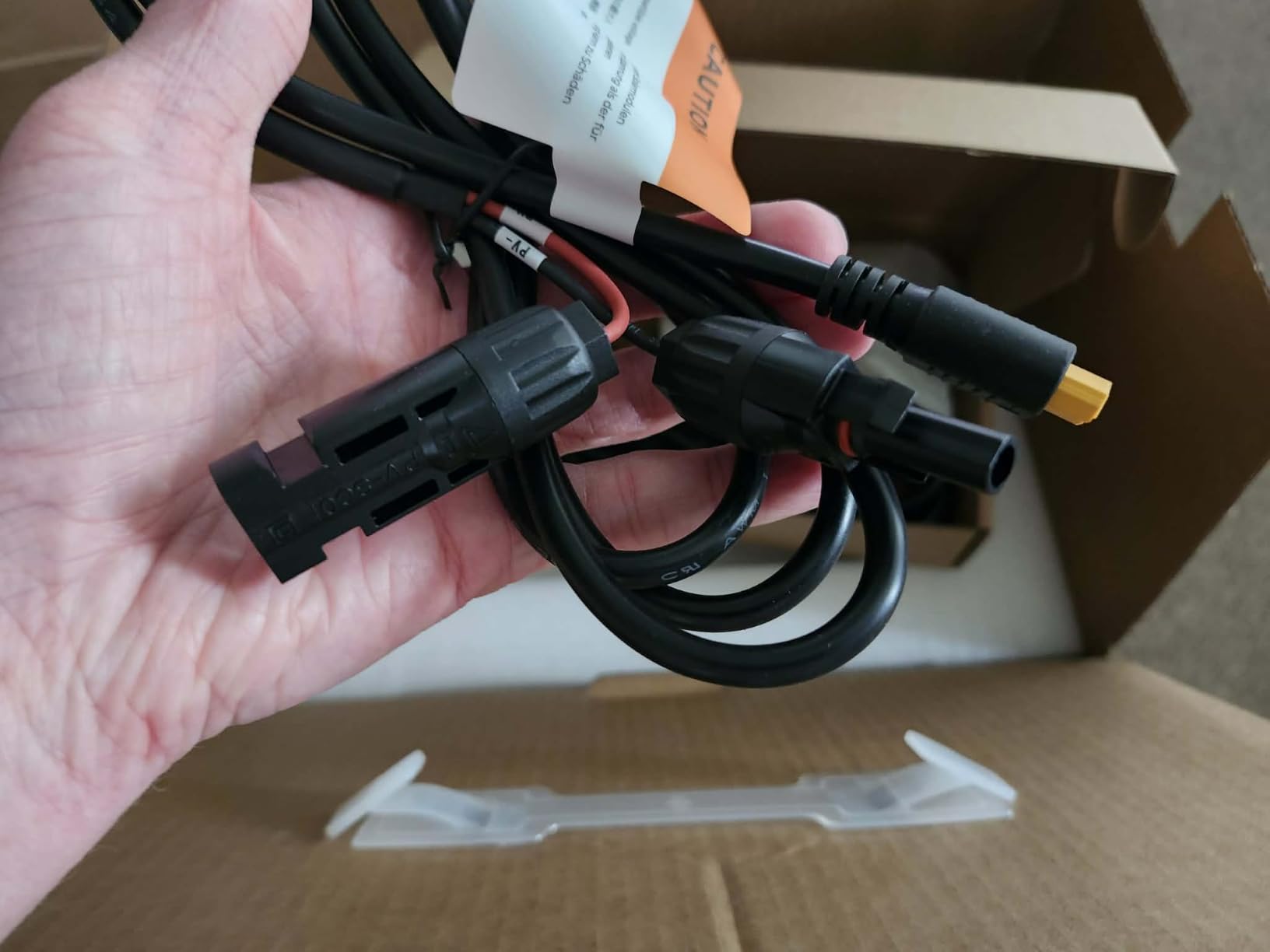
It also has a 10 ms UPS switchover and a 30 dB silent mode, which makes it a legitimate overnight option for a CPAP machine or a router. Bluetooth and Wi-Fi app control works over Bluetooth without an internet connection, which is a small thing that matters a lot when you are off-grid. The 4.7-star rating across 975 reviews is the second highest in this group, with 87% of reviews at 5 stars.
The catch is weight. At 25 lb this is one of the heavier 1kWh units, and Power Lifting is not free: it puts extra stress on the battery if you leave it engaged. The 200W panel also arrives in its own box rather than in the same carton as the station.

What Power Lifting actually does
It momentarily overdrives the inverter to run a device that draws more than the rated continuous output, which is how a 1800W station starts a 2,700W resistive load. Great for a kettle or a small heater, poor as a permanent setting.
If your daily loads sit under 1800W, leave it off. Owners who keep it enabled report shorter battery life.
Does a separate panel box change the buying decision
Only if the panel is lost in transit. Nothing about the unit changes, and the higher solar ceiling is worth buying the Elite 100 V2 for even without the bundled panel.
Check the box count before you leave the loading dock. It is a common complaint on this listing and an easy fix once you know.
4. BLUETTI AC180 Review: Big Output With 2,622 Reviews Behind It
BLUETTI AC180 Portable Power Station 1152Wh 1800W LiFePO4 Solar Generator
1152Wh LiFePO4
1800W continuous output
0-80% in 45 min
500W solar input
37.4 lb
Pros
- Fastest refill here at 0-80% in 45 minutes
- Largest capacity in the 1kWh class
- 11 ports including a wireless pad
- 20 ms UPS kept routers alive
- Five year warranty
Cons
- 37.4 lb is a two-person lift
- About 20W idle draw with the inverter on
- Only 90% of rated capacity is usable
With 2,622 reviews averaging 4.6 stars, the AC180 is one of the two most heavily reviewed units here, and it is the one I send people to when they ask what a workshop load looks like. It puts out 1800W continuous, which covers circular saws, jigsaws and a shop vac without the load management the smaller units demand.
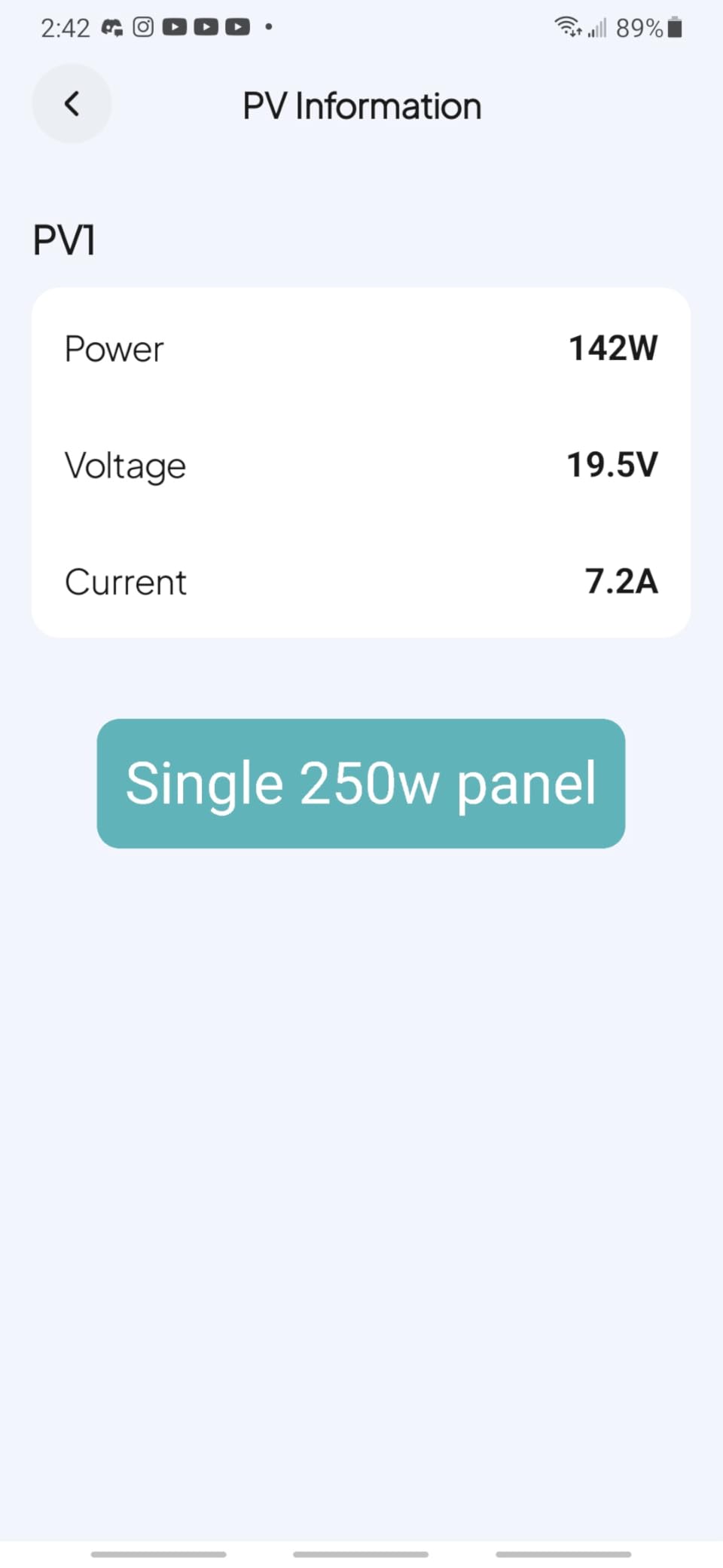
Capacity is 1152Wh of LiFePO4, the largest in the 1kWh class, and it refills to 80% in 45 minutes on a 1440W wall input. Solar input is capped at 500W, so a folding panel brings it back in roughly 3 hours in good conditions. Eleven outlets plus a wireless charging pad on top mean a full household can charge at once.
The 20 ms UPS switchover is fast enough that routers and a smart TV kept running through an outage without noticing the switch, which is the practical test of this feature. BLUETTI includes a 5 year warranty, and the app gives per-port monitoring with firmware updates.
There is a real cost to that hardware. At 37.4 lb it is the heaviest 1kWh unit in this group and is awkward to move away from a vehicle. The manual limits you to 90% of rated capacity to protect the battery, and the inverter itself adds roughly a 15W load on top of the about 20W idle self-consumption.
Is 90% of rated capacity normal
Yes, and it is a design choice rather than a defect. BLUETTI reserves the top slice of the pack to protect cycle life, so your usable figure is closer to 1,030Wh than 1,152Wh.
Budget for that when you run the runtime math. Owners report that some units under-perform until a firmware update and a full calibration cycle are done.
Should the wireless charging pad factor into your choice
Do not. It is the single most repeated complaint on this listing, with owners reporting the pad frequently fails to charge phones. Everything else about the unit is unaffected.
Eight standard outlets are the reliable path, and there are plenty of them.
5. Anker SOLIX C1000 Gen 2 Review: Quickest to Recharge and Best for CPAP
Anker SOLIX C1000 Gen 2 Portable Power Station
1024Wh LiFePO4
2000W output, 3000W peak
49 min full AC charge
1.8 hr solar on 600W
10 ms UPS
Pros
- Full recharge in 49 minutes at 1600W
- 1.8 hour solar refill on 600W input
- 10 ms UPS suits CPAP and laptops
- Ran a CPAP three nights on one charge
- Silent during normal use
Cons
- No expansion battery on Gen 2
- Mild distortion on microwave loads
- No protective storage case included
The C1000 Gen 2 does two things no one else in this price class does well: it refills from a wall outlet in 49 minutes, and it runs a CPAP machine. Owners report three full nights of overnight CPAP on a single charge, and the 10 ms UPS switchover is fast enough that a CPAP, a laptop and a network rack ride through an outage without a hiccup.
On paper it is also the strongest output number per watt-hour in the group, at 2000W continuous with 3000W peak across nine or ten ports depending on configuration. The 600W solar input gives a full refill in 1.8 hours, and the 4.7-star rating across 1,632 reviews comes with 86% of reviews at 5 stars.
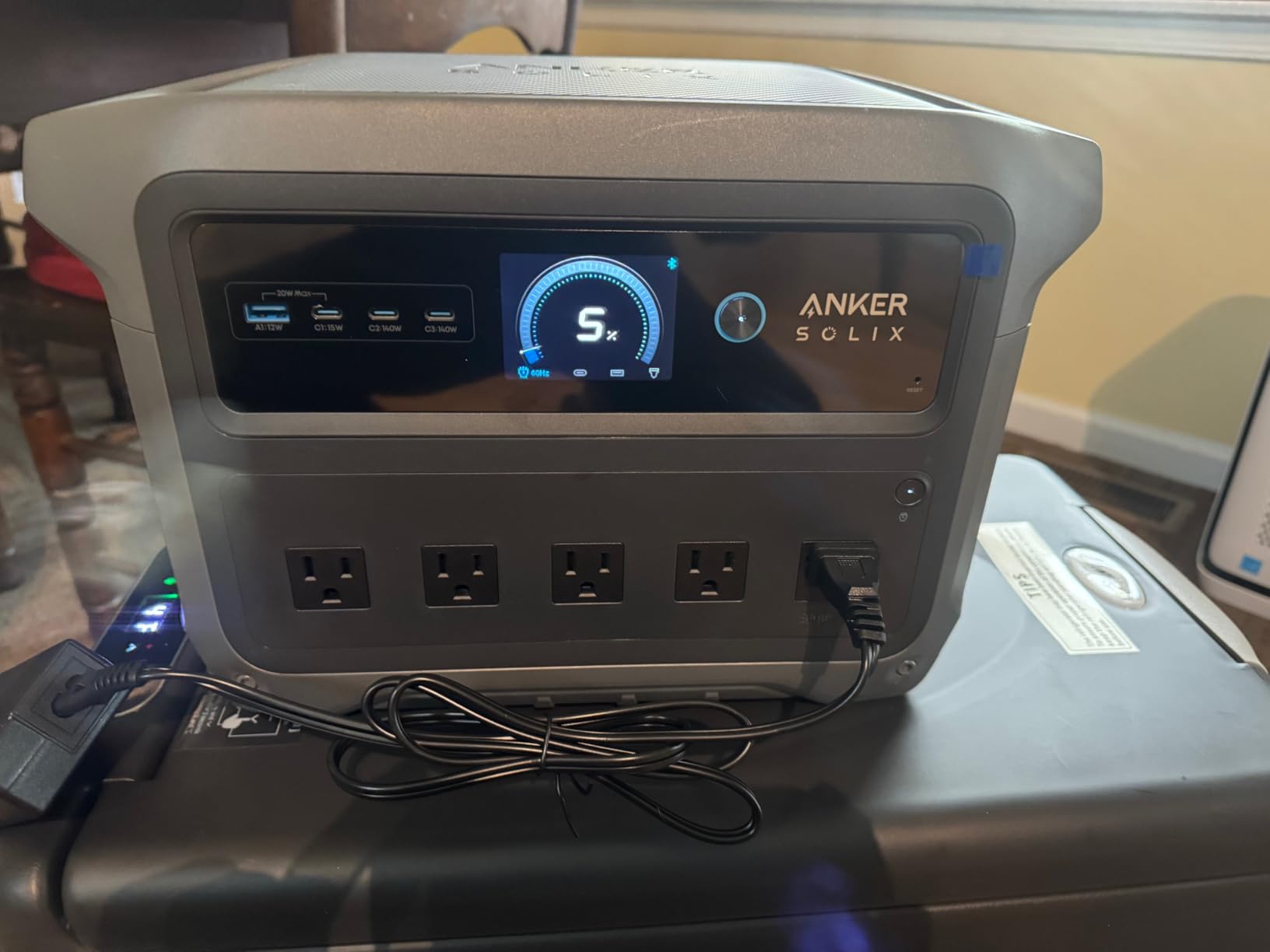
Retailer review patterns reported by buyers describe the C1000 line as effectively silent in normal use, with the fan only spinning during heavy charging. That is the reason I point people running medical equipment at this unit first, and it is why it appears on outage shortlists in regions where ice storms and grid failures cluster.
Two real tradeoffs. Anker dropped the expansion battery option that the first generation had, so 1,024Wh is all the capacity you get. And the pure sine wave inverter shows mild harmonic distortion when driving a microwave, which is irrelevant for a CPAP and noticeable for a microwave.
Is 10 ms UPS good enough for medical gear
Yes. Switchover that fast reads as no interruption to a CPAP or a network rack, and owners describe exactly that result during a five-hour outage.
Keep the unit indoors on a hard surface and leave clearance around the intake. Fan noise matters far more than switchover speed for overnight use.
What you lose compared with Gen 1
Battery expansion. If you expect to add a second pack later to grow past 1,024Wh, this is the wrong generation to buy and you will need a different unit entirely.
It is also 14% smaller and 11% lighter than comparable models, so if you are not planning to expand, that trade is worth taking.
6. EcoFlow DELTA 3 Max Review: The Most Headroom in the Group
EF ECOFLOW DELTA 3 Max Portable Power Station, 2048Wh LFP Battery, 2400W
2048Wh LiFePO4
2400W AC, 3400W X-Boost
0-80% in 1.13 hr
Under 10 ms UPS
19.4 in tall
Pros
- Largest capacity in the group
- 3400W X-Boost covers heavy loads
- 0-80% in just over an hour
- Under 10 ms transfer protects computers
- App scheduling shifts usage off peak rates
Cons
- Tallest unit here at 19.4 inches
- Solar panel sold separately
- Only three outlets on the base configuration
The DELTA 3 Max is the one pick here that sits above the rest of the group in cost, so if your ceiling is strict this is not the unit. If your ceiling has any flex, it is also the only one in this list that can run more than one heavy appliance at a time, and the honest reason is capacity: 2,048Wh and 2400W rated, lifting to 3400W continuous in X-Boost mode.
Recharge speed is exceptional. EcoFlow quotes 0 to 80% in 1.13 hours, and owners praise that figure consistently across a 4.7-star average on 583 reviews with 88% at 5 stars. The LiFePO4 pack is engineered for 10 years of daily use, and EcoFlow includes a 5 year service plan.
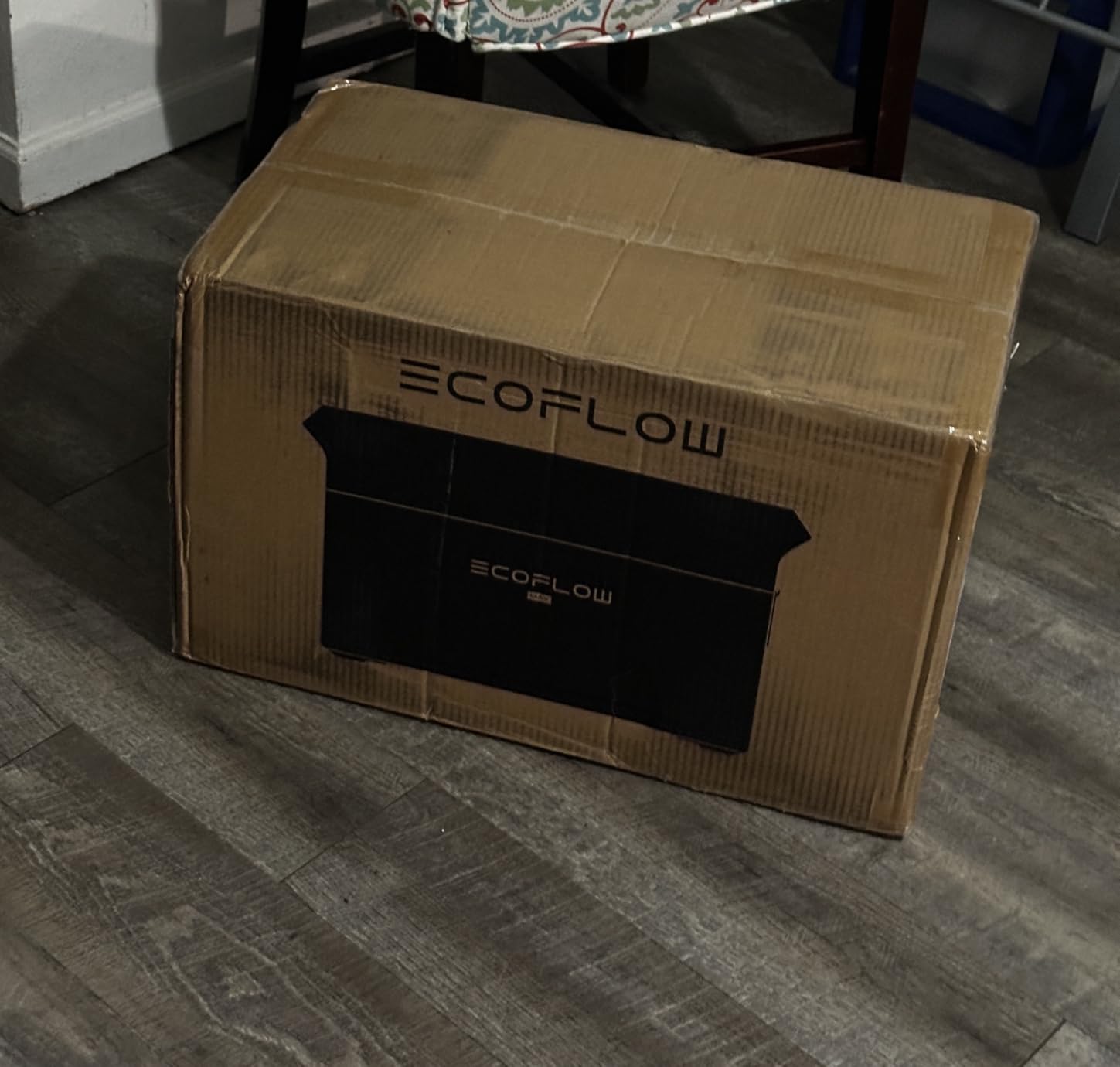
Two features make it a genuine home backup unit rather than a camping one. Transfer time is under 10 ms, so computers and medical devices do not reset, and the app can schedule charging to off-peak electricity rates, which quietly lowers the cost of keeping a 2kWh pack topped up.
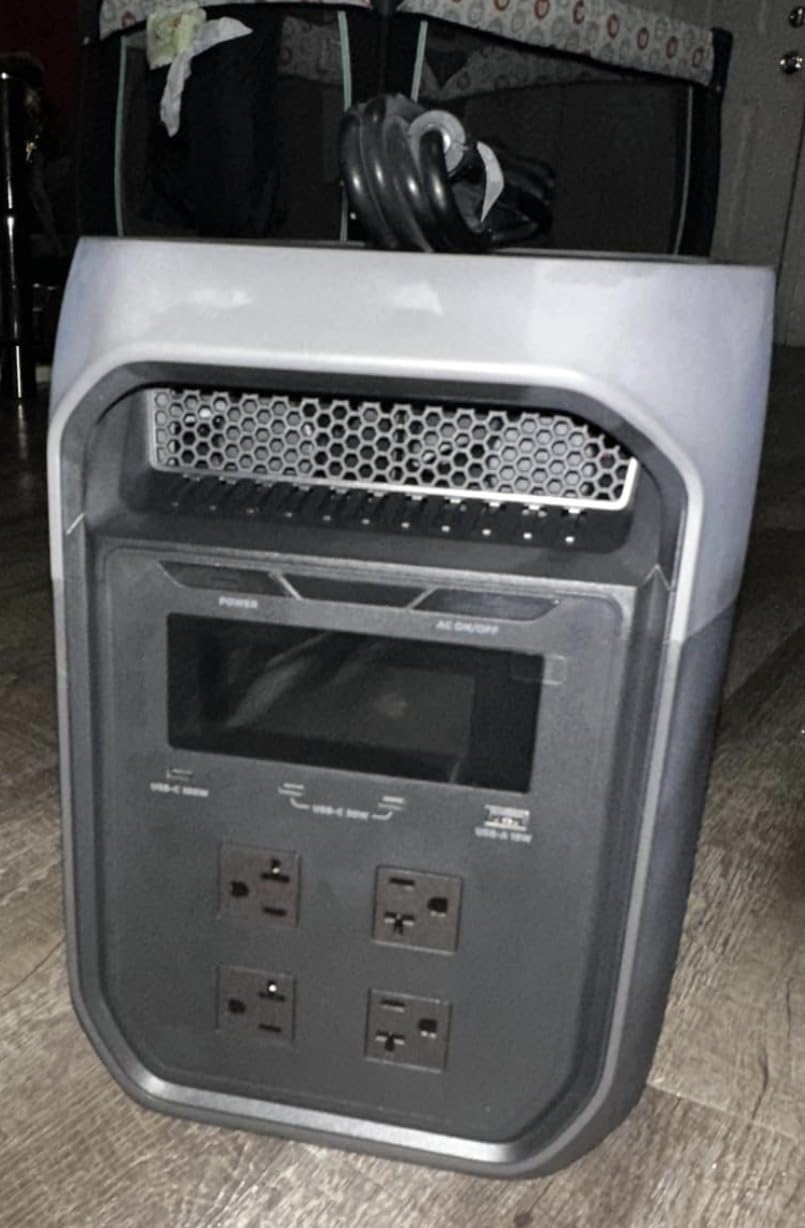
The form factor is the drawback. At 19.44 inches tall it is the tallest unit here, which means a dedicated shelf, not a closet, and the base configuration has only three standard outlets, so you will be adding expansion hardware rather than plugging in a full room.
Where the 1000 dollar ceiling actually bites
Right here. Everything above roughly 2,000Wh lands above the budget line, and that is the point where a fridge plus lights plus a laptop stops being a tight fit and starts being comfortable. Below that line you are planning loads; above it you are not.
If the ceiling is firm, take the 1kWh class and accept that you are choosing what to unplug rather than whether to unplug.
Is X-Boost worth the headroom
For a house with a heat pump, a microwave and a fridge on the same circuit, yes. It is the difference between starting a load and hoping it starts.
For a laptop and a router, it does nothing for you, and the extra 3 outlets versus the 1kWh class is where the money goes.
7. BLUETTI Elite 30 V2 Review: The Best Small Unit With a Real Inverter
BLUETTI Elite 30 V2 Portable Power Station 288Wh 600W LFP Solar Generator
288Wh LiFePO4
600W AC, 1500W lifted
0-80% in 45 min
9.4 lb body
10 ms UPS
Pros
- 9.4 lb body fits a closet shelf
- 0-80% in 45 minutes on 380W AC
- Standby draw near 4.5W
- 140W PD USB-C for laptops
- 10 ms UPS switchover
Cons
- 288Wh drains faster than the math
- 600W ceiling for larger appliances
- No USB data passthrough shutdown
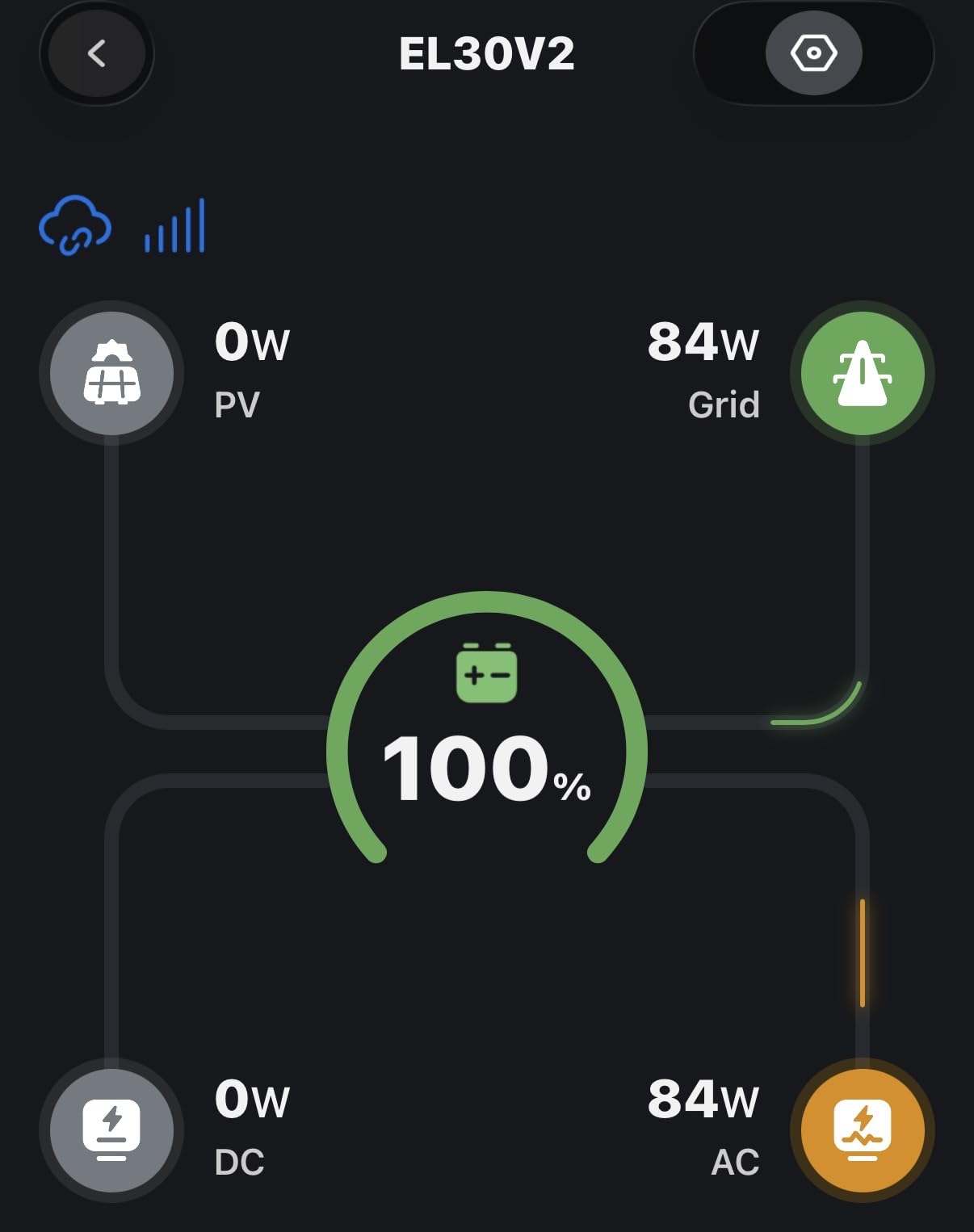
Small units usually mean a toy inverter, and the Elite 30 V2 is the exception. It puts out 600W continuous with 1500W through Power Lifting, charges to 80% in 45 minutes on a 380W wall input, and weighs 9.4 lb. That is enough real AC output to run a monitor, a small TV and a router at the same time.
UltraCell technology is the quiet hero here. Standby draw sits around 4.5W, roughly half what similar units consume, and on a 288Wh pack that difference is the difference between one night of use and most of one.
It has 9 ports including a 140W PD USB-C that fast-charges a laptop, a 10 ms UPS switchover, and a standard solar connector that avoids proprietary cables. Owners report about five hours of CPAP on a full charge, and Bluetooth plus Wi-Fi app control with firmware updates. 1,172 reviews average 4.5 stars, with 77% at 5 stars.
The limitation is arithmetic, not build quality. Buyers report the 288Wh draining faster than the watt-hour math predicts on CPAP loads, and 600W is the ceiling for anything heavier. The other gap versus a desktop UPS is data passthrough, so your computer will not be told to shut down gracefully when the battery gets low.
Should a small unit have a real UPS mode
Yes, and this one does it in 10 ms. The missing feature is USB data passthrough, which is the only reason a purpose-built UPS still exists for desktops.
For a router, a modem or a network rack, the passthrough does not matter at all.
How long is 288Wh in real use
Around five hours for a CPAP, a couple of hours of laptop work with peripherals, and one long movie with the lights dimmed. Plan overnight loads around the lowest number rather than the average.
App settings sit behind a passcode-protected Pro mode, so budget a few minutes on setup if you want to tune charge limits.
8. Anker SOLIX S2000 Review: Two Kilowatt-Hours That Stay Quiet
Anker SOLIX S2 Portable Power Station, 2,010Wh, 1,500W
2010Wh LiFePO4
1500W AC, 3000W peak
6W idle draw
35 hr fridge claim
35.7 lb
Pros
- 2kWh capacity in a compact body
- 6W idle draw stretches runtime
- 35 hour fridge claim matched in the field
- Dual sided outlets tidy cable runs
- Custom charge limits in the app
Cons
- Charging fan drones at 1200W input
- No 12V DC car port
- 35.7 lb needs a two hand carry
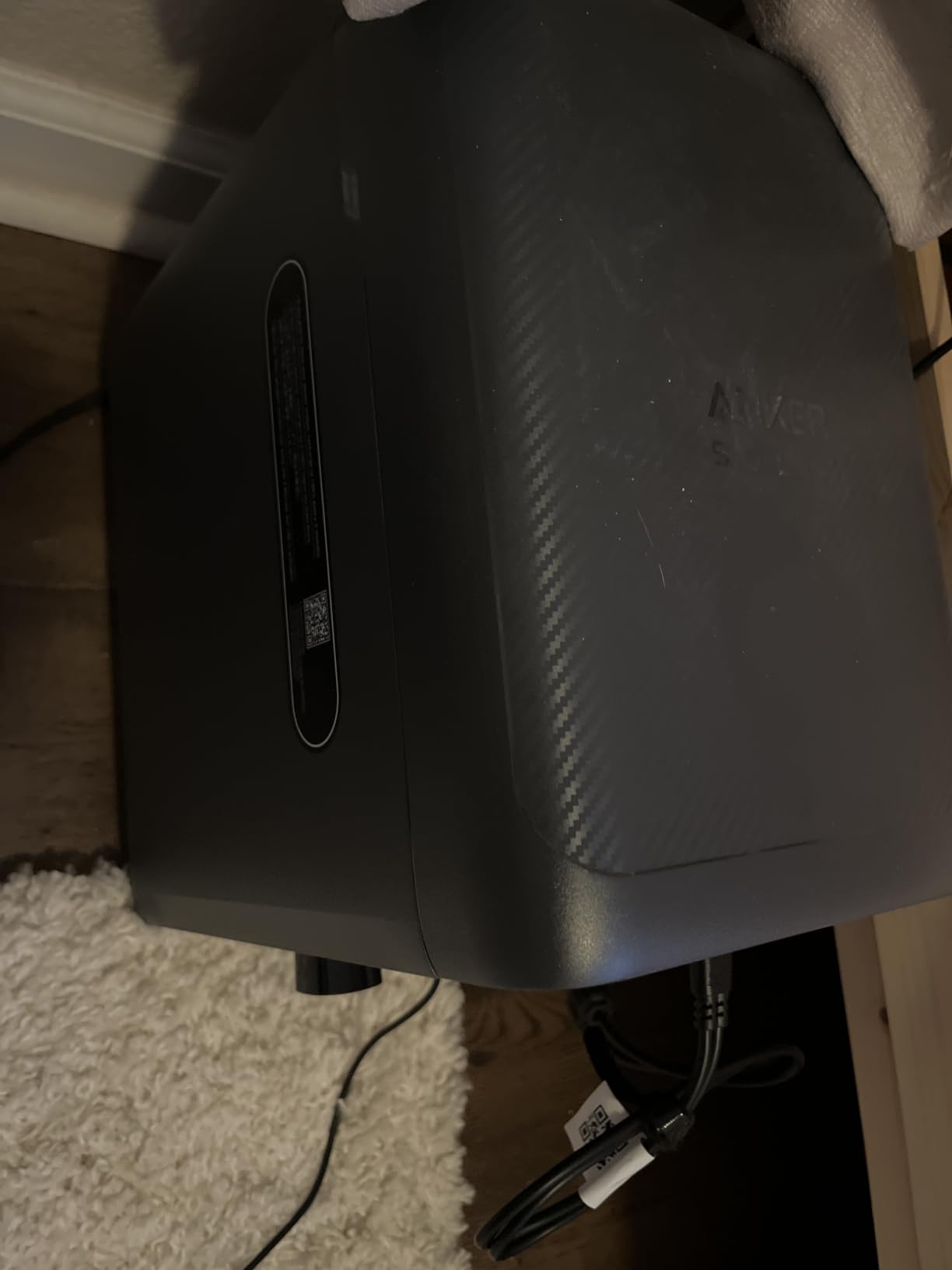
The S2000 is the sleeper pick in this list. It holds 2,010Wh, runs 1500W continuous with 3000W peak, and draws only 6W idle in UPS mode, which owners describe as a fraction of what a 600VA lead-acid UPS pulls. It is an efficient path to multi-day runtime, and 4.7 stars across 317 reviews with 84% at 5 stars reflects that.
Real fridge runtime matches the claim. Owners report a 220 litre refrigerator running about 33 to 35 hours, which lines up with the 35-hour figure in the listing. The app tracks energy use by day, week, month and year, and lets you set custom charge limits to protect the cells.
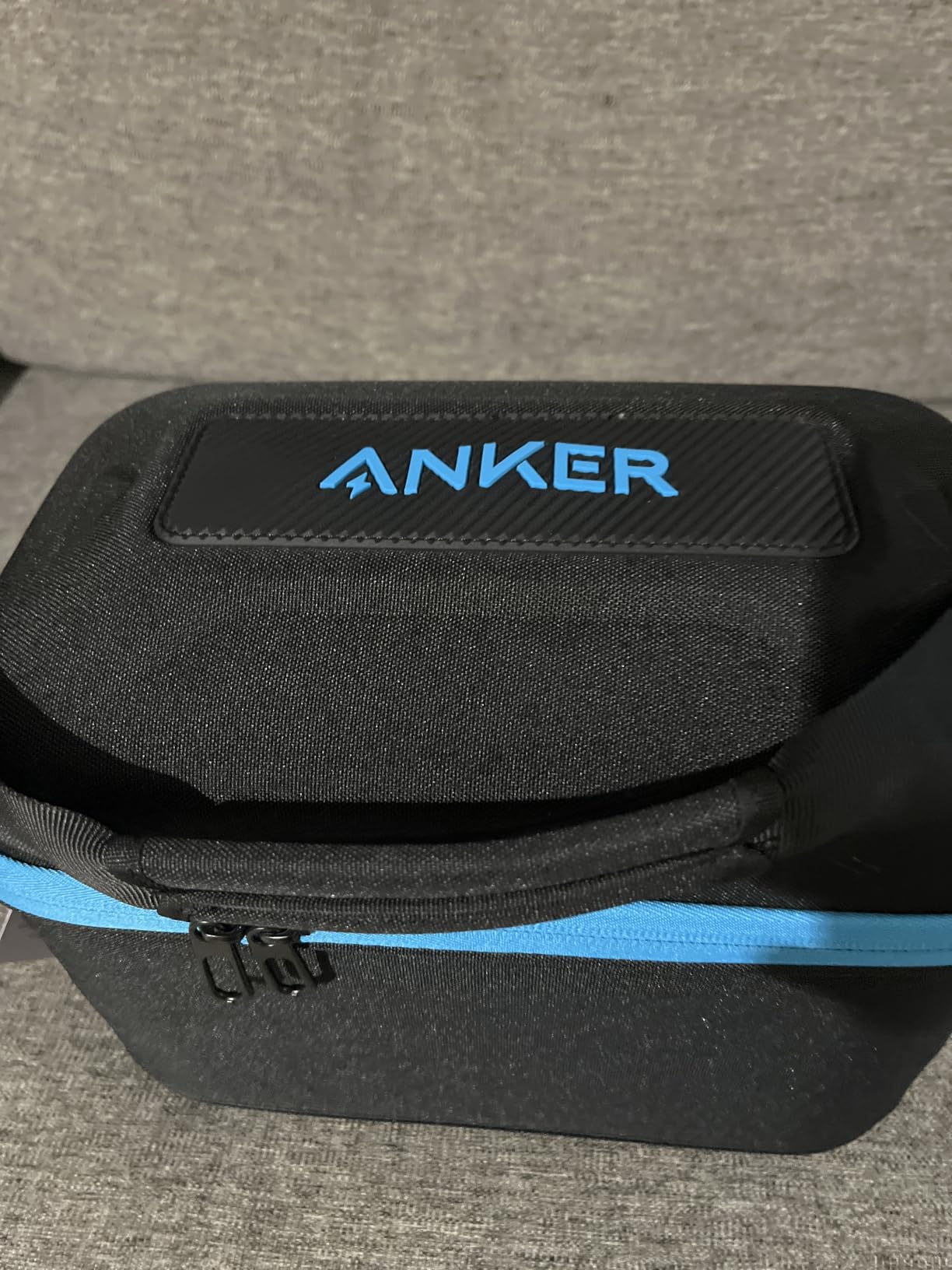
Two design choices stand out. The outlets are split across the front and rear, so you can keep always-on appliances on the back and everyday devices on the front without a cable mess, and the body measures 8.2 by 11.1 by 12.7 inches, which is 30% smaller than the class average at a similar capacity.
The charging fan is the complaint to plan around. At 1200W input it becomes a noticeable drone, and there is no 12V DC car port on this model, so 12V accessories need an adapter. At 35.7 lb it takes two hands, and some owners report a strong burning smell on the very first charge as the battery settles.
Is the S2000 quiet enough to sleep near
While running appliances, yes, it is quiet or completely silent in most conditions. While charging at full speed, no, the fan is audible in a small room.
That makes it a good overnight backup unit and a poor bedside charging unit. Charge it in a garage or hallway first.
Why the low idle draw matters more than it sounds
Because a UPS spends most of its life doing nothing. A 6W draw is about 144Wh a day, which is meaningful against a 2,010Wh pack and would be ruinous on a 288Wh unit.
Owners who swapped a lead-acid UPS for this report roughly 20% longer runtime as a direct result.
9. Anker SOLIX C300 Review: The Quietest Unit in the Group
Anker SOLIX C300 Portable Power Station, 288Wh Solar Generator for Camping
288Wh LiFePO4
300W AC, 600W surge
0-80% in 50 min
25 dB at 3.3 ft
9.1 lb
Pros
- 25 dB is the quietest here
- Two 140W two-way USB-C ports
- 9.1 lb and 15% smaller than rivals
- 3000 cycle LFP with 5 year warranty
- Charges to 80% in 50 minutes
Cons
- 288Wh covers electronics only
- 300W total AC budget
- Will not take PS30 or PS200 panels
Noise is the most common complaint across this whole category, and the C300 is the clearest answer to it. At 25 dB measured from 3.3 feet, it is the quietest unit in this roundup by a wide margin, and the LiFePO4 pack is rated for 3,000 cycles under a 5 year warranty.
What it is built for is electronics. Two 140W two-way USB-C ports fast-charge a modern laptop, there is a 15W USB-C and a 12W USB-A, plus a 12V car socket at 120W, and it reaches 80% charge in 50 minutes from a wall outlet.
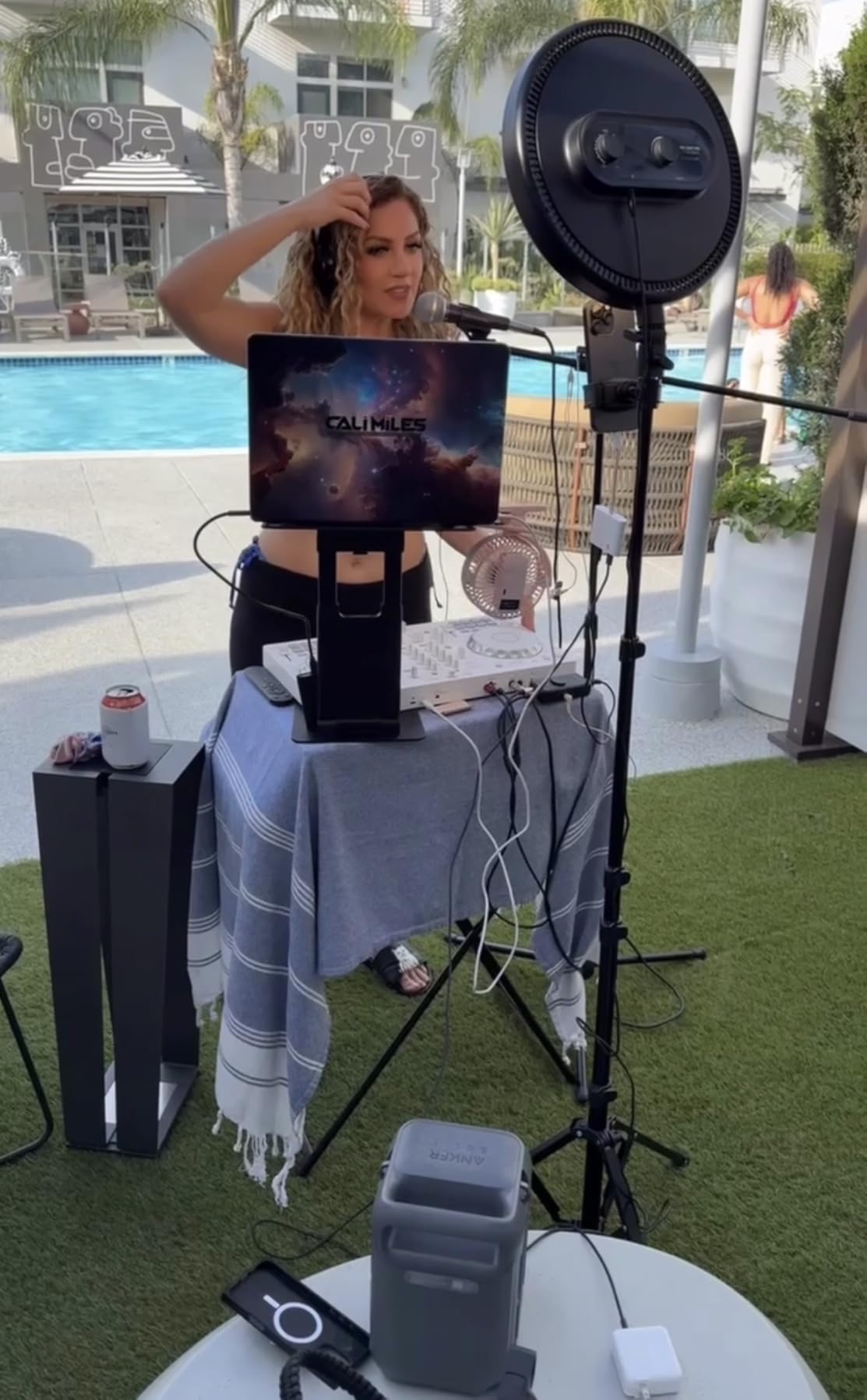
At 9.1 lb and 15% smaller than comparable 288Wh designs, it is genuinely portable, and 1,914 reviews average 4.6 stars with 81% at 5 stars. For cameras, drones, phones and a laptop over a weekend, it does the job without anyone noticing it is running.
For appliances it is the wrong tool. The three AC outlets total 300W across the unit, and 288Wh is not enough to matter once you switch on something with a compressor. It also will not accept the Anker SOLIX PS30, PS200 or PS400 panels, only 60W or 100W units.
Is 25 dB low enough for a bedroom
Yes. That is measured output, not a marketing figure, and it sits below the level where a fan becomes the thing keeping you awake. The BLUETTI Elite 30 V2 at 30 dB is the next quietest and still workable.
The Anker S2000 is the counterexample: quiet while running, loud while charging fast.
What can you realistically run on 300W
Laptops, phones, cameras, drones, a router and modem, LED lighting, and a 12V cooler on the car socket. That is a complete weekend of camping loads if you charge small things rather than running them all at once.
The shoulder strap is sold separately, so factor that in if you plan to carry it far from a vehicle.
10. EcoFlow RIVER 2 Review: Most Reviewed, and the Limits Show
EF ECOFLOW Portable Power Station RIVER 2, 256Wh 300W
256Wh LiFePO4
300W AC, 600W X-Boost
1 hr full AC charge
7.7 lb
Under 30 ms EPS
Pros
- One hour full recharge on the wall
- Lightest unit in the group at 7.7 lb
- 3000+ cycle LFP chemistry
- Passes through as a small UPS
- Runs a 12V cooler about 8 hours
Cons
- 256Wh rules out appliances
- About 200W usable after inverter draw
- Fan audible at maximum charge speed
The RIVER 2 has the most reviews in this roundup by a wide margin, 4,530 of them, and it is the unit most people meet first. It is also the lowest rated at 4.3 stars with 9% one-star reviews, and that gap between popularity and satisfaction is worth understanding before you buy.
What works: a one-hour full recharge on the wall, 7.7 lb of weight, LiFePO4 chemistry rated past 3,000 cycles, and an EPS function that switches to battery in under 30 ms while passing power through so devices keep running as it charges. Owners report running a 12V portable cooler for about 8 hours on DC.
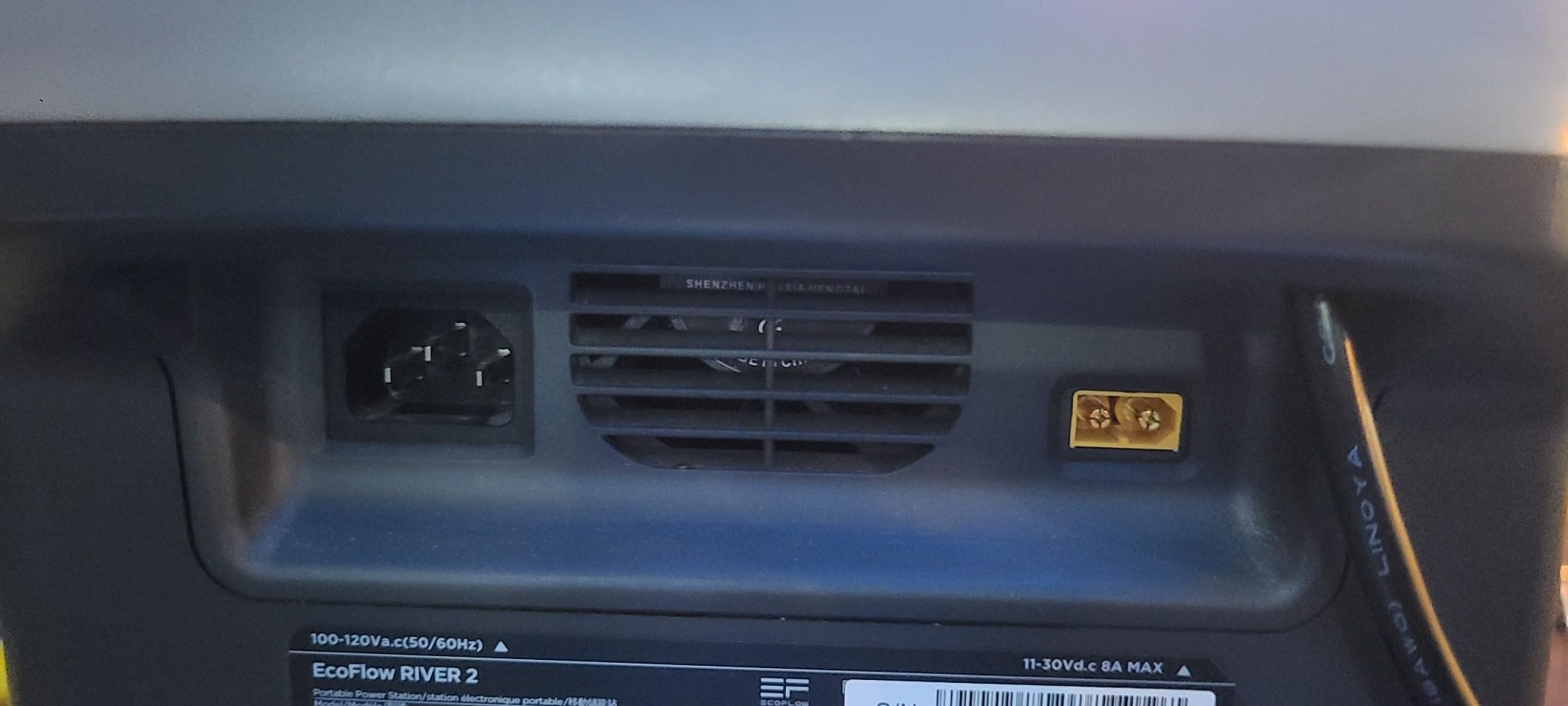
Where it falls short is the inverter. The 300W AC outlets drop to roughly 200W usable once the inverter draws its own power, which is why the listing’s 600W X-Boost combined figure needs reading carefully. 256Wh also means no microwave, no blender, and no space heater, no matter what the wattage suggests.
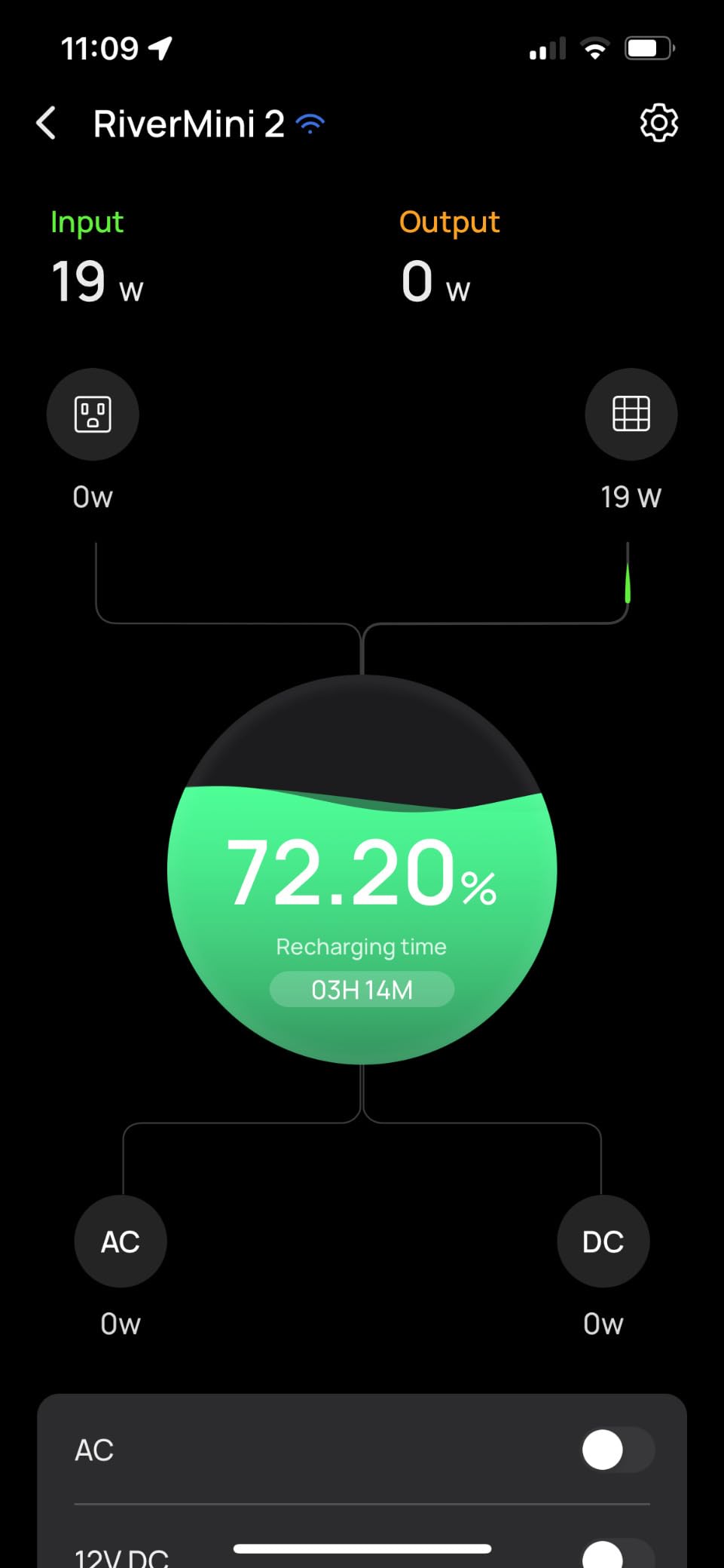
Two smaller issues appear repeatedly in reviews. The single 60W USB-C port limits charging options when you are running a laptop and a phone, and a minority of owners report the charge percentage display drifting from the truth after about two years. Note also that no solar charging cable is included with this unit.
Is the 4.3 rating a reason to skip it
Not by itself. The rating reflects expectations set by higher-capacity units, and most of the one-star reviews are people who wanted to run appliances on a 256Wh pack. Match it to the right job and it is a very good travel unit.
Skip it if you need to power anything with a compressor, or if you want a second one you never have to think about.
Should you check the charge gauge over time
Recharge it fully once a month and keep the app updated. Gauge drift is the main long-horizon complaint, and owners who maintain the unit report far fewer issues.
At 7.7 lb with a built-in handle and a flat top for placing a phone, it is the easiest unit here to actually keep in a car or a bag.
How We Picked and What We Checked
Every unit in this list was filtered on five criteria, and the first one is not negotiable. A solar generator is a portable power station: a lithium battery, an AC inverter, USB and 12V outputs, and an input for a solar panel. It stores energy and runs devices silently, with no fuel, no exhaust and no pull-start.
Price discipline. The budget tier is the entire point of this roundup, so capacity and output are judged per watt-hour rather than on absolute size.
Usable capacity, not label capacity. Inverter losses mean label watt-hours overstate what reaches an appliance. Budget 85% of the label figure and you will not be disappointed.
Continuous AC output against surge. Continuous output decides what runs; surge only decides what starts.
Charge speed, from both wall and solar, since a station that cannot refill is a station you cannot reuse.
Warranty, cycle life and app support, because buyers consistently say to research support before buying rather than after.
Noise came up more than any other criterion during owner research, which is why several sections below address it directly. It is the top complaint across this category, and the difference between a 25 dB unit and a unit with a droning fan is the difference between a station that lives in the bedroom and one that lives in the garage.
Buying Guide: Choosing the Right Solar Generator Under 1000 Dollars
How to calculate the capacity you need
Add up the watts of everything you want running at the same time, then divide that number by the runtime you need. A 150W refrigerator running for 24 hours needs 3,600Wh, which no sub-1000 unit holds. A 150W refrigerator for 12 hours needs 1,800Wh, which is exactly what the 2kWh class delivers.
For overnight loads, a 1kWh unit with roughly 850 usable watt-hours covers a fridge plus lights plus a router with room to spare. That is the honest ceiling of the budget tier.
Continuous output versus surge power
Continuous output is the wattage the inverter sustains indefinitely. Surge is a short burst, typically 30 seconds to two minutes, that covers compressor startup. A 1500W unit with 3000W surge will start a fridge rated at 250W running draw. It will not run a 3000W load for an hour.
Match continuous output to the sum of what you plan to run, then check that surge covers the single largest startup draw.
LiFePO4 versus NMC
Every unit in this roundup is LiFePO4, and that is the single biggest quality change in this category. LiFePO4 cells typically run 3,000 to 4,000 cycles before dropping to 80% capacity, which at one cycle a day is a decade of service. Older NMC packs managed roughly 500.
LiFePO4 also tolerates heat better and is far less likely to fail dramatically. The trade is weight: the same capacity in LiFePO4 is heavier than in NMC.
Solar panel sizing and the four to six hour rule
Match your panel wattage to the station’s solar input ceiling, not the other way round. The BLUETTI Elite 100 V2 accepts 1,000W, the Anker C1000 Gen 2 accepts 600W, the AC180 accepts 500W, and the small units accept 110W to 200W.
Then accept the real numbers. Folding panels deliver a fraction of their rated output in ordinary conditions, and owner reports of a full day of sun producing roughly half a charge on a 1,500Wh unit are common. Treat four to six peak sun hours as the working assumption, and keep the wall outlet as your primary refill path.
UPS mode and medical equipment
UPS mode keeps your outlets live and switches to battery when the grid fails. Switchover times in this group range from under 10 ms to about 30 ms, all fast enough that a CPAP or a network rack does not reset. A community member in Indiana described the exact plan this tier serves: a refrigerator, an oxygen concentrator and lights on a sub-1000 budget.
The real limit is fan noise, not switchover speed. For overnight medical use, stay with the 25 dB Anker C300 or the 30 dB units, and keep the station away from the head of the bed.
Kit or bare unit at this budget
At a fixed budget, the choice is roughly a 1kWh station with a smaller panel, or a smaller station with a larger panel. The RIVER 2 Pro and Jackery 1000 v2 bundles give you a working off-grid kit immediately, which is what most first-time buyers actually need.
If you already own panels from another brand, buy the bare unit and put the money into the station. The ELITE 100 V2 accepts up to 1,000W, and the included-panel versions here generally pair with 160W and 200W folding panels that are among the slowest components in the chain.
What you cannot power at this price
Be direct about the ceiling. A space heater draws more than most units here can sustain, and Power Lifting modes that start one will drain the pack in a couple of hours. Well pumps, electric heat pumps, electric water heaters and whole-home loads are all out of reach. A 1,500W hair dryer works; a second one does not.
If your plan includes heating, this budget buys you lighting, refrigeration, internet, medical devices and charging. That is genuine backup, and it is a different thing from keeping the house running.
Frequently Asked Questions
What is the best solar generator under 1000 dollars?
The EF ECOFLOW RIVER 2 Pro is the strongest all-round pick in this class: 768Wh of LiFePO4 capacity, up to 1600W across four 800W AC outlets, a full wall recharge in about 70 minutes, and a 160W folding solar panel in the box. The Jackery 1000 v2 offers more capacity at 1070Wh, and the BLUETTI Elite 100 V2 accepts the strongest solar input at 1,000W.
How long will a 1000 watt solar generator run a refrigerator?
A typical 150W running-draw refrigerator needs about 1,800Wh for 12 hours and 3,600Wh for 24 hours. A 1kWh unit holds roughly 850 usable watt-hours, so expect close to one night rather than a full day. The Anker SOLIX S2000 at 2,010Wh is the pick here that owners report running a 220 litre fridge for 33 to 35 hours.
Which solar generator is the quietest?
The Anker SOLIX C300 is the quietest unit in this roundup, measured at 25 dB from 3.3 feet. The BLUETTI Elite 30 V2 and BLUETTI Elite 100 V2 both have a 30 dB silent mode, and the Jackery Explorer 1000 v2 also charges quietly at 30 dB. The Anker SOLIX S2000 is quiet while running appliances but its fan drones during 1200W charging.
Can a solar generator power a whole house?
No. Nothing in this price class can. The most capacity available here is 2,048Wh on the EcoFlow DELTA 3 Max, and a single electric heat pump or water heater can use more than that in an hour. A sub-1000 unit covers a refrigerator, lighting, internet, a CPAP machine and device charging, which is meaningful backup without being whole-home power.
What size solar panel do I need for a 1000Wh power station?
Match the panel to the station’s solar input ceiling: the BLUETTI Elite 100 V2 accepts up to 1,000W, the Anker SOLIX C1000 Gen 2 accepts 600W, and the BLUETTI AC180 accepts 500W. Expect four to six peak sun hours for a full refill, and less than the panel rating suggests in overcast or partial shade conditions. The wall outlet stays your fastest and most reliable refill path.
Conclusion: The Best Solar Generators Under 1000 Dollars in 2026
Start with the EF ECOFLOW RIVER 2 Pro if you want a solar generator that works the day it arrives, the Jackery Explorer 1000 v2 if you want the most usable capacity per pound, and the BLUETTI Elite 100 V2 if the sun is your main energy source. The Anker SOLIX C1000 Gen 2 is the one I send people to when a CPAP machine is involved, and the Anker SOLIX S2000 is the only pick here that comfortably covers a full day of refrigeration.
Two questions decide most purchases in this tier. What will you power, and is the money going on a station plus panel or on a bigger station alone. Get those two right and the choice is easy.
Keep it charged, keep it indoors, and check the fan noise before you put it in a bedroom. That is the whole playbook for the best solar generators under 1000 dollars this year.