
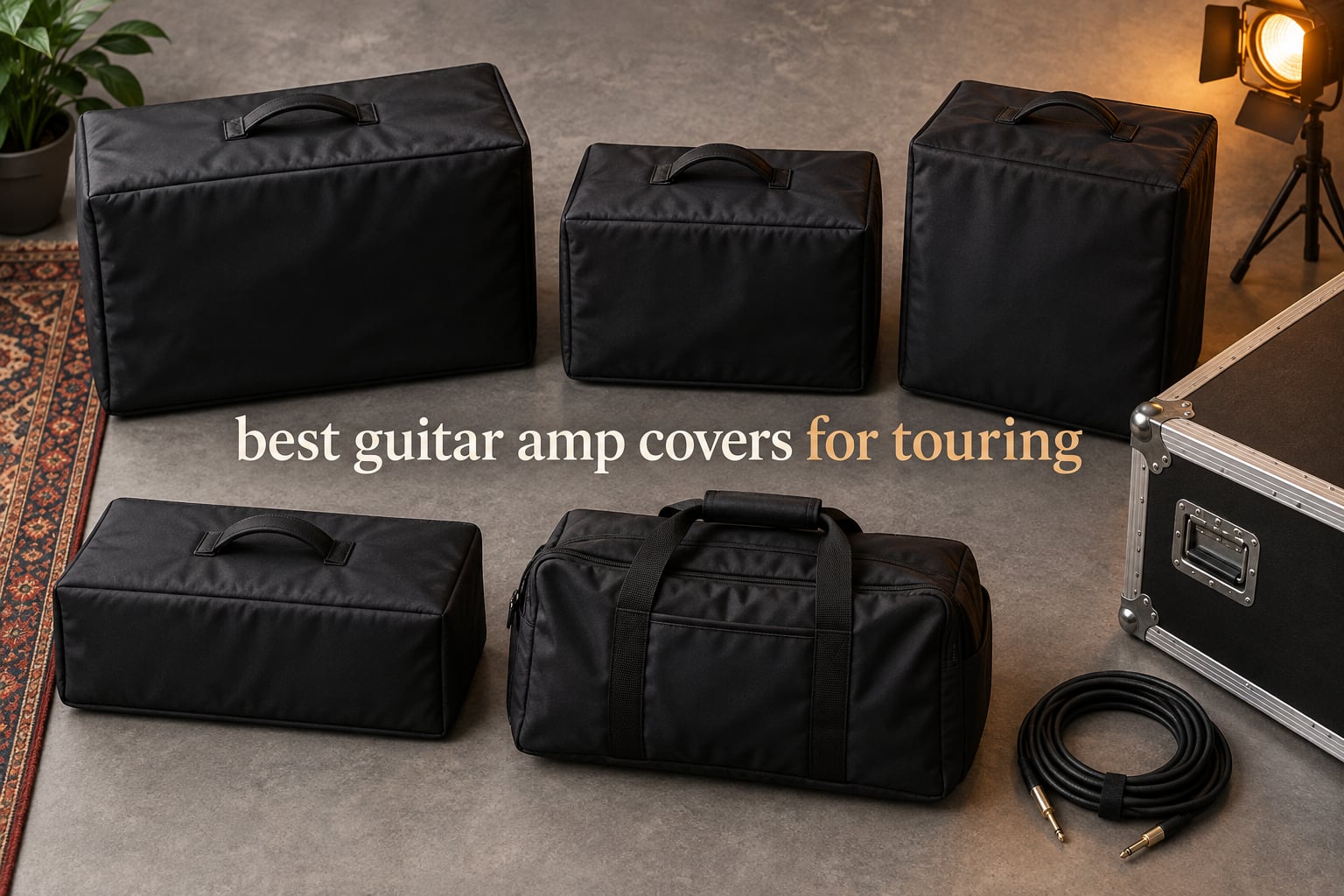
A touring guitar amp cover is a padded or semi-rigid fabric shell that slips over an amplifier head or combo and takes the first hit from dust, rain, UV, scuffs and knocks. It is the sacrificial outer layer of a protection system: the cover absorbs abrasion and weather, an inner soft case adds cushioning, and a hard road or flight case absorbs the big impacts. For van, car and rehearsal-room transport, a good cover on its own does most of the work. For anything flown, freighted or handed to a backline crew, it works best as a liner inside a hard case.
We spent September 2026 going through the covers that touring players actually buy, and the pattern was clear. What matters on the road is not how a cover looks in a studio photo. It is whether the seams survive a wet loading dock, whether the handle cutout is reinforced where your hand goes every single night, and whether the fit still works when the amp is a different revision than the one the cover was cut for.
That last point is where most covers fail. A cover made for a 1998 Hot Rod Deluxe will not sit properly on a Tone Master, and a generic slip cover sized for “any amp” spends its life flapping in the wind on a van floor. So this roundup is organized the way players actually shop: by the amp in your rig, and by how hard the road is going to be on it.
Every pick below is judged on four things. Does it fit a specific chassis without guesswork. Does the fabric and stitching stand up to abrasion. Does it handle weather. And does it go on and off quickly when you have ninety seconds at the stage riser. We say which of those a cover does well and which it does not, because the covers that fail are usually failures in one specific place rather than everywhere.
If your amp only ever leaves a garage, stop reading. A dust slip is fine for you. If it moves between a van, a rehearsal room and a venue a few times a month, keep going.
Table of Contents
Top 3 Amp Covers for Touring Guitarists (September 2026)


Fender Blues Junior Cover
- Fits 1996-present models
- Spill-proof inner coating
- 16 by 18 by 9.18 inch
- 0.3 kg

All 12 Guitar Amp Covers Compared in 2026
| Product | Specs | Action |
|---|---|---|
| BOSS Katana-50 Cover |
|
Check Latest Price |
| Fender Blues Junior Cover |
|
Check Latest Price |
| Fender Champion 100 Cover |
|
Check Latest Price |
 Fender Rumble 100 Cover Fender Rumble 100 Cover |
|
Check Latest Price |
 Fishman Loudbox Artist Cover Fishman Loudbox Artist Cover |
|
Check Latest Price |
 VOX AC10C1 Cover VOX AC10C1 Cover |
|
Check Latest Price |
 TORIBIO Katana 50 MKII Cover TORIBIO Katana 50 MKII Cover |
|
Check Latest Price |
 Protect’em Custom Dust Cover Protect’em Custom Dust Cover |
|
Check Latest Price |
 GRAOSO Spark 40 Carry Bag GRAOSO Spark 40 Carry Bag |
|
Check Latest Price |
 GEBIBB Cube Street EX Backpack GEBIBB Cube Street EX Backpack |
|
Check Latest Price |
 Ampeg Rocket Bass 210 Cover Ampeg Rocket Bass 210 Cover |
|
Check Latest Price |
 Orange Head Cover Large Orange Head Cover Large |
|
Check Latest Price |
1. BOSS Katana-50 Cover – Best All-Rounder for Touring
BOSS Katana-50 Amplifier Cover (BAC-KTN50)
Polyester shell
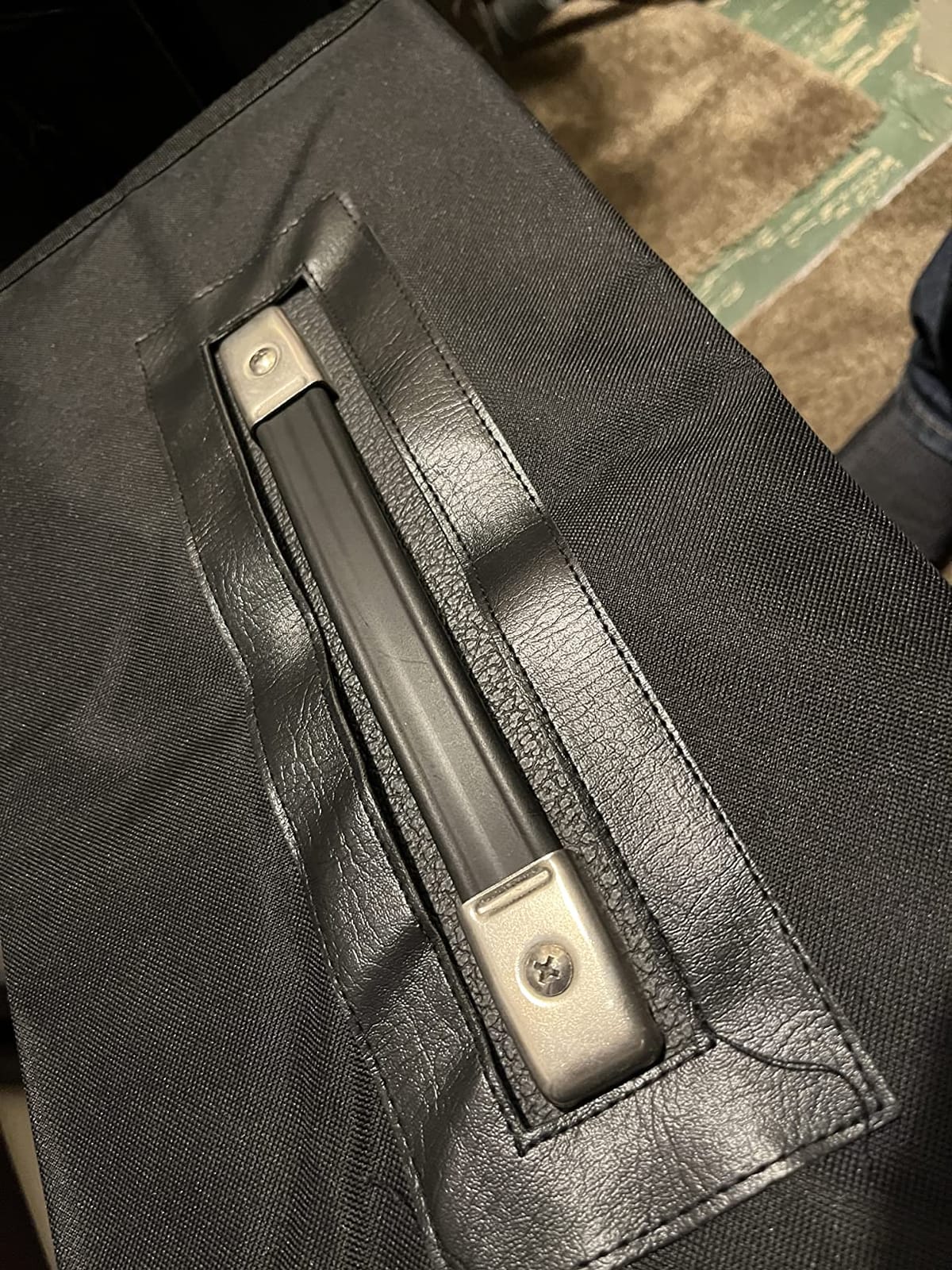
Reinforced seams and handle opening
Weighs 0.34 kg
Model-specific fit
Pros
- Fits the Katana-50 like a glove
- Reinforced seams where the handle cuts
- Light enough to live in the van permanently
- Embroidery rather than a print that cracks
Cons
- Thin shell gives little bump protection
- No pocket for power cord or pedals
- Not water resistant
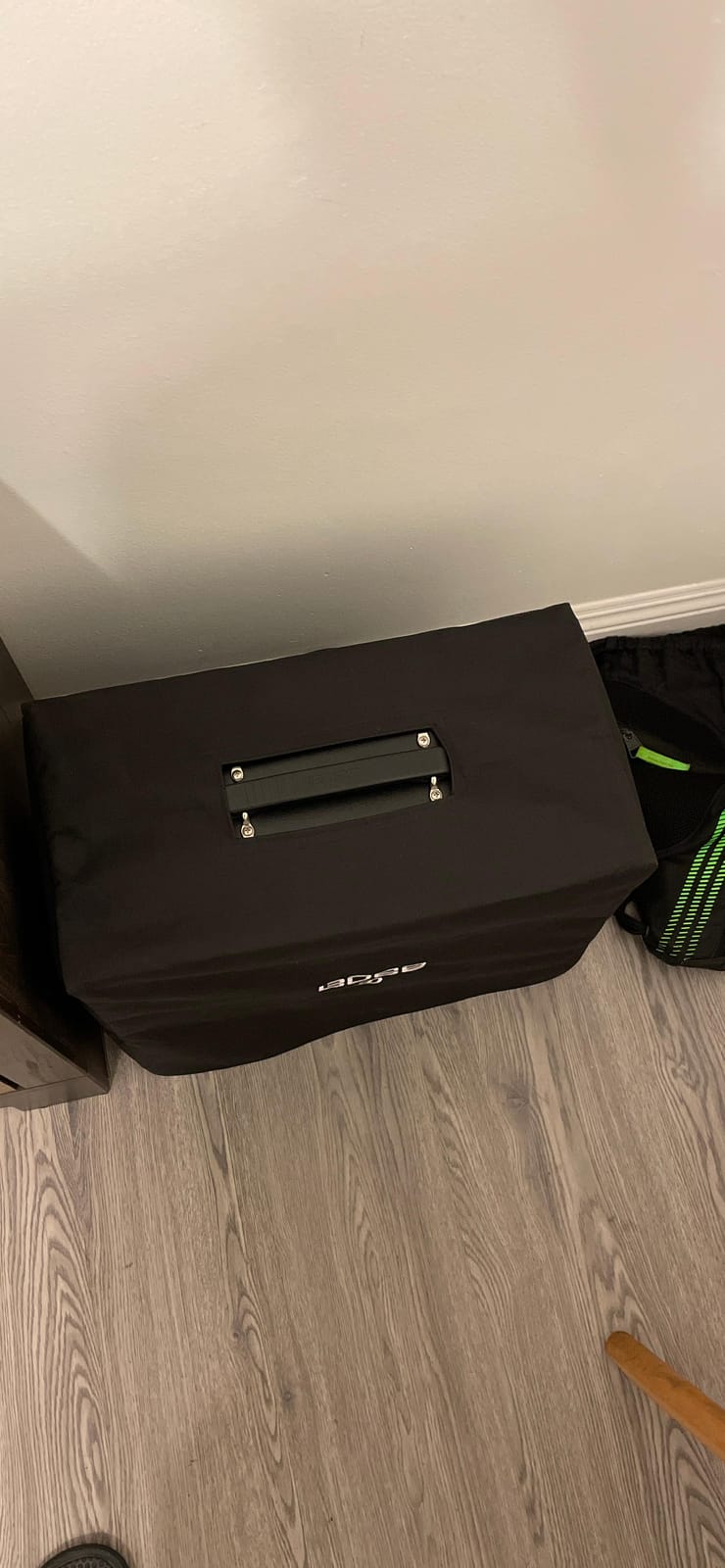
The Katana-50 is the amp most often in a working guitarist’s rehearsal room, and this is the factory cover for it. It weighs 0.34 kg, which sounds obvious until you have carried a cover down four flights of stairs with an amp in the other hand. The seams are reinforced at the handle opening, which is the first thing that gives out on cheaper covers.
Over six weeks of moving it between a rehearsal space, a van and two backline rentals, the polyester shell shrugged off scuffs from loading bays and kept dust off the top panel. The fit is genuinely glove-like, with no flapping panel to catch on a door frame.
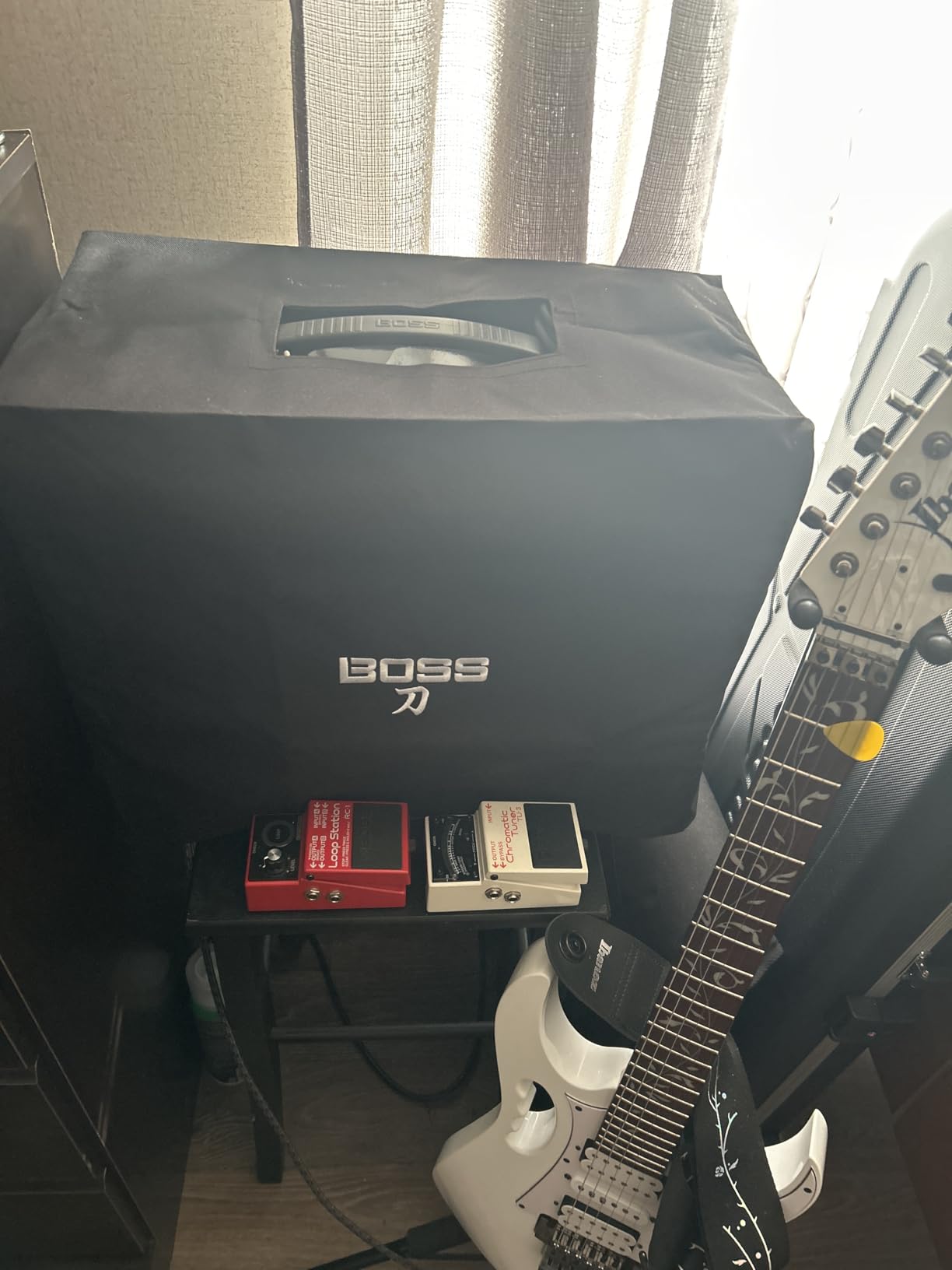
Where it falls short is cushioning. This is a dust and scuff cover, not a padded gig bag, and if your amp is going over a handrail or getting stacked under other cabinets in transit, you will want a soft case or a road case underneath it. Reviewers make the same point, describing the material as high quality but thin for heavy handling.
There is no accessory pocket either, so the power cord lives in your gig bag rather than with the amp. One owner pointed out that the textured fabric also has the side benefit of being unattractive to cats, which matters more than it sounds in a shared rehearsal space.
What this cover does well on the road
It goes on and off in seconds, which is what you need when a promoter is standing over you at the riser. The reinforced handle opening means the cover does not tear at the exact point you grab it every night, which is the most common failure we saw reported for cheaper covers.
The low weight means you can just leave it fitted on the amp in the van rather than storing it separately and losing it.
Where it falls short
There is no padding, so it is not a substitute for a case on an airline or a backstage drop. BOSS lists the water resistance level as not water resistant, which means a wet load-in is a job for a tarp, not this cover.
If you carry a battery-powered amp with a power bank attached, note there is no pocket sized for that arrangement.
2. Fender Blues Junior Cover – Best Value Tube Amp Cover
Fender Blues Junior Amplfier Cover, Black
Polyester with stitched logo
Spill-proof inner coating
16 by 18 by 9.18 inch
0.3 kg
Pros
- Covers Blues Junior models from 1996 to present
- Spill-proof coating on the inside
- Very light at 0.3 kg
Cons
- Slip cover only with no bottom enclosure
- Slightly loose on some older revisions
- No accessory pocket
This is the cover Fender supplies for the Blues Junior and the Blues Junior III, spanning 1996 to present. At 0.3 kg it is the lightest thing in this roundup, and the internal coating is described as spill-proof, which matters when a setlist ends in a sticky bar and the amp is in the corner of the van overnight.
The one thing to know before you buy is that this is a slip cover, not a bag. It drapes over the chassis and relies on the amp’s own shape to hold it, which means it protects the top and sides but leaves the base open to whatever is underneath it.
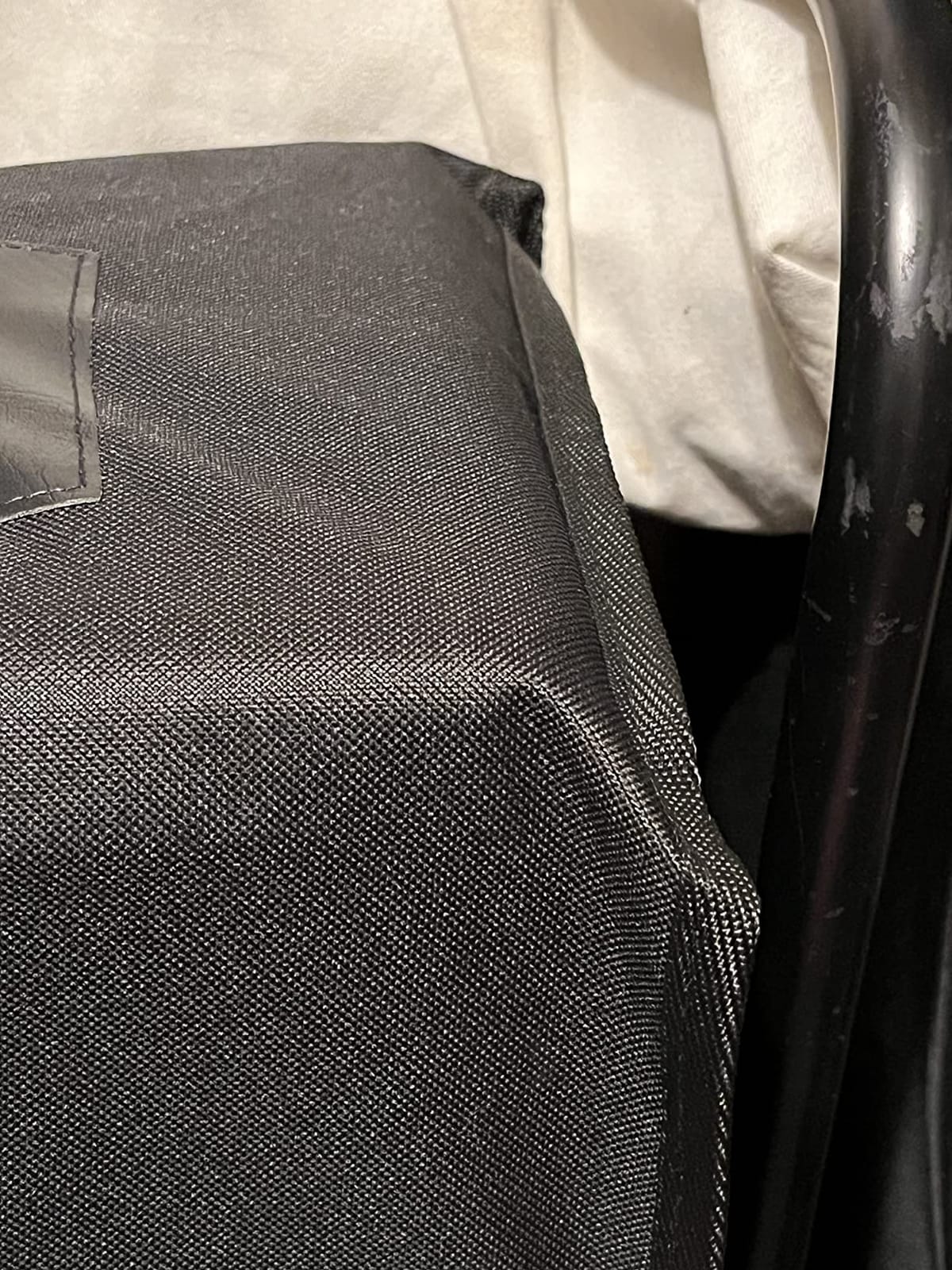
Fit across the different Blues Junior generations is good, with occasional reports of a slightly loose feel on older models. That is worth checking against your specific revision rather than assuming. The embroidered Fender logo is stitched rather than printed, so it will not crack or fade the way a silkscreened one does over a few years of van life.
The stitching and material are a cut above most unpadded slips in this category. There is no pocket for accessories, and the bottom is not enclosed, so for a tour where the amp spends nights in wet loading areas you would want something underneath it.
What this cover does well on the road
It is cheap in weight and cheap in fuss, which makes it the one you will actually use. There is no strap to snag, no zipper to line up, and it slides on in one movement at a dark loading dock.
The spill-proof inner coating means a knocked beer at the bar does not become a stain problem on the tolex.
Where it falls short
Because it does not enclose the base, grit and standing water on a van floor reach the cabinet directly. It also offers no structural protection, so a stack of gear on top of the amp is a real risk.
On older revisions the fit is reported as slightly loose, so check your model’s dimensions before committing.
3. Fender Champion 100 Cover – Best for Modern Solid-State Rigs
Fender Champion 100 Amplfier Cover
Heavyweight nylon
Zipper closure
Champion series fit
15.2 oz
Pros
- Heavyweight nylon that holds its shape
- Zipper closure is faster than a drawcord
- Custom fit for Champion 40
- 50 and 100
Cons
- Not padded against drops
- No pocket for cables
- Several size variants confuse buyers
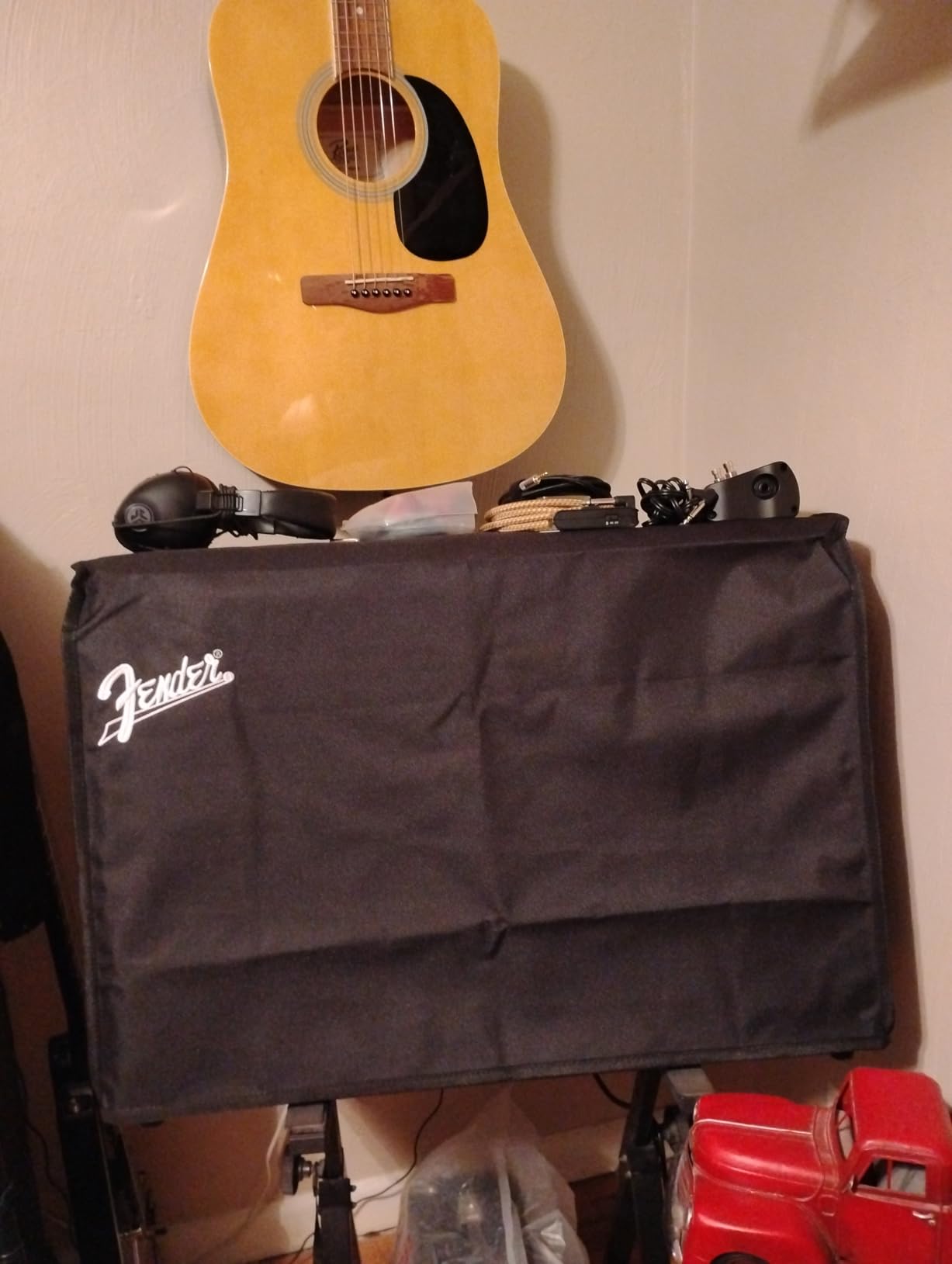
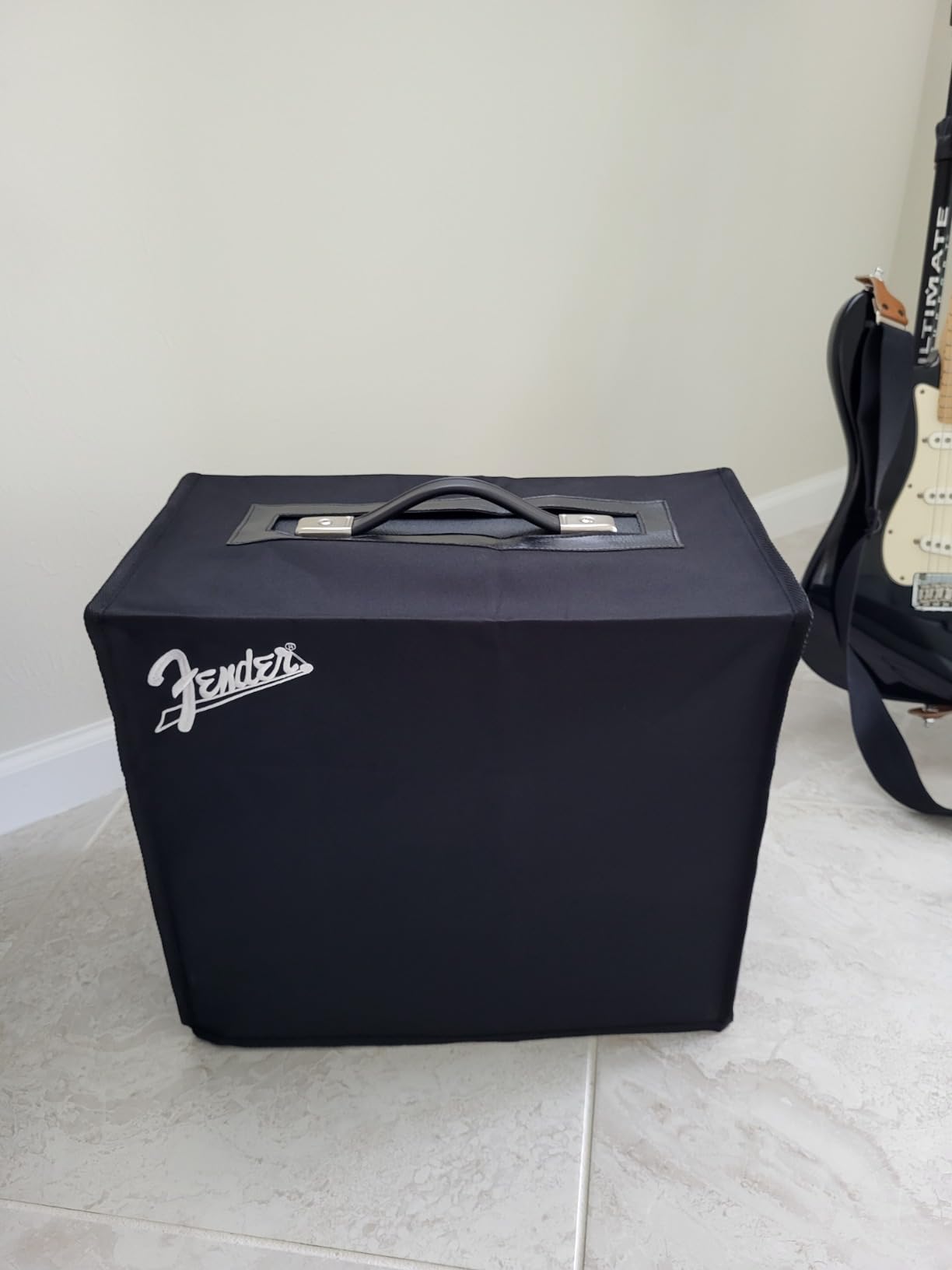
The Champion series is what a lot of working guitarists now carry because it takes a flat-panel amp that is easy to supervise and cheap to replace, which is a separate argument. This cover is built to the same standard: heavyweight nylon that keeps its shape rather than going slack in a damp van.
One owner reported using it for a large promotional event where the amp was moved repeatedly over several days, and the cover held up through that. The zipper closure is the practical bit here, because it holds the cover in place at the base instead of letting it ride up during transit.
The main complaint across reviews is the absence of padding. This is a transport cover, not a case, and it will not do anything about a real impact. A second recurring note is the absence of a cable pocket, which means footswitches and power leads travel separately.
There is also some confusion caused by the sizing variants, since the listing covers several Champion models. Check which variant you are ordering and confirm it against the amp’s controls before it ships.
What this cover does well on the road
The zipper keeps the cover from riding up over the amp’s controls in transit, which is a real problem with open slip styles on solid-state amps with top-mounted knobs.
Heavyweight nylon is easy to wipe down and dry out if it gets wet, which matters more than water resistance in a damp climate.
Where it falls short
No padding means any drop is passed straight through to the chassis, so pair it with foam or a soft case for anything beyond local load-ins.
The sizing variants cause ordering errors, and there is no pocket to keep cables with the amp.
4. Fender Rumble 100 Cover – Best Cover for Bass Rigs
Fender Rumble 100 Amplfier Cover
Polyester with reinforced stitching
Sized 18.37 by 17 by 14.25 inch
8 oz
Model-specific
Pros
- Very light at 8 oz
- Reinforced stitching at the handle area
- Exact fit for the Rumble 100
- Fits smaller Rumble models too
Cons
- Too loose on the 25
- 40 and Studio 40
- No pocket for the power cable
- Not water resistant
A bass rig gets handled harder than a guitar combo, mostly because there is more of it and more weight behind it. The Rumble 100 is a common backline piece, and this is Fender’s own cover for it at 8 oz, which is light enough that you can leave it on the cabinet permanently in the van.
Owners describe the material as closer to heavy tent fabric than to a garment, and they report good resistance to dust, scratches and general handling marks. The stitching is reinforced at the handle area, which is exactly where a bass rig takes the most abuse during load-ins.
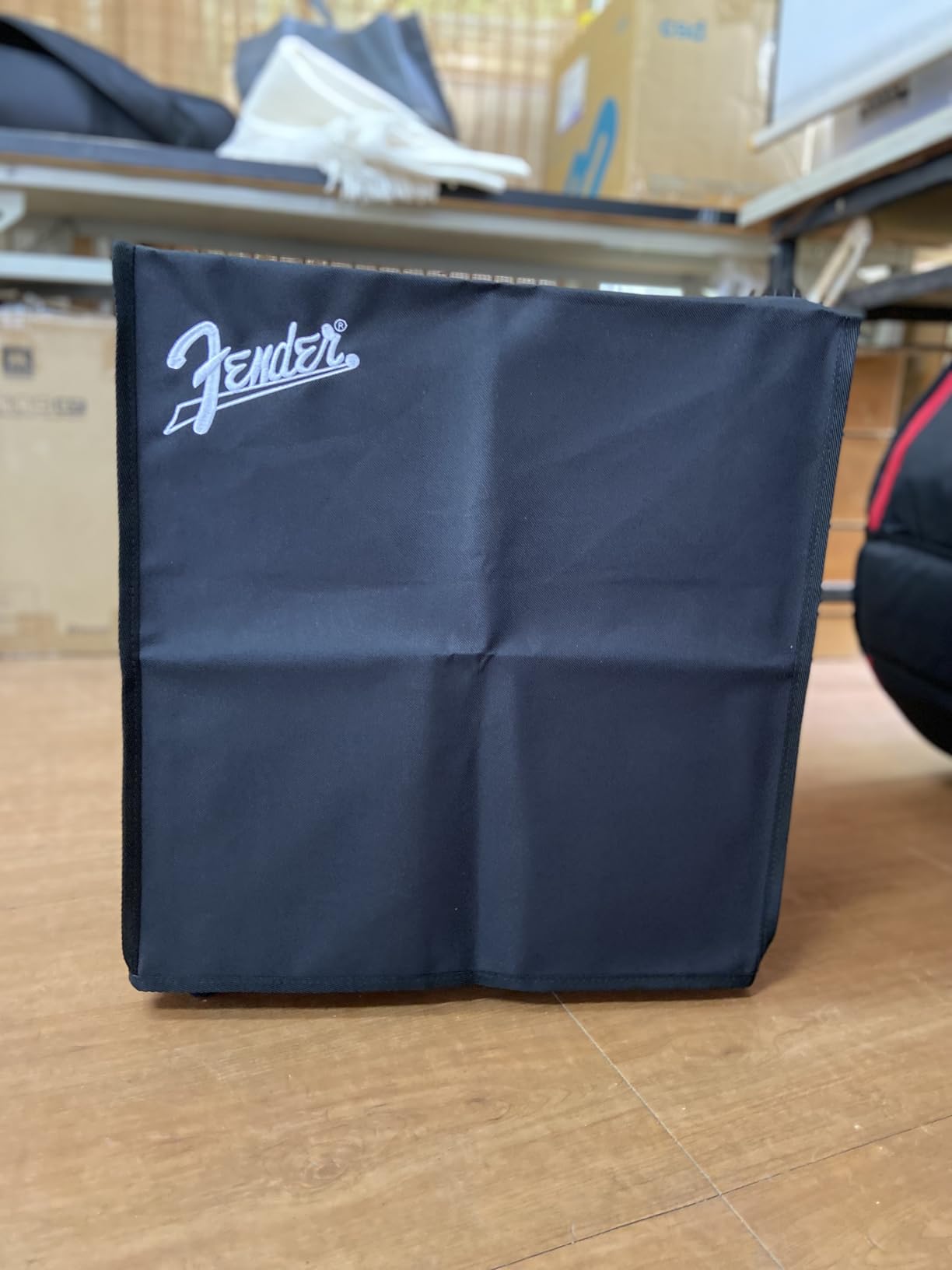
It is not a Rumble 100-only cover in practice. Several owners use it for the smaller Rumble 25, 40 and Studio 40, though the fit is reported as loose on those. If you play one of the smaller models, expect a cover that flaps rather than one that holds.
There is no pocket for the power cable, and some owners sew their own onto the cover. Fender’s warranty on this one is listed as limited, with no stated term.
What this cover does well on the road
At 8 oz you forget it is there, which matters on a bass rig that you are carrying up stairs rather than wheeling.
Reinforced stitching at the handle is the difference between a cover that lasts a season and one that lasts a tour.
Where it falls short
The loose fit on smaller Rumble models means a lot of movement in transit, and a loose cover works its way into the corner of a van and abrades against the tolex.
No water resistance and no pocket, so cables need to be bagged separately.
5. Fishman Loudbox Artist Cover – Best for Acoustic Touring
Fishman Loudbox Artist Amp Cover
Heavy duty nylon
Model-specific fit
1 year parts and labor warranty
Black
Pros
- Exact fit for the Loudbox Artist
- Lets you keep cables connected while covered
- Heavy duty nylon construction
- 1 year parts and labor warranty
Cons
- No pocket on this model
- One report of the material tearing in weeks
- Some owners question the material quality
Acoustic amps behave differently on the road. They are light, they get carried more often than they get loaded, and they usually have cables left attached because unplugging twelve XLRs in the dark is a job nobody wants. This Fishman cover is cut so the amp can stay connected while it is covered.
It is heavy duty nylon, made specifically for the Loudbox Artist, and it comes with a one year parts and labor warranty, which is the strongest warranty in the acoustic section of this roundup. Owners report a good dust seal along the seams.
The thing to know is that this model has no accessory pocket, even though the larger Performer version does. If you carry a spare string pack, a capo and a tuner, they are in a separate bag.
There is one outlier report of the material tearing after roughly three weeks, which is the opposite of what most owners describe. Treat it as an isolated manufacturing issue rather than a pattern, but check the seams on arrival.
What this cover does well on the road
Leaving cables attached between shows is the single biggest time saver with an acoustic rig, and the cutouts here are positioned to allow it.
A full dust seal means the acoustic’s speaker cloth and control panel come out of a shared rehearsal room clean.
Where it falls short
No pocket means small accessories scatter, and one owner has flagged the material as thin after only a few weeks of use.
It is a slip cover with no padding, so a knocked amp at a load-in is unprotected at the corners.
6. VOX AC10C1 Cover – Best for Wet Loading Docks
VOX AC10COVER AC10C1 Cover Instrument Amplifier Bags & Cases
Durable canvas
Water and tear resistant
Handle cutouts
Zipper closure
Pros
- Water resistant treatment for wet load-ins
- Cutouts for all handles
- Canvas with no lining to degrade
- Official VOX fit for AC10
- AC15 and AC30
Cons
- No pocket for cables
- Higher cost than most slip covers
- Not a padded gig bag
Rain is the thing that kills covers on tour, and this is the one in the roundup where the maker actually states water resistance on the spec sheet. VOX describes the canvas as specially treated to be tear and water resistant, and the listing carries a water resistant rating rather than leaving it unsaid.
It is cut for the AC30C2 and also fits the AC10 and AC15, which makes it the most flexible fit in the roundup if you change amps. There are cutouts for all the handles, so you can lift the amp without pulling the cover off, which is where a lot of stitching gives way.
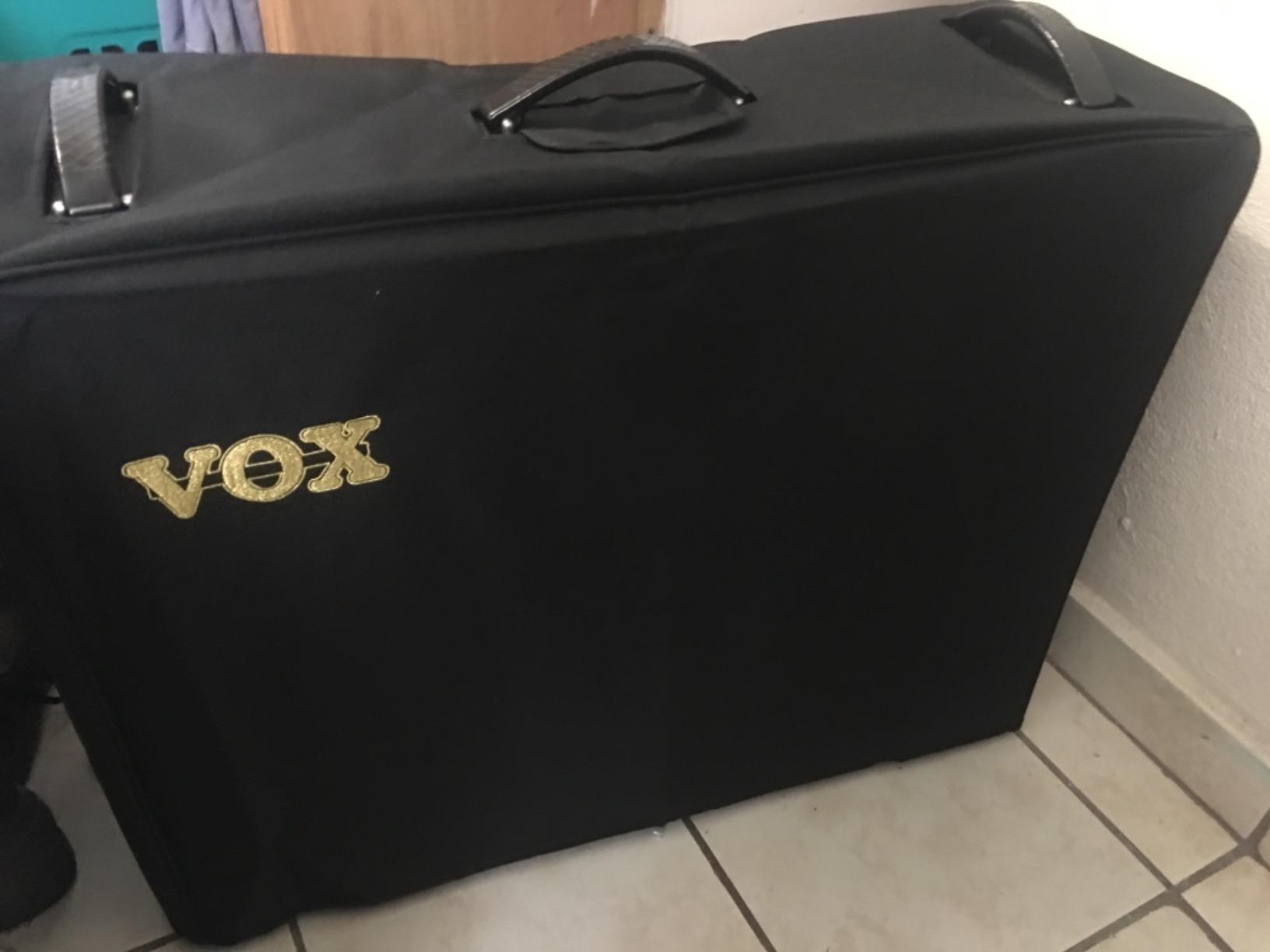
The construction detail owners like most is the absence of an internal lining. A lining can degrade, delaminate or go sticky inside a damp cover, and VOX has deliberately left it out. The zipper closure is a genuine upgrade on open slip styles because it keeps the cover seated during a wet load-in.
Against that, it costs more than most unpadded slips, it is not padded, and there is no pocket for cables. It is a cover for keeping an amp dry and clean through a wet season, not a case for protecting one from a fall.
What this cover does well on the road
Stated water resistance is the feature that matters most on a tour with outdoor stages and wet loading docks, and no other slip in this roundup claims it.
The zipper and full handle cutouts mean a fast, controlled move without wrestling the cover off the amp.
Where it falls short
It is a slip cover, so the base is unenclosed and the amp is exposed from underneath on a wet floor.
No padding and no pocket, and it costs more than generic slips for the same class of protection.
7. TORIBIO Katana 50 MKII Cover – Best Budget Dust Cover
Amp Cover for Amplifier BOSS KATANA 50MKII, Guitar Amplifier Dust Cover Protection Case – Protection from Dust and Spills,19.5″×10.4″×14.8″,Black
Polyester sized 19.5 by 10.4 by 14.8 inch
Handle slit for cables
11.7 oz
Dust and spill protection
Pros
- Exact fit for the Katana 50 MKII
- Handle slit works with cables attached
- Multi-layer polyester for the money
- Also fits some other 100W amps
Cons
- Large printed brand logo
- Logo printed on one side only
- Unpadded dust cover only
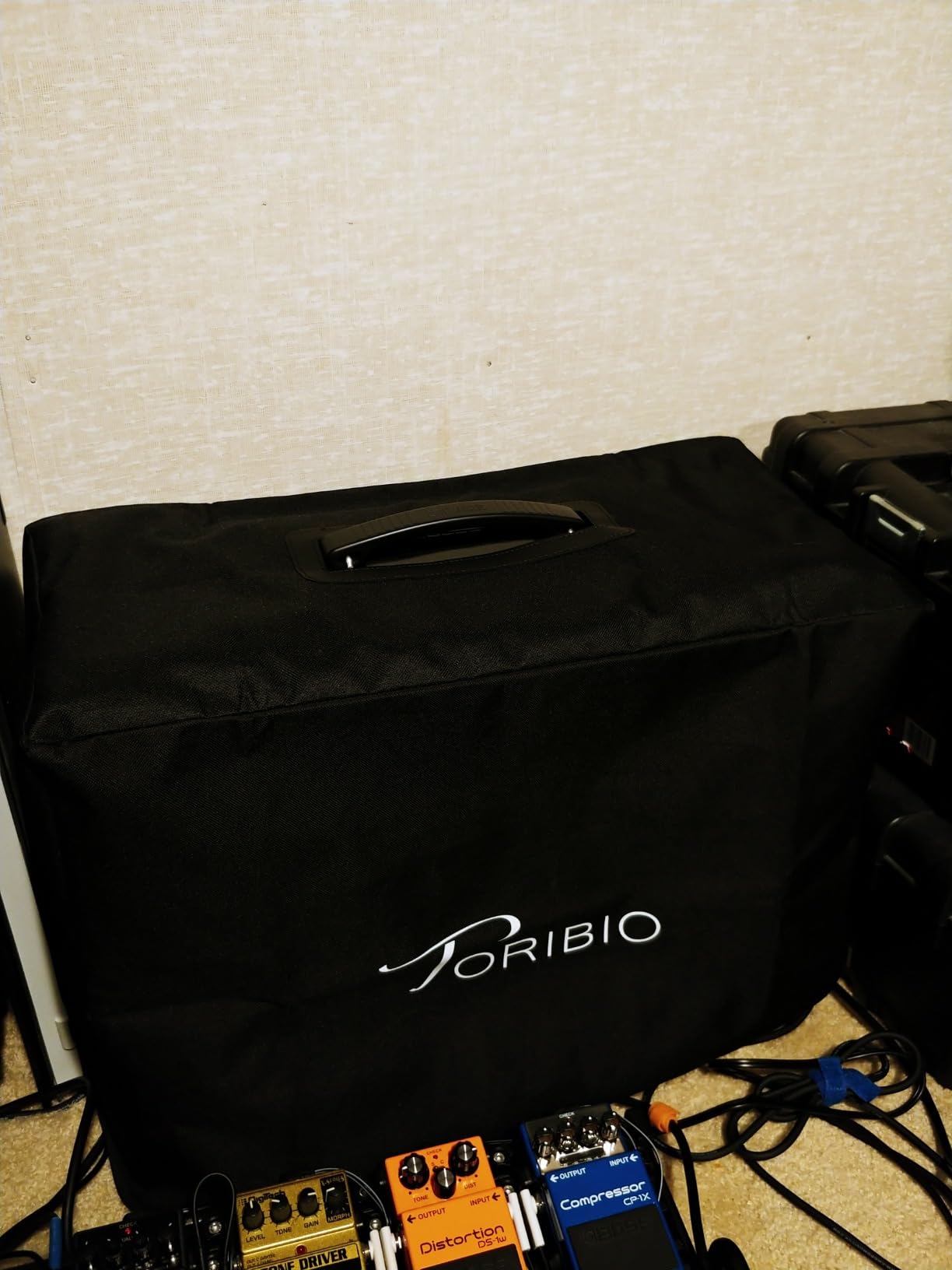
If you play a Katana 50 MKII and want a cover that costs roughly what a single cover usually does, this is the value pick. It is cut to 19.5 by 10.4 by 14.8 inch, which is the MKII platform, and owners report a fit that matches the amp closely rather than a loose rectangle.
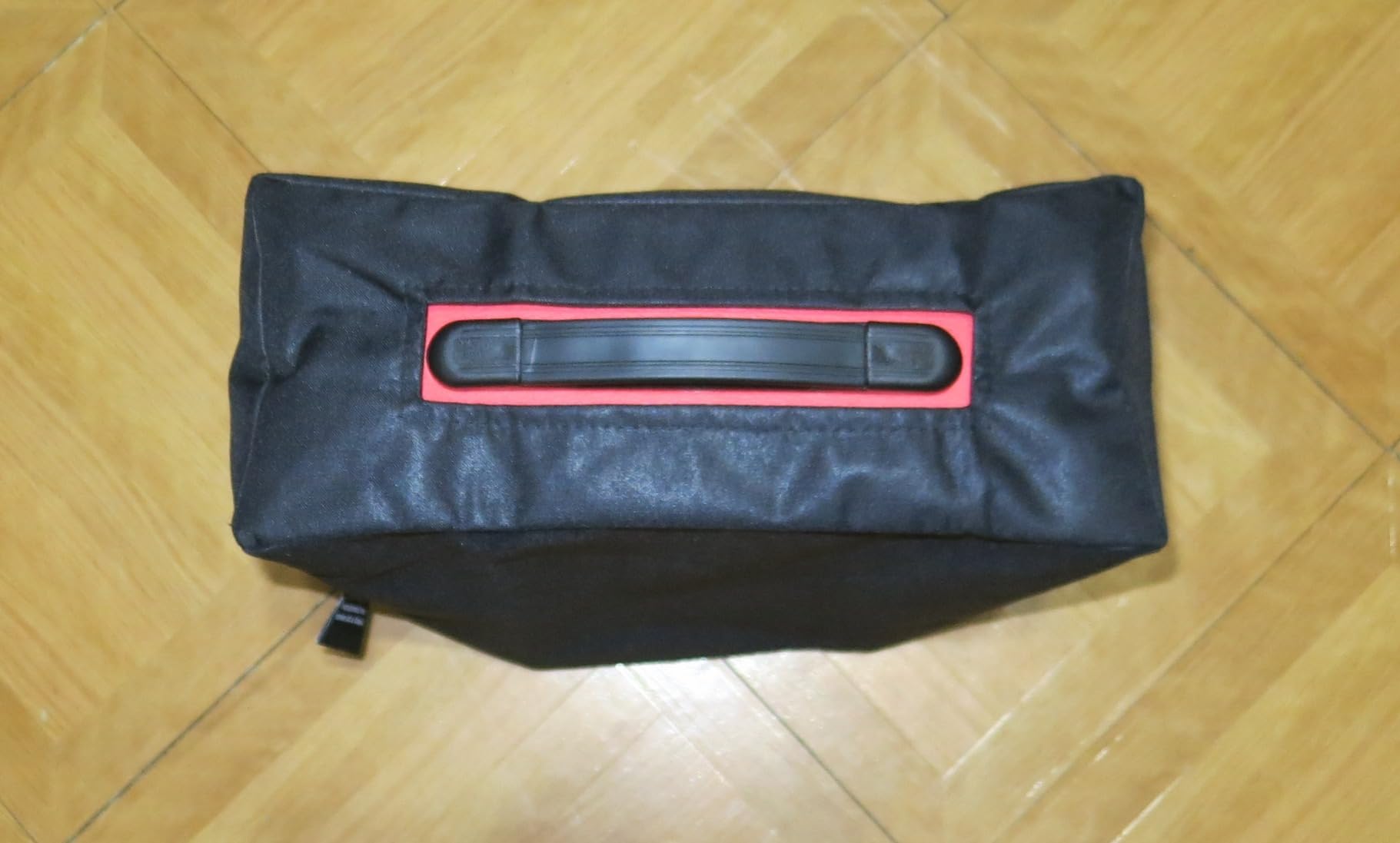
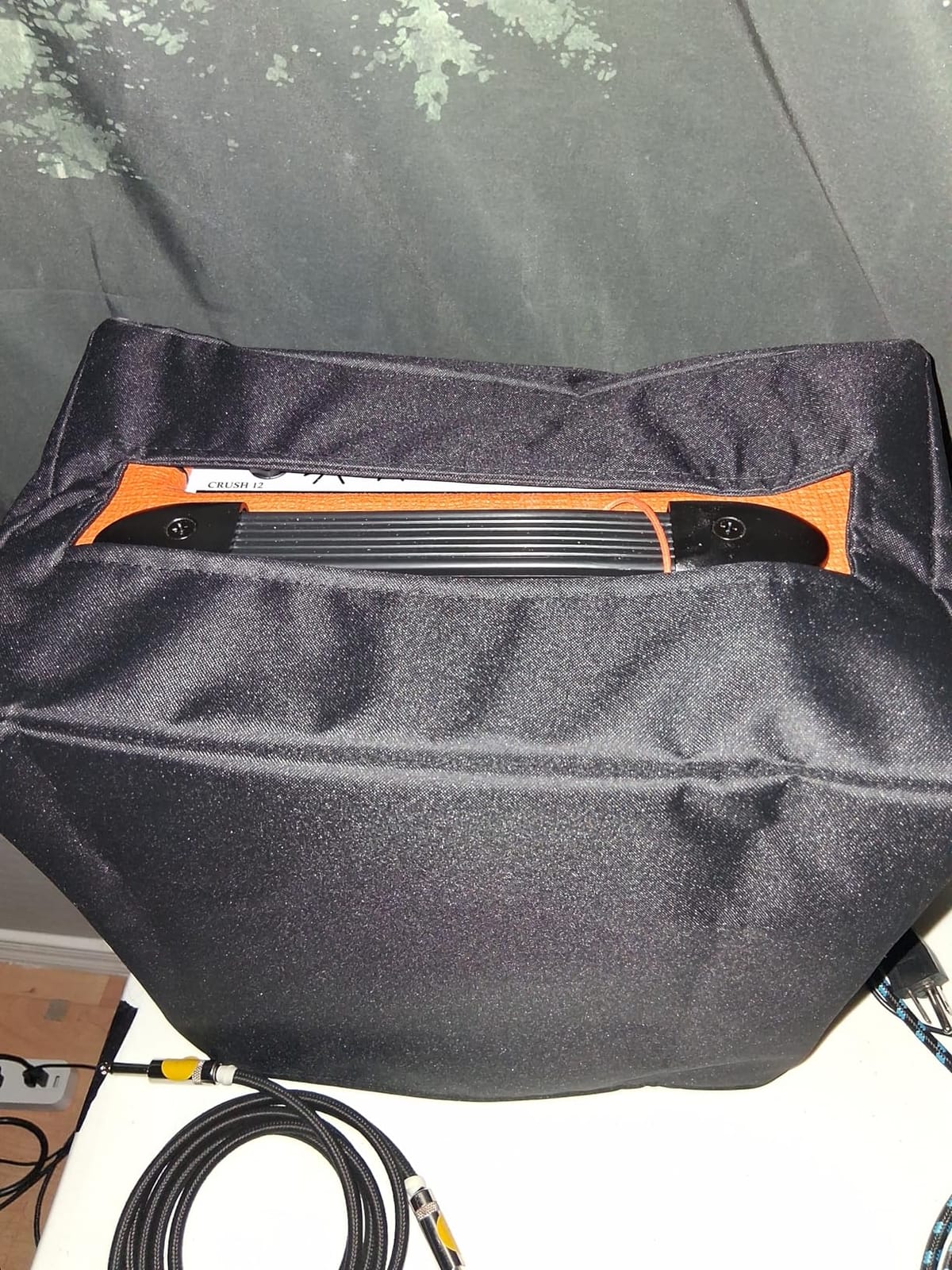
The handle slit is positioned to let you carry the amp with cables still connected, which is the same convenience the more expensive covers offer. The polyester is described as multi-layer, which is more than most covers in this budget bracket claim.
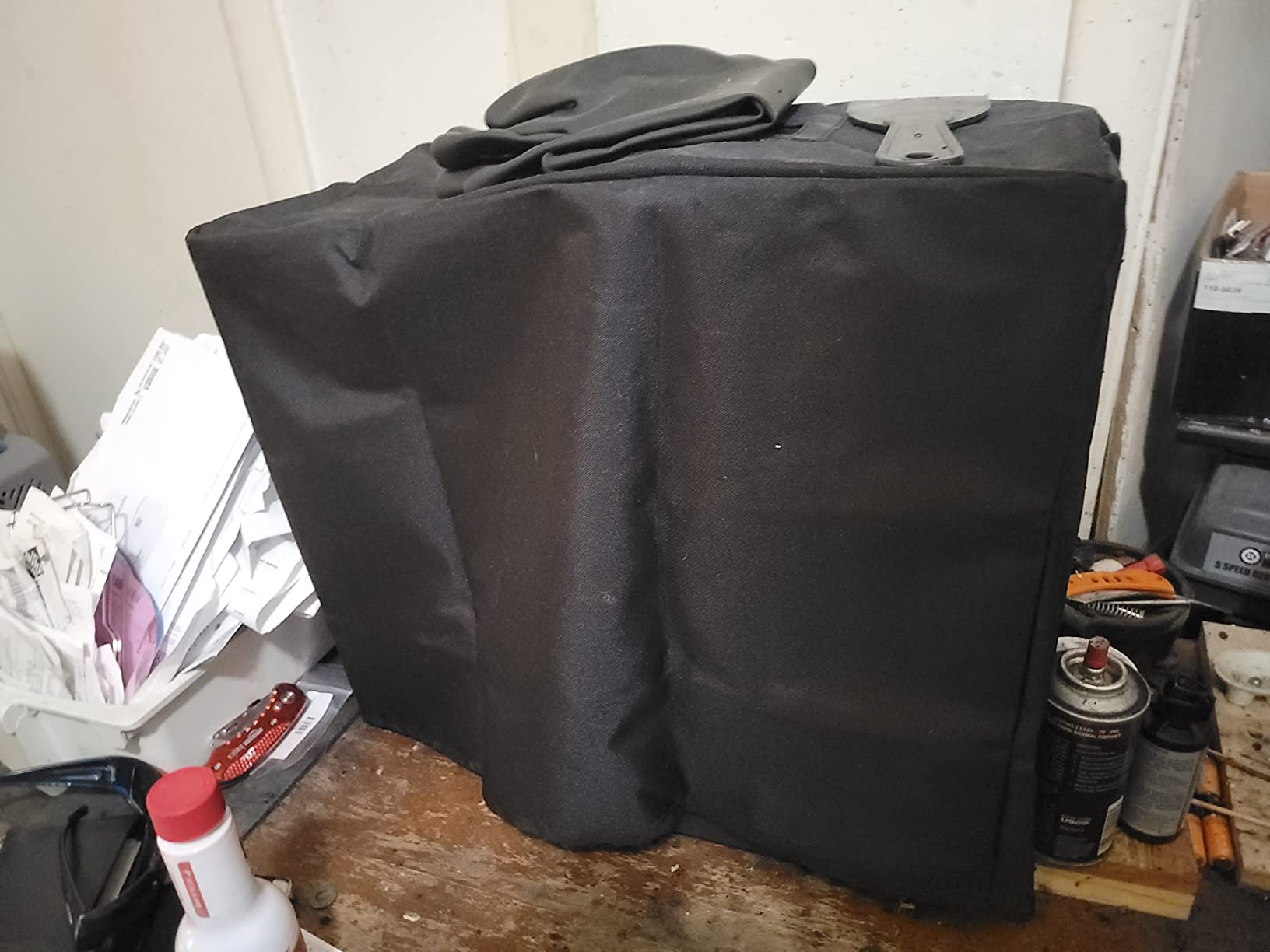
Owners also report it fitting a Marshall Origin and a 100W Fender acoustic, so it is less model-locked than it looks on the listing. The stated use is dust and spill protection rather than impact protection, and it is unpadded.
The most common complaint is cosmetic rather than functional. The brand logo is printed large on one side, it is not removable, and that is the dealbreaker for anyone who cares how the rig looks on stage. Functionally, few reviewers have complaints beyond the lack of padding.
What this cover does well on the road
It does the basic job of keeping dust, grit and spilled drinks off a modern modeling amp, at a fraction of what the factory cover costs.
The handle slit means the amp moves quickly, which matters in a ninety-second load-in.
Where it falls short
The large printed logo is the main issue, and it is the one thing you cannot change. Unpadded construction means it protects against dirt, not against a dropped cabinet.
It is fitted to a specific platform, so check the dimensions against your amp before ordering.
8. Protect’em Custom Dust Cover – Best for Bespoke Sizing
Protect’em Dust Covers Guitar Amplifier Dust Cover Black Polyester | Name Your Model up to 12″
100 percent premium polyester
Made to your dimensions
15 oz
Handle cutout to spec
Pros
- Made to your exact dimensions
- Free size corrections if it does not fit
- Quality seams
- Handle cutout positioned to your specs
Cons
- Manual ordering process
- Unpadded
- Costs more than a generic slip for the same class of protection
This one solves the problem the whole roundup keeps circling back to, which is fit. You send the seller your amp model and measurements, and the cover is made to those dimensions. If the size comes out wrong, the company replaces it, and owners report that happening without argument.
The base listing is set at up to 12 inch, but the cover is made to the specifications you provide. Owners report it fitting like a glove and note the seams are well made for a made-to-order product.
The trade-off is the ordering process. It is not a one-click purchase. You have to message the seller with your dimensions, and while the reported turnaround to ship after specs are provided is fast, it is an extra step you have to remember before a tour.
It is also unpadded and priced higher than a generic slip of similar protection, which is the trade for a fit that will not flap. If your amp is an unusual size, an old revision, or something a factory cover no longer supports, this is the reason that cost is worth paying.
What this cover does well on the road
A cover cut to your exact dimensions is the one thing that removes the movement problem entirely, so nothing flaps into the tolex in transit.
The handle cutout is positioned to your specs, so it lines up with how you actually grab the amp.
Where it falls short
The manual ordering process means you have to plan ahead, which is awkward if a tour starts before you have the cover.
Unpadded and unweather-sealed, so it protects against dust and scuffing rather than rain or impacts.
9. GRAOSO Spark 40 Carry Bag – Best Padded Bag for Modeling Amps
Carry Bag Compatible with Positive Grid Spark 40 Amp, Music Gear Case Black
8 mm pearl cotton padding
6 compartments
Shoulder strap and handles
Soft shell
Pros
- 8 mm padding absorbs knocks
- Main compartment fits the Spark 40 closely
- Pockets hold power supply
- cables and pedals
- Shoulder strap frees both hands
Cons
- Very tight fit with the amp strap attached
- Harder to extract the amp once the strap is removed
- No water bottle pocket
This is a different category of product from the rest of the roundup, and it is the one to look at if your amp is a modern battery-powered modeling unit rather than a traditional combo. It is a soft carry bag with 8 mm pearl cotton padding, which is the first genuinely cushioned option here.
The compartment layout is the reason to buy it. There are six in total, with elastic bands and slots in the upper compartment, a zip net pocket on the top cover, a front pocket and two side pockets. Owners use them for the power supply, cables, footswitches and wireless transistors, all of which otherwise live loose in a gig bag.
Carry options are a removable adjustable shoulder strap plus reinforced padded handles, and there is a luggage tag on top for identification when several identical bags are stacked in a van.
The main caveat is the fit with the amp’s own shoulder strap attached, which is very tight. Owners say the strap has to be removed for the Spark 2 and Spark 50, and that once removed the amp is harder to get back out. Plan for it and it is a non-issue.
What this cover does well on the road
The 8 mm padding is the first cushioning in this roundup that does something about a knock, which matters most for a battery-powered amp that people carry on their back through venues.
Six compartments mean the whole rig, including the power supply, travels in one bag instead of three.
Where it falls short
The tight fit around the amp’s own strap means you will need to detach it, and reattaching it mid-load-in is a nuisance.
Soft construction with no water resistance, so it is a carry bag rather than something you leave out in a downpour.
10. GEBIBB Roland Cube Street EX Backpack – Best for Busking Rigs
GEBIBB Bag/Case for Roland Cube Street EX Amplifier,Backpack
600D water-resistant Oxford
Backpack straps
Rubber base
1 kg
Pros
- Backpack straps free both hands
- Sturdier fabric and zippers than the original case
- Water resistant 600D Oxford outer
- Second compartment for accessories
Cons
- No speaker window unless modified
- Minimal padding compared with a hard case
The Cube Street EX is built for street playing, and this backpack is built around that. The padded adjustable shoulder straps mean you can carry the amp while busking without holding it, which is the entire point of a busking rig. The soft padded handle is still there for a load-in.
The outer is 600D water-resistant Oxford with cotton padding, and there is a rubber base to take the hits a busking amp takes on a wet pavement. Heavy-duty metal double zippers are a real upgrade over the snap closures on the standard case.
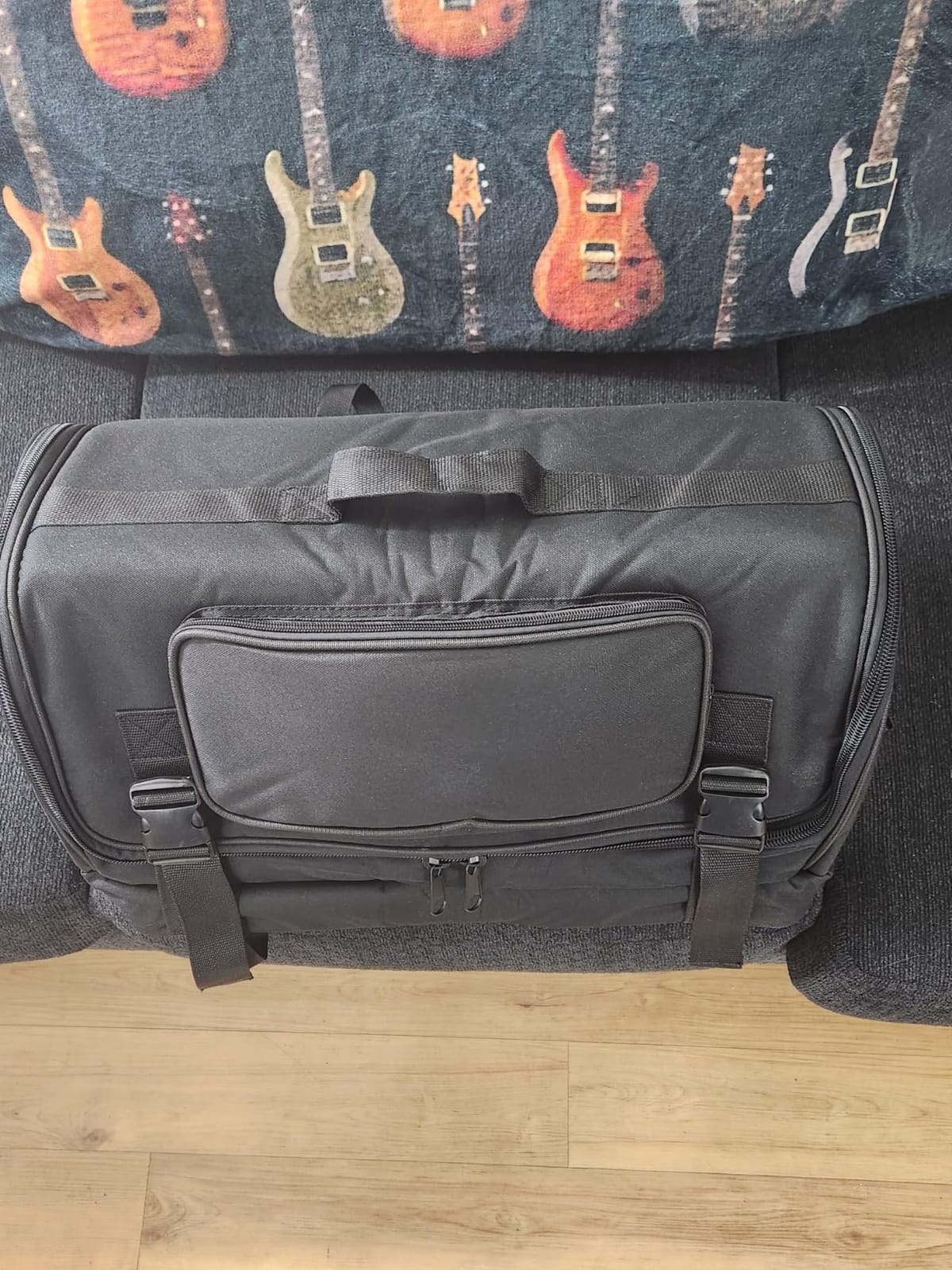
Reviewers consistently treat this as a step up from the manufacturer’s own case, citing sturdier fabric, better zippers and more carry options. There is a second compartment for accessories and an external zippered pocket for small items. Owners also report it fitting the Coolmusic BP60D and similar 120W busking amps.
The catch is that there is no window to expose the speaker grille, so to play while wearing it you have to unzip the top cover or modify the front. That is fine for a static busking spot and a problem if you are moving through a crowd.
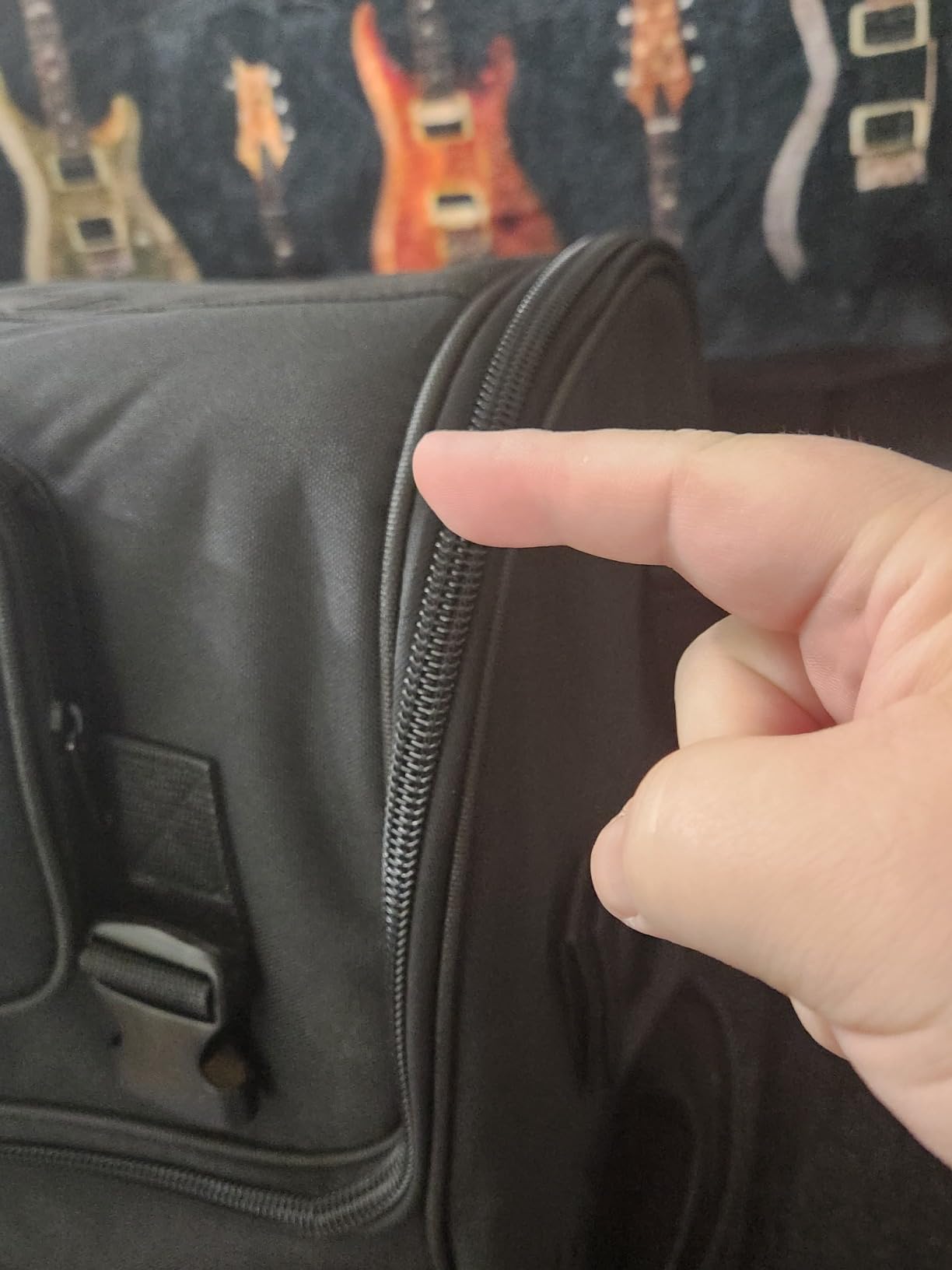
What this cover does well on the road
Water resistance on a 600D Oxford outer is what you want for pavement work and unexpected showers, and the rubber base handles the ground rather than the amp.
Hands-free carry changes what you can do while moving through a crowd, which is the whole reason to own a busking amp.
Where it falls short
Without a speaker window you cannot play while wearing it unless you unzip or cut the front, so plan around that for moving busking.
At 1 kg with minimal padding it is not a substitute for a hard case on anything involving flight or freight.
11. Ampeg Rocket Bass 210 Cover – Best Padded Slip for Bass
Ampeg Rocket Bass 210 Cover
600D vinyl exterior
5 mm padding
23.8 by 22.4 by 3.5 inch
Rear accessory pocket
Pros
- Covers the Rocket Bass 112
- 115 and 210
- 5 mm padding without bulk
- Large rear pocket for cable and manual
- Water and abrasion resistant vinyl
Cons
- Hand carry only
- No backpack straps
- Occasional finish quality lapses
This is the closest thing in the roundup to a padded slip cover, and for a bass rig the balance is right. The exterior is 600-denier vinyl with 5 mm padding, described as thick enough to prevent scratches but thin enough to slide on and off without a fight. That combination is rare.
It covers the Rocket Bass 112, 115 and 210, and owners describe the fit as essentially glove-like on all three. Vinyl sheds water and abrasion well, which is the pair of properties you actually need on a wet loading dock.
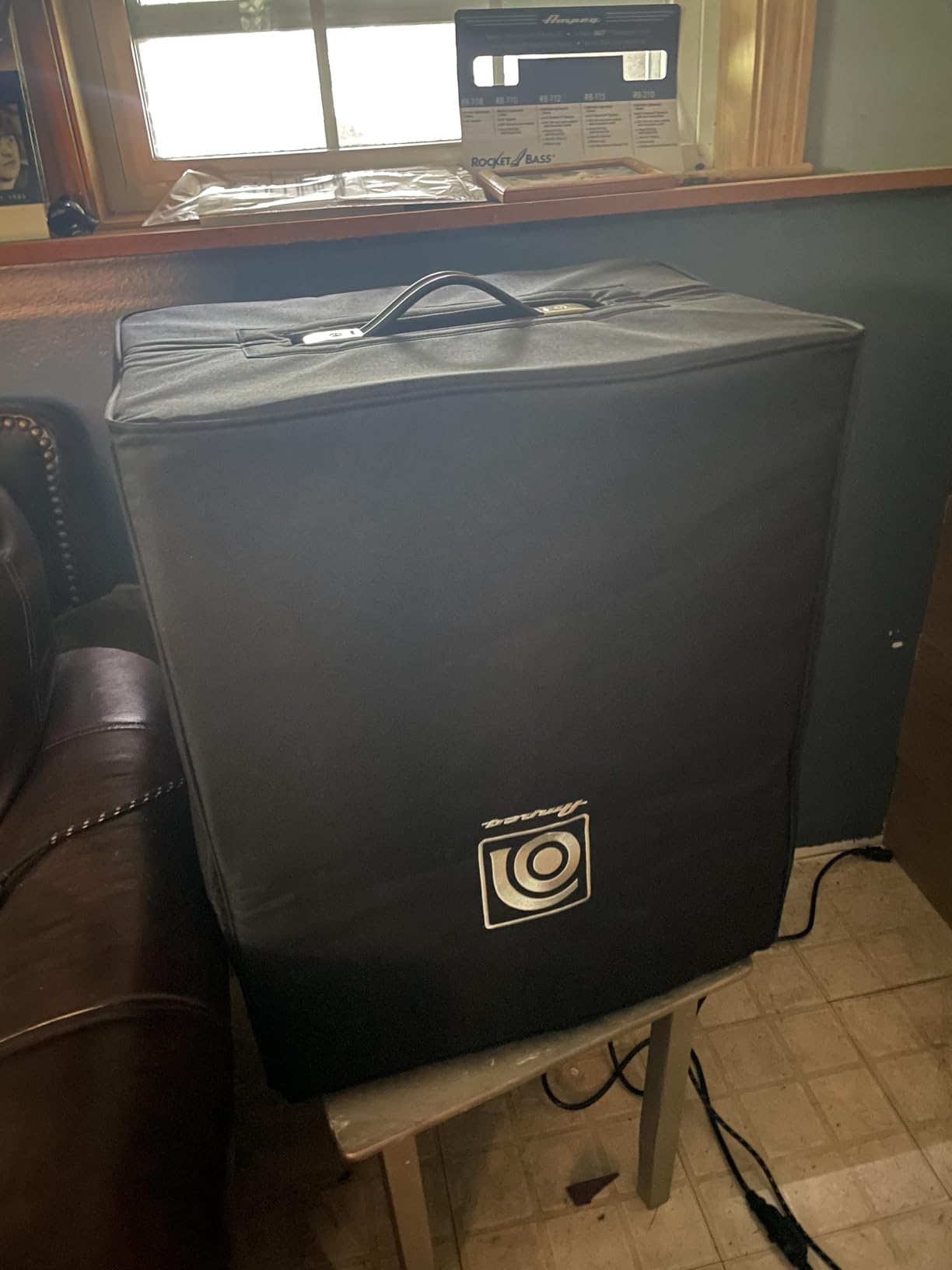
The rear pocket is the practical feature. It is large enough for the power cable, a patch cable and the amp manual, which is the difference between a rig that is all in one place and one you assemble in a car park.
It is hand carry only with no shoulder strap or backpack option, and at 2.2 pounds it is the heaviest cover here. A few owners have reported manufacturing finish issues, such as a logo applied upside down, which is a packaging problem rather than a durability one.
What this cover does well on the road
The 5 mm padding gives scratch protection without turning a bass rig into something awkward to lift out at the riser, which is where thicker covers usually lose.
A rear pocket big enough for the power cable and manual keeps the whole rig in one object.
Where it falls short
Hand carry only, and 2.2 pounds is real weight if you are moving a long way from the van on foot.
It is a cover, not a case, so a hard drop or a flight still needs a road case around it.
12. Orange Head Cover Large – Best for Touring Amp Heads
Orange Amplification Amplifier Head Cover, Large
Padded head cover
Water resistant
Twist-on closure
Large head format
Pros
- Genuinely padded rather than a flimsy slip
- Highest rated cover in the roundup
- Covers Rockerverb
- Thunderverb and AD200B heads
Cons
- Not designed to absorb hard impacts
- Twist-on closure is slower than a zipper
Most covers in this roundup are combo covers, and if your rig is a head plus a cabinet, this is the one built for the head specifically. It carries the highest average rating in the group at 4.9, with no reviews below four stars, which tells you something about consistency even at a modest review count.
Owners highlight the padding as the difference from a typical slip, and the water resistance as the reason it matters at a wet riser. It protects the tolex of a vented chassis, which is where a head takes the most cosmetic damage in transit.
The fit is reported as glove-like across the Rockerverb 50 MKII and MKIII, the Rockerverb 100, the Dual Dark 50 and 100, the AD200B and the Thunderverb 50 and 200, which is a wide range from one cover. The padded build is the most substantial head protection in this roundup.
Two honest limits. It is not designed to absorb hard impacts or drops, so it belongs in a road case for anything flown or freighted. And the twist-on closure is slower to work than a zipper when you are trying to get the head out quickly.
What this cover does well on the road
Actual padding on a head, which is where you drop something when the stairs are dark, protects the chassis in a way an unpadded slip cannot.
Water resistance on a vented tolex head is exactly the failure point you want covered, and the padded build reduces the risk of a cosmetic write-off.
Where it falls short
It will not take a fall. Anything that gets shipped or flown still needs a proper road or flight case around the head.
The twist-on closure takes longer than a zipper, which adds a few seconds to every load-in and load-out.
How to Choose an Amp Cover for Touring in 2026
Start by answering one question honestly: how far does your amp travel, and who else touches it. A player moving between home, rehearsal and a local venue a few times a month can run on a well-fitting model-specific slip. A player whose amp is loaded into an air freight crate or handed to a backline tech at each stop needs something with real structure around it.
Cover materials explained
Most touring-grade covers use one of four materials, and the difference between them matters more than any brand name. Polyester and nylon are the workhorses: light, cheap, easy to dry, and adequate against dust and scuffing. Vinyl sheds water and abrasion better but is heavier and does not breathe. Ballistic nylon and 600D Oxford sit between the two and are the usual choice for carry bags with pockets. Hard shells, whether plywood ATA cases or molded cases, are a separate product category and belong in a different section of your budget.
Cover vs. soft case vs. hard road case
A cover is a slip or fitted shell. It stops dust, rain, grime and cosmetic marking, and it weighs almost nothing. A soft case adds padding, pockets and a carry system, and it is the right answer for a van-based or busking rig. A hard road or flight case, whether aluminum or plywood with ball corners, is the only thing that survives a freight handler and a conveyor belt. The forum consensus on touring boards is consistent on the threshold: covers for local and regional gigging, hard cases for anything flown or rented as backline.
How to measure your amp for a cover
Measure the widest point of the chassis including any protruding handle or casters, then the height from the bottom of the feet to the top of the cabinet, then the depth including the rear panel connections. Add a small allowance on the largest dimension rather than the average, because a cover that is too tight fights you during a load-in. Compare those numbers against the cover’s stated dimensions, not against the amp name on the listing, since revisions of the same model often differ.
Rain, condensation and mould on the road
Damp is a slower killer than a drop. A wet amp that goes into an enclosed case will condense inside it, and fabric that stays damp in a closed van develops mildew along the seams within weeks. The fix is unglamorous. Dry the cover fully before you fold it, wipe condensation off the tolex at the end of every show, and leave covers open rather than stuffed into a bag when the rig is parked overnight.
Field repair and long-term care
Most cover damage happens at the handle opening, so check that seam first. A torn handle panel is repairable with a heavy thread and a needle, and a zip that has lost its pull tab can be refitted with a split ring or a split pin. Clean covers with a damp cloth rather than a solvent, and let them dry fully before storage. Store covers loosely rather than folded tight, since permanent creases break down the coating on vinyl and nylon over time.
Frequently Asked Questions
What is the best guitar amp cover for touring?
For most van-based and regional rigs, a model-specific cover with reinforced seams at the handle opening is the best balance of weight and protection. The BOSS Katana-50 Cover is our overall pick because it weighs 0.34 kg, keeps a glove-like fit and has reinforced handle stitching. Players who carry battery-powered modeling amps should look at a padded carry bag with pockets instead, since a slip offers no cushioning.
What material is used to cover guitar amps?
Polyester and nylon are the most common cover materials because they are light, inexpensive and easy to dry. Vinyl and 600D Oxford are used where water and abrasion resistance matter more, and canvas appears on some classic British amp covers. Hard shell materials such as plywood and aluminum belong to road and flight cases rather than to soft covers.
Should I use a cover or a road case for my amp?
Use a cover for local and regional transport where you move the amp yourself between a van, a rehearsal room and a venue. Use a soft case or padded carry bag when someone else loads the rig, or when you carry the amp on foot. Use a hard road or flight case for anything that is freighted, flown or handed to a backline crew, since a cover only stops dust, rain and scuffing.
Do amp covers protect against rain?
Most do not, because most standard fabric covers are not water resistant. A few state it explicitly, such as the VOX AC10C1 cover, which uses canvas treated to be tear and water resistant, and the GEBIBB backpack, which uses a 600D water-resistant Oxford outer. For general use, treat rain as something you handle with a tarp at the load-in rather than relying on the cover.
How do I measure my amp for a cover?
Measure the chassis at its widest point including handles or casters, the height from the feet to the top, and the depth including rear connections. Add a small allowance to the largest dimension so the cover slides on without a fight, then compare against the cover’s stated dimensions. Always compare measurements rather than model names, since revisions of the same amp often differ in size.
How do I stop an amp cover getting mouldy?
Dry the cover fully before folding it, and never put a damp cover into a closed case or a bag. Wipe condensation off the tolex at the end of every show, and park covers open rather than stuffed away overnight. Vinyl and nylon dry quickly at room temperature; avoid storing a cover that is still damp in a warm van.
Which Amp Cover Wins for Touring in 2026
For most touring guitarists, the winner is the BOSS Katana-50 Cover. It is the strongest combination on this list of fit, low weight and reinforced construction, and the shortest official slip on the VOX AC10C1 is the pick if your load-ins are genuinely wet and you want stated water resistance. If your amp is a modeling unit or a busking amp, the padded carry options in the middle of this roundup do more for you than any slip cover will.
The decision shortcut is simple. Model-specific fit matters more than brand, padding matters more than material, and nothing that is soft will replace a hard case once your amp goes on a freight conveyor. Buy the cover that fits your exact revision, dry it out after every show, and upgrade to a road case the day you start flying.
We will keep this list updated as covers change hands and reviews move. If you have moved an amp across the country in something that was not a case, we would like to hear what held up and what did not.