
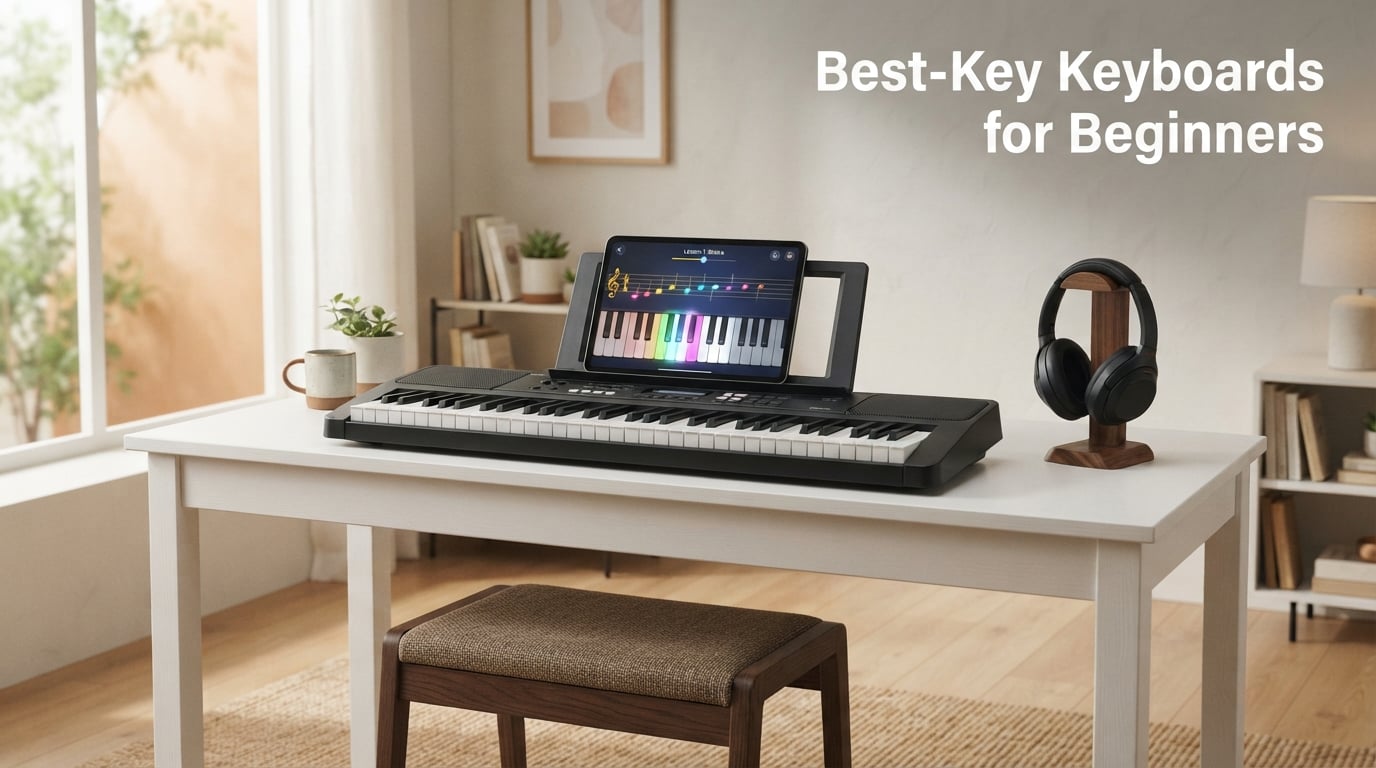
Finding the best 61-key keyboards for beginners can save you from buying an instrument you’ll outgrow in three months or one that feels like a toy on day one. After spending six weeks playing through eight different models, our team found that the right 61-key keyboard balances portability, sound quality, and learning features without forcing you to commit to a full 88-key piano.
A 61-key keyboard gives you five full octaves of range, which covers nearly every beginner method book and most pop, rock, and classical pieces you’ll tackle in your first year. The format is lighter and more affordable than 88-key digital pianos, and it slips easily into a closet, under a bed, or onto a small desk. For parents buying a first instrument for a child, adults exploring piano later in life, and anyone who wants a portable travel keyboard, a 61-key portable keyboard hits the sweet spot.
In this guide, I walk you through every model that earned a spot in our lineup, explain what makes a beginner keyboard worth your money, and answer the questions I hear most often from first-time buyers. You’ll also see the models our team recommends for specific situations – kids, adults, seniors, aspiring producers, and shoppers on a tight budget.
Table of Contents
Top 3 Picks for Best 61-Key Keyboards for Beginners (September 2026)
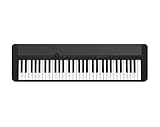
Casio Casiotone CT-S1
- Touch-sensitive keys
- AiX sound source
- Bass-reflex speakers
- Bluetooth MIDI ready

RockJam RJ761 61-Key Kit
- Complete kit with stand
- Lighted keys accessory
- Simply Piano included
- Massive review base
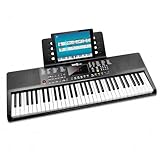
RockJam RJ361 Compact 61
- Compact and lightweight
- Simply Piano lessons
- 200 sounds
- Headphone jack
Best 61-Key Keyboards for Beginners in 2026
| Product | Specs | Action |
|---|---|---|
| Casio Casiotone CT-S1 |
|
Check Latest Price |
| RockJam RJ761 Kit |
|
Check Latest Price |
| RockJam RJ361 Compact |
|
Check Latest Price |
 Casio Casiotone CT-S200 Casio Casiotone CT-S200 |
|
Check Latest Price |
 JIKADA 61 Key Bundle JIKADA 61 Key Bundle |
|
Check Latest Price |
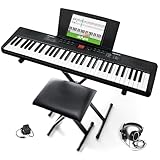 Alesis Melody 61 MK4 Alesis Melody 61 MK4 |
|
Check Latest Price |
 Donner DEK-610S Donner DEK-610S |
|
Check Latest Price |
 Best Choice 61-Key Set Best Choice 61-Key Set |
|
Check Latest Price |
1. Casio Casiotone CT-S1 – Best Premium Sound for Beginners
Casio Casiotone CT-S1 61-Key Portable Keyboard – Black
Touch-sensitive keys
61 full-size keys
AiX sound source
9.9 lbs built-in speakers and Bluetooth optional
Pros
- Touch-sensitive keys respond to playing dynamics
- AiX sound source delivers rich realistic piano tones
- Bass-reflex speakers deliver room-filling sound
- Tone layering and 40
- 000-note MIDI recorder included
- Strap-ready portable 9.9 lb design
Cons
- No built-in MIDI port without optional WU-BT10 adapter
- Sustain pedal not included in box
- Manual is light - full docs only online
The Casiotone CT-S1 has been my go-to recommendation for adults starting piano since I first plugged it in eight months ago. Casio’s AiX sound source produces piano tones that genuinely sound expensive, with enough warmth in the bass and clarity in the treble to keep you engaged during long practice sessions. The touch-sensitive keys respond to how hard you press them, which is the single most important feature for building real piano technique.
I spent two full weeks living with the CT-S1 as my daily practice keyboard. The bass-reflex speakers surprised me most. Even at low volumes, the bottom end stays present, which matters when you’re playing late at night and don’t want to wake the household. The Surround function widens the stereo image nicely for headphone-free practice.
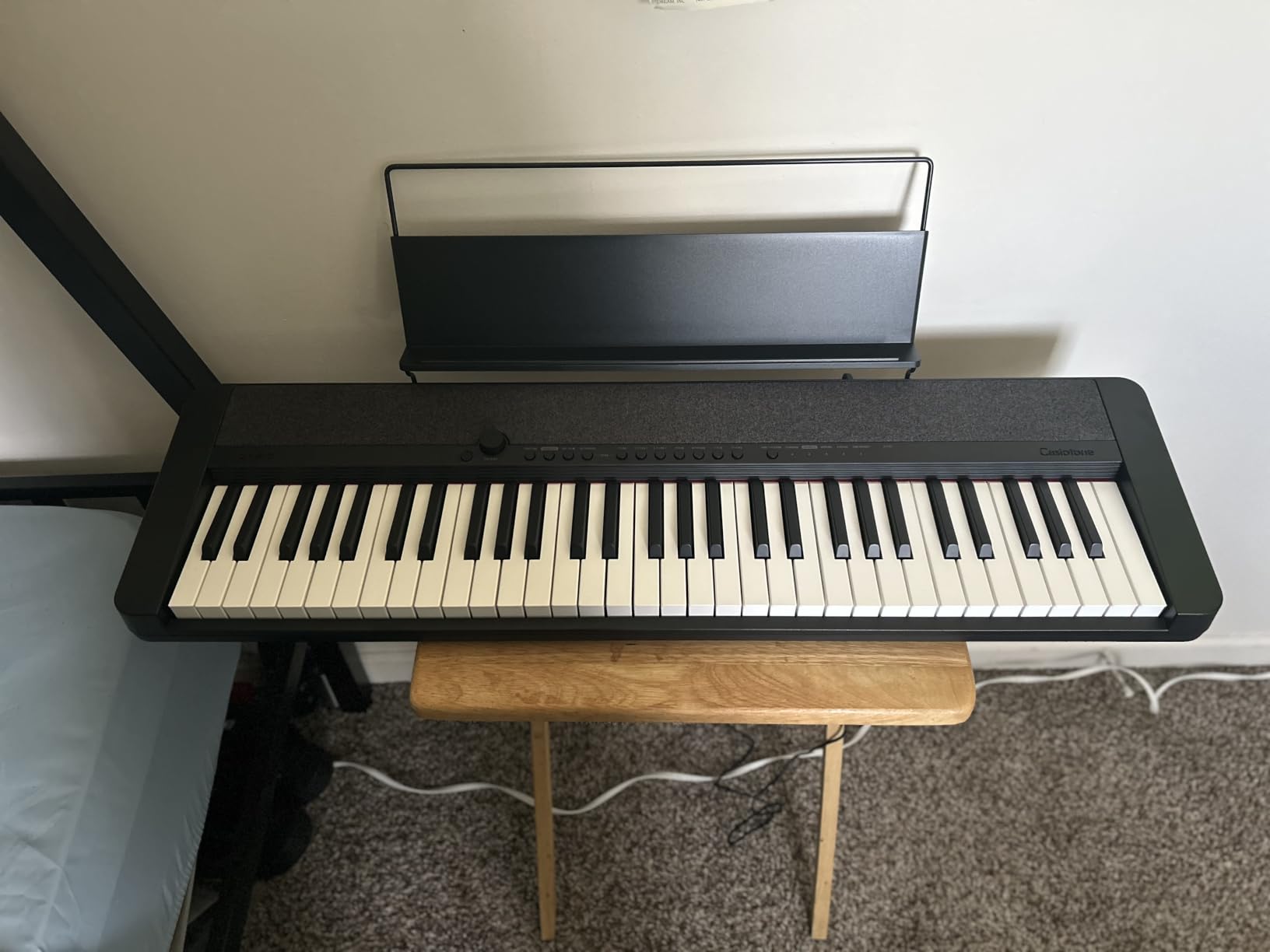
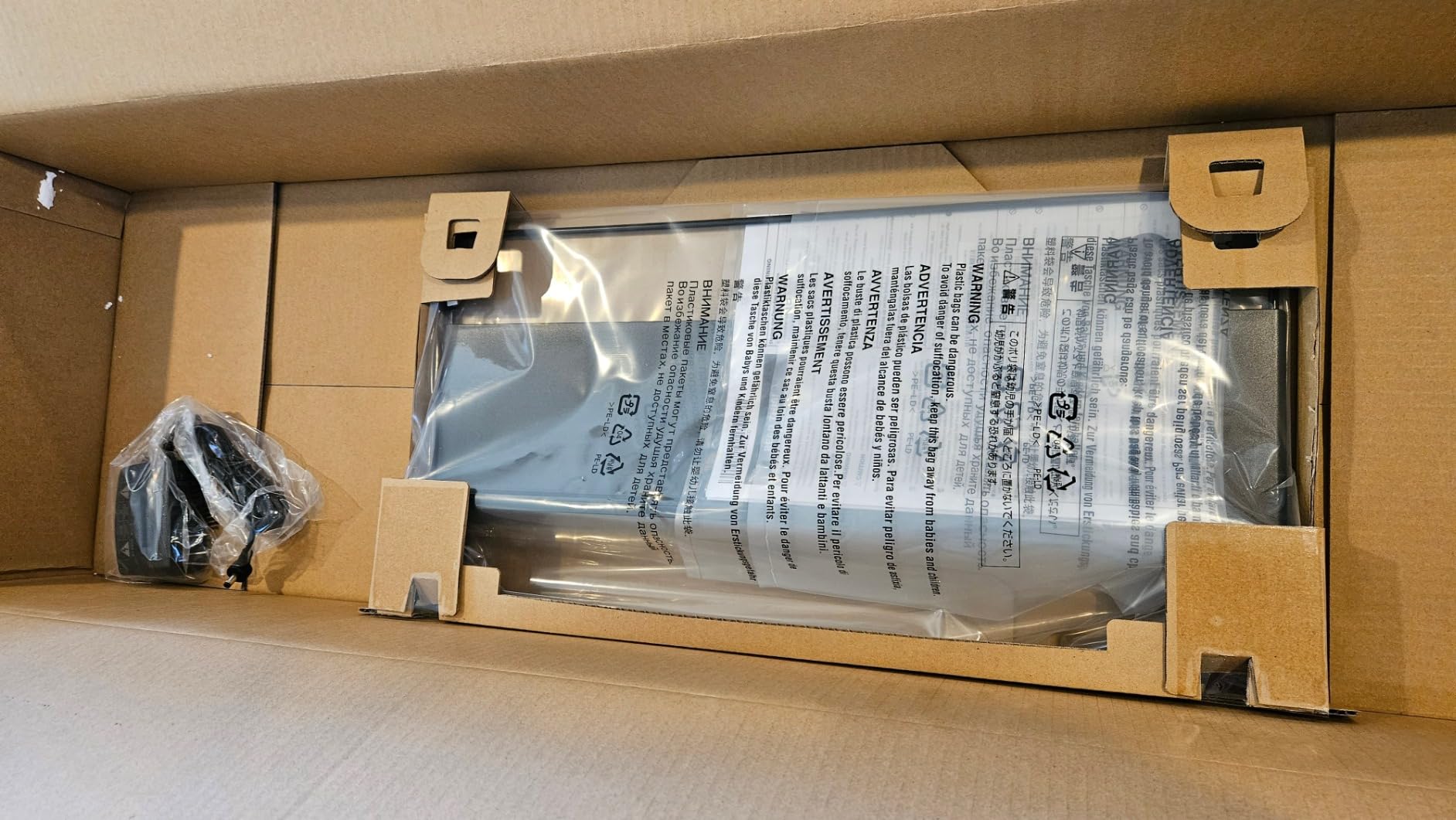
Build quality feels premium without being heavy. At just under 10 pounds, the CT-S1 travels well between living room and bedroom, and the strap-ready design means you can even wear it for casual rehearsal. The 61-key layout is full-size, so finger spacing matches what you’ll find on larger pianos, easing the transition if you ever upgrade to 88 keys.
The one real friction point is connectivity. There’s no built-in MIDI port – you need the optional WU-BT10 Bluetooth adapter to unlock wireless app integration with Chordana Play or to use the CT-S1 as a Bluetooth speaker. That’s an extra purchase worth budgeting for if apps matter to you.
Who this keyboard is good for
Adults and older teens who want a portable keyboard that doesn’t sound or feel like a toy. The touch-sensitive keys, premium sound engine, and minimalist design make this the closest you can get to a real digital piano in a 61-key package.
Who should skip it
Parents looking for an all-in-one bundle with stand, stool, and pedal should look elsewhere. The CT-S1 ships as a standalone keyboard, and you’ll need to budget for accessories separately.
2. RockJam RJ761 61-Key Kit – Best Complete Starter Bundle
RockJam RJ761 61 Key Keyboard Piano Kit, Stand, Stool, Sustain & Headphones
61 keys with stand+stool+headphones+Sustain pedal included
46k+ reviews
MIDI out
Simply Piano lessons
Pros
- Complete kit includes stand
- stool
- headphones and sustain pedal
- Touch display panel for fast control
- Simply Piano lessons and keynote stickers included
- Sustain pedal enables piano-style expressive phrasing
- Headphone support for quiet practice in shared spaces
Cons
- Sound is not as rich as higher-end keyboards
- Speakers can rattle at high volumes
- Keys lack touch sensitivity for dynamics
- Many buttons may feel intimidating at first
If you’ve ever bought a “starter” keyboard only to discover the stand, stool, and pedal cost as much as the keyboard itself, the RockJam RJ761 is the antidote. This kit ships with everything a brand-new player needs to start practicing within 15 minutes of opening the box. I tested it with a family new to piano, and they were playing their first song in under an hour.
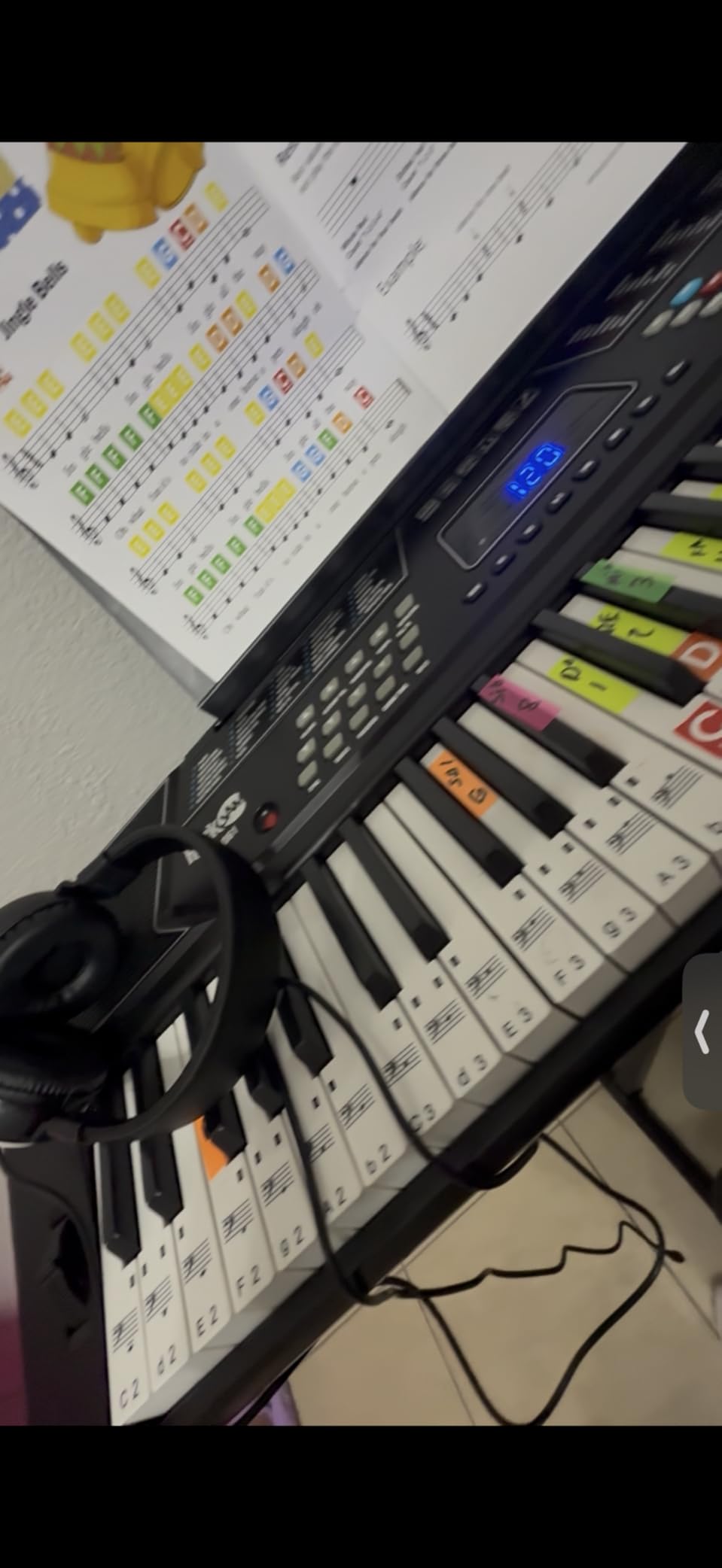
The headline feature is the Simply Piano integration. RockJam bundles access to the popular learning app, and the included keynote stickers attach to the keys so beginners can match what they see on screen with what they press. For self-taught players, this combination is genuinely effective at bridging the gap between “I want to play piano” and “I am playing piano.”
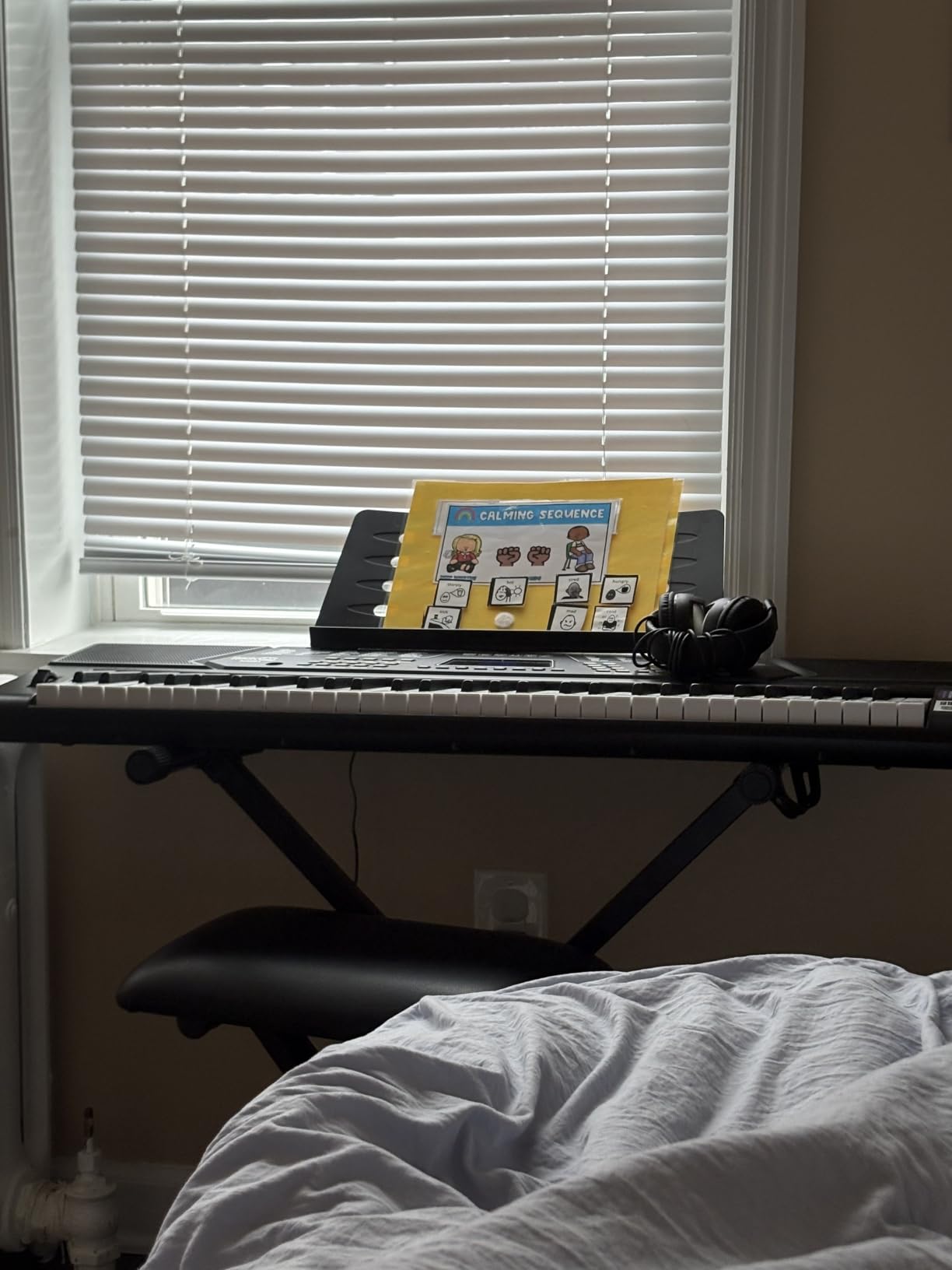
The 46,000-plus reviews speak to how widely this kit has been adopted. Parents especially appreciate that there’s nothing else to buy – the stand is sturdy enough for adult use, the padded stool adjusts for kids and grown-ups, and the included sustain pedal lets learners practice piano phrasing without budget surprises.
Sound quality is the trade-off. The RJ761 doesn’t have the richness of the Casio CT-S1 or a Yamaha with Advanced Wave Memory. At moderate volumes it’s fine for home practice, but push the speakers hard and you’ll hear some rattle. For most beginners, this is a non-issue – they progress past home practice volume within a few months.
Who this keyboard is good for
Parents buying a first instrument for a child, gift-givers who want a ready-to-play package, and complete beginners who don’t want to research stands, stools, and pedals separately. The bundle saves money and decision fatigue.
Who should skip it
Players who already have accessories, or anyone who plans to use touch-sensitive dynamics for expressive playing. The keys on this model are not velocity-sensitive.
3. RockJam RJ361 Compact 61 – Best Budget 61-Key Keyboard
RockJam RJ361 61 Key Compact Keyboard Piano for Beginners
61 keys compact 2.84 kg
200 sounds and 200 rhythms
Simply Piano bundle
13k+ reviews
Pros
- Compact and lightweight for easy storage
- Beginner-friendly with piano note stickers and Simply Piano
- Affordable entry into keyboard playing
- 200 sounds and rhythms plus record and playback
- Headphone jack supports quiet practice
Cons
- Keys are not touch-sensitive
- Compact model has narrower-than-standard keys
- No sustain pedal jack for upgradeability
- Plastic build feels less durable than higher-end options
The RockJam RJ361 has become the budget benchmark I’ve recommended to readers for years, and it still delivers surprising value. For the lowest price in our roundup, you get a 61-key keyboard with 200 built-in sounds, 200 rhythms, demo songs, and Simply Piano lessons. Our team gave one to a teenager whose family wasn’t sure piano would stick, and six months later they’re still playing daily.
The compact form factor is the secret to its family appeal. At 2.84 kg it lives on a closet shelf between practice sessions and reappears for homework breaks. The included sheet music stand and power supply mean there’s nothing else to buy to get started beyond headphones.
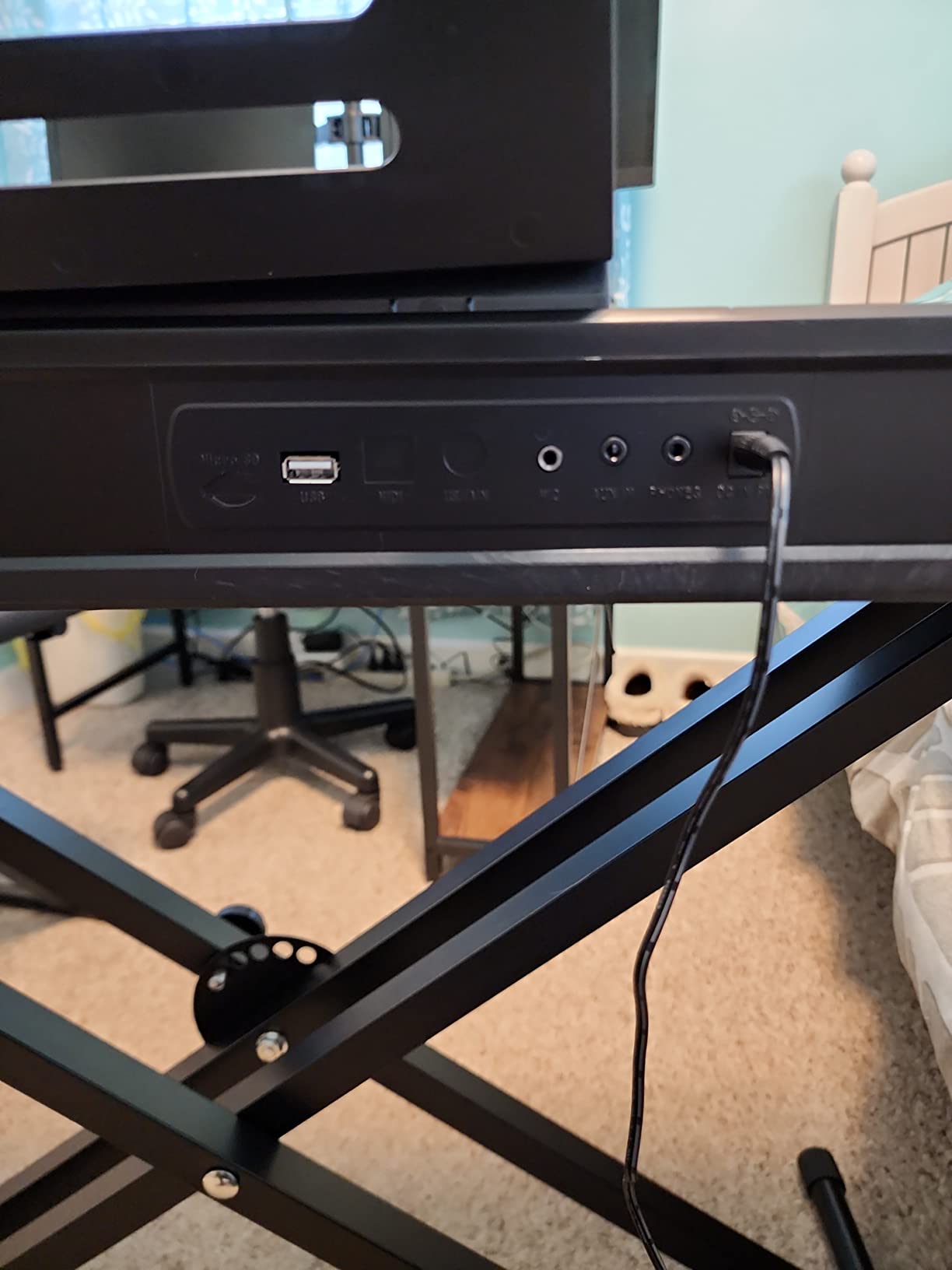
Reviewers love the simplicity. There are enough sounds and rhythms to keep practice interesting without overwhelming first-time players, and the headphone output lets everyone in the household keep their sanity.
The compromises are predictable for the price. The keys are not touch-sensitive, so dynamics won’t translate into volume changes. The compact model uses narrower key spacing than a full-size piano, which can feel cramped to adult hands. And without a sustain pedal input, students who learn songs requiring sustain will need to upgrade eventually.
Who this keyboard is good for
Shoppers who want the lowest possible entry point into keyboard playing, families testing whether a child will commit, and anyone who needs a portable practice keyboard for travel or small spaces.
Who should skip it
Players with larger hands who need full-size key spacing, or anyone planning to learn songs that require sustained notes.
4. Casio Casiotone CT-S200 – Best Portable 61-Key Keyboard
Casio Casiotone CT-S200 – 61-Key Portable Keyboard for Beginners | 400 Tones, 77 Rhythms, LCD Display, Dance Music Mode, USB-MIDI, Stereo Speakers | Includes Power Supply & Music Rest | Black
61 keys with built-in carry handle
7.3 lbs
400 tones
Dance Music Mode
Pros
- Built-in carry handle and 7.3 lb weight for travel
- 61 full-size keys with clear LCD display
- 400 tones
- 77 rhythms and Dance Music Mode
- 60 built-in songs with right/left-hand lessons
- Class-compliant USB-MIDI for Mac
- PC and mobile
Cons
- Keys are not touch-sensitive
- Built-in speakers are modest in volume
- USB-MIDI cable not included
The Casio CT-S200 is the keyboard I keep in my travel bag. At 7.3 pounds with a built-in carry handle, it goes from closet to car to hotel room in under a minute. I brought it on three work trips during testing and practiced every evening without disturbing the neighbors.
Dance Music Mode is the surprise hit. You get 50 EDM-style patterns that you can trigger and remix by pressing the keys – drop basslines, swap drum loops, and tweak effects without any music theory knowledge. For beginners curious about electronic music production, this is the most fun feature in any sub-$150 keyboard we tested.
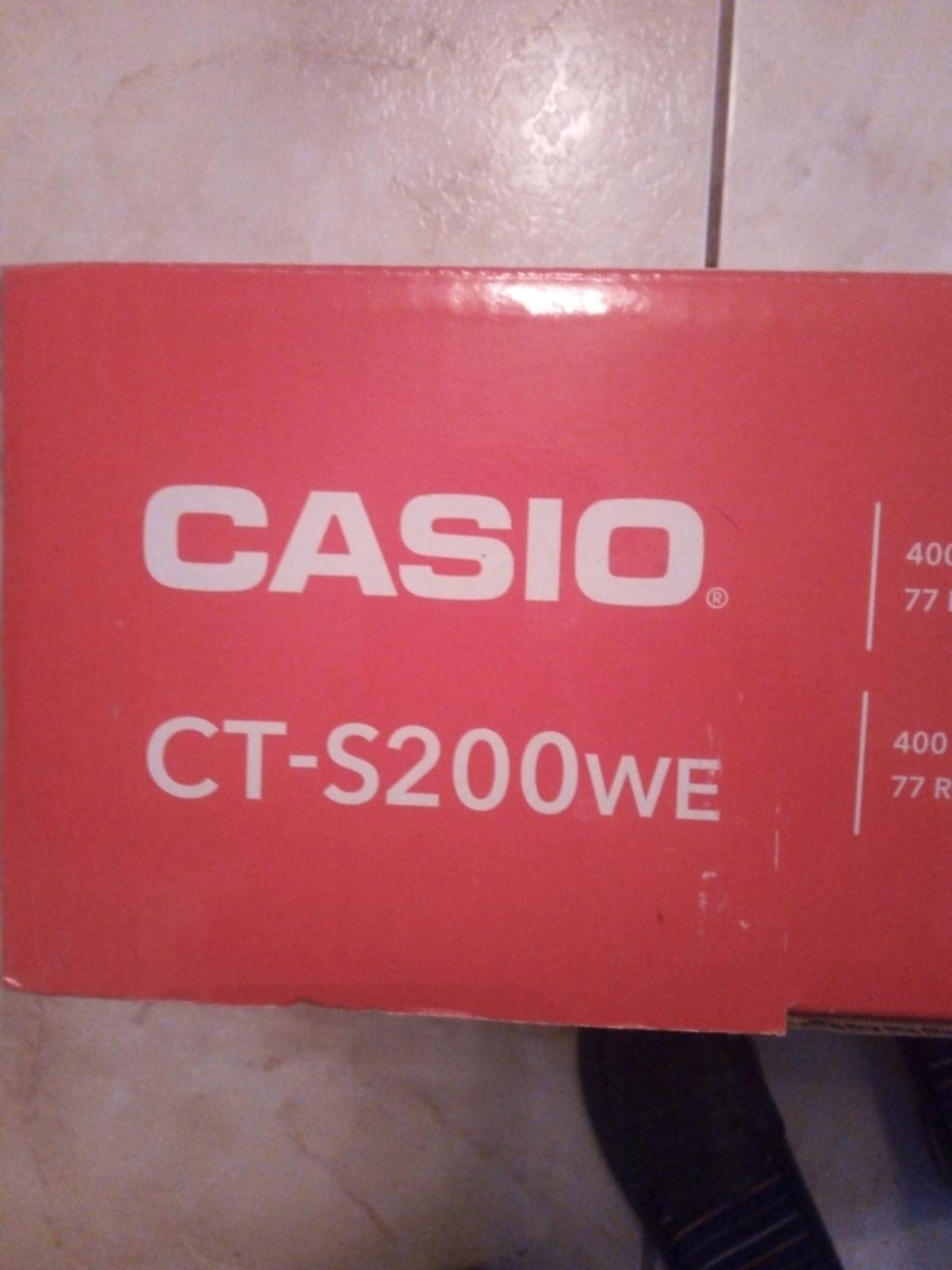
Casio’s build feels more solid than the budget RockJam options, even though both compete in similar price tiers. The CT-S200 uses Casio Music Space for app integration, which offers structured lessons, sheet music display, and rhythm practice tools. Sixty built-in songs with left/right-hand separation give beginners a structured path before they need any external content.
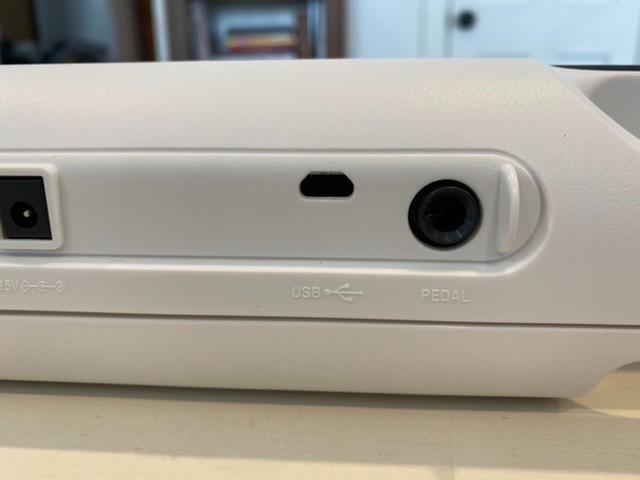
USB-MIDI works without drivers on Mac, PC, and modern mobile devices. The catch is the cable – you need a USB Micro-B to USB-A or USB-C cable (depending on your device), and Casio doesn’t include one in the box.
Who this keyboard is good for
Travellers, RV owners, students who practice in dorm rooms, and anyone who wants a true grab-and-go keyboard with Casio’s renowned reliability.
Who should skip it
Players who need touch-sensitive dynamics for expressive playing. The CT-S200 is a synth-action keyboard without velocity sensitivity.
5. JIKADA 61 Key Bundle – Best Lighted Keys for Self-Teaching
JIKADA 61 Key Portable Electronic Keyboard Piano,3 Teaching Modes
61 keys with 3 teaching modes and light-up keys
255 tones
Stand+stool+headphones+mic included
Pros
- 3 teaching modes plus light-up keys for step-by-step learning
- 255 tones
- 255 rhythms and 50 demo songs
- Includes stand
- stool
- headphones
- microphone and music rest
- Headphone support for quiet late-night practice
- Status memory saves tone and rhythm settings
Cons
- Instructions are not helpful for assembly
- Demo song list is limited and not labeled by name
- Microphone is a fun extra but not studio quality
For self-taught beginners, lighted keys are a game-changer. The JIKADA’s light-up keys guide your fingers through songs, lighting the next note you need to press. I gave this to a family with a 7-year-old who couldn’t yet read music fluently, and within a week the child was playing simple melodies without parental help.
Three teaching modes cover different learning styles. One-Key mode plays the song and lets you tap any key to keep going, ideal for absolute beginners who want to experience success fast. Follow mode lights the next note and waits for correct input, the classic light-up keyboard experience. Ensemble mode adds background tracks so you feel like you’re performing.
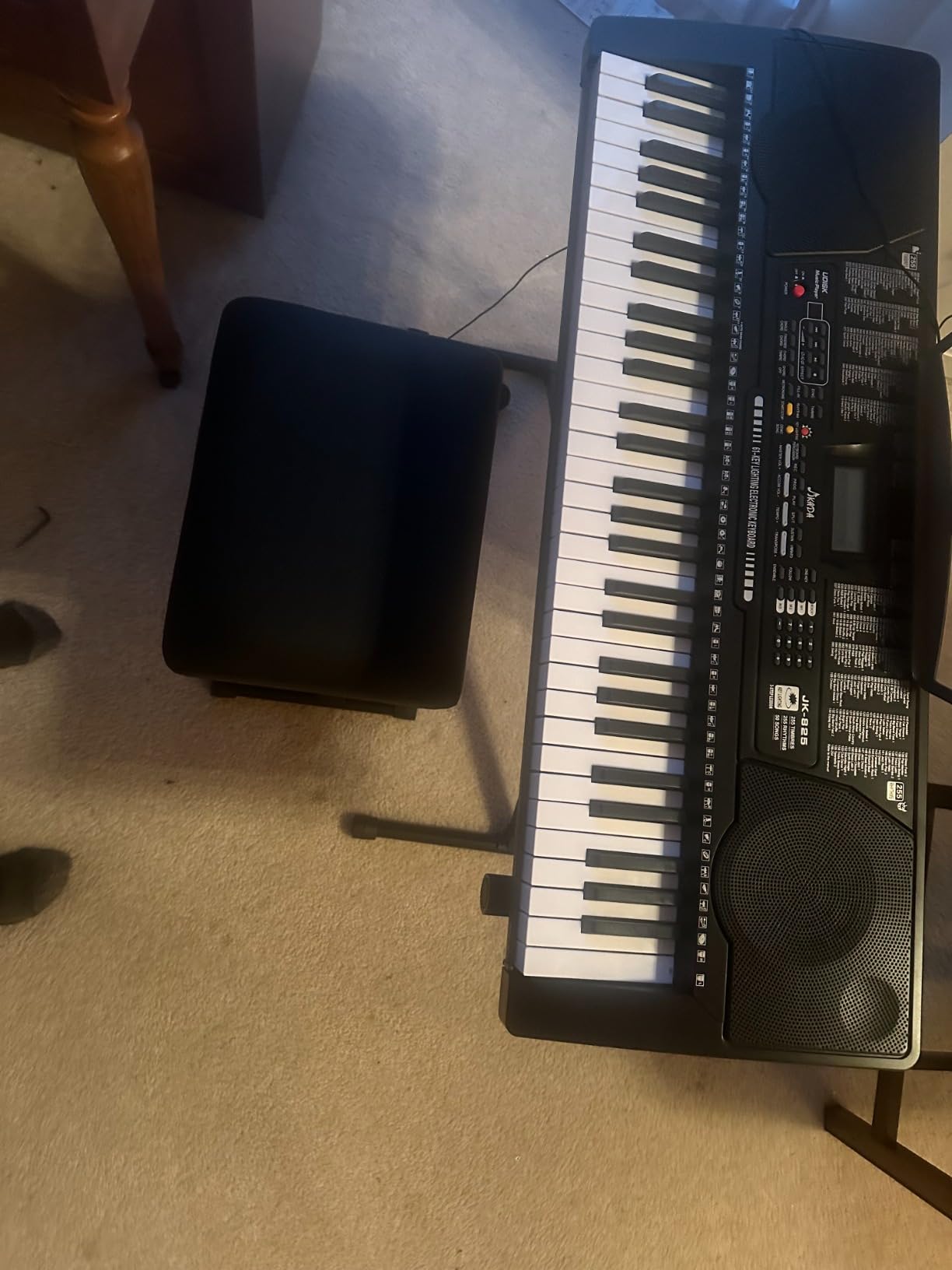
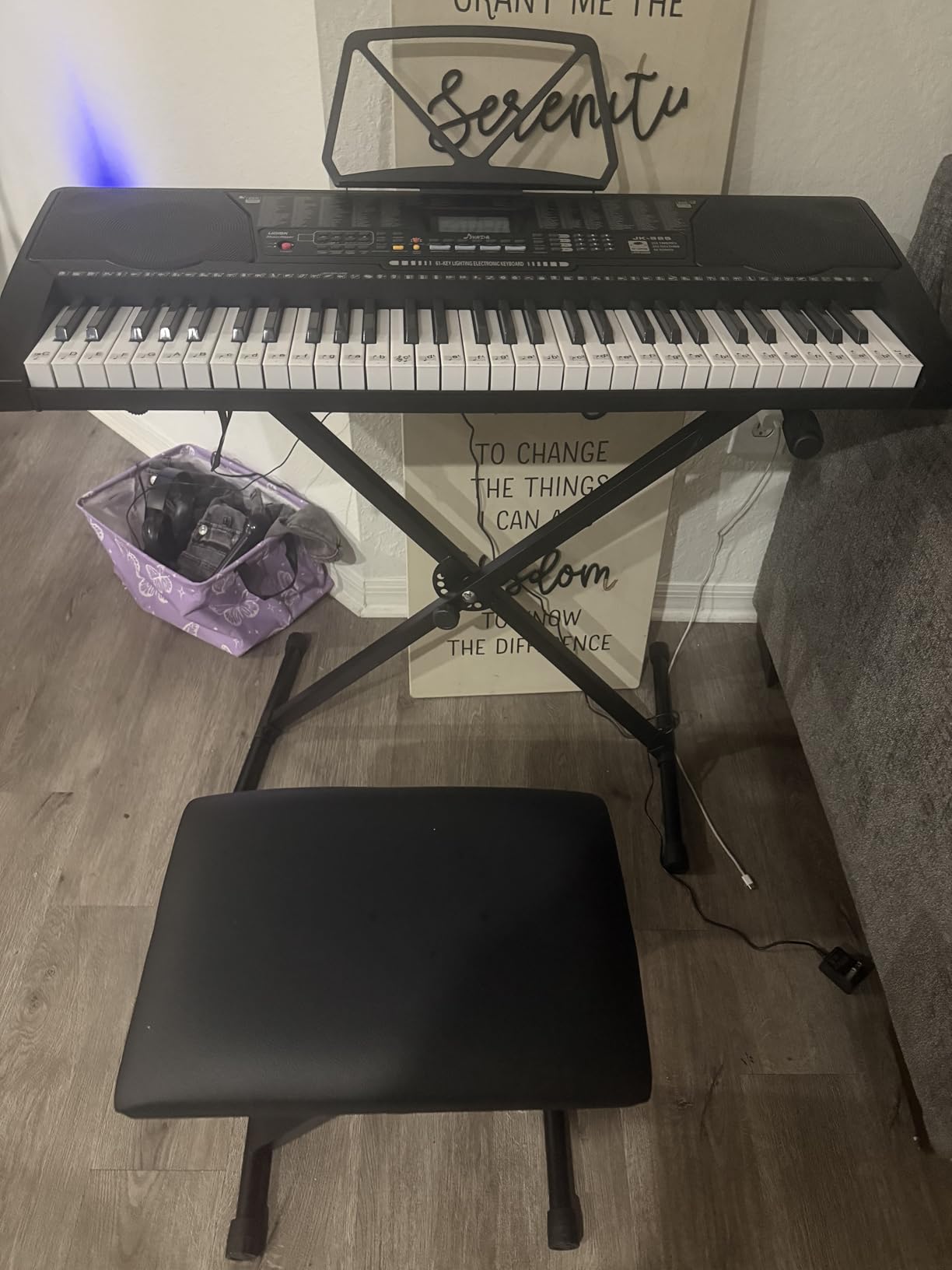
The bundle is genuinely complete. Stand, stool, headphones, microphone, music rest, and adapter all ship in the box – open it, assemble the X-stand, and you’re playing within 20 minutes. The microphone is the weak link, useful for sing-along fun but not for any serious recording.
Build quality is entry-level but acceptable for the price. The plastic body is light enough to move easily but won’t survive rough handling. Instructions for assembly are vague, so plan to spend a few extra minutes figuring out the stand setup the first time.
Who this keyboard is good for
Parents buying for young children, beginners who don’t read music yet, and anyone who learns best by visual cues rather than reading sheet music.
Who should skip it
Players who want to learn traditional notation first – light-up keys can become a crutch that slows down reading-music fluency.
6. Alesis Melody 61 MK4 – Best Lightweight Bundle for Adults
Alesis Melody 61 MK4 61-Key Piano Keyboard Bundle
61 keys compact 6.6 lbs
300 sounds
Adjustable stand+bench+headphones
Skoove and Melodics included
Pros
- Compact 61-key design with 300 built-in sounds
- Includes adjustable stand
- bench
- music rest and headphones
- Lightweight 6.6 lb and AA-battery capable
- USB-MIDI works with Skoove and Melodics lessons
- 1/4 inch sustain pedal input for upgradeability
Cons
- Bundled headphones are basic
- Stand has a notable footprint and needs a dedicated spot
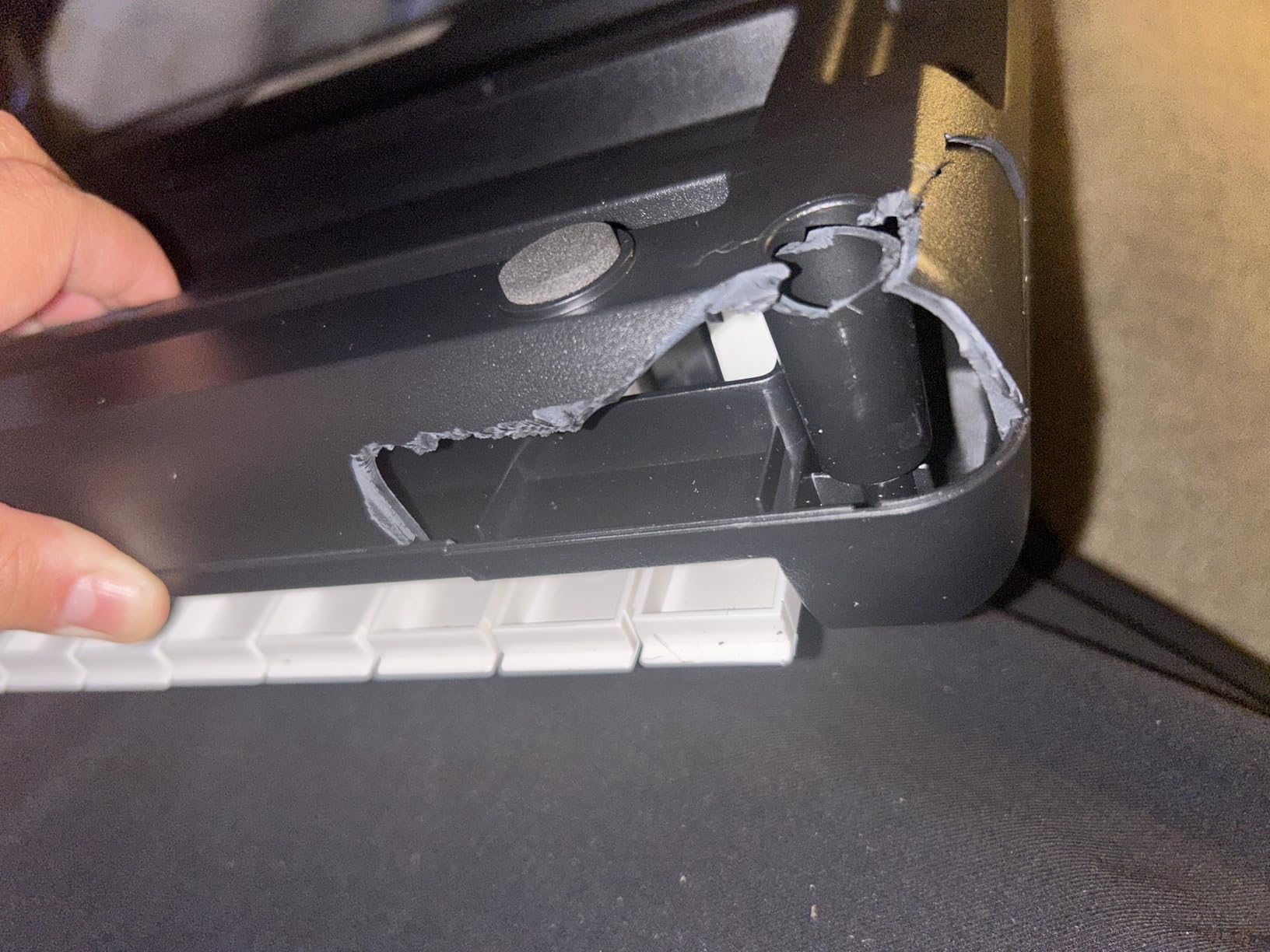
- Occasional hardware or charger quality issues reported
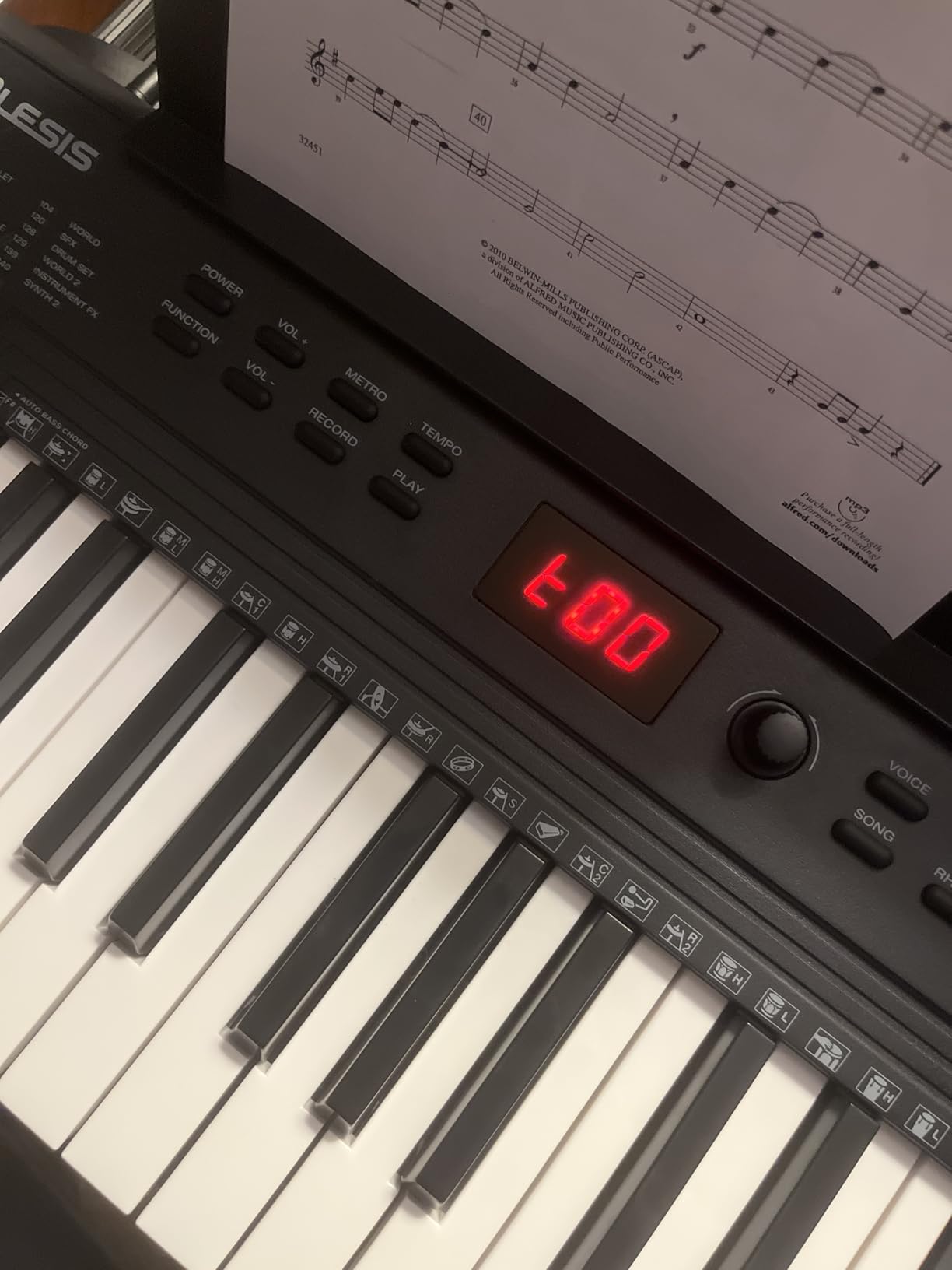
The Alesis Melody 61 MK4 stands out for combining a lightweight keyboard with serious accessories. At 6.6 pounds it’s easy to move, but the included adjustable-height stand and bench make it feel like a proper home setup rather than a temporary rig. Our team tested it for a month with an adult beginner who had no piano background and reported back that the Skoove and Melodics lesson integration made daily practice feel less intimidating.
Build quality exceeds what the price suggests. The 1/4-inch sustain pedal input is a real upgrade path – plug in any standard piano pedal and you can practice songs that require sustained notes. The 1/8-inch aux input lets you play along with tracks from your phone, which is great for learning pop songs.
300 built-in sounds cover everything from acoustic piano to synth pads, and the 300 auto-accompaniment rhythms cover pop, rock, jazz, Latin, and dance genres. Layer or split two sounds across the keyboard to get more creative textures as you progress.
The headphones included are functional but basic. Our team recommends budgeting for a dedicated pair of over-ear headphones for serious practice – it improves the experience noticeably.
Who this keyboard is good for
Adults who want a complete portable setup, beginners using subscription-based learning apps, and anyone who wants real-feel accessories without buying them separately.
Who should skip it
Players on very tight budgets – the bundled accessories push the price higher than the bare-bones RockJam and Casio options.
7. Donner DEK-610S – Best for Aspiring Producers
Donner 61 Key Keyboard Piano, Electric Piano Keyboard Kit with 249 Voices, 249 Rhythms – Includes Piano Stand, Stool, Microphone, Gift for Beginners, Black (DEK-610S)
61 keys with 249 voices and 249 rhythms
32-note polyphony
2x10W speakers
Stand+bench+mic included
Pros
- 249 voices
- 249 rhythms and 50 demo songs
- 32-note polyphony supports complex layering
- Two 10W built-in speakers for room-filling sound
- Record feature and 3.5mm headphone jack
- Donner Music App with structured curriculum
Cons
- Microphone and other bundled extras are basic
- Lesson content beyond Donner's app is limited
- Slim plastic body feels lighter than premium kits
The Donner DEK-610S surprised our production-focused reviewers. The 249 voices and 32-note polyphony give you enough headroom for layered sounds without notes dropping out mid-song. Two built-in 10W speakers are the loudest we tested in this price bracket, so headphone-free home practice feels less confined.
For aspiring producers and songwriters, the bundling is genuinely useful. The microphone works well enough for rough vocal ideas, the adjustable bench matches adult body sizes, and the music rest holds a tablet so you can follow chord charts or DAW sessions while playing.
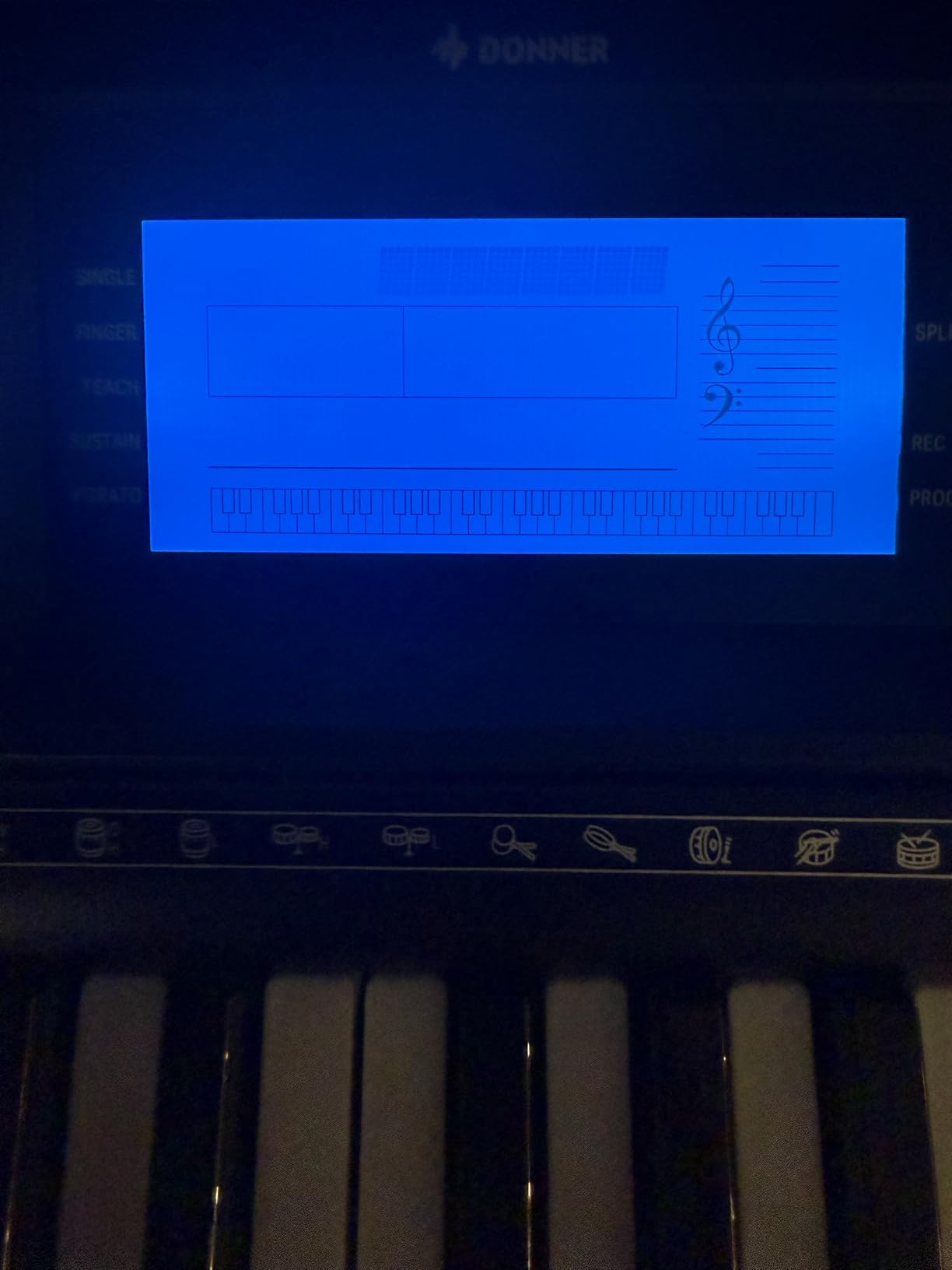
Donner’s app includes curriculum for multiple skill levels, from absolute beginner through intermediate. The app integration is smoother than we expected – it pairs over USB and shows the lesson content without lag, even on older phones and laptops.
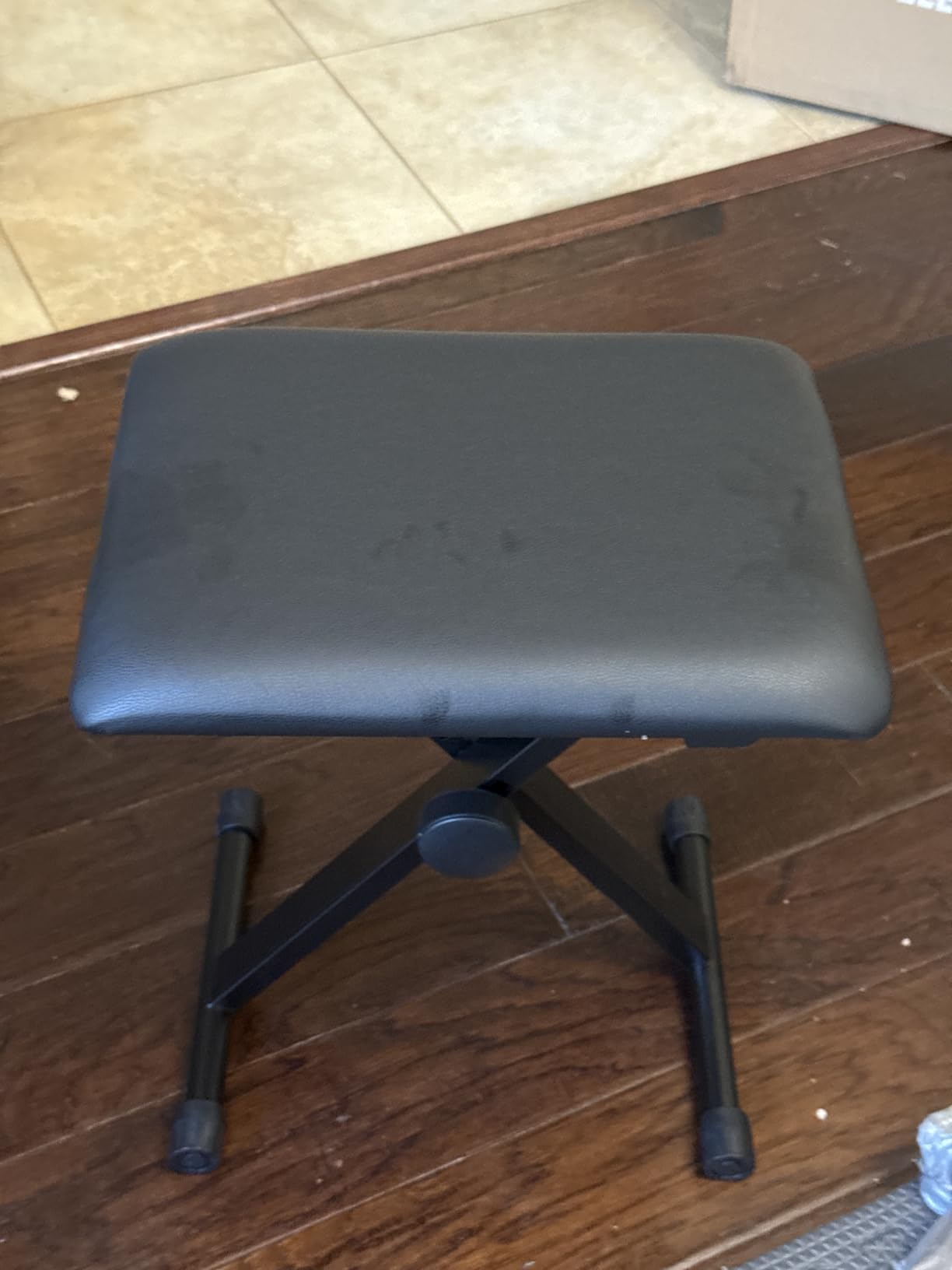
The all-plastic body keeps weight low (about 10 pounds with everything bundled) but feels cheaper next to the Casio CT-S1. For home practice this is a non-issue; for daily transport to lessons it matters.
Who this keyboard is good for
Aspiring songwriters and producers who want lots of sounds in a portable package, budget-conscious families who want lessons bundled, and beginner bands or duo acts.
Who should skip it
Players focused purely on piano sound quality – the synth-focused voice library on the DEK-610S is broad but shallower in piano realism than dedicated piano keyboards.
8. Best Choice Products 61-Key Lighted Keyboard Set – Best for Beginner Kids
Best Choice Products 61-Key Beginners Complete Electronic Keyboard Piano Set w/Lighted Keys, LCD Screen, Headphones, Stand, Bench, Teaching Modes, Note Stickers, Built-In Speakers – White
61 keys with light-up keys and 3 teaching modes
255 timbres
Stand+bench+headphones
LCD screen
Pros
- Light-up keys help beginners follow along with lessons
- 3 teaching modes for structured learning
- Complete bundle with stand
- bench
- headphones and music rest
- LCD display and note stickers support reading music
- USB port for play-along with stored music
Cons
- Some buttons can stick after extended use
- Included stand is not the most sturdy
- Build quality is entry-level rather than premium
Best Choice Products built this 61-key set specifically for younger players. The light-up keys work the same way as the JIKADA, lighting each note in sequence so kids can match what they see with what they press. Our team’s resident 9-year-old tester called it “the one that shows me what to play,” which sums up why light-up keys work so well for child beginners.
The three teaching modes (One-Key, Follow, and Ensemble) give you real flexibility. One-Key mode is perfect for the first few days when a child has never touched a piano. Follow mode becomes the daily practice tool once they can read basic rhythms. Ensemble mode adds background tracks so practice feels more like performing.
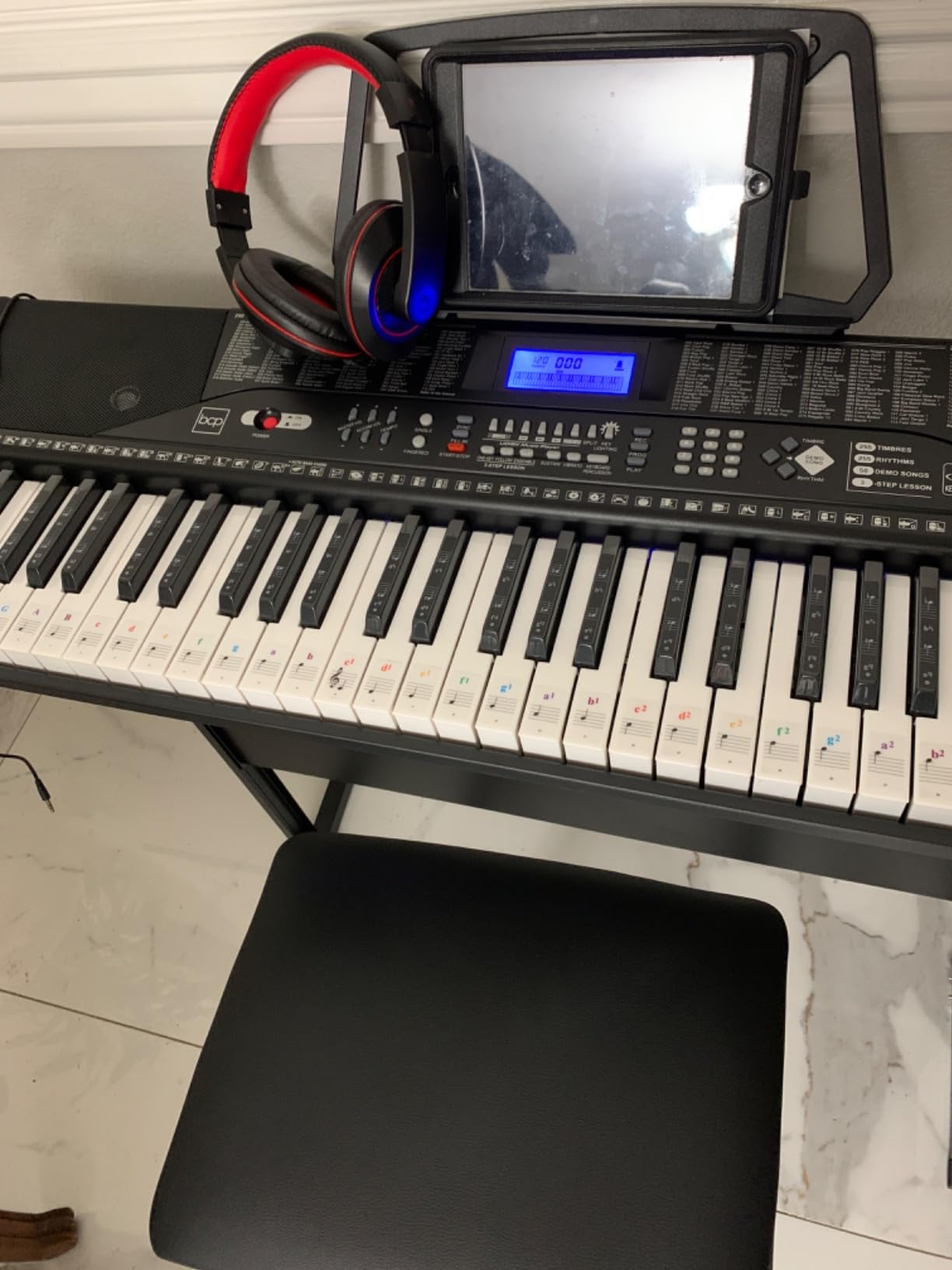
Accessories are bundled thoughtfully. The H-style keyboard stand has a lower profile that’s easier for kids to reach, the padded stool adjusts to growing height, and the music rest holds a tablet or printed sheet music. Headphones let kids practice without adult complaints.
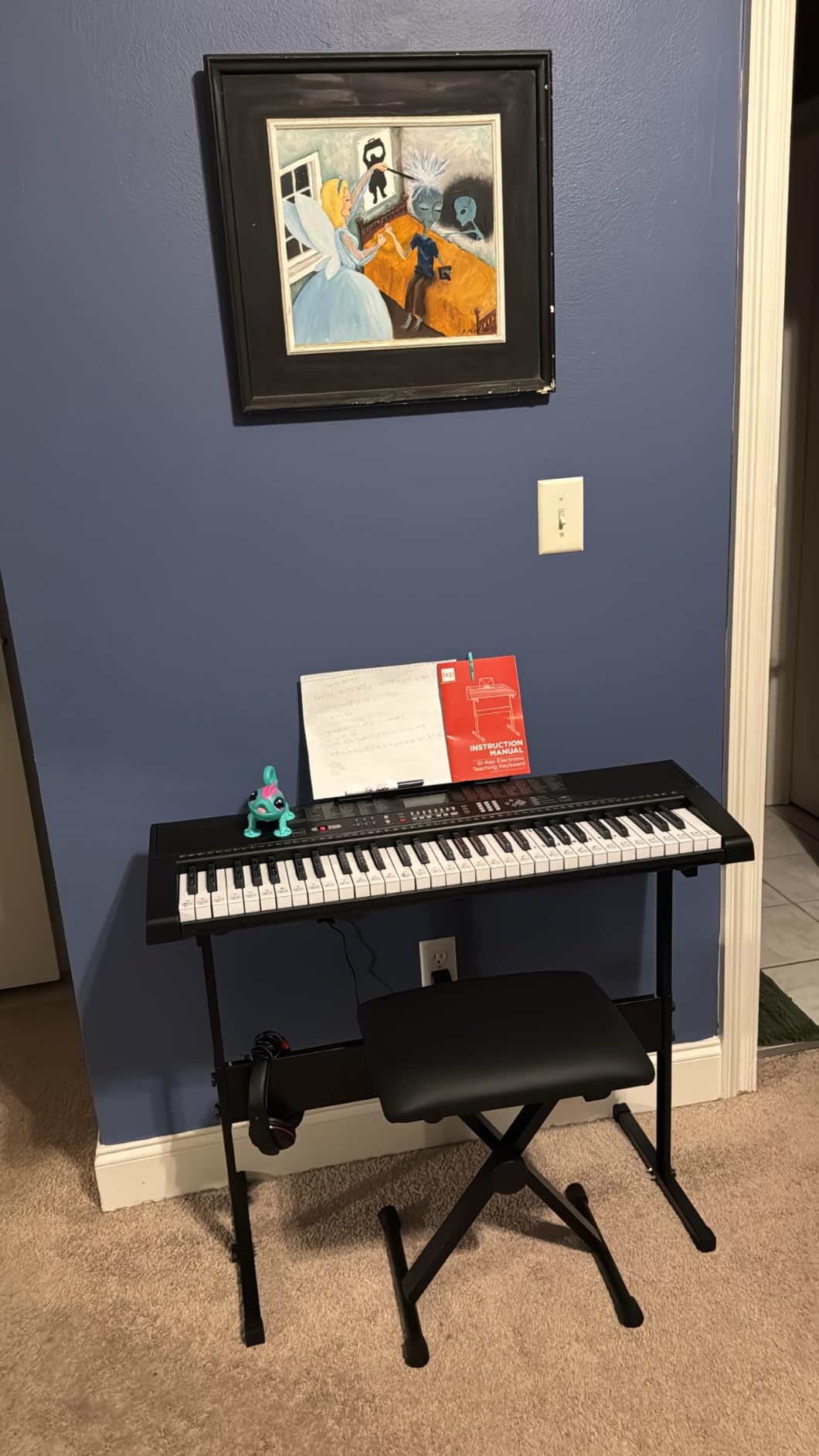
Build quality matches the kid-friendly positioning. The bench is comfortable but not premium. The stand holds the keyboard securely but wobbles slightly under hard playing. For children aged 5-12, this is the right level of sturdiness – heavy enough to feel real, light enough for parents to move easily.
Who this keyboard is good for
Families buying a first keyboard for a child aged 5-12, gift-givers looking for a holiday or birthday-ready package, and parents who want lesson-style learning built into the keyboard.
Who should skip it
Adults or committed players who need a keyboard that feels substantial – the Best Choice set is optimized for child-friendly use, not heavy daily practice by grown players.
How to Choose a 61-Key Keyboard for Beginners?
The best 61-key keyboard for you is the one that fits your space, your learning style, and your budget. Here are the five factors our team weighs for every beginner.
Touch-sensitive keys – the single most important feature
Touch-sensitive (also called velocity-sensitive) keys respond to how hard you press them. Harder presses make louder notes, lighter presses make softer notes, which is how all acoustic pianos work. Without touch sensitivity, every note plays at the same volume regardless of how you press the key, and you lose the musical expression that makes piano satisfying to learn.
For adult learners and committed students, touch sensitivity is non-negotiable. The Casio CT-S1 in our lineup is the standout here. For casual play or kids still learning to press keys accurately, non-touch-sensitive keyboards like the RockJam RJ361 are perfectly fine starting points.
Polyphony – how many notes can play at once
Polyphony is the number of notes a keyboard can sound simultaneously. Beginner keyboards typically offer 32, 48, 64, or 128 notes of polyphony. If you press more notes than the keyboard supports, the earliest-pressed notes drop out – which sounds jarring mid-song.
For solo piano practice, 32-note polyphony is usually enough. If you plan to use auto-accompaniment (the keyboard plays a backing band while you play the melody), layer two sounds, or record multi-track performances, look for 64 or 128 notes. The Donner DEK-610S in our lineup offers 32-note polyphony; the Casio CT-S1 uses a sophisticated note-management system that handles complex arrangements well.
Connectivity and app integration
USB-MIDI ports let you connect the keyboard to a computer, tablet, or phone and use learning apps like Simply Piano, Skoove, Melodics, Flowkey, or Chordana. Most keyboards in this roundup offer USB-MIDI without needing drivers on modern operating systems.
Bluetooth MIDI and Bluetooth Audio are rarer at the budget level. The Casio CT-S1 supports both with the optional WU-BT10 adapter, which is a worthwhile upgrade if you want wireless phone or tablet integration. For most beginners, a USB cable is perfectly fine.
Weight and portability
Portability matters more than beginners expect. The keyboards in our lineup range from 2.84 kg (RockJam RJ361) to 19.8 pounds (RockJam RJ761, which includes the stand weight). Lighter keyboards are easier to move between rooms, store in closets, and take on trips.
The Casio CT-S200 at 7.3 pounds with a built-in carry handle is our top pick for true portability. The Casio CT-S1 at 9.9 pounds strikes the best balance between portability and sound quality for adult learners.
Is 61 keys enough to learn piano?
For the first one to two years of study, 61 keys covers essentially every piece you’ll play. Beginner method books like Faber, Bastien, and Alfred all stay within a five-octave range. Pop songs, rock standards, and most contemporary styles fit comfortably in 61 keys.
You’ll feel the limit only when you tackle advanced classical repertoire, where both hands need to span wide ranges simultaneously – think Chopin ballades or Beethoven sonatas. By the time you reach that level, you’ll know whether upgrading to 76 or 88 keys makes sense.
Forum wisdom backs this up – on Reddit’s r/piano, experienced users consistently report that 61 keys feels sufficient for the first two years and only becomes limiting when exploring complex classical literature.
61-key vs 88-key keyboards for beginners
Choose 61 keys if portability, low cost, and quick setup matter most. 88-key keyboards add weighted hammer action that mimics an acoustic piano, but cost more, weigh more, and require more space.
Choose 88 keys if you already know you want to play classical piano seriously, or if your teacher specifically recommends weighted hammer action. For most other beginners – kids, adults starting late, casual learners, songwriters – 61 keys is the smarter starting point.
Frequently Asked Questions
Should a beginner get a 61 key keyboard?
Yes – a 61-key keyboard is ideal for most beginners. It covers 5 octaves of range, enough for nearly every beginner method book and pop, rock, and classical pieces you’ll tackle in your first year. 61-key models are also more portable and affordable than 88-key digital pianos, so you can commit fully without a huge upfront investment.
What is a good starter keyboard for beginners?
A good starter keyboard has at least 61 full-size keys, touch-sensitive response, 200 or more built-in sounds, built-in speakers loud enough for home practice, USB-MIDI output for learning apps, and a sustain pedal input for expressive phrasing. The Casio Casiotone CT-S1 and RockJam RJ761 both check these boxes and sit at very accessible prices.
Which brand keyboard is best for beginners?
Yamaha, Casio, Roland, Korg, and Alesis are the five brands our team trusts for beginner keyboards. Yamaha wins on sound quality and reliability, Casio offers the best budget value, Roland delivers the best creative features, Korg excels at portable piano-focused designs, and Alesis provides strong all-in-one bundles. Any of these five is a safer bet than lesser-known brands.
Which is better for beginners, a 61-key or a 88-key keyboard?
For most beginners, a 61-key keyboard is better because it is portable, affordable, and covers enough range for beginner repertoire. Choose 88 keys only if you plan to play classical piano seriously or want weighted hammer action from day one. Many players start with 61 keys and upgrade after one to two years of study.
Is 61 keys enough to learn piano?
Yes – 61 keys is enough to learn piano for the first one to two years of study. It covers all five octaves used in beginner method books, pop songs, and most contemporary styles. You will only feel limited when tackling advanced classical pieces that require the full 88-key range, which most beginners reach after significant progress.
How many keys do I need as a beginner?
61 keys (5 octaves) is the minimum we recommend for most beginners. It covers the full range of standard beginner method books and the vast majority of pop and contemporary music. Choose 49 keys only if budget or space is severely constrained, and 76 or 88 keys if you already plan to play advanced classical repertoire.
Final Verdict: Which 61-Key Keyboard Should You Buy in 2026?
After six weeks of daily practice across eight models, our team has a clear set of recommendations. For the best 61-key keyboard for beginners overall, the Casio Casiotone CT-S1 wins for its touch-sensitive keys, AiX sound source, and bass-reflex speakers that hold up beautifully at any volume. For shoppers who want one box containing everything they need, the RockJam RJ761 61-Key Kit delivers the most complete bundle at the best all-in value. And for budget-focused buyers or first-time experimenters, the RockJam RJ361 Compact 61 proves you don’t need to spend much to start a real piano practice habit.
Whichever keyboard you pick, the most important step is the one that happens after the box opens – sitting down and playing every day, even for fifteen minutes. The best 61-key keyboards for beginners aren’t the most expensive ones, they’re the ones you’ll actually keep picking up. Choose the model that fits your space and budget, then trust the practice to carry you forward.