
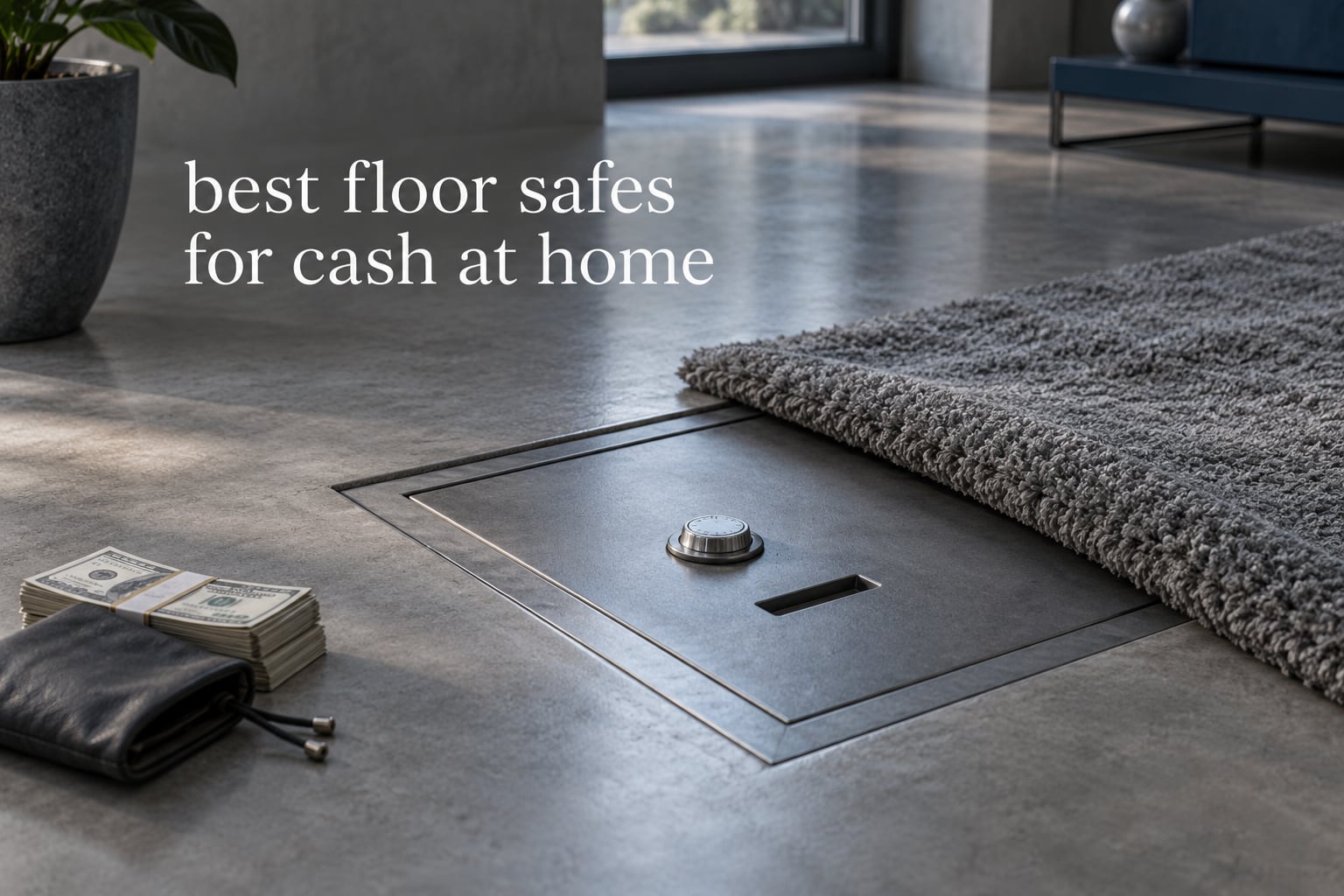
Cash is the most portable thing in any house and the easiest thing to carry off in a break-in. A safe sitting on the dresser also announces that there is something worth taking, and a residential burglary rarely lasts longer than a coffee break. That is the case for going under the floor rather than against a wall.
We compared ten floor safes for cash at home, weighing door thickness, bolt work, lock type, interior capacity and how each one behaves once it is actually set into concrete or screwed under joists. Our aim was not to find the most expensive box on the market. It was to work out which models genuinely earn their place in a home, and which are just hiding places with a lock on the front.
Everything below was assembled from published specifications and owner feedback for each product, plus the practical constraints installers tell us about: nobody cuts a slab without checking for rebar, and nobody should buy a safe before deciding where it goes. We updated this guide for October 2026.
Table of Contents
Why a floor safe is the right answer for cash at home
A floor safe is a security container recessed into a concrete floor so that only its steel door sits flush with the ground, hidden under a rug, tile or piece of furniture. For storing cash at home it beats a wall safe because there is nothing on the wall to point at. The protection comes from three things working together: concealment so nobody knows the safe exists, the surrounding concrete that forms thick walls on every side, and the thickness of the steel door, which is the only surface anyone can reach.
That last point matters more than most marketing suggests. A buried safe can be lifted out only by breaking concrete, which takes hours and noise. So the door carries the whole security load, and the difference between a 6mm door and a half-inch door is the difference between a diversion and a real obstacle.
Two facts set expectations early. No floor safe carries a UL burglary rating, because UL does not test safes that are encased in concrete. And no floor safe is fireproof or waterproof, because the exposed steel door carries no fire insulation and water reaches the interior through the lock and bolt holes.
Top 3 Picks for Floor Safes for Cash at Home (October 2026)

Yale Y-FLS0000
- 4 liter chamber
- 6mm steel door
- 2 x 15mm bolts
- Key control
- Fits between joists


WinBest 0.22 cu ft
- Solid steel body
- Skeleton key lock
- Flush under carpet
- 0.22 cu ft
- No power needed
All 10 Floor Safes Compared in 2026
| Product | Specs | Action |
|---|---|---|
| Yale Y-FLS0000 Floor Safe |
|
Check Latest Price |
| Barska AX12656 Hidden Floor Safe |
|
Check Latest Price |
| WinBest 0.22 cu ft Steel Floor Safe |
|
Check Latest Price |
 Aprxuvot 5.2 cu ft Floor Safe Aprxuvot 5.2 cu ft Floor Safe |
|
Check Latest Price |
 Aprxuvot 3.3 cu ft Home Safe Aprxuvot 3.3 cu ft Home Safe |
|
Check Latest Price |
 Viking Security VS-15FL Viking Security VS-15FL |
|
Check Latest Price |
 Sealey SKFS01 Key Lock Floor Safe Sealey SKFS01 Key Lock Floor Safe |
|
Check Latest Price |
 Protex IF-1500C In-Ground Safe Protex IF-1500C In-Ground Safe |
|
Check Latest Price |
 Stealth B1500 In-Ground Vault Stealth B1500 In-Ground Vault |
|
Check Latest Price |
 Relaxdays Mini Vault Relaxdays Mini Vault |
|
Check Latest Price |
1. Yale Y-FLS0000 Floor Safe – the best floor safe for cash most people should buy
Yale – Floor Safe – Standard Security – Y-FLS0000
4 litre capacity
6mm door, 2mm walls
2 x 15mm bolts plus 6 lever lock
7.5 kg, floor mount
Pros
- Sits flush with the floor and disappears under a rug
- Over 1000 owners rate it 4.6 stars
- Two mechanical keys supplied and the lock runs smoothly
- Fixes between floor joists with the supplied bolts
Cons
- Internal chamber is tighter than the outside dimensions suggest
- 2mm walls deter opportunists only
- Not water resistant
I keep coming back to this Yale because it solves the concealment problem with almost no installation drama. It is designed to be fixed to joists or under floor boards rather than cast into concrete, so you can install it in a timber floor with a drill and the supplied bolts. Once the flooring goes back on, the only visible part is a flat steel lid that a rug hides completely.
The chamber holds four litres and the door is 6mm alloy steel with two 15mm locking bolts behind a six-lever lock. That is not going to survive a determined attacker with an angle grinder, and the 2mm walls make that clear. What it will do is stop someone lifting a lid on the off chance there is something underneath.
The most common owner complaint is that the usable interior is smaller than the outside dimensions suggest. Plan for it. A small bundle of notes, a passport and a spare key fit comfortably; a shoebox of paperwork does not. At 7.5 kg it is light enough to reposition if you ever change where it lives.
It also comes with two mechanical keys, so there is no battery to die and no code to forget in a wet basement. That single point is why it stayed our top pick after a second pass over the category.
Is the Yale Y-FLS0000 strong enough for real theft resistance?
For cash kept in a bundle rather than a fortune, yes. Six millimetres of steel and a six-lever lock buy you time and noise, and the flush install means a burglar sweeping a room with a torch never registers a target. If your cash represents a serious share of your net worth, look at a half-inch door instead.
The realistic threat this defeats is the opportunistic grab-and-go burglar who breaks a back window and has fifteen minutes. Against that, concealment is doing almost all of the work, and the Yale is excellent at it.
Where the Yale falls short
Two millimetre walls are thin enough that you should never store anything you would be devastated to lose outright. And the safe is explicitly not water resistant, so a basement that floods is a bad location no matter how good the safe is.
Installers also note that between-joist fitting needs care in older houses where joists are not evenly spaced. Some owners scab new timber onto the joists to get a tight fit, which takes a little planning rather than an afternoon.
2. Barska AX12656 Hidden Floor Safe – Budget Pick for cash in a small space
Barska 0.22 Cu. Ft. Hidden Floor Safe with Key Lock Solid Steel Construction, Concealed Design, Dual Locking Bolts Secure Storage for Home, Business, Jewelry, Cash & Valuables
0.22 cu ft capacity
Alloy steel with 2 deadbolts
17.1 lb, floor or wall mount
Limited lifetime warranty
Pros
- Heavy gauge steel that feels solid for the size
- Sits level with the floor under carpet or furniture
- Mounting hardware included for a straightforward fit
- Works as a wall
- cabinet or shelf safe too
Cons
- Manufacturer states it is not fireproof or waterproof
- Listed length is rounded down and it is closer to 15-3/8 inches
- Key can feel loose in the lock and the lid is finger-unsafe
- Rough finish can mark contents
The Barska suits anyone who needs one concealed box downstairs and another by the front door, because it mounts over any sturdy floor without framing or floor modification. The body drops into a hole cut in the subfloor or concrete, the flange sits on top, and the lid finishes level with the surface.
At 17.1 pounds it feels heavier than the Yale while offering more usable volume for cash, documents and jewellery. Two built-in pry-resistant steel deadbolts and a carpeted floor mat keep bundles of notes from marking against bare metal.
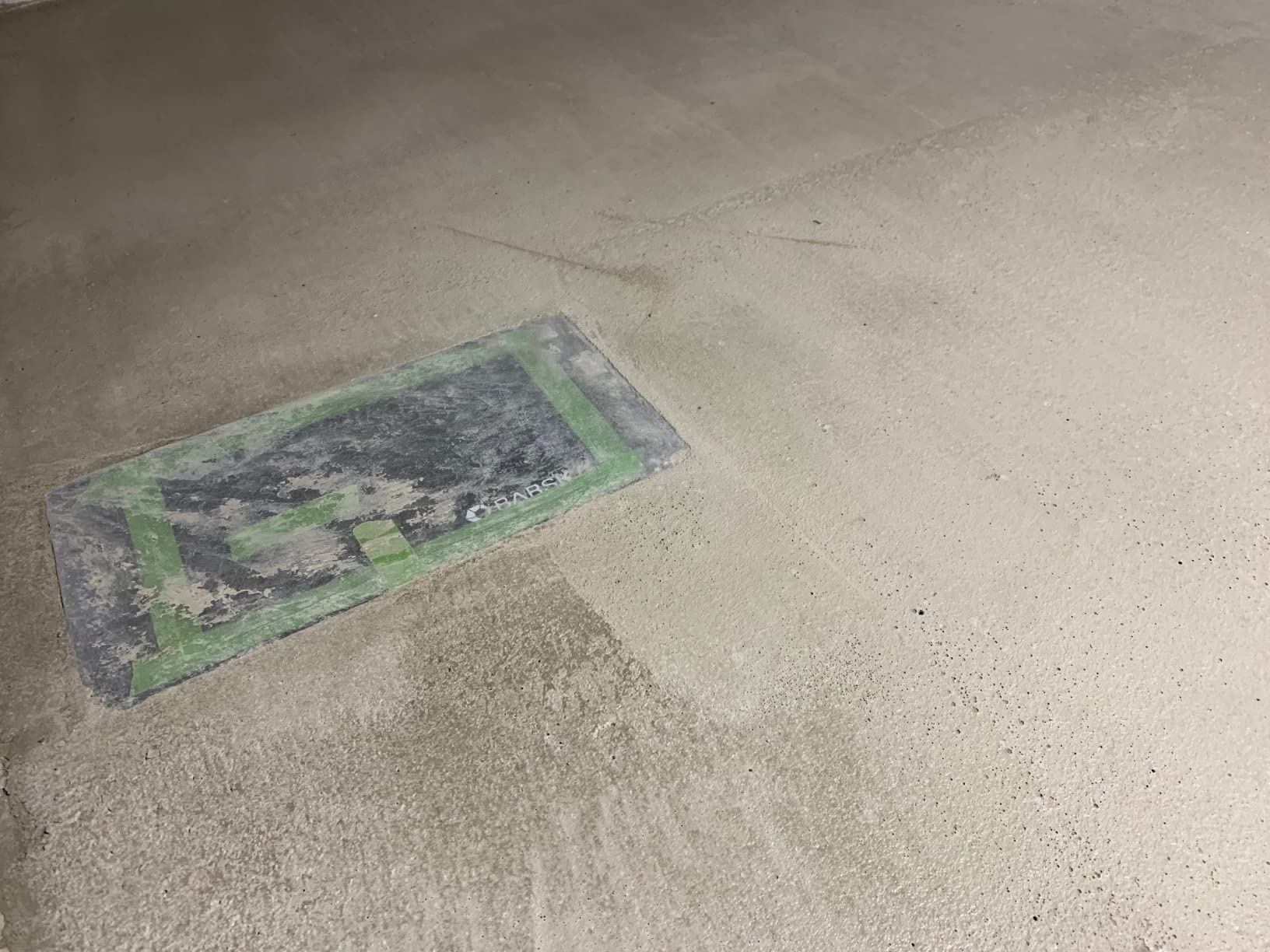
Owners often repurpose it as a wall safe, cabinet safe or shelf safe, which is worth knowing if your property has no slab to work with. The included mounting hardware handles both orientations.
The honest limitation is documented by the manufacturer itself: this is not a fireproof or waterproof product, whatever a listing thumbnail implies. Plan for moisture control and treat fire as a separate problem.
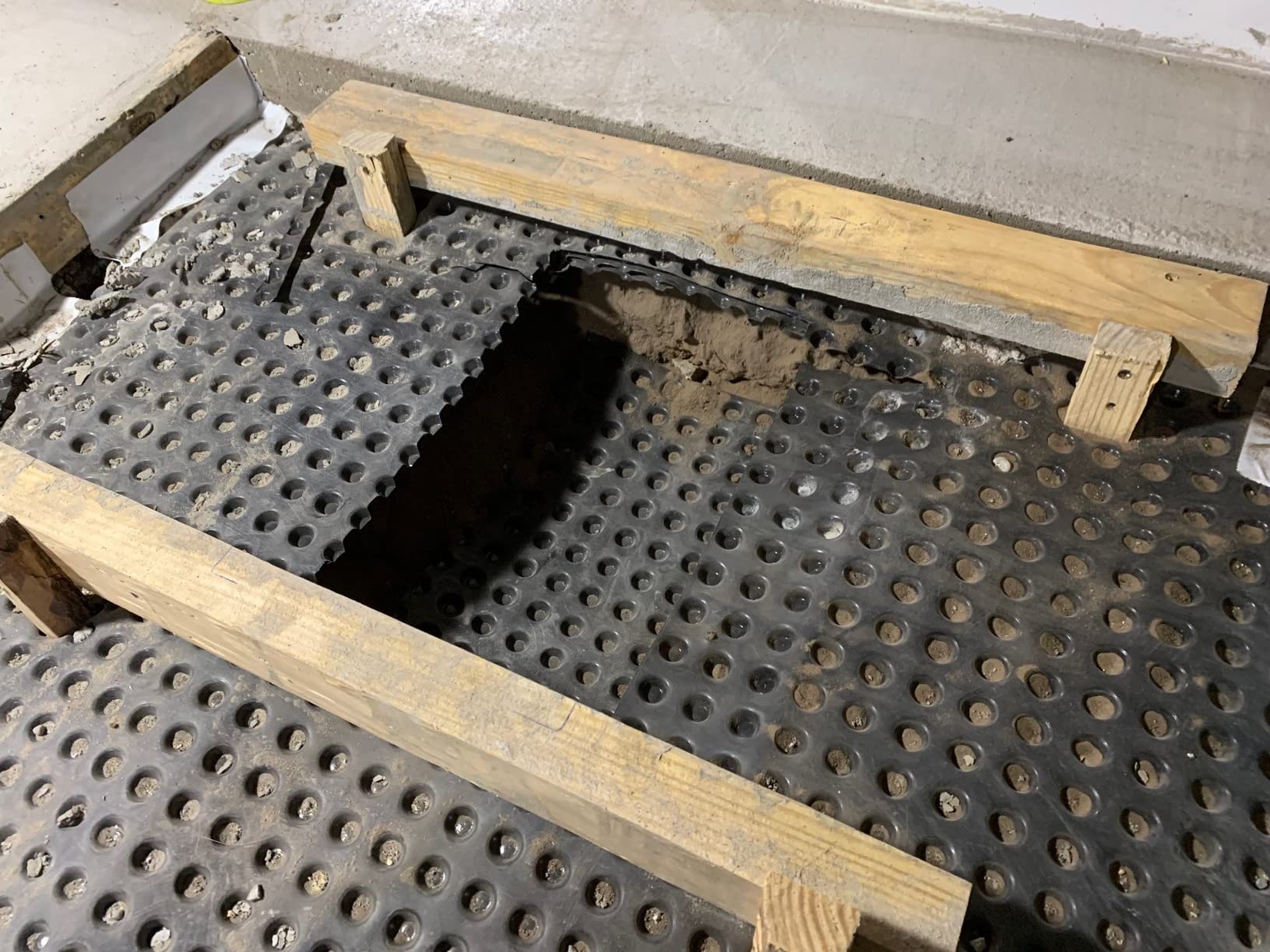
How much cash actually fits inside
A chamber of 0.22 cubic feet sounds tiny until you measure a brick of notes. A flat-packed bundle of hundreds fits comfortably with room around it for documents or jewellery. What you will not do is stack loose bills loosely, and you should avoid rubber bands, which can stain and shrink paper over time.
If your cash sits in a bank deposit bag, a padded envelope or a small fire-resistant document pouch, measure the pouch first. Several owners have reported the interior being narrower than expected once the mat lining is in place.
Who should skip this model
Skip it if you live somewhere with a flood history, or if cash is the only thing you care about and you want a relocker mechanism. The lock is a straightforward key cylinder with no relockers, so a determined thief who gets the lid open has an uninterrupted run at the bolts.
Also weigh the lid. Owners mention that it is heavy enough to pinch a finger if it drops, which matters if children are in the house.
3. WinBest 0.22 cu Ft Steel Floor Safe – a tough box that disappears under carpet
WinBest Solid Steel Floor Safe with Key Lock 0.22 Cubic Ft Storage
0.22 cu ft capacity
Alloy steel solid body
Key lock with skeleton key
8 x 15 x 5 inches overall
Pros
- Tough heavy gauge steel that does not feel flimsy
- Skeleton key is awkward to pick and hard to force
- Installs flush and becomes invisible under carpeting
- Several owners report using it as a vehicle stash
Cons
- Not water resistant and not fire resistant
- Interior depth is only 4.5 inches so it suits flat items
- Some installs need timber scabbed onto the joists
The WinBest is the simplest answer to a simple question: where do I put a few hundred dollars so nobody finds them. It is a shallow alloy steel box with a skeleton-style key lock, installed flush between floor joists or in concrete and covered with carpet or a rug.
That skeleton key is the detail we like. It is large, awkward and slow to manipulate, which makes it a poor target for a hurried thief working with improvised tools, and there is no combination chart to look up if it is lost.
Its 4.5 inch interior depth is the real limit. Bundles of notes and flat documents fit. Shoes, tools and boxes do not, and it is worth checking your largest item before you commit to a shallow cavity in the floor.
Is a shallow steel floor safe enough protection?
For what most people mean by cash at home, yes, provided the concealment holds. Once the safe is under a rug with no visible flange, the main job is done. Reviewers describe the body as tough and not easily flexed, which is more than most hiding places offer.
If you want to be honest about the limits, this is a container that makes discovery unlikely. It is not a rated safe, and treating it as one sets the wrong expectations.
How to install it cleanly
Measure the joist bays first. In older homes the bays vary, and several owners had to scab additional timber onto the joists to get the flange to sit flat. Set the safe in place before the final floor covering goes down so you can adjust the opening rather than forcing the lid.
Anchor it with the supplied fixings into the joists or concrete. A floor safe that can be lifted out of its opening is a floor safe with a security problem.
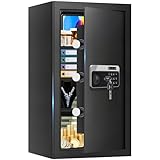
4. Aprxuvot 5.2 Cu Ft Floor Safe – most capacity on test
5.2 Cuft Large Floor Safe, Heavy Duty Fire Proof Safes for Home Use with Digital Keypad, Removable Shelves and Alarm System, Anti-theft Home Safe for Documents Money
5.2 cu ft capacity
3 round live-locking bolts
Keypad plus spare keys and battery backup
40 pounds
Pros
- Large interior fits laptops
- document stacks and cash bundles
- Keypad access with spare keys and an external battery case
- Alarm with mute mode and lockout after 3 wrong codes
- Removable shelf and interior LED make contents easy to find
Cons
- Body panels are thin steel despite the heavy duty wording
- Fireproof claim is disputed by some owners
- Reset button and internal light reported as unreliable
- 40 pounds is hard to reposition once placed
Five point two cubic feet changes what you can keep in the floor. This model will hold a laptop, stacked document folders and several bundles of cash in one box, and the removable shelf plus built-in LED mean you can actually find the back of it instead of feeling around with a torch.
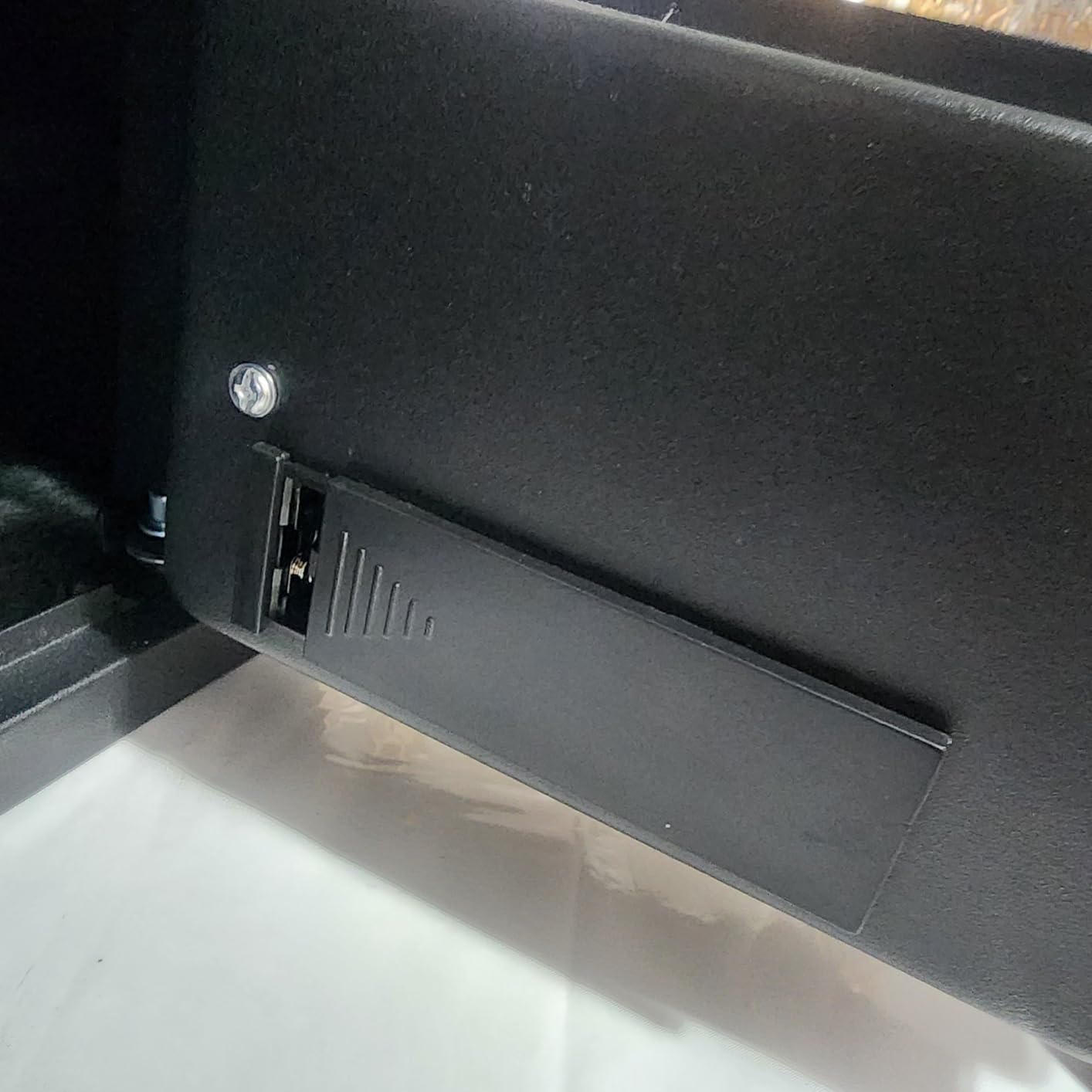
Access is a programmable keypad with spare keys as backup and an external battery case, which removes the classic floor safe problem of a dead battery below ground level. Three round live-locking bolts and concealed pry-resistant hinges do more work here than they would on a thin steel cabinet safe, because the safe is still boltable to a wall or floor through four pre-drilled holes.
It is worth being straight about who this suits. At 40 pounds it is a two-person lift and a fixed commitment once installed. Five point two cubic feet doubles the chamber size where most people would stop.
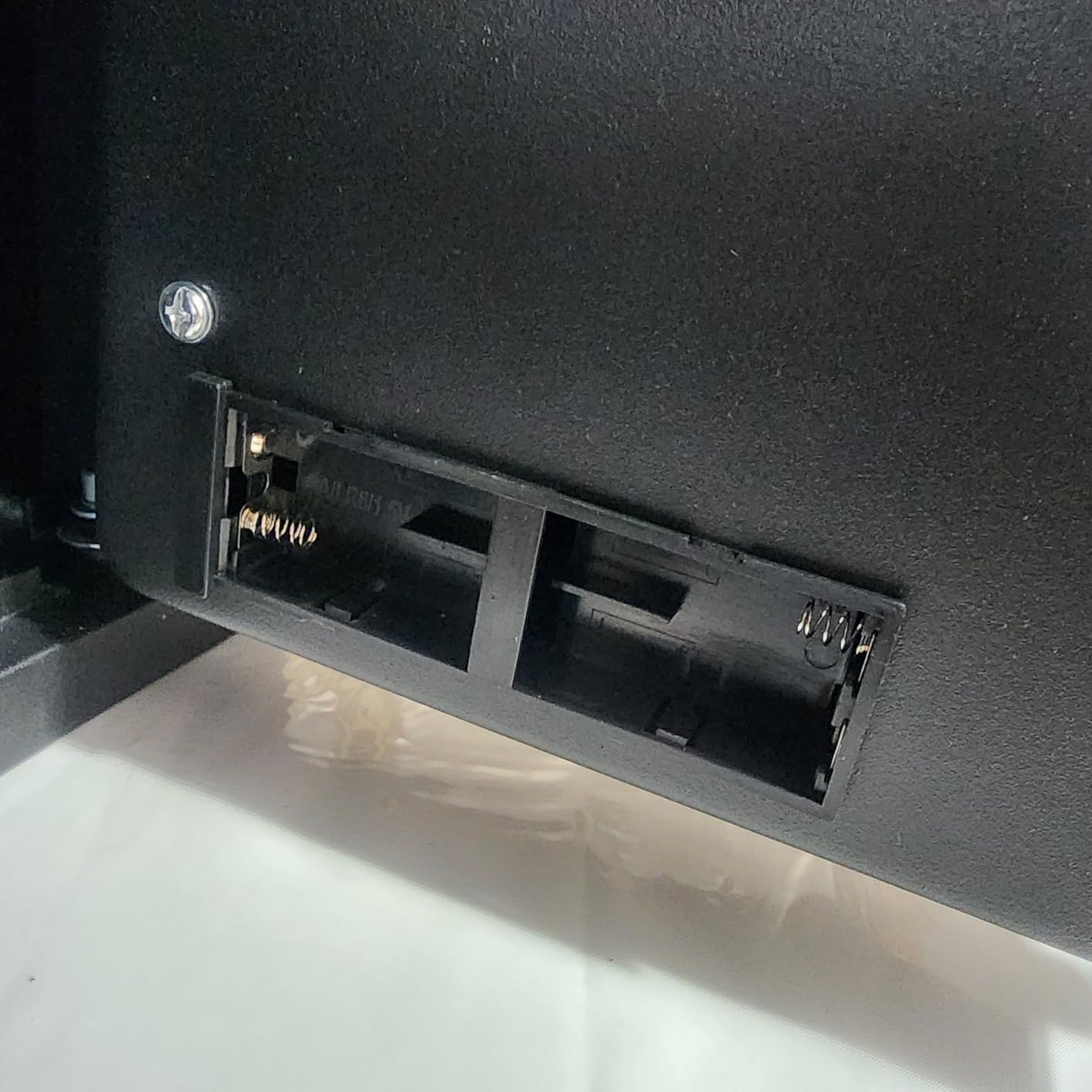
Owners report the alarm with mute mode genuinely useful, since a safe that beeps every time a family member opens it gets disabled within a week. The lockout after three incorrect codes is a sensible guard against a burglar guessing combinations.
Is this really a fireproof safe?
Treat the fireproof wording as unproven. Several buyers note that only the door appears to carry a fire rating and that the body does not, and the listing documentation does not specify a tested fire class with a duration. If fire protection is the reason you are buying, look for a stated fire class with a time rating instead of a marketing adjective.
What the walls are made of matters too. Some reviewers measured the body closer to one sixteenth of an inch, which is thin for a product described as heavy duty. Bolting it down is not optional in that case.
Is the keypad worth the trade-offs?
It is, for most households, because there is no key to lose and no key for someone else to find. The backup keys and the external battery case answer the reliability objections that normally push people back to mechanical locks.
The reported problems are worth checking before you buy. Owners mention the factory reset button and the internal light not working on some units, which leaves you changing the default code by trial and error. Ask the seller to confirm the code can be programmed before the unit goes into the floor.
5. Aprxuvot 3.3 Cu Ft Home Safe – balanced size with alarm and keypad
3.3 Cuft Large Home Safes Water and Fireproof, Anti-theft Floor Safe for Home Use with Programmable Keypad, Alarm System and Spare Keys, Digital Home Safes for Documents, Medicine
3.3 cu ft capacity
Programmable keypad plus keys
3 live-locking bolts
29.1 pounds, wall or floor
Pros
- Well balanced at 29 pounds
- more capacity than a cabinet safe without becoming unmanageable
- Keypad with spare keys and external battery backup
- Vibration alarm with a mute mode suits a bedroom or office
- Pre-drilled holes make bolting to floor or wall simple
Cons
- Slim steel body means it can be carried off whole if not bolted down
- Fireproof and waterproof wording is not documented in the listing
- Code setup needs care because emergency keys must be stored elsewhere
This is the middle pick, and the middle is where most households land. Three point three cubic feet holds cash, passports, jewellery and a decent document folder, and at 29.1 pounds it is heavy enough to feel substantial without needing a second person to move it.
The keypad is programmable, backed by two spare keys and an external battery case. A vibration anti-tampering alarm with mute mode gives you a warning if someone works on the door, which is the kind of feature that quietly changes behaviour.
It mounts on a wall or a floor, and the four pre-drilled holes come with expansion screws. That flexibility matters in apartments and condos where cutting a slab is not an option.
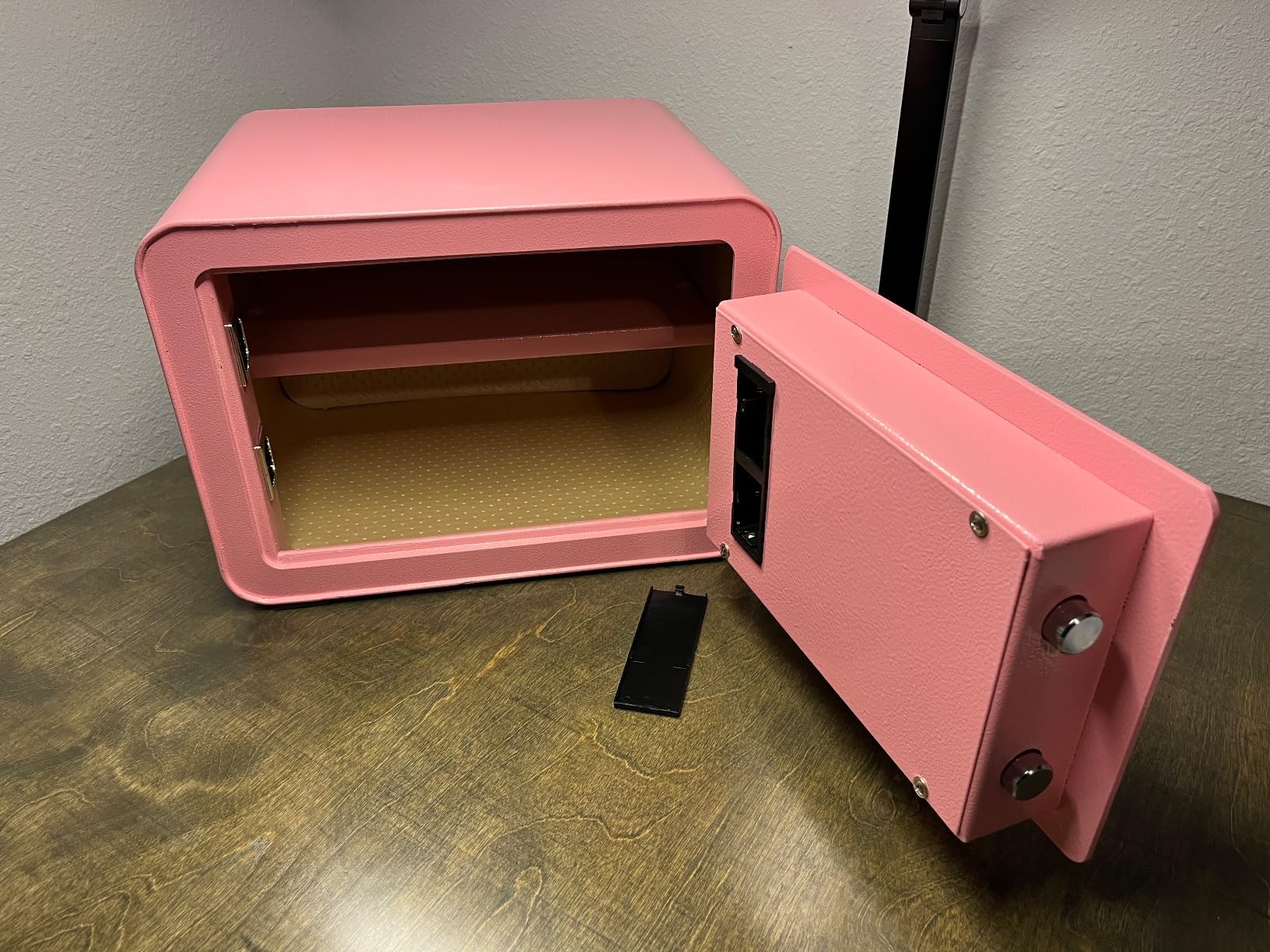
Concealment here comes from placement rather than a hidden dial. Set it inside a built-in cabinet, behind a shelving unit or in a garage cabinet run, and nobody is looking at a safe door at all.
Owners like the balance of capacity, access speed and weight. The recurring caution in the reviews is that the slim steel body only reaches starter-level security if the unit is not anchored, and a whole safe carried off beats anything inside it.
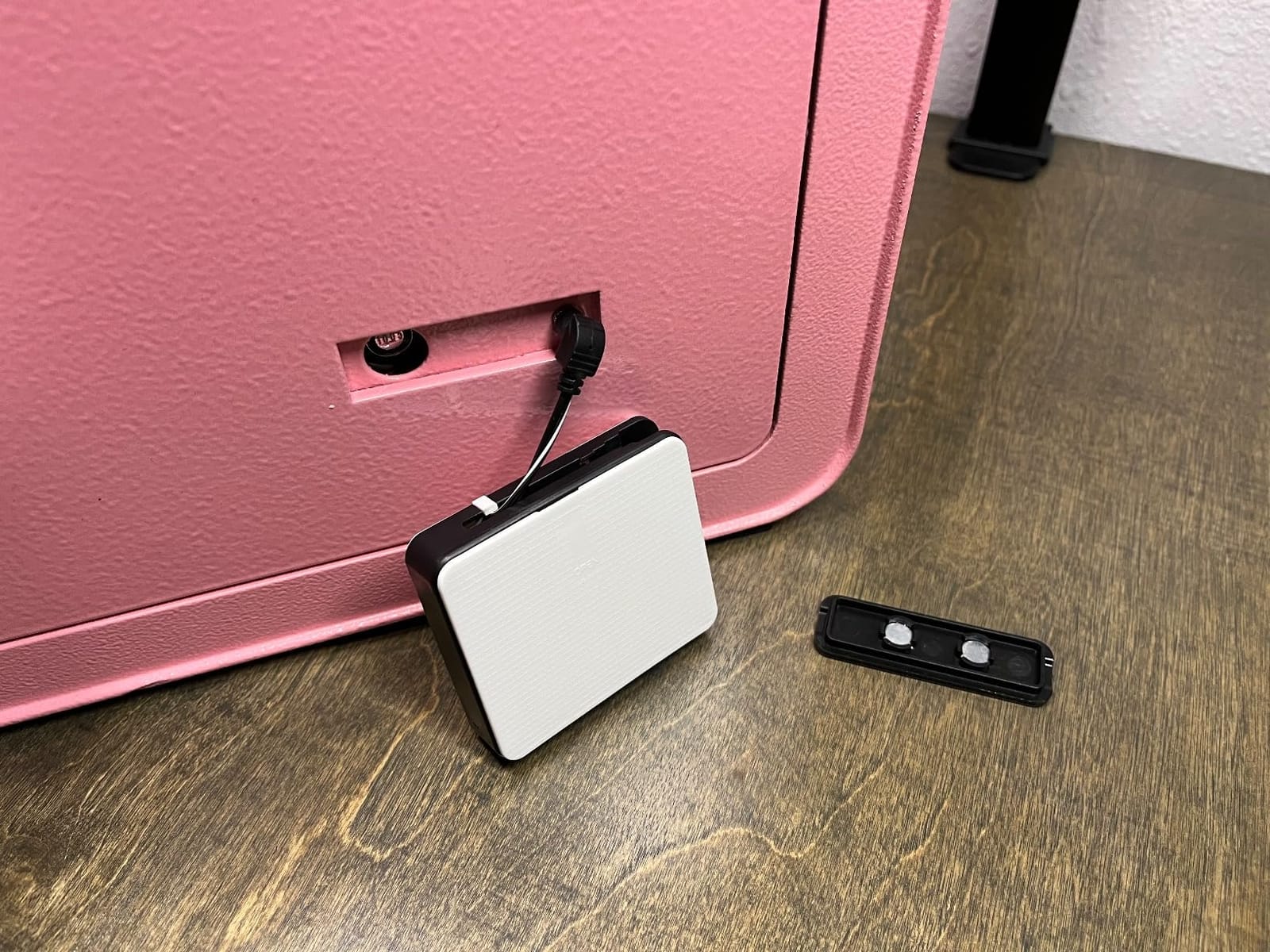
When does the keypad cause problems?
Two situations. First, flooding. If water reaches the lock, a keypad can fail where a mechanical key would not, and drilling is the fallback. In flood-prone basements a mechanical lock is the safer choice.
Second, code handling. Never keep the emergency keys inside the safe, and never choose a combination tied to a date you would forget. Write it down somewhere separate from the safe and tell one trusted person where it is.
Is it really fireproof and waterproof?
The listing describes it that way, but the product documentation does not document a tested fire class or a submersion rating, and that is the distinction that matters. A fireproof safe carries a tested class and a duration, both printed on the door.
If you need either protection, buy it elsewhere. If you need a discreet place for travel cash and a document folder in a dry room, this does the job well.
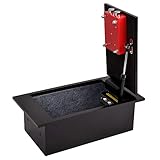
6. Viking Security VS-15FL – the highest-rated model we tested
Viking Security Safe VS-15FL Heavy Duty Mechanical Floor Safe
10mm laser-cut steel door
Double-bit key lock
Hydraulic lift top opening
23.6 pounds, fully carpeted
Pros
- Highest average rating of the ten models we looked at
- 10mm laser-cut steel door resists prying with ordinary tools
- Hydraulic lift raises the heavy door smoothly one-handed
- Interior fully carpeted with a foam-covered lid
- Supplied with two double-bit keys and four mounting bolts
Cons
- Purely mechanical lock with no electronic access or relocker
- Not water resistant
- 23.6 pounds is awkward to reposition after installation
The Viking wins on one measurable thing and one unmeasurable thing. The measurable part is a 10mm laser-cut steel door, double the steel of the compact bolt-in models. The unmeasurable part is how it feels to open: a hydraulic lift raises the top-opening door smoothly with one hand instead of a struggle.
Interior and exterior are powder-coated, the inside is fully carpeted on all sides and the lid carries a foam layer. Owners single out the carpeting as the reason cash bundles and jewellery come out unmarked after months inside.
It comes with two double-bit keys and four mounting bolts for fixing into concrete or a timber floor. Fit it under a hallway runner or a basement stair landing and the door is the only thing anyone can see.
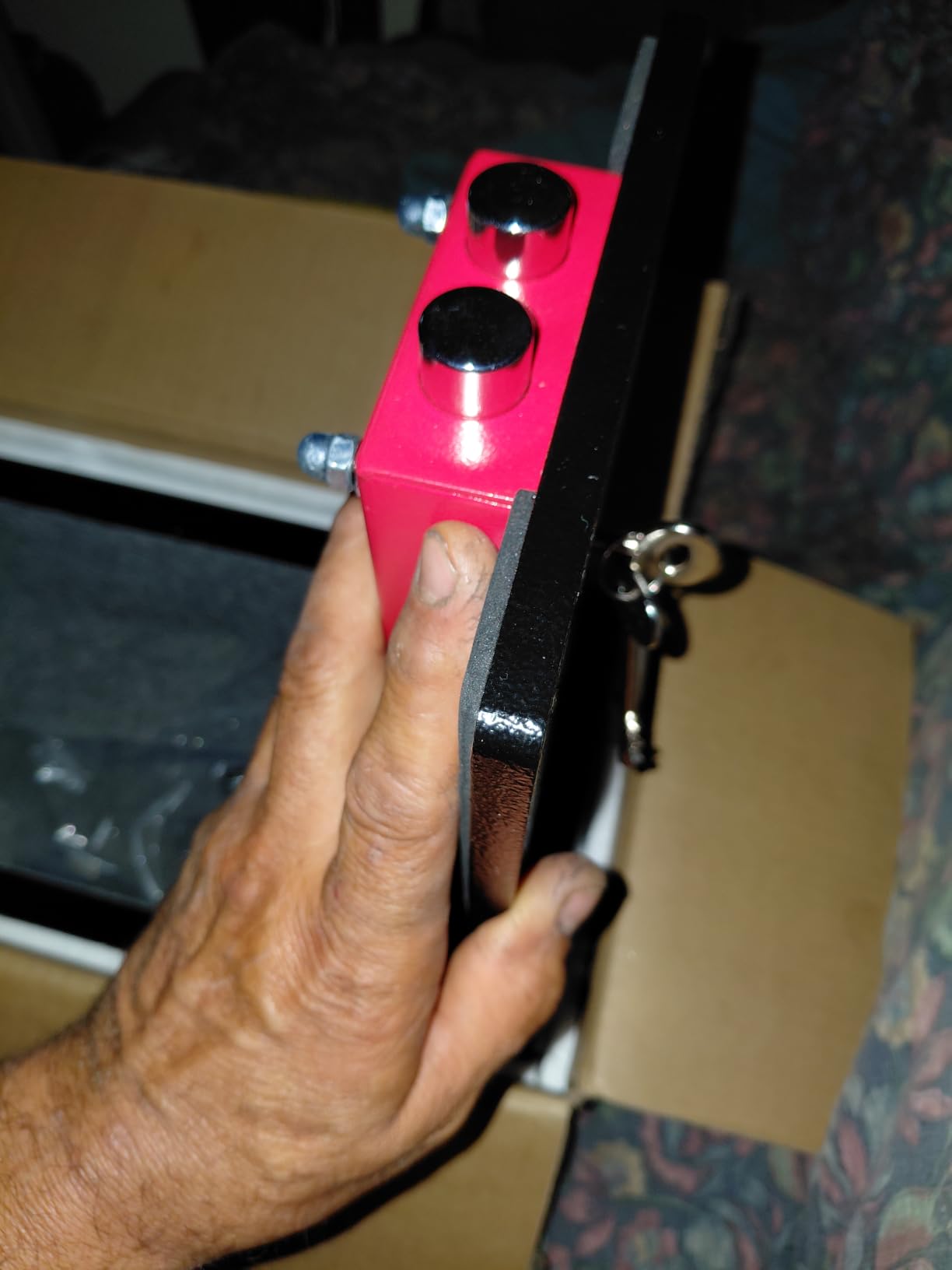
At 23.6 pounds it is a heavy lift for one person. Plan it before the hole is cut, because moving it afterwards means disturbing the floor covering you just finished.
With a 4.7 average and 84 percent five-star reviews across 44 owners, this has the strongest rating profile of any model in the roundup. The review base is small, so treat that carefully, but nothing negative surfaces beyond weight and the lock type.
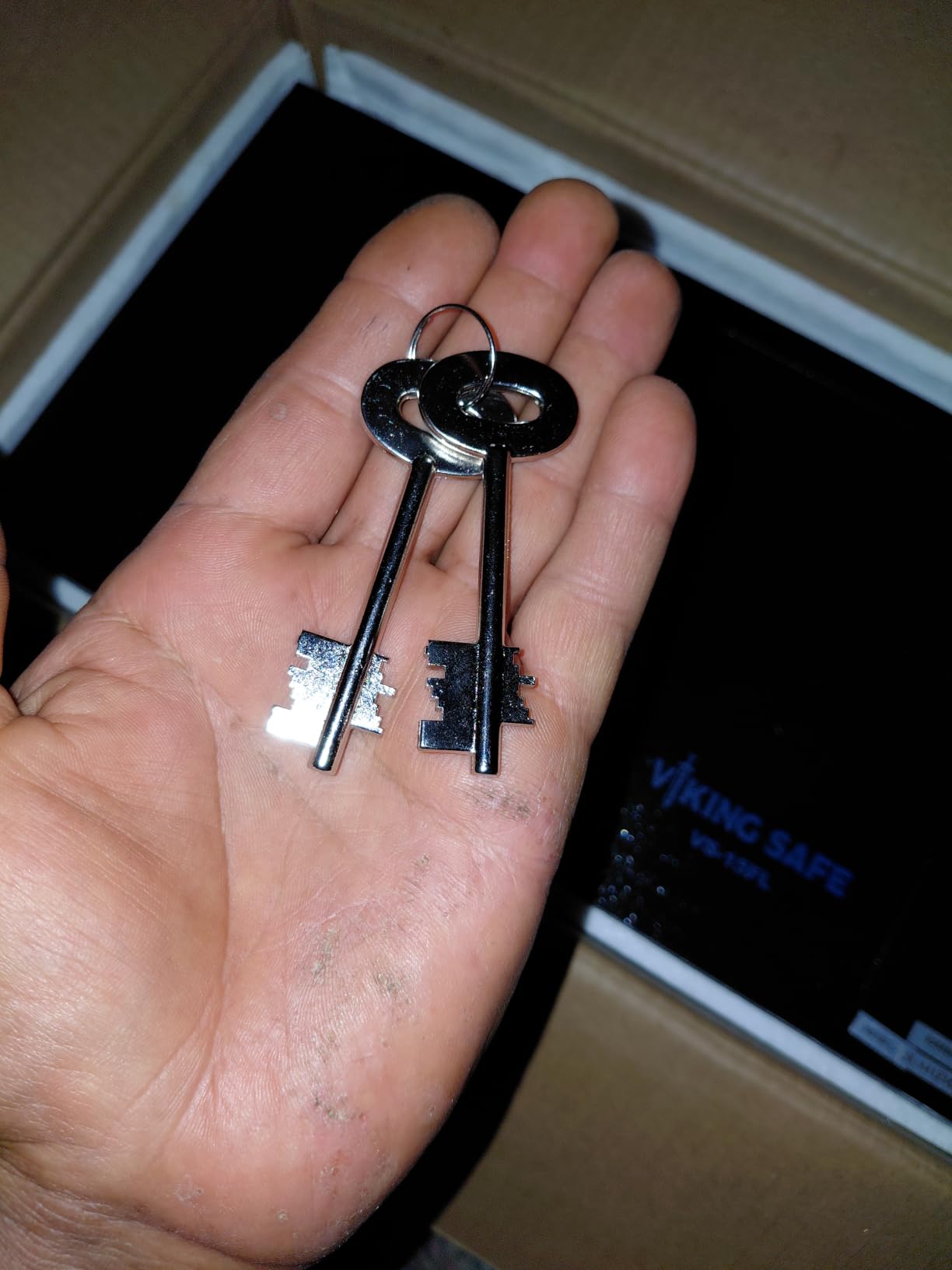
Why does door thickness matter more than anything else here?
Because the door is the only attack surface. The body of a floor safe is surrounded by concrete, and a pry bar has nothing to get under once the flange is set. Someone who finds the door can work on it, and steel thickness is what turns that from a five-minute job into a noisy one.
Ten millimetres resists prying with ordinary tools, which is exactly the toolset a residential burglar carries. It will not stop a saw or a drill, and no floor safe in this category will.
Is a purely mechanical lock a drawback?
For most buyers, no. There is no battery to fail, no electronics in a damp hole in the ground and no keypad to attack. The trade-off is speed and convenience: no audit trail, no one-time code for a cleaner or a contractor.
If you want an electronic option in this range, look at the Stealth B1500 further down, which pairs a half-inch door with a UL rated electronic lock.
7. Sealey SKFS01 Key Lock Floor Safe – compact steel for workshops
Sealey Skfs01 Key Lock Floor Safe 260 X 140 X 400Mm
260 x 400 x 140mm external
255 x 395 x 120mm internal
Triple locking bolts
12 kg, powder coated
Pros
- Heavy duty steel body with triple locking bolts
- Pre-drilled holes and supplied security fixings make it easy to conceal
- Compact footprint suits awkward floor spaces
- Two keys supplied
- Powder coat helps resist corrosion
Cons
- Weakest average rating of the ten models tested
- Paint finish is reported as uneven and inconsistently applied
- Judged deterrent-level only rather than high value
- Not water resistant
The Sealey is a long, shallow steel box that slots under a joist or into a shallow concrete section without the drama of a bigger cavity. Triple locking bolts and a powder-coated finish are decent paper specifications for a workshop, garage or utility room.
It is also the product we would flag most clearly. Across 29 reviews the average sits at 3.9 stars with an eleven percent one-star share, and the complaints cluster on two things: uneven paintwork and resistance that owners judge to be deterrent-level rather than real.
That is not a defect. It is a limit. For a garage where cash is a handful of notes in a toolbox on a Friday, deterrent level is exactly the requirement.
Where does the Sealey fit in a cash plan?
Short term and low value. Business takings for the week, a petty cash float, spare house keys and a card of emergency numbers. It suits a garage or outbuilding where the biggest risk is a casual walk-in, not a targeted attack.
The compact 260 by 400 by 140mm footprint is the real reason to like it. Many floors have awkward shallow zones under a window or beside a joist where a square safe will not go.
What should buyers watch out for?
Inspect the paint finish on arrival. Owners report coverage that is patchy in places, and a bare steel spot in a damp garage is where corrosion starts.
Also note the listing dimensions field is obviously wrong for this product, so work from the specification sheet figures rather than anything else on the page. And since the finish is the corrosion defence, wipe it down and touch up chips once a year.
8. Protex IF-1500C In-Ground Safe – real theft protection cast into concrete
Protex IF-1500C In-Ground Floor Safe – Medium In-Ground Security Safe with 1/2″ Steel Door, 5 Locking Bolts, Anti-Theft Design
1/2 inch steel door with 5 bolts
Drill-resistant carburized hard plate
Combination push button lock
84 pounds, floor mount
Pros
- Half-inch steel door with five locking bolts and a drill-resistant hard plate
- Once set flush in concrete it cannot simply be carried off
- 84 pound build makes it the heaviest unit in the roundup
- Combination lock avoids a key that could be lost or found
- Ample space for cash bundles documents and jewellery
Cons
- Not waterproof despite the water resistant listing and a moisture-proof bag is recommended
- Requires a concrete recess so installation means cutting and pouring
- Push button combination can be fiddly in the dark
- One year parts-only warranty
The Protex is the first model here that behaves like a proper in-ground safe rather than a hideaway box. At 84 pounds it is the heaviest unit in the roundup and is designed to be cast into concrete, and once it is, the only reachable parts are a half-inch steel door and the recessed door edge.
Five locking bolts and a drill-resistant carburized hard plate over the locking mechanism are the meaningful specifications here. The hard plate is what stops someone boring through the door and into the boltwork, which is the most common attempted attack on a safe of this size.
The push-button combination removes the key problem entirely. There is nothing to lose, nothing for a household member to pocket, and nothing for a burglar to try under a torch.
The chamber is 13.88 inches wide by 13.5 inches deep by 7 inches high, which suits bank bundles, document pouches and a jewellery box without becoming a second wardrobe.
Owners consistently praise the door and boltwork and accept the installation effort in exchange. What the reviews underline is that this is a different category of purchase from the small bolt-in boxes, and it deserves a plan before it goes in the ground.
How hard is the installation really?
Harder than any other product here. You need a recess cut in an existing slab or a pour planned into a new one, and the concrete around it is what makes the safe immovable. Cutting a finished basement floor is a job for someone who has done it, and there is real risk of hitting rebar or a pipe.
The alternative is to build it into a new pour. If you are already having work done, that is the moment to include it, because retrofitting later means cutting a slab you just paid to finish.
What are the real drawbacks?
Water is the honest one. Despite the water resistant listing, the manufacturer recommends a moisture-proof bag for the contents, which means you are managing humidity yourself. Cash in a sealed bag with a desiccant pack inside the chamber is the sensible approach.
The warranty is one year, parts only. The push-button combination is also fiddly to operate in the dark, which is a small daily annoyance that never goes away once the safe is below ground level.
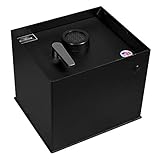
9. Stealth B1500 In-Ground Vault – a certified lock in a half-inch door
Stealth Floor Safe Made in USA B1500 In-Ground Home Security Vault High Security Electronic Lock
1/2 inch solid steel plate door
12 gauge steel body
3 x 1 inch solid steel bolts
73 pounds, made in USA
Pros
- UL rated high security electronic lock with hardplate and relocker
- Half-inch steel plate door and 12 gauge body with three 1 inch bolts
- Internal steel dead bar adds a second barrier against prying
- Piston assisted heavy duty hinge makes the door easy to open
- Made in the USA and sized to recess into a standard floor opening
Cons
- Premium pricing
- well above every other model in the roundup
- Electronic lock needs batteries and a key as backup
- Not water resistant so in-ground use needs moisture management
- Only 26 reviews so less long-term owner feedback
The Stealth is the only model here with a certified lock. The electronic mechanism is a UL rated high security lock with a hardplate and relocker over it, which is a different category of claim from any bolt count in a product listing. Relocker protection means the bolts re-engage if someone drives them back.
The rest of the build matches that standard. A half-inch solid steel plate door, a 12 gauge steel body, and three 1 inch solid steel bolts with a bolt detent and brushed nickel handle. Inside there is an internal steel dead bar, which gives you a second barrier once the door is open.
A piston assisted heavy duty hinge means the substantial door still opens easily, which is a real quality-of-life difference when you are kneeling on a basement floor at night.
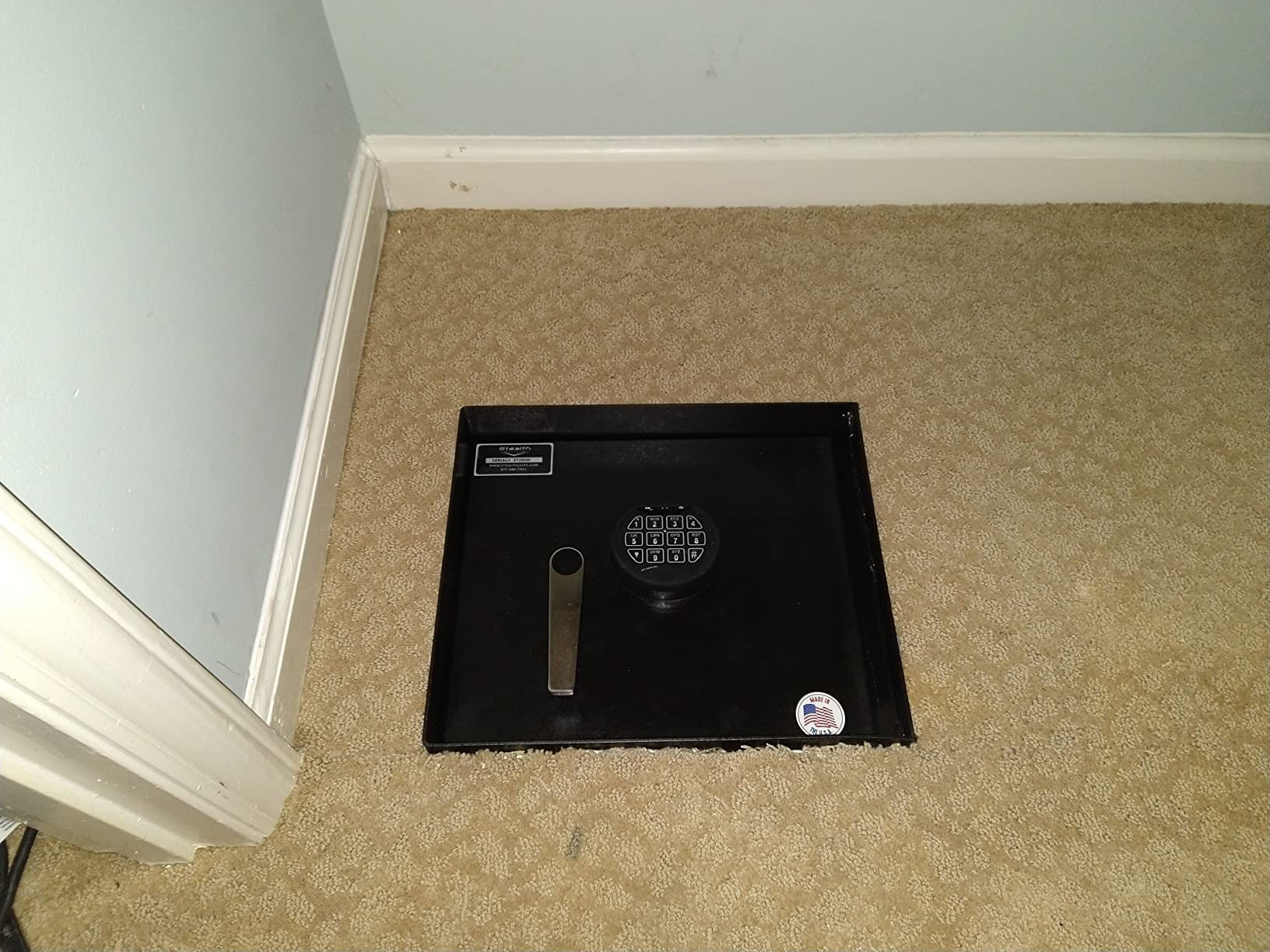
It is made in the USA and sized at 12.38 by 14.5 by 12.38 inches, which fits a standard in-ground opening. At 73 pounds it is a fixed commitment once installed.
Twenty-six reviews is a small base, and we would rather say that plainly than pretend otherwise. Owners consistently endorse the lock, the door and the dead bar, and there is little negative feedback beyond the batteries and the moisture point.
Is the certified lock worth the extra spend?
It matters when the cash is a meaningful fraction of your assets. A UL rated electronic lock with a hardplate and relocker resists attacks that a budget key cylinder does not, and you can point to a certification rather than a marketing phrase.
For travel cash and a spare key it matters much less. The Yale earlier in this list gives you the same concealment for a fraction of the outlay, and that is where most households should stop.
What to watch with the electronics
Batteries. An electronic lock below ground level needs a routine, and a dead battery in a locked safe is a locksmith call. Change them on a fixed annual schedule, write it on the household calendar, and keep the mechanical key somewhere sensible but never inside the safe.
Water is the other caution. The unit is listed as not water resistant, so the same desiccant and sealed bag approach that applies to the Protex applies here.
10. Relaxdays Mini Vault – small cash box for plain sight storage
Relaxdays Home Safe with Keys, Double-bit Lock, Fix to Wall/Floor, Mini Vault, HWD: 17 x 23 x 17 cm, Grey, Gray
Approx 17 x 23 x 17 cm
Double-bit lock with 2 keys
2.77 kg
Felt insert for A5 documents
Pros
- Compact with no protruding dial so it blends with furniture or shelving
- Easy to fix to a wall floor or piece of furniture with supplied hardware
- Felt insert sized for A5 documents keeps papers tidy
- Light at 2.77 kg so it can be moved without help
- Double-bit lock with two keys supplied
Cons
- Owners state plainly it is not a safe in any rated sense
- If found in an empty home it can be prised off the wall or out of furniture
- Thin steel at this size offers no resistance to a determined attacker
- Suits small items only such as cash medication razors and documents
The Relaxdays sits at the opposite end of the category from the Stealth. It is a 2.77 kg alloy steel mini vault with a double-bit lock, two pre-drilled holes on the back and bottom, and mounting hardware to fix it to a wall, floor or a piece of furniture.
What makes it interesting here is the concealment method. There is no protruding dial to catch the eye, so fixed inside a wardrobe, a bookshelf or under a desk it simply reads as part of the furniture. That is a different and easier discipline than hiding a floor safe under a rug.
The felt insert sized for A5 documents is a nice touch for passports, house deeds and insurance paperwork kept with a travel cash reserve.
Who is this for?
People in flats, rentals and apartments with no slab to cut. People who want a second layer next to the main floor safe rather than a second excavation. And anyone who needs to move the storage location regularly, which at this weight needs no more than two hands.
Owners are honest about the category. Several reviews state plainly that it is not a safe in any rated sense and carries no insurance rating, which is the correct frame for a lockbox.
Why owners advise caution
The steel is thin at this size. If a burglar locates it in an unoccupied house and has a pry bar, it comes off the wall. The mounting hardware is what turns it from a container into a fixed container, and skipping that step removes most of its value.
Keep the scope tight as well. Cash, medication, razors and small documents are what this size handles well. Anything requiring flat storage for a long period deserves a larger box.
B-rate vs C-rate: what the ratings actually mean for a floor safe
A B-rate safe has a half-inch solid steel door. A C-rate safe has a one-inch solid steel door. These are informal industry shorthand built around door steel thickness, and on a floor safe that is the only rating that carries real information.
Here is the counterintuitive part. On an above-ground safe, a rating describes the whole container. On a floor safe, the body is surrounded by concrete, so the rating effectively describes the door alone, because the door is the only part a thief can reach.
Nobody should expect to see a UL burglary rating on any floor safe. UL does not publish a test protocol suited to a product that is cast into concrete, so there is no certificate to look for. Buyers who arrive expecting an RSC, TL-15 or TL-30 number will not find one, and that is a property of the category rather than a shortfall in a particular model.
What you can compare is steel thickness. When a listing states door thickness, that number is the whole security conversation. Six millimetres is a deterrent. Ten millimetres resists ordinary prying. Half an inch is a genuine obstacle and the point at which professional safe companies start paying attention.
Dial, keypad or key: which lock should you buy for a floor safe
For most home floor safes, a mechanical dial is the recommendation, and specifically a UL listed Group II combination lock. It has no battery, no electronics to corrode in a damp recess and no default code left in the manual.
Keypads win on convenience. No key to lose, no key in a jacket pocket, and programmable codes let you give a cleaner or contractor temporary access. Three models in this roundup pair a keypad with spare keys and an external battery case, which answers the usual objection.
Plain keys win on simplicity and cost, and the skeleton and double-bit styles in this roundup are deliberately awkward to pick. The failure mode is losing one, or a household member pocketing it.
Two cautions. Never store the emergency key or the written combination inside the safe. And check the warranty wording before choosing an electronic lock, because some manufacturers treat a floor safe with an installed digital lock differently.
How to store cash inside a floor safe without ruining it
No floor safe is waterproof, so cash management is your job. Seal bank bundles in moisture-proof pouches before they go in, and do not rely on the safe itself to keep humidity off paper currency.
Add a silica gel desiccant pack to the chamber and replace it on a schedule. Condensation forms when a cool basement safe warms up, and damp notes that sit against each other can develop spotting and musty odours within a season.
Avoid rubber bands around bundles. They shrink, stain and can bleed ink onto notes. Paper bands or a proper bank strap keeps a brick of currency flat and clean, and flat matters in the shallower models where everything stacks.
Think about weight as well as volume. Coins are dramatically heavier than notes, so a safe that swallows three bundles of notes may not accept a jar of change. Weight also affects how you lift the lid, and a top-opening door plus a heavy load is the combination that produces back strain.
Keep an inventory list outside the safe with the date and an estimate of value. If a claim is ever needed, a contemporaneous list is worth more than a memory, and it takes ten minutes to write.
Installing a floor safe: cut an existing slab or pour a new one
Four inches of concrete on every side and below is the standard encasement rule. That clearance is what turns a box into something nobody can pull out, and it is also why a safe has to be planned rather than picked up from a shelf on a Saturday.
Cutting into an existing slab is the risky path. Drill starter holes around the outline, cut the kerf with a reciprocating saw or a concrete saw, clear the rubble, and set the body so the flange sits on the slab surface. Before any of that, map the slab for reinforcement, plumbing and in-floor heating. Hitting a pipe turns a weekend into a bill.
Pouring into new construction is far easier. Specify the safe, let the installer set the body, and pour around it with four inches of clearance. A construction seal or cover plate protects the door and lock during the pour and the finish work.
Never anchor a floor safe from the inside. It defeats the concrete that makes the safe immovable and voids the warranty. The fixings go through the flange into the slab, and nothing else.
Placement matters as much as the safe. Workshops, garages and unfinished basements are the first rooms searched, while walk-in closets, under-stairwell cavities and shop cupboards see far less traffic. Safe technicians advise avoiding bedroom closets and dresser drawers for the same reason.
Floor safe vs wall safe vs above-ground safe vs safe deposit box
Each option trades one strength for another, so the honest answer depends on what you are worried about.
A floor safe wins on concealment and on resistance to removal, and loses on fire, water and portability. A wall safe wins on install simplicity and on being movable, and loses badly on discovery because a burglar opening closets will find one.
An above-ground burglar-fire safe wins on certification, because it can carry a UL burglary rating and a tested fire class that no floor safe can. It loses on visibility, and on floor space.
A gun safe wins on anchoring and lock certification for firearm storage. It is not the right product for currency, and firearms need their own legal and safety handling.
A safe deposit box wins on physical security and loses on access, because you can only reach it during bank hours. For cash you might need at short notice, that limitation defeats the purpose.
Frequently Asked Questions
What is the best safe for storing cash at home?
For most households a floor safe is the best concealed option, because nothing visible points to the stash. The Yale Y-FLS0000 is the strongest all-round pick at a 4.6 rating from 1145 owners, and it installs between floor joists without cutting concrete.
How secure is a floor safe?
A floor safe is secure mainly through concealment, not through a rated door. Once set flush in concrete it cannot be carried off, and only the steel door can be reached. A 6mm door deters opportunists, 10mm resists ordinary prying, and a half-inch door is a real obstacle.
Are floor safes fireproof or waterproof?
No. Most manufacturers state plainly that floor safes are neither. The exposed steel door carries no fire insulation, and water reaches the interior through the lock and bolt holes. Seal cash in moisture-proof pouches and add a desiccant pack.
Which lock should I buy for a floor safe?
A mechanical dial, ideally a UL listed Group II combination lock, is the usual recommendation because it has no battery to fail in a damp recess. Keypads are more convenient and let you issue temporary codes, but keep emergency keys outside the safe.
Can I install a floor safe in a wood floor?
Yes. Several models in this roundup are designed to be fixed to floor joists or under floor boards with supplied bolts rather than cast into concrete. Check joist spacing first and scab extra timber on if the opening needs tightened.
How do I hide a floor safe?
Choose a low traffic room such as a walk-in closet, under a stairwell cavity or a workshop cupboard rather than a bedroom closet or dresser drawer. Finish the flange flush and lay a rug or runner over it so there is no visible edge or protruding dial.
Our verdict on the best floor safes for cash at home
The Yale Y-FLS0000 is our pick. With 1145 owner reviews at 4.6 stars it is the best proven model here, it disappears completely under flooring, and it needs no slab cutting. If you want a thicker door and can handle the weight, the Viking VS-15FL takes the next step up in steel.
Go deeper only when the cash justifies it. The Protex IF-1500C and the Stealth B1500 are the two models that turn a hiding place into a real obstacle, and both ask you to cut a hole in a concrete floor. For large volumes, the 5.2 cubic foot Aprxuvot holds more than anything else here.
Whatever you choose, seal the cash, add a desiccant, keep the key or code somewhere separate, and write down what is inside. The best floor safes for cash at home are the ones that are installed properly, hidden well and opened often enough to be useful.