

First, the correction that matters more than any pick on this page: a carbon dioxide (CO2) monitor does not detect carbon monoxide (CO). Several AI-generated buying answers now recommend indoor air quality monitors like the Aranet4 or the INKBIRD sensors for carbon monoxide, and those devices are useless against CO. CO is the colorless, odorless gas produced by an improperly vented fuel-burning appliance, and it needs a dedicated CO alarm with an electrochemical sensor.
That matters most below grade. Your furnace, water heater, boiler and often the flue from an attached garage all sit in or below the basement, which is exactly where the gas is produced, where it can pool, and where an alarm upstairs is hardest to hear. A finished basement bedroom or office is the worst case in a home, because someone sleeps or works there for hours at a stretch with a door closed.
So yes, put a carbon monoxide detector in the basement, and treat it as part of a whole-home plan rather than a single purchase. Below we rank nine carbon monoxide detectors for basements by sensor type, power source, mountability at low height, outage resilience and the size of their verified review base. Every pick here is a dedicated CO alarm, and we say plainly which ones suit a utility closet, which ones suit a finished bedroom, and which ones only make sense as a budget add-on.
We did not put these units in a test chamber. What we did was work from the manufacturer specifications, the published operating ranges, and thousands of owner reports that describe how these alarms behave in real below-grade conditions. Where owner feedback contradicts the spec sheet, we said so. We also avoided superlatives we could not verify against every product in the list.
One last note before the picks: if you are replacing an alarm that is more than a decade old, read the end-of-life section further down before you buy. An alarm past its service window gives false comfort, which is worse than no alarm because you assume you are covered.
Table of Contents
Top 3 Carbon Monoxide Detectors for Basements (October 2026)
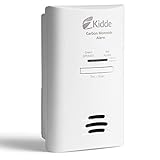
Kidde Plug-In CO Alarm
- Plug-in with AA backup
- Electrochemical sensor
- 85 dB siren
- Peak level memory
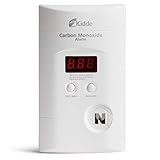
Kidde Plug-In CO Alarm…
- Digital CO readout
- 9V battery backup
- Peak level memory
- Mounting hardware included

First Alert Battery CO Alarm
- Battery powered
- Electrochemical sensor
- 85 dB alarm
- End-of-life chirp
Those three cover the three realistic basement situations: an outlet you already have, an outlet you have plus a display you can actually check, and no usable outlet at all.
All Nine Picks at a Glance in 2026
| Product | Specs | Action |
|---|---|---|
| Kidde Plug-In CO Alarm with AA Backup |
|
Check Latest Price |
| Kidde Plug-In CO Alarm with Digital Display |
|
Check Latest Price |
| First Alert Battery-Powered CO Alarm |
|
Check Latest Price |
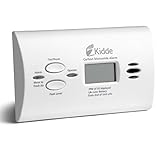 Kidde Battery CO Alarm with Peak Memory Kidde Battery CO Alarm with Peak Memory |
|
Check Latest Price |
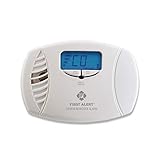 First Alert Plug-In CO Alarm with Display First Alert Plug-In CO Alarm with Display |
|
Check Latest Price |
 First Alert 10-Year Battery CO Alarm First Alert 10-Year Battery CO Alarm |
|
Check Latest Price |
 Siterlink Plug-In CO Alarm with 10-Year Backup Siterlink Plug-In CO Alarm with 10-Year Backup |
|
Check Latest Price |
 SITERWELL 4-Pack CO Alarms with LCD SITERWELL 4-Pack CO Alarms with LCD |
|
Check Latest Price |
 HEIMAN C1-S Mini CO Detector HEIMAN C1-S Mini CO Detector |
|
Check Latest Price |
1. Kidde Plug-In CO Alarm with AA Backup: Best Overall for Basements
Kidde Carbon Monoxide Detector, Plug-in Wall with AA Battery Backup, Test-Hush Button
Plug-in 120V
AA battery backup
Electrochemical sensor
10-year limited warranty
Pros
- Plugs into a standard outlet with no wiring
- Two AA batteries keep it live through an outage
- Slim body does not block the second outlet of a duplex receptacle
- Peak level memory logs the last alarm or test
- Works down to 10% to 95% relative humidity
Cons
- No digital CO concentration readout
- Low-battery chirp is easy to mistake for a smoke alarm chirp
- CO only
- not a smoke and CO combo
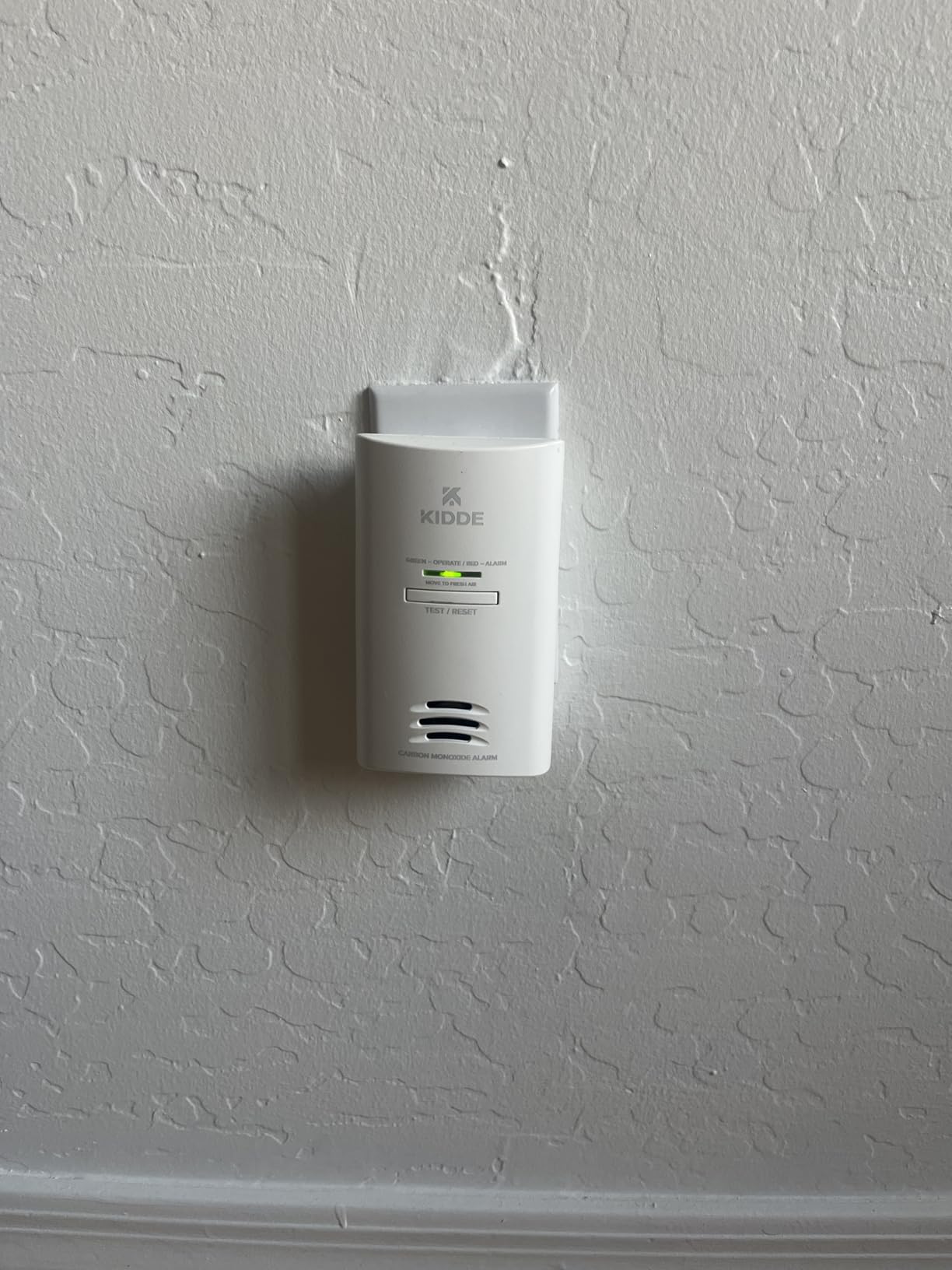
Model KN-COB-DP2 is the unit we keep coming back to for a basement outlet. It measures 1.5 inches deep by 2.75 inches wide by 4.05 inches tall and weighs 18 grams, which matters because a bulky plug-in alarm on a below-grade wall is easy to knock with a knee or a stored box.
The reason it earns the top slot is boring and important. It has the highest rating in this group at 4.7 stars across more than 35,000 ratings, and that volume of owner history is itself a safety feature, because it means a decade of field behaviour is documented rather than assumed.

Power is the quiet strength. It runs on a standard 120V outlet and carries two AA batteries for backup, so a tripped breaker or a summer power cut does not leave the furnace room unprotected. Owners describe replacing an identical unit only after the ten-year end-of-life signal, and several report the backup batteries still working without a swap.
The alarm itself is rated at 85 decibels, which is the figure that decides whether you hear it through a closed basement door. Peak Level Memory records the last time CO was detected or the unit was tested, so you can answer a simple question after the fact: did this thing ever see anything?
Why it fits a basement specifically
Because a basement outlet is the one thing you are guaranteed to have, and because the slim profile lets you place it low on the wall near the furnace room rather than at eye level. Its operating range of 10% to 95% relative humidity, non-condensing, is wide enough for a damp below-grade space as long as water is not dripping on it.
Where it falls short
There is no numeric display, so you cannot confirm a reading of zero or watch a value climb while you ventilate a boiler room. One reviewer also reported the alarm reacting to a propane range mis-fueled as natural gas, which is exactly the kind of nuisance event that trains people to ignore a real alarm later.
2. Kidde Plug-In CO Alarm with Digital Display: Best Value When You Want a Reading
Kidde Carbon Monoxide Detector, Plug-In with 9V Battery Backup, Digital Display, 85 dB Alarm, LED Status Light Indicators, 3rd Edition
Plug-in 120V
9V battery backup
Digital LED CO display
Peak level memory
Pros
- Numeric display shows the level being sensed
- Peak level memory stores the highest reading
- 9V backup included for outages
- Mounting hardware allows remote wall mounting
- Large 4.7 rating across 27k ratings
Cons
- Bulky body protrudes from the wall
- Can block the second outlet of a duplex receptacle
- Replaceable 9V battery needs periodic attention
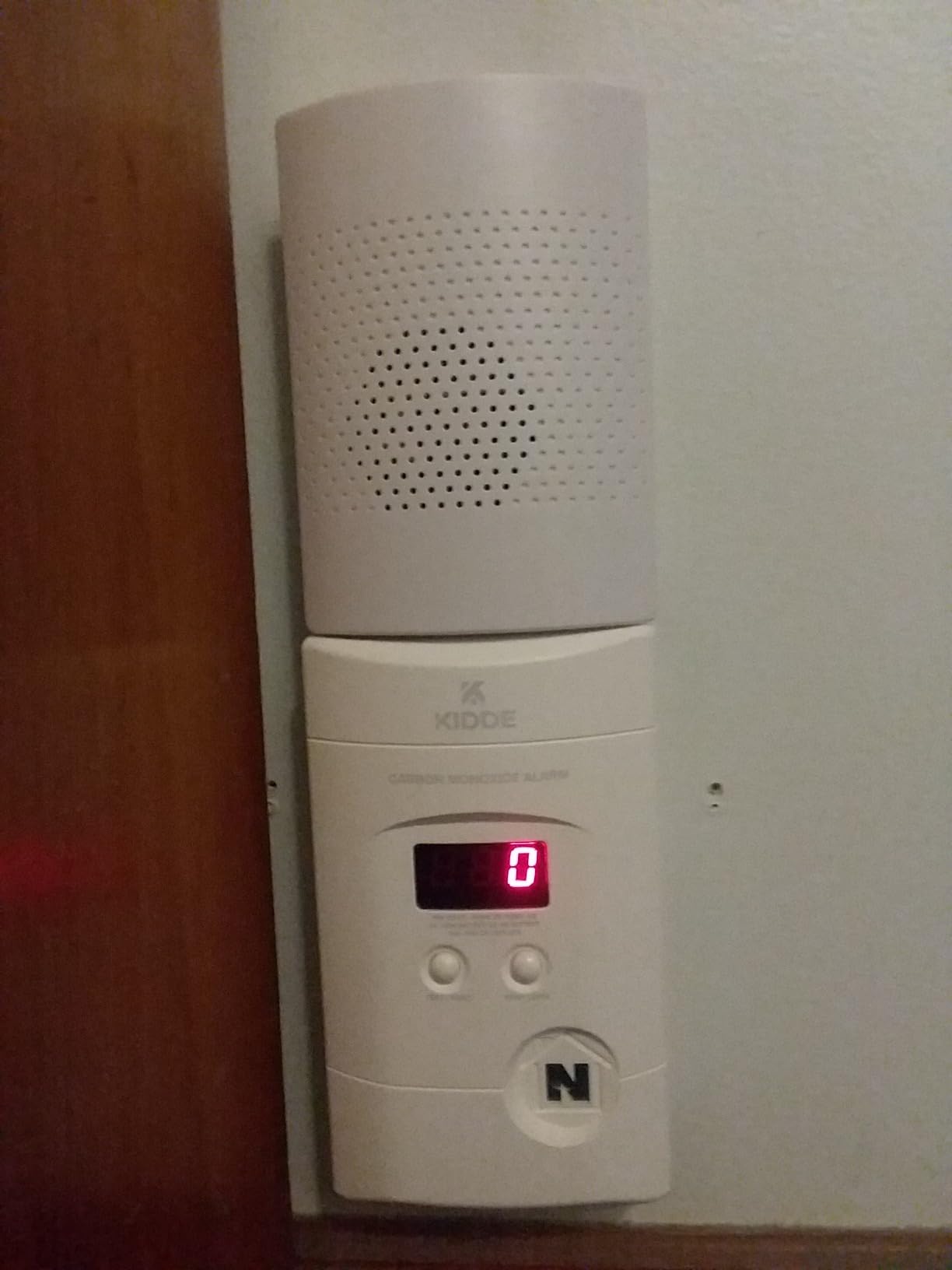
Model KN-COPP-3 is the pick when the number on the screen is the point. At 4.7 stars across roughly 27,000 ratings it sits just behind our top choice on volume, and it is the only plug-in unit in our top tier that reports the concentration it is sensing rather than just alarming.
That changes how you use it in a basement. Reviewers describe watching the display confirm zero before running a boiler, then watching the value climb while the room is ventilated. On a plug-in alarm with no display, you get no such signal at all.
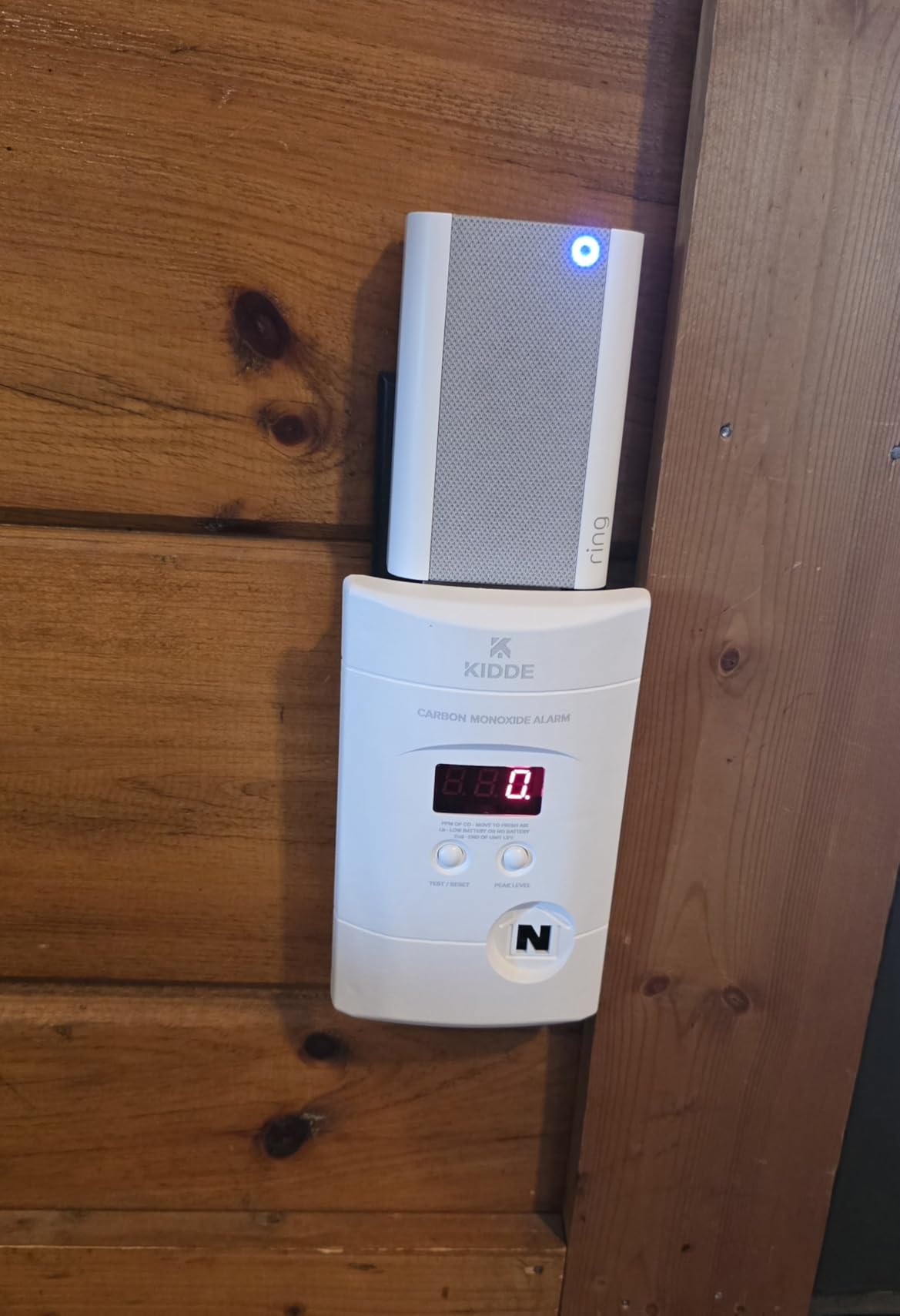
It is 1.75 inches deep by 3.75 inches wide by 6.06 inches tall in an ABS housing, with a 9V battery for outage backup and an 85-decibel alarm. Back cord storage lets the body sit away from the outlet, and the included mounting hardware lets you remote-mount it on a wall where no receptacle exists.
The box contains the alarm, one 9V battery, a mounting hardware packet for the wall-mount option and the manual. That hardware packet is the detail most basement owners care about, because it is what turns a plug-in unit into a low-wall-mounted unit.
Why it fits a basement specifically
Two reasons. The display lets you distinguish a nuisance event from a real one, and the supplied mounting hardware lets you put it at the correct low height away from a busy outlet. Owners also report it catching slow CO build-up from aging gas boilers, which is precisely the failure mode in a basement mechanical room.
Where it falls short
It is physically large for a wall-mounted alarm and protrudes noticeably from the receptacle, so it draws attention in a finished room. It also blocks the second outlet of a duplex receptacle when plugged straight in, and the 9V backup battery is user-replaceable, so it needs checking rather than forgetting.
3. First Alert Battery-Powered CO Alarm: Best for Basements With No Usable Outlet
First Alert Battery Carbon Monoxide Alarm
9V battery powered
Electrochemical sensor
85 dB alarm
End-of-life chirp
Pros
- Mounts anywhere with no outlet or wiring
- Electrochemical sensor rated for detection anywhere in a room
- Includes a 9V battery so it works out of the box
- Compact unobtrusive profile
- Also used as a portable travel and vehicle alarm
Cons
- No digital CO concentration readout
- 9V battery needs periodic manual replacement
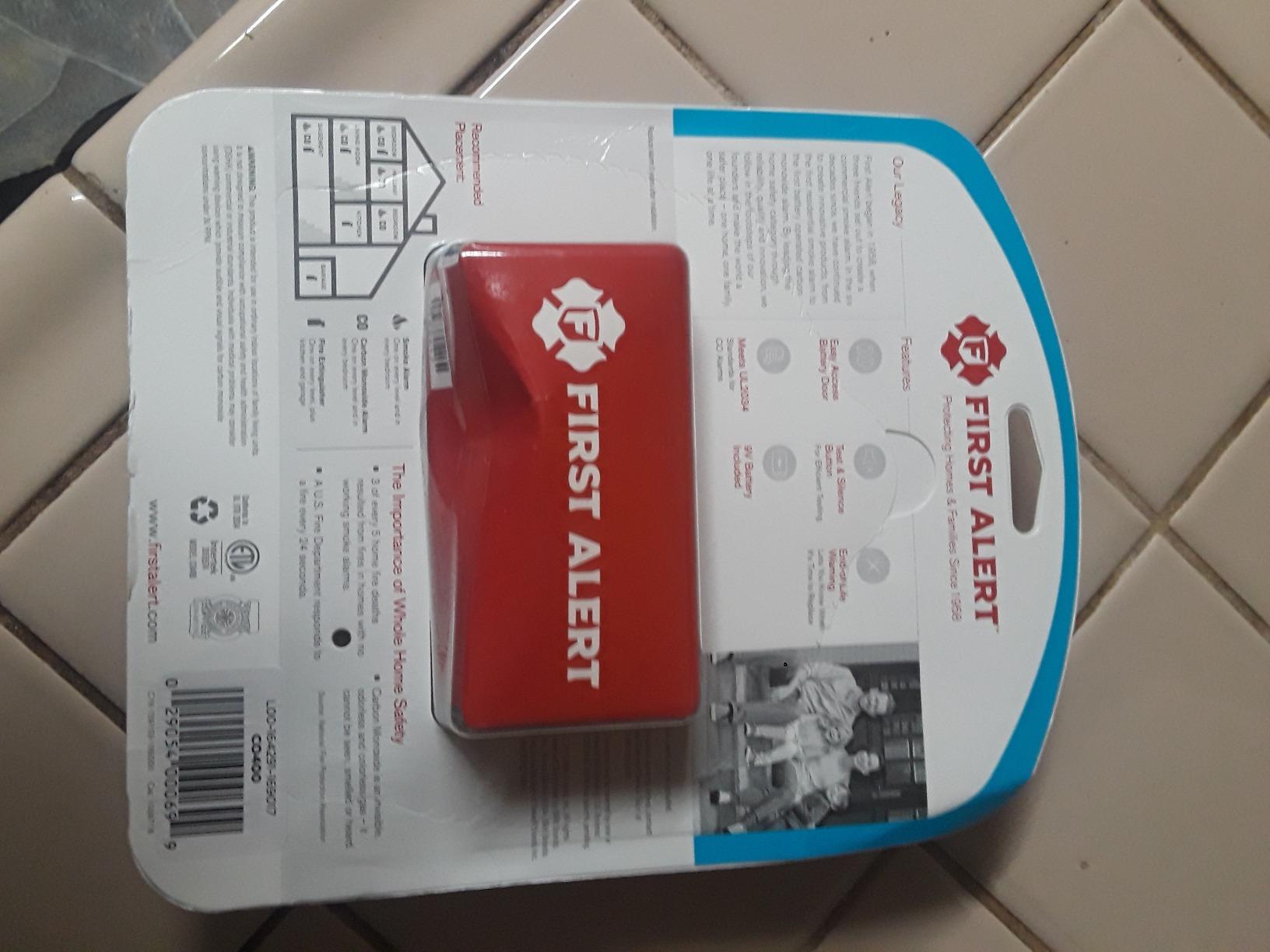
The CO400 is the answer when wiring a basement is a non-starter. It runs entirely on a 9V battery, so it mounts on a joist, a shelf or the side of a furnace cabinet with no electrician and no circuit, and it keeps working through a power failure by definition.
At 4.6 stars across nearly 22,000 ratings it has the second-deepest owner history in this lineup, and First Alert states all of its CO alarms are rigorously tested to meet UL standards. The sensor is electrochemical, and the manufacturer specifies that it detects accurately regardless of where in a room the unit is placed.
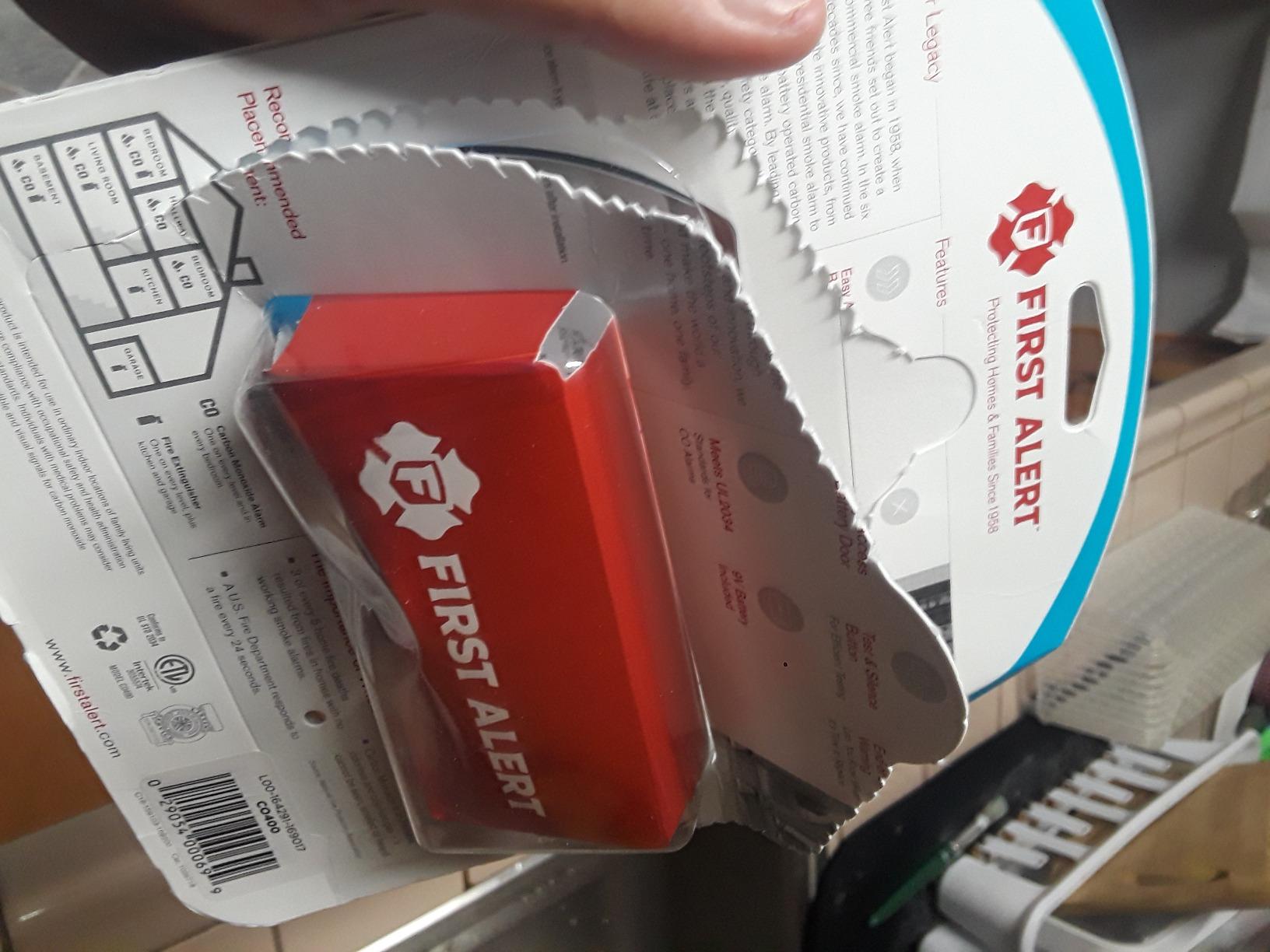
Several owners make a point that matters for this topic: mounting the unit low, close to the floor, helps it pick up CO sooner. That is the same physical principle installers describe when they put hardwired units three to five feet off the floor near a downstairs furnace.
The package includes the alarm, a mounting bracket, the user manual and a 9V battery. Dimensions are 1 inch deep by 5 inches wide by 3 inches tall at 11.2 ounces, and the unit carries a 5-year limited warranty with an end-of-life chirp so you know when it needs replacing.
Why it fits a basement specifically
Battery power removes the single biggest obstacle in a finished basement, which is getting a wire to an alcove with no electrical access. It also means you can add a second unit on a different wall, or cover a laundry room and a mechanical room separately, without opening drywall.
Where it falls short
No display, so it gives you nothing before the alarm sounds. The replaceable 9V battery is a recurring small task, and a five-year warranty is shorter than the ten-year coverage on several picks here. That is the trade for freedom of placement.
4. Kidde Battery CO Alarm with Peak Level Memory: Best for Portable Basement Placement
Kidde Carbon Monoxide Detector, AA Battery Powered CO Alarm with LEDs, Test-Reset Button, Low Battery Indicator, Portable
Two AA batteries
Electrochemical sensor
Wall or tabletop mount
Peak level memory
Pros
- No wiring needed and runs on two included AA batteries
- Wall or tabletop mounting suits utility rooms
- Green power LED and red CO LED give clear status
- Peak level memory logs the last alarm or test
- UL listed with a 10-year limited alarm warranty
Cons
- No numeric CO concentration display
- AA batteries need periodic replacement
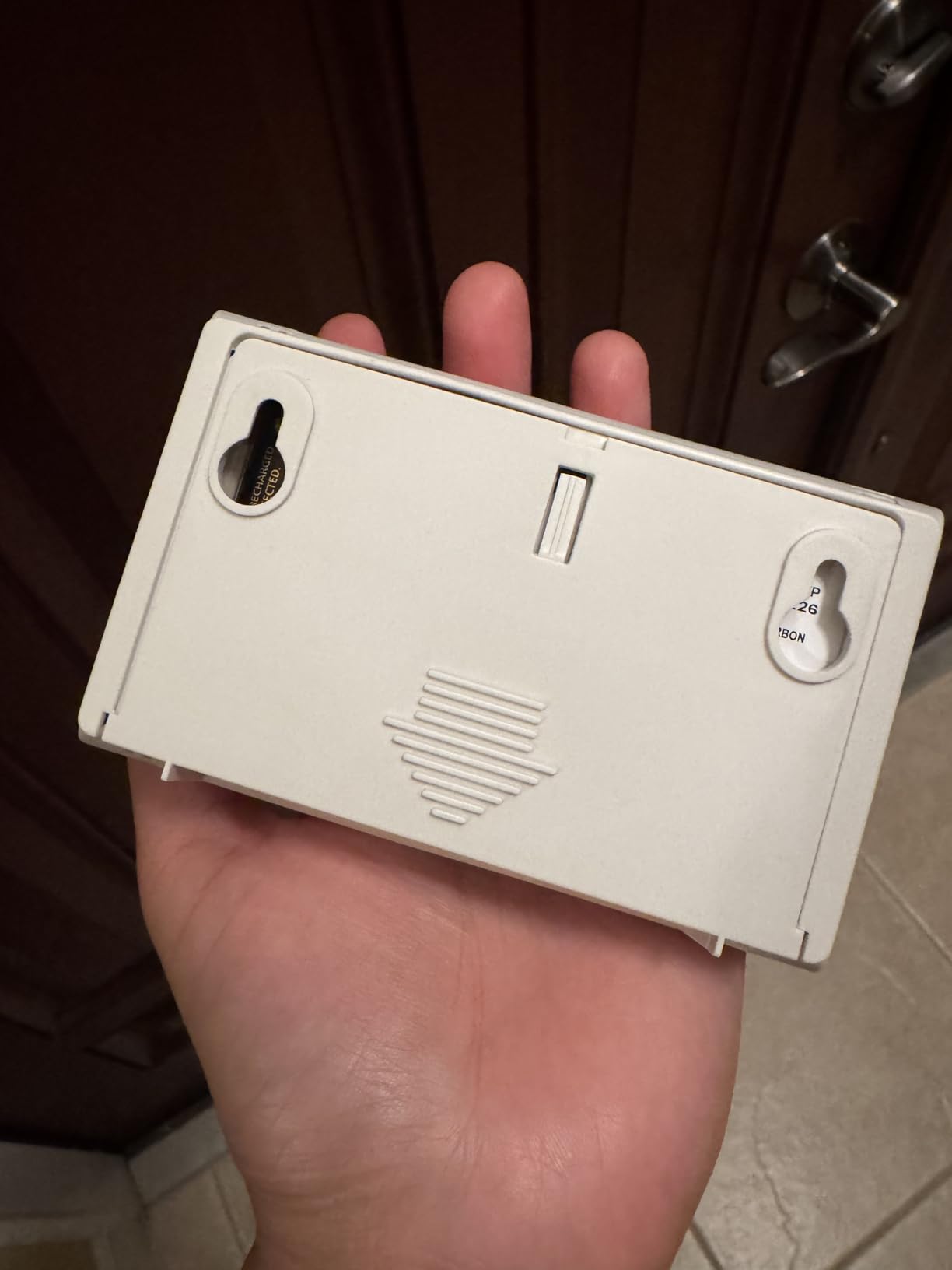
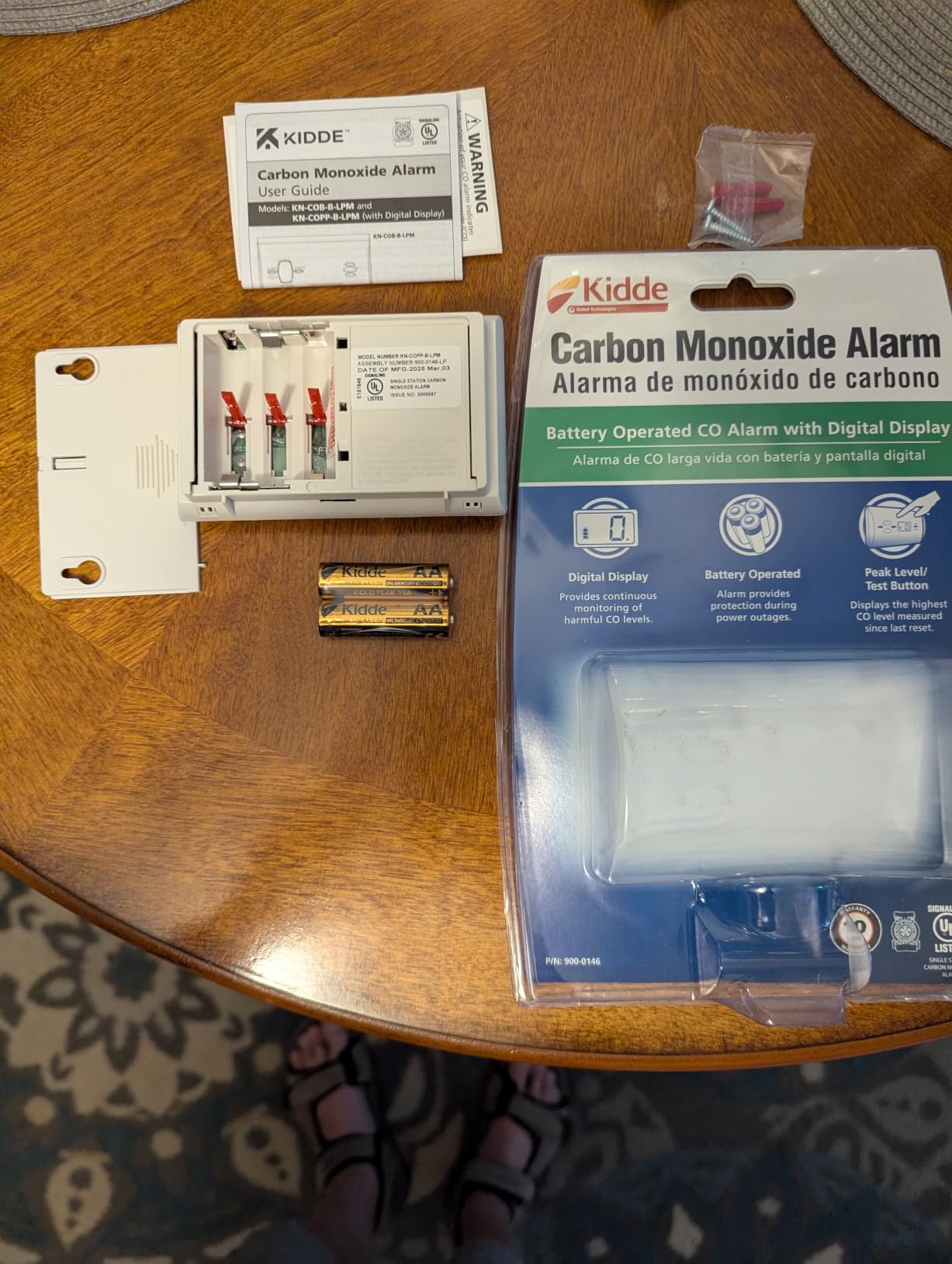
The KN-COPP-B-LPM is the unit we would hand to someone who wants to check a space rather than permanently monitor it. It is small at 1.5 inches deep by 4.5 inches wide by 2.75 inches tall, it runs on two AA batteries, and it works just as well sitting on a shelf as screwed to a wall.
That flexibility is the basement advantage. In a mechanical room with exposed joists you can wall-mount it; in a finished laundry area with finished walls you can stand it on a shelf three to five feet off the floor and get the same sensing behaviour.
Ratings sit at 4.7 across nearly 20,000 reviews, with roughly five in six ratings at five stars. Buyers consistently name the wire-free setup, the LED status indicators and the mounting options as the reasons, and consistently name the missing display as the thing they would change.
Peak Level Memory records the last time CO was detected or the unit was tested, and the test-hush button lets you clear a low-battery chirp temporarily instead of ripping batteries out. Operating humidity runs from 5% to 95% relative humidity, non-condensing, and the alarm is rated at 85 decibels.
Why it fits a basement specifically
Two AA batteries and no wiring make it the fastest retrofit in a finished space, and the tabletop option means you are not dependent on joist access. Kidde lists this unit as UL listed with a 10-year limited manufacturer warranty on the alarm.
Where it falls short
No digital readout, so you cannot confirm a zero reading or track a rising value. It is also the lightest option here by a wide margin, which is useful in a portably but means it is easier to knock off a shelf, so a wall bracket in a traffic area is the better call.
5. First Alert Plug-In CO Alarm with Digital Display: Best for Reading a Boiler Room
First Alert Plug in Carbon Monoxide Alarm with Digital Display
Plug-in 120V with 2-AA backup
Digital CO display
Peak level memory
85 dB alarm
Pros
- Display shows the level currently being sensed
- Peak level memory shows the highest reading measured
- Dual power with 2-AA battery backup for outages
- Electrochemical sensor with an 85-decibel alarm
- End-of-life chirp with a 7-year limited warranty
Cons
- Must be mounted at an outlet so placement is fixed
- Highest price among the plug-in display units here
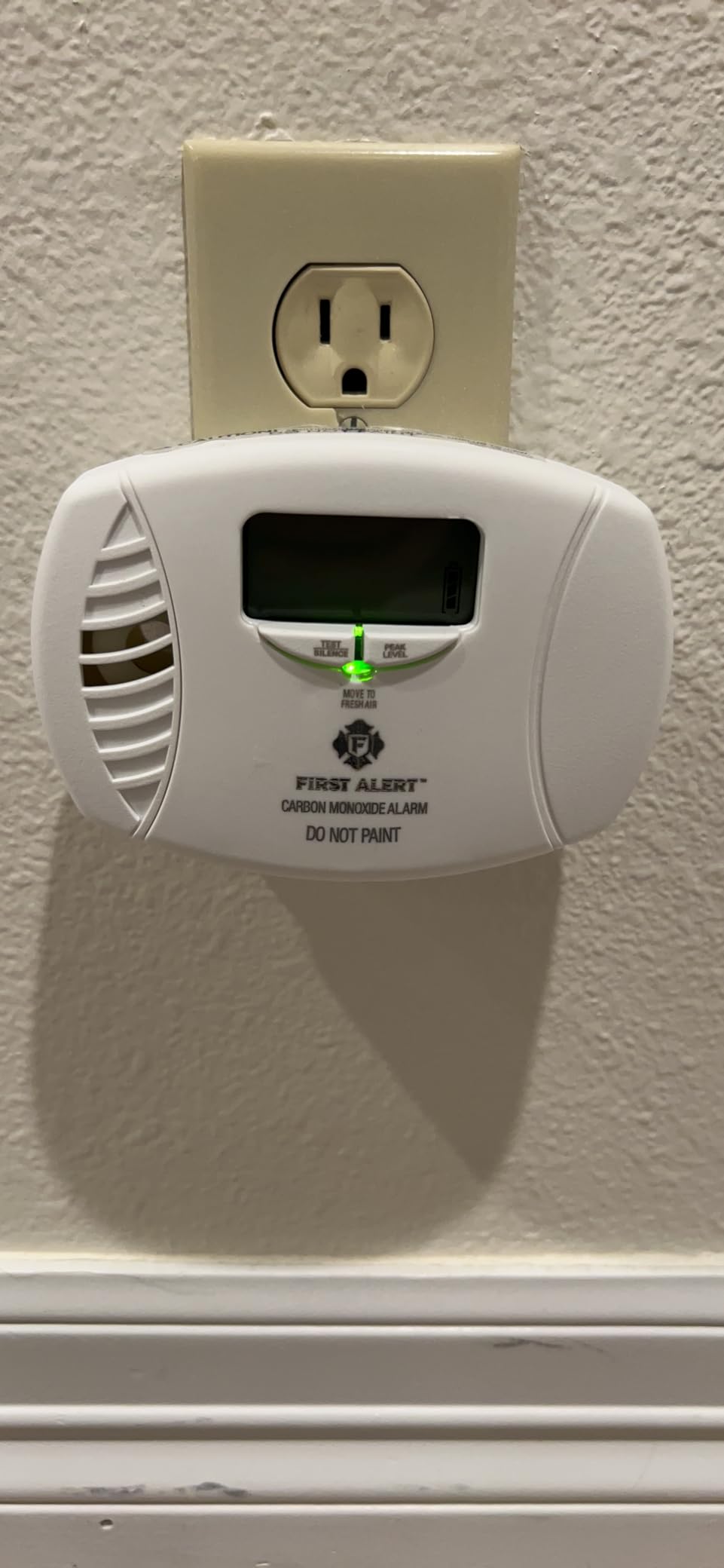
The CO615 is the display-and-outage combination in one housing. It runs on AC from the outlet and carries two AA batteries underneath, so the screen keeps reporting and the alarm keeps sounding during a power failure, which is the same resilience profile the Kidde plug-ins offer but with a readout.
At 4.6 stars across more than 8,800 ratings it sits in the middle of this lineup on review volume, which is still a substantial owner base for a life-safety device. First Alert states its CO alarms are rigorously tested to meet UL standards.
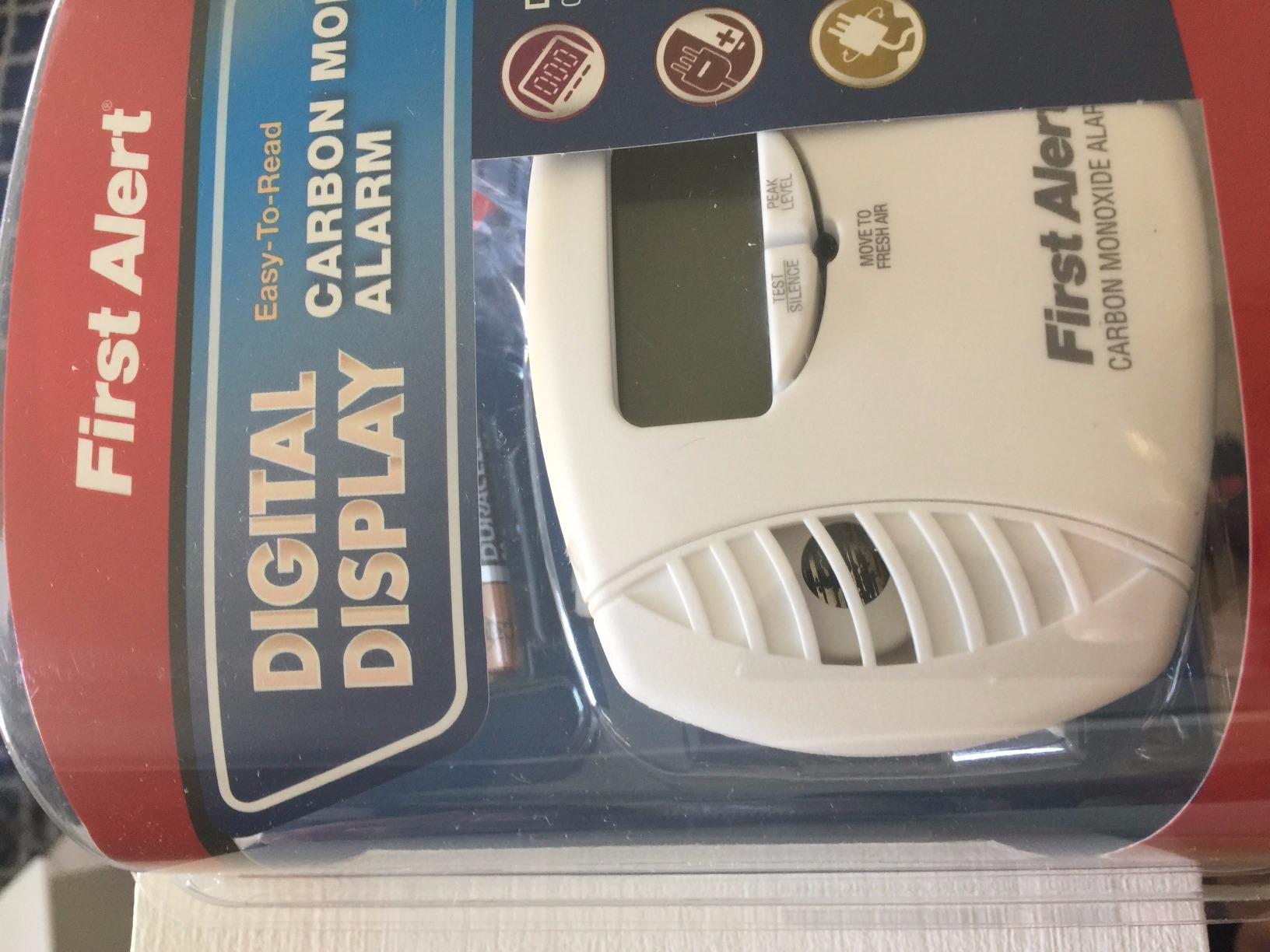
Owners use the display to confirm a safe reading rather than to wait for an alarm, and Peak Level Memory shows the highest concentration the unit has measured since it was last cleared. That is the feature that tells you whether last night’s furnace restart produced anything worth investigating.
It measures 1.7 inches deep by 5 inches wide by 3.4 inches tall at 10.4 ounces. The listed operating humidity is 10-95% RH, the alarm is 85 decibels, and the box contains the alarm, two AA batteries, the user manual, and a mounting bracket.
Why it fits a basement specifically
Dual power plus a display is the combination a furnace room wants. If the branch circuit trips during a storm, the batteries hold the display live so you can see whether the room is safe before you walk in, and the end-of-life chirp tells you when the unit itself is no longer trustworthy.
Where it falls short
Outlet-bound placement is the real limitation. If the nearest receptacle is across the room at counter height, the display will not be where you need it, and unlike the Kidde KN-COPP-3 this unit does not ship with the hardware to remote-mount away from the receptacle.
6. First Alert 10-Year Battery CO Alarm with Digital Display: Best for Travel and Rentals
First Alert 10-Year Battery Carbon Monoxide Alarm with Digital Display
Sealed 10-year lithium battery
Backlit CO display
Temperature readout
Peak level memory
Pros
- Sealed battery means no battery changes for the alarm's life
- Backlit display shows CO concentration and room temperature
- Peak level memory displays the highest reading
- Wireless so it needs no outlet at all
- 10-year limited warranty with end-of-life chirp
Cons
- Display shows temperature but no live zero confirmation at idle
- One reviewer reported shorter-than-expected battery life
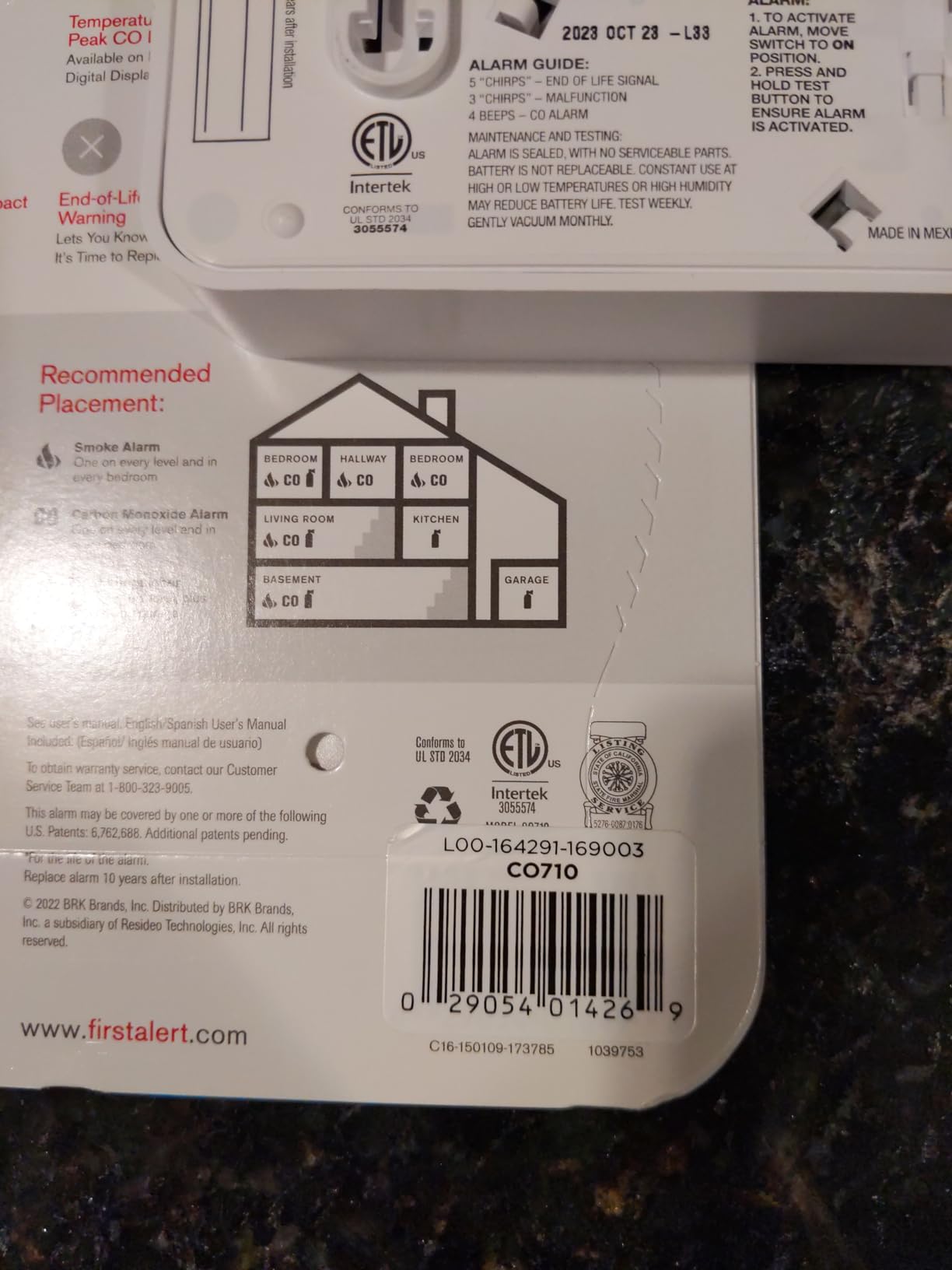
The CO710 is the only unit here with a sealed 10-year lithium battery and a backlit display, which makes it the natural pick for a basement rental where you cannot expect a tenant to service a 9V cell and where you want the alarm to outlive the lease.
It measures 0.9 inches deep by 4.8 inches wide by 2.6 inches tall at 6.4 ounces, in a plastic housing rated for 10-95% RH. It is fully wireless and standalone, so it can sit on a shelf or a dresser with no outlet anywhere in sight.
The reviews skew heavily toward travelers and boat owners who use it in hotels, campervans and catamarans, and several owners describe a unit that ran close to its full ten years before the end-of-life chirp. In a basement utility room, that same sealed cell removes the most common failure mode people ignore until the protection is gone.
Peak Level Memory displays the highest concentration the unit has measured, and the 85-decibel alarm plus end-of-life chirp are paired with a 10-year limited warranty, so the service window and the warranty window line up.

Why it fits a basement specifically
A sealed battery is the right call anywhere a finished basement means no easy access to the unit, and the backlit display is readable in an unlit mechanical room where you would otherwise be squinting at a dark LED. It also carries a temperature readout, which is useful in a space where freezing conditions are a question.
Where it falls short
The most common request in the reviews is that the display show CO at zero when idle, and it does not. There is also a smaller owner base here than on the major-brand plug-ins, and one reviewer reported shorter-than-expected battery life on an early unit.
7. Siterlink Plug-In CO Alarm with 10-Year Backup: Best Compact Option
Siterlink Carbon Monoxide Detectors Plug in,10 Year Replaceable Battery
AC plug-in with 10-year backup
Electrochemical sensor
Foldable travel plug
Soft green indicator
Pros
- Plug-in operation with a built-in 10-year battery for outages
- New-generation electrochemical sensor aimed at fewer false alarms
- Foldable plug packs flat for travel
- Green breathing-style light is easy to sleep beside
- Tool-free setup with no wiring
Cons
- No digital CO concentration display
- Small review base means limited long-term field history
The Siterlink A4602A-7 is the one pick here whose selling point is physical: a foldable plug. It collapses flat, so the same alarm can live at a basement outlet through the winter and travel in a carry-on without a second device.
It combines AC plug-in power with a built-in 10-year battery backup, which means an outage does not open a hole in coverage. The sensor is electrochemical, and the manufacturer specifies it is engineered to reduce false alarms.
Setup is genuinely tool-free. Unfold the plug, insert it into a standard outlet, done. There is no bracket to find and no battery compartment to open, which matters when the outlet is behind a finished basement wall or in a tight crawlspace-adjacent alcove.
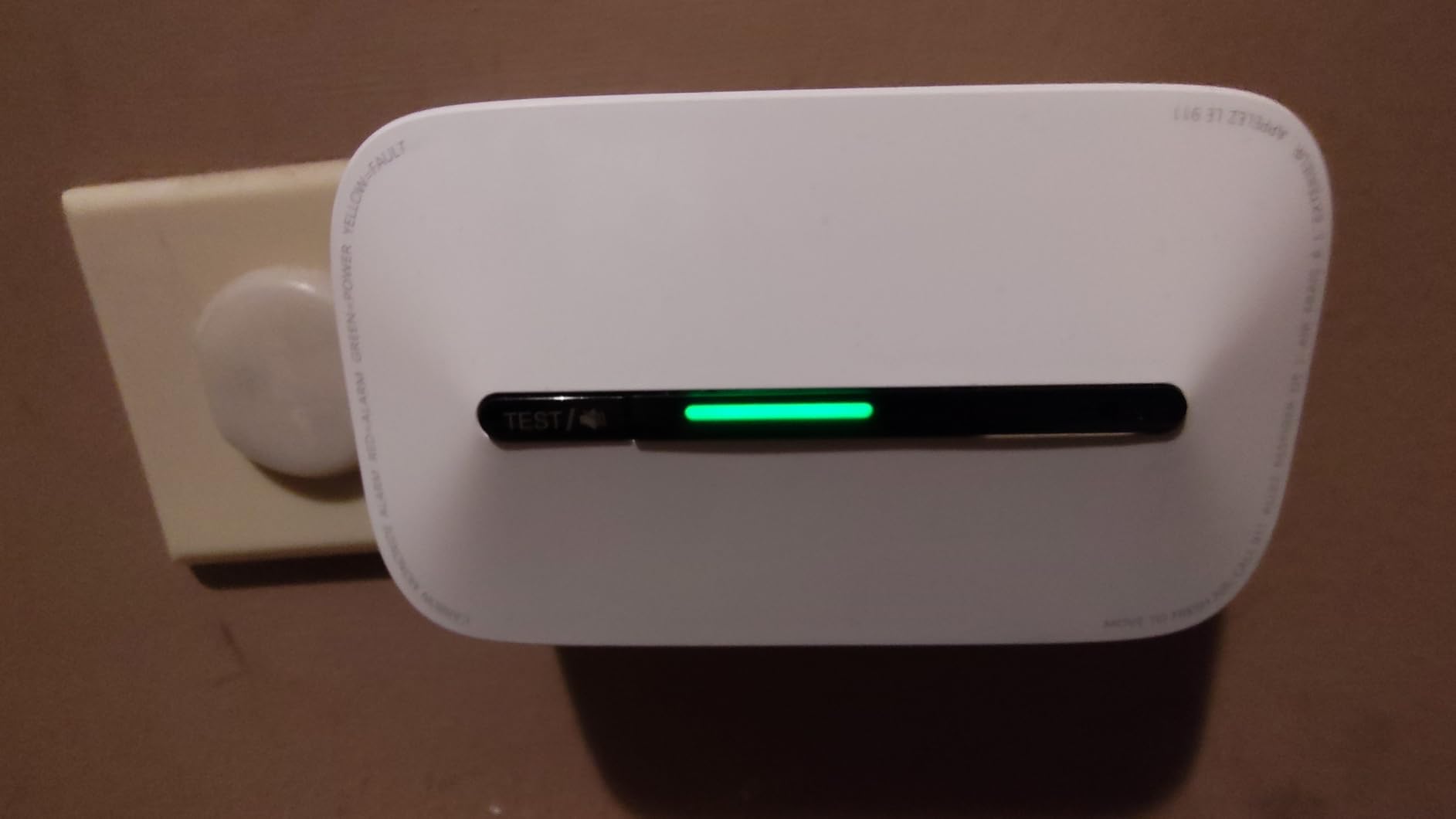
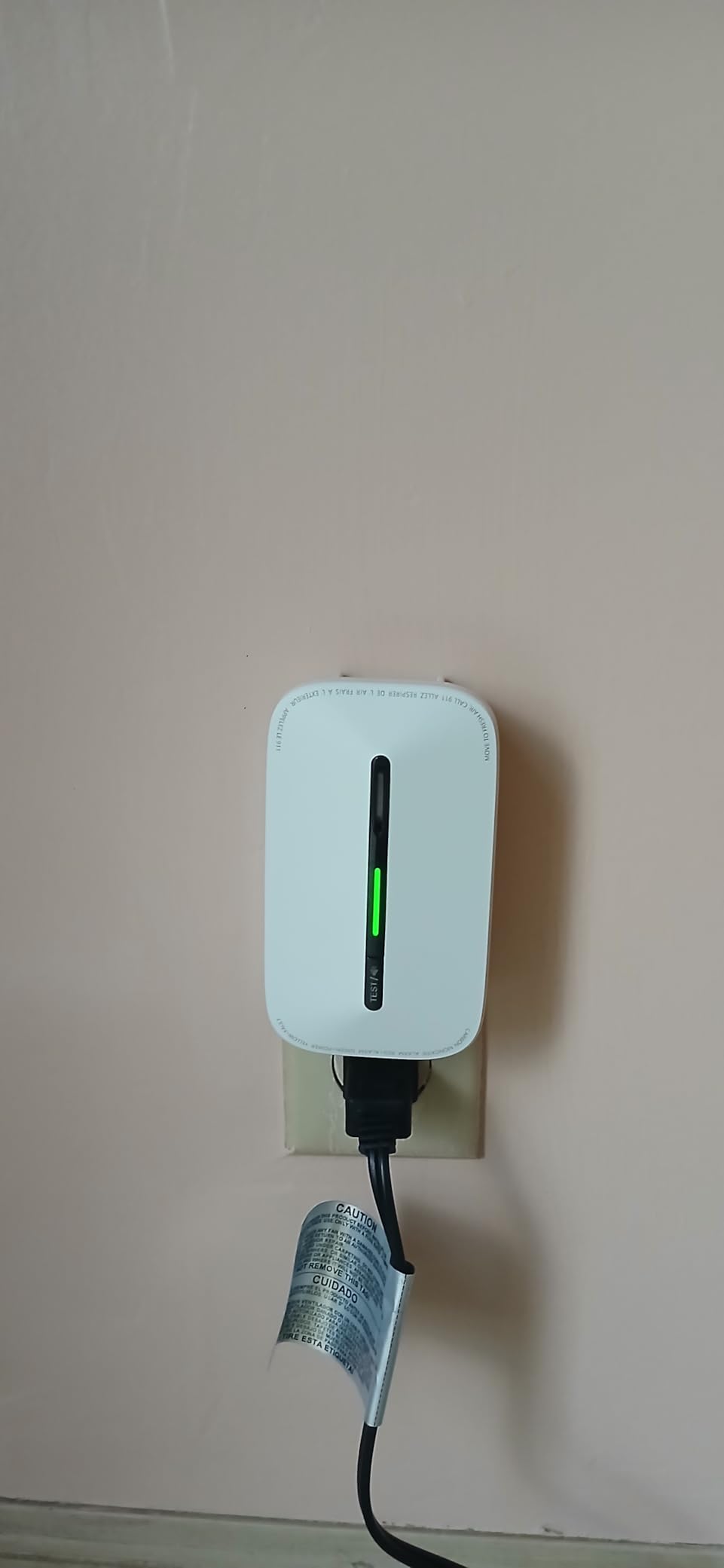
The status light is the detail owners mention most. It is a soft green breathing-style indicator designed to pulse at the rhythm of human respiration so it will not disturb sleep, with a steady green LED meaning stable power. It sits in an ABS housing and is rated for standard residential use.
Why it fits a basement specifically
It suits a finished basement bedroom where an LED you have to live beside matters, and it covers outages for ten years without servicing. The foldable plug also makes it usable as a spot-check alarm you carry to a storage room or a detached building.
Where it falls short
There is no digital display, so this is a listen-only alarm. More importantly, the review base is a few hundred ratings rather than tens of thousands, which means the long-term field record is thin and you are leaning on the spec sheet rather than on years of owner reports.
8. SITERWELL 4-Pack CO Alarms with LCD: Best for Multi-Point Coverage
SITERWELL Carbon Monoxide Detector 7 Year Product Life Co Detectors
ETL listed
LCD CO concentration display
Three-colour status LED
85 dB alarm at 3 meters
Pros
- ETL listed with an advanced electrochemical sensor
- LCD shows real-time CO concentration
- Red green and yellow LEDs separate alarm power and fault states
- Alarm of no less than 85 dB at 3 meters
- Wall-mountable or free-standing for basement walls or shelves
Cons
- Runs on two AA batteries rather than a sealed pack
- Only a 36-month manufacturer warranty
- Small review base relative to the major brands
Coverage is what this listing is actually for. It is a multi-pack of GS828A units, each with an LCD that shows real-time CO concentration, so you can place detectors on separate basement walls or across the mechanical room and finished area rather than betting on one location.
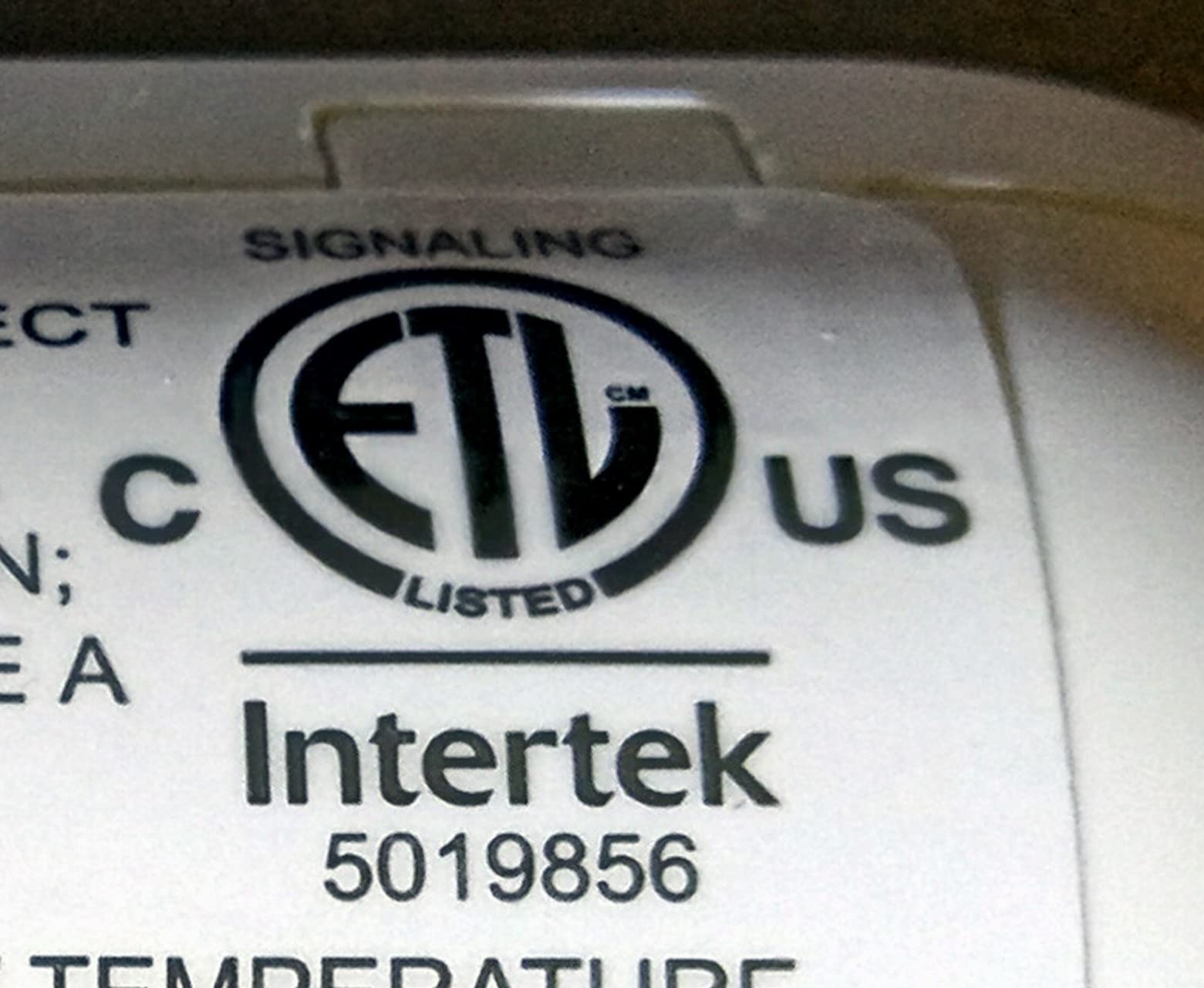
The units are ETL listed with an advanced electrochemical sensor, and the manufacturer states the alarm reaches no less than 85 decibels at 3 metres. Each unit also carries a three-colour LED that separates alarm, power and fault states, which is genuinely useful when several identical devices are mounted around a space.
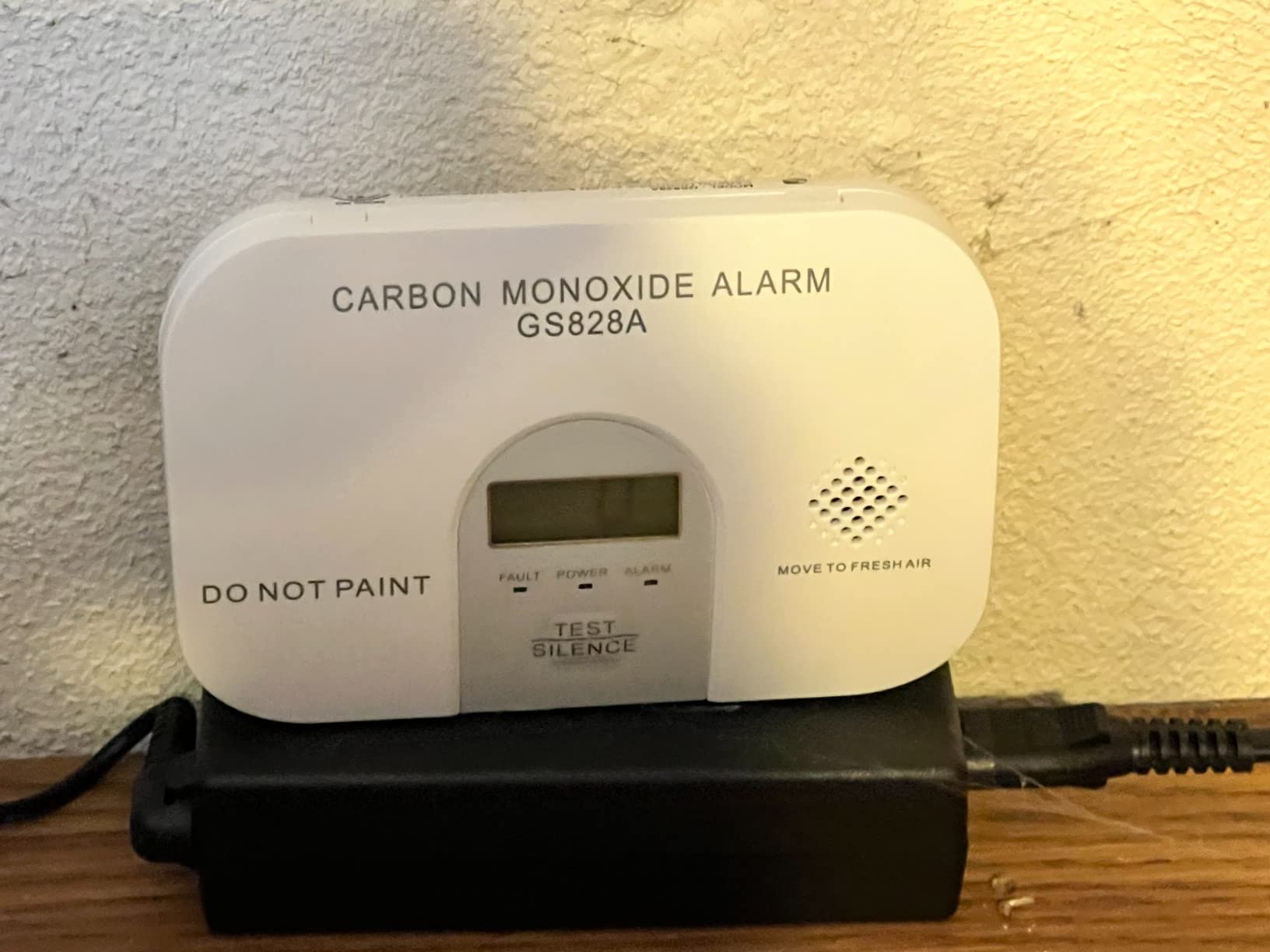
They measure 3.3 inches deep by 4.8 inches wide by 1.7 inches tall at 13.44 ounces, and they can be wall-mounted or simply stood on a shelf. That flexibility suits a basement retrofit where you want a reading in the laundry area and a reading near the furnace but only one wall you can drill.
The stated product life is seven years, powered by two AA alkaline batteries per unit. Because those are replaceable cells rather than a sealed pack, each alarm needs a battery check on a schedule rather than a single ten-year commitment.
Why it fits a basement specifically
You can cover a furnace room, a laundry room and a finished bedroom without running wire to any of them, and the LCD gives you a number at each point instead of a single unknown. For a house where the basement has been added to over several stages, that is the practical answer.
Where it falls short
The warranty is 36 months, which is far shorter than the five-to-ten-year coverage on the major-brand units, and the batteries need servicing. With a few hundred ratings behind the listing, the durability record over a full sensor lifespan is largely undocumented.
9. HEIMAN C1-S Mini CO Detector: Best for Code-Compliant Rentals
Heiman Carbon Monoxide Detectors, 10-Year Product Life CO Detector, C1-S
UL 2034 5th edition and CSFM approved
Figaro electrochemical sensor
Sealed 10-year lithium battery
85 dB audio-visual alarm
Pros
- UL 2034 5th edition certified and CSFM approved
- Japan-made Figaro electrochemical sensor
- Sealed lithium battery rated for about 10 years
- 85 dB alarm with LED indication and a test and silence button
- About 70mm fire-retardant housing mounts on walls or ceilings or on a table
Cons
- No digital display of CO concentration or temperature
- Lowest average rating in this roundup with about 112 ratings
- One reviewer reported it not reacting near a car exhaust
The C1-S is the smallest unit in the roundup at roughly 70mm across, and it is the one most explicitly marketed for the rooms this article is about. The listing names basements, garages and utility rooms as high-risk zones, and that is not boilerplate here.
Certification is the reason to consider it. It is listed to UL 2034 5th edition and CSFM approved, which is the documentation a landlord, a property manager or a local inspector tends to ask for by name.
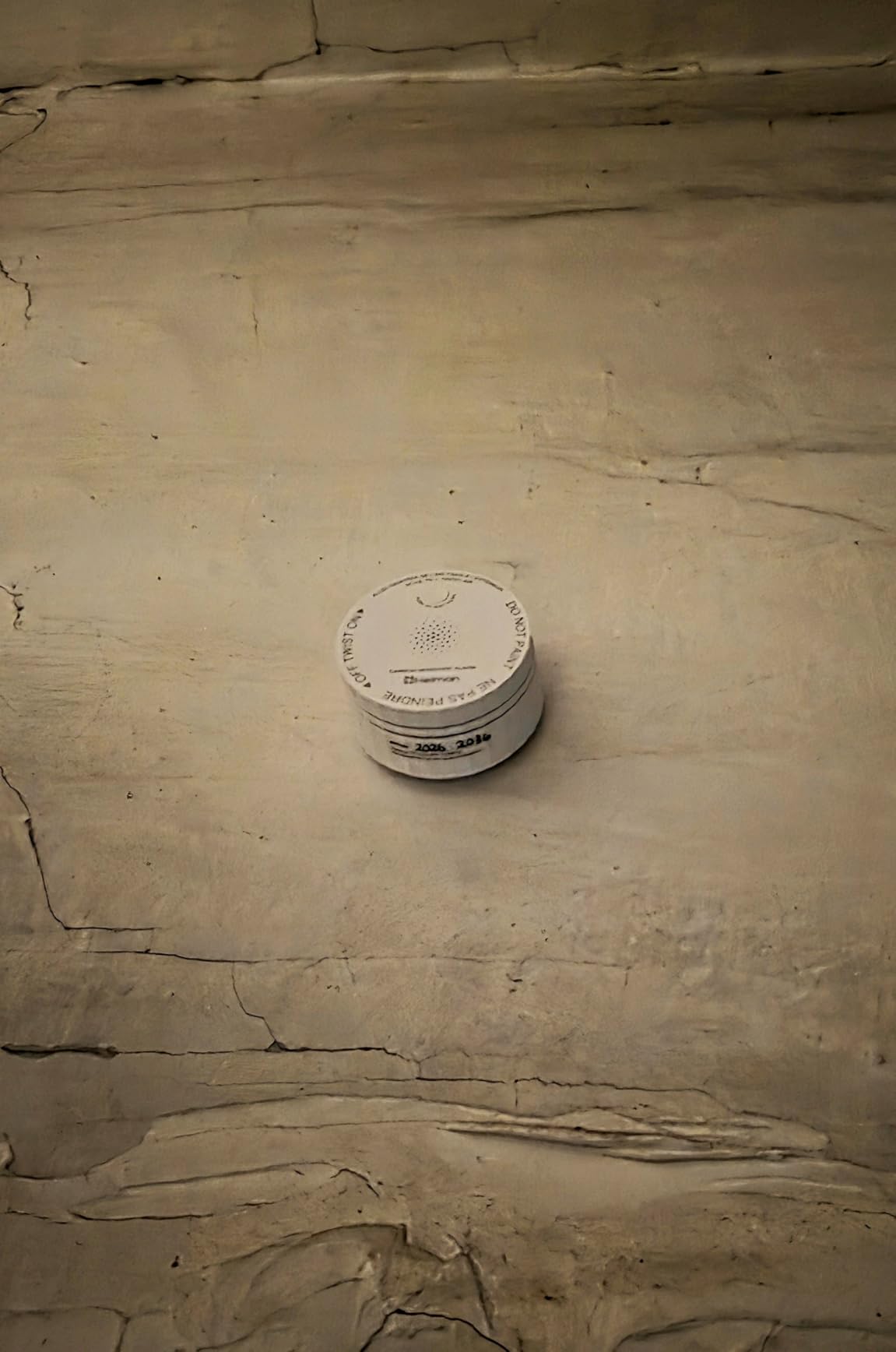
The sensor is a Japan-made Figaro electrochemical unit chosen for low-level CO build-up detection and to limit false alerts, and the sealed lithium battery is rated for about ten years. Powering it means no hardwiring at all, which is the single biggest cost and disruption saver in an already-finished basement.
It measures 2.75 inches deep by 1.45 inches wide by 2.75 inches tall at 3.52 ounces in a UL94 V-0 rated fire-retardant ABS and PC housing, rated for 5% to 95% relative humidity. The Test and Silence button gives you one-touch control, and the alarm pairs 85 decibels with a visual LED.
Why it fits a basement specifically
Nothing on its size means you can tuck it onto a joist, into a tight utility alcove or onto the underside of a shelf without making the space look like a fire station. It mounts on walls, on ceilings or on a tabletop with the included hardware, and a sealed battery is the right choice for a rental where nobody will change a 9V.
Where it falls short
There is no digital display of CO concentration or temperature, so you get no reading to verify. At 4.4 stars from about 112 ratings it carries the smallest review base here, with a small share of one-star reviews questioning sensitivity, including one owner who said the unit did not react near a car exhaust. Treat it as a compliant secondary layer rather than your only protection.
Where Exactly to Mount a Basement CO Detector
Yes, you should put a carbon monoxide detector in your basement, mounted on a wall roughly three to five feet off the floor and as close to the furnace or boiler as the layout allows, away from dead-air pockets behind doors, near the floor’s centre of the room rather than tight against a corner. Carbon monoxide mixes with air far more readily than smoke does, but it still concentrates near the floor and drifts toward supply registers and door gaps, which is why a below-grade alarm belongs lower than the smoke alarms above it.
An installer on r/homedefense described the professional standard for below-grade units as hardwired alarms fixed to the basement joists, roughly five feet from a downstairs furnace, with three to five feet of clearance as the general target. That matches the manufacturer guidance and it is a good default when your layout allows it.
Where CO comes from in a basement is worth writing down for your own house. The furnace or boiler and its flue, the water heater, a gas dryer, a gas fireplace, and any penetration from an attached garage are the usual sources. A depressurization event driven by an egress window or a second-pump retrofit can pull combustion gases back down a flue, which is why a running furnace is not the same as a safe furnace.
The placement mistakes we see most often are mounting at eye level out of habit because that is where smoke alarms go, mounting inside the dead-air pocket at the top of a stairwell, and mounting directly above or beside the furnace where the unit reads its own supply air. None of those positions tell you anything about the room.
Hardwired vs Battery vs Plug-In in a Finished Basement
Hardwired is the correct answer where local code or an interconnected system requires it, and it is the only option with any meaningful battery-outage story on an interconnect. If you already have CO alarms on an interconnect, the right basement pick is another unit on that same interconnect so a furnace alarm upstairs silences everything at once.
The obstacle in a finished basement is access, not cost. Running a new branch circuit to a below-grade joist bay means opening drywall, fishing through framing, and making a proper box and circuit match the rest of the house. Joist routing adds another constraint, since drilling through structural members has rules that vary by local inspection. If you are not comfortable with that, a licensed electrician is the right call rather than a surface-mounted raceway that becomes a trip hazard in a finished room.
Plug-in units are the pragmatic middle. They need an outlet at the correct height, which many mechanical rooms already have, and every plug-in pick in this roundup carries battery backup, so an outage does not open a gap. Their limitation is fixed position.
Battery units solve placement and retrofit entirely and are the right answer for a laundry room, a storage alcove or any space with no outlet. The trade is recurring battery attention and a shorter warranty on some models, and in a rental where nobody services batteries, a sealed 10-year battery is the safer choice even though it removes the display option on most of those units.
How to Tell a Real UL 2034 or ETL Alarm From a Marketplace Copy
Look for the UL Solutions or Intertek ETL mark on the product itself and on the listing, then confirm the model number on that mark matches the model number on the packaging. Consumer Reports flags uncertified detectors sold on major marketplaces as a real problem, and the reason is simple: an alarm that never had to pass a sensitivity and alarm-threshold test is not an alarm, it is a plastic box with a battery in it.
Second, confirm the manufacturer name. Several brands in this category have relationships with the sensor makers, and forum buyers on r/BuyItForLife note that installers often fit Kidde-branded combination alarms built on Gentex sensors, which is normal and not a warning sign. What matters is that the brand on the box matches the brand on the certification mark.
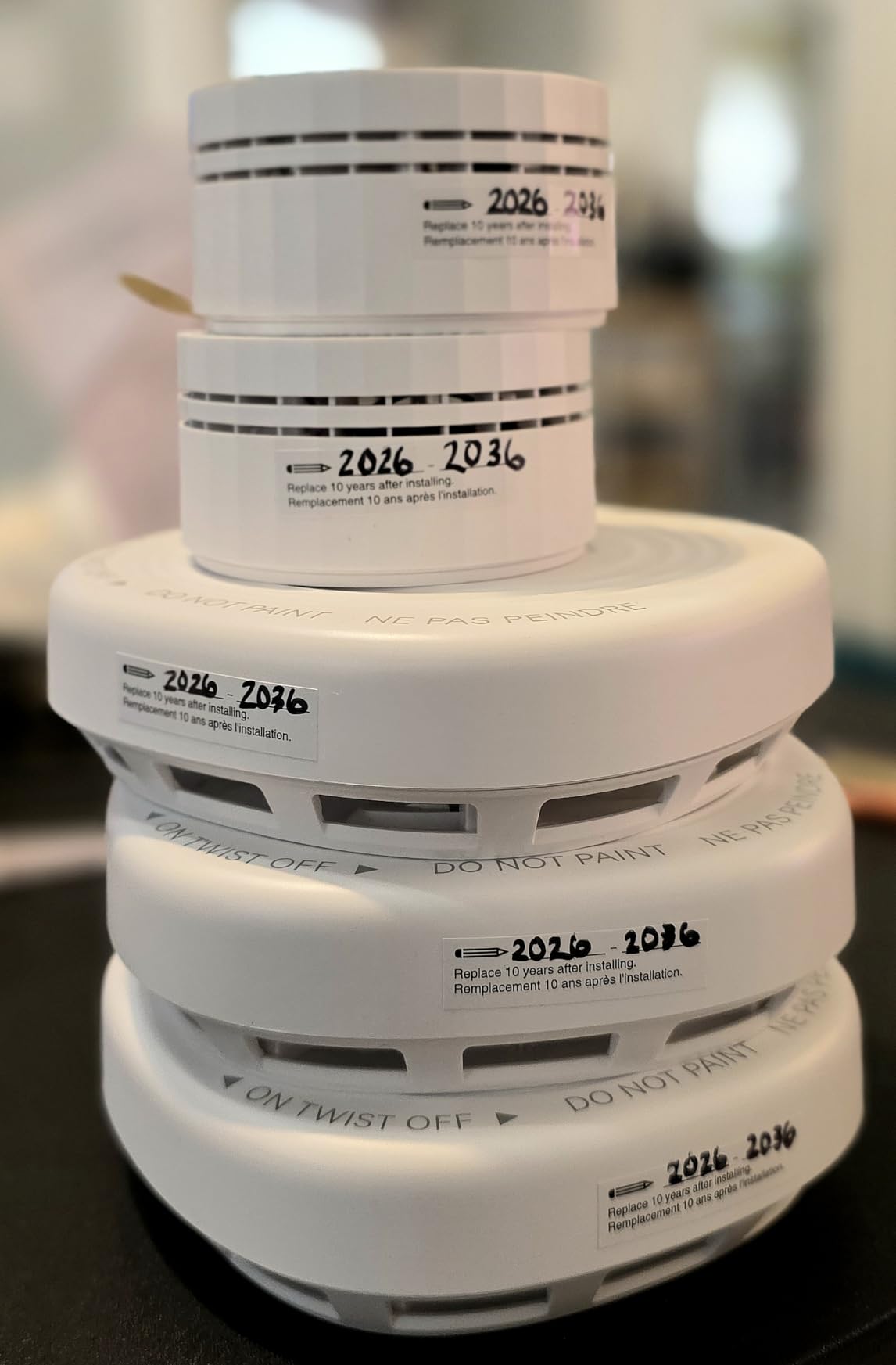
Third, check the end-of-life date and the replacement interval on the label. A unit with no printed manufacture date, no end-of-life marker and no listed standard is not a unit you want between a family and a furnace.
Basement Cold, Humidity and Dust Effects on Sensor Life
Below grade is a harder environment than the upper floors, and the operating ranges on these units tell you why. Most specify non-condensing relative humidity from somewhere between 5% and 95%. A finished basement in winter can sit near the cool end and near the damp end simultaneously, and condensation running down a joist onto an alarm is outside what any of these units are rated for.
The practical responses are unglamorous. Keep the unit out of the direct path of a cold draft from a window or egress door, keep it clear of a dehumidifier outlet or a supply register blowing across it constantly, and dust it. Electrochemical sensors drift over their service life, and a layer of basement dust on the sensing element shortens the useful window before calibration becomes an issue.
Cold is the question homeowners ask most, and the honest answer is that all of these units are indoor-rated. An unheated basement that drops below the alarm’s rated range is outside the manufacturer’s specification, and if you are storing a battery-powered alarm in a garage or shed rather than living space, buy for that environment specifically rather than assuming a living-room alarm survives it.
False Alarms: What Homeowners Actually Complain About
False alarms are the number one real-world complaint in this category. A Reddit sentiment aggregator that analysed roughly 3.9k comments put First Alert at about 64% positive and Kidde at about 69% positive, with false alarms the dominant theme in both, while X-Sense and Zooz scored noticeably higher. Treat those as sentiment, not failure rates, but the pattern matches what shows up in the individual review data here.
Mitigation is mostly about placement rather than brand. Mounting a unit directly above a furnace, in a draft path, or near a paint booth or solvent store produces exactly the kind of transient spike that trains people to disarm the alarm. The Siterlink and HEIMAN models both describe their sensor choices as false-alarm reductions, and the HEIMAN listing specifically markets its Figaro sensor for low-level build-up detection rather than alarm-triggering levels.
If you have reliable interconnected alarms and want app notifications, the forum consensus is to keep the hardwired units and add a listener rather than replace them with less proven smart devices. The Zooz ZEN55 DC signal sensor and the Ecolink Firefighter both attach to a legacy alarm and report its siren to a smart home hub, and both scored well in that same Reddit analysis. You get notifications without betting basement coverage on a consumer gadget.
What to Do the Moment a Basement CO Alarm Sounds
Get everyone and pets out of the building immediately and move to fresh air outdoors. Do not open windows or doors on your way out, because that can pull combustion gases toward other parts of the house.
Once you are outside, call emergency services from a phone rather than from inside. If you can do it in under a minute without re-entering, check whether anyone in the household has symptoms such as headache, dizziness, nausea or confusion, because those need medical attention regardless of what the alarm did afterwards.
Do not go back in to find the source or to silence the unit. When the fire department clears the building they will test for CO with calibrated equipment, and consumer alarms are not accurate enough to tell you the level is safe. The one thing you can safely do afterwards, once the building is cleared, is look at the peak level memory on a display unit before pressing the reset button.
Frequently Asked Questions
Should I put a carbon monoxide detector in the basement?
Yes. The basement is where the furnace, water heater and boiler sit, which is where carbon monoxide is produced and can pool, and it is the level where an upstairs alarm is hardest to hear. Mount it on a wall roughly three to five feet off the floor, near the furnace but not directly above it, and add a second unit if you sleep or work in a finished basement space.
Is there a difference between a CO2 detector and a carbon monoxide detector?
Completely different gases requiring different sensors. A CO2 monitor such as the Aranet4 or INKBIRD models measures carbon dioxide for indoor air quality and will not alarm on carbon monoxide. A carbon monoxide alarm uses an electrochemical sensor tuned to CO and sounds an 85-decibel alarm when the concentration crosses its threshold. If your concern is a furnace or boiler, you need the CO alarm.
How high off the floor should a carbon monoxide detector be in a basement?
Three to five feet off the floor is the general target, mounted on a wall near the furnace or boiler. Installers describe hardwired units fixed to basement joists roughly five feet from a downstairs furnace with three to five feet of clearance. Carbon monoxide mixes readily with air but still concentrates in the lower part of a room and drifts toward supply registers and door gaps.
What carbon monoxide detector do firemen recommend?
Firefighters consistently push hardwired interconnected units on mains power with battery backup, installed on the correct low-wall spacing and listed to UL 2034 or Intertek ETL. Where a hardwired install is not possible, professionals point to multi-gas meters such as the MSA Altair 5X for accurate readings rather than consumer alarms. In every case the emphasis is on certified hardware and correct placement.
Which carbon monoxide detector is the most accurate?
Accuracy comes down to the sensor and the listing, not the brand badge. Every dedicated CO alarm in this roundup uses an electrochemical sensor, and the HEIMAN C1-S uses a Japan-made Figaro element listed to UL 2034 5th edition and CSFM approved. Accuracy you can check at home is a digital readout showing zero, which is why the display models are easier to verify after installation.
Do carbon monoxide detectors work in cold, damp basements?
Within their rating, yes. The units here specify non-condensing relative humidity from about 5% to 95%, and basements usually fall inside that band. They are all indoor-rated devices, so an unheated basement below the rated temperature range is outside the manufacturer specification. Keep the alarm clear of condensation, cold drafts from egress windows and dehumidifier outlets.
The Bottom Line for Basement Coverage
The best carbon monoxide detectors for basements are, in one sentence: the Kidde plug-in unit with AA backup if you have a basement outlet, the Kidde plug-in unit with a digital display if you want to confirm a reading, and the First Alert battery alarm if there is no outlet to use. The first of those is our Editor’s Choice on the strength of a 4.7 rating across more than 35,000 owner reports and a slim body that suits a low wall mount.
None of this replaces a second layer upstairs. The standard whole-home strategy is a basement unit near the furnace, one on every sleeping level, and one inside each bedroom, with the basement unit placed low and away from dead-air pockets. Replace anything past its end-of-life date, because an expired alarm protects nobody while convincing you that you are covered.
If you are still deciding, the single most useful thing you can do is walk to your furnace room and look at where your outlets are and how far they sit from the boiler. That measurement answers hardwired versus plug-in versus battery in about a minute, and everything above follows from it.
All nine picks carry a UL or ETL listing on the specifications we reviewed, and every one should be replaced when its end-of-life date passes rather than when it stops chirping. That schedule matters more in 2026 than ever, because the average alarm in service today was bought a decade ago.