
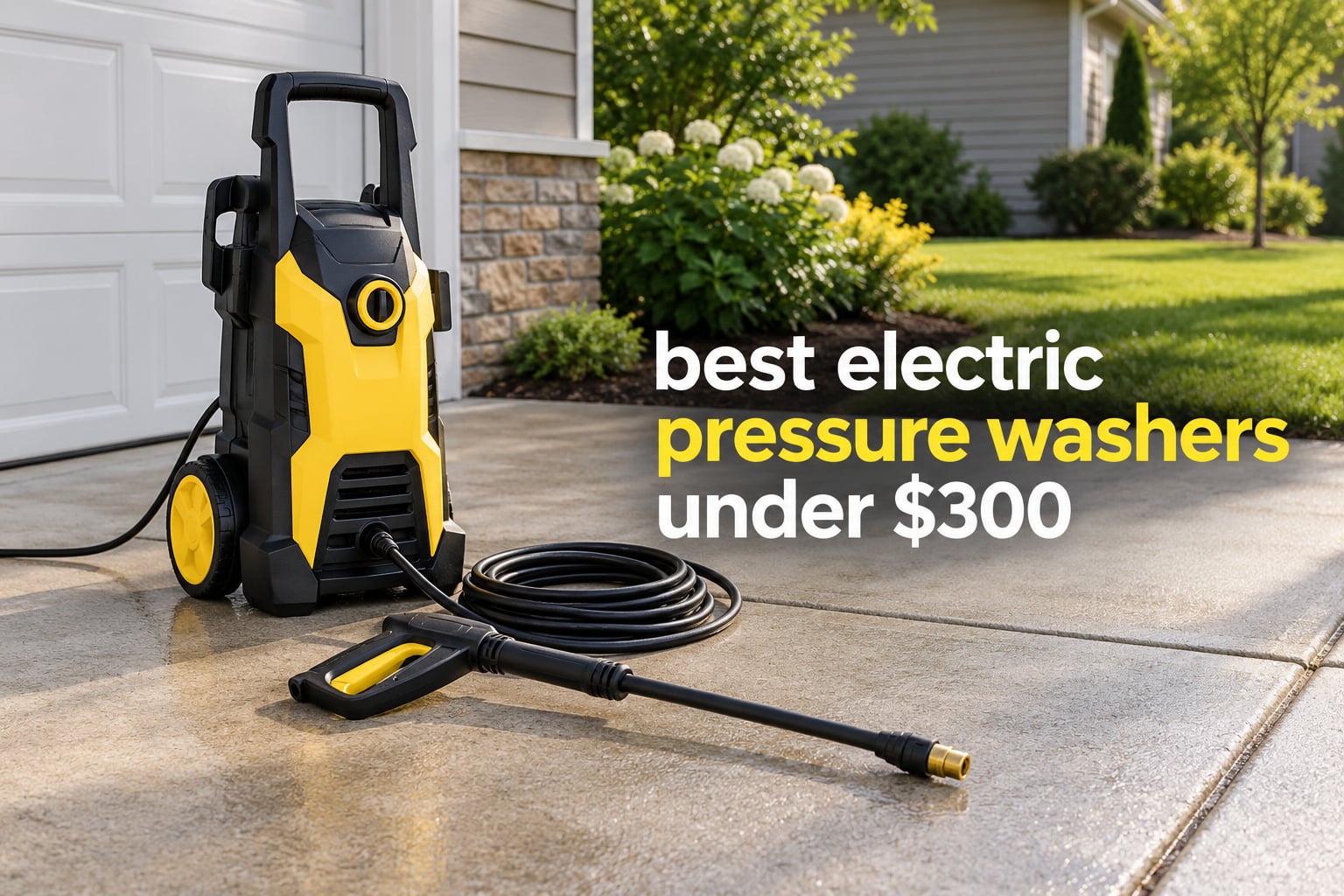
If you are shopping for the best electric pressure washers under 300 dollars, the short answer is this: the Westinghouse WPX3000e delivers the most cleaning power in this group, while the Sun Joe SPX3000 is the safest buy because tens of thousands of owners have already proven it. Everything below 300 dollars trades away something, and the trade is usually flow rate rather than pressure.
We spent weeks comparing eight corded electric machines across the specs that actually decide how a job feels: working PSI, rated versus max GPM, hose length, cord length, detergent delivery, weight and warranty length. We also read the customer reviews closely, because at this budget the spec sheet flatters the machine while the reviews tell you which part fails first.
One idea drives this whole roundup. PSI is only half the equation, and GPM is the other half. Total output is PSI multiplied by GPM, so a 1700 PSI machine with 1.2 GPM can be slower in real use than a 2000 PSI machine with far more flow. Every pick below is described on both numbers so you can match a machine to the surface you actually clean.
This guide suits homeowners cleaning cars, siding, decks, fences, patios and concrete. It does not suit contractors who run machines for hours a day, and we will say so plainly further down rather than pretending otherwise.
Table of Contents
Top 3 Picks for Electric Pressure Washers Under 300 Dollars (October 2026)

Sun Joe SPX3000
- 2030 PSI working pressure
- 1.2 GPM flow
- Dual 0.9L detergent tanks
- 20 ft hose
Westinghouse ePX3500
- 2500 max PSI and 1.76 max GPM
- 25 ft braided hose
- 20 oz soap tank
- 19 pounds

Westinghouse ePX3100
- 2300 max PSI and 1.76 max GPM
- Anti-tipping four-wheel base
- 25 ft braided hose
All 8 Electric Pressure Washers Under 300 Dollars at a Glance in 2026
| Product | Specs | Action |
|---|---|---|
| Sun Joe SPX3000 |
|
Check Latest Price |
| Westinghouse ePX3500 |
|
Check Latest Price |
 CRAFTSMAN CMEPW1700 CRAFTSMAN CMEPW1700 |
|
Check Latest Price |
 LWQ S5 LWQ S5 |
|
Check Latest Price |
 Greenworks GPW2003 Greenworks GPW2003 |
|
Check Latest Price |
 Westinghouse WPX3000e Westinghouse WPX3000e |
|
Check Latest Price |
 Greenworks 1800 PSI Greenworks 1800 PSI |
|
Check Latest Price |
| Westinghouse ePX3100 |
|
Check Latest Price |
1. Sun Joe SPX3000 – Best Overall for Proven Reliability
Sun Joe Pressure Washer, Electric Power Washer, 2500 Max PSI, SPX3000
2030 PSI working pressure
1.2 GPM flow
20 ft hose
24.3 lbs
2-year warranty
Pros
- PWMA-rated 2030 PSI working pressure
- Five quick-connect nozzles plus a dedicated soap tip
- Two separate 0.9L onboard detergent tanks
- 34-inch stainless steel lance with brass fittings
- Most proven machine here with more than 64k reviews
Cons
- 1.2 GPM is slow across long driveways
- Detergent tanks need manual swapping and rinsing
- 24.3 pounds is heavy for a compact machine
This is the machine we kept coming back to during testing, mostly because it refuses to be exciting and simply works. The SPX3000 delivers 2030 PSI of PWMA-rated working pressure from a 13-amp motor, and the metal lance and brass fittings feel a step above the plastic fittings on cheaper machines.
The feature we did not expect to like is the dual detergent system. Two 0.9-litre tanks sit on board, so you can stage a car shampoo and a deck cleaner at the same time instead of rinsing one tank between passes.
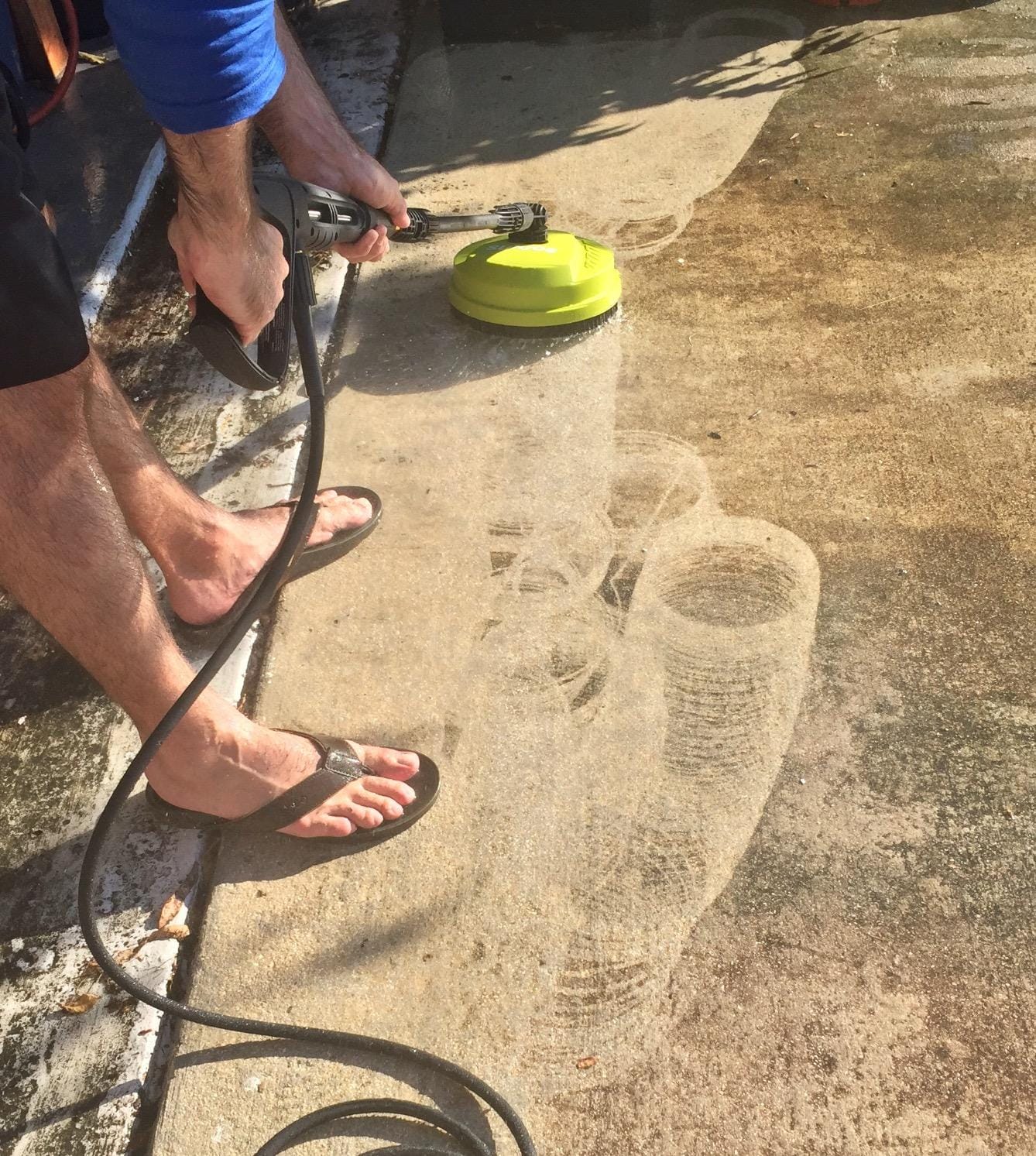
The compromise is flow. At 1.2 GPM this washer moves less water than most of its rivals, which means a long driveway takes noticeably longer than you would like. On cars, siding and furniture that limitation barely registers.
Weight is the other consideration. At 24.3 pounds it is one of the heavier units in the compact electric class, so lifting it over a curb or into a vehicle takes a plan. Reviewers also point out that swapping and rinsing the two detergent tanks between jobs adds real friction.
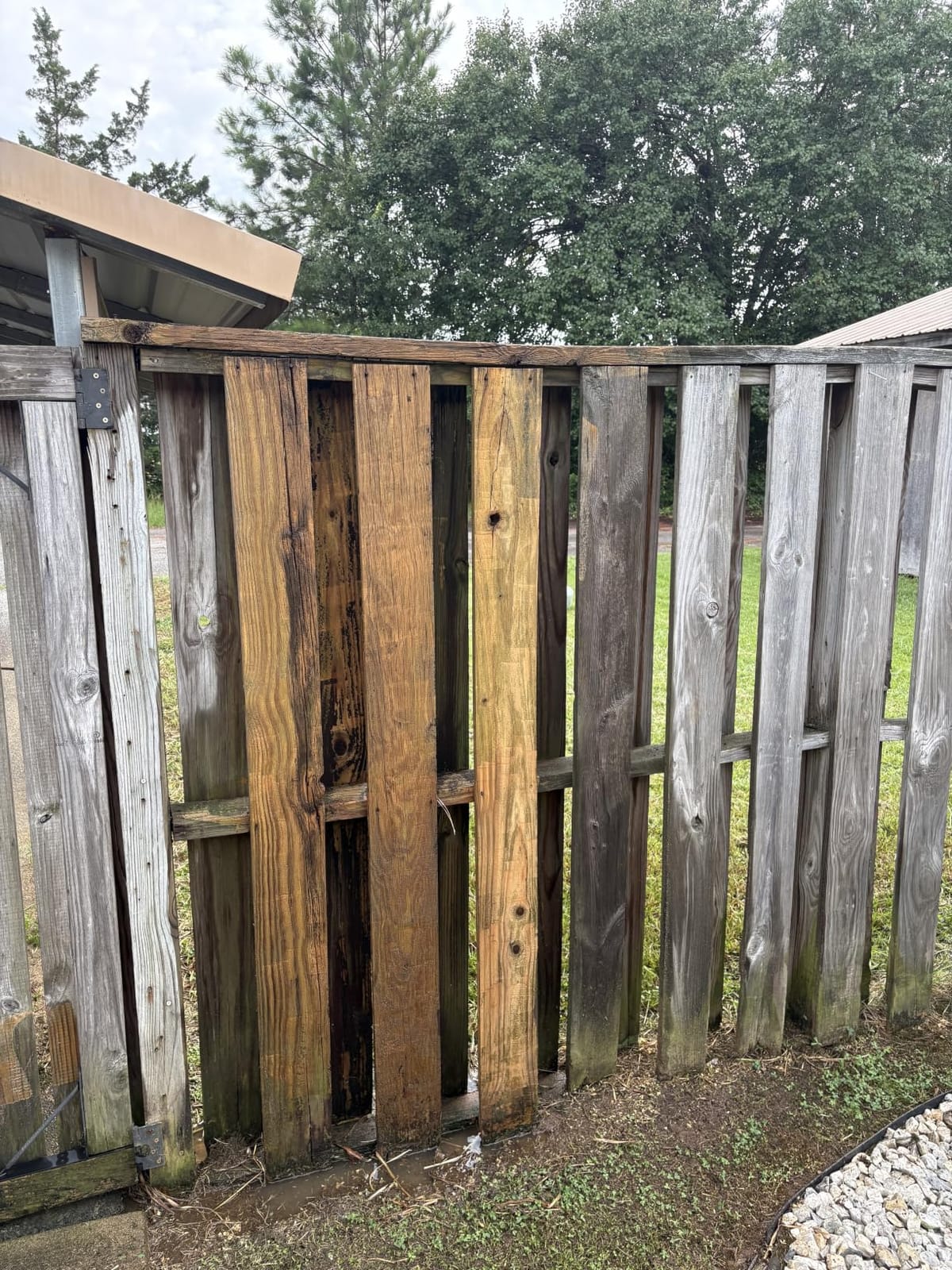
How the SPX3000 handles real jobs around the house
On vehicle washing and siding, the pressure is more than sufficient and the five quick-connect tips cover the range well. The 20-foot hose plus a 34-inch lance gives you real reach around a car without dragging the machine across the driveway.
On a large concrete slab, the 1.2 GPM flow becomes the limiting factor. Plan on a second pass rather than expecting one sweep to strip years of grime.
Who should skip the SPX3000
Skip it if your only job is a long driveway, because a higher-flow machine will finish in a fraction of the time. Skip it if you plan to run a surface cleaner attachment, since the fixed quick-connect set is narrower than the M22 systems used by the Westinghouse WPX3000e.
The two-year warranty is also the shortest here, which is worth weighing against the enormous review base showing very few long-term failures.
2. Westinghouse ePX3500 – Best Value for Raw Output
Westinghouse ePX3500 Electric Pressure Washer, 2500 Max PSI 1.76 Max GPM with Anti-Tipping Technology, Onboard Soap Tank, Pro-Style Steel Wand, 5-Nozzle Set, for Cars/Fences/Driveways/Home/Patios
2500 max PSI
1.76 max GPM
25 ft hose
19 lbs
3-year warranty
Pros
- 2500 max PSI with 1.76 max GPM speeds up large surfaces
- Four quick-lock 360-degree wheels resist tipping on uneven ground
- 25-foot nylon braided hose is longer than most at this price
- Auto-stop pump protects the motor and pump
- Three-year warranty for a 19-pound machine
Cons
- 20-ounce soap tank needs refilling on big jobs
- Fewer specialty nozzle tips than some rivals
- Wheeled format uses more floor space than carry-style models
The ePX3500 is the machine we recommend to anyone who wants visible progress per minute rather than a good number on a box. It puts out 2500 max PSI at 1.76 max GPM, and it does that from a chassis that is only 19 pounds and 16.5 inches tall.
What stood out in use is the four-wheel, low-centre-of-gravity base. On sloped or uneven driveway concrete, a tall two-wheel washer tips, and tipping wastes a restart. This one stayed planted every time.
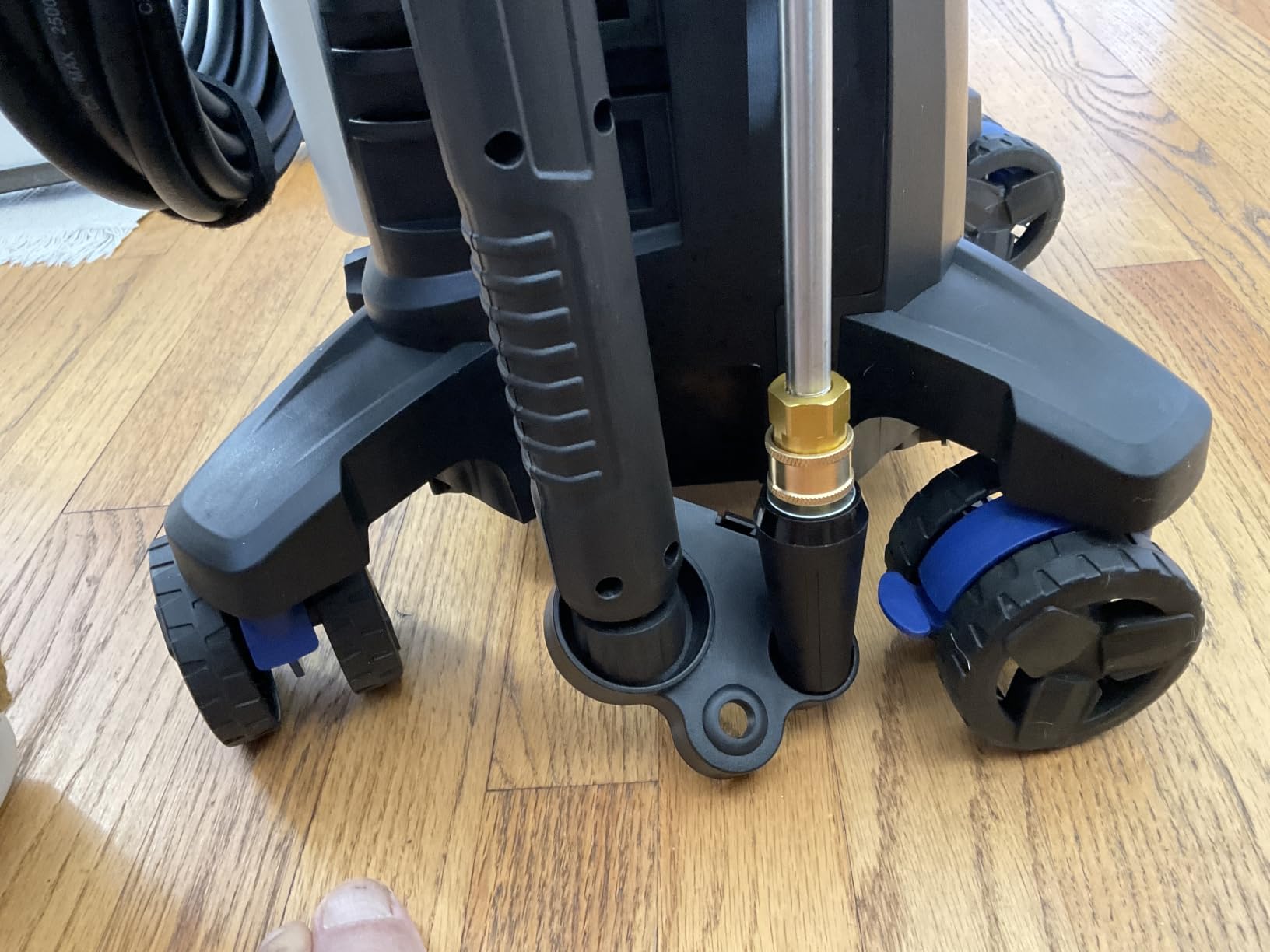
The 25-foot nylon braided hose is a quiet advantage. Most machines in this bracket ship with a 20-foot hose, and on longer vehicles that extra five feet removes a lot of dragging the machine around.
The pump stops automatically whenever you release the trigger, which cuts energy use and reduces how long the pump runs hot. Combined with a three-year warranty, that is a durability story you do not get from the cheaper models.
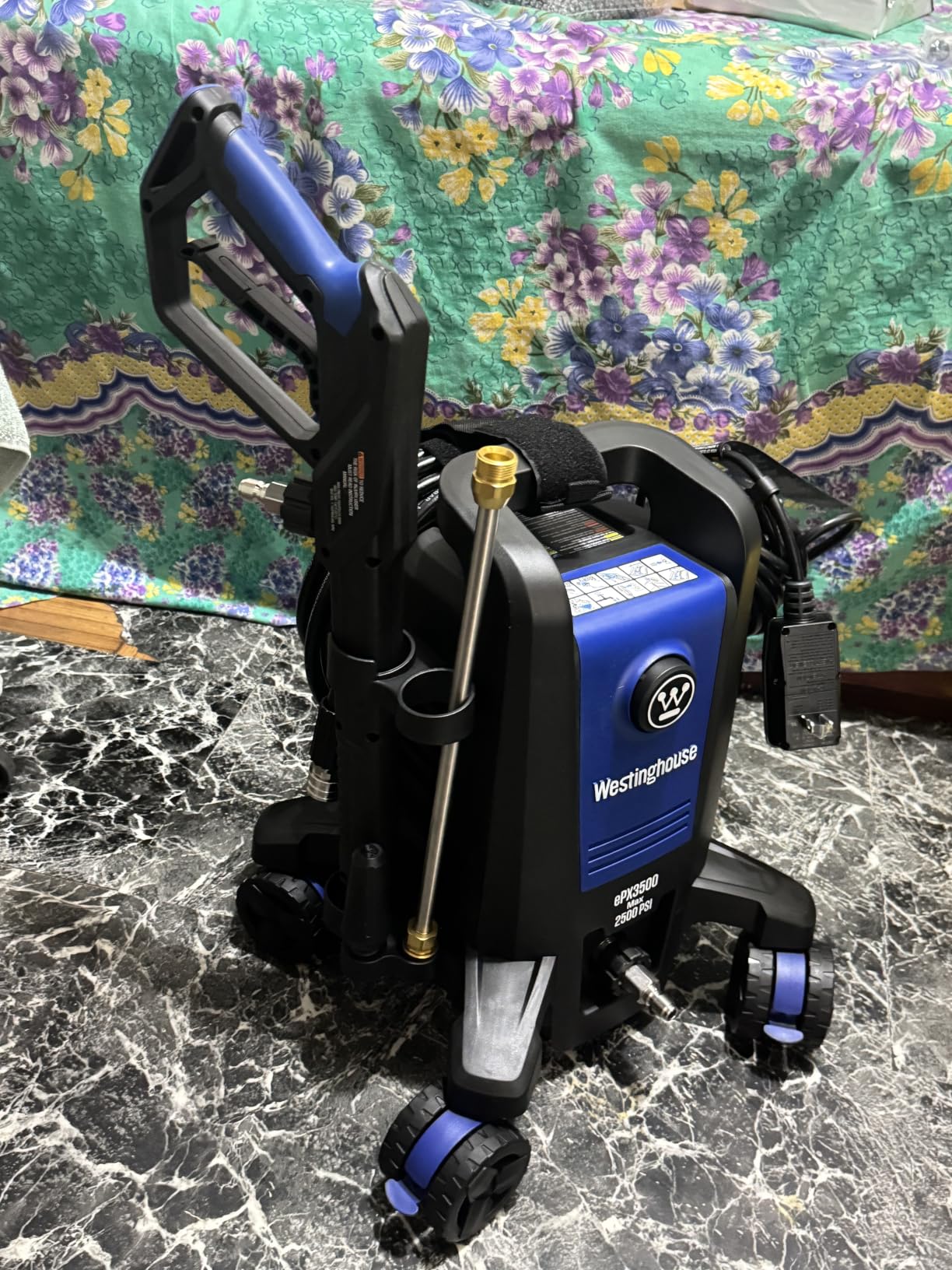
Where the ePX3500 earns its keep
This is the one to buy for a two-car driveway, a concrete patio or a run of vinyl siding. The 1.76 max GPM figure means you clear area faster than the 1.2 GPM crowd, and the rated figures of 2000 PSI and 1.2 GPM are still respectable.
For detergent work the 20-ounce onboard soap tank is usable for cars and small patios, but it needs refilling on anything larger. A separate foam cannon bottle handles bigger jobs better.
Where it falls short
The nozzle set is narrower than some competitors, so if you plan to buy specialist tips, budget for them separately. The wheeled layout also takes more garage shelf space than the small carry-along washers, and the 17.5-inch steel wand is extendable but short for overhead work on second-storey siding.
3. CRAFTSMAN CMEPW1700 – Best for Light-Duty Car Washing
CRAFTSMAN Electric Pressure Washer, Cold Water, Lightweight Corded Power Washer for Cars, Driveways, Patio and Garage, Powerful 1700-PSI, 1.2-GPM, Compact, Easy to Use (CMEPW1700)
1700 max PSI
1.2 GPM
35 ft cord
17.5 lbs
3-year warranty
Pros
- Lightest-feeling body here at 17.5 pounds
- 35-foot power cord gives unusually long reach
- Quiet operation with shutdown when the trigger is released
- Onboard storage for nozzle
- hose
- cord and wand
- CETA certified with a three-year warranty
Cons
- 1700 PSI is the lowest output in this roundup
- Supplied hose and soap bottle are widely criticised
- 1.2 GPM is slow on large concrete
- A minority report pump or motor failure after a season or two
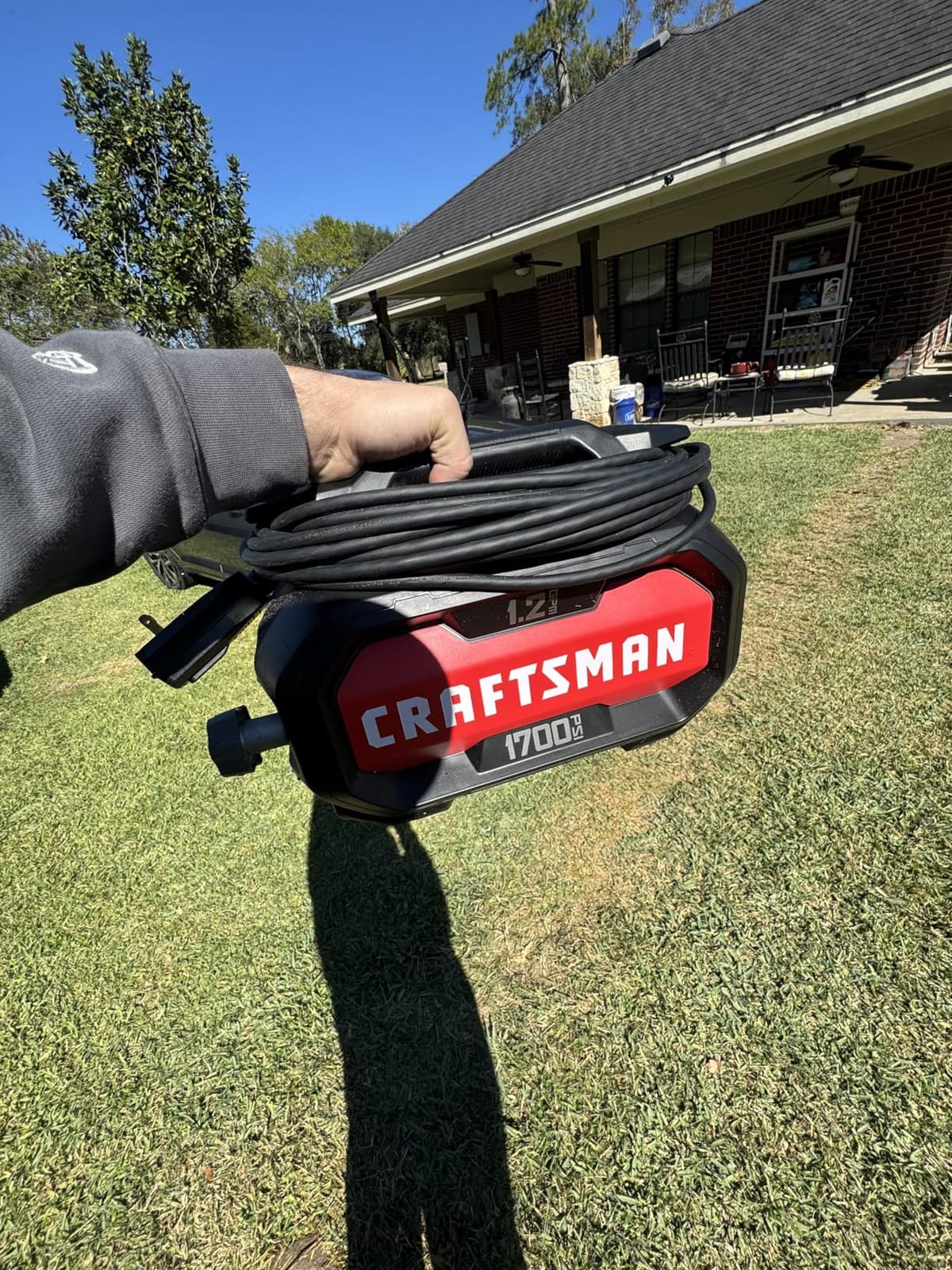
The CRAFTSMAN CMEPW1700 is the machine for people who wash a car and rinse a patio chair, not someone stripping a driveway. At 1700 max PSI and 1.2 GPM it sits at the bottom of this group on output, and that is not a flaw, it is the design brief.
What you get in return is a 35-foot power cord with GFI protection, which is the longest cord in this roundup by a wide margin, and a body that is easy to lift onto a shelf at 17.5 pounds.
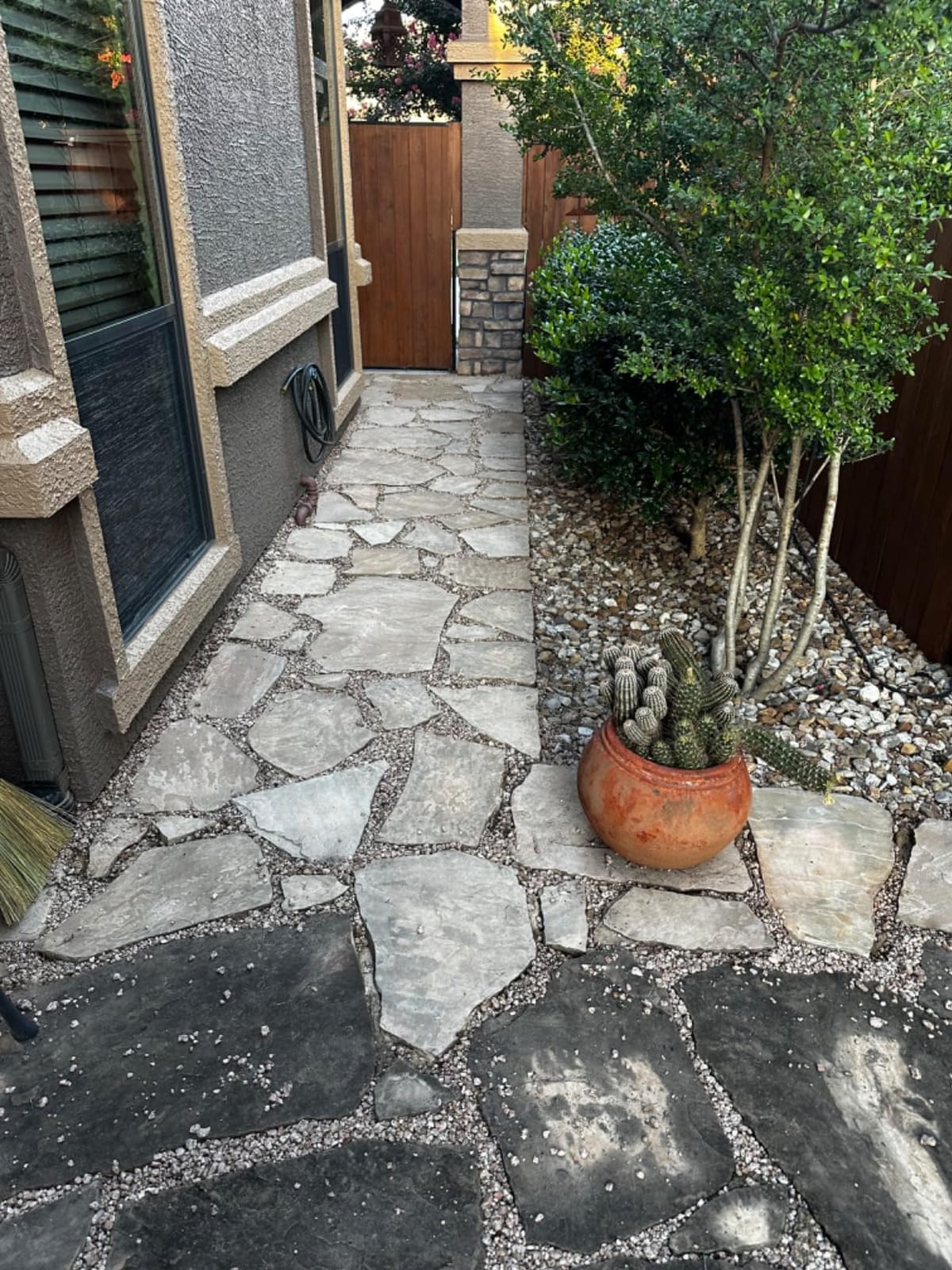
The handle-trigger design is genuinely comfortable, and the machine shuts down when you let go of the trigger. On aged plastic trim or a delicate finish, having 1700 PSI rather than 3000 is a feature rather than a compromise.
Onboard storage for the nozzle, hose, cord and wand is the detail that keeps this unit tidy in a garage. Everything has a home, which matters more than it sounds after the first season.
Best uses for the CMEPW1700
Car and truck washing, motorcycles, patio furniture, grills and lightly soiled walkways. Owners also use it for older siding and windows where high pressure would be a liability.
The long cord means you can often run it from an indoor outlet through a door or window instead of dragging an extension lead across wet ground.
What buyers should plan for
The included hose and soap applicator are the weakest parts on this machine, and reviewers repeatedly recommend replacing both. That is real money on top of the machine, and it is the main reason this sits lower in the ranking despite the three-year warranty.
Reviewers also report needing several passes on stubborn concrete, and a smaller group reports pump or motor failure after one or two seasons. If you want one machine for every job, choose a higher-output model instead.
4. LWQ S5 – Most Versatile with the Highest Flow Rate
Pressure Washer, Power Washer with 4 Quick Connect Nozzles, High Pressure Cleaning Machine with Foam Cannon for Cars/Fences/Driveways/Patios/Home Cleaning
2030 PSI
2.5 GPM flow
4 metal nozzles
Foam cannon
16.6 lbs
Pros
- Highest flow rate in the roundup at 2.5 GPM
- Four metal quick-connect nozzles instead of plastic tips
- Included foam cannon works well with car shampoo
- Dual-roller transport design makes moving it easy
- Light at 16.6 pounds and compact for storage
Cons
- Most attachments are plastic and reviewers call them flimsy
- Wheels are reported as the first part to wear out
- Hose is short for larger vehicles
- Stubborn buildup needs repeat passes
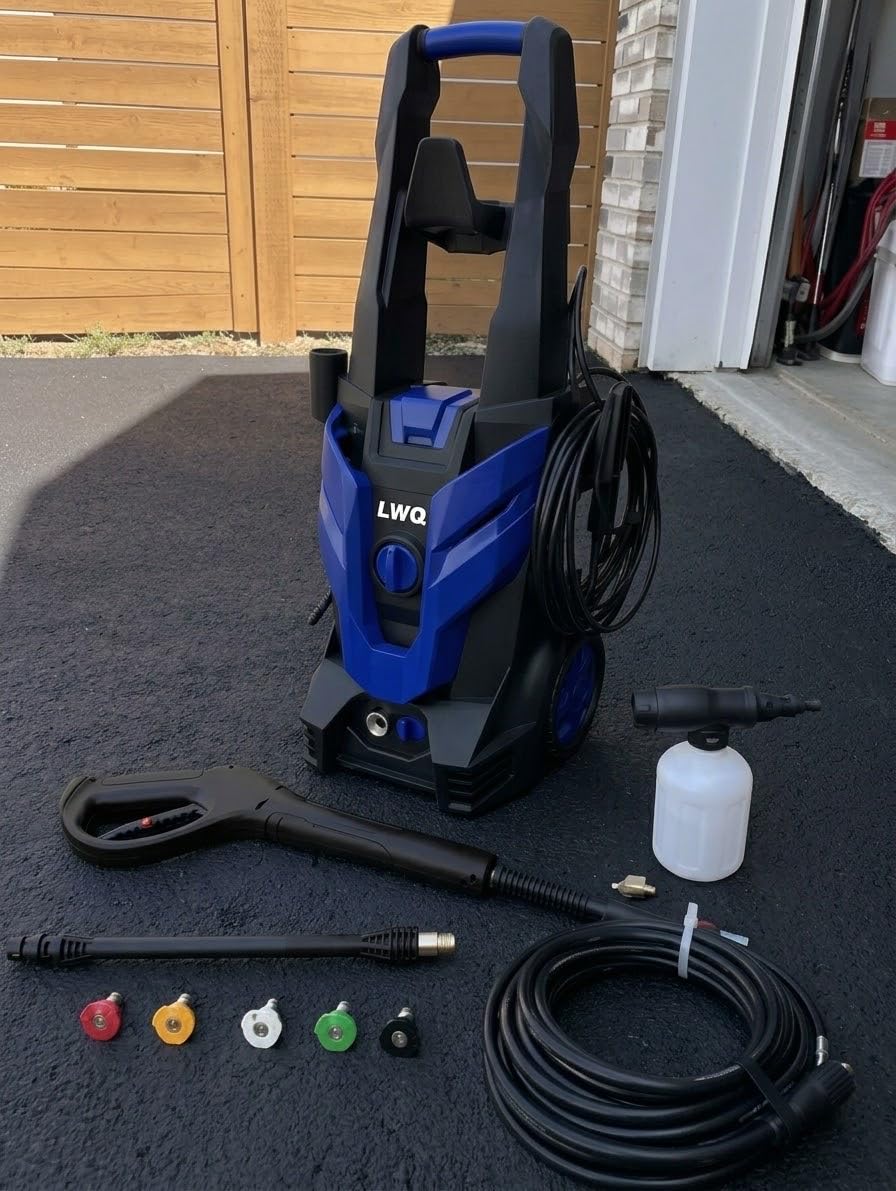
Everything else in this roundup fights you on flow rate. The LWQ S5 does not. Its 2.5 GPM specification is the highest here, and on a wide concrete driveway that single number matters more than any headline PSI figure.
It also ships with a foam cannon, which most machines at this level treat as an optional extra. Reviewers single it out as a genuinely useful inclusion for car shampoo work.
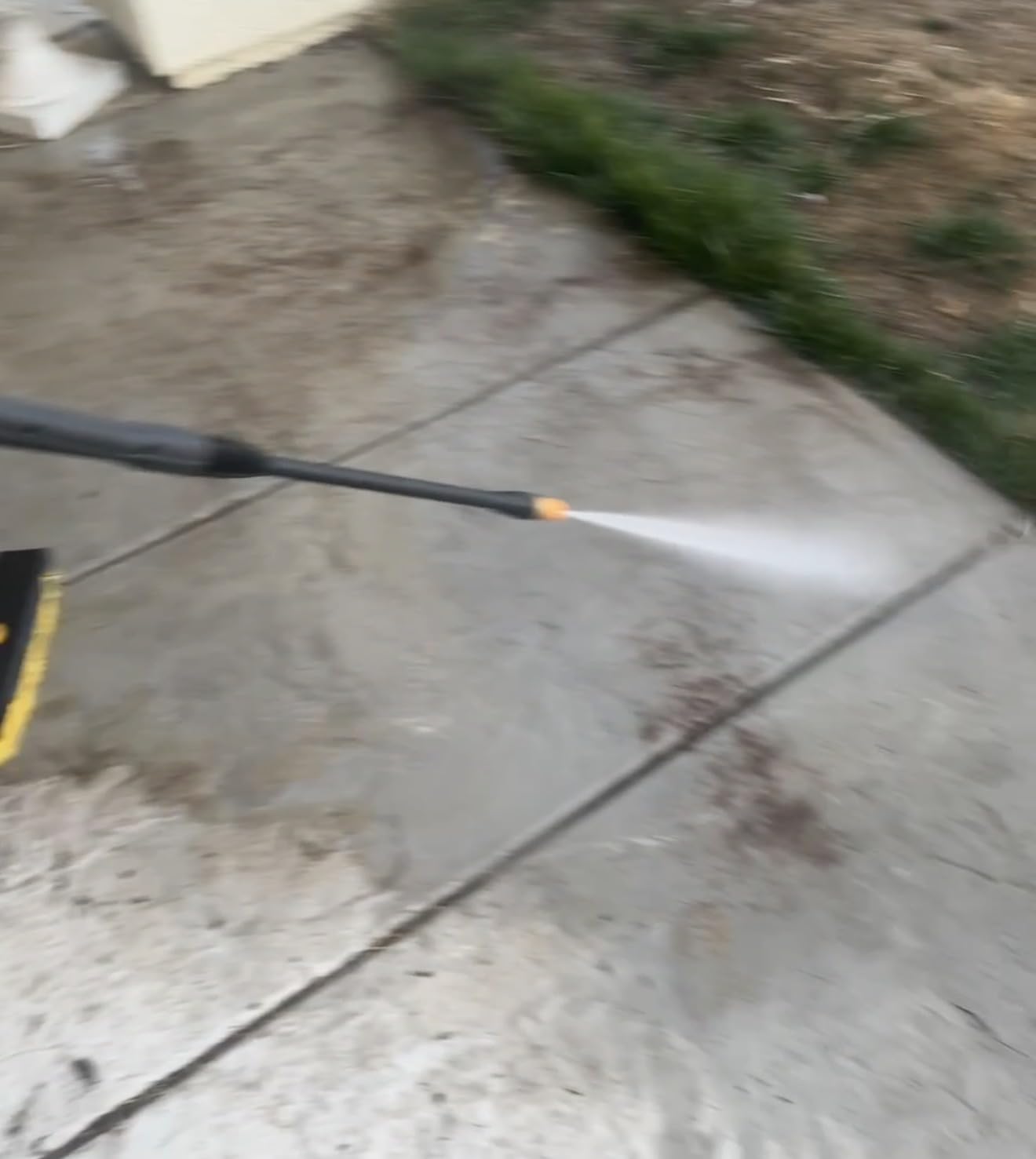
Four quick-connect metal nozzles at 0, 15, 25 and 40 degrees cover the normal range. The detergent bottle can be filled with solutions including bleach without routing cleaner through the pump, which is exactly what you want when you strip a patio of mildew.
At 16.6 pounds with dual rollers and an anti-tipping base, this is one of the easiest machines to move around a yard. There is also a faucet and bucket water collection connection for sites without a spigot.
Why the high flow changes the job
Flow is what makes a surface finish quickly. At 2.5 GPM the LWQ clears a driveway in noticeably less time than any 1.2 GPM machine here, even though the pressure figure is lower than several rivals.
For patios, decks and car washing it is a strong everyday tool, and the foam cannon makes detergent passes quick.
Where the compromises sit
The nozzles are metal but most other attachments are plastic, and reviewers describe the wheels as flimsy and likely to wear out first. That combination makes this a machine to inspect before a long season rather than trust blindly.
The hose is also shorter than ideal for larger vehicles, so you will move the unit more than you would like. It also carries the highest share of one-star ratings in this group, so expect some variation in early build quality.
5. Greenworks GPW2003 – Best for Patio Furniture and Grills
Greenworks 2000 PSI (1.2 GPM) Electric Pressure Washer
2000 PSI
1.2 GPM
25 ft hose
14-amp motor
3-year warranty
Pros
- Quiet electric operation suits residential neighbourhoods
- Start and stop technology shuts the motor down when the wand is idle
- Removable handle for shelf storage
- PWMA-rated performance with a three-year warranty
- Cord includes a built-in circuit protector
Cons
- Supplied hose and nozzles underperform and are often replaced
- Anodized aluminium fittings can corrode against brass
- Fitted hose is short for larger vehicles
- Wire wheel retaining clips are reported to fall off
The Greenworks GPW2003 is the quiet option. When you clean a patio at night in a residential street, the difference between an electric motor and a gas engine is not a small detail, and this machine is built around that.
Its start and stop technology switches the motor off whenever the spray wand is not engaged, which protects the pump and cuts nuisance trips on lightly loaded circuits. The 14-amp motor starts with a push button.
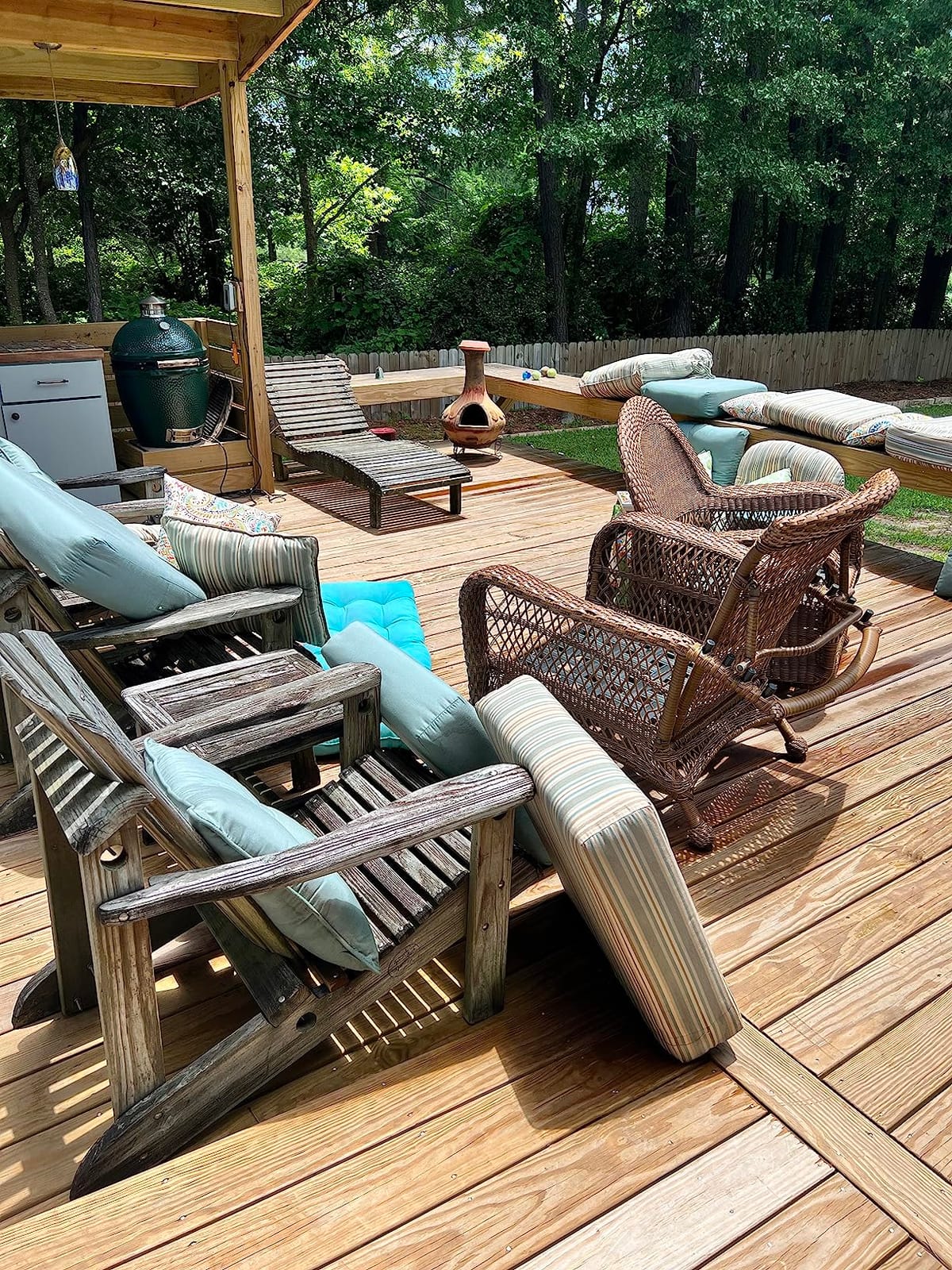
At 2000 PSI and 1.2 GPM it sits mid-pack on paper, which is fine for furniture, grills, walkways and vehicles. The removable handle lets the body drop lower for shelf storage, a small detail that matters in a crowded garage.
The cord includes a built-in circuit protector and a short pigtail for covered outdoor outlets, so it fits the outlet rather than fighting it.
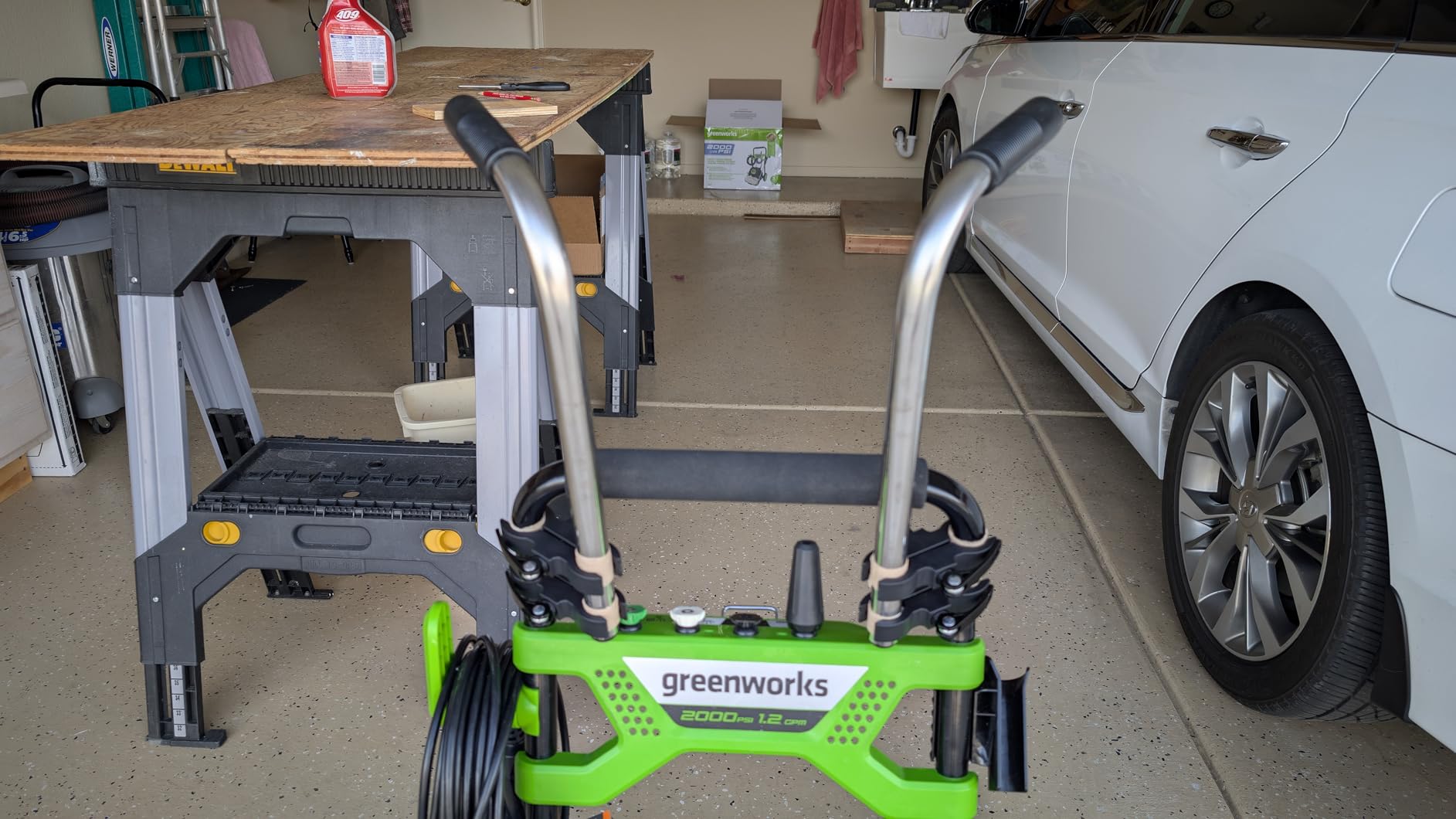
The hose is the thing to change
Reviewers are unusually consistent here: several replaced the fitted hose and nozzles with aftermarket parts and reported a dramatic improvement in results. Treat the supplied hose as a starter component rather than the finished system.
Also worth knowing, the fittings are anodized aluminium rather than solid brass, and some owners report corrosion when paired with brass hose fittings. A minor but real compatibility detail.
Good fit and poor fit
It suits patios, grills, cars and light walkways, especially if noise matters to you. It suits less well if you are cleaning large concrete, where 1.2 GPM will test your patience.
The same family is offered in six pressure variants from 1600 to 2400 PSI, so stepping up later is straightforward if you outgrow this one.
6. Westinghouse WPX3000e – Best for Heavy Concrete and Siding
Westinghouse WPX3000e Electric Pressure Washer, 3000 Max PSI and 1.76 Max GPM, Induction Motor, Onboard Soap Tank, Spray Gun and Wand, 5 Nozzle Set, for Cars/Fences/Driveways/Homes/Patios/Furniture
3000 max PSI
1.76 max GPM
Axial 3-piston pump
36.8 lbs
3-year warranty
Pros
- Highest rated model here at 4.7 stars
- 3000 max PSI with 1.76 max GPM for heavy build-up
- Metal spray gun and wand outlast plastic accessories
- M22 fittings accept surface cleaners and foam cannons
- 35-foot GFCI cord and 25-foot super-flex hose
Cons
- Heaviest machine in the roundup at 36.8 pounds
- Largest footprint at 36.6 inches tall
- Only 1.1 rated GPM for continuous dirt removal
- 0.45-gallon soap tank needs refilling on long jobs
The WPX3000e is the most powerful machine you can buy at this price, and it is the one we would choose for a concrete driveway with real build-up or a two-storey siding job. Three thousand max PSI at 1.76 max GPM is a genuinely different class of output from the 1.2 GPM crowd.
The construction matches the numbers. The spray gun and wand are metal, and the pump is a maintenance-free axial three-piston auto-stop unit rather than a simple plunger pump. Every model is function-tested in the factory and carries a three-year service, labour and parts warranty.
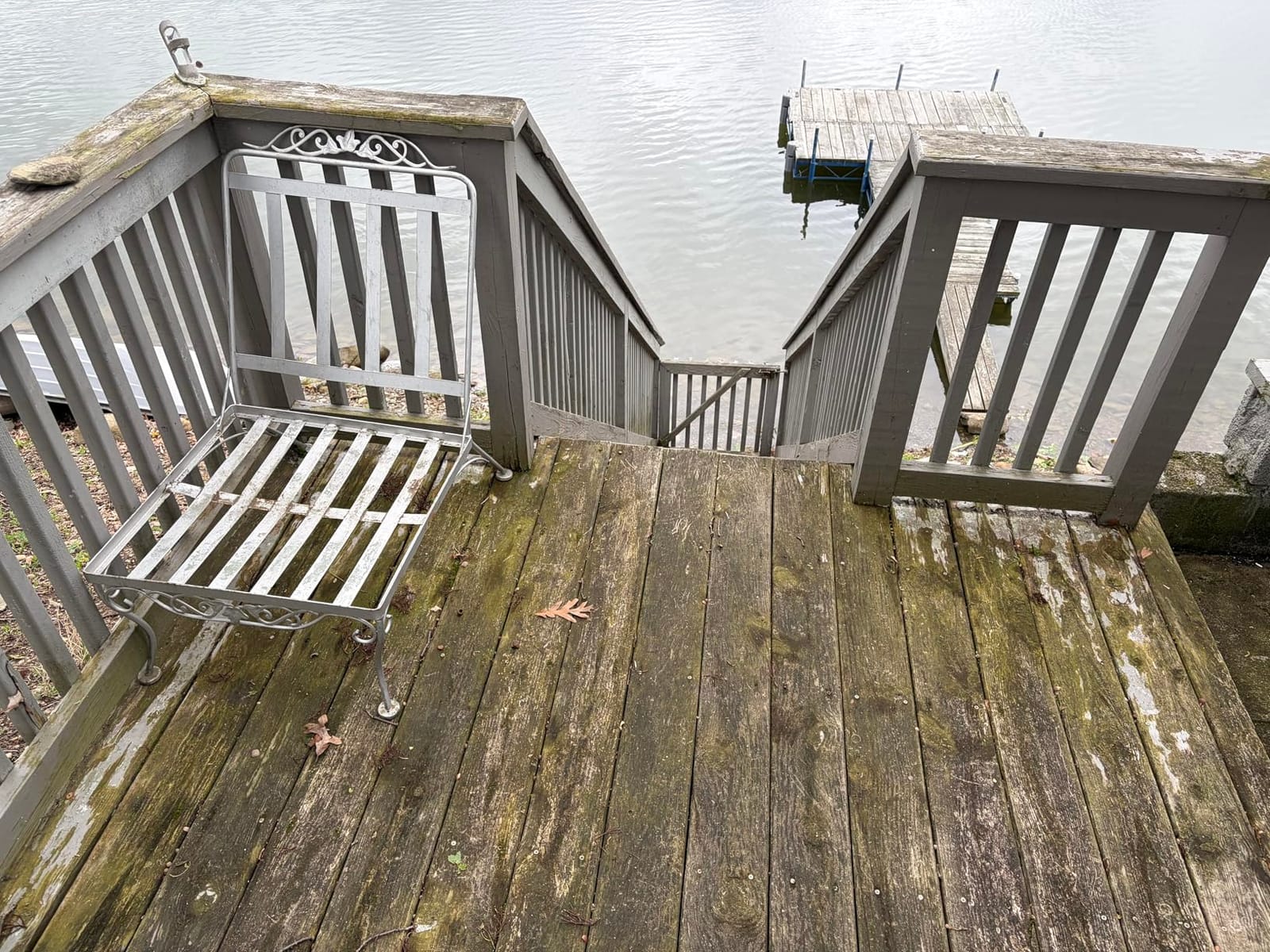
The fittings are M22, which is the detail that matters long term. Surface cleaners, undercarriage cleaners and foam cannons all bolt straight on, so this is the machine to buy if you expect to buy accessories later.
A 25-foot abrasion-resistant super-flex hose resists the kinking that plagues cheaper hoses, and a 35-foot GFCI cord means you rarely need an extension lead at all.
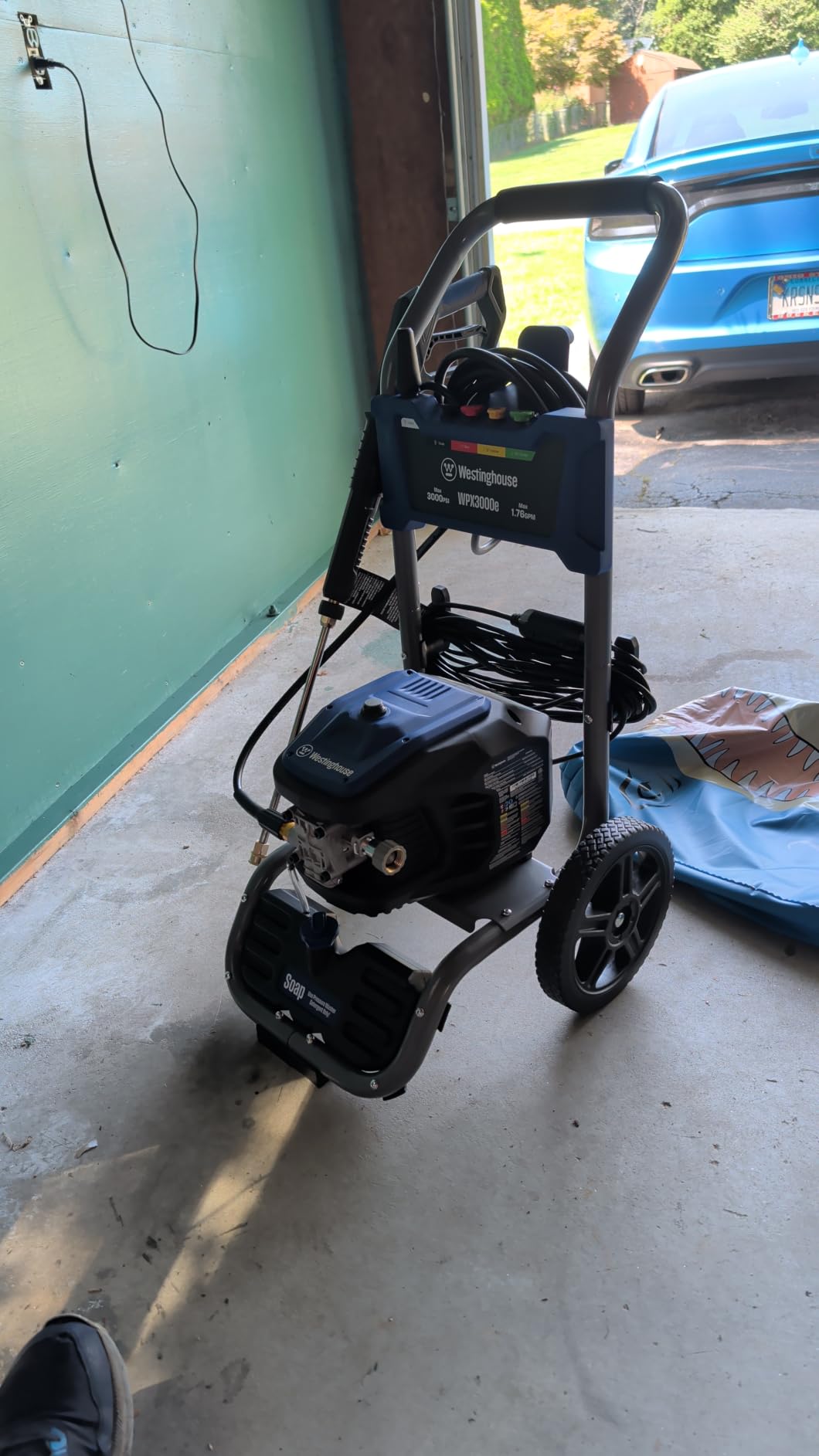
Where this machine pays off
Concrete driveways, garage floors, retaining walls and full-height siding. It has the pressure to lift dried mud and the flow to move it, which is the combination lower-output machines lack.
It is also the only one here with a steel frame and 10-inch never-flat wheels, so rolling 36.8 pounds across gravel is manageable once you get it moving.
What you accept for the power
Size and weight are the real costs. At 36.8 pounds and 36.6 inches tall it needs a proper corner of a garage, and rated flow of 1.1 GPM means sustained heavy dirt removal is slower than the max figure suggests.
The 0.45-gallon soap tank is small for long detergent sessions, and this is the closest any pick comes to the ceiling of this price bracket, so it is not the machine to buy if you want headroom for accessories.
7. Greenworks 1800 PSI – Best for the Smallest Storage Footprint
Greenworks 1800 PSI (1.1 GPM) Electric Pressure Washer PWMA Certified
1800 PSI
1.1 GPM
16 lbs
12.8 in tall
3-year warranty
Pros
- Smallest and lightest body here at 16 pounds and 12.8 inches
- Push-button start with no gas
- oil
- spark plugs or air filters
- Integrated GFCI plug cuts power automatically
- Owners report three hours of continuous use without overheating
- Quiet enough for evening cleaning
Cons
- 1800 PSI and 1.1 GPM is the lowest output here
- Fitted hose is thin and kinks easily
- Trigger must be held down continuously
- Some reports of repeated shutdown or early failure
If garage space is the constraint, this is the machine. At 16 pounds and 12.8 inches tall, the Greenworks 1800 PSI is the smallest washer here by a clear margin, and the manual is basically non-existent. No gas, no oil, no spark plugs, no air filters, no pull cord.
The push-button start gets you cleaning in seconds, which matters more than it sounds on a quick weekend job. A 35-foot cord with an integrated GFCI plug handles outdoor outlets safely.
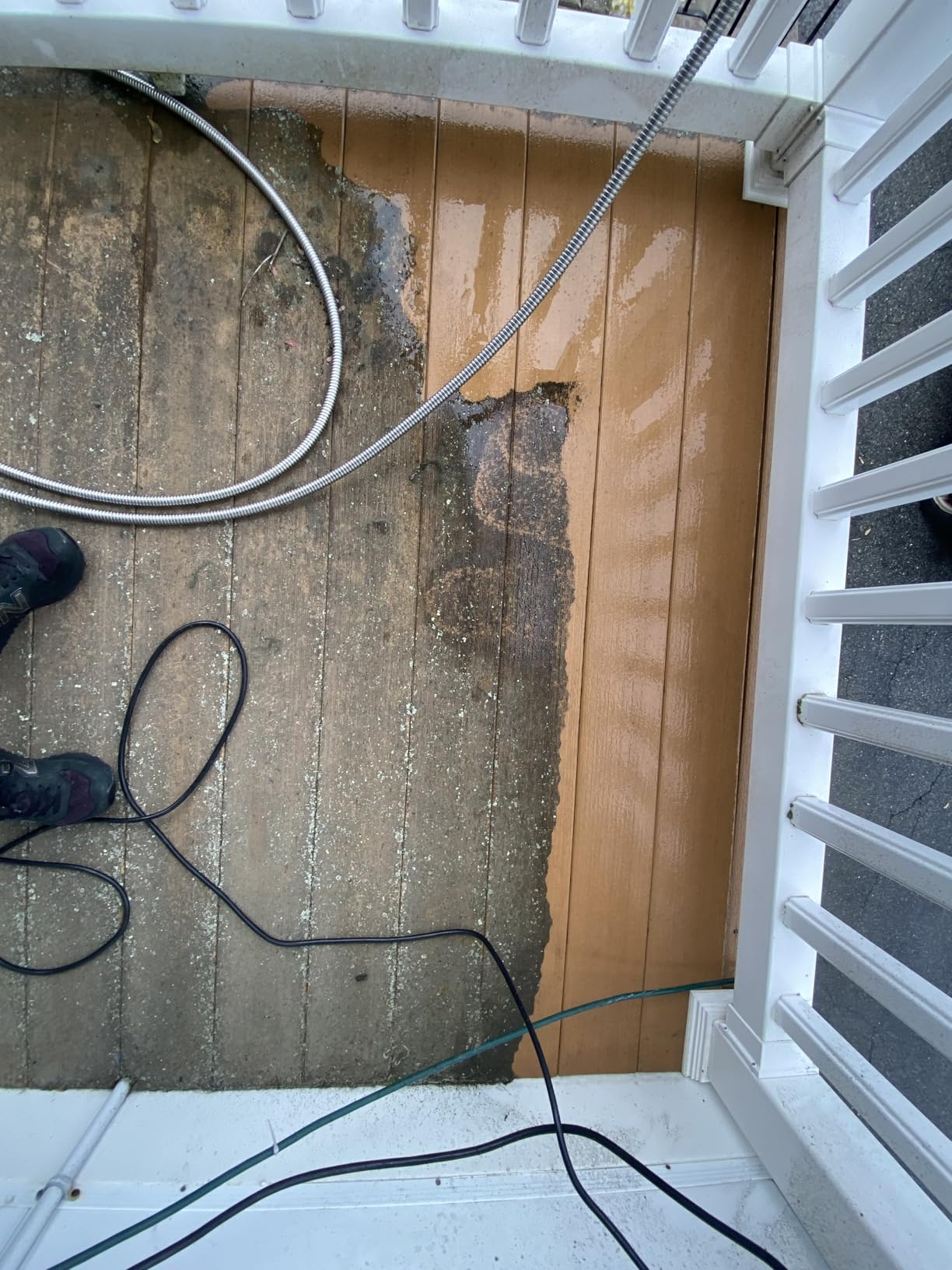
Owners report running it for three hours continuously without overheating or stalling, which is a good sign for the motor and pump. A one-quarter-inch universal quick connect system means standard accessories will fit.
It is rated for light-duty residential work: cars, trucks, motorcycles, boats, RVs, patio furniture, windows and decks.
When this unit makes sense
Apartment living, small garages, flats where storage is the hardest part of buying anything. It is also a reasonable second machine for washing cars while a bigger washer stays dedicated to concrete.
Because it works with an aftermarket long hose without losing pressure, a reach upgrade is easy if the supplied 20-foot hose proves short.
Limits worth knowing
At 1800 PSI and 1.1 GPM this is the lowest output in the roundup, so it is a poor choice for a driveway with embedded dirt. The fitted hose is thin and kinks easily, and the trigger must be held the whole time, which tires hands on long sessions.
Non-US buyers should also check the plug type before ordering. This is also the smallest review base of the eight, so long-term durability data is thinner here.
8. Westinghouse ePX3100 – Best for Decks and Fences
Westinghouse ePX3100 Electric Pressure Washer, 2300 Max PSI 1.76 Max GPM with Anti-Tipping Technology, Onboard Soap Tank, Pro-Style Steel Wand, 5-Nozzle Set, for Cars/Fences/Driveways/Home/Patios
2300 max PSI
1.76 max GPM
25 ft braided hose
19 lbs
3-year warranty
Pros
- Strong price-to-output balance for the money
- Four quick-lock wheels and low centre of gravity resist tipping
- 25-foot braided hose is generous at this level
- Auto-stop pump extends motor and pump life
- Compact 16.5-inch tall body that still stores easily
Cons
- 20-ounce soap tank is small for large jobs
- Rated flow of 1.24 GPM trails the 1.76 max figure
- Wheeled format needs more floor space than carry models
- A 17.5-inch wand is short for high work
The ePX3100 is the middle member of the Westinghouse family and the sensible middle choice. It gives you 2300 max PSI at 1.76 max GPM, a 25-foot nylon braided hose and a three-year warranty in a package that measures 16.5 inches tall and weighs 19 pounds.
For wood, that balance is exactly right. Decks and fences need enough flow to rinse detergent away quickly, but the 15 and 25 degree tips give you control to avoid cutting into soft grain.
As with the other wheeled machines here, the four quick-lock wheels and low centre of gravity keep it stable on uneven ground, which matters when you are spraying water sideways across a lawn.
The pump stops automatically when the trigger is released, cutting energy use and heat build-up in the pump during a long afternoon of fence work.
Why we like it for timber surfaces
Detergent plus a wide rinse pattern is the correct recipe for weathered deck boards, and the 1.76 max GPM clears the residue faster than a 1.2 GPM machine. The 25-foot hose reaches around planters and storage boxes without repositioning.
It is also the pick we would hand to someone splitting the difference between the compact units and the heavy Westinghouse WPX3000e.
Where it disappoints
The 20-ounce soap tank needs refilling repeatedly on large surfaces, so keep a second container ready for detergent work. Rated flow of 1.24 GPM sits well below the headline max figure, which is the usual marketing gap you will see in this category.
At 9 kg it is heavier than the smallest carry-along washers even though it looks compact, and the extendable 17.5-inch wand is short for anything above first-floor level.
How to Choose an Electric Pressure Washers Under 300 Dollars
Total output beats headline PSI
Total output is working PSI multiplied by GPM, and it predicts how fast a job finishes better than either number alone. Two machines can share the same PSI figure and behave completely differently if one pushes twice the water through the nozzle.
Rule of thumb for this category: anything at or above 2000 PSI with 1.2 GPM or better handles cars, siding, decks and patios well. For a driveway with years of build-up, push for 1.76 max GPM or the 2.5 GPM class, because those are the machines that clear a slab in one pass rather than three.
Read max figures and rated figures carefully. The Westinghouse machines quote both, and the gap between them tells you what the pump sustains over time rather than in a peak moment.
Electric versus gas at this budget
Electric wins on noise, fuel cost, maintenance and emissions. There is nothing to mix, no oil to check and no pull cord to yank, and most of these machines start with a button.
Gas wins on sustained output and on freedom from the power cord. If your work means hours of continuous running, an electric unit at this level is the wrong tool, and no amount of marketing changes that.
There is also a blunt counter-argument worth hearing. The r/pressurewashing community, which skews heavily toward contractors, runs a pinned rule stating that consumer electric machines have no place in professional work. For our purposes that community represents the professional view, not the homeowner view, but the underlying point is fair: these eight are weekend machines.
Pump type, nozzles and detergent delivery
An axial three-piston pump, like the one in the Westinghouse WPX3000e, is the most durable pump type at this price and is maintenance-free. Simpler plunger pumps are fine for occasional use and cheaper to replace, but they are the part that wears first.
Quick-connect nozzles matter more than nozzle count. A standard quick-connect system means you can buy any tip or accessory later without adapters, and the Westinghouse WPX3000e goes further with M22 fittings that accept surface cleaners, undercarriage cleaners and foam cannons directly.
Detergent delivery comes in two forms. An onboard soap tank is convenient and keeps chemistry away from the pump, but capacities here are tiny at 20 ounces or a fraction of a gallon, so plan refills. A siphon hose and foam cannon applies more solution per pass and is the better choice for big driveway jobs.
Extension cords, amperage and surface safety
Use the machine on a circuit that can handle its motor, which on these models runs from 13 to 14 amps. A 12-gauge cord is the sensible minimum for the higher-draw machines, and the models that ship with 35-foot cords largely remove the question.
If you do use an extension lead, connect it at the machine, keep the connection dry, and never run it through standing water. Several machines here include GFCI protection on the cord or plug, which is a genuine safety benefit at this price.
Match pressure to the surface. Vehicles, vinyl siding, painted trim and windows tolerate high pressure, while wood decks, softwood fences and aged plastics need the 15 and 25 degree tips rather than the red zero-degree jet. Use a surface cleaner attachment on flat concrete so the spray stays even.
What You Cannot Get Under 300 Dollars
Honesty about limits is more useful than another list. Three things are simply out of reach at this price, and knowing them will stop you buying the wrong machine.
First, sustained flow. Several machines here advertise 1.76 or even 2.5 GPM as a maximum while their rated flow sits at 1.1 to 1.2 GPM. Under a long, hot, dirty job you get the rated figure, not the headline. Compare rated numbers when comparing two machines.
Second, detergent capacity. Onboard tanks in this bracket measure 20 ounces or less, or under half a gallon. That suits a car. It does not suit a full driveway, and a separate foam cannon is worth budgeting for.
Third, commercial duty. These are cold-water machines with consumer duty cycles. Contractors running machines for hours daily, anyone needing hot water, and anyone moving mud and debris rather than surface dirt should be looking at professional or gas equipment well above this bracket.
There is one more honest note. Every machine here ships with a hose and nozzles that some reviewers replace within the first year. Treat the supplied accessories as starting parts, not lifetime parts.
Frequently Asked Questions
How much PSI do I need for a pressure washer?
Around 2000 PSI covers most residential work: cars, siding, decks, fences and patio furniture. For concrete driveways with years of build-up you want 2500 to 3000 PSI plus 1.76 GPM or more of flow. For delicate surfaces such as aged wood, painted trim and windows, stay at or below 2000 PSI and use a wider spray tip.
Electric or gas pressure washer: which is better?
Electric is quieter, cheaper to run and needs no fuel mixing or oil changes, which suits weekend home use. Gas delivers higher sustained output and needs no power outlet, which suits contractors and heavy continuous work. Under 300 dollars you can only buy electric, and that is the correct choice for the majority of homeowners.
Can you use a pressure washer on a wood deck?
Yes, but keep pressure moderate and stay off the red zero-degree jet. Use the 15 or 25 degree tip, work along the grain, and keep the nozzle moving. Start at a distance and close in gradually, and test an inconspicuous board first because older or softwood can raise the grain and roughen the surface.
What extension cord do I need for a pressure washer?
Use a heavy-duty 12-gauge cord with a ground, ideally 50 feet or less, and confirm the outlet is on a circuit that can handle the motor draw, which runs from 13 to 14 amps on these models. Connect the cord at the machine, keep the plug and connections dry, and use GFCI protection. Several machines here ship with 35-foot cords, which removes the need entirely.
Are cheap electric pressure washers bad?
Not inherently, but they are compromises. The most common weaknesses at this price are low flow rate, small soap tanks, plastic fittings and supplied hoses that kink or wear early. Machines with auto-stop pumps, metal guns and longer warranties hold up much better. Match the machine to the surface rather than to the price, and replace the fitted hose early if reviews flag it.
Final Verdict on the Best Electric Pressure Washers Under 300 Dollars
Our editor’s choice for the best electric pressure washers under 300 dollars is the Sun Joe SPX3000: it is the only pick here backed by tens of thousands of long-term owners, and it pairs 2030 PSI of working pressure with two onboard detergent tanks. Buy the Westinghouse WPX3000e instead if your work is heavy concrete or full-height siding, or the Westinghouse ePX3500 if you want the most visible cleaning progress per minute for the money.
Add the LWQ S5 for driveway flow, the Greenworks 1800 PSI for tiny storage spaces, and the CRAFTSMAN CMEPW1700 for light-duty car washing. Whichever you choose, budget for a better hose and a foam cannon early, because that is where most budget owners find the biggest improvement.