
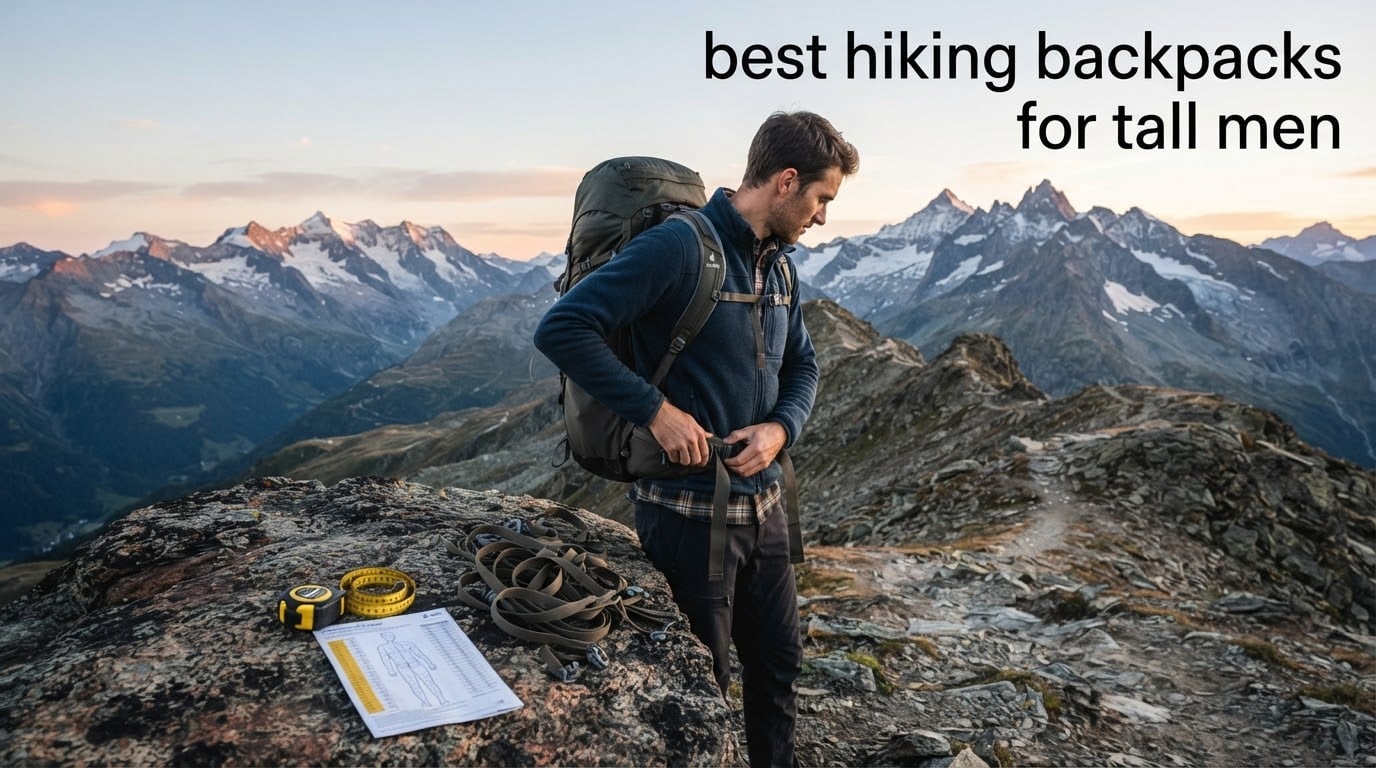
The best hiking backpacks for tall men are the ones whose torso adjustment reaches past 19 inches and whose hip belt still lands on your pelvic shelf. The Teton 65L Explorer is our top pick because it pairs multi-position torso adjustment with a 32-inch body, and the Osprey Atmos AG 65L in L-XL is the premium answer for very long torsos.
Height is a poor proxy for pack fit, and that is the single most misunderstood thing about buying a pack above six feet. Two men of identical height can differ by three inches of torso length, and the hip belt only does its job when it sits on top of the iliac crest at the base of your spine. When it slides below that point, the pack’s suspension stops carrying weight and your shoulders start carrying all of it, usually within about fifteen minutes of walking.
Our team compared twelve framed packs in the range that tall hikers actually shop for, mostly 55L to 75L internal frame models. We looked at the physical height of each pack body, how many torso adjustment positions exist, whether the hip belt can be repositioned, and what real owners report about the fit after a season of use. Where a manufacturer publishes a maximum torso length we use it, and where one does not, we tell you how tall the body is and let you measure against your own back.
Two things changed how we ranked these. First, the physical body height matters more than the size label, so a 32-inch pack body beats a nominal large that is 29 inches tall. Second, packs that fail on the shoulders of tall users are useless regardless of how good the fabric is, so every verdict here comes back to the hip belt. We also kept the load ratings in view, because a tall pack often gets overfilled when it finally fits properly for the first time.
Table of Contents
Top 3 Picks for Hiking Backpacks for Tall Men (October 2026)

Teton Explorer 65L
- Multi-position torso adjustment
- 32 inch tall body
- 5 lb empty
- Sleeping bag compartment

All 12 Packs at a Glance in 2026
Every pack below is listed in the order we would consider them, with the specs that decide tall-hiker fit first and weight second. The features column is the short version of the review that follows it.
| Product | Specs | Action |
|---|---|---|
| Teton Explorer 65L |
|
Check Latest Price |
 Mardingtop 75L Molle Mardingtop 75L Molle |
|
Check Latest Price |
 Tripole 65L plus 20L Tripole 65L plus 20L |
|
Check Latest Price |
 Amazon Basics 75L Amazon Basics 75L |
|
Check Latest Price |
 MOUNTAINTOP 70L MOUNTAINTOP 70L |
|
Check Latest Price |
 Ubon 60L Ubon 60L |
|
Check Latest Price |
| Osprey Atmos AG 65L |
|
Check Latest Price |
 Osprey Rook 65L Osprey Rook 65L |
|
Check Latest Price |
 Kelty Coyote 65L Kelty Coyote 65L |
|
Check Latest Price |
 Gregory Stout 70L Gregory Stout 70L |
|
Check Latest Price |
 Osprey Aether Plus 70L Osprey Aether Plus 70L |
|
Check Latest Price |
| Teton Scout 55L |
|
Check Latest Price |
1. Teton Explorer 65L – Best Overall for Tall Frames
Teton 65L Explorer Internal Frame Backpack for Hiking, Camping, Backpacking, Rain Cover Included, Olive
65L framed pack
32 inch body
5 lb empty
Torso and hip adjustment
Pros
- Multi-position torso adjustment suits medium and tall frames
- Open-cell foam lumbar pad with molded airflow channels
- Large sleeping bag compartment and multi-directional compression straps
- Rain cover included in the box
- Six compartments and six external pockets
Cons
- Torso adjustment range tops out short for very long torsos
- Entry-level fabric and hardware next to premium framed packs
This is the pack we kept reaching for during the comparison, mostly because the Explorer is tall in a way that most budget framed packs are not. The body measures 32 inches front to back and the back system offers several torso positions, which means a six-foot-four hiker can tighten the harness until the hip belt sits high rather than sagging.
Load transfer is handled by an open-cell foam lumbar pad sitting in molded channels, and the whole thing sits on a framed internal structure rated for real weekend loads. Owners running multi-day trips consistently report balanced weight and positive fit sentiment, and the fit praise comes disproportionately from taller buyers.
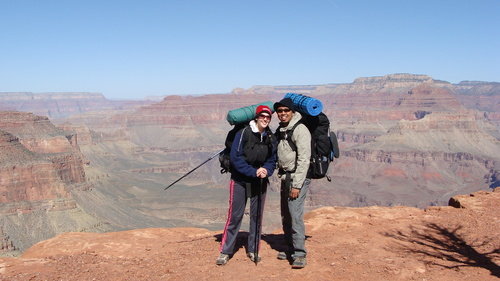
Capacity is 65 litres across six compartments and six pockets, with a large sleeping bag compartment underneath and compression straps on three sides. That is enough for two to four nights in summer or a winter kit in shoulder season, and the included rainfly means you are not relying on a shelter for dry spells.
The fabric is 600D polyester diamond ripstop with a 600D polyurethane lining, which will not please anyone who prefers ultralight gear, and the empty weight is five pounds. The pack carries a limited lifetime warranty, which is unusual at this level and worth factoring in if you plan to keep it for years.
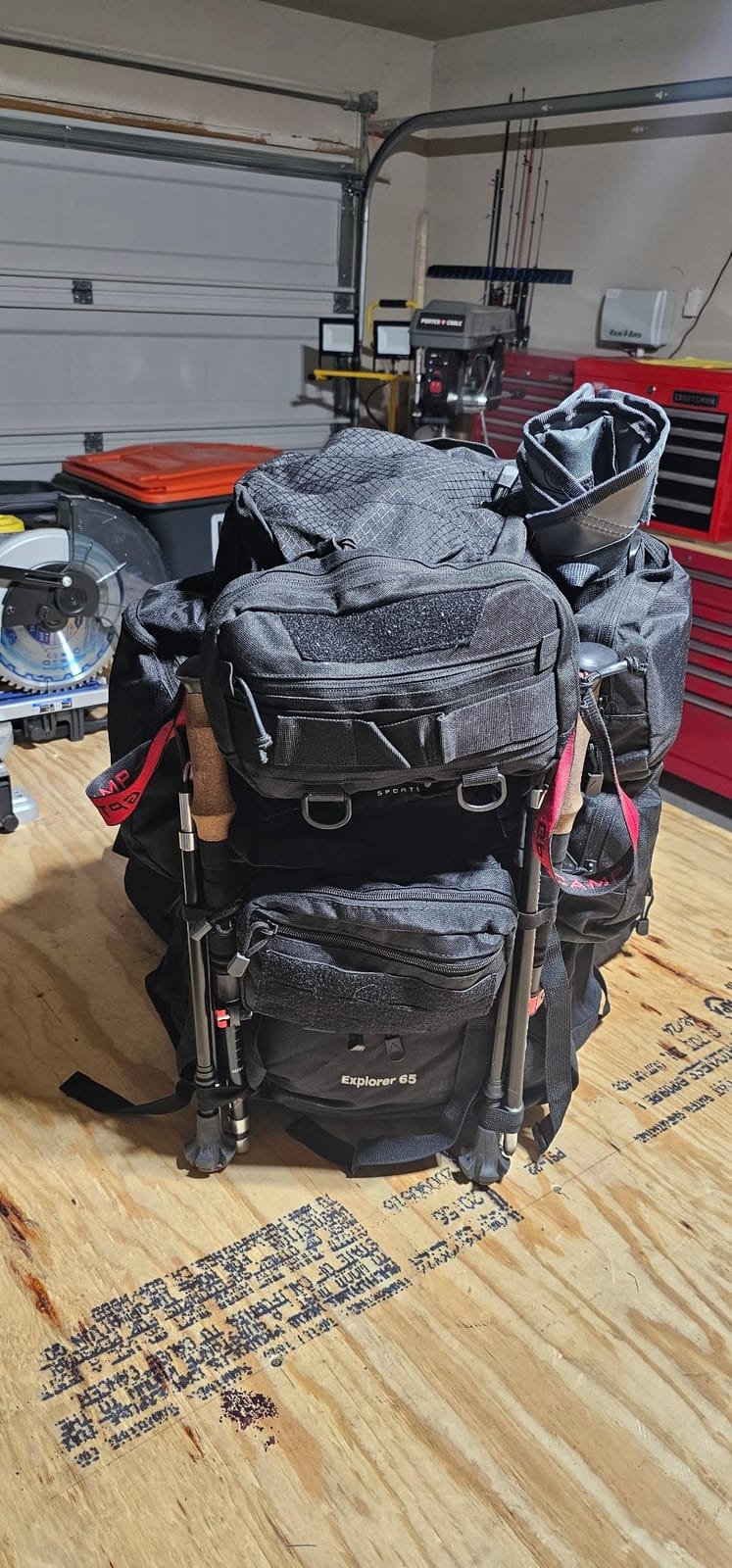
How the torso adjustment behaves on a long back
The multi-position adjustment is the reason this pack fits where shorter budget models fail. Rather than one slide-and-lock point, the back panel offers several positions, so the harness can be moved up the body rather than merely tightened. For a wearer between roughly 18 and 20 inches of torso that difference is the whole ball game.
The most common criticism is that the adjustment still stops short of the very longest torsos, which leaves the pack hanging slightly away from the upper back on the tallest frames. If your measured torso is beyond the low twenties, read the long-torso reviews further down before you commit.
What to check before you buy
Measure your torso first and compare the number against the physical body height of 32 inches, not against a size label. Owners carrying 40-pound weekend loads report the lumbar pad holding its shape, while lighter users sometimes find the pack girthier than they need.
If your priority is a pack that disappears on long days, this is not it. If your priority is a hip belt that stays put and a body that does not end mid-back, the Explorer is the safest general choice in this roundup.
2. Mardingtop 75L Molle – Best Tall Body on a Budget
Mardingtop 75L Molle Hiking Internal Frame Backpacks
75L polyester body
32.3 inch height
4.5 lb empty
MOLLE webbing
Pros
- Very tall 32.3 inch body suits long torsos
- MOLLE webbing for poles tent and tools
- Hydration compartment takes a 3 litre bladder
- Two large side pockets for bottles and kit
Cons
- Not factory water resistant so the rain cover matters
- Harness lacks a dedicated adjustable torso system
- Hand wash only care
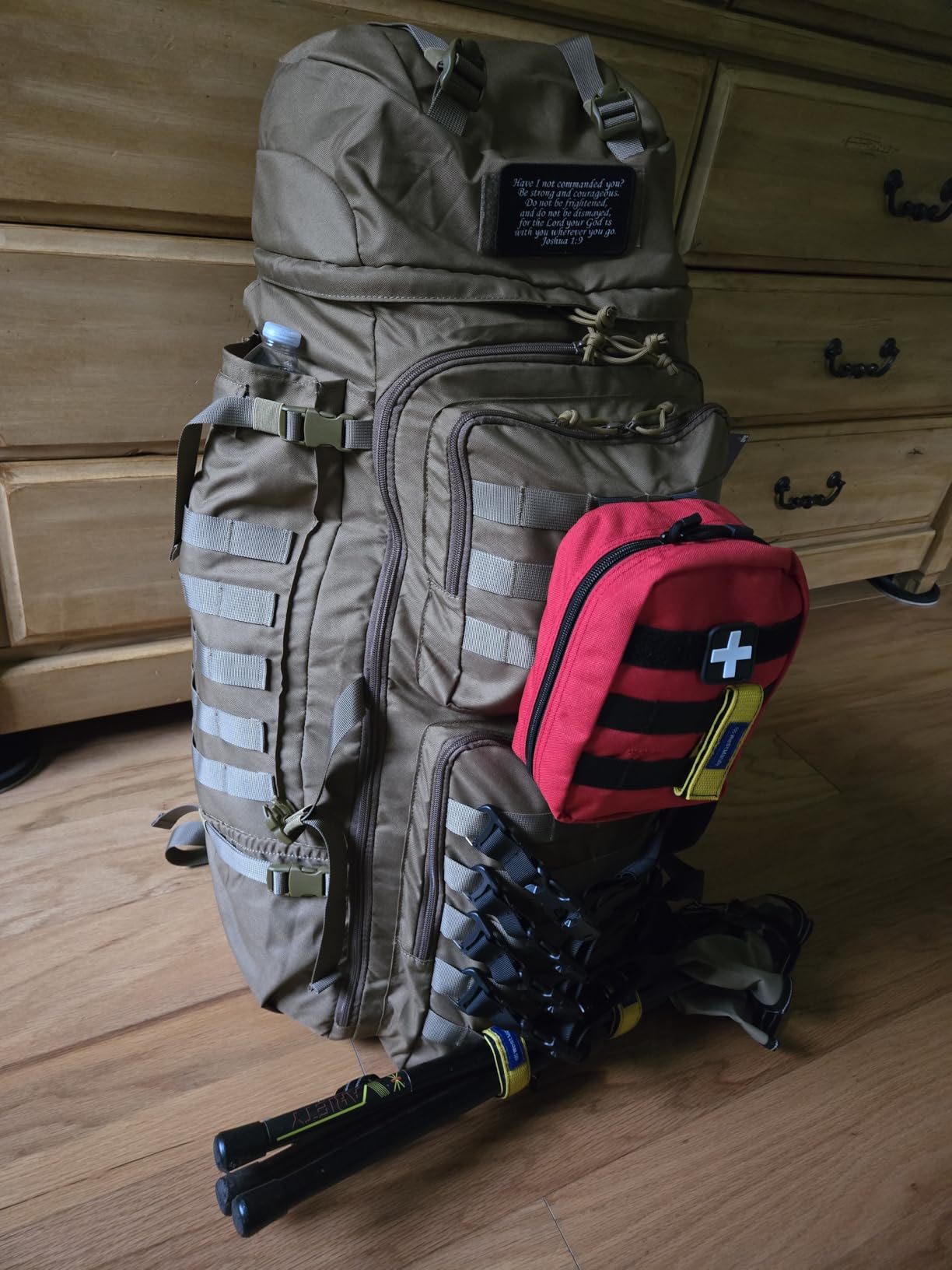
The 75L Mardingtop is the tallest body in this group at 32.3 inches, and for a hiker whose problem is simply that the pack ends before their shoulders do, that single number solves it. There is no trim, no stubby short-torso variant, just a long cylinder of a pack that will extend down most long backs.
At 4.5 pounds empty it is not a heavy pack for 75 litres, and the six compartments plus six pockets give you plenty of organisation. Owners rate fit as good, and the MOLLE webbing across the front is genuinely useful for strapping a tent, trekking poles, or a wet jacket to the outside.
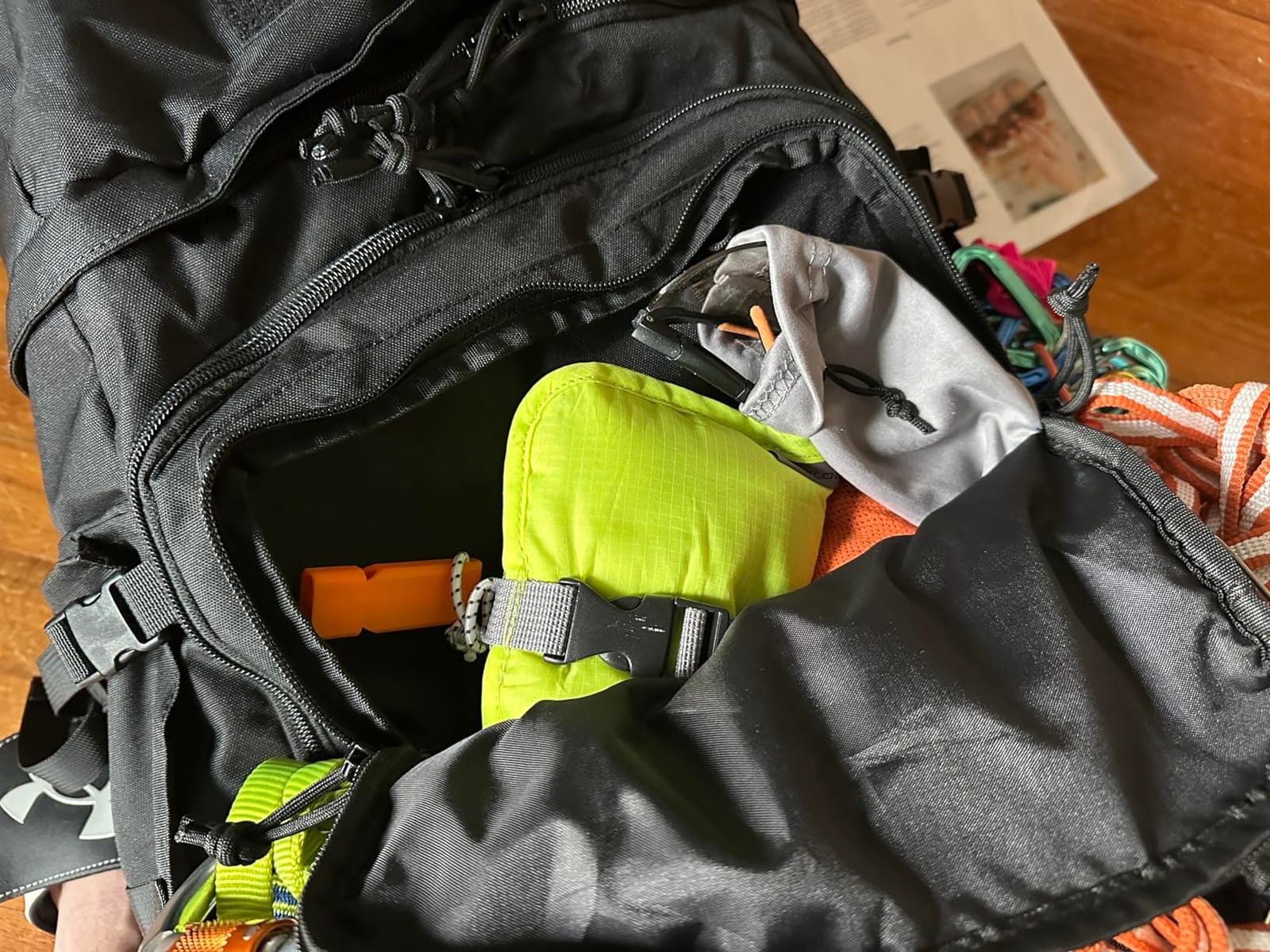
Large side pockets hold bottles and small camping kit, and the internal hydration compartment is sized for a three-litre bladder if you prefer to drink from a tube on long climbs. A rain cover ships in the box, which matters here more than with most packs because of the next paragraph.
The polyester shell is not factory water resistant, so the included cover is doing real work rather than being a token accessory. Treat this as a fair-weather-to-moderate pack and keep a liner in your kit for genuine downpours.
Who the extra height suits and where it stops helping
If your torso measurement exceeds the point where other 70L packs run out of adjustment, this body keeps going. That makes it a common recommendation for very tall hikers who find themselves squeezing into a large in a brand that has no extended size.
The limitation is the harness. There is no dedicated adjustable torso system, so the fit comes from strap length alone rather than a repositionable back panel. A very long torso can still leave a gap at the top of the shoulder straps if the harness does not travel far enough up the body.
What to check before you buy
Decide honestly how much you will carry. At 75 litres with a basic harness, overpacking is easy and the result is shoulder load rather than hip carry. Pairs of poles and a camera kit on the outside MOLLE are better than compressing everything into the main body.
Care is hand wash only, which is a mild inconvenience for anyone used to a machine-washable pack. Everything else about the build is straightforward, and owners generally report it holding up well for the class of trip it suits.
3. Tripole 65L Plus 20L – Best Pack and Daypack in One
TRIPOLE Walker 65 Litres Rucksack | Internal Frame With Metal Rod | Rain Cover | Bottom Opening | Laptop Section (Black)
65L plus 20L daypack
3.31 lb empty
Torso adjustment
Aluminum rod frame
Pros
- Torso adjustment on the back fits a range of heights
- Aluminum rod and fibre frame carries heavy loads
- Bottom opening compartment for shoes and sleeping bag
- Fully waterproof rain cover stored in a base pocket
Cons
- Padded laptop compartment eats main compartment space
- Harness padding is basic for very heavy loads
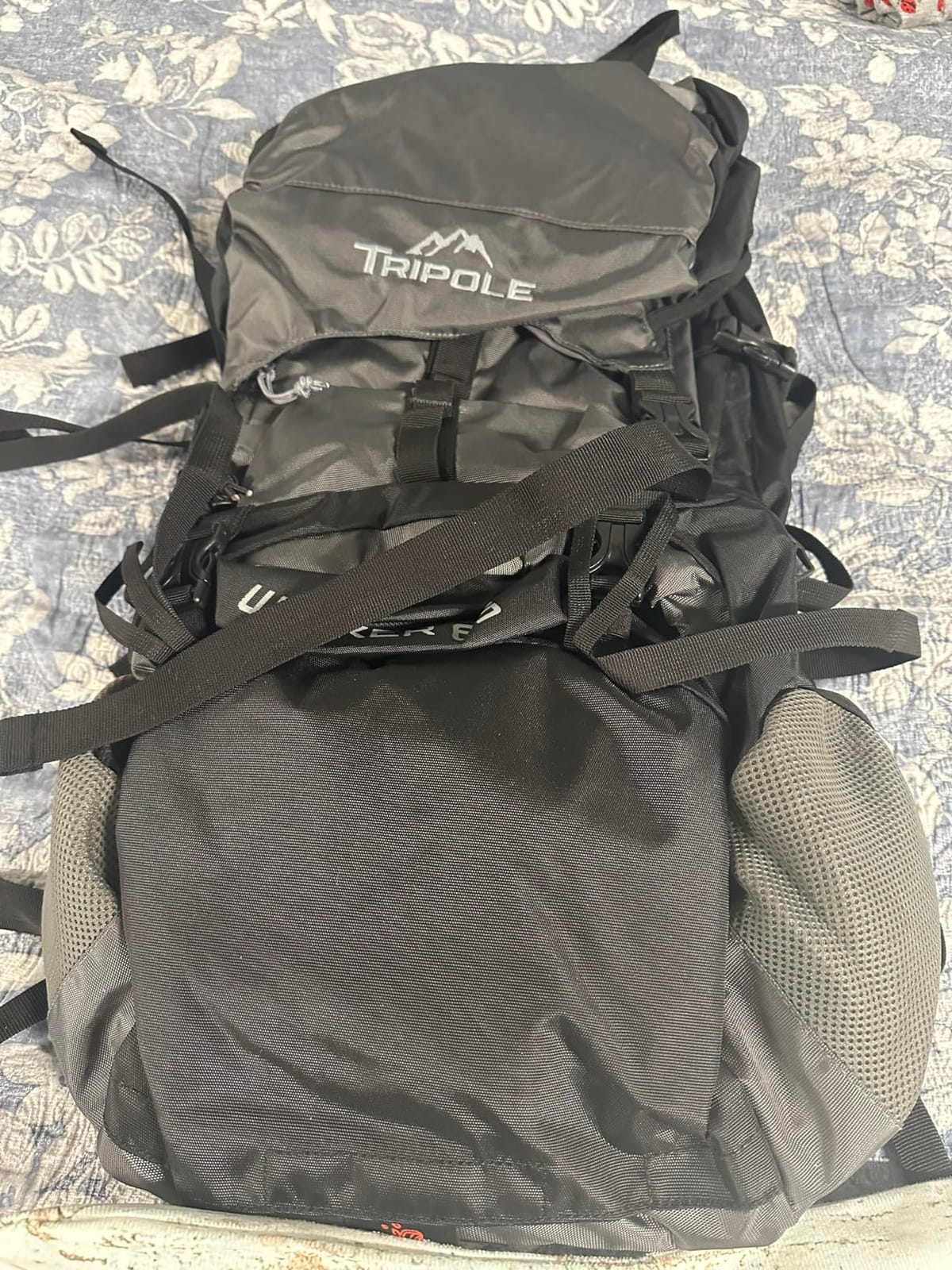
The Tripole package includes a 65-litre framed rucksack and a separate 20-litre foldable pack, which makes it unusual in a category where almost everything is a single sack. For tall hikers who day hike in the summer and want a real pack for three-day trips without owning two products, that pairing is the argument.
The 65L main body has a torso adjustment mechanism on the back designed to cover a range of heights, and the frame combines an aluminum rod with fibre to carry heavy loads without collapsing. Empty weight is 3.31 pounds, the lightest of the framed 65L options here.
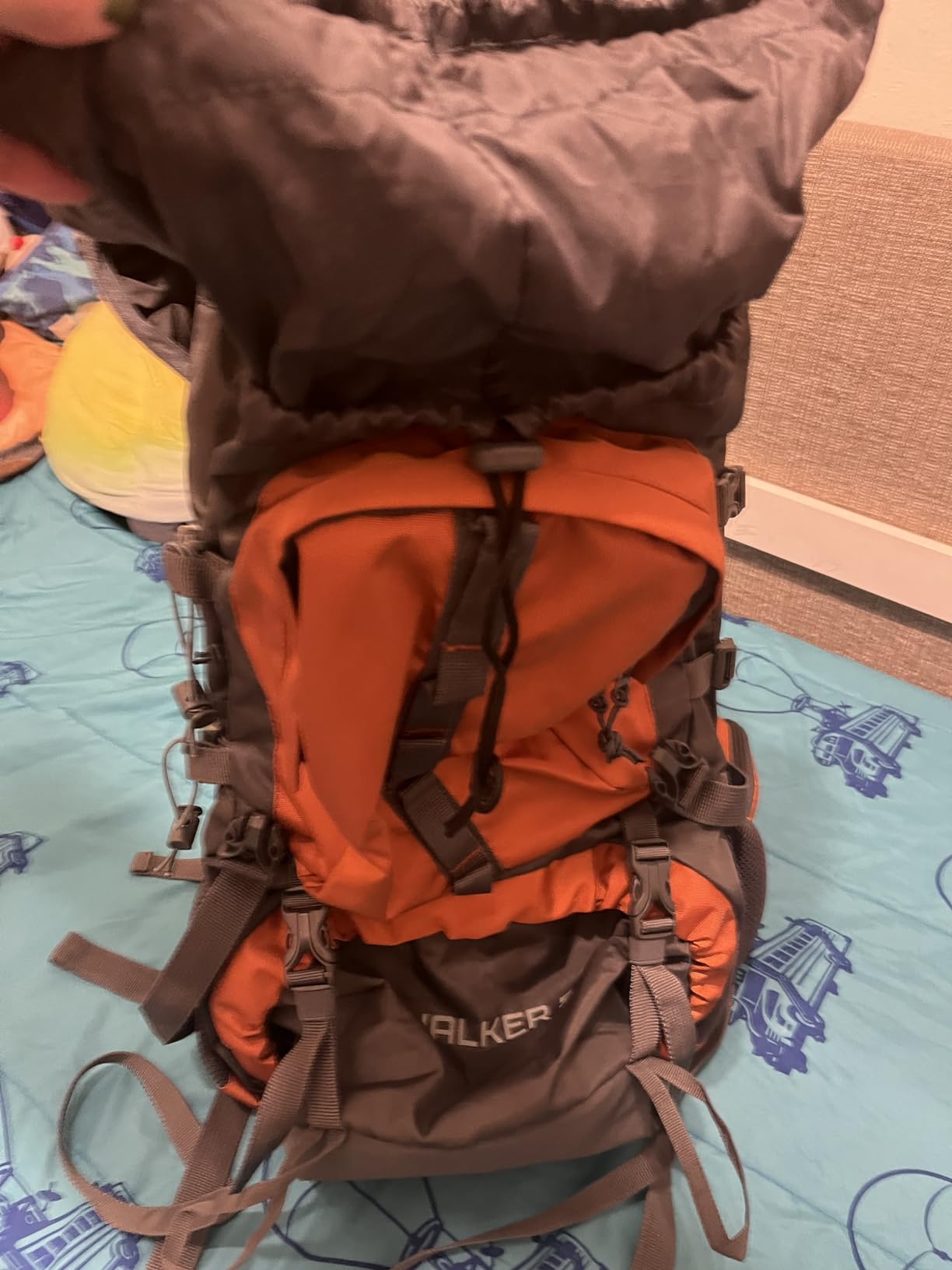
A bottom opening compartment gives you somewhere to put muddy shoes or a wet sleeping bag, and it converts to one large open space when you need to load bulky gear. The rain cover is fully waterproof and stores in a base velcro pocket, so it is there when the weather turns.
Owners highlight value, the adjustable torso, the sturdy frame, and the useful bottom access. The most repeated complaint is the padded laptop compartment, which up to 17 inches takes a real slice of the main volume and is not much use in the backcountry.
How the fit holds up for a tall frame
Because the torso adjustment is on the back rather than limited to strap length, this pack closes much of the gap that fixed-size budget models leave. Owners using it as a multi-day pack report that the adjustment is one of the reasons weight stays balanced.
The honest limit is the harness padding. On heavy loads the shoulder and hip padding is described as basic, so a hiker carrying a genuinely heavy load for many days will feel that difference after the first long afternoon. Buyers moving lighter report no such issue.
What to check before you buy
Work out what you will actually use the 20L foldable pack for. If it becomes a permanent extra bag rather than a day sack, the value argument is weaker and the laptop sleeve is just dead weight in the main compartment.
The pack is 11.81 by 3.15 by 20.47 inches, a narrow profile that loads well into a car boot or a bike trailer. Pack it around anything rectangular and large and you will use most of the interior; pack clothing and it looks oversized.
4. Amazon Basics 75L – Best Low-Cost Big Volume Pack
Amazon Basics Internal Frame Hiking Backpack for Camping and Backpacking, Adjustable Straps, Rainfly Included, 75 Liters, Black
70 litres plus 5L collar
29 inch body
5.1 lb empty
Ten pockets
Pros
- 29 inch tall body and adjustable torso suit taller wearers
- Ten pockets plus a large sleeping bag compartment
- Open-cell foam lumbar pad and molded channels aid airflow
- Integrated rainfly
- Owners report it handling 40 to 50 lb weekend loads
Cons
- Shoulder straps sit loose and can rub the neck
- No pockets on the hip belt
- Straps are so long they need tying down for air travel
This is a 75-litre listing that works out to 70 litres of body plus a five-litre extension collar, and the body is 29 inches tall. That height is on the shorter side for a tall hiker, but the adjustable torso and the extension collar give you two ways to add effective back length when you need it.
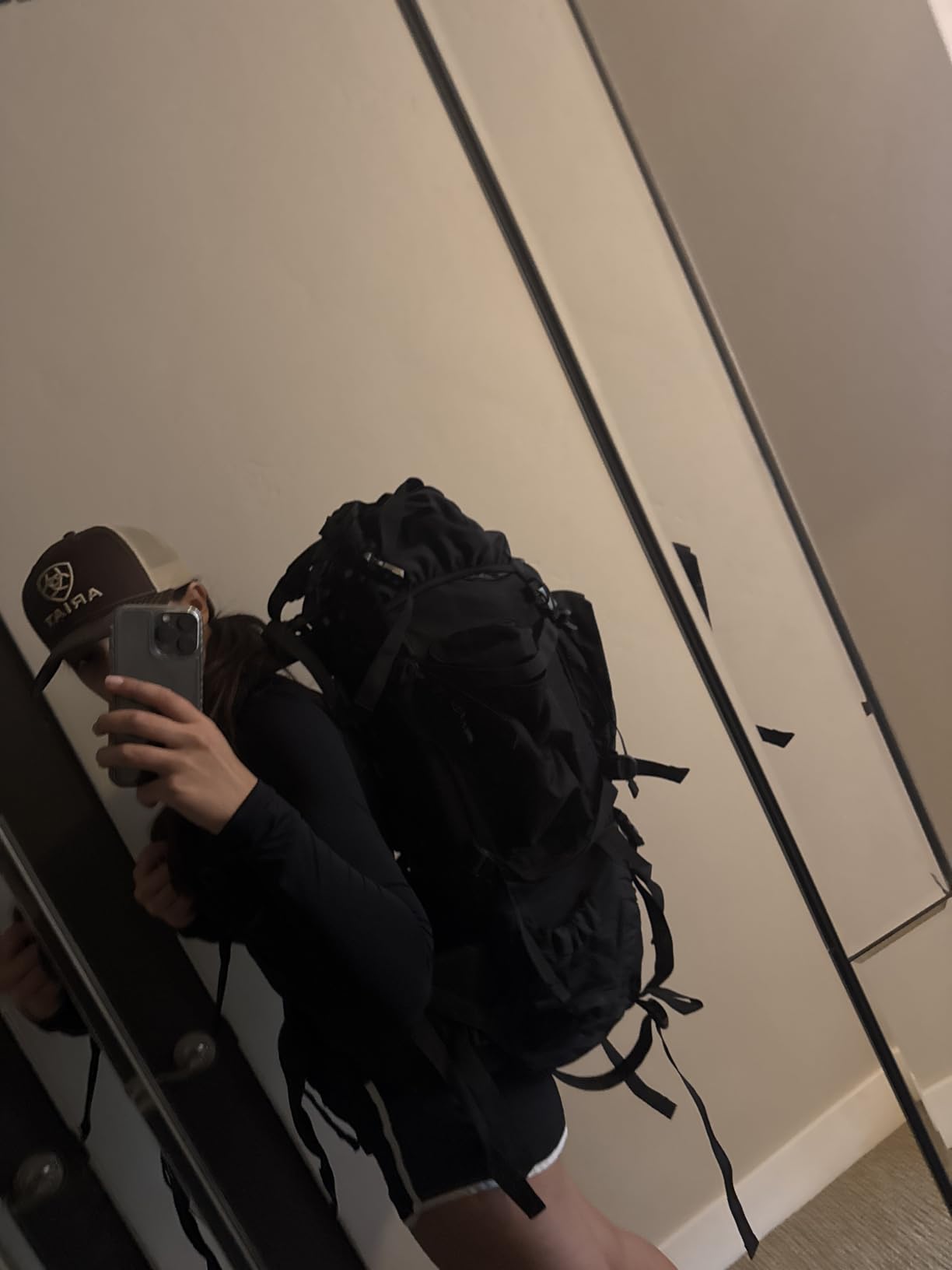
Organisation is the headline feature with ten pockets and five compartments, including a large sleeping bag compartment at the base. Many owners report using it for 40 to 50 lb weekend loads without complaint, and taller reviewers specifically like the 29-inch frame length.
The back uses an open-cell foam lumbar pad in molded channels, so the pack does not sit as a solid slab against your spine. A water-repellent coating and an integrated water-resistant rainfly cover wet weather without adding another accessory to lose.
At 5.1 pounds empty it is the second-heaviest pack in this roundup, and that weight is a direct consequence of the large volume and generous pocket count. Treat the number as a fair trade rather than a flaw if you are carrying bulky gear.
How the fit behaves on a taller wearer
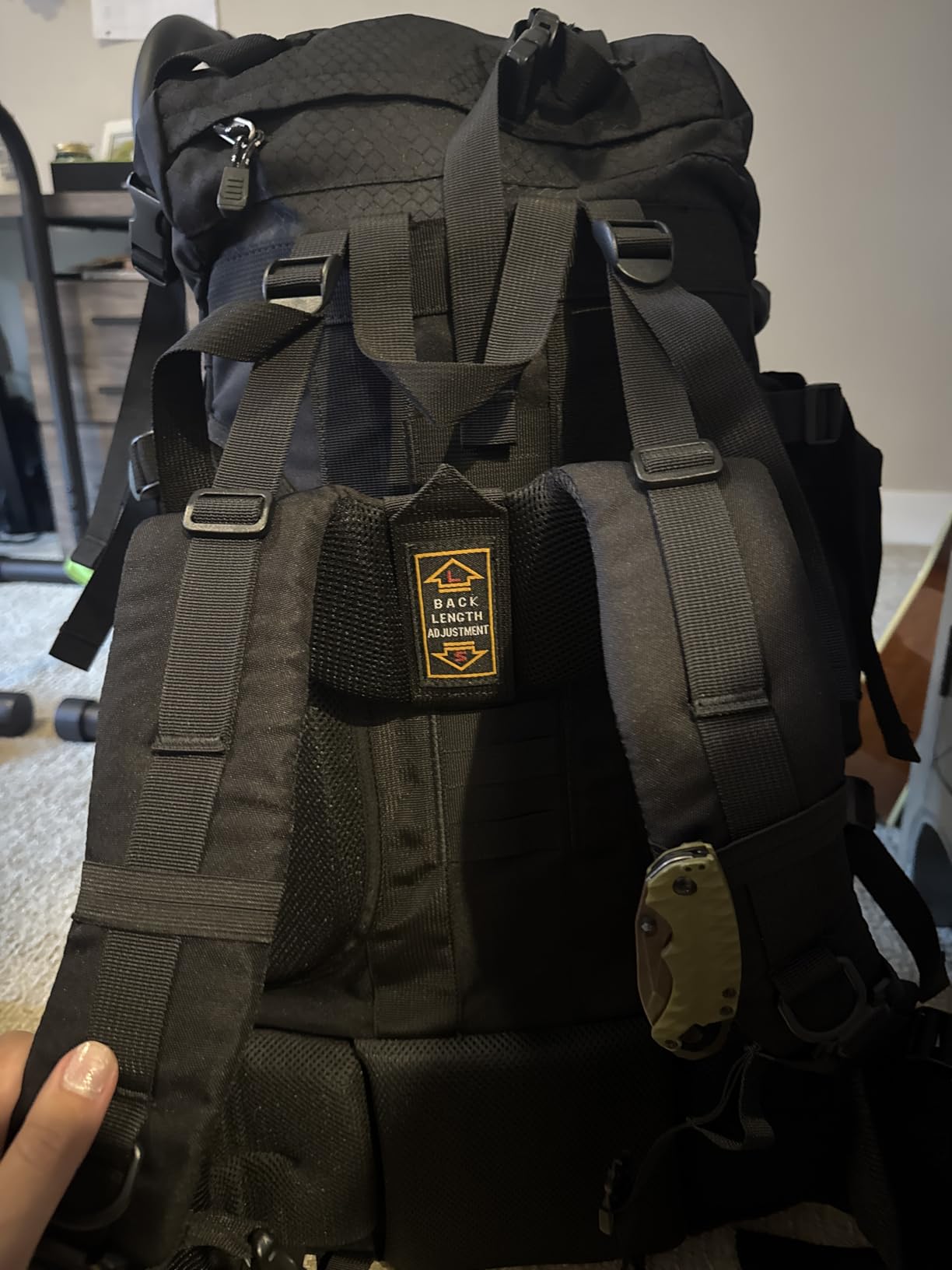
The adjustable torso is doing real work here. Owners who report positive fit are mostly the ones who also have a longer back, and the review pattern suggests the pack is more forgiving than its 29-inch body would suggest.
The recurring gripes are mechanical rather than structural: loose shoulder straps that can rub the neck, no hip-belt pockets at all, and straps long enough that owners tie them down for air travel. None of these affect load transfer, but the first two shape how pleasant a long day is.
What to check before you buy
Plan your trip around a three-to-four-day load. The volume and pocket layout reward trips where you carry a lot of separate items, and disappoint on short day walks where you are dragging an empty compartment around.
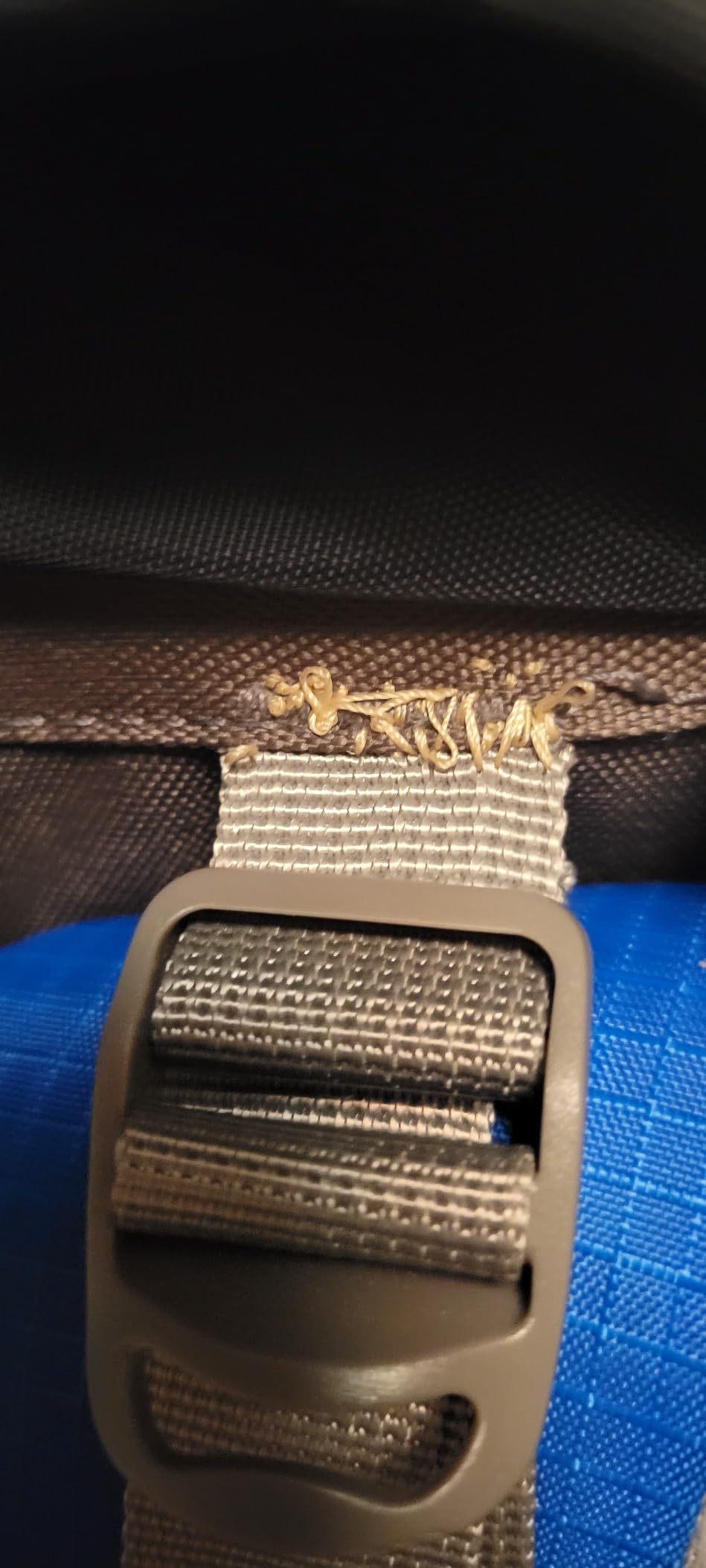
There is at least one report of a shoulder strap tearing at the reinforced top point. It is an isolated report in a large review set, but it is worth inspecting the strap stitching if you buy one, especially if you regularly clip gear to it.
5. MOUNTAINTOP 70L – Best for Shared Gear and Wide Size Range
MOUNTAINTOP 70L Internal Frame Backpack, Large Capacity Backpacking Pack
70L nylon body
4.4 lb empty
Aluminum alloy frame
Side zip entry
Pros
- Multi-position torso adjustment spans a wide height range
- Lightweight aluminum alloy frame plate handles 45 to 50 lb loads
- YKK zippers and thick padding on back and shoulder straps
- Side zip entry plus detachable top pouch
Cons
- Nylon fabric is thin and may not survive heavy abuse
- Some wearers find the many straps inconvenient
The MOUNTAINTOP is the pick for households where one pack has to fit more than one body. Its multi-position torso adjustment is described by owners as spanning a wide height range, and the fit sentiment across reviews is positive for a broad spread of sizes rather than a narrow window.
The 70-litre nylon body weighs 4.4 pounds empty and rides on a lightweight aluminum alloy frame plate that owners say handles 45 to 50 lb loads. One long-term owner reports the pack still in perfect condition after five years of use, which is the durability story you want from a shared family pack.
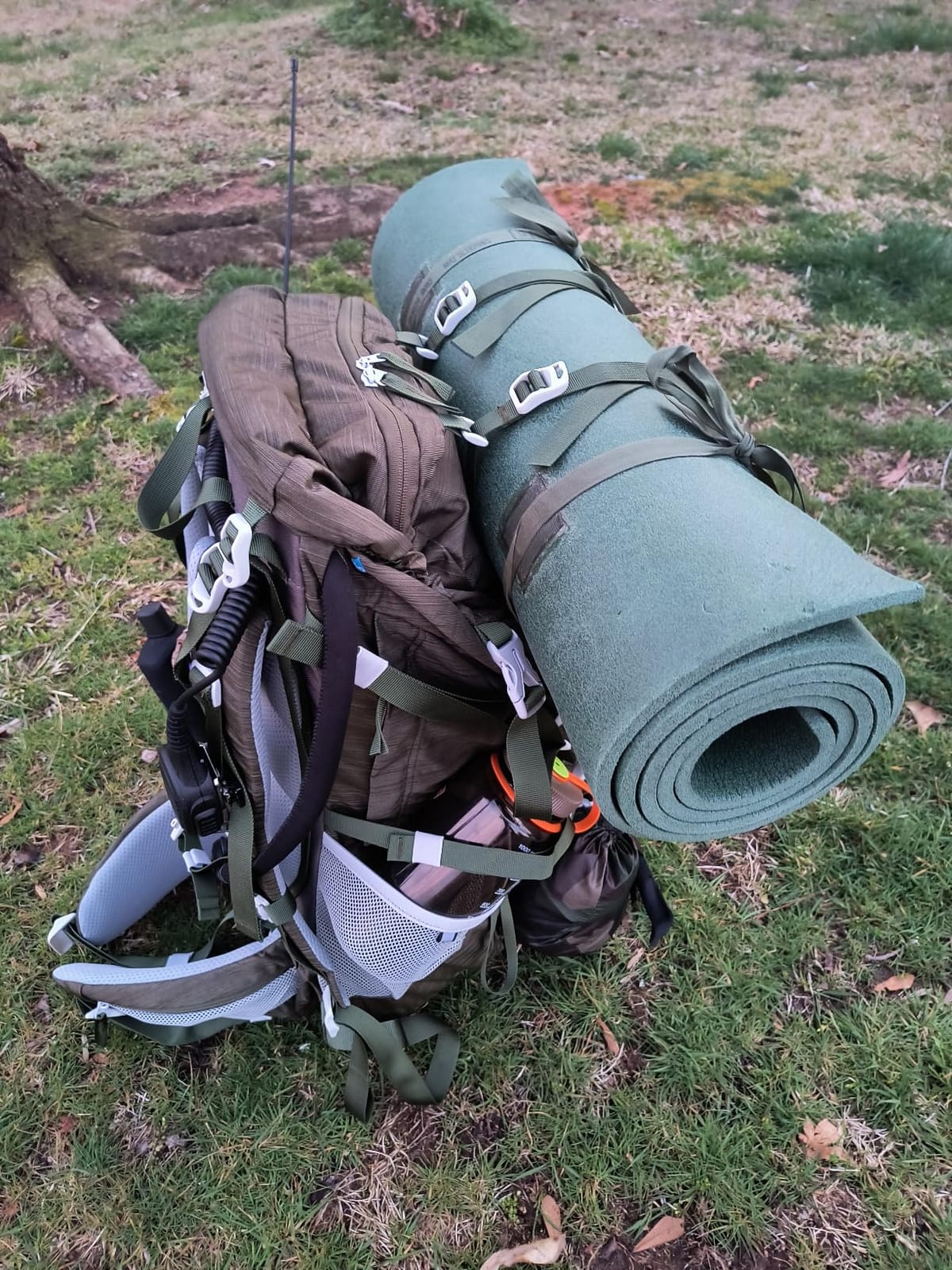
Eight compartments and eight pockets make this one of the better organised packs here, and the side zippered entry into the main compartment is a genuine time-saver when you want one item rather than a full unpacking. A detachable top pouch can be removed when you need the volume.
YKK zippers are a small quality signal that costs nothing to notice and saves frustration later. Soft breathable mesh back pads and a rain cover in the box round out a comfort package that suits summer multi-day trips.
How it fits a long torso and a broad load
The multi-position adjustment means the harness can sit higher on the back rather than relying on strap take-up alone. That is the same mechanism that makes the Teton Explorer work on tall frames, and it is the single feature to confirm if you are over six feet.
At nearly 30 inches tall the body is long, and with an aluminum plate inside it holds shape when you fill it. The counterweight is bulk: owners on smaller frames find it bulky and top-heavy, which is the mirror image of the tall-hiker complaint.
What to check before you buy
Count the straps before you commit. The adjustment system and the compression points add up to a lot of loose webbing, and some wearers find the number of them inconvenient on long hikes when you only need two or three.
The nylon is thinner than a 600D polyester diamond ripstop shell and may not survive heavy abuse long term. If your trips involve rock scramble gear, sharp tent poles, or a lot of abrasion, budget for a repair kit.
6. Ubon 60L – Best Starting Point for Light Loads
Ubon 60L Lightweight Camping Backpack Internal Frame Backpacks Blue
60L internal frame
2.65 lb empty
Seven stage adjusters
Air-mesh panel
Pros
- Seven stage height adjusters give a fine range of torso fits
- Very light at 2.65 lb for an internal frame pack
- Suspended air-mesh panel moves load to the hips
- Side zipper for fast access to the main compartment
Cons
- 60L volume limits bulky gear loads
- Hook-and-loop adjusters can loosen over time
The Ubon is the lightest framed pack here by a wide margin at 2.65 pounds, and it does not get there by giving up the thing tall hikers need. Seven stage height adjusters on the back give the most finely graduated torso range of any pack in this group, which is the feature that decides fit for a long back.
Load transfer comes from a suspended air-mesh back panel that holds the pack off your spine and pushes weight toward the padded hip belt. Owners report a ventilated carry that moves load off the back, and the side zipper gives fast access without unpacking the top.
The 600D tear-resistant nylon comes with quality stitching and sturdy hardware, plus a sleeping pad compartment and a top lid pocket inside the 60 litres. Loops for trekking poles sit on both sides, so a pair of poles does not need to go in the main body.
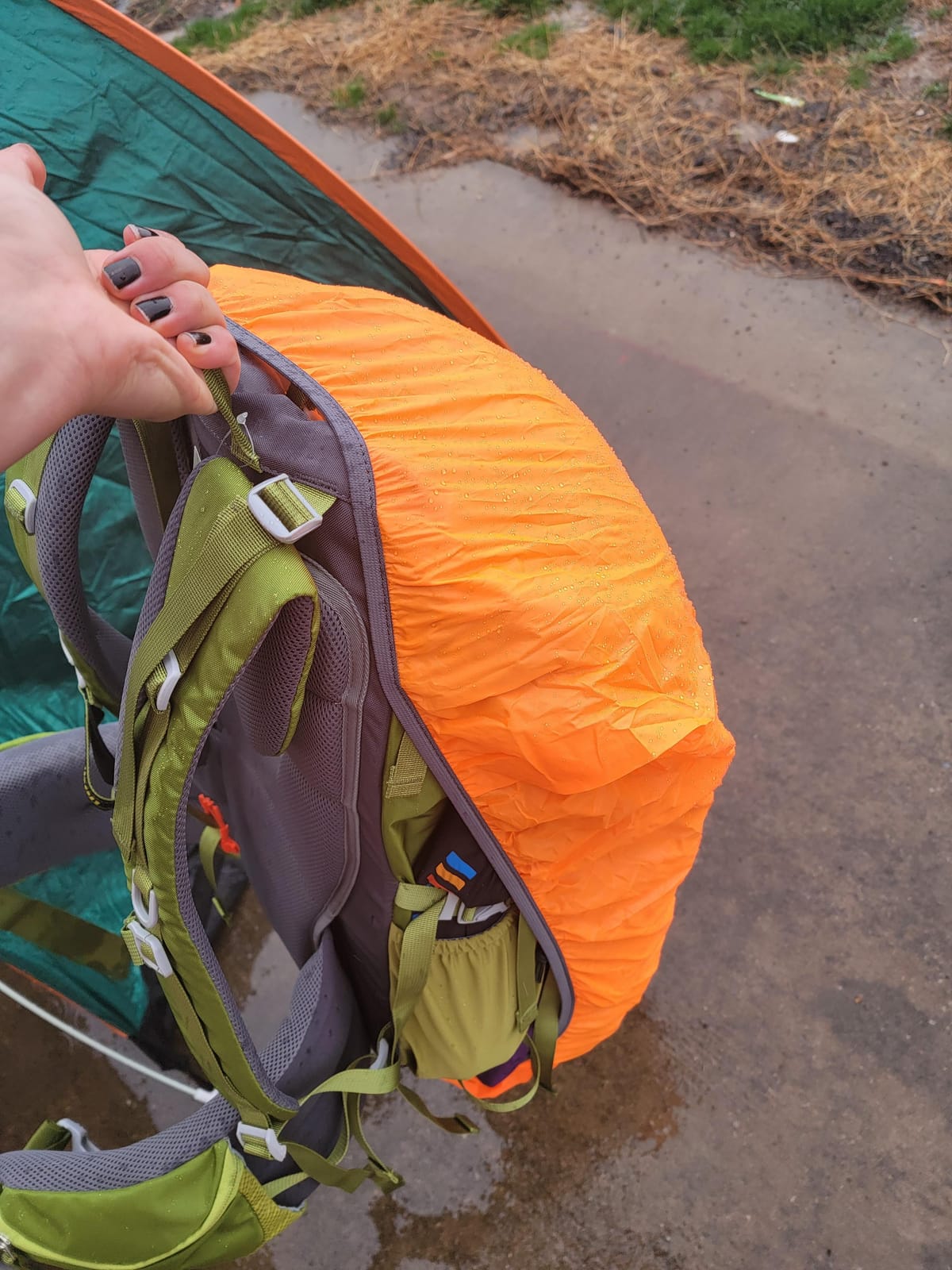
An integrated rain fly stores in a zippered bottom pocket, which means one less thing in your gear list. Owners like the light, ventilated carry, and the pack has a strong position in its category by review volume.
How the seven adjusters help a long torso
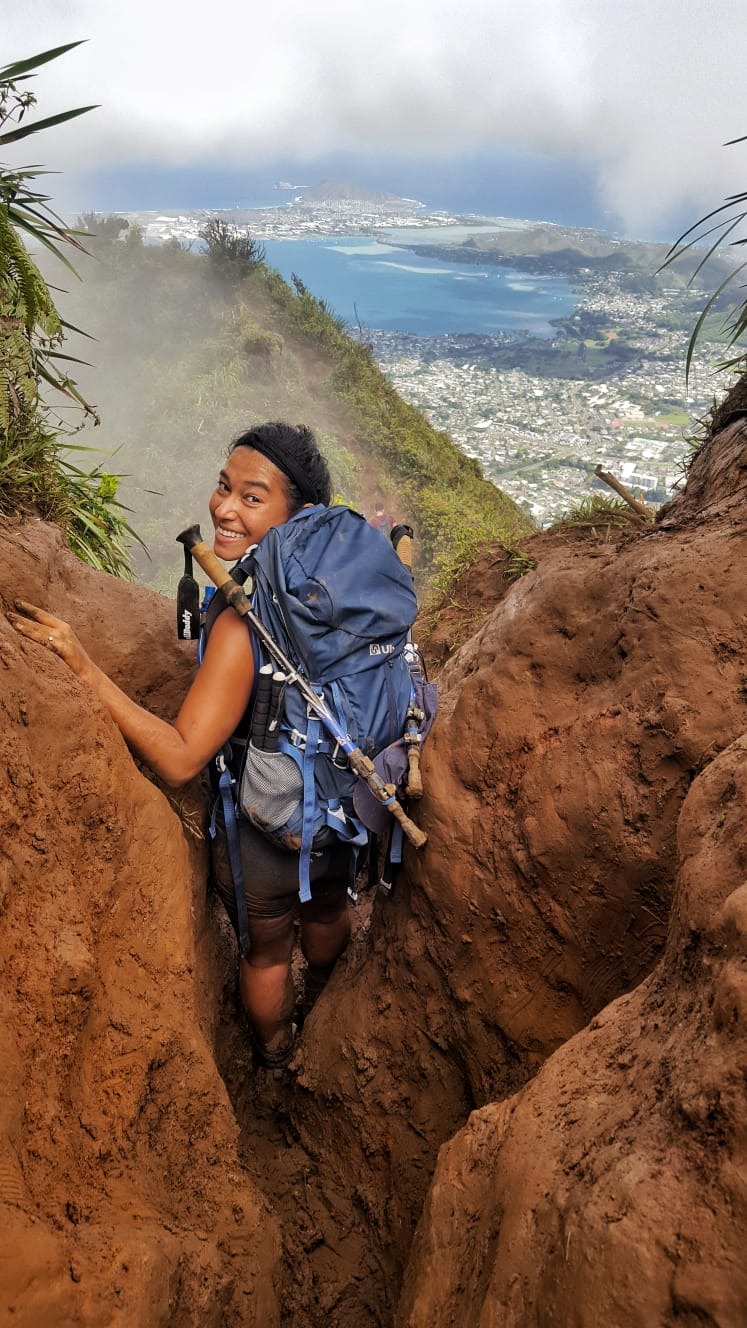
Most packs give you one or two positions. Seven stages mean you can move the harness up in small increments, which is exactly the fix for a hip belt that sits too low because the back is longer than the pack expected. For a tall hiker with a narrower frame, that granularity matters.
The trade is that these adjusters are held with hook-and-loop, and owners note they can loosen over time. Re-tightening them at rest stops is a thirty-second habit that prevents the slow sag that turns a good fit into a bad one.
What to check before you buy
Sixty litres suits one to two nights with a compact kit. Owners wanting to carry bulky cold-weather gear, a large tent, or a haul for two report the volume as the limiting factor rather than the fit.
Only two compartments are listed for this pack, so if you like organised pockets you will be adding small organisation of your own. In exchange you get a pack light enough that a tall hiker can carry it on a warm day without thinking about the weight.
7. Osprey Atmos AG 65L – Best for Long Torso and Big Days
Osprey Atmos AG 65L Men’s Backpacking Backpack, Black L-XL
L-XL harness
34.6 inch body
4 lb empty
68 litres
Pros
- L-XL sizing with fit-on-the-fly torso and hipbelt adjustment
- Anti-gravity suspended design keeps heavy loads off the shoulders
- 34.6 inch tall body suits long torsos
- PFAS-free DWR raincover and removable pad straps included
Cons
- Heavier and pricier than entry-level framed packs
- Float lid and AG frame add bulk for airline travel
This is the answer for a hiker whose torso measurement sits well past what a standard large covers. The L-XL harness size, a 34.6 inch body, and fit-on-the-fly adjustment of both the torso length and the hip belt give you the widest usable range of any pack in this roundup.
The anti-gravity suspended design wraps the frame around the wearer so the load transfers to the hips rather than pressing down through the shoulders. That is the exact mechanism that solves the fifteen-minute back pain problem tall hikers describe, and owners rate the fit as excellent across the board.
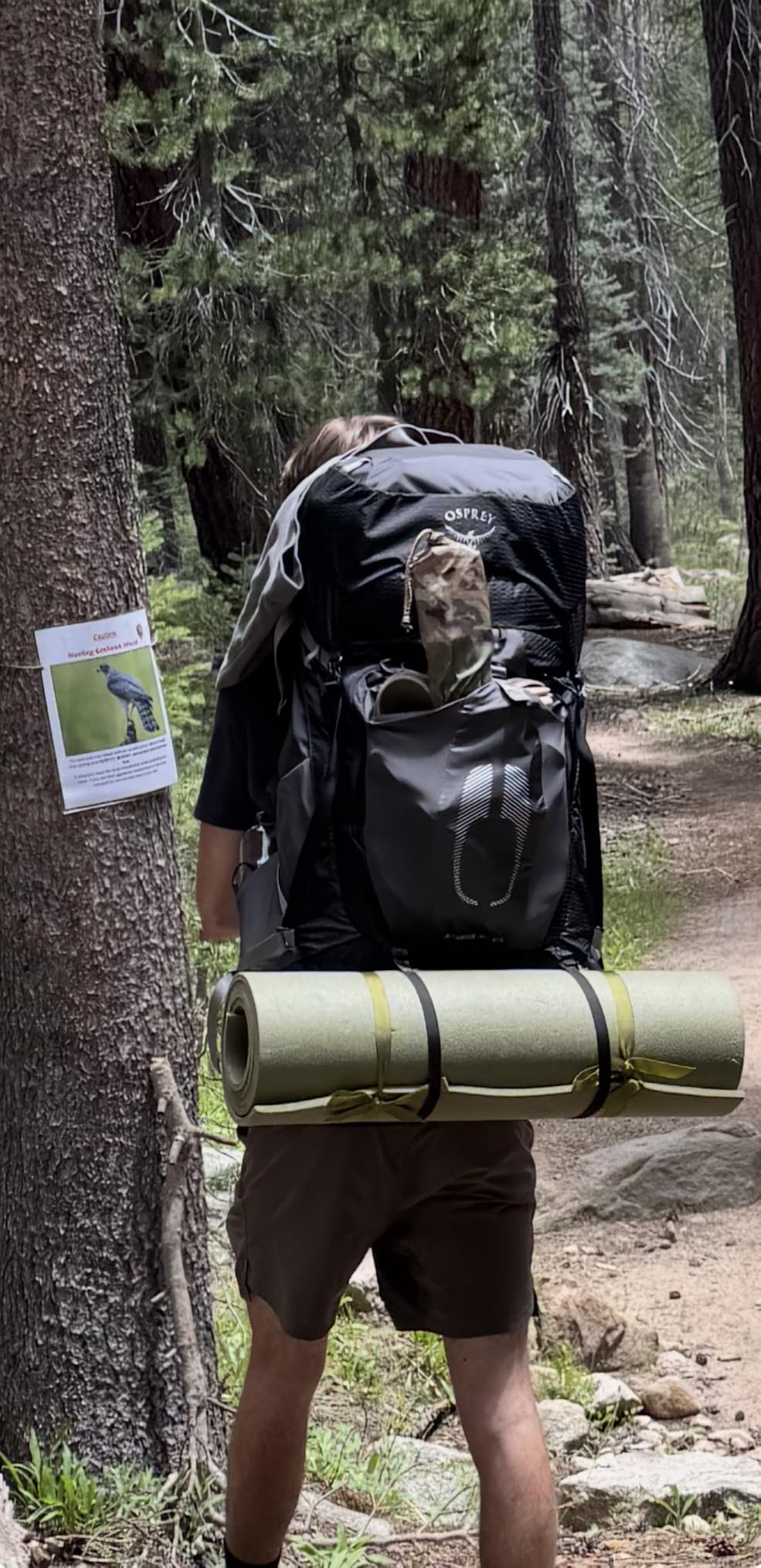
Storage totals 68 litres across ten compartments and six pockets, with a floating top lid carrying lash points for gear that should not go inside. A curved side zip gives access to the main panel without opening the entire pack, and the zippered sleeping bag compartment has a removable divider and pad straps.
At four pounds empty it is lighter than most of the framed packs in this list despite the suspension system. The rain cover uses PFAS-free DWR and bluesign approved materials, and the pack carries Osprey’s All Mighty Guarantee.
Why L-XL sizing matters more than pack height
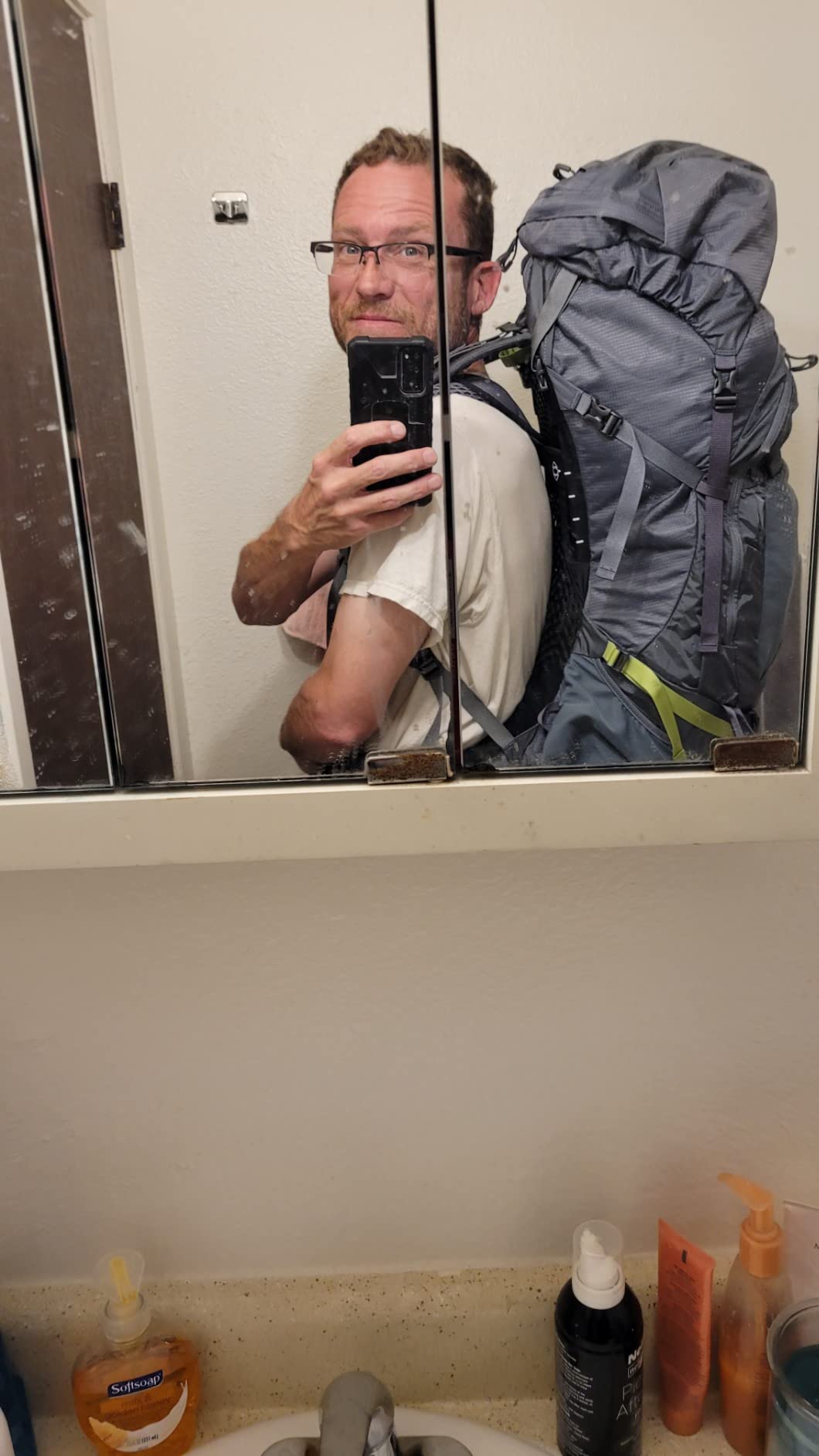
Extended harness sizing is the reason this pack works where a nominal large does not. The shoulder straps, torso length, and hip belt all adjust, so a long torso gets a harness that reaches rather than one that stops at the shoulder and leaves you with slack.
Ten pockets and a 30-inch shoulder-to-hem measurement make it a pack for trips where you want everything accessible without stopping. Curved side access on a 68-litre body is faster than digging through a top lid when you only need the layers.
What to check before you buy
Be honest about trip length. The 65 to 68 litre volume is generous for one or two nights and close to ideal for three or four, and overpacking a pack this good at carrying weight is the classic way to end up sore anyway.
The float lid and AG frame add bulk, which matters for airline travel and for anyone who needs a pack that fits in a locker. The trade for the fit is weight and price, and both are the highest in this group.
8. Osprey Rook 65L – Best Major-Brand Value
Osprey Rook 65L Men’s Backpacking Backpack, Blue OS
65 litres
3.7 lb empty
Adjustable AirSpeed panel
LightWire frame
Pros
- Adjustable AirSpeed backpanel accommodates different torso lengths
- Comfortable to 35 lb loads with generous padding
- Angled bottle pockets allow drinking without stopping
- Removable divider and integrated raincover
Cons
- No large outer mesh pocket and no back-panel access
- Hipbelt can feel narrow on slim waists
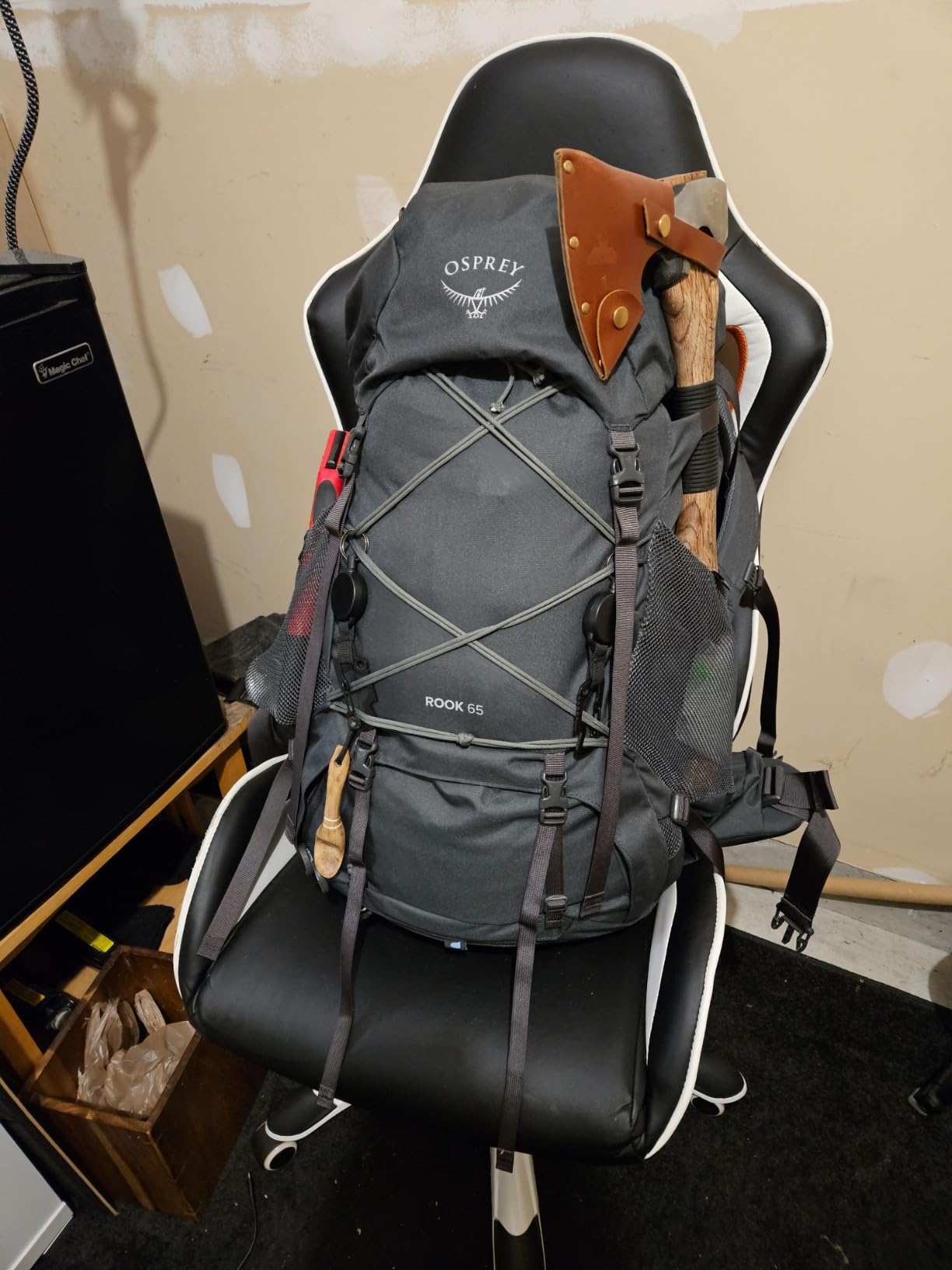
The Rook sits at 3.7 pounds empty, which makes it the lightest Osprey here and lighter than most of the framed budget packs in this roundup. The adjustable AirSpeed back panel is the fit feature that matters, moving the harness to suit different torso lengths without buying a new pack.
Owners consistently report that it is comfortable to 35 lb loads thanks to the generous hip belt and shoulder padding, and they call it a strong value step up. Seven pockets keep the essentials close, and the angled water bottle pockets let you drink without breaking stride.
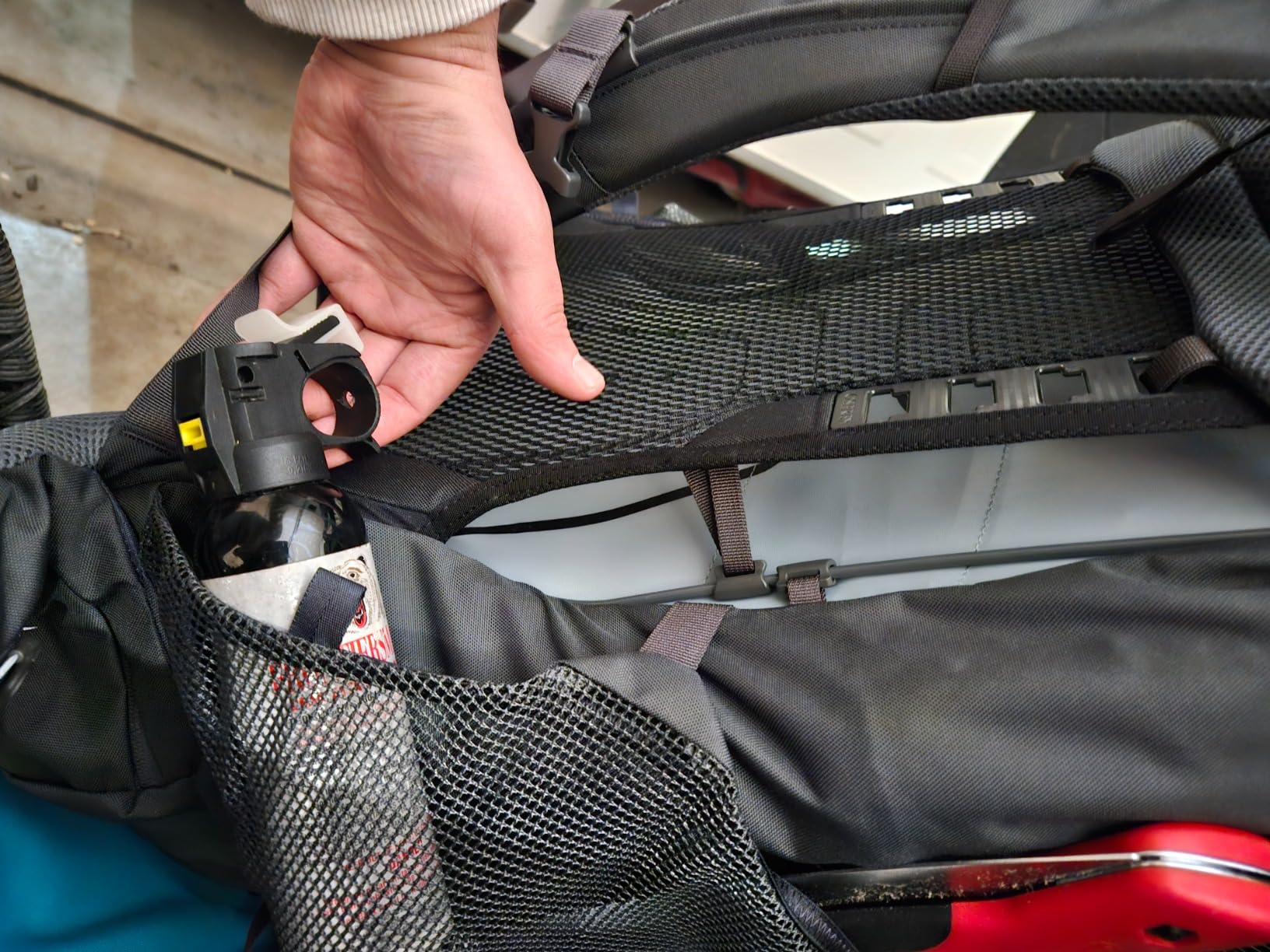
A zippered sleeping bag compartment with a floating divider keeps wet or bulky kit separate from your clothing, and the integrated rain cover is removable when the sky clears. It is Daylite compatible, so you can carry the top section as a small day pack on shorter legs.
The LightWire frame gives the pack stability without a lot of weight, and the body measures 29.5 by 15 by 16.1 inches. That height is shorter than the Teton and Mardingtop bodies, so a very long torso should lean on the back panel adjustment rather than the raw body length.
How the AirSpeed adjustment helps a taller frame
The adjustable back panel is the reason to consider this pack at all for a tall hiker, because it changes the angle between the pack and your back as the harness moves. On a longer torso that is what keeps the hip belt high enough to do its job.
It is not an extended-size harness, so if you fall outside the usual large range, the adjustment helps but does not fully solve the problem. For a torso in the 19 to 20 inch range it is a very effective pack, and lighter loads suit it best.
What to check before you buy
There is no large outer mesh pocket and no back-panel access to the main compartment. If you want to find a layer in the rain without emptying the front, this pack will frustrate you.
The hip belt padding can dig in on slim waists, which is the opposite of the tall-frame problem but the most common fit complaint in reviews. Try the belt on rather than buying on the torso number alone.
9. Kelty Coyote 65L – Best for 55-Pound Loads
Kelty Coyote 60-105 Liter Internal Frame Backpack – Hiking, Backpacking, Travel, Adjustable Torso (65L / Black)
65 litres
4 lb empty
Rated to 55 lb
Fit Pro torso
Pros
- Fit Pro torso adjustment dials in quickly on the trail
- Perimeter frame with aluminum stay keeps loads stable
- Amp Flow ventilated back panel reduces sweating
- Large J-zip top loading access with wing and stash pockets
Cons
- Empty weight of 4 lb 10oz is heavy for a 65L pack
- Wipe-clean only care limits field washing
The Coyote is the one to look at if your load is genuinely heavy. Kelty rates it to a maximum recommended weight of 55 pounds with a recommended carry range of 30 to 55 pounds, and the advanced perimeter frame with an aluminum stay is what makes that rating credible rather than aspirational.
Fit Pro adjustable torso and hip belt can be dialled in quickly, which reviewers single out as useful on the trail where a fiddly adjustment system would otherwise be ignored. The body is 30 inches tall, on the longer side for a 65-litre pack.
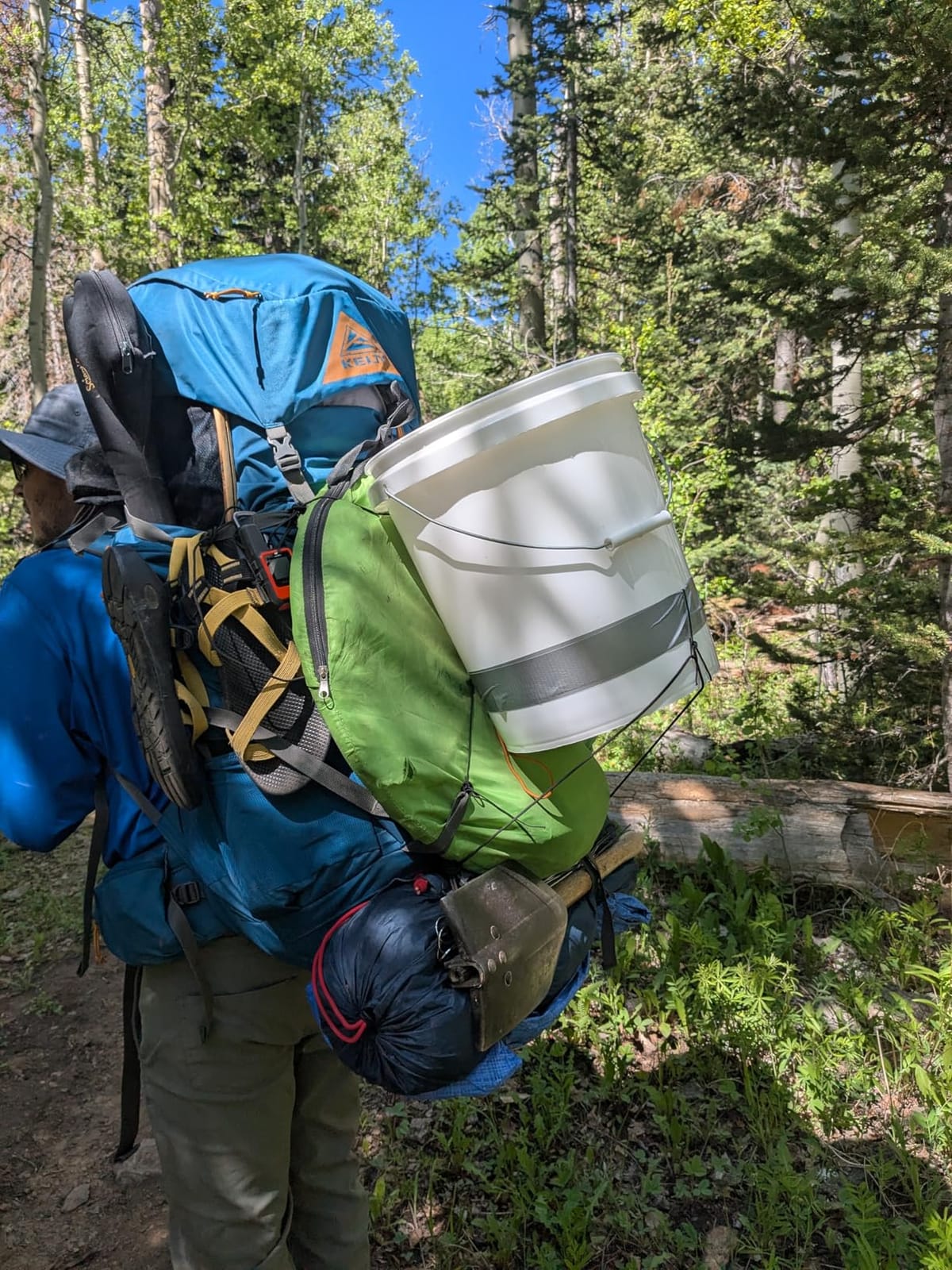
The Amp Flow ventilated back panel reduces sweating on loaded climbs, and the aluminum stay keeps the load from folding forward. Large J-zip top loading with a wing gives quick access, plus stash and front zip pockets for the items you want without a full unpacking.
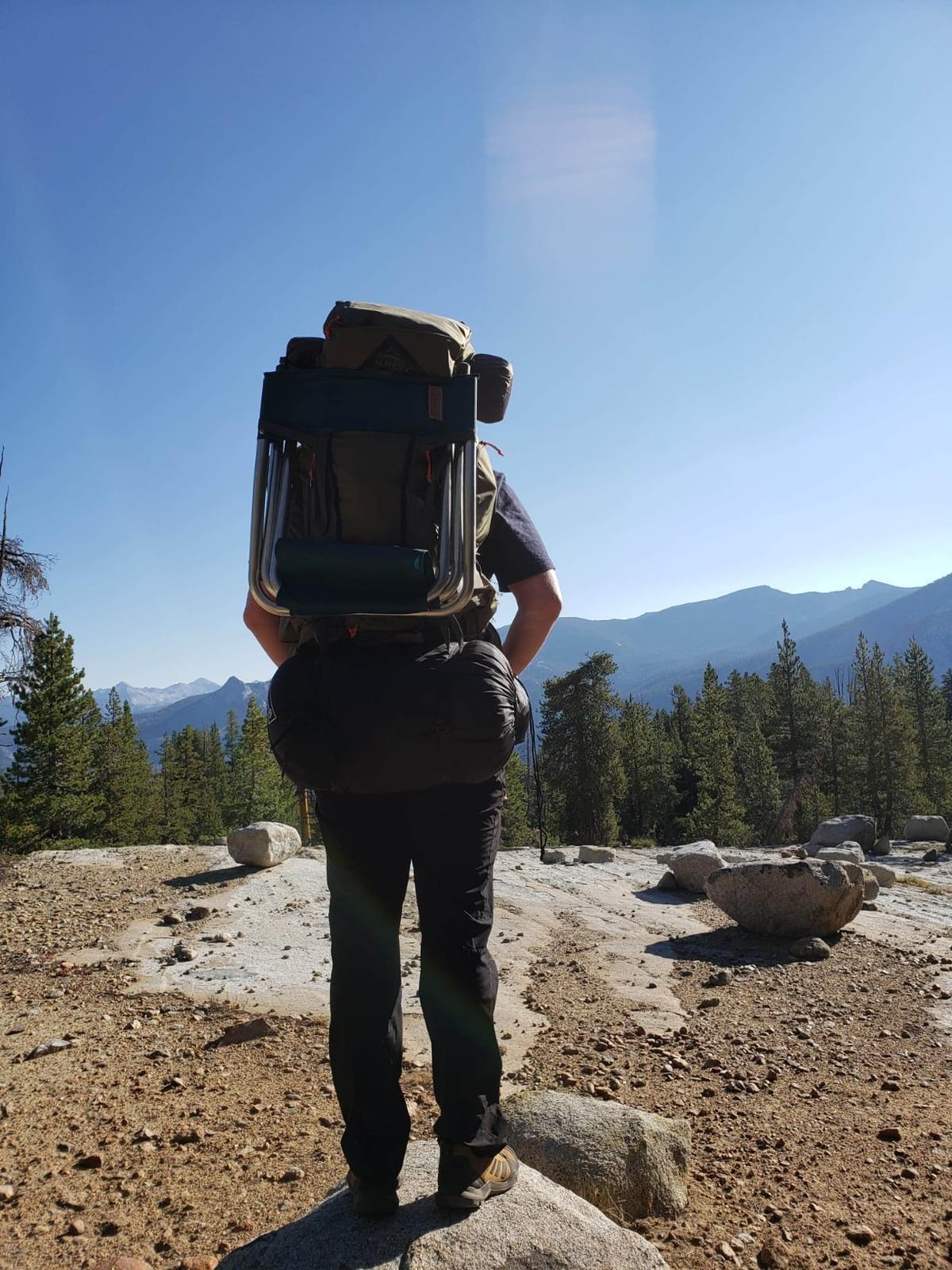
Ten compartments and six pockets cover organisation, and daisy chains, water bottle pockets, and a sleeping bag compartment finish the layout. The pack is water resistant, though no rain cover is listed among the included components.
Why the load rating changes the fit conversation
A 55-pound rating matters specifically for tall hikers because they often carry more than average once the pack finally fits. A pack that feels fine at 25 pounds can sit badly at 45, and this one is built for the higher end of that range.
Fit Pro adjustment on both the torso and the hip belt is the part to test. Hip belt adjustment is what keeps the load on a tall frame, and having it on the pack rather than only on the strap gives you more room to make it work.
What to check before you buy
Empty weight is 4 lb 10oz, the heaviest empty weight among the 65-litre packs here. If you are a light-load hiker, that is weight you carry for capability you will never use, and a lighter pack will suit you better.
Care instructions are wipe-clean only, which limits field washing. Plan to bring a small cloth and mild soap rather than a full wash, and expect to clean it more often if you run it hard.
10. Gregory Stout 70L – Best One-Size Adjustable Torso
Gregory Stout 70L Backpacking Pack, One Size Fits All, Forest Black
70 litres
31.5 inch body
VersaFit torso
Wishbone alloy frame
Pros
- VersaFit adjustable torso length covers a range of body sizes
- Padded wraparound hipbelt with zippered pockets carries weight well
- 70 litres in a relatively light package
- Wishbone alloy frame with removable sleeping bag divider
Cons
- Shoulder straps are narrow with modest padding
- Hipbelt pouches are small for larger water bottles
The Stout is sold as one size that fits all, and the mechanism behind that claim is VersaFit adjustable torso length working with a perforated 3D foam back panel. For a tall hiker who does not know their exact torso measurement, a pack that adjusts across a range is a safer buy than a fixed size.
Owners rate it as a well-made all-rounder that hauls heavy loads comfortably once fitted, and they credit the adjustable torso and the hip belt for most of that. The 70-litre body is 31.5 inches tall, which is a genuinely long measurement for a single-size pack.
The padded wraparound hip belt with large zippered pockets is the most useful part of the suspension for carrying weight on a tall frame, since a wraparound design spreads the load across the front of the hips rather than concentrating it at the sides. The zippered bottom sleeping bag compartment has a removable divider.
A Wishbone alloy frame gives the structure its shape and the pack is listed as waterproof, which is more than most of this roundup can claim. It is also machine washable, unusual at 70 litres and genuinely convenient after a week of rain.
How one-size sizing helps a tall hiker
One size is a double-edged advantage. If your torso is near the long end of the range, one-size is a gift, because the adjustment has somewhere to go. If you are a long torso on a very narrow waist, the hip belt is the part that will not adapt enough.
The perforated 3D foam back panel keeps air moving and reduces the sweating that heavy loads produce. Owners also note a sternum strap with a whistle, which is a small thing that matters more than it sounds on a cold multi-day trip.
What to check before you buy
Shoulder straps are narrow with modest padding, and that is the most common fit criticism. On a long torso the shoulder straps are the part doing the holding while the hip belt settles, so narrow padding shows up as discomfort on loaded days.
Hip belt pouches are small for larger water bottles. Plan on a bottle stashed in the main body or a side pocket rather than assuming the belt will carry your drink.
11. Osprey Aether Plus 70L – Best Custom Fit for Large Frames
Osprey Aether Plus 70L Men’s Backpacking Backpack, Gray L-XL
70 litres
6.2 lb empty
L-XL harness
Fit-on-the-fly system
Pros
- L-XL harness with custom fit-on-the-fly hipbelt and torso length
- Highest rated pack in this group with 70 litres
- 14 pockets plus dual front panel storage
- Removable top lid converts to a daypack
Cons
- Heaviest pack in the roundup at 6.2 lb
- Bulky for airline carry-on use
The Aether Plus is the most customisable pack in this group, and for a tall man carrying heavy loads on long trips that is the whole argument. The L-XL harness lets you adjust the hip belt, the shoulder straps, and the torso length separately, so the pack can be tuned to one specific body rather than a range of them.
It carries the highest owner rating of any pack here, and the fit feedback specifically mentions larger frames and a refined fit. At 70 litres with 14 pockets and dual front panel zippered storage, it handles a full multi-day load with room to spare.
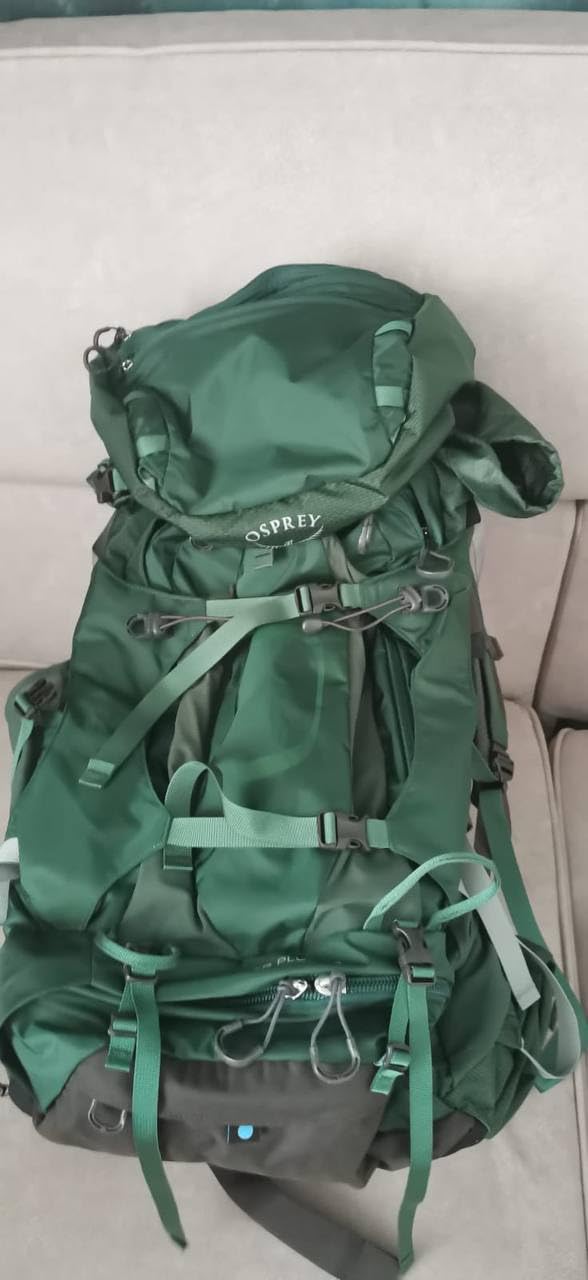
The removable top lid converts to a DayLid day pack, which solves the problem of needing a smaller bag for a warm-weather day. Stow-on-the-Go trekking pole attachment keeps poles out of the way, and a rain cover is included in the box.
The pack is water resistant rather than waterproof, and it carries Osprey’s All Mighty Guarantee. The body measures 14.2 by 15 by 33.1 inches, and at 6.2 pounds it is the heaviest pack we tested by a wide margin.
When full customisation is worth the extra weight
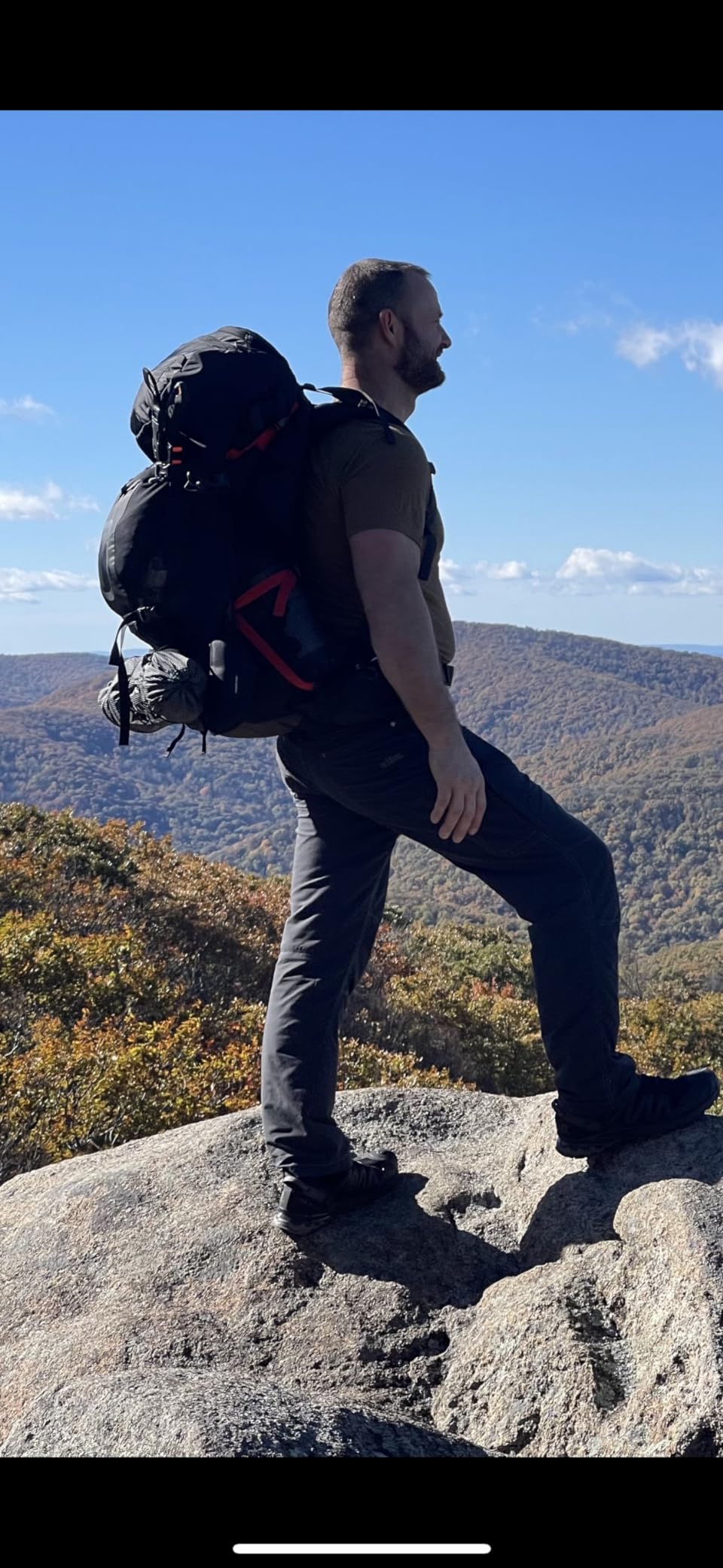
Adjusting the hip belt, shoulder straps, and torso independently is something only a few packs offer, and it is the answer for a hiker with a long torso and a waist that does not match a standard belt. It is also the pack most likely to fit you on the first attempt.
The removable lid and 14 pockets make it the most adaptable pack for a trip where conditions change, since you can strip it down for a hot section. Owners consistently report that the fit stays refined over multi-day trips rather than settling into discomfort.
What to check before you buy
Six pounds of empty weight is real. A hiker who enjoys a long trip will feel that on the climb out, and a lighter pack will be kinder unless you are carrying enough gear to justify it.
It is bulky for airline carry-on use, and buyers who need a pack that fits under a seat or in a locker should look elsewhere. The fit on the trail is the priority this pack was designed around.
12. Teton Scout 55L – Best Value
Teton 55L Scout Internal Frame Backpack for Hiking, Camping, Backpacking, Travel, Rain Cover Included, Black
55 litres
4.1 lb empty
Removable aluminum stays
Rain cover included
Pros
- Multi-position torso adjustment with removable bendable aluminum stays
- Holds 30 to 50 lb loads and resisted heavy overpacking
- Separate sleeping bag compartment and many lash points
- Limited life time warranty and included rain fly
Cons
- Torso range is best for smaller to mid-size torsos
- Sleeping bag compartment is small and its zipper does not fully close
The Scout is the strongest value in the roundup on rating and review volume alone, and its multi-position torso adjustment with removable bendable aluminum stays gives a tall hiker real options. Those stays can be shaped to the contour of your back, which is unusual at this level and helps when the pack is loaded high.
Owners report it holding 30 to 50 lb loads without complaint, and one six-foot-four reviewer who already had the torso adjustment at maximum reported a pack that worked perfectly for them. That single data point matters more than any size chart, because it says the adjustment range matters more than the label.
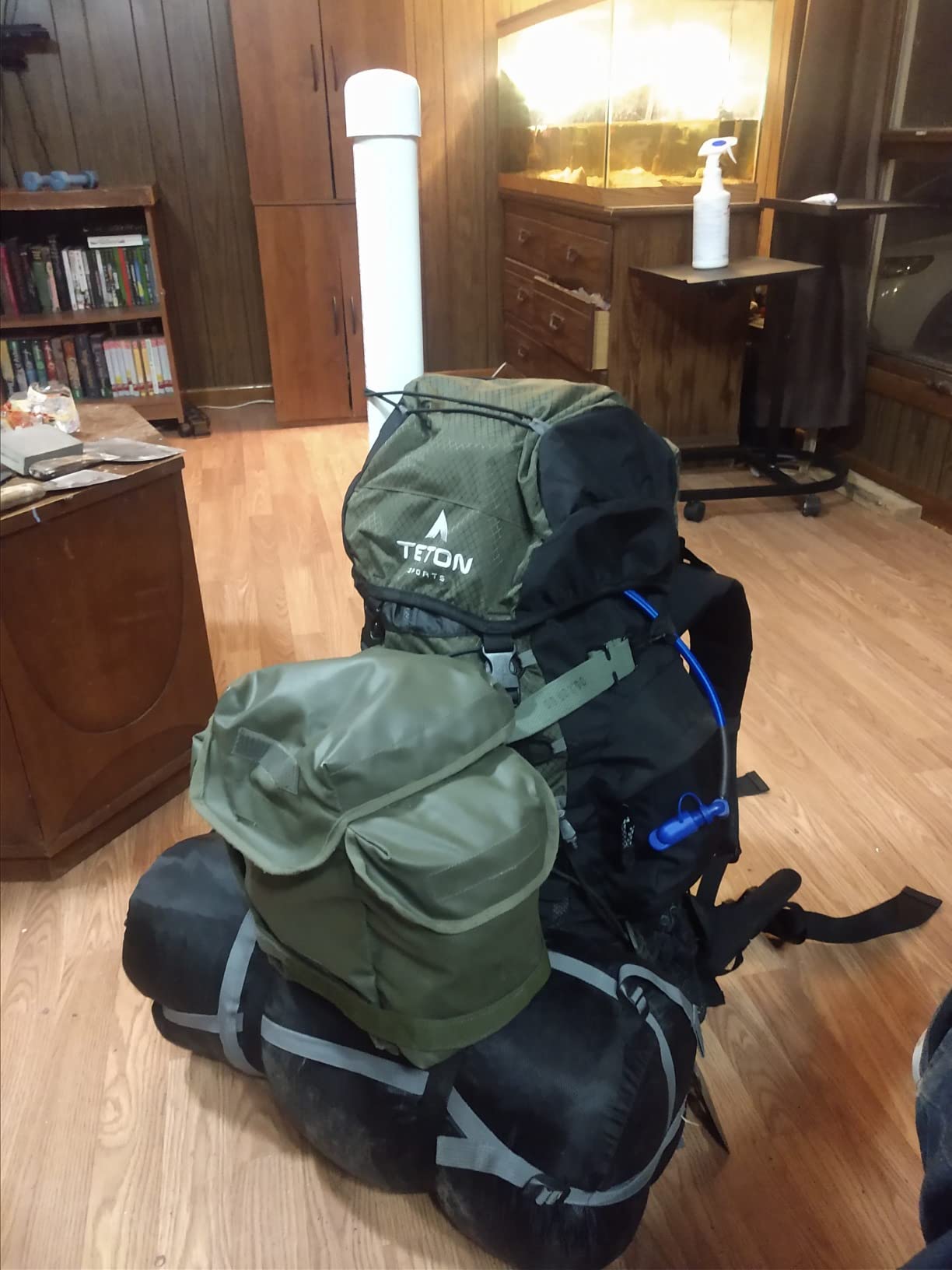
The 55-litre body is 30 inches tall in 600D polyester diamond ripstop with a polyurethane lining, and it carries a limited lifetime warranty. Eleven compartments and five pockets plus a separate sleeping bag compartment make it the most organised pack at this capacity here.
Frame and back use an open-cell foam lumbar pad in molded channels for airflow, and a hydration pocket, bottle holder, and the included rain fly cover the basics. Owners describe it as sturdy and good value for multi-day work.
How to know if the torso range reaches you
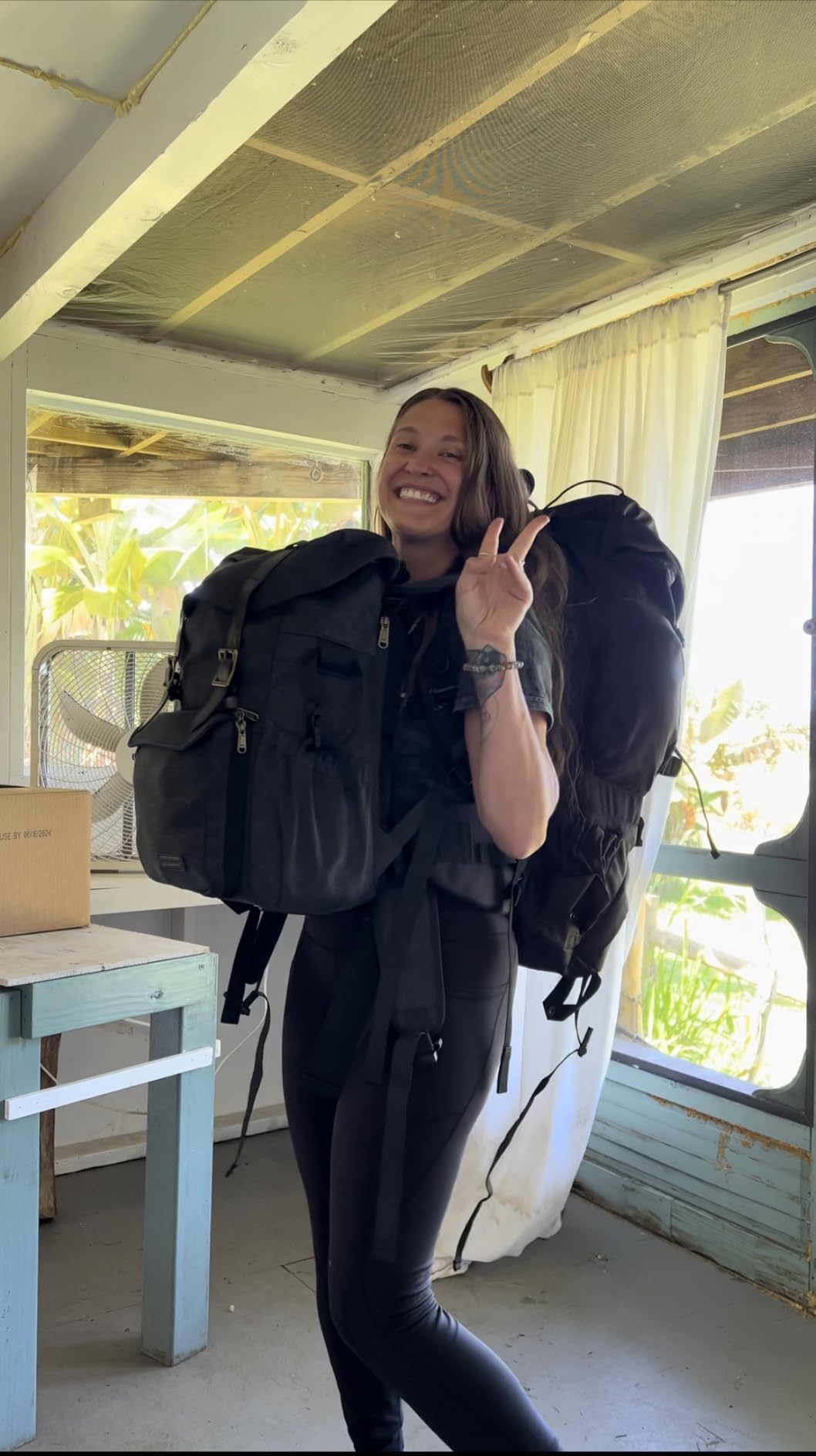
Because the range is described as best for smaller to mid-size torsos, the honest test is the maximum adjustment position. The six-foot-four reviewer’s experience suggests that a wearer well past the middle of the range can reach the end of the adjustment and still fit, but that is not guaranteed.
The bendable stays help here. Shaping them to your back contour closes the gap that normally appears at the top of the shoulder straps on a long torso, and it is something you can do at home before a long trip.
What to check before you buy
The sleeping bag compartment is small and its zipper does not fully close, so a bulky bag will protrude. If you carry a large down bag, plan to compress it or use the main body instead.
Side mesh pockets are a tight fit for wide bottles, and the included rain cover is a basic non-waterproof design. Both are minor inconveniences that become annoying on a long wet day, and both are easy to solve with your own bottle and a better cover.
How to Measure Your Torso Length and Choose the Right Size
Everything above depends on one number you can get in five minutes with a soft tape measure. Torso length is the distance from your iliac crest, the top ridge of your pelvis where your waist dips, up to the C7 vertebra, the bump you feel at the base of your neck when you bend your head forward.
How to measure your torso length
First, find a soft measuring tape. A rigid tape or a piece of string will not give you a number you can shop with, and a rough estimate is the main reason people end up in the wrong pack.
Second, locate the iliac crest. Put your fingers on the top of your hip bone on the front of your body and slide them back until you find the highest point of that ridge. That is your lower reference point.
Third, locate C7. Bend your head forward until you feel the knobbly bump at the base of your neck. That is your upper reference point, and it is easier to find than most people expect.
Fourth, measure the distance between the two points while standing tall and relaxed, keeping the tape against the curve of your back. Do not pull the tape tight, and do not try to hold your shoulders back to stretch the number.
Fifth, measure twice, ideally with someone else helping, and write down the larger result. If you cannot get someone to help, a phone photo of you with the tape in place from the side is a decent second opinion.
What torso length to expect at your height
Height only sets a rough range, and plenty of men over six feet have torsos at or below average while plenty of five-ten frames measure nineteen inches. As a starting point for what tall hikers report, a man around five-eight to five-ten usually falls between sixteen and eighteen inches, a man around six foot sits near eighteen to twenty inches, and anyone above six-four is likely in the twenty to twenty-two inch range or higher.
That is a starting point, not a rule. Use it to narrow the shortlist, then confirm with your own measurement before you buy. Any pack whose maximum torso range stops below nineteen inches is unlikely to suit a six-foot frame, which is why the review verdicts here lean on reach rather than on size labels.
If your waist is narrow and your torso is long, prioritise packs with a removable or independently adjustable hip belt. That combination is the hardest to fit, and it is where a one-size pack with a fixed belt will let you down even when the torso length is right.
Adjustability features that matter most on a tall frame
Load lifters and top load adjusters are the small straps at the top of the shoulder harness that pull the top of the pack closer to your shoulders. On a long torso they close the gap at the top of the shoulder straps and shift weight forward onto the hip belt, so treat their absence on a heavy pack as a real problem.
Hip belt adjustability comes second. A belt that wraps around the whole hip, carries a load, and can be repositioned higher or lower matters more than any amount of padding, because it is the part that actually takes the weight.
Torso length adjustment matters third. Slide-and-lock panels, multi-position stays, and stacked adjustment points all work; what you want is a harness that can be moved up the body, not just tightened within a fixed range.
A sternum strap with a useful adjustment range closes the gap between the shoulder straps on a broad chest, and load lifters do the same job at the top of the pack. Both are cheap insurance on a long torso and neither is usually mentioned in a spec list.
Back panel ventilation matters more the longer your days, because it is what stops you sweating into the pack. Suspended air-mesh or 3D foam panels hold the pack off your spine, and the difference is obvious within an hour of a loaded climb.
Capacity by trip type
Day hikes under forty litres are for layers, water, and a snack. From twenty-five to forty litres covers most single-day trips for a tall hiker, and the fit question is simpler because you are carrying a light load and can cinch the pack tight.
Overnight and multi-day trips sit between forty-five and sixty-five litres, which covers a tent, a sleeping bag, and three to five days of food. Most of the packs in this roundup live in that range, and it is where torso fit starts to matter because the load gets heavy enough to feel a bad harness.
Big loads above sixty-five litres suit multi-day, winter, or family trips where someone is carrying shared equipment. Seventy litres is not too big for backpacking in those cases, but it is wasteful for a solo overnight and it will only feel worse on a long torso if the fit is not right.
Thru-hiking usually lands between fifty-five and seventy litres, and it is the use case where the best-fitting pack in this list is worth paying for. A torso that stays comfortable for five days is worth more than two pounds saved.
Brand sizing cheat sheet for extended sizes
Osprey uses named harness sizes here, and the L-XL versions of the Atmos AG 65 and Aether Plus 70 are the true extended-size options, with independent adjustment of the hip belt, shoulder straps, and torso. Their bodies run 33 to 35 inches, so the raw height also helps.
Gregory takes the one-size route with the Stout 70 and VersaFit adjustable torso length, which works well for a range of bodies and for anyone who cannot measure their torso confidently before buying.
Teton uses multi-position torso adjustment on both the 65L Explorer and the 55L Scout, and the Scout’s removable bendable stays can be shaped to a long back. Both come with a limited lifetime warranty.
Kelty’s Fit Pro system adjusts the torso and hip belt on the Coyote 65 and is rated to 55 pounds, which makes it a good choice for heavy loads on a long frame. Ubon’s seven stage height adjusters on the 60L offer the most finely graduated range in this group.
MOUNTAINTOP and Amazon Basics both use multi-position torso adjustment, with the MOUNTAINTOP reporting fit across a wide height range. Mardingtop’s 75L has no dedicated adjustable torso system, so judge it on its 32.3 inch body height alone.
A general rule from tall-hiker communities is that adjustment range beats the size label. A large fitted to an average-sized person often has plenty of adjustment remaining, and that leftover room is what lets a much taller wearer use the same pack.
Diagnosing a Bad Fit on a Tall Frame
If your hip belt sits below the top of your pelvis, the pack is too short for your back. Everything below the belt hangs from the shoulder straps instead, and you will feel it as pressure across the top of your shoulders rather than across your hips. This is the most common problem tall hikers report, and it is the fastest diagnostic.
A gap between the top of the shoulder straps and your shoulder means the harness is not long enough or the back panel is not positioned high enough. Pulling the straps as tight as they will go to remove the gap is a sign to stop, because that is a workaround rather than a fit. Load lifters close part of this gap properly.
Pain in your lower back or shoulders within about fifteen minutes of walking means the load is on the wrong part of your body. Load lifters, a repositioned hip belt, and a properly adjusted torso are the fix in that order, and if the pack cannot deliver those adjustments, it is the wrong pack.
Straps that run out of adjustment before the pack is snug is the clearest sign you have outgrown the size. A harness with a large enough range for a shorter wearer will usually have room for a taller one, so buy by the top of the adjustment range rather than the middle of it.
On r/backpacking, the pattern tall hikers describe is that a large fitted to an average-sized person leaves a lot of adjustment remaining, which is why some very tall users get good results from packs labelled one size smaller than they expected. On r/onebag and r/Ultralight, the recurring advice is the opposite caution: frameless ultralight packs with no load lifters and a thin belt will not carry real weight on a tall frame no matter how light the fabric is.
If a brand simply has no long-torso size, three options still work. Size up the model and accept a slightly longer body, extend or swap the shoulder straps, or reposition the hip belt higher on the pack body where the attachment points allow. Frameless and hip-belt-free ultralight packs are the one category with no workaround, because there is nothing to adjust.
Frequently Asked Questions
What backpacks are best for tall men?
The best hiking backpacks for tall men are framed packs whose torso adjustment reaches past 19 inches and whose hip belt lands on the iliac crest. The Teton Explorer 65L is the best overall option because of its 32-inch body and multi-position torso adjustment, while the Osprey Atmos AG 65L in L-XL is the strongest choice for torsos past 20 inches.
What size backpack does a 6 foot man need?
A man around six feet tall typically measures 18 to 20 inches of torso length, which is the range that decides his pack size rather than his height. Look for adjustable torso systems that reach 20 inches, and prefer 50 to 65 litres for multi-day trips or 25 to 40 litres for day hikes.
How do I measure my torso length for backpack fit?
Run a soft tape measure from the iliac crest, the top ridge of your pelvis, up to the C7 vertebra, the bump at the base of your neck. Stand relaxed, keep the tape against the curve of your back, do not pull it tight, and measure twice. Having someone else help gives a more accurate number.
How should a backpack fit on your hips?
The hip belt should sit on the iliac crest, the top of your pelvis, with the bulk of your weight centred over your hip bones rather than your waist or your lower back. If the belt slides below that ridge, tighten the load lifters and raise the harness, or accept that the pack is too short for your torso.
Is a 70L pack too big for backpacking?
A 70-litre pack is too big for an overnight and close to right for three to five days, or for winter and shared-gear trips. It becomes right for a solo hiker once the load gets heavy enough to justify the bulk, which is why tall hikers often choose 65 to 70 litres with a fully adjustable hip belt.
What are good backpacks for short torsos?
A short torso needs a pack that stops lower rather than a smaller volume. A fixed harness is the problem, not the size, so adjustable torso systems such as the Gregory Stout VersaFit or the Teton multi-position panel work well. The same packs suit tall men with unusually short torsos, a common and often overlooked fit problem.
Conclusion
The best hiking backpacks for tall men in 2026 are the ones that treat your torso as the variable it is. The Teton Explorer 65L wins overall with a 32-inch body, multi-position adjustment, and a limited lifetime warranty, and the Osprey Atmos AG 65L in L-XL is the right answer when your measurement runs past 20 inches.
For light loads and small trips, the Ubon 60L gets you the lightest carry and the finest torso adjustment in this group. For heavy loads, the Kelty Coyote 65L is rated to 55 pounds, and the Osprey Aether Plus 70L is the most customisable pack we looked at for large frames carrying a full multi-day load.
Whatever you choose, measure your torso from the iliac crest to C7 before you buy, and check that the hip belt sits on your pelvic shelf with the load lifters tightened. That single check separates the packs that work for a tall frame from the ones that leave you carrying the weight on your shoulders by the second hour.