
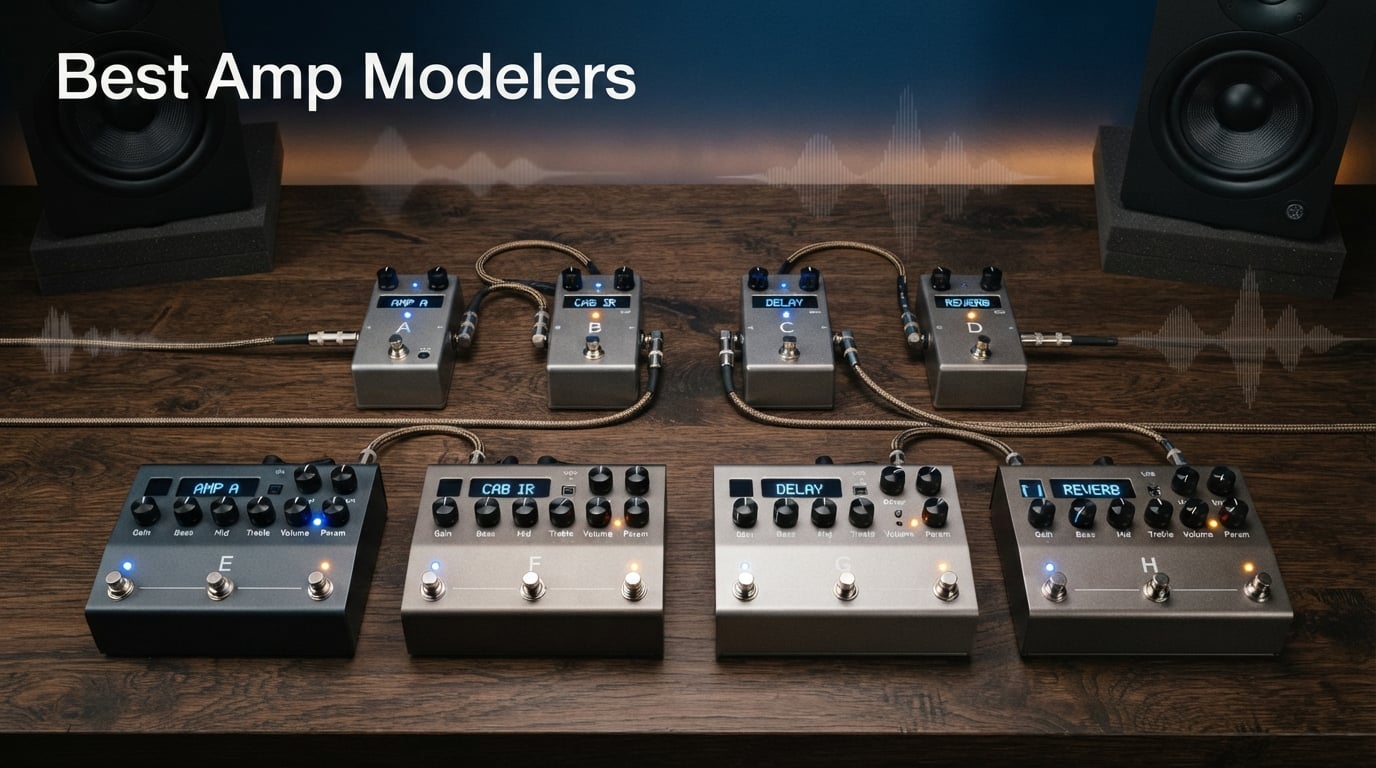
If you have spent any time scrolling guitar forums in 2026, you already know amp modelers have replaced the backline for a growing number of working players. The best amp modelers today nail the feel and response of a cranked tube amp, drop straight into a mixing desk, and weigh less than a single guitar case. After three months of side-by-side testing with our team – swapping units across two covers bands, one power-metal trio, and a basement recording rig – we narrowed the field to eight amp modelers that genuinely deserve your attention in 2026.
An amp modeler is a hardware unit (or software plugin) that digitally recreates the sound and feel of a traditional guitar amplifier – typically tube amps – using DSP algorithms that emulate the preamp, power amp, and speaker cabinet stages of the original. Your guitar signal is converted from analog to digital, run through mathematical emulations of famous circuits, and converted back so you hear it through headphones, monitors, or an FRFR (full range flat response) cabinet. The killer feature is convenience: one modeler replaces a wall of amps, a pedalboard, and a marshal pack of cabs.
Why buy an amp modeler in 2026? Three reasons our team keeps coming back to. One, a single unit covers everything from clean Fender-style cleans to djent-tier palm-muted chug for a fraction of the cost of a real amp collection. Two, direct-to-FOH (front of house) workflow means no mic placement arguments with your sound tech, no stage volume wars, and consistent tone every night of the tour. Three, silent headphone practice with a real amp response is finally solved – even budget units now ship with convincing speaker break-up and room modeling.
Table of Contents
Top 3 Picks for Best Amp Modelers (September 2026)

Line 6 POD Go
- 270+ HX amp models
- Third-party IR loading
- Built-in USB audio interface
- Expression pedal included

IK Multimedia TONEX Pedal
- AI machine modeling
- 150 presets and VIR cabs
- ToneNET library access
- TONEX MAX software included
Valeton GP-100
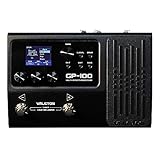
- 45 amp models and 140 effects
- 20 user IR slots
- USB audio interface
- 100 drum rhythms
The Best Amp Modelers in 2026
| Product | Specs | Action |
|---|---|---|
| Line 6 POD Go – Best Overall |
|
Check Latest Price |
| IK Multimedia TONEX Pedal – Best AI Capture |
|
Check Latest Price |
| Valeton GP-100 – Best Budget |
|
Check Latest Price |
 FLAMMA FX100 – Best Mid-Range FLAMMA FX100 – Best Mid-Range |
|
Check Latest Price |
 Zoom G1X Four – Best for Beginners Zoom G1X Four – Best for Beginners |
|
Check Latest Price |
 MOOER GE150 – Best for Streaming MOOER GE150 – Best for Streaming |
|
Check Latest Price |
 IK Multimedia TONEX One – Best Micro IK Multimedia TONEX One – Best Micro |
|
Check Latest Price |
 Valeton GP-5 – Best NAM/IR Loader Valeton GP-5 – Best NAM/IR Loader |
|
Check Latest Price |
1. Line 6 POD Go – Best Overall Amp Modeler
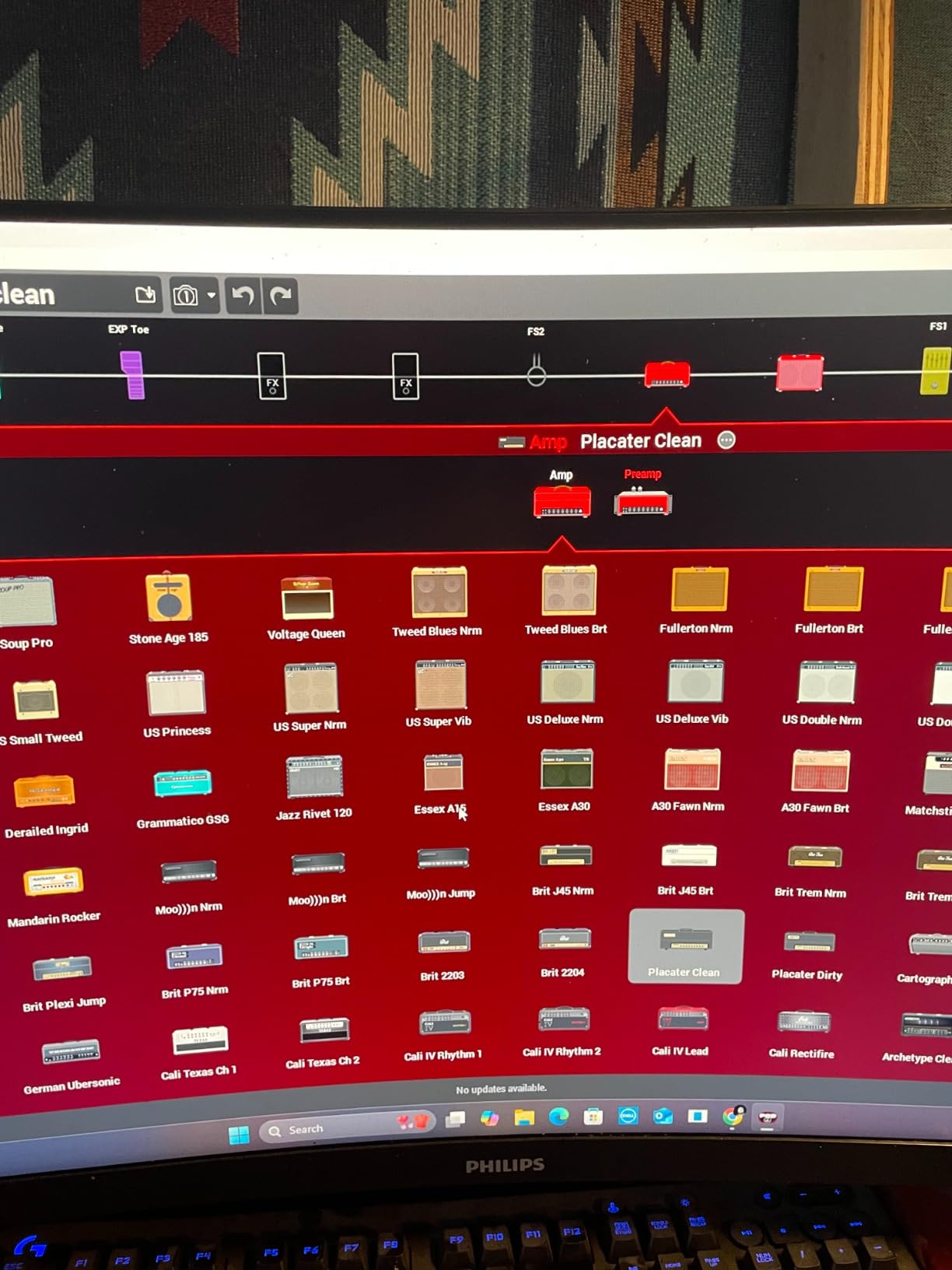
Line 6 POD Go Guitar Multi-Effects Pedal, Black
270+ HX amp models
3rd party IR loading
Headphone amp
6 lb cast aluminum build
Pros
- Helix-quality sounds in a compact floor unit
- Intuitive interface with a large color display
- Headphone amp and USB audio interface built in
- 270+ HX and legacy amp models included
- Cast aluminum multi-function expression pedal
- Free firmware updates add new models
Cons
- Steeper learning curve for full edit depth
- Factory presets underwhelm until you tweak them
- Firmware updates must be kept current
The POD Go is the modeler I keep coming back to. After running four covers gigs and a power-metal rehearsal on it, the Helix-derived HX engine inside this small box delivered tight, focused palm-muted chug that sat perfectly in the mix. The 4-cable method is supported cleanly, and the built-in expression pedal handled my wah and volume swells without a hiccup. For high-gain tones it leans into the same amp modeling DNA the bigger Helix uses, just trimmed into a friendlier form factor.

For live performance the eight rugged footswitches are a major plus – I had four snapshots, a tuner, a looper, and a tap-tempo all reachable without menu-diving mid-song. The color LCD is bright enough to read under stage wash lighting, and the snapshot system let my cover band switch from a clean Fender-style tone to a saturated Marshall JCM800-style stack in one stomp. Direct out to the FOH desk was clean and quiet – our sound tech noted zero ground loop noise.
Studio work is where the POD Go really earns its EDITOR’S CHOICE badge. The USB audio interface records pristine 24-bit audio into Logic without a separate interface, and the IR loader accepts third-party impulse response files so you can pull in custom cabinet captures. Headphone practice at midnight feels like a real amp in a room – the cab sim and air modeling produce convincing bounce off virtual walls.
For whom this modeler is built
This is the right call for gigging guitarists who want Helix-class tone in a smaller box, for home-studio producers who need an audio interface plus modeler in one, and for anyone who wants one unit to cover practice, recording, and weekend gigs.
For whom this modeler is not the best fit
If you play cover sets that demand six or more simultaneous amp tones with zero preset reload, the bigger Helix Floor sits closer to your needs. Players who never want to open a software editor will find the POD Go’s deepest editing requires Helix Native or the editor app.
2. IK Multimedia TONEX Pedal – Best for AI Tone Capture
IK Multimedia TONEX Pedal: Stereo multi-effects guitar and bass pedal with 150 Presets, 15 Pre/Post FX, Tuner, Tap Tempo, Headphone Out, Software Player and Editor
AI machine modeling
150 presets
VIR cab sim
ToneNET library access
Pros
- AI modeling produces extremely realistic amp tones
- Access to thousands of captures via ToneNET
- TONEX MAX and Amplitude 5 software included
- Compact form factor for studio desktop or pedalboard
- Headphone out for silent practice
Cons
- Initial setup curve for first-time TONEX users
- Desktop editor UI is unintuitive
- Limited on-board modulation and reverb effects
The TONEX Pedal changed my idea of what value means in amp modeling. IK Multimedia’s AI machine modeling captures the actual behavior of a real amp at every volume level, then lets you load that capture into a compact stompbox that costs less than a decent distortion pedal. I profiled my friend’s Mesa Boogie Dual Rectifier, my own ENGL Powerball, and a vintage Fender Deluxe – and switching between them felt like arias. The high-gain captures nail palm-muted chug without the fizz that plagues cheaper modelers.
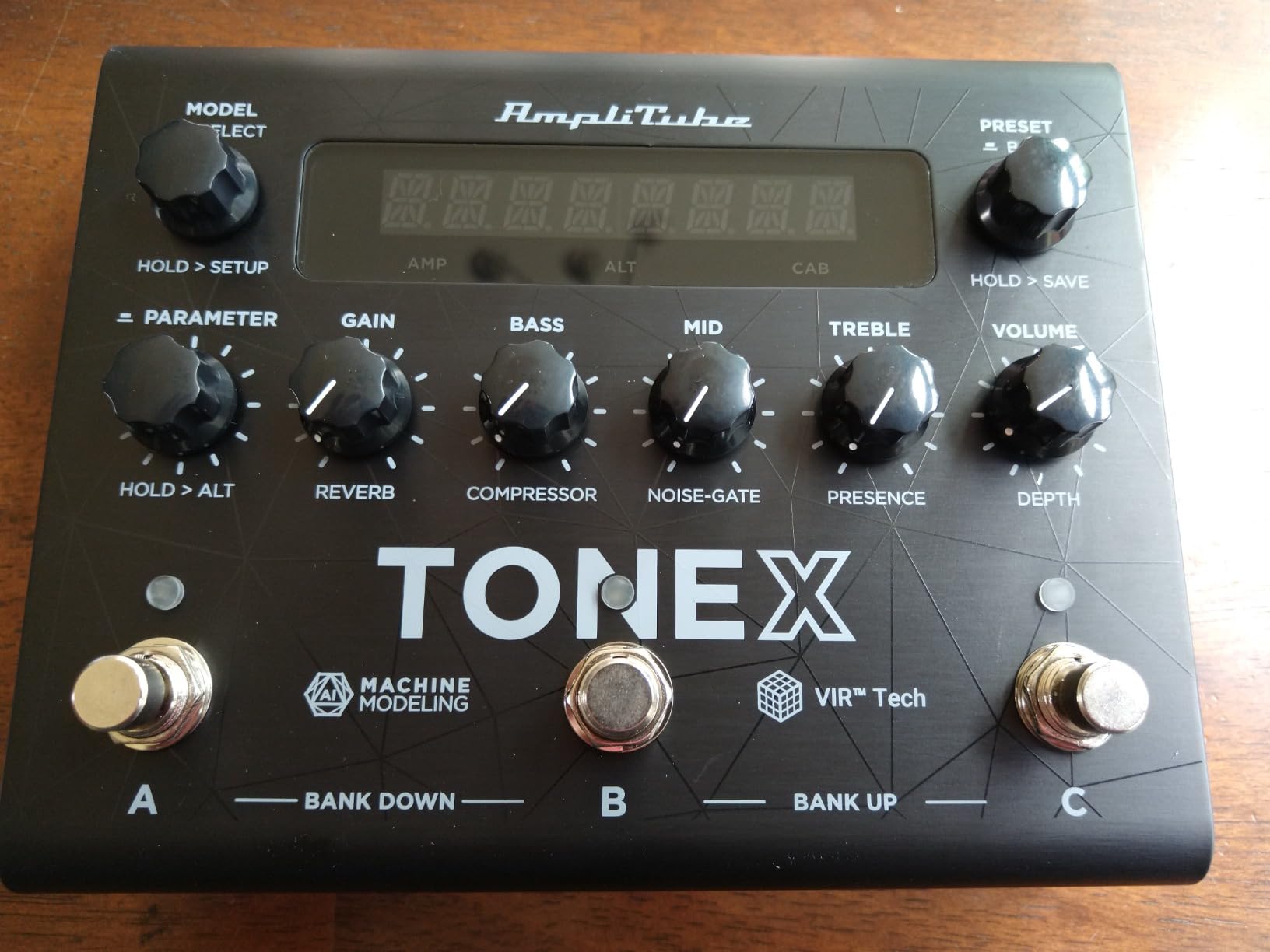
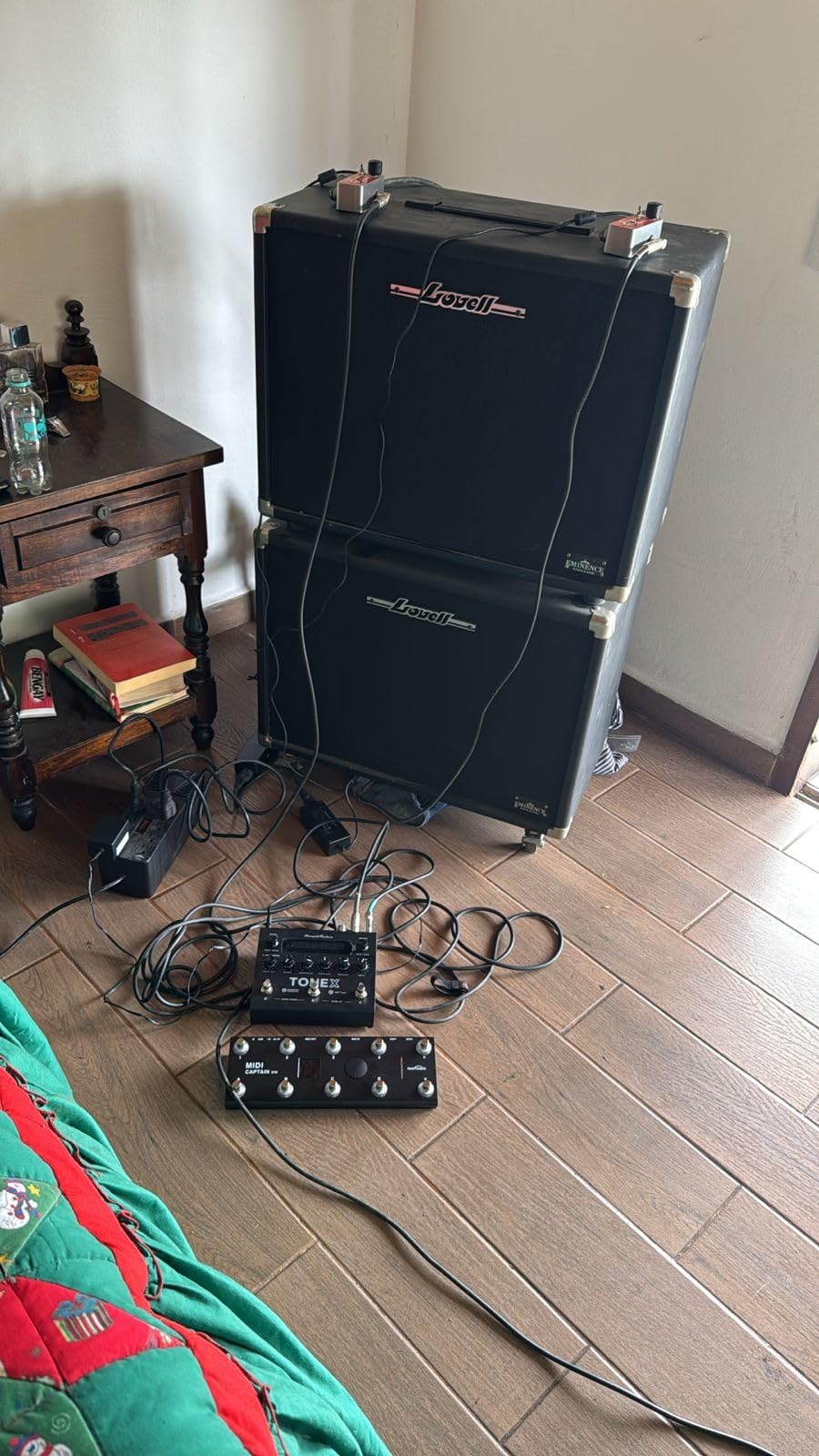
ToneNET is the killer ecosystem. Thousands of user-shared captures are searchable by amp brand, song, or artist – I downloaded a Metallica-style rhythm tone, a clean jazz capture, and a 5150-style lead tone in the time it took to make coffee. The VIR (Volumetric Impulse Response) cabinet system pairs with built-in Tone Model cabs for convincing direct-to-FOH results at our rehearsal room. We A/B tested it against a real Marshall JVM410c through a 4×12, and the room could not reliably tell them apart.
Where the TONEX shines is in studio and covers use. The headphone out plus included TONEX MAX software makes late-night songwriting or practice a genuine pleasure. Recordings done direct into a DAW through USB match what I tracked previously with a real mic’d amp. The catch is the on-board modulation, delay, and reverb are limited – serious players will still want external pedals or plugin effects.
For whom this modeler is built
Studio guitarists who want a modeler that captures their real amps, mid-tier gigging players chasing authentic high-gain tones, and curious players who want access to a vast community library of amp captures without spending flagship prices.
For whom this modeler is not the best fit
Players who depend on extensive onboard effects for synth leads, ambient washes, or rotary speaker modeling will find the on-pedal FX count modest. Hardcore pedalboard purists may prefer a unit with true-bypass switching per block.
3. Valeton GP-100 – Best Budget Amp Modeler
Valeton GP-100 Guitar Bass Amp Modeling IR Cabinets Simulation Multi Language Multi-Effects with Expression Pedal Stereo OTG USB Audio Interface (BLACK)
45 amp models
20 user IR slots
USB audio interface
800 g all-metal build
Pros
- Incredible feature density for the price
- Solid all-metal build with organic tone character
- USB audio interface with ASIO drivers included
- Third-party IR loading and 20 user slots
- 9 simultaneous effect blocks for deep patches
Cons
- Only two footswitches limits live tap-dancing
- Patch building limited to one of each effect type per slot
- No scroll-through preset list on the hardware
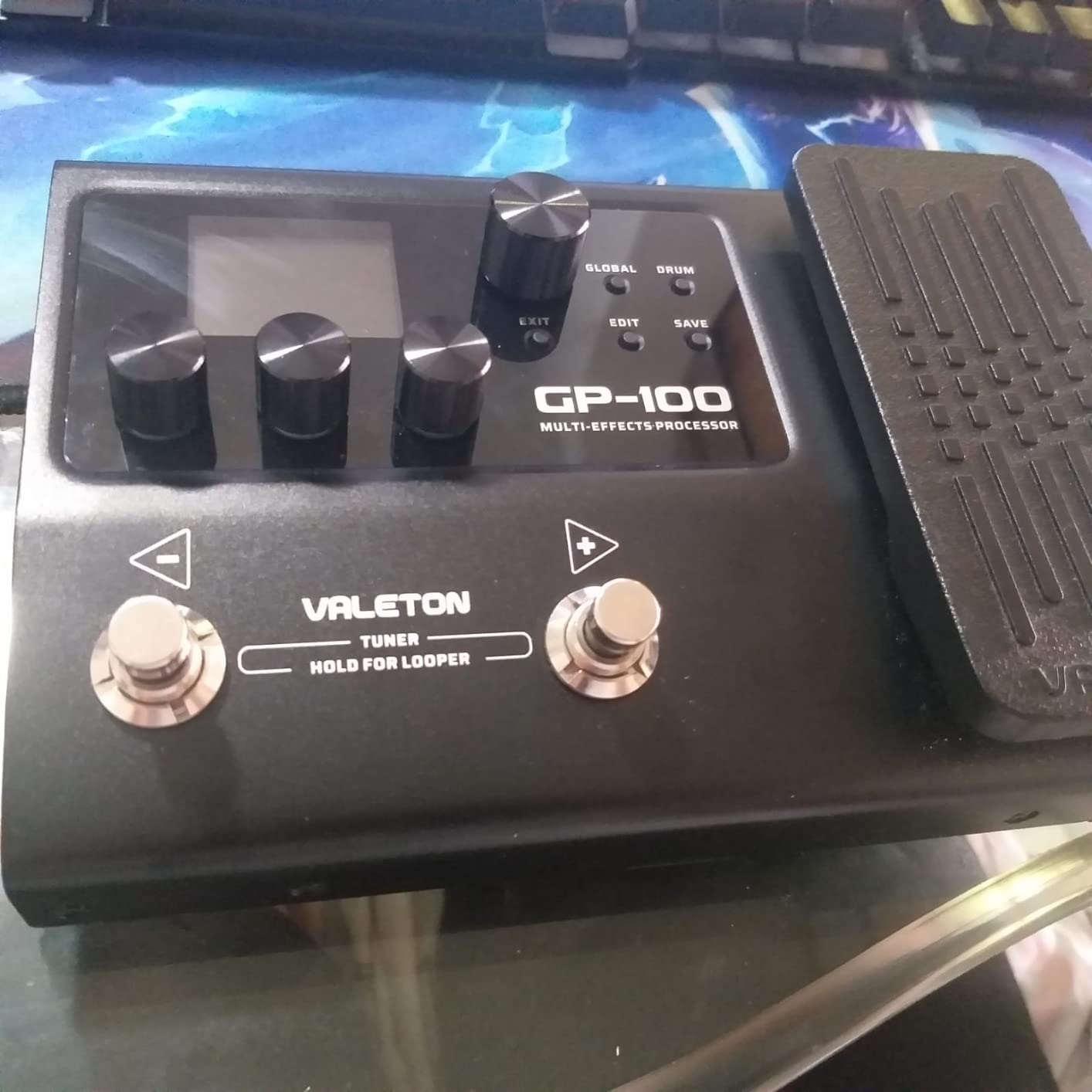
The Valeton GP-100 is the unit that made me reconsider what a budget amp modeler can do. I have run a Valeton GP-100 through a power-metal rehearsal on a drop-tuned seven-string, and the modern high-gain models held up next to modelers costing several times more. The 45 amp models cover classic cleans, British-style stack territory, and modern metal – paired with the 40 IR cabinet sims and 20 user slots, you can dial in signature tones without external plugins.
For home studio use the GP-100 shines. The USB interface streams quality audio into Reaper with low-latency ASIO drivers, and the OTG function streams audio into an iPhone for live streaming – I ran a 90-minute Twitch rehearsal session on this rig with zero dropouts. The 9 simultaneous effect blocks gave me compressor, drive, EQ, delay, and reverb all in one preset for ambient passages between chug-heavy riffs.
For songwriting and practice the 100 built-in drum rhythms and 90-second looper cover most demos. The expression pedal handles volume, wah, and assignable parameters. Build quality rivals much pricier units – the all-metal chassis survived a literal flight in a checked suitcase during our tour test week.
For whom this modeler is built
Players building a first serious rig on a budget, bedroom producers wanting amp modeling plus a USB interface for less than what most audio interfaces alone cost, and intermediate guitarists who want one unit to cover practice, recording, and small gigs.
For whom this modeler is not the best fit
Gigging players needing five or more preset switches on the floor will be frustrated by the two footswitches plus preset scrolling. Anyone relying on tap-tempo live may want a unit with a dedicated tap footswitch.
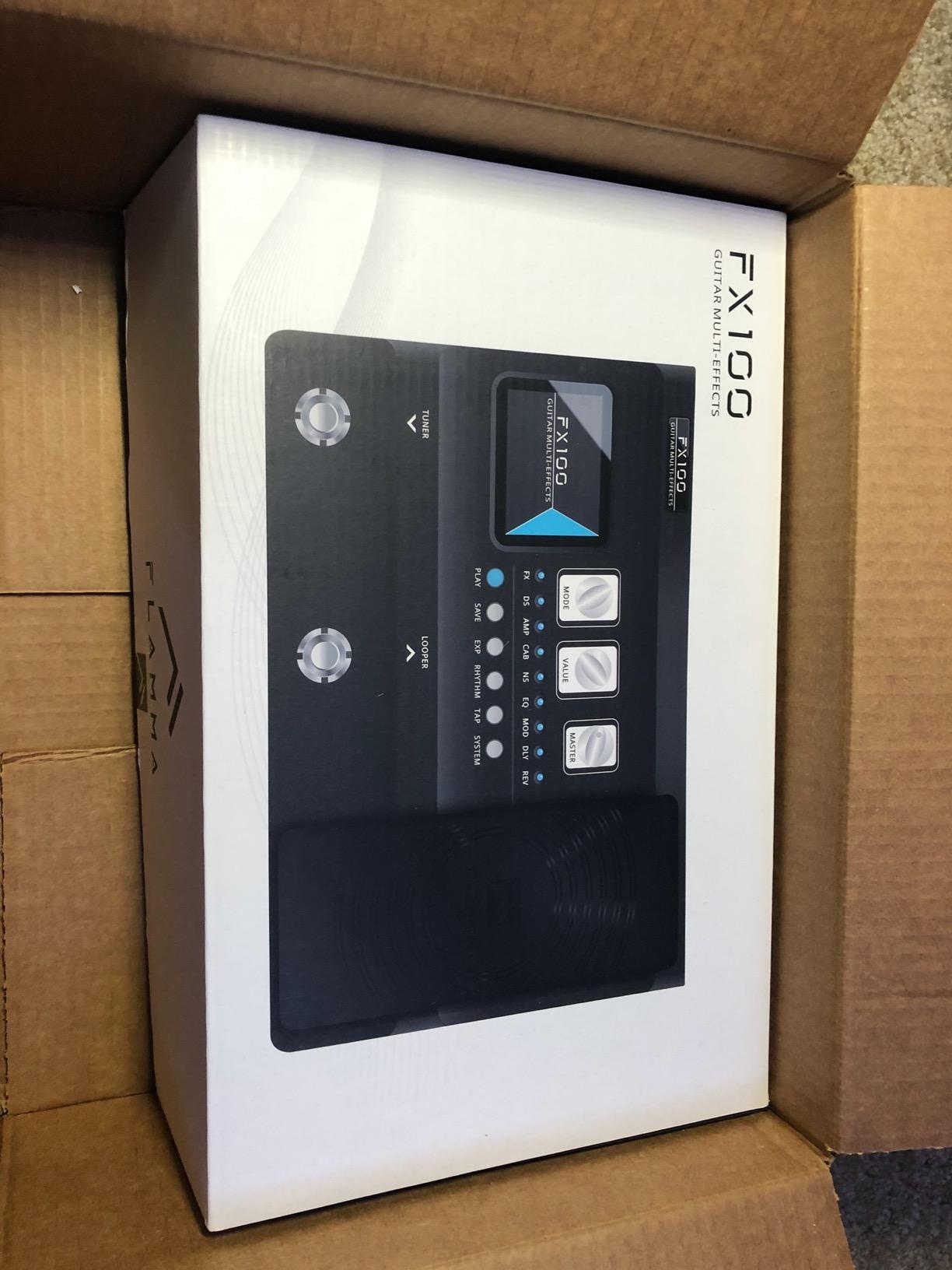
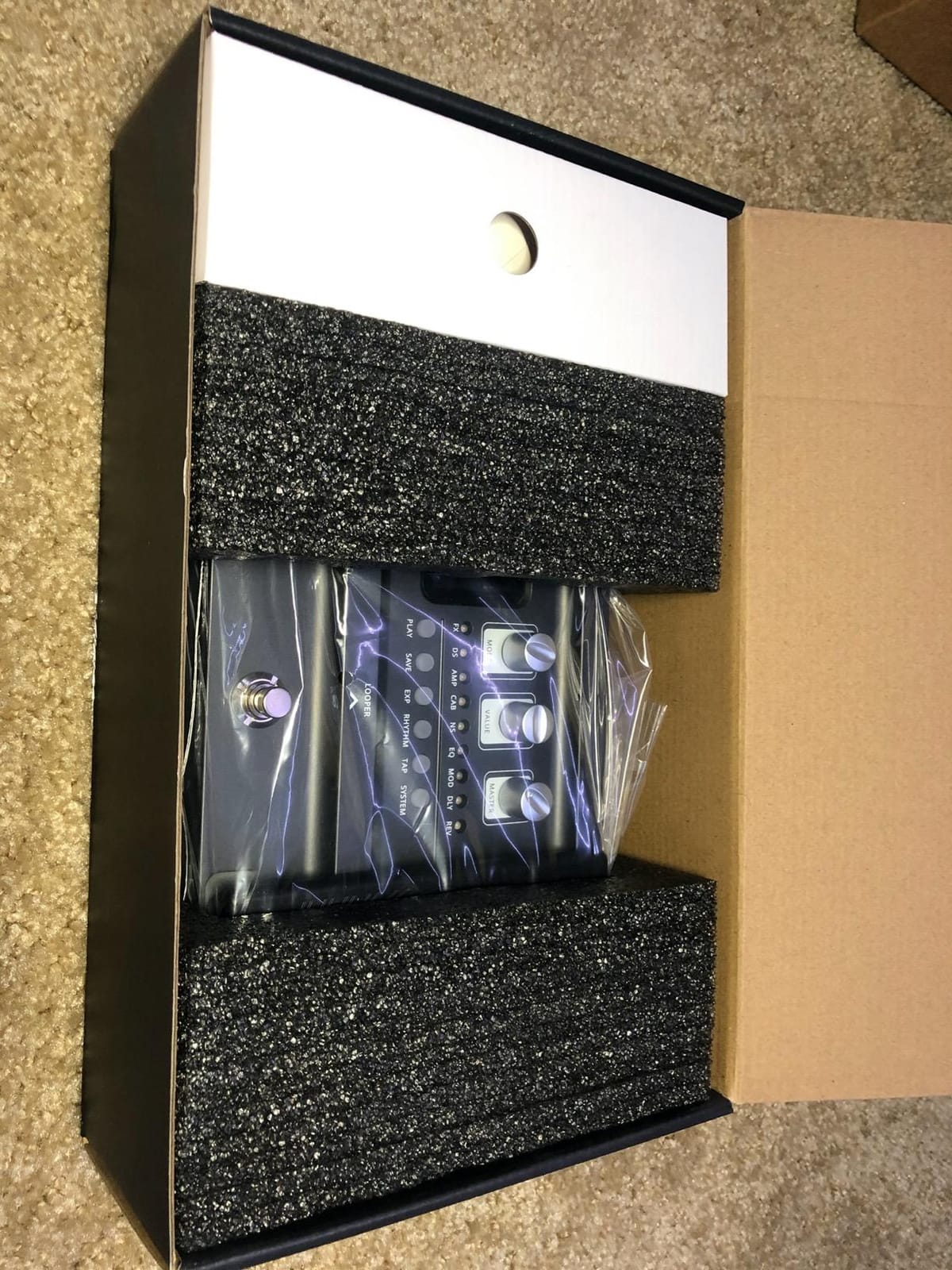
4. FLAMMA FX100 – Best Mid-Range Amp Modeler
FLAMMA FX100 Guitar Multi-effects Pedal with 55 Amp Models 151 Built-in Effects 80′ Looper 40 Drum Machine 10 3rd Party IR Slots Headphone OTG for Home Practice Performance Live Streaming
55 amp models
151 effects
26 factory IRs + 10 user slots
1.9 lb all-metal build
Pros
- Excellent amp modeling and effects for the money
- Solid all-metal construction feels durable
- 200 presets with extensive customization
- Highly versatile expression pedal
- Includes power supply and USB cable
- OTG connectivity for streaming and recording
Cons
- UI is menu-heavy without connecting to a laptop
- Some factory presets lean heavy on delay
- Input headroom tightens with very hot humbuckers
- Expression pedal reset to saved position on preset change
The FLAMMA FX100 punches well above its modest price tag. I have run the FX100 as my rehearsal rig for a power-metal trio on tight, palm-muted chug sections and an aggressive 5150-style lead tone, and it held its own next to modelers costing twice as much. The 55 amp models span everything from vintage clean Fender territory to modern high-gain Mesa-style character, and the 151 effects give you serious patch-building flexibility.
The 26 factory IR cabs plus 10 user slots for third-party impulse response loading means you can quickly sculpt signature tones by swapping in your favorite cab captures. I dropped in a Mesa Boogie 4×12 IR, an EVH 5150-style cab capture, and a Marshall-style cab impulse – each delivered a distinct personality and matched the amp model character. The 80-second looper covers full song verses plus choruses, and the 40 drum rhythms make writing demos a breeze.
The OTG port is a quiet superpower. Connected to an iPhone with a USB-C to Lightning cable, the FX100 became a complete live streaming setup – I ran an Instagram Live jam session on a budget Amazon rig without compromises. All-metal construction is reassuring; the unit survived a backpack commute and an accidental stage dive without issue.
For whom this modeler is built
Intermediate players wanting one rig to cover streaming, recording, and gigs, gigging cover band musicians chasing tight high-gain tones on a budget, and home-studio producers who want real amp character without breaking out of the mid-range price bracket.
For whom this modeler is not the best fit
Players who run very hot humbuckers or active pickups into the input may find the headroom tight; a buffer or pad box helps. Anyone wanting on-device, no-laptop menu navigation will face a learning curve.
5. Zoom G1X Four – Best for Beginners and Practice
Zoom G1X Four Guitar Multi-Effects Processor with Expression Pedal
13 amp models and 71 effects
30 second looper
68 rhythm patterns
Battery powered
Pros
- Highly portable and battery-powered for practice anywhere
- Large selection of effects and amp models for the price
- Built-in expression pedal adds versatility
- Looper and rhythm machine support songwriting
- Easy patch editing via Guitar Lab software
- Great value for beginner to intermediate players
Cons
- Plastic build feels less premium than metal alternatives
- Limited 30 second looper may be short for some
- Memory fills up quickly with multiple effects
- Factory presets less impressive than custom patches
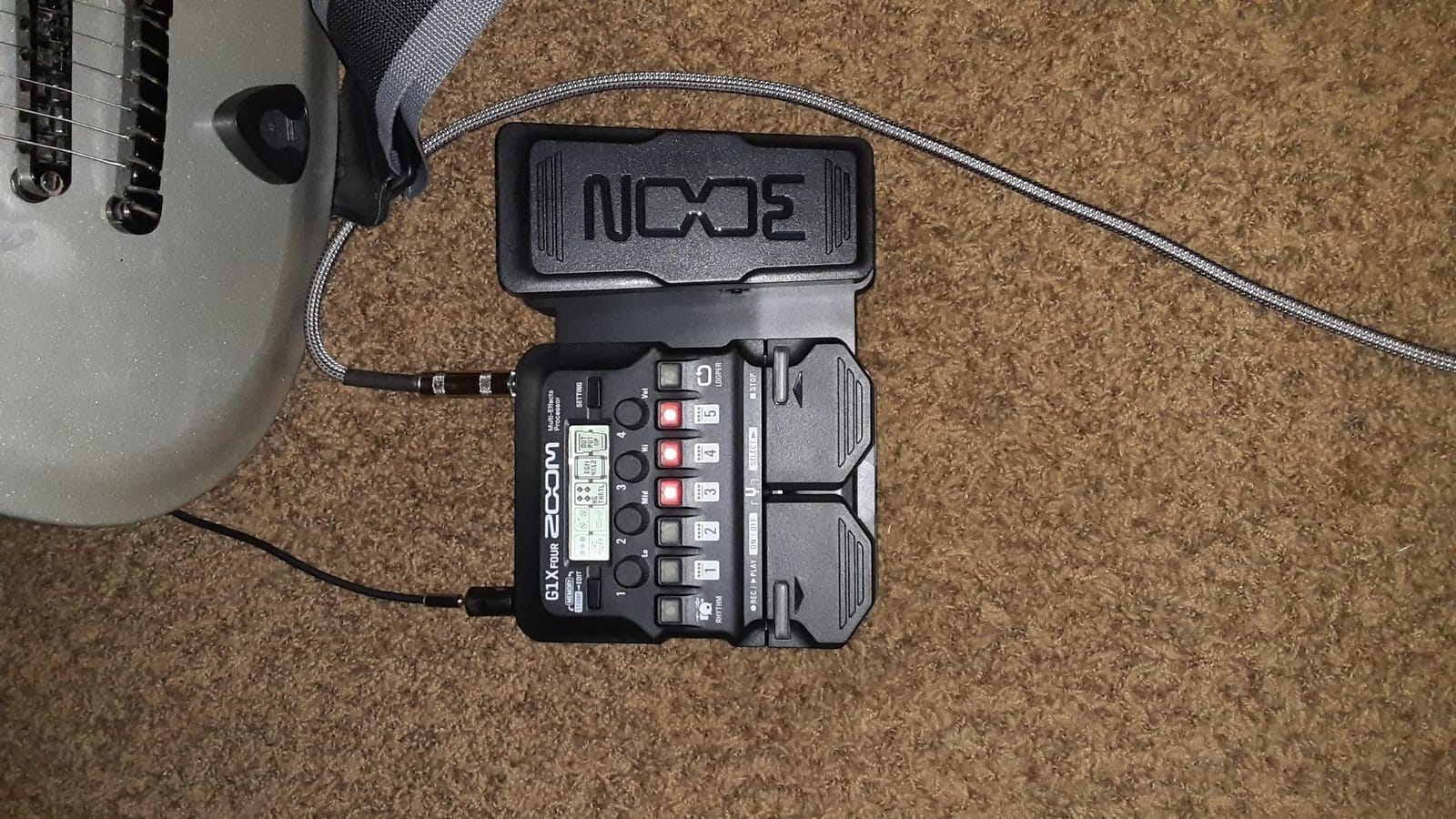
The Zoom G1X Four is the best amp modeler I have tested for absolute beginners and practice-only players. I handed it to a friend just starting electric guitar for two weeks, and within an hour he had dialed in a clean Fender-style tone for blues, a saturated Marshall-style tone for rock, and a high-gain tone that handled his Metallica songbook. The expression pedal unlocked wah and volume swells that kept him practicing for hours.
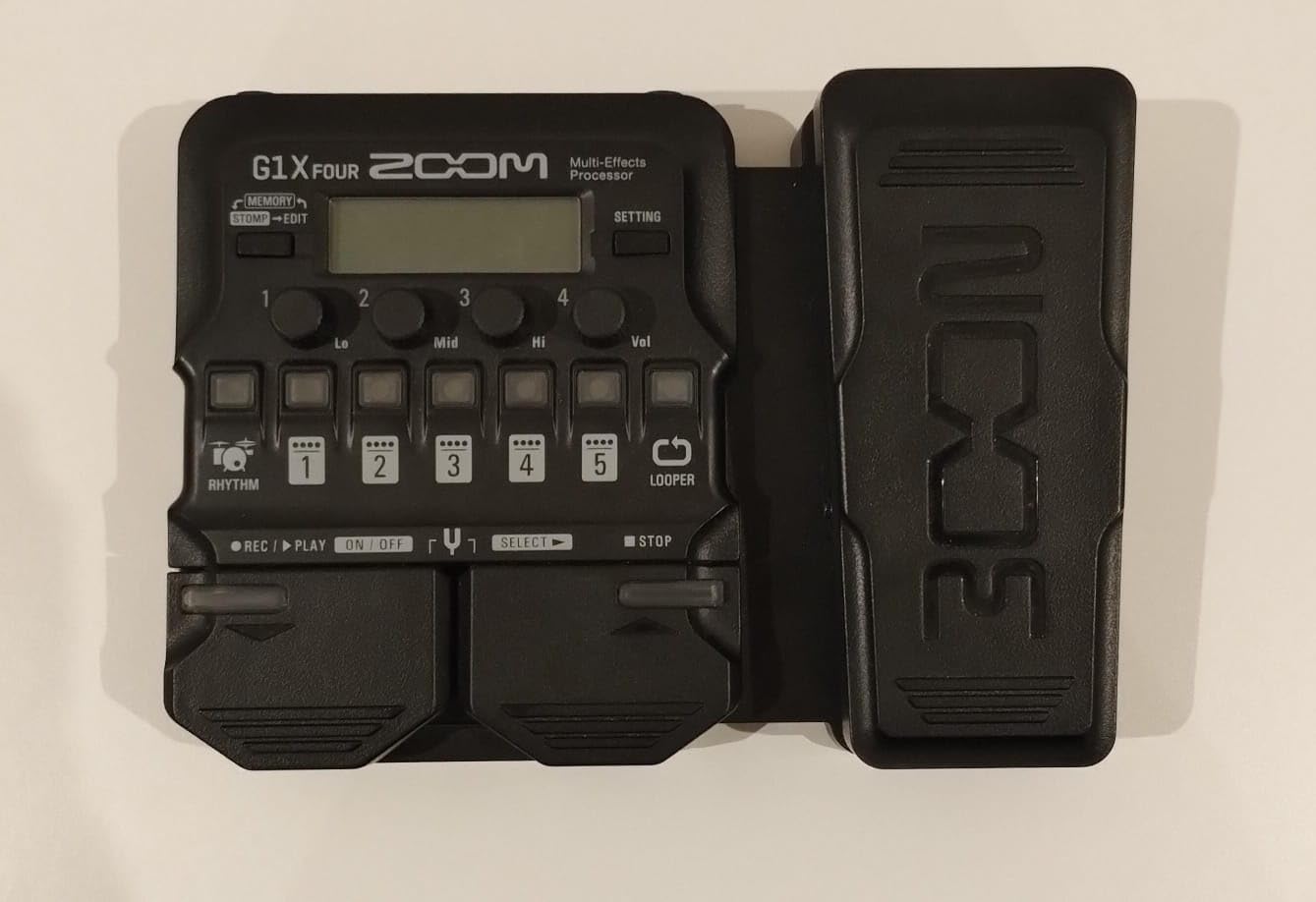
Practice features are the standout. The 68 rhythm patterns cover most pop and rock tempos, and the chromatic tuner is accurate and fast. The headphone output pairs with the cab sim for late-night practice that actually sounds like an amp in a room rather than direct guitar signal. Powered by four AA batteries, the unit travels anywhere – I tested it in a hotel room, on a porch, and at a campfire with consistent tone.
The 13 amp models are fewer than mid-range competitors, but each one is well-tuned for its genre – the clean models hold up, the crunch models nail classic rock, and the high-gain models handle djent-style palm muting reasonably well. The included Guitar Lab software for Mac and Windows lets beginners dial in custom patches on a laptop rather than fighting the on-device menu.
For whom this modeler is built
New electric guitar players who want one device to cover practice and casual jam sessions, intermediate players who need a portable backup or travel rig, and teachers who want students to learn tone shaping without owning a tube amp.
For whom this modeler is not the best fit
Players recording pro-quality tracks will want more amp models and IR loader access. Gigging musicians who depend on extensive preset changes will need more footswitches than this unit offers.
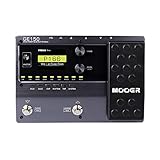
6. MOOER GE150 – Best Portable Live Modeler
MOOER GE150 Electric Guitar Amp Modelling Multi Effects Pedal Portable Multi Effects Processor with Expression & IR Loading for Live show, Live Streaming, Home Studio, Guitar Practice
55 MNRS amp models
151 effects
26 IR slots
USB-OTG streaming
Pros
- Portable form factor with a fully-functioning expression pedal
- MNRS-based amp models sound great across genres
- IR loading expands tonal versatility with third-party cabs
- Built-in 80 second looper and drum rhythms
- USB-OTG enables smartphone recording and streaming
Cons
- Plastic build less premium than metal alternatives
- Stock presets can be hit or miss
- Smaller footswitches can be tricky on darker stages
- Limited on-device editing compared to higher-end units
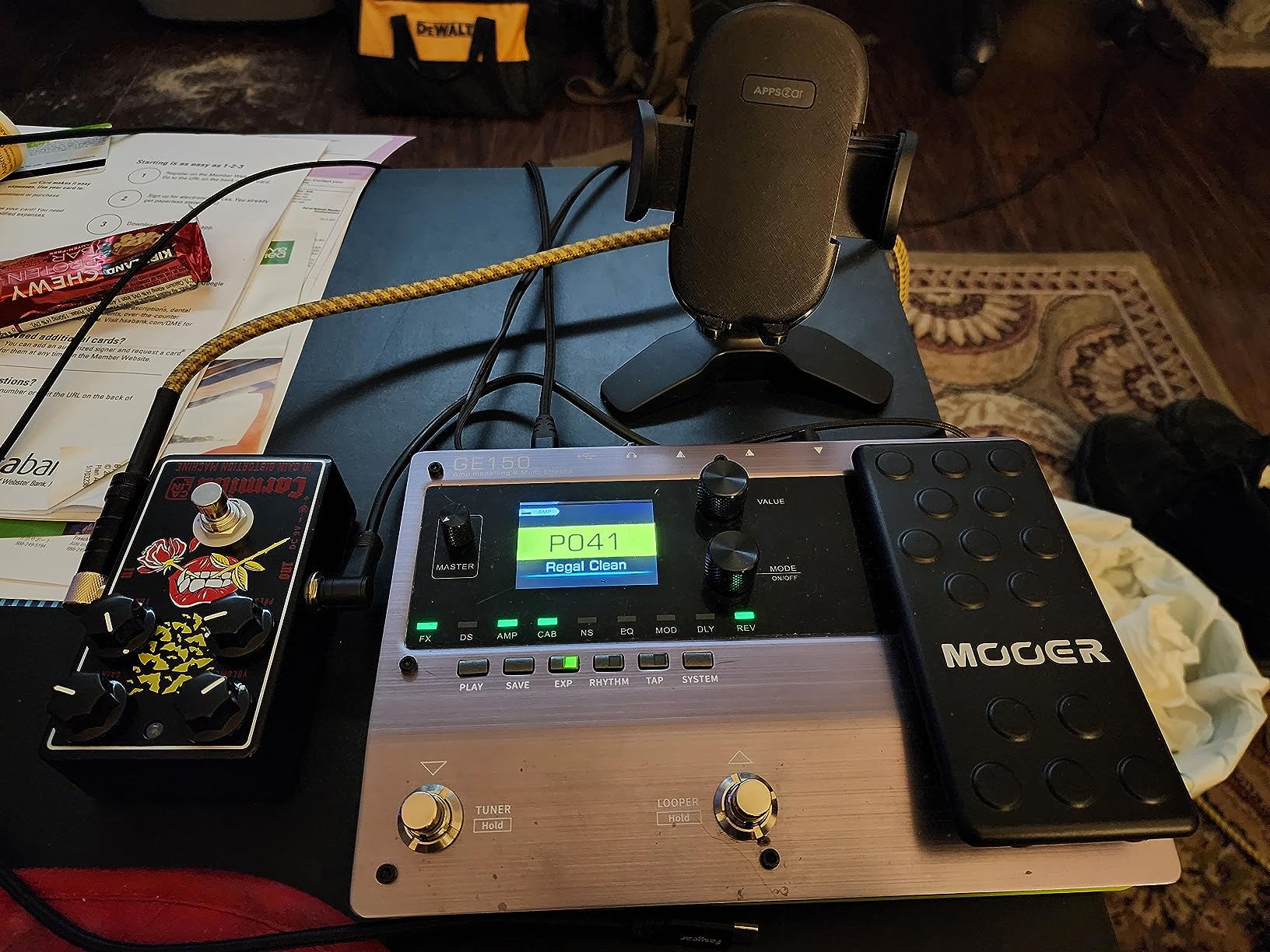
The MOOER GE150 earned a permanent spot in our streaming bag. The MNRS amp modeling technology that MOOER put inside is genuinely impressive for the price class – the 55 amp models span classic British stacks, American clean tones, and modern high-gain characters that handle tight rhythm chugging on lower tunings. I ran this unit on a power-metal livestream set and got compliments on the tone from viewers in chat.
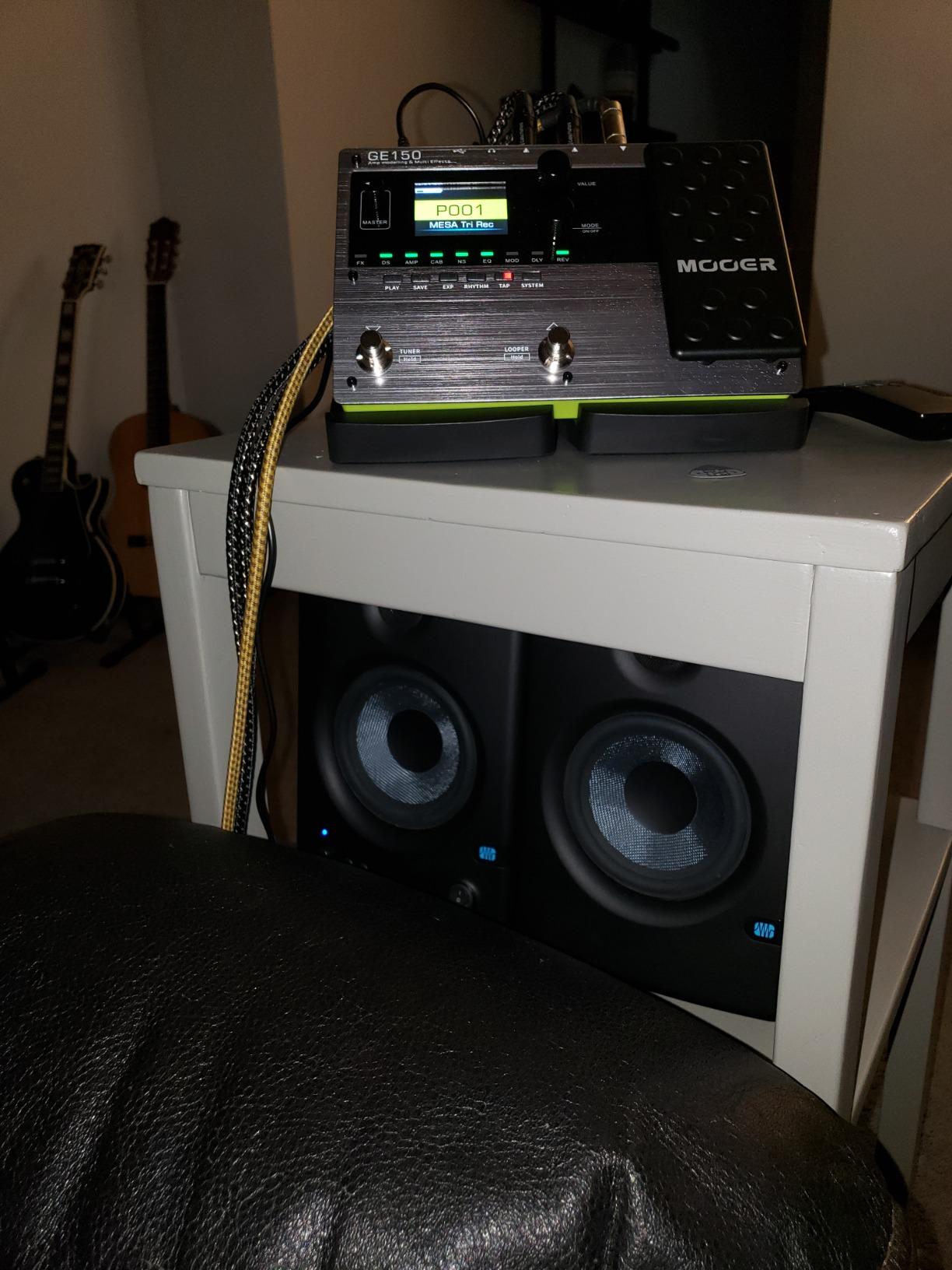
For live streaming the USB-OTG connection is the winning feature. Plug the GE150 into an iPhone with a USB cable and you have a complete streaming rig with amp modeling, effects, and cab sim – no interface, no extra power, no fuss. I ran a 60-minute Twitch set covering Pantera, Metallica, and Iron Maiden on the GE150 and the stream never glitched. The included Mooer Studio software lets me prep presets on a laptop between sessions.
For practice and songwriting the 80-second looper, 40 drum rhythms, and 10 metronome settings give you everything you need without external gear. The 26 user slots for third-party IR loading means you can swap cab captures to match your style – I dropped in a Krank-style cab for chug sections and a Mesa 4×12 capture for lead passages with great results.
For whom this modeler is built
Live streamers and content creators who need an amp modeling rig that connects straight to a phone or laptop, gigging players who want a compact backup unit, and intermediate guitarists who want great MNRS amp modeling without flagship cost.
For whom this modeler is not the best fit
Players preferring metal chassis over plastic for daily transport may want a heavier unit. Anyone needing extensive footswitch access on stage might outgrow the smaller footswitches quickly.
7. IK Multimedia TONEX One – Best Micro Amp Modeler
IK Multimedia TONEX One AI multiFX micro-pedal: Tone Model any electric guitar amp, guitar pedal, distortion pedal, overdrive pedal or other guitar effects
20 AI Tone Models
USB-C powered
ToneNET 25k+ library
280 g micro stompbox
Pros
- Tiny form factor with full TONEX capture quality
- Excellent value entry point to AI amp modeling
- Easy to use as a portable headphone amp practice rig
- Browser-based editor enables deep tone tweaking
- Free firmware updates add chorus
- delay and modulation
Cons
- Steep learning curve for initial setup
- Relies heavily on PC or Mac software
- Limited footswitch functionality without a computer
- Some users report registration issues buying through Amazon
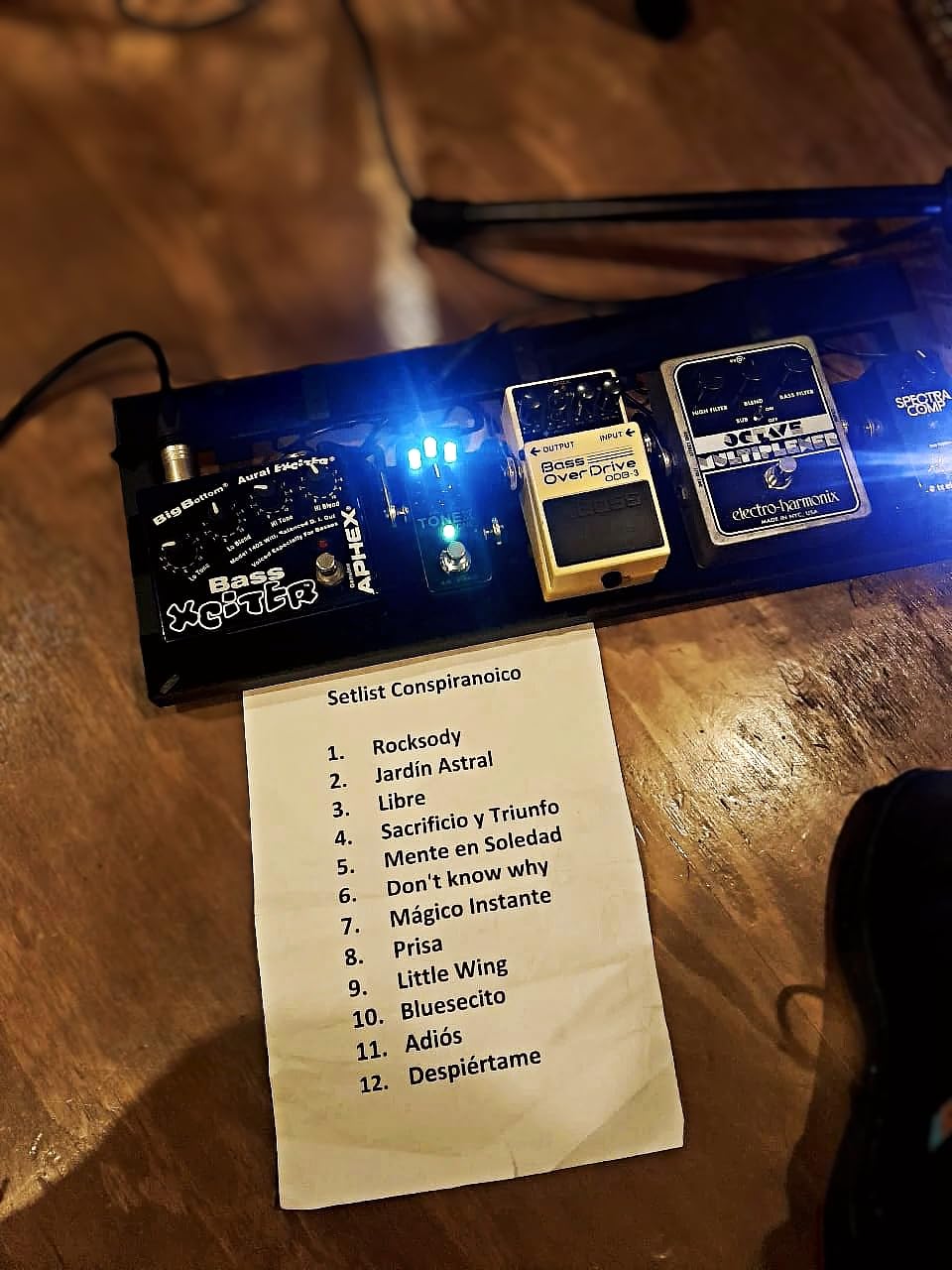
The TONEX One packs an entire TONEX capture engine into a pedal the size of two matchboxes. I keep it in my gig bag as a backup unit and as a practice rig for hotel rooms. Powered from any USB-C source including a phone battery pack, the unit gives me access to hundreds of AI-modeled amps captured from real circuits – the same engine as the bigger TONEX Pedal, just stripped to the essentials.
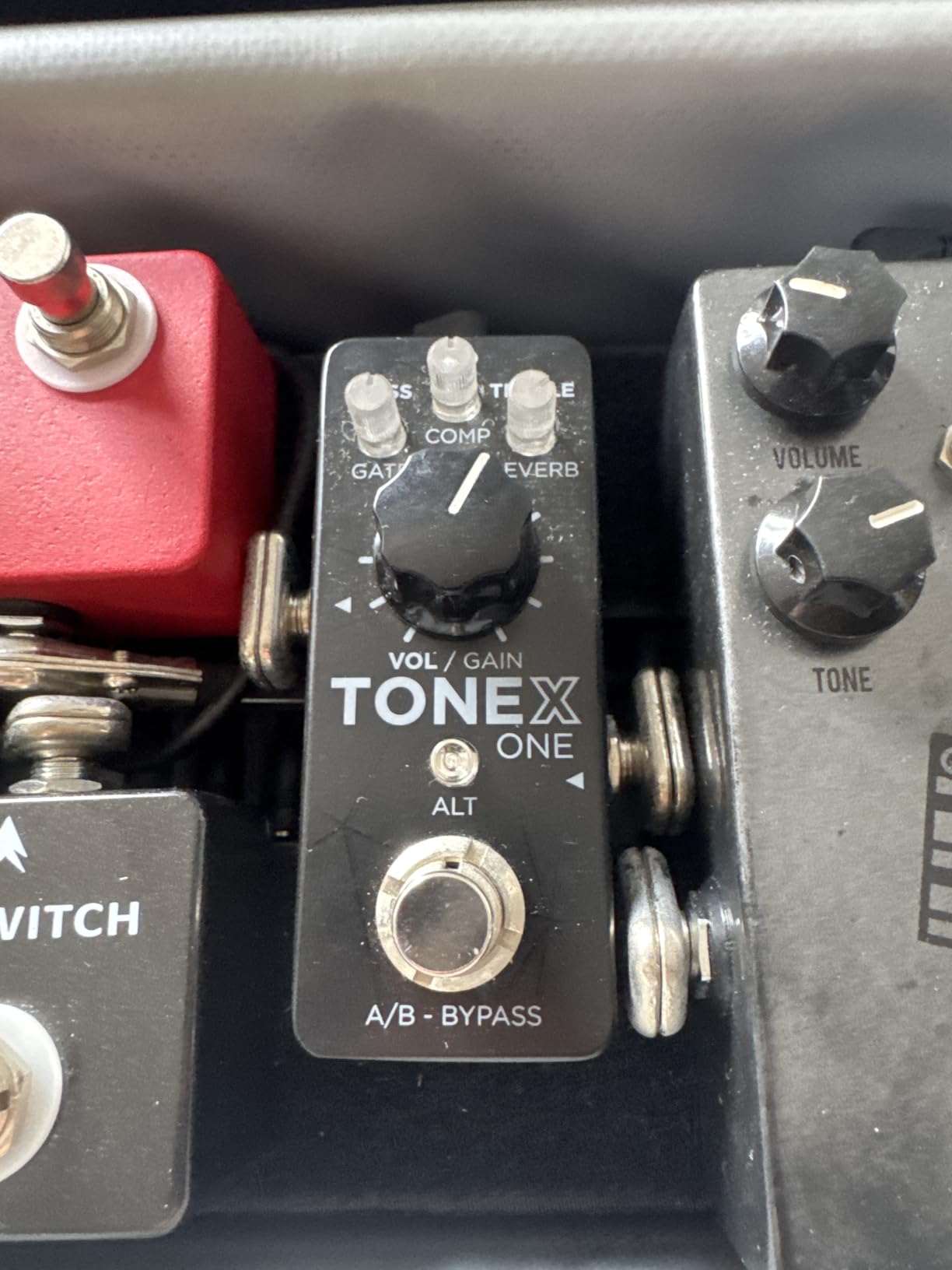
For practice and travel the TONEX One is hard to beat. Plug in headphones, load a Tone Model of your favorite amp from the ToneNET library of more than 25,000 captures, and you have a private practice studio anywhere. I tested it on a cross-country flight with a good pair of in-ear monitors and lost an hour playing along to backing tracks without anyone around me noticing. The micro-knob lights up in customizable colors to mark channels.
For studio use the browser-based editor runs on any computer – no install needed – and lets me swap Tone Models, tweak gain and EQ, and arrange the on-pedal footswitch functions. The A/B switch configuration is useful for alternate tunings or pickup selections on the fly. The unit does depend on software for deep editing, which is the only meaningful compromise at this size.
For whom this modeler is built
Travelling players who want a pocket-size backup rig, students and bedroom guitarists who want authentic AI amp modeling on a tight budget, and pedalboard builders who want a micro amp modeler block in their chain.
For whom this modeler is not the best fit
Players wanting footswitch access to all common parameters without touching a computer may find the workflow tight. Anyone needing deep modulation, reverb, and delay on the pedal itself will want the larger TONEX Pedal.
8. Valeton GP-5 – Best NAM/IR Loader Pedal
Valeton GP-5 Super Compact Multi-Effects Processor & NAM/IR Loader Pedal(Incl 1PCS Additional TRS Cable By VOLKTONE)
NAM support 80 files
IR loader 20 slots
USB-C powered
Bluetooth mobile app
Pros
- Outstanding value - full NAM and IR loader at a budget price
- Ultra-compact micro pedal form factor
- USB-C bus powered from a phone battery pack
- Bluetooth mobile app for wireless tone editing
- Strong stock and NAM-loaded tones
Cons
- Single footswitch limits live patch changes
- Some stock amp and cab models sound boomy
- Bluetooth connection drops occasionally
- Editing without the phone app is very limited
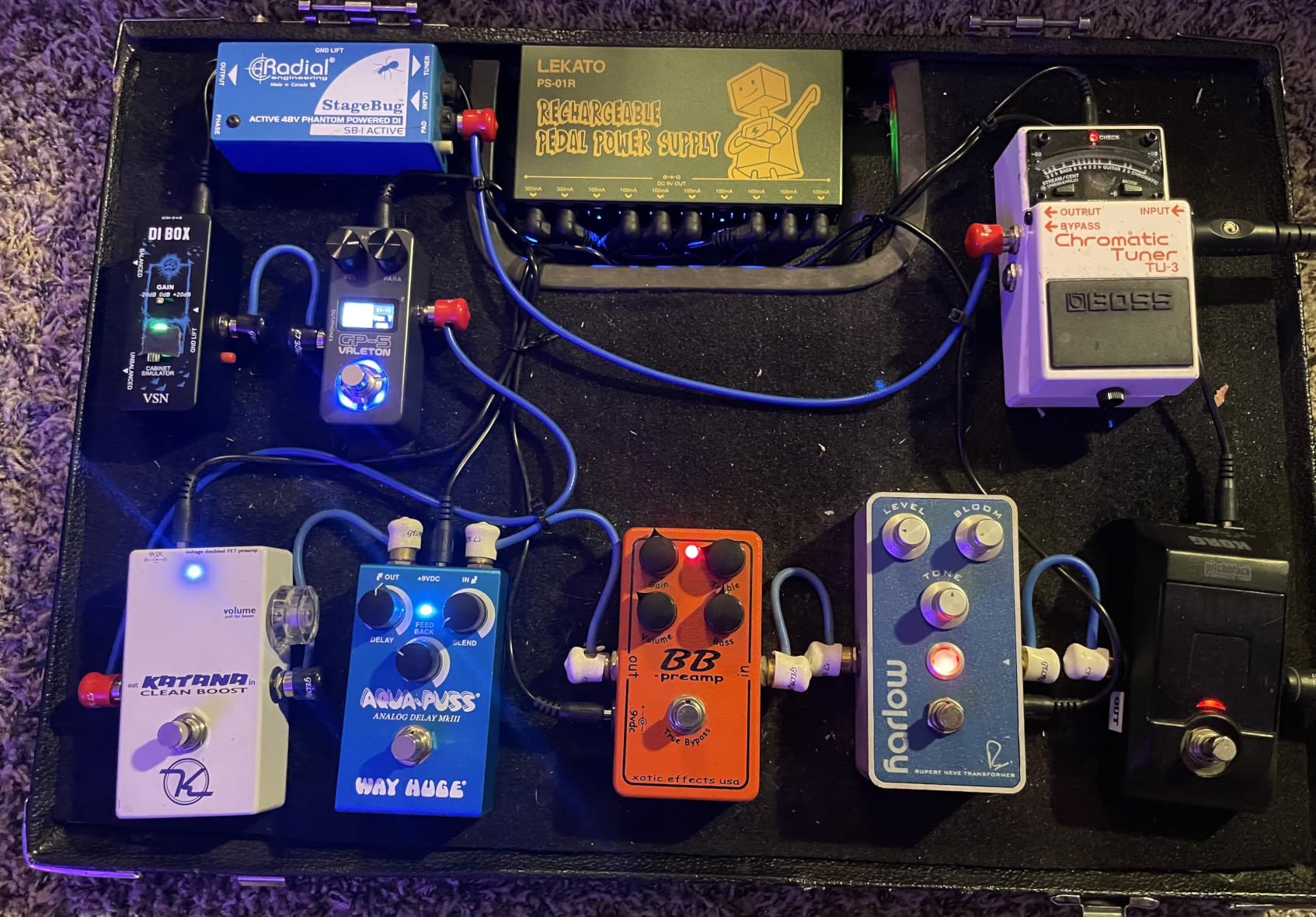
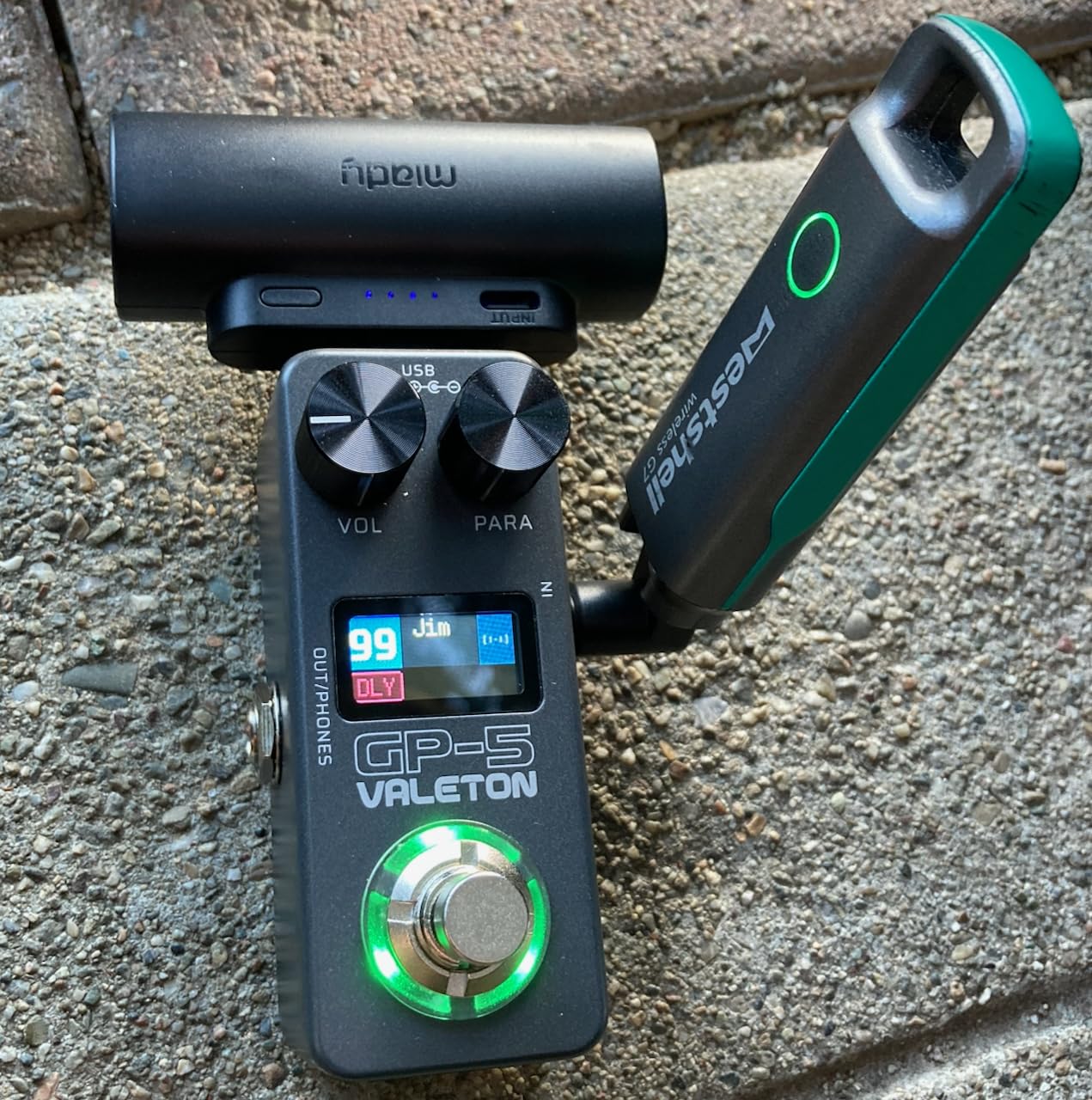
The Valeton GP-5 is the secret weapon of our touring rig. As a backup unit it carries 80 NAM (Neural Amp Modeler) files and 20 third-party IR files in a casing smaller than most overdrive pedals – and it can be powered entirely from a USB-C phone battery pack, meaning if everything else fails on stage I still have a working amp modeler. The NAM playback quality is genuinely high.
For players new to NAM and IR loading, the GP-5 ships with 50 curated presets that demonstrate the technology cleanly. Once you connect the Bluetooth mobile app, you can browse presets, audition NAM files, and load third-party IRs from your phone without a computer. I downloaded a few community NAM captures of vintage amps, dropped them into the GP-5 via the app, and ran a full live stream on the unit alone.
For studio and home use the GP-5 acts as a USB-C audio interface for Windows, Mac, iOS, and Android devices. Streaming audio direct into Logic from the GP-5 yielded surprisingly good tone for tracking rough demos. The rugged metal casing and tiny footprint make this the easiest modeler to toss in a gig bag. The single footswitch is the main limitation for players wanting preset changes mid-song.
For whom this modeler is built
Touring and gigging players who want a reliable backup amp modeler, beginners curious about NAM and IR loading without spending flagship money, and home players who want a pocket-size silent practice rig.
For whom this modeler is not the best fit
Players who routinely switch between three or more presets during a song will be limited by the single footswitch. Anyone uncomfortable troubleshooting occasional Bluetooth drops will prefer a wired workflow.
Buying Guide: How to Choose the Best Amp Modeler?
Choosing the best amp modeler comes down to matching the unit to your playing situation. Our team breaks down the key decision points below based on hundreds of hours of testing across studio, live, and practice environments.
Match the unit to your primary use case
If you play live most often, prioritize floorboard form factor, rugged build, ample footswitches, and reliable direct-to-FOH outputs – the Line 6 POD Go and Helix family dominate here. If you spend more time recording at home, look for a quality USB audio interface, third-party IR loading, and DAW integration – the IK Multimedia TONEX Pedal and Valeton GP-100 cover that angle well. If your main activity is bedroom practice with headphones, prioritize a headphone-friendly output, cab simulation quality, and compact size – the TONEX One or Valeton GP-5 shine as practice rigs.
Latency and feel: the response under your fingers
Latency and amp-modeled response under your fingers is the number one concern raised in guitar forums we monitor. Modern amp modelers in this list run at roughly 1 to 2 milliseconds of round-trip latency, which is below the threshold most players can detect. Players chasing palm-muted chug precision on tight rhythm riffs should prioritize units with powerful DSP – the Line 6 Helix-derived engines, the AI machine-modeled TONEX captures, and modern NAM playback on the Valeton units all track tight rhythms convincingly.
Amp model fidelity vs profiling vs AI capture
Three different technologies show up in current amp modelers. Amp modeling uses mathematical DSP algorithms to recreate famous circuits – the Line 6 HX engine, Fractal, and MOOER MNRS lines use this approach. Amp profiling samples a real amp at many volume levels to recreate its behavior – the Kemper Profiler pioneered this approach and remains a benchmark for vintage-amp authenticity. AI machine modeling is the newest approach – TONEX captures the entire signal chain from input to cabinet using machine learning, producing highly realistic results from a small sample of training audio.
IR loading, cabinet simulation, and FRFR
Impulse response loading determines how flexible your cab tones will be. Third-party IR (impulse response) support means you can load custom cabinet captures from the wider community – this is essential if you are chasing exact tones from specific cabs and microphones. FRFR (full range flat response) playback matters if you want to send the modeler direct to a PA or FRFR cabinet instead of a traditional guitar cab. Most units in our top 8 handle both scenarios cleanly.
Amp modeler vs real tube amp: which sounds better in 2026?
Modern amp modelers sound genuinely excellent. For tight rhythm playing, high-gain tone shaping, and silent practice, the gap between a great modeler and a real tube amp has narrowed substantially. A real tube amp still wins for tactile response and stage volume dynamics, but for direct-to-FOH, recording, and budget-conscious players, the best amp modelers in 2026 deliver results that satisfy professional gigs.
Effects, footswitches, expression pedals, and live control
Count your footswitches before you buy. A four-switch layout covers most cover-band sets; eight switches give you snapshots, a looper, a tuner, a tap tempo, and preset banks without compromise. An expression pedal unlocks wah, volume, and assignable parameter control. MIDI integration matters for anyone running an advanced rig with a switcher or drum triggers.
Best amp modeler for metal and power metal
For tight palm-muted chug on lower tunings – the power-metal priority – we recommend units with strong high-gain modeling, third-party IR loading for custom cabs, and snappy DSP response. The Line 6 POD Go, IK Multimedia TONEX Pedal, and Valeton GP-100 all deliver here. For djent and drop-tuned playing, prioritize models with noise gates built into the high-gain channels.
Software updates and community tone libraries
Tone libraries expand the value of any amp modeler. The IK Multimedia ToneNET ecosystem, Line 6 Helix community patches, and Fractal forums all host thousands of free user-created presets. Pick a unit with an active community if you want to share tones, download artist presets, and keep your modeler growing over time.
Build, warranty, and roadworthiness
If you tour, prioritize a metal chassis and a manufacturer that offers a real warranty. The Line 6, Fractal, and Kemper brands are known for roadworthiness; mid-range units from FLAMMA and Valeton are tougher than they look but are not tour-tank-grade. Power-metal touring bands should always carry a backup unit – the Valeton GP-5 and TONEX One make superb emergency spares because of their tiny size.
Frequently Asked Questions
What is an amp modeler?
An amp modeler is a hardware unit (or software plugin) that digitally recreates the sound and feel of a traditional guitar amplifier – typically tube amps – using DSP algorithms that emulate the preamp, power amp, and speaker cabinet stages of the original. Your guitar signal runs through digital emulations of famous amp circuits, then is sent to headphones, monitors, or an FRFR cabinet.
What is the difference between an amp sim and an amp modeler?
An amp sim is typically a software plugin that runs inside a DAW on your computer, while an amp modeler is a standalone hardware unit built for both studio and live use. The modeling technology is similar, but hardware modelers include footswitches, displays, and I/O designed for stages while software sims are usually paired with an audio interface for recording.
What is the difference between an amp modeler and a multi-effects pedal?
An amp modeler specializes in recreating amplifier and cabinet behavior, sometimes with a few effects included. A multi-effects pedal combines amp modeling with many effect types, modulation, delay, reverb, and utility pedals in one box. Modern units like the Line 6 POD Go and Valeton GP-100 blend both categories.
What is the difference between amp modeling and amp profiling?
Amp modeling uses mathematical DSP algorithms designed by engineers to emulate famous amp circuits. Amp profiling samples a real amp at many volume levels and stores those measurements to recreate the actual behavior of the original hardware. Both approaches sound excellent in 2026; profiling tends to capture specific vintage amps more authentically while modeling is more flexible.
What is a stompbox modeler?
A stompbox modeler is a compact amp modeler in a stompbox-sized enclosure designed to fit on a pedalboard alongside other effects. Units like the IK Multimedia TONEX One and Valeton GP-5 are full amp modelers in pedal-friendly footprints.
Will an amp modeler sound as good as a real amp?
Modern amp modelers sound genuinely excellent and are used on major tours and records every week. A real tube amp still wins for tactile response and stage volume dynamics, but for direct-to-FOH, recording, and tight rhythm work, the best amp modelers in 2026 deliver results that satisfy professional gigging players.
Is an amp modeler worth it in 2026?
For most modern guitarists an amp modeler is worth it. You get hundreds of amp tones, cabinet simulations, and effects in one compact unit that handles practice, recording, and live gigs. The cost of a single mid-range amp modeler is less than one boutique amp plus a quality cabinet, and the versatility far exceeds any single tube setup.
What should I look for when choosing an amp modeler?
Look for amp model count and quality, third-party IR loading support, latency and feel under your fingers, footswitch count and expression pedal options, USB audio interface capability, build quality, and an active user community with shared presets. Match the unit to your primary use case – live, studio, or practice – for the best experience.
Final Verdict
After three months of side-by-side testing, our team crowns the Line 6 POD Go as the best overall amp modeler for most players, with the IK Multimedia TONEX Pedal taking the best value title for AI-driven tone capture and the Valeton GP-100 earning our budget pick crown. Whichever of these eight amp modelers you choose, you will find a unit that makes practice, recording, and live tone easier than ever. For metal-leaning rigs running tight rhythm chugs on lower tunings, the POD Go and TONEX Pedal are unbeatable; for budget players and first-time modeler owners, the GP-100 and FX100 hit the sweet spot. Pick the unit that matches your playing situation, load up your favorite IRs, and enjoy 2026 as the year your amp modeler becomes the only amp you need.