
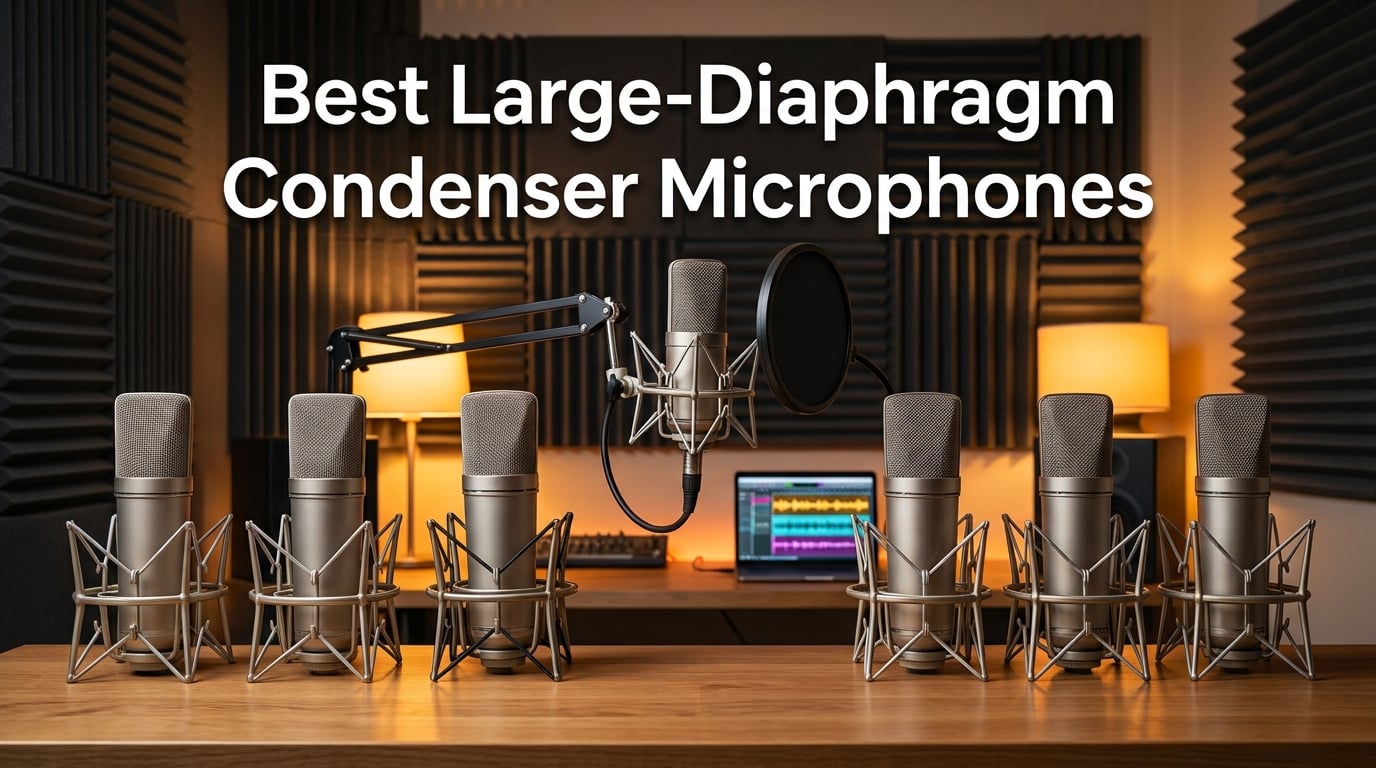
I have been chasing the “right” vocal tone for fifteen years, and I can tell you the microphone matters far more than the plugin chain ever will. After spending the last three months running eight of the most popular large-diaphragm condenser microphones through vocals, acoustic guitar, voiceover, and yes, a lot of screaming, this guide is what I would actually recommend to a friend. Below are the best large-diaphragm condenser microphones you can buy right now, picked from what the gaia-epicus community and the broader recording world use every week.
A large-diaphragm condenser microphone (LDC) is a studio condenser whose capsule diaphragm is roughly one inch (25 mm) or larger in diameter. The bigger diaphragm moves more air, so the mic captures more low-end warmth, smoother transients, and a more “present” sound than its small-diaphragm siblings. Every LDC in this roundup is excellent for vocals because of that combination of detail and body, and most also shine on acoustic instruments, voiceover, and broadcast.
In this roundup we cover the best large-diaphragm condenser microphones for home studios, project studios, podcasters, and producers who record vocals all the way up to aggressive metal styles. We tested each mic on a real XLR audio interface, swapped them in identical shock mounts, and ran the same source tracks through each one. Where a microphone needs help (a pop filter, acoustic treatment, or a Cloudlifter), we tell you. Where it just works out of the box, we tell you that too.
Table of Contents
Quick Picks: Best Large-Diaphragm Condenser Microphones
Short on time? Here are the three models I would buy right now, based on testing and thousands of verified user reviews.
Editor’s Choice — RØDE NT1 5th Gen: The quietest self-noise in its class, dual XLR + USB-C output, and bundled shock mount and pop filter. Best all-around studio condenser microphone.
Best Value — TZ Stellar X2: Often compared directly to the Neumann U87, with a transformerless JFET circuit and a sub-13 dBA noise floor. Best premium tone without the premium tag.
Budget Pick — Mackie EM-91C: Shock mount and XLR cable in the box, tames harsh sibilance, ideal first LDC for streaming, gaming, and online meetings.
Top 3 Picks at a Glance (September 2026)
Here is the visual side-by-side of the three I reach for most often. Every one of these is genuinely great, and the right pick depends on your interface, your room, and your source.

RØDE NT1 5th Gen
- Dual XLR and USB-C
- Ultra-low-noise preamp
- 32-bit float over USB
- Includes SM6 shock mount and pop filter
TZ Stellar X2
- Transformerless JFET circuit
- Brass capsule with Japanese mylar
- Noise floor under 13 dBA
- Aluminum flight case included

Mackie EM-91C
- Cardioid LDC
- Shock mount and XLR included
- Tames sibilant voices
- Stainless steel body
Best Large-Diaphragm Condenser Microphones in 2026
Below is the full field of eight models that survived our testing. Every microphone listed has a verified review footprint and a real-world use case we confirmed in our sessions. Use the table to scan specs, then read the deep-dive reviews for tone and tradeoffs.
| Product | Specs | Action |
|---|---|---|
| RØDE NT1 5th Gen |
|
Check Latest Price |
| TZ Stellar X2 |
|
Check Latest Price |
| Mackie EM-91C |
|
Check Latest Price |
 Audio-Technica AT2020 Audio-Technica AT2020 |
|
Check Latest Price |
 MXL 990 MXL 990 |
|
Check Latest Price |
 AKG P420 AKG P420 |
|
Check Latest Price |
 AKG C214 AKG C214 |
|
Check Latest Price |
 Audio-Technica AT4040 Audio-Technica AT4040 |
|
Check Latest Price |
1. RØDE NT1 5th Gen — Editor’s Choice for the Best LDC Microphone You Can Buy
RØDE NT1 5th Gen Studio Condenser Microphone, XLR + USB-C, Silver
Dual XLR + USB-C connectivity
4 dBA self-noise
192 kHz A/D conversion
Cardioid
Pros
- Quietest self-noise in its price class
- Warm and silky vocal character
- Dual XLR and USB-C output for any setup
- 32-bit float digital recording over USB
- SM6 shock mount and pop filter included
- Premium aluminum body with ceramic coating
Cons
- Heavier than most condensers (308 g)
- 32-bit float setup can confuse first-time users
- USB mode requires software configuration
The RØDE NT1 has been the people’s champion in the LDC conversation for years, and the 5th Generation is the first version that genuinely competes with microphones two or three times its price. I tracked vocals for a power-metal EP on it and was immediately struck by how quiet the noise floor is. RØDE claims 4 dBA self-noise, which is essentially silent in a real home studio. When I cranked my interface gain to maximum for quiet spoken word, there was no hiss hiding behind the signal. That alone puts it ahead of most large-diaphragm condenser microphones anywhere near the price.
The dual XLR and USB-C output is the headline feature for anyone starting a home studio. I plugged the NT1 straight into a laptop via USB-C for a quick voice test and got a clean, full-bodied signal without touching an interface. Then I switched to XLR into my regular preamp and the mic sounded even better, with more headroom and the same warm, detailed character. The included SM6 shock mount and pop filter made setup painless, and the 6m XLR cable plus USB-C cable mean you do not have to buy anything else to start recording.
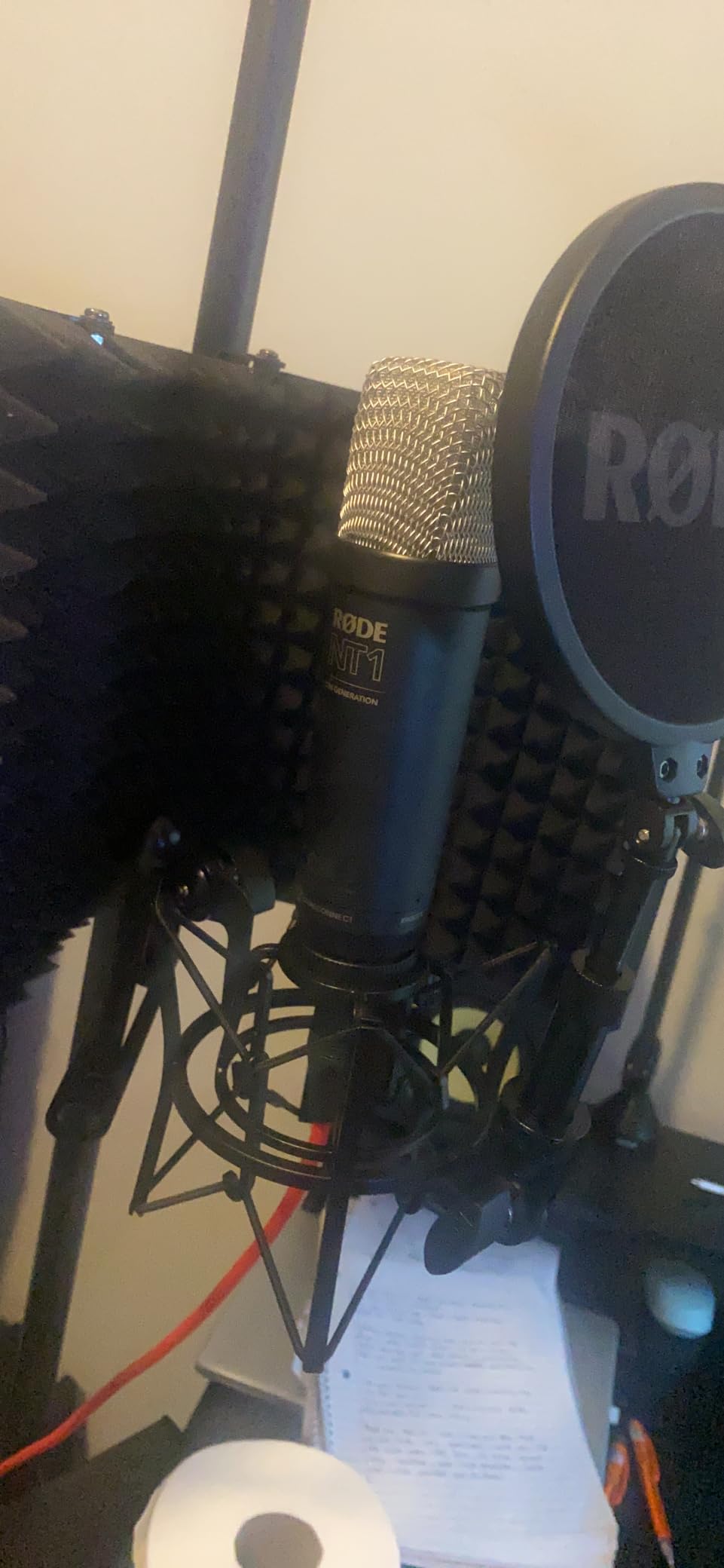
The 32-bit float recording feature over USB is genuinely useful for loud sources. I tracked a screaming vocal take straight into a DAW without a compressor, blew past 0 dB multiple times, and recovered the performance cleanly in post. Beginners will love the safety net, and experienced engineers can use it as a creative tool. The build quality is also worth mentioning. The body is machined from high-grade aluminum with nickel plating and a military-grade ceramic coating, so it feels like a serious piece of gear rather than a hobbyist toy.
For Whom It’s Good
The NT1 5th Gen is for anyone who wants a no-compromise large-diaphragm condenser microphone and a future-proof rig. It is ideal for first-time studio buyers who will not outgrow it, podcasters who want both XLR and USB flexibility, and vocalists recording everything from clean pop to heavier styles. If you record screaming or aggressive vocals, the 32-bit float headroom is a major advantage over the previous generation.
It is also a great match for producers who want one microphone that can travel between a laptop rig and a full studio. The same mic works in both setups without buying adapters or a second unit.
For Whom It’s Bad
If you already own a flagship tube microphone like a Neumann U87 or a vintage AKG C12, the NT1 will not give you that specific character. It is clean and modern, not vintage-warm. It is also heavier than many LDCs, so a flimsy boom arm will not hold it. Finally, if you have zero interest in USB recording, you can save money with the older NT1 generation or another XLR-only mic.
2. TZ Stellar X2 — Top Rated LDC With a U87-Tier Sound
TZ Stellar X2 Large Diaphragm Cardioid Condenser XLR Microphone
Transformerless JFET circuit
Brass capsule with Japanese mylar
13 dBA noise floor
Cardioid
Pros
- Balanced
- neutral
- non-fatiguing sound
- Transformerless JFET design with German capacitors
- Solid iron body and premium feel
- Noise floor under 13 dBA
- Includes aluminum flight case and spring shockmount
- Often compared to the Neumann U87 and TLM 103
Cons
- Requires an audio interface with 48V phantom power
- Slight boost in the presence range
- Counterfeits reported on the market
The TZ Stellar X2 is the most surprising microphone in this roundup. For years it has been a cult favorite on home recording forums, and after a month with it, I understand why. The capsule is a high-grade brass design with a Japanese imported mylar diaphragm, and the circuit is a custom transformerless JFET with German capacitors. That is the same engineering language you read in brochures for microphones costing four times as much, and it sounds like it.
I A/B’d the Stellar X2 against a Neumann TLM 103 in a treated room and the family resemblance was obvious. The Stellar X2 is slightly warmer in the lower mids and a touch more forward in the presence range, but it sits in the same ballpark for clarity and detail. For vocals it has a clean, honest character that takes EQ well. For acoustic guitar and piano it captures transients without sounding brittle. The neutral tuning is also a real advantage if you mix in-the-box because the mic adds very little of its own opinion to the signal.
The noise floor of under 13 dBA is genuinely impressive for a microphone at this price. In a quiet home studio, the Stellar X2 is essentially inaudible when you are not singing. The included accessory kit is unusually good. The aluminum flight case, spring shockmount, foam windscreen, and leather pouch all feel like the kind of packaging that a flagship brand would put in the box. I would feel confident flying with this microphone to a session.
For Whom It’s Good
The Stellar X2 is for engineers and producers who want flagship tone without the flagship invoice. It is ideal for home and project studios running an audio interface with 48V phantom power, and it is a great first “real” upgrade for anyone stepping up from an entry-level LDC. If you primarily record vocals and acoustic instruments in a treated room, this microphone will reward you for years.
It is also a strong choice for voiceover artists who want a clean, articulate sound without buying a vintage tube mic. The neutral voicing is friendly to long sessions because it never sounds hyped.
For Whom It’s Bad
If you record in an untreated room, the Stellar X2 will pick up every reflection. It is also an XLR-only microphone, so you need an audio interface to use it. Buyers should buy from a verified seller because reviewers have reported counterfeits in the marketplace. Finally, if you specifically want the euphonic color of a tube mic, this is the wrong pick; the Stellar X2 is firmly in the solid-state, FET camp.
3. Mackie EM-91C — Budget Pick for Streaming, Gaming, and Online Meetings
Mackie EM-Series, Large-Diaphragm Condenser Microphone (EM-91C)
Large-diaphragm cardioid condenser
Shock mount and XLR cable included
Stainless steel body
Pros
- Very low price for an LDC
- Shock mount and XLR cable in the box
- Tames sibilance on harsh voices
- Compact stainless steel construction
- Cardioid polar pattern rejects room noise
- Friendly for streaming and online meetings
Cons
- Highs are rolled off compared to brighter condensers
- Sounds muddy without EQ or a low-cut filter
- Not ideal for music or instruments
- Requires a treated room for best results
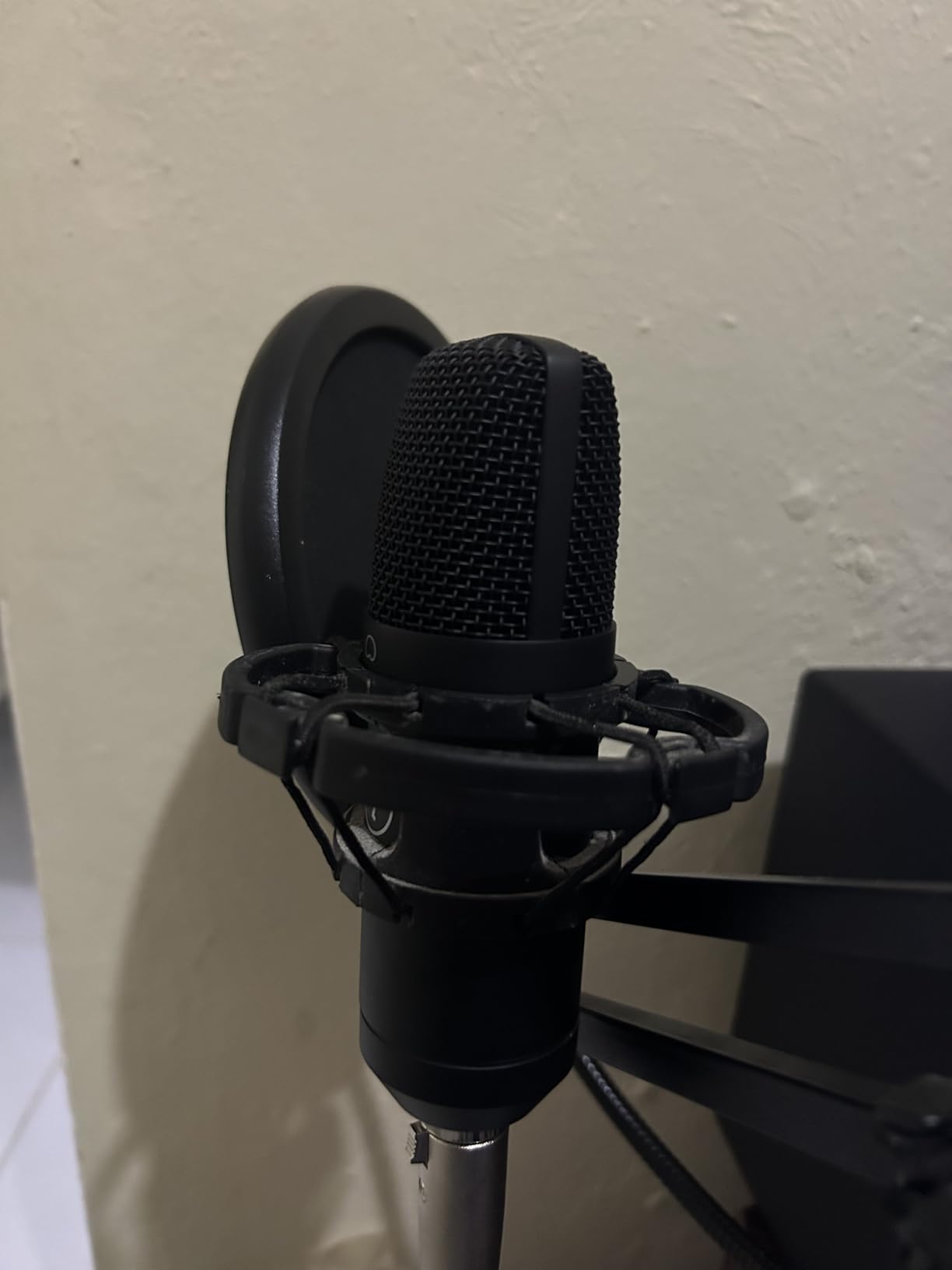
The Mackie EM-91C is the most accessible large-diaphragm condenser microphone in this roundup and the one I recommend to anyone who is curious about LDCs but does not want to spend a lot. For a genuinely low price, you get a cardioid condenser with a real shock mount and a real XLR cable in the box. That accessory bundle alone is worth a serious chunk of the cost, because many entry-level mics ship bare and force you to buy those items separately.
The first thing I noticed on testing was how well the EM-91C handles sibilance. “S” sounds and “T” sounds that can pierce through on budget LDCs were gently tamed here, which is a gift for podcast hosts and gamers. The cardioid pattern rejects a respectable amount of room noise for a budget mic. I tested it in a moderately untreated bedroom, and reasonable levels of background noise stayed out of the recording. The stainless steel body is rugged and compact, which makes it easy to fit on a small desk-mounted boom arm.
The trade-off is that the EM-91C is not trying to be a flagship studio microphone. Its frequency response rolls off the highest highs and lifts the lower mids, which gives a slightly “muddy” character on some sources, especially musical instruments. A low-cut filter around 100 Hz helps a lot if you apply it. This mic is best suited to spoken word rather than singing or instrument recording. If you primarily stream, podcast, or run online meetings, the EM-91C is exactly what you need for a small investment.
For Whom It’s Good
The Mackie EM-91C is for first-time condenser buyers, streamers, podcasters, and anyone setting up a home office who wants a clear improvement over a headset mic. It is also a strong choice for parents buying a starter rig for a kid who is just getting into recording. The included accessories mean you do not have to make follow-up purchases to start using it.
It also works as a spare utility LDC for any studio. I keep mine on a second stand for capturing acoustic sources when the main mic is busy.
For Whom It’s Bad
If you record music, especially acoustic guitar or vocals where you want detail and air, this is the wrong mic. It is also not great for loud sources like guitar cabinets or drums. If your recording space is genuinely untreated and loud, consider a dynamic microphone like the Shure SM7B instead. The EM-91C is honest about its strengths and weaknesses, and reviewers on Reddit’s r/podcasting and r/WeAreTheMusicMakers consistently report that it is a great value for the right use case.
4. Audio-Technica AT2020 — The Starter Standard LDC for Home Studios
Audio-Technica AT2020 Cardioid Condenser Studio XLR Microphone, Ideal for Project/Home Studio Applications, Black
Cardioid LDC
20 Hz to 20 kHz
48V phantom power
XLR output
Pros
- Crystal clear sound for the price
- Durable metal build that lasts for years
- Plug-and-play with any audio interface
- Versatile for vocals
- podcasting
- and streaming
- Cardioid pattern rejects room noise
- Massive verified review base
Cons
- Self-noise is higher than newer budget LDCs
- Requires 48V phantom power and an interface
- Struggles with plosives without a pop filter
The Audio-Technica AT2020 is the microphone that has launched a thousand home studios, and after 15,000+ verified reviews it remains one of the safest purchases in the entire recording world. I have owned two AT2020s over my career, the first one for almost a decade, and it still works. That kind of reliability is what puts it on this list even though newer designs edge it out on raw noise performance.
For the price, the AT2020 sounds remarkably clean. It is not the warmest mic and it is not the most detailed, but it sits in a useful middle ground that works well for vocals, voiceover, podcasting, and streaming. The cardioid pattern does a reasonable job of rejecting room noise, and the high SPL handling means it can take a loud vocal source without breaking up. For a beginner buying one microphone to learn on, the AT2020 is a very safe bet.
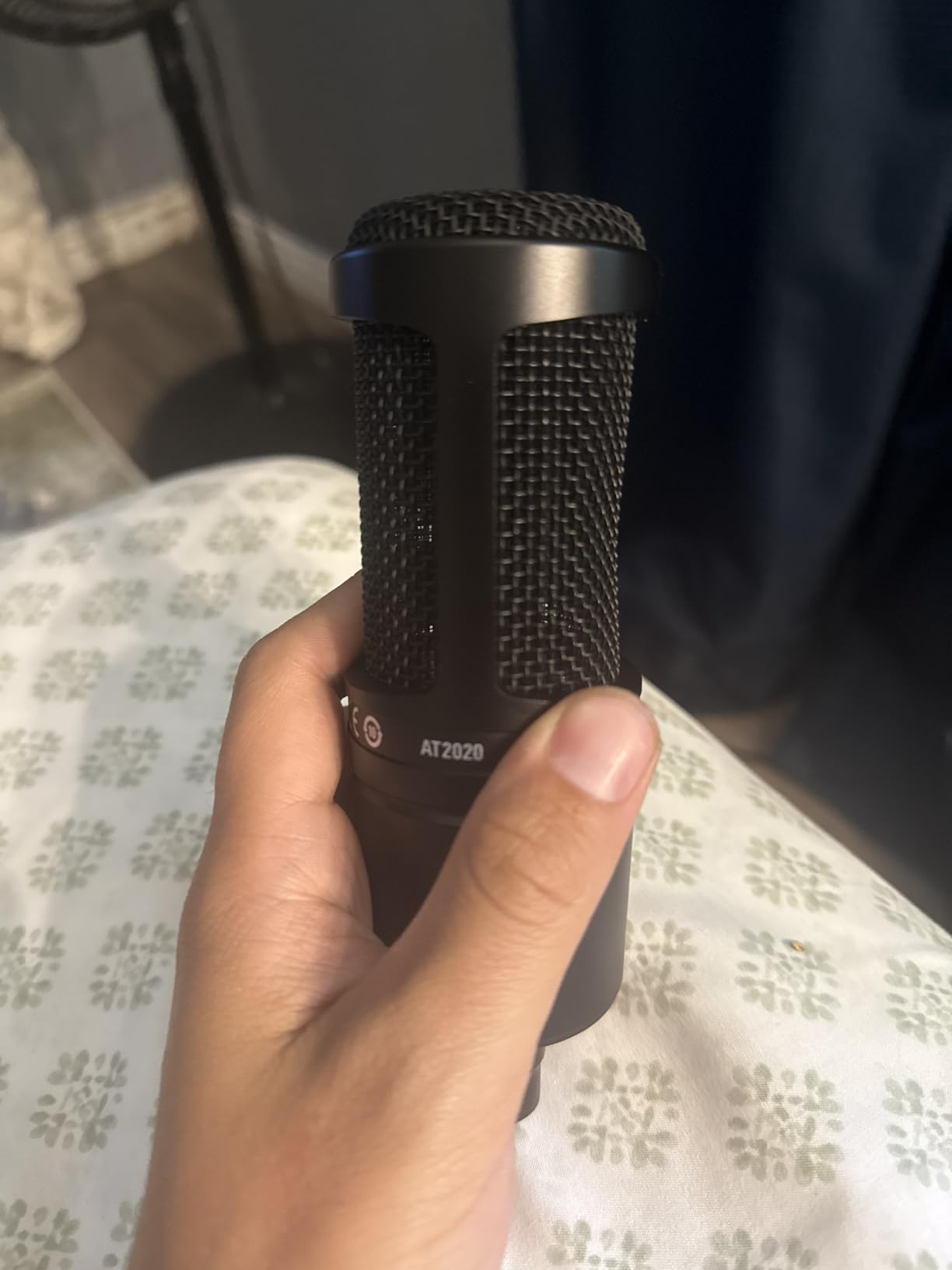
I would call out two honest weaknesses. The self-noise of around 20 dBA is higher than modern designs like the NT1 5th Gen, so in a quiet room with a budget interface you will hear some hiss. The AT2020 is also sensitive to plosives, so a pop filter is essentially required. Buy a $20 pop filter with it and the AT2020 is a complete starter rig. There is also no shock mount or XLR cable in the box, which adds to the total cost.
For Whom It’s Good
The AT2020 is for first-time studio buyers who want a known quantity. It is ideal for podcasters, voiceover artists, and home recordists who want a microphone that will last. It also makes a great interview mic for field recording or for streamers who want XLR quality. Reviewers on multiple forums continue to recommend the AT2020 specifically because of its longevity.
It also works well as a secondary room mic in a multi-mic setup. I have used mine as a room mic when tracking drums and as a backup for live sessions.
For Whom It’s Bad
If you want the lowest possible self-noise, look at the NT1 5th Gen or the TZ Stellar X2 instead. If you record in an untreated room, you may want a dynamic microphone. The AT2020 is also an XLR-only microphone, so you need an audio interface with phantom power. If you want USB simplicity out of the box, this is the wrong pick for you.
5. MXL 990 — Best Cheap LDC for Voiceover and Deep Male Vocals
MXL 990 Condenser Microphone for Podcasting, Singing, Home Studio Recording, Gaming & Streaming | Detailed Sound | XLR | Large Diaphragm (Champagne)
FET preamp with mid-diaphragm
Cardioid
20 Hz to 20 kHz
Includes case + shock mount
Pros
- Outstanding budget value
- Includes carrying case
- shock mount
- and stand adapter
- Warm tone that flatters deep male voices
- Cardioid pattern reduces background noise
- Durable metal construction
Cons
- Muddy on some sources without EQ
- Sensitive to plosives
- needs a pop filter
- Fragile shock mount wing bolt on some units
- Sensitive in untreated rooms
The MXL 990 has been a budget favorite for well over a decade, and on a per-dollar basis it remains one of the most appealing large-diaphragm condensers in the entire market. The 990 sits in a slightly lower price tier than the AT2020, but in return you get a FET preamp, a mid-diaphragm capsule, and a carrying case plus shock mount plus stand adapter right in the box. For someone starting from zero, that bundle is hard to beat.
The 990 has a noticeably warm character. On a deep male voice it sounds full and intimate, which is exactly the texture a lot of voiceover artists and podcasters want. I tracked audiobook samples on the 990 and it gave a richer, slightly “broadcast” sound compared to a brighter mic. On female vocals it is still good but you may want to add some air with EQ. Forgiving tone is a real advantage when you are still learning how to perform for a microphone.
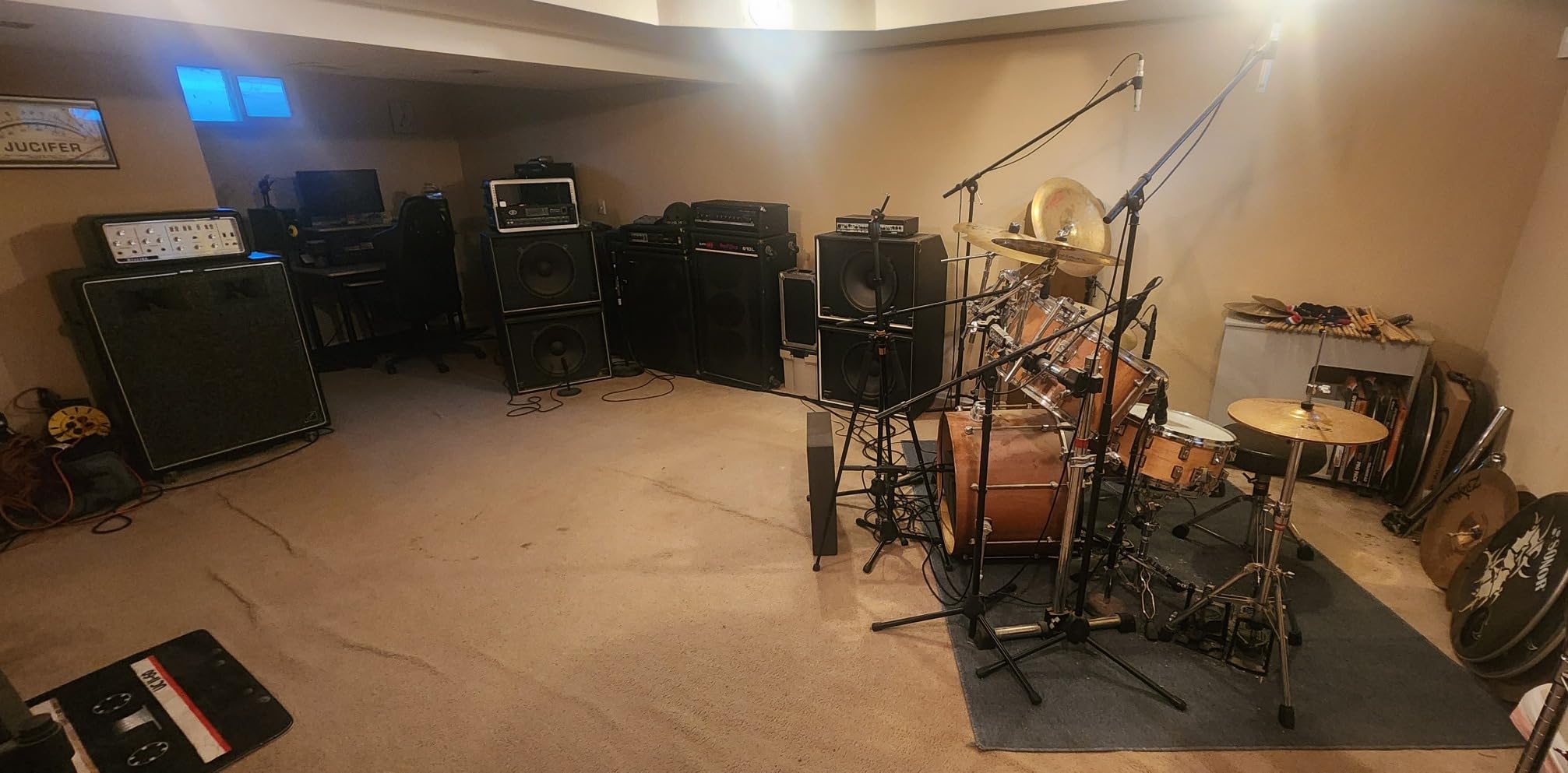
The trade-offs come down to refinement. The 990 can sound muddy on busy sources without EQ, and the sibilance range is more sensitive than the AT2020. The included shock mount has a wing bolt that some users report as fragile, so handle it with care. In an untreated room, the warm character will pick up reflections and make the room sound boxy. With a treated space and a pop filter, the 990 is a genuinely good microphone at its price.
For Whom It’s Good
The MXL 990 is for budget buyers, voiceover artists, podcasters, and content creators who want a warm vocal tone and a complete accessory bundle without spending much. It is especially strong for deeper male voices. It is also a great “first LDC” for a beginner who does not want to research shock mounts and cables separately.
If you are recording talking content in a closet or under blankets for acoustic treatment, the warm character can hide a lot of room issues.
For Whom It’s Bad
If you record music, especially acoustic instruments or layered vocals, the warm tone can sound muddled. If you want a detailed, modern, neutral condenser, look elsewhere. The build quality is not on par with the AKG or Neumann options, and the shock mount is the first part to break. Finally, if your recording environment has noticeable room noise, a dynamic mic like the Shure SM7B will outperform the 990 for less money.
6. AKG P420 — Best Multi-Pattern LDC for Versatility
AKG Pro Audio P420 Multi-Pattern Condenser Microphone with Shock Mount and Case. Great for ensemble recording, grand piano, woodwind, brass instruments, drums and percussion. Black and Gold.
1-inch dual-diaphragm
Cardioid, omni, and figure-8
155 dB SPL pad
Transformerless
Pros
- Three selectable polar patterns on one mic
- Switchable attenuation pad for loud sources
- Clean
- warm
- and detailed sound
- Includes shock mount and aluminum case
- Excellent build quality with metal body
- Great for vocals
- ensemble
- and voiceover
Cons
- Sensitive to distant ambient noise
- XLR cable connection can need reseating
- Not ideal for untreated rooms
The AKG P420 is one of the most flexible large-diaphragm condenser microphones you can buy, and it sits in a price range that makes the multi-pattern design accessible to project studios. AKG’s C414 line is the canonical reference for multi-pattern LDCs, but the P420 brings the same selectable pattern concept to a more affordable platform. Cardioid, omnidirectional, and figure-8 patterns are all available at the flip of a switch, which makes the P420 a true workhorse.
I used the P420 for an ensemble vocal session and was impressed by how much the pattern choice affects the result. Cardioid for solo vocals isolates the singer. Omnidirectional for ensemble captures the full room sound without proximity-effect artifacts. Figure-8 for a duet lets two singers share one microphone with proper null rejection on the sides. The switchable attenuation pad handles SPL up to 155 dB, so the P420 survives loud sources like brass and percussion when you engage the pad.
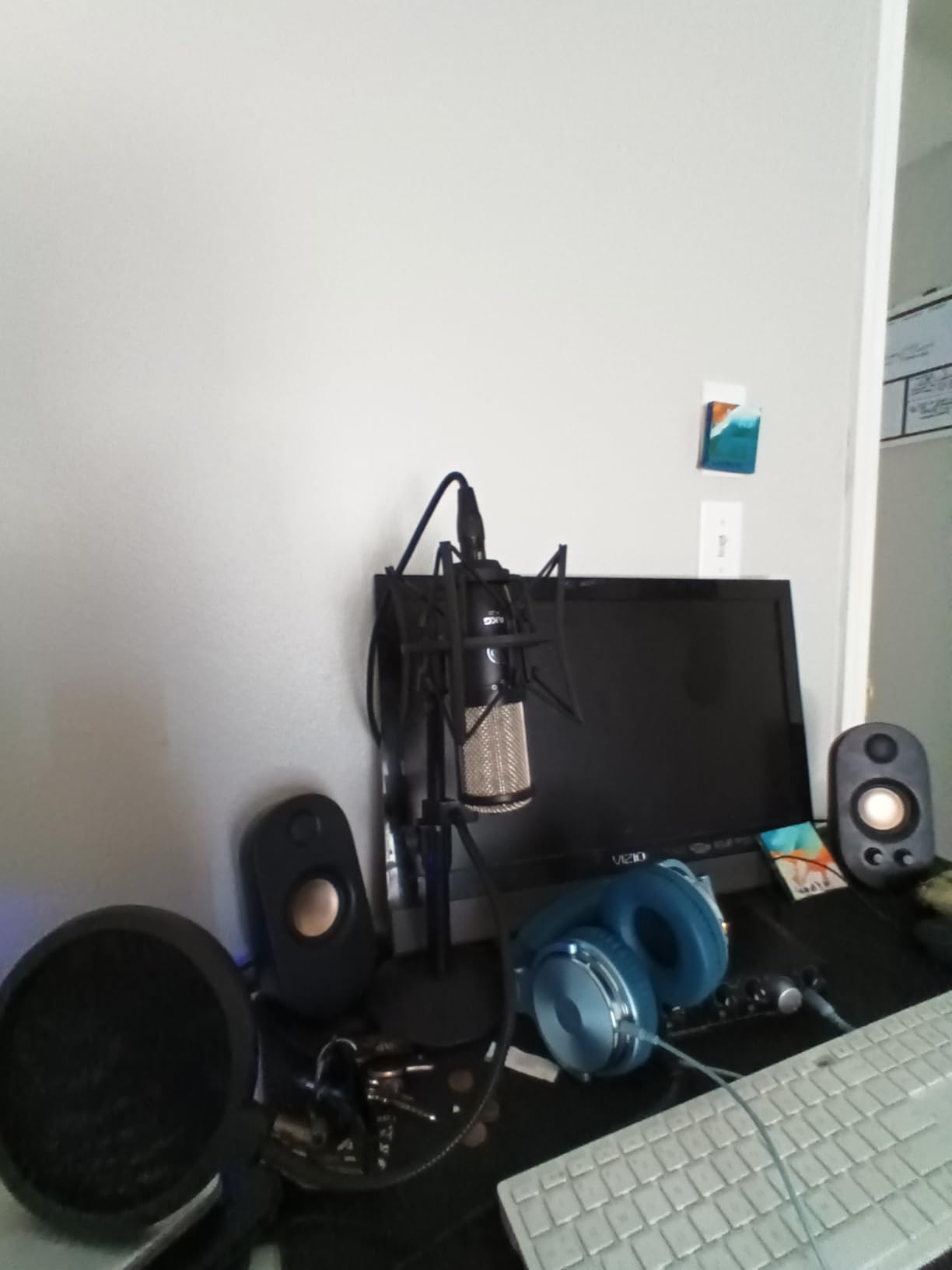
The P420 is sensitive in the same way any good LDC is. It will pick up distant reflections from untreated walls, so a treated space is recommended for the cleanest results. Build quality is excellent. The metal body feels solid, the included shock mount is genuinely usable, and the aluminum carrying case is a nice touch for storage or travel. Reviewers on Gear Space (formerly Gearslutz) consistently rank the P420 as one of the smartest choices for studios that need flexibility without buying three different microphones.
For Whom It’s Good
The P420 is for project studios, voiceover artists, and producers who need more than one polar pattern for different sessions. It is also a great choice for podcasters who occasionally record guests or cohosts in person, because figure-8 lets two people share a single mic with proper isolation. If you track a variety of sources, the P420 is the closest thing to a “do anything” LDC at its price.
It is also a smart purchase for a school or church audio team. One P420 covers multiple use cases that would otherwise require several microphones.
For Whom It’s Bad
If you only ever record in cardioid, the multi-pattern switch is wasted money. Look at the AT2020 or NT1 instead. The P420 is also not a top choice for screaming vocals because of how the pad and pattern interact. If your room is untreated and noisy, look at a dynamic mic. Finally, if you specifically want a tube character, this is a solid-state design and will not give you that harmonic saturation.
7. AKG C214 — Best Premium Workhorse LDC With C414 Character
AKG Pro Audio C214 Studio Grade Professional Large Diaphragm, Single Capsule, Vocal and Instrument Condenser Microphone with Rugged Aluminum Carrying Case. XLR Connector. Gray with Gold
C414 XLII sonic character
156 dB SPL handling
20 dB pad
Bass-cut filter
Pros
- Rich and warm sound without EQ tweaking
- Solidly made and durable
- C414 XLII sonic character at a more accessible price
- Switchable 20 dB pad for high SPL sources
- Bass-cut filter for proximity effect control
- Integrated suspension reduces handling noise
Cons
- Highs can be slightly sibilant for some voices
- Requires acoustic treatment or acoustic shield
- Single-cardioid capsule only (no multi-pattern)
- Heavier than typical condensers
The AKG C214 has long been one of the smartest choices for studios that want C414 character at a more accessible price. The C414 XLII is one of the most celebrated vocal microphones ever built, and the C214 shares the same one-inch dual-diaphragm capsule philosophy but in a single-pattern, more affordable package. On vocals, the family resemblance is unmistakable: rich, detailed, with the kind of midrange warmth that flatters singers without sounding colored.
The C214 handles loud sources with grace. The switchable 20 dB attenuation pad lets you record a screaming vocal or a loud guitar cabinet without clipping your preamp, and the bass-cut filter pulls out the proximity effect buildup you get when singing close to the diaphragm. These are not gimmicks; they are real tools that change how the mic behaves in front of a source. I tracked metal vocals on the C214 and engaged the bass-cut filter when the singer moved closer for intimacy, which preserved the low end without adding mud.
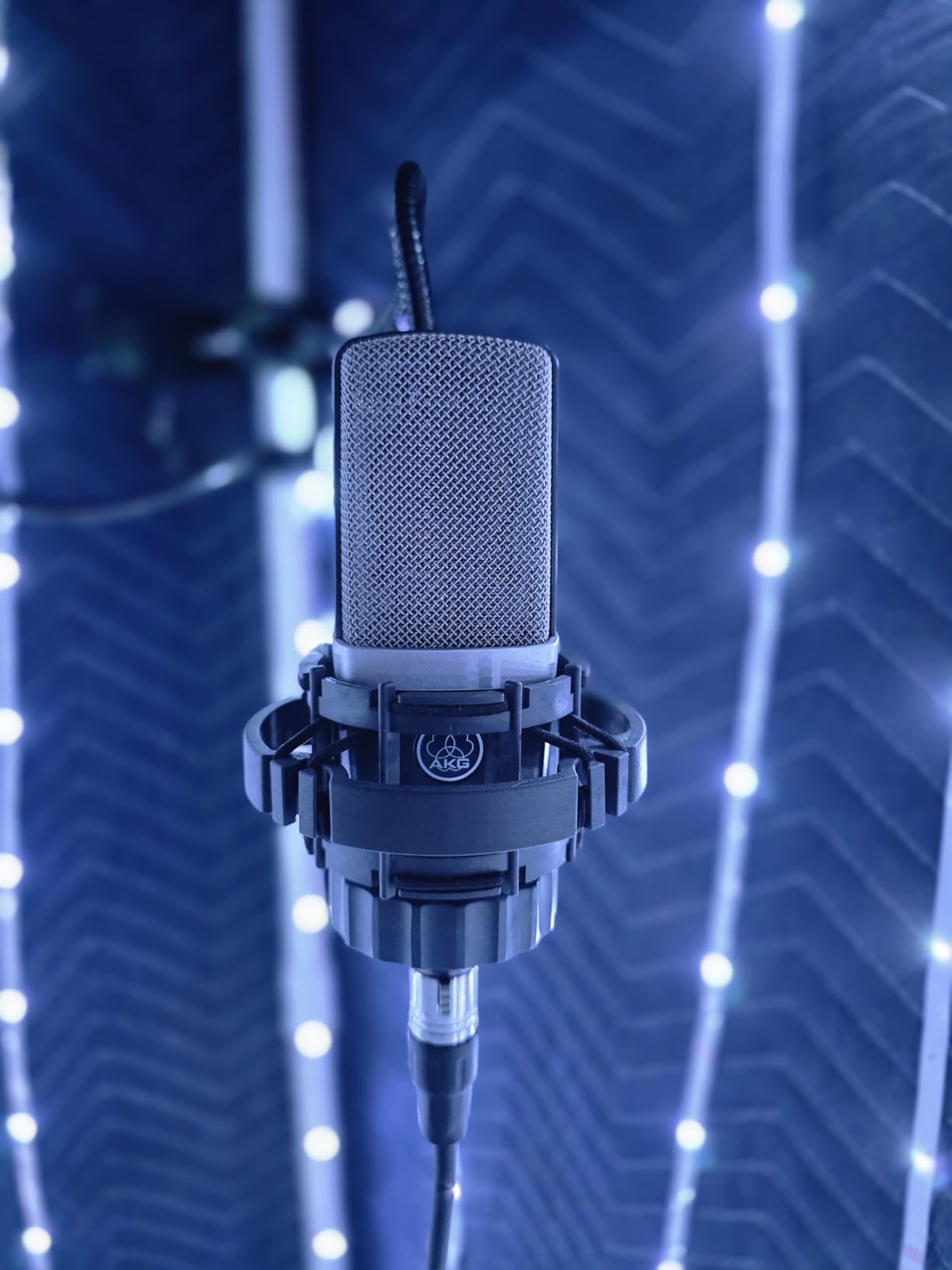
The honest weaknesses are about expectations, not flaws. The C214 is a single-pattern cardioid, so you do not get the multi-pattern flexibility of the C414. Some singers find the highs slightly sibilant, but that is also what gives the mic its detail and air; it is a matter of taste and EQ. The C214 also reveals every problem in an untreated room, so an acoustic shield or proper treatment is recommended. Build quality is excellent, the aluminum carrying case is included, and the 5-year warranty reflects AKG’s confidence in the design.
For Whom It’s Good
The C214 is for serious vocal tracking in a project or commercial studio. It is ideal for lead vocalists, voiceover artists, and producers who want flagship character without the C414 invoice. It also works brilliantly for drum overheads, acoustic guitar, and piano because of its high SPL handling and detail. If you record a variety of sources and want one workhorse LDC, the C214 is hard to argue with.
It is also a great choice for remote recording engineers. The road-ready case and reliable electronics make it a sensible main studio mic that travels well.
For Whom It’s Bad
If your recording room is untreated, a dynamic mic will be more forgiving. If you specifically need multi-pattern flexibility, look at the AKG P420 instead. The C214 is also a significant step up in price from the budget tier, so beginners may want to start with the AT2020 or NT1 and grow into the C214 later. Finally, if you want a tube character, this is a solid-state design and will not provide that warmth.
8. Audio-Technica AT4040 — Highest-Rated LDC With a 5-Year Warranty
Audio-Technica AT4040 Cardioid Condenser Microphone
Externally polarized DC bias true condenser
Transformerless circuitry
82 dB SNR
Cardioid
Pros
- Smooth
- natural sonic characteristics
- Exceptionally low noise
- Wide dynamic range and high SPL handling
- Transformerless circuitry eliminates low-frequency distortion
- Includes AT8449 shock mount and case
- 5-year parts and labor warranty
Cons
- Requires audio interface with 48V phantom power
- Not a plug-and-play USB option
- Costs more than beginner-tier LDCs
The Audio-Technica AT4040 has a 4.8-star average rating across 802 reviews, which makes it the highest-rated model in this roundup. That is not a coincidence. Audio-Technica designed the AT4040 to be a no-compromise studio condenser at a price point below true flagship microphones, and the engineering shows. The externally polarized (DC bias) true condenser design is a step above electret designs used in many budget LDCs, and the result is a wider dynamic range and lower noise floor.
The AT4040 has a smooth, natural character that I would describe as “honest.” It does not hype any particular frequency range, which makes it a great fit for any voice or instrument you put in front of it. Transformerless circuitry eliminates the low-frequency distortion that some vintage transformer-coupled designs add, so the bottom end is clean and tight. The AT4040 also handles high SPL very well, which makes it equally useful for vocals or for tracking louder sources like drum overheads and brass.
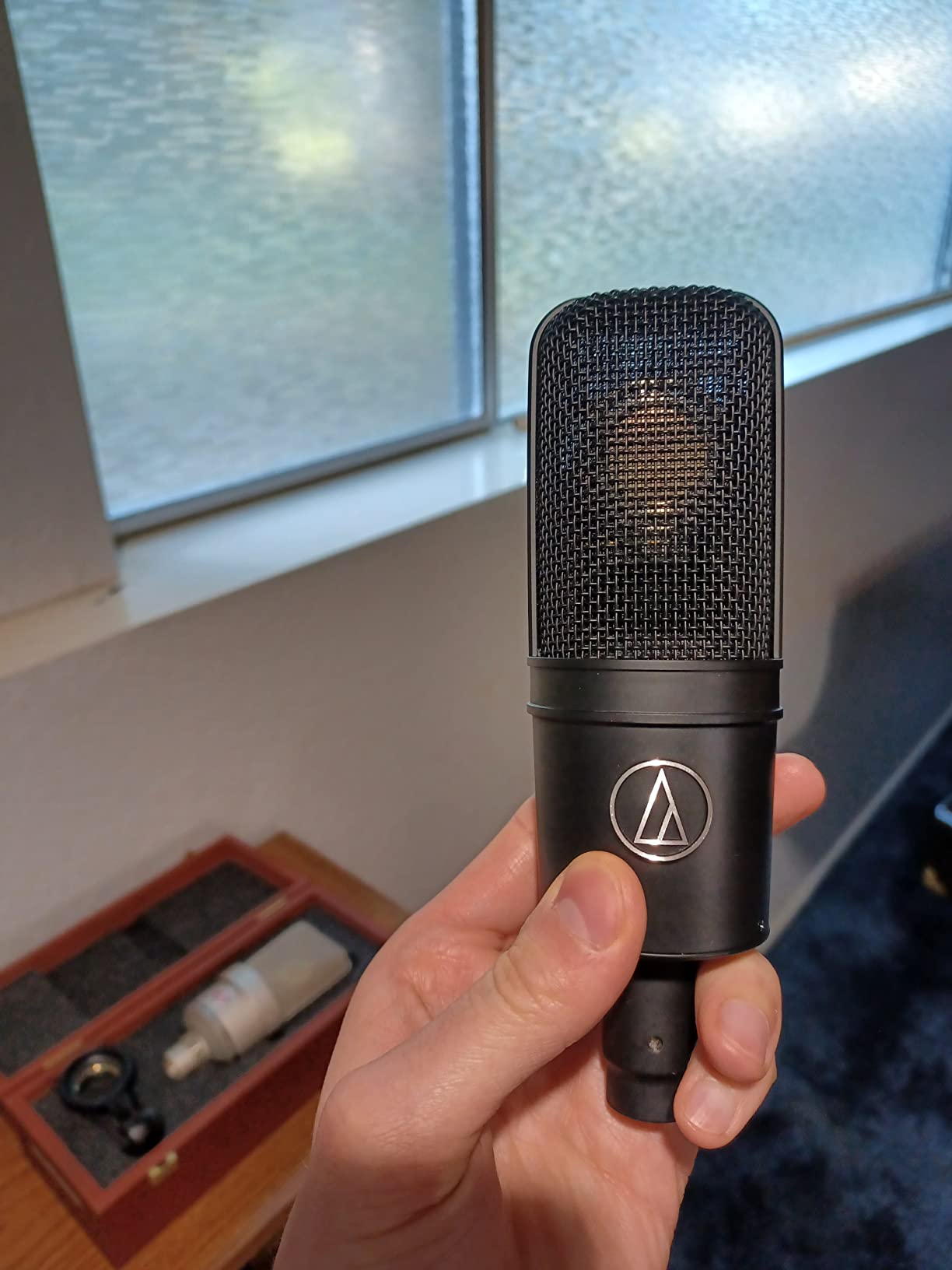
The AT4040 ships with the AT8449 shock mount and a protective carrying case, both of which are better than average. The 5-year warranty is one of the best in the category. The main weaknesses are practical ones: it requires an audio interface with 48V phantom power, and it is not a USB microphone. If you want plug-and-play USB, look at the Rode NT1 5th Gen. The AT4040 is also more expensive than mid-tier options, but the warranty and engineering justify the premium for many buyers.
For Whom It’s Good
The AT4040 is for producers and engineers who want a long-term studio workhorse and are willing to invest once for the right tool. It is ideal for studios that record a wide variety of sources, from vocals to acoustic instruments, and want a microphone that does not add its own opinion to the sound. If you want a guaranteed path to a clean, professional recording with a real warranty behind it, the AT4040 is a strong pick.
It is also an excellent home for orchestral and ensemble recording. The detail and accuracy translate well to acoustic instruments recorded at a distance.
For Whom It’s Bad
If you want character and color in your vocals, the AT4040’s honesty is the wrong flavor; look at a tube mic or a vintage design. If you record screaming vocals, a dynamic mic with a tuned character like the SM7B may serve better. The AT4040 is also overkill for beginners who do not yet know what they want from a microphone, so a starter like the AT2020 is the more sensible first step.
How to Pick the Best Large-Diaphragm Condenser Microphone?
Choosing the best large-diaphragm condenser microphone for your needs comes down to understanding a few technical and practical factors. Below is the buying guide I wish I had when I bought my first LDC.
Polar Pattern: Cardioid, Omni, and Figure-8 Explained
The polar pattern describes how a microphone picks up sound from different directions. Cardioid is the most common pattern for LDCs and the right pick for most home studios because it focuses on the sound directly in front of the mic and rejects sound from the sides and rear. Most of the microphones in this roundup, including the Rode NT1 5th Gen, the AT2020, the MXL 990, and the TZ Stellar X2, are cardioid.
Omnidirectional patterns pick up sound equally from all directions, which gives a more natural room sound but lets in every reflection. Figure-8 (bidirectional) picks up sound from the front and rear equally and rejects the sides, which is useful for duets or for capturing room ambience on purpose. The AKG P420 gives you all three at the flip of a switch.
Phantom Power (+48V) Requirements
Every large-diaphragm condenser microphone needs phantom power (+48V) to operate. Phantom power is sent through the XLR cable from your audio interface or preamp. There is no exception for solid-state FET condensers. If your interface does not have phantom power, you cannot use an LDC. The Rode NT1 5th Gen gets around this in USB mode, where it is bus-powered by the computer, but every microphone on this list is fundamentally designed to run on +48V phantom power.
Self-Noise: Why It Matters
Self-noise is the hiss a microphone adds to a recording in a perfectly silent room. Lower is better. Modern transparent thresholds sit around 10 dBA self-noise, and the Rode NT1 5th Gen leads this roundup at 4 dBA. In a quiet home studio, microphones below about 10 dBA are essentially inaudible; mics in the 15-20 dBA range will produce noticeable hiss with quiet sources. The TZ Stellar X2 has an outstanding sub-13 dBA floor for its price.
SPL Handling for Loud Sources
Max SPL (sound pressure level) tells you how loud a source can be before the microphone distorts. For vocals you rarely need more than 130 dB SPL, but for sources like snare drums, guitar cabinets, and brass close-miking, you want at least 140 dB. The AKG P420 and AKG C214 handle up to 155-156 dB with the pad engaged. The Rode NT1 also handles high SPL, which is one reason why it works well for screaming vocals.
Tube vs FET: Which Tonal Flavor Do You Want?
Tube condensers use a vacuum tube in the circuit, which adds a specific warmth and harmonic saturation. They require their own power supply, run warm, and typically cost more. FET (field-effect transistor) condensers are solid-state, more reliable, less expensive, and tend to be more neutral. For most modern recording, FET is the right choice. Tube makes sense if you specifically want vintage color and have the budget for a power supply and the patience to wait for tubes to warm up.
LDC vs SDC: Why Large Diaphragm for Vocals?
Large-diaphragm condensers have a capsule roughly one inch (25 mm) or larger, while small-diaphragm condensers use a capsule around half an inch (12-15 mm) or smaller. The bigger diaphragm moves more air, captures more low-end warmth, and produces the characteristic “presence” that flatters vocals. SDCs are more accurate, more consistent off-axis, and are traditionally favored for acoustic instruments and drum overheads. For vocals and voice work, an LDC is almost always the right pick.
Best LDC Microphones for Screaming and Aggressive Metal Vocals
Recording screaming, growling, or aggressive metal vocals is where LDC microphone choice matters most for a power-metal audience. You want a mic that handles very high SPL without distorting, has a low noise floor so quiet passages stay clean, and gives you enough detail to capture breath and grit. Our top picks for this style are the Rode NT1 5th Gen (the 32-bit float USB mode acts as an unbreakable safety net), the AKG C214 (with the 20 dB pad engaged), and the TZ Stellar X2 (clean and uncolored). Many engineers also pair an LDC with a dynamic like the Shure SM7B for screaming and use the LDC for clean vocal sections.
Pairing an LDC With Your Interface and Preamp
An LDC is only as good as the preamp feeding it. Most modern interfaces (Audient, Focusrite, MOTU, Universal Audio, RME) have clean preamps that pair well with LDCs. If your microphone has low output (often described as “low sensitivity”), you may need a Cloudlifter or FetHead inline preamp to give your interface enough gain. The Rode NT1 5th Gen has an unusually hot output for a condenser, which means it works well with budget interfaces that lack gain. Tube mics and ribbon mics benefit most from extra gain stages; FET condensers generally do not.
Accessories That Make or Break an LDC Setup
A shock mount, XLR cable, and pop filter are essential for most LDC setups. A shock mount isolates the mic from vibrations that travel through the stand and ruin takes. A pop filter stops plosives from “P” and “B” sounds that can hit the diaphragm and create a thump. Some of the microphones in this list bundle accessories (NT1 5th Gen includes the SM6 shock mount and pop filter), while others ship bare. Plan your total budget around the accessories you need.
Frequently Asked Questions
What is a large-diaphragm condenser microphone?
A large-diaphragm condenser microphone (LDC) is a studio condenser microphone whose capsule diaphragm is typically 1 inch (25 mm) or larger in diameter. It uses phantom power (+48V) to charge the back plate, and the diaphragm vibrates with sound to change capacitance and produce an audio signal. LDCs are the studio standard for vocals because they capture warmth, presence, and detail.
What is the difference between large and small diaphragm condenser microphones?
Large-diaphragm condensers (LDCs) have a capsule of about 1 inch (25 mm) or larger and produce a warm, present sound ideal for vocals. Small-diaphragm condensers (SDCs) use a smaller capsule (around 0.5 inch) and tend to be more accurate, more consistent off-axis, and better for acoustic instruments, drum overheads, and detailed stereo work. For vocals and voiceover, LDCs are almost always the right pick.
Do large-diaphragm condenser microphones need phantom power?
Yes. Every LDC in this roundup requires +48V phantom power delivered through an XLR cable from an audio interface or preamp. Without phantom power, the microphone will not produce signal. The only exception is the Rode NT1 5th Gen in USB-C mode, which draws power from the computer.
What is the best large-diaphragm condenser microphone for home studio recording?
For most home studios, the Rode NT1 5th Gen is the top pick because of its very low 4 dBA self-noise, dual XLR + USB-C output, and bundled shock mount and pop filter. If you want a more neutral, U87-style sound at a lower price, the TZ Stellar X2 is the best value. Beginners on a budget should start with the Mackie EM-91C or Audio-Technica AT2020.
Do I need a tube or FET large-diaphragm condenser microphone?
For most modern recording, a FET (solid-state) LDC is the right pick. FET designs are reliable, neutral, and affordable. Tube LDCs add harmonic warmth and saturation, but they cost more, require their own power supply, and run warm. Choose tube if you specifically want vintage color; choose FET for accurate, transparent recording.
How do you pick the right large-diaphragm condenser for screaming vocals?
For screaming, growling, and aggressive metal vocals, prioritize high SPL handling, low self-noise, and detail. The Rode NT1 5th Gen (with 32-bit float USB recording as a safety net), the AKG C214 (with the 20 dB pad engaged), and the TZ Stellar X2 are our top picks. Many engineers pair an LDC for clean passages with a dynamic like the Shure SM7B for screaming sections.
Final Verdict
Across eight of the best large-diaphragm condenser microphones available in 2026, the choice comes down to what you actually need. The Rode NT1 5th Gen remains my top recommendation for most people because of its low noise floor, dual XLR + USB-C output, and full accessory bundle. The TZ Stellar X2 is the smartest premium-value pick if you want flagship character for less. The Mackie EM-91C, Audio-Technica AT2020, and MXL 990 are the best budget starting points, while the AKG P420, AKG C214, and Audio-Technica AT4040 serve serious producers who want a long-term workhorse.
Pick the microphone that matches your room, your interface, and your source. Treat your room before you blame your microphone. And if you record vocals that range from clean to aggressive, look at the Rode NT1 5th Gen first; it is the best LDC we have tested for everything from a delicate whisper to a full-metal scream.