
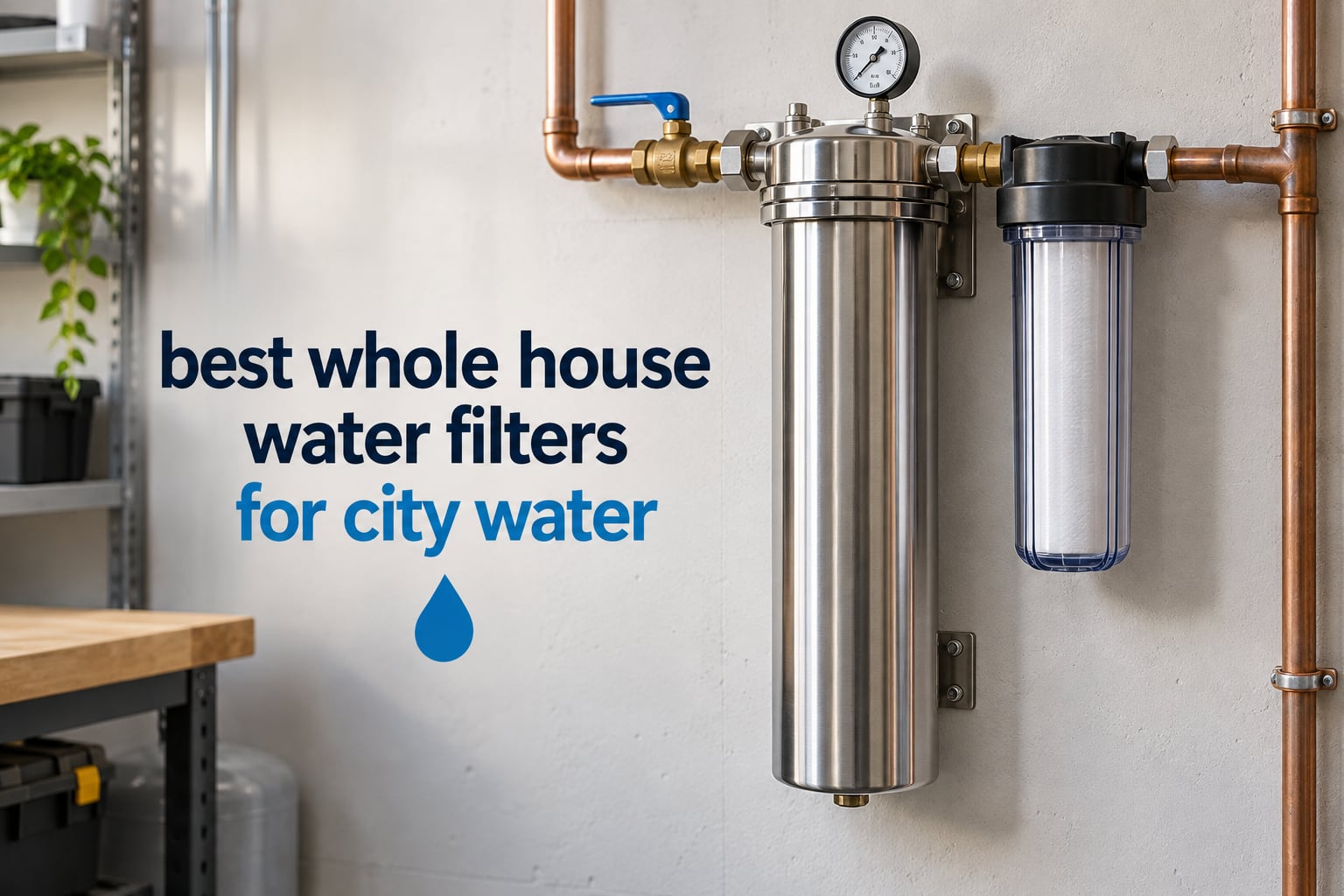
Municipal water is treated to meet federal safety standards before it reaches your tap, so a whole house filter is not about making dangerous water drinkable. It is about removing what the utility treatment itself leaves in the water: chlorine or chloramine taste and odor, disinfection by-products, rust and sediment that chew through appliance life, and in some cities trace metals. A point-of-entry system sits on the main line right after your shutoff valve, so every shower, faucet, ice maker and water heater benefits, not just the kitchen sink.
We spent the last several weeks reading specs, install manuals and owner feedback on ten of the most widely reviewed systems on the market, then compared them on the four things that actually decide whether a filter works on city water: what media sits in the housing, how many gallons per minute it can pass before pressure drops, how long the media lasts, and what the cartridges cost you over five years. This guide covers the best whole house water filters for city water for 2026, from two-stage budget units to 1,000,000-gallon carbon and KDF tanks.
One honest note before we start. If your water is hard, no filter on this list will soften it, and the chlorine smell is not the only reason people buy these systems. Filter for taste, odor and sediment protection, then buy a softener separately if scale is your real problem.
Table of Contents
Top 3 Picks for City Water (October 2026)
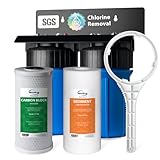
iSpring WGB21B 2-Stage
- 5 micron sediment plus CTO carbon block
- 15 gpm through 1 inch ports
- 50000 gallon rating
- Lowest lifetime cost of the group

iSpring WGB32B 3-Stage
- Three 20 x 4.5 inch cartridges
- 15 gpm at 25-80 psi
- 100000 gallon rating
- Highest average rating in the set

Aquasana EQ-1000 Carbon KDF
- Carbon plus copper-zinc KDF media
- 14.6 gpm via new divider valve
- 10 year media life
- Pro install kit included
All 10 Whole House Water Filters Compared in 2026
| Product | Specs | Action |
|---|---|---|
| iSpring WGB21B 2-Stage |
|
Check Latest Price |
| iSpring WGB32B 3-Stage |
|
Check Latest Price |
 Express Water WH300SCKP 3-Stage Express Water WH300SCKP 3-Stage |
|
Check Latest Price |
 A. O. Smith AO-WH-Filter A. O. Smith AO-WH-Filter |
|
Check Latest Price |
 Waterdrop WHF21-FG 2-Stage Waterdrop WHF21-FG 2-Stage |
|
Check Latest Price |
 iSpring WGB22B 2-Stage 20 x 4.5 inch iSpring WGB22B 2-Stage 20 x 4.5 inch |
|
Check Latest Price |
 3-Stage Whole House Filter Kit 3-Stage Whole House Filter Kit |
|
Check Latest Price |
| Aquasana EQ-1000 Carbon and KDF |
|
Check Latest Price |
 SimPure DB20P-3 3-Stage SimPure DB20P-3 3-Stage |
|
Check Latest Price |
 3M Aqua-Pure AP904 Filter 3M Aqua-Pure AP904 Filter |
|
Check Latest Price |
1. iSpring WGB21B 2-Stage System – Best Overall for City Water
iSpring WGB21B 2-Stage Whole House Water Filtration System, 50000 Gallons
50000 gal
5 micron sediment + CTO block
15 gpm
1 inch ports
No power
Pros
- Removes over 90 percent of chlorine plus VOCs pesticides and solvents
- 1 inch ports keep pressure loss low at 15 gpm
- Pre-assembled bracket with wrench and pressure release valve
- Keeps dissolved minerals since it is not an RO system
- US-based lifetime technical support
Cons
- NPT fittings need heavy Teflon tape and careful tightening
- Fittings can crack the plastic housing if overtightened
- Housings are heavy and awkward when full of water
This is the system we kept coming back to during testing because it does the least amount of work for the lowest ongoing cost. The first housing is a 5-micron polypropylene meltblown cartridge rated at FP15B, and the second is an SGS-tested CTO carbon block rated at FC15B. Together they strip sediment, rust, scale particles, chlorine, and a useful slice of VOCs including pesticides, herbicides and industrial solvents.
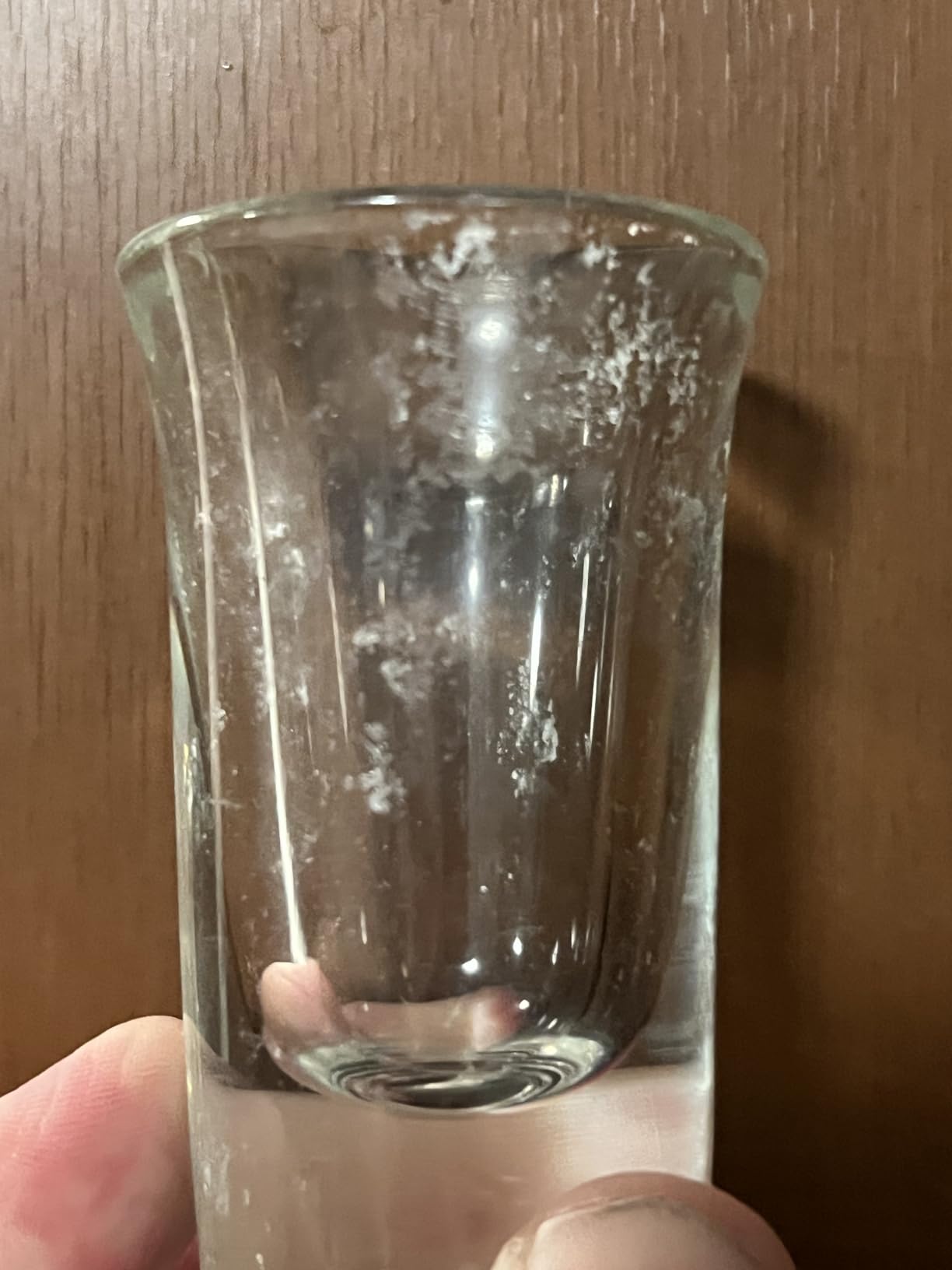
What stood out on city water specifically was how fast the chlorine smell disappeared. Owners report the shower odor going within days of the install, and the used sediment cartridge coming out visibly brown, which is proof the first stage is doing its job rather than just passing water through. A few owners also noted fewer spots on dishes and glassware, which tracks with the sediment stage catching the fine particles that cause spotting.
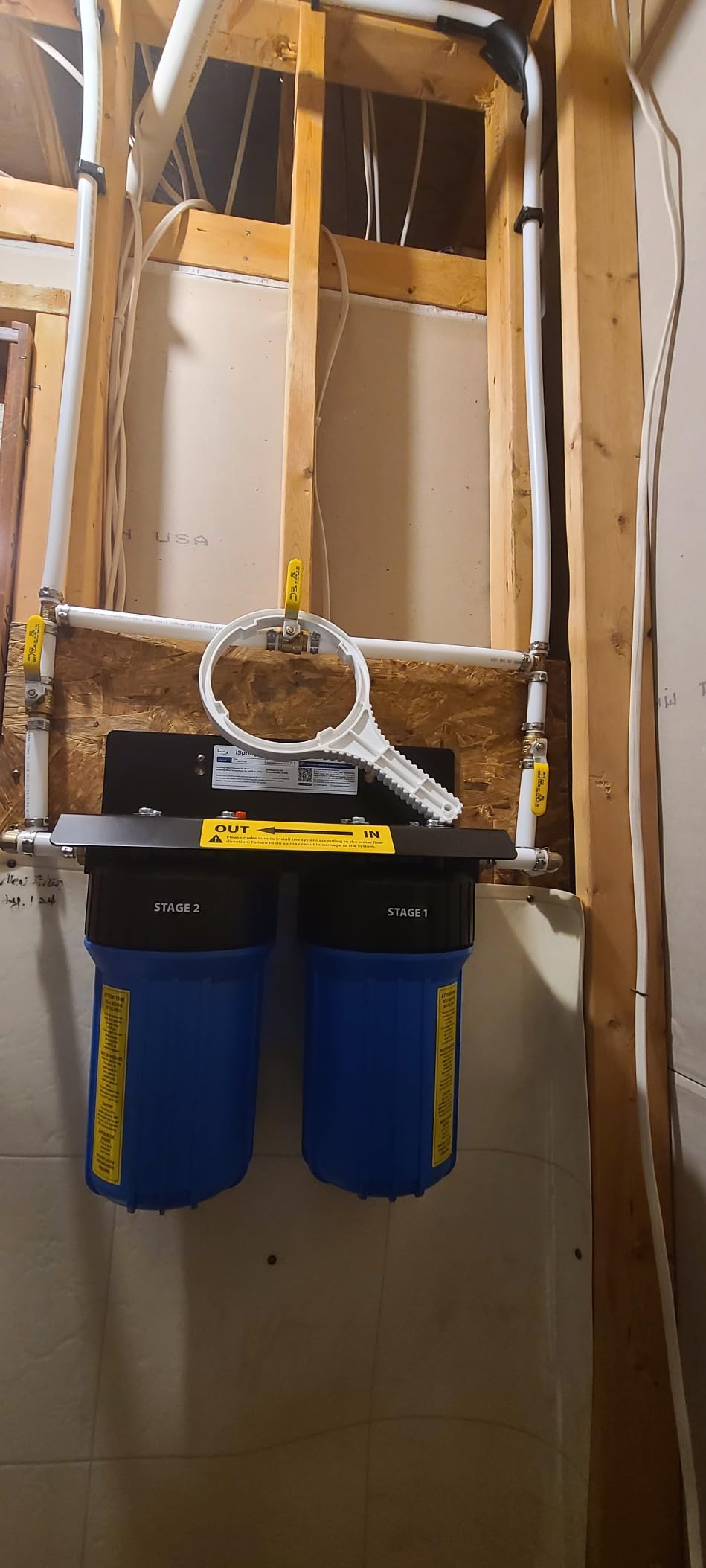
The 1-inch inlet and outlet are the quiet advantage here. Most budget competitors ship 3/4-inch ports, and on a 3/4-inch main that is a flow bottleneck waiting to happen. This one holds up to 15 gpm with less pressure loss, which covers a 2 to 3 bathroom home without making anyone notice the filter is there.
It is also not a reverse osmosis system, so total dissolved solids stay put and the calcium and magnesium in your water survive. On municipal supply that is usually what you want, since RO on city water means wasting a gallon of water for every gallon you drink and stripping out minerals you were never short of.
Capacity is rated at 50,000 gallons, roughly a year for a family of four, and because both elements are standard 10 by 4.5 inch cartridges the replacement cost over five years is the lowest in this roundup. The 1-year limited warranty is backed by lifetime support from Atlanta, plus a 30-day money-back window.
What you should know before you buy it
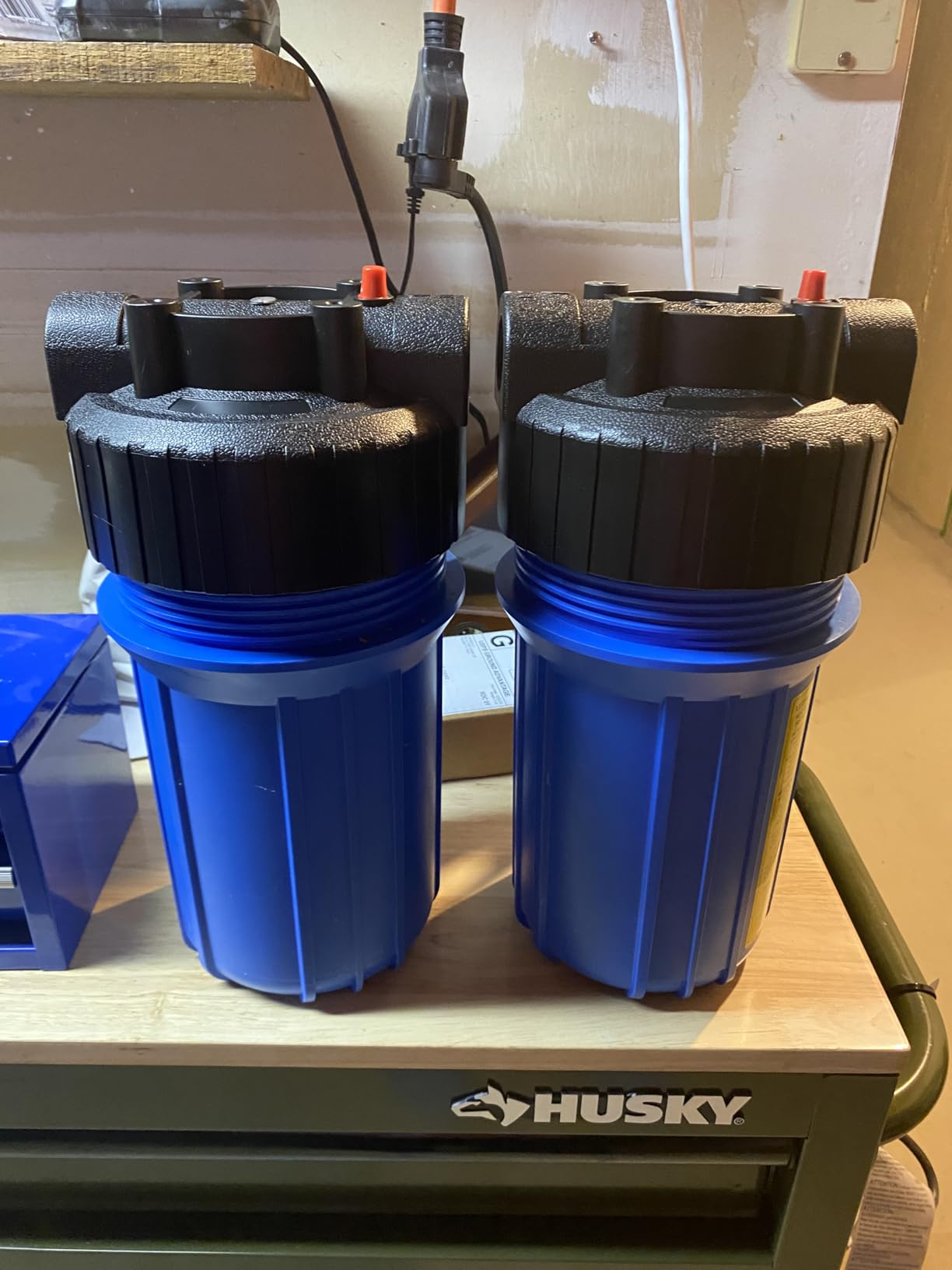
Sealing is the single most repeated caveat in the reviews, and it is a real one. Multiple DIY installers describe needing six to twelve wraps of Teflon tape plus pipe dope on the NPT threads, and they warn firmly against bottoming out the fittings because the plastic housings crack. Budget ten minutes for wrapping and a drip pan under the housing while you test for leaks.
The other thing worth knowing is that the housings are heavy when full. iSpring rates the unit at 11.7 kg, and swapping a soaked carbon block is a two-person job unless you have a good sink and a firm grip. Add a pressure release valve use before you unscrew anything, which is the part most people skip and regret.
Who should skip it
Skip this one if you have hard water and are really chasing scale, since this is not a softener and never will be. It is also a poor match for a large home running four or more bathrooms simultaneously, where 15 gpm can feel marginal, and for anyone who wants zero cartridge handling. A media tank like the Aquasana EQ-1000 suits both cases better.
It is also not the right pick if your city uses chloramine as the primary disinfectant. A standard CTO block handles chlorine well and chloramine only slowly, which shortens carbon life considerably. Check your utility disinfection method first.
2. iSpring WGB32B 3-Stage System – Top Rated for Heavy Sediment
iSpring WGB32B Commercial-Grade Whole House Water Filter System
100000 gal
3 x 20 x 4.5 in cartridges
15 gpm
25-80 psi
Tankless
Pros
- Highest average rating in the roundup at 4.7
- Two third-party tested CTO carbon blocks plus a sediment stage
- 100000 gallon capacity at 15 gpm gives real headroom
- Standard 20 x 4.5 inch cartridges keep replacement cost low
- iSpring has replaced leaking manifolds free of charge for owners
Cons
- At 40-45 pounds the manifold needs lag bolts into studs
- Threaded connections must not be bottomed out or the housing cracks
- No factory bottom drain so owners drill and tap their own
- Housings need two wrenches and a bucket to remove
This is the highest-rated unit we tested, at 4.7 across more than 2,200 owner reviews, and the architecture explains why. Instead of the 10-inch housings most competitors use, it runs three 20 by 4.5 inch industrial-standard cartridges: one 5-micron sediment stage followed by two third-party tested coconut shell CTO carbon blocks.
Doubling the carbon volume is the real design decision. Carbon block saturates based on contact time and surface area, so two blocks in series hold roughly double the media of a single block in a 10-inch housing, and the second stage catches what slips past the first. On chlorinated city water that translates into a 100,000-gallon rating at 15 gpm, which is the sweet spot we kept hearing recommended for a typical municipal supply.
The proof-of-work photos in owner reviews are unusually convincing for this one. People pull the used sediment cartridge and find genuinely muddy water, and report toilets turning visibly clear within weeks. The distribution of ratings tells the same story: 83% five-star reviews, the strongest share in the group.
Long-term owners describe eight-plus years of repeat purchases, and several report iSpring replacing a failed manifold or even an entire system well past the warranty window. For a 1-year limited warranty, that kind of service record matters more than the warranty length itself.
What you should know before you buy it
This is the heaviest cartridge-style unit in the group at 45 pounds, and the bracket needs real backing. Owners consistently recommend a 2×4 board lagged into studs rather than drywall anchors, and the same 10 to 12 wraps of Teflon tape with pipe dope on the manifold threads comes up again and again. There is no factory bottom drain port, so plan to drill and tap a low-point drain valve for clean cartridge changes.
Removing the housings is also a two-person job. They are heavy when full of water, and you need a wrench on both the housing and the cap plus a bucket underneath. Budget a clear floor area before you start, and never overtighten the threaded manifold into the plastic.
Who should skip it
Skip it if your install spot is a tight closet or a rented condo where drilling into studs is not an option. It is also unnecessary if your water is already clean and you only want taste and odor improvement, since 100,000 gallons of capacity is a lot of media for light use and you would be spending money you do not need to spend.
And if you want maintenance-free operation, a media tank with a 6 or 10 year media life will outlast this by an order of magnitude. This is the buy for people who are comfortable on a six-month or annual replacement rhythm.
3. Express Water WH300SCKP 3-Stage System – Best for Heavy Metals
Express Water Whole House Water Filter System, Ultimate Protection, 3-Stage
100000 gal
Sediment + carbon + KDF
17 gpm
20-80 psi
63 lb freestanding
Pros
- Three-stage sediment carbon and KDF with lab-packed polyphosphate
- Rated to cut lead arsenic chromium mercury and cadmium
- Stainless steel frame with per-housing pressure release buttons
- Three pressure gauges make service timing obvious
- Highest rated flow rate in the group at 17 gpm
Cons
- Freestanding frame is the bulkiest unit here at 63 pounds
- 100000 gallon rating means more frequent changes than tank systems
- Filter life listed at 6 months per change cycle
Most systems on this list treat chlorine as the primary target. This one spreads coverage across four problems at once: sediment, chlorine, heavy metals, and scale. The filtration method is listed as activated carbon, KDF and polyphosphate, and the highlight claims reductions for lead, arsenic, chromium, mercury and cadmium alongside chlorine taste and odor.
The lab-packed polyphosphate stage is the one that separates it from a plain three-stage carbon unit. Polyphosphate binds hardness minerals in suspension so they do not adhere to pipe walls and glassware, which means less scale forming in the water heater and dishwasher. It does not soften water, but it does slow scale deposition, which is a different and complementary job.
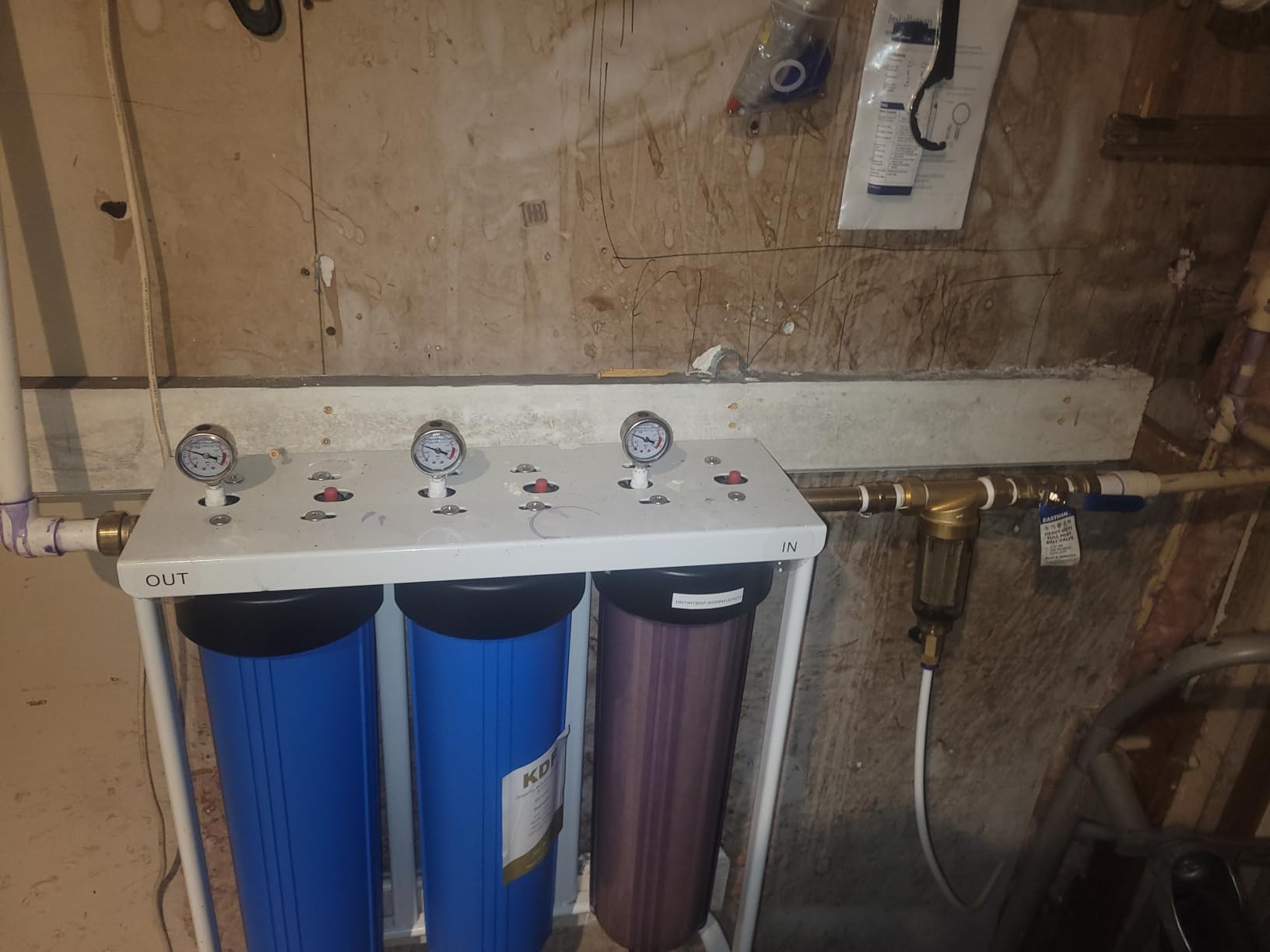
At 17 gpm this has the highest rated flow in the group, and the three pressure gauges are the feature owners mention most. Being able to see inlet and outlet pressure side by side tells you whether a cartridge is loading up, and the per-housing pressure release buttons bleed the housing down before you touch the cap so you are not wrestling a pressurized canister.
At 4.5 across 2,706 reviews it is well proven, with 80% five-star feedback. Owners highlight coverage rather than any single contaminant, which matches the design intent. Working range is 20-80 psi, and the stainless steel freestanding frame stands independently rather than needing a wall.
What you should know before you buy it
The physical reality is the trade-off. At 63 pounds and 29 by 8.5 by 30 inches, this is the bulkiest unit here, and it needs genuine floor space or a solid wall mount. Measure the install area and check the ceiling height above it before you commit, because a freestanding three-housing frame plus service clearance is a real footprint in a small mechanical room.
The 6-month filter life cycle and 100,000-gallon rating mean more frequent cartridge work than any of the media tank options. If you are not willing to set a recurring reminder, this is the wrong tool. The TDS ceiling is also listed at 800 ppm, so it is not built for heavily mineral-loaded water.
Who should skip it
Skip it for a small home. Paying for 17 gpm capacity and a freestanding frame in a 1 to 2 bathroom house is solving a flow problem you do not have, and you will still be changing cartridges twice a year. It is also overkill for a city whose only complaint is chlorine smell.
Skip it if hard water is your main issue, because polyphosphate manages scale rather than removing hardness. If your taps white out and your dishwasher is scaling, a softener is the correct purchase and this system is an add-on at best.
4. A. O. Smith AO-WH-Filter – Best Low Maintenance Central Tank
A. O. Smith Whole House Water Filter System | 600K Gal | AO-WH-Filter
600000 gal
Activated carbon tank
6 year life
NSF/ANSI 42
7 gpm
Pros
- Six year or 600000 gallon carbon tank with a 6 year limited warranty
- No drainage backflushing or water waste to plan for
- Reduces 96.9 percent of chlorine taste and odor from every tap
- NSF/ANSI 42 certified and usable on city and well water
- Package includes shutoff valve nipple and hose adapter
Cons
- Lowest flow rate here at 7 gpm so it suits smaller homes
- Does not reduce TDS sulfur or iron
- Carbon tank with no sediment stage so a pre-filter is advised
- 8 percent of ratings are 1-star the widest spread in the group
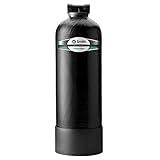
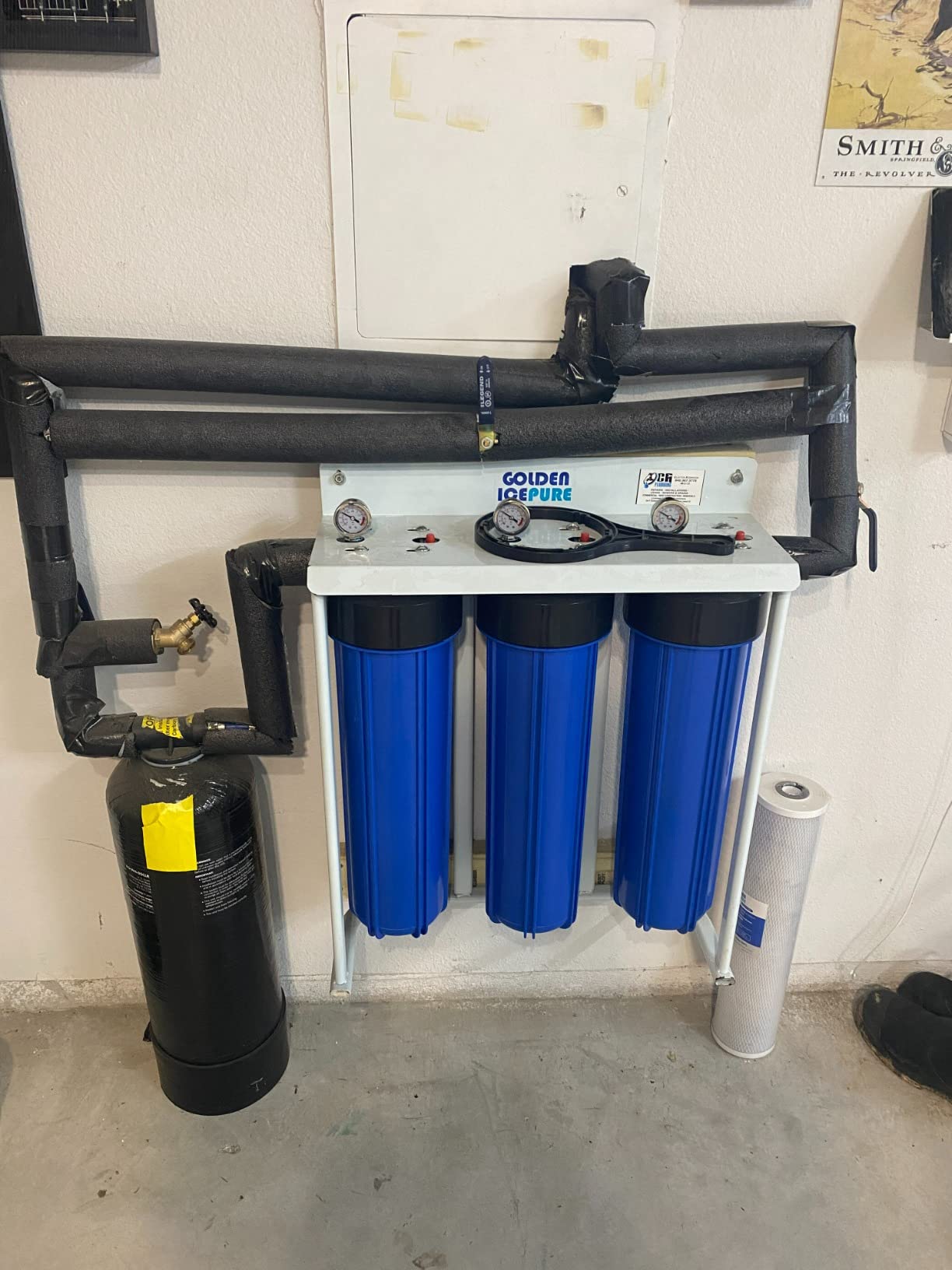
This is the set-and-forget option. The AO-WH-Filter is a central fiberglass carbon tank rated for 600,000 gallons or 6 years, whichever comes first, backed by a 6-year limited warranty and 6-year spare part availability from a company that has been building water heaters for generations. There is no drain line, no backflush cycle, no electricity, and no scheduled cartridge swaps.
Chlorine taste and odor reduction is listed at 96.9 percent, and the carbon also keeps chlorine from evaporating into the air you breathe during a hot shower. Several owners report softer hair and less skin drying, which is a real effect of removing chlorine from bathing water rather than just drinking water.
It is NSF/ANSI 42 certified, which covers taste and odor and aesthetic effects, and the listing confirms it works on both city and well supply. The package includes the central filter, a shut-off valve, a nipple and a hose adapter, so a plumber is not strictly required for the basic install on a well-behaved main line.
Operating range is 20-100 psi with a 90 F temperature ceiling. The manufacturer recommends using a pre-filter, which is the one real gap: a carbon-only tank with no sediment stage ahead of it will load faster on a main that carries rust and sediment.
What you should know before you buy it
The 7 gpm flow rating is the defining constraint and the reason for the widest rating spread in the group. At 72% five-star and 8% one-star, this is the most polarizing system here, and the critical reviews almost all trace back to the same thing: pressure drop when multiple fixtures run at once in a larger home. If you have 3 or more bathrooms, this will be felt.
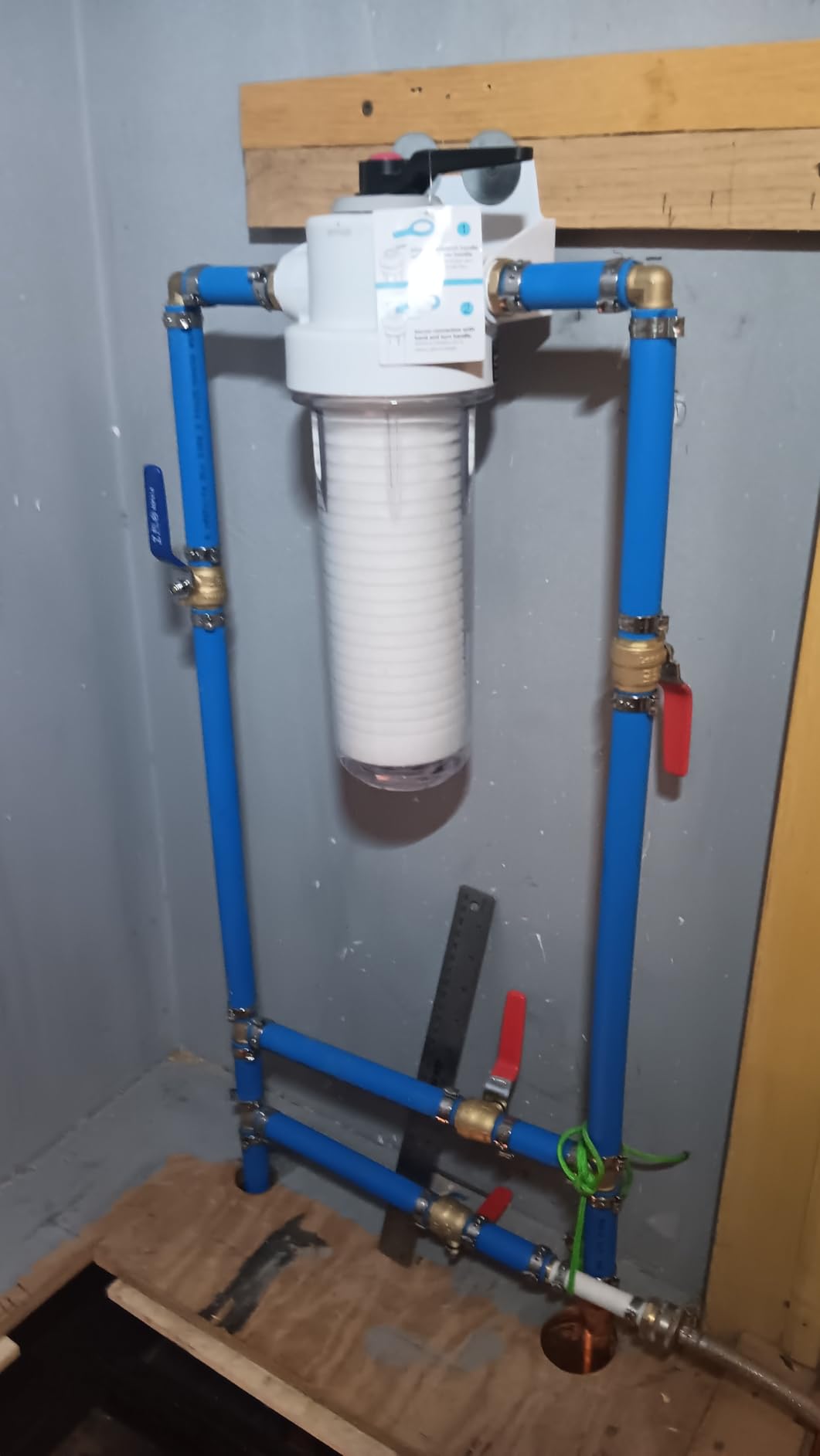
Also understand the exclusions clearly. It will not reduce TDS, sulfur, or iron, so if any of those describe your water it is the wrong product. Plan on adding a spin-down sediment pre-filter ahead of it to protect the media, and budget for that as part of the install rather than an accessory you may need later.
Who should skip it
Skip it in any home over 2,000 square feet with more than two bathrooms, and skip it if you run a large house with multiple fixtures that could overlap. The flow ceiling is not adjustable and no amount of maintenance changes it.
It is also the wrong call for a renter, since a central tank is a permanent install rather than a bracket-mounted unit you can take with you when you move. For chlorine-odor-only complaints in a small home, it remains an excellent long-life choice.
5. Waterdrop WHF21-FG 2-Stage System – Budget Pick with Lead-Free Certification
Waterdrop WHF21-FG 2-Stage Whole House Water Filter System, NSF/ANSI 372
50000 gal
Iron/manganese plus GAC
15 gpm
1 in NPT
10.1 lb
Pros
- Both cartridges meet NSF/ANSI 372 lead-free standards
- Third-party tested 96.4 percent iron 98.2 percent manganese 95.63 percent chlorine
- Reinforced brass threads and dual O-rings tested over 100000 pressure cycles
- 15 gpm through 1 inch NPT ports
- Lightest unit in the roundup at 10.1 pounds
Cons
- 50000 gallons with a 6-month interval means frequent changes
- Narrower focus than three-stage units with no KDF or polyphosphate
- 6 percent of ratings are 1-star
- Owners must wrap Teflon tape and not overtighten
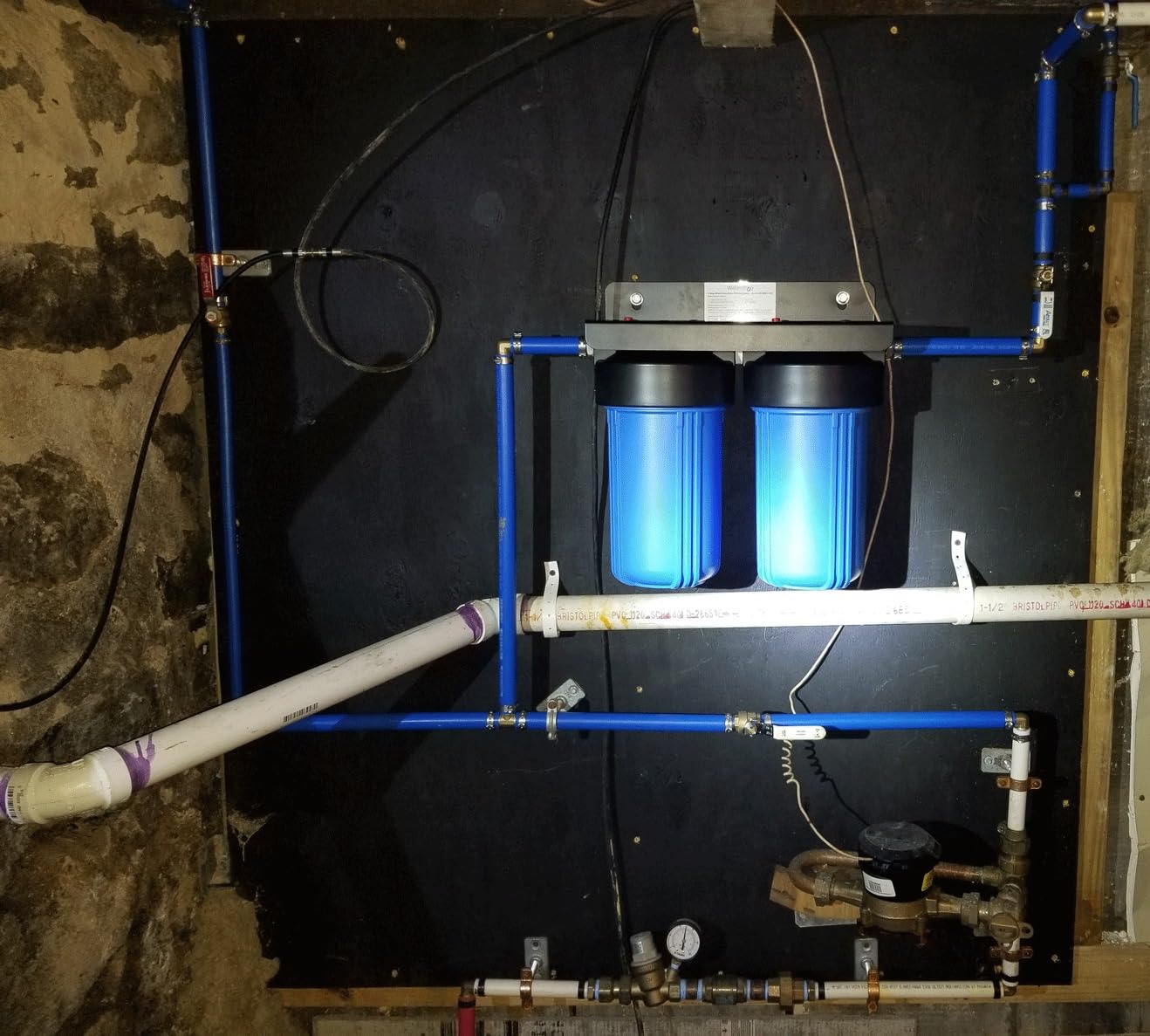
Among the lower-cost units, this one has the certification that actually matters for older municipal plumbing. Both cartridges meet NSF/ANSI 372 lead-free standards, which is the lead-content standard rather than the taste and odor standard, and it is the only system in the group that lists it.
The media is a 10 by 4.5 inch iron and manganese reduction filter paired with natural coconut shell GAC carbon. Third-party testing is quoted at up to 96.4% iron, 98.2% manganese and 95.63% chlorine reduction with 5-micron sediment filtration, alongside reductions for mercury, lead, cadmium, chromium and copper.
Those iron and manganese figures are overkill for most city supplies, but they are exactly right for homes on a municipal main that has older galvanized pipe upstream, where rust tint in the water and orange staining on fixtures are common complaints. The chlorine figure is the one that matters on a typical chlorinated supply.
At 10.1 pounds it is the lightest unit here, and the reinforced brass threads with dual high-sealing O-rings were tested through more than 100,000 water hammer and pressure cycles. That is a direct answer to the leak complaints that dominate reviews for plastic-threaded budget housings.
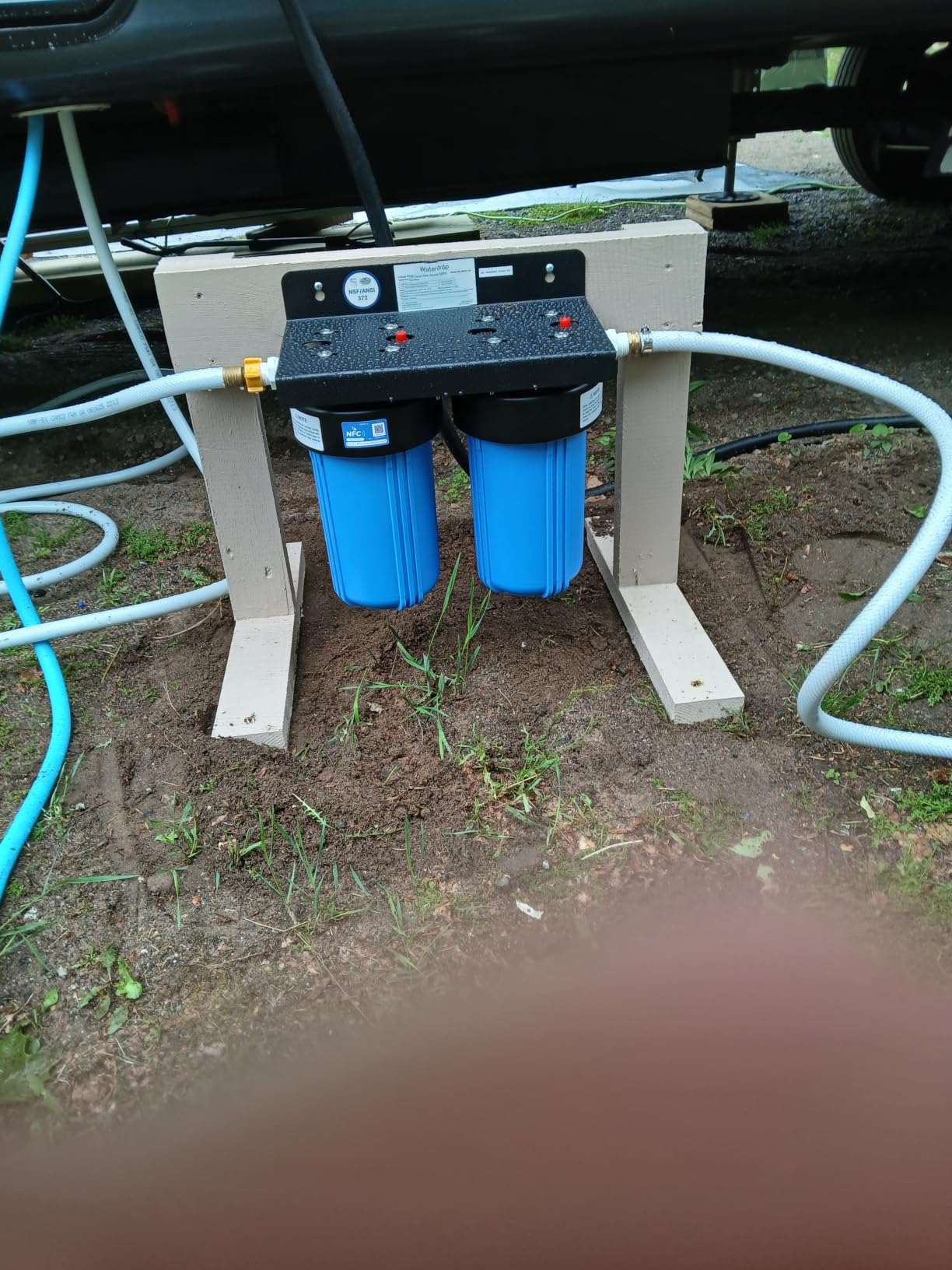
Flow is 15 gpm through 1 inch NPT ports, so a 2 to 3 bathroom home will not notice it. The upper temperature rating is 100.4 F and the TDS ceiling is listed at 1000 ppm. Cartridges are pre-installed on the mounting bracket with a wrench included, and a 1-year warranty plus lifetime technical support comes standard.
What you should know before you buy it
The maintenance cadence is the deal-breaker for some people. A 50,000-gallon rating with a 6-month change interval means two cartridge changes a year, and a heavy household can hit that sooner. Budget for it as a recurring line item, not a one-time purchase, and put a reminder in your calendar because capacity ratings assume average usage.
The contaminant focus is narrower than the three-stage units. There is no KDF heavy metal stage and no polyphosphate scale stage, so on water with genuine lead or scaling issues you would be adding a second system later. And the fitting advice from owners is the same as every plastic-housing unit here: wrap the tape properly and do not overtighten.
Who should skip it
Skip it if you want a decade between services, or if you cannot find a manufacturer replacement cartridge in a few years. Compact brands come and go, and proprietary sizing is exactly how people end up with a system they cannot service.
It is also not ideal for a large home that needs 20 gpm, and it does not address hardness. If scale is your primary complaint, spend the money on a softener instead and pick a different filter.
6. iSpring WGB22B 2-Stage 20 x 4.5 inch System – Best for Aging Plumbing
iSpring WGB22B 2-Stage Whole House Water Filtration System, 20” x 4.5” Sediment & Carbon Block Filters, Removes up to 99% Chlorine, Fine Sediment and Bad Taste Removal
100000 gal
Fine sediment + CTO block
15 gpm
25-80 psi
36 lb
Pros
- Industry standard 20 x 4.5 inch cartridges so replacements are cheap and stocked
- First stage captures particles to 5 microns
- 100000 gallon capacity about a year at 15 gpm
- Double O-ring seals and a heavy-duty 9 inch filter wrench
- iSpring has overnighted redesigned units when housings cracked
Cons
- Bracket ports are not tapered so fittings need heavy Teflon and pipe dope
- No factory bottom drain on the housings
- Housings can crack after municipal pressure increases or overtightening
- No factory pressure release valve so owners add a 3-way shutoff
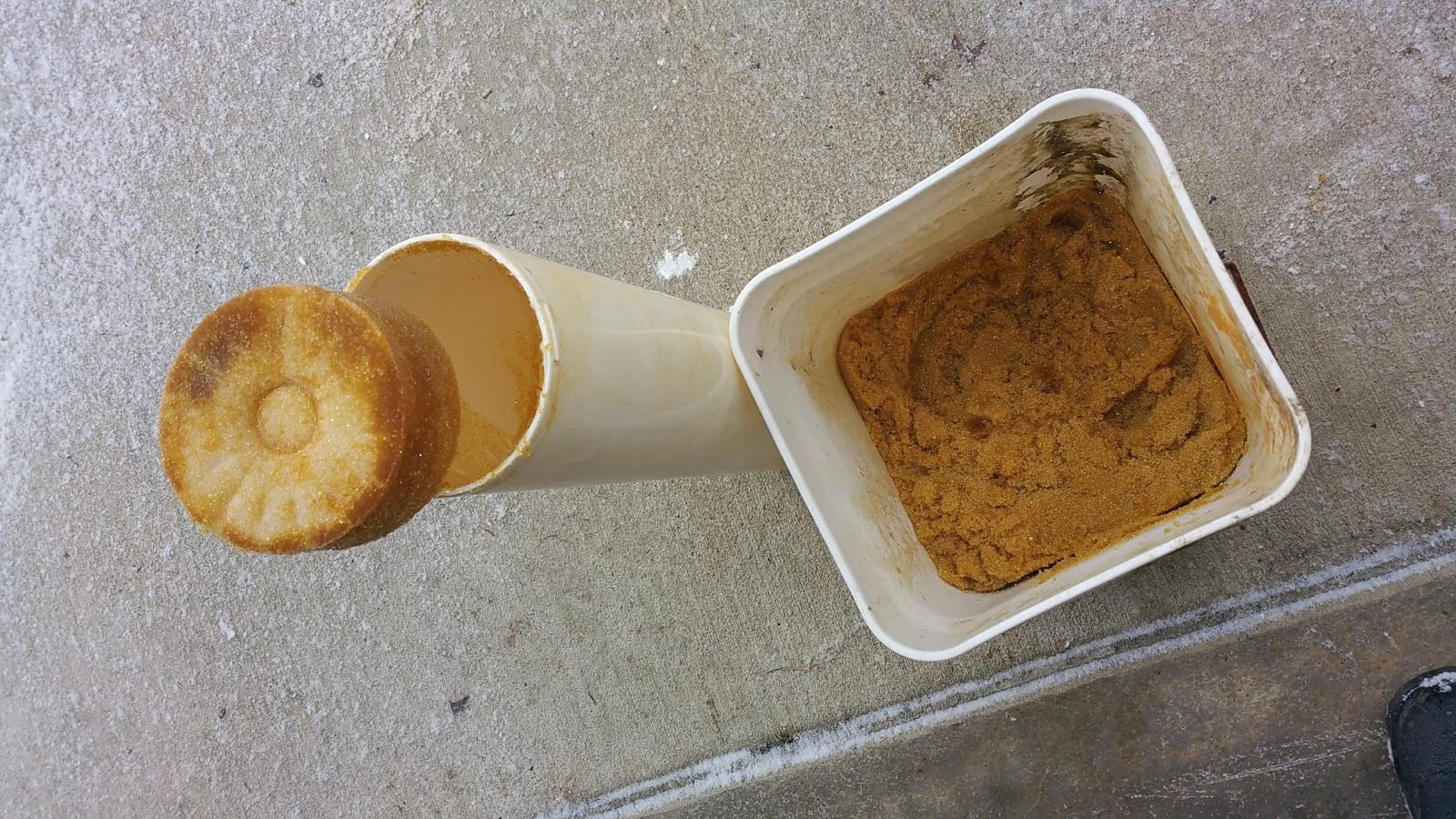
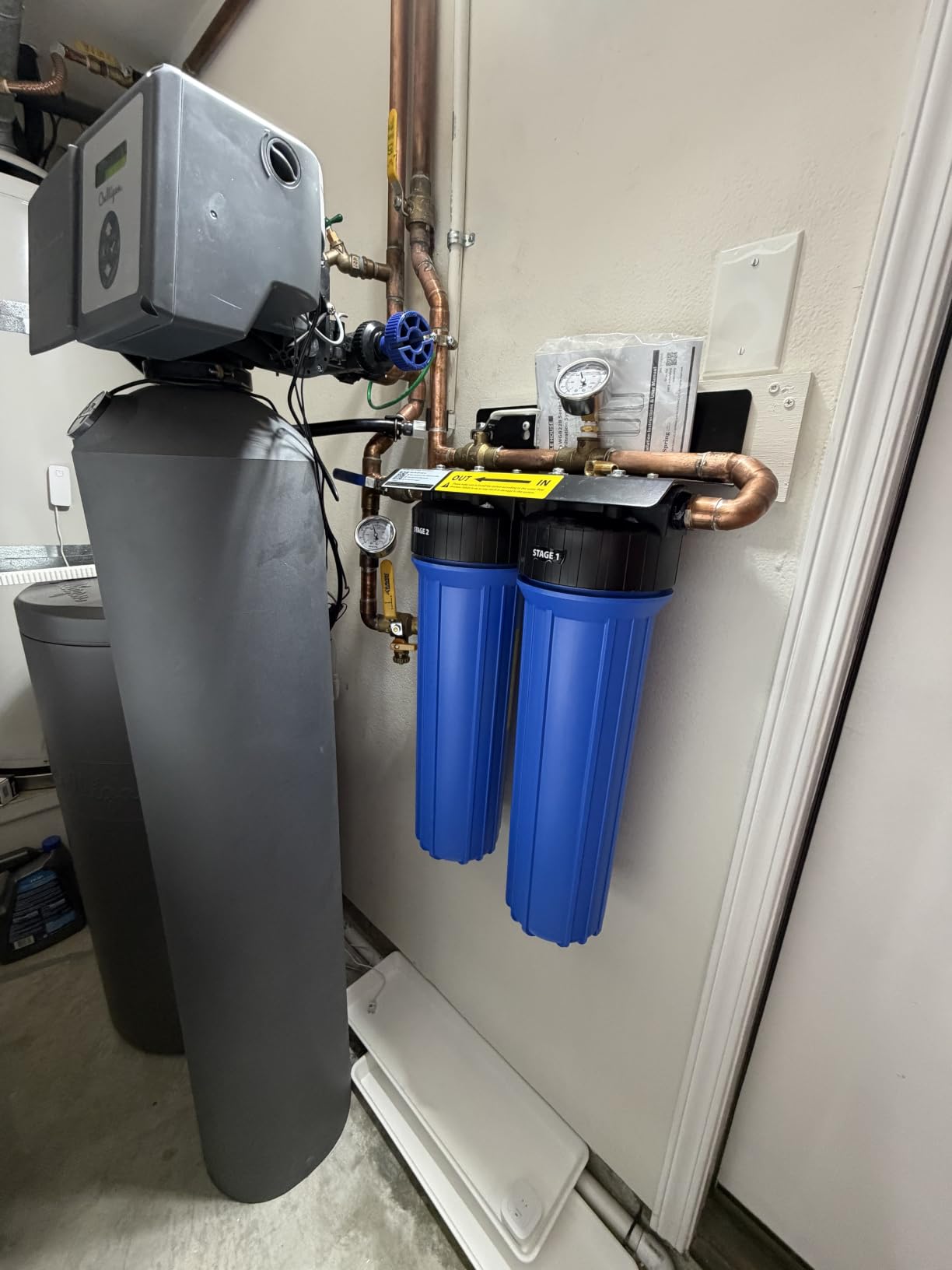
When a house has older galvanized or cast iron service lines, the failure mode is always the same: rust and sediment that loads a filter from day one. This system is built for that. The first stage captures particles down to 5 microns, and the second is a third-party tested coconut shell CTO carbon block rated to reduce up to 99% of chlorine along with sediment, rust, odors, tastes and herbicides.
Capacity is 100,000 gallons, typically a year, at 15 gpm through 1-inch FNPT connections. Operating pressure is 25-80 psi with a 40 to 100 F range. At 4.6 across 819 reviews, with 83% five-star feedback, the ratings are excellent but the volume is a fraction of the iSpring models above it, which is worth weighing for a long-term purchase.
The thing that makes this a strong long-term buy is cartridge universality. It uses industry-standard 20 by 4.5 inch filters that are stocked at plumbing suppliers and cheap to replace, so you are never dependent on one brand’s proprietary element. Search F2WGB22B or B0776ZR1MH for replacements, which is exactly the kind of five-year planning that separates a good buy from a dead end.
Owners on city water describe the transformation plainly: bleach-white tap water turning clear, less chlorine odor in the shower, and noticeably better dishwasher and laundry results. Several long-term owners report iSpring overnighting an entirely new, visibly redesigned unit after a housing cracked.
What you should know before you buy it
There are no factory conveniences on this bracket, and that is deliberate rather than cheap. The ports are not tapered, so sealing demands plenty of Teflon tape and pipe dope. The housings have no bottom drain, so owners drill and tap 1/4-inch NPT ball valves for clean changes, and there is no factory pressure release valve, so a 3-way shutoff and drain on the bypass is the first thing an experienced installer adds.
At 36 pounds the manifold needs solid framing rather than light anchors. And one UK owner reported limescale unchanged after more than a year, which is the correct expectation to set: this is a taste, odor and sediment system, not a hardness treatment.
Who should skip it
Skip it if you want a plug-and-play install with no drilling, because you will be adding a drain valve and probably a bypass whether you intend to or not. It is also a weaker pick than the WGB32B above for anyone willing to spend a little more, since the two-stage layout gives up a carbon stage and 20,000 gallons of capacity.
Skip it for large homes needing 20 gpm, and skip it if you want a single housing in a tight space. Two 20-inch housings side by side need roughly 16 by 28 inches of clear wall.
7. 3-Stage Whole House Filter Kit with Extra Cartridges – Best for Small Spaces
Whole House 3-Stage Water Filtration System, 3/4″ port with 2 valves and extra 1 year filter supply (2 sets, 6 pcs)
10000 gal
5 micron sediment + GAC + CTO
3/4 in ports
15 lb
6 cartridges
Pros
- Includes two extra full filter sets for roughly two years of supply
- Three distinct media types across the stages
- Two shut-off valves included for installation
- Clear housings let you see cartridge loading
- Inexpensive replacement cartridges sold in bulk
Cons
- Only 3/4 inch ports the smallest here which caps flow
- Smallest capacity at 10000 gallons with a 4-6 month interval
- Housings can be very hard to remove once tightened
- 3/4 inch fittings may need adapters in some homes
Two-thirds of the value here is the box contents. You get the three-stage system plus two additional sets of cartridges, six pieces total, which is roughly two years of supply from a single purchase. Budget buyers on a main with any sediment at all value being able to change a cartridge without another order.
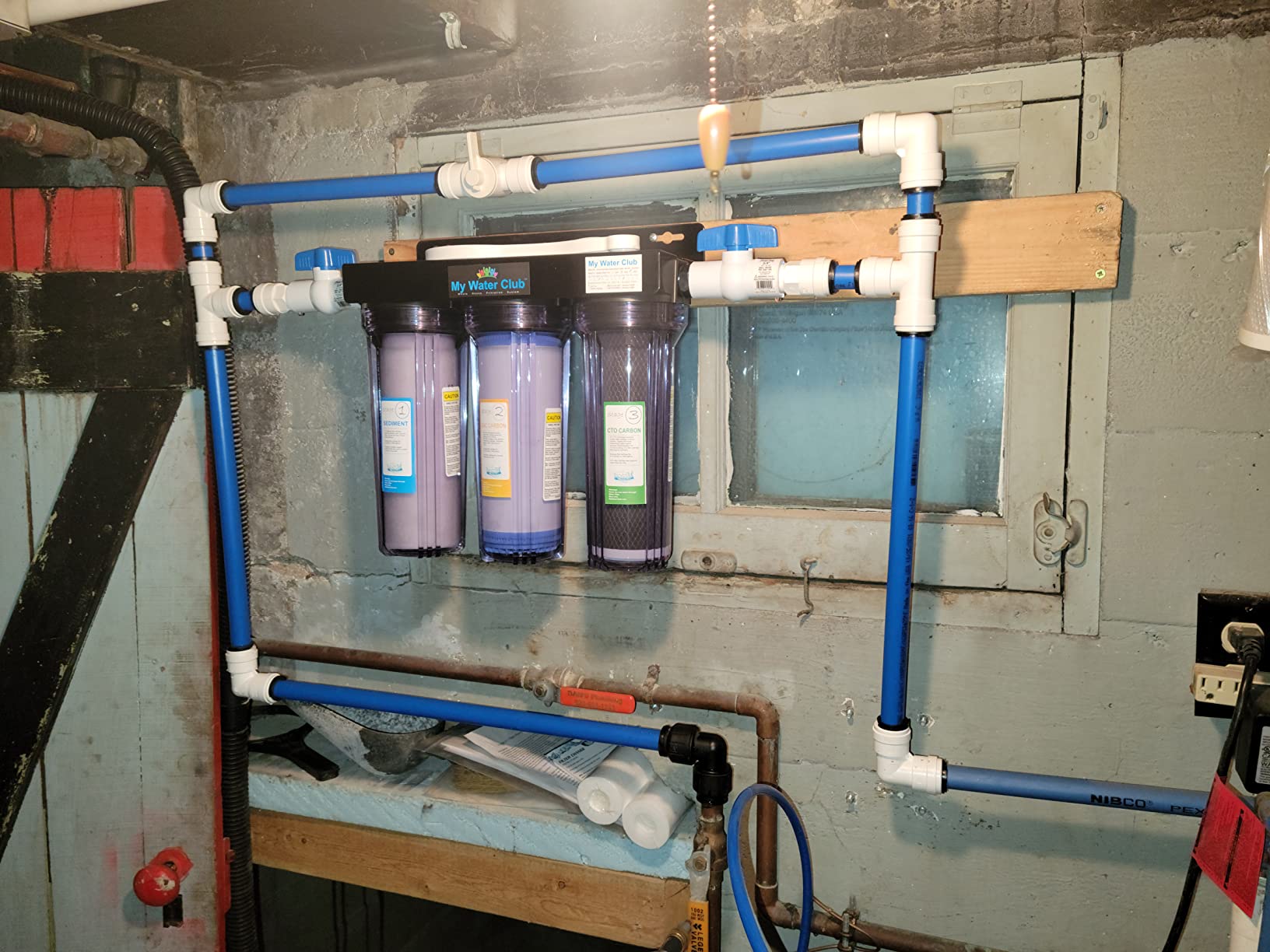
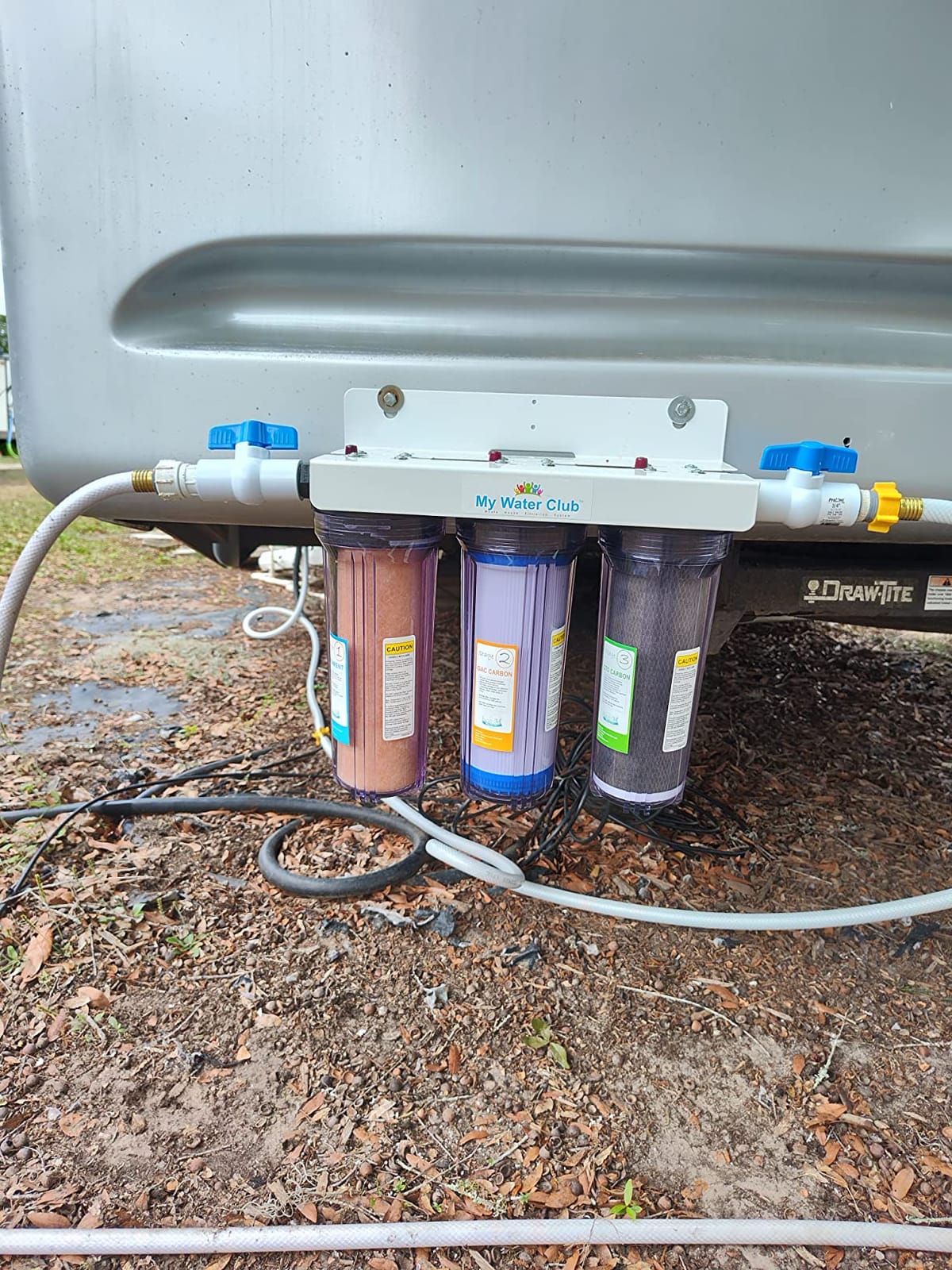
The three media types are genuinely different rather than three copies of the same thing. Stage one is a 5-micron quick-connect sediment filter for dust, dirt, silt, sand, rust and scale. Stage two is a 10-inch granular activated carbon filter handling chlorine, radon, VOCs, cloudiness, odors, colors and tastes. Stage three is a 10-inch CTO carbon block targeting chlorine, VOCs including insecticides and pesticides, and industrial solvents.
Clear housings are an underrated feature here. You can see the water in the housing darken as the sediment cartridge loads, which tells you when a change is actually due instead of guessing from a calendar. The included shut-off valves are also called out by owners as a genuine convenience, since buying them separately is an easy step to forget.
At 4.5 across 714 reviews with 74% five-star feedback, the reported benefits are practical: clear dishwasher glass, softer hair and skin, and disappearing mineral rings. Warranty is 1 year on hardware and 1 month on the filters themselves.
What you should know before you buy it
Two constraints define this product. First, the 3/4-inch connection is the smallest in the roundup and caps flow, so on a 3/4-inch main you are adding restriction at the exact point where you least want it. Some homes need adapters to fit their existing line size, which is an easy surprise to discover mid-install.
Second, capacity is 10,000 gallons with a 4-6 month replacement interval, the smallest here. The carbon fiber housings can also be extremely hard to remove once tightened, and one owner broke a housing during the process. A severe sediment supply can plug the sediment cartridge within days, which is a real report from owners with heavy iron or silt.
Who should skip it
Skip it in a home with more than two bathrooms, where 3/4-inch ports and a small capacity will be felt quickly. Also skip it if your main is already 3/4-inch and you care about pressure at peak demand, because you would be adding a second restriction to an already tight line.
It is the right pick for a small home, a condo or a rental where space and budget both matter and you can tolerate 3/4-inch fittings. It is not the right pick for a main with heavy sediment, since it will plug rather than filter.
8. Aquasana EQ-1000 Carbon and KDF Tank – Best for Chloramine Cities
Aquasana Whole House Water Filter System | 1M Gal | Carbon & KDF | EQ-1000
1000000 gal
Carbon + copper-zinc KDF
14.6 gpm
20-100 psi
10 year media
Pros
- Carbon plus copper-zinc KDF is the standard pairing for chloramine supply
- Reduces 97 percent of chlorine while leaving healthy minerals
- 1000000 gallon and 10 year media life with a 10 year warranty
- Improved divider valve gives 14.6 gpm with no noticeable pressure drop
- Pro install kit with brass fittings for 1 inch or 3/4 inch pipe
Cons
- Most expensive unit here and the lowest average rating at 4.2
- Pre and post filters still change roughly every 2 months
- Large 46 by 44 inch floor footprint for a full size tank
- 10 percent of ratings are 1-star the highest in the roundup
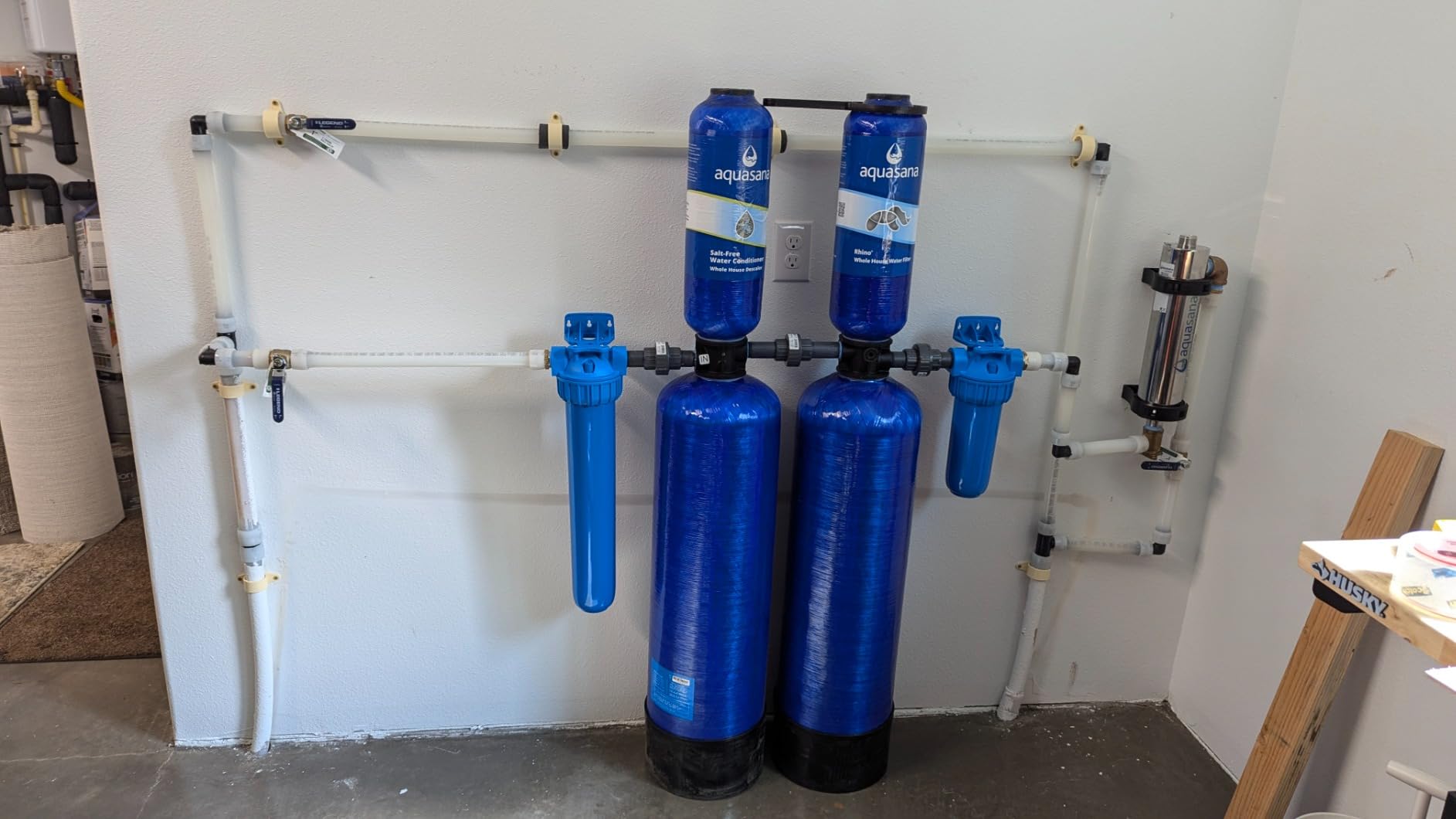
If your city disinfects with chloramine rather than chlorine, this is the system to look at first. The media is activated carbon paired with copper-zinc KDF, and that combination is the standard catalytic-carbon answer to municipal chloramine because KDF catalyzes the reduction that plain granular carbon struggles to complete on its own. If your utility uses chloramine, a standard carbon block will work but its life will be a fraction of what it should be.
The scale of the media is the other differentiator. One million gallons or 10 years of rated life, with a 10-year limited warranty and 10-year spare part availability, means the main tank essentially disappears from your maintenance calendar for a decade. The main media needs no draining and no backflushing, and the per-gallon running cost works out under one cent.
Chlorine reduction is listed at 97 percent while healthy minerals stay in the water, and it will not reduce TDS. The newly improved divider valve is credited by owners for delivering a fast, reliable 14.6 gpm with no noticeable pressure change, which fixes the flow complaint that older versions of this tank generated.
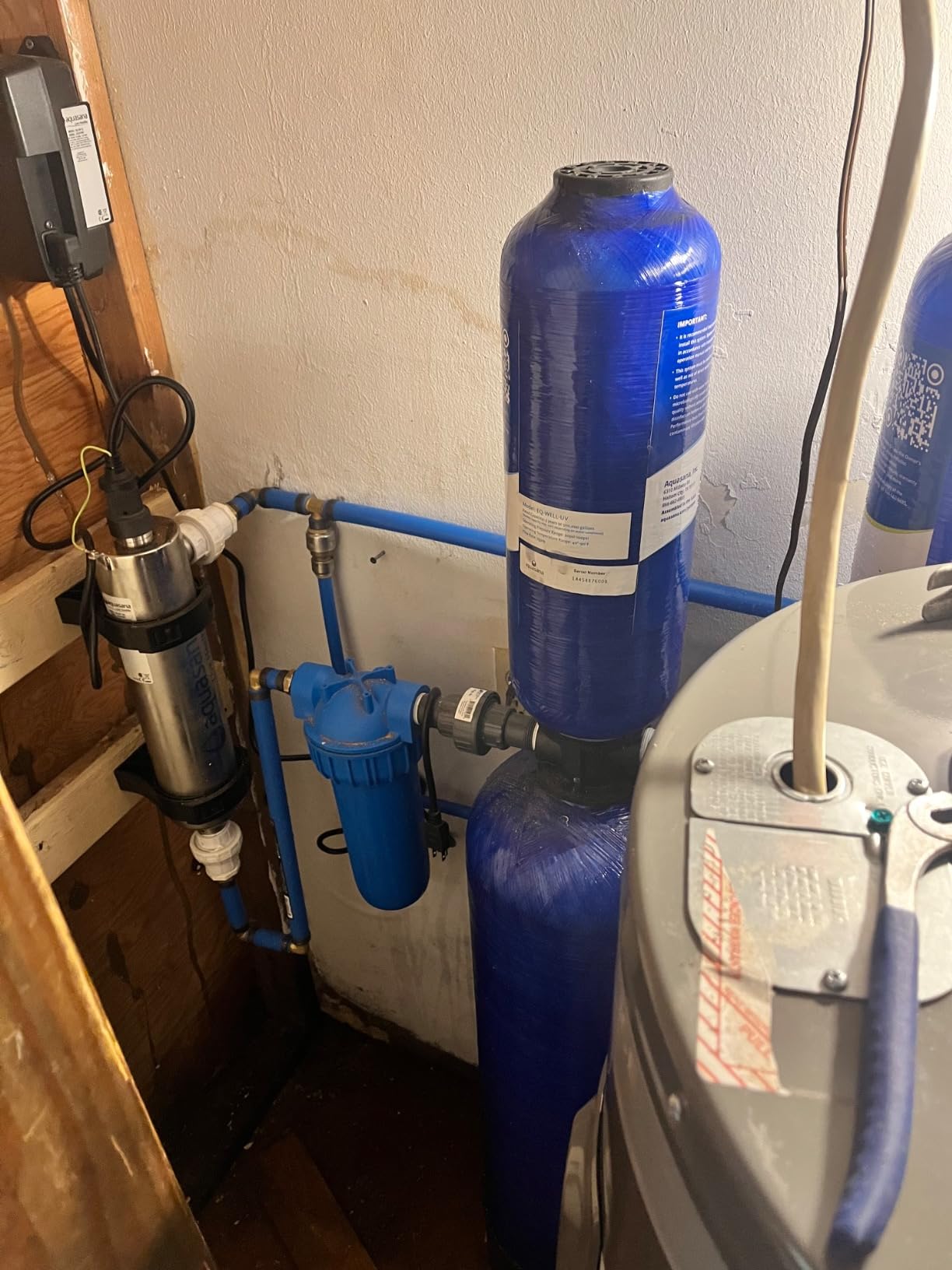
The install kit is genuinely professional grade: filter tank, 20-inch pre-filter, post-filter, brass fittings for either 1-inch or 3/4-inch pipe, bend supports and shut-off valves. Operating range is 20-100 psi with a 90 F ceiling. The item can arrive in more than one box, so plan the install for a day rather than an afternoon.
What you should know before you buy it
Read the small print on maintenance, because this is where the 4.2 average rating comes from. The 10-year figure applies to the main tank media only; the pre-filter and post-filter still need swapping roughly every two months. Buyers who expected a fully hands-off decade are the ones leaving one-star reviews, and 10% one-star is the highest negative share in this group.
The footprint is also large at 46 by 44 inches for the tank alone, and you need working clearance around it to change pre-filters. Confirm your mechanical room or crawlspace can hold that footprint with room to stand and work, not just the footprint itself.
Who should skip it
Skip it on budget alone if the 5-year cartridge math does not work for you, because this is by far the most expensive unit here and the per-gallon figure only makes sense over a long horizon. A small household with modest usage will never reach the gallon rating before the media life expires.
Skip it if your city uses plain chlorine, where a much less expensive carbon block does the same job. And skip it in a tight install space, since nothing else on this list needs that much floor area.
9. SimPure DB20P-3 3-Stage System – Best for Monitoring Cartridge Wear
SimPure Whole House Water Filter System 3-Stage 20″ *4.5″ Pre-Filtration
150000 gal
MPP sediment + GAC + CTO
15 gpm
25-90 psi
Clear housings
Pros
- Three 20 x 4.5 inch stages covering sediment GAC and CTO carbon block
- Clear housings let you monitor cartridge use without disassembly
- Highest rated capacity here at 150000 gallons for standard cartridges
- Brass fittings with double O-ring sealing at 1 inch NPT
- 15 gpm flow keeps pressure stable for whole-home use
Cons
- Heaviest 20 x 4.5 three-stage unit at 48 pounds so the mount needs backing
- Stated carbon life of 3-6 months is the shortest cycle in the group
- Large 23 by 28 inch footprint for a three-stage system
- 5 percent of ratings are 1-star
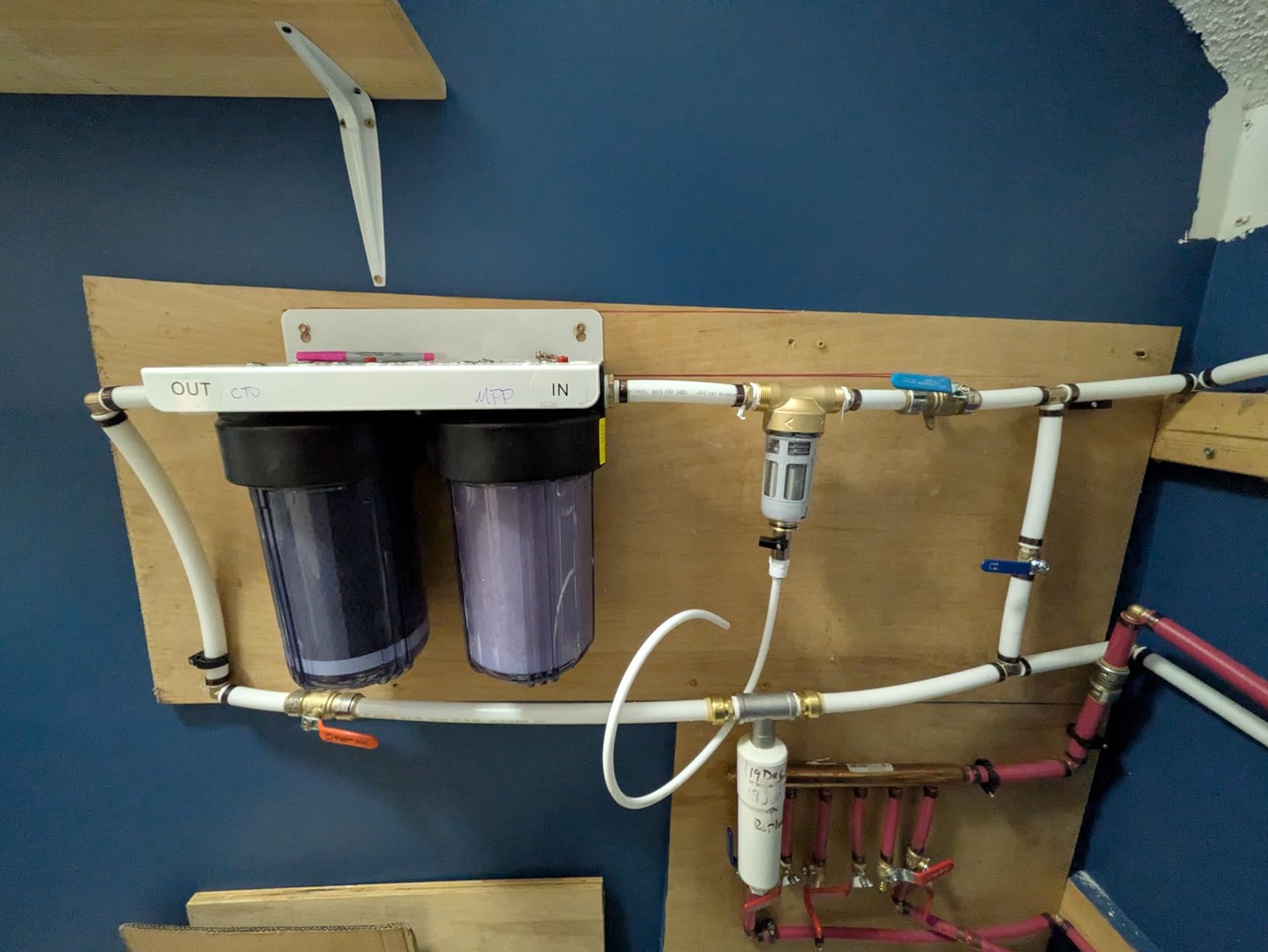
The reason to pick this one over other three-stage cartridge systems is visibility. Both housings are clear, so you can see the media darken as it loads and time your replacements against actual condition rather than against a guess. Owners mention this more than any other feature, and it is the difference between replacing on a schedule and replacing when it is needed.
Underneath, the media stack is competent: an MPP sediment stage filters sand, rust and sediment, GAC adsorbs chlorine taste, off colors and odors, and a CTO carbon block handles residual tastes and odors while catching fine carbon powder particles that would otherwise travel downstream. That last function is not marketing fluff; carbon fines in your water are a real complaint with cheaper block systems.
Capacity is rated at 150,000 gallons, the highest in this roundup for standard 20 by 4.5 inch cartridges, at 15 gpm. Operating conditions are 25-90 psi and 41-100 F. Every cartridge is individually wrapped, and the units are fully compatible with standard 20 by 4.5 inch elements, so replacements are easy to source.
At 4.5 across 518 ratings with 76% five-star feedback, the main drawback owners cite is the mismatch between the large gallon rating and the short carbon life of 3-6 months stated for the carbon element, with sediment and GAC rated 6-12 months. The gallon number is a theoretical ceiling rather than a schedule.
What you should know before you buy it
At 48 pounds, this is the heaviest 20 by 4.5 inch three-stage unit in the group, and the mount needs genuine backing rather than drywall anchors. The 23 by 28 inch footprint also means you need real wall or floor space and clearance above the housings to lift a cartridge out.
Set your expectations on the replacement calendar honestly. A 3 to 6 month carbon life means you are changing the carbon element two to four times a year depending on household size, and the 150,000-gallon figure assumes usage rates most city homes never reach. If you want a once-a-decade decision, this is the wrong category.
Who should skip it
Skip it if you are not organized enough to track a 3 to 6 month interval, because the carbon will outrun its capacity if you forget it. It is also a poor match for a very small home, where the extra stage and weight buy you capacity you will never use.
And skip it if your space is tight. Two clear 20-inch housings need more room than a compact two-housing bracket system, and the visibility benefit is worthless if the unit does not fit where it needs to go.
10. 3M Aqua-Pure AP904 Whole House Filter – Best for Large Homes
3M Aqua-Pure AP900 Series Whole House Water Filtration System AP904
100000 gal
Activated carbon block
20 gpm
NSF 42 and 372
SQC cartridge
Pros
- Sanitary Quick Change cartridge needs no wrench and no contact with media
- Highest flow rating here at up to 20 gpm through 1 inch connections
- 304 stainless steel head with carbon block and pleat media
- NSF Standard 42 and 372 certified
- 3M AP-series cartridges widely stocked at plumbing retailers
Cons
- 11 percent of ratings are 1-star the highest negative share here
- Single cartridge so there is no separate sediment stage ahead of the carbon
- One-year cartridge life falls short on high-sediment supplies
- Scale inhibition does not remove scale already built up
At up to 20 gpm through 1-inch inlet and outlet connections, this is the highest flow rating in the group and the reason it earns a place on a list otherwise dominated by 15 gpm systems. If you have 3 or more bathrooms and you actually run fixtures at the same time, flow rating is the first spec to check and this is the only unit here that clears 20.
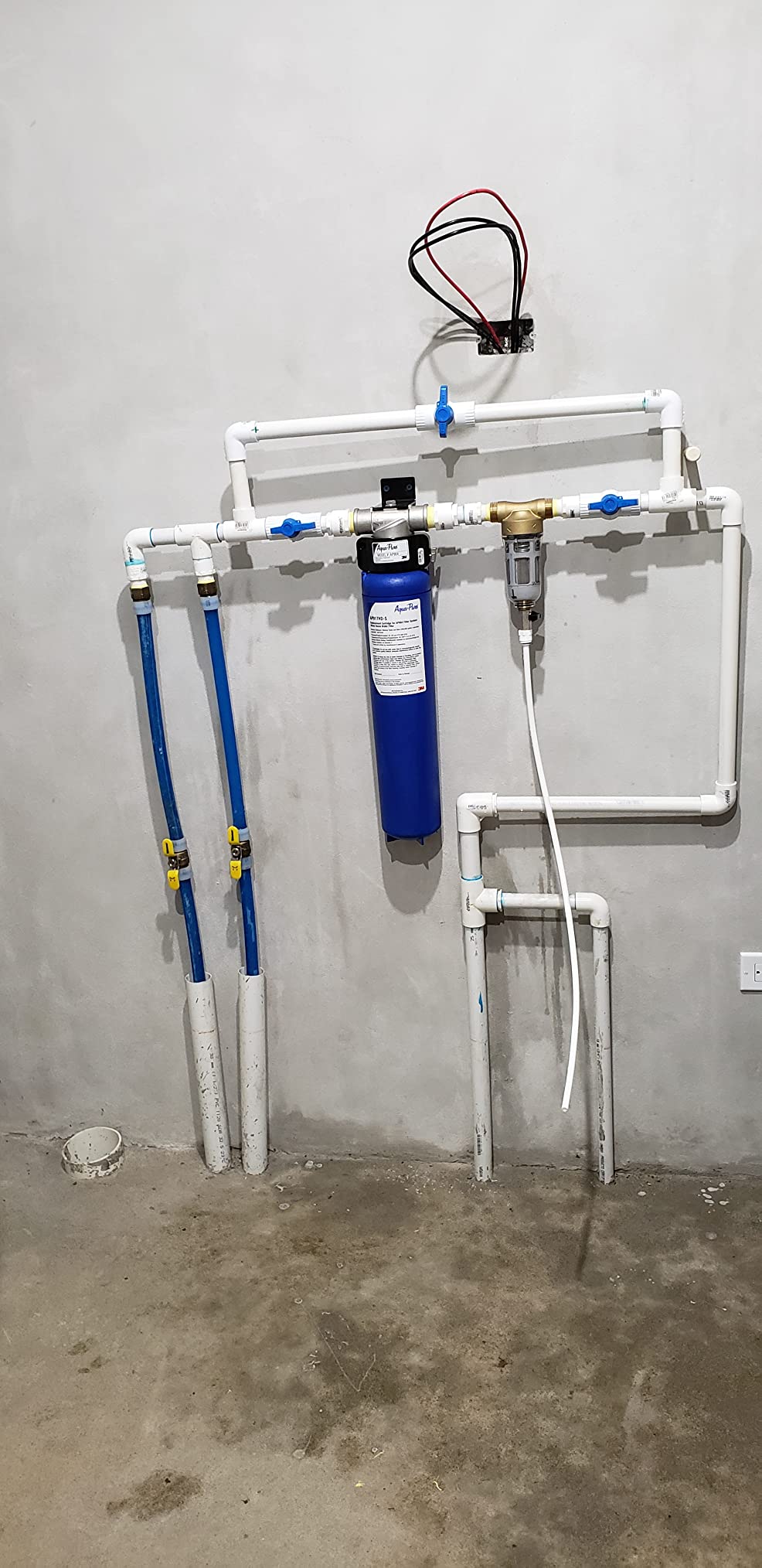
The Sanitary Quick Change cartridge design is the everyday quality-of-life feature. No filter wrench, no contact with the used media, no mess when you swap. The 304 stainless steel head is the most durable hardware in this roundup by a wide margin, and the media is an activated carbon block with non-woven pleat media for a longer service life than a bare carbon block.
It is certified to both NSF Standard 42 and NSF 372, and it reduces sediment, chlorine taste and odor while inhibiting limescale growth to extend the life of water heaters and appliances. It is compatible with both chlorinated municipal and non-chlorinated well systems.
At 4.3 across 452 ratings the numbers are the lowest here, and the distribution explains it: 71% five-star but 11% one-star, the widest negative tail in the group. The critical reviews cluster around expectations rather than build quality, mostly around cartridge life on high-sediment supplies and the assumption that inhibiting scale will remove scale.
What you should know before you buy it
It is a single-cartridge configuration, so there is no dedicated sediment stage ahead of the carbon block. On a main carrying rust and sediment that shortens cartridge life well below the one-year rating, and the fastest path to a better result is a spin-down or 5-micron sediment pre-filter mounted ahead of it.
Scale inhibition is forward-looking, not corrective. It stops new scale from forming but will not clear scale already built into your lines, showerheads or water heater, and a few reviewers expected otherwise. Replacement cartridges are AP917HD-S for the AP904, with AP910R and AP917HD serving the other models in the series.
Who should skip it
Skip it if your municipal supply is sediment-heavy or if you already have galvanized service lines, because the single cartridge will load faster than the one-year claim and you will be doing unplanned changes. Add a pre-filter first or choose a system with a dedicated sediment stage.
Also skip it in a small home, where 20 gpm is capacity you will never reach and the extra cost buys nothing. It is built for larger homes with 3 or more bathrooms, and that is exactly where its stainless head and no-wrench cartridge changes pay off.
How to Choose a Whole House Water Filter for City Water
Start by finding out what your city actually does, because the disinfectant determines the media. Call your water utility and ask whether they use chlorine or chloramine, then look up your city in the EPA Consumer Confidence Report and cross-check the EWG Tapwater Database. Most large cities publish an annual water quality report, and a chlorine test strip run on tap water at a faucet will smell like chlorine rather than chloramine, which is the quickest way to tell the difference yourself.
If your city uses chloramine, do not buy a standard carbon block and expect it to last. Chloramine is more stable than chlorine and reacts slowly with ordinary activated carbon, so the media exhausts faster. Catalytic carbon or a copper-zinc KDF pairing, as in the Aquasana EQ-1000, is built for that job. If your city uses plain chlorine, a good coconut shell carbon block at a healthy volume will handle it for the full rated life.
Size on gallons per minute, not on filter count. A 1 to 2 bathroom home typically needs 9 to 10 gpm, a 2 to 3 bathroom home needs 12 to 15 gpm, and a 4-plus bathroom home needs 18 to 20 gpm or more. Undersizing is the single most common cause of the pressure drop complaints we read about, and the fix is not maintenance, it is a larger housing or a wider port. This is why so many budget units in this roundup use 3/4-inch connections and why they get noticed.
Decide between cartridge and media tank systems honestly. Cartridge systems cost less up front, use widely available 20 by 4.5 inch elements, and need a change every 6 to 12 months depending on the model. Media tanks hold far more media, need no scheduled changes for 6 to 10 years, and demand floor space, a larger budget and at least one sediment pre-filter. The five-year math is the honest comparison: a cartridge system costs several hundred dollars in elements over that span, while a media tank’s cost is front-loaded and then minimal.
Treat a sediment pre-filter as mandatory on municipal water, not optional. Every carbon and carbon block system on this list loads faster without one, because carbon media that has already been blinded by sediment cannot adsorb chlorine. This point gets argued both ways on water treatment forums, and the practical answer is that a spin-down or 5-micron stage ahead of the carbon is cheap insurance for a much more expensive carbon stage downstream.
On KDF-55 media, our advice on chlorinated city water is to skip the upcharge. Water treatment professionals repeatedly note that KDF gets sold hard in combination tanks and that on chlorinated municipal water they have rarely seen it earn its premium, because there is usually no iron or heavy metal load to remove. It earns its place in chloramine or well supplies, or where a test report shows a genuine metal problem. Otherwise, spend that money on more carbon volume instead.
Check certification rather than marketing language. NSF/ANSI 42 covers taste, odor and aesthetic effects, NSF/ANSI 53 covers health-related reduction claims such as lead, NSF/ANSI 58 covers reverse osmosis systems, and NSF/ANSI 372 covers lead-free materials. A product that claims lead reduction should carry 53, not just 42. If a listing shows no standard at all, treat every performance number on the page as unverified.
Finally, understand what filters cannot do. No whole house carbon filter softens water, lowers total dissolved solids, removes sulfur, or reduces iron unless it is specifically designed for it, and none of them treat pathogens, which is what municipal disinfection is already handling. If your real problem is hard water, a softener is the correct purchase and a filter is an optional addition. Install the filter first on the main line, then the softener downstream of it, so the carbon is not loaded with sediment and the softener resin is not fouled by carbon fines.
Frequently Asked Questions
What is the best whole house water filter system for city water?
The iSpring WGB21B is the best all-around choice for most city-water homes, because a 5-micron sediment stage plus an SGS-tested CTO carbon block handles chlorine, taste, odor and sediment at 15 gpm through 1-inch ports, and the standard 10 by 4.5 inch cartridges keep the five-year running cost the lowest in our group. Homes on chloramine should look at the Aquasana EQ-1000 instead, and large homes with 3 or more bathrooms should consider the 3M Aqua-Pure AP904 for its 20 gpm rating.
Do you need a whole house water filter on city water?
Usually no, and that is worth saying plainly. City water is treated to meet federal safety standards, so a filter is not about making unsafe water safe. It is worth it if you care about chlorine taste and odor, if chlorine smell in the shower bothers you, if you want sediment and rust kept away from your water heater and dishwasher, or if your utility uses chloramine. Skip it if hard-water scale is your main complaint, since that calls for a softener rather than a filter.
What is the best way to filter city water?
The best way is a staged point-of-entry system on the main line. Start with a 5-micron sediment pre-filter to catch sand, rust and scale particles, then follow it with a carbon stage matched to your disinfectant: a coconut shell carbon block for chlorine cities, and catalytic carbon or a copper-zinc KDF pairing for chloramine cities. Add a 3-way bypass valve and a low-point drain for service. If you want drinking-water purity, add a separate reverse osmosis unit at the kitchen sink rather than expecting the whole house filter to do that job.
What is the recommended GPM for a whole house water filter?
For a 1 to 2 bathroom home, aim for 9 to 10 gpm. For a 2 to 3 bathroom home, 12 to 15 gpm is the right range. For 4 or more bathrooms, or a house where showers, laundry and appliances run together, size for 18 to 20 gpm or more. Undersizing is the most common cause of the pressure drop complaints we read, and no maintenance schedule fixes it. Also match the port size to your main line, since 3/4-inch connections cap flow well below a 1-inch system.
What are the disadvantages of a whole house water filter?
The main disadvantages are recurring cartridge cost, a small but real pressure drop, and installation complexity. Cartridge systems need elements replaced every 6 to 12 months, so the five-year cost is meaningfully higher than the purchase price. A system that is undersized for your household shows up as reduced pressure at peak demand. Installation on the main line usually needs a plumber, a bypass valve, a drain and enough clearance to swap housings, and no carbon filter softens water, lowers total dissolved solids or removes pathogens.
Can a whole house filter remove chloramine?
Yes, but only with the right media. Standard activated carbon and CTO blocks reduce chloramine, but slowly, so the media exhausts well before its rated life. Catalytic carbon and copper-zinc KDF media, the pairing used in the Aquasana EQ-1000, are built for chloramine and hold their capacity for a decade. If your city disinfects with chloramine, confirm that with your utility before you buy, because a budget carbon block will underperform and the cartridges will need changing more often than the label suggests.
Bottom Line: Which Whole House Water Filter to Buy in 2026
For most city-water homes, the best whole house water filters for city water in 2026 come down to three decisions. First, confirm with your utility whether you have chlorine or chloramine, because that single answer separates a standard carbon block from a catalytic carbon and KDF pairing. Second, size to 15 gpm for a 2 to 3 bathroom house and 20 gpm for anything larger, and match your port size to the main line. Third, pick your maintenance rhythm honestly: a cartridge system like the iSpring WGB21B costs less up front and keeps five-year running costs low, while a media tank like the Aquasana EQ-1000 costs more now and then needs almost nothing for a decade.
Before you order anything, pull your city’s EPA Consumer Confidence Report and check the EWG Tapwater database for your zip code. Ten minutes of reading tells you whether you need sediment protection, a metal reduction stage, or nothing more than a carbon block, and it will save you from buying media you do not need.