
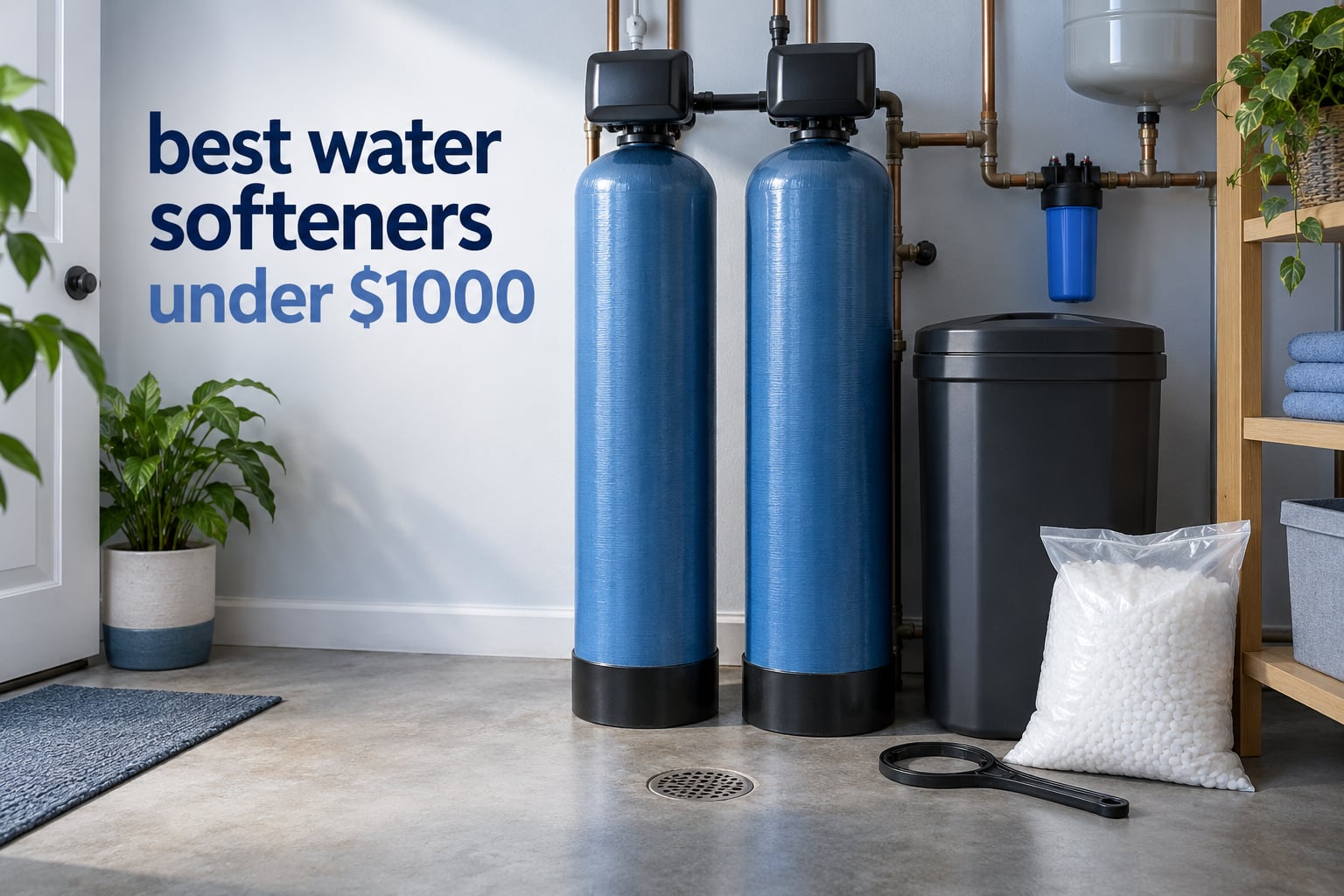
The best overall water softener under 1000 dollars in this roundup is the Aquasure Harmony 48,000-grain system: 48000 grains of ion exchange capacity, a 12 gpm rated flow, a three-stage sediment and carbon pre-filter, and a five-year warranty in one box.
Hard water is not a comfort problem alone. Scale builds inside water heaters, dishwashers and shower arms, and it quietly eats the life of every appliance on the line. Softened water cuts that scale, cuts soap use, and stops white spots on glass and fixtures. Under 1000 dollars you can still buy a genuinely metered, high-capacity ion exchange unit rather than a salt-free conditioner that only softens by feel.
We compared ten whole-house systems for this guide, weighing grain capacity against real household demand, control valve type, warranty split, resin specification and owner feedback. Every system below sits inside the sub-1000 window at the time of writing, and we call out the ones that need extra parts, extra plumbing or a reality check on iron. If you want the fast answer first, the Aquasure Harmony takes it; if you have well water, the Iron Pro 2 does something none of the others can.
Before the picks, four numbers decide almost everything:
Grain capacity. The total grains of hardness the resin bed can remove before it needs a regeneration cycle. Match it to household size and hardness, not to marketing.
Flow rate in GPM. Your plumber sizes the softener to the house’s peak demand. A 7 gpm valve struggles in a four-bathroom home where showers and a dishwasher run together.
Regeneration type. Metered and digital heads regenerate on measured usage. Timer-based valves regenerate whether you need it or not, wasting salt and water.
Hardness range and iron. Standard ion exchange strips calcium and magnesium. It does almost nothing for iron, which is the single biggest disappointment for well-water buyers.
Table of Contents
Top 3 Water Softener Picks Under $1000 (October 2026)

Aquasure Harmony 48000 Grains
- 48000-grain ion exchange capacity
- Digital metered control head
- 12 gpm max flow
- Triple sediment carbon zinc pre-filter

Fleck 5600SXT 48000 Grains
- Fleck 5600SXT on-demand valve
- 1.5 cu ft 10% crosslink resin
- 14 gpm max flow
- 5-year warranty
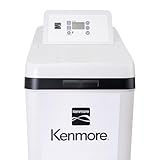
Kenmore 350 32000 Grains
- 32000-grain capacity
- IntelliSoft adaptive regeneration
- Compact 20.5 by 15 inch footprint
- 10-year tank warranty
All 10 Budget Water Softeners at a Glance in 2026
| Product | Specs | Action |
|---|---|---|
| Aquasure Harmony 48,000 Grains |
|
Check Latest Price |
| AFWFilters Fleck 5600SXT 48,000 |
|
Check Latest Price |
| Kenmore 350 32,000 Grains |
|
Check Latest Price |
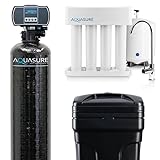 Aquasure 32,000 Grains + 75 GPD RO Aquasure 32,000 Grains + 75 GPD RO |
|
Check Latest Price |
 Tier1 48,000 Grains Tier1 48,000 Grains |
|
Check Latest Price |
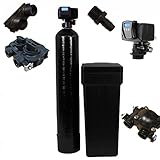 DuraWater Fleck 5600SXT 64,000 DuraWater Fleck 5600SXT 64,000 |
|
Check Latest Price |
 iSpring 45,000 Grains iSpring 45,000 Grains |
|
Check Latest Price |
 AFWFilters Iron Pro 2 64,000 AFWFilters Iron Pro 2 64,000 |
|
Check Latest Price |
| DuraWater Fleck 5600SXT 48,000 |
|
Check Latest Price |
 PRO+AQUA 80,000 Grains PRO+AQUA 80,000 Grains |
|
Check Latest Price |
1. Aquasure Harmony 48,000 Grains – Best Overall
Aquasure Harmony Series 48,000 Grains Whole House Water Softener w/High Efficiency Digital Metered Control Head (48,000 Grains)
48000-grain capacity
Ion exchange
12 gpm max flow
Fiberglass-lined tank
5-year warranty
Pros
- 48000 grains suits 3-4 bathroom homes
- Digital metered head with programmable intervals
- Triple pre-filter strips sediment chlorine and heavy metals
- Prefilled premium resin
- 5-year warranty with lifetime support
Cons
- Large floor footprint needs planned space
- Plumbing skill and extra fittings required
This is the unit we come back to after reading every spec sheet in the roundup. The Harmony pairs 48000 grains of capacity with a 12 gpm rated flow, which is the sweet spot for a three or four bathroom home on hard city water. The digital metered head lets you set regeneration intervals and read status off a backlit display.
What separates it from the other mid-range boxes is the triple pre-filter. The same assembly traps sediment, carbon-based chlorine, pesticides, odors and heavy metals before water reaches the resin, so you are not buying a separate sediment filter on day one. Resin arrives prefilled, the tank is fiberglass-lined polyethylene, and the whole thing weighs about 120 pounds.
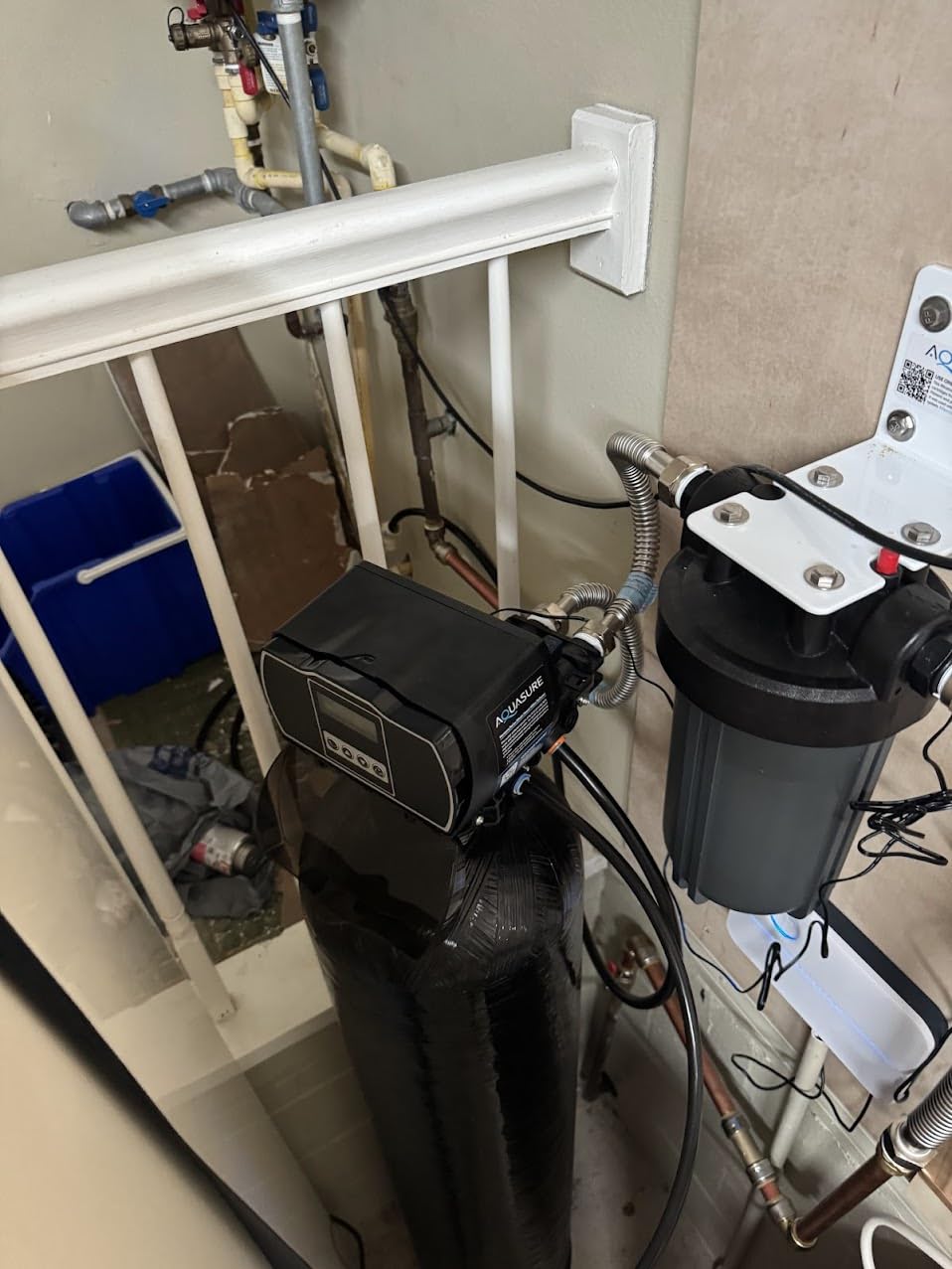
Owner feedback is the deepest in this group by a wide margin, and the pattern is consistent: big drops in soap scum, shorter dishwasher cycles and a noticeable change in how soap lathers. Several buyers replacing a big-box whole-house unit say the softness came immediately after the first full regeneration rather than days later.
The one recurring installation note is space. At 10 by 10 by 62 inches for the mineral tank plus a separate brine tank, you need a utility corner you can commit, and the drain line has to reach a floor drain, a stack or an outside wall. Fittings for the loop are typically bought separately.
Why it fits most households
Three to five people on hard city water is exactly the load this capacity was designed for. The metered head regenerates only when the sensor says the bed is spent, so a light week costs less salt and less wastewater than a fixed schedule would.
The pre-filter means you can also treat chlorinated municipal water without worrying about resin damage from chlorine, which is what the 10% crosslink resin on the Fleck units is designed to survive.
Where it falls short
It does not solve Iron. If a test kit shows meaningful ferrous iron in your supply, none of the standard single-function softeners here will, and the Iron Pro 2 further down is the one that does.
And the footprint is real. Measure the floor area, the drain route and the overhead clearance before you commit, because a system you have to squeeze into a tight utility closet tends to get plumbed badly.
2. AFWFilters Fleck 5600SXT 48,000 Grains – Top Rated
AFWFilters Fleck 5600 SXT Digital Water Softener with 10% Crosslink Resin
48000 grains
Fleck 5600SXT on-demand valve
14 gpm max flow
10% crosslink resin
Pros
- Fleck 5600SXT valve is proven and widely serviceable
- 1.5 cu ft of 10% crosslink resin resists chlorine
- 14 gpm handles whole-house demand
- Bypass and drain fittings included in the box
- 5-year warranty with USA assembly
Cons
- Drain line and connection tubing sold separately
- Programming the Fleck valve takes practice
The Fleck 5600SXT is the valve that plumbing forums keep recommending for a reason: it has been in production for decades, every plumber recognises it, and replacement parts exist everywhere. This listing pairs that valve with 1.5 cubic feet of 10% crosslink resin in a 48,000-grain configuration.
Ten percent crosslink matters on chlorinated water. The extra bonding resists the chlorine that slowly breaks standard resin down, which is why this configuration holds up longer in municipal supplies than an ordinary 8% bed.
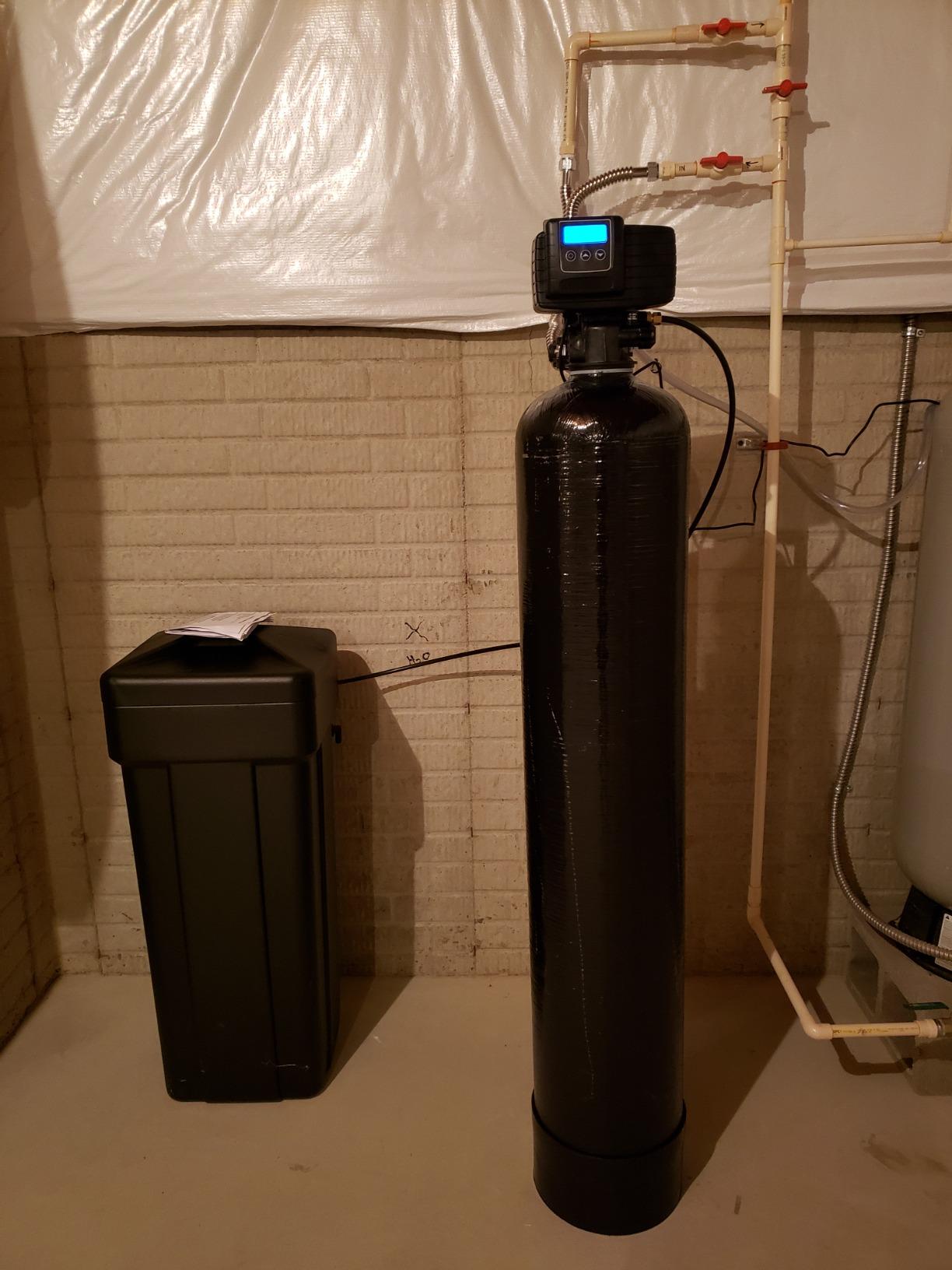
Flow is the standout spec at 14 gpm, the second highest in this roundup, so it holds pressure when a household runs two showers and a washer at once. The 14 by 36 inch brine tank holds up to 250 pounds of salt, so refills are less frequent than on smaller tanks.
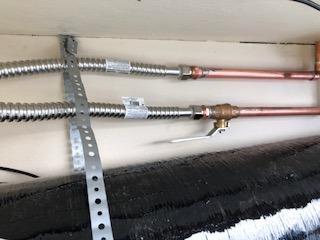
The included bypass and drain fittings save a parts run. What you will still need is the brine drain line itself and the connection tubing, which owners mention as the most common surprise on arrival.
Why we rate it so highly
Rating in this category is a proxy for how many years the thing keeps working, and this has the highest average of any system here. Community water treatment threads consistently name the 5600SXT as the balance of reliability, parts availability and cost, and this listing includes the whole assembly rather than a valve alone.
It is also the easiest unit to service later. When the head eventually fails, a generic Fleck 5600SXT replacement drops in without redesigning the plumbing.
Where it falls short
Programming is the learning curve. The valve has more settings than a typical first-time owner expects, and getting the hardness number and capacity set correctly matters more here than on simpler heads because the regeneration dose is calculated from those figures.
It is also a plain softener. Chlorinated city water and moderate hardness are its comfort zone; iron needs a different tool.
3. Kenmore 350 32,000 Grains – Best Value
Kenmore 350 Whole House Water Softener System, 32,000 Grain, 1-4 People
32000 grains
0.83 cu ft resin
7.2 gpm max flow
IntelliSoft adaptive regen
Pros
- IntelliSoft learns usage and regenerates only when needed
- Compact 20.5 by 15 inch footprint suits tight utility spaces
- Digital display shows flow rate and salt level
- 10-year tank warranty
- Bypass valve and installation kit included
Cons
- 7.2 gpm max flow is the lowest in the group
- 32000 grains suits smaller homes only
- 3-year control board warranty
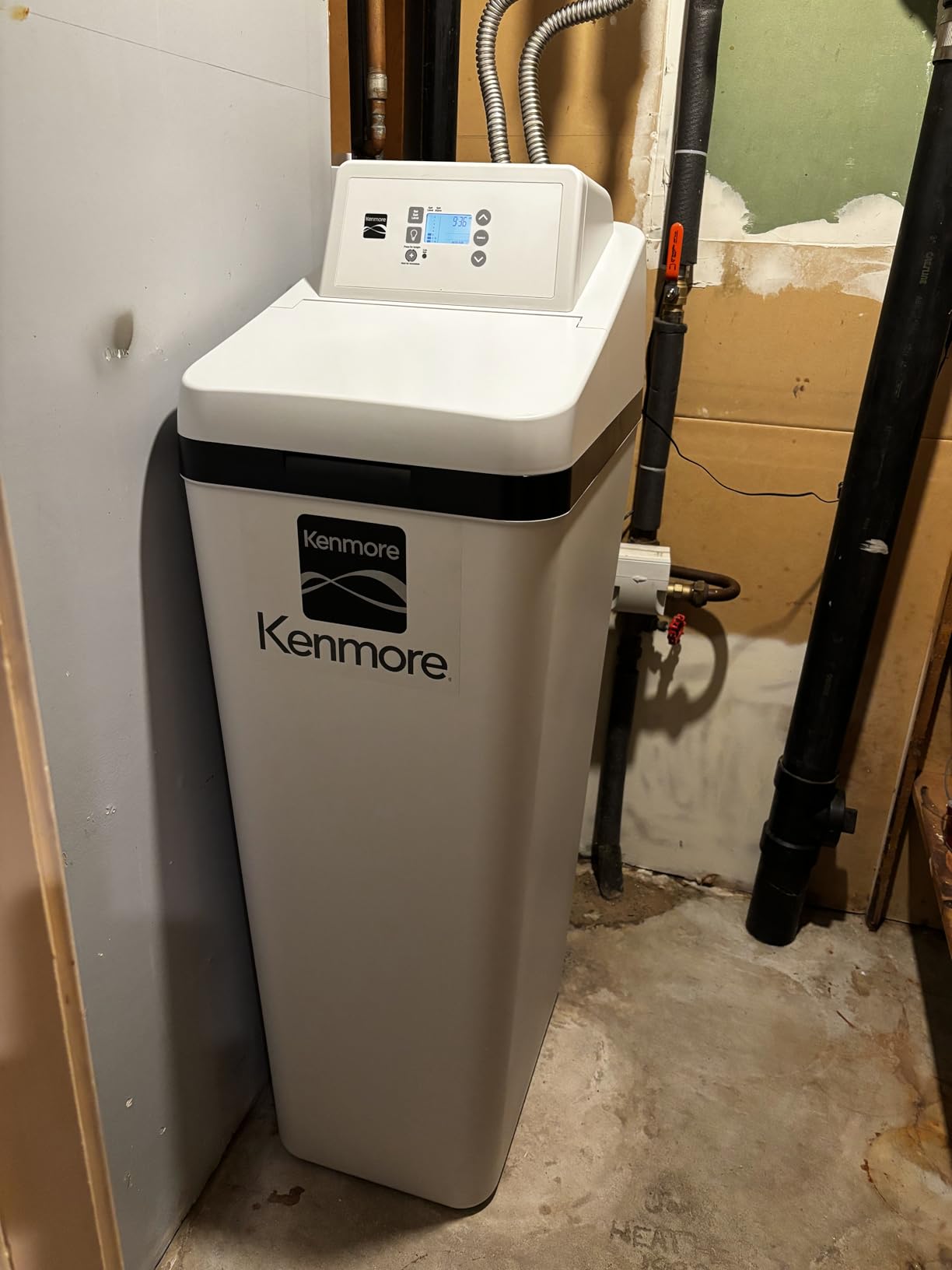
This is the pick for a small home in a small space. At 20.5 by 15 inches and 48 inches tall, the Kenmore 350 fits inside closets and half-height utility alcoves that a full-height 10-inch tank would not. The mineral tank still carries a 10-year warranty, the longest tank coverage in this roundup.
IntelliSoft is the feature that matters. Instead of guessing a regeneration schedule, the control board learns how the household actually uses water and triggers cycles only when the resin bed needs it. Owners consistently report lower salt use than the timer-controlled units they replaced.
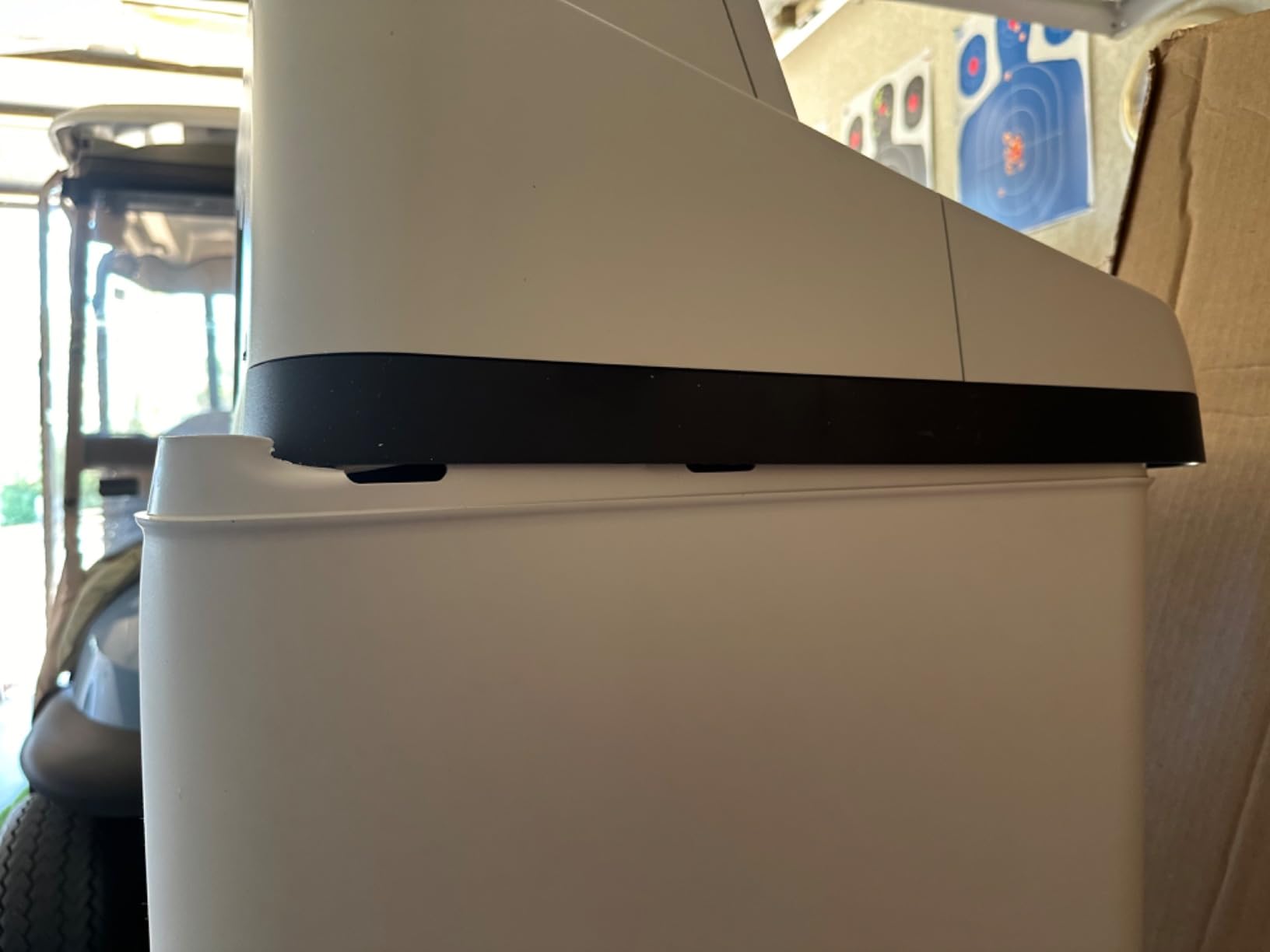
The built-in sediment shield and the ability to reduce clear water iron up to the system’s stated limits make it a reasonable fit for municipal supplies that carry a little iron. Bypass valve and installation kit are in the box, so first-time installers have fewer extra trips to make.
The digital display is genuinely useful for maintenance. It shows current flow rate and salt level, so the monthly salt check becomes a glance rather than a guess at the brine tank.
Best case for this system
A one to four person home on moderately hard city water, especially one with a cramped mechanical room. At 32000 grains and 0.83 cubic feet of resin, it covers roughly three people at normal hardness without being oversized into inefficiency.
For anyone who wants metered behaviour and a long tank warranty without paying for a large commercial-format tank, this is the sensible middle of the market.
Why it is not the top pick
Flow rate is the limitation. A 7.2 gpm valve is the lowest here, and once a family grows past three people or starts running two showers simultaneously, pressure drop becomes noticeable during regeneration and at peak draw.
The warranty split is also uneven: 10 years on the tank, but one year full and three years on the control board. The electronics are what actually fail, so that is the number to weigh.
4. Aquasure 32,000 Grains with 75 GPD Reverse Osmosis – Best For Drinking Water
Aquasure 32,000 Grains Whole House Water Filter Bundle with Automatic Digital Metered Control Softener and 75 GPD RO Reverse Osmosis Drinking System | Removes Hardness | Ideal for 1-3 bathrooms
32000-grain softener
75 GPD reverse osmosis
Aquatrol metered head
1200 ppm TDS rating
Pros
- Whole-house softening and RO drinking water in one purchase
- Owners report dropping the bottled water habit
- Reported effective on well odor and rust
- Manuals and tech support praised
- 5-year warranty with lifetime support
Cons
- Combined layout needs planning and plumbing skill
- Documentation is weak on the RO line connection
- Footprint is larger than a softener-only setup
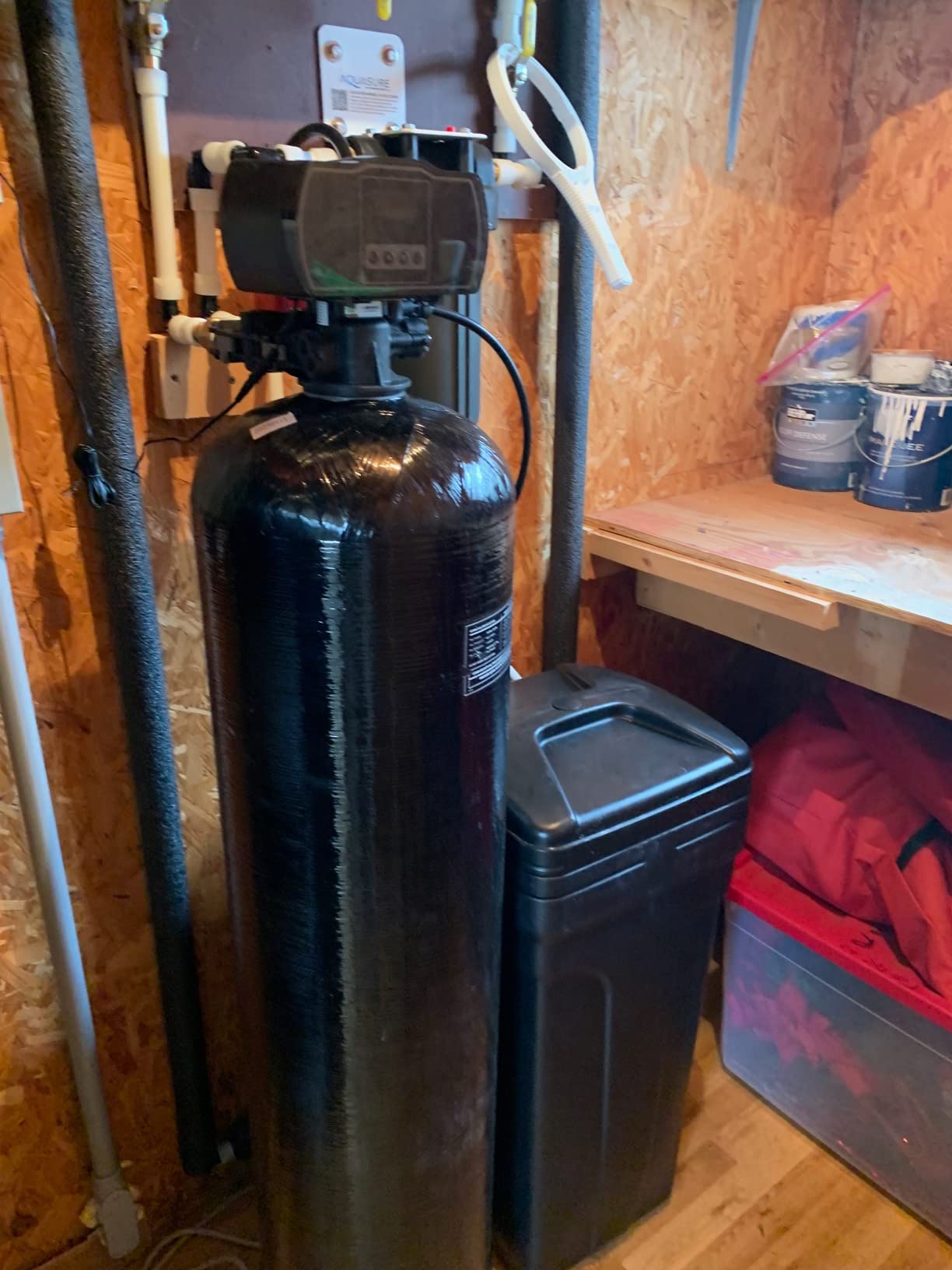
This bundle does two jobs. The soft half is a 32000-grain digital metered unit with the Aquatrol control head; the drinking half is a 75 gallon per day reverse osmosis system rated for up to 1200 ppm total dissolved solids, plumbed to a dedicated filtered tap.
That combination has a clear audience. Households who want soft water everywhere and genuinely filtered drinking water, rather than running a pitcher, usually find two separate purchases more expensive and harder to plumb than one assembly.
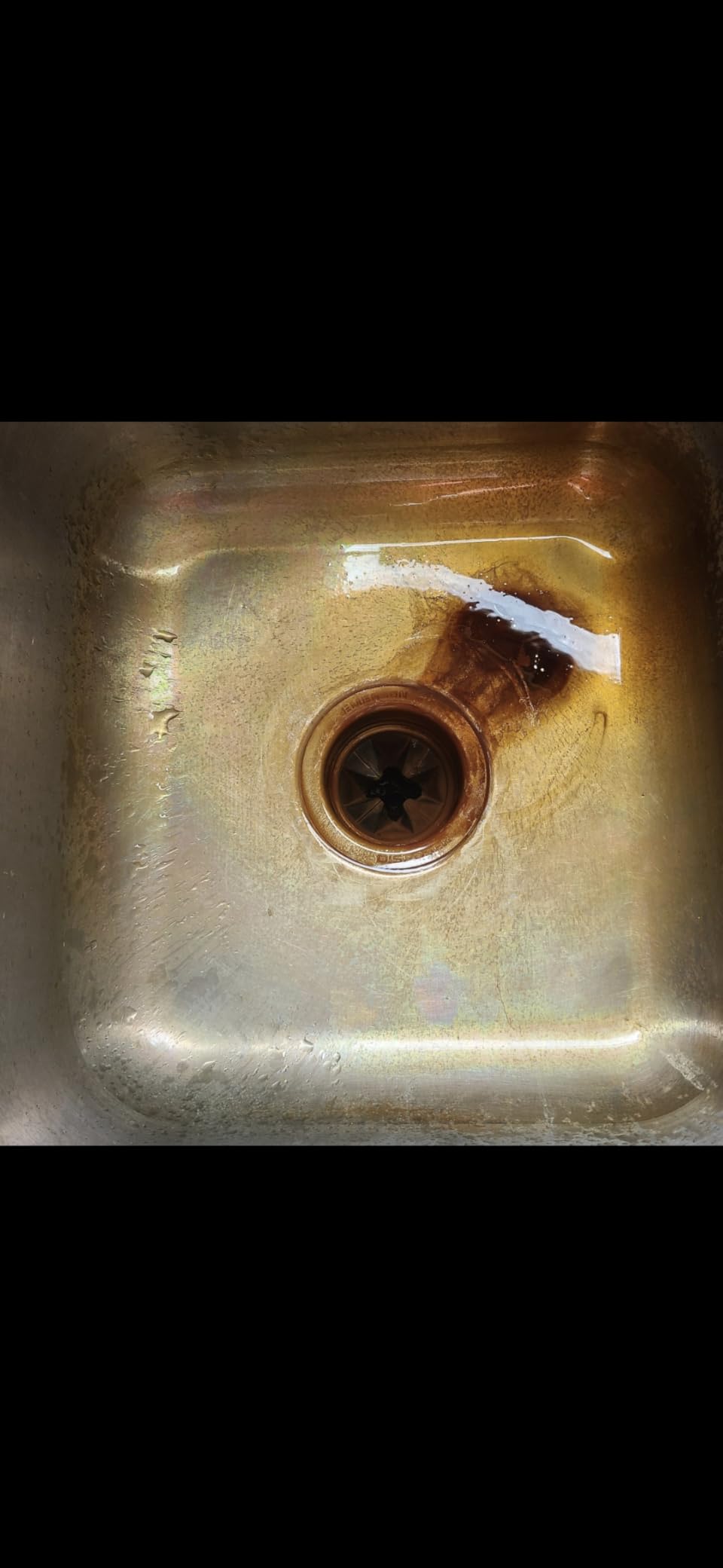
Owner reports on well water are unusually positive for this listing, with buyers describing eliminated rotten-egg odor, rust staining and cloudy water. The RO membrane handles the dissolved solids that a softener leaves behind.
Buyers also mention the support experience favorably, particularly the written manuals for a setup that most people are assembling themselves for the first time.
Where this bundle makes sense
Homes of one to three people where drinking water quality is the bigger complaint, and where under-sink space exists. The softener side handles hardness at every outlet, and the drinking tap handles taste and contaminants.
For well homes with odor and staining problems, the pairing is unusually well matched to the complaint.
What you trade away for it
Capacity drops. At 32000 grains this is the smallest whole-house softener in the roundup, so a family of four on very hard water will feel it.
The instructions are also weakest exactly where they are most needed. Owners single out the reverse osmosis water line connection as poorly documented, and the combined footprint means two plumbing points to plan instead of one.
5. Tier1 48,000 Grains – Best For High Flow
Tier1 48,000 Grain Water Softener System for 4-5 Bathroom Homes
48000 grains
18 gpm max flow
Ceramic disk valve
10-year tank warranty
Pros
- 48000 grains sized for 4-5 bathroom homes
- 18 gpm is the highest rated flow in this group
- Ceramic disk valve has no seals or rebuild kits
- 10-year tank warranty extendable on electronics
- Resin is NSF and ANSI 44 certified
Cons
- Owner reports a fixed 30-day regeneration cycle
- One report of a prefilter leak with slow replacement
- Not rated for outdoor installation
- Operating pressure ceiling of 87 psi
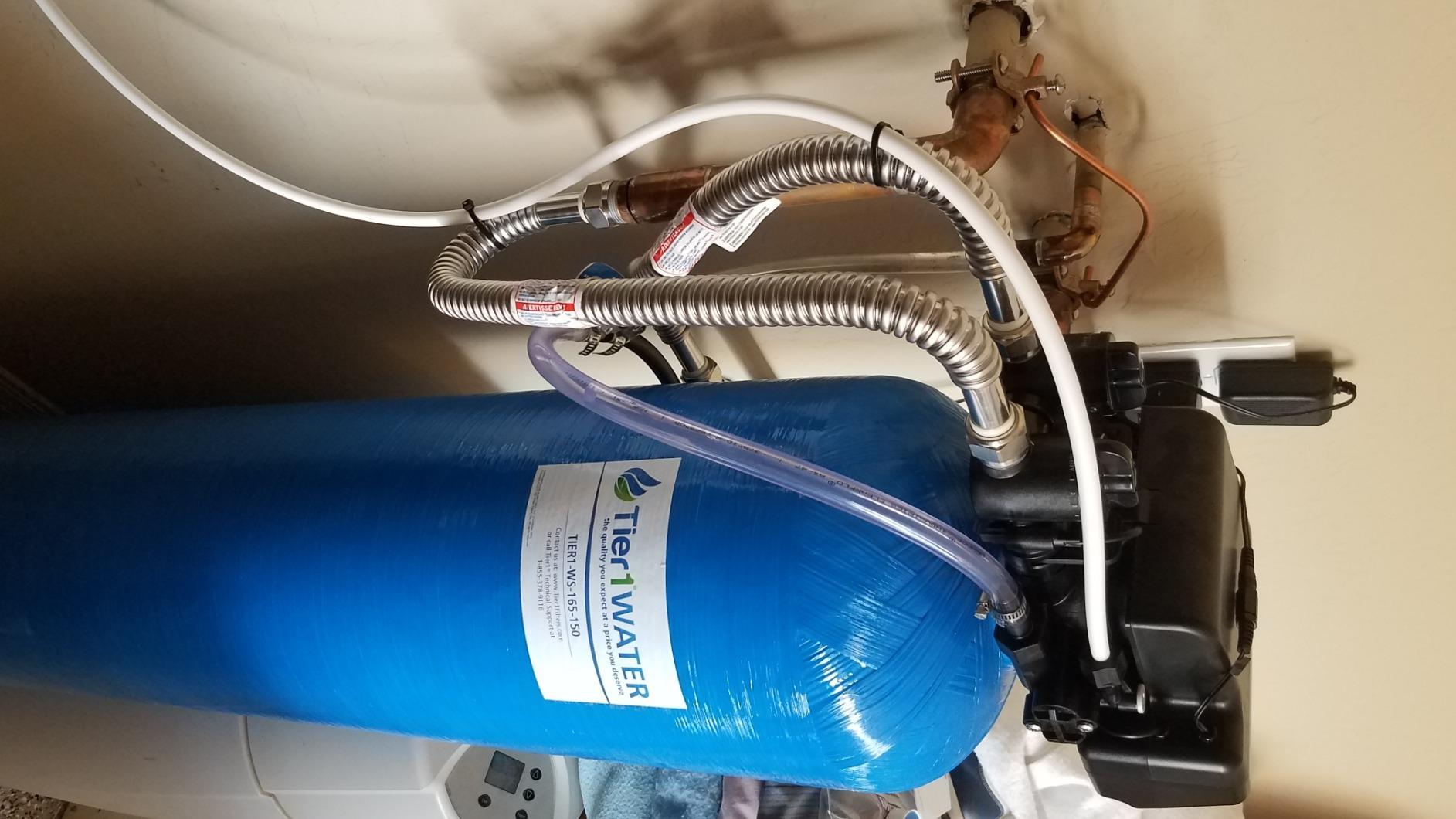
The Tier1 is the flow leader here at 18 gpm, and it is the only system in this roundup that pairs that flow with a ten-year tank warranty at 48,000 grains. The 10 by 59 inch mineral tank holds 1.5 cubic feet of NSF and ANSI 44 certified cation resin, with a 13.5 by 32 inch salt tank alongside.
The control valve uses a ceramic disk mechanism instead of rubber-seated parts, and the manufacturer states there are no seals or rebuild kits to replace. Owners frequently praise the phone support, describing it as thorough and persistent on the phone.
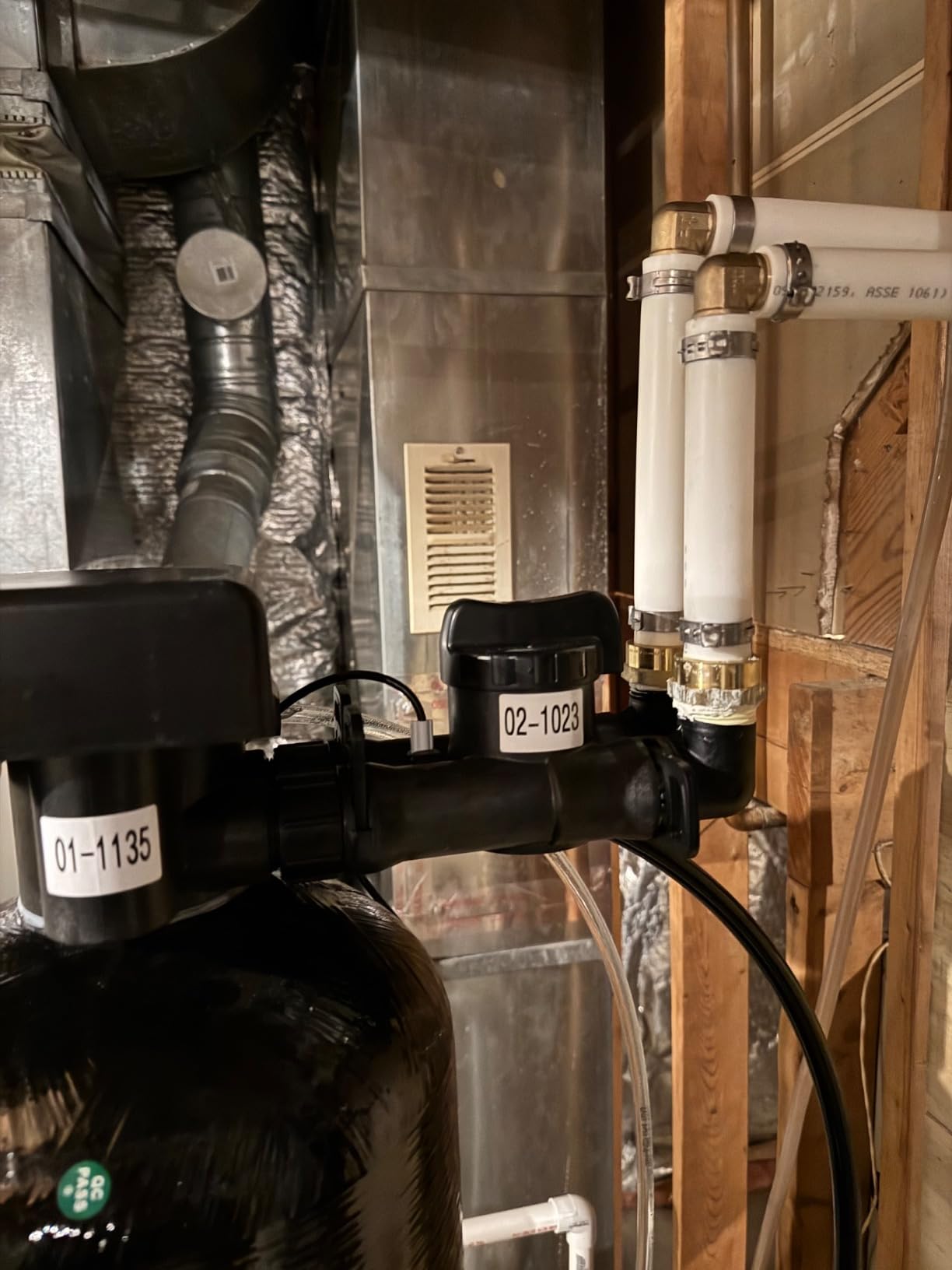
Sediment prefilter and metered regeneration are both included, so the box covers softening and basic sediment protection in one assembly.
One caveat deserves reading carefully. Despite usage-based marketing, at least one detailed owner report describes regeneration running on a fixed 30-day schedule that cannot be bypassed. If salt efficiency is a priority, confirm the control behaviour with support before you buy.
Who this suits
Large homes, four to five bathrooms, and households where two high-flow fixtures run together. At 18 gpm the valve has real headroom for that demand pattern, and 48000 grains covers a bigger household without an oversized tank.
It is also worth noting for anyone replacing an older tank: the ceramic disk design removes the most common repair item on conventional valves.
What to check first
Two constraints are real. The listed operating ceiling is 87 psi, lower than several rivals, so homes on high municipal pressure may need a regulator. And the unit is not rated for outdoor installation, which is not obvious from the listing photos.
Confirm the regeneration behaviour with the manufacturer before ordering, since that is the main gap between the marketing and owner reports.
6. DuraWater Fleck 5600SXT 64,000 Grains – Best For Large Homes
DuraWater Fleck 5600 SXT Metered 64,000 Grain Water Softener, 10% resin
64000 grains
2.0 cu ft 10% crosslink resin
Fleck 5600SXT on-demand valve
Safety float brine tank
Pros
- 64000 grains handles higher volume homes
- 2.0 cu ft of 10% crosslink resin for chlorine-bearing water
- Owners report roughly a third of older salt use
- Written and video install guidance with phone support
- Brine tank safety float helps prevent overfilling
Cons
- One report of a cracked mineral tank under two years
- Thin-feeling brine tank shell
- Clunky on-screen interface
- No drain line or hoses supplied
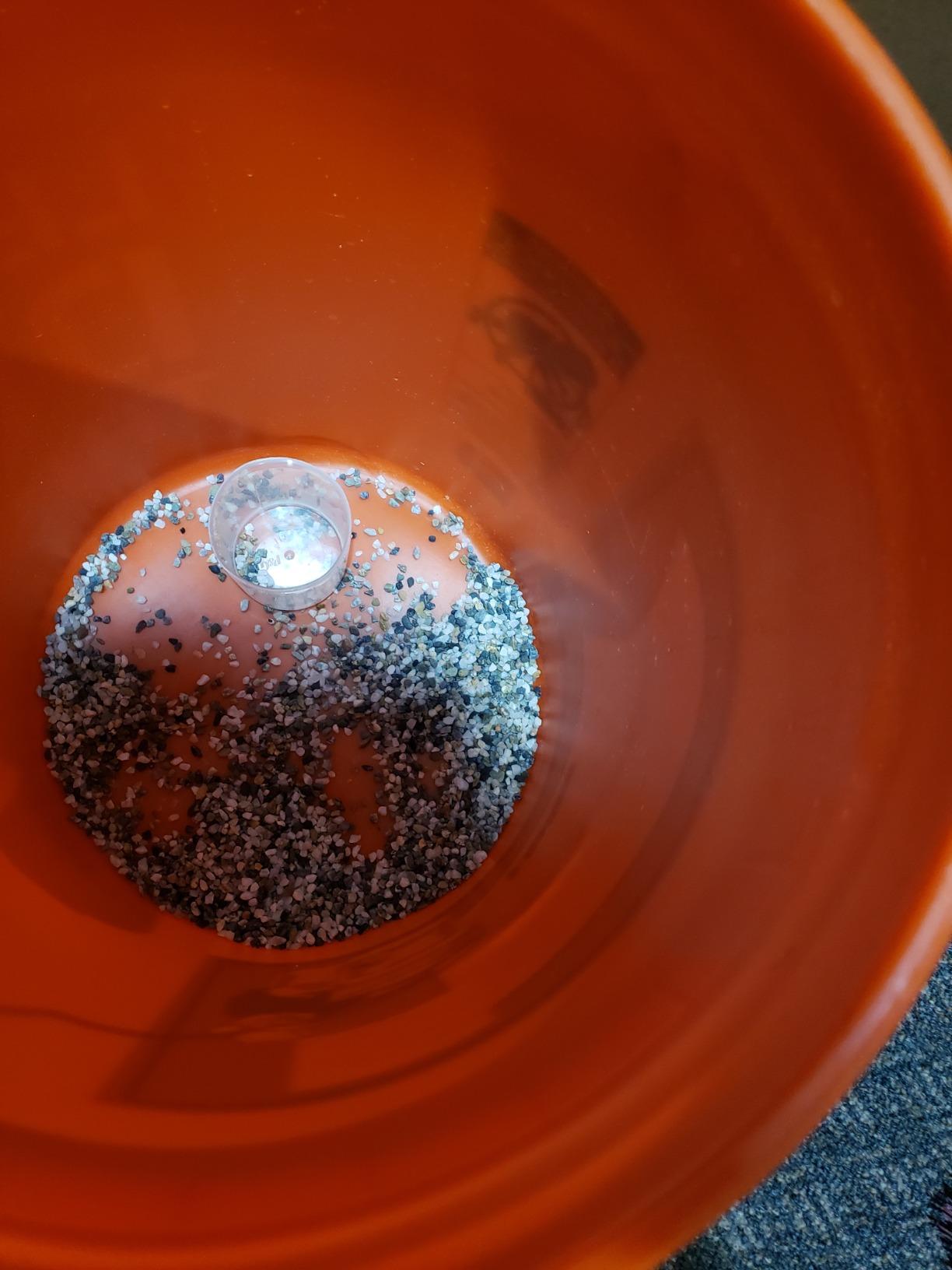
This is the biggest true softener in the roundup while still landing under the ceiling. It runs 2.0 cubic feet of 10% crosslink commercial-grade cation resin in a 12 by 48 inch black mineral tank, giving 64,000 grains of capacity with the Fleck 5600SXT on-demand valve at the top.
The safety float in the 14 by 36 inch brine tank is a small but genuinely useful addition. It cuts off the fill before an overfill floods the room, which is one of the most common single-tank failure stories in homeowner forums.
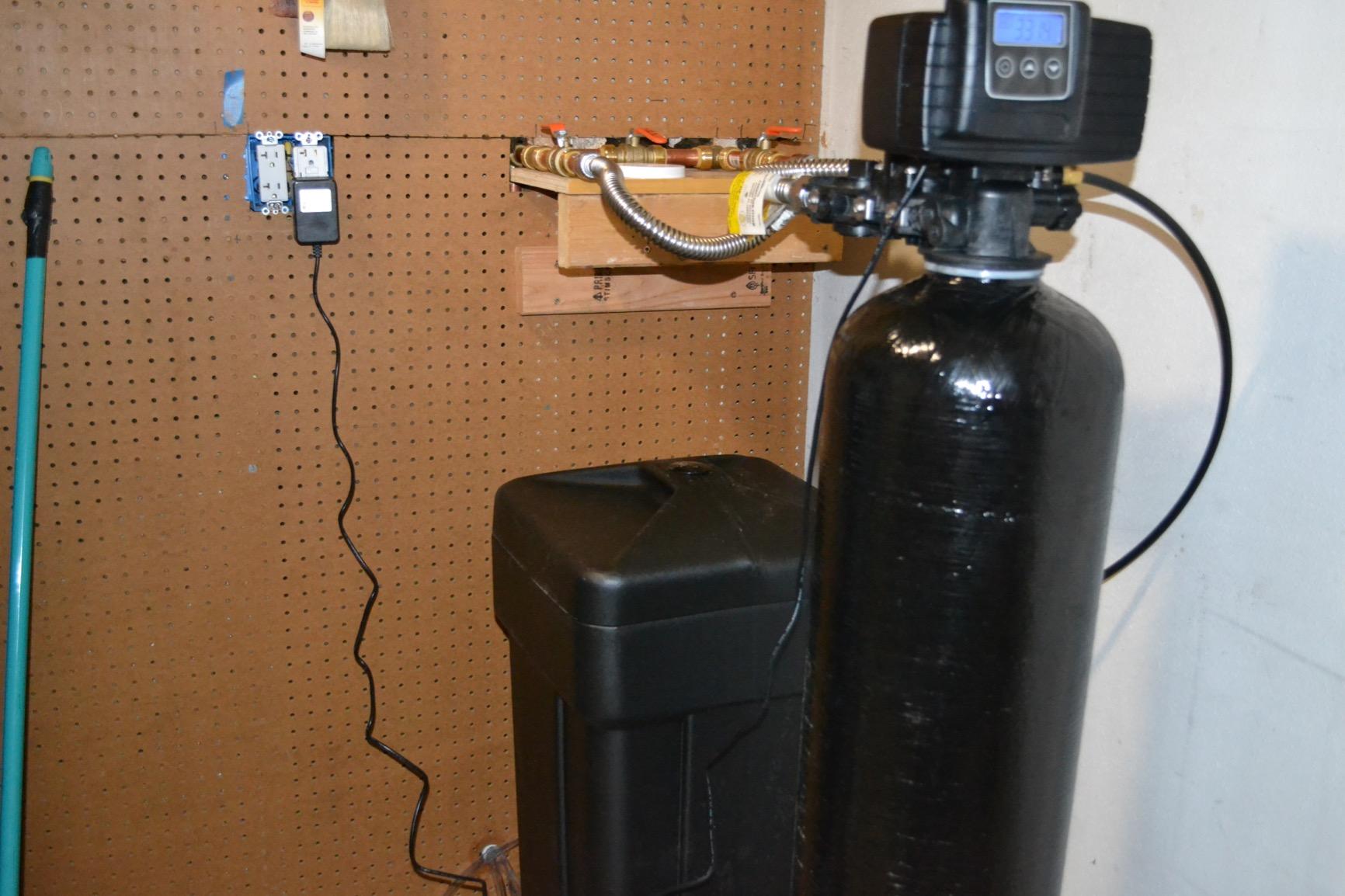
Owners replacing older equipment report large savings compared with local contractor quotes, along with noticeably cleaner dishes and softer water within the first cycle. Several describe a drop in salt consumption to roughly a third of what their previous timer-controlled unit used.
Installation guidance is written and video based, with a stated DIY time of one to two hours for anyone comfortable with basic plumbing.
Best fit for high-volume homes
Households above 50 grains per gallon of hardness, or families of five or more, where 48,000 grains would mean regenerating constantly. The larger resin bed stretches the interval between cycles and lowers salt per gallon.
It is the natural pick for anyone already running a Fleck valve who wants to step up capacity without changing control type.
Weak spots to plan around
There is at least one documented cracked mineral tank under two years, and the replacement parts cost is the complaint attached to it. A resin-loaded tank is also awkward to move once plumbed, so plan the location carefully.
The on-screen menu is described as clunky, and no drain line or connection hoses are included with the unit, so add those to the parts list.
7. iSpring 45,000 Grains – Best Starter System
iSpring WCSTB45KG 45,000 Grains Whole House Water Softener with Brine Tank
45000 grains
99.71% tested hardness reduction
Programmable valve with display
1-year warranty
Pros
- 45000 grains of whole-house capacity
- Third-party testing cites 99.71% hardness reduction
- Programmable valve with real-time digital display
- Automatic backwash and regeneration extend resin life
- 30-day money-back guarantee and lifetime support
Cons
- 1-year manufacturer warranty is the shortest in the group
- Smaller review base than the Fleck-based units
- 75.6 pound weight suggests less resin mass than rivals
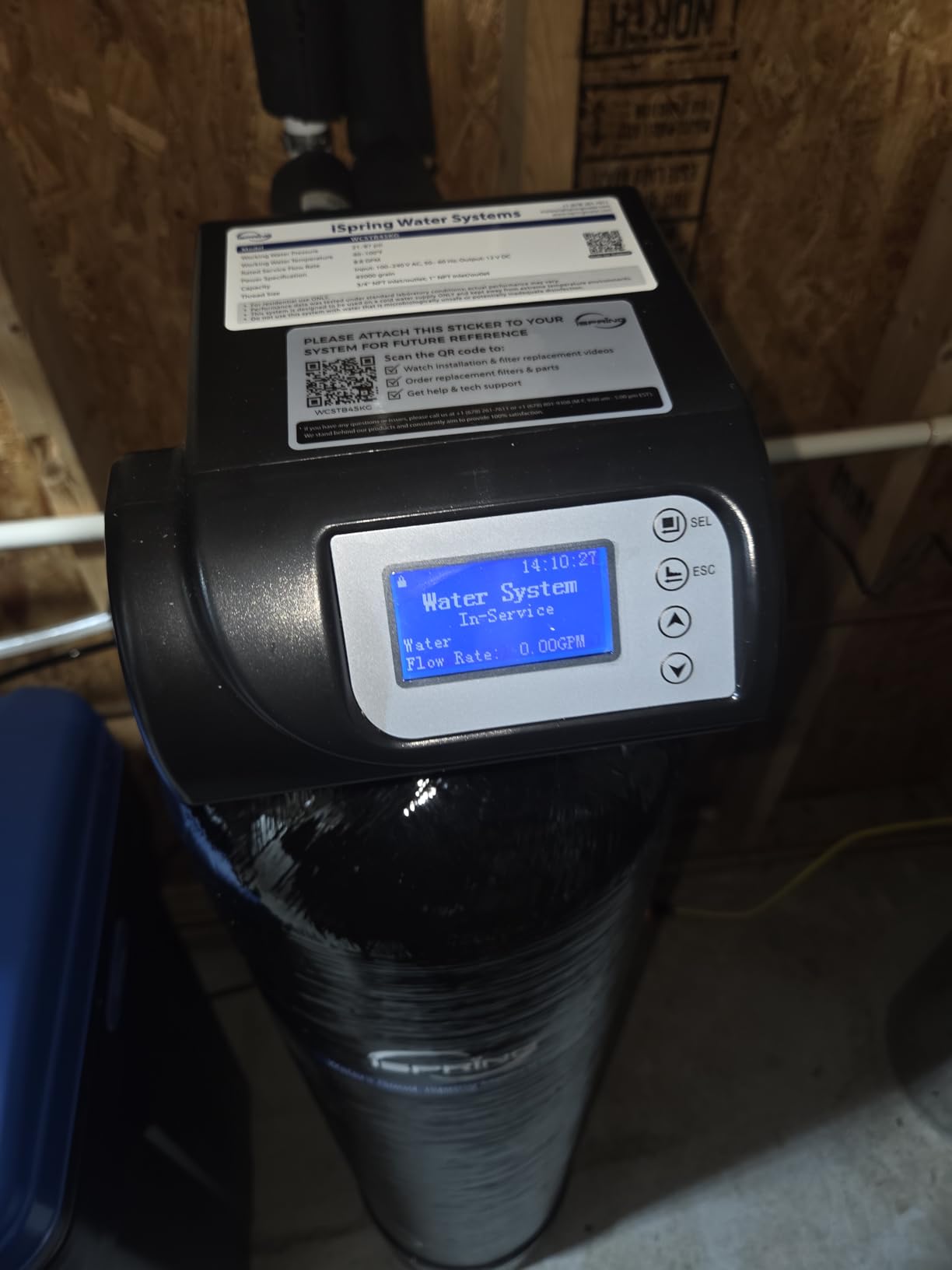
iSpring is the entry point into this roundup: 45,000 grains of whole-house ion exchange with a programmable automatic valve and a digital display that shows hardness adjustment in real time. The manufacturer reports third-party testing at 99.71% hardness reduction.
The valve computes regeneration cycles from water quality and measured usage, so it behaves like a metered unit rather than a fixed timer. Automatic backwash and regeneration cycles are included, which is not standard on every budget assembly.
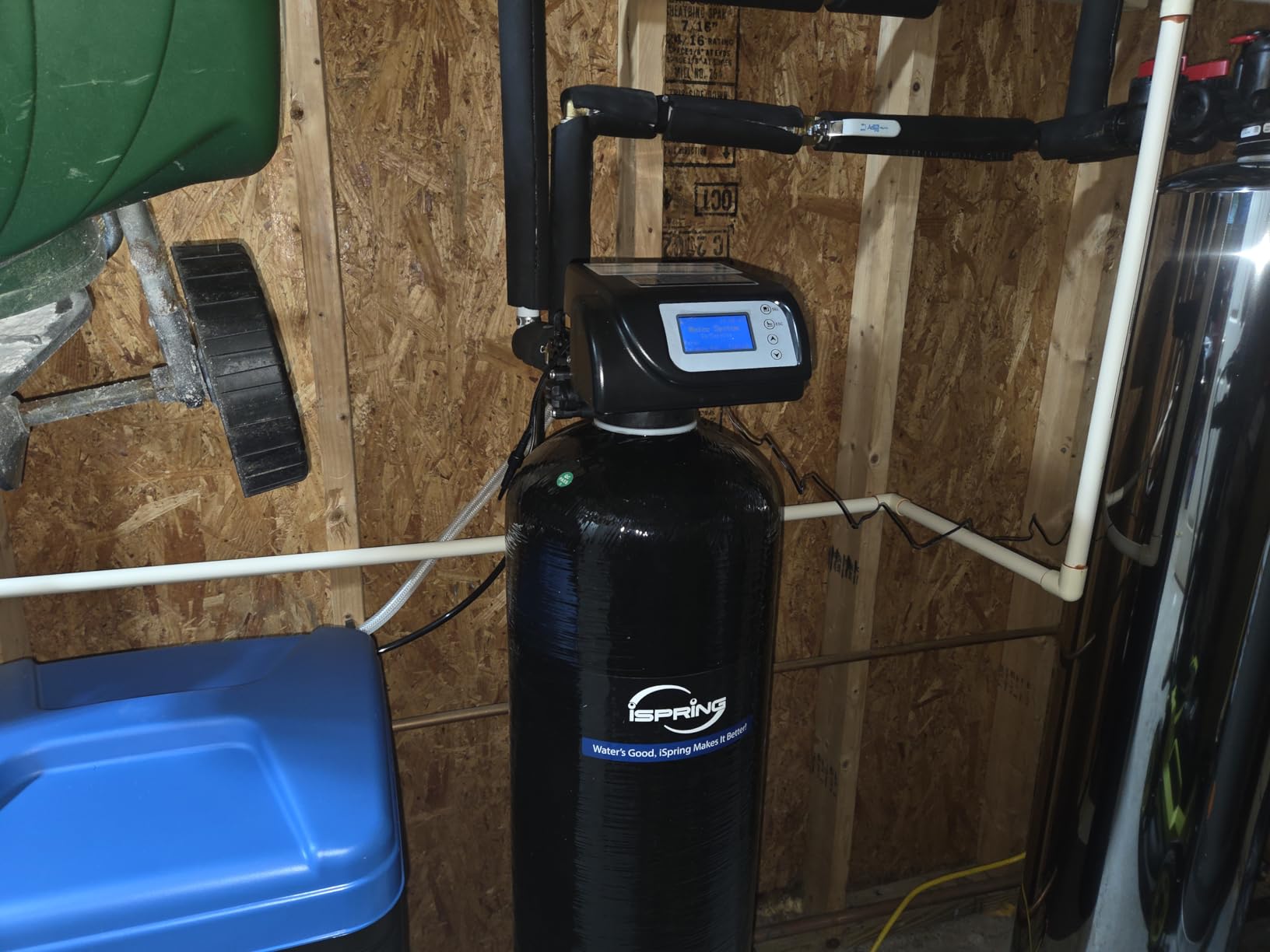
The tank is fiberglass with a power adapter rather than a hard-wired valve, which simplifies placement near a laundry or utility area where there is no outlet nearby. Buyers report straightforward setup and effective hardness reduction.
The listing also states compatibility with both city and well water, which matters more as an intent than as a guarantee: iron performance depends on concentration, and standard ion exchange resin handles ferrous iron only up to a point.
Why consider this one
It pairs a meaningful 45,000-grain capacity with metered behaviour at the lower end of this roundup, and the 30-day money-back period gives first-time buyers a real out if the install goes badly.
Automatic backwash is the quiet advantage. It keeps sediment from blinding the resin bed and extends resin life in dirty or chlorinated supply.
Where the trade-off shows
The warranty is one year, against five and ten-year tank warranties elsewhere in the category, and that gap is the most common theme in feedback about the support package.
The review base is also the thinnest here at 99 ratings, and the 75.6 pound listed weight is lighter than comparable-capacity systems, which hints at less resin or a lighter tank than the Fleck builds.
8. AFWFilters Iron Pro 2 64,000 Grains – Best For Well Water
AFWFilters Iron Pro 2 Combination Water Softener Iron Filter Fleck 5600SXT Digital Metered Valve 64,000 Grain – High Flow for Whole House Use – Removes Hardness, Iron, Manganese, Sediment, Rust
64000 grains
Softener and iron filter combined
Fleck 5600SXT valve
Iron to 6 ppm
5-year warranty
Pros
- Only pick here that combines softening with iron removal
- Owners report rotten-egg odor and red staining eliminated
- Fleck 5600SXT valve with digital display and leak detection
- Measurable TDS and hardness drops after installation
- Support responsiveness and protective packaging praised
Cons
- Installation instructions are incomplete on the discharge setup
- Programming requires setting the clock to 12:01 first
- Resin-loaded tank needs a dolly and a second person
- Adding upstream filters can reduce flow
This is the answer to the most common well-water regret. A standard ion exchange softener strips calcium and magnesium but leaves Iron behind, so owners buy twice. The Iron Pro 2 puts the softener and an iron filter in a single assembly and rates iron removal to 6 ppm and manganese to 6 ppm.
The Fleck 5600SXT digital metered valve on top is the same proven control head as the higher-rated picks in this roundup, complete with a display and leak detection. That is a meaningful combination, because it means softener performance and iron performance come from matched components.
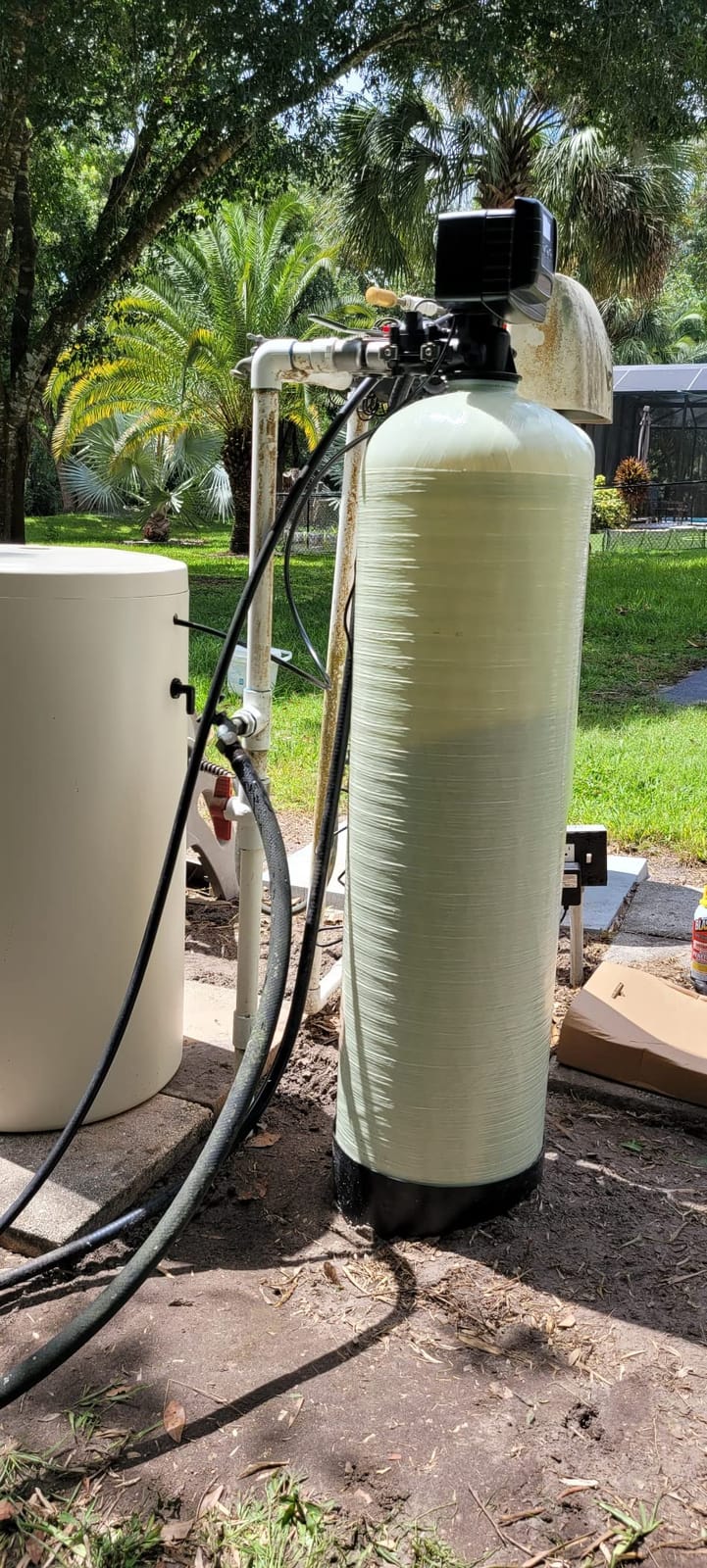
Owner reports describe the problems disappearing rather than shrinking. Rotten-egg odor, red staining on fixtures and cloudy water are the three complaints that come up repeatedly, and several owners mention scrubbing stains that never came back.
Reviewers also report measurable hardness and dissolved solids reductions on test meters after installation, which is the kind of verification most softener listings never offer.
When this is the right buy
Well homes with iron above what a plain softener can handle, plus staining and odor complaints. Two functions in one tank also means one loop to plumb and one control head to program.
For households with manganese as well as iron, the 6 ppm manganese rating is the figure that separates this from every other pick in the roundup.
Preparation and caveats
The instructions are the weakest part, particularly around the discharge setup, and the programming sequence asks you to set the clock to 12:01 before the advanced menu becomes accessible. Read the manual before you cut a pipe.
Moving the resin-loaded tank is a two-person job with a dolly. And if you stack sediment or carbon filters upstream of this unit, expect some flow loss, since the assembly is already working hard.
9. DuraWater Fleck 5600SXT 48,000 Grains – Best Fleck Setup
DuraWater Fleck 5600 SXT Metered On-demand 48,000 Grain Water Softener
48000 grains
1.5 cu ft resin bed
Fleck 5600SXT on-demand valve
100 psi max pressure
Pros
- Fleck valve tracks usage and regenerates only when needed
- Owners report hardness falling from 250 ppm and above to zero on strips
- Quiet operation with a clear LCD
- Works on very hard well water with iron
- Chat and phone support respond quickly
Cons
- Brine and meter drain tubing and fittings not included
- Programming is not intuitive for first-time owners
- Bypass adds about a foot behind the cylinder
- Large and heavy once installed
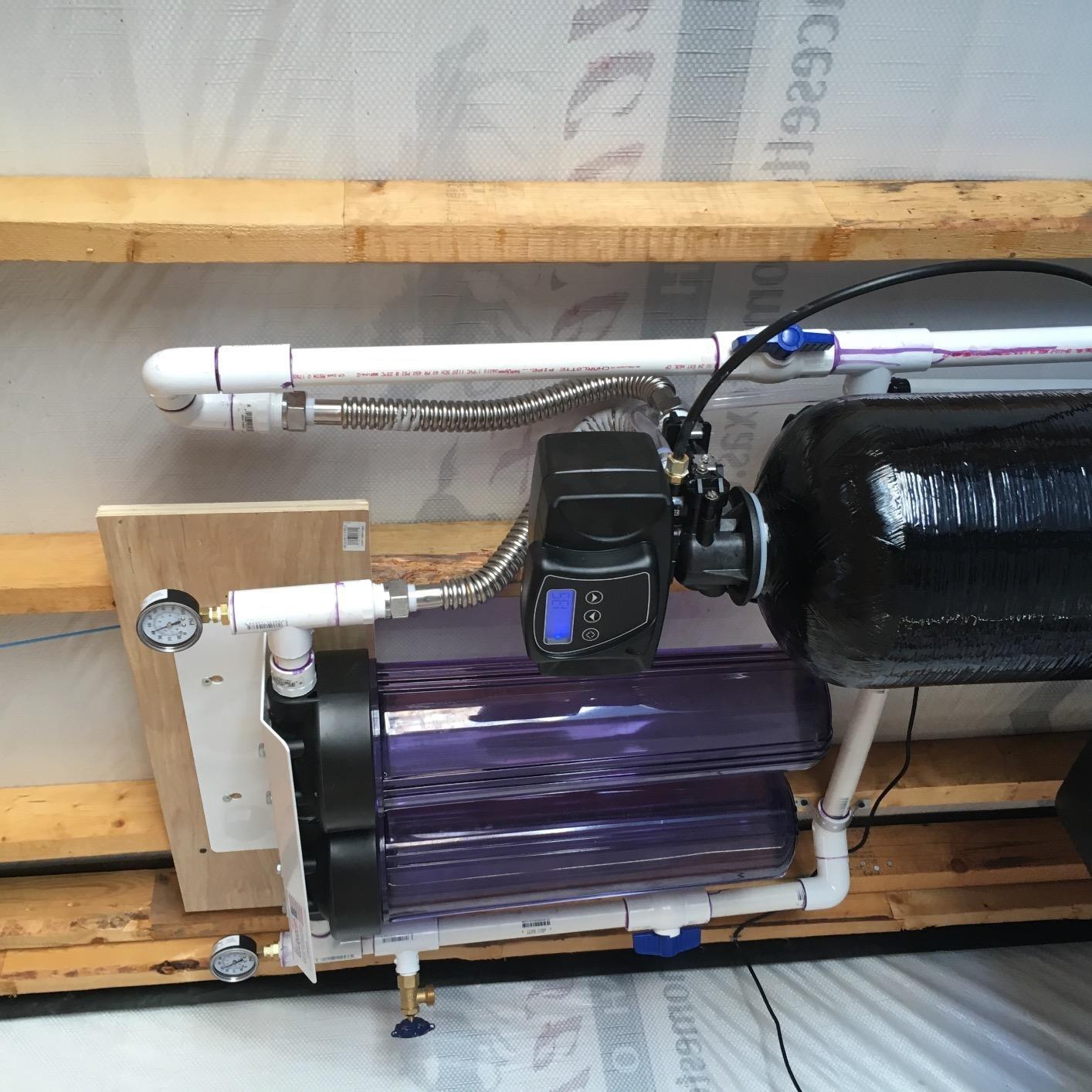
This is the closest thing to a bare-bones reference build: Fleck 5600SXT metered on-demand valve, 10 by 54 inch black mineral tank, 1.5 cubic feet of resin, brine tank with safety float and a 1 inch Noryl bypass. Nothing decorative, nothing bundled that you did not ask for.
The LCD shows gallons remaining until regeneration, which is the single most useful readout on a metered valve. Owners describe it as quiet, and several report that the measured hardness drop showed up immediately on their test strips.
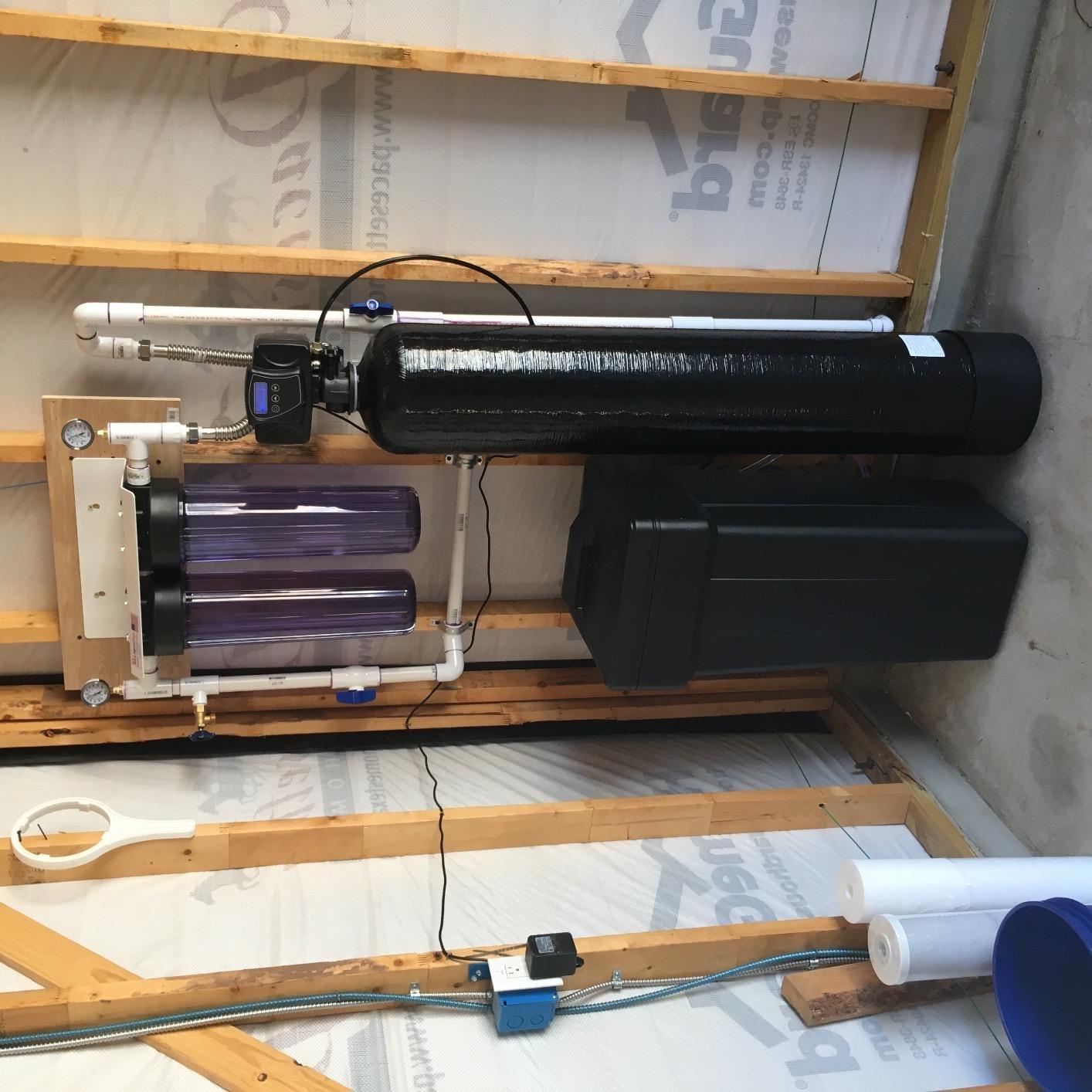
Buyers running very hard or iron-bearing supply report the system handling it, with support described as responsive over both chat and phone. Maximum operating pressure is rated at 100 psi with a 24 volt valve.
Compared with the Aquasure models earlier in this roundup, there is no pre-filter in the box. If your water is heavily chlorinated or sediment-laden, budget for a separate filter ahead of the resin.
Who should pick this build
Buyers who already know the Fleck platform, or want the simplest possible metered assembly without add-on pre-treatment. It also works as a straightforward swap for an aging Fleck or legacy valve system on the same loop.
For anyone who wants to add filtration later, this is a clean base because the valve sits ahead of a tank you can plumb into.
What to add before you start
Brine and meter drain tubing, connection hoses and fittings are not included, and the bypass adds roughly a foot behind the cylinder, so allow for that in your plumbing layout.
Programming needs a manual read-through the first time, and the loaded unit is heavy enough that repositioning it after installation is a chore.
10. PRO+AQUA 80,000 Grains – Best For Large Households
PRO+AQUA Heavy Duty Whole House Water Softener System – 80,000 Grain Capacity, Premium Long-Lasting Resin, 1″ Ports
80000 grains
10% long-life resin
Smart digital valve
Clear water iron to 2 ppm
Pros
- Largest grain capacity in the roundup
- Smart digital valve calculates salt and water needs
- Owners report several years of trouble-free service
- Reduces clear water iron up to 2 ppm
- Works on city and well supplies
Cons
- One detailed report of failure on well water
- Returns and refunds described as slow
- Programming interface is odd and hard to verify
- Needs 1 inch flex pipe rather than existing plumbing
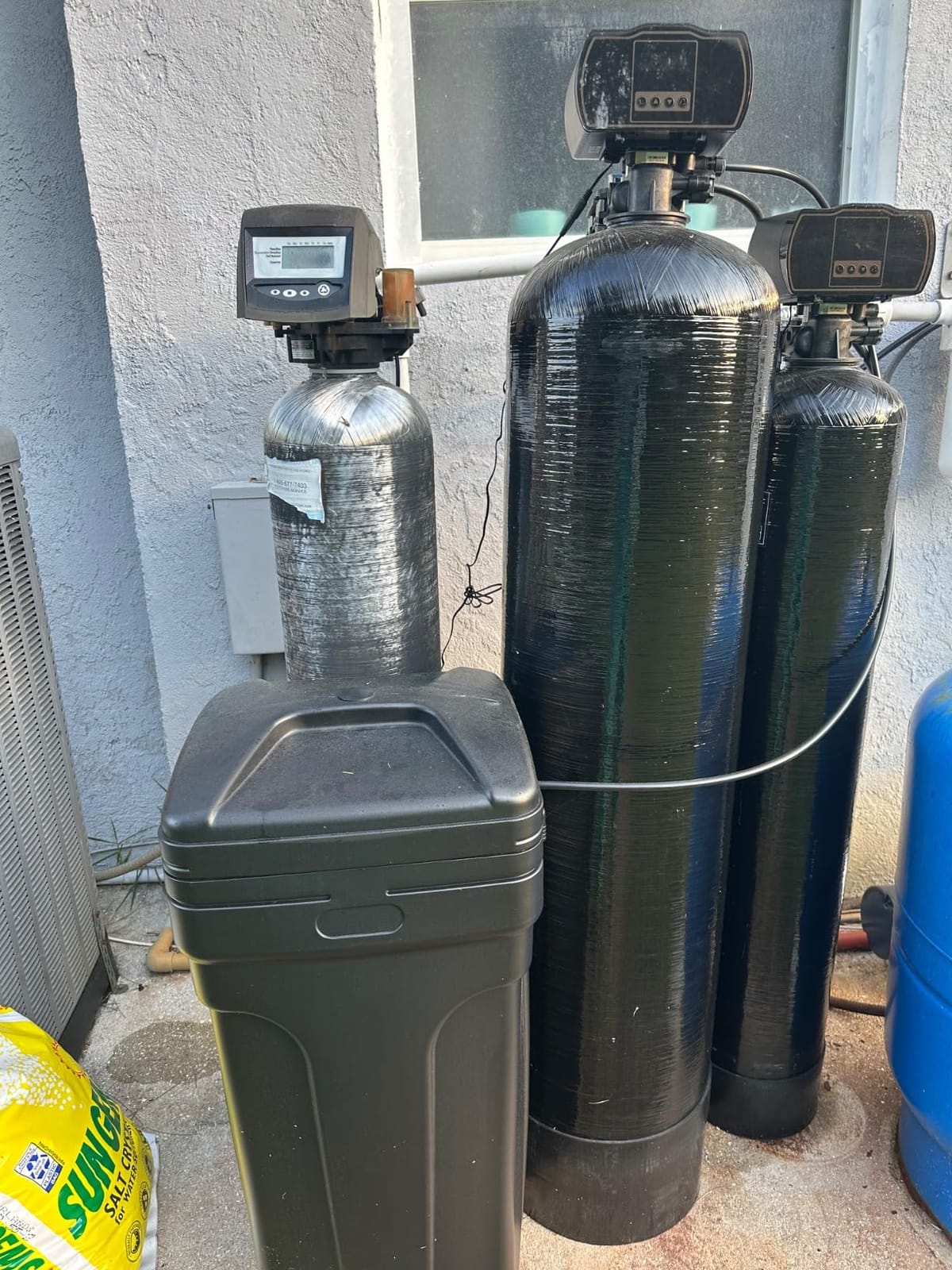
This is the capacity outlier. At 80,000 grains the PRO+AQUA is built for six to eight people and up to six bathrooms, with 10% long-life ion exchange resin in a 17 by 17 by 55 inch fiber reinforced polymer tank.
The smart digital valve calculates salt and water needs from measured usage rather than a schedule. It also reduces clear water ferrous iron up to 2 ppm, which makes it a partial option for well supplies, though well below the Iron Pro 2’s 6 ppm rating.
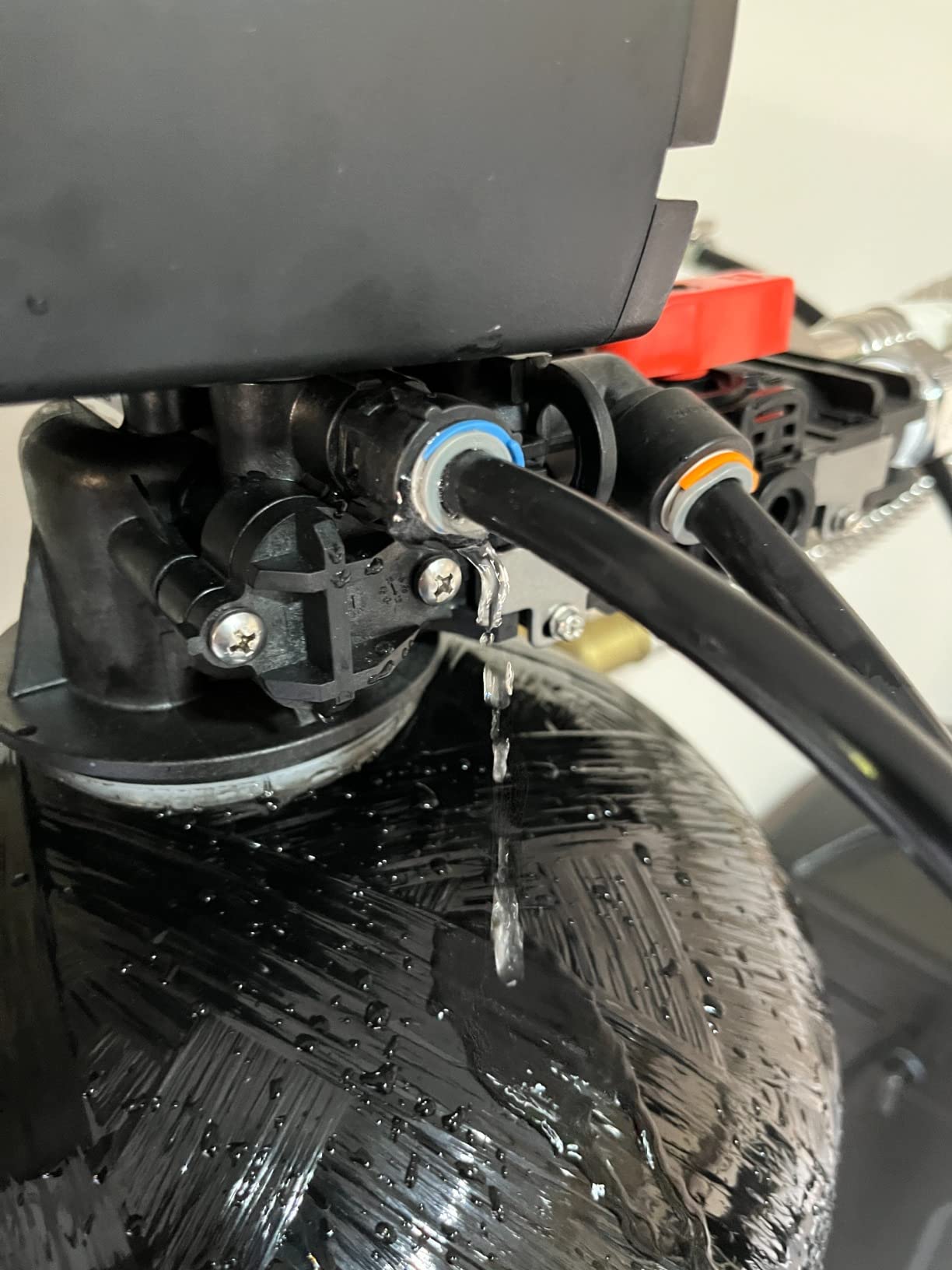
Feedback is sharply split, which is worth reading before you buy. Satisfied owners describe very hard water handled effectively and several years of trouble-free service, including one household treating water in a tasting room setting.
At the other end, one detailed review reports the unit failing on well water and making the water quality worse, alongside slow and unresponsive refund handling.
When the extra capacity pays off
Large households, properties with multiple bathrooms, or very hard water where a 48,000-grain bed would regenerate so often that salt use climbs. At 167 pounds shipped, this is also the heaviest unit in the roundup.
If you are near the ceiling on capacity and not near the ceiling on budget, it is the only pick here with room to spare.
What gives us pause
The rating distribution is bimodal, with 69% five-star and 15% one-star ratings. That pattern usually reflects a product that performs well on the water it was designed for and disappoints when conditions drift outside that range.
Ports are 1 inch, so it needs its own flex pipe and fittings rather than reusing smaller existing plumbing, and the programming interface is described as odd enough that installers struggle to confirm the setup is right.
How to Size a Water Softener Without Overspending
Sizing takes four steps, and getting it wrong in either direction costs money. Undersize and you regenerate constantly, wasting salt and water. Oversize and you pay for resin that never gets used, which is money you could have spent on a better control valve.
Test your hardness. Use a hardness test kit on the cold tap at a faucet you do not use, or pull a municipal report. Grains per gallon convert to parts per million by multiplying by about 17.1.
Count the people, not the bedrooms. Daily usage is roughly 80 gallons per person per day as a planning number for a moderately hard house.
Multiply for grain capacity. People times 80 times grains per gallon gives you grains of hardness used per day. Multiply by 30 for the monthly load, then size the bed to that figure.
Set flow rate from peak demand. Match the valve to the gallons per minute your house can actually pull, not to the average. A two-bathroom home is comfortable at 8 to 10 gpm; a four-bathroom home with a busy kitchen wants more.
Hardness bands make the arithmetic easier. Soft water runs 0 to 3 grains per gallon, moderately hard 4 to 7, hard 8 to 12, very hard 13 to 25, and extremely hard above 25. If your supply sits at the top of that scale, the community sizing advice that 30,000 grains suits one to three people on moderate hardness does not apply to you at all.
Metered vs Timer-Based Regeneration
Prefer a metered digital control head over a timer-based valve whenever the budget allows it. A timer regenerates on a fixed schedule whether or not the resin is exhausted, which means paying for salt and water you did not need.
A metered valve counts the water that actually passes through and regenerates only when the calculated capacity is used up. On a household with variable usage, owners of the Fleck-based units in this roundup report salt use dropping to roughly a third of what a timer-controlled unit consumed.
Two of the units here carry a warning worth acting on. The Tier1 is marketed as metered but has at least one owner report of a fixed 30-day cycle, and the Kenmore’s IntelliSoft is a learning system that needs a few weeks to read your household accurately. Confirm the behaviour rather than assuming it from the label.
What 1,000 Dollars Does Not Buy
This ceiling has hard edges, and buyers regularly cross them by accident. Dual-tank systems that deliver soft water continuously, with no hard-water break during regeneration, start above this range and climb quickly. Non-electric Kinetico units are widely described in homeowner forums as the most dependable option available, and they sit far above the budget, installed.
Dealer-installed systems carry a second layer of cost on top of the device. Labor for the loop, the drain line and the brine tank adds a few hundred dollars to almost any model, and quotes for the same unit vary widely between dealers.
Renting is the other comparison people ask about. Rental programs move the capital cost to monthly payments but keep you paying indefinitely, and forum complaints about aggressive door-to-door selling and unclear terms are common. Buyers who stay in a home for many years generally come out ahead owning a unit, but nobody can predict how long you will be there.
Installation: What DIY Actually Requires
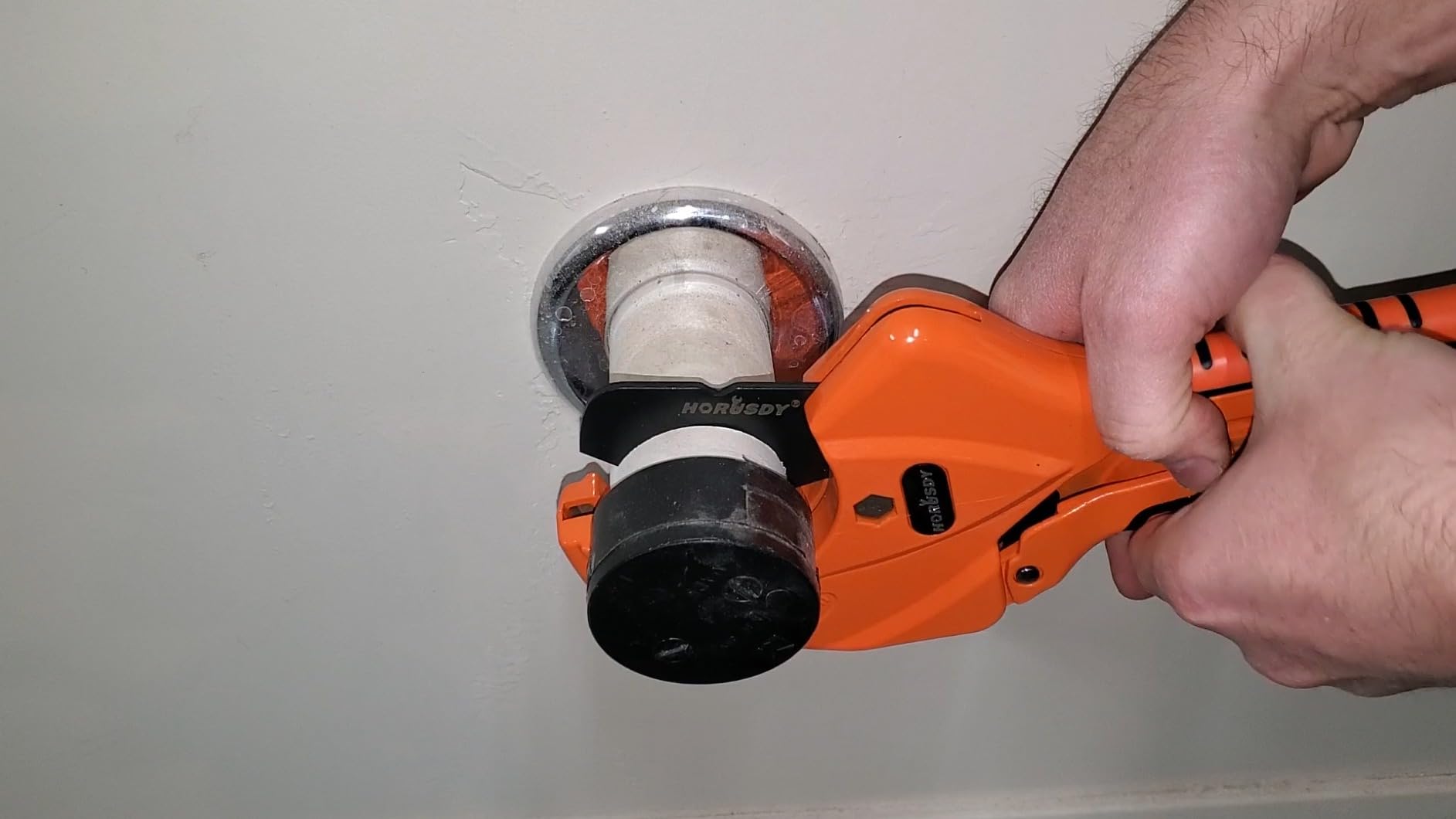
Every system here is a DIY install in principle. The loop is a tee at the cold main, a bypass valve, the mineral tank, a drain line to a floor drain or stack, and a brine overflow drain. Budget two to four hours for a first-timer, and the Fleck listings state one to two hours with basic plumbing skills.
Five things catch people out. Most units do not include drain line and connection tubing, so plan a hardware run. The brine tank needs a drain no higher than the tank itself, or it will overflow. Resin-loaded tanks weigh 75 to 167 pounds and should not be moved after plumbing. And salt, in bags, is the running cost nobody mentions at purchase time.
One more check before you buy: confirm what the warranty says about self-installation. Some parts of a warranty depend on installation by an authorized technician, and the fine print differs by brand.
Frequently Asked Questions
What is the best water softener for a budget?
Within a sub-1000 budget, a digital metered whole-house ion exchange unit with a 32000 to 48000 grain capacity is the sweet spot. Our pick is the Aquasure Harmony 48000 grains, and the Fleck 5600SXT builds are the strongest alternatives on valve serviceability. Avoid timer-based valves, which waste salt and water.
What is the most reliable brand of water softener?
Reliability in this category tracks the control head more than the brand on the box. The Fleck 5600SXT is the most widely recommended metered valve in homeowner water treatment forums because it has been made for decades and parts are available everywhere. Match it with 10% crosslink resin if your water is chlorinated.
How big of a water softener do I need for a 3 bathroom house?
For three bathrooms, treat it like a three to four person home. Multiply people by 80 by grains per gallon for daily usage, then times 30 for monthly grain load. On hard water at 20 grains per gallon, that lands near 20000 grains a month, so a 32000 to 48000 grain tank gives reasonable headroom.
What is the recommended GPM for a water softener?
Size flow rate to your house’s peak demand, not the average. Two to three bathroom homes are comfortable at 8 to 10 gpm. Larger homes with multiple fixtures running at once need more, which is why the highest-rated units in this roundup reach 14 and 18 gpm.
What’s the average lifespan of a water softener?
Resin typically lasts 8 to 12 years before replacement, while control valves commonly fail somewhere in year 7 to 15. Tank warranties of 10 years are common in this category, and warranty on the electronics is usually much shorter. Replacing only the valve is cheap because the valve is the standard serviceable part.
Is Kinetico or Culligan better?
Both sit above this budget, which is the main reason they rarely appear in sub-1000 roundups. Non-electric systems such as Kinetico are widely described as dependable in homeowner forums but cost several times more installed. At this price level, a Fleck-based metered unit is the practical equivalent for most households.
Final Verdict: Which Budget Water Softener Should You Buy
For most households on hard city water, the Aquasure Harmony 48,000 grains is the best water softener under 1000 dollars because it pairs the highest reviewed capacity and flow in this roundup with a pre-filter that removes chlorine and sediment before the resin ever sees it.
Buyers who want the most serviceable control head and plan to maintain the system themselves should take a Fleck 5600SXT build instead, and large homes should step up to the 64,000-grain version. Well homes with iron or manganese should skip every plain softener here and go straight to the Iron Pro 2.
Test your hardness first, measure the space, and buy the smallest capacity that covers your household with room to grow. Prices in this category move often, so check the current figure before you order.