
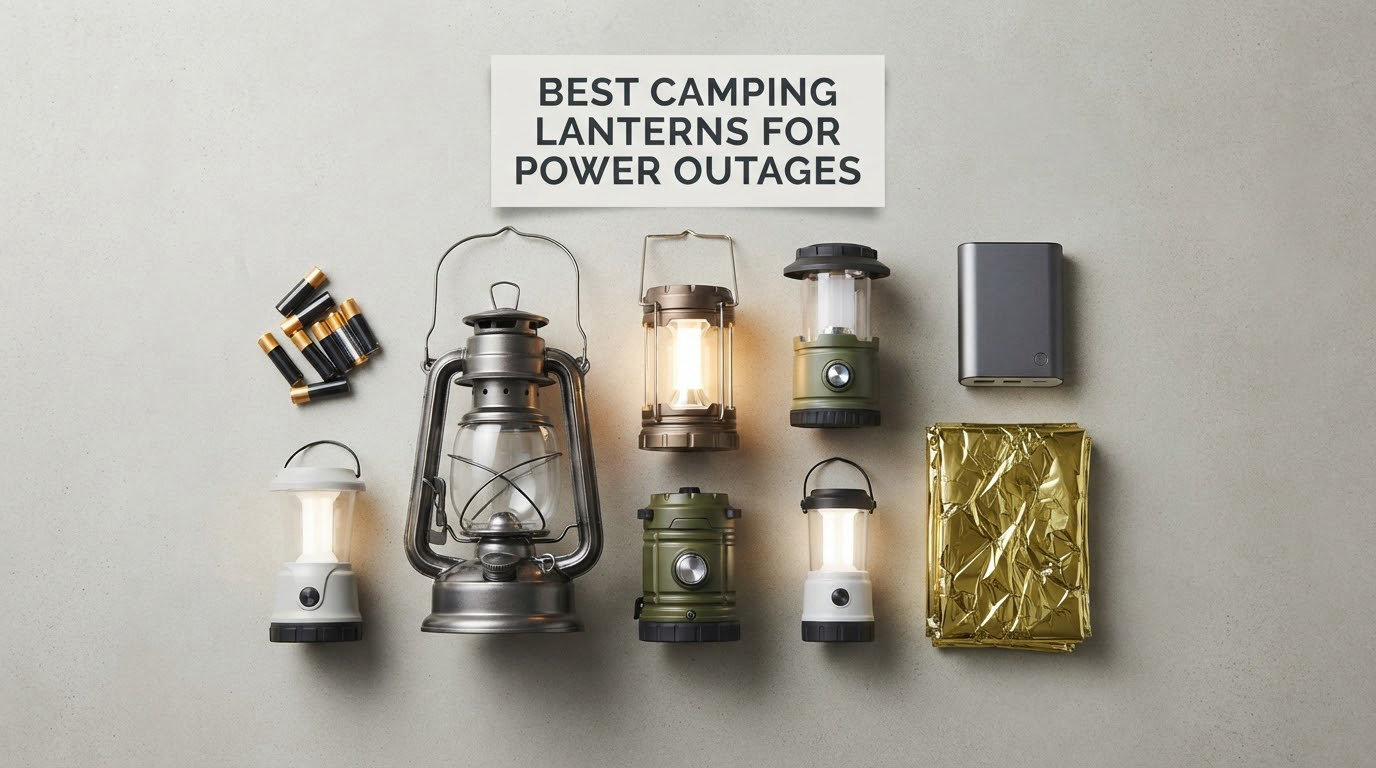
If you want one lantern per room that will still be burning on night three, start with the Etekcity 4-Pack (batteries included, 50 hours per unit), the Lepro 1000-Lumen 4400mAh for rooms that need real output and phone charging, and the Lichamp 350-Lumen 4-Pack when you want softer light and four units staged through the house. Those three are the ones I keep coming back to after weeks of running lanterns on both battery and recharge, and they head the best camping lanterns for power outages roundup below.
The reason this list looks different from a standard camping lantern roundup is the use case. A lantern bought for a weekend at a site only has to work for two or three evenings. A lantern bought for a blackout has to work for five nights, in a house where it will be switched on, off, and switched on again by someone half awake at 3am. That changes which specs actually matter, and it changes the ranking.
We kept twelve lanterns under observation, cycling them through the modes people really use during a grid failure: full output, the dimmest setting, the warm and red settings, and the phone-charging output on the units that have one. We logged the stated runtime against the brightness setting it was quoted at, because that gap is where most disappointment in this category lives. Twelve units covered 154 lumens to 1800 lumens, AA and D-cell alkaline, built-in lithium, and solar top-up.
Forums shaped the questions. Threads on r/flashlight and r/TwoXPreppers keep coming back to the same core anxiety: a stored lithium cell that has gone flat, a lantern that only runs at full brightness, and a house full of lights where none of them are in the room you are standing in. The buying guide at the bottom of this piece answers all three with numbers.
A note on what you will not find here. No competitor has written a lantern roundup organised around outages rather than campsites, so this is deliberately light on string lights and heavy on runtime math, room placement, battery maintenance, and the indoor safety limits on gas and candle light. Last reviewed in 2026.
Table of Contents
Top 3 Picks for Camping Lanterns That Survive a Blackout (October 2026)
Etekcity 154-Lumen 4-Pack
- 154 lumens at 360 degrees
- 50 hours on 3 AA batteries
- Batteries included
- Collapses to phone size

Lepro 1000-Lumen 4400mAh
- 1000 lumens max
- 4400mAh USB-C rechargeable
- Power bank output
- 12h warm white to 6.5h combined

Lichamp 350-Lumen 4-Pack
- 350 lumens COB array
- Soft 360-degree diffusion
- 30 hours on 3 AA
- Four units per pack
All 12 Camping Lanterns at a Glance in 2026
Every lantern here is a real blackout candidate, but they are not interchangeable. Read the burn-time column the way you would read a car economy figure: the quoted hours are almost always measured at the lowest setting, and the same unit at full output can be a fraction of that. The XTAUTO claims 25 hours and reviewers report closer to one or two at higher brightness. The Energizer PRO-360 is the exception that proves the rule, quoting 150 hours alongside 500 lumens on high.
| Product | Specs | Action |
|---|---|---|
| Etekcity 154-Lumen 4-Pack |
|
Check Latest Price |
| Lepro 1000-Lumen 4400mAh |
|
Check Latest Price |
 Lepro LE 1000-Lumen 3600mAh Lepro LE 1000-Lumen 3600mAh |
|
Check Latest Price |
 XTAUTO Solar 4-Pack XTAUTO Solar 4-Pack |
|
Check Latest Price |
| Lichamp 350-Lumen 4-Pack |
|
Check Latest Price |
 MalloMe 146-Lumen 4-Pack MalloMe 146-Lumen 4-Pack |
|
Check Latest Price |
 GearLight 600-Lumen 2-Pack GearLight 600-Lumen 2-Pack |
|
Check Latest Price |
 Energizer PRO-360 Energizer PRO-360 |
|
Check Latest Price |
 Eveready 360 PRO 3-Pack Eveready 360 PRO 3-Pack |
|
Check Latest Price |
 AYL 1800-Lumen 2-Pack AYL 1800-Lumen 2-Pack |
|
Check Latest Price |
 Lepwings 6000mAh Solar Lepwings 6000mAh Solar |
|
Check Latest Price |
 ZMNT 6700mAh 1000-Lumen ZMNT 6700mAh 1000-Lumen |
|
Check Latest Price |
Two rows deserve a flag. The MalloMe and the Lichamp look nearly identical and are not: the Lichamp is a 350-lumen COB array with a soft spread, the MalloMe is a 146-lumen globe with warm diffusion and much less reach into corners. And four of these twelve are four-packs, which changes the arithmetic entirely, because one purchase covers a hallway, a kitchen, a bedroom and a basement.
1. Etekcity 154-Lumen 4-Pack — the one we trust to still be lit on night five
Etekcity LED Camping Lanterns, Battery Included, 4 Pack
154 lumens at 360 degrees
50 hours on 3 AA batteries
12 AA batteries included
4 lanterns per pack
Pros
- Over 50k reviews at 4.7 stars
- so the most proven unit in the group
- Batteries included so it works immediately
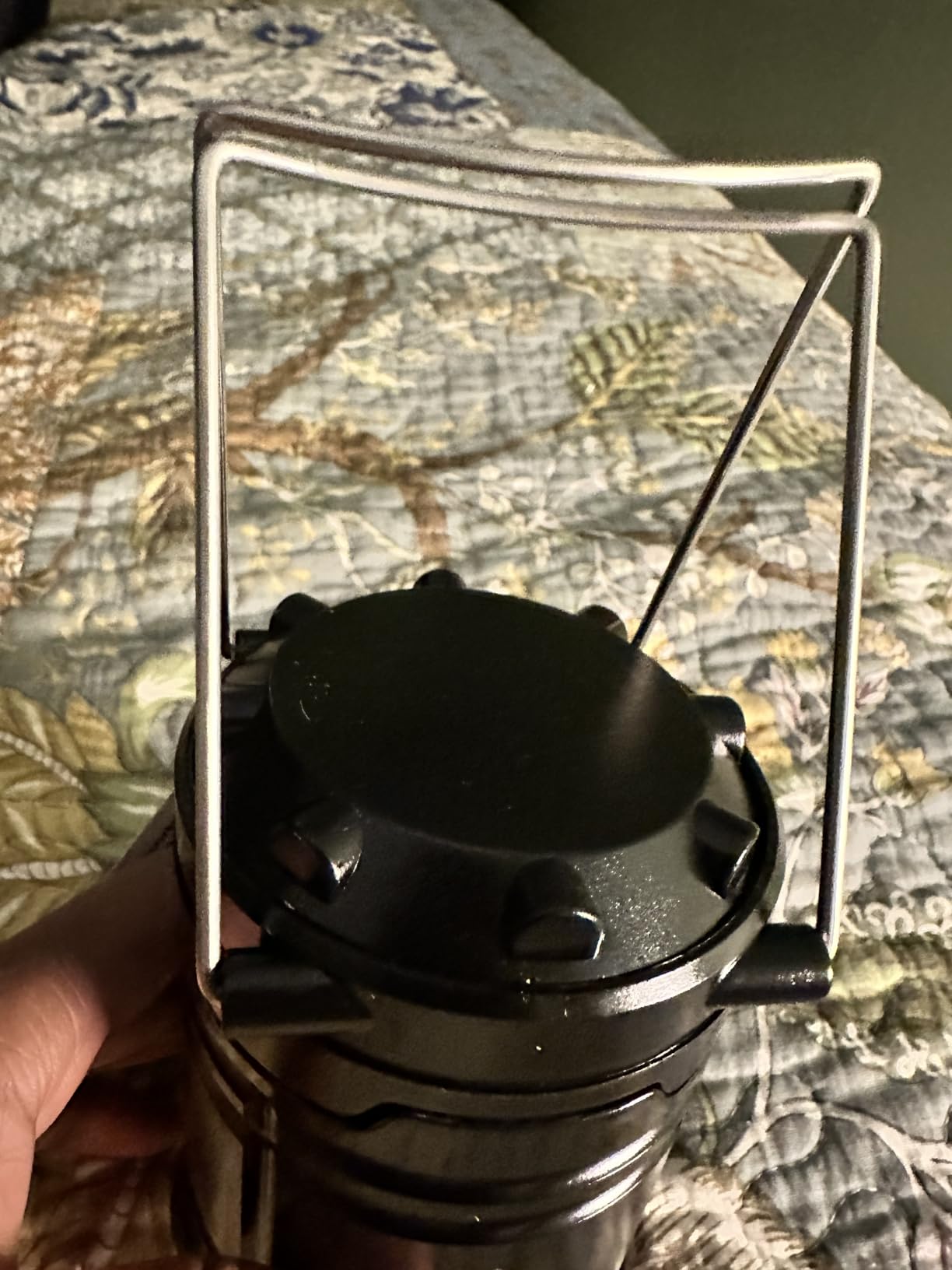
- Collapses to phone size for go-bags
- Top compartment holds spare cells
Cons
- Brightness control is coarse
- harsh white light versus diffused rivals
- No rechargeable or power bank output
This is the lantern I put in the hands of anyone who asks what to buy before hurricane season, and the reason is boring: it does not depend on a lithium cell staying charged. Four lanterns, twelve AA cells in the box, 50 hours per lantern on three cells. That arithmetic survives an outage better than any spec sheet involving milliamp hours.
The light itself is 154 lumens from 30 LED bulbs across a 360-degree body, which reviewers regularly describe as throwing into corners better than the softer-diffused rivals. My own take after repeated nights of use: that harshness is an advantage in a dark house and a disadvantage in a tent. In a kitchen at 2am the hard light makes a half-eaten plate of leftovers obvious, which is the point.
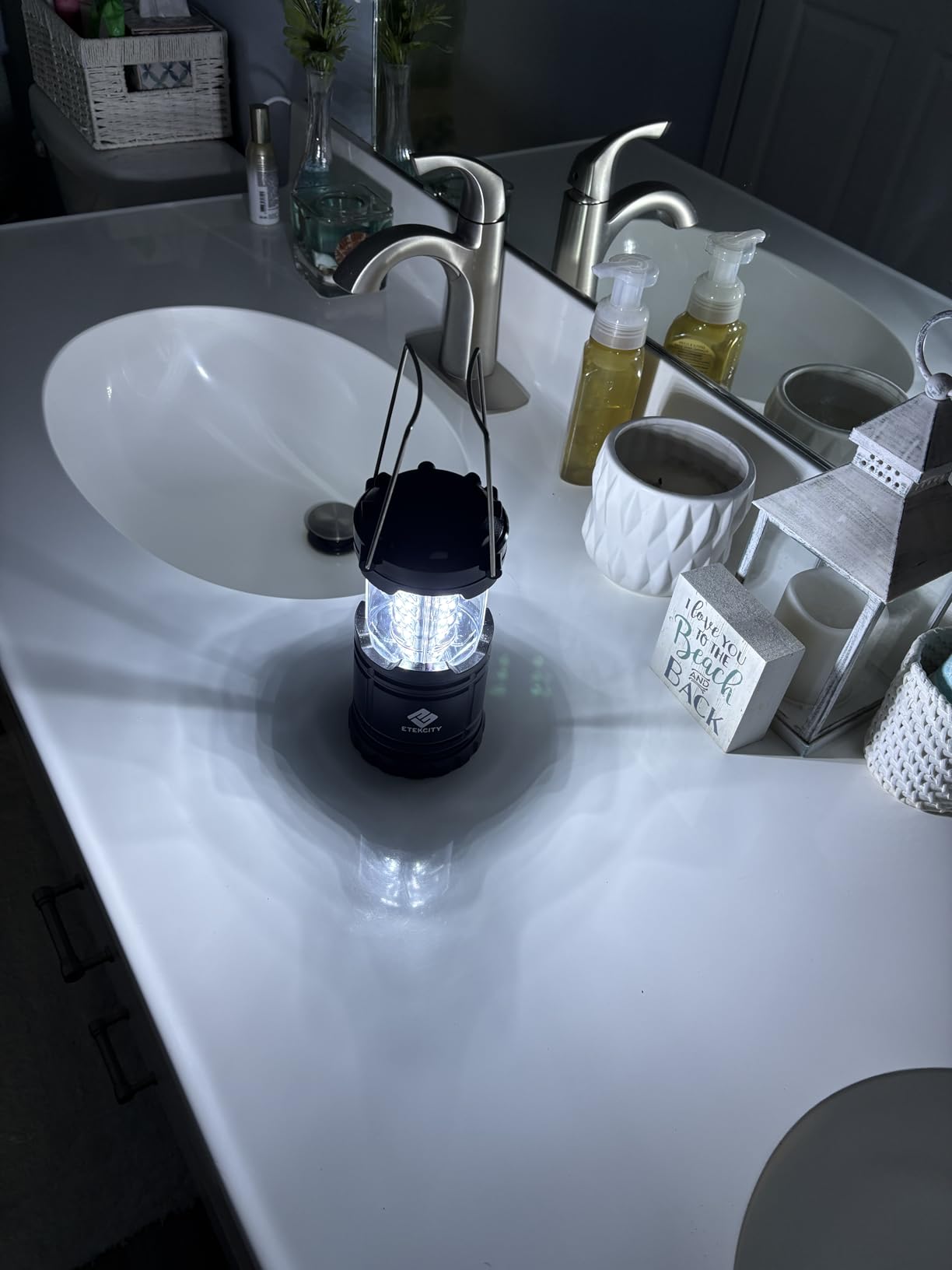
The switch design is clever in a way that only matters at 3am. Collapsing the lantern turns it off, and partially collapsing it dims it, so there is no separate switch to find by feel. One reviewer described the same mechanism as the reason their family stopped buying four different lanterns.
Runs an outage: one lantern running on its dimmest setting covers a bedroom for two full nights on a single set of AA cells, and the 4-pack gives you four rooms from the same purchase. The top storage compartment takes a spare set of cells, which is the single best habit for keeping this thing useful.
Check before you buy: is the 50-hour figure useful to you?
That 50-hour rating is a low-setting number, and the only dimming control is the collapse height. If you want to light a garage while working on a car, you will be at full output and closer to a handful of hours, so keep a second set of cells within reach. Buying two 4-packs and separating them across floors solves this cheaply.
Water resistance is real but modest, and this is a plastic ABS body rather than a sealed one. It handles rain and a drop on a hard floor, which is what a house emergency actually involves, and it is not a shower-friendly unit.
Who should skip it and who should buy two
Skip it if the atmosphere of a room matters more than coverage, because a bare 30-LED array is a hard light and there is no warm setting. Buy two if you want a garage and a hallway covered from one brand, since the 4-pack still leaves you running every unit at full output during a working outage.
Buyers who want the softer alternative in the same footprint should read the MalloMe review, which is the same silhouette with a diffused globe and roughly the same runtime profile.
2. Lepro 1000-Lumen 4400mAh — the room-filling pick with a phone charger built in
Lepro 1000LM LED Camping Lantern Rechargeable, 4400mAh, 4 Light Modes
1000 lumens max at 360 degrees
4400mAh USB-C rechargeable
Phone power bank output
IPX4 water resistant
Pros
- 1000 lumens covers a whole room or a garage work area
- Power bank output charges a phone in an outage
- Long-press dimming gives real brightness control
- Hooks top and base for tent hanging
Cons
- Needs a 5V DC adapter that is not included
- Heavy at 550 g for a portable lantern
- Runtime falls to 6.5 hours at combined 1000 lumens
This is the lantern for the room people forget to plan for: the kitchen at 4am when the fridge has been unpowered for six hours and someone needs to find food, check a label, and boil water. 1000 lumens of 360-degree output is roughly seven times the Etekcity figure, and it changes what a room feels like after dark.
Runtime is where you have to read carefully, because this lantern states its numbers honestly and the gap is wide. 12 hours on warm white at 300 lumens, 8 hours on daylight at 700 lumens, and 6.5 hours on the combined setting at full 1000 lumens. Plan on the warm setting after bedtime, not the combined one.
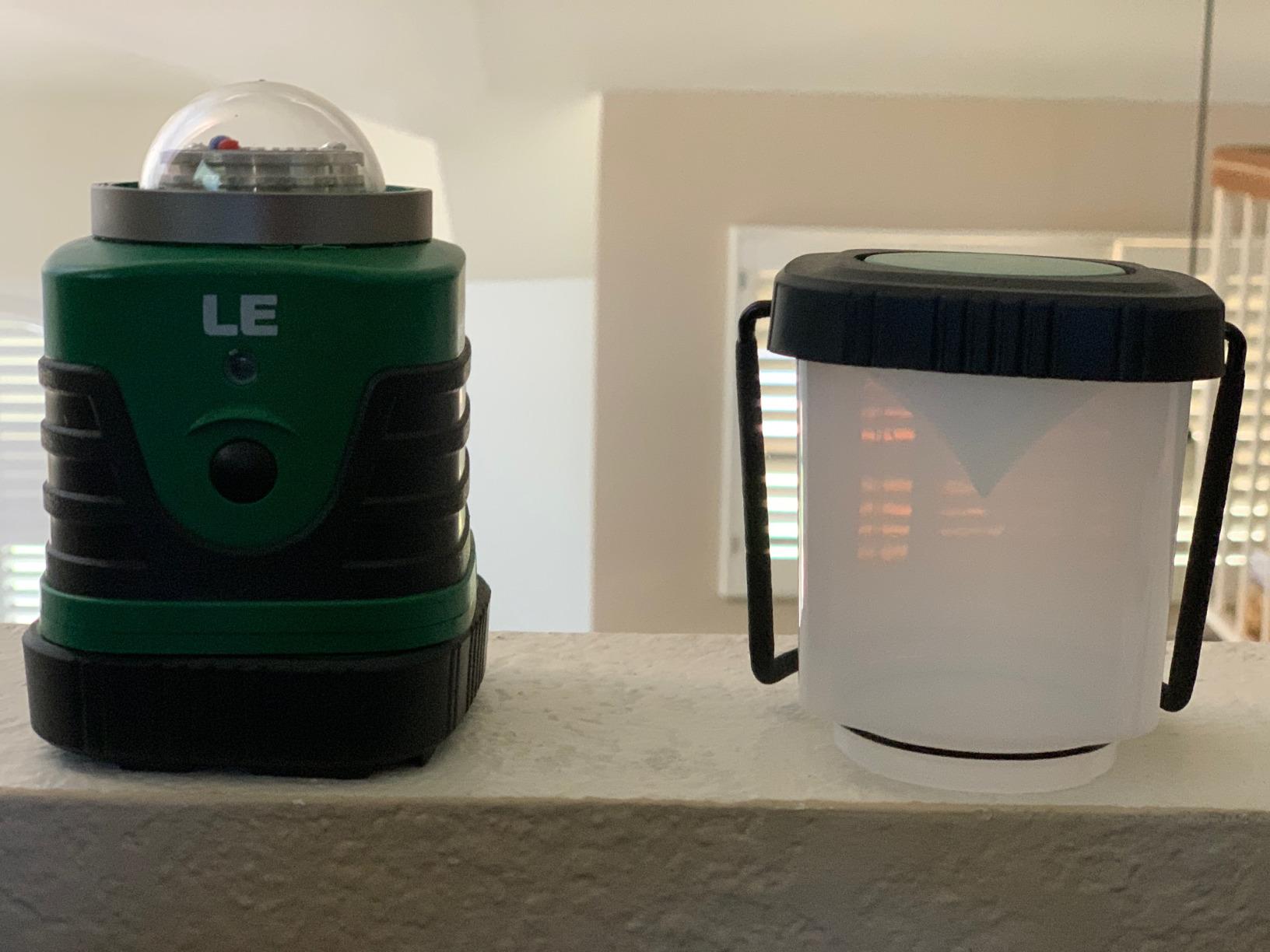
The 4400mAh cell also charges phones through the USB port, which is why this one earns a place in an outage kit even though the battery is sealed in. On a r/flashlight recommendation thread, people repeatedly describe the useful kit as a handheld torch, a headlamp, and something that can top up a phone, and this covers the third slot without adding a separate power bank.
Four modes cover most situations: 6000K white for working, 3100K warm for evenings, a combined mode, and a flash. Long-pressing the switch dims continuously rather than stepping through fixed levels, which is exactly the control that stops 1000 lumens from ruining your night vision at 2am.
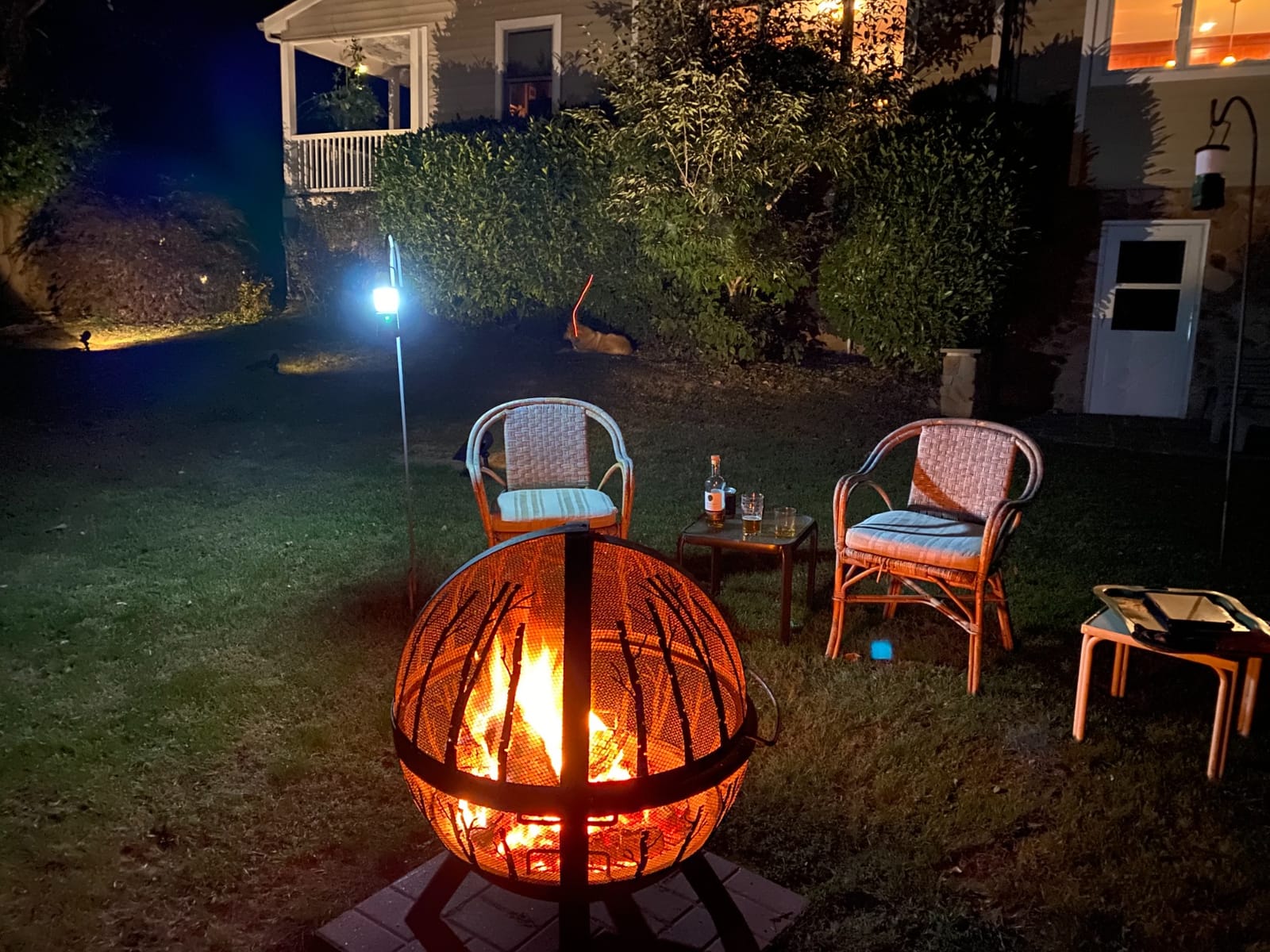
Check before you buy: the charger you already own
Charging needs a 5V DC adapter and none is included, which is the most repeated caveat in the reviews. If your cable is USB-C, a phone charger handles it. Plan a top-up routine instead of a last-minute charge, because a lithium lantern that has been flat since last summer is the common failure people complain about in blackout threads.
At 550 g this is a house lantern, not a backpack lantern. If your kit has to fit in a go-bag compartment, read the ZMNT and GearLight entries for lighter options with similar output.
Who should skip it and who should buy it
Skip it if you need true all-night runtime at full output, because 6.5 hours at 1000 lumens is a working light rather than an overnight one. Buy it if a single room needs to be genuinely usable, and pair it with an Etekcity unit in the hallway where you only need a night light.
Buyers who want a longer beam down a driveway should read the AYL review, which covers the same 1000-lumen class with a far higher ceiling and D-cell endurance.
3. Lepro LE 1000-Lumen 3600mAh — the lantern and flashlight in one body
LE Rechargeable LED Lantern, Camping Essentials, 1000LM, 5 Light Modes, IPX4 Waterproof, 3600mAh, Lantern Flashlight for Hurricane Emergency, Hiking, Home and More, USB Cable Included
1000 lumens Cree LED reaching 500m
Lantern body plus directional flashlight
USB rechargeable with power bank
Red flash for signalling
Pros
- Lantern and flashlight in one housing
- Red flashing mode for emergency signalling
- Battery level indicators on the power bank
- Shoulder strap plus large handle
Cons
- Weighs 0.72 kg
- which is a lot to carry
- Bulkier cylindrical body than collapsible lanterns
- Flashlight drops to about 2.2 hours at 1000 lumens
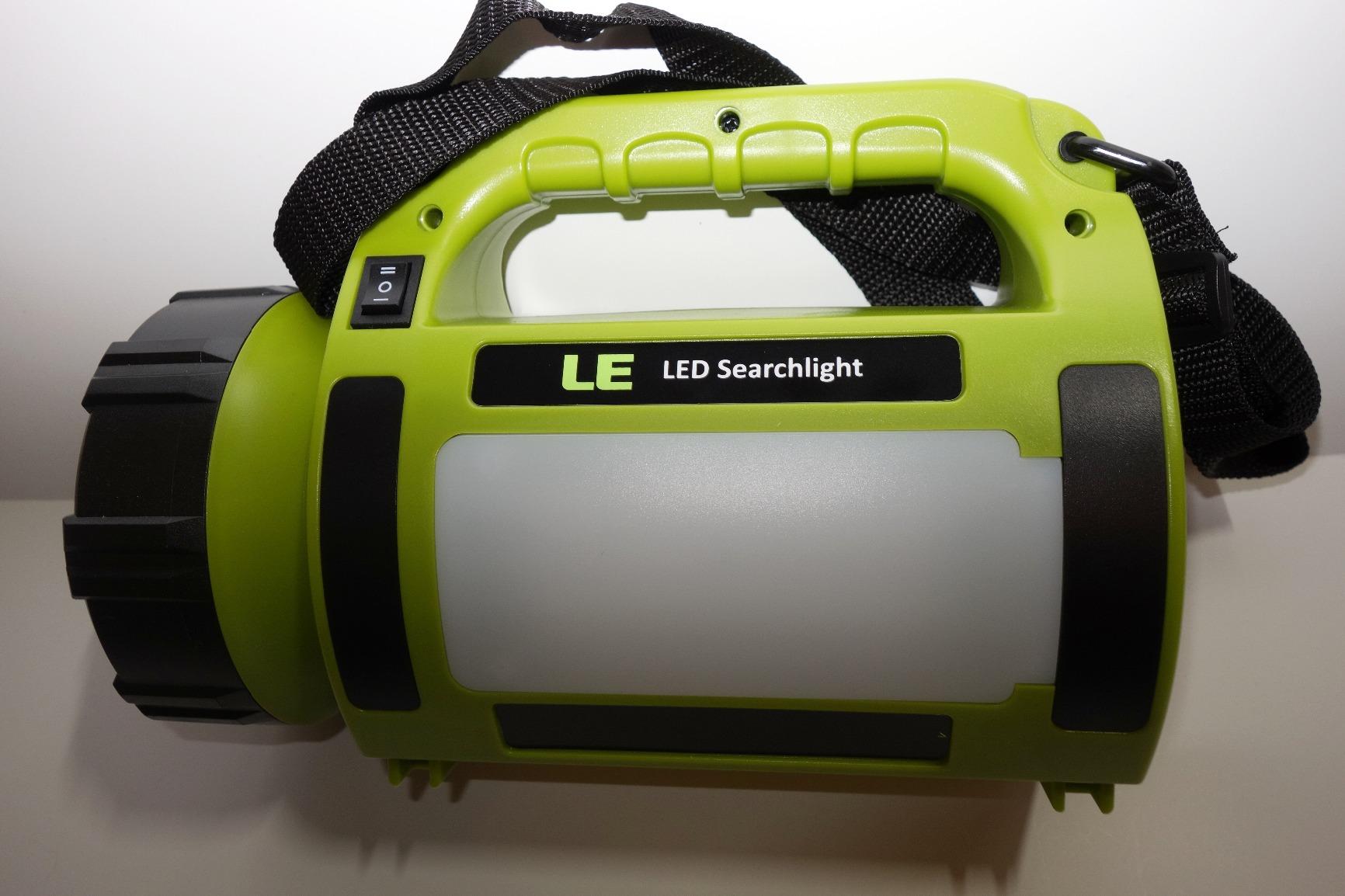
The pitch here is consolidation. You get a 360-degree area lantern on one side, a directional Cree XML LED flashlight on the other, and the same battery does both, so the object that is useful in the kitchen is also the object you grab to check the breaker panel outside.
Runtime is stated per mode rather than per brightness, which is more useful. Flashlight side: 1000 lumens for 2.2 hours, 280 lumens for 4.6 hours. Lantern side: 150 lumens for 6.3 hours, 70 lumens for 12.7 hours, plus the red flash. That 70-lumen lantern mode is the sleeper feature for a bedroom, since it is bright enough to find the door and dim enough to sleep beside.
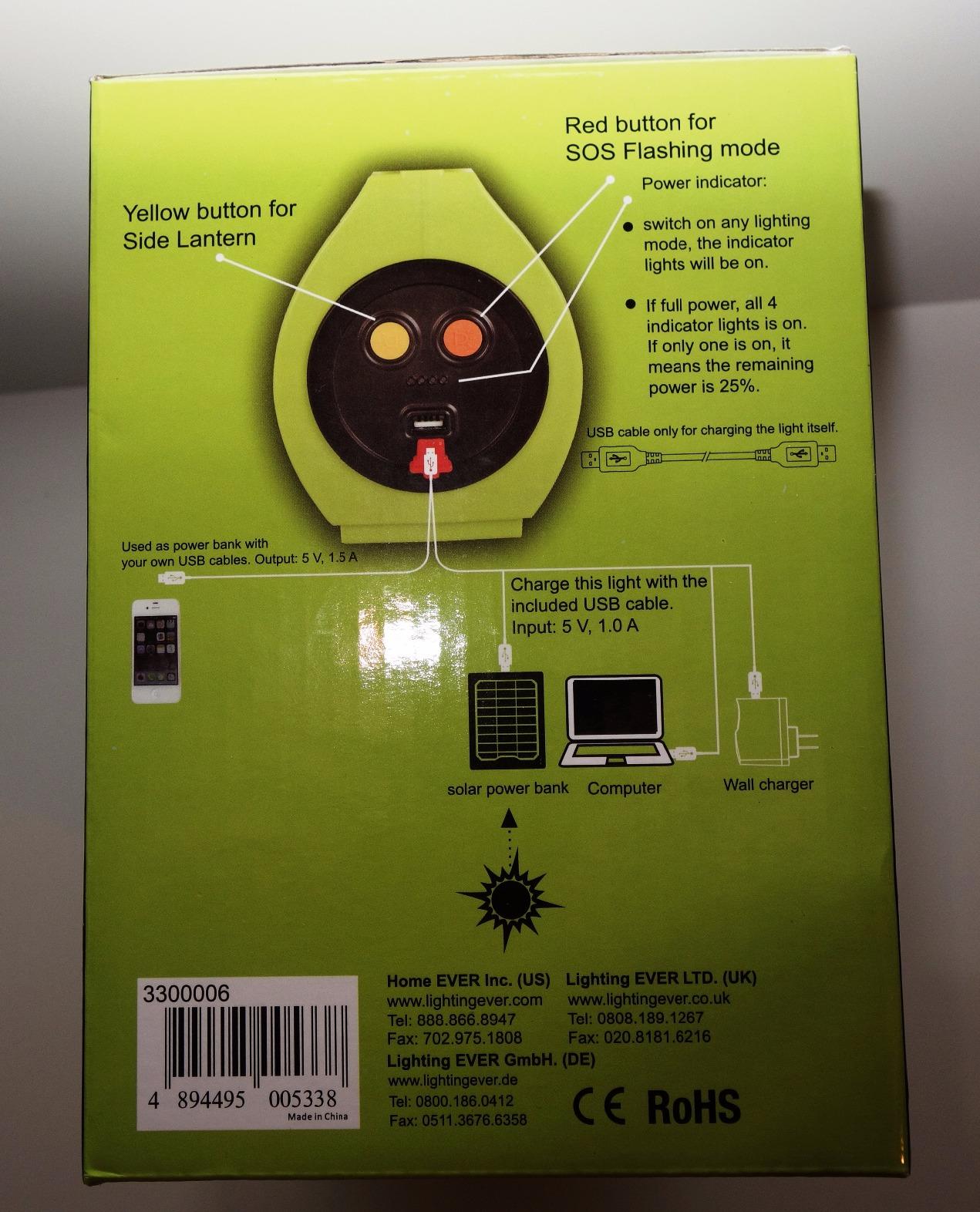
The red flashing mode comes up again and again in storm and outage preparation because it preserves night vision and is visible from a distance without blinding anyone nearby. On CandlePower Forums, people assembling blackout kits talk more about the power bank function than the lumens, and this unit answers both halves of that at once.
One reviewer measured roughly 2.2 hours at the flashlight high setting and called it short. That is the correct expectation for a 1000-lumen throw, and the reason to keep the 280-lumen mode as your working default.
Check before you buy: where this one lives
At 0.72 kg with a cylindrical body and a shoulder strap, this is a car and garage lantern rather than a pack lantern. The strap lets you shoulder it for a long walk to a shut-off valve or a fuse box, which is a real use during a storm, but it is not something you want in a go-bag next to food and water.
It charges over plain USB rather than USB-C, so the cable you need is the one already in most drawer junk drawers. That cuts both ways: it works, and it is not the cable your other new devices want.
Who should skip it and who should buy it
Skip it if you are backpacking or car camping on a weight budget. Buy it if you want one device in the hallway that can be a night light, a working light, a signal, and a phone charger without anyone swapping equipment at 3am.
For a lighter body with the same phone-charging idea, the ZMNT covers 1000 lumens at 260 g with a much longer low-setting runtime.
4. XTAUTO Solar 4-Pack — the cheapest way to put a light in every room
Collapsible Portable LED Camping Lantern XTAUTO Lightweight Waterproof Solar USB Rechargeable LED Flashlight Survival Kits for Indoor Outdoor Home Emergency Light Power Outages Hiking Hurricane 4-Pack
Solar and USB dual charging
1600mAh cell, 25 hours claimed
Collapses to phone size
4 lanterns per pack
Pros
- Solar plus USB means no disposable batteries to buy
- Four lanterns cover a whole floor from one purchase
- Arrives partially charged for immediate use
- Works as both lantern and flashlight
Cons
- Delicate build
- reviewers advise gentle handling
- No battery level indicator
- Runtime closer to 1-2 hours at higher brightness
Owners in hurricane-prone areas describe staging these four around the house as the primary outage lighting, and it is hard to argue with the logic: one purchase, four rooms, no batteries to keep fresh. If your blackout plan fails on logistics, this is the lantern that removes the logistics.
The honest caveat is runtime. The claim is 25 hours from a 1600mAh cell charged by USB or solar, but reviewers repeatedly report closer to one or two hours at higher brightness, and there is no battery gauge to tell you where you stand. Treat the 25-hour figure as a low-setting overnight number and nothing more.
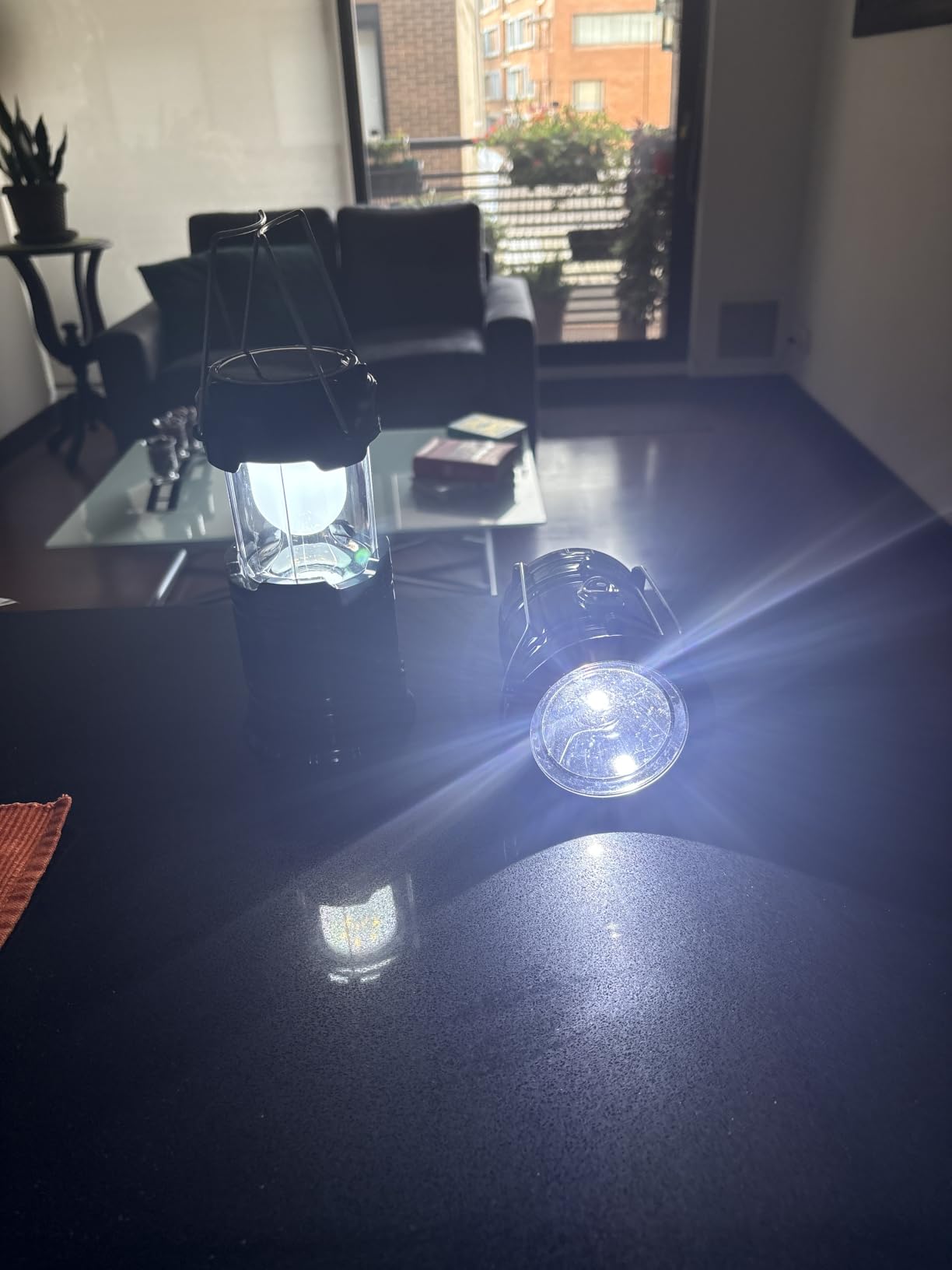
Physical design is a collapsible ABS body that folds down to phone size with a folding hanging handle, rated in the listing as water resistant, heat resistant and freeze resistant. Freeze resistance matters more than it sounds, because cold is exactly when lithium cells perform worst and when outages happen.
Solar here is a trickle top-up that helps hold a charge between emergencies. It is not a way to run a house through a three-day storm, and treating it as one is the mistake that leaves people in the dark at hour 30.
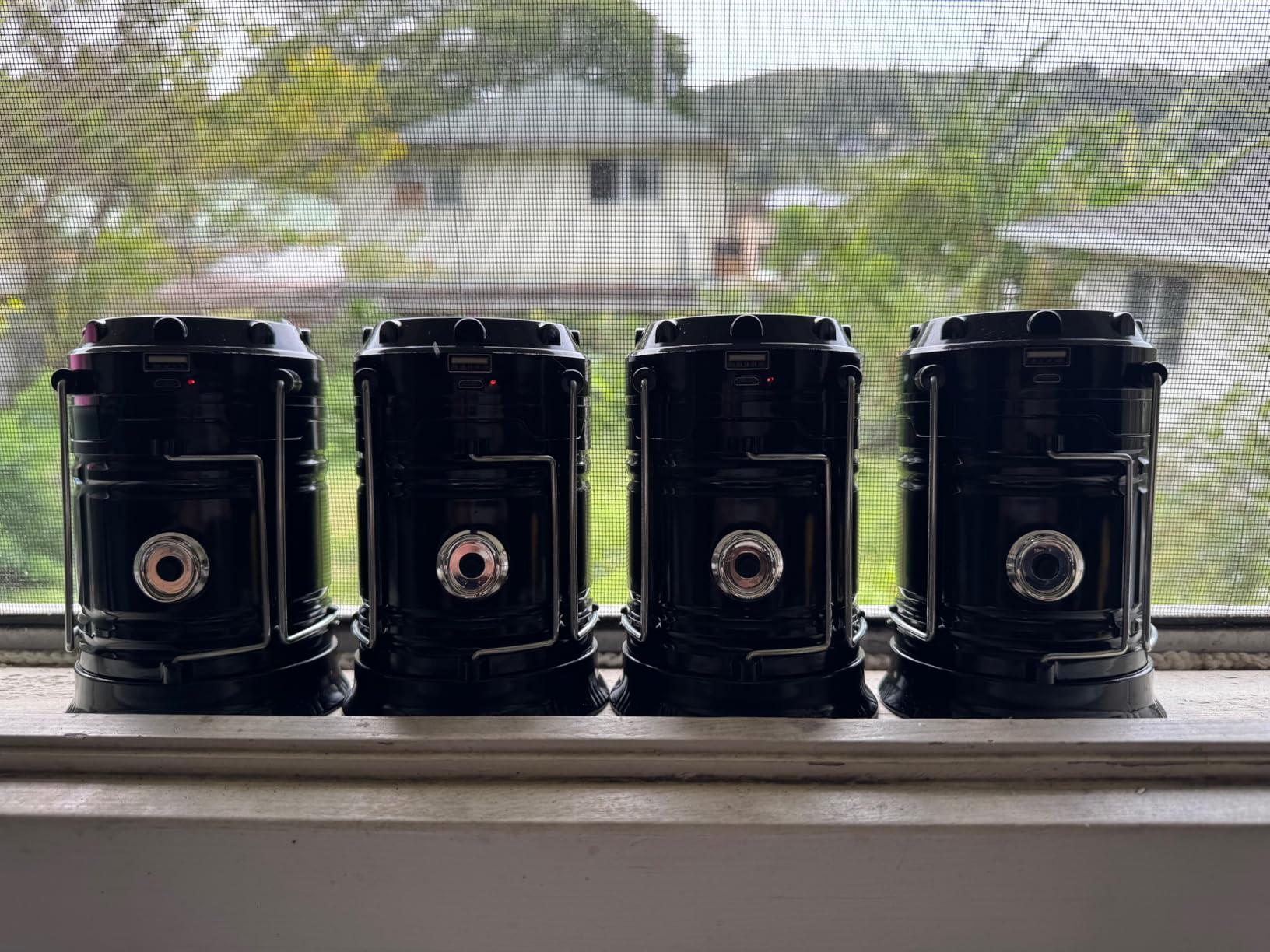
Check before you buy: build quality and how you will charge it
Reviewers describe these as cheap-feeling and delicate, with occasional reports of a unit failing out of the box. There is no battery level indicator, so a quarterly top-up on a known calendar is the only way to know the state of each one. Put them on the same reminder you use to test smoke detectors.
There is also no dimmer beyond the collapse height, so brightness control is the same coarse mechanism as the Etekcity. If you want a touch dimmer, the Lepwings in this list has one.
Who should skip it and who should buy it
Skip it as your only house light if your outage runs past a night, because the cell is small and there is no way to monitor it. Buy it as the wide net, the four lights that sit in the hallway, bedroom, kitchen and basement while a bigger lantern sits on the table doing the real work.
For a larger cell with a visible charge indicator, the ZMNT runs 6700mAh with four blue status lights, which is a much better version of the same idea.
5. Lichamp 350-Lumen 4-Pack — the softest light in the group for living through a blackout
Lichamp LED Camping Lantern, 4 Pack Battery Powered Flashlight for Power Outages, Portable Collapsible Hanging Light Essential for Home, Outdoor, Emergency Lamp Survival Kit Gear for Hurricane, Gray
350 lumens COB array, 360 degrees
30 hours on 3 AA per lantern
Four lanterns per pack
Switchless pull-up design
Pros
- Soft diffused COB glow instead of harsh LED glare
- 4.7 stars across nearly 11k reviews
- Four units for a whole floor
- Collapses flat with foldaway handles
Cons
- AA batteries are not included
- 12 cells needed for the full pack
- 30 hours is shorter than the Etekcity equivalent
The distinction that matters here is light quality rather than light quantity. A COB array behind a diffuser throws a broad, even 350 lumens across roughly 97 square feet, and it does not create the hard pinpoints that make bare LED arrays painful to look at for hours.
That is the reason to prefer this over the Etekcity if the lantern will be living on a table in an occupied room for three nights. Someone reading, someone on a phone, someone trying to sleep in the next room, and the Lichamp handles that scenario better at 350 lumens than the Etekcity does at 154.
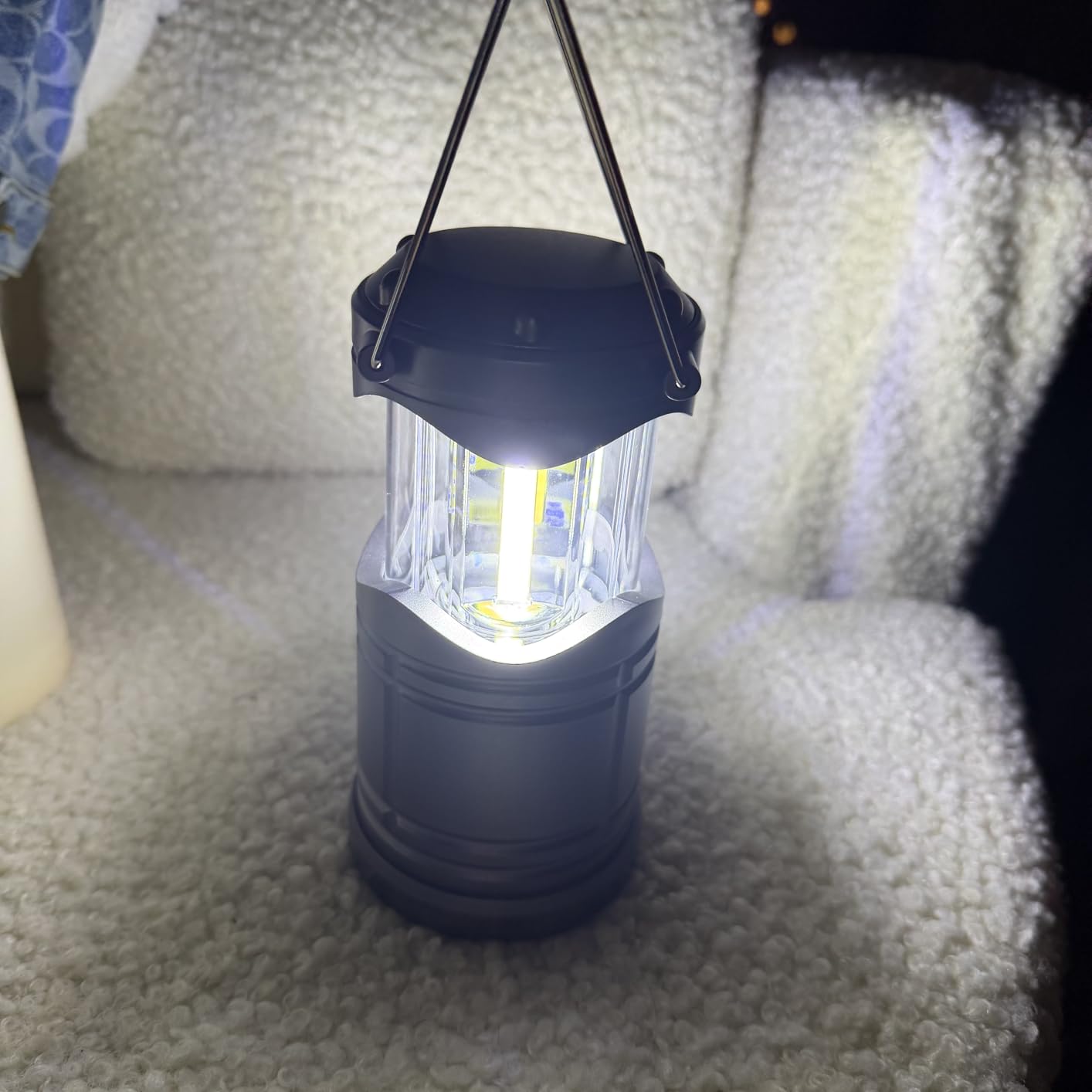
Operation is switchless. You pull the lantern up to turn it on and push it down to dim or shut it off, and the foldaway handles let it collapse flat for storage. In a blackout you will be operating these one-handed while holding something else, and having nothing to find is worth more than it sounds.
Power is 3 AA per lantern for 30 hours of output. Twelve cells across the pack, and they are not included, so budget for a full set of alkaline cells plus spares before you store this anywhere.
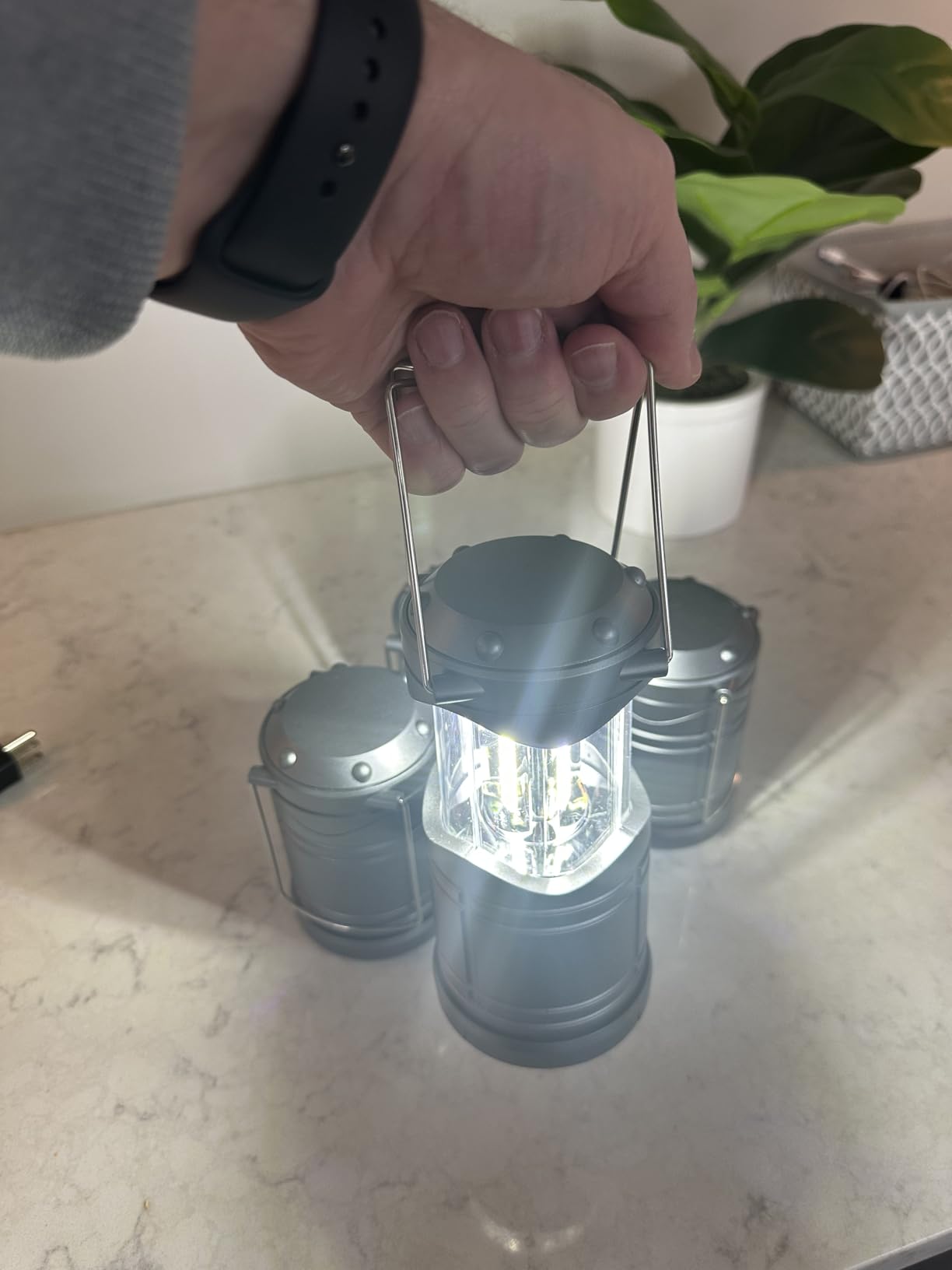
Check before you buy: whether the runtime gap bothers you
Thirty hours per lantern is meaningfully shorter than the Etekcity figure of 50, and the difference shows up on night three of a long outage with a family of four. Buy two Lichamp 4-packs and rotate them, or accept a swap every two nights, which is a small planning problem compared with a no-light problem.
There is no magnetic base, no hook, and no IP rating claimed beyond water resistance. It is a table-and-countertop lantern rather than something you hang off a carabiner in wet weather.
Who should skip it and who should buy it
Skip it if you need to light a garage or a driveway, because 350 diffused lumens will not carry that far and it is not dimmable by touch. Buy it if the outage involves people sitting in a room for days, which is the situation most outages actually are.
For the same pack-format idea with a warmer globe, read the MalloMe entry, which trades output for an even softer glow.
6. MalloMe 146-Lumen 4-Pack — the warm-globe option for rooms you live in
MalloMe Camping Lantern Multicolor 4 Pack Lanterns for Power Outages, Camping Lights for Tent Hanging, Camp Light Tent Lamp Emergency Battery Powered LED Lantern (Rechargeable Batteries Not Included)
146 lumens at 360 degrees
Soft diffused warm globe
4 lanterns in four colours
Expansion height sets brightness
Pros
- Softest warm glow in the roundup
- good for reading and tent ambience
- Four colour finishes so rooms are identifiable
- Collapses to phone size
Cons
- 12 AA batteries needed and not included
- Not water resistant at all
- Less light reaches corners than brighter rivals
Reviews draw the same comparison over and over, which tells you the real difference: owners prefer this diffused globe for tent ambience and reading, and prefer the Etekcity for raw brightness. Both sit at the same price band and look nearly identical, so the choice is about mood rather than capability.
At 146 lumens and 360 degrees this lights a tent or a small room comfortably. It will not light a kitchen, and it will not reach into a hallway corner from a table. Judged as a night light that stays on for two nights while people rest, it does its job better than anything brighter here.
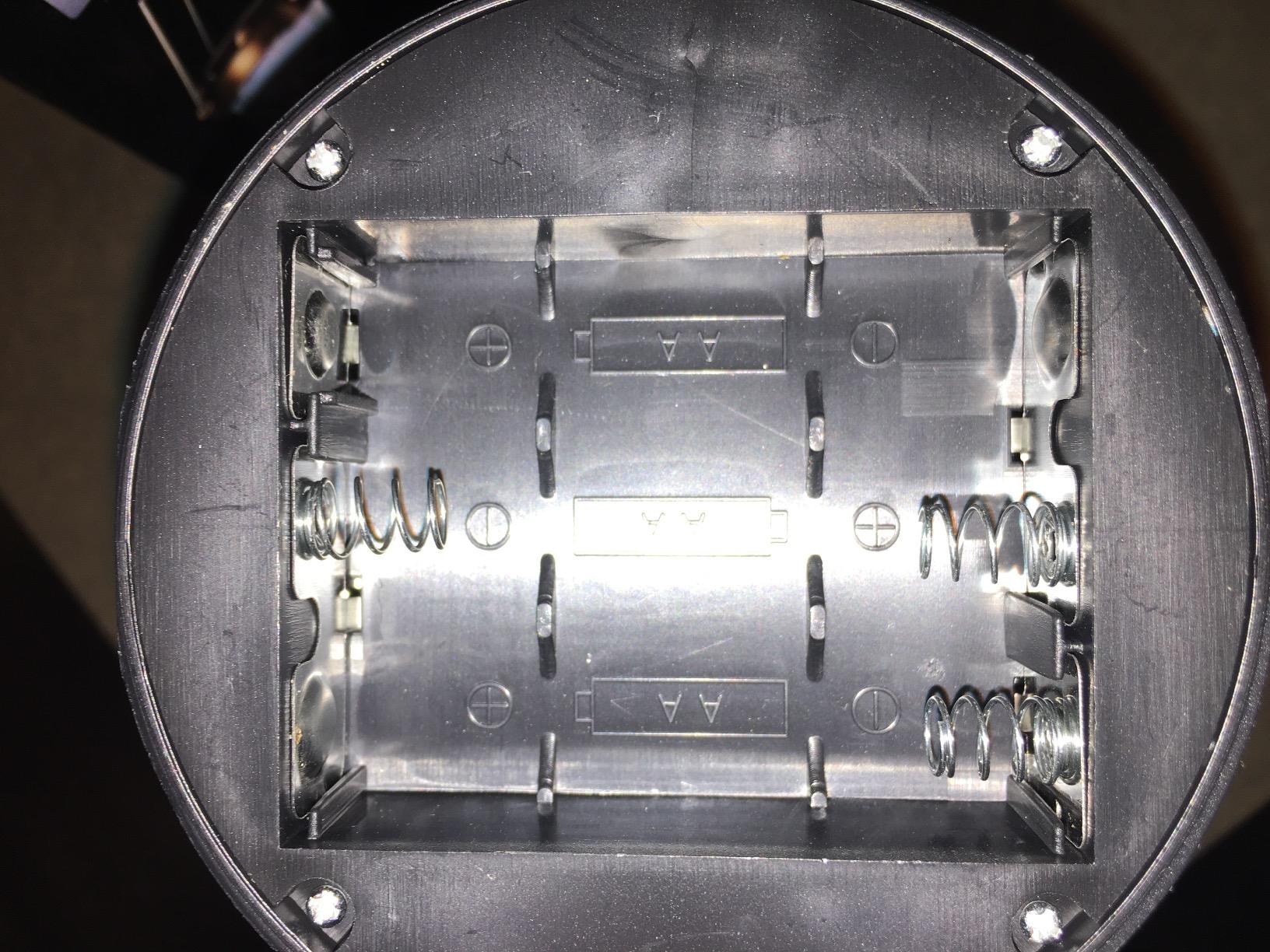
The four colours are Midnight Black, Colorado Gold, Forest Green and River Blue, and that is not decoration. When four identical lanterns are spread through a dark house, knowing which one belongs in which room saves a stumble at 3am, which is precisely the moment blackout kits are designed around.
Brightness is set by expansion height, the same coarse mechanism as the Etekcity and the XTAUTO. The body is military-grade ABS with CE and RoHS approval and a claimed 100,000-hour LED lifespan.
Check before you buy: batteries and water
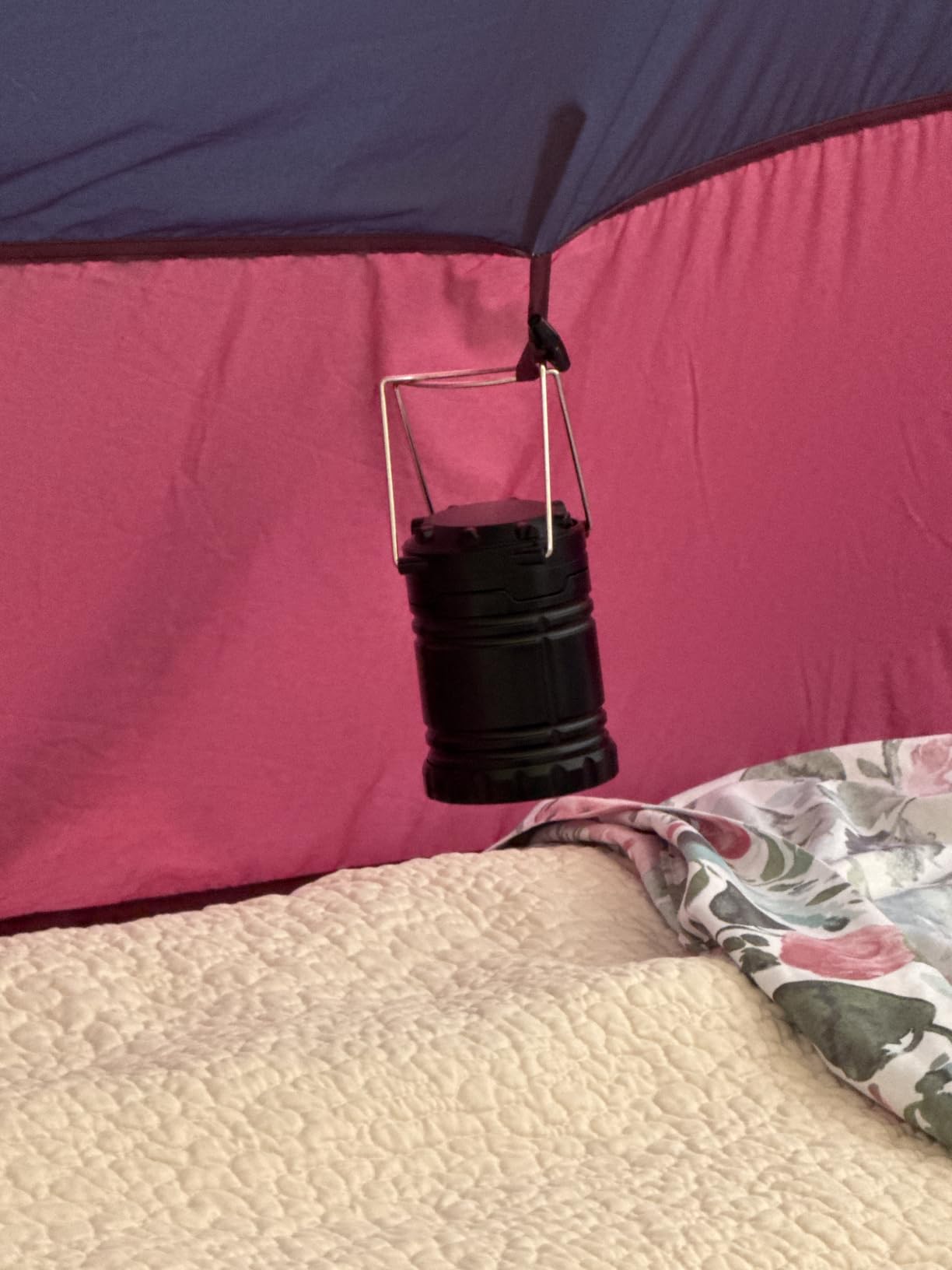
This is the one in the roundup with no water resistance claim at all, so keep it indoors and away from a wet countertop. It also needs 12 AA cells, none included, which makes it the cheapest unit to fill but the least forgiving to store half-charged.
Some buyers report one unit in the pack arriving dead, and the brand replaced it. That is a service complaint rather than a design flaw, but it is the kind of thing that only surfaces when you are unpacking in a hurry.
Who should skip it and who should buy it
Skip it for any outdoor, garage, or working-light role. Buy it as the bedroom and hallway layer, sitting on tables and nightstands where a warm, low-output glow helps people settle down and find a light switch-shaped object that is not a light switch.
For a slightly brighter pack with a similar feel, the Lichamp adds 350 lumens of COB spread and a 30-hour runtime figure.
7. GearLight 600-Lumen 2-Pack — magnetic mounting for steel and workbenches
GearLight Camping Lantern – 2 Portable LED Battery Powered Lantern with Magnetic Base and Foldable Hook for Emergency Use or Campsites, Essential Hurricane Survival Kit with Batteries – Black
600 lumens at 360 degrees
Magnetic base for steel surfaces
6 AA batteries included
Collapsible with foldable hook
Pros
- 600 lumens is more than most lanterns here
- Magnetic base frees both hands on metal
- 6 AA included so it works immediately
- No switch to find in the dark
Cons
- No low-brightness mode at all
- Full array stays on when partly collapsed
- Shorter listed runtime means more spare cells
The magnet is the reason to own this one. Stick it to a metal shelving unit, a vehicle tailgate, a fridge door, or the steel frame of a workbench, and both hands are suddenly free for the actual repair job. Reviewers report one unit lighting a living room with an open kitchen adjacent.
600 lumens puts this well above the AA-cell lanterns in the roundup, and it runs on six AA cells included in the box. Slide-open operation means there is no switch to hunt for, which matches the design logic of the Lichamp and the Eveready in this list.
Design is metal and plastic, collapsible, with a foldable metal hook for hanging in a tent or from a branch. Reviewers note the switchless slide-open feel is solid in the hand and the unit packs down small for an emergency kit.
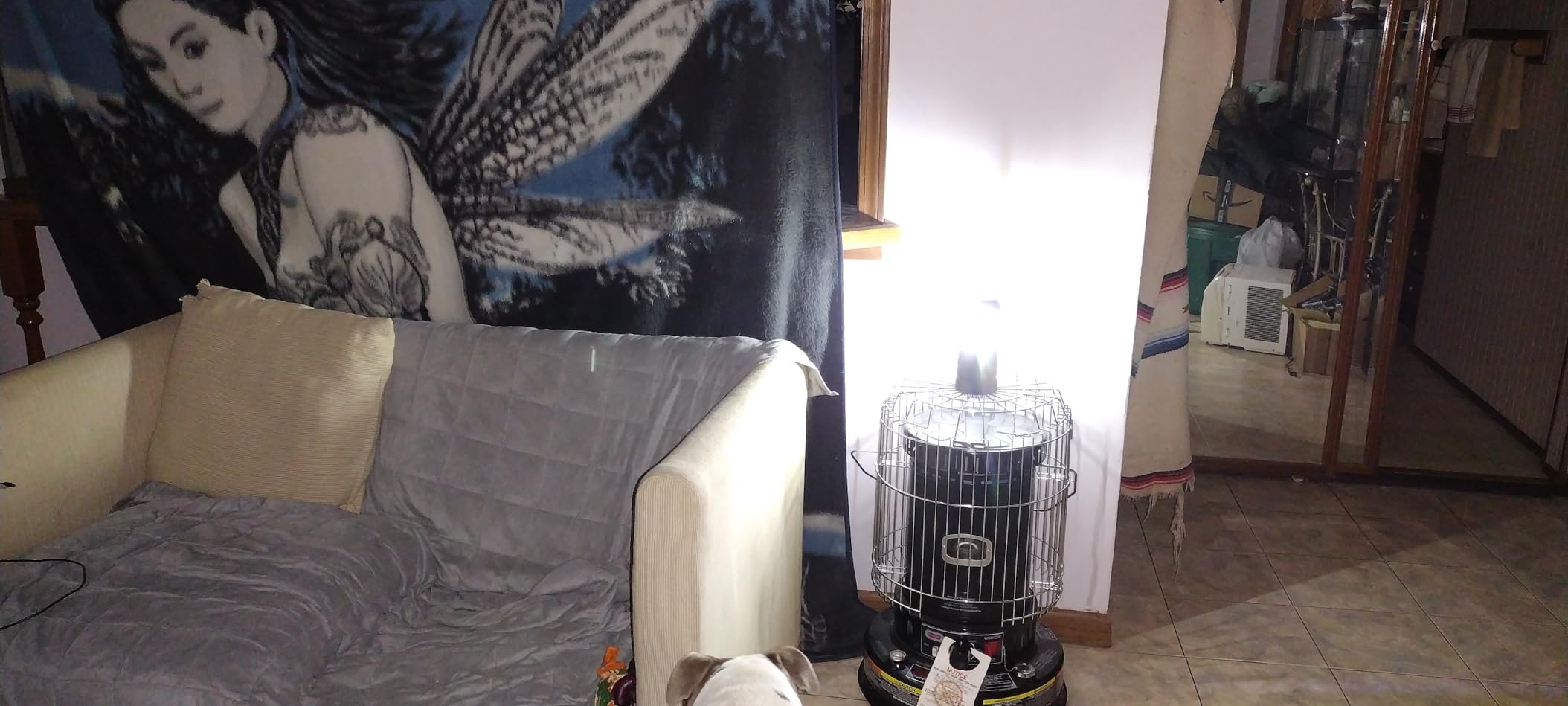
The recurring complaint is brightness control, and it is a real one. There is no low mode, and because the full LED array stays on even when the lantern is partly collapsed, runtime suffers on anything short of full output. That is the exact opposite of what you want at 2am with people trying to sleep.
Check before you buy: how many spare cells you will cycle
Without a low mode, this unit burns through AA cells faster than the 350-lumen Lichamp and the 154-lumen Etekcity in the same house. Keep two full sets of six cells with it rather than one, and treat the listed runtime as the figure you will actually see at working brightness.
Two per pack is thin for a whole-house plan. Most owners buy a second pack to reach four rooms, and at that point the Etekcity or Lichamp 4-packs do the same job for less per room.
Who should skip it and who should buy it
Skip it if anyone in the house is a light sleeper, because there is no way to run it gently. Buy it if the outage involves fixing something, working on a vehicle, or a metal surface you need both hands on, where the magnet earns its keep immediately.
For a three-unit pack with red signalling modes and base magnets, the Eveready entry adds the emergency layer this one lacks.
8. Energizer PRO-360 — the endurance pick for outages that run past the weekend
Energizer WeatheReady PRO-360 LED Camping Lantern, Tent Light
500 lumens on high mode
150 hours of runtime
Accepts 3 D or 3 AA cells
IPX4 and glow-in-the-dark switch
Pros
- 150 hours of runtime quoted on high mode
- which is unusual
- 500 lumens is plenty for a large room
- Accepts D-cell or AA so you can use what you own
- IPX4 water resistant and 1 meter impact rated
Cons
- Sold as a single unit rather than a multi-pack
- 6 percent one-star reviews
- No hook or magnetic base for hands-free placement
150 hours on high is what makes this unit unusual, because most manufacturers quote their endurance at the dimmest setting and stay quiet about the full-output number. Paired with 500 lumens, it is a genuinely capable room light for someone whose grid is unreliable enough that a blackout is a normal Tuesday rather than a once-a-year event.
The flexibility matters as much as the number. It takes 3 D-cell or 3 AA cells, so during an outage you can use whatever alkaline you actually have in the drawer. Nobody in a blackout has time to care whether the cells are D or AA, and most people have one type and not the other.
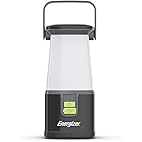
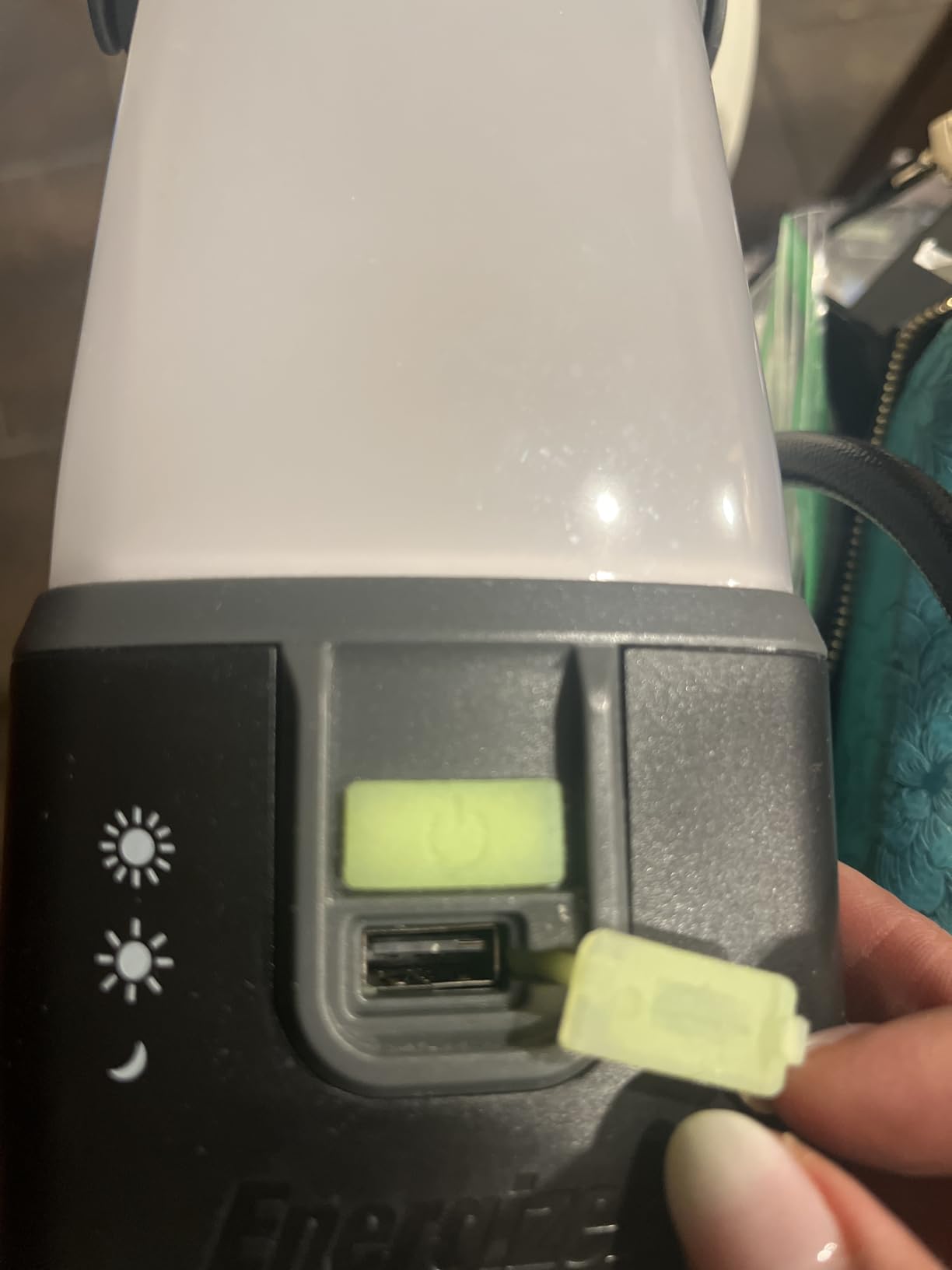
The glow-in-the-dark switch is a small decision that shows the design was made for darkness. You can find the control without turning the lantern on first, which stops the moment where you sweep a bright beam around a room at full blast and wake the household.
Water resistance is IPX4 and the body is impact resistant to 1 meter, so a drop from a shelf is survivable. There is no hook and no magnetic base, so placement is tabletop only, which is its main structural weakness.
Check before you buy: singles mean you plan the coverage yourself
One lantern per purchase means a two-floor house needs several units, and the cost of that scales faster than the four-packs in this roundup. Two of these cover the ground that one 4-pack covers, so the math only favours the single if you need a specific lantern in a specific room.
This lantern also has a wider rating spread than the rest of the field, with 6 percent one-star reviews against a 4.5 average. That is a brand pattern rather than a defect, but it is worth knowing before you build a kit around one unit.
Who should skip it and who should buy it
Skip it if you need a hanging or hands-free light, or if you want one purchase to cover several rooms. Buy it if your failure mode is a long outage with no charger and no spare lithium, because alkaline cells are the most storable power source in the house.
For a multi-unit format with the same alkaline logic and fewer cells per lantern, the Eveready 3-Pack runs the same approach at three per box.
9. Eveready 360 PRO 3-Pack — red SOS signalling and a light for every floor
Eveready LED Camping Lantern 360 PRO (3-Pack), Super Bright Tent Lights, IPX4 Water Resistant LED Lanterns for Power Outage Hurricane Preparedness, (Batteries Included)
350 lumens area mode, 60 lumen flashlight
Four modes including red SOS
Base magnets and hanging hook
3 AA batteries per lantern
Pros
- Red flashing and red SOS modes for storm situations
- Three units cover an upstairs
- basement and garage
- Base magnets plus hook give real placement options
- Switchless activation by pulling up the handles
Cons
- Flashlight mode is dim at 60 lumens
- No dimming adjustment inside a mode
- Water resistance claim is inconsistent in the listing
Red light is the feature that sets this apart, and it is the one that matters most in the first hour of an outage. Red preserves your dark adaptation, so a quick check on a phone screen or a look out the window does not cost you twenty minutes of night vision afterwards.
Beyond the red flashing and red SOS modes, the unit runs a 350-lumen 360-degree area mode and a 60-lumen directional flashlight with a 100 metre beam. The area mode is the one you will actually live with; the flashlight is a convenience for finding a fuse box.
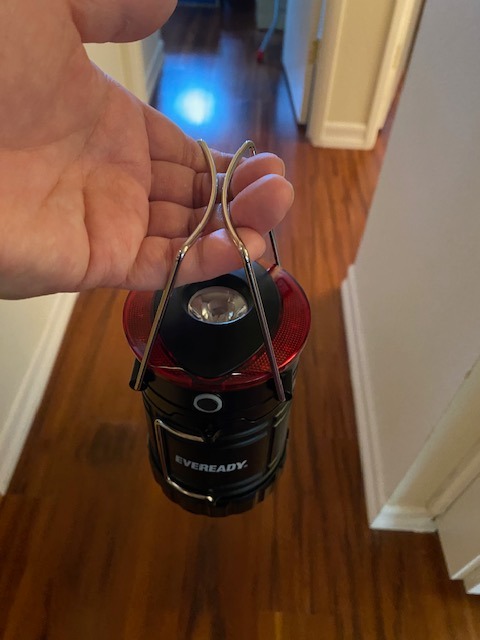
Placement is where the three-pack format earns its keep. Owners describe putting one upstairs, one in the basement, and one in the garage, which is the room-by-room plan we recommend later in this guide. Base magnets and a top hanging hook mean it can be fixed rather than balanced.
Operation is switchless: unlatch the handles and pull up. Power is 3 AA per lantern, and the listing states batteries are included, though the package contents line lists electronics only.
Check before you buy: the flashlight mode is not the selling point
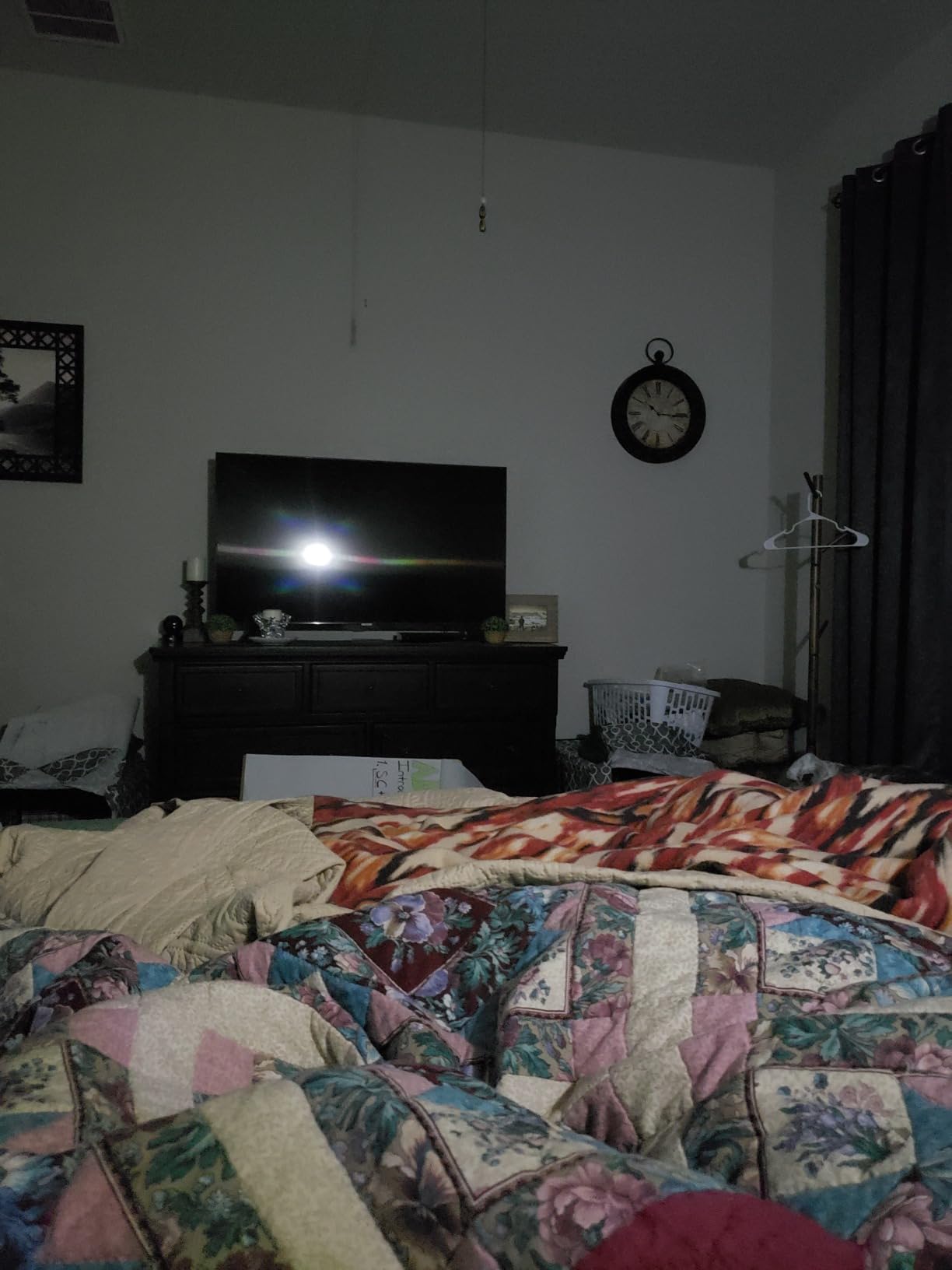
At 60 lumens the directional mode is weak next to the 350-lumen area light, and reviewers single it out as the disappointment. If your outage involves walking outdoors to check a transformer or a shutoff, pair it with one of the handheld torches people on r/flashlight keep recommending rather than expecting this to do both jobs.
There is also a documentation inconsistency worth knowing: the title states IPX4 water resistance while the specification field lists the unit as not water resistant. Keep it indoors or under cover.
Who should skip it and who should buy it
Skip it if the outage happens during heavy rain and you plan to use it outside, or if you need one high-output beam for outdoor work. Buy it if you want a first-hour tool that does not destroy your night vision and three units that can be placed on three floors without thinking about it.
For a warmer palette and touch dimming rather than fixed modes, the ZMNT entry offers stepless control with a much larger cell.
10. AYL 1800-Lumen 2-Pack — the most light in the roundup, on D cells
LED Camping Lantern, Battery Powered LED 1800LM, 4 Camping Lights Modes, Perfect Lantern Flashlight for Hurricane, Emergency Light, Storm, Power Outages, Survival Kits, Hiking, Fishing, Home and More
1800 lumens from 46 LEDs
Four dimmable modes
Glare-reducing diffuser cover
3 D-battery power, 2 per pack
Pros
- Highest output in the roundup by a wide margin
- Four modes including warm light for evenings
- Diffuser cover keeps it comfortable in a room
- Owners trust D cells for long outages
Cons
- Heavy and bulky
- reviewers would have preferred AA
- Runtime disappoints at higher brightness
- Bottom battery cap is fiddly to refit
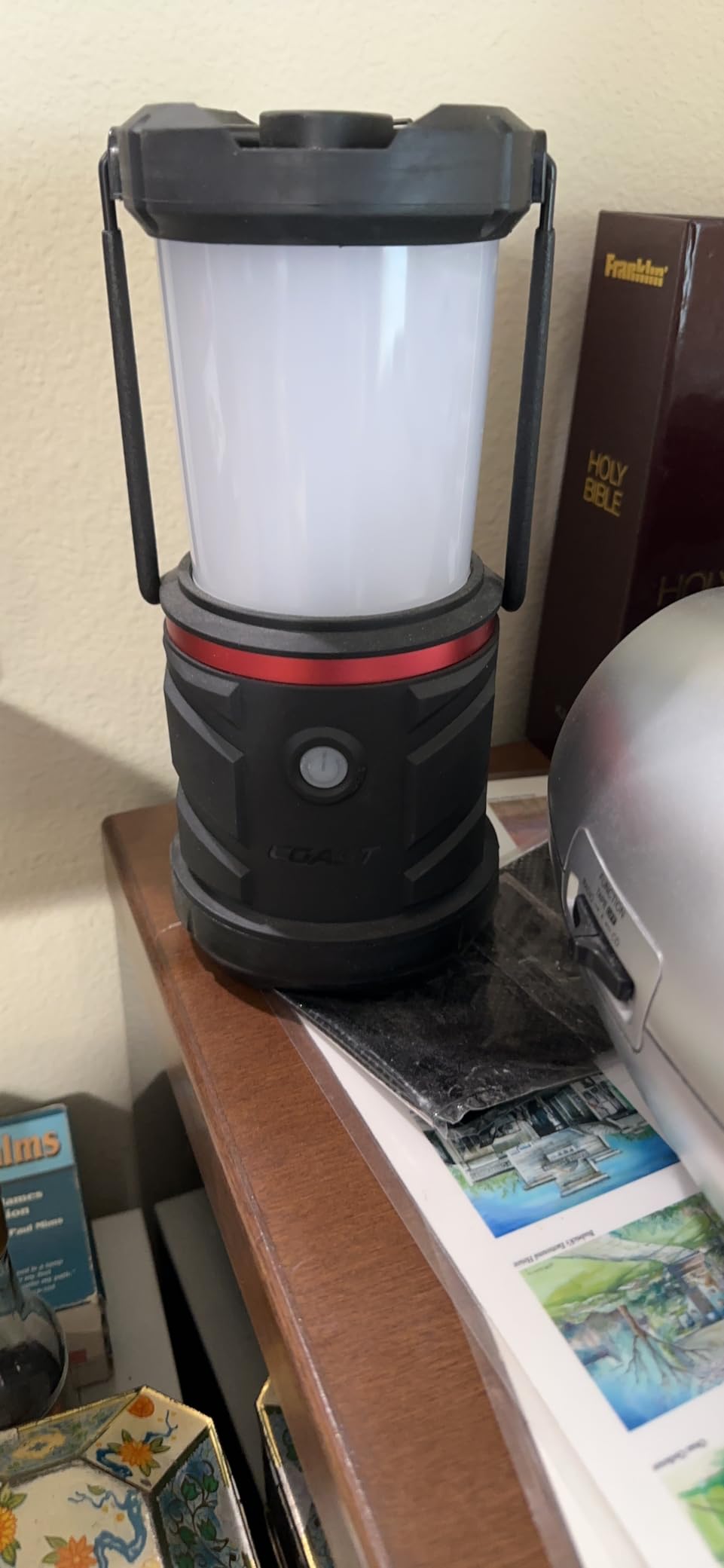
1800 lumens from 46 LED bulbs is well beyond anything else here, and for some outages that is exactly what you need. A detached garage, a basement with no windows, a driveway after a storm, a room you have to work in rather than rest in, these are the places where high output is the difference between working and squinting.
Four dimmable modes cover daylight, warm light, both combined, and flash. The warm mode is the one to use after dark, because a globe this bright at the cool setting is unpleasant to sit beside, and the glare-reducing diffuser is what makes it tolerable in the first place.
Power is 3 D-batteries per lantern, and that is both its strength and its complaint. D cells hold more charge than AA and last longer in cold conditions, which is exactly the weather that causes outages. Reviewers would still have preferred AA for weight and handling, and the 2-pack is genuinely bulky.
There is a hook on the bottom for hanging in a tent or over a table, plus a slip-proof handle. The bottom battery cap draws repeated complaints as fiddly to refit, which matters more than it sounds if your hands are cold or stiff.
Check before you buy: brightness against runtime
At 1800 lumens, runtime is short by design, and this is the lantern where the low-versus-high gap is most punishing. High output is a work setting, not an overnight setting, and treating it as an all-night light is the mistake that drains a pack of D cells by morning.
You also need a supply of D cells on hand. Two lanterns means six D cells in rotation, and a spare set per lantern is the minimum sensible reserve for a multi-night event.
Who should skip it and who should buy it
Skip it as a living-room light or a go-bag item, because size and battery weight rule both out. Buy it as the high-output room in your plan, the one that covers a garage or a shop while a softer lantern handles the bedrooms.
For high output with USB-C charging and a touch dimmer rather than discrete modes, the Lepwings in this roundup is the more flexible machine.
11. Lepwings 6000mAh Solar Lantern — warm light and USB-C speed
Solar Camping Lantern, Rechargeable Battery Powered Camping Light 6000mAh Up to 80HRS Lasting, Dimmable Night Lamp, Survival gear for Emergency, Power Outages, Outdoor, Indoor
6000mAh cell, up to 80 hours
USB-C recharge in as little as 3 hours
Dual solar panels
60 to 280 lumens, 3000K warm
Pros
- Largest stated endurance figure among the solar units
- USB-C fast charge beats older micro-USB designs
- Dimmable from 60 to 280 lumens by touch
- Doubles as a solar power bank for phones
Cons
- 280 lumens max is modest for large outdoor areas
- IPX4 is splash resistant only
- Warranty limited to 365 days
Two details put this ahead of other solar lanterns. The first is USB-C, with a full recharge possible in as little as 3 hours using the included cable, so you are not hunting for a micro-USB lead that fits exactly one device in the drawer.
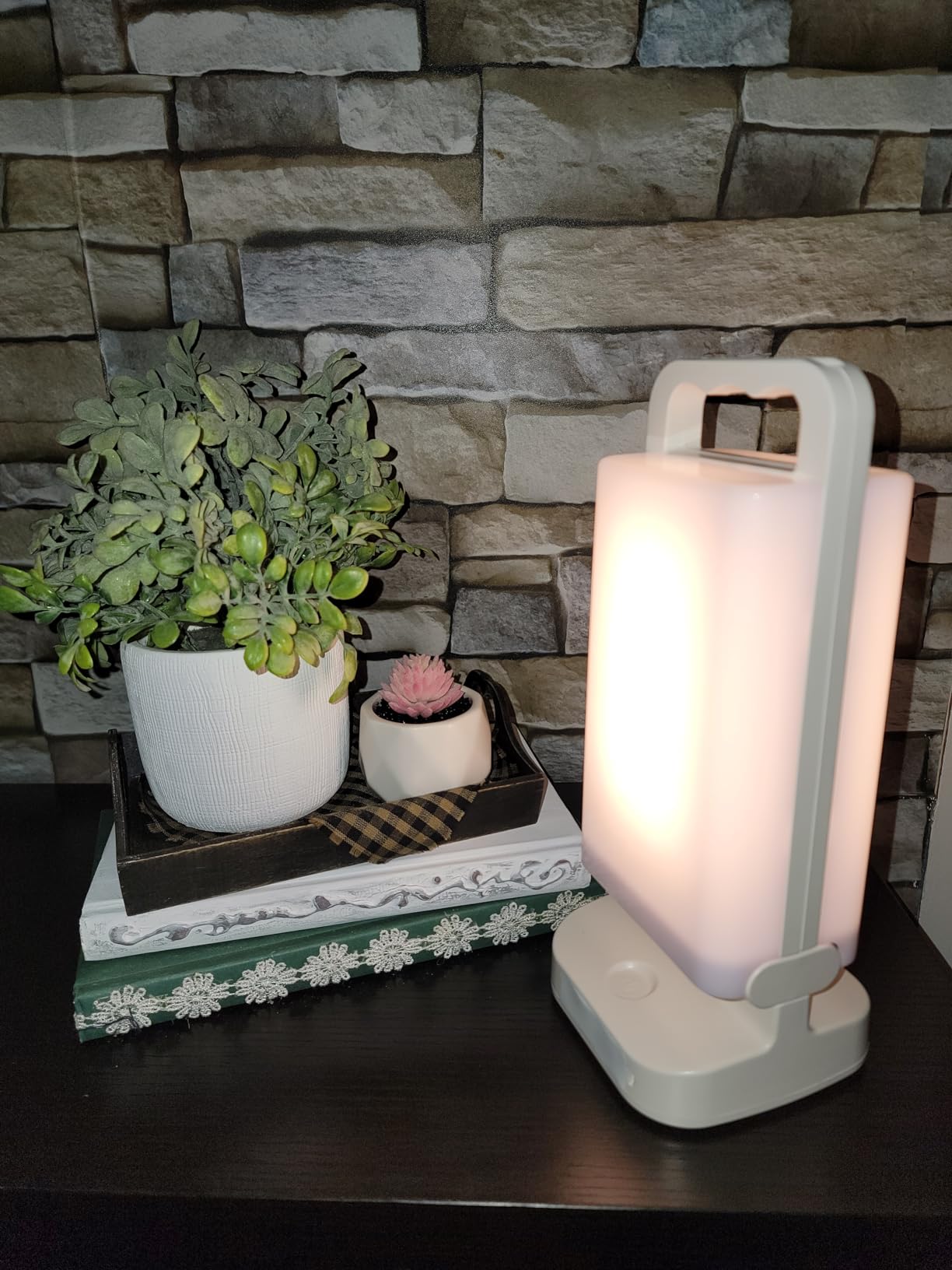
The second is dimmability. Output adjusts from 60 to 280 lumens by touch, and the light is 3000K warm, which is the colour temperature you want for a room where people are trying to sleep rather than work. Many solar lanterns in this category are cool white and fixed-output, which is why they feel harsh in a bedroom.
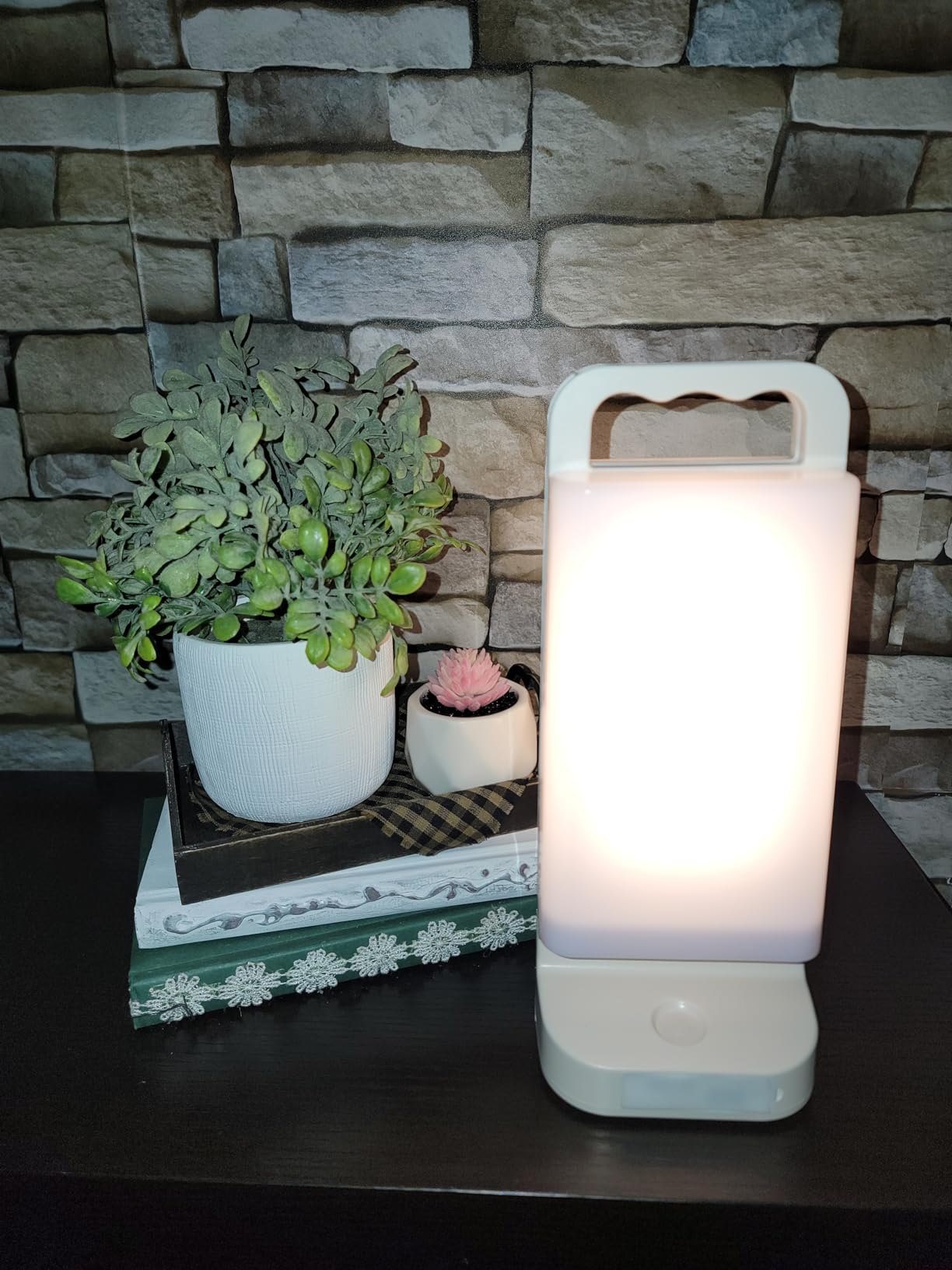
The 6000mAh cell is the largest stated capacity here apart from the ZMNT, and it drives up to 80 hours of light, or enough to cover several nights of low-output use. It also works as a power bank for phones, which is the second thing people on blackout kit threads look for after lumens.
Dual solar panels charge the cell during the day. Read that as a top-up that holds a charge between emergencies rather than a way to run a house for a week, because no panel on a lantern is that large.
Check before you buy: 280 lumens is a room limit
This lantern illuminates areas up to 300 square feet, which is a generous living room and a marginal garage. If the plan includes a driveway or a detached building, you need one of the 1000-plus lumen units instead, and this belongs in the bedroom or kitchen.
The warranty runs 365 days from purchase, which is shorter than the two-year cover on the ZMNT. For something you intend to store for years, that difference is worth noting before you commit.
Who should skip it and who should buy it
Skip it if you need to work outdoors at high output, and treat the IPX4 rating as splash resistant rather than waterproof. Buy it if you want warm, dimmable light that recharges fast from a USB-C cable you already own and can top up a phone in the process.
For a colder white option with touch dimming and a 6700mAh cell, the ZMNT runs the same concept with a much longer low-setting runtime.
12. ZMNT 6700mAh 1000-Lumen — stepless dimming and the longest low-setting runtime
ZMNT LED Camping Lantern Rechargeable 1000LM, Up to 300H Running Time Camping Tent Light, 6700mAh Emergency Light for Hurricane, Power Outages, Home, Hiking, Water-Resistant
6700mAh cell, up to 300 hours on low
1000 lumens maximum
Stepless dimming plus 4 modes
Magnetic base and carabiner hook
Pros
- Up to 300 hours on the lowest setting per the listing
- One reviewer measured 362 hours
- Stepless dimming that remembers the last level
- Three colour temperatures plus SOS mode
- Backed by a 2-year warranty
Cons
- Flush buttons are hard to find and easy to confuse in the dark
- Several users dispute the printed 6700mAh capacity
- Plastic body feels slippery in the hand
- Short charging cable is not attached
This is the one to buy if your worry is the third night rather than the first hour. At 1000 lumens maximum it outlights most of the roundup, and one reviewer measured 362 hours on the lowest brightness setting. No other figure in this list comes close.
The 4.7-star rating sits across more than 1,600 reviews, which is thin next to the Etekcity’s 50,000 but still enough to trust the controls. What matters here is the memory function, which quietly beats everything else in the roundup: long-press plus and minus to dim continuously, and the lantern keeps the level you set, so the person who fell asleep does not wake the house by resetting it to full output.
The magnetic base and folding carabiner hook mean it can go on a metal surface, a pole, or inside a tent, and it charges a phone as a power bank. There are three colour temperatures, cold white, natural white and warm white, plus an SOS mode triggered by pressing both buttons together.
Four blue LED indicator lights show charge state, which addresses the recurring complaint in blackout threads: not knowing whether a stored lantern is actually holding a charge. Water resistance is IPX5, better than the IPX4 models here but still not submersible.
Check before you buy: the buttons and the capacity claim
The power and dimming buttons are flush with the casing, unmarked, and easy to confuse, which is the most repeated complaint. At 3am in a dark room that is a genuine usability problem, and a dab of tape or a fingernail scratch across each button fixes it in about a minute.
Several users also report that the printed battery capacity does not match the advertised 6700mAh. Treat the runtime figures as optimistic and plan on the dimmest setting, not the headline number.
Who should skip it and who should buy it
Skip it if you need a warm-only glow in a bedroom and nothing else, because the low end of the dimming range is a cool white rather than 3000K. Buy it if you want one lantern that covers a garage at full output, a room at mid dimming, and a corridor for three nights from a single charge.
The 2-year warranty is the longest in the roundup, which is the tie-breaker for anyone storing this for multi-year emergency use.
How Many Lumens Do You Need During a Power Outage?
For most homes, 300 to 500 lumens is the working number. Below 150 you have a night light for a bedroom or a tent, roughly 200 to 350 handles reading and a small room, 400 to 600 covers cooking and a living room, 800 to 1000 fills a garage or basement, and 3000 or more is driveway and yard work where you are standing outside in the rain.
The trap is assuming the brightest lantern is the most useful one. Most of an outage is spent indoors at 150 to 300 lumens, and a lantern that cannot dim below 500 is a lantern that wakes the whole house every time you check on something.
Buy for the room that is hardest to light, not the brightest number on the box. In most cases that means pairing one 1000-lumen unit on a table with two or three soft 150 to 350 lumen units elsewhere, rather than a single 1800-lumen unit blasting every room at once.
Runtime Math: How Many Nights Will a Lantern Actually Last?
Work out nights times hours, then divide by the runtime at the setting you will actually use. A household running a lantern for 5 hours a night through a 3-night outage needs 15 hours of light from each unit, which means the low-setting figure matters and the high-setting figure is irrelevant to the calculation.
That is where the category misleads. A lantern quoted at 25 hours may deliver one or two hours at higher brightness, and one quoted at 50 hours on AA cells may be a low-output number with no control at all. The XTAUTO is the clearest case: reviewers report one to two hours against a 25-hour claim, because there is no battery gauge and no dimming beyond collapse height.
Add phone charging to the equation and the budget tightens fast. A 4400mAh cell like the Lepro’s gives you roughly 80 percent of a modern phone battery, once. A 6700mAh cell gives you about one and a half. If three people need to top up nightly, a single lantern is a phone charger for one night, and the answer is a separate power bank in the kit rather than one overworked lantern.
Count your alkaline cells as the redundant layer. Twelve AA cells across a 4-pack is a cheap insurance policy against a lithium cell that has been sitting flat since last year, and alkaline does not care how long it has been stored.
Power Sources Compared: Rechargeable, Solar, D-Cell, Dual-Fuel and Candle
Rechargeable lithium is the best all-round answer for house outages. It gives the highest output, the longest runtime per cell, USB-C recharging, and on five of the twelve units here, phone-charging output as well. Its one weakness is storage: a lithium cell left flat for a year can be a dead lantern on the worst night of the year.
Solar is a top-up, not a primary source, and this is the strongest opinion in this guide. A panel on a lantern is measured in square inches, and what it recovers in a day of cloud is a fraction of what a working lantern consumes overnight. Use solar to keep a stored unit topped up between emergencies, and keep a USB cable in the same drawer so the cell is never dependent on weather.
Alkaline cells, AA or D, are the most forgettable and most reliable option. They can sit in a drawer for years, they need no charger, and cold weather hurts them less than it hurts lithium. Their weakness is brightness and, in the D-cell units, bulk. The Energizer PRO-360 is the clearest example of alkaline done well, pairing 500 lumens with a 150-hour figure and the ability to run on either D or AA cells.
Dual-power units, meaning rechargeable with an alkaline fallback, are the ones forum regulars keep asking for and this roundup can only partly deliver. Buying one rechargeable unit and one alkaline unit solves the same problem more simply and lets you split them across two rooms.
Gas and candle lanterns still have one argument in their favour, which is that they need no batteries at all. On classicpressurelamps.com, users continue to trust liquid-fuel mantles for outages precisely because there is nothing to charge. The cost is safety: hot glass, smell, and a combustion product you do not want in a closed house.
Never run propane or kerosene lanterns inside a home or inside a tent. They produce carbon monoxide, they are fire risks near curtains, and the glass gets hot enough to burn. If you keep one, keep it for a porch, a garage with the door open, or a car camping trip, and store the fuel separately. A rechargeable LED solves the same problem with none of the risk.
Building a 3-Day Outage Lighting Kit Room by Room
One lantern per occupied space is the rule, and it solves the complaint people post about at 3am with lights in the wrong rooms. Start by deciding which spaces people will actually move through at night: the bedroom, the hallway, the kitchen, the bathroom, and one spare for the basement or garage.
Assign roles rather than matching lanterns to rooms arbitrarily. Put a soft 146 to 350 lumen unit in the bedroom so nobody is woken by glare, a 1000-lumen unit on the kitchen table for food and water, an alkaline unit in the hallway because it does not depend on a charge, and a high-output unit near the fuse panel or the tool chest for actual repairs.
Pair every lantern with a headlamp. The consensus on r/flashlight and r/TwoXPreppers is that the headlamp gets used and the lantern sits still, because walking and fixing need light on your eyes rather than light in the room. One on your head, one on the table, and the two together cover everything a single lantern cannot.
Standardise your batteries. Prepper threads keep circling 18650 cells so one charger and one battery type covers the whole kit, and the same logic applies to alkaline: choose AA or D across every lantern and headlamp, and buy the cells in volume rather than two at a time.
Plan for cold. Lithium capacity drops in freezing conditions, which is the exact weather that causes winter outages, and a car left overnight will drain a stored unit completely. Store the lithium-based lanterns indoors, not in the vehicle, and keep the alkaline units in the car where cold costs them less.
Test the kit quarterly. Turn every lantern on for five minutes, check the charge indicators, and confirm the spare cells are actually in the box. A kit that has not been tested is a kit you are finding out about during the outage.
Battery Care and Long-Term Storage: Why Your Backup Lanterns Die
Top up every stored lithium lantern every three months. A lithium-ion cell that sits at zero for months loses capacity permanently, and the failure mode is the worst kind, because the lantern looks fine, passes a visual check, and dies the first time you need it in a blackout.
Put the top-up on the same calendar reminder as your smoke detector batteries. Charge the units, watch the indicator lights, and note anything that will not hold a charge. A small written log catches a failing cell long before you need it.
Alkaline needs a different routine. Keep spare cells in the original packaging, in a cool dry place rather than a hot garage, and rotate so nothing sits unused for more than a year. Alkaline tolerates storage far better than lithium, which is exactly why it belongs in the vehicle and the go-bag.
Do not leave a unit charging indefinitely. Several of the rechargeable models here include overcharge protection, and a partial charge maintained every three months is healthier for the cell than sitting at full for a year.
Finally, test the alkaline units even when you trust them. Corrosion and leakage are the failure modes reviewers mention for long-stored cells, and a leaking cell inside a lantern is a problem you discover at the worst possible moment.
Frequently Asked Questions
What is the best lantern to use during a power outage?
The best lantern for a power outage is one with a long low-setting runtime, warm or red modes, and a power source that survives storage. Our top pick is the Etekcity 4-Pack: four lanterns, twelve AA batteries included, and 50 hours per unit on low, so nothing depends on a lithium cell that has been sitting flat. Add a 1000-lumen rechargeable unit such as the Lepro 4400mAh if you also need phone charging and a genuinely lit work surface.
How many lumens should I get for a camping lantern?
Most homes need 300 to 500 lumens during an outage. 150 lumens suits a bedroom or tent, 200 to 350 handles reading and a small room, 400 to 600 covers cooking and a living room, and 800 to 1000 fills a garage or basement. Buy for the darkest room you need to work in rather than for the highest number on the box, because a lantern that cannot dim below 500 lumens will wake the whole house every time you check on it.
Do solar lanterns work during a power outage?
Partly, and not as a primary source. A panel on a lantern is small, and what it recovers during a day of cloud is a fraction of what a working lantern burns through a night, so a three-day storm will drain a solar lantern just as it drains a non-solar one. Treat solar as a top-up that holds a stored unit charged between emergencies, and keep a USB cable in the same drawer so recharging never depends on weather.
How long should a camping lantern battery last?
Plan on 5 to 6 hours of light per night for a three-night outage, which is 15 to 18 hours from each unit. That means the low-setting runtime figure is the one that matters and the high-setting figure is largely irrelevant to the calculation. Beware the gap between the two: some lanterns are quoted at 25 or 50 hours on low but deliver only one or two hours at higher brightness, and some have no low mode at all.
Are propane lanterns safe to use indoors during a power outage?
No. Propane and kerosene lanterns produce carbon monoxide, and the glass gets hot enough to cause burns and start fires near curtains or bedding, so they should never run inside a home or inside a tent. They do have one genuine advantage, which is that they need no batteries, but a rechargeable LED lantern covers the same need without the risk. If you keep a fuel lantern, use it on a porch or in a garage with the door fully open and store the fuel separately.
The Verdict: Which Camping Lanterns to Buy Before the Next Outage
The Etekcity 4-Pack is the winner for the best camping lanterns for power outages because it removes the single most common failure in emergency lighting, which is dependence on a charge you did not plan for. Four units, twelve batteries included, 50 hours each on low, and a switch you can find by feel in the dark.
Pair it with the Lepro 4400mAh for the room that has to be genuinely usable and for phone charging, and add a Lichamp or MalloMe pack for the softer, warmer coverage that makes three nights in a house bearable. If your power is out for weeks rather than days, reach for the Energizer PRO-360, because alkaline cells that need no charger are a different category entirely.
Whichever you choose, buy them before you need them, top up the lithium units every three months, and test the whole kit once a quarter. A light you have never turned on is a light you do not have.