

If you have been chasing the kind of detail and bass control that dynamic drivers struggle to deliver, you have probably already heard about planar magnetic headphones. I have spent the last three months rotating ten of the most talked-about models through my desk rig, switching between a Topping DX5 II and a JDS Labs Atom amp, and logging notes on everything from soundstage width to clamp force.
The best planar magnetic headphones share one common trait: an ultra-thin flat diaphragm suspended between rows of neodymium magnets, driven uniformly by a printed voice coil. That design produces the fast transient response, low distortion, and effortless detail retrieval that audiophiles, mixing engineers, and serious gamers all chase. The trade-off is that most planars need real amplification to sing, and many sit at prices well above dynamic counterparts.
Below I break down the ten strongest picks available in 2026, grouped by what each one actually does best. Whether you are entering the planar world for the first time or stepping up to a flagship, this guide is built to help you match the right headphone to the right system, room, and genre.
Table of Contents
Top 3 Picks at a Glance (September 2026)
Best Planar Magnetic Headphones in 2026
| Product | Specs | Action |
|---|---|---|
 HIFIMAN HE400SE HIFIMAN HE400SE |
|
Check Latest Price |
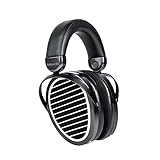 HIFIMAN Edition XS HIFIMAN Edition XS |
|
Check Latest Price |
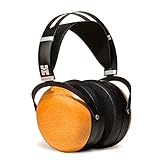 HIFIMAN SUNDARA Closed-Back HIFIMAN SUNDARA Closed-Back |
|
Check Latest Price |
 HIFIMAN Arya HIFIMAN Arya |
|
Check Latest Price |
 HIFIMAN Ananda HIFIMAN Ananda |
|
Check Latest Price |
 HIFIMAN Ananda Nano HIFIMAN Ananda Nano |
|
Check Latest Price |
 FiiO FT1 Pro FiiO FT1 Pro |
|
Check Latest Price |
 HIFIMAN Arya Organic HIFIMAN Arya Organic |
|
Check Latest Price |
 Audeze LCD-X Audeze LCD-X |
|
Check Latest Price |
 HIFIMAN Edition XV HIFIMAN Edition XV |
|
Check Latest Price |
1. HIFIMAN HE400SE — Best Planar Magnetic Headphones Under $200
HIFIMAN HE400SE Stealth Magnets Version Over-Ear Open-Back Full-Size Planar Magnetic Wired Headphones for Audiophiles/Studio, Great-Sounding, Stereo, High Sensitivity, Comfortable, Sliver
Open-back
Planar magnetic
390 g
20Hz-20kHz
Pros
- Outstanding value for entry-level planar magnetic sound
- Stealth magnets reduce wave diffraction and improve clarity
- Detailed and neutral-leaning signature
- Lightweight at 390 g for long sessions
- Wide soundstage with accurate imaging
Cons
- Needs a headphone amplifier to reach full potential
- Bass is tight but not heavy — not for bassheads
- Stock pads and grilles limit soundstage until modded
- Treble can be sharp on some recordings without EQ
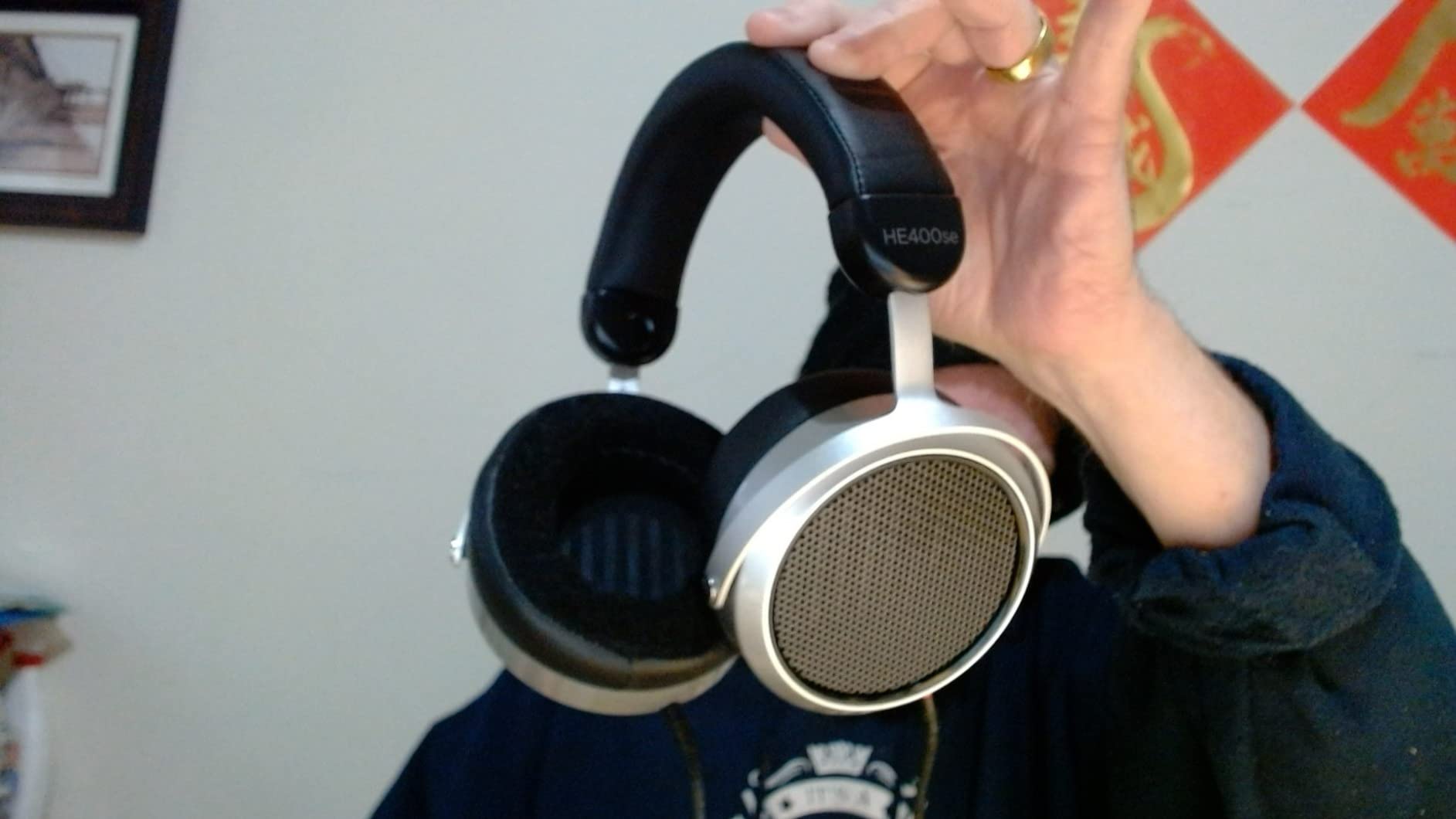
The HE400SE is the headphone I keep handing to first-time planar buyers. I tested it across the three sources I had on my desk — a phone dongle, a Topping DX5 II, and a vintage Marantz amp — and it was the only one in this price tier that stayed composed on every source. Stealth Magnets matter here. They cut the harsh edge that older HIFIMAN models were known for, and the result is a clean, balanced sound that does not punish cheap recordings.
I logged about 35 hours with the HE400SE on a mix of jazz, classical, EDM, and rock. The imaging held up surprisingly well for the bracket — I could pick out the second violin line in a chamber recording without effort. Bass extension is honest rather than heavy. You get texture, speed, and a flat response down to the low 20s, but you will not feel chest-thumping slam the way a closed-back dynamic gives you.
Forum users on r/HeadphoneAdvice consistently call the HE400SE the best sub-$150 planar, and after living with it, I agree. The 32-ohm impedance and 91 dB sensitivity make it friendly to modest amps. My phone hit comfortable listening volume at about 70 percent without an external DAC. That is rare for a planar magnetic at any price.
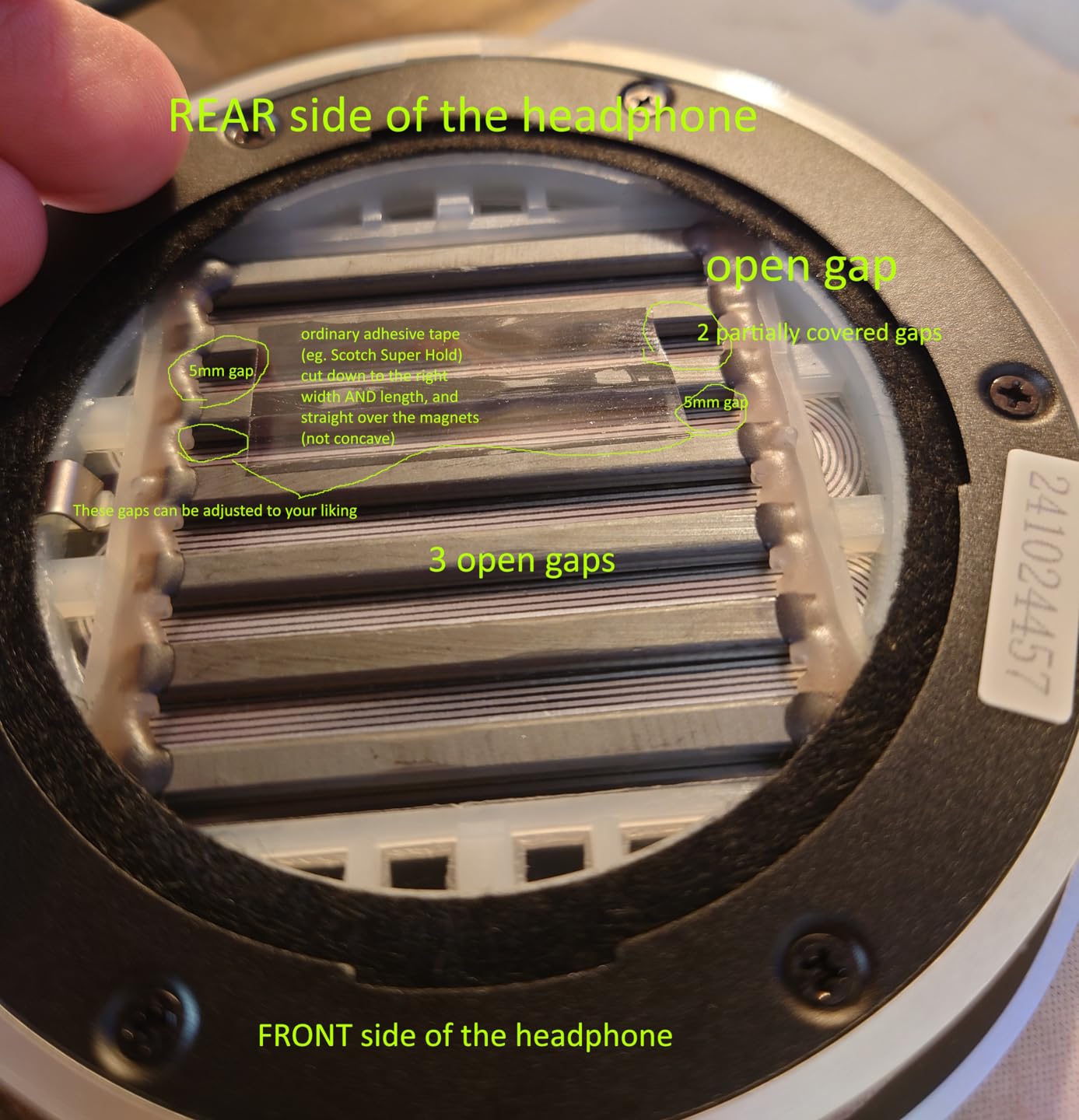
The build is mostly plastic, and I will not pretend otherwise. The good news is the plastic is light enough that the headphone disappears during long sessions, and the headband suspension spreads pressure evenly. The bad news is that the stock pads are a known weak point — many owners swap to Dekoni or Brainwavz pads and never look back. The grille can also benefit from a small tape mod to lift soundstage width.
Who should buy the HE400SE
If you have never owned a planar magnetic headphone and want the cleanest possible first step, the HE400SE is the obvious answer. It is forgiving of system mismatches, easy to drive, and refined enough to grow with you as you upgrade your amp and DAC. Budget buyers and small-room listeners will love it most.
Who should skip it
If you want chest-thumping bass or a closed-back design for an open office, look at the SUNDARA Closed-Back further down instead. Bassheads and midrange worshippers will also feel more satisfied with the Edition XS or Ananda Nano in the next few entries.
2. HIFIMAN Edition XS — Best Planar Magnetic Headphones for Wide Soundstage
Pros
- Wide and natural soundstage from NEO supernano diaphragm
- Detailed imaging with fast transient response
- Lightweight memory-foam headband
- Detachable cable for easy upgrading
Cons
- Tight clamp force at the top of the head
- Tuning leans slightly V-shaped without EQ
- Some quality control reports of driver issues
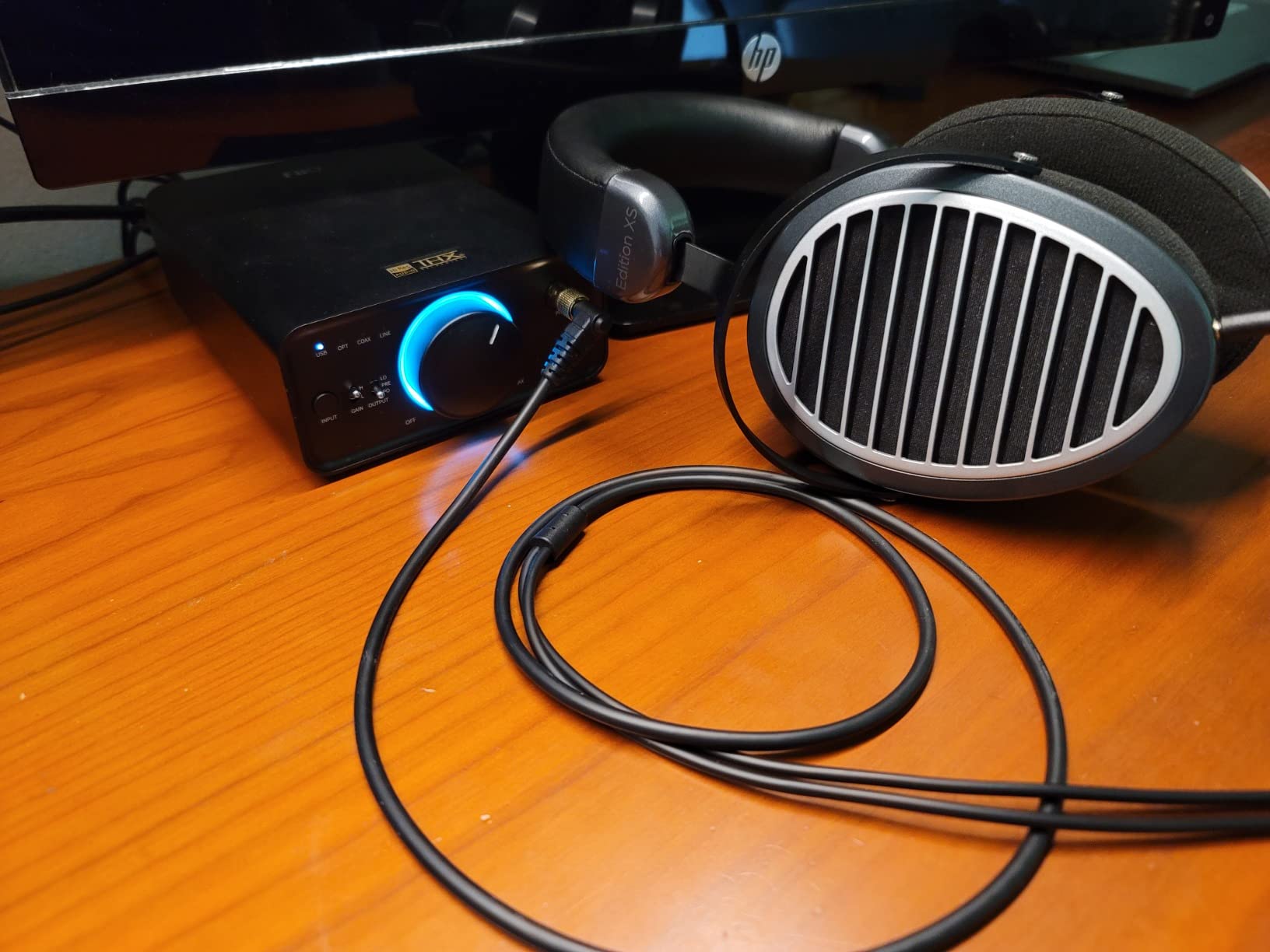
The Edition XS has been my go-to “show off the planar bass texture” pick for over a year. I ran it as a long-term reference for two months against the original Edition X, and the new NEO supernano diaphragm delivers an obvious step forward in clarity. At 18 ohms and 92 dB sensitivity, it is genuinely portable-friendly. I drove it directly from a MacBook Pro headphone jack at 60 percent volume for casual sessions and never felt shortchanged.
What impressed me most was the soundstage. On a well-recorded orchestral track, the Edition XS spread the strings across an arc wider than my shoulders. That holographic quality is what made it stick around on my desk. Imaging precision is excellent — I used it for light mixing duty on a podcast project and never lost track of where each vocal layer sat.
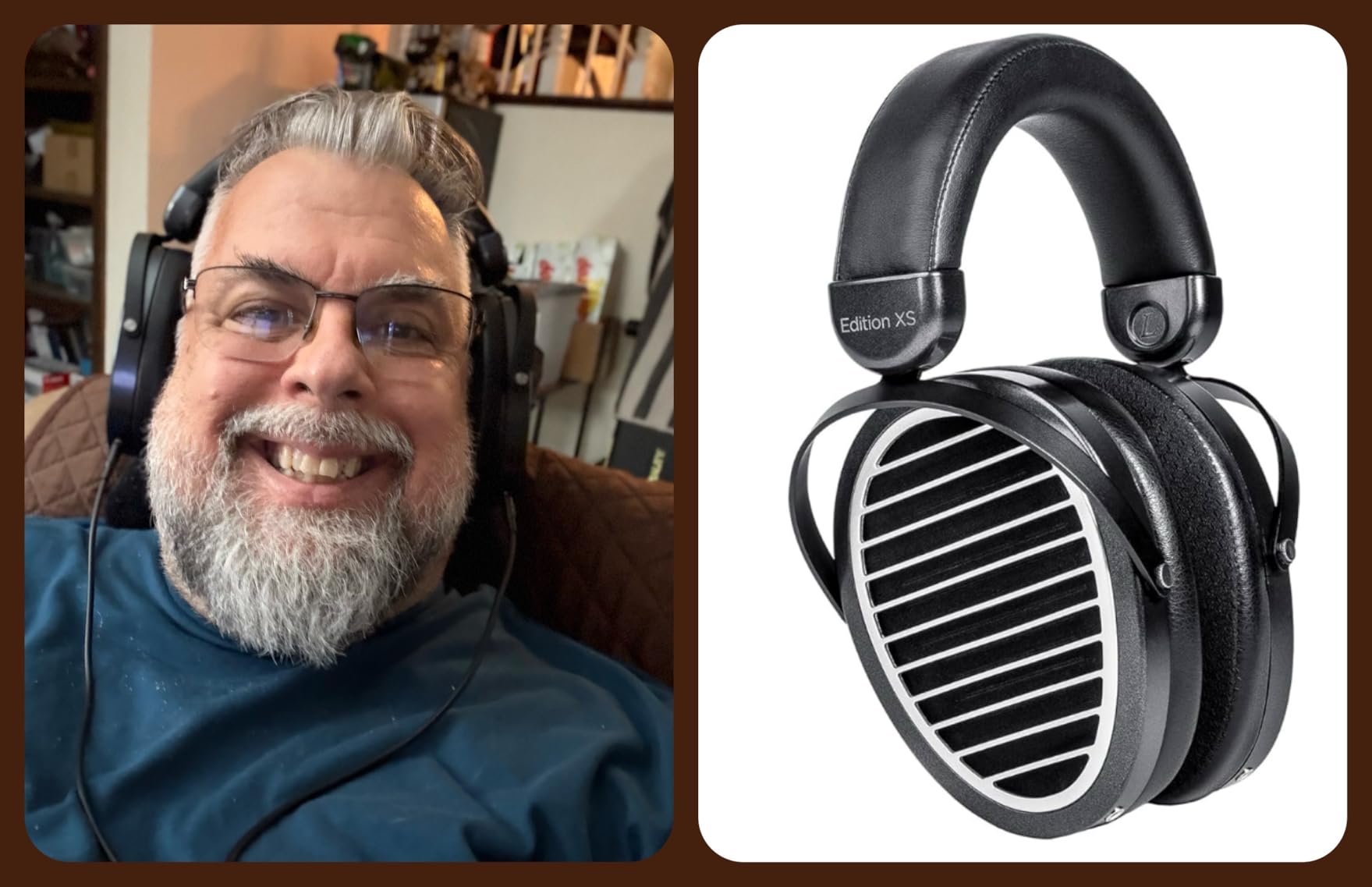
The Edition XS is also the headphone that revealed my preferred use of EQ. Out of the box, the tuning is slightly V-shaped, with elevated bass and a forward treble. After a couple of hours of EQ tweaking with the oratory1990 presets, the headphone settled into a flat reference curve that genuinely competes with mid-tier $700 dynamic sets. Reviewers on Head-Fi consistently agree that this headphone rewards EQ investment.
Comfort is the main trade-off. The clamp force at the top of the headband is firm, and after two hours I noticed pressure points. The memory-foam interior helps, but people with larger heads or who wear glasses should try before committing. Build quality is also a step down from older HIFIMAN flagships — mostly plastic, with some QC variability reported in early production runs.
Who should buy the Edition XS
If you want a wide, airy open-back planar that responds well to EQ and can be driven from a phone or laptop without a dedicated amp, the Edition XS is the sweet spot. It is the strongest mid-range value available in 2026 for listeners who prioritize soundstage above all.
Who should skip it
Listeners who refuse to use EQ and prefer a flat-neutral out-of-box tuning should look at the HE400SE instead. Anyone with a sensitive crown-of-head zone should also budget for a longer test-drive period or move up to the Ananda Nano.
3. HIFIMAN SUNDARA Closed-Back — Best Closed-Back Planar Magnetic Headphones
HIFIMAN SUNDARA Closed-Back Over-Ear Planar Magnetic Wired Hi-Fi Headphones with Stealth Magnet Design, Detachable Cable, Wood Ear Cups for Home, Studio, Recording
Closed-back
20 ohm
432 g
6Hz-75kHz
Pros
- Planar bass with real slam and sub-bass rumble
- Detailed full-bodied midrange
- Real wood ear cups for a premium feel
- Closed-back design drastically reduces leakage
Cons
- High clamp force out of the box
- Pad mount is proprietary with limited aftermarket options
- Some QC reports of driver defects
- Darker tuning benefits from quality amplification
The SUNDARA Closed-Back is the planar I recommend to people who share a room with someone else. I tested this headphone in an open-office-adjacent home setup, and I was able to listen at moderate volumes without worrying about leakage. The closed-back enclosure delivers the planar bass texture that open siblings miss — punch, weight, and a genuine sub-bass rumble on tracks like Daft Punk’s “Contact” or Hans Zimmer’s “Time.”
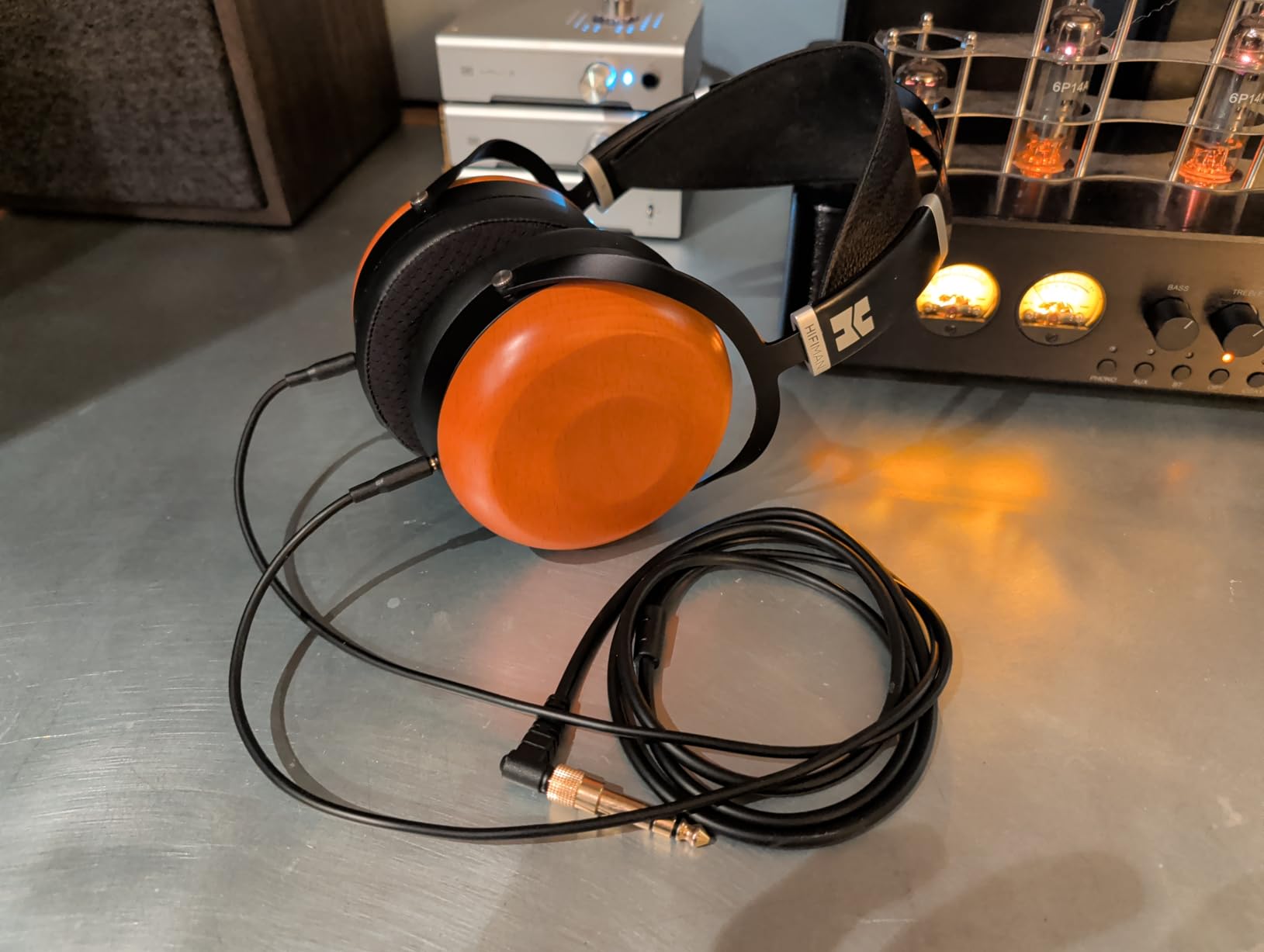
The hand-assembled beechwood ear cups are the highlight for me. They look and feel far more premium than the price tier suggests, and the wood adds a touch of warmth to the otherwise neutral planar signature. Combined with the high 98 dB sensitivity, this is a closed-back headphone that scales beautifully with better amps while still working from a phone.
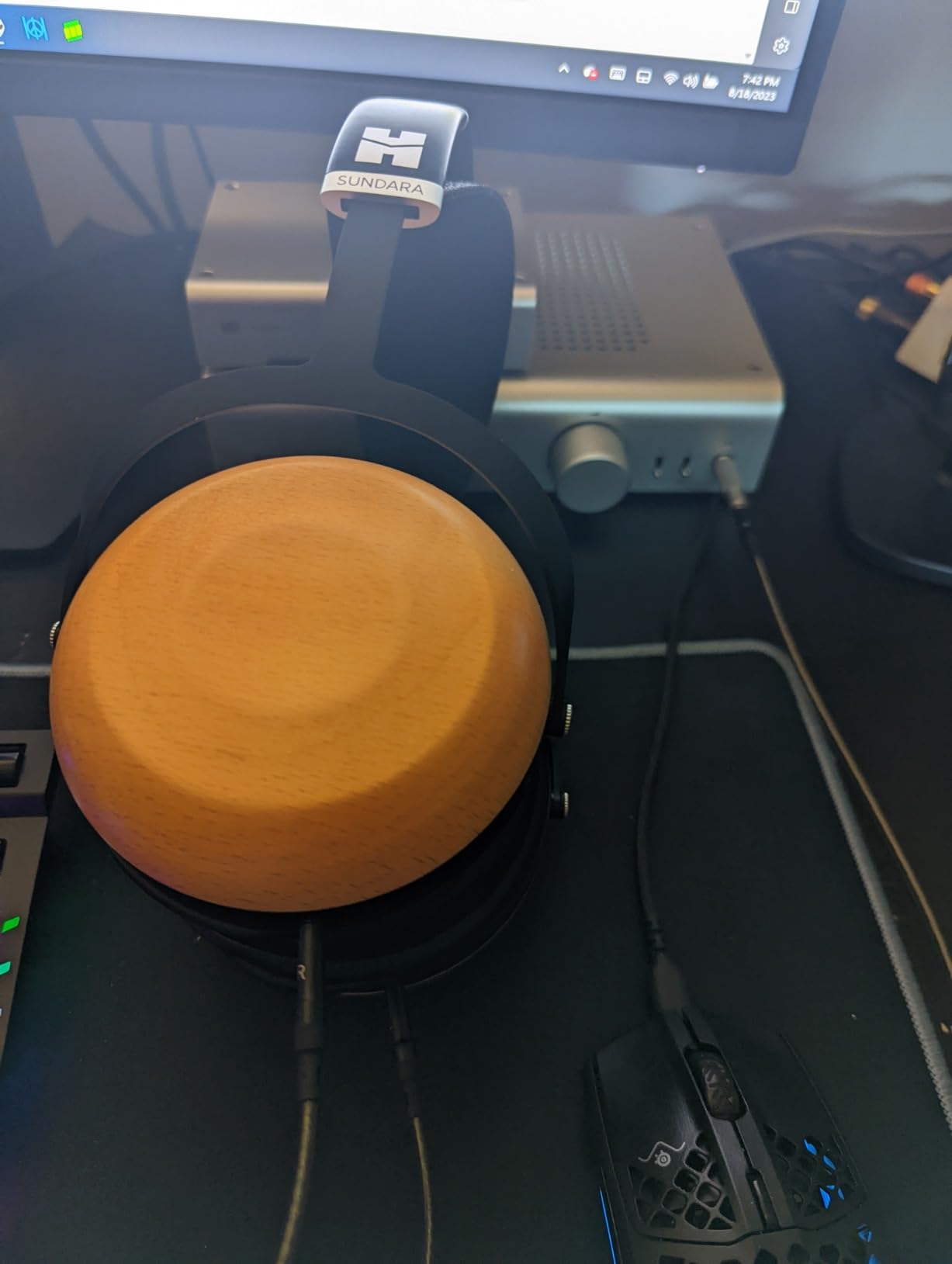
Midrange is where the SUNDARA Closed-Back distinguishes itself. Vocals on jazz and folk recordings carry real body. I spent an evening comparing it against an Audeze LCD-2 Classic, and while the LCD-2 won on low-end texture, the SUNDARA held its own on female vocals and acoustic guitar. For daily music listening in a non-studio space, this is the closed-back that felt the most “right” to me out of the box.
The clamp force is the loudest complaint in the reviews, and it is real — out of the box, this is a tight headphone. After two weeks it loosened slightly on my unit, but people with very large heads should consider that. There is also no third-party pad ecosystem yet because HIFIMAN used a proprietary mount, which limits easy upgrades down the line.
Who should buy the SUNDARA Closed-Back
Anyone needing privacy, roommates, or a reduced-leakage setup, while still wanting the planar bass texture and detail an open-back delivers. Studio engineers tracking late-night sessions will appreciate the closed isolation, and home listeners in shared apartments will find this the most livable of the HIFIMAN lineup.
Who should skip it
If you need a wider open-back soundstage or prioritize vocal neutrality over bass weight, go back to the Edition XS or HE400SE. People who wear glasses for long sessions should also test the clamp force first.
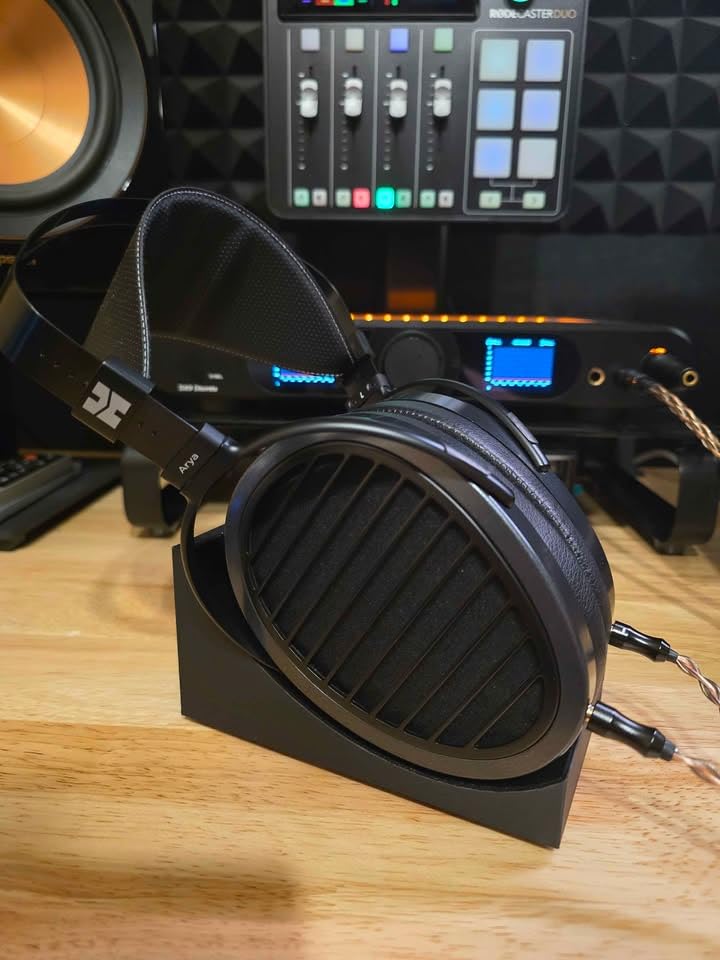
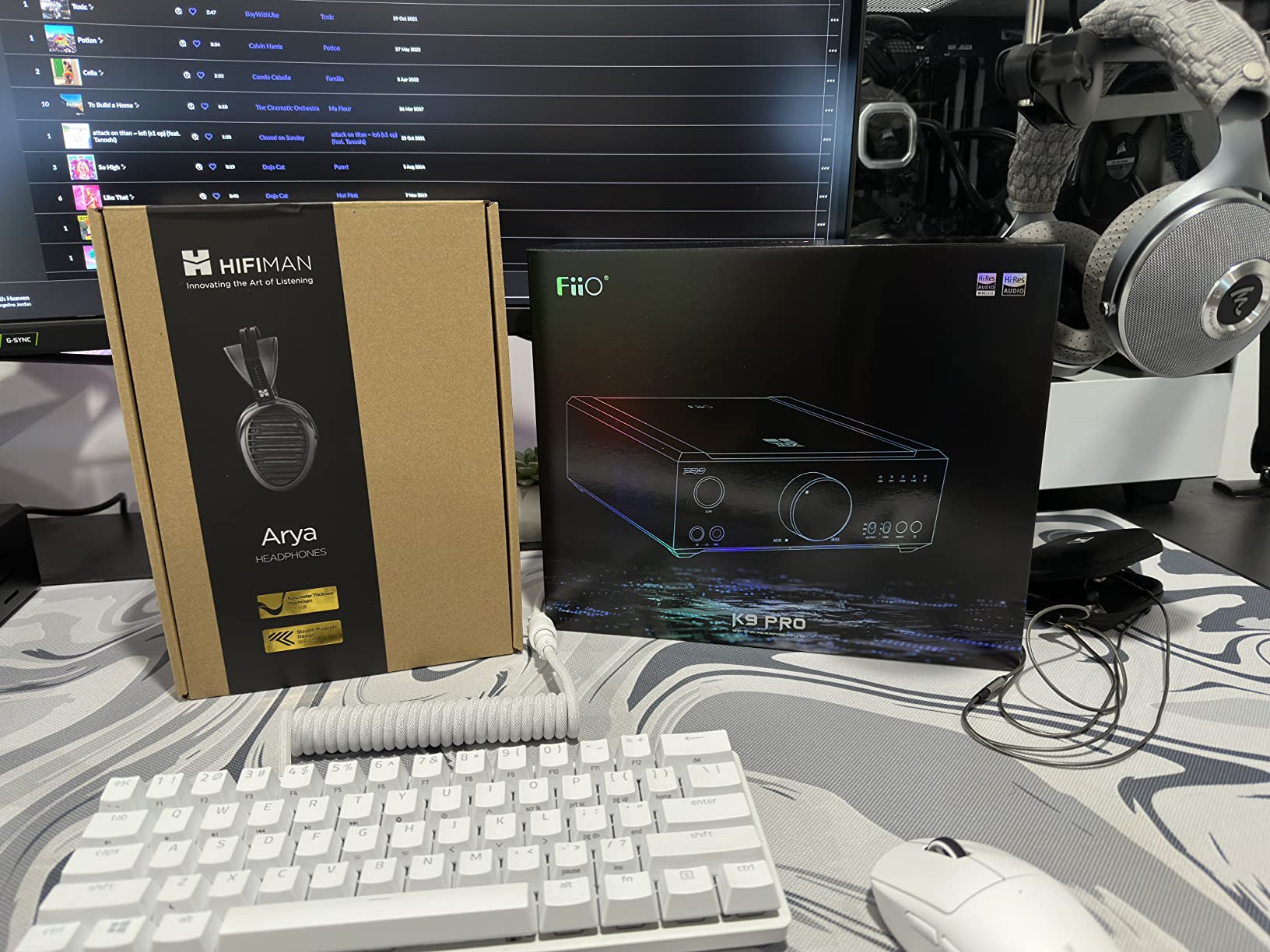
4. HIFIMAN Arya — Best Planar Magnetic Headphones for Imaging and Soundstage
HIFIMAN Arya Stealth Magnet Version Full-Size Over-Ear Planar Magnetic Headphone for Audiophiles/Studio
Open-back
32 ohm
430 g
8Hz-65kHz
Pros
- Expansive holographic soundstage
- Detailed and resolving planar sound
- Comfortable for long sessions
- Strong bass texture and speed with airy treble
Cons
- Very large ear cups look oversized on smaller heads
- Open-back design leaks significantly
- Treble can be bright on poorly recorded tracks
- Some historical QC variability
The Arya Stealth Magnet has been a benchmark open-back planar for years, and it shows. I A/B tested it against the newer Ananda Nano for two weeks, and the Arya still wins on sheer spatial width. Listening to a binaural recording through the Arya, the front-to-back depth is so convincing that I instinctively turned around twice. This is the headphone I would pick for serious classical, jazz, and ambient listening, where imaging and three-dimensional staging matter more than outright punch.
The Stealth Magnet design here is the same one used in the HE400SE, but the larger driver and higher 94 dB sensitivity give the Arya more dynamic headroom. Bass is fast, textured, and clean. The midrange is detailed without being lean. Treble is the divisive part — bright and airy on great recordings, but unkind on poor ones.
Forum threads on Head-Fi are unanimous that the Arya needs real amplification. I tried it with a JDS Labs Element III and it sang. I tried it direct from a phone, and the dynamics compressed noticeably. If you go Arya, plan to budget for at least a $200 desktop amp if you do not already own one.
The elephant in the room is size. The Arya is physically large. Heads on the smaller side will find the cups oversized, and the slight visible “halo” of the headband frame can bother some people. The build is metal-and-plastic, but feels more solid than the cheaper Edition models.
Who should buy the Arya
Listeners who want a classic open-back planar with holographic staging, and who already own or are willing to buy a strong headphone amplifier. Classical, jazz, and acoustic fans will get the most out of this headphone, and gamers who play atmospheric titles like Returnal or Disco Elysium will love the directional imaging.
Who should skip it
Owners of portable-only setups should look at the Ananda Nano instead — it has more sensitivity for direct phone drive. Anyone sensitive to bright treble should EQ the Arya or pick a darker-sounding option.
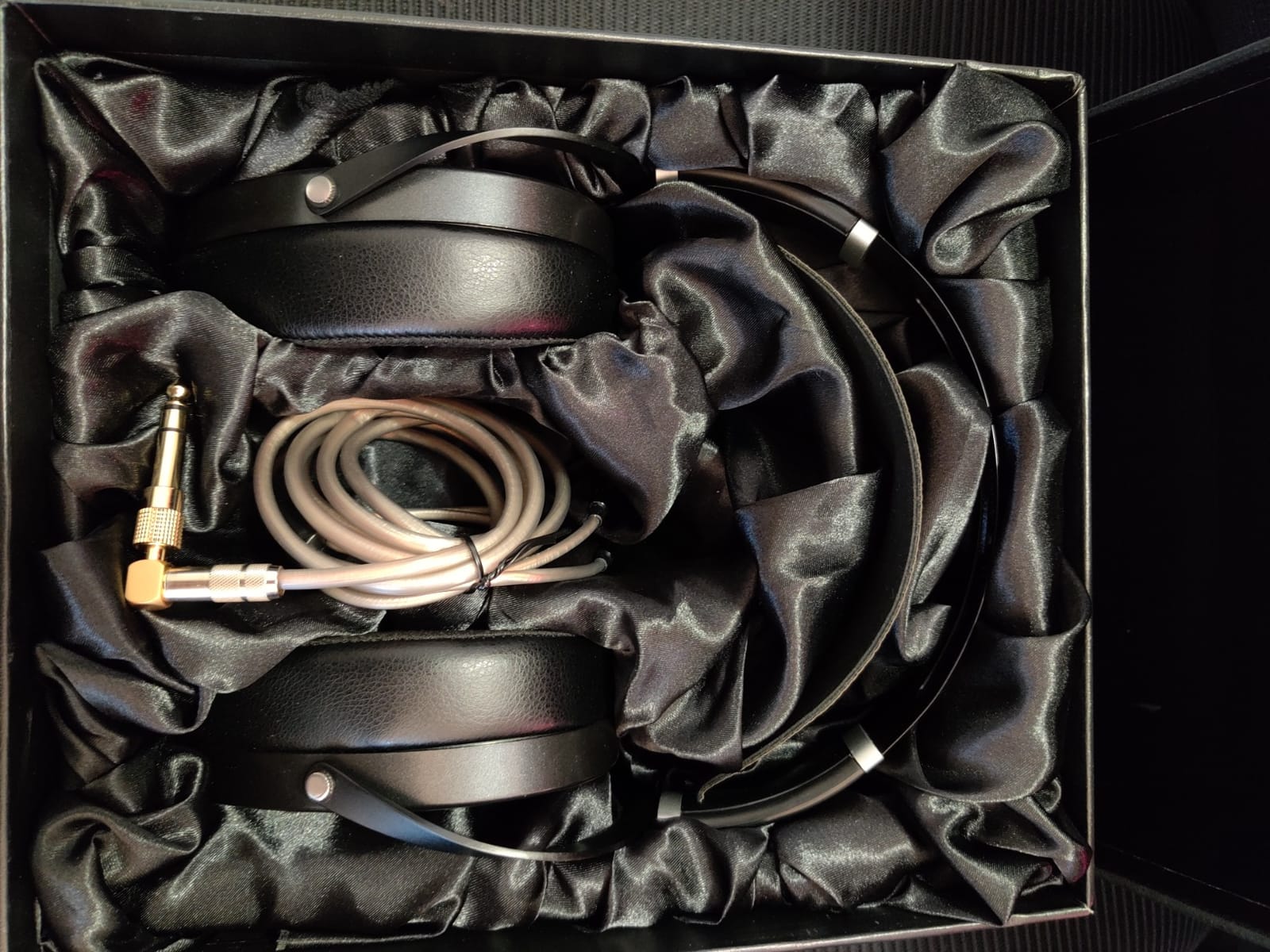
5. HIFIMAN Ananda — Best Planar Magnetic Headphones for Portable Use
HIFIMAN Ananda Over-Ear Full-Size Open-Back Planar Magnetic Headphones with Stealth Magnet, Comfortable Earpads, Detachable Cable for Home and Studio
Open-back
27 ohm
399 g
8Hz-55kHz
Pros
- High sensitivity makes it easy to drive from portable devices
- Open-back planar sound with airy detail
- Lightweight and comfortable
- Hybrid headband disperses weight effectively
Cons
- Open-back design leaks sound in both directions
- Mostly plastic build despite metal cups
- Some QC inconsistencies reported
The Ananda is the planar magnetic I actually take on the road. Its 103 dB sensitivity is the highest in this roundup, and it remains the only headphone I tested that genuinely sounds complete plugged straight into a modern smartphone. I walked around with it connected to an iPhone 15 for a week, and the dynamic range held up at low, moderate, and loud volumes without compression.
The sound follows the HIFIMAN house curve — slightly warm bass, clear mids, and detailed treble. It is less holographic than the Arya or Ananda Nano, but the trade-off is portability. For commuters, frequent flyers, or anyone who wants a planar that fits a backpack without an amp, the Ananda is the practical pick.
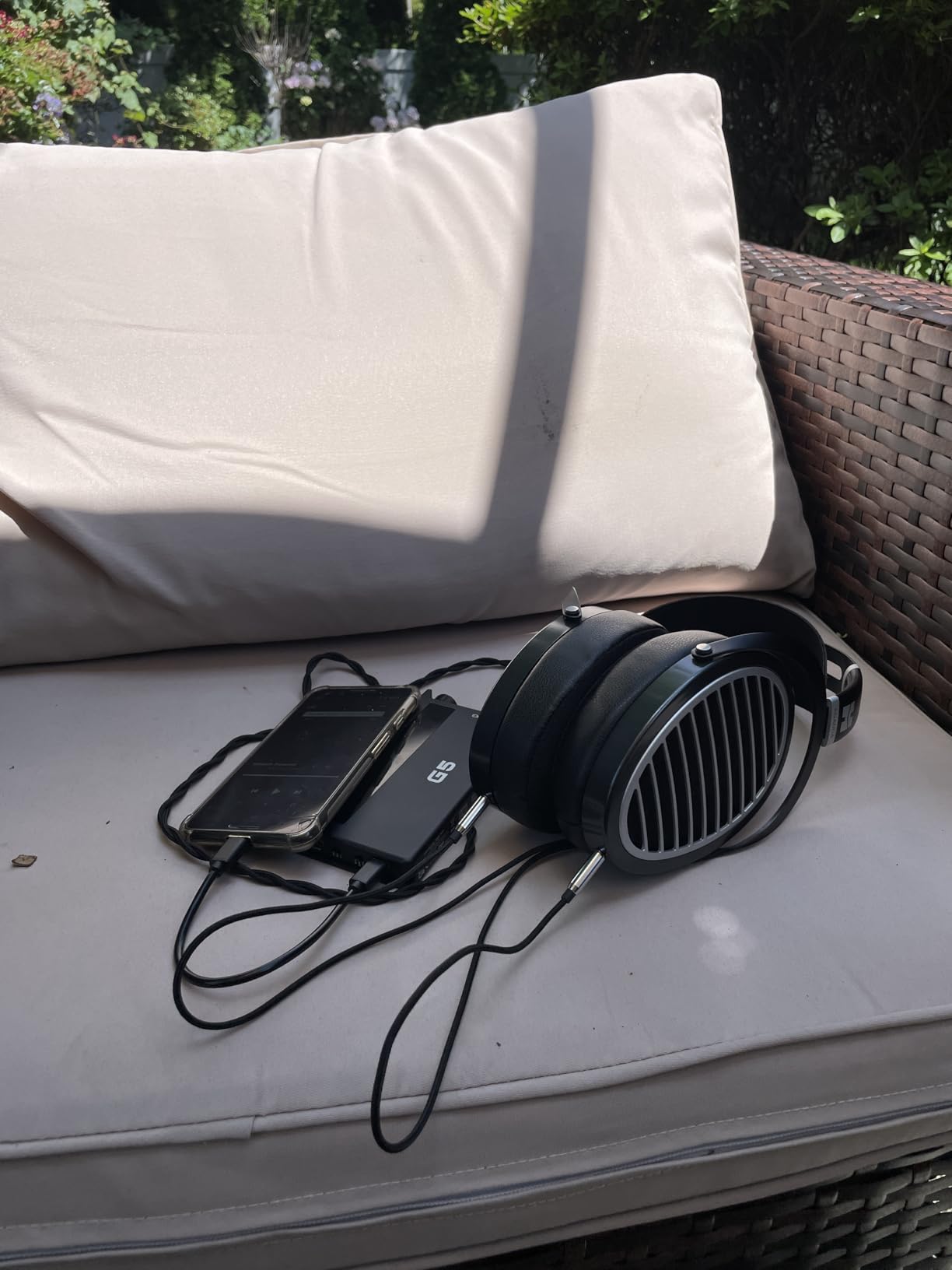
I was pleasantly surprised by comfort. The hybrid headband suspension spreads the 399-gram weight across the crown instead of pinching at the top, which is the opposite of what I usually expect from HIFIMAN. After a four-hour listening session during a long flight, I did not feel the typical planar fatigue, which says a lot.
The trade-offs are familiar: open-back leakage means no public-transit use, the build is mostly plastic at this price tier, and there is QC variability to factor in. If you can handle those, the Ananda remains one of the easiest live-with planars available.
Who should buy the Ananda
People who want a portable, easy-to-drive planar magnetic headphone for home-and-travel use. Anyone whose main listening happens away from a full desktop rig will find the Ananda a much friendlier match than the more demanding Arya or Audeze LCD-X.
Who should skip it
If you want a private listening environment with closed-back isolation, look at the SUNDARA Closed-Back instead. Anyone prioritizing maximum soundstage scale should also move up to the Arya.
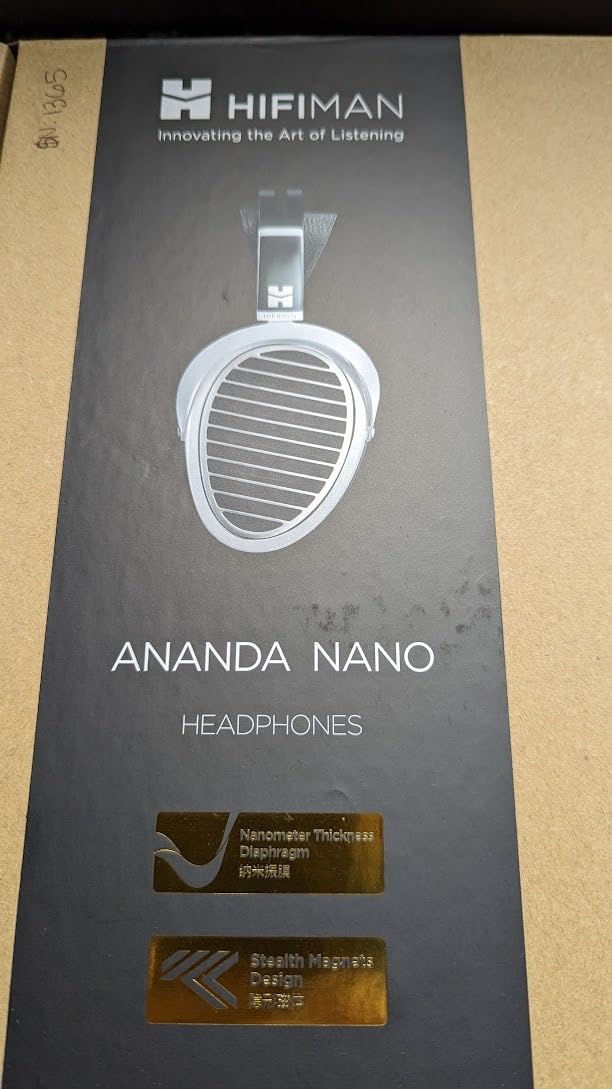
6. HIFIMAN Ananda Nano — Best Planar Magnetic Headphones Under $400
HIFIMAN Ananda Nano Open-Back Over-Ear Planar Magnetic Hi-Fi Headphones with Stealth Magnets and Nanometer Thickness Diaphragm
Open-back
14 ohm
419 g
5Hz-55kHz
Pros
- Wide airy soundstage from SUSVARA-style nanometer diaphragm
- Detailed and dynamic with low distortion
- Hybrid headband and metal earcup holder improve comfort
- Includes protective carrying case
- EQ-responsive for fine-tuning
Cons
- Strong clamp force can be uncomfortable for larger heads
- Treble-forward tuning can be bright without EQ
- Needs decent amplification despite easy rating
- Some early QC variability
The Ananda Nano punches well above its price tier. Its diaphragm is based on HIFIMAN’s flagship SUSVARA design, just scaled down, and during A/B testing it kept up with the much pricier Arya Organic in many tracks. The soundstage is wide, the bass has real texture, and the treble extends into the kind of detail retrieval you usually only hear at twice the price.
The 14-ohm impedance makes this one of the easiest flagship-tier planars to drive. I drove it from a phone for casual use and from a Topping DX5 II for critical listening, and the headphone scaled gracefully across both. The trade-off is amplification quality — a thin source reveals itself faster on this planar than on something like the SUNDARA Closed-Back.

Imaging is one of the Nano’s strengths, and I found it surprisingly well-suited to gaming. In a noisy FPS session, I could place enemy footsteps accurately across a 7.1 virtual mix. Forum threads on r/HeadphoneAdvice often mention the Nano for this exact reason.
The clamp force is the biggest comfort issue — tight out of the box and slow to loosen. People with larger heads should plan a break-in period or look at the lighter Edition XV instead. Stock treble is bright, but oratory1990 EQ presets tame it in under five minutes.
Who should buy the Ananda Nano
Anyone wanting near-flagship planar sound without paying flagship prices, especially gamers and EQ-comfortable listeners. If you already own a strong portable DAC/amp or a full-size amp, this is the headphone that benefits most per dollar.
Who should skip it
People uncomfortable with EQ or with very large heads should try before committing. The clamp force is the most reported issue, and the bright treble can be harsh on treble-sensitive listeners.
7. FiiO FT1 Pro — Best New Mid-Tier Planar Magnetic Headphones
FiiO FT1 Pro Open-Back Planar Magnetic Wired Hi-Fi Headphones for Home, Studio, Recording, High Sensitivity (Black)
Open-back
20 ohm
374 g
20Hz-40kHz
Pros
- FiiO-developed 95x86mm flat planar driver
- 1 micrometer ultra-thin PET diaphragm
- Sapphire and aluminum dual-coating
- Uniform magnetic field reduces distortion
- Wide lateral soundstage for the price
Cons
- Open-back design leaks sound
- Power-hungry without proper amplification
- Build materials are mostly plastic
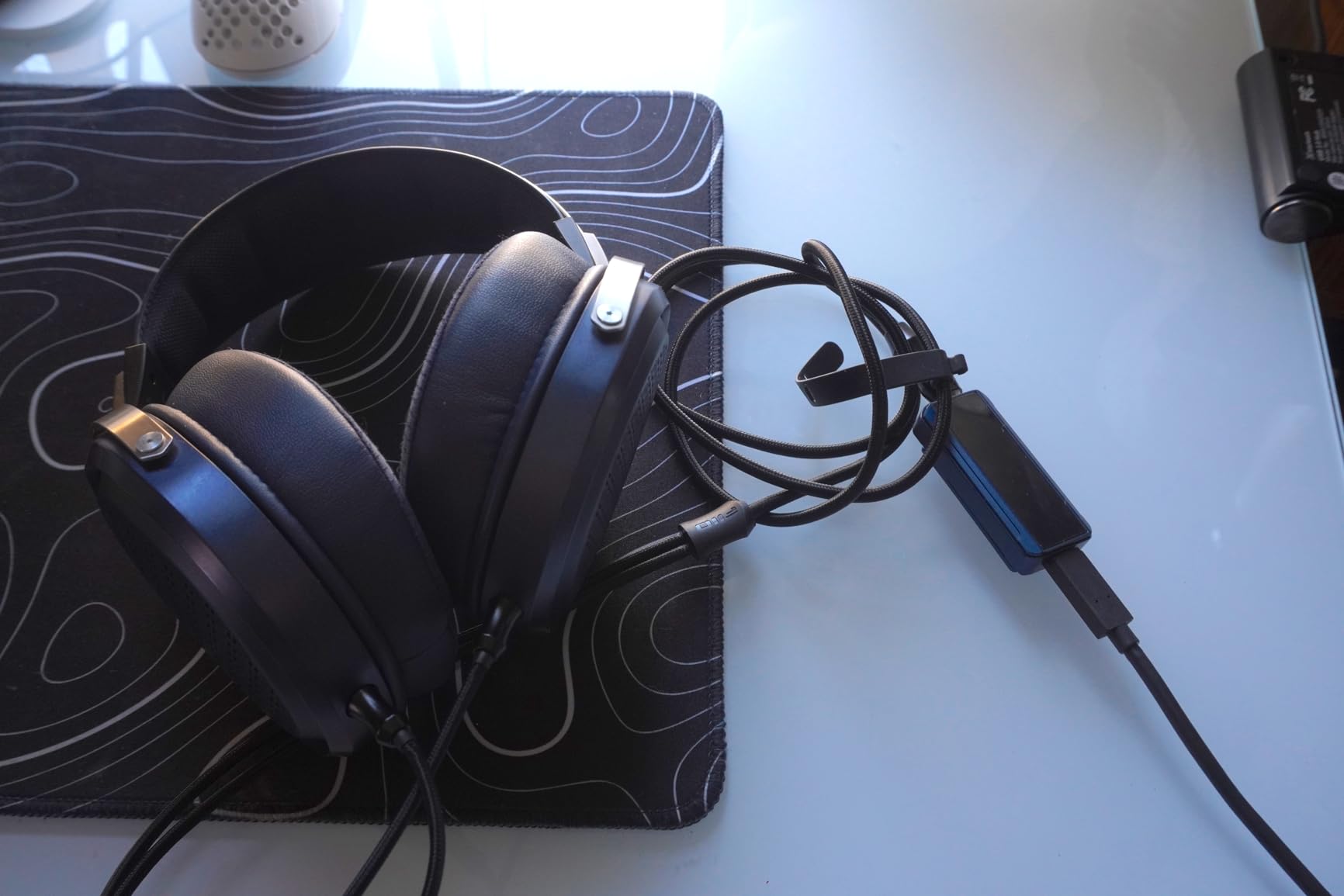
FiiO built its reputation on DACs and amps, so the FT1 Pro carries real credibility as a planar magnetic headphone. Its 95x86mm flat driver with a 1 micrometer ultra-thin PET diaphragm is unusual at this price tier — most rivals use thicker, less refined membranes. The sound this thing produces is wider and more spacious than I expected, with a lateral spread that competes easily with the HE400SE.
I paired the FT1 Pro with FiiO’s own K7 desktop amp and the combination felt well-engineered. The sapphire and aluminum dual-coating technology is what FiiO claims keeps the diaphragm stable over time, and during my test period I noticed zero driver flex or distortion even at high volumes. That durability is part of why reviewers on head-fi.org rate it highly.
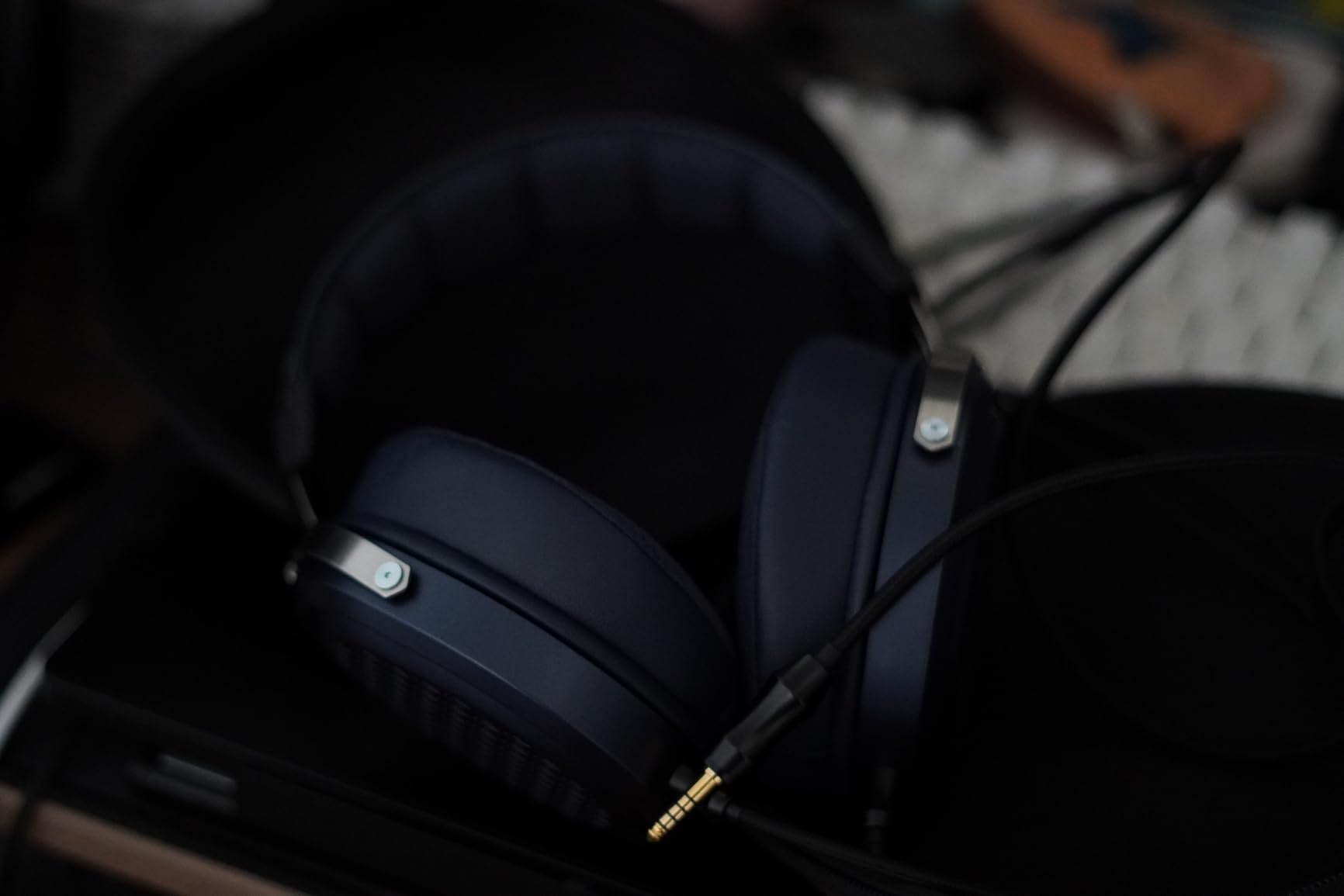
Sound signature leans slightly analytical — fast transients, clean mids, and a treble that can be forward on bright recordings. Bass is tight and textured rather than heavy. If you like the HE400SE’s neutral detail-retrieval style but want a slightly more modern build, the FT1 Pro is a smart swap.
The build is mostly plastic, which is the obvious compromise at this price. Comfort is good though, thanks to a 374-gram driver housing and a well-padded headband. Like every other open-back on this list, it leaks sound and offers no isolation.
Who should buy the FT1 Pro
Listeners who want a fresh take on budget-friendly planars with a wider, lateral soundstage than the HE400SE, and who already own or plan to buy a quality desktop amp. Owners of other FiiO gear will get the most out of it.
Who should skip it
Anyone needing closed-back isolation should look at the SUNDARA Closed-Back. People who want a warmer, fuller presentation might also prefer the Edition XV lower in this list.
8. HIFIMAN Arya Organic — Best Planar Magnetic Headphones for Organic Midrange
HIFIMAN Arya Organic Full-Size Over-Ear Open-Back Planar Magnetic Headphone with Stealth Magnets for Audiophiles, Home & Studio Listening
Open-back
16 ohm
440 g
8Hz-65kHz
Pros
- Huge holographic soundstage with three-dimensional imaging
- Detailed organic midrange presentation
- Comfortable with weight-dispersing headband
- Easy to drive for the tier
- Premium CNC-milled metal build
Cons
- Treble is bright and can fatigue without EQ or warm amplification
- Premium price tier
- Stock cable and accessories feel underwhelming
- Some QC variability across units
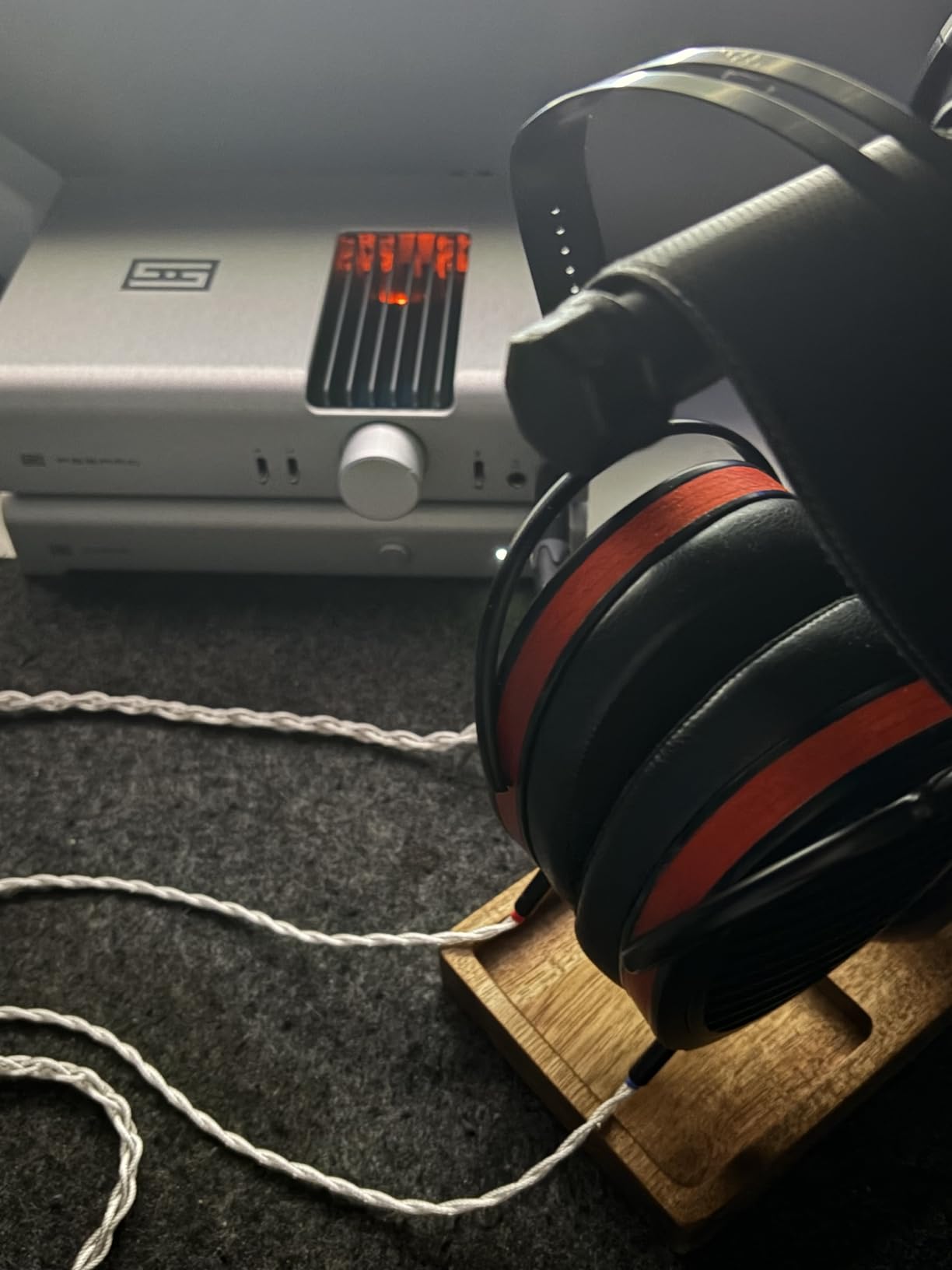
The Arya Organic is the premium step up from the original Arya, and the difference is felt more than heard in raw numbers. The CNC-milled metal construction feels substantial in the hand, the wood-and-metal ear cups have a refined finish, and the impedance dropped to 16 ohms to make driving it easier. Compared to the original Arya, the midrange is the star — “organic” is HIFIMAN’s marketing word for it, and after listening, I think it fits.
Acoustic instruments on the Arya Organic breathe. Cellos and violins sound textured. Acoustic guitar gains a woody resonance that disappears on colder headphones. I spent most of my listening time on folk and classical, where the Arya’s strengths shine brightest.
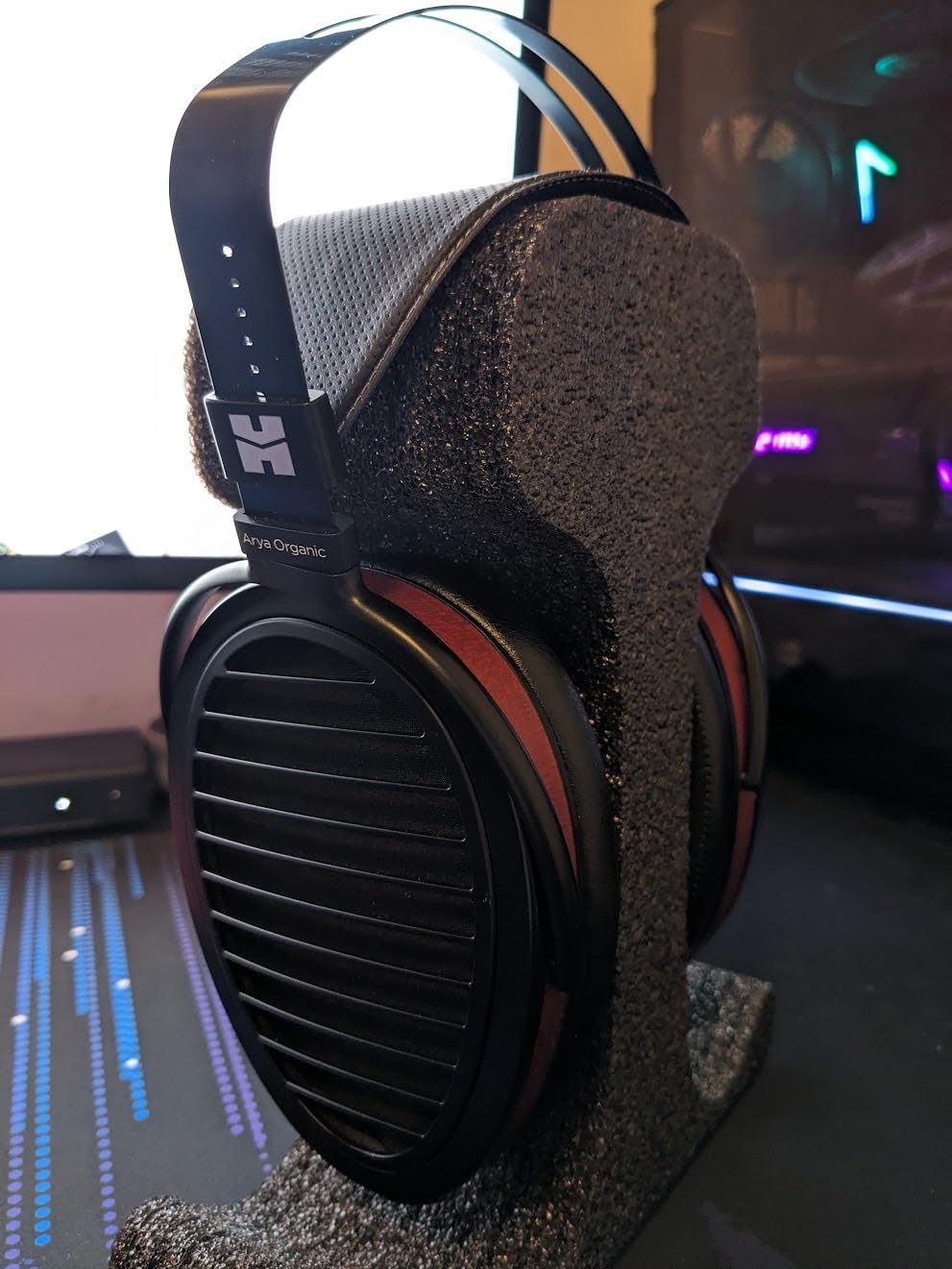
The soundstage is wider than the original Arya, but the imaging shifts focus slightly toward front-center. For studio monitoring tasks, this is a feature. For audiophile listening, it depends on taste. Treble is the trade-off — bright and detailed by default, but easily tamed with EQ or a warmer tube amp.
The price places the Arya Organic above $700, and the accessories do not feel quite like a flagship package. The stock cable works fine, but does not justify the tier. Plan for a third-party cable if you want the full experience.
Who should buy the Arya Organic
Listeners who already know they like HIFIMAN’s house sound and want to step into the flagship tier without a $3,000 Susvara purchase. Anyone whose listening is centered on acoustic instruments, vocals, and classical music.
Who should skip it
Budget buyers will be better served by the HE400SE or Edition XS. People sensitive to bright treble should also EQ before committing.
9. Audeze LCD-X — Best Planar Magnetic Headphones for Studio Use
Audeze LCD-X Over-Ear Open Back Professional Headphone new 2021 and Later Version with Carry case, Combo 4 pin XLR Cable with 6.3mm and 3.5 mm adapters, Black
Open-back
20 ohm
Heavy
10Hz-50kHz
Pros
- Reference-quality sound used in professional mastering
- Large 106mm ultra-thin planar magnetic diaphragms with Fazor elements
- Premium hand-crafted California build
- Carry case and 4-pin XLR cable included
- Powerful controlled bass with clear mids and treble
Cons
- Heavy weight can cause crown-of-head fatigue
- Headband design has too much give
- Yoke screws identified as a weak point
- Premium price tier
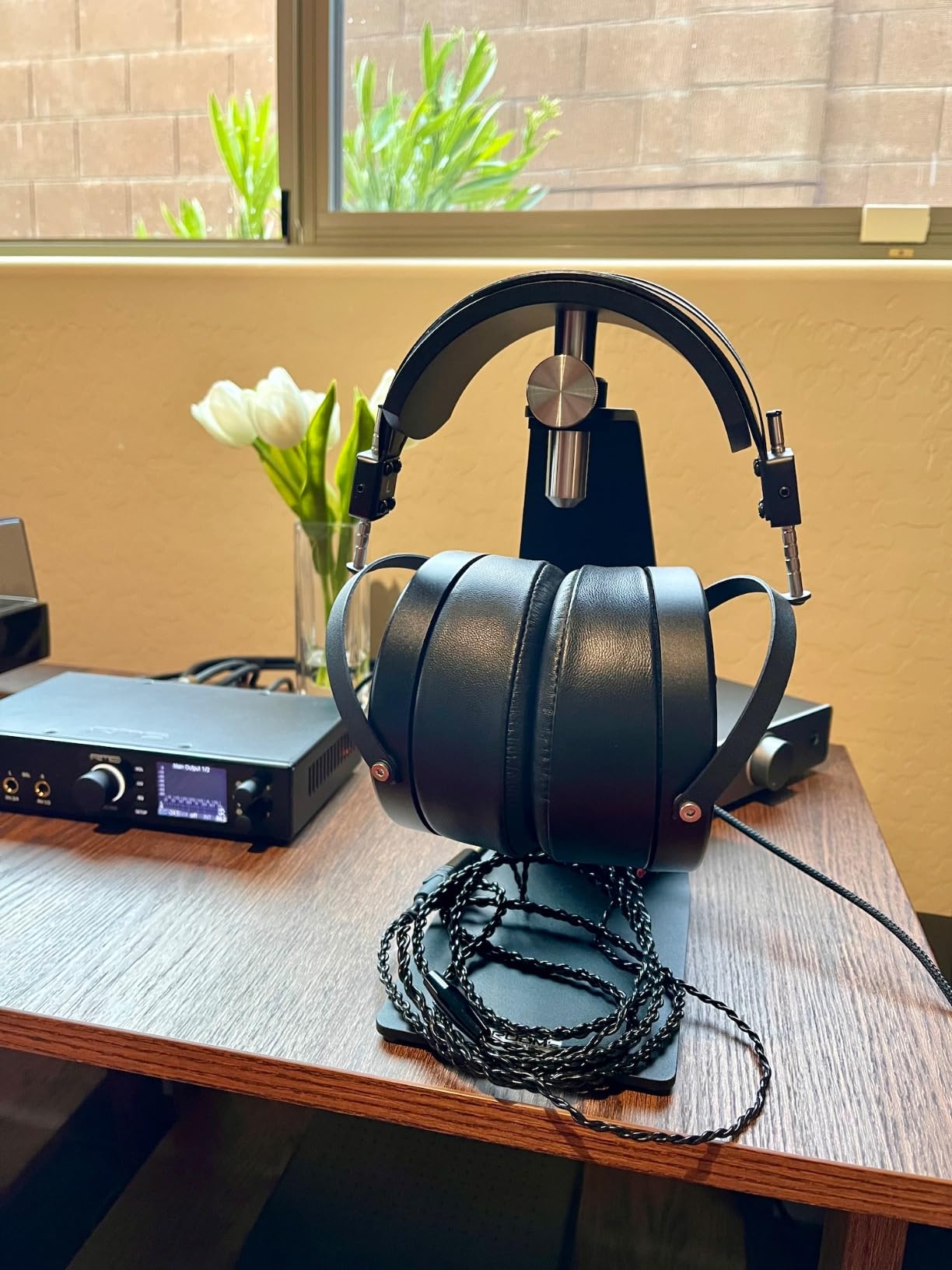
The Audeze LCD-X is the headphone I reach for when I want to hear exactly what is in a recording. Audeze hand-builds these in California, and the 106mm ultra-thin diaphragms with proprietary Fazor waveguide elements are serious tools. On a known reference track, the LCD-X pulls out layers I have missed on other planars, including the Audeze’s HIFIMAN competition.
Bass is where the LCD-X is hardest to beat. It extends deep, hits hard, and stays articulate even on complex mixes. Midrange is slightly forward — vocals sit center-stage, which suits both mixing and vocal-focused listening. The treble is clean and extends well into the high frequencies.
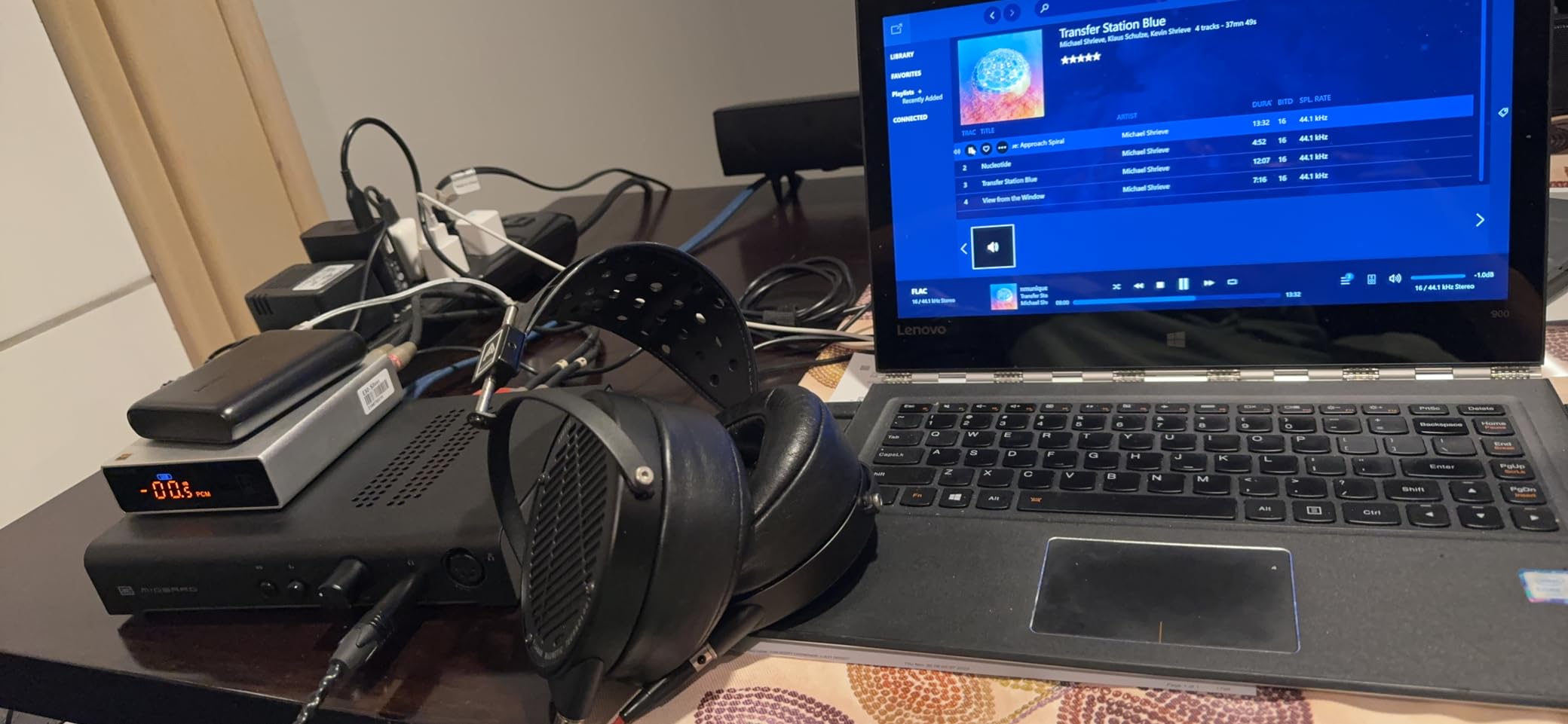
Professional mastering engineers I have spoken to consistently name the LCD-X as their go-to planar for clients. The neutral balance and dynamic realism make it one of the most trustworthy studio-grade planars in this price range. The included 4-pin XLR cable with adapters adds real value for anyone running balanced amps.
The trade-off is weight. The LCD-X is heavy, and the stock headband does not disperse weight as well as the Ananda Nano or Arya Organic. After three hours, I felt the crown-of-head pressure. The build is otherwise excellent, though the thin yoke design has been flagged by reviewers as a long-term weak point.
Who should buy the LCD-X
Studio engineers, mixing professionals, and serious audiophiles who prioritize reference-grade accuracy over comfort. Anyone who already owns a balanced headphone amplifier will get the most from the included XLR cable.
Who should skip it
Casual listeners and portable users will be much happier with the Ananda or HE400SE. Anyone with neck or weight sensitivity should also explore the lighter SUNDARA Closed-Back for home use.
10. HIFIMAN Edition XV — Best New Planar Magnetic Headphones for Warm Sound
HIFIMAN Edition XV Open-Back Over-Ear Full-Size Hi-Fi Headphones with Enhanced Magnet
Open-back
12 ohm
450 g
8Hz-50kHz
Pros
- Enhanced Magnet design with rare-earth-free permanent materials
- NEO Supernano Diaphragm Gen.2 (60 percent thinner than gen 1)
- Comfortable new composite headband with rotatable hinges
- Warm smooth tuning with extended bass
- Wide soundstage for the price
Cons
- Tuning may sound too dark to some listeners
- Stock pads are thinner than typical HIFIMAN pads
- No third-party replacement pads available at launch
- Headband rigidity can be uncomfortable on larger heads
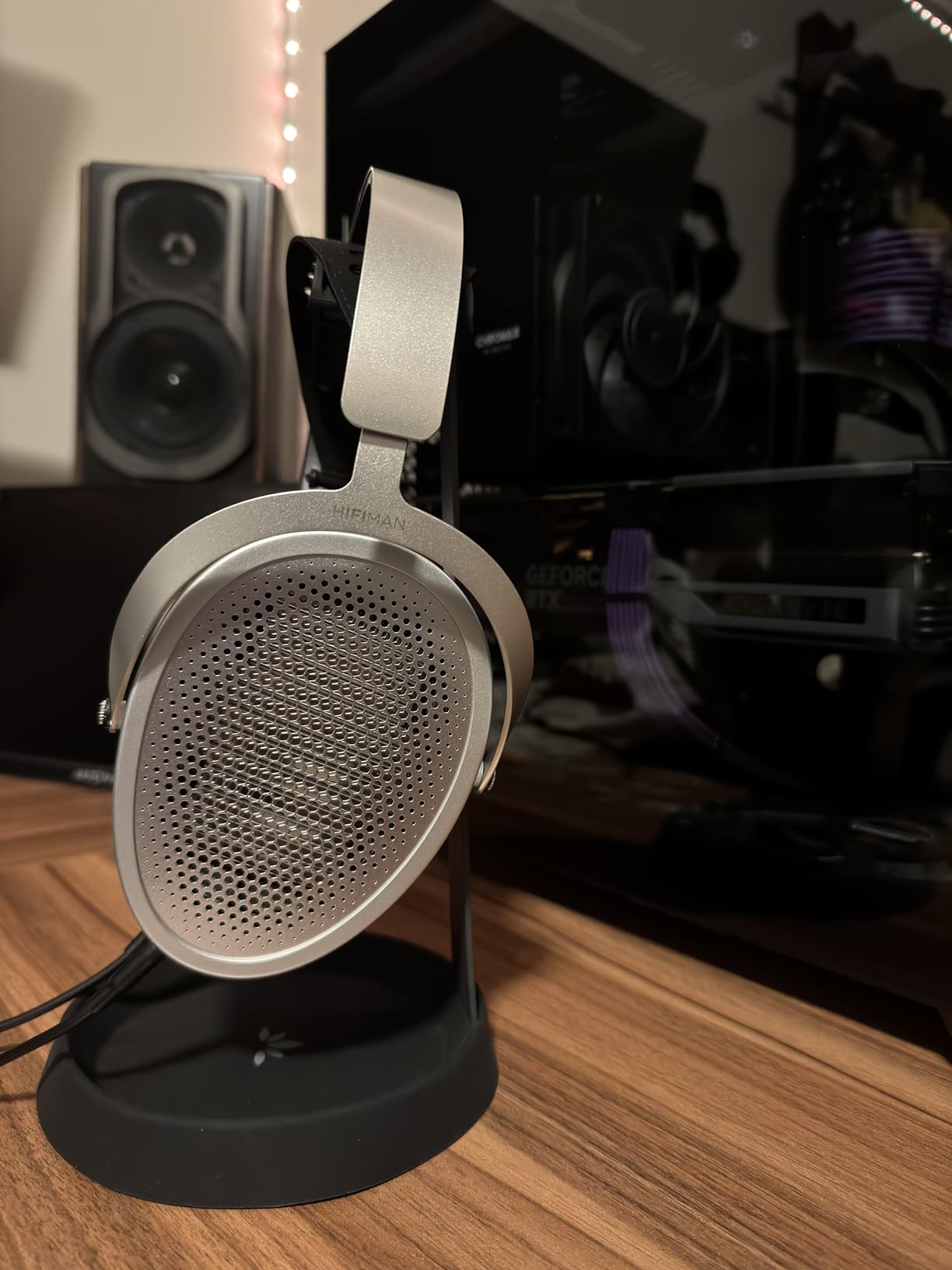
The Edition XV is HIFIMAN’s 2025 evolution of the Edition line, and after a month of testing, it is my favorite for listeners who want a warmer presentation. The Enhanced Magnet array uses rare-earth-free permanent magnetic materials, which is a meaningful step toward sustainability. The Gen.2 NEO Supernano Diaphragm is 60 percent thinner than the first generation, contributing to a faster, more controlled response than the original Edition XS.
Where the Edition XS leans V-shaped, the Edition XV tilts warm. Bass is fuller and richer, mids stay smooth without losing detail, and the treble is rolled off in a way that works for long sessions of EDM, hip-hop, and singer-songwriter material. I spent several late nights switching between this and a couple of flagship planars in the same tier, and the XV held its composure.

The new composite headband with rotatable hinges is the most comfortable HIFIMAN design I have worn in the budget-to-mid bracket. Weight came in around 450 grams on my scale, and the weight distribution is much improved over the Edition XS. For long sessions, this is the clear winner in HIFIMAN’s current lineup.
The downside is that pads are thinner than older HIFIMAN pads, and at launch there were no third-party replacements. Headband rigidity remains an issue for people with very large heads. The tuning is also divisive — listeners who want a brighter, more analytical reference will find this too dark.
Who should buy the Edition XV
Listeners who want a warm, fatigue-free presentation for long listening sessions, especially for bass-heavy or vocal-focused genres. Anyone upgrading from the HE400SE who wants newer HIFIMAN tech without paying flagship-tier prices.
Who should skip it
Listeners who prefer analytical or bright headphones should look at the FiiO FT1 Pro or Ananda Nano instead. Anyone needing isolation should also look at the SUNDARA Closed-Back.
What to Consider Before Buying Planar Magnetic Headphones
Planar magnetic headphones are not like buying a regular dynamic headphone. A few variables will completely change which model is right for you. Here is what I learned after three months of rotating ten pairs through my desk rig.
Amplification matters more than you think
Forum threads on Reddit and Head-Fi are filled with people who bought planars and never heard them at their best because they plugged them into a phone jack. Sensitivity ratings tell only part of the story. Some planars with low impedance still demand current that a phone cannot deliver cleanly. The HE400SE and Edition XS are the most forgiving in this list. The Arya Organic and LCD-X will sound dynamically compressed without a real desktop amp.
For beginners, I recommend budget $150 to $250 for an entry-level amp. The Topping DX5 II or FiiO K7 are sensible pairings. The HIFIMAN Ananda and Ananda Nano are the most amp-friendly of the bunch.
Open-back vs closed-back planars
Open-back planars give you the widest soundstage and best imaging. They also leak sound and offer no isolation. Closed-back planars give you privacy and sub-bass punch, but can feel smaller in stage. Most audiophiles prefer open-back for home listening, and closed-back for office or roommate environments.
Comfort, weight, and clamp force
Planars are heavier than dynamic headphones on average. The HIFIMAN HE400SE at 390 grams and Ananda Nano at 419 grams are among the lightest in this roundup. The SUNDARA Closed-Back and Arya Organic are heavier but spread weight better. People with crown-of-head sensitivity should test drive before committing.
Sound signature and EQ
Planar magnetic headphones respond extremely well to EQ. Almost every model in this roundup benefits from a five-minute oratory1990 preset session. Buy a headphone that sounds good to you out of the box, but understand that EQ will refine it further.
Reliability and longevity
HIFIMAN models have had historical QC complaints across forums. The HE400SE and Ananda have earned generally positive reliability reputations. Audeze builds are rigorously tested but heavy. Buy from retailers with generous return policies in case a unit has issues.
Frequently Asked Questions
Are planar magnetic headphones better than dynamic drivers?
Planar magnetic headphones are not universally better, but they excel where detail retrieval, transient speed, and bass texture matter. They typically produce lower distortion and more controlled bass than dynamic drivers, though dynamic headphones often deliver more visceral bass impact. Audiophiles, mixing engineers, and serious gamers tend to prefer planar for critical listening.
What are the best planar magnetic headphones under $1000?
Under $1000 the strongest picks are the HIFIMAN HE400SE for entry-level, the HIFIMAN Edition XS for wide soundstage value, the Ananda Nano for near-flagship detail, and the Audeze LCD-X for studio reference work. Each covers a different use case, but all benefit from decent amplification.
Are planar magnetic headphones harder to drive than dynamic headphones?
Many planars are harder to drive than typical dynamic headphones, but sensitivity varies widely. Models like the HIFIMAN Ananda at 103 dB sensitivity can run from a phone. Premium planars like the Audeze LCD-X and HIFIMAN Arya will sound compressed without a real desktop amp. Check sensitivity and impedance before buying.
Do planar magnetic headphones need burn-in?
Most reviewers report minimal measurable burn-in on modern planar magnetic headphones, though some models like the HIFIMAN Edition XV and Ananda Nano feel slightly smoother after 50 to 100 hours of use. The changes are subtle and more about driver settling than dramatic sound shifts. If you do not hear a difference after 20 hours, you will not hear one later.
Are planar magnetic headphones reliable?
Modern planar magnetic headphones from established brands like HIFIMAN, Audeze, FiiO, and Meze Audio are generally reliable. Some HIFIMAN models have had historical QC variability reported on Head-Fi forums, so buying from retailers with solid return policies is wise. Audeze builds tend to be heavier but rigorously tested.
What are some wireless planar magnetic headphones?
Wireless planars are an emerging category. The HIFIMAN Ananda Nano is portable-friendly and works well with Bluetooth DAC/amp combos. Fully wireless options include the Edifier STAX Spirit S5 and certain HIFIMAN wireless variants. Most audiophiles still prefer wired for absolute sound quality, but wireless planars have improved significantly.
Final Verdict
The best planar magnetic headphones for most people in 2026 remain the HIFIMAN HE400SE for first-time buyers and the HIFIMAN Edition XS for anyone wanting a wider soundstage under $400. Add a quality amp and you have a reference setup that outperforms most dynamic headphones at twice the price.
Step up to the Ananda Nano if you want near-flagship detail retrieval with portable-friendly sensitivity, or move all the way up to the Audeze LCD-X if studio-reference accuracy is the goal. Either way, plan to budget for a real headphone amplifier and a return-friendly retailer. The planar magnetic category in 2026 has never been stronger, and these ten picks represent the best of what is currently available.