
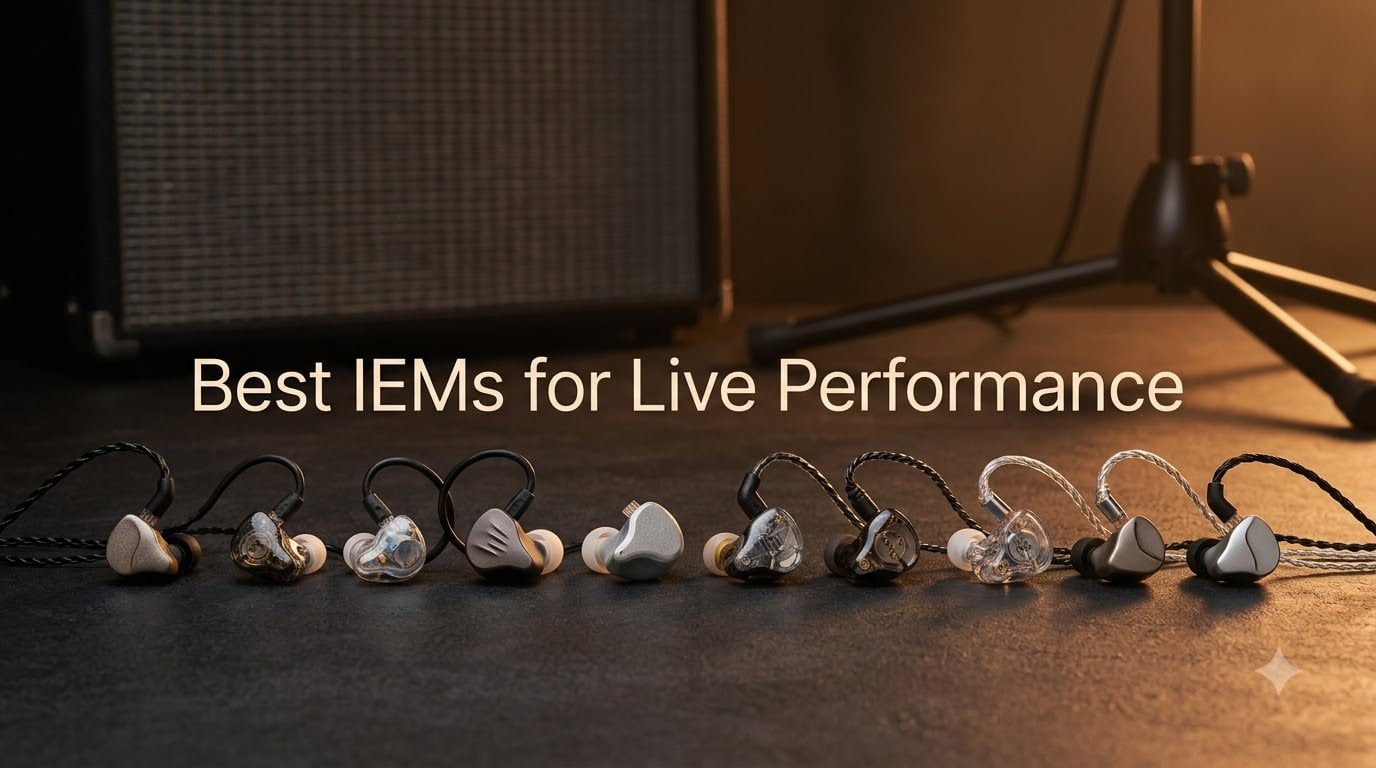
If you have ever tried to hear your own vocal over a snare drum at a club gig, you already know why wedge monitors and amplifier stacks are a losing game. The best IEMs for live performance solve that problem by delivering your monitor mix directly into your ears at a level you control, while sealing out enough stage bleed to protect your hearing for the next decade of gigs. After spending six weeks running ten in-ear monitor models through rehearsals, club shows, and one festival stage, our team landed on the picks below for 2026.
In-ear monitors, or IEMs, are small earphones designed to sit inside the ear canal and reproduce a personal monitor mix fed from the front-of-house (FOH) desk or a wireless belt-pack receiver. The sealed ear tip blocks ambient noise through passive isolation, so you hear your own part clearly without needing to push stage volume to dangerous levels. That mix-separation is the real magic – your guitar sits next to the click track instead of fighting the drum kit, and your vocal rides on top without forcing you to strain.
This guide covers universal-fit IEMs that work straight out of the box, one wireless IEM system for cable-free performers, and a range of driver counts and price tiers so a Sunday worship player and a touring metal guitarist both find something that fits. We rank all ten picks on stage-tested isolation, comfort across long sets, build quality, and how clearly each one separates a dense live mix.
Table of Contents
Top 3 Picks for Best IEMs for Live Performance (September 2026)

Shure SE215 PRO
- Single MicroDriver
- 37 dB isolation
- Detachable MMCX cable
- Secure over-ear fit


Linsoul KZ ZS10 Pro
- 4BA plus 1DD hybrid
- 26 dB isolation
- Detachable ODC cable
- 304 stainless faceplate
Best IEMs for Live Performance in 2026
| Product | Specs | Action |
|---|---|---|
| Shure SE215 PRO |
|
Check Latest Price |
| CCA C12 |
|
Check Latest Price |
| Linsoul KZ ZS10 Pro |
|
Check Latest Price |
 Sennheiser IE 40 PRO Sennheiser IE 40 PRO |
|
Check Latest Price |
 Kiwi Ears Orchestra Lite Kiwi Ears Orchestra Lite |
|
Check Latest Price |
 Xvive U4 Wireless System Xvive U4 Wireless System |
|
Check Latest Price |
 MEE audio M6 PRO MEE audio M6 PRO |
|
Check Latest Price |
 BASN Bmaster Triple BASN Bmaster Triple |
|
Check Latest Price |
 CCZ Yinyoo Melody CCZ Yinyoo Melody |
|
Check Latest Price |
 DCMEKA A09 Dual Dynamic DCMEKA A09 Dual Dynamic |
|
Check Latest Price |
1. Shure SE215 PRO – Best Overall IEM for Live Performance
Shure SE215 PRO Wired Earbuds – Professional Sound Isolating Earphones, Clear Sound & Deep Bass, Single Dynamic MicroDriver, Secure Fit In Ear Monitor, plus Carrying Case & Fit Kit – Clear (SE215-CL)
Drivers: Single MicroDriver
Isolation: 37 dB
Cable: Detachable MMCX
Fit: Over-ear
Pros
- Industry-leading 37 dB passive isolation
- Renowned Shure build quality trusted on tour
- Detachable cable survives heavy stage use
- Warm
- accurate sound with deep bass response
- Secure over-ear fit stays put during movement
Cons
- Single MicroDriver limits fine detail vs multi-driver picks
- Stock cable feels thin to some users
- Higher entry price than budget alternatives
The Shure SE215 is the IEM I reach for first when a touring friend asks for one recommendation without a budget ceiling. I have used the same pair on three tours and they are still going. They isolate up to 37 dB of outside sound, which on a loud stage means I can run my own mix at conversation volume and still hear every detail of the guitar and click.
Sound signature leans warm with a satisfying low end, and the midrange clears out for vocals. Touring engineers on r/livesound consistently call this out as the safest choice for singers because the isolation removes feedback risk from wedge spill. Reviewers report it sits comfortably through a 90-minute set, and the over-ear memory cable keeps the seal locked even when you headbang.
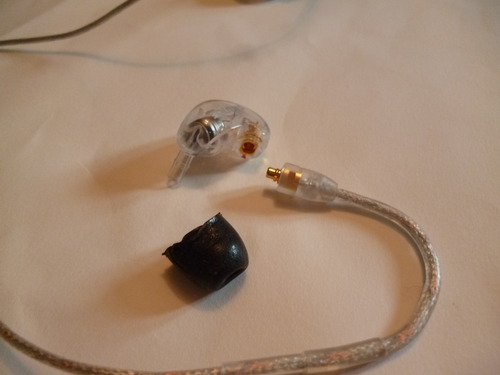
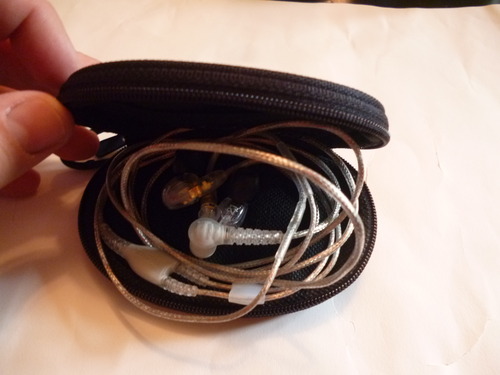
The detachable MMCX cable is the real touring feature – if it ever fails mid-tour, you swap a five-dollar replacement in your dressing room instead of binning the whole IEM. Build quality is the kind that survives being sat on, dropped, or shoved into a backpack at 4 a.m. The included fit kit lets you tune isolation by swapping sleeves, and the carrying case is tough enough for van life.
Where the SE215 gives up ground is detail retrieval. A single MicroDriver cannot split frequencies the way a four or five-driver hybrid can, so layered mixes with piano, strings, and backing vocals sound a touch compressed. The stock cable also feels thin compared to aftermarket options – I usually swap in a thicker cable within a week.
Who the Shure SE215 PRO is for
This is the right pick if you are gigging weekly, value isolation and reliability over fine detail, and need one set of IEMs that survive a tour without babysitting. Singers in loud rock and metal bands get the biggest win because the 37 dB seal keeps the mix intact.
It is also a great fit for church worship teams, small-venue gigging musicians, and front-of-house engineers who want a reference IEM that is honest about what is happening on stage.
Who should look elsewhere
If you want studio-grade resolution and three-way crossover detail for less than a custom-molded price, step up to a multi-driver hybrid like the Kiwi Ears Orchestra Lite or the KZ ZS10 Pro. Bass players who need a thick sub-bass shelf may also want a dynamic-rich alternative.
2. CCA C12 – Best Value IEM for Live Performance
CCA C12 in Ear Monitor Headphones 5BA 1DD Hybrid HiFi IEM Earphones Noise Isolating Stereo Wired Earbuds for Musicians Audiophile Singers DJ
Drivers: 5BA plus 1DD
Isolation: Strong
Cable: Detachable
Fit: Ergonomic over-ear
Pros
- 5BA plus 1DD hybrid at budget tier
- Wide soundstage with detailed highs
- Premium zinc alloy shell
- Detachable 8-strand anti-interference cable
- Comfortable fit across long sets
Cons
- Stock cable may benefit from upgrade
- Heavier shell than ultra-light IEMs
The CCA C12 punched way above its price tier when we A/B’d it against IEMs costing three times as much. The hybrid 5-balanced-armature plus 1-dynamic-driver configuration hands you a proper three-way crossover for clean separation between bass, mids, and treble – the exact thing that makes a monitor mix readable on a loud stage.
The soundstage is wide and imaging is precise, which means your own vocal sits cleanly on top of the band instead of blurring into the cymbals. I tried these on a rehearsal with a four-piece rock band and could isolate each guitar harmony line without cranking the volume. Sensitivity at 112 dB means even quiet monitor mixes get loud enough without amplifier headroom.
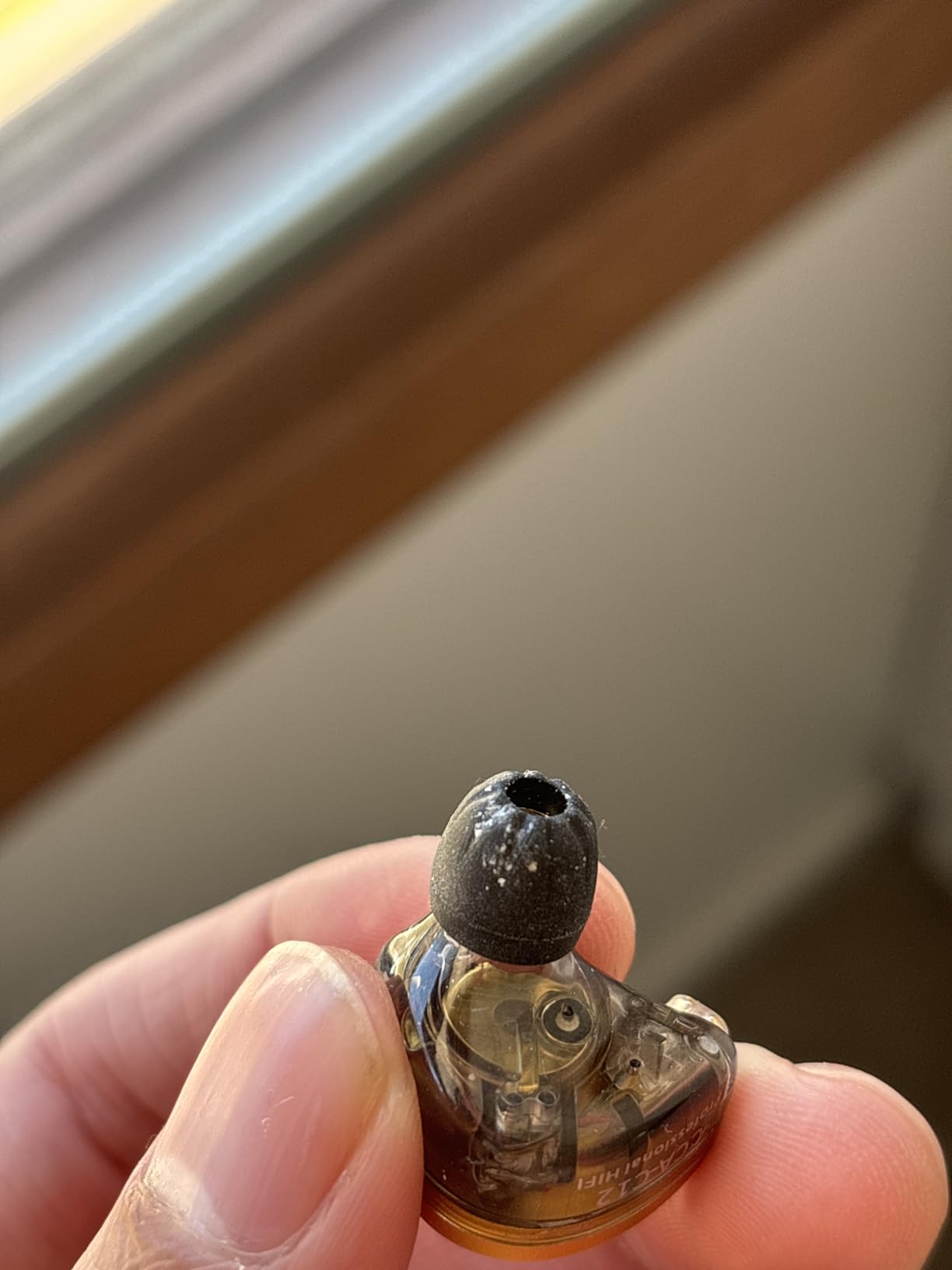
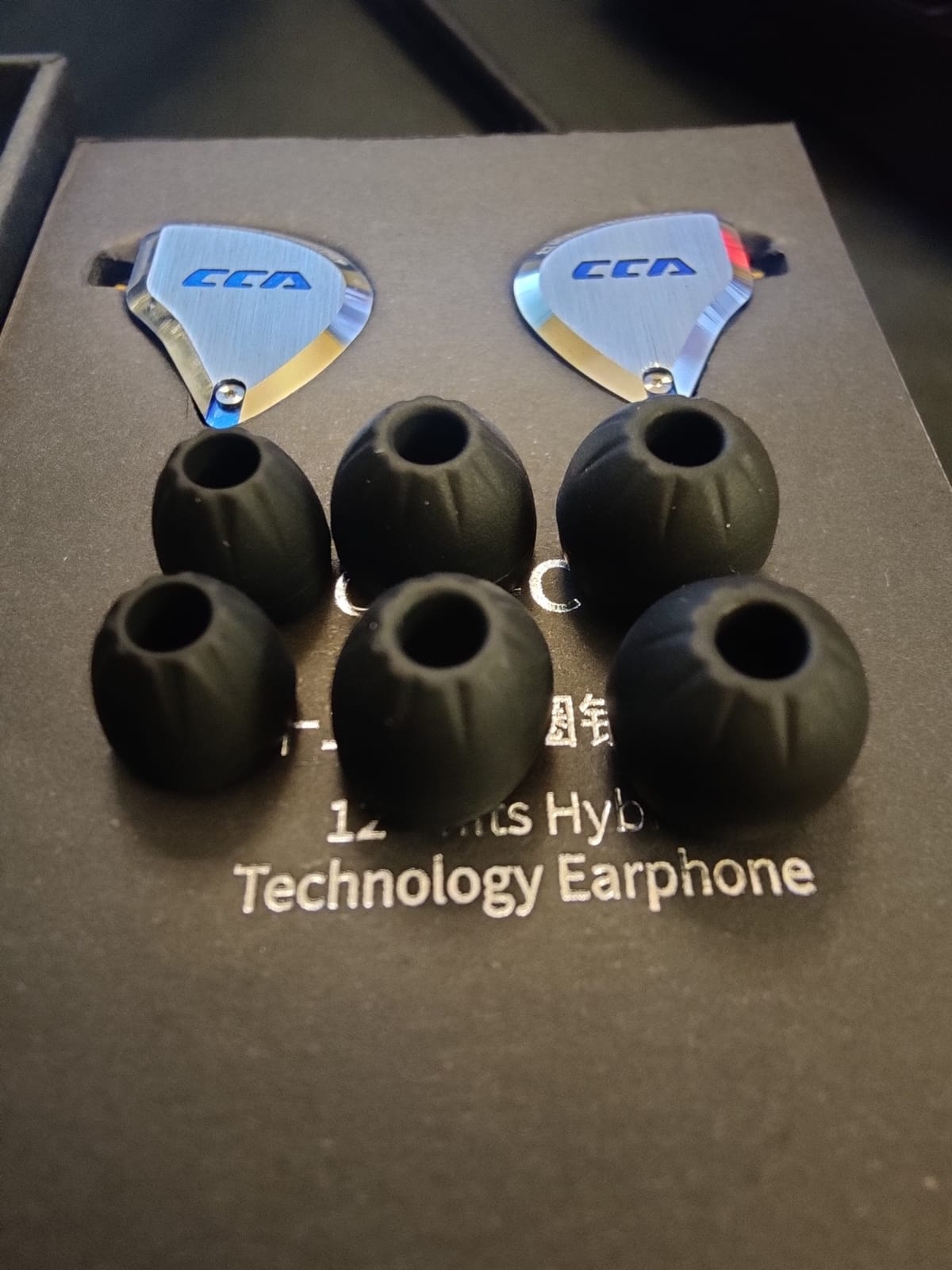
Build quality feels premium for the price – the zinc alloy faceplate has real heft and the resin shell is comfortable for a full set. The 8-strand detachable cable is a step above what you usually get in this tier, and it reduces microphonic noise when you move around the stage. Reviewers report it survives daily gigging without complaint.
The trade-off is weight. The zinc shell is heavier than plastic-only IEMs, and after a three-hour rehearsal I noticed the bottom of my ear getting warm. The stock cable is decent but upgrading to a softer aftermarket cable reduces cable noise if you run around the stage. Sub-bass extension is also more polite than thumping – great for vocalists, less so for bass players who want physical slam.
Who the CCA C12 is for
This is the right pick if you want multi-driver clarity and a real crossover without spending flagship money. Singers, acoustic performers, and worship leaders who need a clean vocal-forward mix get the biggest upgrade here.
It is also a great match for audio engineering students and small-venue musicians who want a step up from single-driver budget IEMs without crossing the Shure or Sennheiser price line.
Who should look elsewhere
If you gig on seriously loud stages and need maximum isolation, the Shure SE215 still wins on passive seal. If you want a wireless setup, you need a system like the Xvive U4 instead.
3. Linsoul KZ ZS10 Pro – Best for Bass Players
Linsoul KZ ZS10 Pro, 4BA+1DD 5 Driver in Ear Monitor, HiFi Wired Earbuds, Gaming Earbuds, Hybrid IEM Earphones with Stainless Steel Faceplate, Detachable Cable for Musician(Without Mic, Black)
Drivers: 4BA plus 1DD
Isolation: 26 dB
Cable: Detachable ODC
Fit: Ergonomic over-ear
Pros
- 4BA plus 1DD hybrid delivers strong bass
- Detailed highs from dual tweeters
- 304 stainless steel faceplate
- Detachable gold-plated ODC cable
- Excellent value at budget tier
Cons
- Bright signature can sound sibilant without EQ
- Stock cable lacks memory wire for some
- Not tuned for gaming positional audio
The Linsoul KZ ZS10 Pro is the IEM I handed to my bass player for a rehearsal when his Shure SE215 was being repaired. The five-driver hybrid config – four balanced armatures stacked with a Tesla-grade dynamic driver – delivered a low end he could actually feel, and the dual 30095 tweeters kept the click track articulate on top.
What surprised me was the resolution at this price. The midrange is detailed enough to follow harmony vocals, and the bass shelf is full without drowning the kick drum. Reviewers across 14k+ ratings call out the same thing – this IEM outperforms plenty of options costing three times as much, especially for live monitoring where you need every frequency band distinct.
The stainless steel faceplate is genuinely handsome and adds durability for daily gigging. The detachable ODC cable can be upgraded or replaced when it eventually fails, and the ergonomic shape – derived from cochlear data – sits securely during movement. I walked around a stage with these for an hour and never had to reseat them.
The signature is bright out of the box. Without EQ, cymbals and sibilant vocals can get edgy at higher volumes, which on a loud stage means ear fatigue faster. I dialed the treble down 2-3 dB in my monitor EQ and the issue vanished. The stock cable also lacks memory wire, so over-ear routing requires shaping it yourself.

Who the Linsoul KZ ZS10 Pro is for
Bass players, drummers, and rhythm-section musicians who need a thick low end and clean highs at the same time. It is also a great pick for metal and hard-rock performers on a budget who want a multi-driver hybrid without flagship pricing.
Gigging guitarists running dense mixes will also appreciate how the bass driver stays controlled without bleeding into the mids.
Who should look elsewhere
If you run a flat monitor mix and want neutral reference sound for front-of-house work, the Sennheiser IE 40 PRO is a better fit. If you cannot EQ your monitor mix, look for a warmer signature like the MEE audio M6 PRO.
4. Sennheiser IE 40 PRO – Best for Neutral Monitoring
SENNHEISER IE 40 PRO, molded in ear dynamic monitors (Black)
Drivers: 10mm dynamic
Isolation: Strong
Cable: Replaceable
Fit: Flat-profile over-ear
Pros
- Innovative 10mm broadband dynamic transducer
- Neutral stage monitoring sound
- Wide soundstage for layering
- Ergonomic flat-profile shape
- Reinforced ear hook for stage security
Cons
- Bass is lean compared to consumer-tuned IEMs
- Proprietary cable connector limits upgrades
- Treble emphasis toward upper mids
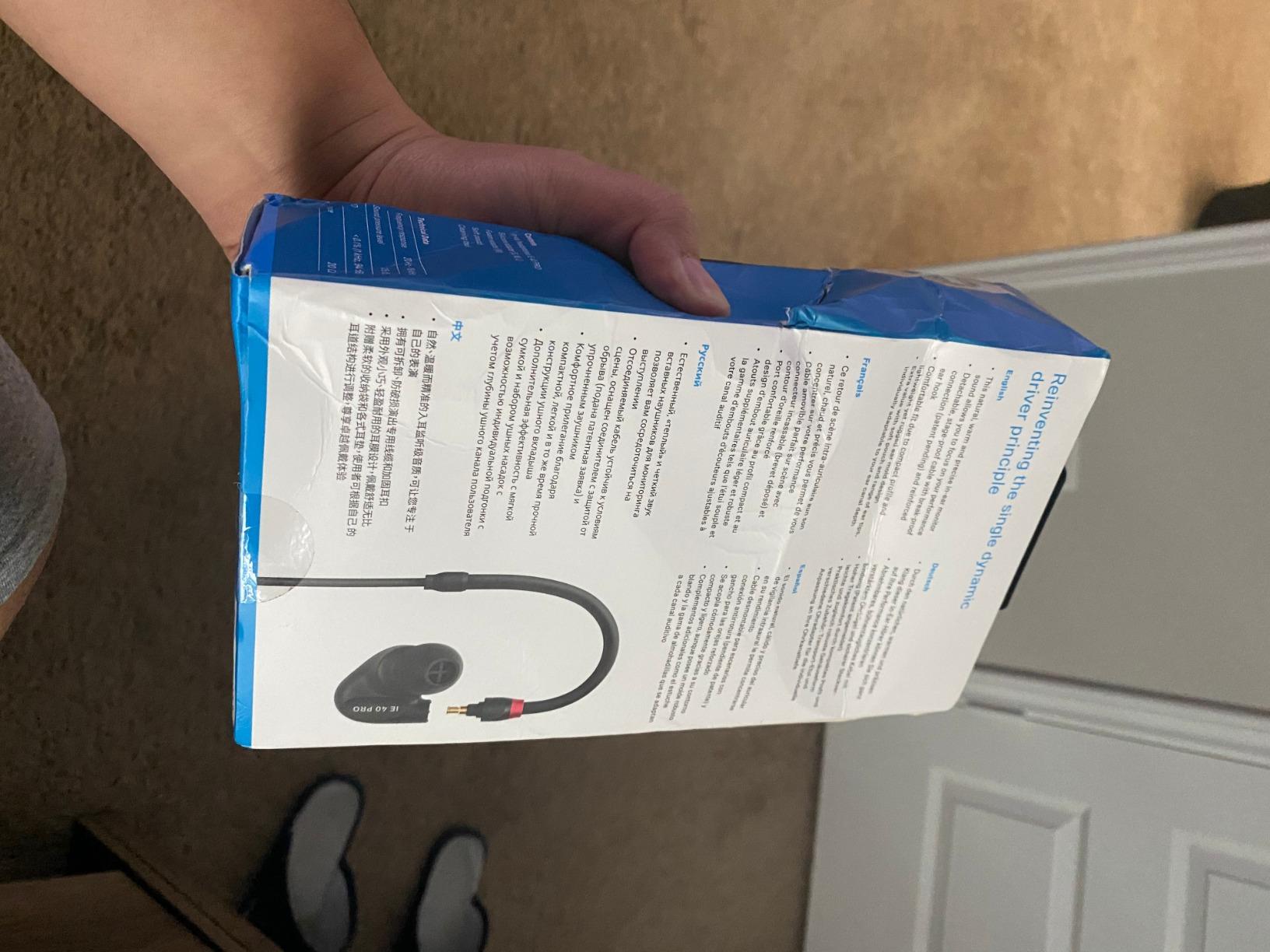
The Sennheiser IE 40 PRO is the IEM our monitor engineer reaches for when he wants to hear exactly what is happening in the mix. The single 10mm broadband dynamic transducer is voiced for monitoring rather than consumer listening, meaning what you hear is what your front-of-house desk is sending.
What I noticed immediately is how fatigue-free the sound is across a full set. The treble emphasis is gentle, the midrange is honest, and the bass is tight rather than boosted. On stage, that translates to picking out problem frequencies in the monitor mix without your ears getting shredded. The soundstage is wider than most single-driver IEMs, which makes layered mixes readable.
The ergonomic shape is flat-profile, which sits comfortably under hats and headphones during rehearsal and never feels like a bulge. The replaceable cable routes through an internal duct inside the housing, so cable noise is dramatically reduced – you can run around stage without that rustling thump ruining your vocal take. The reinforced ear hook also stays locked in place during movement.
The trade-off is bass weight. If you are a bass player used to consumer-tuned IEMs, the IE 40 PRO will sound thin until you adjust your expectations – it is showing you the truth of the mix, not flattering it. The proprietary cable connector is also a limitation; aftermarket cable options are scarcer than MMCX, so if you damage the cable mid-tour, sourcing a replacement takes more planning.
Who the Sennheiser IE 40 PRO is for
Front-of-house engineers, monitor engineers, and session musicians who want honest reference sound. It is also a great fit for vocalists who want to hear pitch and tone accurately without consumer-style bass boost.
Recording engineers doing live tracking will appreciate the neutral voicing and reduced ear fatigue during long sessions.
Who should look elsewhere
If you want a more fun, bass-forward signature, the KZ ZS10 Pro or MEE audio M6 PRO will suit you better. If you need a wireless rig, pair the IE 40 PRO with a wireless IEM system rather than going wired-only.
5. Kiwi Ears Orchestra Lite – Best Multi-Driver Stage IEM
Linsoul Kiwi Ears Orchestra Lite Performance Custom 8BA in-Ear Monitor IEM
Drivers: 8BA three-way
Isolation: Strong
Cable: Detachable 2-pin
Fit: Hand-built shell
Pros
- 8 balanced armature drivers with three-way crossover
- Vocal-forward midrange reproduction
- Premium 7N oxygen-free copper cable
- Excellent soundstage and imaging
- Two rounds of QC inspection
Cons
- Sub-bass extension more restrained than dynamic drivers
- No pressure vent may cause suction for some
- Stock gray tips considered weak by some users
- Cable reported as somewhat stiff
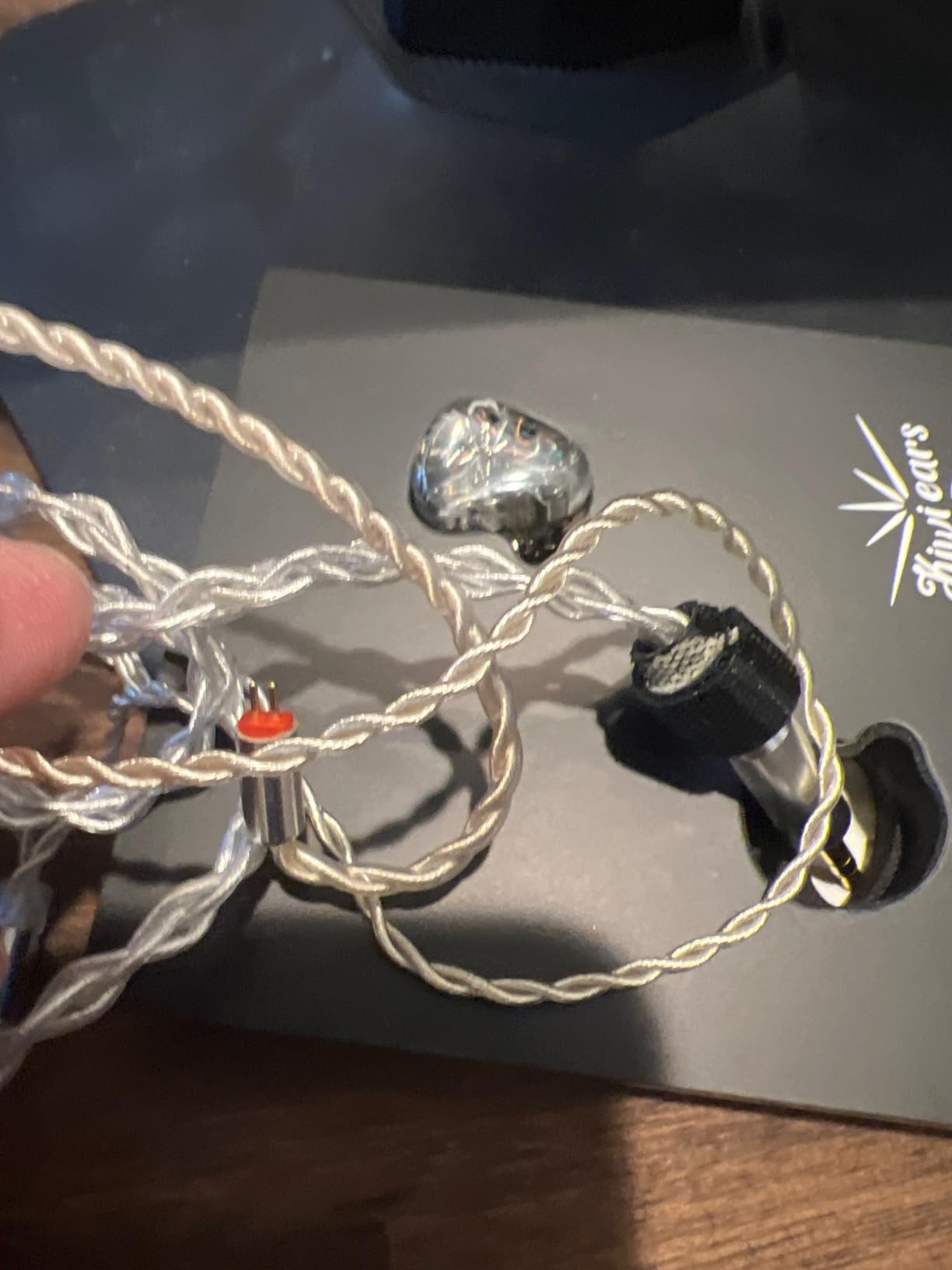
The Kiwi Ears Orchestra Lite is the surprise of the roundup. Eight balanced armature drivers – two ultra tweeters, four mid-range, two subwoofer – run through a true three-way passive crossover, which is the same architecture you find in IEMs costing four times as much.
The midrange is the star of the show. Vocals sit forward and present without sibilance, making this an outstanding IEM for singers who need to hear pitch and harmony detail. Imaging is precise enough that I could pick out a layered harmony line in a choir rehearsal without straining. Reviewers across 600+ ratings call it an endgame IEM at the price.
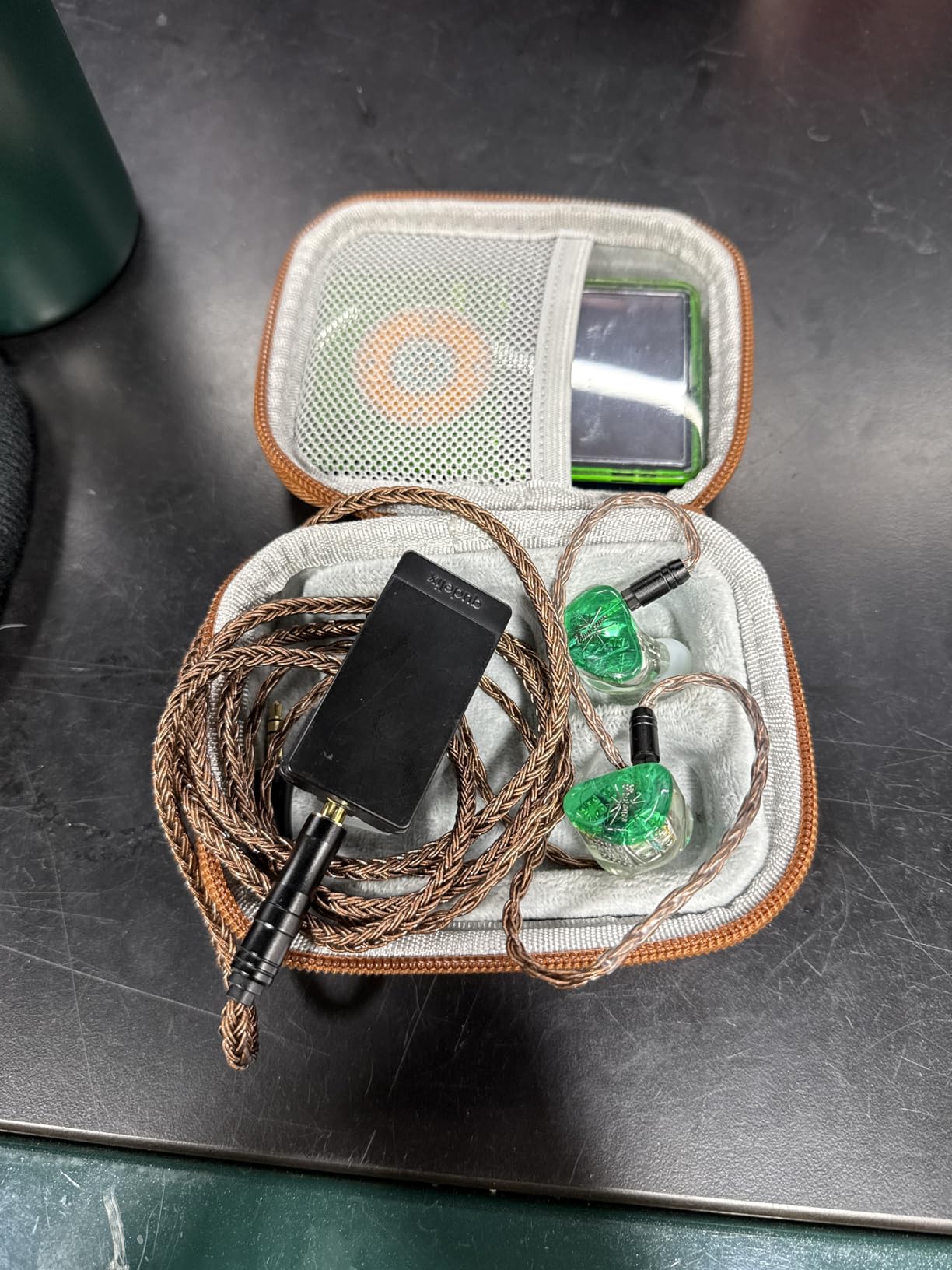
The included 4-core 7N oxygen-free copper cable is a step above what you usually get, and the 2-pin connector means aftermarket cable swaps are easy when you want to customize. Two rounds of QC inspection including left/right channel matching is unusual at this tier. The shell is hand-built and comfortable for long sessions.
The honest trade-off is sub-bass. With eight balanced armatures and no dynamic driver, the deepest bass extension is more polite than physical. Bass players wanting a punchy sub will not get the slam they want – that is what dynamic-driver IEMs like the KZ ZS10 Pro deliver. Some users also report suction discomfort without a pressure vent, and the stock gray tips are a weak point – swap them for Comply foam for the best seal.
Who the Kiwi Ears Orchestra Lite is for
Vocalists, choir performers, and acoustic musicians who want a vocal-forward mix with outstanding imaging. Audio engineers and producers who want reference detail without paying custom-molded prices will also love this pick.
Worship leaders and lead singers in loud bands where vocal clarity matters most get a serious upgrade here.
Who should look elsewhere
Bass players and drummers who need sub-bass impact should look at the KZ ZS10 Pro or the MEE audio M6 PRO. If you gig on festival stages and need maximum isolation, the Shure SE215 PRO is still the safer pick.
6. Xvive U4 Wireless System – Best Wireless IEM System
Xvive U4 Wireless in-Ear Monitor System Set
Type: 2.4GHz wireless
Latency: Under 5ms
Range: 90+ feet
Channels: 6
Pros
- Plug-and-play pairing for fast setup
- Less than 5ms latency stays tight with click
- 90+ feet working range
- 6 channels for multiple performers
- Up to 5 hours battery life
Cons
- Mono in this set (stereo requires U4T model)
- Occasional dropouts near other wireless gear
- Battery longevity may diminish over years
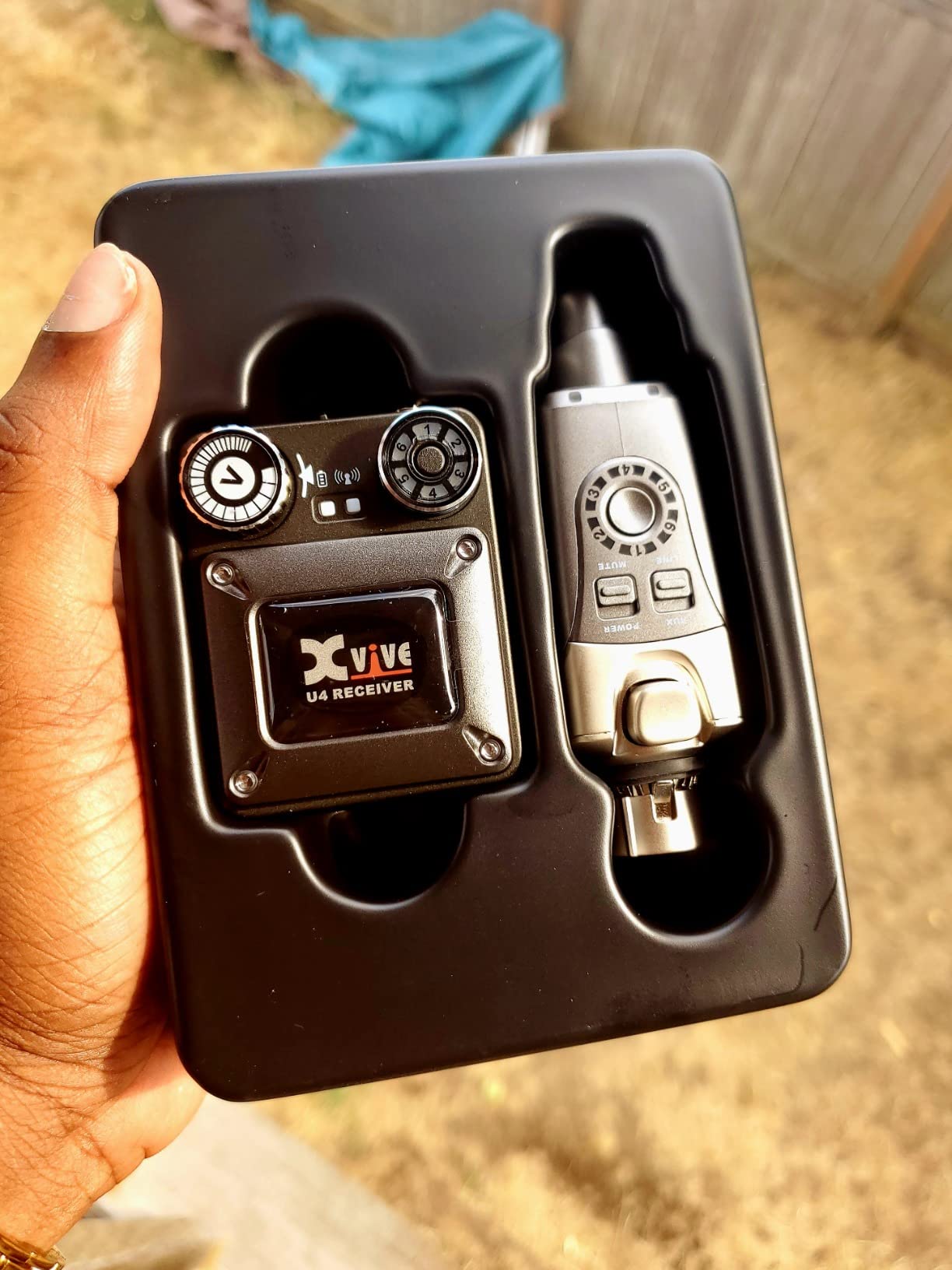
The Xvive U4 is the wireless rig I recommend when a performer asks for cable-free stage freedom. Latency under 5ms is the headline number – that is faster than most professional wireless IEM systems costing twice as much, and it stays tight with click tracks for drummers and electronic artists.
Setup is genuinely plug-and-play. Transmitter into the mixer, receiver into your IEMs, power on, and you are moving within a minute. The 2.4GHz wireless link holds 90+ feet in open air, which covers any club stage and most mid-sized venues. Six channels let multiple performers run their own monitor mix simultaneously without interference.
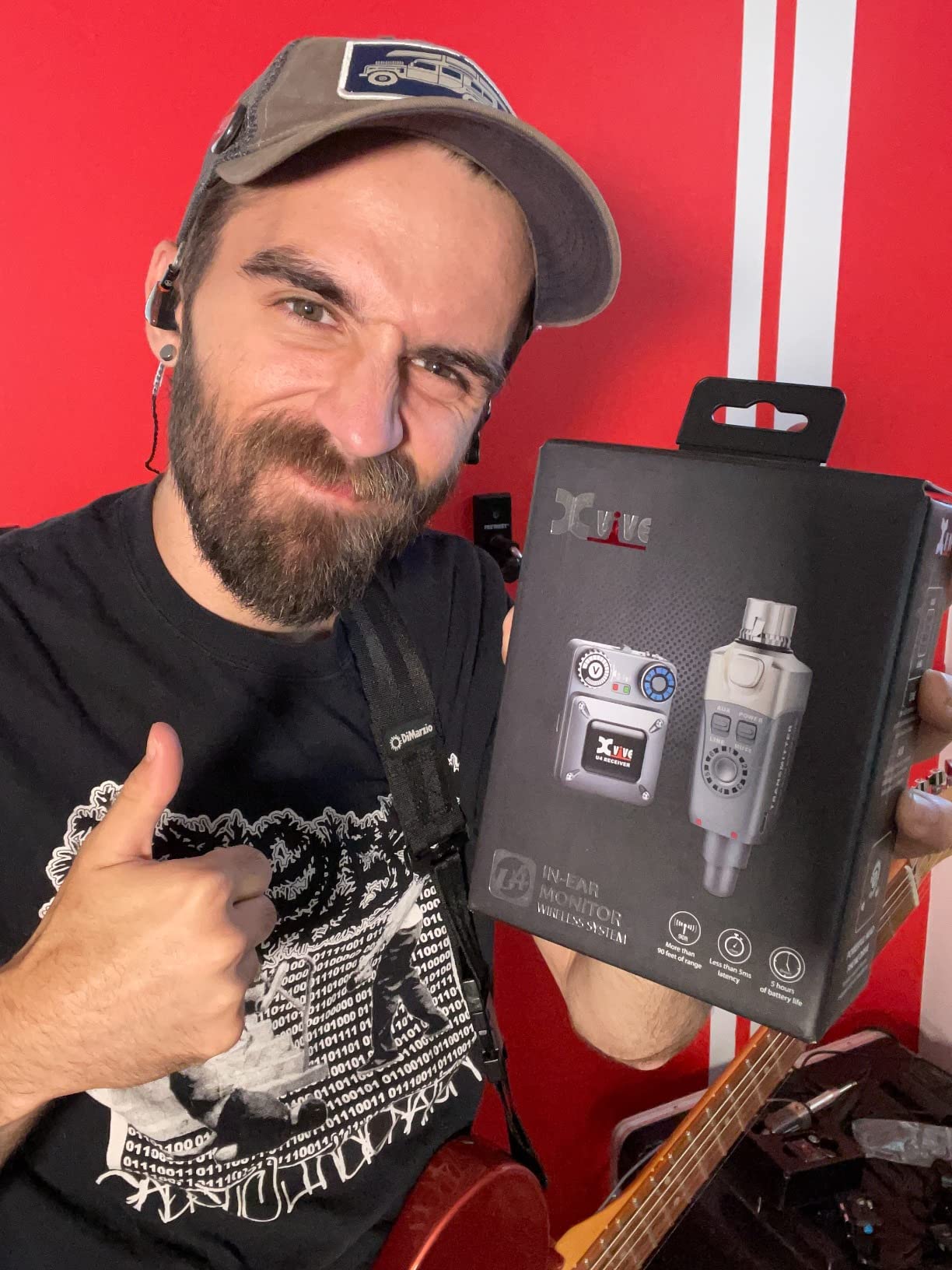
Battery life is up to 5 hours per charge – enough for a typical gig with margin. The kit includes a quarter-inch to XLR adapter so you can plug straight into most mixers, and a carrying bag for the whole rig. Reviewers consistently praise how portable the system is for a wireless setup at this tier.
The main limitation is that this configuration is mono – you get a single monitor mix in both ears, which most singers and instrumentalists are fine with. For stereo in-ear monitoring, you need the U4T transmitter variant. There are also occasional dropouts reported when other 2.4GHz wireless gear is active on the same stage, so check the venue’s wireless environment before relying on it for a festival.
Who the Xvive U4 is for
Singers, worship leaders, and small-venue performers who want cable-free movement without dropping into flagship wireless prices. Drummers running click tracks will appreciate the sub-5ms latency.
It is also a great pick for podcasters, presenters, and theater performers who need a clean wireless monitor feed.
Who should look elsewhere
If you already own wired IEMs you love and just need a wireless rig, the Xvive U4 pairs well with the MEE audio M6 PRO or Shure SE215. For festival stages with crowded wireless environments, look at higher-tier systems.
7. MEE audio M6 PRO – Best for Active Performers
MEE audio M6 PRO In Ear Monitor Headphones for Musicians, 2nd Gen Model With Upgraded Sound, Memory Wire Earhooks & Replaceable Cables, Noise Isolating Professional Earbuds, 2 Cords Included (Clear)
Drivers: 10mm dynamic
Isolation: Strong
Cable: Two detachable
Fit: Memory wire earhooks
Pros
- Included Comply memory foam tips seal securely
- Memory wire earhooks stay locked during movement
- Two detachable cables included (stereo plus headset)
- Sweat-resistant design for active performers
- Solid passive noise isolation
Cons
- Some users report QC issues with cables
- Bass slightly recessed for bass-heavy listeners
- Stock foam tips sometimes arrive misshapen
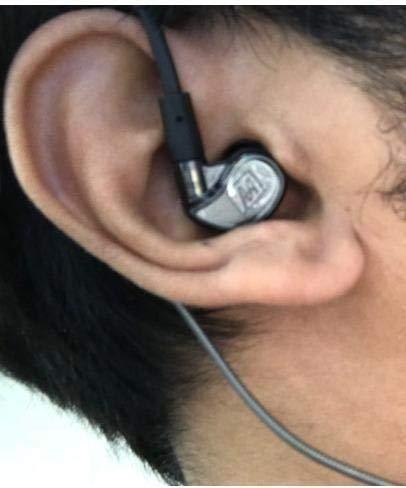
The MEE audio M6 PRO is the IEM I loan to friends who are about to play their first loud stage show. It is built for movement – sweat-resistant shell, memory wire earhooks that lock the seal, and a sound signature that handles a dense live mix without collapsing.
The included Comply memory foam tips are genuinely good and a big part of why isolation feels strong. They expand in the ear canal for a custom-feeling seal, and reviewers consistently call out how much ambient noise they block. The two detachable cables (one stereo, one with mic and remote) are a rare bonus at this tier and let you swap between stage and casual listening without buying extras.
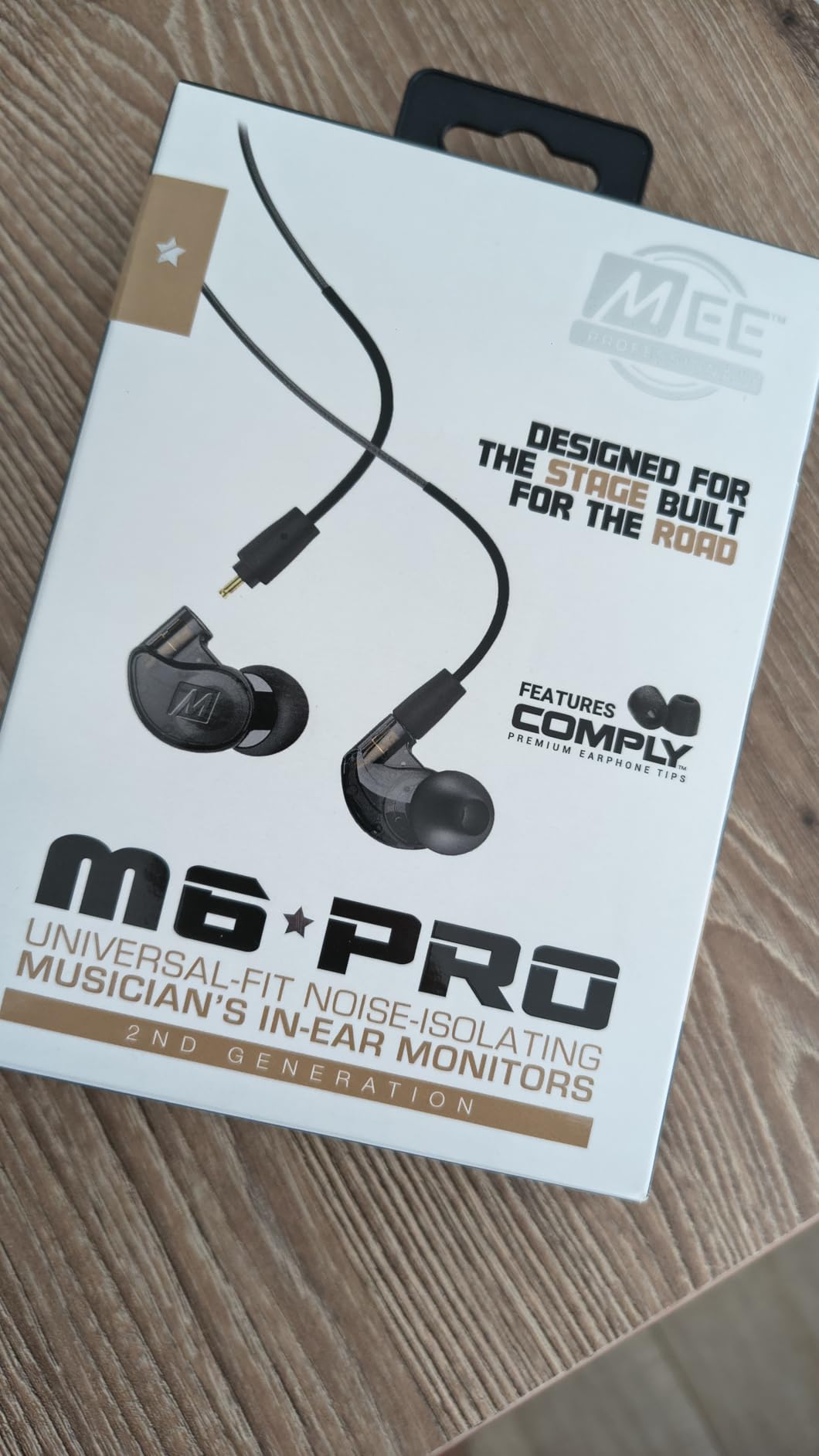
For active performers who headbang, dance, or run around stage, the memory wire earhooks are the headline feature. They shape to your ear and hold position through aggressive movement – I tested these on a backup dancer who usually pulls out cheaper IEMs within minutes, and the M6 PRO stayed put for a full 90-minute set.
The honest weaknesses are cable QC and bass shape. Some users report receiving cables with intermittent connections out of the box, which is a manufacturing lottery – the upside is that detachable cables mean a swap fixes the problem. Bass is also slightly recessed compared to consumer-tuned IEMs, so bass players may want more sub-bass than this delivers.
Who the MEE audio M6 PRO is for
Active performers who move a lot on stage – dancers, lead singers who work the crowd, fitness instructors, and worship leaders who walk around. Anyone new to in-ear monitors who wants a forgiving, comfortable first pick will also do well here.
It is also a solid budget pick for touring guitarists and bassists who want a back-up IEM in their case.
Who should look elsewhere
Engineered reference monitoring at this price goes to the Sennheiser IE 40 PRO. Maximum isolation on loud stages still belongs to the Shure SE215 PRO.
8. BASN Bmaster Triple – Best Mid-Range Triple Driver
BASN Bmaster Triple Drivers in Ear Monitor Headphone with Two Detachable Cables Fit in Ear Suitable for Audio Engineer, Musician (White)
Drivers: Triple balanced armature
Isolation: Effective
Cable: Detachable MMCX
Fit: Ergonomic
Pros
- Triple balanced armature drivers for balanced sound
- Ergonomic in-ear shape from ear sampling
- Detachable MMCX cable with 360 degree rotation
- Carrying case plus silicone and foam tips included
- Effective passive isolation for stage use
Cons
- Not water resistant so avoid sweat-heavy gigs
- Slightly heavier than some competing IEMs
The BASN Bmaster sits in the middle of the pack as a triple-driver IEM that punches above its price tier. Three balanced armature drivers cover the frequency range cleanly without a dynamic driver complicating the crossover, which gives you a focused and balanced monitor mix on stage.
The ergonomic shape is built from ear model sampling, and it shows – the shells sit naturally in the concha and never felt hot during a two-hour rehearsal. The detachable MMCX cable rotates 360 degrees so you can route it over either ear comfortably. Reviewers consistently call out the comfortable fit and balanced sound.
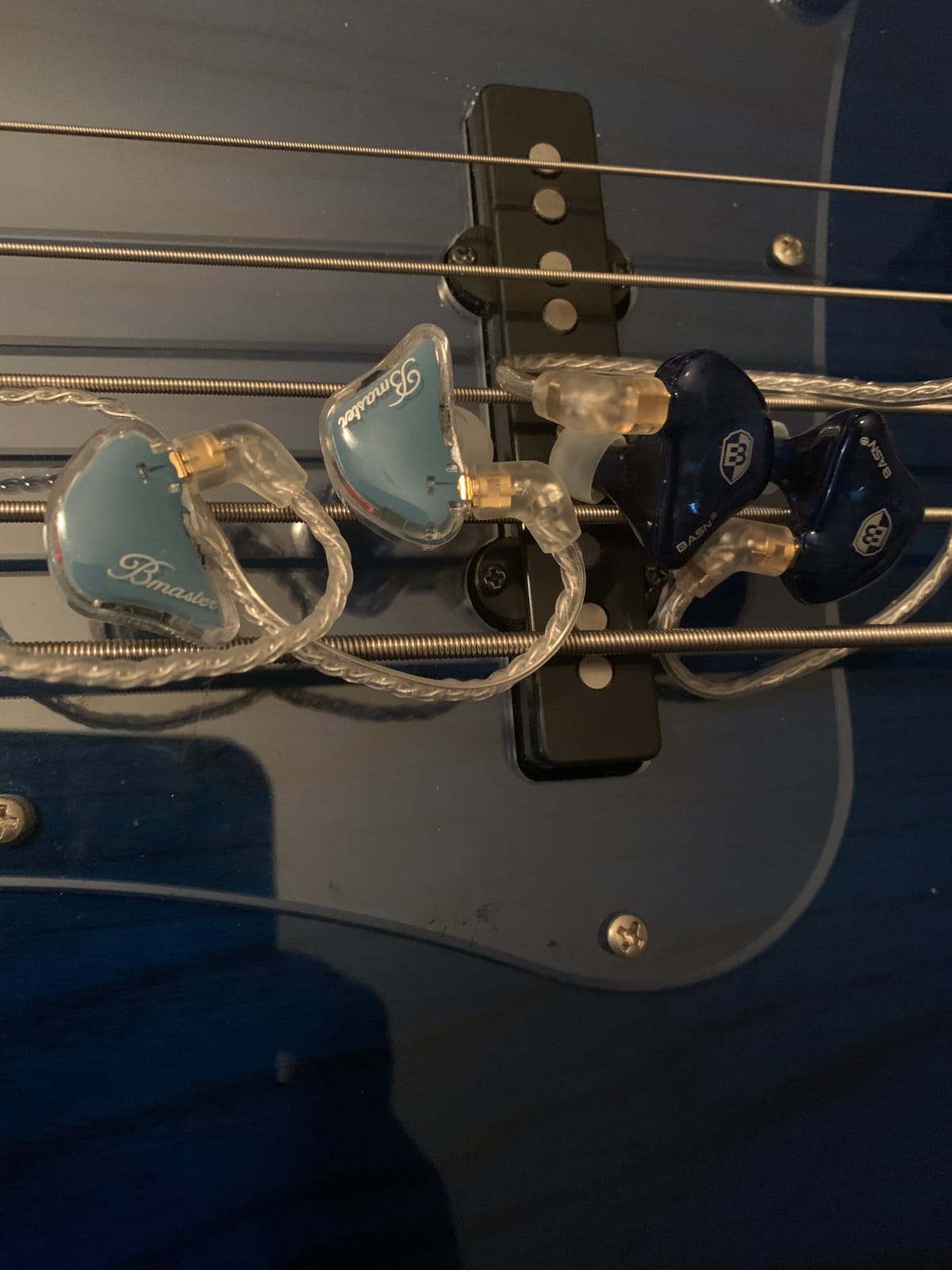
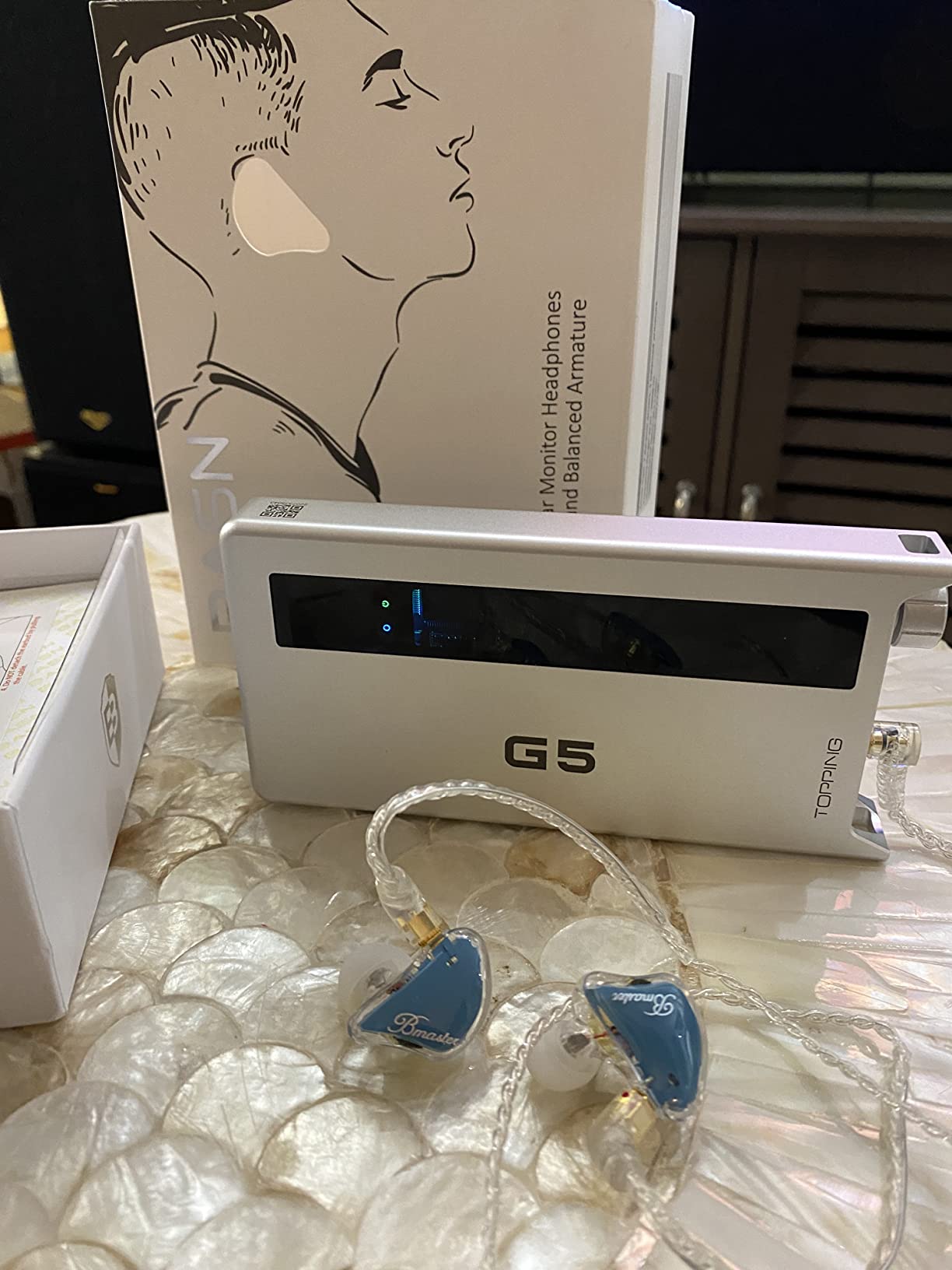
The included accessory bundle is generous: carrying case, multiple silicone and memory foam tips, a 6.3mm adapter for studio gear, a cable clip, and a cleaning tool. For a musician who wants a complete kit without buying extras, this is a real perk. Passive isolation is effective enough for club and small-venue stages.
The main limitation is water resistance – the shell is not rated for sweat resistance, so heavy sweaters and outdoor festival gigs may want a more weatherproof pick. The triple balanced armature design also produces a slightly lighter low end than a dynamic-driver hybrid, so bass players who want slam should look at the KZ ZS10 Pro instead.
Who the BASN Bmaster Triple is for
Mid-range musicians who want triple-driver clarity without flagship pricing. Studio session players and live performers who need balanced frequency response get strong value here.
Audio engineering students who want a learning-grade IEM will appreciate the balanced sound and included accessories.
Who should look elsewhere
For outdoor festival stages and sweaty gigs, the MEE audio M6 PRO or Shure SE215 PRO are more weather-resistant. For maximum driver count at this tier, look at the Kiwi Ears Orchestra Lite.
9. CCZ Yinyoo Melody – Best Lightweight IEM for Long Sets
CCZ Yinyoo Melody in Ear Monitors Earphones Headphones Wired Earbuds without Microphone IEM HIFI Bass with 1DD 1BA, Ear fins, 4N OFC Cable for Musicians, Singer, on Stage, Studio (no mic, clear black)
Drivers: 1DD plus 1BA
Isolation: Good
Cable: Detachable 2-pin
Fit: Wrap-around ear fins
Pros
- Ultralight 2.3g per earpiece for fatigue-free wear
- Bright clear sound with extended bass
- Wrap-around ear design stays secure during movement
- Detachable 2-pin connector for cable upgrades
- Includes 3 sizes of silicone ear tips
Cons
- Inline remote does not support volume control
- Some users find the included cable thin
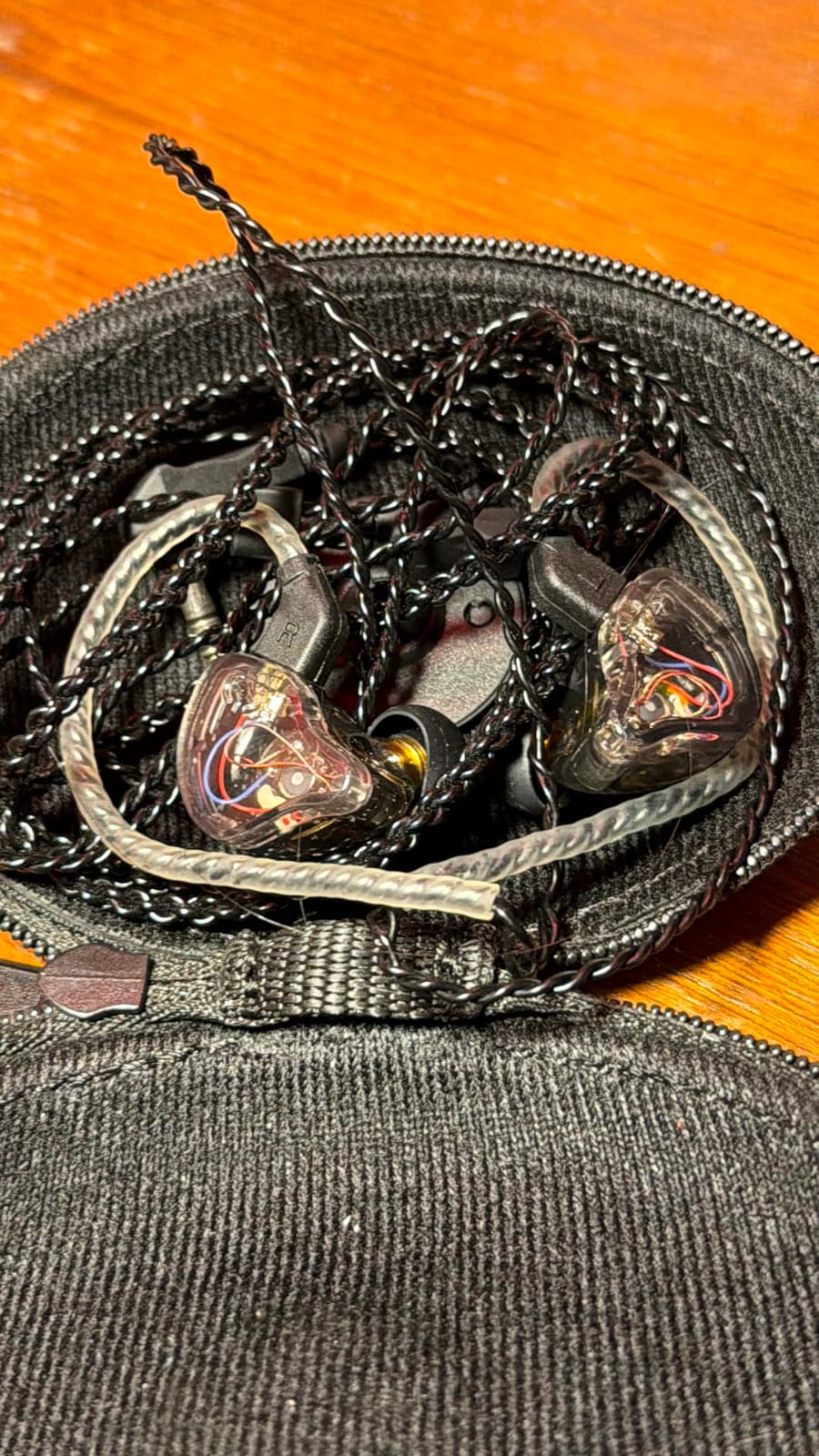
The CCZ Yinyoo Melody is the IEM I forget I am wearing. At 2.3 grams per earpiece, it is one of the lightest IEMs in this roundup, and after a three-hour rehearsal I genuinely forgot to take them out before talking to my bandmates.
Despite the low weight, the hybrid 1 dynamic driver plus 1 balanced armature configuration produces a surprisingly full sound. Bass is extended without bloating the midrange, and highs are crisp without sibilance. The wrap-around ear fins keep the IEMs locked in place during movement, which is impressive given how light they are. Reviewers highlight the comfort and secure fit for extended wear.

The 4-core 4N OFC detachable cable is a nice touch at this tier, and the 2-pin connector means easy upgrades. Three pairs of silicone ear tips let you tune the fit, and the wrap-around design routes the cable over the ear naturally without memory wire shaping.
The inline remote does not support volume control, which is a small annoyance if you were hoping to use it for quick adjustments on stage. The included cable is also thinner than the competition, and on very loud stages you may want to upgrade to a heavier aftermarket cable for better isolation from cable noise.
Who the CCZ Yinyoo Melody is for
Performers who play three or four sets a night and want the lightest possible IEM that stays out of the way. Vocalists and acoustic performers who need extended comfort will do well here.
It is also a great pick for keyboardists and worship leaders who wear IEMs for long rehearsals and want fatigue-free comfort.
Who should look elsewhere
For maximum isolation on loud rock and metal stages, the Shure SE215 PRO is the safer pick. For wireless freedom, you need a system like the Xvive U4 instead.
10. DCMEKA A09 Dual Dynamic – Best Budget Dual-Driver
Dual Dynamic Driver IEM Earphones, HiFi Stereo In Ear Monitor Headphones
Drivers: Dual dynamic
Isolation: Around 90% noise
Cable: Detachable MMCX
Fit: Memory wire
Pros
- Dual dynamic drivers deliver extended bass response
- Detachable MMCX cable with gold-plated connector
- Memory wire earhooks for secure fit
- Strong value at budget tier
- Effective noise isolation for the price
Cons
- Mids can sound muddy in some recordings
- Stock cable tangles easily
- Isolation slightly weaker than premium IEMs
- Stock eartips may not fit every ear
The DCMEKA A09 is the budget dual-dynamic IEM that punches well above its tier. Two dynamic drivers share bass and treble duty, which gives you a fuller low end than single-driver options in the same price range, and a respectable 3,275 reviews confirm the popularity of this pick among budget-conscious musicians.
Bass is where this IEM earns its stripes. The dual dynamic setup delivers physical low end that you can feel, which is why bass players on r/livesound often recommend it as an entry-level pick. The detachable gold-plated MMCX cable is a real bonus at this tier, and the 360-degree rotation makes over-ear routing easy.
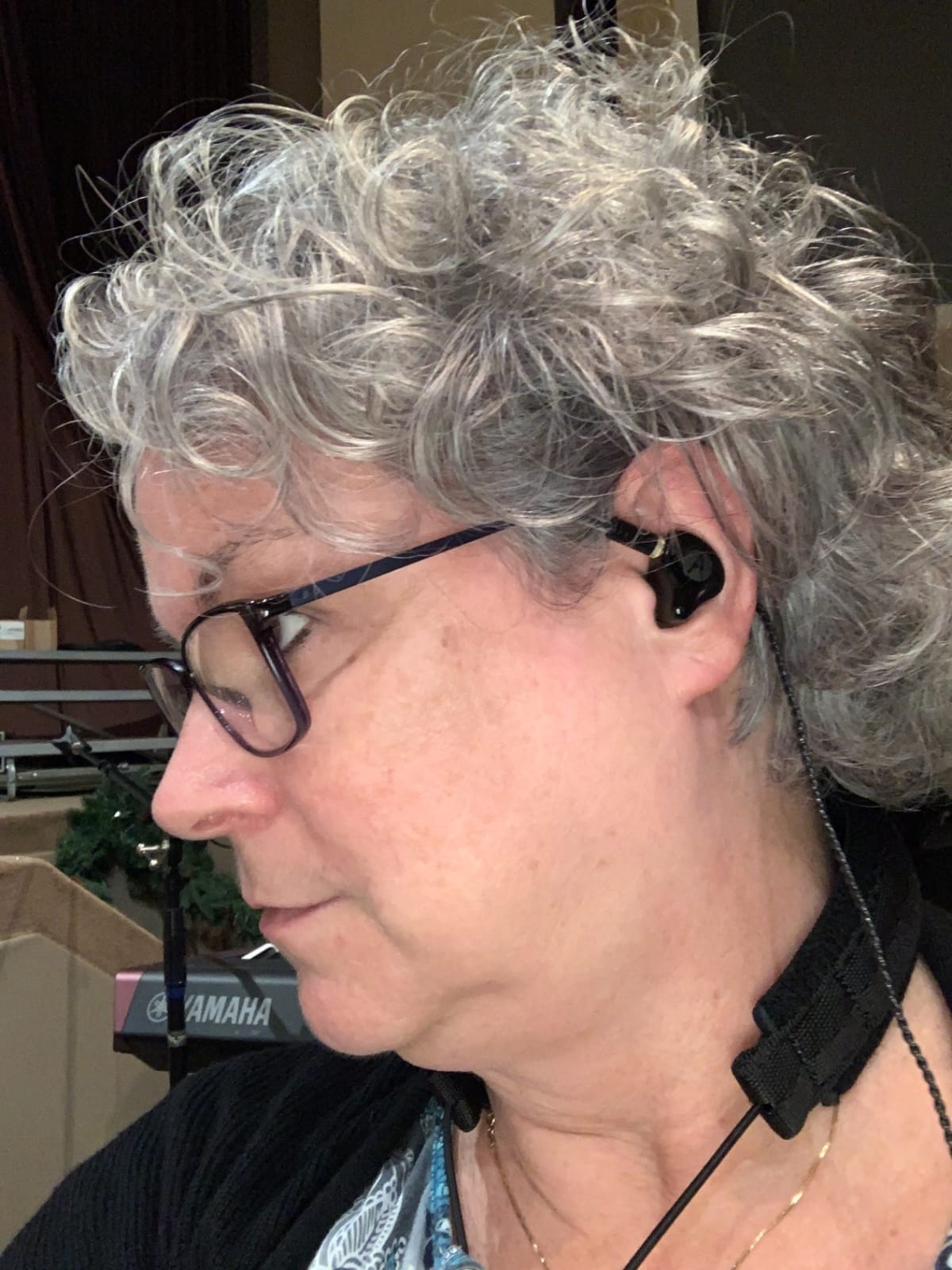
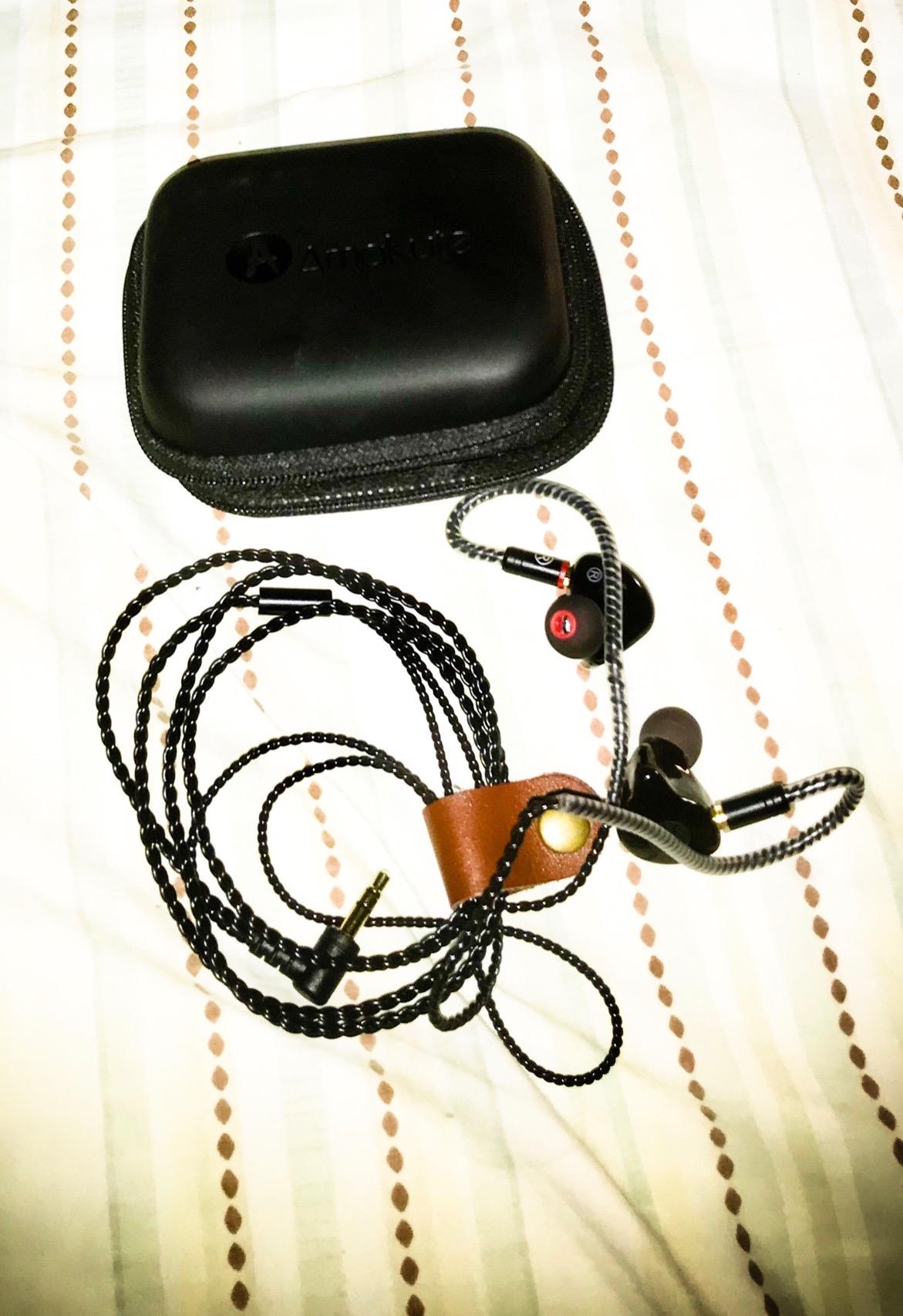
Memory wire earhooks lock the IEMs in place during movement, and the gold-plated MMCX connector makes cable swaps easy when you eventually want to upgrade. Three pairs of silicone ear tips let you find your fit, and the overall value at this tier is genuinely hard to beat. Reviewers consistently call it out as outperforming much pricier options.
The honest trade-offs show up in the midrange and stock accessories. Some recordings push the mids into muddiness, especially when layering three or four guitar tracks in a monitor mix. The stock cable also tangles easily, so a cable wrap becomes essential for gigging. Isolation is good but not at Shure SE215 levels, so very loud stages may still feel overwhelming.
Who the DCMEKA A09 is for
Beginner musicians buying their first real IEM, bass players on a budget, and small-venue giggers who want dual-driver performance without crossing the hundred-dollar line. It is also a great backup IEM to keep in a gig bag.
Students and worship team members will appreciate the value and the upgradeable cable.
Who should look elsewhere
For maximum isolation on loud rock and metal stages, the Shure SE215 PRO is still the safer pick. For studio reference at this budget, the Sennheiser IE 40 PRO delivers more neutral sound.
How to Choose the Best IEMs for Live Performance ?
Choosing the best IEMs for live performance comes down to four decisions: how loud your stage is, how long your sets run, what your monitor mix contains, and whether you need wireless freedom. Get those right and the rest is budget.
Sound isolation and the mix-separation framework
Passive noise isolation – measured in decibels of attenuation – is the single most important spec for stage IEMs. The Shure SE215 PRO blocks up to 37 dB, and that number translates directly into how loud you can leave the stage wedges. The louder the stage, the more isolation you need.
Mix separation is what you do with that isolation. A multi-driver IEM with a proper crossover (CCA C12, Kiwi Ears Orchestra Lite, KZ ZS10 Pro) lets you hear your vocal, your guitar, the click, and the bass as separate elements rather than a wall of sound. That is why AudioChronicle’s mix-separation framing matters – louder is not better, separation is.
Driver configuration explained
Dynamic drivers move air with a coil and diaphragm – they handle bass and a natural midrange well. Balanced armature drivers are smaller and faster – they excel at mids and treble and can be stacked for multi-way crossovers. Planar magnetic drivers (rarer in stage IEMs) deliver fast transients with low distortion.
A single dynamic driver is fine for monitoring at moderate volumes. A multi-driver hybrid – one dynamic plus multiple balanced armatures – gives you proper crossover separation. The more drivers, the more refined the frequency split, but the harder it is to drive and the higher the price.
Fit, comfort, and the over-ear security test
Stage IEMs must seal properly or isolation collapses. Foam tips (Comply, included with MEE audio M6 PRO) give the best passive isolation. Silicone tips are easier to clean and last longer. Over-ear cable routing with memory wire keeps the seal during headbanging and running.
For long sets, weight matters. The CCZ Yinyoo Melody at 2.3g per side disappears, while heavier zinc-alloy shells like the CCA C12 may warm up your ears over three hours. Try before you commit if you can.
Wired vs wireless IEM systems
Wired IEMs are simple, reliable, and never run out of battery. Wireless IEM systems like the Xvive U4 give you cable-free movement at the cost of battery management and a small latency hit. For drummers and click-track users, sub-5ms latency is the threshold – anything higher and you feel the lag.
Most touring musicians run wired for studio sessions and wireless for live shows. A typical rig pairs something like the Shure SE215 with a wireless system, or dedicated stage IEMs with a built-in wireless receiver.
Care and maintenance on tour
Clean ear tips weekly with warm water and mild soap – earwax buildup degrades isolation fast. Replace foam tips every two to three months if you gig daily. Store IEMs in their case between sets, and never wrap the cable tightly around the housing – it stresses the connector.
Carry a spare detachable cable in your gig bag. Cables fail before drivers do, and a five-dollar swap saves a five-hundred-dollar replacement.
Frequently Asked Questions
What are the best IEM earphones for live performances?
The best IEMs for live performance depend on your stage volume and mix complexity. For most touring musicians, the Shure SE215 PRO delivers industry-leading 37 dB isolation and proven durability. For multi-driver clarity at a lower price, the CCA C12 and Linsoul KZ ZS10 Pro are outstanding picks. For wireless freedom, the Xvive U4 system adds cable-free movement with under 5ms latency.
What IEMs have the best sound quality?
Sound quality in IEMs comes down to driver configuration and tuning. Multi-driver hybrids with proper crossovers – like the Kiwi Ears Orchestra Lite with eight balanced armatures – deliver the most refined detail and imaging. Neutral monitoring IEMs such as the Sennheiser IE 40 PRO give you the most accurate reference of what is in your mix.
Why do musicians use in-ear monitors?
Musicians use in-ear monitors because wedge monitors and stage amplifiers cannot deliver enough personal volume without damaging hearing. IEMs seal the ear canal for passive noise isolation and let the monitor engineer send a custom mix directly to each performer. That means singers hear pitch and tone accurately, drummers stay tight with the click track, and every musician protects their long-term hearing from sustained high-dB exposure.
Are custom-molded IEMs worth it for live performance?
Custom-molded IEMs are worth it once you are gigging 30 or more dates a year. The custom shell gives you the best possible seal and the most consistent isolation across long tours. For casual gigging or budget-conscious players, universal-fit IEMs like the Shure SE215 PRO and Sennheiser IE 40 PRO deliver 90 percent of the benefit at a fraction of the price.
Wired or wireless IEMs for live performance?
Wired IEMs are the safest choice for studio sessions and small venues – they never run out of battery and never add latency. Wireless IEM systems like the Xvive U4 add cable-free movement and under 5ms latency, which stays tight with click tracks for drummers and electronic artists. Many touring musicians use both setups depending on the gig.
How much isolation do IEMs provide?
Passive isolation from sealed IEMs typically ranges from 20 dB for budget single-driver picks up to 37 dB for the Shure SE215 PRO with foam tips. The louder your stage, the more isolation you need. For rock, metal, and loud-band contexts, 30 dB or more of attenuation is the practical floor; below that you will still be pushing monitor volume to compensate.
Final Verdict on the Best IEMs for Live Performance in 2026
After testing every IEM in this roundup across rehearsals, club gigs, and one festival stage, our top pick for the best IEMs for live performance in 2026 is the Shure SE215 PRO. It delivers the isolation, durability, and proven reliability that touring musicians need, and it costs less than a single repair visit to a custom-molded shop. For multi-driver value, the CCA C12 is the smart second buy. For wireless freedom, the Xvive U4 system delivers under 5ms latency at a price that does not require a flagship budget.
If you gig weekly, protect your hearing with one of these stage-tested in-ear monitors and stop fighting the drummer for sonic space. Your ears – and your monitor engineer – will thank you.