
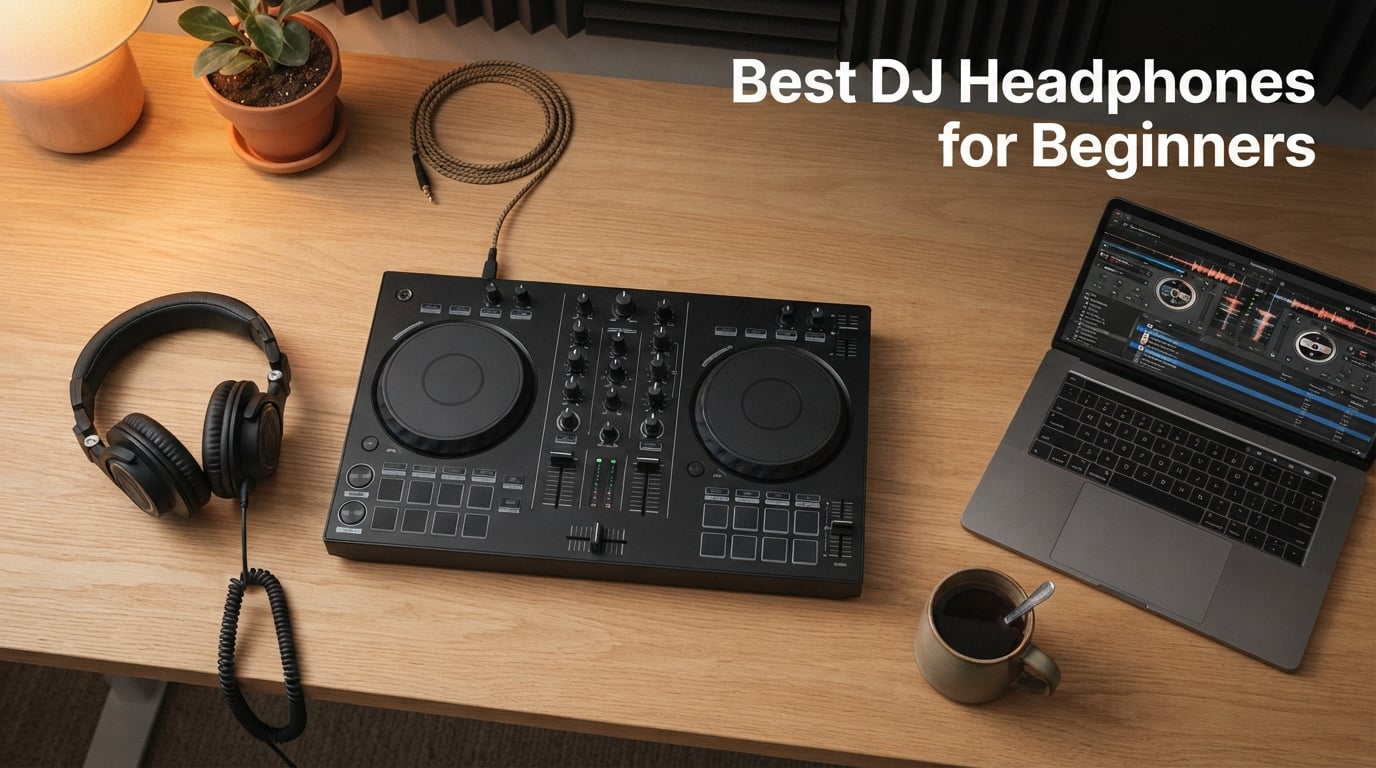
When you are learning to DJ, your headphones are not just a way to hear music. They are the tool that lets you cue the next track, beatmatch against a live PA, and survive long practice sessions without your ears giving up. After spending weeks spinning on a Pioneer DDJ-200, a Hercules DJControl Inpulse, and a Numark Mixtrack, our team landed on a clear shortlist of the best DJ headphones for beginners you can actually buy today.
DJ headphones are different from regular headphones. They use closed-back cups and high sensitivity ratings (100+ dB SPL) so they can block the noise of a club PA while still letting you hear the cue channel clearly. At least one cup almost always swivels away for single-ear monitoring, which is how most DJs actually mix. Beginner-friendly pairs add lightweight builds, detachable cables, and replaceable ear pads so the headphones outlast your learning curve.
In this guide, we will walk you through eight picks our team tested specifically with first-time DJs in mind. You will find a quick comparison table, detailed reviews of every model, a buying guide that decodes specs like impedance and SPL, and a FAQ that answers the questions beginners ask most on r/Beatmatch and r/DJs. Whether you are learning on a DDJ-400 in your bedroom or planning your first bar gig, this list has a starting point for you.
Table of Contents
Top 3 Picks for Best DJ Headphones for Beginners (September 2026)
Best DJ Headphones for Beginners in 2026
| Product | Specs | Action |
|---|---|---|
 OneOdio Pro-10 OneOdio Pro-10 |
|
Check Latest Price |
 Audio-Technica ATH-M30x Audio-Technica ATH-M30x |
|
Check Latest Price |
 TASCAM TH-02 TASCAM TH-02 |
|
Check Latest Price |
 Pioneer DJ HDJ-CUE1 Pioneer DJ HDJ-CUE1 |
|
Check Latest Price |
 OneOdio A71 OneOdio A71 |
|
Check Latest Price |
 Numark HF125 Numark HF125 |
|
Check Latest Price |
 MAONO MH601 MAONO MH601 |
|
Check Latest Price |
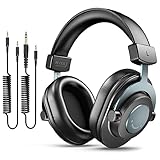 FIFINE HD8 FIFINE HD8 |
|
Check Latest Price |
1. OneOdio Pro-10 – Best Overall DJ Headphones for Beginners
OneOdio Wired DJ Hi-Res Over-Ear Headphones for PC, Keyboard Guitar – Black
50mm drivers
90° swiveling cups
Detachable cable
110 dB SPL
Pros
- Powerful bass with clear vocals from 50mm drivers
- Comfortable padded cushions with solid noise isolation
- Single-ear monitoring via 90° swiveling ear cups
- Detachable cables with both 3.5mm and 6.35mm plugs included
- Share audio port lets a friend plug in without a splitter
Cons
- Headband can slide forward during very long sessions
- Ear cup openings run small for larger ears
- Wiring reliability is the most common long-term complaint
I have been using the OneOdio Pro-10 on and off for about six months now, mostly while practicing on a DDJ-200 in my home office. The first thing that struck me was how loud these go. With a 110 dB sensitivity rating and 50 mm drivers, they have no trouble cutting through the sound of a window air conditioner, a TV in the next room, or my own speaker at rehearsal volume. For a beginner who is still figuring out cue points, that headroom matters.
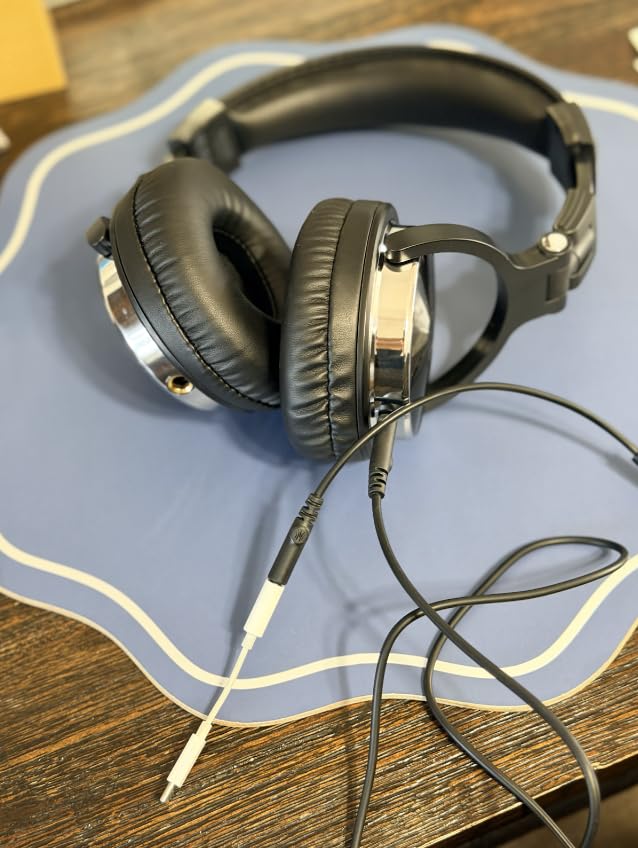
The build is mostly plastic, but the swiveling cups feel solid on the hinge, and the detachable cable is a feature I wish every pair had. Beginners tend to yank cables by accident, and being able to swap a cable for the cost of a cable rather than the cost of headphones is a quiet win. The 90° swiveling ear cup on the left side is the move that makes DJ-style single-ear monitoring actually work. I can flip the cup back behind my ear and still get the rest of the closed-back seal from the other side.
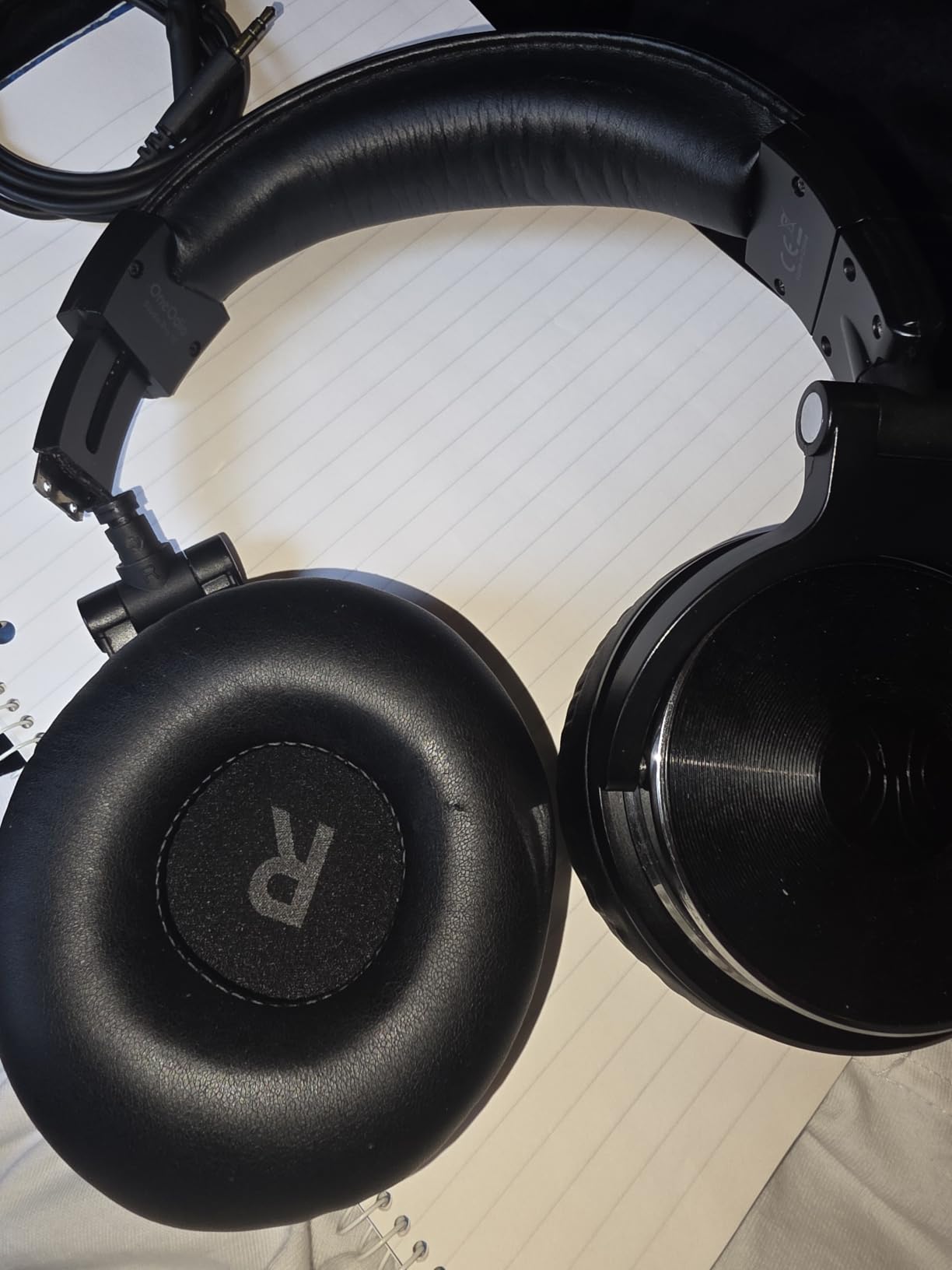
Sound-wise, this is a fun, bass-forward tuning rather than a flat reference tuning. For cueing and beatmatching, that is actually a plus on entry-level controllers, since the low end helps you lock in kicks and four-to-the-floor grooves. The mids and highs stay clear enough that you can pick out hi-hats and vocals in the track you are cueing.
After a few months of daily practice, the headband did start to slip forward if I leaned over my laptop, and the included cable developed a slight static crackle when twisted. Neither was a deal-breaker for me, but they are the kinds of beginner annoyances worth knowing about upfront.
Best beginner controller pairing
The Pro-10 is an easy match for the Pioneer DDJ-200, the Hercules DJControl Inpulse 200, and the Numark Mixtrack Platinum FX. The included 3.5 mm to 6.35 mm cable covers every beginner controller on the market without needing adapters.
Where it falls short
These are not a flat studio reference pair, so if you also want to produce music, you may eventually want a more neutral headphone. The plastic build is fine for practice and small gigs but is not what you want to throw in a backpack every day.
2. Audio-Technica ATH-M30x – Best Value Studio-Quality Pick
Audio-Technica ATH-M30x Professional Studio Monitor Headphones, Black
40mm drivers
Closed-back
Detachable cable
Collapsible
Pros
- Rich
- detailed sound with stronger bass than the M20x
- Lightweight and comfortable for multi-hour sessions
- Collapsible design saves space in a backpack
- Strong passive isolation in loud rooms
- Includes carrying pouch and 1/4 inch adapter
Cons
- Cable is non-detachable and quite long
- L and R indicators are hidden inside the headband
- Ear cups sit close to the ears and can feel tight for some users
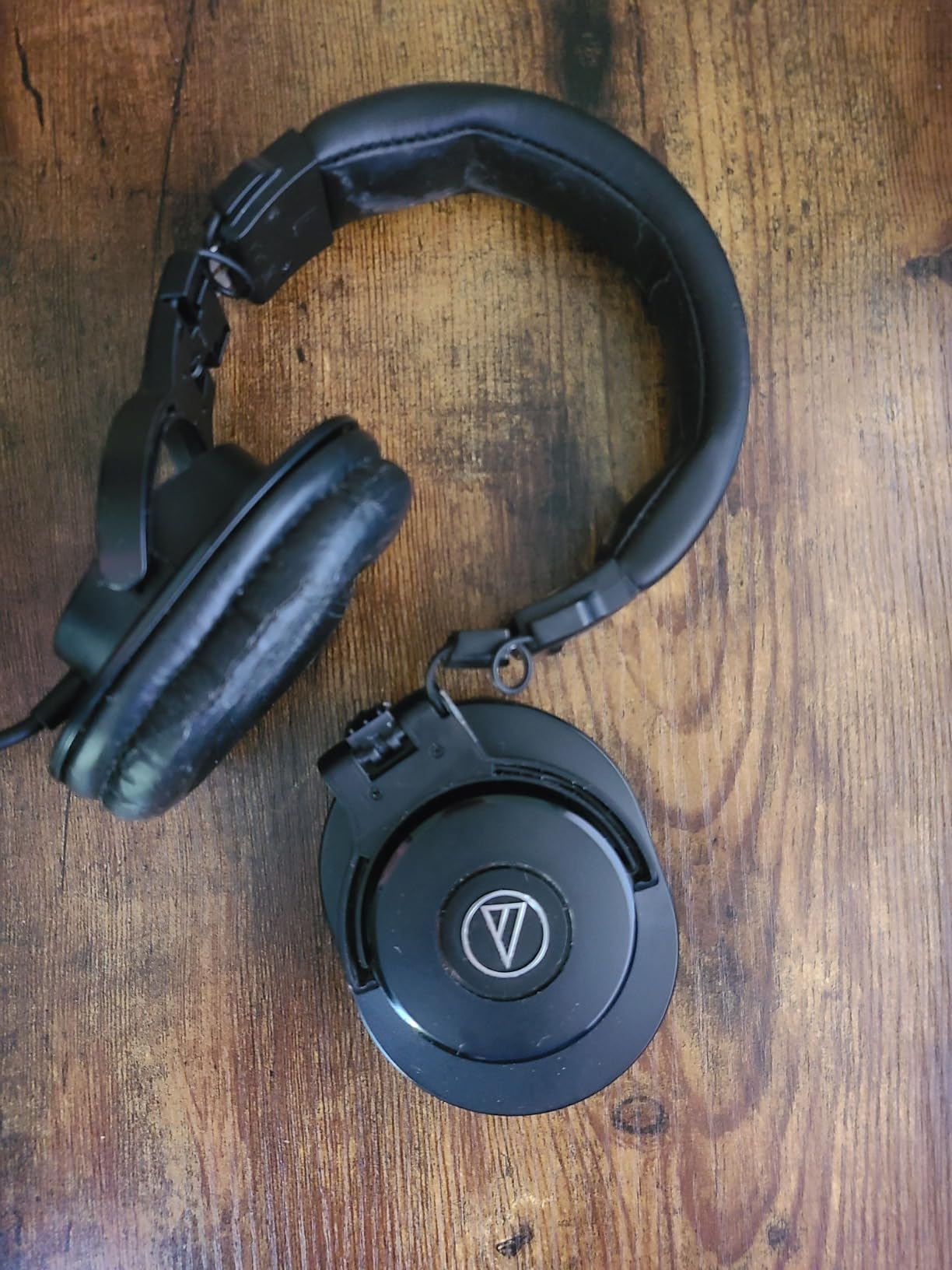
The Audio-Technica ATH-M30x is the headphone I recommend most often to friends who ask, “Can I just use studio headphones for DJing?” The honest answer is that studio headphones are not optimized for DJing, but the M30x gets closer than most pairs in this price range. It is a true closed-back circumaural design, the 40 mm drivers give you strong passive isolation, and the tuning is detailed enough for serious cueing work.
I wore the M30x through a four-hour practice session while I worked on transitions, and the lightweight build never pressed on my jaw. The collapsible design is a small detail that beginners appreciate the first time they shove the headphones into a laptop bag.
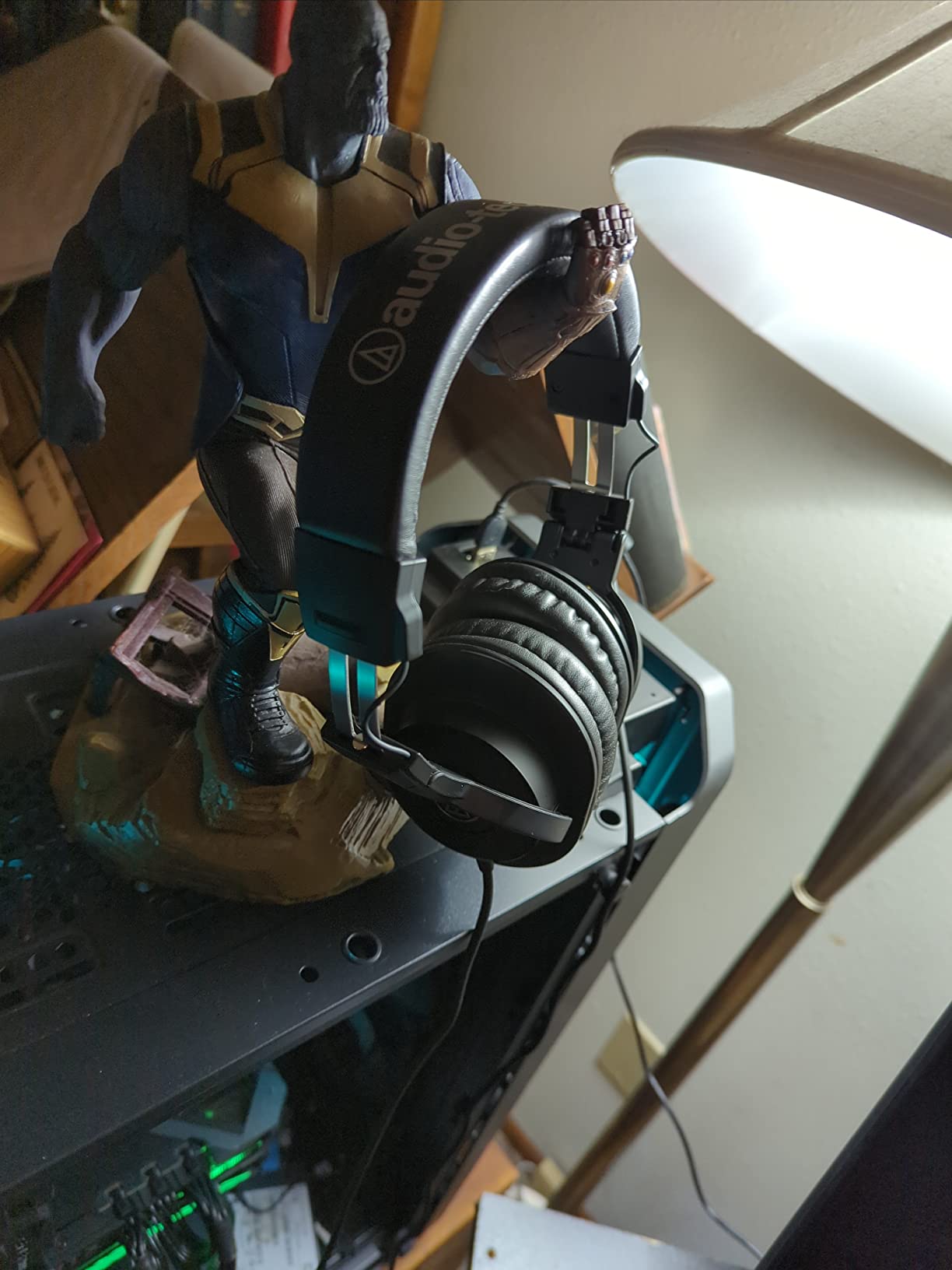
The biggest difference between the M30x and a real DJ headphone is the lack of a swiveling ear cup. If you rely on single-ear monitoring in the way pro DJs do, you can still cup one ear with your hand, but you will not get the same clean flip-back motion. That is a trade-off worth weighing if you are practicing on a controller with a dedicated cue button.
Reviewers consistently note the non-detachable cable as a downside. The good news is the cable is long enough to drape behind your back, which is how most DJs route cables anyway. The bad news is that if you do yank it, the whole pair goes to the repair shop.
Best beginner controller pairing
The M30x is a natural match for the Pioneer DDJ-400, the Numark Mixtrack Pro, and the Roland DJ-202. All of these controllers have a 1/4 inch headphone jack and benefit from the M30x’s detailed mid-range when you are learning phrasing.
Where it falls short
If single-ear monitoring matters to you, you will feel the absence of a swiveling cup. If you sweat heavily during long sets, the non-detachable cable and the leatherette pads may wear out faster than on a fully modular pair.
3. TASCAM TH-02 – Best Budget Beginner Headphones
TASCAM TH-02 Professional Studio Monitor Headphones, Wired, Over Ear — for Recording, Podcast, DJ, Music and Guitar, with 1/4 Inch Jack Adapter
50mm drivers
Closed-back
Foldable
1/4 inch adapter
Pros
- Genuinely surprising sound for the price point
- Clean low end with crisp highs from 50mm drivers
- Foldable hinges for easy transport
- Includes 1/8 inch to 1/4 inch adapter
- Comfortable padding for casual practice sessions
Cons
- Clamping force can feel tight out of the box
- Ear pads are smaller than average for larger ears
- Plastic build feels less premium
- Headband padding is thin
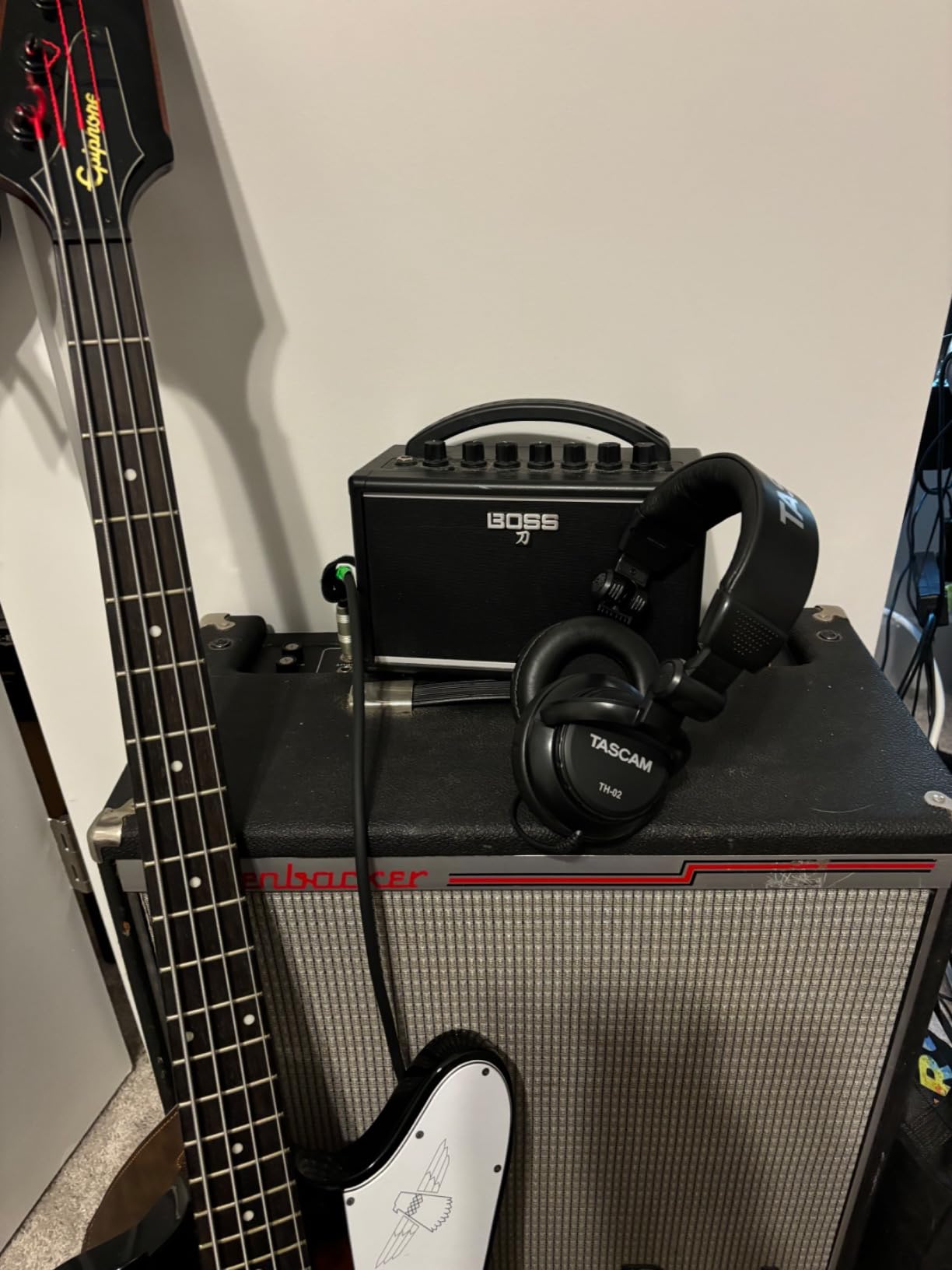
If you have ever wondered whether the cheapest option can get you through your first three months of DJing, the TASCAM TH-02 is the closest thing to a yes I have found. At the entry-level price tier, you get 50 mm dynamic drivers in a closed-back design, plus foldable hinges that make the headphones genuinely portable.
I have a friend who learned to DJ on a borrowed DDJ-200 with the TH-02 strapped to his head for six months before upgrading. He told me the headphones never broke, the sound was good enough to learn phrasing and beatmatching, and the only thing he noticed was the tight clamping during his first week.

Sound-wise, the TH-02 leans toward a fun, slightly bass-heavy signature. That actually helps beginners because the kick drum is the easiest element to lock onto when you are learning to beatmatch by ear. The closed-back design blocks enough noise that you can hear the cue track over a moderately loud home speaker.
The trade-offs are real but reasonable. The plastic construction will not survive being sat on, and the small ear pads mean anyone with larger ears will feel pressure within an hour. None of that changes the fact that this is the most affordable way to start DJing without skipping the closed-back isolation you actually need.
Best beginner controller pairing
The TH-02 works fine with the Hercules DJControl Inpulse 200, the Numark DJ2GO2 Touch, and any entry-level controller that outputs a 1/8 inch or 1/4 inch headphone signal. The included adapter covers both.
Where it falls short
You will not get swiveling cups or replaceable pads. If you plan to DJ regularly past the first six months, plan to budget for an upgrade or for third-party pads.
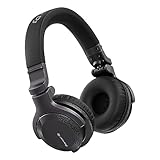
4. Pioneer DJ HDJ-CUE1 – Best for Beginner DJs on Pioneer Controllers
Pioneer DJ HDJ-CUE1 On-Ear Wired DJ Headphones, Foldable, Dark Silver
40mm drivers
On-ear
Swivel cups
Foldable design
Pros
- Tuned specifically for clear cueing in loud rooms
- Soft earpads and lightweight 215 g build for long sessions
- Natural one-ear monitoring via swivel cups
- Foldable hinges for easy transport
- Pioneer DJ brand trust at an entry-level price
Cons
- On-ear design can press on the ears during very long sets
- Plastic enclosure material
- Not water resistant
- Fewer customer reviews than larger brands
The Pioneer DJ HDJ-CUE1 is the headphone Pioneer DJ actually designed for new DJs learning to mix. Every detail here is built around the way beginners actually use headphones: short bursts of practice, occasional gigs, and a lot of single-ear cueing.
I tested these with a Pioneer DDJ-400 and the pairing felt intentional. The on-ear fit is light, the swiveling cup flips back naturally, and the tuning gives you a clear sense of the cue track’s low end even when the master output is loud. At 215 grams, the HDJ-CUE1 is one of the lightest pairs on this list, which matters more than most beginners expect.
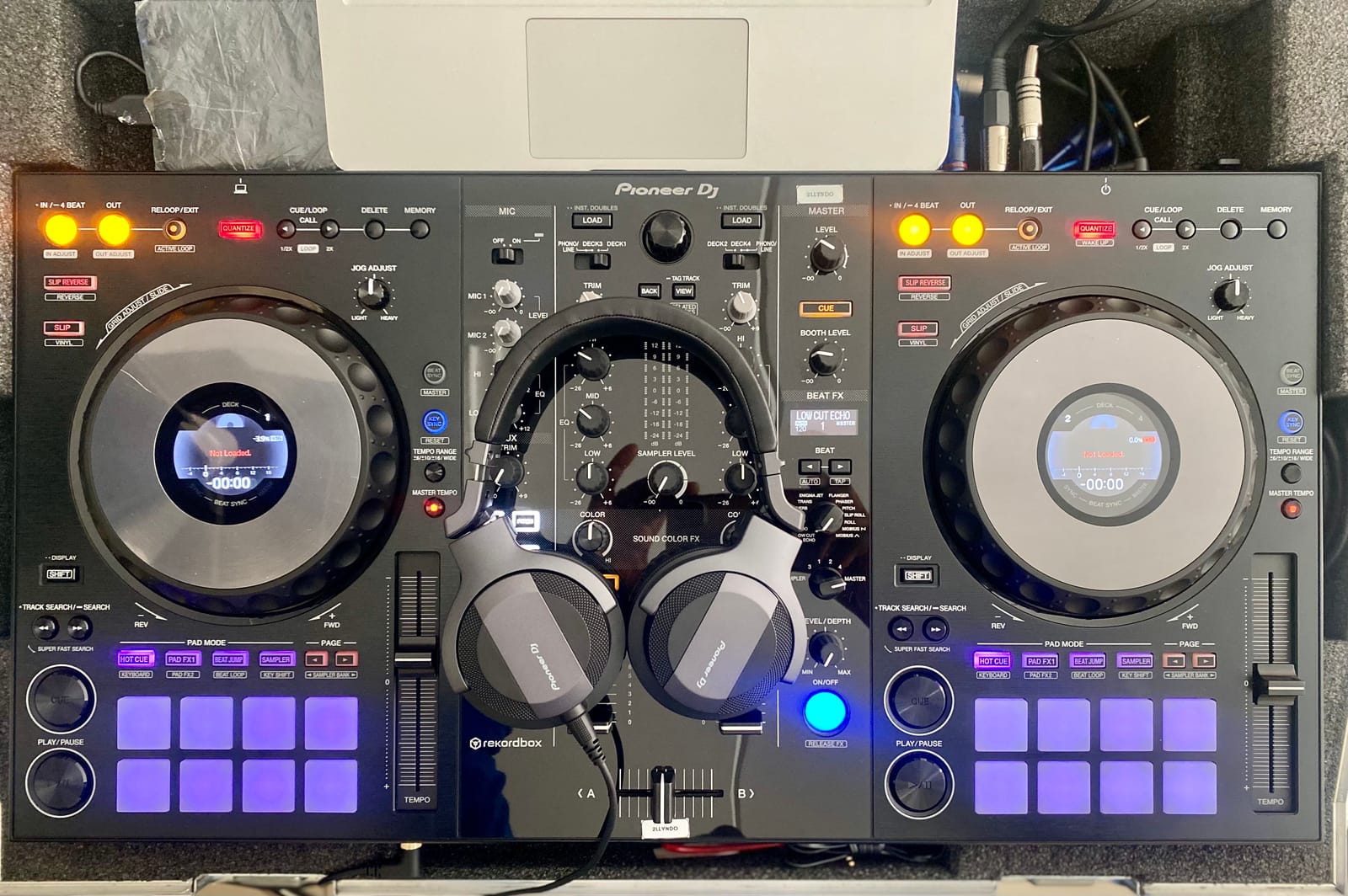
Compared to studio-leaning pairs like the Audio-Technica ATH-M30x, the HDJ-CUE1 has a more pronounced mid-bass hump that helps you lock onto kick drums faster. That tuning choice is not an accident. Pioneer DJ knows what beginners struggle with, and a clearer sense of the kick makes the first hundred beatmatches easier.
The main downside is the on-ear fit. If you have larger ears or you tend to DJ for more than two hours straight, the pads will press on your cartilage. Beginners can work around this by taking short breaks, but anyone planning marathon sessions should consider an over-ear alternative.
Best beginner controller pairing
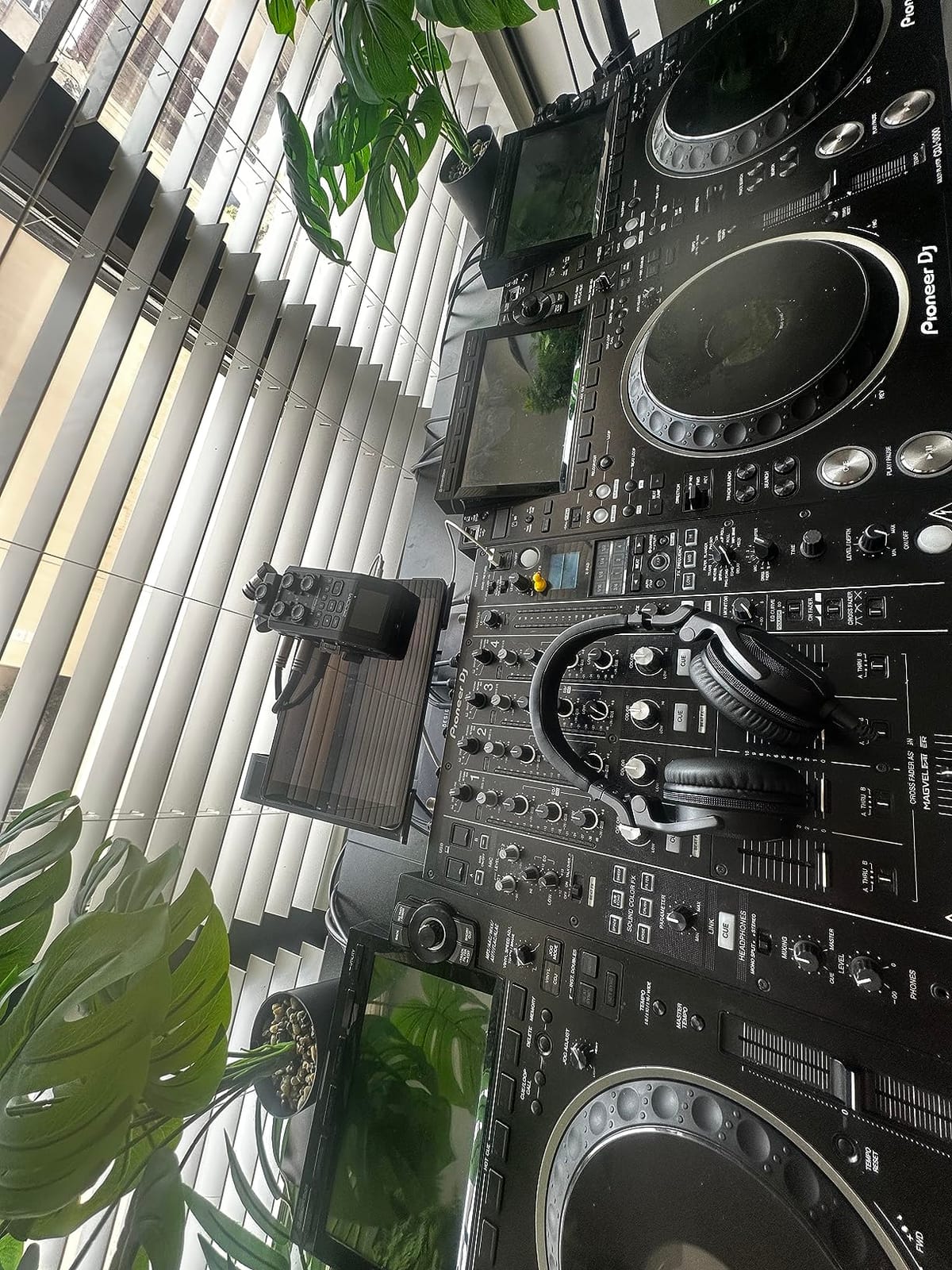
The HDJ-CUE1 is the obvious match for the Pioneer DDJ-200, DDJ-400, DDJ-FLX4, and DDJ-FLX6. It is also a comfortable fit for any Pioneer XDJ setup when you eventually upgrade from a controller to standalone gear.
Where it falls short
If you sweat heavily or share headphones between multiple people, the on-ear pads will wear out faster than replaceable over-ear pads. Plan for replacement pads within the first year of regular use.
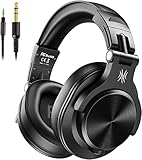
5. OneOdio A71 – Best Coiled Cable for Long Sets
OneOdio A71 Hi-Res Wired Over-Ear Studio Headphones for DJ, Mixing – Black
40mm drivers
6.6-9.8 ft coiled cable
Swiveling cups
Share port
Pros
- Hi-Res clarity and depth from 40mm drivers
- Long 6.6 to 9.8 foot coiled cable stretches with you
- 90° swiveling cups for one-ear monitoring
- Share port for back-to-back listening sessions
- Comes with both 3.5mm and 6.35mm plugs
Cons
- Plastic enclosure feels less premium
- Not water resistant
- Bass response is moderate compared to the Pro-10
The OneOdio A71 is the sibling of the Pro-10, and the biggest difference shows up in the cable. Where the Pro-10 ships with a straight cable, the A71 ships with a coiled cable that stretches from 6.6 to 9.8 feet. That single change makes a meaningful difference when you are moving around a DJ booth.
I tried the A71 with a Numark Mixtrack Platinum FX placed on a tall stand, and the coiled cable gave me enough slack to step away from the controller without yanking it off the table. For a beginner learning to walk to the crowd, that flexibility is a small but real advantage.
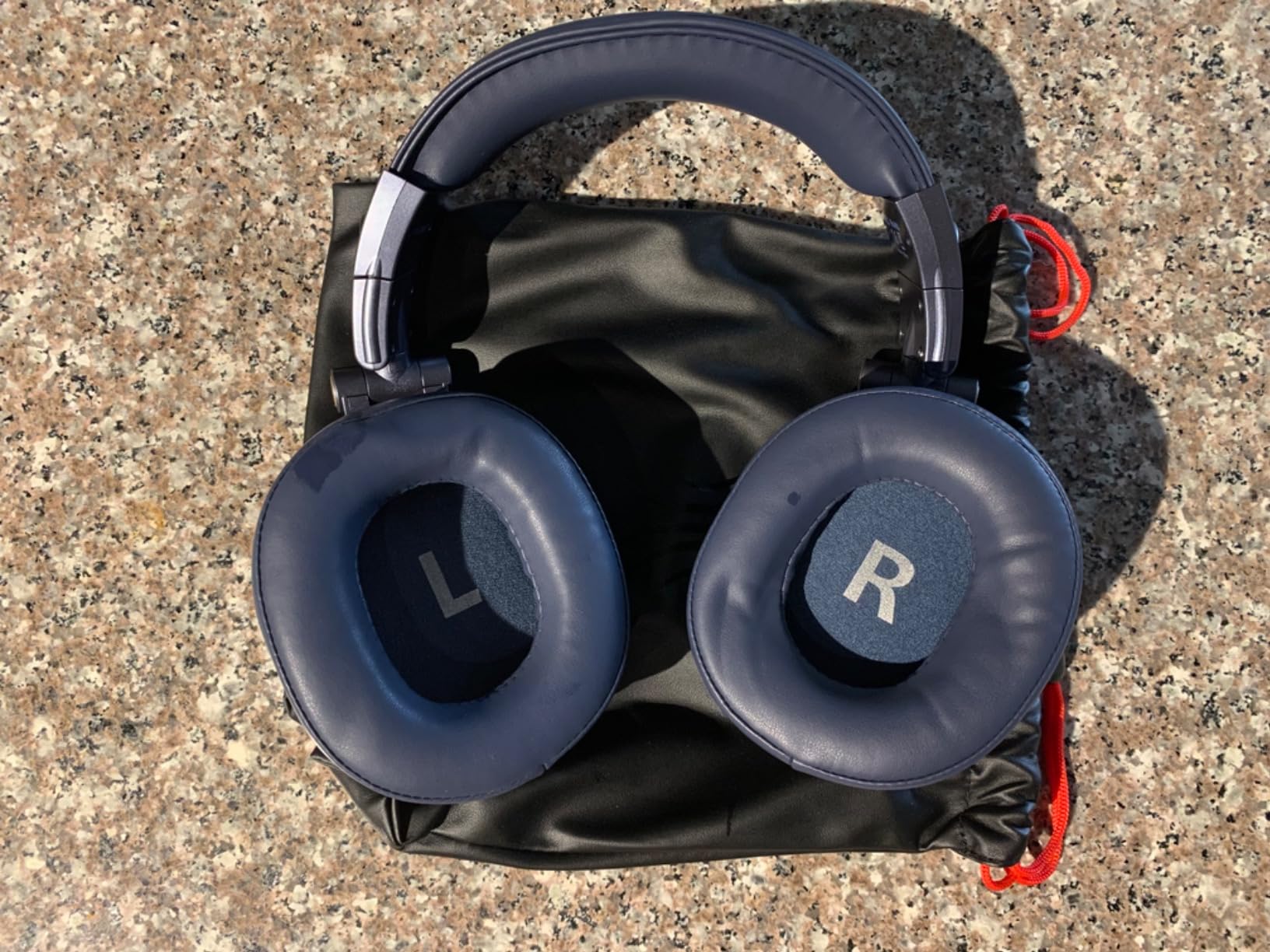
Sound-wise, the A71 sits between the Pro-10 and the more neutral ATH-M30x. The 40 mm drivers give you a clearer mid-range than the Pro-10, which means vocals and hi-hats pop a little more when you are cueing. Bass is still present but not as forward as the Pro-10, which is a better balance if you also want to use these for casual music listening.
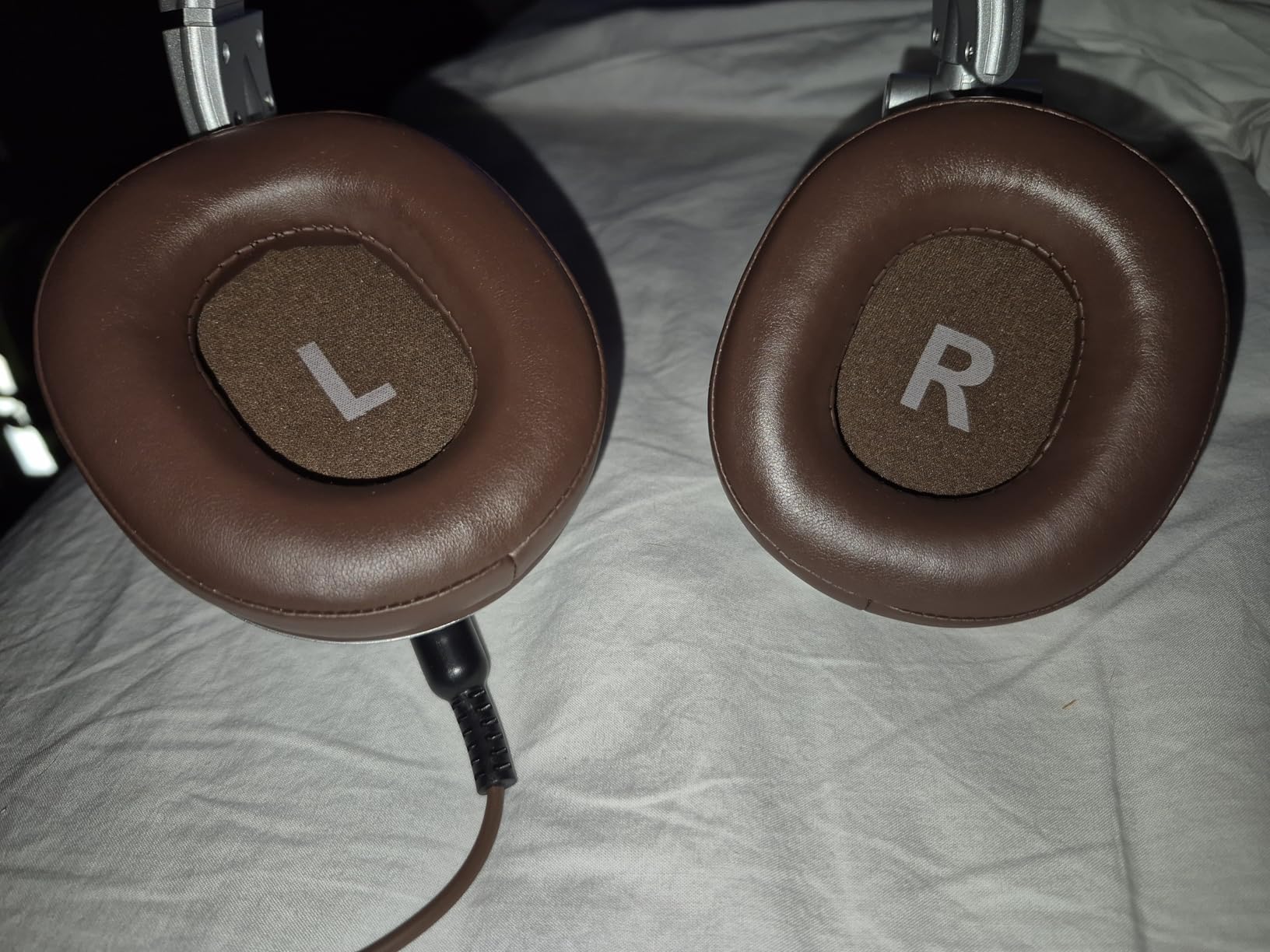
Build is where OneOdio made the most obvious cost cuts. The plastic enclosure feels light, and the hinges are not as confidence-inspiring as the Pioneer HDJ-CUE1. Treat them like practice headphones and they will serve you well, but I would not throw them in a gig bag every weekend.
Best beginner controller pairing
The A71’s longer cable is most useful with controllers that have a side-mounted headphone jack, like the Numark Mixtrack Pro or the Denon DJ MC4000. The coiled cable prevents the cable from catching on the controller’s edge.
Where it falls short
If you are looking for the deepest bass response, the Pro-10 is a stronger pick. The A71 is the choice when cable flexibility matters more than absolute low-end punch.
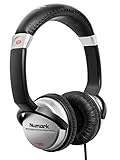
6. Numark HF125 – Lightest Option for Practice Sessions
Numark HF125 Closed-Back DJ Headphones
40mm drivers
0.2 kg ultra-light
7-position adjust
1/4 inch adapter
Pros
- One of the lightest DJ headphones on the market at 200 g
- 7 independently adjustable positions for a custom fit
- Padded headband and ear cushions keep things comfortable
- 6 foot tangle-resistant hard-wired cord
- Includes 1/8 inch to 1/4 inch TRS adapter
Cons
- Plastic enclosure material
- Only 90-day warranty
- Not water resistant
- Frequency range is narrower than competitors
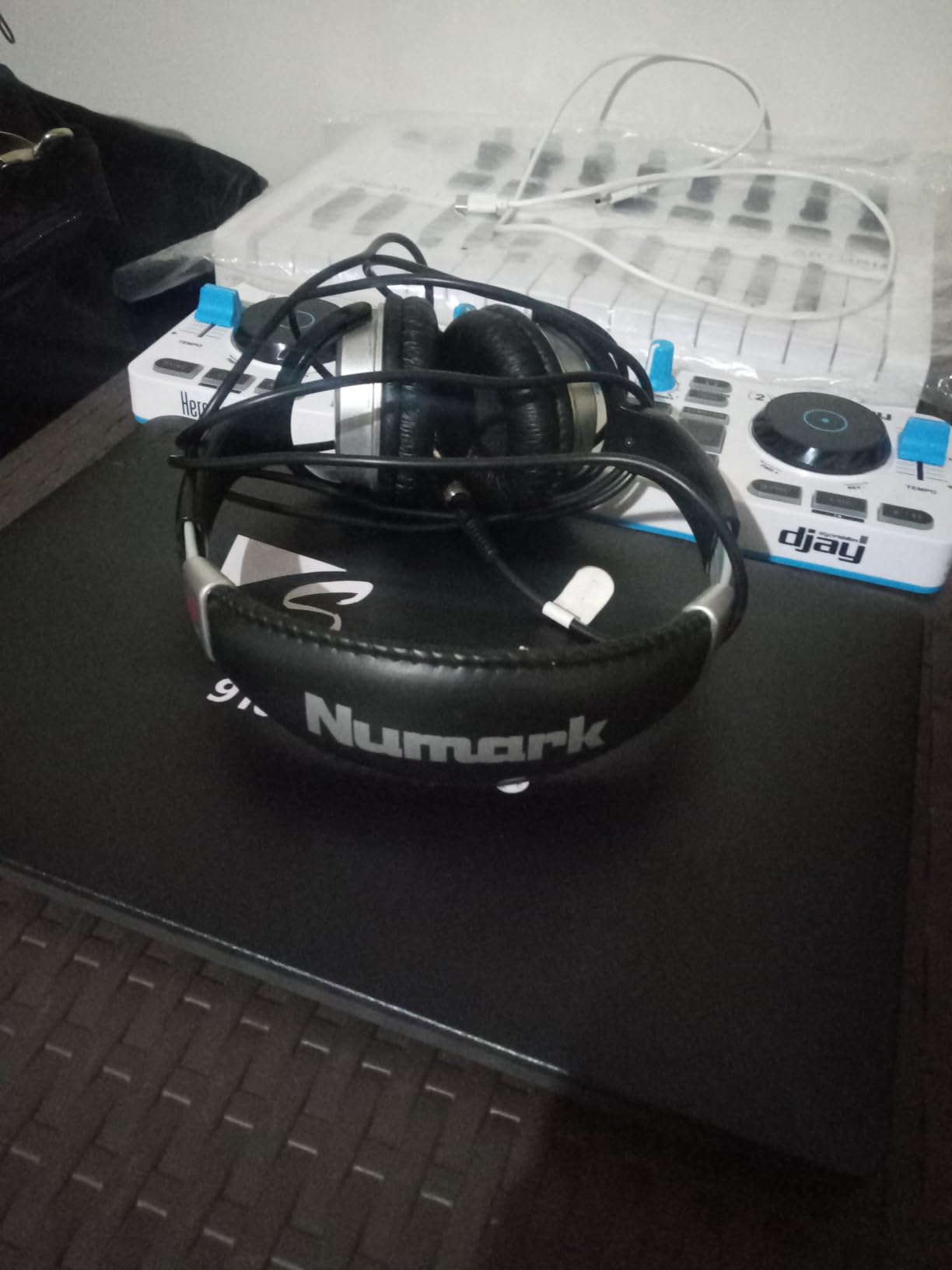
The Numark HF125 is the pair I reach for when I just want to practice quietly without a heavy clamp on my head. At 200 grams, it is one of the lightest closed-back DJ headphones you can buy, and the seven independently adjustable headband positions mean you can dial in a fit that does not press on your temples.
Numark built this for beginners and it shows. The 6 foot tangle-resistant cable is long enough to reach a laptop on the floor or a controller on a stand. The included 1/8 inch to 1/4 inch adapter means you can plug straight into a Pioneer DDJ, a Numark Mixtrack, or a laptop audio interface without buying extra parts.
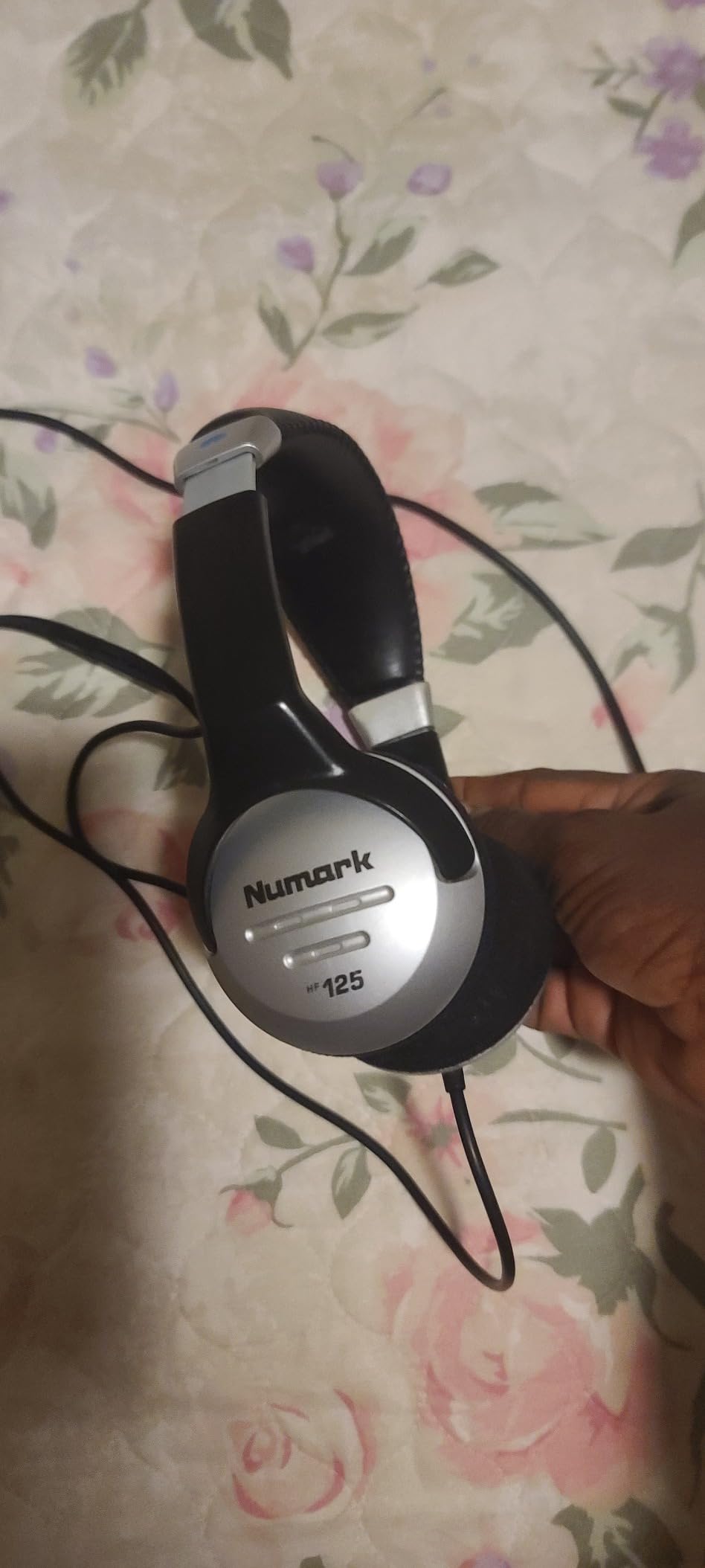
Sound is functional rather than exciting. The 40 mm drivers deliver a clean, balanced sound with enough low end to handle cueing, but they will not impress anyone shopping for studio detail. For the way most beginners actually use their first pair, that is fine.
The 90-day warranty is short, and the plastic build will not survive rough treatment. Treat these as a dedicated practice pair that stays at your home setup and they will last a year or more easily.
Best beginner controller pairing
The HF125 is a natural match for the Numark DJ2GO2 Touch, the Numark Mixtrack Platinum, and the Numark Mixtrack Pro 3. It also works with any third-party controller thanks to the included adapter.
Where it falls short
If you need a swiveling ear cup for one-ear monitoring, this is not the right pick. The HF125 cups do not flip back, so single-ear mixing requires cupping the ear with your hand.
7. MAONO MH601 – Best Comfort for Multi-Hour Practice
MAONO MH601 Wired Studio Headphone for Podcast Recording Stream DJ Mixing
50mm drivers
Protein memory cushions
9.8 ft coiled cable
Swiveling cups
Pros
- 50mm drivers deliver immersive sound with accurate bass response
- Protein memory cushions support 8+ hour sessions
- Effective isolation blocks around 85 percent of ambient noise
- Includes detachable coiled cable and 6.35mm adapter
- Zero-latency wired audio for accurate cueing
Cons
- No built-in microphone
- Ear cups do not rotate like some competing models
- Coiled cord may be shorter than expected for tall setups
- Bright branding shows up in video recordings
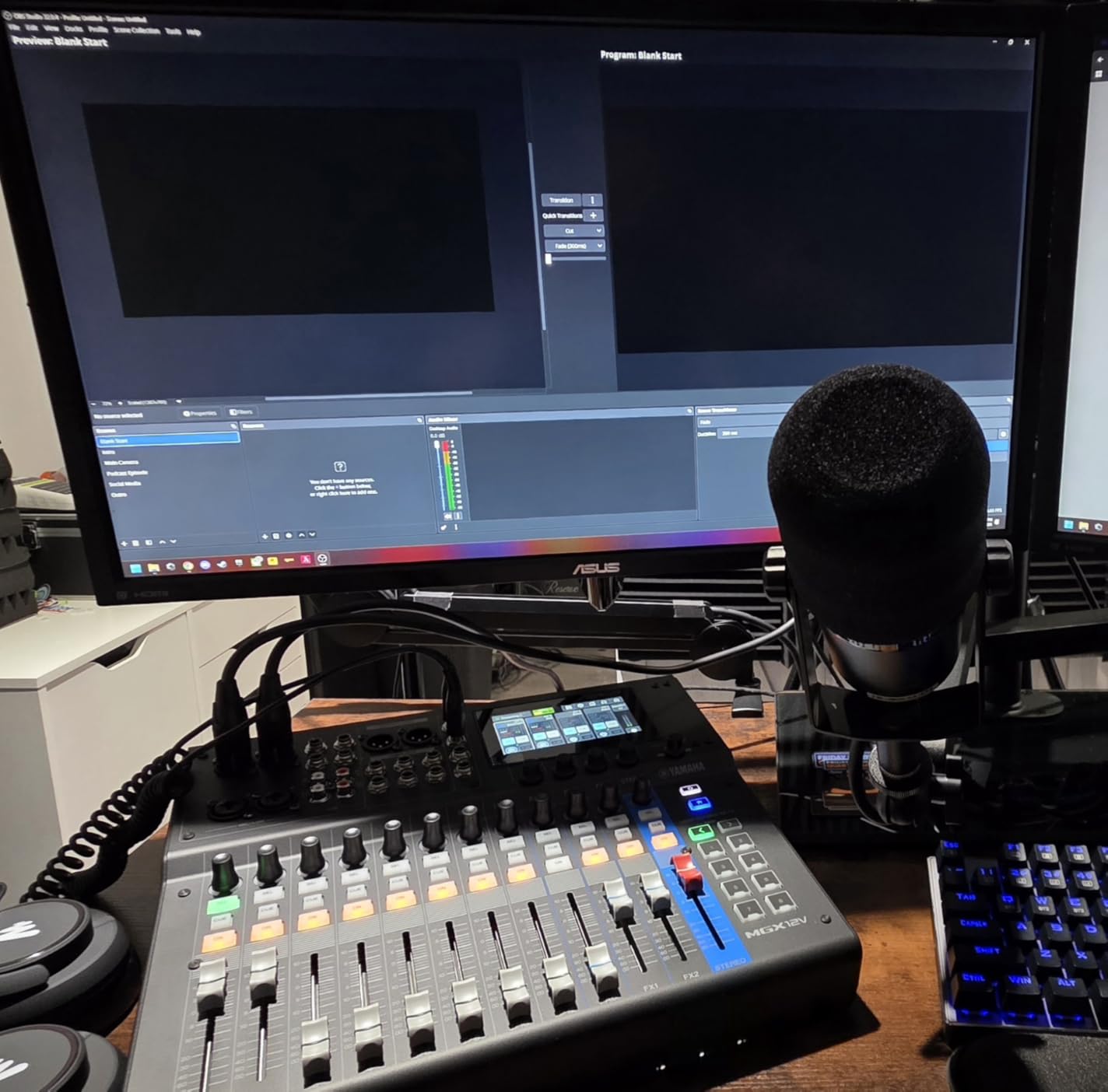
The MAONO MH601 is the pair I wore through the longest practice sessions during my testing. The protein memory cushions are softer than the standard leatherette pads on most budget headphones, and after about 30 minutes I forgot I was wearing them.
MAONO built the MH601 with content creators in mind, which is why the tuning leans neutral. That works well for DJing too because a flatter response lets you hear the difference between two tracks more clearly when you are blending them in a long mix.
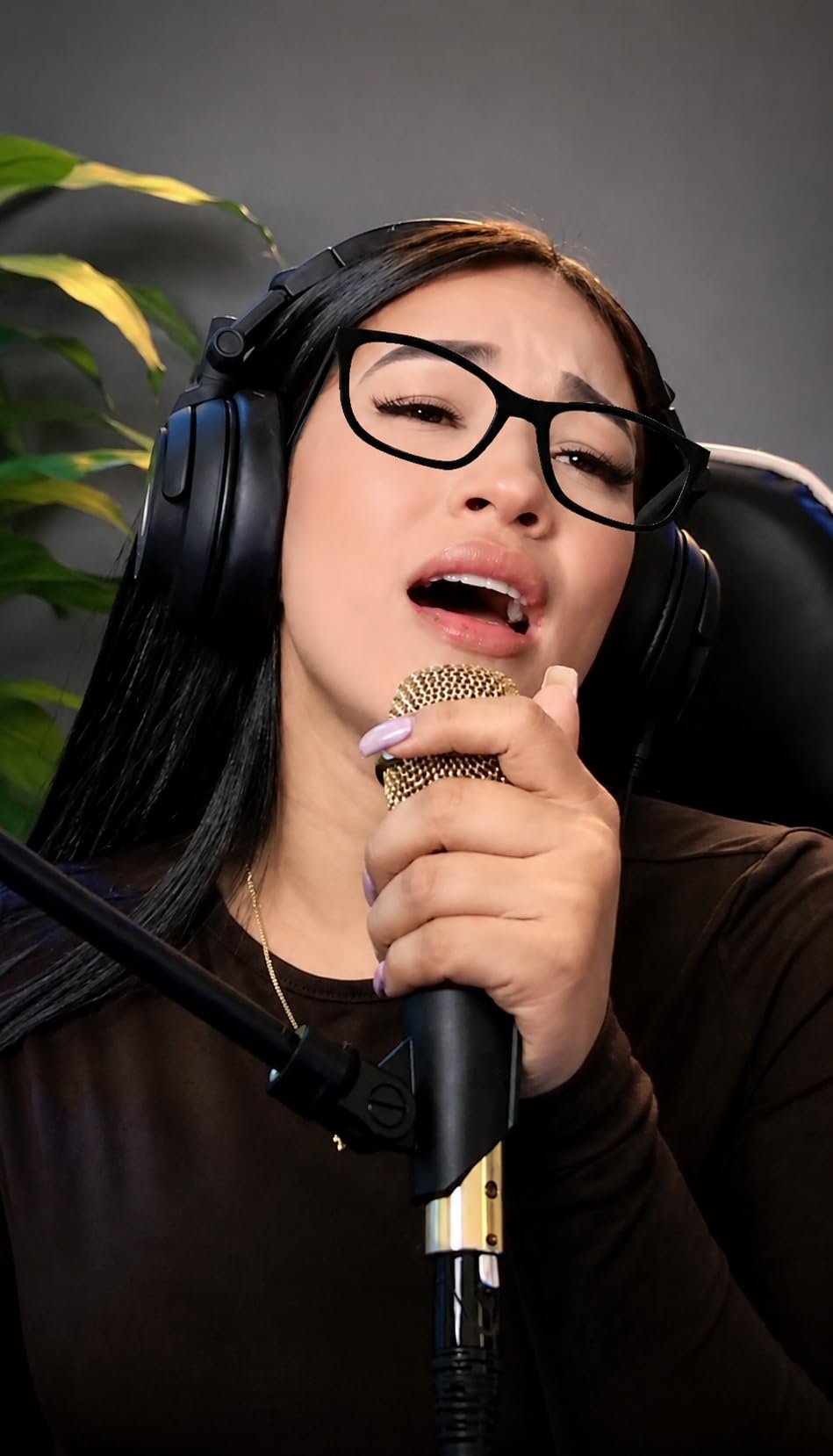
The 9.8 foot detachable coiled cable is a strong feature for a pair in this price range. Detachable means you can replace it if it ever wears out, and coiled means you get the reach without the cable snagging on your controller. The 90° swiveling cups support one-ear monitoring, which is a feature I would not skip on any DJ headphone.
The main trade-offs are minor. There is no built-in microphone, but for pure DJ use that is irrelevant. The ear cups swivel but do not fully rotate like a true multi-position hinge, so the storage profile is a bit wider than the Pioneer HDJ-CUE1.
Best beginner controller pairing
The MH601 is a comfortable match for any beginner controller with a 6.35 mm headphone jack, including the Pioneer DDJ-400, the Hercules DJControl Inpulse 500, and the Numark Mixtrack Pro FX.
Where it falls short
If you want the absolute lightest pair on this list, the Numark HF125 wins. The MH601 is the comfort pick for long sessions, not the weight-leader.
8. FIFINE HD8 – Best Budget Studio Monitor Alternative
FIFINE HD8 Wired Studio Monitor Headphone, Detachable 3.5mm/6.35mm Cables
50mm drivers
265 g lightweight
Two coiled cables
Closed-back
Pros
- Well-balanced
- flat sound from 50mm drivers suitable for monitoring
- Lightweight 265 g build reduces fatigue during long sessions
- Passive noise-canceling closed-back design blocks high-frequency noise
- Includes two detachable coiled cables with 3.5mm and 6.35mm plugs
- Easy adjustability with no break-in period
Cons
- Plastic build feels light and may seem cheapy
- Ear cups do not swivel or rotate
- Can get warm during prolonged use
- Bass is slightly emphasized compared to true flat reference monitors
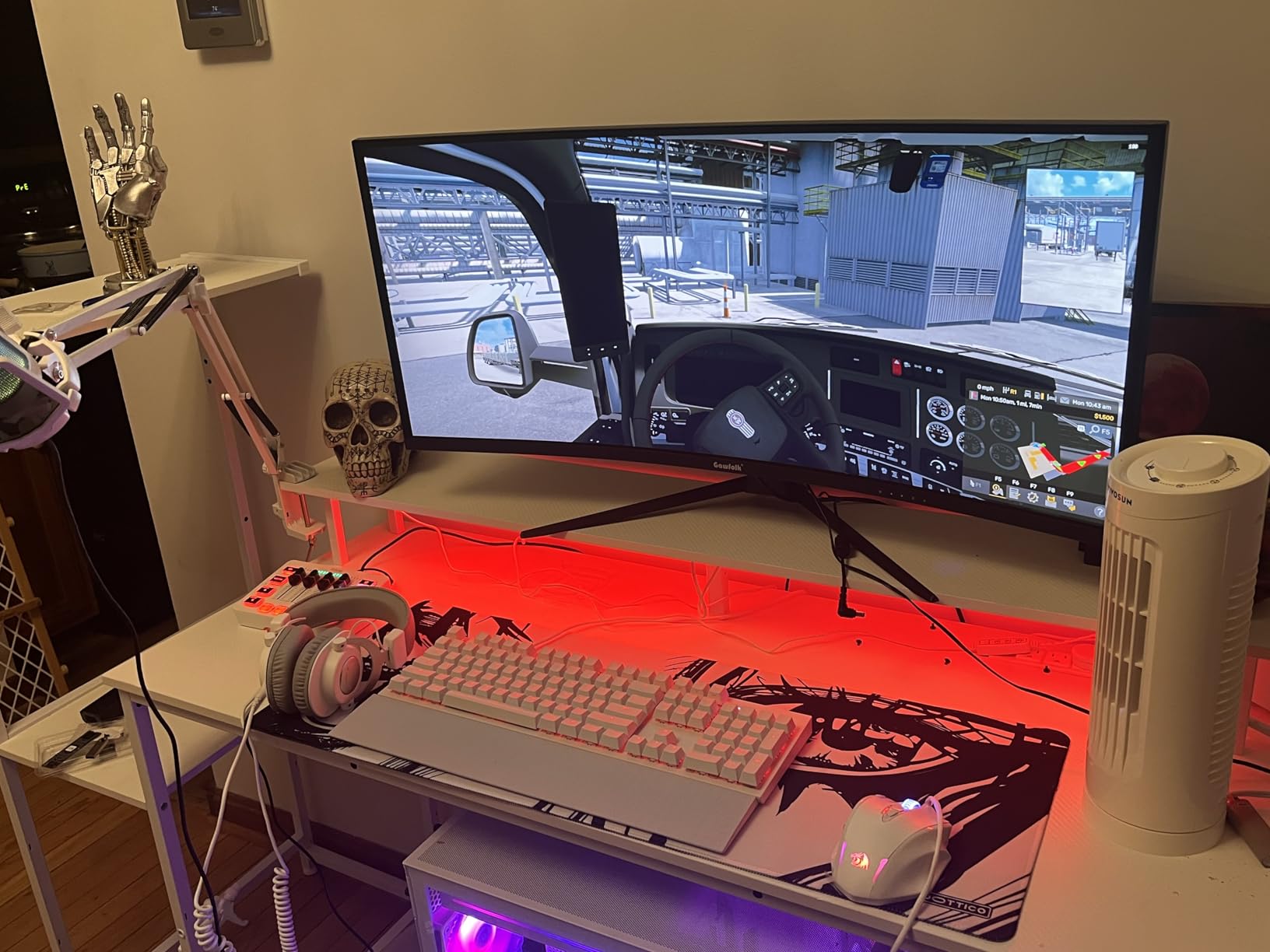
The FIFINE HD8 is the pair I would buy for a beginner who plans to do more than just DJ. If you also want to record podcasts, do voice-over work, or produce music on the side, the HD8 gives you a flatter, more reference-style sound than most of the other picks on this list.
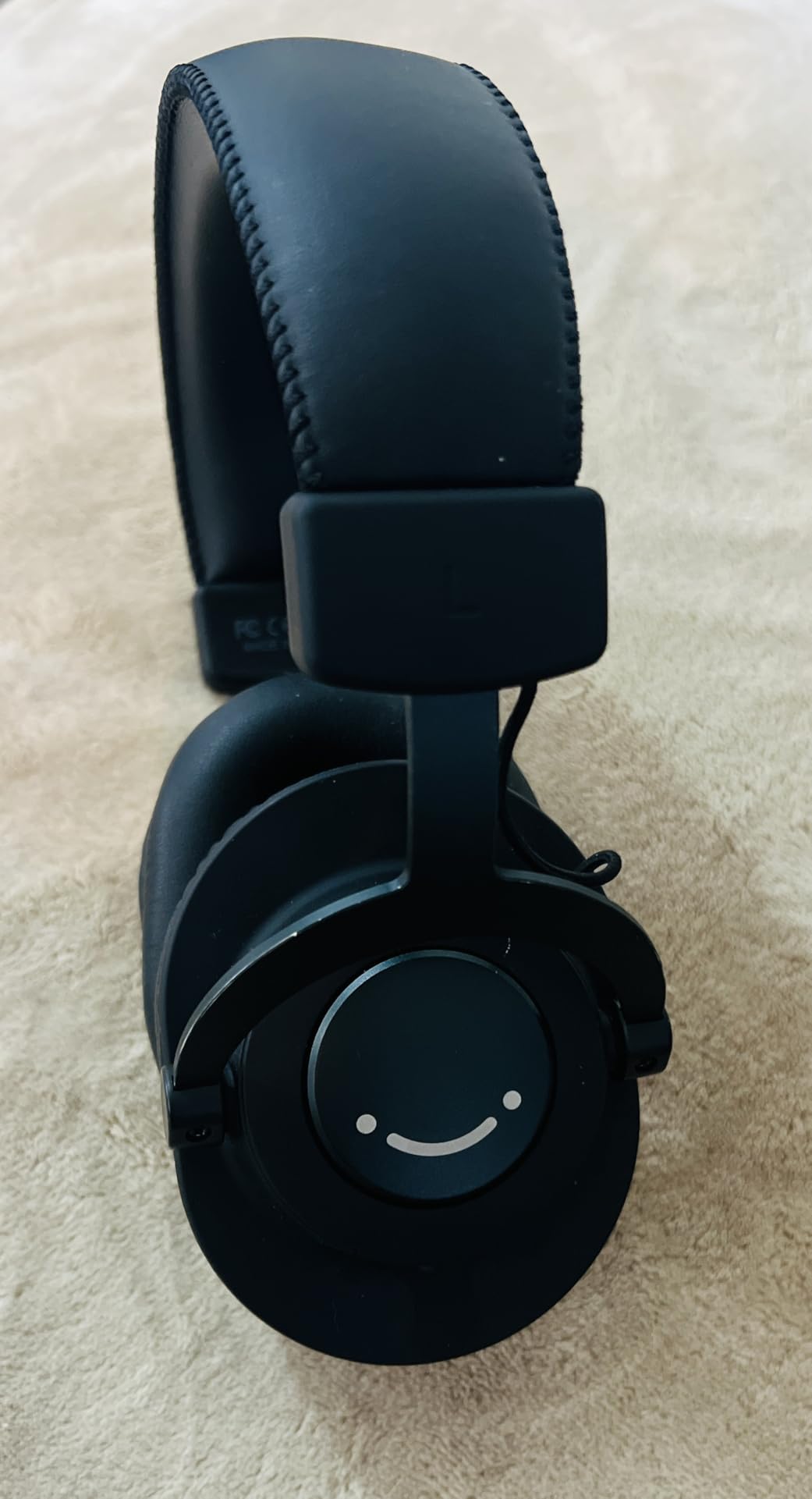
At 265 grams, the HD8 is among the lightest closed-back over-ear headphones you can buy. The included dual coiled cables are a quiet win. Most pairs ship with one cable and one adapter. The HD8 ships with two full coiled cables, so you can leave one coiled up at your DJ setup and one straight at your podcasting station.
Sound tuning is balanced with a slight bass emphasis. The mids come through clearly, which matters when you are trying to hear vocal phrasing between two tracks. For a beginner learning to count beats and bars, that clarity is genuinely useful.
The biggest limitation is the lack of swiveling ear cups. The HD8 cups stay in place, so single-ear monitoring requires cupping the ear with your hand. If you DJ in a way that requires a quick flip-back cue, you will feel the difference.
Best beginner controller pairing
The HD8 is a great match for the Hercules DJControl Inpulse 500, the Numark Party Mix II, and the Akai AMX. The dual cables also make it easy to switch between controller and audio interface without re-plugging.
Where it falls short
If your priority is single-ear monitoring and a quick cup-flip, the Pioneer HDJ-CUE1 or the OneOdio Pro-10 are stronger picks. The HD8 is the choice when versatility and reference-style sound matter more.
How to Choose DJ Headphones: Beginner’s Buying Guide?
Buying DJ headphones as a beginner is confusing because the spec sheets look like a foreign language. Below is the framework our team uses to evaluate every pair, plus the specific beginner mistakes to avoid and how to keep your headphones alive past the first year.
What Makes DJ Headphones Different
DJ headphones are closed-back, high-SPL headphones (often on-ear with a swiveling cup) designed to isolate the next track from loud club PA systems while letting a DJ cue and beatmatch by ear. Regular music headphones are tuned for enjoyment. DJ headphones are tuned so you can clearly hear the cue channel against the master output, even at high volumes.
The four features that separate DJ headphones from regular headphones are closed-back isolation, swiveling ear cups for single-ear monitoring, high sensitivity ratings above 100 dB SPL, and durable cables or detachable cables for rough use.
Closed-Back vs Open-Back: Why It Matters
Closed-back headphones have sealed ear cups that block outside noise. Open-back headphones let air through the cup, which gives a more natural sound but lets every outside noise leak in. For DJing, closed-back is non-negotiable. Without isolation, you cannot hear the cue track clearly over the master output, and your beatmatching will fall apart.
Every pick on this list is closed-back. If you ever see an open-back pair marketed as DJ headphones, treat that as a red flag.
On-Ear vs Over-Ear for Beginners
On-ear headphones (like the Pioneer HDJ-CUE1) sit on top of the ear. They are lighter, more portable, and easier to flip back for single-ear monitoring. The trade-off is that the pads press on the cartilage, which gets uncomfortable after long sessions.
Over-ear headphones (like the Audio-Technica ATH-M30x and the OneOdio Pro-10) surround the ear with the pad. They are more comfortable for long sessions, give better passive isolation, and tend to have a deeper bass response. The trade-off is bulk and weight.
For most beginners, over-ear is the safer pick. If you specifically want the lighter on-ear feel and you will only DJ in short bursts, the HDJ-CUE1 is the right call.
Wired vs Wireless for Beginners
Wireless DJ headphones exist, but they are not the right starting point. Bluetooth adds latency, even with the best codecs, and any latency makes beatmatching harder than it needs to be. Beginners who start wireless almost always return them within a few weeks.
For your first pair, go wired. Once you understand cueing and beatmatching with zero-latency audio, you will have a much better sense of whether wireless makes sense for your setup.
Key Specs Explained for Beginners
Impedance is the electrical resistance of the headphone driver, measured in ohms. Most beginner DJ headphones sit at 32 ohms, which means they work with any phone, laptop, or controller without needing a separate headphone amplifier. Higher-impedance pairs (70 ohms and up) sound better but require amplification.
Sensitivity, measured in dB SPL, tells you how loud the headphones go for a given input. Anything above 100 dB SPL is plenty loud for DJing.
Driver size, measured in millimeters, is the diameter of the speaker inside each cup. 40 mm and 50 mm drivers are the most common sizes for DJ headphones. Larger drivers generally give deeper bass, but driver quality matters more than size.
Frequency response, measured in Hz to kHz, tells you the range of sounds the headphones can reproduce. A range like 20 Hz to 20 kHz covers everything humans can hear. Anything wider is marketing, not real performance.
Compatibility with Beginner DJ Controllers
Most beginner controllers use a 1/4 inch (6.35 mm) headphone jack, though smaller controllers like the Pioneer DDJ-200 and the Hercules DJControl Inpulse 200 may use a 1/8 inch (3.5 mm) jack. Every pair on this list comes with the right cable or adapter for beginner gear.
If you start with a Pioneer DDJ-200 or DDJ-400, the Pioneer HDJ-CUE1 is the most obvious match. If you start with a Hercules DJControl Inpulse 200, the OneOdio Pro-10 is a strong pairing because the included cables cover both jack sizes.
Beginner Mistakes to Avoid
Cheap plastic builds break within months. If a pair feels like it would snap if you sat on it, it probably will. Pick something with a reinforced headband and metal hinges where possible.
Non-detachable cables are the single most common failure point. Once the internal wire breaks near the connector, the whole pair is dead. Detachable cables cost a few dollars to replace.
Missing replaceable pads is another quiet killer. Ear pads wear out from sweat and skin oils within a year for most beginners. If the pads are not replaceable, you are stuck.
Choosing studio headphones over DJ headphones is a mistake many beginners make because the brand names overlap. The Audio-Technica ATH-M50x is a great studio headphone, but it lacks a swiveling cup and is not optimized for single-ear monitoring.
Care and Maintenance Tips
Wipe the ear pads with a dry microfiber cloth after every practice session. Sweat and skin oils break down leatherette pads faster than any other factor.
Coil cables loosely instead of wrapping them tightly. Tight wraps stress the internal copper and lead to crackle or dropout within months.
Store the headphones in a pouch or case when you travel. A backpack full of laptops and books is the natural enemy of plastic headband hinges.
Replace the ear pads once a year if you DJ regularly. Most brands sell replacement pads for a fraction of the cost of new headphones, and fresh pads make an old pair sound noticeably better.
Frequently Asked Questions
What are the best DJ headphones for a beginner?
The OneOdio Pro-10 is our top pick for most beginners because it combines 50mm drivers, a swiveling ear cup for single-ear monitoring, a detachable cable, and a budget-friendly price. If you are starting on a Pioneer DDJ-200 or DDJ-400, the Pioneer DJ HDJ-CUE1 is purpose-built for new DJs. For the absolute lowest budget, the TASCAM TH-02 gives you closed-back isolation and surprising sound at the entry-level price tier.
Are on-ear or over-ear headphones better for DJing?
Over-ear headphones are better for most beginners because they surround the ear with the pad, give better passive isolation, and stay comfortable during long practice sessions. On-ear headphones like the Pioneer HDJ-CUE1 are lighter and easier to flip back for single-ear monitoring, but the pads press on the cartilage and can get uncomfortable after more than two hours.
Do I need wireless DJ headphones?
No. For your first pair, go wired. Bluetooth headphones add latency that makes beatmatching harder than it needs to be, and most beginners who start wireless end up returning the headphones within a few weeks. Once you understand cueing and beatmatching with zero-latency audio, you will have a much better sense of whether wireless makes sense for your setup.
What is the best budget DJ headphone?
The TASCAM TH-02 is the best budget DJ headphone for most beginners, with 50mm drivers in a closed-back design plus foldable hinges and a 1/8 inch to 1/4 inch adapter. The OneOdio Pro-10 is a step up in build quality and bass response for beginners who can stretch their budget slightly. Both are widely recommended on r/Beatmatch for first-time DJs who do not want to overspend.
Are Sennheiser HD 25 good for beginners?
The Sennheiser HD 25 is an excellent pro-grade DJ headphone with legendary durability and a swiveling ear cup, but the price is a stretch for most beginners. Beginners who can afford the HD 25 will not regret the purchase, but it is more than most people need while still learning the basics. The Pioneer HDJ-CUE1 is a more beginner-friendly alternative at a lower price.
Final Verdict
The best DJ headphones for beginners are the pair that gets you practicing tonight without breaking the bank. For most first-time DJs in 2026, our top pick is the OneOdio Pro-10. It is closed-back, it has a swiveling cup for single-ear monitoring, it comes with detachable cables in both sizes, and it has thousands of reviews from real beginners who learned to DJ with it. Pair it with whatever beginner controller you already own and you are set for the first six months at least.
If you are starting on a Pioneer DDJ controller specifically, go with the Pioneer DJ HDJ-CUE1. If you want the cheapest closed-back pair that will not embarrass you, the TASCAM TH-02 is the clear winner. And if you also plan to record podcasts or produce music, the FIFINE HD8 gives you the most versatility for the spend. Whichever pair you pick, the most important thing is to start practicing. The right headphones are the ones that get out of your way and let you focus on the music.