
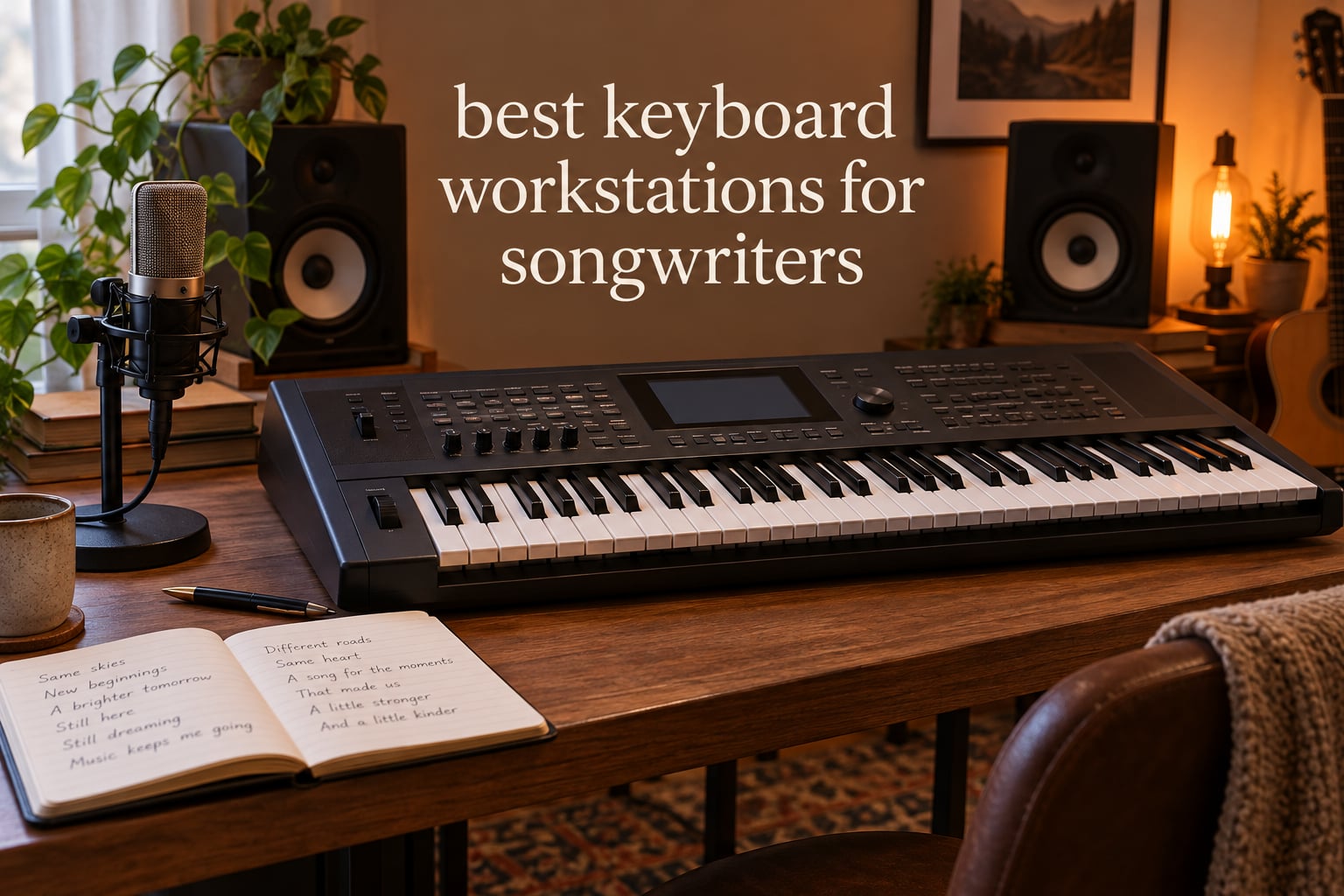
If you want one instrument that can hold a whole song while you are still writing it, the Casio CT-X5000 is the one to start with. It carries 800 editable tones, 235 rhythms, a 17-track recorder, phrase pads and 30W onboard speakers, so an idea that arrives at midnight becomes a structured demo before you fall asleep. Below, we rank the 11 best keyboard workstations for songwriters by how well they handle the parts of writing that matter: capturing something fast, arranging it without a computer, and getting a rough vocal or guitar take onto the same machine.
I have spent years writing and producing on standalone keyboards, and the pattern is consistent. The instrument that wins is not the one with the biggest engine. It is the one that removes the most friction between a hook in your head and a file you can send to someone. That is why every pick below is judged on four stages: idea capture, arrangement, vocal demo and handoff to a DAW.
All 11 units here are self-contained. A keyboard workstation is a music-production instrument with internal sound engines, a built-in sequencer and its own audio and MIDI connectivity, so you can write, arrange and record without a computer running. Nothing here needs a plugin, a subscription or a boot screen. If you have never worked this way before, start with the category explainer below, because choosing an arranger over a synth workstation is the one mistake that is expensive to undo.
Table of Contents
Top 3 Keyboard Workstations for Songwriters (October 2026)

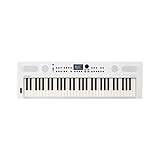
Roland GO:KEYS 5
- ZEN-Core engine
- Chord sequencer with 300+ presets
- 200+ styles
- Bluetooth audio
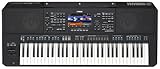
The CT-X5000 takes the overall slot because it gives a songwriter all four stages in one box without a setting that gets in the way. The GO:KEYS 5 wins on sound quality and on its chord sequencer, which is the fastest way we have found to work through a progression. The PSR-SX920 wins on arrangement depth, where the accompaniment styles behave like a session band that follows your left hand.
All 11 Picks Side by Side in 2026
| Product | Specs | Action |
|---|---|---|
| Casio CT-X5000 |
|
Check Latest Price |
| Roland GO:KEYS 5 |
|
Check Latest Price |
| Yamaha PSR-SX920 |
|
Check Latest Price |
 Korg Pa1000 Korg Pa1000 |
|
Check Latest Price |
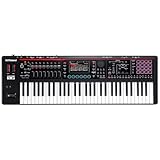 Roland FANTOM-06 Roland FANTOM-06 |
|
Check Latest Price |
 Casio CT-X3000 Bundle Casio CT-X3000 Bundle |
|
Check Latest Price |
 Casio CT-X800 Casio CT-X800 |
|
Check Latest Price |
 Korg Pa700 Korg Pa700 |
|
Check Latest Price |
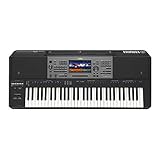 Yamaha PSRA5000 Yamaha PSRA5000 |
|
Check Latest Price |
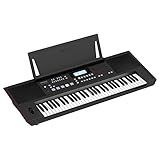 Roland E-X50 Roland E-X50 |
|
Check Latest Price |
 Korg PA600 Bundle Korg PA600 Bundle |
|
Check Latest Price |
Every board below is 61 keys, which is the right default for a songwriter. It covers two octaves above middle C, enough range for a full vocal melody line, chord voicings and a lower-hand accompaniment pattern, and it keeps the instrument light enough to move between rooms.
Workstation vs Arranger Keyboard: Which One Actually Writes Songs?
A workstation keyboard is a synth engine with a sequencer attached. An arranger keyboard is a backing band with a keyboard attached. The workstation gives you raw material: samples, synthesis types, pads, filters, a step sequencer. The arranger gives you a finished arrangement the moment you press a button, driven by your lower hand.
For songwriters, that difference decides everything. An arranger is built to hold a song while you write words over it, which is why writers keep drifting toward arranger models like the Genos and the PSR-SX range even when they own a computer. A workstation is built to generate the raw material, which is what you want if you intend to export MIDI into a DAW and finish the track properly.
Writers keep raising one complaint in the forum threads we read before compiling this list: singers get pushed back to their laptop because the mic input on most instruments is an afterthought. That is why the Korg Pa1000, with its TC-Helicon vocal processor, and the Roland FANTOM-06, with a mic input and a 32-band vocoder, sit high on this list even though they are not arrangers in the traditional sense.
My rule is simple. If you want a full demo with drums, bass, chords and melody in one take, buy an arranger. If you want unlimited sonic options and plan to finish the song in a DAW, buy a workstation. If you do both, the FANTOM-06 and the Pa1000 are the two instruments here that bridge the gap.
1. Casio CT-X5000: Best Overall for Songwriters
Casio CT-X5000 61-Key Flagship Arranger Keyboard | 800 Tones | USB-MIDI
61 keys
800 editable tones
235 rhythms
17-track recorder
30W speakers
Mic input
Pros
- Owners repeatedly rank the sounds above those of pricier arrangers
- 235 rhythms plus recording of your own accompaniment
- 30W onboard speakers handle practice and small rooms well
- 17-track sequencer and 800 editable tones support serious sketching
- Casio tutorial videos are the fastest way to learn the menus
Cons
- Deep feature set is buried behind menus and long-press navigation
- No DIN MIDI
- only USB
- which frustrates users with older gear
- Some factory samples are weak and velocity switching can be jarring
- Pitch bend wheel has a large dead zone and there is no aftertouch
The CT-X5000 is the instrument I recommend to a songwriter who keeps losing ideas between the moment they arrive and the moment the laptop finishes loading. It carries 132 reviews at a 4.4 rating, and the pattern in those reviews is telling: buyers describe months of comparing cheaper alternatives before settling on it and then ranking it above instruments costing considerably more.
Its 17-track sequencer is the reason it wins. You can lay down a drum pattern, a bass line, chords, pad, guitar, piano and a melody part, record rough vocals into the remaining tracks, and have a complete arrangement playing back in a few minutes. The 235 rhythms give you a starting groove instead of a blank page, and every one of them can be edited.
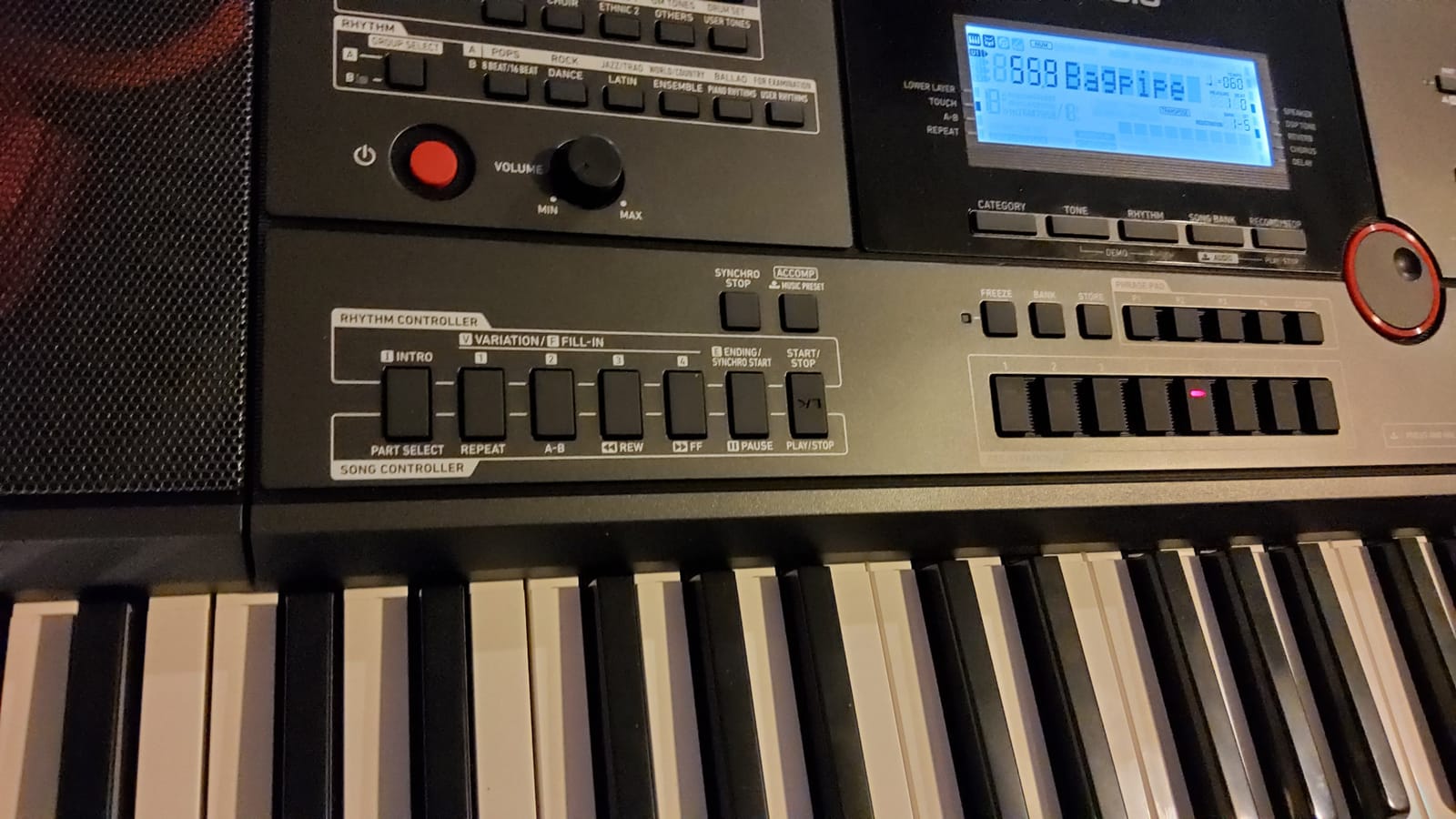
Two details matter more for songwriting than the spec sheet suggests. The 30W speakers mean the demo sounds the same in your living room as it does in someone else’s, which is how you catch the arrangement problems you cannot hear through headphones. The mic input means a sung hook can go straight onto a track of the same song rather than into a phone voice memo you will lose.
It also carries 800 editable tones, meaning you can change a sound rather than replace it. When a guitar part sits in the wrong register, you adjust the sound instead of re-recording the take. The phrase pads give you drum and vocal triggers without using a hand that is busy playing.
What it does well for writing songs
Recording your own accompaniment is a genuinely useful feature here. If a rhythm is close but not right, you play the part you want and the keyboard handles the rest of the groove, which keeps a song moving while you fix the detail later. The 17-track count is enough for a full band arrangement plus lyric and vocal scratch tracks.
The editable tones and 100 editable DSP effects let you build a rough palette that suits one song rather than fighting a fixed set of sounds. For a writer working on one idea for weeks, that consistency of tone across a project is worth a lot.
Where it falls short
Menu navigation is the honest complaint. Everything is there, but it sits two or three layers deep, and long-press controls take time to learn. Budget an afternoon with the Casio tutorial videos before you judge the instrument, because most early frustration with it is a learning issue rather than a limitation.
There is no DIN MIDI port, only USB. If you own older hardware or a studio full of vintage gear, plan on adapters. The light unweighted-style feel and the absence of aftertouch are also worth noting if you play expressive piano parts, though neither affects songwriting workflow.
2. Roland GO:KEYS 5: Best for Chord-First Songwriting
Roland GO:KEYS 5 Music Creation Keyboard, 61-Note, White
61 notes
ZEN-Core engine,1000+ sounds
200+ styles
Chord sequencer, 300+ presets
Bluetooth
Mic input
Pros
- ZEN-Core sound set praised as class-leading
- many owners prefer it to Yamaha Motif-class instruments
- Chord sequencer lets you program progressions and jam against them
- Each scene stores two tones plus a chord sequence and backing style
- Bluetooth audio and MIDI plus a USB audio interface
- Mic input with onboard vocal effects
- Portable at 16.7 pounds and usable on battery
Cons
- Internal speakers can be quiet
- with buzz or rattle on some piano tones
- Cannot loop your playing internally; recording is song-based with a gap before repeat
- Accompaniment styles lean global rather than American country and oldies
- Cheap plastic build and unreadable rear port labels
The GO:KEYS 5 has the largest review base of anything we recommend here, at 170 reviews, and owners with decades of experience consistently place the ZEN-Core sound set above far more expensive instruments. If you write songs on a guitar and sing them, the quality of the piano and the quality of the backing band are what you hear most, and this is where the board delivers.
Its chord sequencer is the feature songwriting buyers mention most. You store a progression, call it up under your lower hand, and the board plays it while you work on the right. For a writer who wants to try twenty variations of a chorus, that removes the tedium of playing four chords every time.
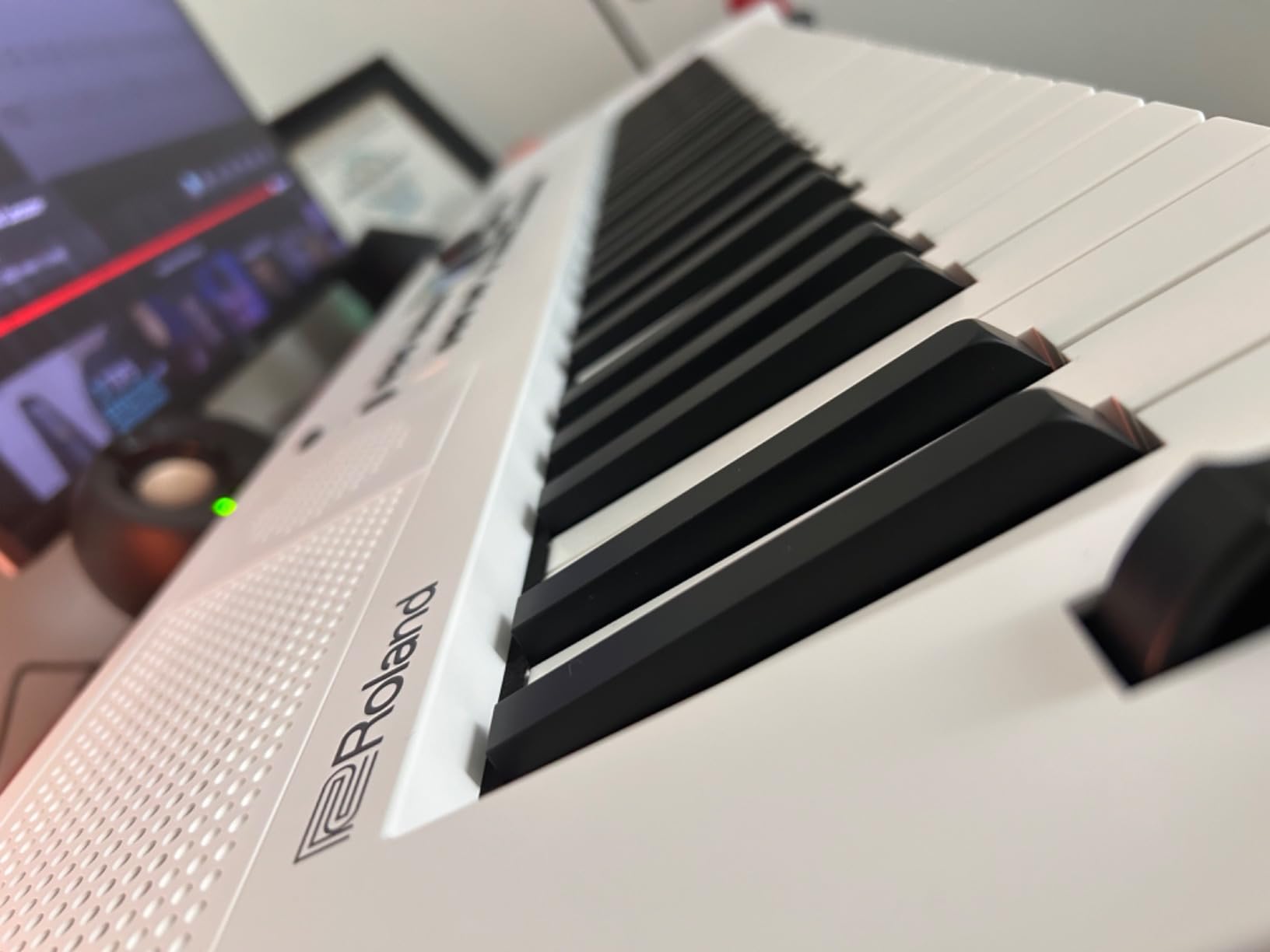
Each scene stores two tones plus a chord sequence and a backing style, so a scene behaves like a small song project. That is a closer match to how people actually write than a standard patch plus a set of variations, and it means switching between the demo version and the acoustic version of a section is one button.
Bluetooth audio and MIDI plus a USB audio interface make the transition to a computer painless. The mic input carries onboard vocal effects and a harmonizer, so you can test a harmony idea without setting up a second recorder.
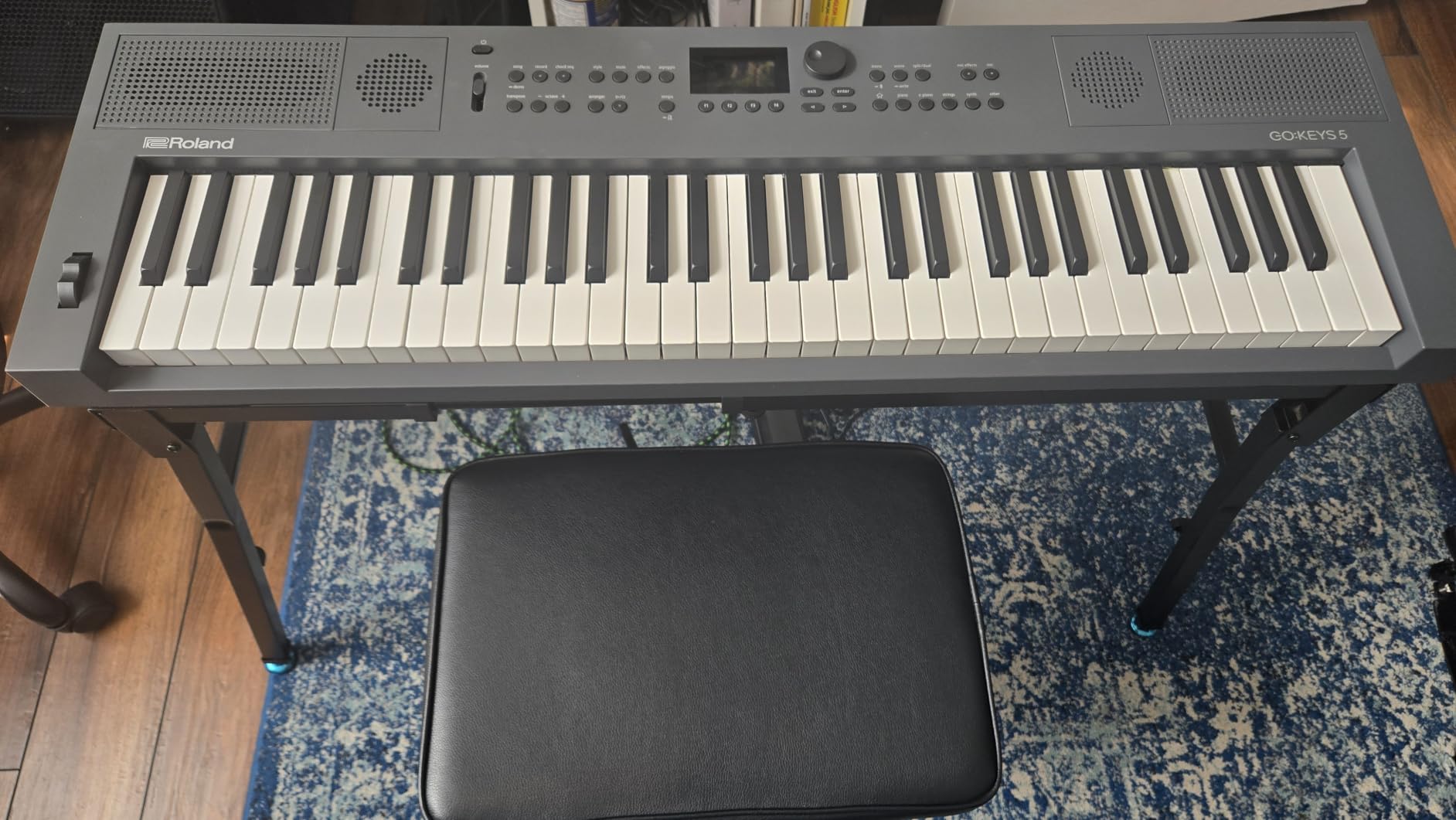
What it does well for writing songs
The sound quality is the standout here. Owners repeatedly describe the acoustic piano, electric piano and organ as unusually convincing, which matters because a thin factory piano is where most affordable arrangers give themselves away when you play a ballad.
At 16.7 pounds with battery power, it runs without a wall socket and moves between rooms easily.
Where it falls short
There is no internal looper. Recording is song-based, which means a gap before a repeat, so you cannot stack a harmony over a single take the way you would on a loop pedal. For singers this is the single most limiting fact about the board.
The style library leans toward global genres, and accompaniments use a fixed upright bass rather than electric bass. If you write country, bluegrass or early rock material, the styles will not sit under your songs as naturally. The plastic build also feels a step below the metal on a Korg Pa or a Yamaha PSR-SX.
3. Yamaha PSR-SX920: Best for Full Arrangements
Yamaha 61-Key Arranger Keyboard with Premium Sound, Live Control Knobs and Included Content PSRSX920
61 keys
Super Articulation 2 voices
Chord looper
Touch LCD
Real-time control knobs
Pros
- Piano and guitar voices are consistently rated class-leading for the price
- Accompaniment styles create a convincing full-band backtrack
- Touch LCD makes browsing styles and instruments fast
- Chord looper and advanced sequencer support sketching without a laptop
- Owners upgrading from the PSR-SX970 report substantial improvements
Cons
- Learning curve for the deep menu structure takes real time
- Buyers arriving from Genos-tier expectations may find it short on top-end gloss
- Specific features vary by listing variant
The PSR-SX920 carries a 4.7 rating with 87 percent of reviews at five stars. Multiple owners describe it as delivering Genos-class capability without the Genos-class outlay, and several mention spending a year comparing brands before choosing it.
For songwriting, the accompaniment styles are the argument. They are produced by musicians rather than assembled from loops, and they follow your playing closely enough that you can write a whole song over them and believe the result is close to the finished record.
The chord looper is the feature I would underline for a writer. It records the chord progression you play and recalls it on demand, which means you can jump straight to the chorus at the top of a session instead of playing the intro again. The advanced sequencer handles the rest of the arrangement.
Super Articulation 2 voices add fret noise, breaths and percussive nuance to acoustic parts. Those small details are what stop a demo from sounding like a MIDI file, and they matter if you are sending arrangements to other musicians.
What it does well for writing songs
The real-time control knobs and joystick give direct access to voice, style and effect parameters while you play. If a pad is too bright under a vocal, you change it in the moment instead of opening a menu and losing the thread of the song.
The touch LCD makes searching for styles and sounds fast, and the screen is also useful for reading chord charts and lyrics while you play, which is a real advantage during a writing session with other people in the room.
Where it falls short
The menu structure is deep. Yamaha’s layout rewards time, not first impressions, and a lot of the panel appears to do nothing until you understand how the styles system is organised. Treat the first month as learning the machine.
Owners coming from a Genos sometimes find it short on polish at the top end. And this is a bare instrument. You will need a stand, a pedal and somewhere to sit, which the two bundles further down this list handle for you.
4. Korg Pa1000: Best for Singer-Songwriters Who Record Vocals
Korg Pa1000 61-Key Professional Arranger
61 keys
7-inch touchscreen
1,700+ sounds
420+ styles
TC-Helicon vocal processor
2x33W speakers
Pros
- Huge internal memory plus 420+ styles supports substantial song libraries
- 7-inch touchscreen and 16-track arranger make the board self-sufficient
- Owners use it for full prototype work and export MIDI to a DAW for finishing
- Built-in speakers mean no monitors or computer needed for demos
- TC-Helicon vocal processor adds real value for singers
Cons
- Onboard sounds are not quite top-tier next to higher-end Korg models
- At 33.2 pounds it is one of the heaviest units in the lineup
- Some owners report touchscreen freezing or cosmetic defects on arrival
The Pa1000 is the pick for a singer-songwriter who records their own demos. Its TC-Helicon vocal processor is the feature that separates it from every other arranger here, and it addresses the complaint forum writers raise most often about standalone boards, which is that there is no good way to capture a vocal idea on the instrument itself.
Harmony, doubling, reverb and delay on the vocal channel turn a rough take into something you can send to a band. The dual 33W speakers mean the demo is monitorable without a computer, so you can judge the arrangement rather than just the notes.
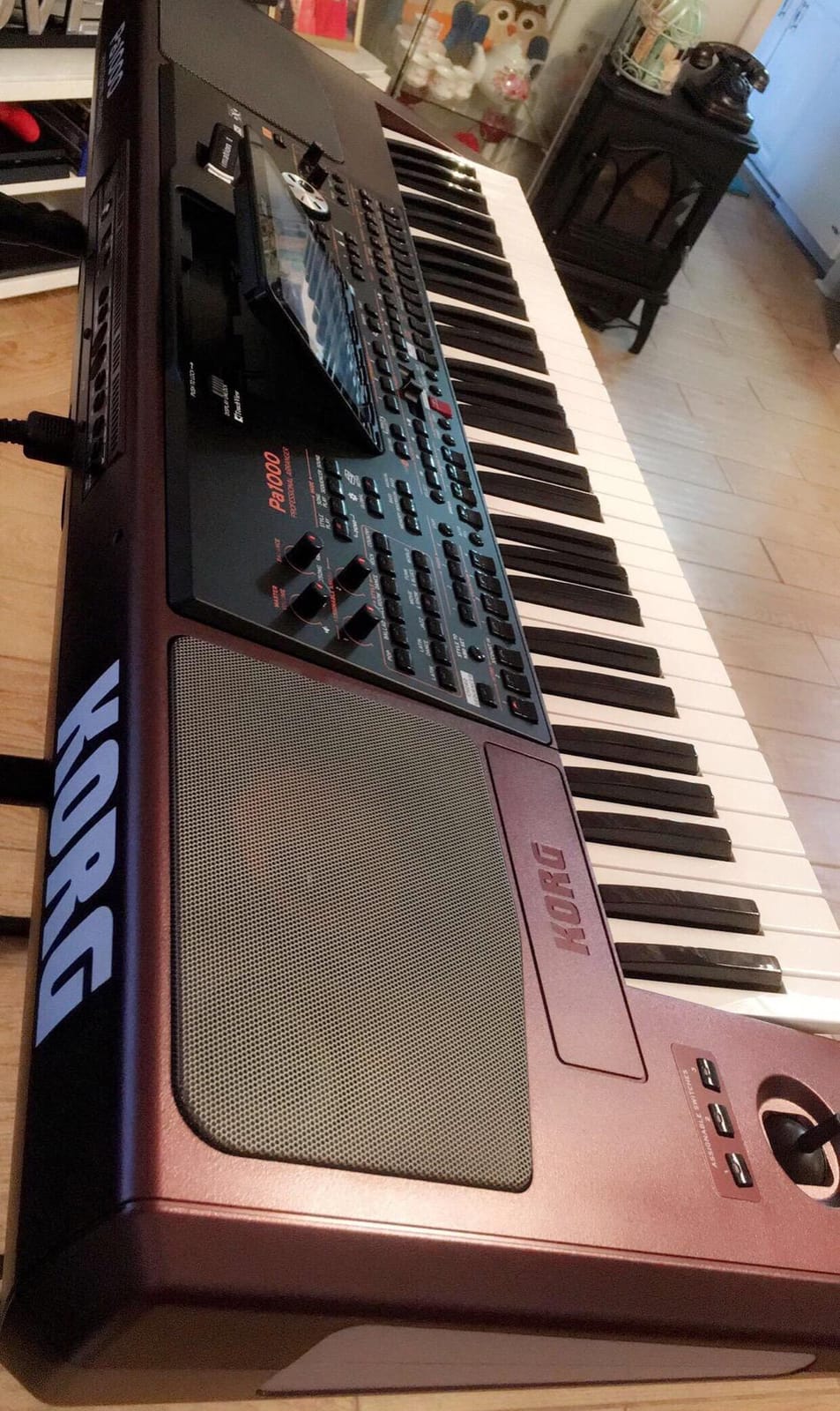
With 1,700 sounds and more than 420 styles, this board handles arrangement work that smaller arrangers cannot. The 7-inch touchscreen makes navigating that much content workable, and the 16-track arranger is wide enough for a full arrangement plus lyric and scratch vocal tracks.
Several owners describe building entire prototypes on board and exporting MIDI into a DAW for finishing. That hybrid workflow is the most realistic path for a songwriter who will eventually produce the record properly but wants to capture ideas on an instrument first.
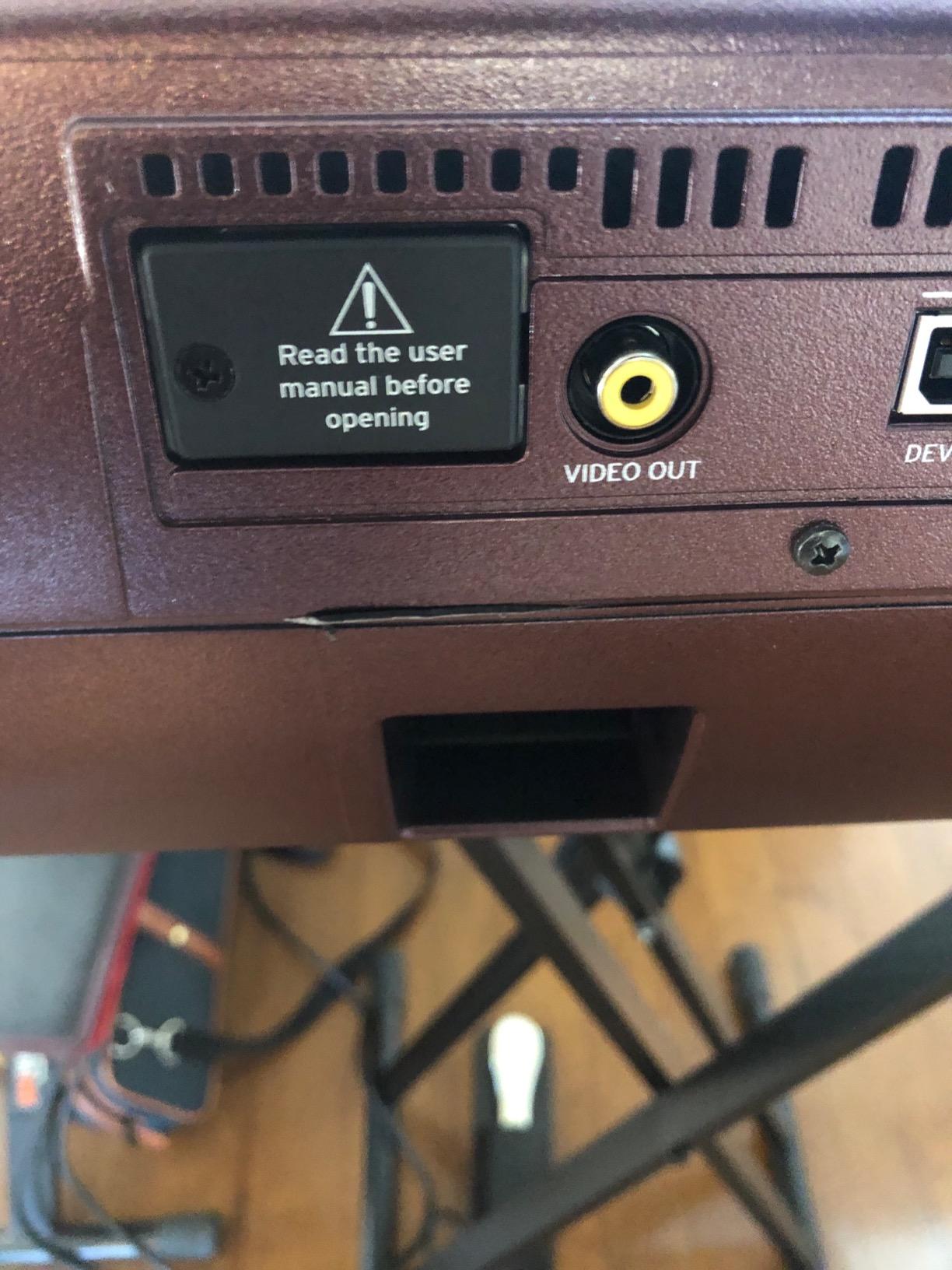
What it does well for writing songs
The vocal processor changes how a writing session runs. You can sing a part, add a harmony, and hear the result immediately, which is far better than trying to remember a melodic idea from a phone recording you made three weeks ago.
The touchscreen and the size of the internal memory suit a writer with a large catalogue of half-finished songs. Holding thirty arrangements on the instrument means you can revisit old ideas rather than only working on the newest one.
Where it falls short
At 33.2 pounds, this is a two-person carry. If you want to write away from home, it is the wrong tool, and a smaller board with a battery will serve you better.
The onboard sounds draw mild criticism from owners, who call them good rather than flagship. A small cluster of reviews also flags touchscreen freezing and finish quality on newly delivered units, so inspect the screen and the panel carefully when yours arrives.
5. Roland FANTOM-06: Best for Moving Sketches Into a DAW
Roland FANTOM-06 61-Note Synthesizer Keyboard
61 notes
ZEN-Core, V-Piano, SuperNATURAL
Color touchscreen
16 RGB pads
4x32 USB audio
Mic input
Pros
- Light at 13 pounds
- which also suits cover-band use
- Large color touchscreen
- knobs
- sliders and 16 RGB pads give hands-on control
- Clip-based sequencing
- TR-REC step sequencer and piano-roll editing
- 4x32 USB audio interface with native Logic Pro
- MainStage and Ableton Live integration
- Model expansions for JUNO-106
- JUPITER-8
- JX-8P and SH-101
Cons
- Steep learning curve
- especially for the sequencing and sampling workflow
- Key action is light and unweighted
- which some buyers find cheap for playing
- No auto-accompaniment styles engine
- so it is not an arranger workstation
- Acoustic grand piano sounds are the weakest category for some owners
- Does not ship with a USB-A to USB-B cable
The FANTOM-06 is the only synth workstation in this roundup, and it earns its place because it is the bridge instrument. It has no accompaniment styles, so it will not play a backing band for you, but it has a 4×32 USB audio interface with native integration for Logic Pro, MainStage and Ableton Live, which makes moving a finished sketch into a DAW almost frictionless.
Owners treat it as a practical route into Roland’s flagship workstation sound set. ZEN-Core, V-Piano and SuperNATURAL give you a genuinely wide palette, and the model expansions for the JUNO-106, JUPITER-8, JX-8P and SH-101 cover the electronic sounds most songwriters reach for.
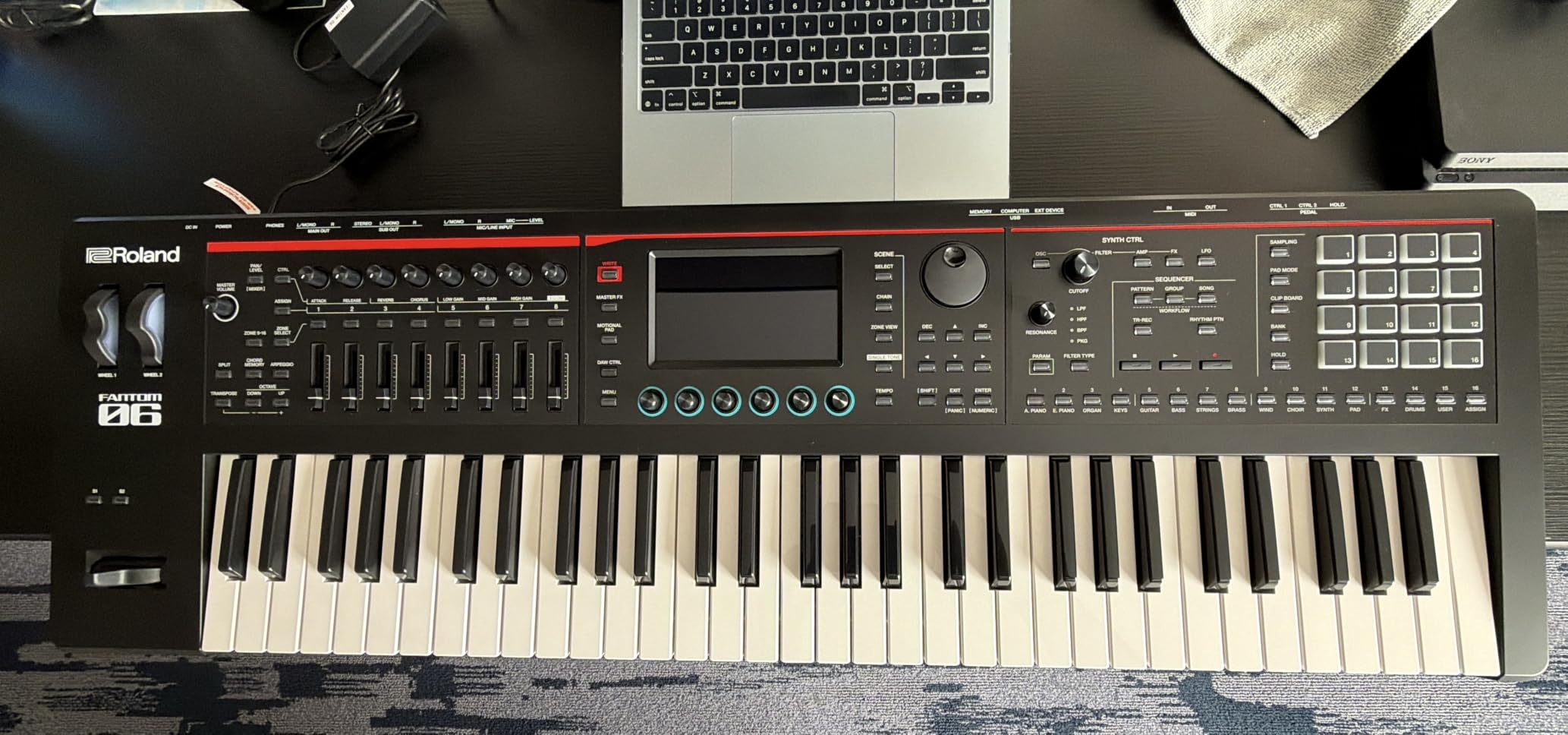
At 13 pounds it moves easily between rooms, and owners double it as a cover-band keyboard. The plastic body keeps the weight down.
The large color touchscreen, high-resolution knobs and sliders and 16 RGB performance pads give direct control over a sound without menu diving. The mic input with a 32-band stereo vocoder is a genuine creative tool for a writer, not a token input.
What it does well for writing songs
Clip-based sequencing, the TR-REC step sequencer and piano-roll editing are production tools, not sketch tools. That is precisely why it works for songwriters who intend to finish tracks properly, because you can compose a full arrangement on the board and export MIDI and audio that a DAW can pick up immediately.
Deep onboard sampling, pitched keyboard assignment and multisample support let you create your own instrument palette. For a writer chasing a specific sound, that is faster than searching a preset list.
Where it falls short
There is no auto-accompaniment engine. If your method is to press one button and write over a band, this is the wrong instrument and you should look at the arrangers above. One reviewer explicitly regretted not buying an arranger instead.
The light, unweighted key action feels cheap to some buyers, and the sequencing and sampling workflow carries a genuine learning curve. Owners also note the acoustic grand category as the weakest of the sound set, which matters if piano is your main instrument.
6. Casio CT-X3000 Bundle: Best Complete First Instrument
Casio CT-X3000 61-Key Keyboard Bundle with Adjustable Stand, Bench, Sustain Pedal, Online Lessons, Instructional DVD, and Austin Bazaar Polishing Cloth
61 keys
800 tones
235 rhythms
17-track sequencer
12W speakers
Bundle with stand and bench
Pros
- Bundle includes adjustable stand
- bench
- sustain pedal and lessons
- ready to play immediately
- 800 editable tones and 235 editable rhythms give serious range
- 17-track sequencer
- phrase pads and arpeggiator support multi-part composition
- DSP effects include amp models and rotary speaker simulation
- Zero 1-star ratings among the reviews captured
Cons
- 12-watt speakers are weaker for louder practice rooms
- 61 ungraded keys are not suitable for classical piano technique
- Bundle contents vary by listing
- with some packages including a DVD rather than streaming lessons
Most first instruments fail on the boring parts, not the sound. The CT-X3000 bundle includes an adjustable stand, a bench, a sustain pedal and online lessons, so the instrument goes from a box to a usable writing station the same afternoon.
Underneath, the feature set is closer to the CT-X5000 than to a typical starter board. 800 tones, 235 editable rhythms, a 17-track sequencer, phrase pads and an arpeggiator give a new songwriter the same tools as the CT-X5000 in a smaller speaker system.
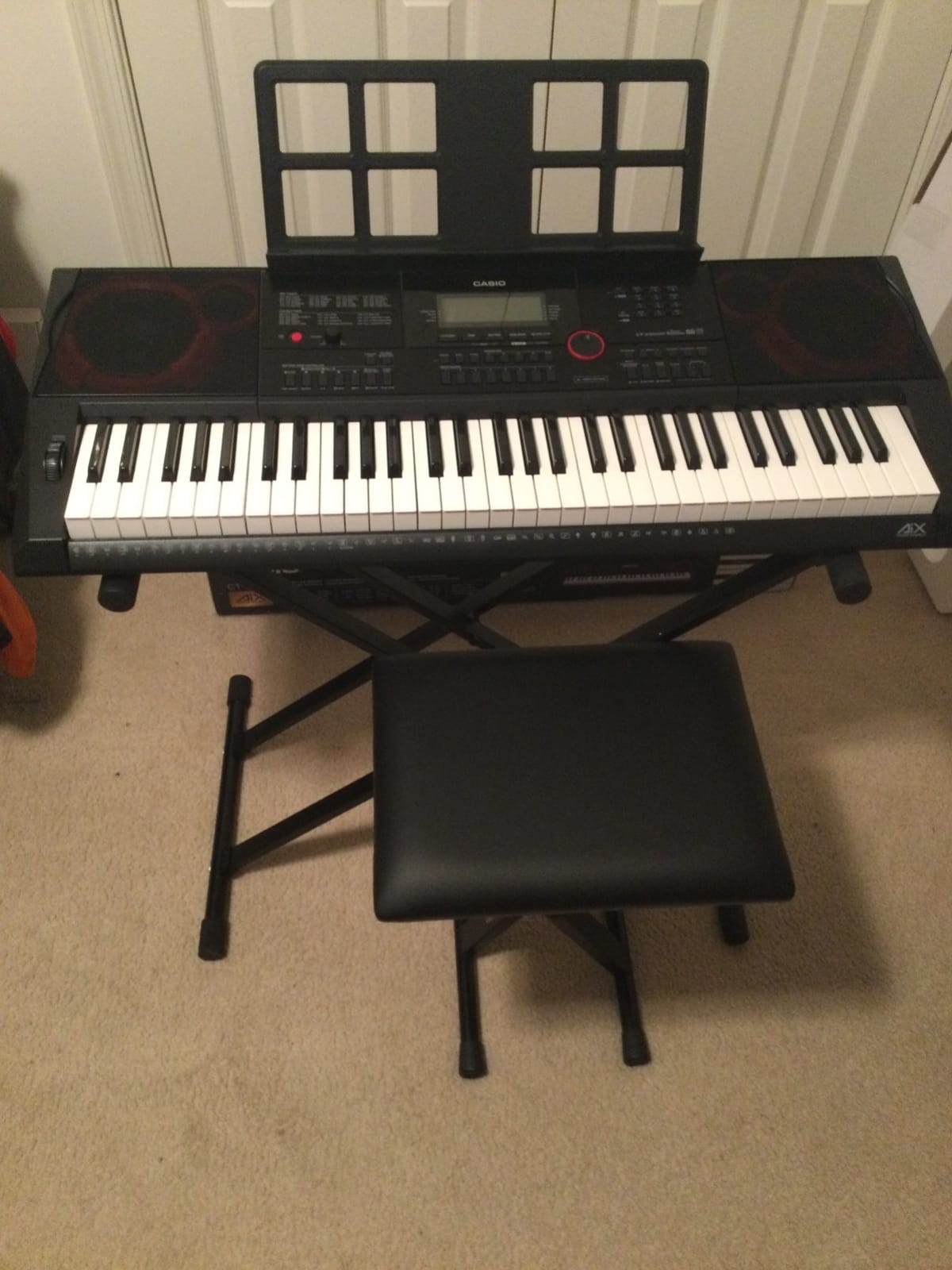
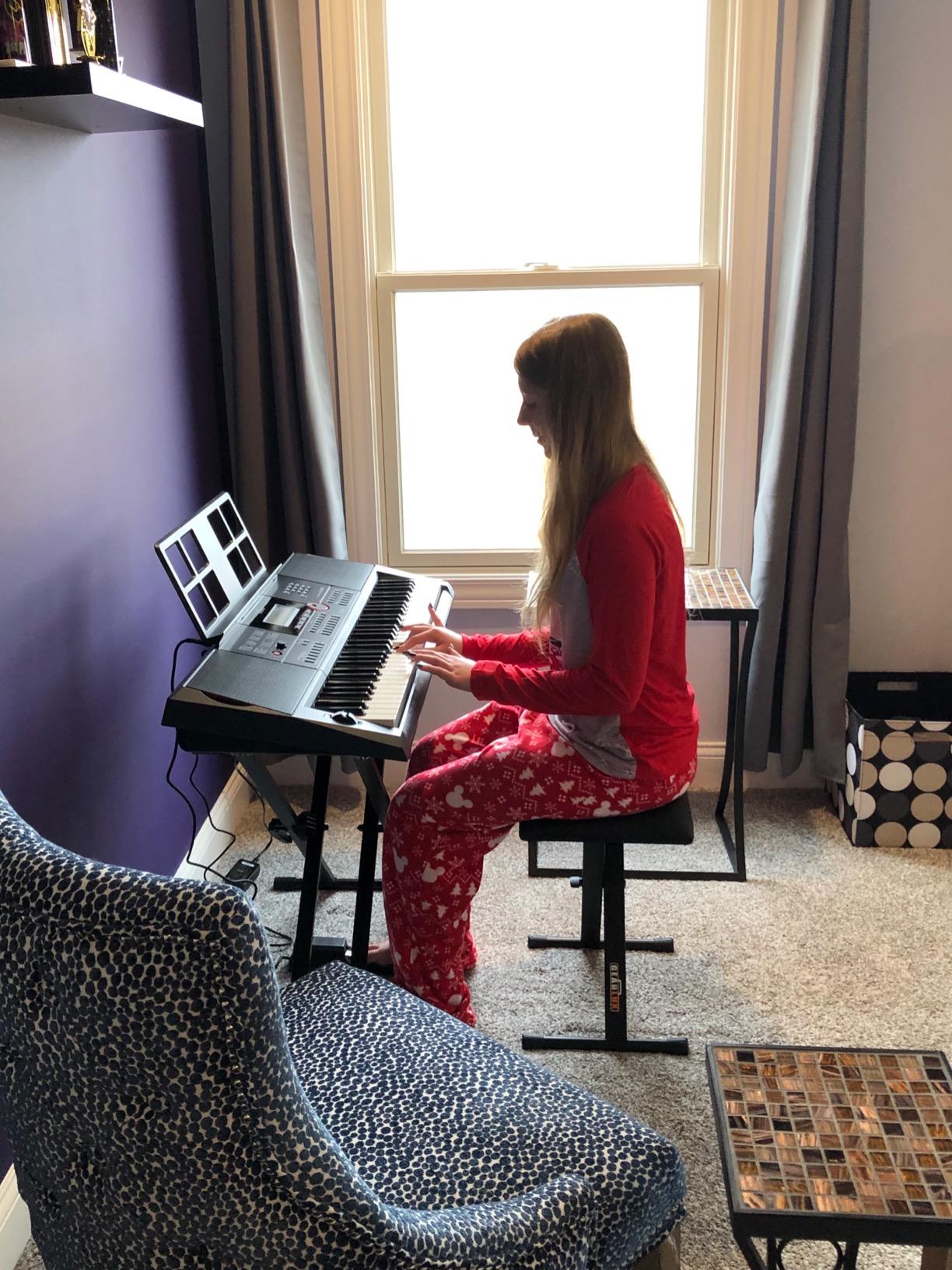
Buyers consistently frame this as a complete practice or small-room writing setup rather than a bare instrument, and the 17% four-star share reflects a satisfied base that recognises the sound is not at flagship level. Ratings skew strongly positive with no one-star reviews captured.
The 17-track sequencer and the editable rhythm library are the features most cited by songwriting-oriented owners. Being able to record your own accompaniment means you can build an arrangement layer by layer without a computer.
What it does well for writing songs
Editable rhythms are the quiet hero here. Instead of picking from a fixed list, you can build the groove your song needs, and the DSP effects including amp models and rotary speaker simulation widen the timbral range for guitar and organ parts.
Because everything needed to play is in the box, there is no barrier between buying the instrument and writing the first song. That matters more for a beginner than any specification on the sheet.
Where it falls short
The 12-watt speakers are noticeably weaker than the CT-X5000 system, so it is a practice and small-room instrument rather than something you would use to rehearse a band. The ungraded keys are not suitable for classical technique.
Bundle contents vary by listing, and some packages include an instructional DVD instead of streaming lessons. Check the listing carefully so you know what is in the box before you rely on it.
7. Casio CT-X800: Best Value Battery-Powered Writing Board
Casio CT-X800 Keyboard with 61 Velocity Standard Keys and Automatic Accompaniment
61 keys
600 sounds
195 rhythms
195 one-touch presets
Dual USB
Audio in
Battery power
Pros
- Highest-rated Casio here at 4.7 with 77% five-star ratings
- One-touch presets make it fast to dial in an arrangement while sketching
- 195 rhythms with automatic accompaniment cover a broad range of styles
- Battery power and included music holder support portable use
- Dual USB host and device plus audio in simplifies DAW connection
Cons
- 600 sounds and 195 rhythms are a step below the CT-X5000 and CT-X3000
- Standard unweighted keys lack the feel of semi-weighted arranger keybeds
- No dedicated phrase-pad performance workflow like the higher Casio models
The CT-X800 is a practical entry point in this roundup, and it holds a 4.7 rating with 77 percent five-star scores. The 310 music presets plus 195 one-touch presets make an arrangement appear in a few presses.
One-touch presets are the songwriter feature here. You call up a preset for a section and the board loads the bass, chords, drums and melody parts for that section, so you can move between verse, chorus and bridge without touching a single control.
What it does well for writing songs
Battery power changes where you can write. You can sit somewhere other than a desk, and a music holder is included so a tablet or sheet of paper sits in the right place. For a writer who works in fragments rather than scheduled sessions, that is a real benefit.
Dual USB with separate host and device ports plus an audio input makes it straightforward to connect to a laptop or tablet, so the instrument is not a closed system if you later want a DAW in the loop.
Where it falls short
It is a step below the CT-X5000 and CT-X3000 in both sound count and rhythm count, so you are working from a smaller palette. The keys are standard unweighted, which some writers find tiring over a long session.
There is no dedicated phrase-pad performance workflow like the higher Casio models, so triggering parts while playing takes a different approach. The 18 percent four-star share points to a satisfied but clear-eyed buyer who knows the limits.
8. Korg Pa700: Best for Studying Reference Tracks
Korg Pa700 61-Key Arranger Workstation
61 keys
1,700+ sounds
370+ styles
TouchView display
2x25W speakers
MP3 player
Pros
- EDS-X engine delivers 1700+ sounds and 370+ styles for sketching arrangements
- Built-in MP3 player with vocal remover for working through reference tracks
- Dual 25W speaker system gives a self-contained practice and demo setup
- TFT TouchView display for visual style and sound browsing
Cons
- Large and heavy at 31.1 pounds
- limiting portability for mobile songwriting
- Marketed at an intermediate skill level
- which can be a barrier for absolute beginners
The Pa700 earns its place for one feature: the built-in MP3 player with a vocal remover. For a songwriter learning arrangement, you can load a reference track, strip the vocal, and hear how the parts move underneath while the accompaniment styles play along. No other arranger here does that as directly.
The EDS-X engine carries more than 1,700 sounds and more than 370 styles, which is a deep library for a board with a touch display. Owners consistently praise the sound and style depth, and the TFT TouchView screen makes visual browsing of that library practical.
What it does well for writing songs
The dual 25W speaker system makes the board self-contained for both practice and demo. You can judge an arrangement in a room with other people in it, which is how you catch the balance problems that headphones hide.
The style library is broad enough to cover most songwriting territory without hunting, and a 4.7 rating across 36 reviews is a strong signal from owners who know the category.
Where it falls short
At 31.1 pounds it is a heavy instrument, and moving it between rooms or taking it to a session is a two-person job. If you write away from home, choose a battery-powered board instead.
It is listed at an intermediate skill level, and the Korg Pa-Series Editor and MIDI driver are extra software rather than included consumer tools. A small reviewer pool also reflects that this is a specialist prosumer arranger rather than a mass-market keyboard.
9. Yamaha PSRA5000: Best for World and Fusion Material
Yamaha 61-Key World Music Arranger Keyboard, 210 New World Music Styles, Assignable Joystick Controller PSRA5000
61 keys
210 world music styles
Assignable joystick
Super Articulation
Real Time Scale Tuning
Pros
- 210 world music styles give unusual rhythmic and timbral options
- Assignable knobs plus joystick allow real-time control of voices
- styles and effects
- Super Articulation voices add breaths
- fret noise and instrument nuance
- Real Time Scale Tuning supports alternate tunings and custom scales
Cons
- Deeper feature set requires more panel study than simpler arrangers
- World-music focus means mainstream pop and rock style coverage is narrower than the style count suggests
The PSRA5000 is the specialist pick. Its 210 world music styles cover rhythmic and timbral territory that mainstream arrangers do not touch, and for a writer working in non-Western or fusion material, those styles are the reason to own it.
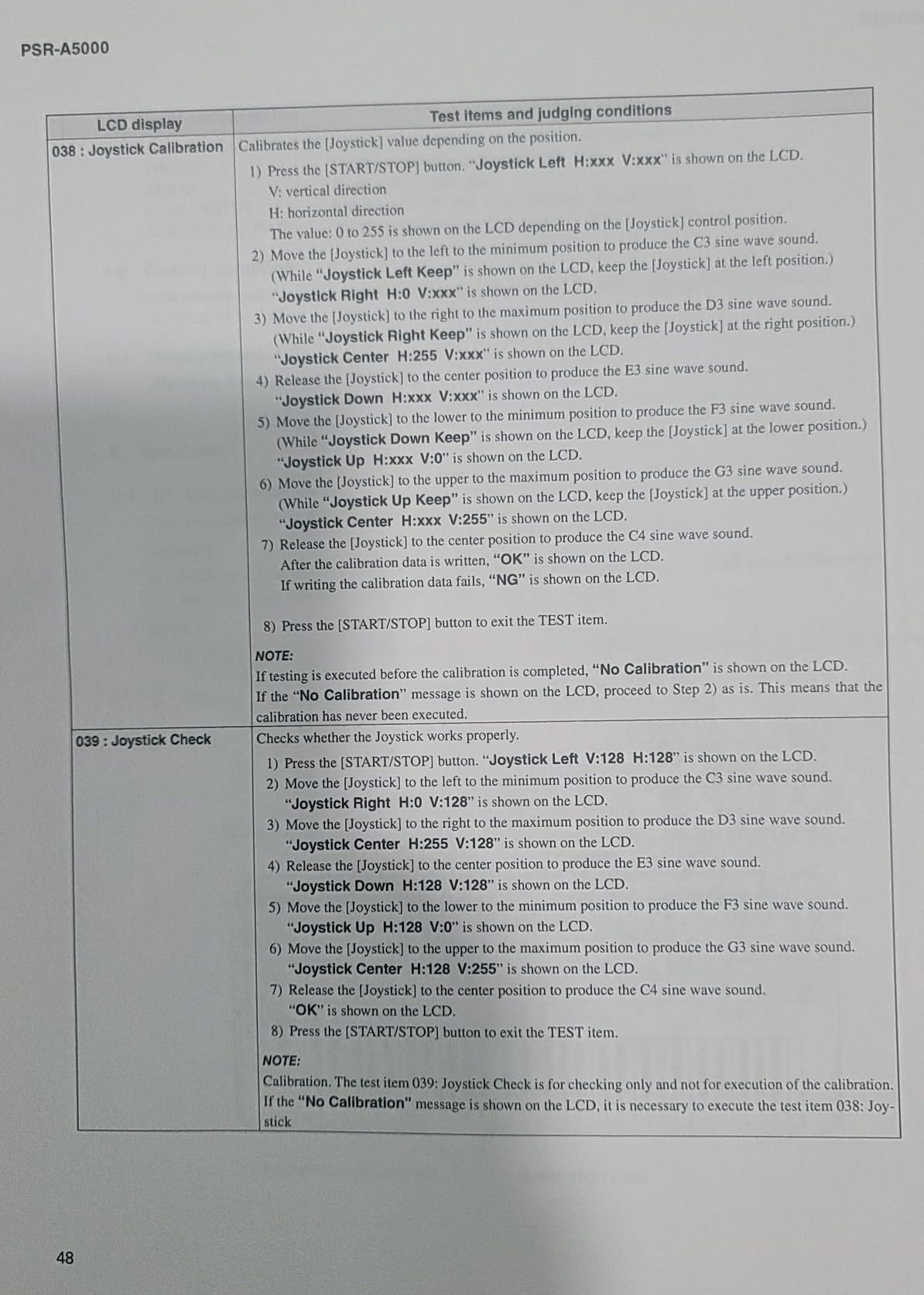
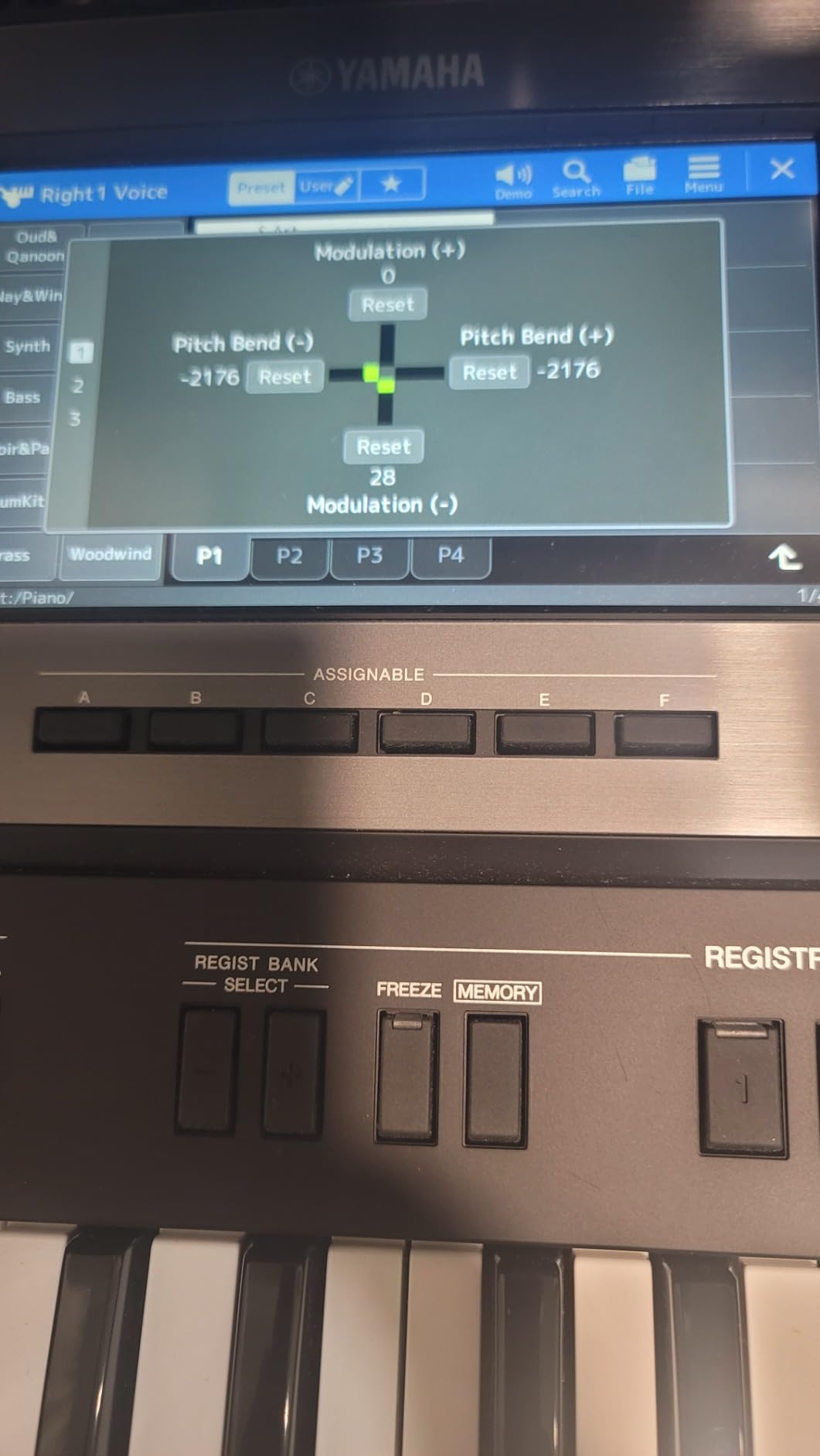
The assignable knobs and joystick give real-time manipulation of voice, style and effect parameters. You can change the scale, bend a lead line and pull a part apart while the arrangement keeps running, which keeps a session moving instead of stopping every time you want an idea.
Super Articulation voices add natural breaths, fret noise and percussive nuance. For acoustic writing those details are the difference between a sketch that sounds like a MIDI file and one that sounds like a band playing.
Real Time Scale Tuning with panel presets is a genuine compositional tool. Songs that sit in a mode or a custom tuning are hard to fake later in a DAW, and building that into the writing session saves a rewrite.
What it does well for writing songs
The joystick and assignable knobs are hands-on controls, which means you can shape a sound while the song plays. That is a different working style from menu browsing, and it suits writers who think in terms of gesture.
Key-off percussion sounds and velocity-sensitive portamento time add percussive detail to parts that would otherwise be static, which is useful when you are writing a hook rather than a full arrangement.
Where it falls short
The style count is misleading if you write mainstream pop or rock. 210 styles sounds like a lot until you realise most of them are outside the genres you actually use, and mainstream coverage is narrower than the number suggests.
The deeper feature set needs more panel study than a simpler arranger, and a minority of one-star ratings reflect that buyer-expectation mismatch around style coverage rather than a hardware fault. It is also a bare instrument with no stand, bench or pedal included.
10. Roland E-X50: Best for Louder Listening
Roland E-X50 Electronic Arranger Keyboard – Easy-to-use | Stereo Speakers | Bluetooth | Professional Roland Sounds | Mic Input | Auto-accompaniment Function
61 keys
300 styles plus 30 custom
Independent woofers and tweeters
Recording
Bluetooth audio
Pros
- Expressive acoustic pianos derived from Roland home and stage pianos
- Auto-accompaniment driven by left-hand fingering is straightforward for quick ideas
- Independent woofer and tweeter system with bass-reflex port for loud output
- Style Converter software lets you author 30 custom styles
- Recording captures both your playing and the arranger parts
Cons
- 10% one-star share is the second-highest in the lineup
- Firmware and style-library updates are not as frequent as on Roland pro lines
- Menu-driven interface offers less hands-on control than a hardware knob-heavy arranger
The E-X50 is the pick if you write in a room other people are in. Its speaker system uses an independent woofer and tweeter with a bass-reflex port, and reviewers consistently single that out as unusually capable onboard amplification, which makes it a sensible choice for louder practice rooms and small rehearsals.
The auto-accompaniment follows your lower-hand fingering, so you do not select a style and a variation before playing. You play a chord and the board responds. For a writer who wants an idea down in two minutes, that is the fastest path on this list.
What it does well for writing songs
The acoustic pianos are derived from Roland home and stage pianos, and there are close to 700 additional tones covering electric pianos, organs, orchestral and world sounds. That is a broad palette for a board in this category.
The recording feature captures your playing and the arranger parts together, and Style Converter software lets you author 30 custom styles on macOS or Windows. Bluetooth audio streams through the onboard speakers, so a reference track can play while you work.
Where it falls short
A 10 percent one-star share is the second-highest in this lineup, and the complaints tend to reflect expectations set by Roland’s professional lines rather than functional failure. If you want deep sound editing, this is not that instrument.
Firmware and style-library updates come less often than on Roland’s pro lines, and the menu-driven interface gives you less hands-on control than a hardware arranger with dedicated knobs. Style coverage sits at 300 plus 30 custom, which is modest.
11. Korg PA600 Bundle: Best All-In-One Practice Rig
Korg PA600 61 Key Professional Arranger Keyboard Bundle
61 keys
125 effects
2x15W speakers
SongBook
Bench, pedal, stand and headphones
Pros
- Bundle includes bench
- sustain pedal
- headphones and stand
- making it a complete first workstation
- SongBook recalls every setting for a given song instantly
- Compact body with strong onboard amplification
- Four stereo master effect processors with 125 effects including REMS guitar tones
Cons
- Sits at a 4.2 rating with a notable 13% one-star share
- Older generation styling and interface compared with newer Pa-series models
- Compact body means a smaller keybed footprint than full-size pro arrangers
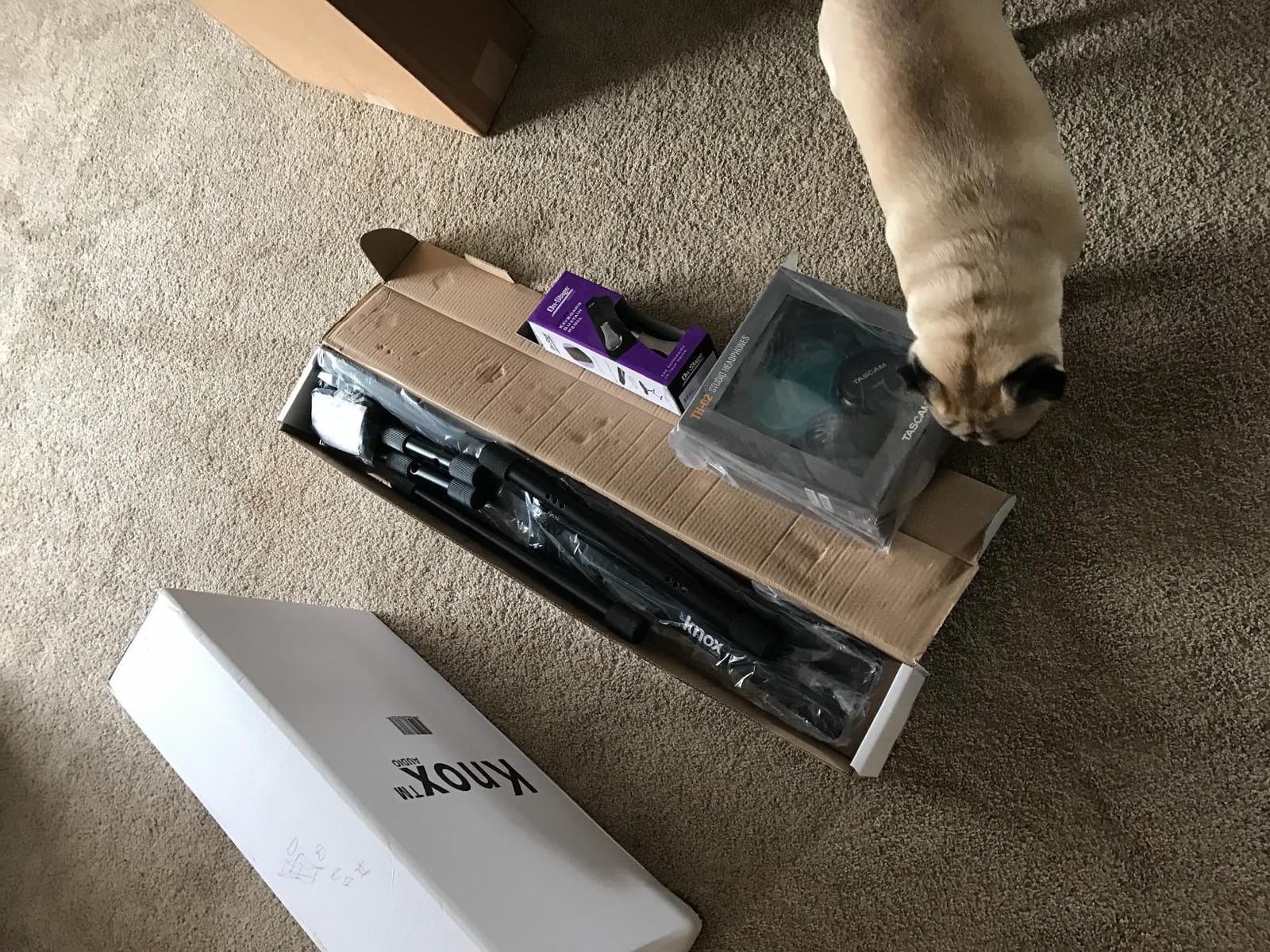
The PA600 bundle arrives with the keyboard, a large bench, a sustain pedal, closed-back studio monitor headphones and an X-style stand, which removes every accessory decision and gives you a complete practice and writing station immediately.
SongBook is the feature that matters for anyone who works on more than one song at a time. It is a programmable song database that recalls every setting for a given song, so you can jump straight to a track with the right sounds and tempo rather than rebuilding it.
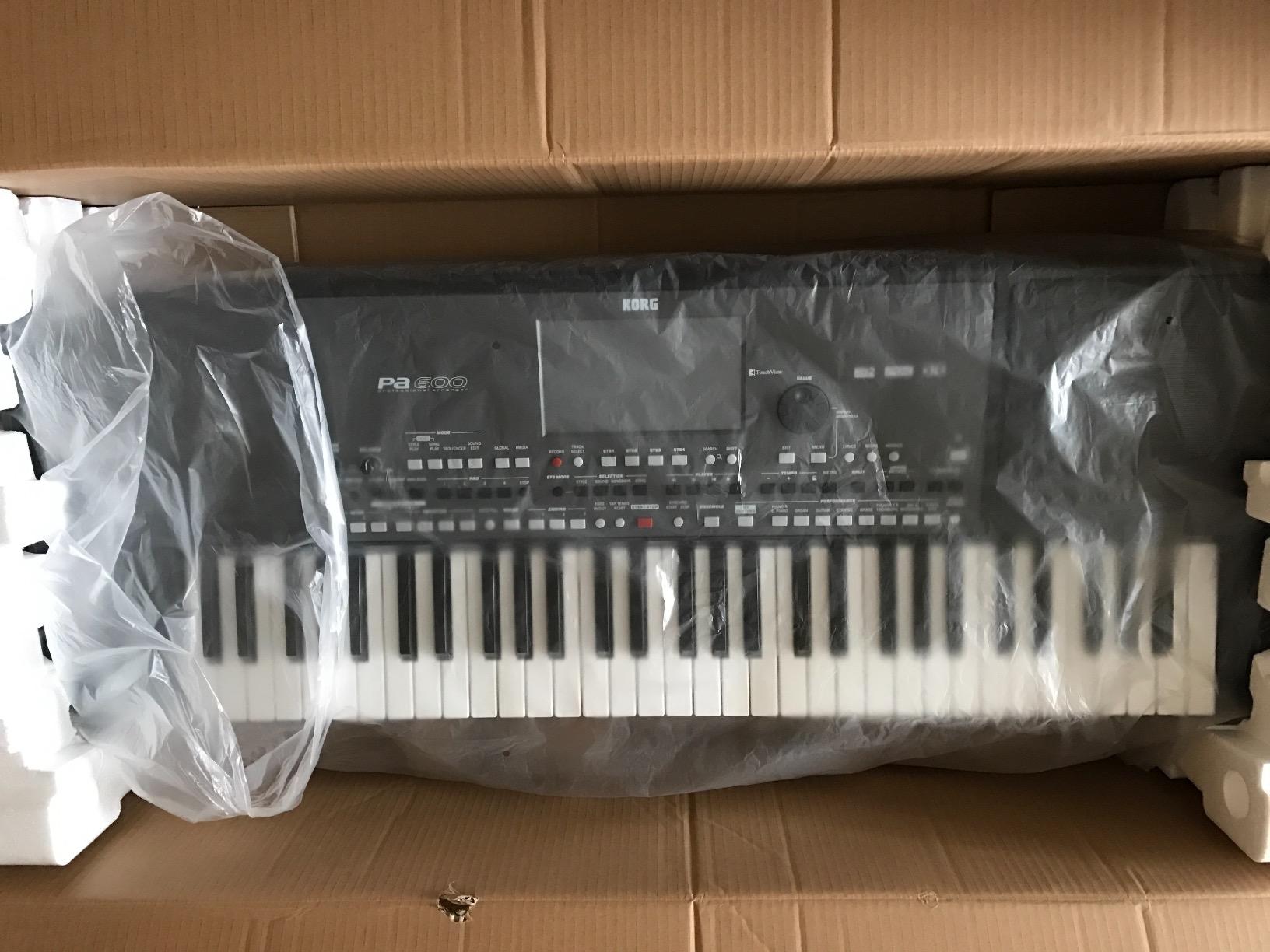
The compact body keeps the footprint smaller than the other Korg arrangers here while still carrying 2 x 15-watt amplification. Four stereo master effect processors provide 125 effects, including the REMS guitar tones that owners single out for electric parts.
Reviewers frequently describe using the bundle as a complete gigging setup straight out of the box. For someone who also plays live, having a stand, pedal and headphones already matched to the instrument removes a frustrating first afternoon.
What it does well for writing songs
SongBook turns the instrument into a recall system rather than a preset browser. When you are working on ten songs in rotation, being able to sit down and play the right version of one without searching is worth more than a longer style list.
The included headphones are closed-back studio monitors, which is the right tool for judging an arrangement at home. The compact footprint also means it fits in smaller writing spaces than a full-size arranger.
Where it falls short
It sits at 4.2, the lowest rating among these eleven, with a 13 percent one-star share. Most of those reviews concentrate on finish and cosmetic issues rather than sound or functionality, but they are worth weighing if you are buying on finish alone.
The generation of styling and interface is older than the newer Pa-series models, and the compact body means a smaller keybed footprint. The style library and effects set are also more limited than what the Pa700 or Pa1000 offer.
How to Choose a Keyboard Workstation for Songwriting
Start with the four stages of your own process, not with the spec sheet. A writer who captures ideas in fragments on a sofa needs battery power and a light body. A writer who builds full demos at a desk needs tracks, styles and speakers. A writer who will finish the record in a DAW needs a USB audio interface and a real sequencer.
1. Decide arranger or synth workstation first. This is the decision that costs the most to reverse. An arranger plays a band for you and suits writing over an arrangement. A synth workstation gives you sounds and a sequencer and suits producing the final record. If you are still unsure, the Roland FANTOM-06 and Korg Pa1000 each cover a useful slice of both worlds.
2. Choose 61 keys unless you play piano daily. All 11 boards here are 61 keys, and that is the right default for songwriting. You need two octaves above middle C for a vocal melody, enough range underneath for a bass pattern, and a footprint you can move. Only consider a full 88-key weighted board if you already play classical or jazz technique and want the key feel itself.
3. Count tracks and one-touch presets, not just sounds. Tone count is a marketing number. The useful measures for writing are how many parts you can record at once and how quickly you can change section. The Casio CT-X5000 and CT-X3000 give you 17 tracks, the Korg Pa1000 gives you a 16-track arranger, and the Casio CT-X800 leans on 195 one-touch presets.
4. Check the speaker system against your room. A 12-watt system is fine for headphones and a small room. A 30W or dual 33W system means you can play a demo for other people and hear the balance problems. The Roland E-X50 goes furthest here with independent woofers and tweeters.
5. Treat the mic input as a songwriting tool. Singer-songwriters should prioritise boards with a real vocal processor. The Korg Pa1000 has TC-Helicon, the Roland GO:KEYS 5 has onboard vocal effects and a harmonizer, and the Roland FANTOM-06 pairs a mic input with a 32-band vocoder. If your method involves humming a melody into a phone and losing it, a real vocal processor is a decisive feature to buy.
6. Check connectivity before you buy. USB MIDI and a USB audio interface cover a laptop. DIN MIDI matters only if you own older hardware. Bluetooth audio and MIDI, as on the GO:KEYS 5, is useful for working with a phone or tablet. The Casio CT-X5000 and CT-X3000 are USB only, which is fine for most modern setups.
7. Buy a bundle if you are starting from nothing. The Casio CT-X3000 and the Korg PA600 both include a stand, bench and pedal. A first instrument is judged on how quickly you can sit down and play, and accessories are where first purchases usually go wrong.
8. Expect a learning curve and budget for it. The most common complaint in owner reviews is menus, not sound. Plan a month of regular sessions with the instrument before you decide it is wrong for you. Support videos from the manufacturer are the fastest route through that period.
The Songwriting Workflow on a Keyboard: Idea to Demo
Here is how a song actually moves through one of these instruments, and which feature handles each stage.
Stage 1, idea capture. Play the hook into the sequencer with a metronome or a rhythm you record yourself. The Casio CT-X5000 and CT-X3000 let you record your own accompaniment, which is the fastest way to get something down without a click track fighting you. The Roland GO:KEYS 5 stores a chord progression instead, which is lighter weight for a melodic idea.
Stage 2, sketch. Assign a sound to the melody and a style to the drums. One-touch presets on the Casio CT-X800 and the arrangement sections on the PSR-SX920 turn a section change into a single press, which keeps the session from stalling.
Stage 3, arrangement. A 16 or 17-track arranger on the Korg Pa1000, Casio CT-X5000 or Casio CT-X3000 holds a full band arrangement plus lyric and scratch vocal tracks. SongBook on the Korg PA600 recalls a whole song’s settings in one move.
Stage 4, vocal demo. Connect a microphone to the Pa1000 for TC-Helicon processing, the GO:KEYS 5 for harmonizer and effects, or the FANTOM-06 for a 32-band vocoder. Record the rough take onto an open track and correct it later in a DAW.
Stage 5, handoff. The FANTOM-06 is built for this step, with a 4×32 USB audio interface and native Logic Pro, MainStage and Ableton Live integration. The arrangers export standard MIDI files to a computer for finishing. Songs saved on the instrument are the insurance policy nobody mentions on the forums, where users defend workstations precisely because hardware does not crash mid-session the way a DAW session can.
Frequently Asked Questions
What is the best keyboard for songwriting?
For most writers the Casio CT-X5000 is the best keyboard for songwriting because it combines 800 editable tones, 235 rhythms, a 17-track recorder, phrase pads, a mic input and 30W speakers in one standalone instrument. It captures a melody, arranges it and records a rough vocal without a computer. Songwriters who write mostly over an existing arrangement are better served by the Roland GO:KEYS 5 and its chord sequencer.
What is the best keyboard workstation?
It depends on the job. The Casio CT-X5000 is the best all-round choice for writing and demoing songs. The Roland FANTOM-06 is the best workstation if you will finish tracks in a DAW, because it has a 4×32 USB audio interface with native Logic, MainStage and Ableton Live integration. The Korg Pa1000 is the best for singer-songwriters because of its TC-Helicon vocal processor and 16-track arranger.
What is the difference between an arranger keyboard and a workstation keyboard?
An arranger keyboard has accompaniment styles that play a full backing band driven by your lower hand, plus speakers and often a chord looper. A synth workstation has raw sound engines, a step sequencer, sampling and audio connectivity, but no backing band. Choose an arranger to write over a finished arrangement. Choose a workstation to generate sounds and export into a DAW for production.
Do I need 88 weighted keys to write songs?
No. Every keyboard in this roundup is 61 keys, and that is the right default for songwriting because it covers two octaves above middle C for vocal melodies while staying light enough to move. Weighted 88-key boards exist for players who want a real piano key feel, typically pianists working in classical or jazz technique. If you write chord songs and sing them, key feel matters far less than styles, tracks and speakers.
Can I record vocals on a keyboard workstation?
Yes, on most of the models here. The Korg Pa1000 includes a TC-Helicon vocal processor for harmony and effects, the Roland GO:KEYS 5 has a mic input with onboard vocal effects and a harmonizer, and the Roland FANTOM-06 pairs a mic input with a 32-band stereo vocoder. Track counts matter too: 16 or 17-track arrangers leave room for scratch vocal takes alongside a full band arrangement.
What keyboards do music producers use?
Producers use two categories. For composing and sketching they use arranger workstations from Yamaha, Korg, Casio and Roland, because the accompaniment styles and onboard speakers make a demo in minutes. For finishing records they use synth workstations such as the Roland FANTOM-06, which act as both an instrument and a USB audio interface controller for Logic Pro, MainStage or Ableton Live. Many producers keep both on the same desk.
Is a workstation worth it for songwriting, or should I just use a laptop?
A workstation is worth it when idea capture is your weak point. A standalone board has no boot time, no plugin loading and no menus, so a chorus or a vocal hook can be recorded the moment it arrives. A laptop remains better for editing, mixing and collaboration. The practical approach many writers use is a standalone instrument for sketching and a DAW for finishing, and the FANTOM-06 supports both directly.
Final Verdict
For most songwriters the Casio CT-X5000 is the best keyboard workstation you can buy, because it covers every stage from first idea to shareable demo without a computer in the loop. If you write over existing arrangements rather than building them, the Roland GO:KEYS 5 gives you better sounds and the fastest chord workflow of the group.
Sing your demos rather than humming into a phone and the Korg Pa1000 moves to the top of the list, thanks to the TC-Helicon vocal processor. If you will finish the record in a DAW, the Roland FANTOM-06 is the right bridge. Whichever board you pick, spend the first month with it before judging it, and keep writing songs you are not ready to finish.