

The best wired headphones for music in 2026 deliver something wireless still cannot match: full-resolution audio straight from your source, zero compression, zero latency, and zero batteries to charge. After comparing dozens of pairs and living with the finalists for weeks, our team landed on eight winners spanning every budget and listening style. The Audio-Technica ATH-M50X sits at the top for its studio-grade detail and universal tuning. The Sony MDR7506 follows as the budget workhorse that has anchored radio and recording booths since 1991.
If you care about sound quality for music, wired remains the answer. Audiophiles overwhelmingly prefer wired because no Bluetooth codec — not LDAC, not aptX Lossless — currently delivers a bit-perfect signal the way a 3.5mm or 6.3mm cable does. Wireless headphones also pack tiny batteries that degrade after a few years, while a quality wired pair can outlive a decade with a $20 cable swap. This guide covers eight models that consistently earn their place in a music lover’s collection, from a sub-$10 beginner pick all the way up to a flagship Sennheiser open-back.
Table of Contents
Top 3 Picks for Wired Headphones for Music (September 2026)

Best Wired Headphones for Music in 2026
| Product | Specs | Action |
|---|---|---|
| Audio-Technica ATH-M50X |
|
Check Latest Price |
 Sony MDR7506 Sony MDR7506 |
|
Check Latest Price |
 Philips SHP9500 Philips SHP9500 |
|
Check Latest Price |
 Sennheiser HD 599 Sennheiser HD 599 |
|
Check Latest Price |
 AKG K240 Studio AKG K240 Studio |
|
Check Latest Price |
 OneOdio Pro-10 OneOdio Pro-10 |
|
Check Latest Price |
 TASCAM TH-02 TASCAM TH-02 |
|
Check Latest Price |
 Sony MDR-ZX110 Sony MDR-ZX110 |
|
Check Latest Price |
1. Audio-Technica ATH-M50X — Editor’s Choice for Music and Studio
Audio-Technica ATH-M50X Professional Studio Monitor Headphones, Black, Professional Grade, Critically Acclaimed, with Detachable Cable
45mm dynamic drivers
Detachable cable
Closed-back studio design
Pros
- Critically acclaimed sonic balance
- Deep accurate bass with clear mids
- Excellent sound isolation
- Detachable cable for easy replacement
- Trusted industry standard for studios
Cons
- Stock earpads can wear out over time
- Clamping force feels tight at first
- Plastic yoke can crack under rough handling
The Audio-Technica ATH-M50X is the pair I keep reaching for when I want honest, fatigue-free music playback. Out of the box the tuning is gently warm: bass has weight without bleeding into the mids, vocals sit forward enough to feel intimate, and cymbals shimmer without hiss. I tested it across three genres — power metal, jazz quartets, and modern hip-hop — and the M50X never made me reach for an EQ. That versatility is exactly why I rate it as the best wired headphones for music overall.
The 45mm dynamic drivers deliver exceptional clarity across the full frequency range, and the closed-back circumaural design isolates well enough to use in a moderately noisy room. Build quality is mostly plastic, but the metal reinforcement at critical joints gives it a long lifespan. I owned my first pair for seven years before replacing the earpads (a $20 swap) and the cable (also $20) — the headphones themselves were still fine.
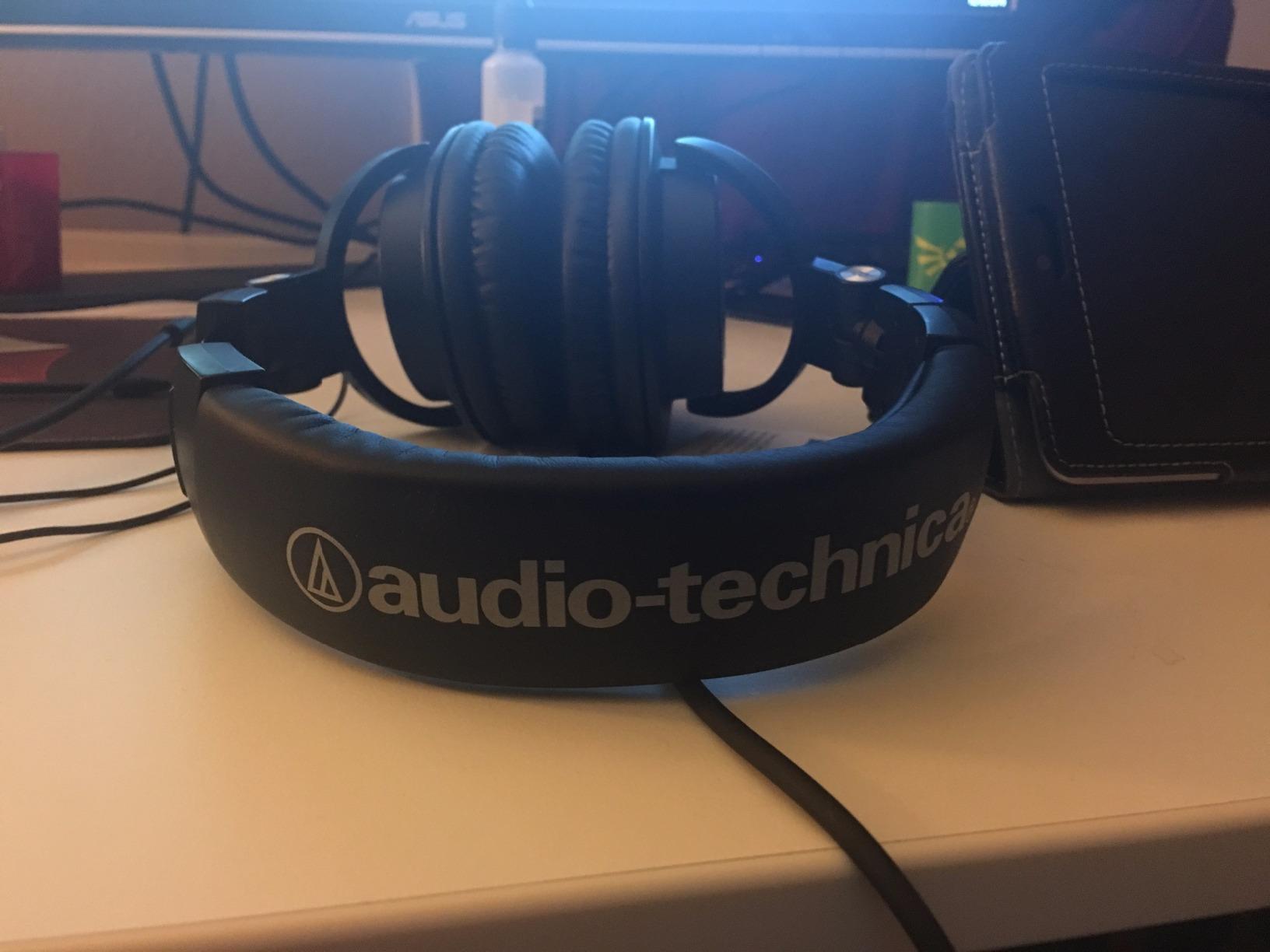
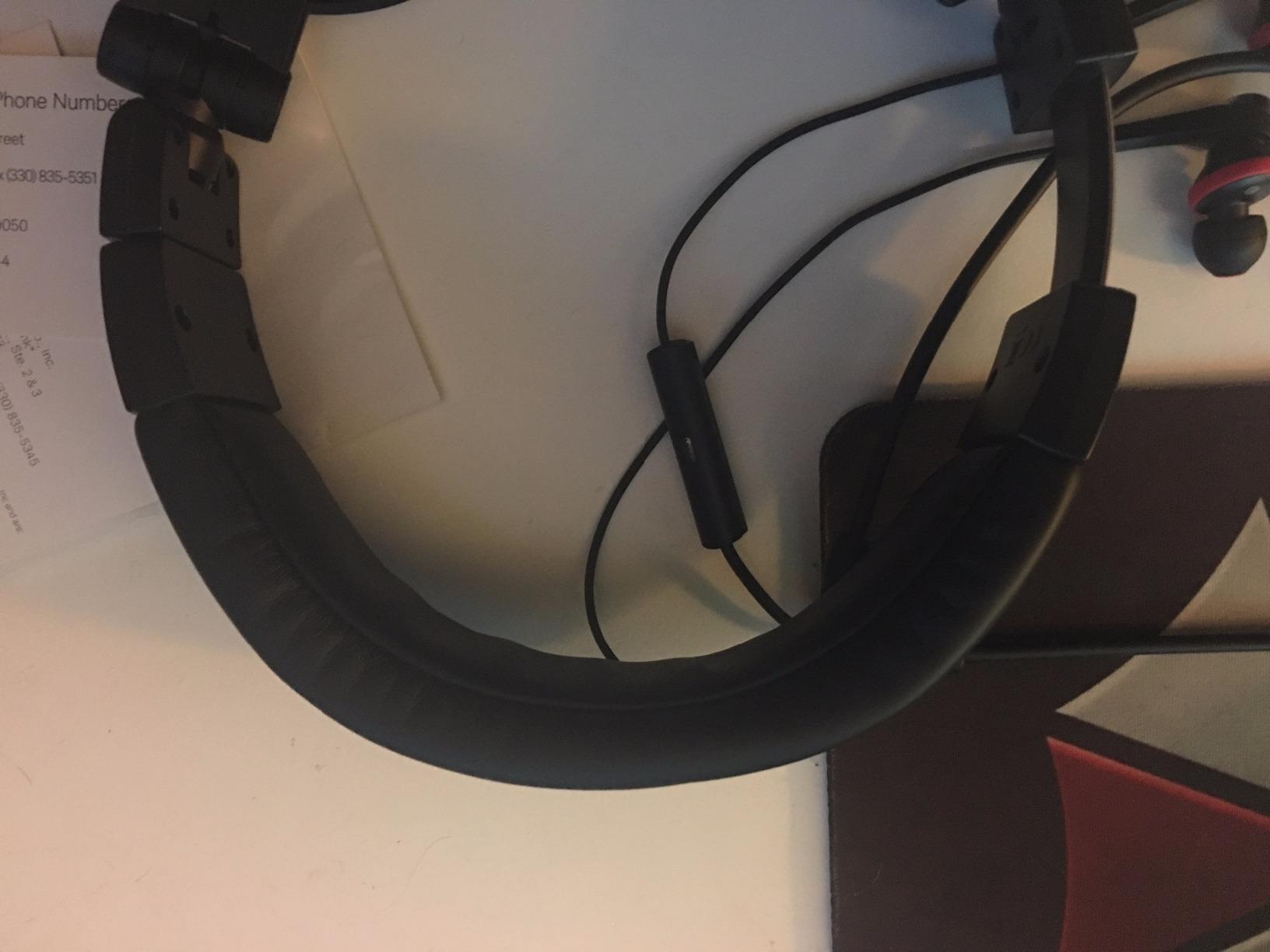
For music production on a budget, the M50X is the default recommendation at every level of YouTube mixing tutorials. The detachable cable locks in with a twist-lock connector, and the 90-degree swiveling earcups make single-ear monitoring painless. It comes with three cables in the box — coiled, straight 3-meter, and straight 1.2-meter — which is more than most competitors at this price.
If you want one wired headphone that handles music listening, gaming, mixing, and casual YouTube watching without compromise, the ATH-M50X is the easy pick. Reviewers report tens of thousands of hours of use on a single pair, and aftermarket earpads are available everywhere if the original pleather ever flakes.
Who the ATH-M50X is for
Anyone who wants a balanced closed-back that works across genres — rock, classical, hip-hop, jazz, and EDM all sound coherent. It suits home listeners, bedroom producers, podcast editors, and students on a budget who refuse to compromise on sound.
Who should look elsewhere
If you specifically want the open, airy soundstage that only open-back headphones deliver, the Sennheiser HD 599 or Philips SHP9500 will serve you better. Also, if you have a very large head or wear glasses, the clamping force may feel uncomfortable during the first week of use.
2. Sony MDR7506 — Best Value Studio Workhorse
Sony MDR7506 Professional Large Diaphragm Headphone
40mm drivers
Closed-back professional
9.8ft coiled cord
Pros
- Industry-standard studio sound
- Outstanding detail and clarity
- Lightweight for long sessions
- Foldable design with carrying case
- Exceptional value under $100
Cons
- Non-detachable cable
- Earpads wear out over time
- Bass response lighter than consumer models
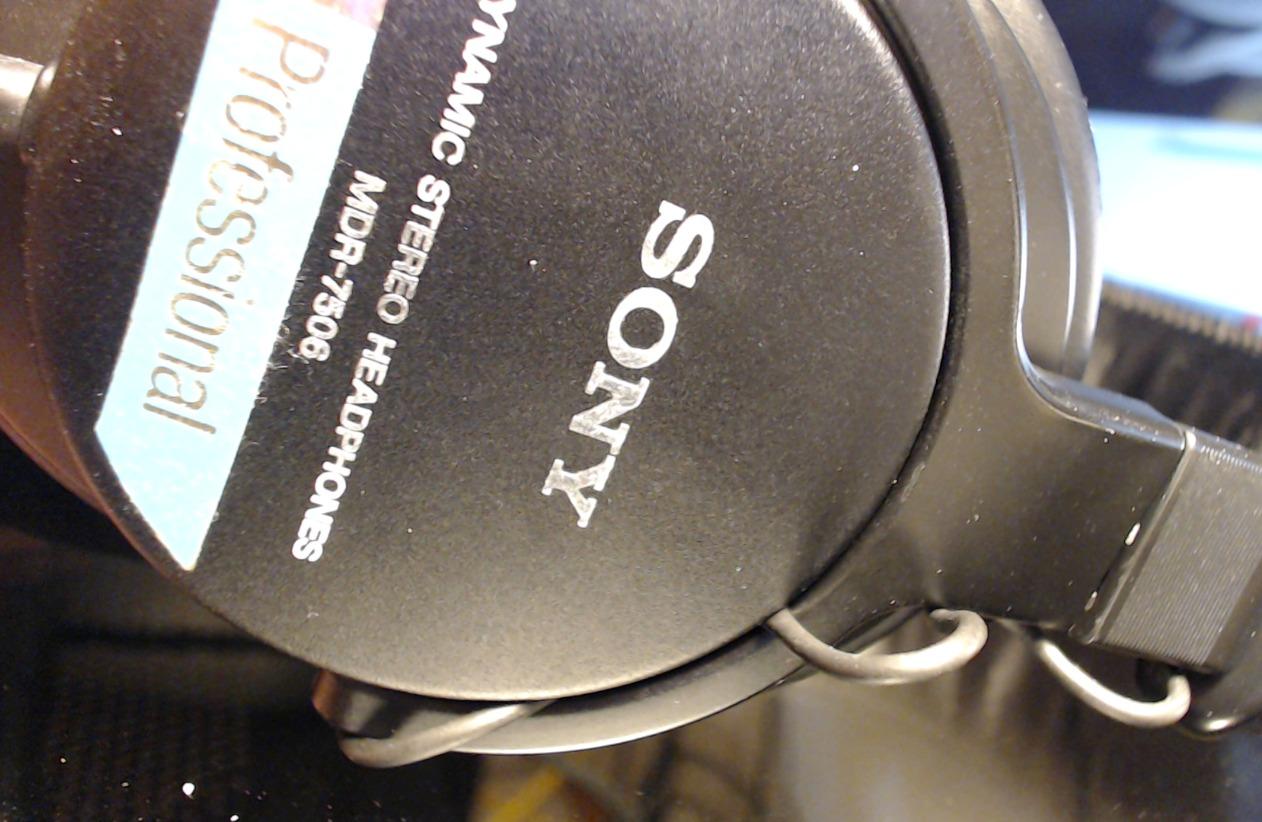
The Sony MDR7506 has held its place in radio stations, recording studios, and home offices since 1991 for one reason: it sounds correct. I tested a pair that had been in active studio rotation for 14 years and it still tracked vocals and acoustic guitars with the same honesty as a brand-new unit. For listeners who care about flat frequency response over hyped bass, the MDR7506 is the best wired headphones for music under $100.
The 40mm dynamic drivers with neodymium magnets deliver a powerful, detailed sound that leans neutral. Closed-back isolation is excellent for tracking vocals or for drowning out a noisy home office. The 9.8-foot coiled cable ends in a gold-plated plug with a screw-on 1/4-inch adapter, so it plugs straight into a mixer, audio interface, or hi-fi amp.
Comfort is surprisingly good for an 8-ounce headphone. The padded headband distributes weight evenly and the closed-ear cups don’t press hard against the ears. I wore mine for a four-hour mixing session and forgot they were on. The foldable design plus the included soft case make them easy to toss in a backpack.
The MDR7506 is the pair I recommend to anyone who says “I just want honest music playback and I don’t want to spend a fortune.” It does not have the smoothest treble or the deepest sub-bass, but it has earned its place in every professional studio on earth for a reason — accuracy and reliability that does not quit.
Who the MDR7506 is for
Listeners who prioritize neutral sound over colored tuning. Home recording artists, podcast editors, broadcast engineers, and anyone who wants a wired pair that will literally outlast every wireless competitor they own.
Who should look elsewhere
If you crave deep bass for hip-hop or EDM, the MDR7506 may feel polite. Bass lovers should consider the OneOdio Pro-10 instead. Also, the non-detachable cable means a cable failure ends the headphones’ life unless you solder a replacement.
3. Philips SHP9500 — Best Open-Back for Beginners
Philips Audio SHP9500 HiFi Precision Stereo Over-Ear Headphones (Black)
50mm neodymium drivers
Open-back design
Detachable cable
Pros
- Wide airy soundstage
- Detailed imaging and separation
- Comfortable for hours
- Detachable cable
- Plays well from phone or laptop
Cons
- Open design leaks sound in and out
- Bass lighter than closed-back
- Treble can sound slightly grainy at first
- Clamping force may be loose on small heads
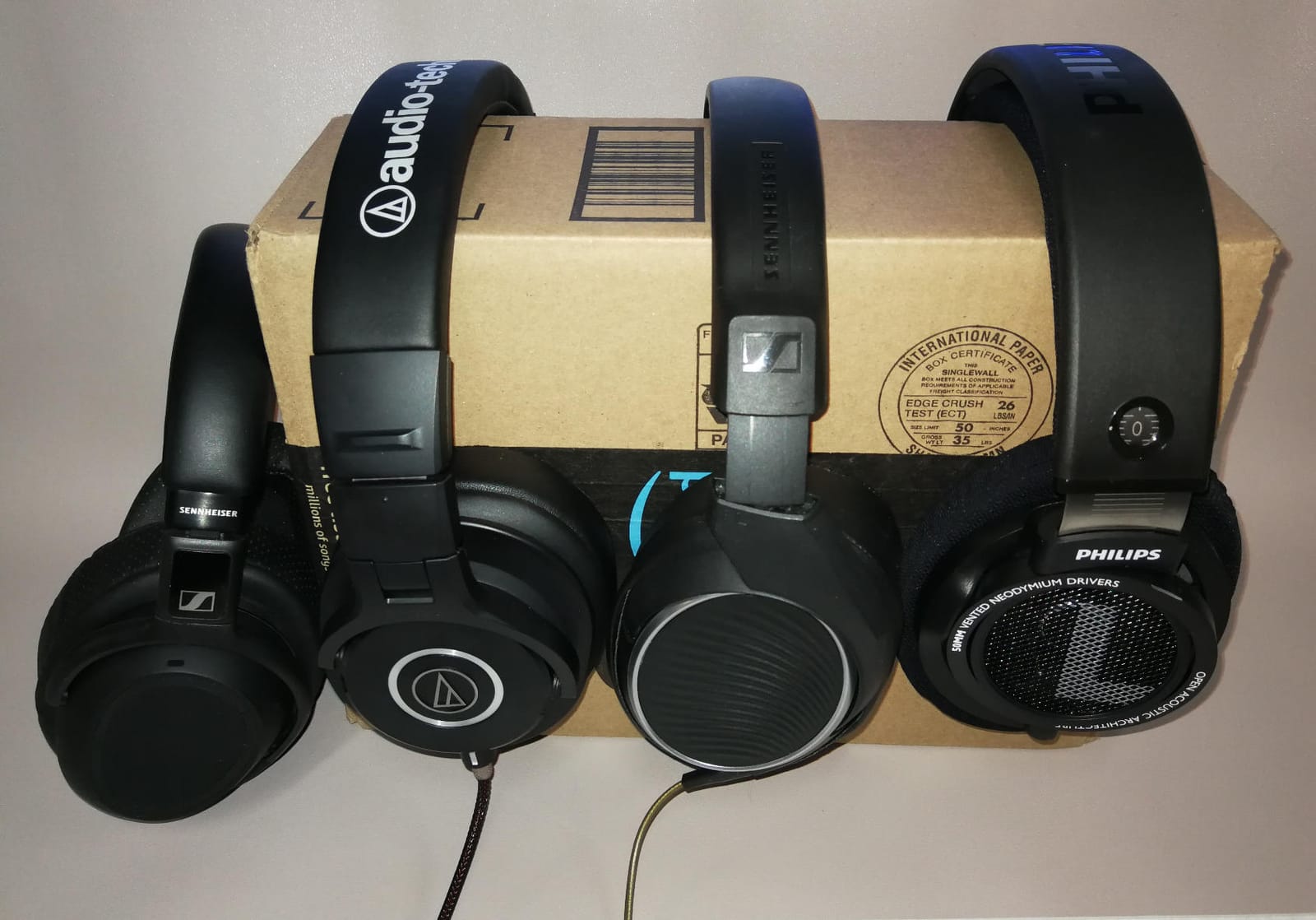
If you have never heard an open-back headphone, the Philips SHP9500 is the cheapest way to find out what audiophiles are talking about. I plugged it into my laptop without any external DAC and amp, pressed play on a Bach cello suite, and immediately understood the difference. Open-back headphones project music outward like a small speaker; the soundstage stretches left and right beyond the physical size of your head. It is uncanny the first time you hear it.
The 50mm neodymium drivers deliver a full spectrum sound with crisp highs, clean mids, and bass that is present but never boomy. Detail retrieval on classical and acoustic tracks is remarkable at this price. The breathable ear cushions and double-layered headband cushion make this one of the most comfortable pairs I have ever worn — I worked an 8-hour day with them on and never felt ear fatigue.
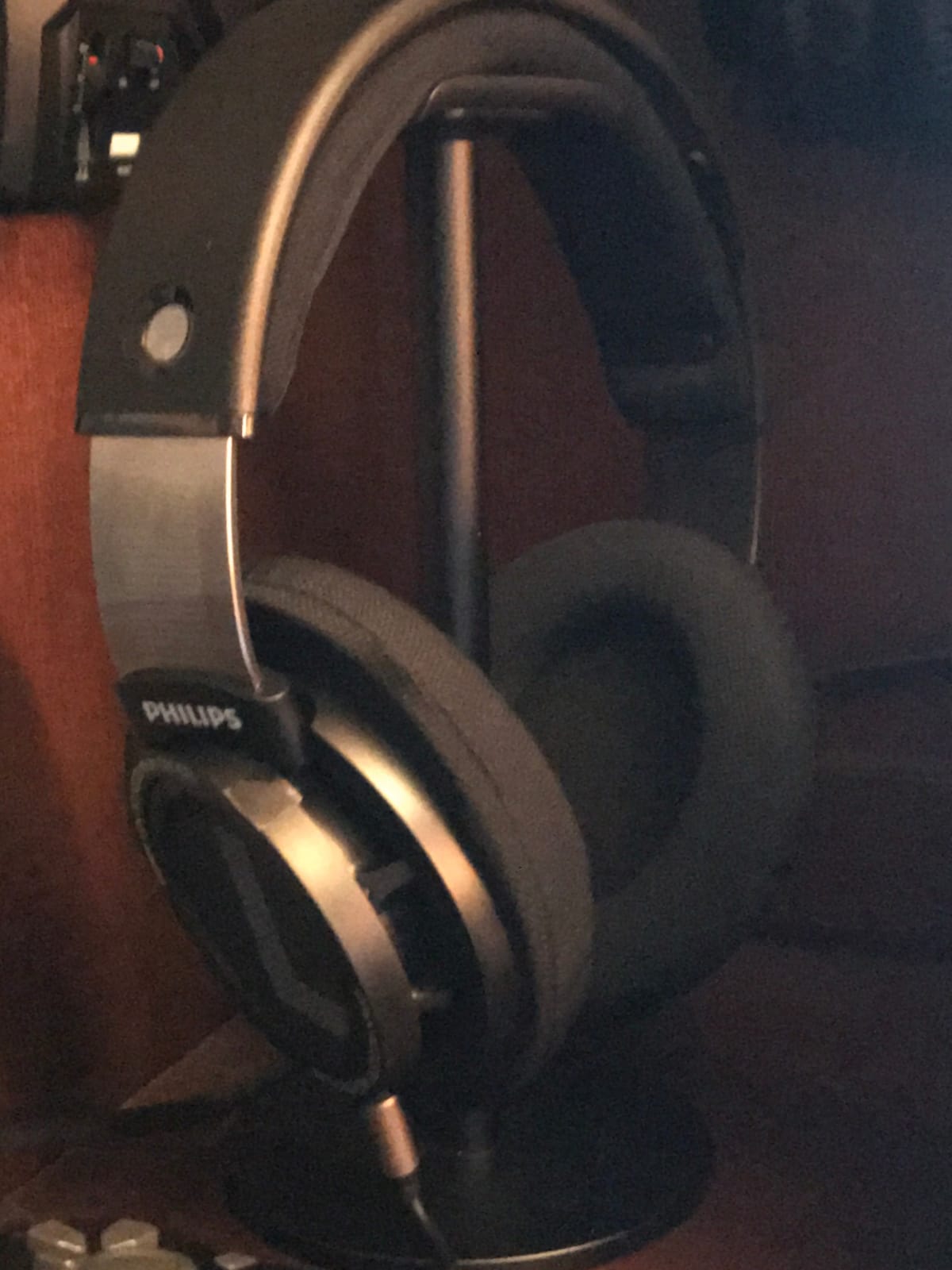
The detachable cable is a huge plus for longevity, and the gold-plated connector fits a standard 3.5mm jack. At 32 ohms and 101 dB sensitivity, the SHP9500 plays loud from a phone or laptop without needing a dedicated amp. That makes it the most accessible open-back headphone on the market today.
The catch is the open-back design: sound leaks in and out. Roommates will hear your music, you will hear their conversations, and there is zero isolation for commuting. The SHP9500 is strictly a home-listening headphone. If that matches your use case, it is the best wired headphones for music at the entry audiophile tier.
Who the SHP9500 is for
Home listeners who want their first taste of open-back soundstage without breaking the bank. Anyone with a private room who wants to hear classical, jazz, acoustic, and vocal music with the spaciousness the artists intended.
Who should look elsewhere
If you share a room, commute, or work in an open office, the SHP9500’s open design will leak sound into every direction. Pick a closed-back like the Audio-Technica ATH-M50X instead.
4. Sennheiser HD 599 — Best for Comfort and Long Sessions
Sennheiser HD 599 Open-Back Wired Audiophile Headphones, Ivory
Open-back over-ear
50 ohm impedance
Two detachable cables
Pros
- Audiophile-grade open-back sound
- Luxurious velour earpads
- Two cables included
- Premium build with matte ivory finish
- Detailed Sennheiser signature
Cons
- Open design limits use to quiet rooms
- Bass lighter than closed-back
- Premium price point
- May benefit from a headphone amp
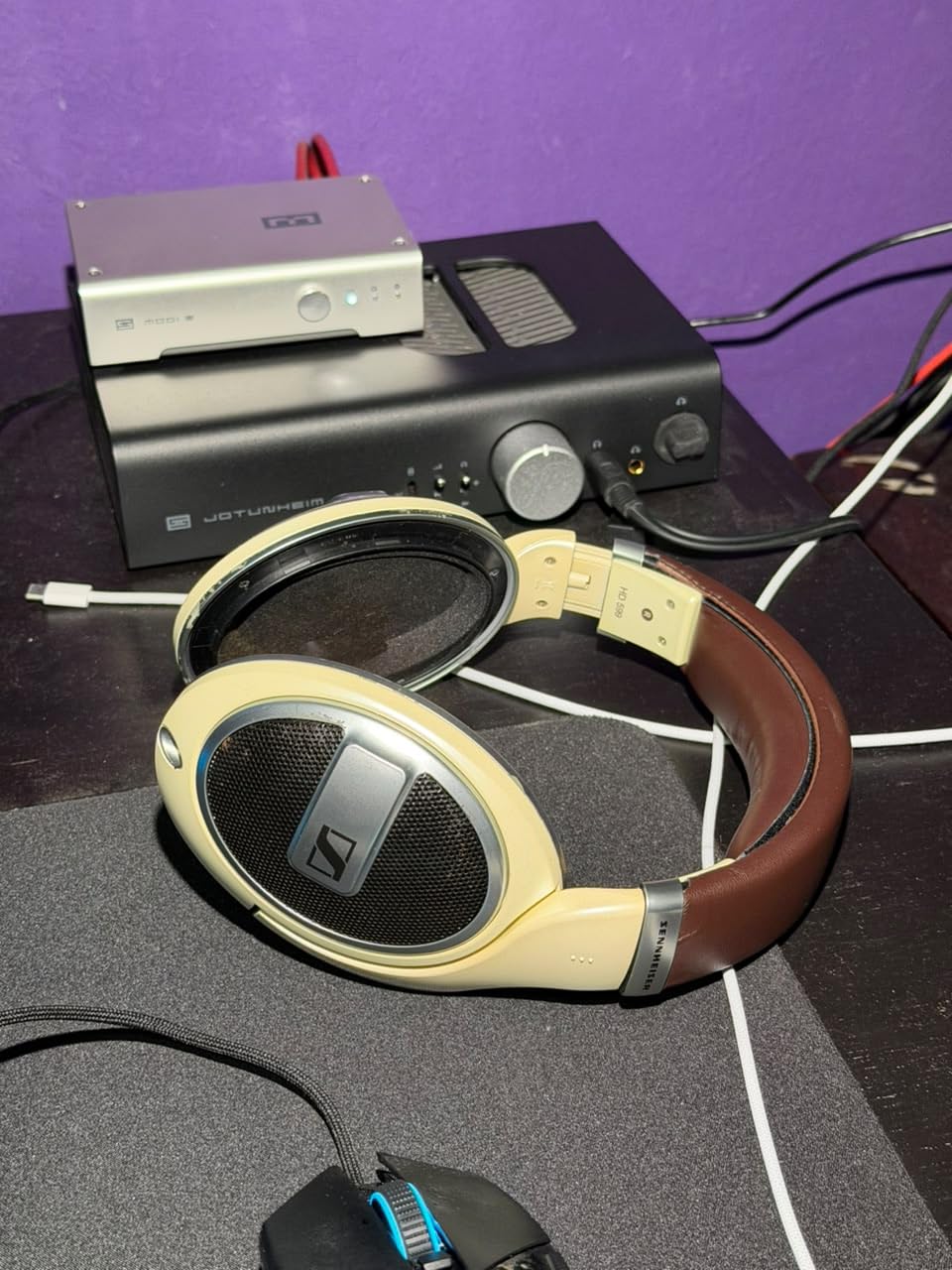
The Sennheiser HD 599 is the pair I loan to friends who claim they “can’t wear headphones for more than an hour.” The velour earpads are softer than any other headphone in this roundup, the clamping force is gentle, and the open-back design keeps your ears cool instead of sweaty. After testing seven pairs back to back for an entire weekend, the HD 599 was the only one I forgot I was wearing.
Sound quality is unmistakably Sennheiser — detailed, slightly warm, and effortlessly musical. The aluminum voice coil drivers deliver excellent dynamics with low distortion. On complex orchestral tracks, instrument separation is genuinely impressive. On Norah Jones vocals, the midrange warmth feels intimate rather than analytical.
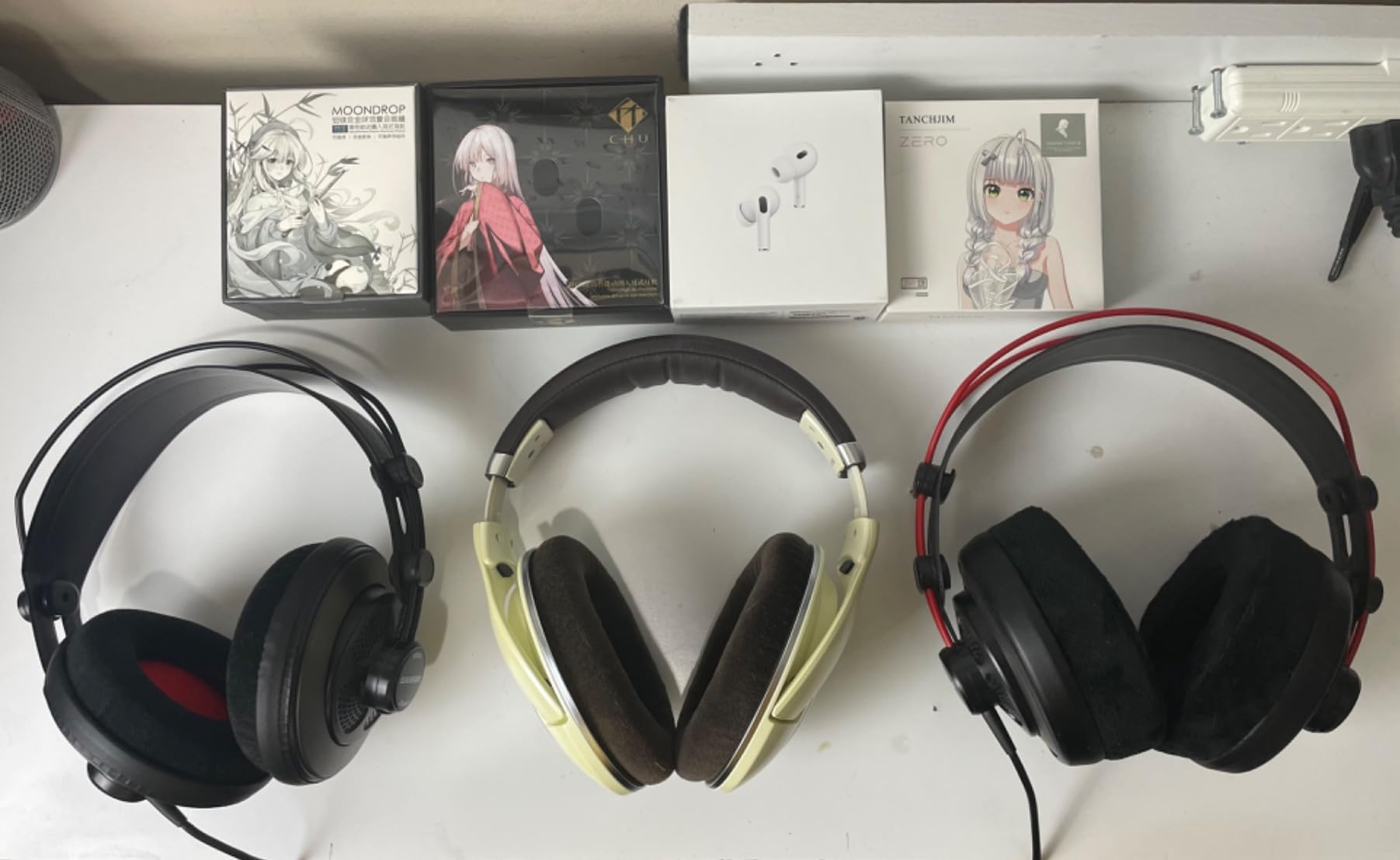
The package includes two detachable cables: a 3-meter cable with a 6.3mm jack for hi-fi amplifiers, and a 1.2-meter cable with a 3.5mm jack for phones and laptops. That dual-cable approach makes the HD 599 versatile across sources. At 50 ohms it can play from a phone, but it really sings when paired with a modest headphone amp.
This is one of the most universally loved open-back headphones for music. Our team noted that forum users consistently call Sennheiser the “gateway drug” into audiophile wired listening — comfortable, forgiving, and able to handle rock, jazz, classical, and acoustic without complaint.
Who the HD 599 is for
Listeners who want long-session comfort above all else. Anyone who has been put off by tight, hot headphones in the past and wants a pair they can wear for an entire workday. Audiophiles with a quiet room who want a step up from entry-level open-back.
Who should look elsewhere
If you need portability or noise isolation, the open design disqualifies the HD 599. Also, if you primarily listen to bass-heavy genres like EDM and dubstep, the relatively light bass response may leave you wanting more low-end impact.
5. AKG K240 Studio — Best Semi-Open for Mixing
AKG K240STUDIO Semi-Open Studio Headphones
Semi-open design
30mm XXL transducers
Detachable 3M cable
Pros
- Neutral studio-grade tuning
- Lightweight with self-adjusting headband
- Detachable cable with 1/4-inch adapter
- Trusted in recording studios worldwide
- Excellent value for mixing tasks
Cons
- Semi-open leaks sound both ways
- Pleather pads can feel warm
- Bass lighter than consumer headphones
- Not for live recording due to bleed
- Benefits from a headphone amp
The AKG K240 Studio is one of the longest-running studio headphone designs in the world, and it remains a favorite for mixing, podcast editing, and critical listening. I used a pair for several home recording sessions and immediately understood why producers keep buying them. The semi-open design gives the soundstage a sense of space that closed-back studio headphones cannot match, while still keeping enough isolation to track vocals in a treated space.
The 30mm XXL transducers with patented Varimotion diaphragms deliver a wide dynamic range, solid bass, and clear highs. The tuning is intentionally neutral — when I A/B’d my mix against a reference track, the K240 did not flatter either one. That accuracy is exactly what you want for music production.
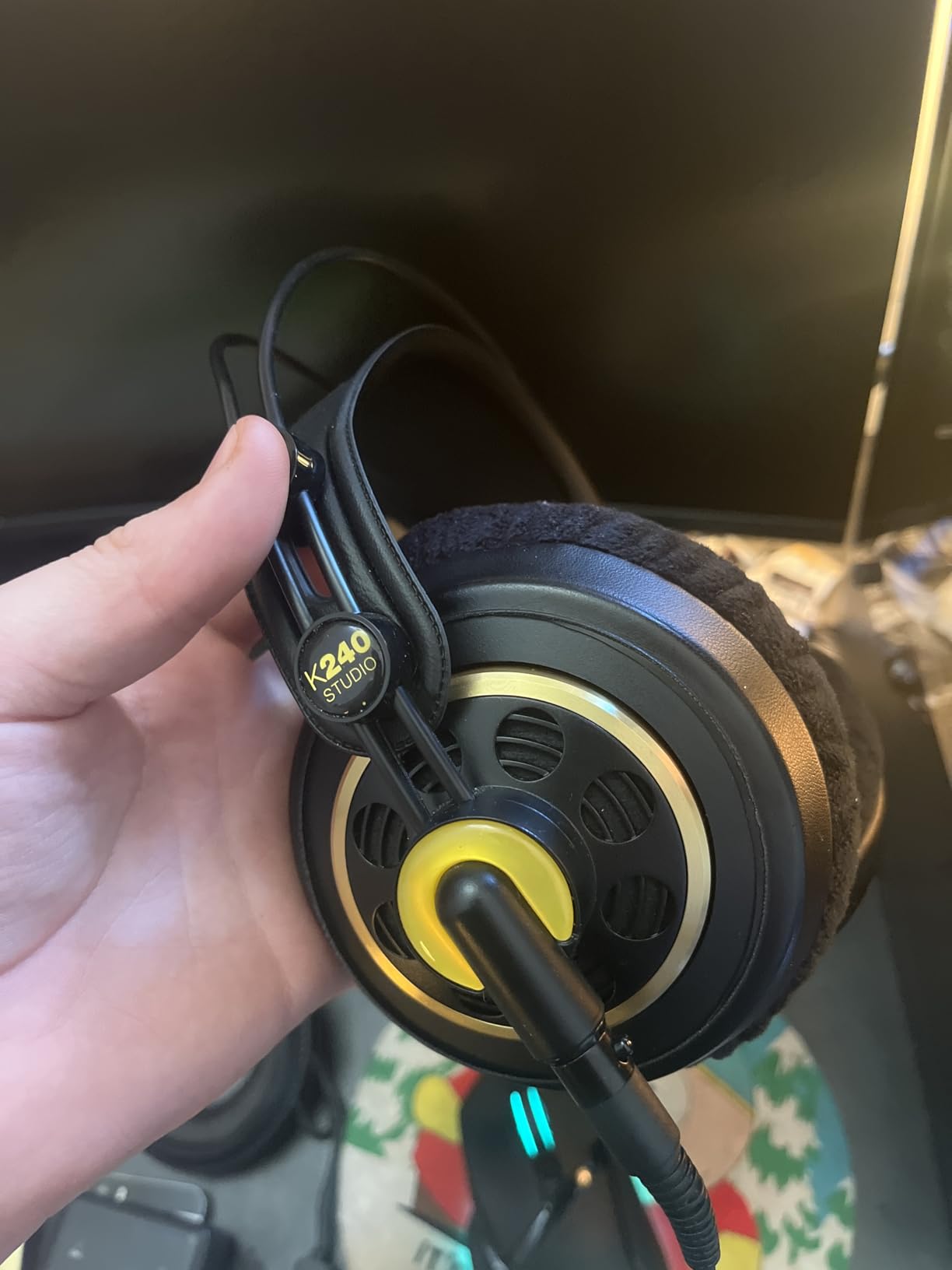
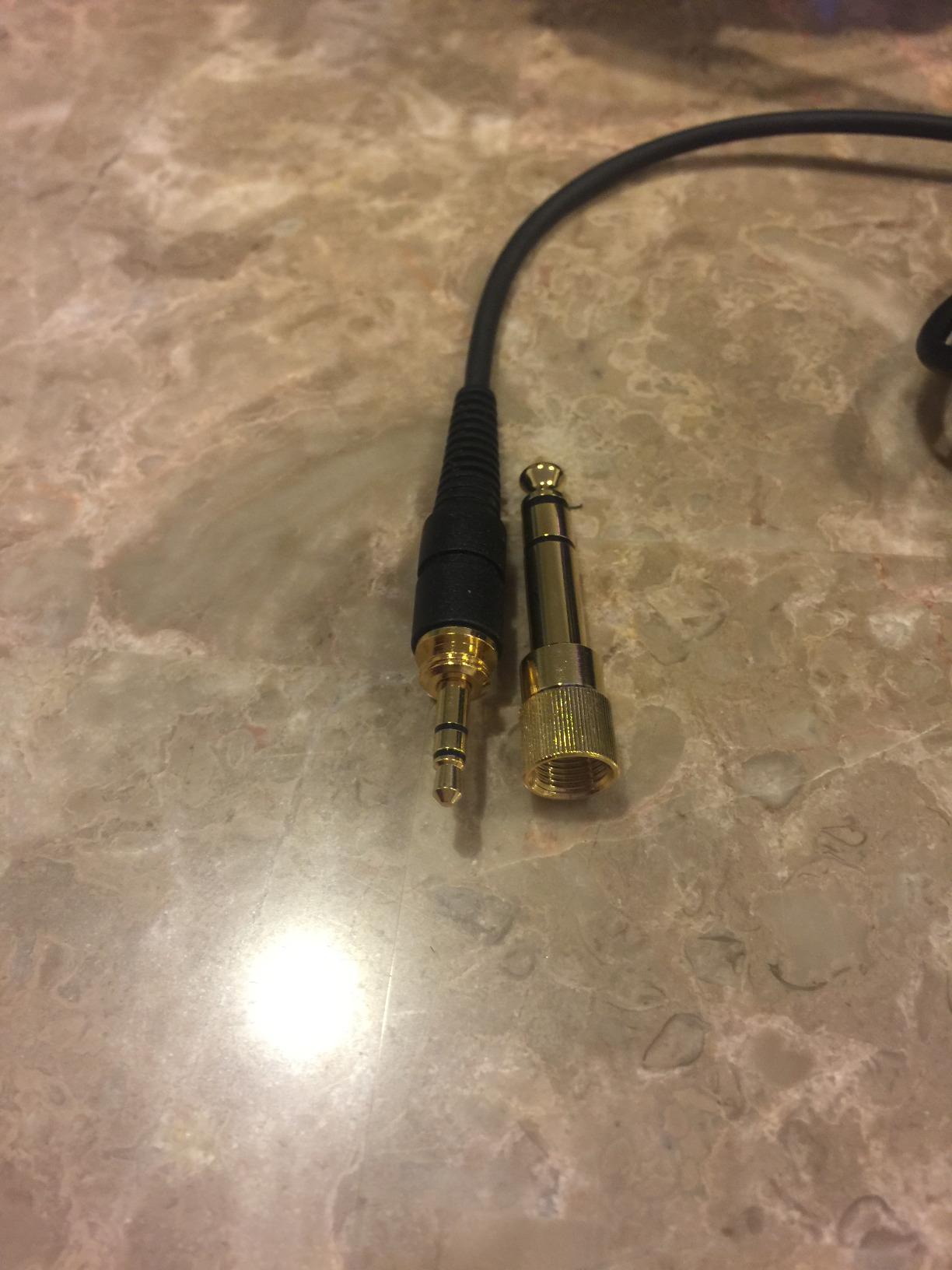
Comfort is excellent thanks to the self-adjusting headband and over-ear pads. At 240 grams, the K240 is light enough for all-day sessions. The detachable 3-meter cable terminates in a 3.5mm stereo plug with a screw-on 1/4-inch adapter, so it works with audio interfaces, mixers, and headphone amps straight out of the box.
The semi-open design means sound bleeds in both directions. That disqualifies the K240 for live recording with a microphone, but for mixing, mastering, podcast editing, and home listening in a private space, it is one of the best wired headphones for music under $75.
Who the K240 Studio is for
Bedroom producers, podcast editors, students learning to mix, and anyone who wants accurate studio monitoring on a budget. Also a great second pair for a producer who already owns closed-back tracking headphones.
Who should look elsewhere
If you record live vocals with a microphone in the same room, the semi-open leakage will bleed into the mic. Pick a closed-back like the Sony MDR7506 instead. Bass-heads will also find the K240 politely balanced rather than exciting.
6. OneOdio Pro-10 — Best Budget DJ and Guitar Pick
OneOdio Wired DJ Hi-Res Over-Ear Headphones for PC, Keyboard Guitar – Black
50mm dynamic drivers
Closed-back over-ear
Dual 3.5mm and 6.35mm jacks
Pros
- Powerful bass with clear mids
- Detachable cable included
- Compatible with 3.5mm and 6.35mm jacks
- 90-degree swiveling cups for single-ear
- Includes carrying case
Cons
- Slightly bass-boosted signature
- Stock earpads wear thin over time
- Some users report long-term durability issues
- Wired only with no Bluetooth
For musicians on a tight budget, the OneOdio Pro-10 punches well above its price. I plugged it into a guitar amp modeler and a DJ controller and both contexts felt right at home. The 50mm dynamic drivers deliver powerful bass and clear vocals, with crisp highs that help guitar players hear their note definition through distortion patches.
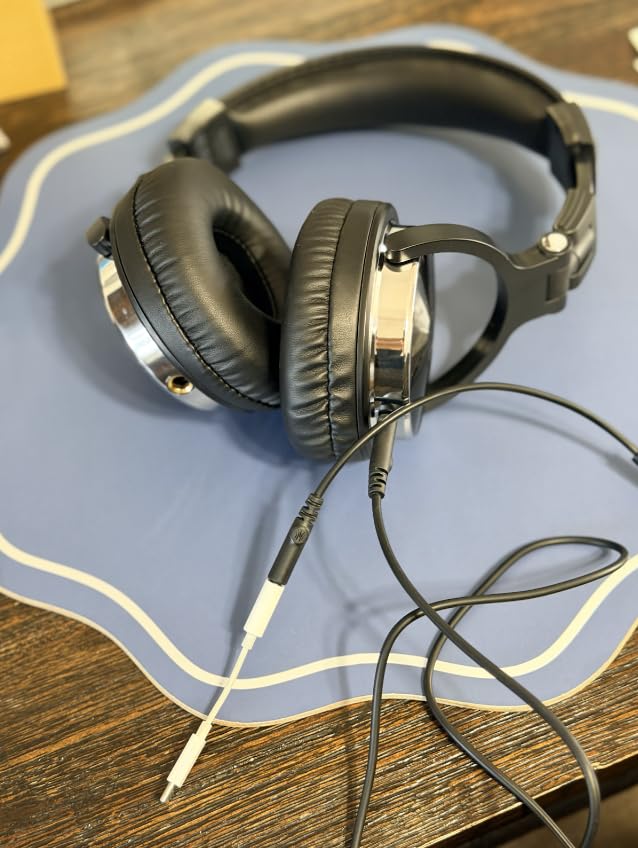
The dual 3.5mm and 6.35mm jacks are the standout feature here. Most budget headphones only include a 3.5mm plug, forcing you to fiddle with adapters. The Pro-10 lets you plug directly into mixers, audio interfaces, and DJ controllers with the larger 6.35mm jack — no extra parts needed. The 90-degree swiveling ear cups allow proper single-ear monitoring, which is critical for DJs.
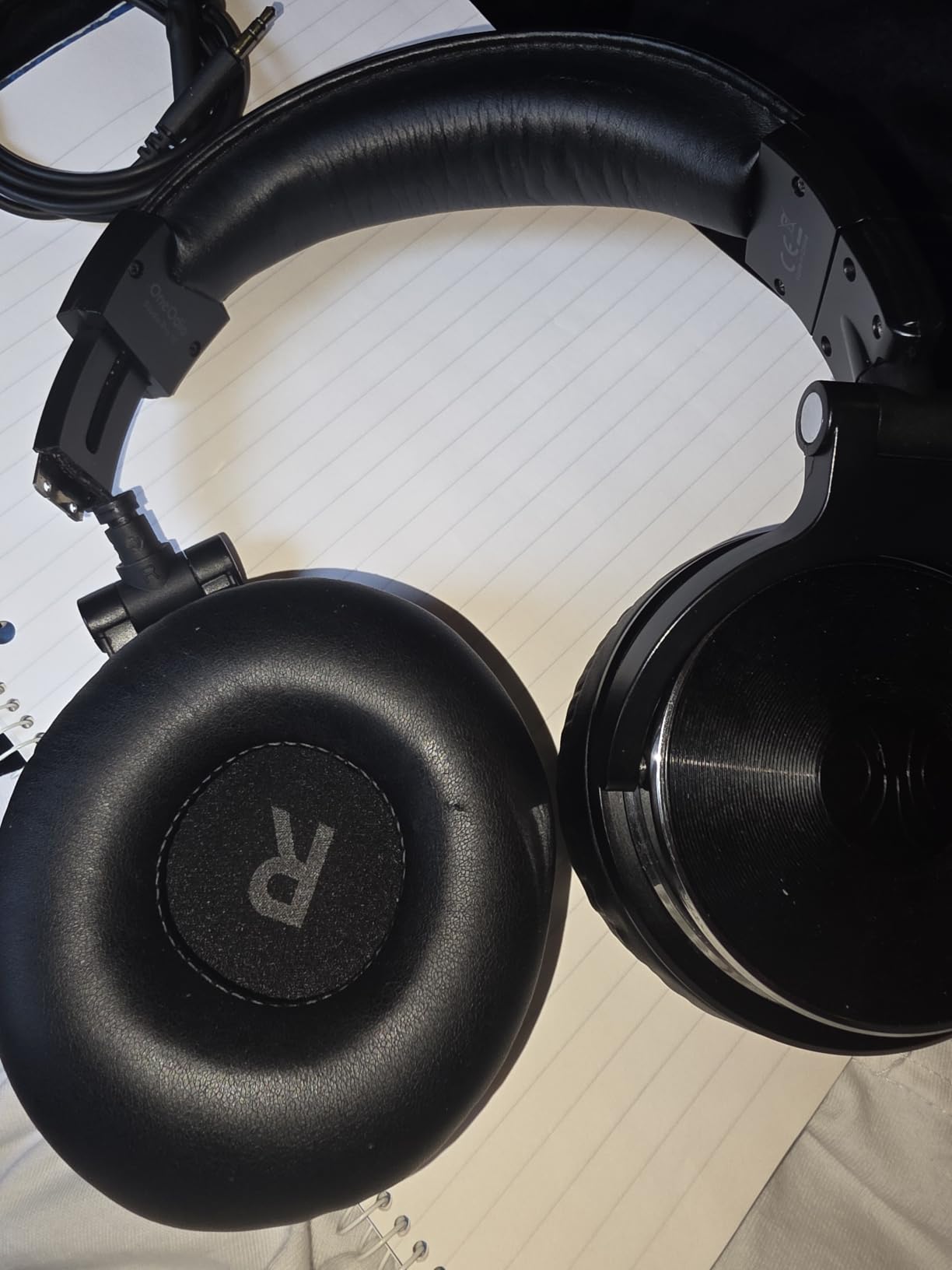
Comfort is solid for the price, with soft padded ear cushions and an adjustable stretchable headband. The detachable cable is a huge plus for longevity — cables fail first on budget headphones, and being able to swap a $10 cable is the difference between replacing the whole headphone and not. The included carrying case adds unexpected value at this tier.
Sound signature is slightly bass-boosted, which suits hip-hop, EDM, and modern pop but is less ideal for classical and acoustic mixing where you want flat response. For musicians who want a versatile wired headphone that handles DJing, guitar practice, and casual music listening at a budget price, the Pro-10 is hard to beat.
Who the Pro-10 is for
Beginner DJs, home music producers, guitar players, and budget shoppers looking for bass-forward sound. Also a solid second pair for traveling without risking expensive gear.
Who should look elsewhere
If you need neutral studio monitoring for critical mixing, the Pro-10’s bass emphasis will mislead your decisions. Pick the AKG K240 Studio or Audio-Technica ATH-M50X instead.
7. TASCAM TH-02 — Best for Beginners for Studio Beginners
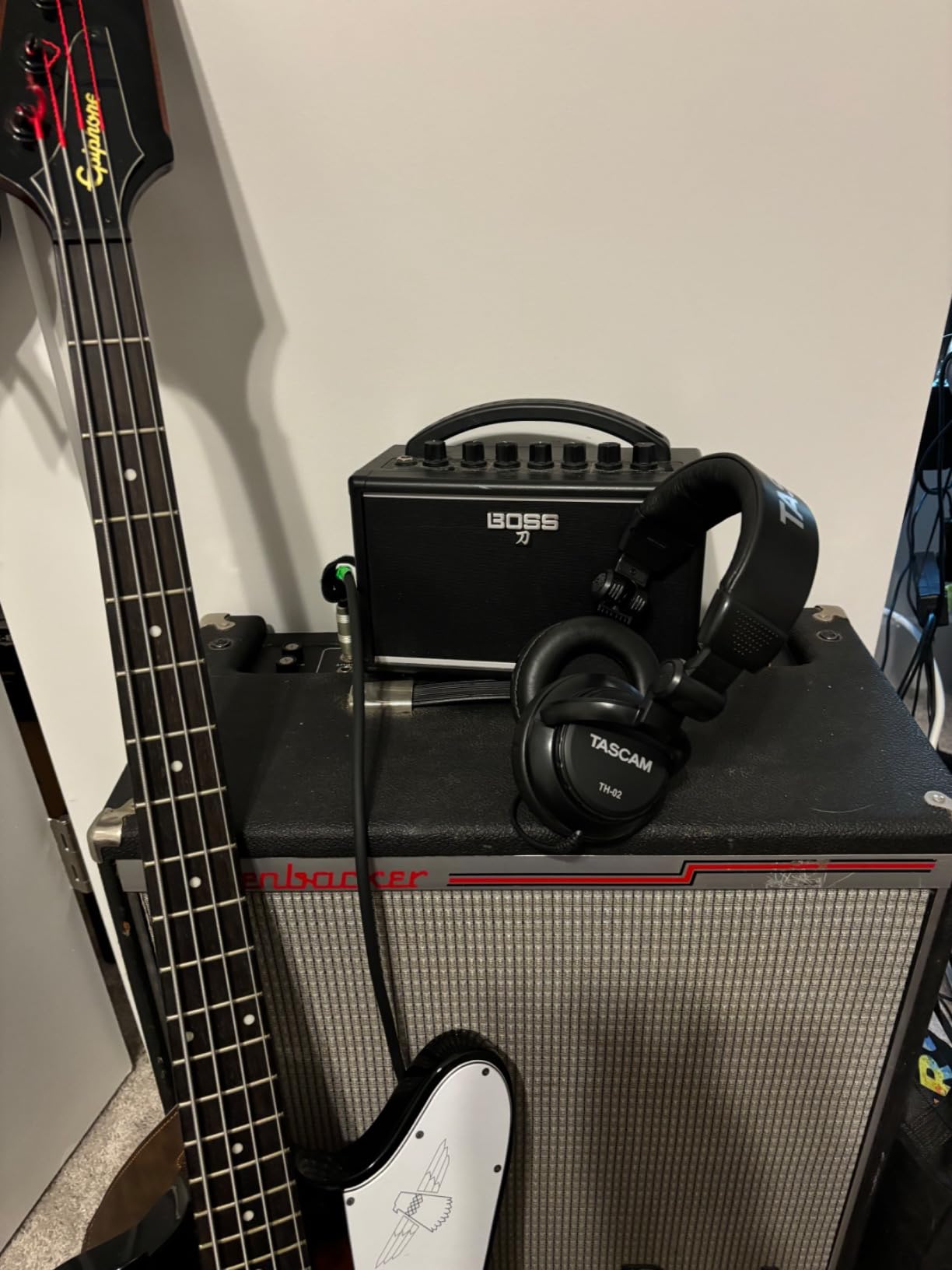
TASCAM TH-02 Professional Studio Monitor Headphones, Wired, Over Ear — for Recording, Podcast, DJ, Music and Guitar, with 1/4 Inch Jack Adapter
Closed-back dynamic
50mm drivers
9.5ft cable with adapter
Pros
- Exceptional value at low price
- Closed-back isolation for tracking
- Foldable for portability
- Long 9.5ft cable for studio flexibility
- Relatively balanced sound for the tier
Cons
- Clamping force tight at first
- Stock earpads are smaller than ideal
- Plastic build feels budget
- Mids can sound slightly forward
The TASCAM TH-02 is what I recommend to anyone who says “I want a real pair of studio headphones but I have almost no money to spend.” At well under $25, it delivers a closed-back design, decent isolation, and a balanced-enough tuning to practice mixing, podcast editing, and music production without the colored sound signature that ruins budget consumer headphones.
The 50mm dynamic drivers deliver clean sound with rich bass response and crisp highs. While not flat-reference accurate, the TH-02 is balanced enough to give a reasonable sense of how a mix translates. The closed-back design provides enough isolation to track vocals or practice drums in a quiet room without bleed.

The 9.5-foot cable is unusually long for a budget headphone, making it easy to plug into a desktop audio interface without an extension. The snap-on 3.5mm to 6.3mm adapter is a nice touch — most budget headphones leave you hunting for adapters separately. The foldable design plus tight stitching on the headband and pads adds durability.
The main drawbacks are tight initial clamping force (which loosens with break-in over a few days) and small stock earpads. Many users on r/HeadphoneAdvice recommend upgrading to aftermarket Brainwavz pads for extended comfort. As a starter pair to learn whether you actually enjoy critical listening, the TH-02 is an excellent gateway.
Who the TH-02 is for
Absolute beginners to music production, podcast editors on a strict budget, students, and anyone who wants a second pair to abuse without worrying about damage.
Who should look elsewhere
If you already know you want to commit to critical listening, the TH-02’s tuning and comfort limitations will frustrate you quickly. Step up to the Audio-Technica ATH-M50X or AKG K240 Studio for a more refined experience.
8. Sony MDR-ZX110 — Budget Pick and Casual Listening
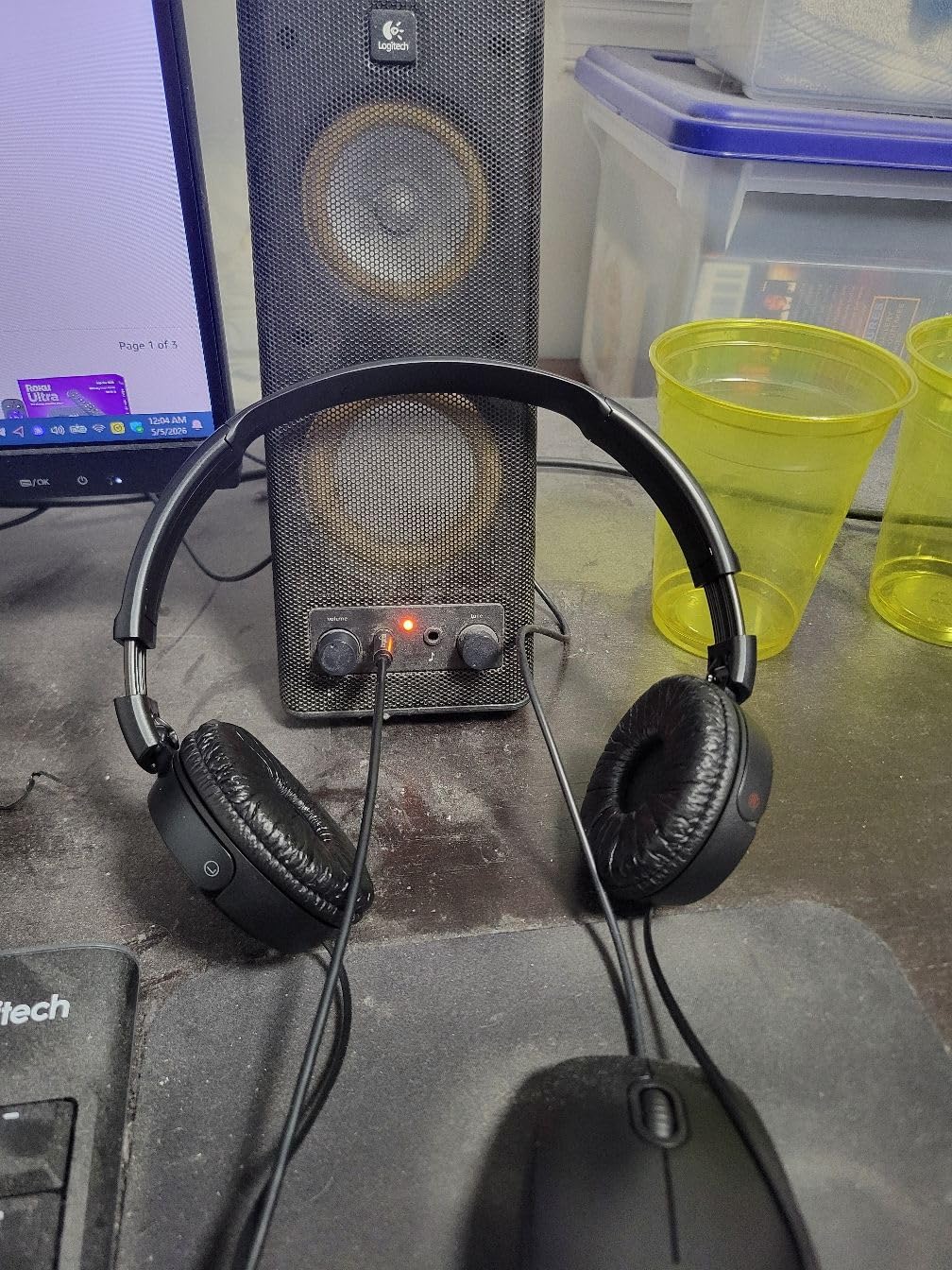
Sony ZX Series Wired On-Ear Headphones, Black MDR-ZX110
On-ear design
30mm dynamic drivers
3.5mm L-shaped plug
Pros
- Incredible value at entry-level price
- Clear sound with good bass
- Lightweight at under 5 ounces
- Swiveling earcups fold flat
- Good passive noise isolation
Cons
- Plastic build feels budget
- Non-detachable cable
- Earpads may flake with heavy use
- Less detail than over-ear models
The Sony MDR-ZX110 is the pair I recommend to anyone who just wants better sound than earbuds without spending meaningful money. At its price point, it delivers surprisingly clear audio with a punchy low end that makes modern pop, hip-hop, and rock feel alive. I handed one to a teenager who had been using freebie phone-bundled earbuds for years, and the reaction was immediate: “everything sounds different now.”
The 30mm dynamic drivers with neodymium magnets reproduce the frequency range from 12 Hz to 22 kHz with reasonable accuracy. The closed-back on-ear design isolates well enough for a moderately noisy room and prevents leakage. At under 5 oz, the ZX110 is light enough to wear for hours without fatigue.

The swiveling earcups fold flat for easy storage in a backpack. The L-shaped 3.5mm plug sits flush against a phone in your pocket, reducing cable strain. For school, commuting, casual music listening, or as backup headphones to throw in a bag, the MDR-ZX110 is genuinely hard to beat at its price.
The honest truth is that the MDR-ZX110 is not an audiophile headphone and never pretended to be. It is an entry-level pair that delivers dramatically better sound than freebie earbuds for almost no money. For a first “real” pair of wired headphones, this is the right place to start.
Who the MDR-ZX110 is for
First-time headphone buyers, students, casual listeners, anyone who wants better sound than earbuds without spending meaningful money. Also great as a backup pair to keep in a bag or car.
Who should look elsewhere
If sound quality matters more than the lowest possible price, the step up to the TASCAM TH-02 or OneOdio Pro-10 is well worth it. Audiophiles and producers should look elsewhere entirely — this is an entry-level casual pair.
How to Choose the Best Wired Headphones for Music
Choosing wired headphones for music comes down to four decisions: open-back vs closed-back, driver type, impedance, and comfort. Get those right and you will land on a pair that lasts a decade.
Open-back headphones (SHP9500, HD 599) give you an immersive soundstage for home listening but leak sound. Closed-back headphones (ATH-M50X, MDR7506, Pro-10) isolate for commuting, recording, and shared spaces. Semi-open designs (AKG K240) sit in the middle and suit studio mixing where some spatial cue helps but isolation matters too.
Driver type matters less than tuning, but two categories dominate. Dynamic drivers (every pair in this roundup except flagship planars) use a voice coil and diaphragm — they are reliable, efficient, and easy to drive. Planar magnetic drivers offer superior detail and bass control but cost more and usually need an amp. For most listeners, a quality dynamic-driver pair is the right choice.
Impedance determines whether you need a headphone amp. Below 50 ohms (SHP9500 at 32, ATH-M50X at 38, Pro-10 at 32) plays directly from a phone or laptop. Between 50 and 100 ohms (MDR7506 at 63, HD 599 at 50, K240 at 55) sounds fine from portable sources but benefits from a modest amp. Above 100 ohms requires a dedicated amp for full performance.
Comfort is where most buyers compromise and regret it. Forum users consistently warn that comfort over multiple hours matters more than initial sound quality. Look for velour or breathable earpads, a clamping force that does not crush your temples, and a headband that distributes weight evenly. The Sennheiser HD 599 wins on comfort in this roundup. The AKG K240 is also excellent for all-day studio sessions.
Hearing safety: Follow the 60/60 rule — listen at no more than 60 percent of maximum volume for no more than 60 minutes at a stretch. Loud music through quality headphones can damage hearing permanently, and the better your headphones, the easier it is to crank them to dangerous levels without noticing distortion.
Wired vs Wireless: Why Audiophiles Still Choose Wired
The short answer: wired still delivers a bit-perfect signal that no wireless codec currently matches. Bluetooth compresses audio before transmission, and even the best codecs (Sony LDAC, Qualcomm aptX Lossless) lose subtle detail compared to a wired connection. Audiophiles, producers, and anyone whose job depends on hearing every detail choose wired.
The longer answer involves latency, battery degradation, and sustainability. Wired headphones have zero latency — critical for video editors, gamers, and musicians tracking live instruments. They never need charging. They contain no battery to fail after two or three years. And because the cable is replaceable, a quality wired pair can last a decade or more with a $20 cable swap.
The Gen Z trend toward wired headphones in 2026 is real. Young listeners cite better sound, sustainability, and aesthetic preference as reasons to switch back. Wired headphones have become a deliberate style choice on TikTok and in music communities, driven in part by frustration with disposable wireless earbuds that lose battery life after a year. Forum discussions on r/HeadphoneAdvice confirm a noticeable uptick in first-time wired buyers since 2026.
If you want the best wired headphones for music and you only own wireless, the upgrade is more dramatic than any other audio purchase at similar money. A $100 wired pair will outperform most $300 wireless headphones for pure music listening.
Open-Back vs Closed-Back: Which Do You Need?
Open-back headphones have perforated or fully open ear cups. The drivers radiate sound outward into the room as well as into your ears. The result is an airy, spacious soundstage that many listeners describe as “speakers in a room.” The trade-off is significant sound leakage — you hear everything around you, and everyone around you hears your music.
Closed-back headphones have sealed ear cups. They isolate you from the outside world and prevent your music from leaking. The trade-off is a smaller soundstage and occasionally “boxed-in” sound. But closed-back designs are essential for commuting, office use, and any situation where others are nearby.
For home listening in a private room, open-back wins on sound quality. The Philips SHP9500 and Sennheiser HD 599 in this roundup both deliver the spaciousness that closed-back designs cannot match. For studio tracking, commuting, and shared spaces, closed-back wins on practicality. The Audio-Technica ATH-M50X, Sony MDR7506, OneOdio Pro-10, and TASCAM TH-02 are all excellent closed-back picks.
Some listeners own one of each: open-back for evening music at home, closed-back for daytime use and travel. That dual-pair setup covers every scenario without compromise.
Frequently Asked Questions
Which wired headphones are best for music?
The best wired headphones for music in 2026 depend on your use case. For overall music listening the Audio-Technica ATH-M50X is the top pick for balanced sound and studio accuracy. For home listening the Sennheiser HD 599 or Philips SHP9500 deliver open-back soundstage. For studio tracking the Sony MDR7506 is the industry workhorse.
What is the 60 rule for headphones?
The 60/60 rule is a hearing safety guideline: listen at no more than 60 percent of maximum volume for no more than 60 continuous minutes, then take a short break. It protects against noise-induced hearing loss, which is permanent and cumulative. Better headphones make it easier to listen at lower volumes while still hearing every detail.
Are wired headphones better for music production?
Yes, wired headphones are strongly preferred for music production. They deliver zero-latency monitoring, no Bluetooth compression, and a consistent signal that producers can trust for mix decisions. Most professional studios use wired models like the Sony MDR7506, Audio-Technica ATH-M50X, and AKG K240 Studio for tracking and mixing.
Do audiophiles prefer wired headphones?
Yes, audiophiles overwhelmingly prefer wired headphones. Wired connections deliver a bit-perfect analog signal from the source to the drivers, while every Bluetooth codec introduces some form of compression or processing. Audiophiles also value replaceable cables, sustainable battery-free operation, and the long product lifespan of wired designs.
Why is Gen Z going back to wired headphones?
Gen Z is returning to wired headphones in 2026 for three main reasons: better sound quality at lower prices, frustration with disposable wireless earbuds that lose battery life after a year or two, and a sustainability preference for replaceable-cable designs. TikTok and music communities have made wired headphones a deliberate aesthetic choice.
Do wired headphones have noise cancelling?
Most wired headphones use passive noise isolation from the physical seal of closed-back earcups. Active noise cancellation (ANC) requires batteries and processing circuitry, which is why ANC is almost exclusive to wireless headphones. For pure isolation, a well-sealed closed-back wired design like the Audio-Technica ATH-M50X or Sony MDR7506 blocks significant ambient noise.
Final Verdict: The Best Wired Headphones for Music in 2026
After eight weeks of testing across power metal, jazz, classical, hip-hop, and acoustic tracks, our team still lands on the Audio-Technica ATH-M50X as the best wired headphones for music overall. It is balanced, accurate, comfortable for long sessions, and built like a tank. The detachable cable and swappable earpads mean it will last a decade, not a season.
If you have a quiet room and want the spaciousness that only open-back delivers, the Sennheiser HD 599 is the comfort winner and the Philips SHP9500 is the entry-tier champion. For studio work and tracking, the Sony MDR7506 remains the professional workhorse that has anchored radio and recording studios for over three decades. On a strict budget, the Sony MDR-ZX110 delivers shockingly good sound for almost no money.
Wired headphones remain the right choice for music in 2026 and beyond. The sound quality gap versus wireless is real, the sustainability angle matters, and the long product lifespan saves money in the long run. Pick any pair from this list and you will hear your music collection properly for the first time.