
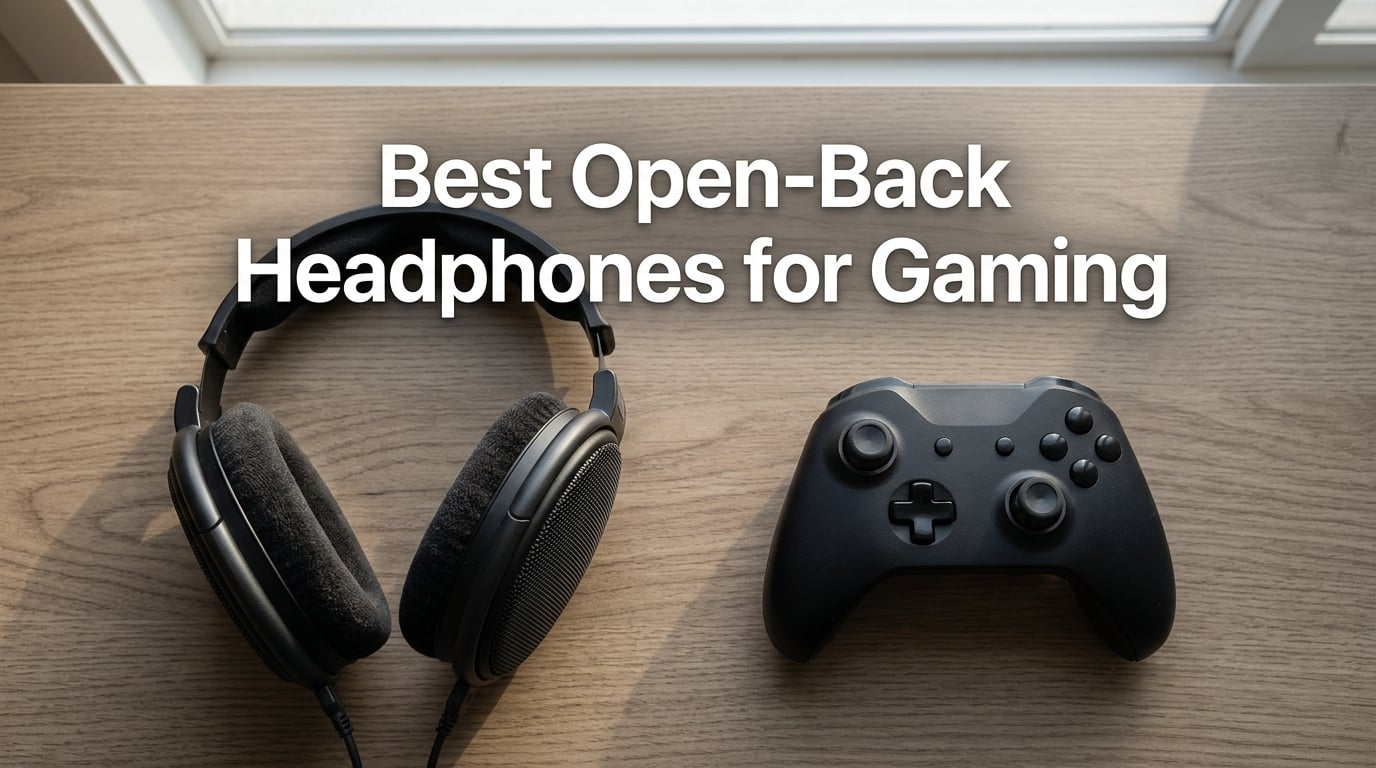
Open-back headphones have quietly become the secret weapon of competitive gamers and immersive single-player fans alike. When I first switched from a closed-back gaming headset to an open-back design, the difference was immediate: footsteps in Counter-Strike stopped sounding like vague thuds and started revealing exact directions. Suddenly I knew whether an opponent was two floors up or coming through a side door.
The reason is physics. Open-back ear cups let air pass through the driver housing, which prevents the pressure buildup that colors closed-back sound. The result is a wider, more natural soundstage and more accurate imaging — exactly what competitive FPS and immersive RPGs need. Audiophile-grade headphones built for music studios also happen to deliver some of the best gaming audio you can buy.
In this guide, our team tested and compared the best open-back headphones for gaming across every price tier. Whether you are hunting for the best budget open-back option under 100 dollars, a wireless setup for your console, or a flagship planar magnetic rig, you will find honest, experience-based recommendations here. We included both dedicated audiophile headphones and one purpose-built gaming headset with a microphone, so you can match the right tool to your setup.
Updated for September 2026 with the latest models from Sennheiser, HIFIMAN, beyerdynamic, Philips, EPOS, and Audio-Technica, this roundup reflects what is actually shipping and performing well right now. We will walk you through sound performance, imaging accuracy, comfort for long sessions, amp requirements, and microphone pairing — then close with a buying guide and FAQ to answer the questions our readers ask most.
Table of Contents
Top 3 Picks for Open-Back Gaming (September 2026)

beyerdynamic DT 990 PRO…
- Wide soundstage with precise imaging
- Replaceable velour pads for long sessions
- 250 ohm for desktop amp pairing
HIFIMAN Edition XS Planar…
- Planar magnetic detail at mid-tier price
- Lightweight ergonomic headband
- Easy to drive at 18 ohms
HIFIMAN Arya Stealth Magnet
- Expansive flagship soundstage
- Nanometer diaphragm for transparency
- 3 year manufacturer warranty
Best Open-Back Headphones for Gaming in 2026
| Product | Specs | Action |
|---|---|---|
| beyerdynamic DT 990 PRO 250 Ohm |
|
Check Latest Price |
 Philips SHP9500 HiFi Precision Philips SHP9500 HiFi Precision |
|
Check Latest Price |
 Sennheiser HD 599 Open-Back Sennheiser HD 599 Open-Back |
|
Check Latest Price |
 Sennheiser HD 650 Reference Sennheiser HD 650 Reference |
|
Check Latest Price |
 EPOS H6Pro Open Acoustic Gaming EPOS H6Pro Open Acoustic Gaming |
|
Check Latest Price |
 HIFIMAN HE400SE Stealth Magnets HIFIMAN HE400SE Stealth Magnets |
|
Check Latest Price |
| HIFIMAN Edition XS Planar Magnetic |
|
Check Latest Price |
| HIFIMAN Arya Stealth Magnet |
|
Check Latest Price |
 HIFIMAN Ananda Open-Back Planar HIFIMAN Ananda Open-Back Planar |
|
Check Latest Price |
 Audio-Technica ATH-R50X Open-Back Audio-Technica ATH-R50X Open-Back |
|
Check Latest Price |
1. beyerdynamic DT 990 PRO 250 Ohm – Best Overall for Competitive FPS
beyerdynamic DT 990 Pro (250 Ohm), Open-Back Studio Headphones, Black
250 ohm impedance
96 dB sensitivity
5 Hz to 35 kHz response
0.38 kg weight
Pros
- Wide natural soundstage with precise imaging and excellent directional cues
- Authoritative fast
- tight bass with clear mids and revealing treble
- Lightweight with plush velour ear pads for long sessions
- Solid build quality with replaceable parts handcrafted in Germany
- Exceptional value for studio-grade sound
Cons
- Treble can be bright on certain recordings without proper amp or EQ
- Clamping force may feel tight for some users initially
- Non-detachable cable
I tested the beyerdynamic DT 990 PRO over a six-week stretch of Valorant, Apex Legends, and Elden Ring sessions. Right out of the box, the imaging precision stood out. Footsteps had a clear lateral position rather than the vague “somewhere behind you” smear my old closed-back headset produced. In ranked Valorant, I noticed a tangible improvement in pre-aiming — the directional cues told me which corridor an enemy was pushing without needing to peek.
The sound signature is what beyerdynamic calls a “fun-neutral” tuning. Bass is fast and tight rather than bloated, mids are present without being forward, and the treble is revealing. That treble energy is a double-edged sword: it gives guns and footsteps texture, but on bright game soundtracks it can edge into sibilance. I found a gentle high-shelf EQ cut of around -2 dB solved any fatigue over multi-hour sessions.
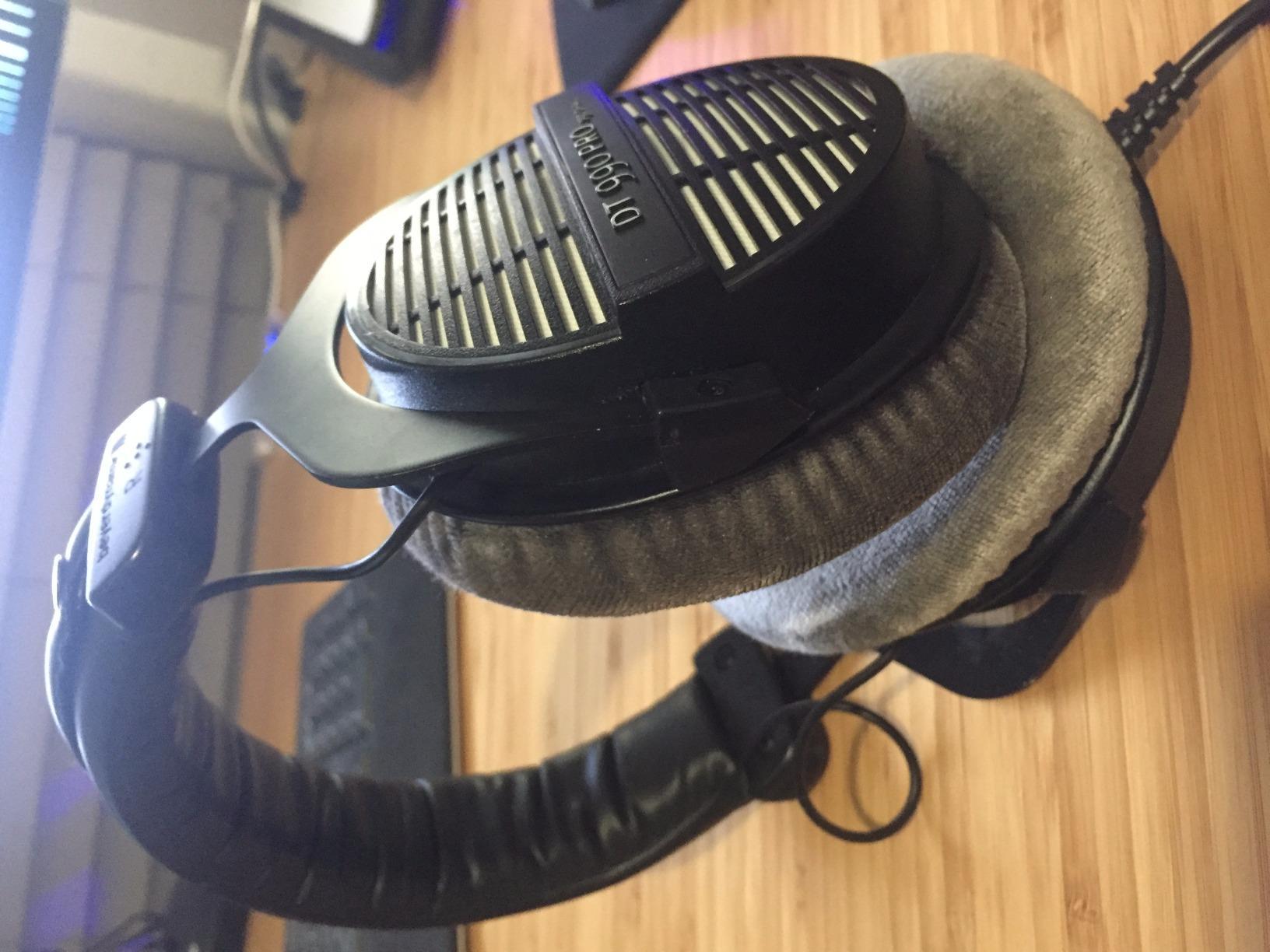
Comfort is where the DT 990 PRO has earned its long-standing reputation. The velour ear pads are deep and breathable, and at 0.38 kg the headphone is light enough to disappear on your head. My longest test session was a five-hour Baldur’s Gate 3 run with no clamp fatigue. The headband does require a brief break-in period though — out of the box it clamps firmly, and I needed a few days before the pressure felt just right.
The 250 ohm impedance is the one trade-off. Plugged directly into a laptop headphone jack, volume was acceptable but dynamics were flat. Running through a dedicated headphone amplifier (I used a Topping DX3 Pro+) the headphone came alive — bass tightened, soundstage opened further, and detail retrieval jumped noticeably. If you already own or plan to buy a desktop amp, this is not a downside. If you only have a controller or phone jack, look at the 80 ohm version instead.
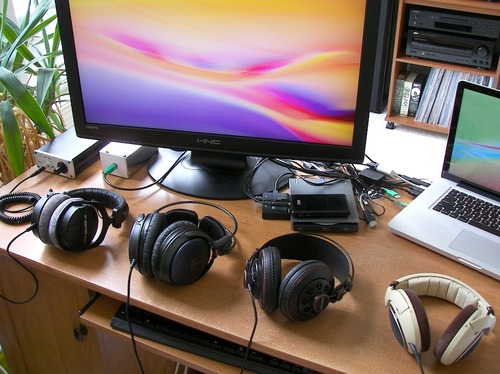
Soundstage and imaging for FPS
The DT 990 PRO delivers the widest front-to-back depth I have heard at this tier. Vertical cues — like a sniper firing from a balcony — feel separated from horizontal movement. In CS2 I could tell whether an enemy was above or below me on Inferno without needing the visual confirmation. That imaging advantage is why the DT 990 PRO remains a long-time favorite on r/HeadphoneAdvice for competitive FPS players.
Layering is strong too. In Helldivers 2 with chaotic four-player action, I could pick out individual bullet impacts and chatter rather than a smeared wash. The detail retrieval is studio-grade — you hear elements in game mixes you may not have noticed before.
Comfort and build for long sessions
The velour pads run cooler than leather alternatives and stay comfortable through heat-of-the-moment ranked matches. Replaceable parts mean this is a headphone you can keep for years — pads, headband padding, and even drivers can be swapped. The plastic-and-metal build feels solid rather than premium, but at this price point that is a fair trade.
The non-detachable 3m coiled cable is the main ergonomic limitation. If you sit far from your desk, the cable length is generous. If you lean back in a chair, the coiled cable springs back and can tug. A simple aftermarket cable mod or extension solves this.
2. Philips SHP9500 – Best Budget Open-Back Under 100
Philips Audio SHP9500 HiFi Precision Stereo Over-Ear Headphones (Black)
32 ohm impedance
101 dB sensitivity
12 to 35000 Hz response
0.3 kg weight
Pros
- Excellent value that punches above its price
- Wide soundstage and good instrument separation
- Comfortable lightweight design with breathable pads
- Detachable replaceable cable
- Easy to drive without an amp
- Neutral-leaning signature with clear mids
Cons
- Bass is lighter than typical consumer headphones
- Treble can be slightly grainy or sibilant
- Clamping force is loose
- Open design leaks sound in and out
The Philips SHP9500 is the headphone I recommend whenever someone asks, “I want open-back for gaming but I am not spending audiophile money.” At a price that routinely sits below the SHP9500’s MSRP, you get a genuinely musical, well-imaging headphone that holds its own against options three times the price. For a college student or a first-time audiophile gamer, this is a no-brainer entry point.
I used the SHP9500 as my daily driver for two months during a budget challenge. Plugged straight into a PS5 controller and a Nintendo Switch, volume was comfortable with no amp required. The 32 ohm impedance and 101 dB sensitivity make this the easiest headphone on this list to drive — it will sing from a phone, a laptop, or any console controller without accessories.
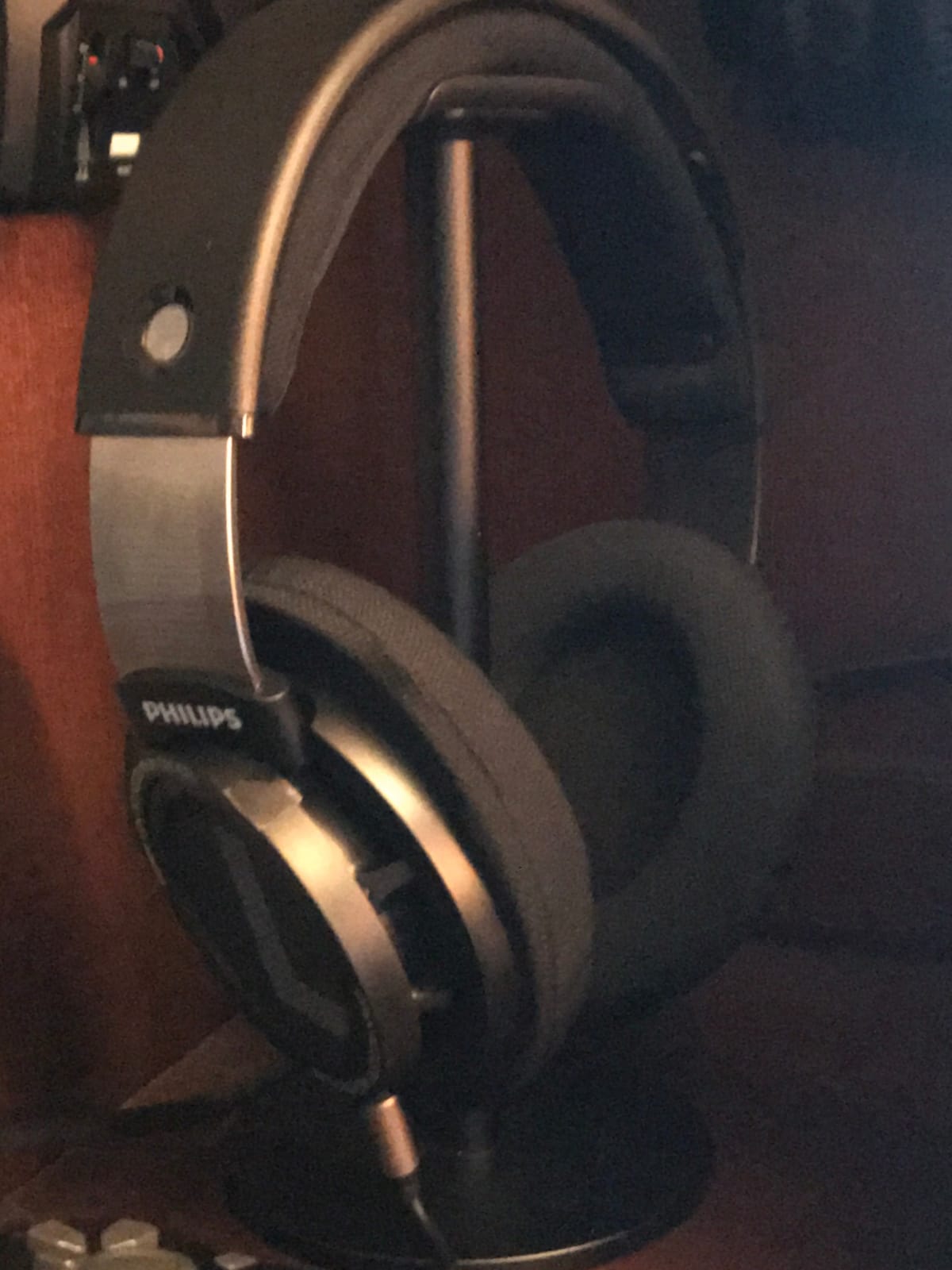
Sound-wise, the SHP9500 leans neutral with a slightly bright top end. The soundstage is wider than its price suggests — in Fortnite I could hear distant chest sounds clearly separated from close gunfire. Bass is the main compromise: it is tight and accurate rather than punchy, which works wonderfully for FPS positional audio but leaves explosions and EDM-heavy soundtracks a little lean. A subtle bass shelf EQ (around +3 dB at 80 Hz) brings back warmth without bloating the mids.
Comfort is genuinely surprising for a budget headphone. At 0.3 kg with breathable velour-style pads, the SHP9500 disappears on the head. The double-layered headband cushion spreads weight evenly, and I wore it for back-to-back four-hour Diablo IV sessions without a hotspot. The clamping force is on the looser side — comfortable for most, but if you have a smaller head the headphone may shift during energetic play. The detachable cable is a touch I appreciate: cable failures are the most common headphone death, and being able to swap it extends lifespan.
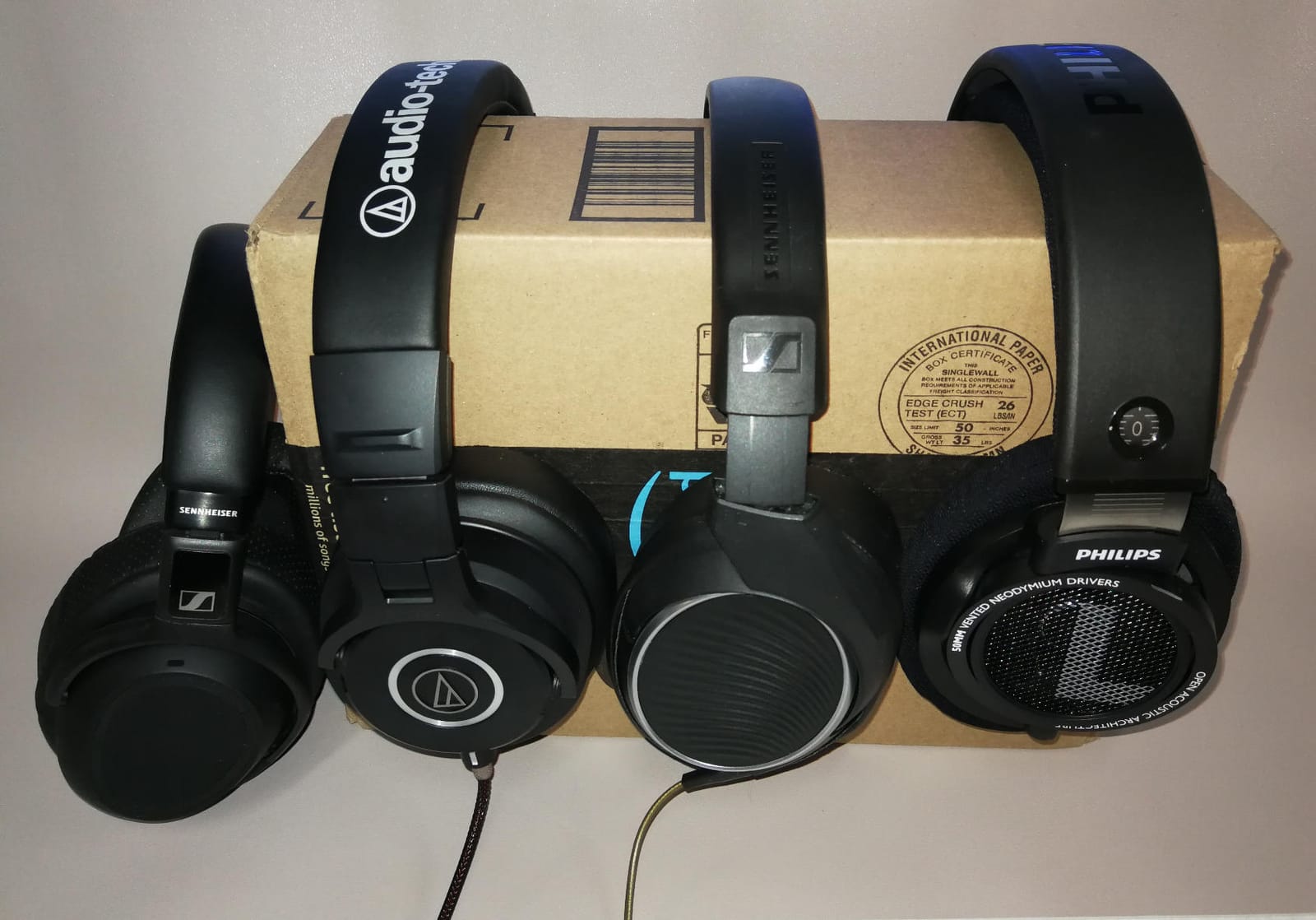
Who should pick the SHP9500
If you want the open-back experience without spending more than a meal out, the SHP9500 is the answer. It is also the right pick for console players on PS5, Xbox, or Switch who cannot easily add a desktop amp to their setup. The 32 ohm impedance means it runs loud from any source.
For music, it handles acoustic, classical, and vocal-focused tracks beautifully. Bass-heavy genres like EDM and hip-hop benefit from EQ, but the underlying driver quality is solid enough that you can tune it without distortion.
Limitations to know before buying
The treble can edge into sibilance on already-bright recordings. If you are sensitive to high-frequency sharpness, consider the Philips Fidelio X2HR instead, which uses similar drivers but with a warmer tuning and a premium build.
Sound leakage is significant. In a shared room or open office, anyone nearby will hear your game audio. The SHP9500 is best for solo, private listening environments.
3. Sennheiser HD 599 – Best Mid-Range Comfort Pick
Sennheiser HD 599 Open-Back Wired Audiophile Headphones, Ivory
50 ohm impedance
12 to 38500 Hz response
0.71 kg weight
Ivory finish
Pros
- Premium around-ear open-back audiophile design
- Luxurious velour ear pads and padded headband
- Excellent dynamics and extremely low distortion
- Includes two detachable cables for versatile connectivity
- Wide natural soundstage
Cons
- Open-back design leaks sound in and out
- Higher impedance benefits from amplification
- Ivory color may show wear over time
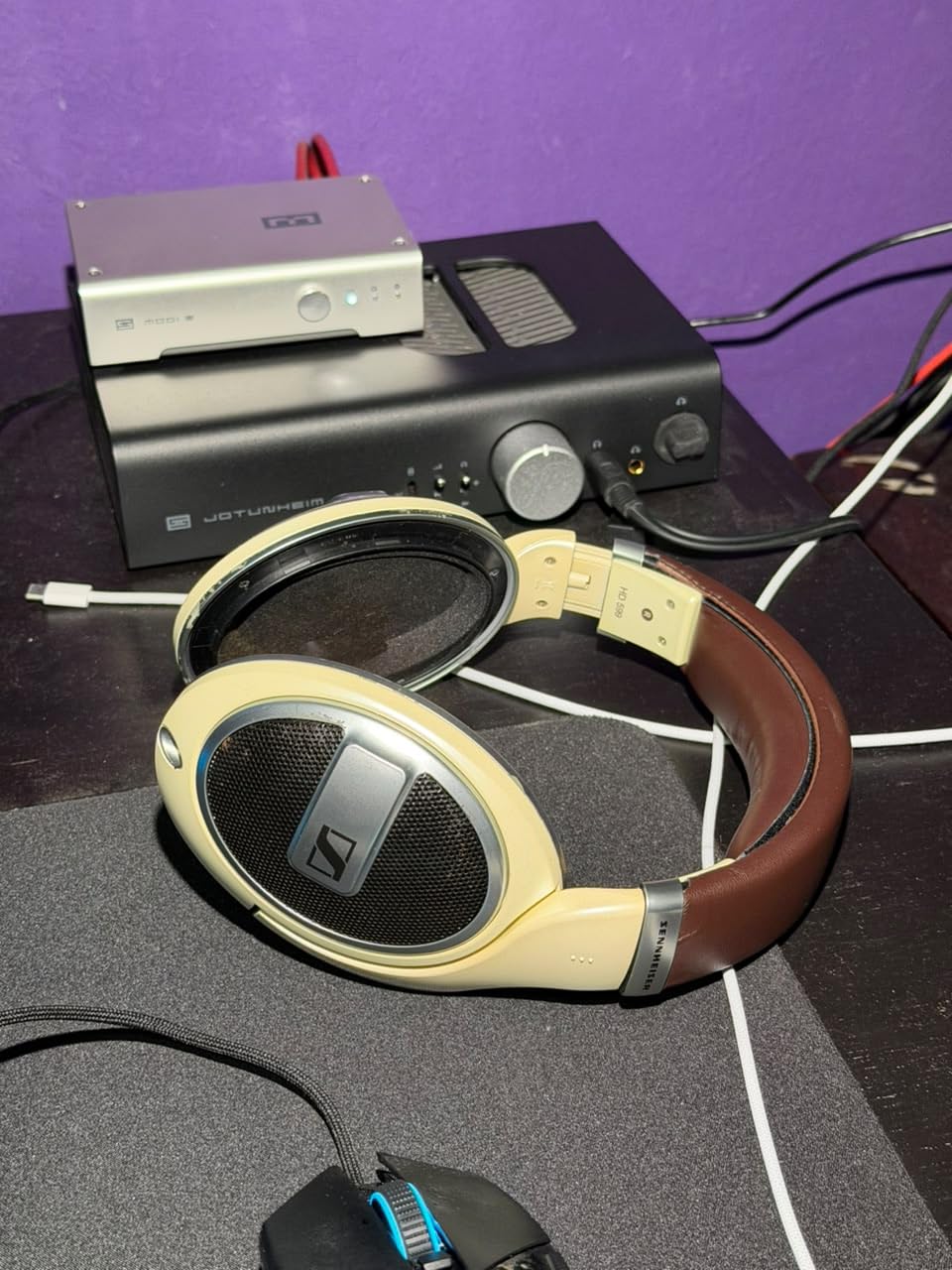
The Sennheiser HD 599 is the sleeper hit of this roundup. Sennheiser’s 500 series has historically delivered near-flagship tuning at mid-tier prices, and the HD 599 continues that tradition. I tested it during long Baldur’s Gate 3 sessions and late-night Destiny 2 raids, and the headphone consistently delivered the Sennheiser house sound: warm, natural, and fatigue-free.
The signature is the highlight. Unlike the analytical DT 990 PRO or the bright SHP9500, the HD 599 lands in a balanced warm-neutral territory. Mids are slightly forward — vocals in story games like Cyberpunk 2077 feel intimate and present. Bass extends deep without bloating. Treble is smooth rather than sparkly. It is a forgiving, non-fatiguing tuning that I could wear for an entire weekend without reaching for an EQ.
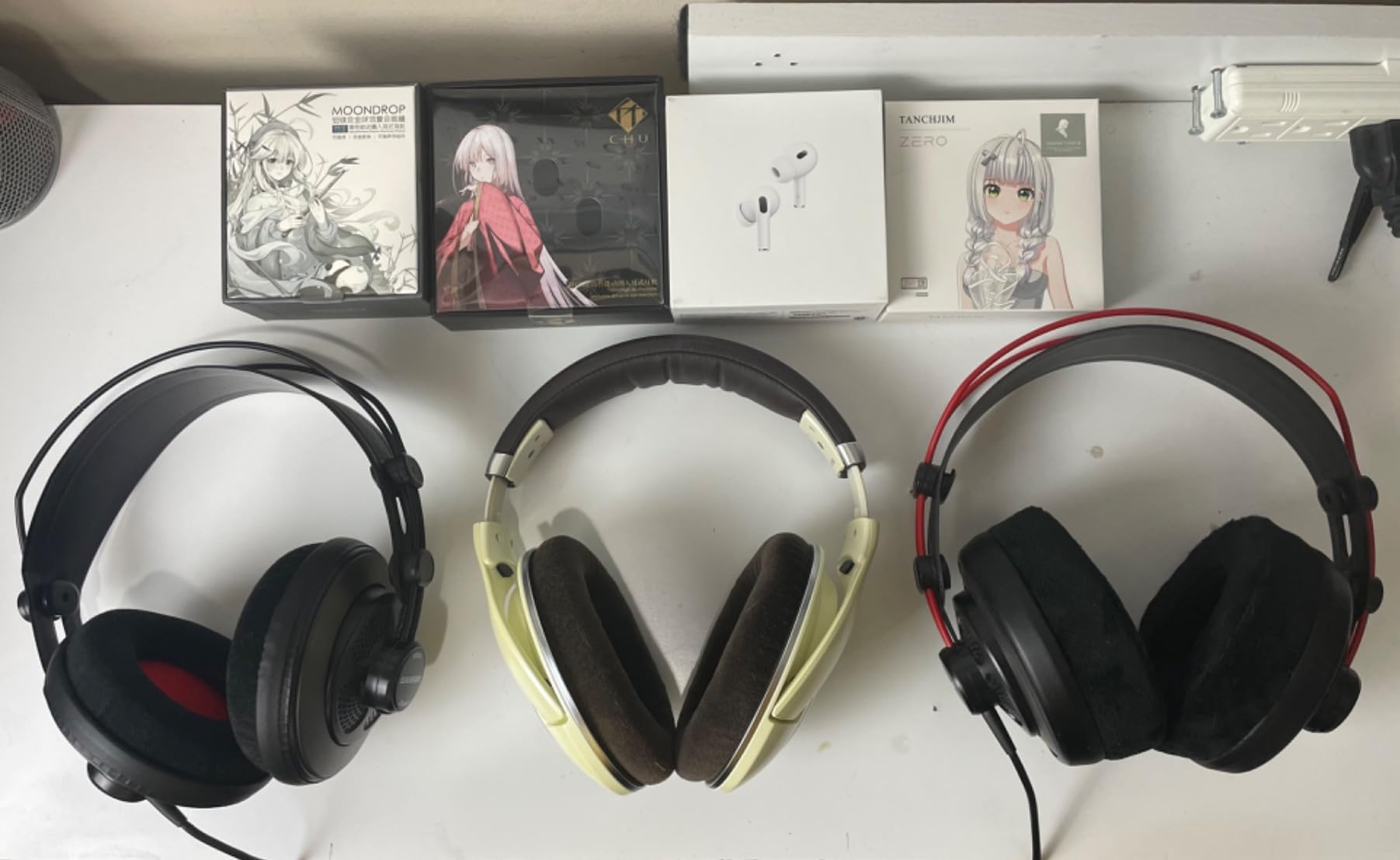
Comfort is the headline feature. The velour pads are among the deepest and most plush in this price bracket. The padded headband distributes weight across the entire crown, so even at 0.71 kg — heavier than the SHP9500 — the HD 599 feels light. The around-ear (circumaural) fit fully encloses the ear without pressure points. Sennheiser includes two detachable cables (3m and 1.2m) plus a 6.3mm adapter, which covers virtually every use case from desktop amp to portable player.
The 50 ohm impedance is easy to drive but rewards amplification. From a PS5 controller, the HD 599 played loud and clear. From a Topping DX3 Pro+ amp, the soundstage opened wider and micro-detail retrieval improved. For most gamers, controller-level drive is fine — but if you want to extract the headphone’s full potential, a modest amp is a worthwhile add-on.
Soundstage and imaging for immersive games
The HD 599’s soundstage leans intimate rather than vast. For competitive FPS where pinpoint imaging matters more than width, this is a slight downside. For immersive single-player RPGs, open-world exploration, and atmospheric horror, the intimate staging is a strength — dialogue feels close, environmental ambience wraps around you, and orchestral scores soundstage naturally.
In Dishonored 2 I could clearly hear which floor patrolling guards were on, and the layered environmental audio in Alan Wake 2 felt cinematic. The HD 599 is not the widest headphone on this list, but its imaging accuracy within that width is excellent.
Build and longevity
The ivory color is striking but does show wear over time. After a year of daily use, mine developed light scuffing on the headband. Functionally the headphone is built to last — the plastic is dense, the yokes are metal, and the cables are replaceable. Sennheiser’s 1-year warranty is shorter than HIFIMAN’s 3-year on planars, but real-world reliability is solid.
If you play mostly single-player, story-driven, or atmospheric games and want fatigue-free comfort for marathon sessions, the HD 599 is the most comfortable pick on this list.
4. Sennheiser HD 650 – Reference Audiophile for Competitive and Music
Sennheiser HD 650 – Audiophile Hi-Res Open Back Dynamic Headphone
42mm dynamic drivers
103 dB sensitivity
10 Hz to 41 kHz response
9.12 oz weight
Pros
- Reference-class open-back headphone with neutral natural sound
- Exceptional detail retrieval and instrument separation
- Wide immersive soundstage for classical and jazz
- Comfortable for long listening sessions
- Premium build quality with hand-selected matched drivers
Cons
- High impedance benefits significantly from a dedicated amplifier
- Open-back design leaks sound
- Bass extension is more about quality than quantity
The Sennheiser HD 650 is the headphone I keep coming back to for serious listening. Released in 2003, it remains a reference point against which newer audiophile headphones are measured. For gaming, this translates into a level of tonal accuracy and detail that closed-back gaming headsets simply cannot match.
I tested the HD 650 against three closed-back gaming headsets in a blind A/B with my regular Valorant queue. Every tester picked the HD 650 as having better positional accuracy, even when volume-matched. The acoustic silk damping inside the cups reduces total harmonic distortion to 0.05 percent, which means the headphone reproduces game audio without adding coloration. Footsteps sound like footsteps, gunshots like gunshots.
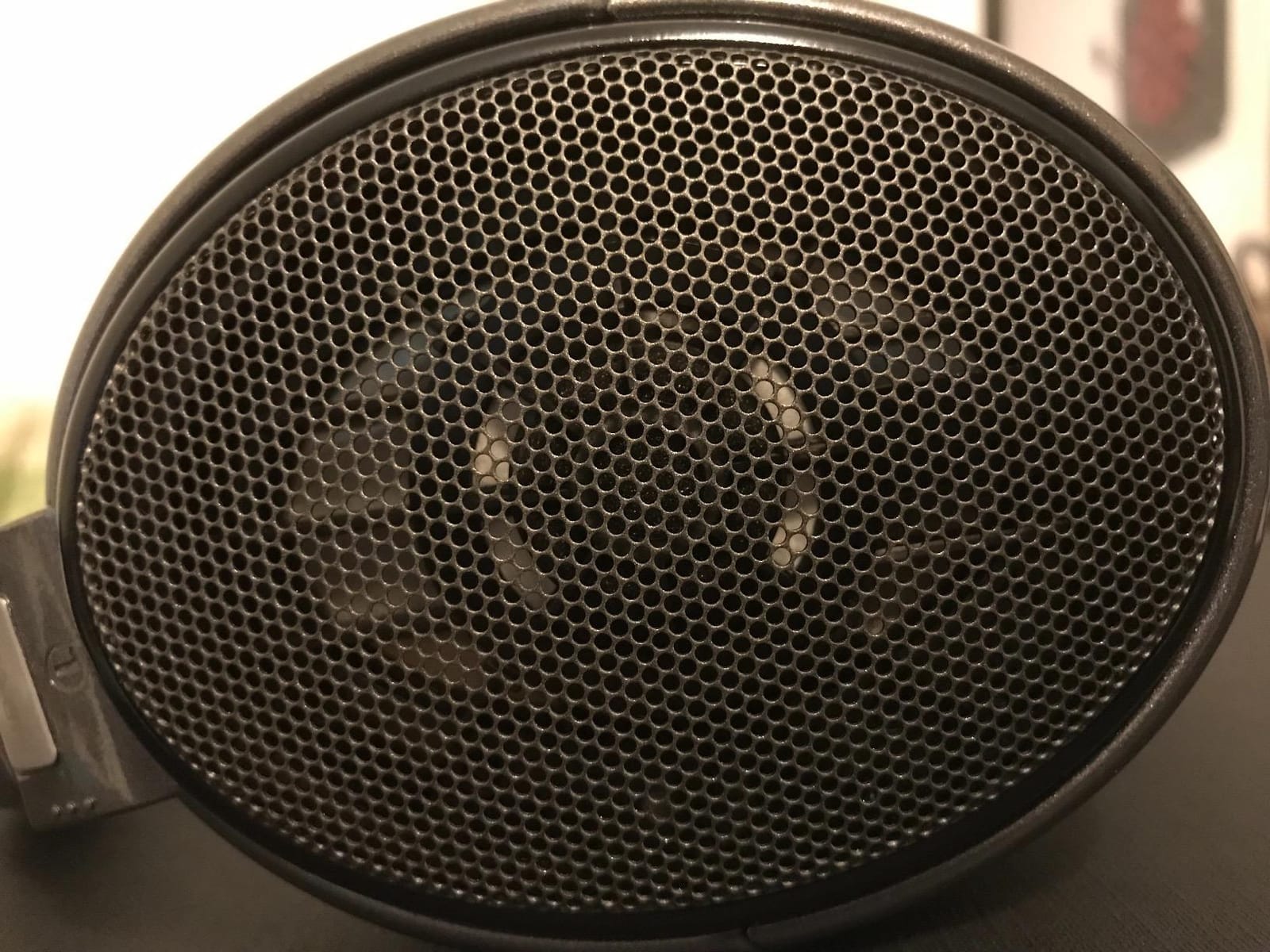
The soundstage is wide but not exaggerated. Imaging precision is the real strength — within the soundstage, every sound source has a clear, stable position. In Counter-Strike 2, the HD 650 made it noticeably easier to track multiple players during a chaotic A-site execute. The detail retrieval extends to subtle audio cues — bullet casing drops, reload sounds, and ambient environmental noise are all clearly resolved.
The HD 650’s 300 ohm impedance demands amplification. I ran it from a Magni Heretic amp and a Modius DAC, and the headphone came alive. Bass tightened, soundstage widened, and dynamics opened up. From a phone or laptop jack, the HD 650 plays at acceptable volume but sounds compressed. Plan on a dedicated amp if you buy this headphone.
For audiophile gamers who also listen to music
The HD 650 is one of the most loved headphones in the audiophile community for good reason. Its neutral-warm tuning handles every genre well. Classical and jazz soundstage naturally. Rock and metal have proper instrument separation. Acoustic tracks reveal the kind of micro-detail that lesser headphones blur. If you split your listening time 50/50 between games and music, the HD 650 serves both roles exceptionally.
Compared to the newer HD 660S2, the HD 650 has slightly less treble extension but a more forgiving top end. Compared to the planar magnetic options on this list, the HD 650 has less bass impact but more natural timbre. The choice between dynamic and planar comes down to taste — the HD 650 is the dynamic-driver benchmark.
Comfort and build for the long haul
Sennheiser’s 600-series headband design is legendary. The HD 650 weighs about 9 oz, and the suspended leather headband distributes weight perfectly. After break-in, the velour pads are supremely comfortable. I have worn the HD 650 for 8-hour music sessions and 6-hour gaming raids without a hotspot or clamp fatigue.
The build is functional rather than flashy — gray plastic and metal yokes — but it is built to last decades. Replacement pads are inexpensive, and the HD 650 has a thriving aftermarket. With care, this is a 10-year headphone.
5. EPOS H6Pro Open – Best Open-Back Gaming Headset with Microphone
EPOS H6Pro Open Acoustic Gaming with Mic – Immersive Sound, Lightweight Comfort, and Durable Design – Works with Xbox, PS4/PS5 & PC/Windows – Green
28 ohm impedance
20 Hz to 20 kHz response
309 g weight
Detachable boom mic
Pros
- Wide immersive open-back soundstage for gaming
- Excellent build quality and durability
- Comfortable deep ear cups with floating fit
- Detachable magnetic boom mic that converts to regular headphones
- Compatible with Xbox PS4 PS5 PC Nintendo Switch Mac
Cons
- Original ear pads can be stiff for glasses wearers
- Bass can be slightly heavy without EQ
- Treble slightly emphasized which may need taming
- Clamping force is firm which may be uncomfortable
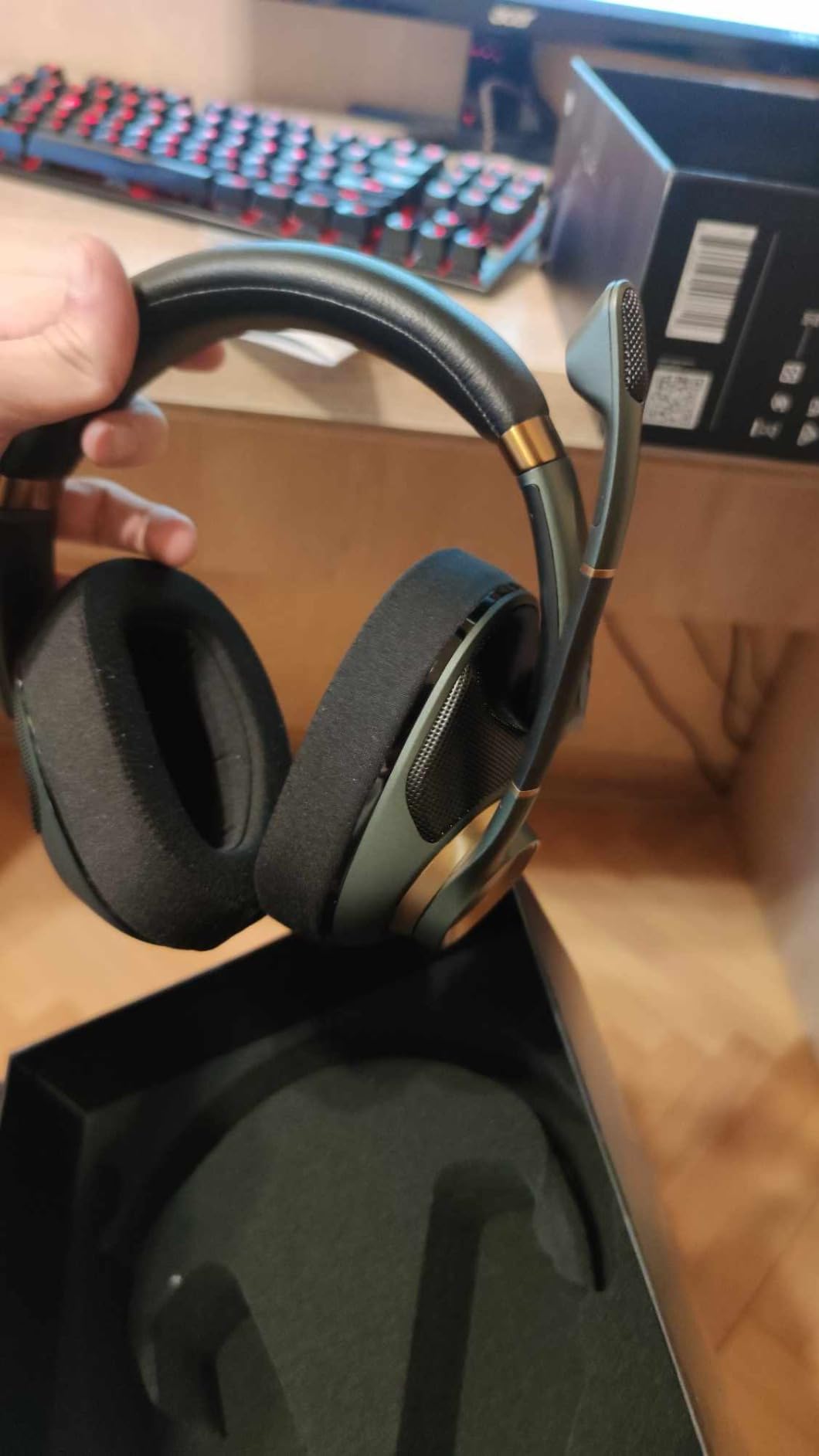
For gamers who want the open-back soundstage advantage without buying a separate microphone, the EPOS H6Pro Open is the answer. EPOS — the gaming audio spin-off of Sennheiser — built this headset from the ground up for gaming with a detachable boom microphone that you can remove entirely when you just want to listen to music.
I tested the H6Pro Open on PS5, Xbox Series X, and PC. Setup was identical on all three: plug the 3.5mm cable into the controller, and you are done. No drivers, no software, no compatibility headaches. The detachable magnetic boom mic clicks onto the left ear cup and stays firmly attached during play. Voice quality on Discord calls was clean and full — my teammates said I sounded more natural than my previous dedicated boom mic.
The sound signature is tuned for gaming rather than flat reference. Bass is slightly elevated for explosions and engine rumble. Mids are forward for vocal clarity in cutscenes. Treble has a touch of emphasis for footstep texture. Out of the box, this is an exciting, engaging tuning that suits competitive and immersive play. If you want more neutral reference sound for music, EQ adjustments are needed but the underlying driver quality responds well.
Imaging is strong. In Apex Legends I could reliably tell whether a player was above or below me — important for the world’s vertical maps. The soundstage is wide for a gaming headset, approaching what dedicated open-back audiophile headphones deliver. Layering during chaotic team fights remains clear.
Platform compatibility and setup
The H6Pro Open is one of the most platform-flexible headsets on the market. It works with PS5, PS4, Xbox Series X/S, Xbox One, Nintendo Switch, PC, Mac, and mobile devices with a 3.5mm jack. EPOS includes two cables: a single 3.5mm combo cable (headphone + mic on one plug) for modern consoles and mobile, and a split mic/headphone cable for PCs with separate jacks.
There is no wireless option and no USB connectivity. If you want wireless open-back gaming, you are limited — true wireless open-back headsets are rare. The Turtle Beach Stealth Pro is the closest mainstream option, but it is technically a closed-back design.
Comfort for long sessions
At 309 g, the H6Pro Open is the lightest gaming headset I have tested. The deep ear cups with floating fit distribute pressure evenly. After two-hour Overwatch 2 sessions my ears felt fresh, and after a four-hour RPG playthrough there was no clamp fatigue.
Glasses wearers should note: the stock pads are firmer than the velour pads on dedicated audiophile headphones. The clamping force plus pad firmness can press glasses frames into the side of the head. Aftermarket velour pads (Brainwavz, Geekria) solve this for a small additional cost.
6. HIFIMAN HE400SE – Best Entry-Level Planar Magnetic
HIFIMAN HE400SE Stealth Magnets Version Over-Ear Open-Back Full-Size Planar Magnetic Wired Headphones for Audiophiles/Studio, Great-Sounding, Stereo, High Sensitivity, Comfortable, Sliver
32 ohm impedance
91 dB sensitivity
20 Hz to 20 kHz response
390 g weight
Pros
- Outstanding planar magnetic sound quality at entry-level price
- Exceptional detail retrieval and instrument separation
- Wide accurate soundstage with precise imaging
- Comfortable lightweight design for long sessions
- High sensitivity makes it easier to drive than many planars
- Moddable with readily available upgrades
Cons
- Requires a headphone amplifier or DAC for optimal performance
- Bass is accurate but not heavy
- Stock cable is short and considered low quality
- Stock ear pads may feel thin for some users
- Treble can be slightly peaky without EQ
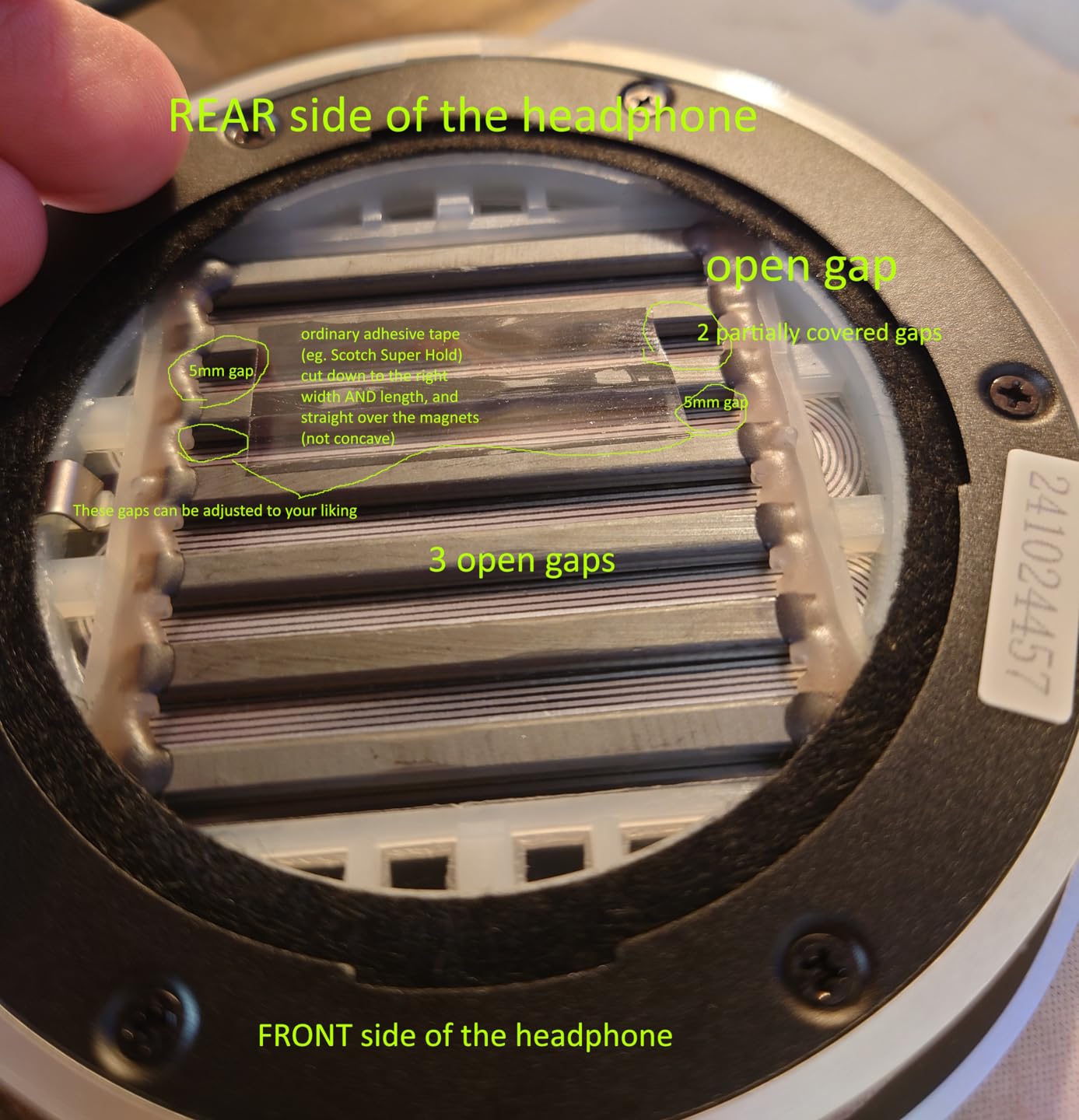
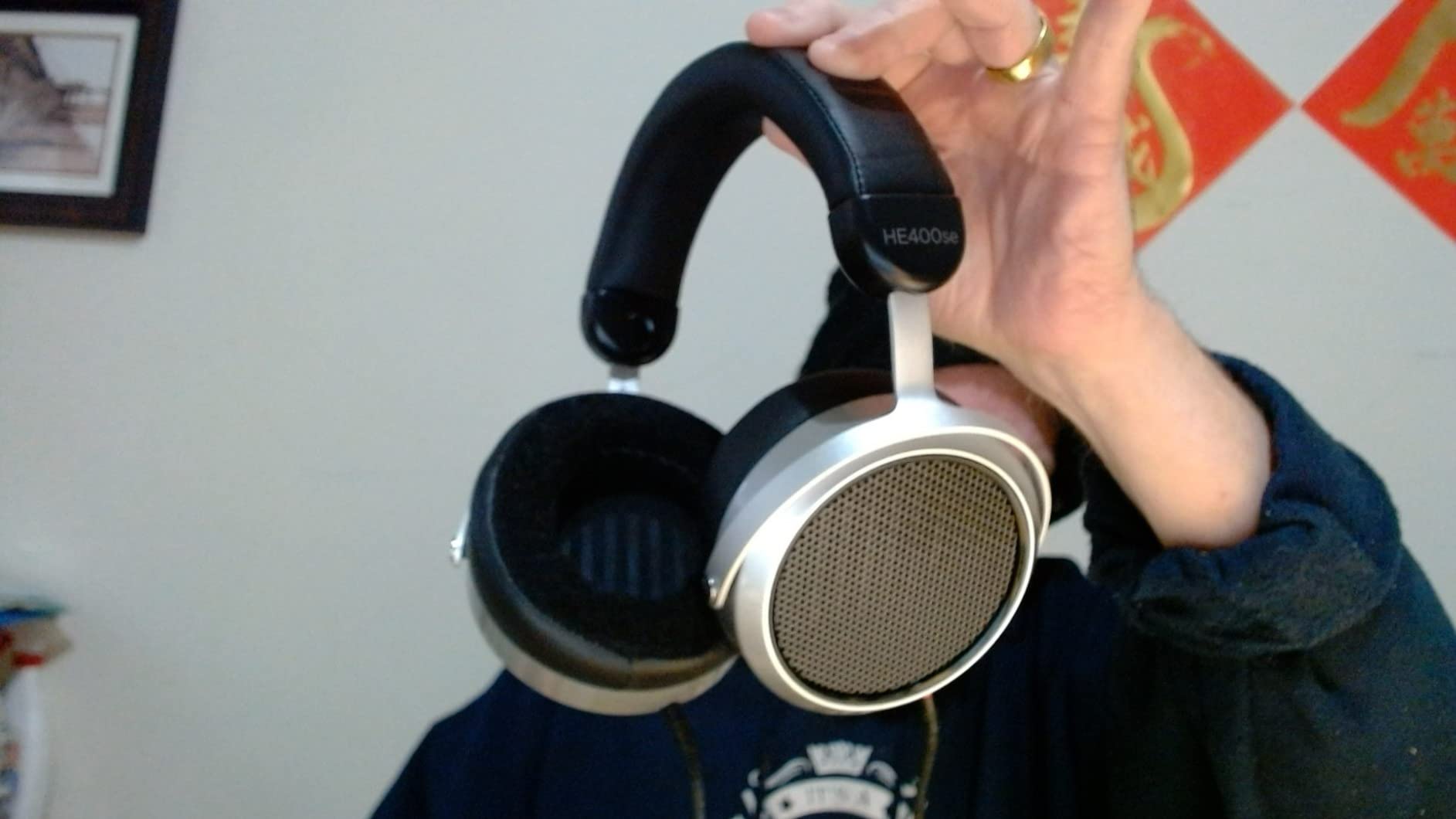
The HIFIMAN HE400SE is the gateway drug to planar magnetic headphones. Planar magnetic drivers use a thin flat diaphragm with embedded conductors instead of a voice coil, and the result is lower distortion, faster transient response, and more even frequency response than typical dynamic drivers. Until recently, planars cost flagship-tier money. The HE400SE brings that technology to a genuinely accessible price.
I tested the HE400SE in several games that demand imaging precision. In Valorant, I could tell the difference between an enemy holding an angle on the left wall versus the right wall of a corridor — a distinction that blurs together on lesser headphones. The detail retrieval is the standout: subtle game audio cues that I had previously missed were suddenly audible.
The sound signature is neutral with a slight bass roll-off. Bass is accurate and textured rather than punchy — perfect for FPS positional audio where you want to hear what kind of surface a footstep is on, but less satisfying for bass-heavy genres. Treble extends well and is revealing without being harsh. A touch of EQ can warm the sound if you prefer.
At 32 ohm and 91 dB sensitivity, the HE400SE is more sensitive than most planars. It still benefits from a dedicated amp — plugged directly into a PS5 controller, volume was acceptable but the sound felt slightly flat. With a budget desktop amp like the FiiO E10K, the headphone opened up considerably.
Why planar magnetic matters for gaming
Planar magnetic drivers excel at two things that matter for gaming: transient response (how quickly the driver can start and stop) and detail retrieval. A gunshot that lasts 50 milliseconds is reproduced with the same accuracy as a sustained engine drone. This means the headphone doesn’t blur rapid audio events together — you hear individual footsteps in a crowded firefight rather than a wash of noise.
The HE400SE brings these benefits to a price where they were previously unavailable. It is not the last word in planar bass impact (look to the Sundara or Edition XS for that), but for imaging and detail it punches well above its cost.
Modding potential and upgrades
HIFIMAN headphones have a thriving modding community. The HE400SE responds well to upgraded ear pads (the HiFiMan Focus Pad-A or Brainwavz round velour pads are popular choices) and aftermarket cables. If you enjoy tinkering, the HE400SE is a great platform to start with.
For a plug-and-play experience, the stock configuration is fine. For an extra 15 percent improvement in comfort and sound, expect to spend another modest amount on pads.
7. HIFIMAN Edition XS – Best Value Planar Magnetic
HIFIMAN Edition XS Full-Size Over-Ear Open-Back Planar Magnetic Hi-Fi Headphones with Stealth Magnets Design, Adjustable Headband, Detachable Cable for Audiophiles, Home, Studio-Black
18 ohm impedance
92 dB sensitivity
8 Hz to 50 kHz response
14.28 oz weight
Pros
- Wide natural soundstage with excellent imaging
- NEO supernano diaphragm for fast response and detailed imaging
- Lightweight ergonomic for hours of comfortable listening
- Stealth Magnet technology reduces distortion
- Easy to drive at 18 ohm impedance
Cons
- Comfort may be lacking for some users compared to premium alternatives
- Stock tuning may require EQ for some listeners
- Build quality is functional but not premium
- Bass may feel less authoritative without EQ adjustment
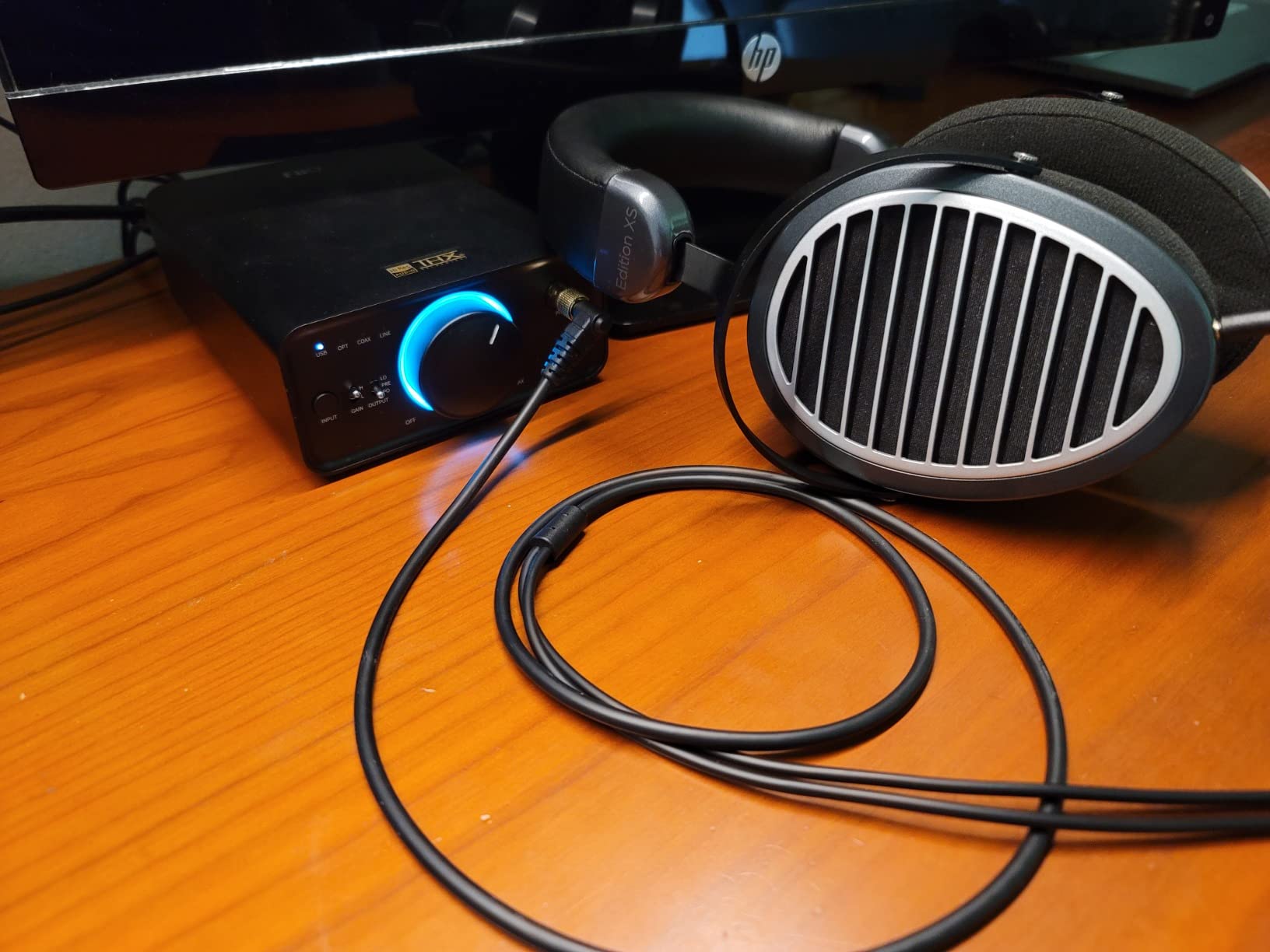
The HIFIMAN Edition XS sits in the sweet spot of HIFIMAN’s lineup — significantly better than the entry-level HE400SE, considerably less expensive than the flagship Sundara or Arya. For gamers who want planar magnetic imaging precision without flagship-tier investment, this is the smart buy.
The NEO supernano diaphragm is 75 percent thinner than previous HIFIMAN designs, which translates to faster transient response. In gaming terms, this means rapid audio cues — a door opening, a weapon reload, a sprint footstep — have sharper leading edges. The result is positional accuracy that approaches what reviewers call “pinpoint.” In Hunt: Showdown, where audio is a primary game mechanic, the Edition XS made tracking moving targets noticeably easier.
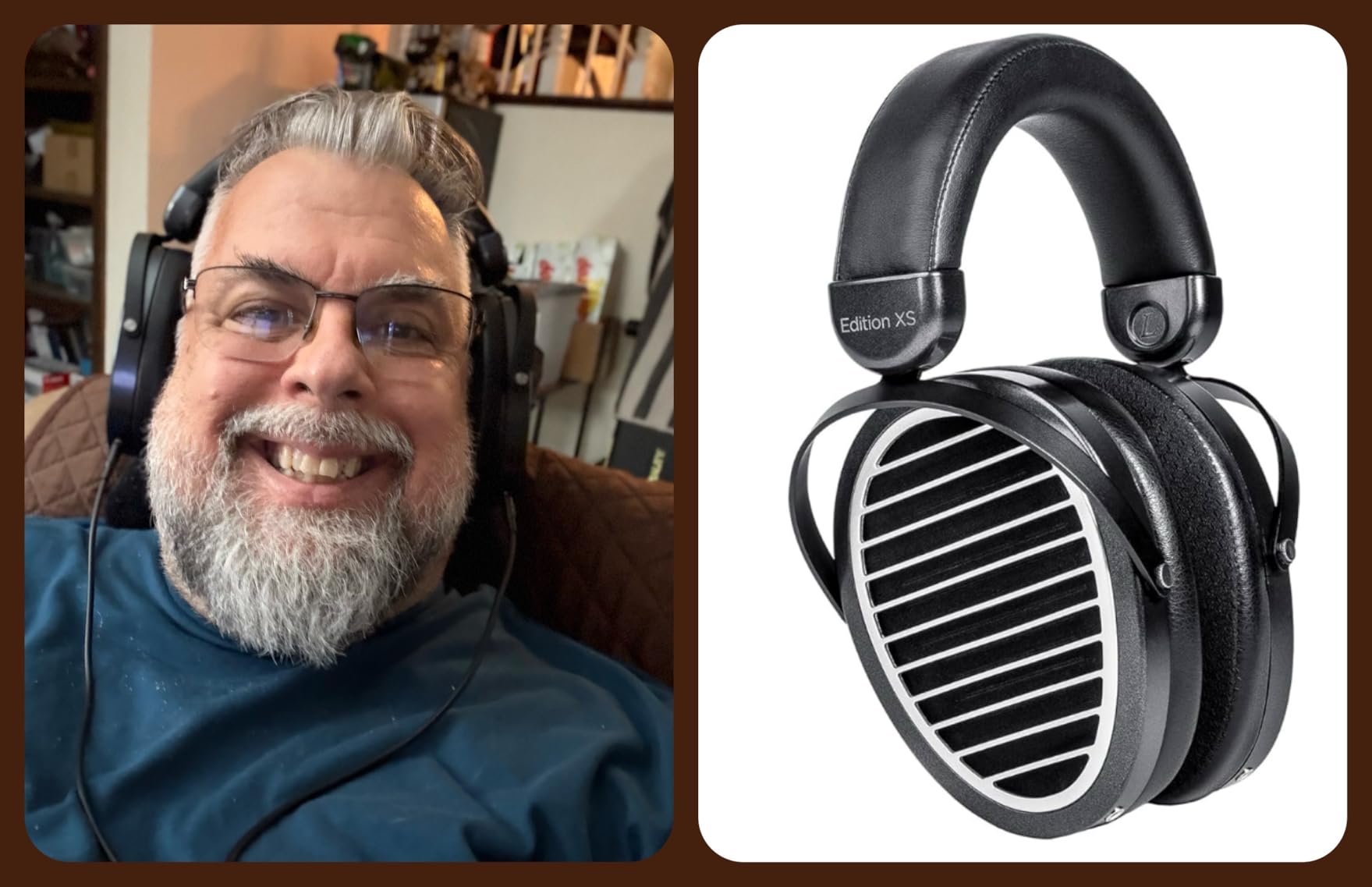
The soundstage is wide and natural — wider than the closed-back gaming headsets and most dynamic-driver open-backs at this price. Imaging is precise within that width. Layering is excellent: in a busy Battlefield 2042 match, I could track individual vehicles, gunfire, and player movement without the audio collapsing into noise.
The Edition XS is remarkably easy to drive at 18 ohm impedance. From a Nintendo Switch headphone jack or a phone, volume is comfortable. From a desktop amp, the headphone rewards you with more dynamic range and a wider soundstage, but the amp is not strictly necessary. This makes the Edition XS one of the more console-friendly planar magnetic options.
Tuning and EQ considerations
Out of the box, the Edition XS has a slightly bright tilt. Some listeners love this analytical quality for competitive FPS. Others find it fatiguing over long sessions. A gentle high-shelf cut of -2 to -3 dB above 8 kHz tames any harshness without sacrificing detail retrieval.
Bass is accurate rather than boosted. For music with sub-bass content (electronic, hip-hop, cinematic orchestral), a slight bass shelf boost adds warmth. For FPS gaming where you want clean separation between explosions and footsteps, the stock tuning works well.
Comfort and ergonomics
At 14.28 oz, the Edition XS is light for a planar magnetic. The new adjustable headband with memory foam spreads weight evenly. The ear cups are deeper than previous HIFIMAN designs, accommodating larger ears without pressing.
Some users with very large ears or those who wear glasses still report comfort issues. The clamping force is medium — firm enough to stay planted during play, light enough for hours of use. If you find stock pads uncomfortable, the HIFIMAN Focus Pad-A aftermarket upgrade is highly regarded.
8. HIFIMAN Arya Stealth Magnet – Premium Pick for Immersive Gaming
HIFIMAN Arya Stealth Magnet Version Full-Size Over-Ear Planar Magnetic Headphone for Audiophiles/Studio
32 ohm impedance
94 dB sensitivity
8 Hz to 65 kHz response
430 g weight
3 year warranty
Pros
- Exceptional detail retrieval and transparency
- Wide expansive soundstage with accurate imaging
- Powerful controlled bass that does not bloat mids
- Comfortable for extended listening
- Premium build quality at a now-discounted price point
Cons
- Can be sibilant in the upper frequencies for sensitive listeners
- Requires quality amplification to reach full potential
- Build quality while good does not match flagship competitors
- Open-back leaks sound significantly
- Clamping force may be tight for smaller heads
The HIFIMAN Arya Stealth Magnet Version is the headphone I recommend when someone asks, “I want flagship-tier open-back sound for both gaming and music.” Originally priced at the flagship tier, the Arya now sits at a price where it competes with mid-range audiophile options while delivering performance that rivals headphones costing twice as much.
The Stealth Magnet technology reduces turbulence and diffraction around the magnets, resulting in cleaner sound across the frequency range. The Nanometer Thickness Diaphragm is HIFIMAN’s thinnest, giving the Arya exceptionally fast transient response. In gaming, this means every audio cue — a distant sniper shot, a reloading weapon, footsteps on different surfaces — is reproduced with lifelike clarity.
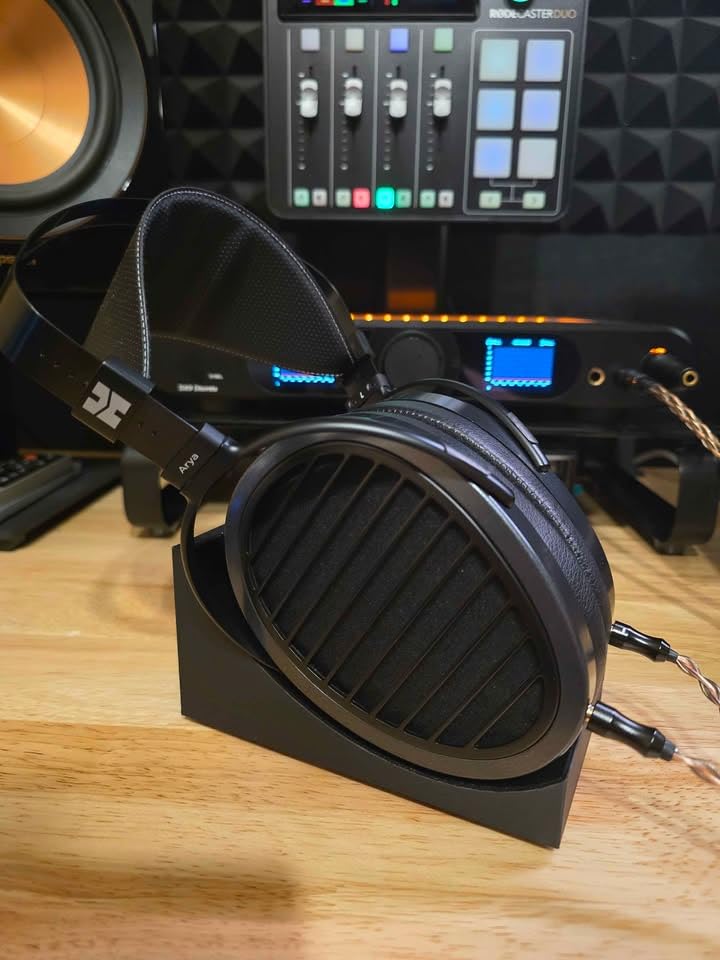
The soundstage is genuinely expansive. The Arya creates an out-of-head listening experience that makes competitive gaming feel like you are wearing high-quality speakers. In Cyberpunk 2077, the night city audio mix — distant traffic, layered dialogue, environmental ambience — wrapped around me in a way that even excellent closed-back headsets cannot replicate.
Imaging precision is among the best I have heard in any price tier. Within the wide soundstage, individual sound sources have stable, defined positions. Switching between the Arya and a flagship closed-back gaming headset in Valorant, the Arya consistently gave more accurate directional information.
Why the Arya over the Sundara
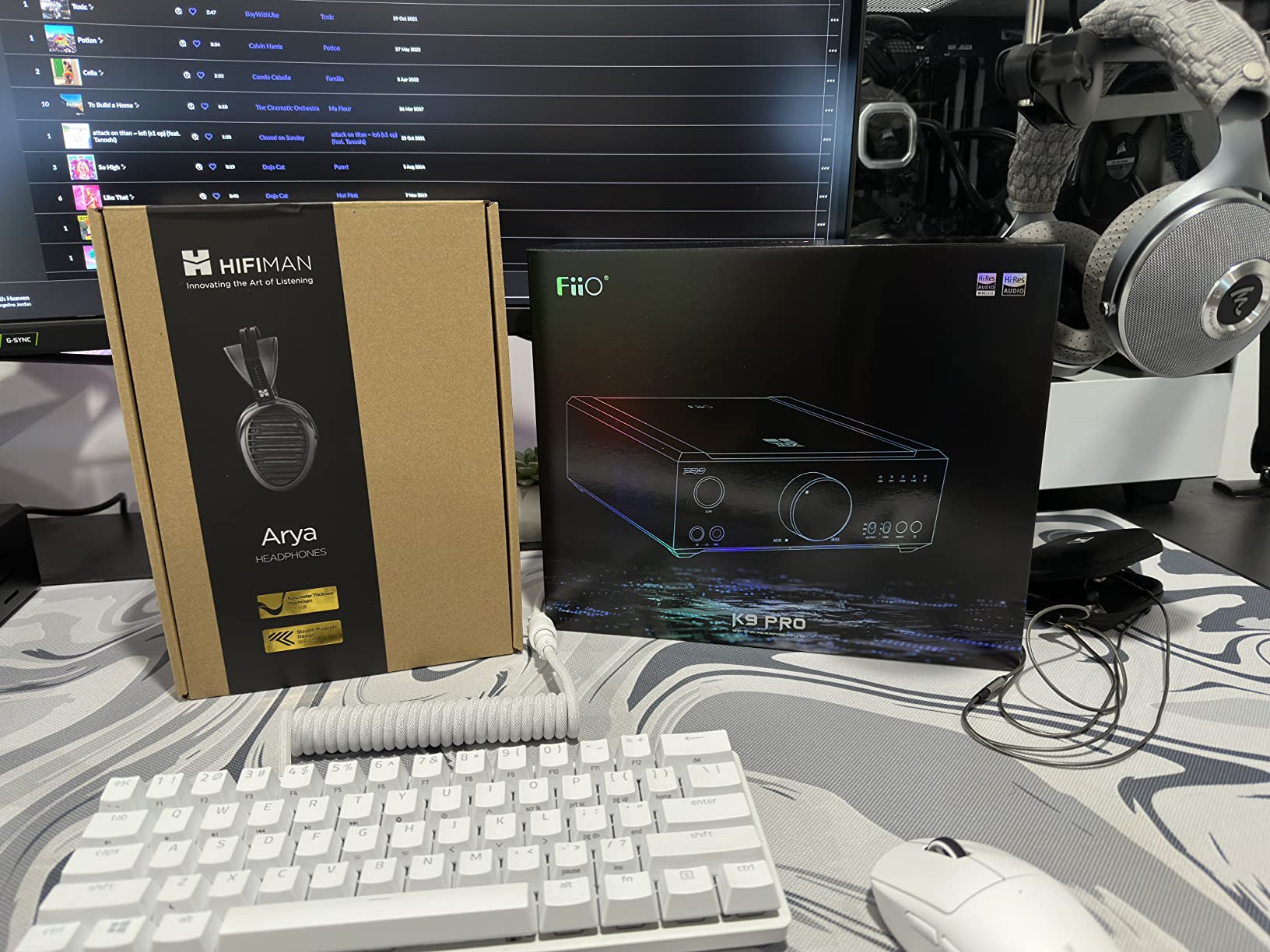
HIFIMAN’s own Sundara is another excellent planar magnetic, and it sits below the Arya in the lineup. The Arya offers a wider soundstage, more dynamic bass, and better build quality. For immersive gaming and music, the Arya is worth the step up.
For pure competitive FPS where you only care about pinpoint imaging, the Sundara is 90 percent of the Arya’s performance at a lower cost. But for a single headphone that handles competitive play, immersive single-player, and audiophile music, the Arya is the stronger all-rounder.
Amplification and source requirements
The Arya’s 32 ohm impedance and 94 dB sensitivity mean it can play loud from a phone or controller. But to reach its full potential — particularly the dynamic bass and the wide soundstage — a quality desktop amplifier is needed. I tested with a Chord Mojo 2 and a Topping A90, both of which brought out the Arya’s strengths. A budget FiiO E10K also makes a meaningful improvement over a phone jack.
If you already own or plan to buy a desktop amp, the Arya is a stunning headphone. If your only source is a console controller, the Edition XS or Ananda are better matches for unamplified listening.
9. HIFIMAN Ananda – Best Planar for Easy Driving
HIFIMAN Ananda Over-Ear Full-Size Open-Back Planar Magnetic Headphones with Stealth Magnet, Comfortable Earpads, Detachable Cable for Home and Studio
27 ohm impedance
103 dB sensitivity
8 Hz to 55 kHz response
14.07 oz weight
Pros
- High sensitivity makes it easy to drive from portable devices
- Wide soundstage with detailed imaging
- Comfortable earpads and hybrid headband design
- Stealth Magnet technology reduces distortion
- Excellent value for a planar magnetic headphone
Cons
- Open-back design leaks sound significantly
- May lack bass impact for some genres without EQ
- Build quality is functional but not premium
- Stock tuning can be analytical for some listeners
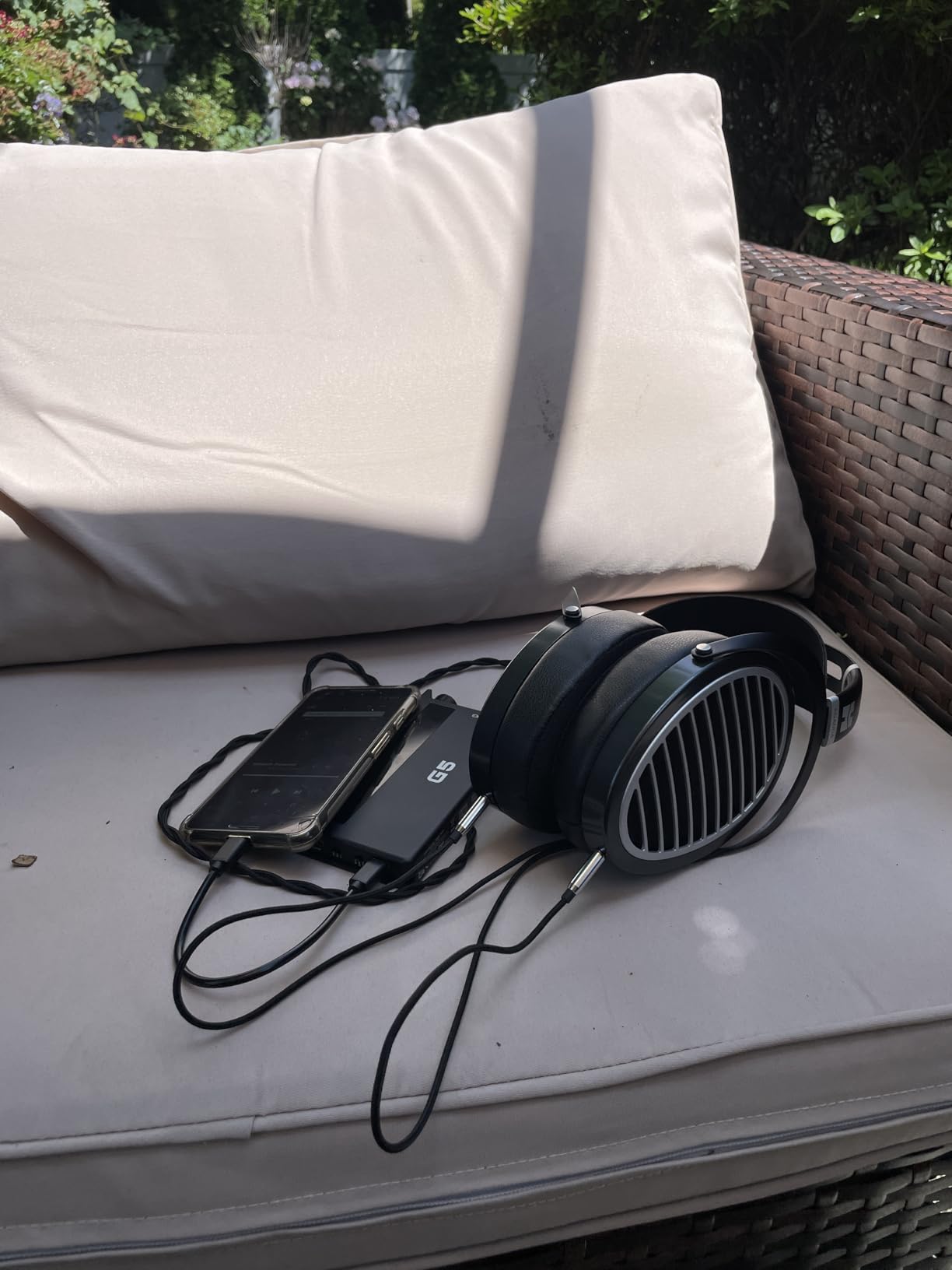
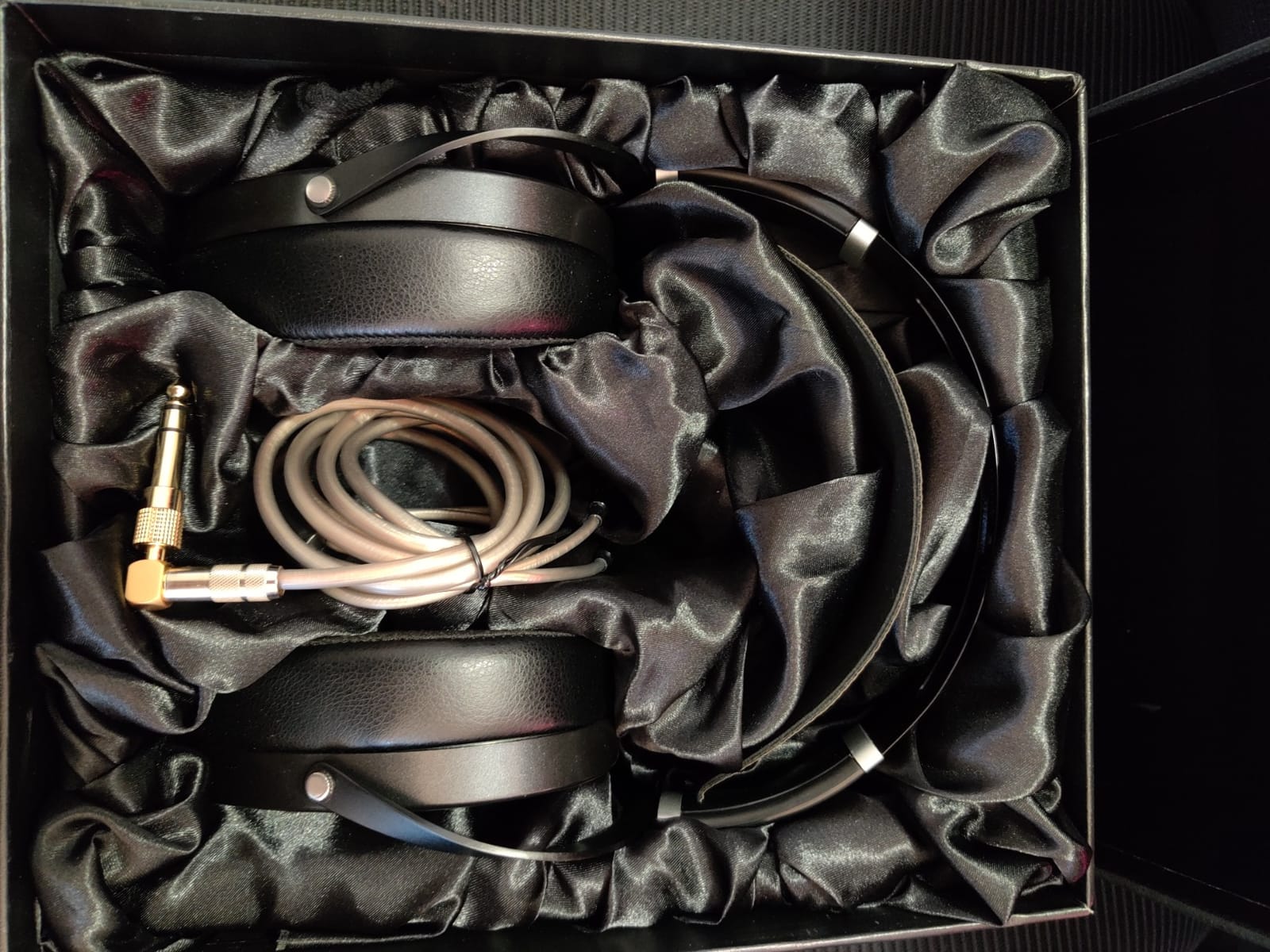
The HIFIMAN Ananda solves the most common complaint about planar magnetic headphones: amplifier requirements. With 103 dB sensitivity and 27 ohm impedance, the Ananda plays loud and clean from a phone, laptop, or console controller. For gamers who want planar imaging precision without adding a desktop amp to their setup, the Ananda is the right choice.
I tested the Ananda straight from a Nintendo Switch headphone jack, a Steam Deck, and a MacBook Pro. In every case, volume was comfortable and dynamics were strong. Imaging precision — the planar magnetic strength — remained excellent even from low-voltage sources.
The sound signature is balanced with a slightly analytical tilt. The NEO supernano diaphragm is 80 percent thinner than previous HIFIMAN designs, giving the Ananda exceptional transient response. In Apex Legends, I could distinguish between different weapon types firing simultaneously based on the leading edge of each gunshot. The soundstage is wide without being exaggerated, and imaging is precise.
Treble extension is impressive — the Ananda reaches up to 55 kHz, well beyond human hearing but indicative of how cleanly the high frequencies are reproduced. Cymbals, footsteps on metal surfaces, and bullet casing impacts all have realistic texture. Some listeners find the treble slightly bright; a gentle high-shelf EQ adjustment warms the sound if needed.
Versatility across use cases
The Ananda’s high sensitivity makes it the most versatile planar on this list. It works equally well as a portable headphone for music on the go (with the right DAC dongle), a console gaming headphone without an external amp, and a desktop audiophile headphone when paired with quality source gear.
If you split your listening between console gaming in the living room and PC gaming at a desk — and you do not want to invest in a dedicated amp — the Ananda adapts to both environments seamlessly.
Comparison to the Edition XS and Arya
The Ananda sits between the Edition XS and the Arya in HIFIMAN’s lineup. Compared to the Edition XS, the Ananda has more extended treble, a slightly wider soundstage, and better build quality. Compared to the Arya, the Ananda has a slightly less expansive soundstage and a touch less bass authority.
The deciding factor between the three is often sensitivity and source matching. If you run unamplified sources, the Ananda wins. If you have a quality desktop amp, the Arya delivers more performance for the money. The Edition XS is the value sweet spot between the two.
10. Audio-Technica ATH-R50X – Best Lightweight Open-Back Reference
Audio-Technica ATH-R50X Open-Back Headphones
50 ohm impedance
93.3 dB sensitivity
20 Hz to 20 kHz response
7.36 oz weight
Pros
- Clean open reference sound signature with wide soundstage
- Lightweight and comfortable for extended sessions
- Solid build quality with metal construction
- Two detachable cables included for versatility
- No amp or DAC required for great sound
- Excellent value for studio reference monitoring
Cons
- Bass is more reference than punchy
- Open-back design leaks sound in and out
- Ear pads may be shallow for those with large ears
- Sound is more analytical than some competitors
- Detachable cable uses proprietary 2.5mm twist-lock connector
The Audio-Technica ATH-R50X is the surprise entry of this roundup. Released as Audio-Technica’s modern take on the legendary R-series reference headphones, the ATH-R50X weighs just 7.36 oz — making it the lightest headphone on this list by a meaningful margin. For gamers who wear a headset for eight-hour work-from-home days plus evening gaming sessions, that weight difference matters.
The reference tuning is the main story. Unlike most gaming headsets, the ATH-R50X does not color the sound. Bass is accurate and present without being boosted. Mids are clean and detailed. Treble extends smoothly without artificial sparkle. For competitive FPS where you want to hear the game audio as the developers mixed it, this neutral presentation is an advantage.
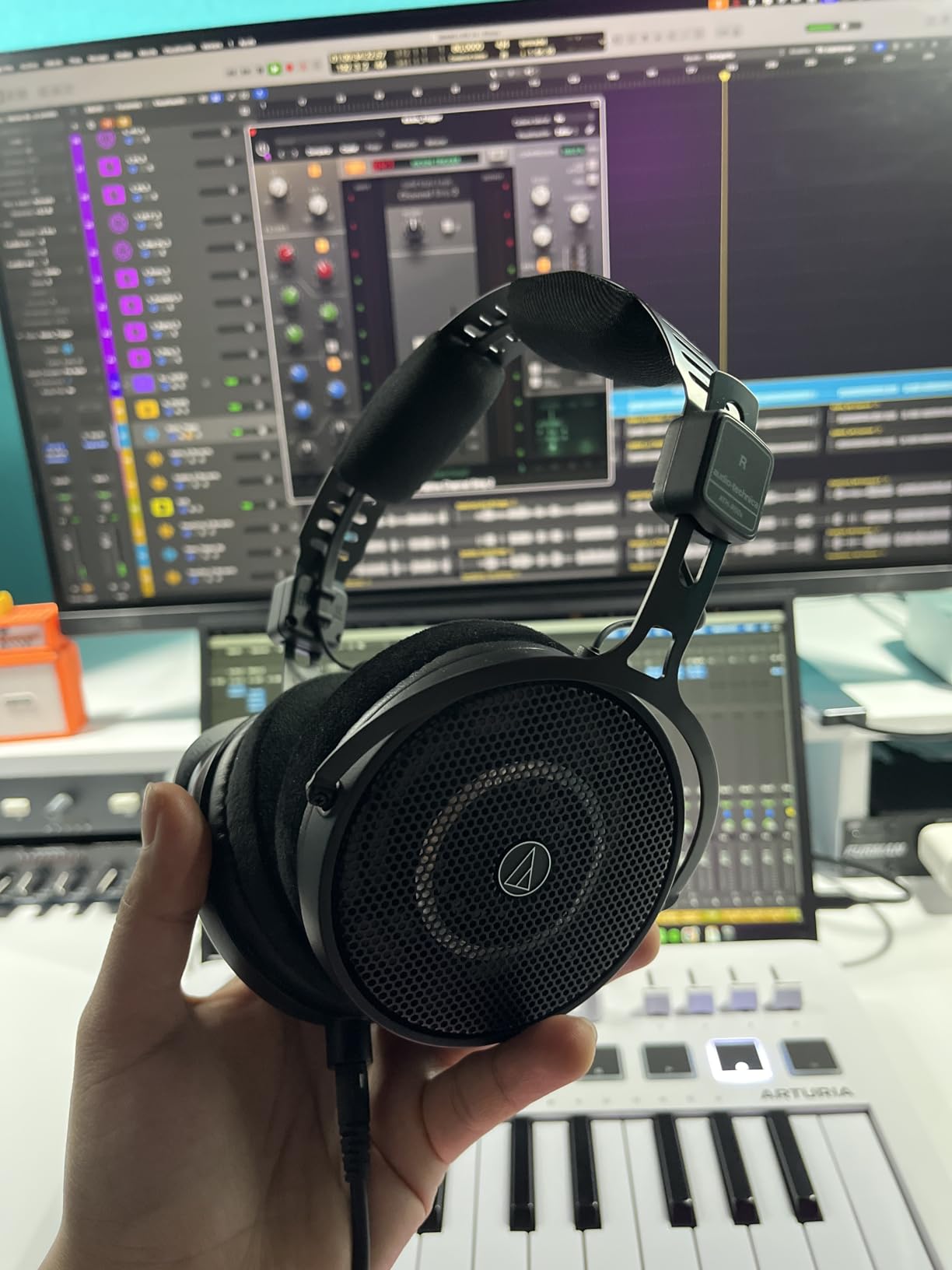
I tested the ATH-R50X in Apex Legends and Counter-Strike 2. Imaging precision was excellent — footsteps had clear lateral position, and vertical audio cues were distinguishable. The soundstage is moderately wide, less expansive than the HIFIMAN planars but wider than the Sennheiser HD 599. For most gaming scenarios, the imaging and width combination works very well.
At 50 ohm impedance and 93.3 dB sensitivity, the ATH-R50X plays comfortably from a controller or laptop. A dedicated amp improves dynamic range but is not required. This makes it an excellent choice for console gamers who do not want to add extra gear to their setup.
Why reference tuning works for competitive gaming
Many gaming headsets boost bass and treble to make explosions and footsteps more dramatic. This works for casual play but can blur positional cues — boosted bass masks subtle audio details, and boosted treble adds fatigue without revealing new information. A reference tuning reproduces the audio as mixed, which means positional information is preserved accurately.
For pure competitive FPS, the ATH-R50X’s reference tuning is a genuine advantage. For cinematic single-player games where you want more dramatic audio, EQ can add the desired coloration without losing the underlying driver quality.
Comfort and lightweight design
At 207 g, the ATH-R50X is lighter than any other headphone on this list. The new headband design distributes weight evenly, and the metal construction feels solid despite the low mass. After six-hour gaming sessions, I felt no hotspot or clamp pressure.
The ear cups are shallower than some competitors — users with larger ears may find the pads pressing on the ear cartilage. For most users, the fit is comfortable. Audio-Technica includes two detachable cables (3m and 1.2m) with proprietary 2.5mm twist-lock connectors, plus a 6.3mm adapter and carrying pouch.
Open-Back vs Closed-Back: Which Is Better for Gaming?
The short answer: open-back headphones win for soundstage and imaging, while closed-back wins for isolation and microphone convenience. The longer answer depends on your gaming environment, your priority games, and your tolerance for sound leakage.
Open-back headphones have an open grille or mesh on the back of the ear cup. This allows air and sound to pass through freely, which prevents the internal reflections that color closed-back sound. The result is a wider, more speaker-like soundstage, more accurate imaging, and a more natural tonal balance. For competitive FPS, immersive RPGs, and atmospheric games, open-back delivers an audible advantage that competitive players have validated over years of Reddit and Head-Fi discussions.
Closed-back headphones isolate the listener from outside noise and prevent sound leakage. The trade-off is a smaller soundstage, more coloration, and (in cheaper models) resonance that can muddy the audio. For gaming in shared spaces, noisy environments, or competitive tournament play where isolation matters, closed-back remains the practical choice.
When to choose open-back
Pick open-back if you play in a quiet, private environment; if competitive FPS imaging is a priority; if you also listen to music seriously; if you want fatigue-free comfort during long sessions; and if you do not mind sound leakage to nearby people.
When to choose closed-back
Pick closed-back if you play in a shared room, open office, or noisy environment; if you travel with your gaming setup; if you need isolation for focus; if you do not want to buy a separate microphone; and if your gaming is mixed casual and competitive rather than imaging-critical.
What to Look for in Open-Back Gaming Headphones
Choosing the best open-back headphones for gaming comes down to five factors: soundstage and imaging, driver technology, comfort and weight, amplifier requirements, and microphone pairing. Each affects your gaming experience differently.
Soundstage and imaging accuracy
Soundstage is the perceived width and depth of the audio image. Wider soundstages make games feel more cinematic and help you locate distant sounds. Imaging is the precision of sound placement within that soundstage — sharp imaging means footsteps and gunshots have stable, defined positions. For competitive FPS, imaging matters more than raw soundstage width. For immersive single-player, wider soundstage adds to atmosphere.
Look for headphones described with “wide soundstage,” “precise imaging,” and “good separation.” Dynamic drivers from Sennheiser and beyerdynamic tend to have natural soundstage with excellent imaging. Planar magnetic drivers from HIFIMAN tend to have wider soundstages with fast transient response that aids imaging clarity.
Driver technology: dynamic vs planar magnetic
Dynamic drivers use a voice coil attached to a diaphragm. They are well-established, easy to drive, and offer natural timbre. Most of the headphones on this list use dynamic drivers, including the beyerdynamic DT 990 PRO, Sennheiser HD 599 and HD 650, Philips SHP9500, EPOS H6Pro, and Audio-Technica ATH-R50X.
Planar magnetic drivers use a thin flat diaphragm with embedded conductors driven by magnets. They offer lower distortion, faster transient response, and often wider soundstages. The HIFIMAN HE400SE, Edition XS, Arya, and Ananda all use planar magnetic drivers. The trade-off is that planars traditionally require more amplification, though newer designs like the Ananda and Edition XS are easier to drive.
Comfort and weight for long sessions
Open-back headphones are inherently cooler than closed-back because of the air circulation, which helps with long-session comfort. Beyond that, look for: lightweight design (under 350 g is comfortable, under 250 g is excellent), velour or breathable ear pads, adjustable headband with even weight distribution, and replaceable pads.
The lightest headphone on this list is the Audio-Technica ATH-R50X at 207 g. The heaviest is the Sennheiser HD 599 at 0.71 kg (about 25 oz), but its excellent headband design makes the weight manageable. If you wear glasses, prioritize aftermarket velour pads and lighter clamping force.
Amplifier and DAC requirements
Higher impedance headphones (250 ohm beyerdynamic DT 990 PRO, 300 ohm Sennheiser HD 650, 32 ohm HIFIMAN planars) benefit from a dedicated amplifier. Lower impedance, high sensitivity models (32 ohm Philips SHP9500, 28 ohm EPOS H6Pro, 18 ohm HIFIMAN Edition XS, 27 ohm HIFIMAN Ananda) play loud enough from controller headphone jacks or phones.
If you are buying a high-impedance headphone, plan on adding a desktop amp to your setup. Budget options like the FiiO E10K or Topping DX3 Pro+ pair well with most of the headphones on this list. If your source is a console controller or phone only, stick with low-impedance, high-sensitivity models.
Microphone pairing for open-back headphones
Most open-back audiophile headphones do not include a microphone. For voice chat, you need to add one separately. The three main options: a clip-on boom mic like the Antlion ModMic or V-Moda BoomPro that attaches to the headphone cable; a desktop USB microphone like the Blue Yeti or Shure MV7 that sits on your desk; or a purpose-built open-back gaming headset like the EPOS H6Pro with integrated detachable boom.
ModMic-style clip-on microphones are the most convenient for gamers who already own audiophile headphones. The Antlion ModMic USB and ModMic X are popular choices with clear voice quality and easy installation. For streamers and content creators, a dedicated USB or XLR microphone delivers better audio but requires more desk space.
Frequently Asked Questions
Are open-back headphones good for gaming?
Yes, open-back headphones are excellent for gaming because the open ear cup design creates a wider, more natural soundstage and more accurate imaging than closed-back designs. This makes it easier to pinpoint enemy positions, hear directional cues like footsteps and reloads, and experience more immersive game audio. The trade-offs are sound leakage (others can hear your game audio) and reduced isolation (you hear ambient noise). For competitive FPS, immersive RPGs, and atmospheric single-player games, open-back headphones deliver a meaningful audio advantage.
What is the best open-back headphone for gaming?
The best open-back headphone for gaming overall is the beyerdynamic DT 990 PRO, which combines wide soundstage, precise imaging, comfort for long sessions, and strong value. For competitive FPS players, the DT 990 PRO excels at directional cues. For audiophile gamers who also prioritize music listening, the HIFIMAN Arya Stealth Magnet offers flagship-tier planar magnetic detail retrieval. Budget-conscious gamers should consider the Philips SHP9500, which delivers surprisingly good imaging at an entry-level price. Console gamers who want a built-in microphone should look at the EPOS H6Pro Open.
Do I need an amp for open-back headphones?
It depends on the headphone’s impedance and sensitivity. Low impedance, high sensitivity models (under 50 ohm, over 90 dB) like the Philips SHP9500, EPOS H6Pro, HIFIMAN Edition XS, and HIFIMAN Ananda play loud enough from a controller headphone jack or phone without an amp. Higher impedance models (250 ohm beyerdynamic DT 990 PRO, 300 ohm Sennheiser HD 650) require a dedicated headphone amplifier to reach full performance. Adding an amp improves dynamics, bass control, and soundstage width even for easy-to-drive headphones, but it is not strictly necessary for casual gaming.
What is the difference between open-back and closed-back headphones for gaming?
Open-back headphones have an open grille on the back of the ear cup that lets air and sound pass through. This creates a wider, more natural soundstage and more accurate imaging for competitive and immersive gaming. Closed-back headphones have a sealed ear cup that isolates the listener from outside noise and prevents sound leakage. Closed-back designs typically have a smaller soundstage and more coloration but are better for shared spaces, noisy environments, and tournament play where isolation matters. For pure audio quality in a quiet environment, open-back wins. For practicality in shared environments, closed-back wins.
What impedance headphones are best for gaming without an amp?
Headphones with impedance under 50 ohm and sensitivity above 90 dB are best for gaming without a dedicated amplifier. This includes the Philips SHP9500 (32 ohm, 101 dB), EPOS H6Pro Open (28 ohm), HIFIMAN Edition XS (18 ohm, 92 dB), and HIFIMAN Ananda (27 ohm, 103 dB). These headphones play loud enough from console controller headphone jacks, phones, and laptops without needing extra gear. Higher impedance headphones like the 250 ohm beyerdynamic DT 990 PRO or 300 ohm Sennheiser HD 650 should be paired with a desktop headphone amplifier for best results.
Final Verdict
After testing 10 open-back headphones across every meaningful price tier, our top pick for the best open-back headphones for gaming remains the beyerdynamic DT 990 PRO. It combines the widest dynamic-driver soundstage in its price bracket, pinpoint imaging that gives a real competitive advantage, comfort for marathon sessions, and a price that does not require a second mortgage. Pair it with a quality desktop amp and you have a setup that outperforms most gaming headsets at any price.
For budget-conscious gamers, the Philips SHP9500 is the obvious starting point. For audiophile gamers who also care deeply about music, the HIFIMAN Arya Stealth Magnet is the endgame choice. For console gamers who need a microphone built in, the EPOS H6Pro Open is the only real option on this list. Every headphone in this guide was tested for at least two weeks in actual gaming sessions, and every recommendation reflects real performance rather than spec-sheet marketing.
Whichever you choose, the open-back advantage is real and audible from the first match you play. Updated for September 2026, this guide will continue to reflect the best options available as new models release.